Category: tourism

Picture Parade Four Hundred and Eighty-Seven

A return to Unsplash. (And this time not dogs!)

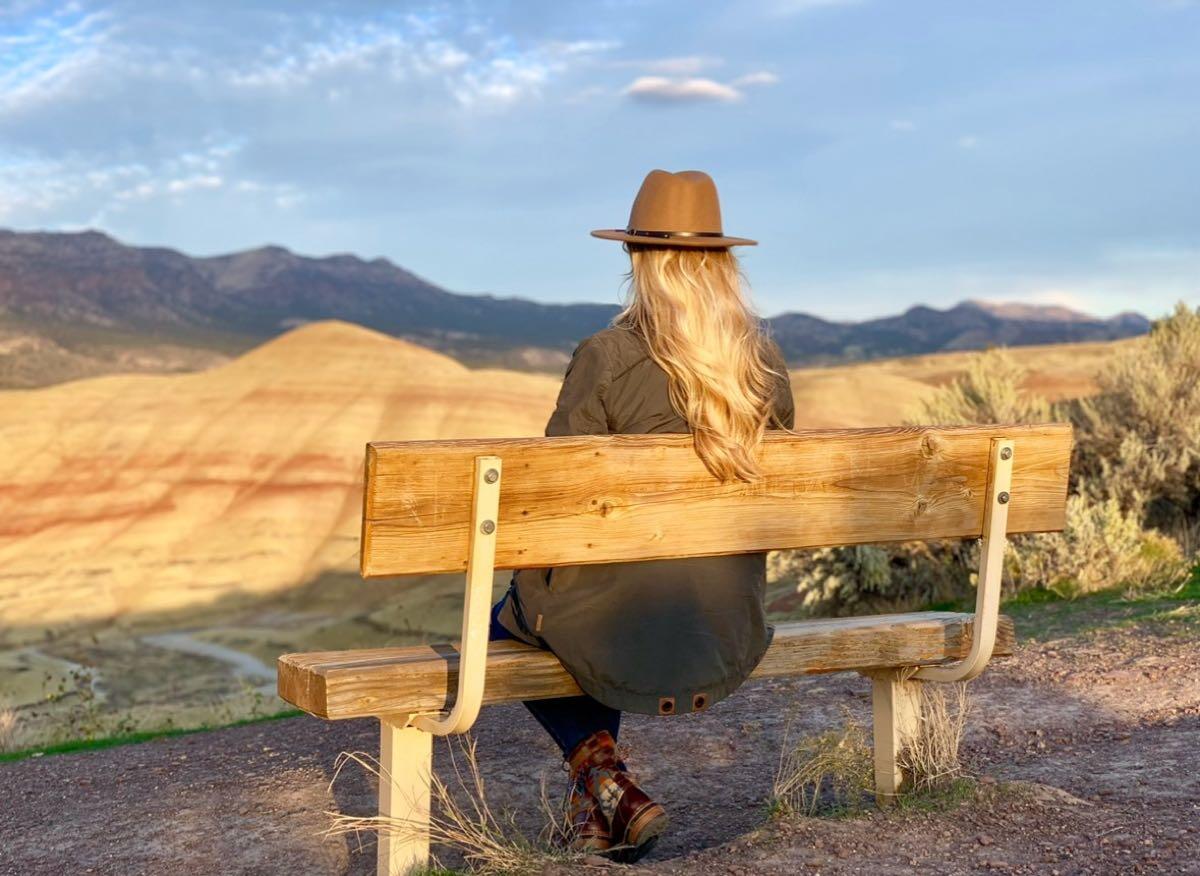
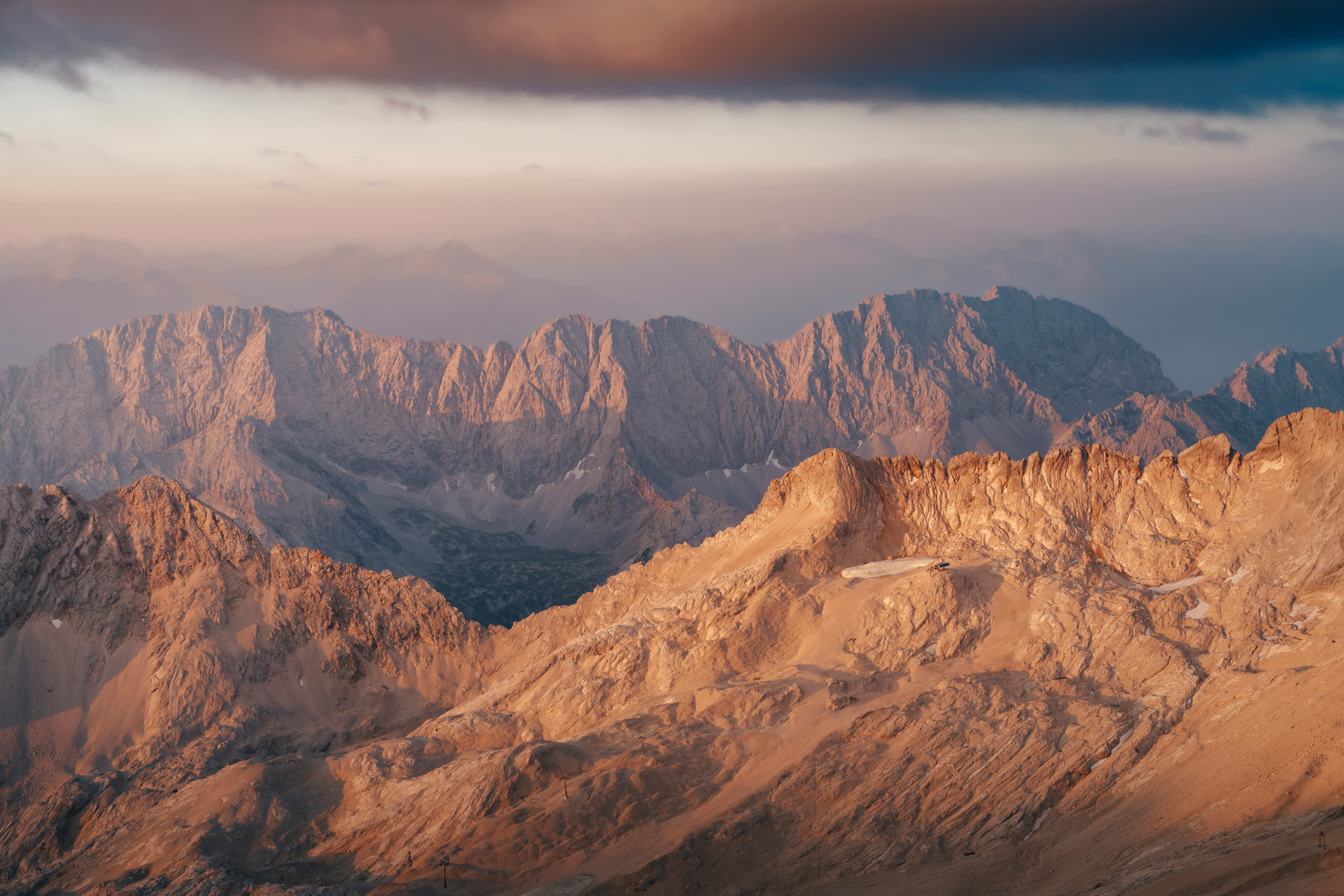
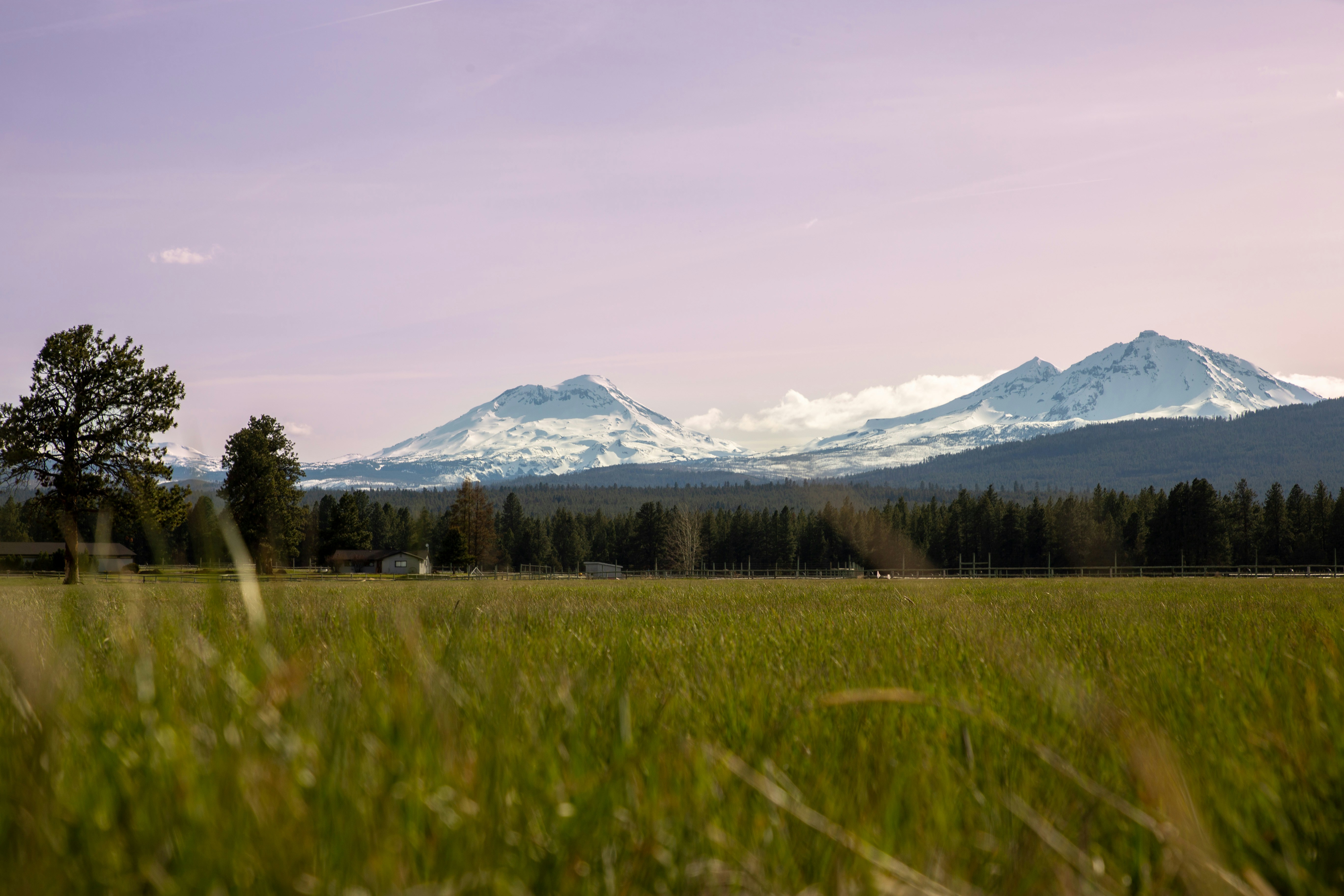
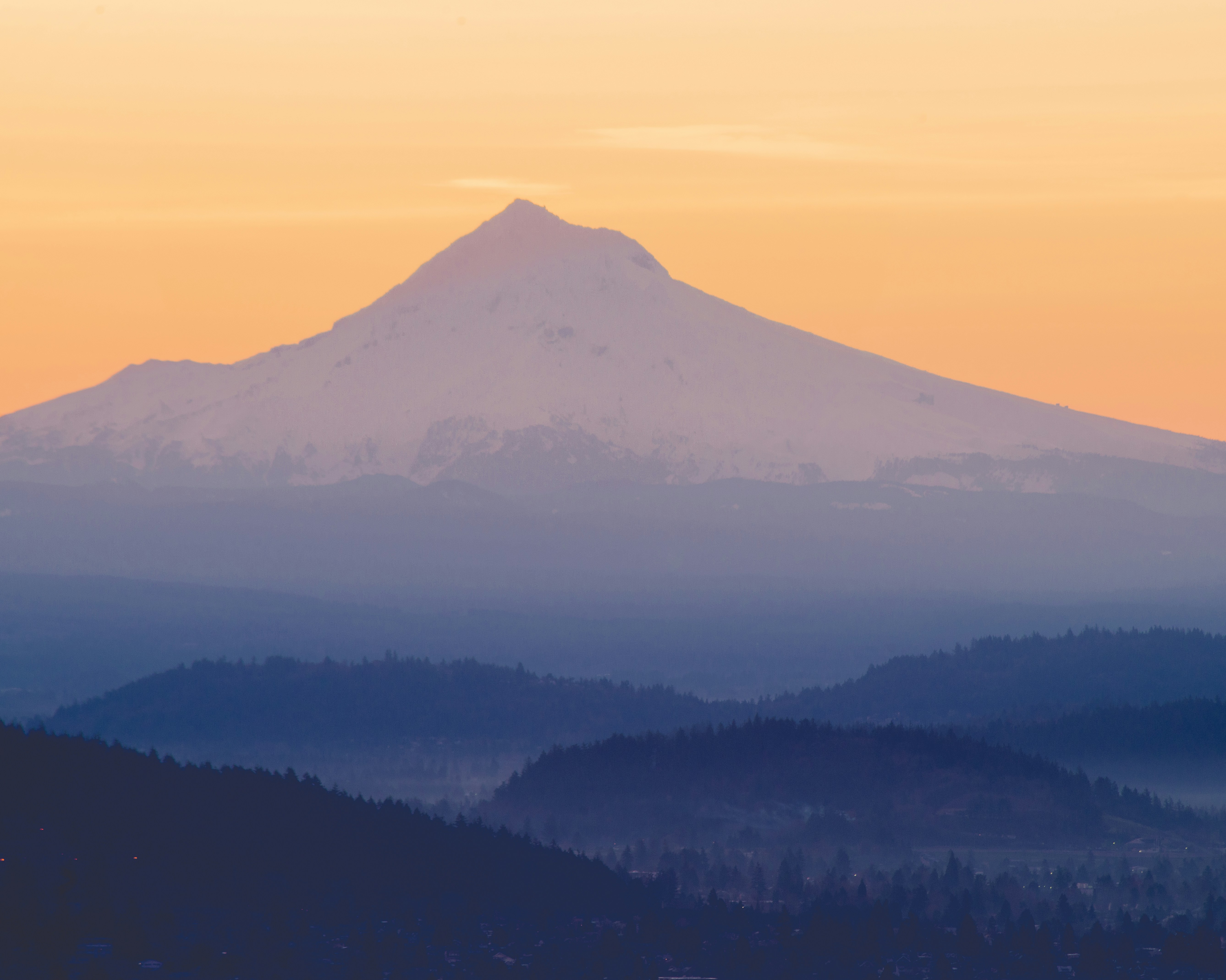
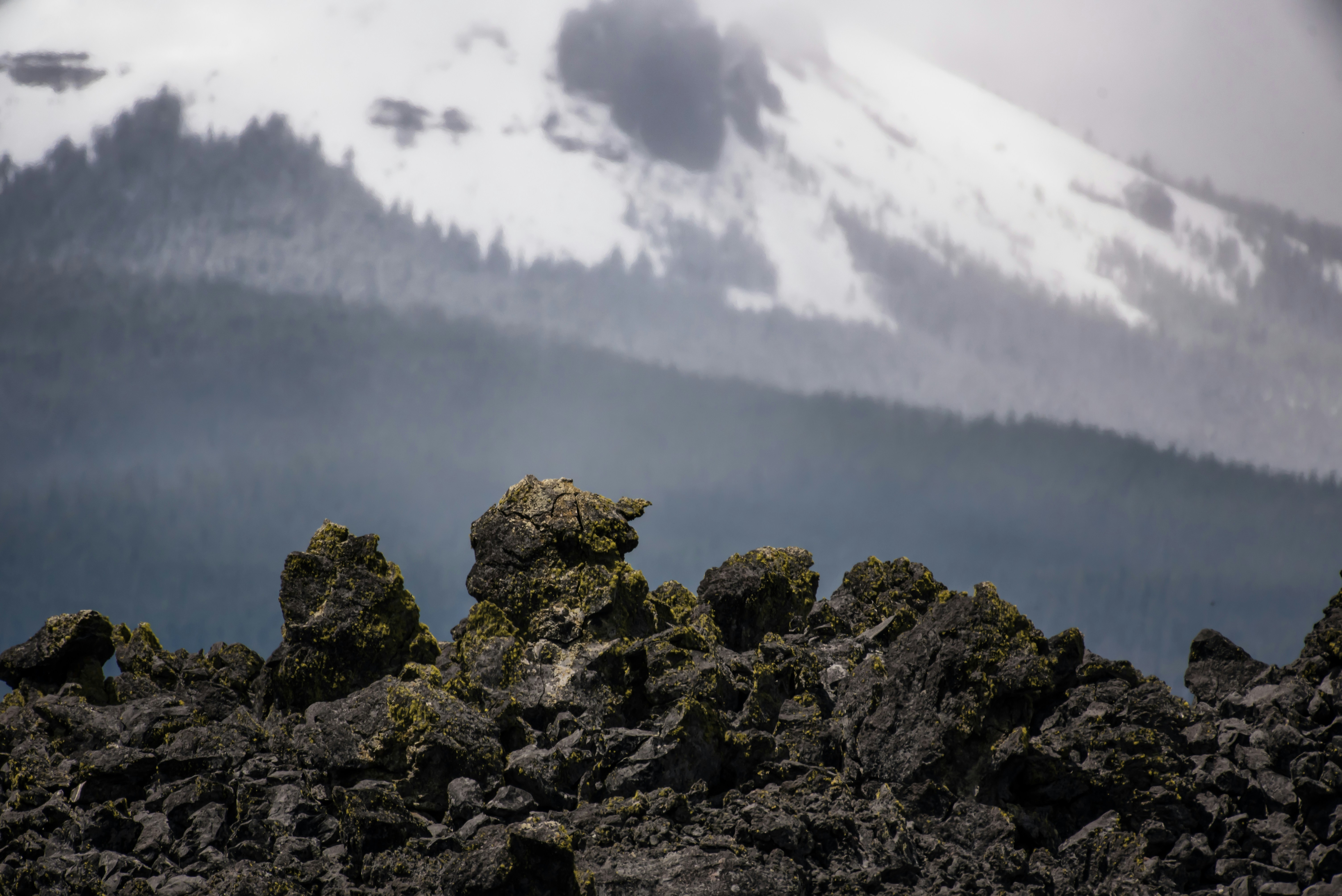
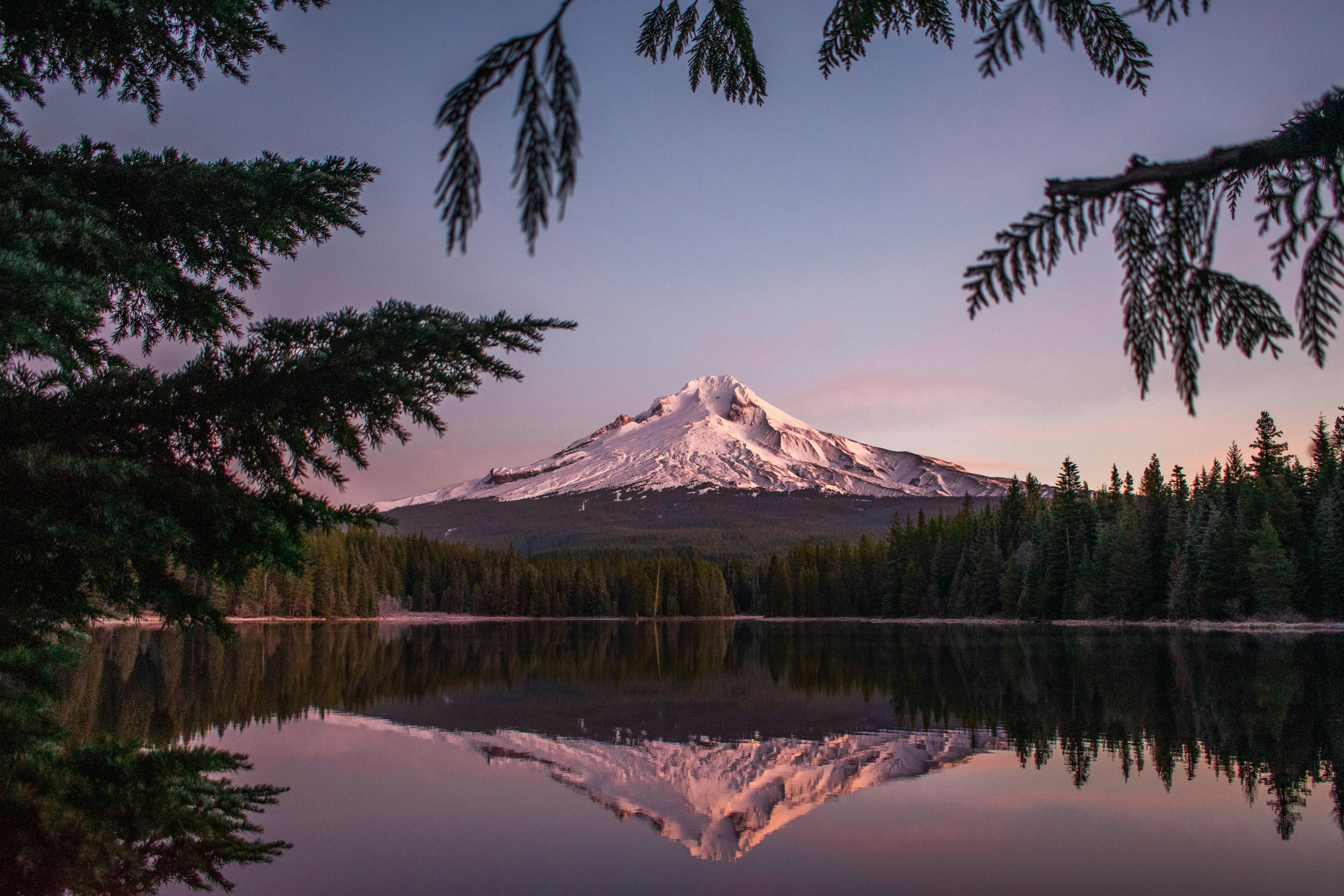
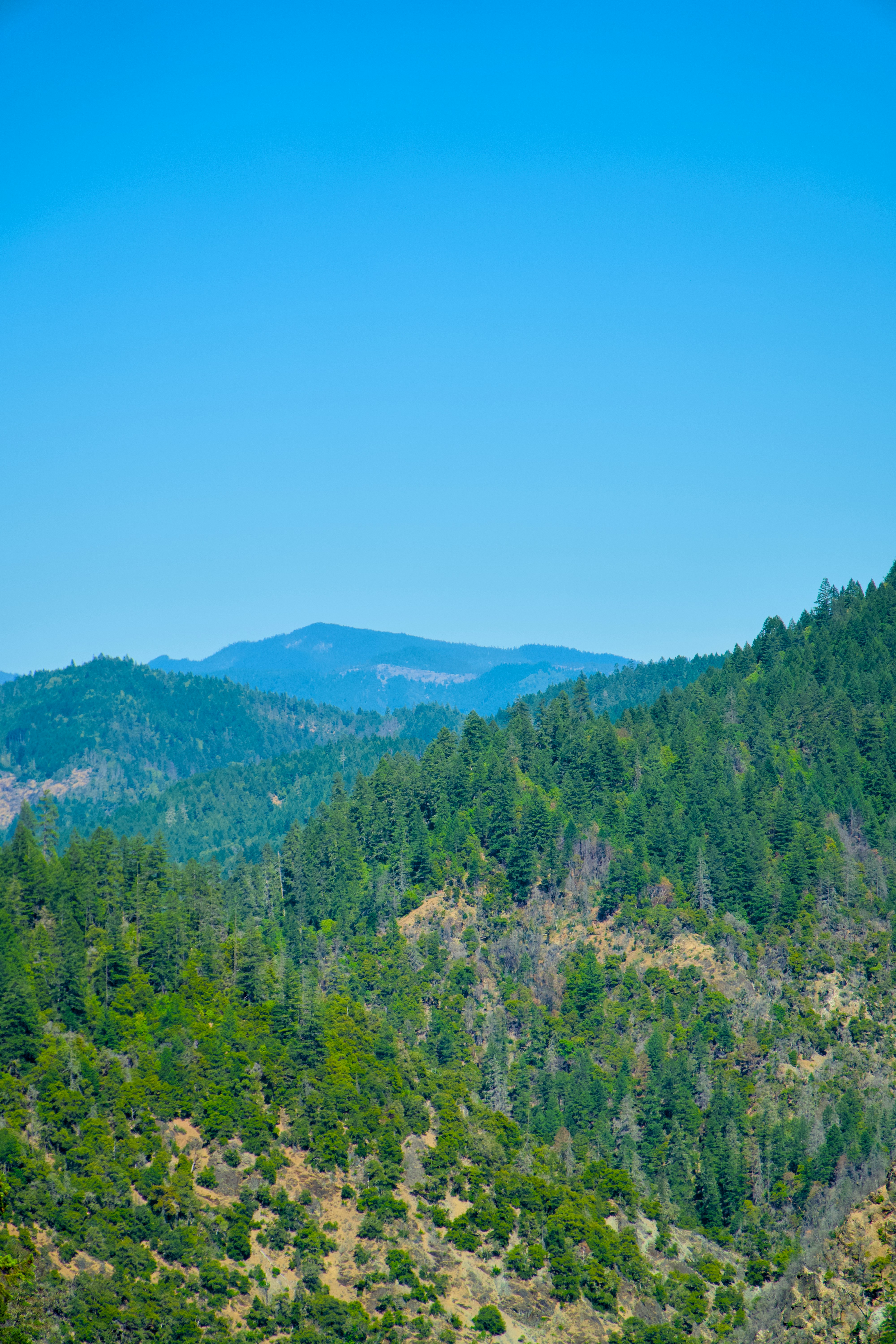
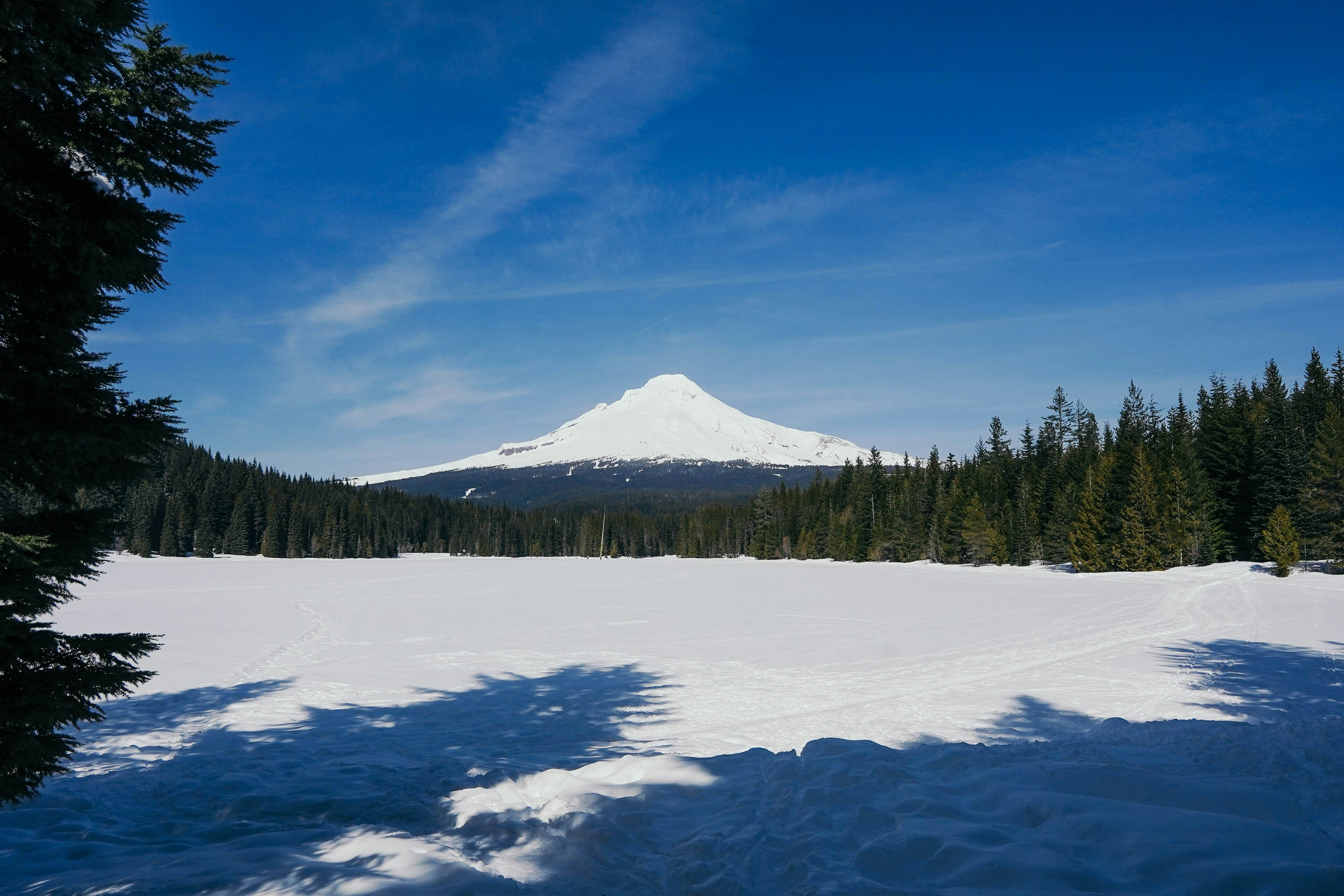
Oregon Landscapes

Photo by Daniel Seßler on Unsplash

oooo

Photo by Tyler Price on Unsplash

oooo

Photo by Adam Blank on Unsplash

oooo

Photo by Nathan Anderson on Unsplash

oooo

Photo by Bridget Smith on Unsplash

oooo

Photo by Spencer DeMera on Unsplash

oooo

Photo by Alex Haney on Unsplash

These are mainly mountain views but endorse the beauty of the State of Oregon.

Picture Parade Four Hundred and Eighty-Four

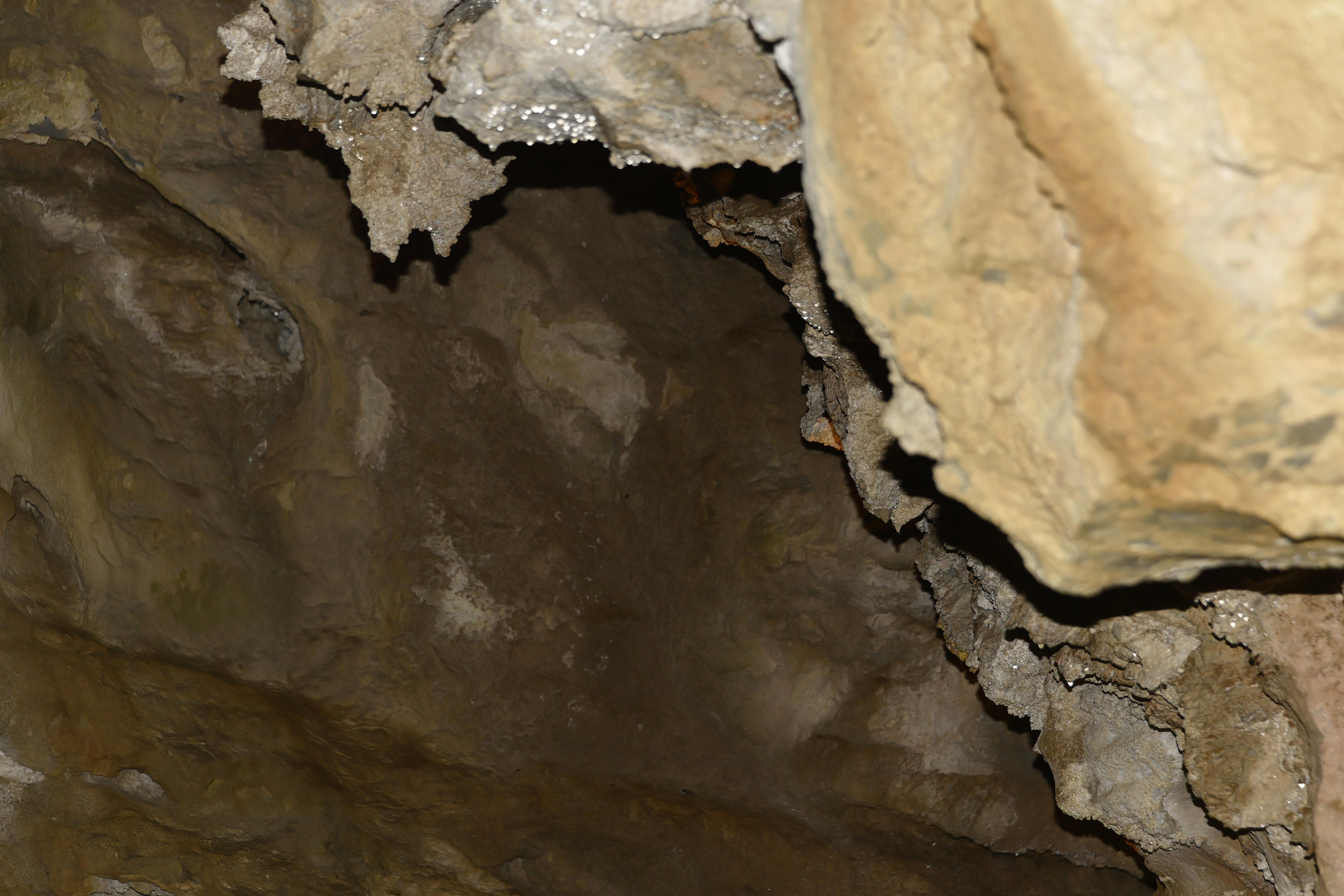
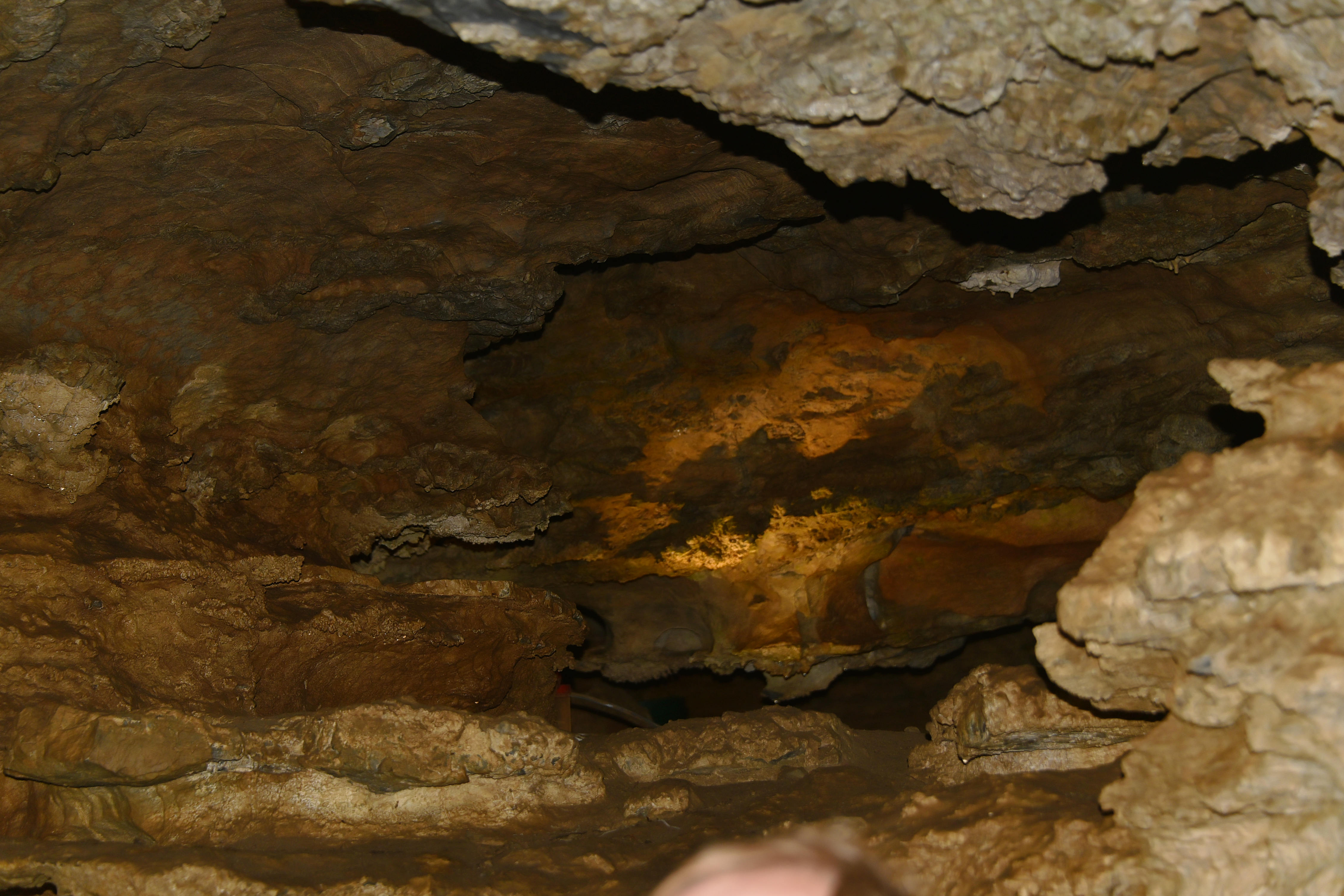
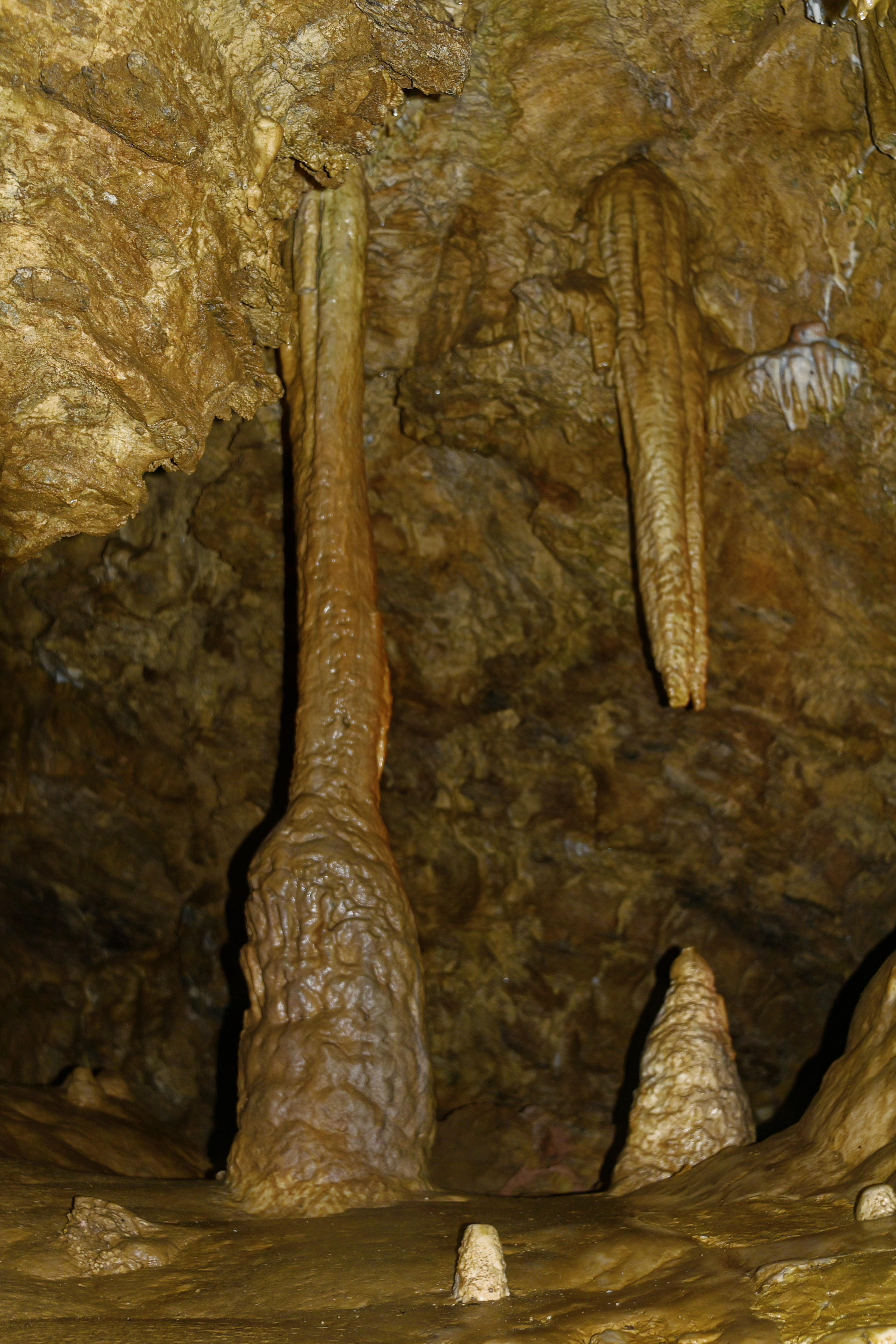
The last photographs taken at Oregon Caves.

oooo

oooo

The guide shining her torch into the rock.

oooo

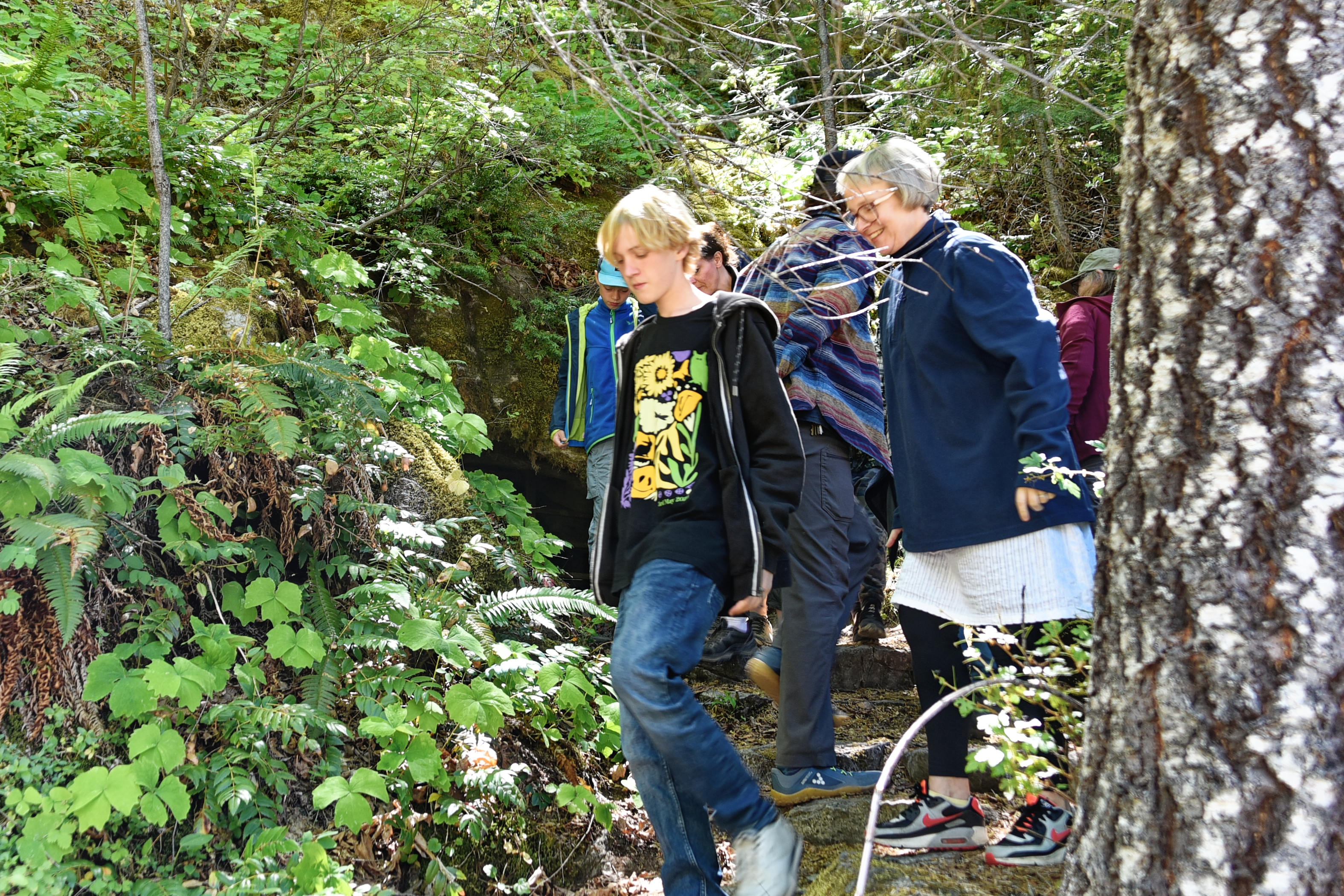
Lastly, the pathway down from the cave exit.

Picture Parade Four Hundred and Eighty-Three

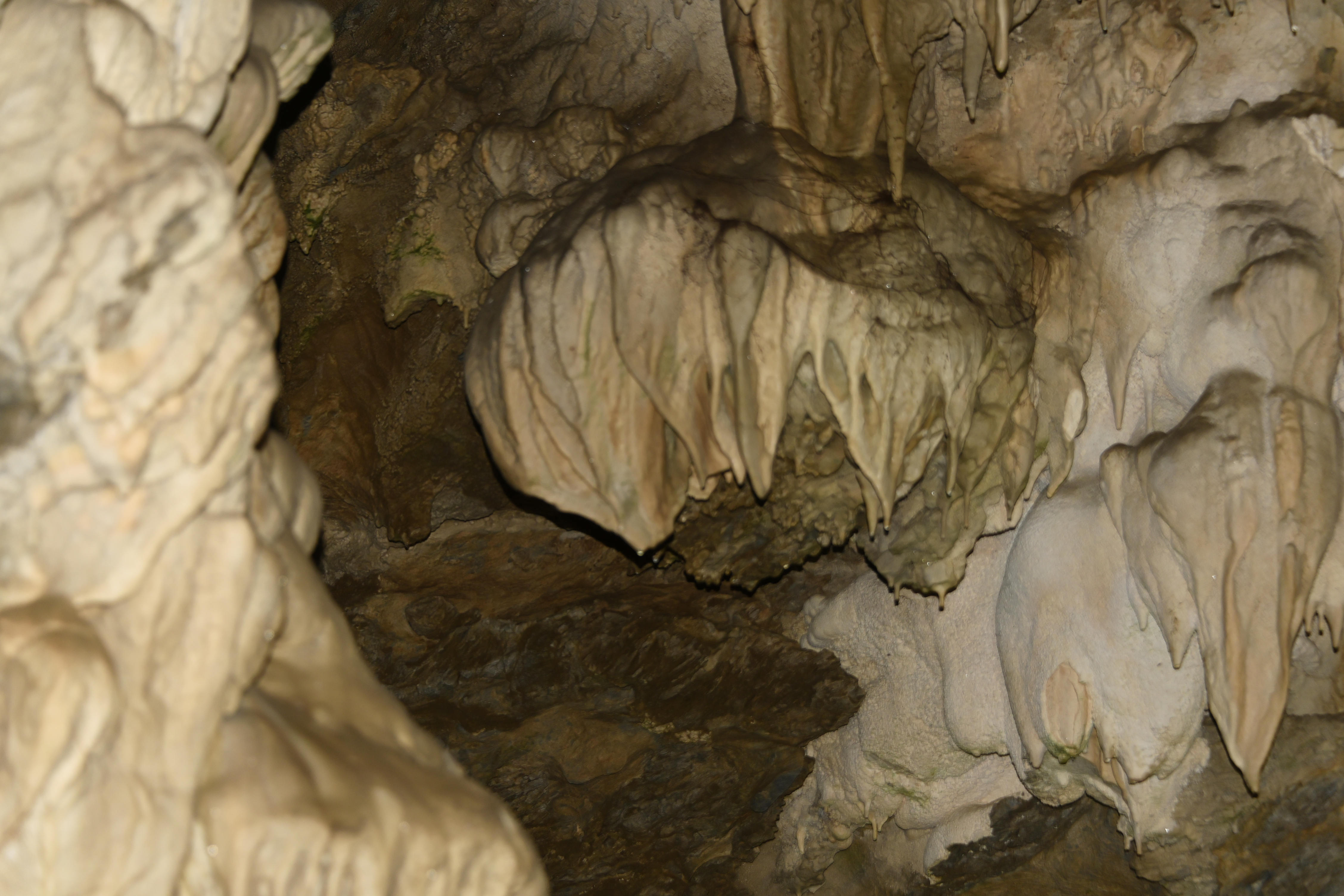
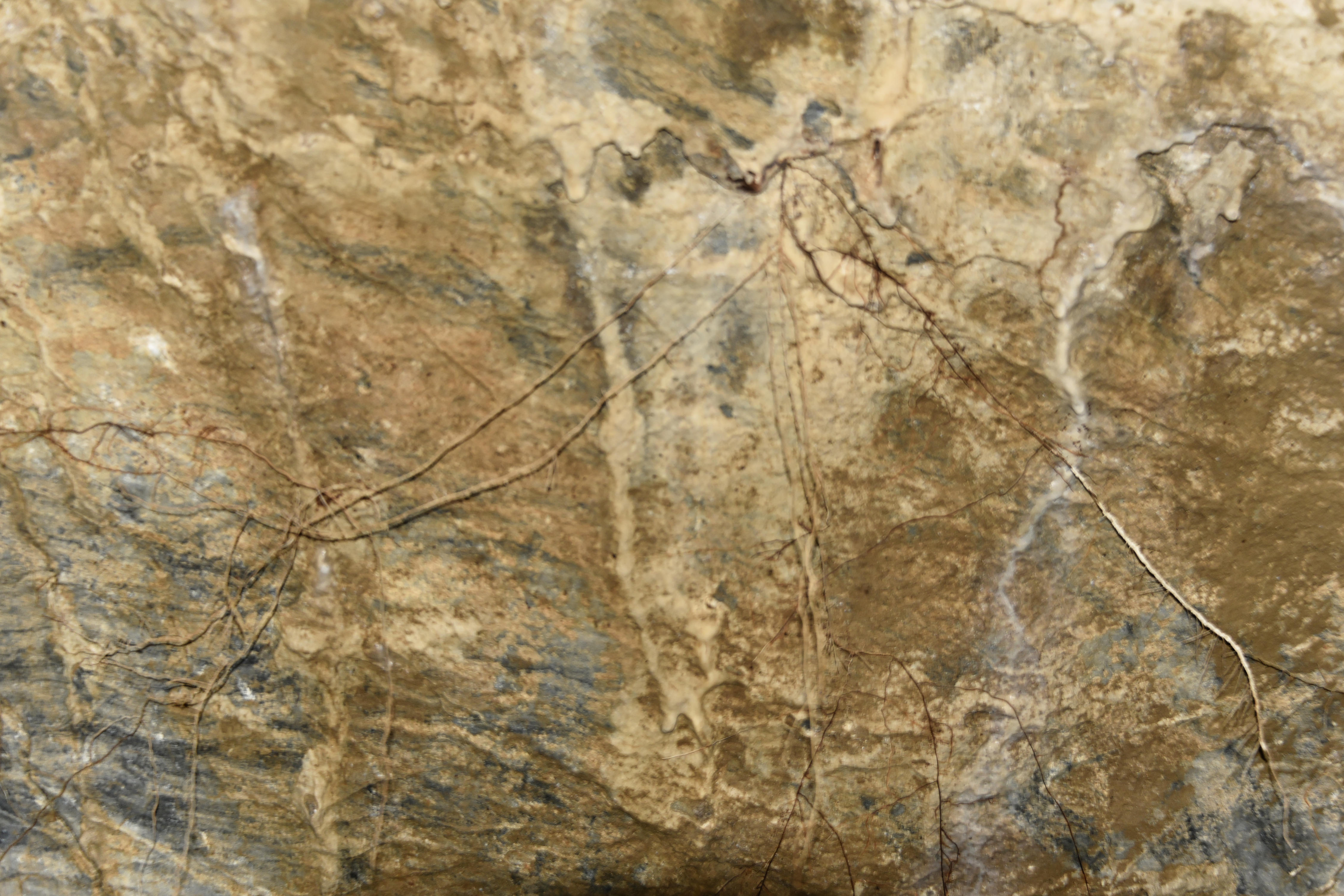
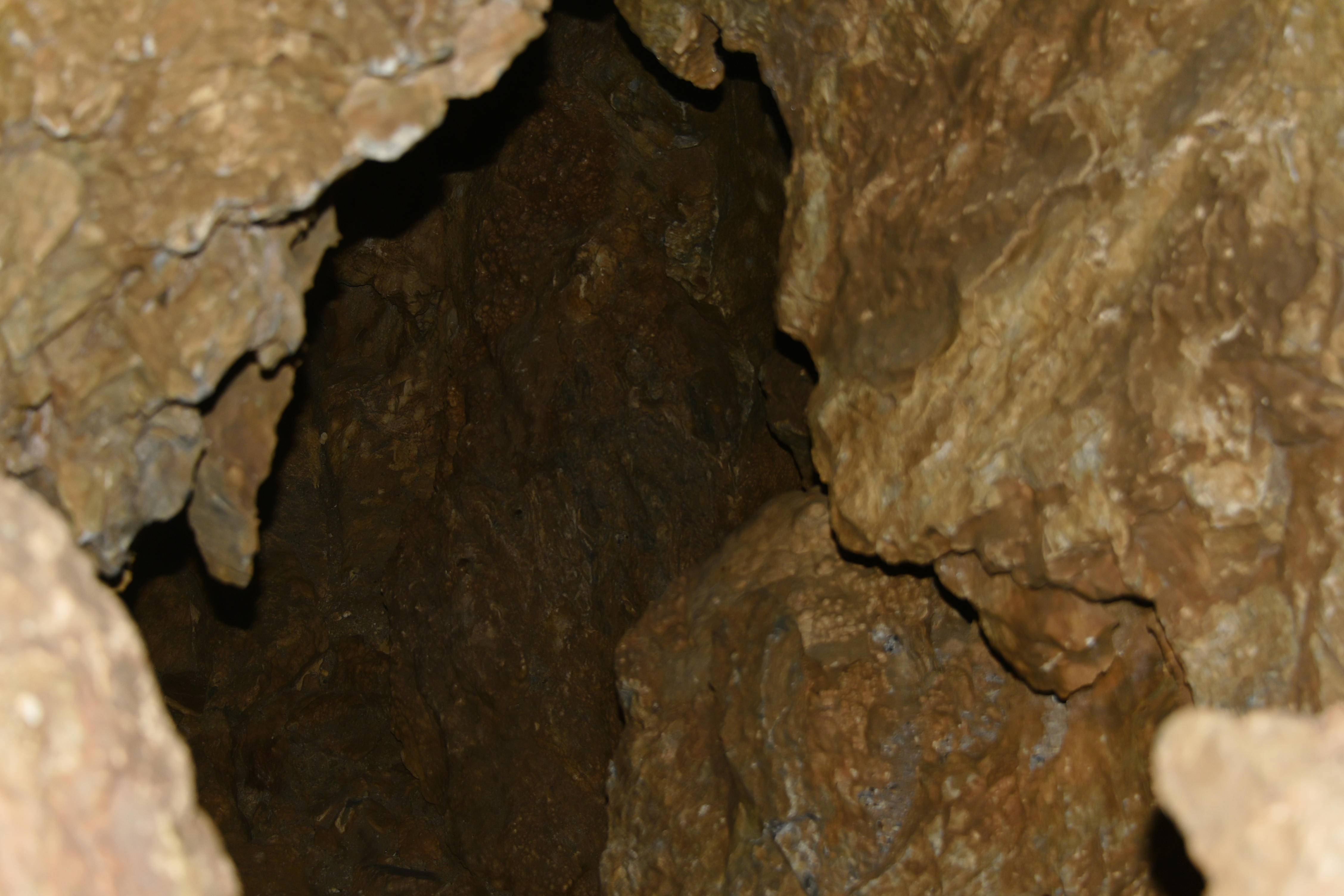
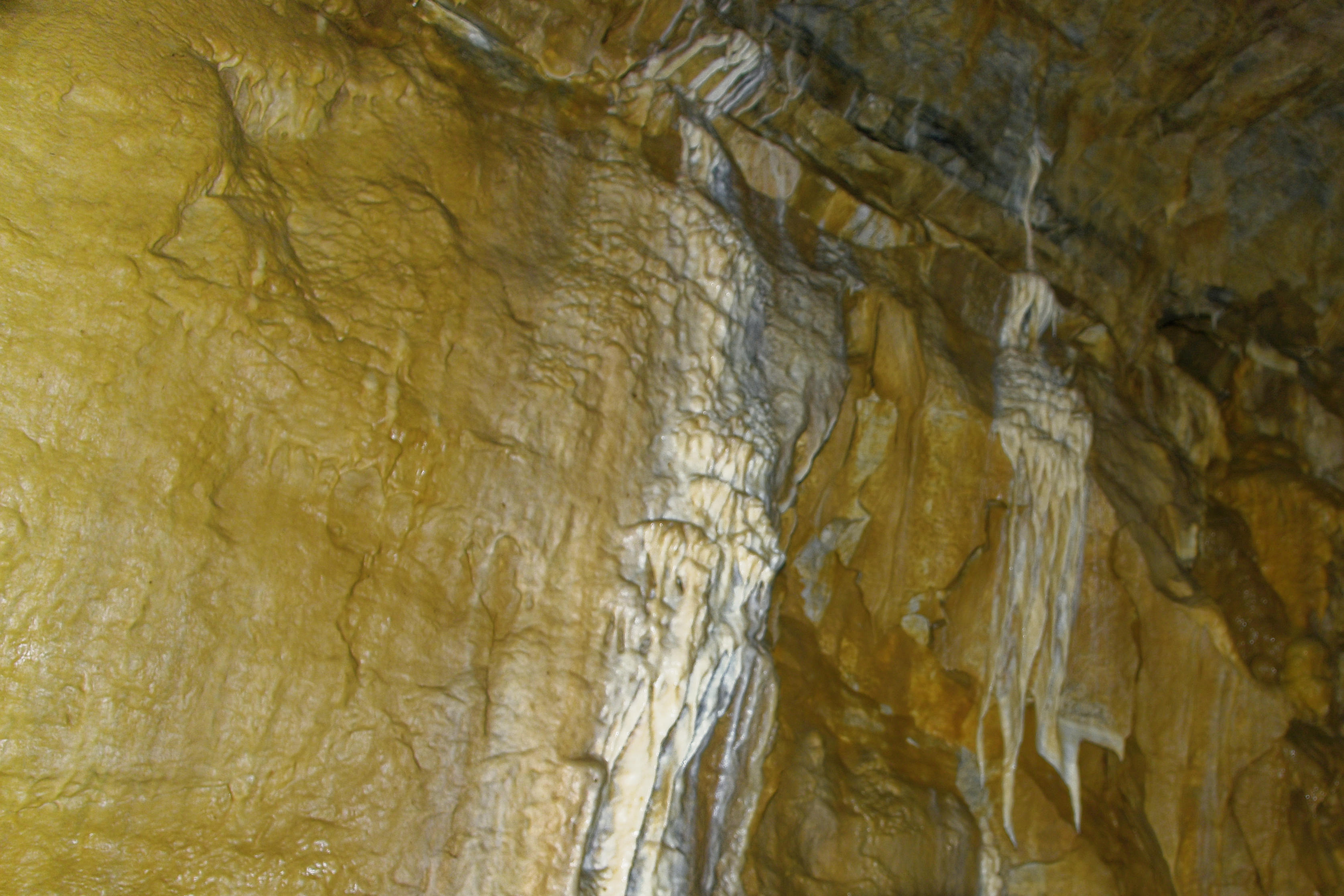
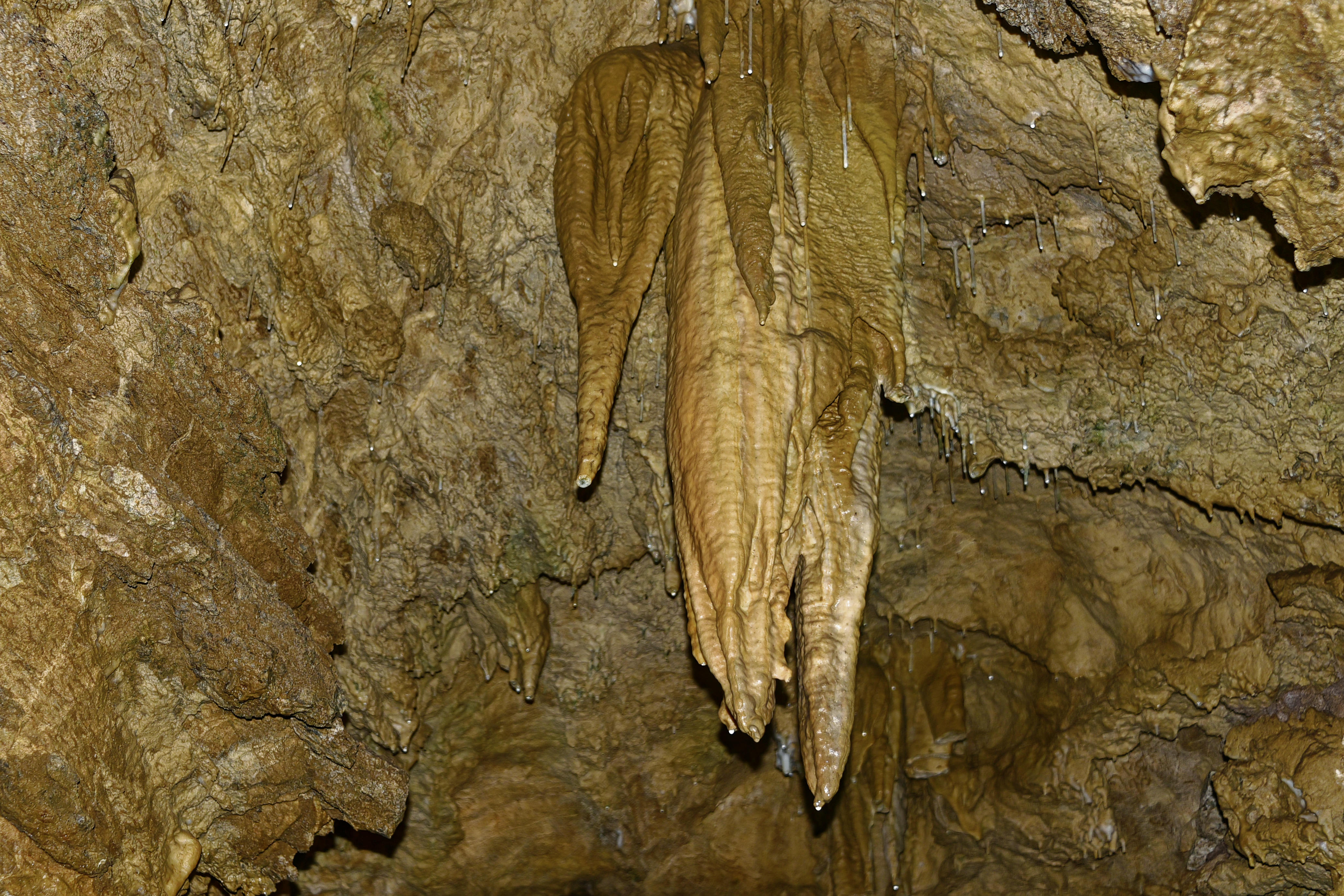
A selection of photographs of Oregon Caves.

When my daughter, son-in-law, and grandson were with us just recently, Marius drove us to Oregon Caves and, wow, what a sight.

Marius and young Morten

oooo

Maija and Morten

oooo

The cave

oooo

oooo

oooo

Roots of trees on the surface showing down here.

oooo

oooo

oooo

oooo

More photographs next Sunday.

Alex – The Ghost of the Forest

The second video from Alex and Lisa.

The video was produced on the 14th June, 2025.

Join us on an incredible Wildlife photography adventure through the wilds of Oregon, as we search for and capture stunning images of three iconic raptors: the Great Grey Owl, the Bald Eagle, and the Osprey. What was amazing is that we did not see another photographer whilst photographing these magnificent raptors! From dense forests to riverbanks and high mountain meadows, Oregon is a paradise for birdwatchers and wildlife photographers alike. In this video, we take you behind the scenes of our journey—tracking elusive owls, watching bald eagles, and photographing ospreys.

It makes us extremely proud to be living in this part of America!

The first video shoot by Alex is here.

Yellowstone

A YouTube video.

When my son, Alex, and Lisa, were with us in the second half of last month, they spoke of the tremendous joy they experienced in visiting Yellowstone before they came to us.

What a fabulous memory!

Picture Parade Four Hundred and Seventy-Five

Recent photographs of Sexton Mountain.

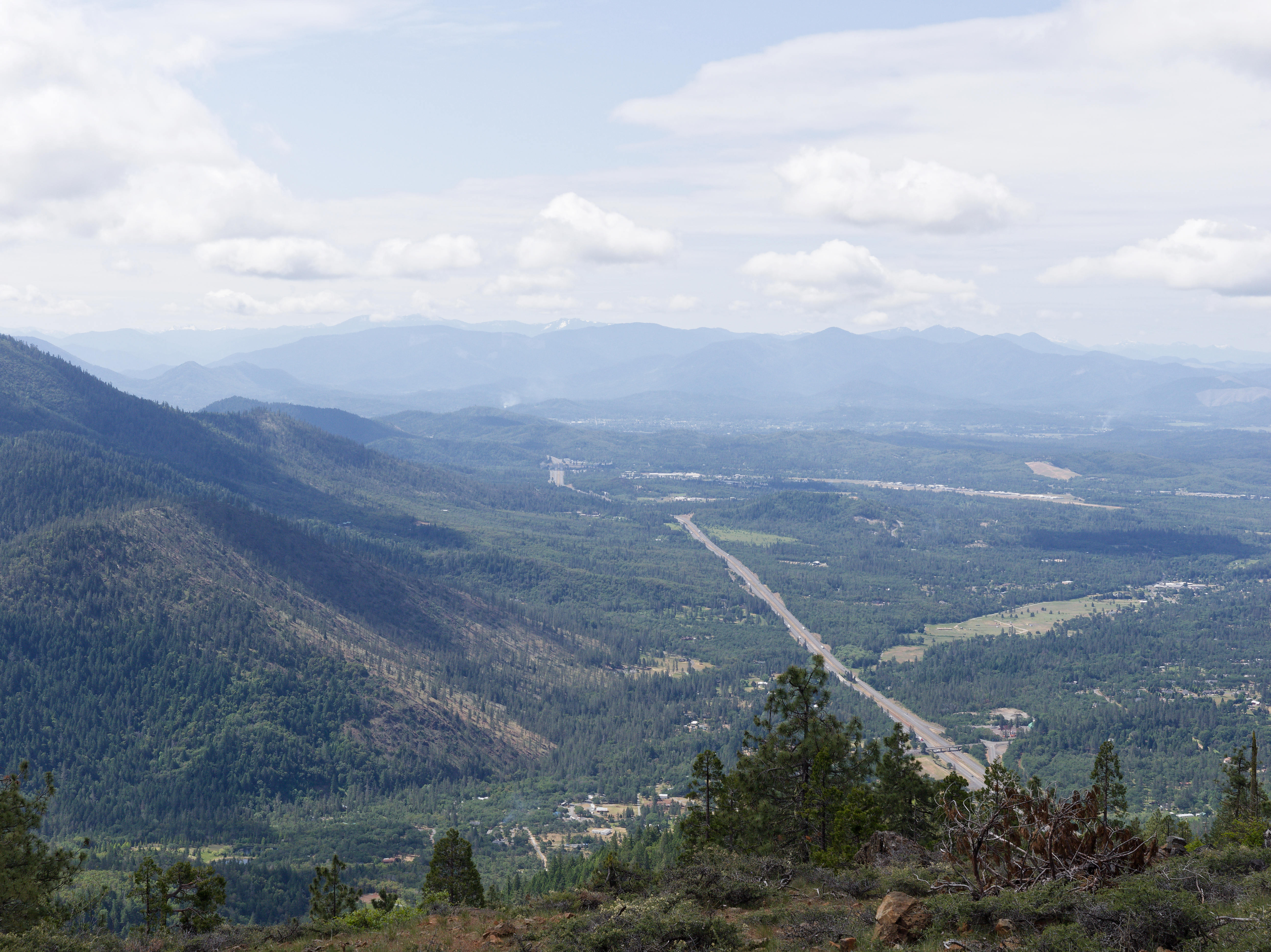
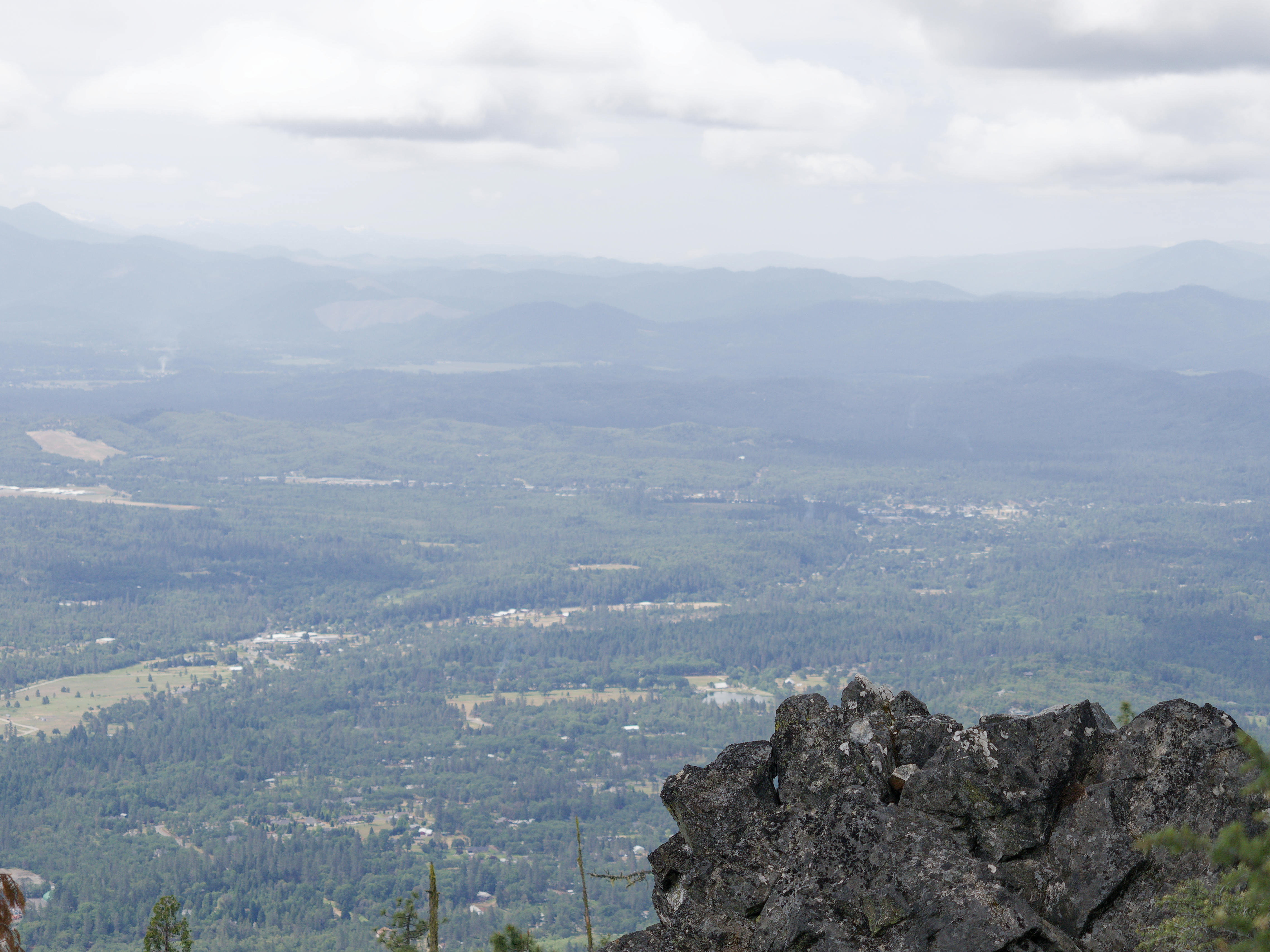
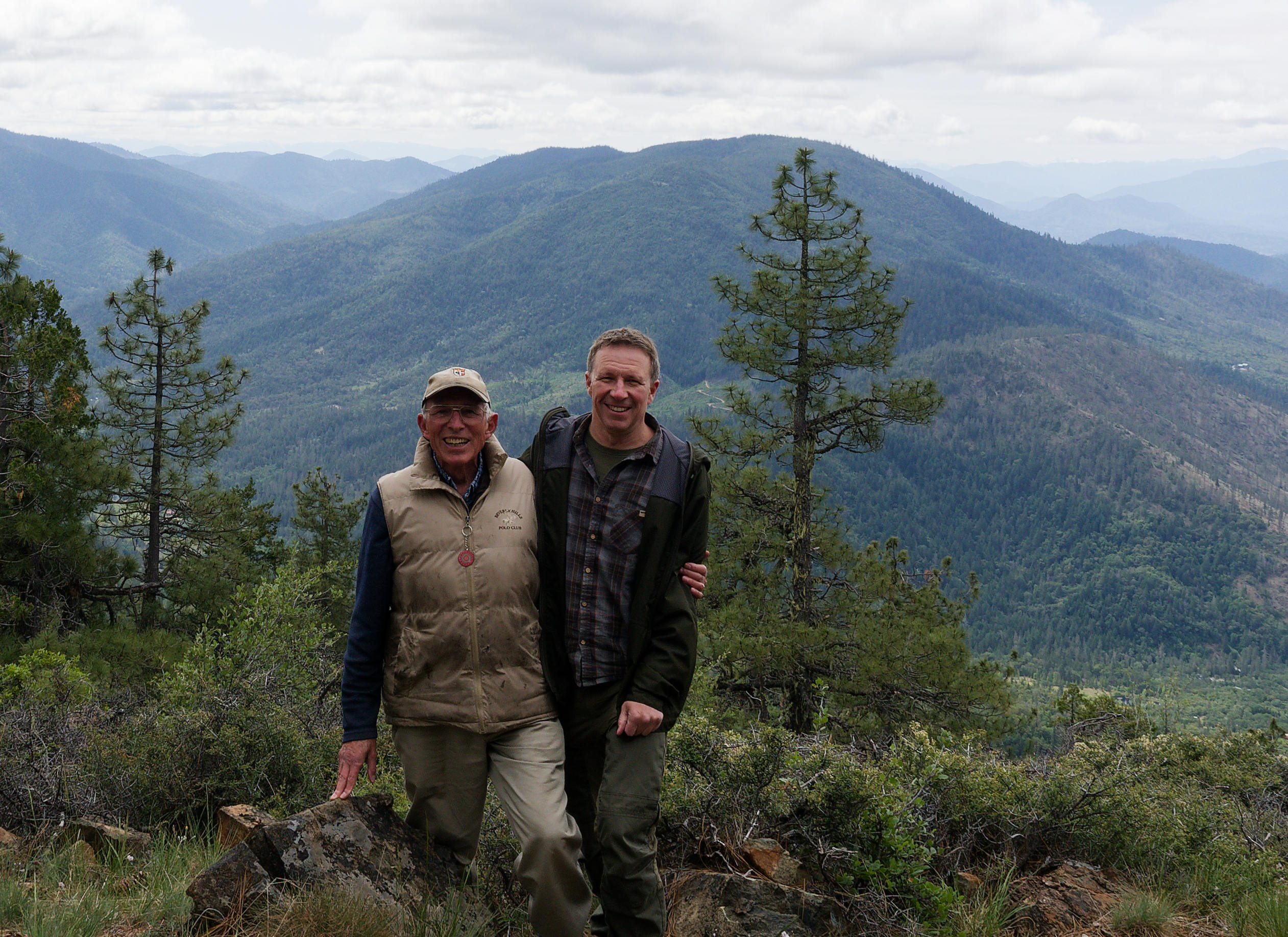
When my son and his partner, Lisa, were with us, just over a week ago, Alex suggested that he and I explored Sexton Mountain; some three miles to the North-East, as the crow flies. Normally the final stretch has to be walked because of a locked gate across the trail. However, that day the last 8/10ths of a mile were driven. It was a beautiful place with that summit 3,833 feet above sea-level (U.S. Geological Survey).

The Summit.

oooo

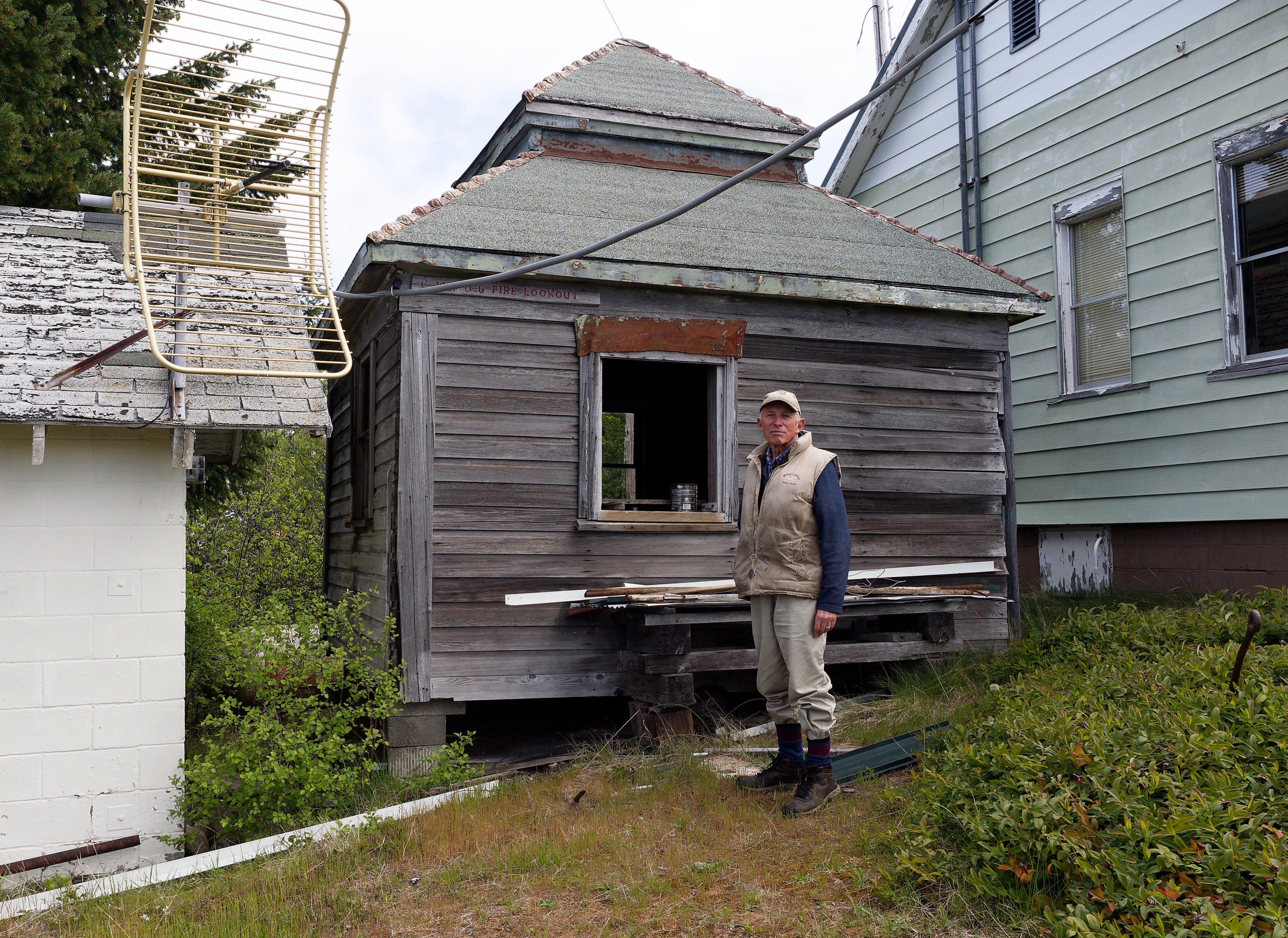
The original fire lookout.

oooo

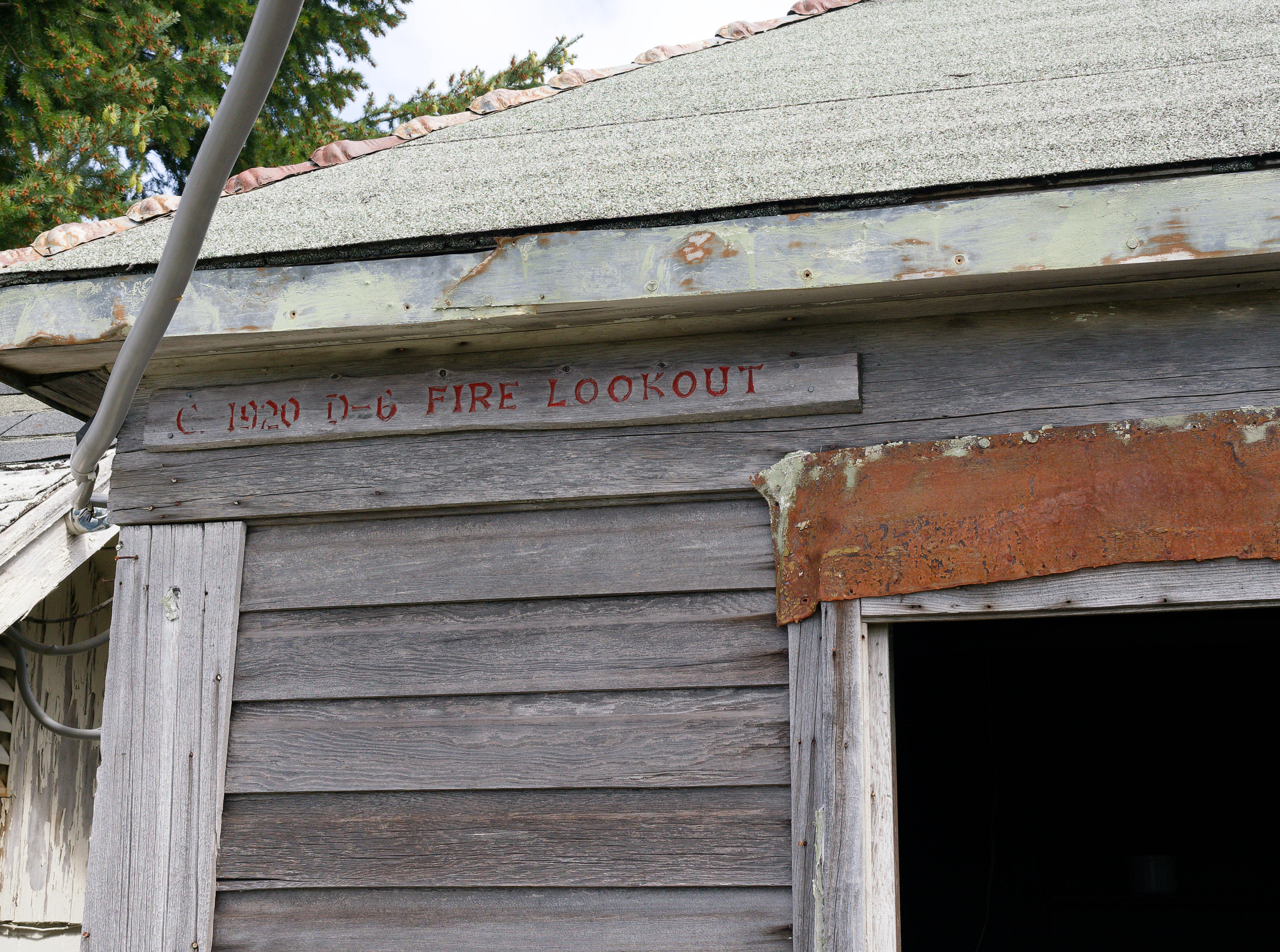
Confirmation of the year – 1920.

oooo

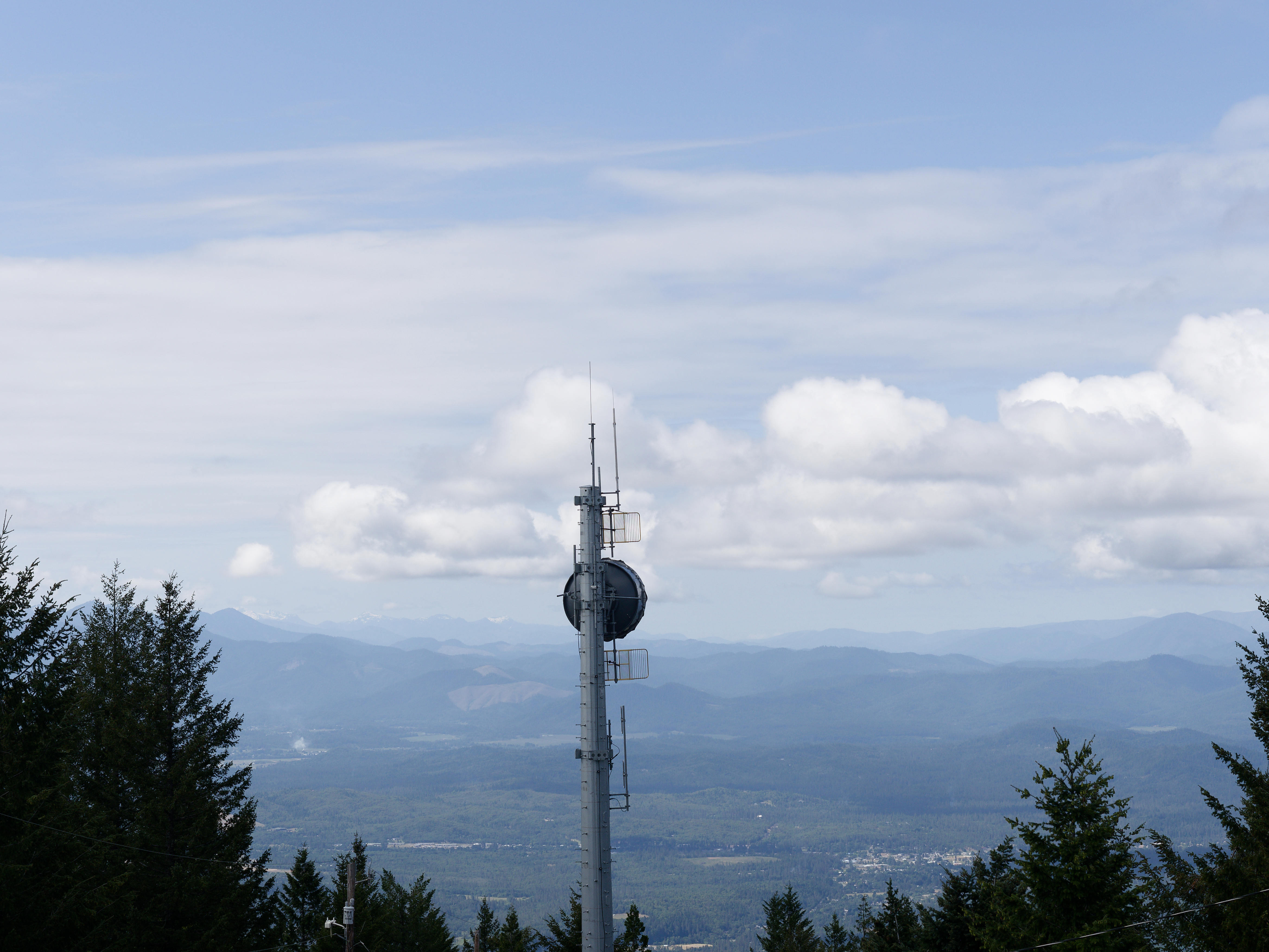
We descended 200 feet to be clear of the overhead cables. This is the view looking towards the South; the road being the I-5.

oooo

Another view from the same location.

oooo

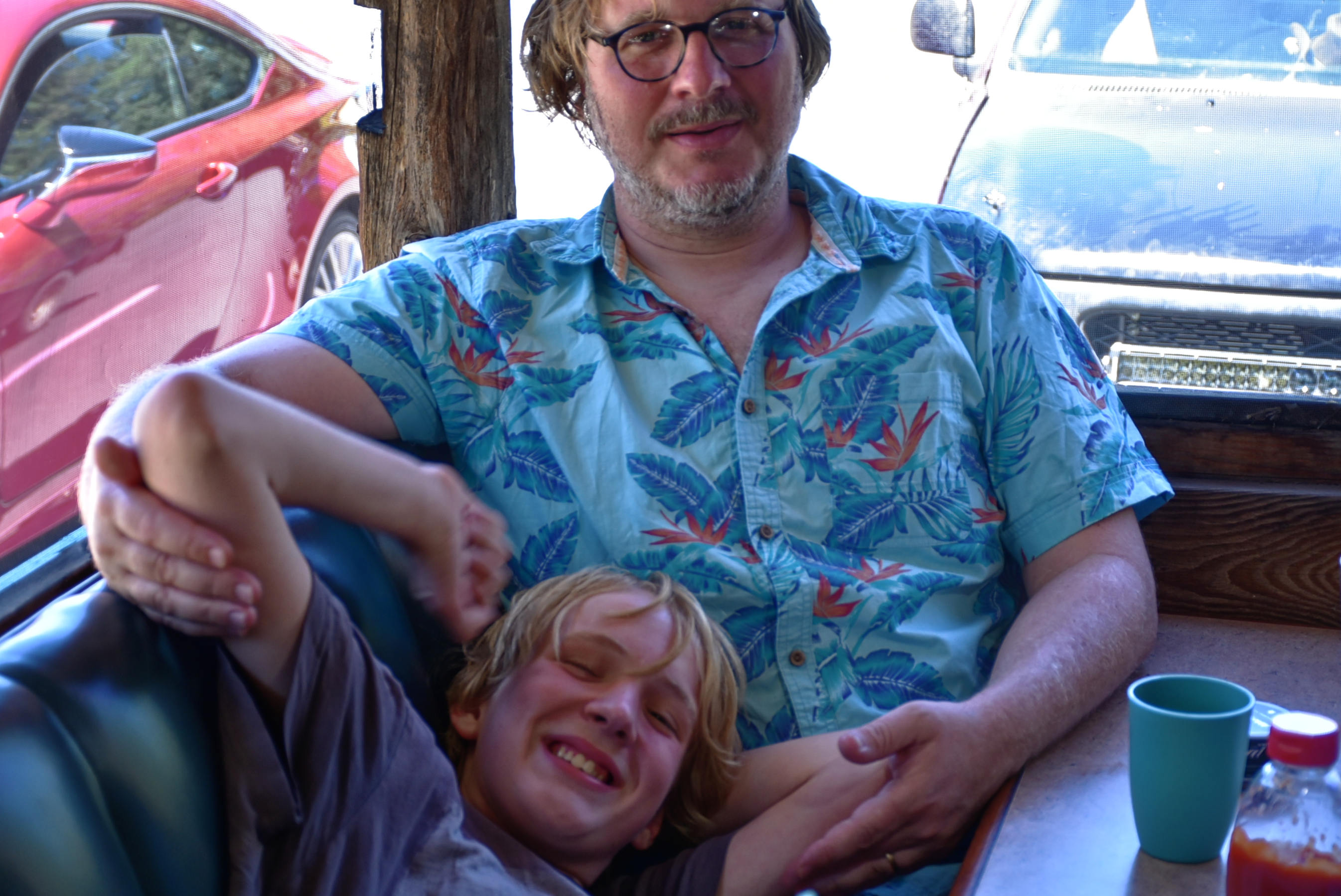
Dad and son.

It was a grand occasion.

Yellowstone National Park

An amazing National Park!

Alex, my son, and his partner, Lisa, are coming to see us later today. They arrived in Portland on Sunday, 11th but first of all wanted to see Yellowstone.

Here is an extract from Wikipedia about the Park.
Yellowstone National Park is a national park of the United States located in the northwest corner of Wyoming, with small portions extending into Montana and Idaho. It was established by the 42nd U.S. Congress through the Yellowstone National Park Protection Act and signed into law by President Ulysses S. Grant on March 1, 1872. Yellowstone was the first national park in the US, and is also widely understood to be the first national park in the world. The park is known for its wildlife and its many geothermal features, especially the Old Faithful geyser, one of its most popular. While it represents many types of biomes, the subalpine forest is the most abundant. It is part of the South Central Rockies forests ecoregion.

Here is a YouTube video of the Park:

Crater Lake

Two shots of this beautiful lake.

I was going through some files yesterday and found many photographs taken by me.

oooo

These were taken in 2018 which was when my son, Alex, and his partner, Lisa, came over to see us.

Here is the opening part of Wikipedia writing about Crater Lake:
Crater Lake (KlamathGiiwas)[2] is a volcanic crater lake in south-central Oregon in the Western United States. It is the main feature of Crater Lake National Park and is a tourist attraction for its deep blue color and water clarity. The lake partly fills a 2,148-foot-deep (655 m) caldera[3] that was formed around 7,700 (± 150) years ago[4] by the collapse of the volcano Mount Mazama. No rivers flow into or out of the lake; the evaporation is compensated for by rain and snowfall at a rate such that the total amount of water is replaced every 150 years.[5] With a depth of 1,949 feet (594 m),[6] the lake is the deepest in the United States. In the world, it ranks eleventh for maximum depth, as well as fifth for mean depth.

The rest of that Wikipedia article is here.
The US decline in butterflies

The natural world is quite remarkable!

This article was published in The Conversation last Thursday, the 6th March, 2025.

Where we live in rural Southern Oregon is glorious and photos of our locale have been published before. However, I wanted to share this article with you all.

ooOOoo

Butterflies declined by 22% in just 2 decades across the US – there are ways you can help save them

The endangered Karner blue butterfly has struggled with habitat loss. U.S. Fish and Wildlife Service

Eliza Grames, Binghamton University, State University of New York

If the joy of seeing butterflies seems increasingly rare these days, it isn’t your imagination.

From 2000 to 2020, the number of butterflies fell by 22% across the continental United States. That’s 1 in 5 butterflies lost. The findings are from an analysis just published in the journal Science by the U.S. Geological Survey’s Powell Center Status of Butterflies of the United States Working Group, which I am involved in.

We found declines in just about every region of the continental U.S. and across almost all butterfly species.

Overall, nearly one-third of the 342 butterfly species we were able to study declined by more than half. Twenty-two species fell by more than 90%. Only nine actually increased in numbers.

An orange butterfly with black webbing and spots sits on a purple flower.
West Coast lady butterflies range across the western U.S., but their numbers have dropped by 80% in two decades. Renee Las Vegas/Wikimedia Commons, CC BY

Some species’ numbers are dropping faster than others. The West Coast lady, a fairly widespread species across the western U.S., dropped by 80% in 20 years. Given everything we know about its biology, it should be doing fine – it has a wide range and feeds on a variety of plants. Yet, its numbers are absolutely tanking across its range.

Why care about butterflies?

Butterflies are beautiful. They inspire people, from art to literature and poetry. They deserve to exist simply for the sake of existing. They are also important for ecosystem function.

Butterflies are pollinators, picking up pollen on their legs and bodies as they feed on nectar from one flower and carrying it to the next. In their caterpillar stage, they also play an important role as herbivores, keeping plant growth in check.

A closeup of a caterpillar eating a leaf.
A pipevine swallowtail caterpillar munches on leaves at Brookside Gardens in Wheaton, Md. Herbivores help keep plant growth in check. Judy Gallagher/Wikimedia Commons, CC BY

Butterflies can also serve as an indicator species that can warn of threats and trends in other insects. Because humans are fond of butterflies, it’s easy to get volunteers to participate in surveys to count them.

The annual North American Butterfly Association Fourth of July Count is an example and one we used in the analysis. The same kind of nationwide monitoring by amateur naturalists doesn’t exist for less charismatic insects such as walking sticks.

What’s causing butterflies to decline?

Butterfly populations can decline for a number of reasons. Habitat loss, insecticides, rising temperatures and drying landscapes can all harm these fragile insects.

A study published in 2024 found that a change in insecticide use was a major factor in driving butterfly declines in the Midwest over 17 years. The authors, many of whom were also part of the current study, noted that the drop coincided with a shift to using seeds with prophylactic insecticides, rather than only spraying crops after an infestation.

The Southwest saw the greatest drops in butterfly abundance of any region. As that region heats up and dries out, the changing climate may be driving some of the butterfly decline there. Butterflies have a high surface-to-volume ratio – they don’t hold much moisture – so they can easily become desiccated in dry conditions. Drought can also harm the plants that butterflies rely on.

Only the Pacific Northwest didn’t lose butterfly population on average. This trend was largely driven by an irruptive species, meaning one with extremely high abundance in some years – the California tortoiseshell. When this species was excluded from the analyses, trends in the Pacific Northwest were similar to other regions.

A butterfly on a leaf
The California tortoiseshell butterfly can look like wood when its wings are closed, but they’re a soft orange on the other side. Walter Siegmund/Wikimedia Commons, CC BY-SA

When we looked at each species by its historical range, we found something else interesting.

Many species suffered their highest losses at the southern ends of their ranges, while the northern losses generally weren’t as severe. While we could not link drivers to trends directly, the reason for this pattern might involve climate change, or greater exposure to agriculture with insecticides in southern areas, or it may be a combination of many stressors.

There is hope for populations to recover

Some butterfly species can have multiple generations per year, and depending on the environmental conditions, the number of generations can vary between years.

This gives me a bit of hope when it comes to butterfly conservation. Because they have such short generation times, even small conservation steps can make a big difference and we can see populations bounce back.

The Karner blue is an example. It’s a small, endangered butterfly that depends on oak savannas and pine barren ecosystems. These habitats are uncommon and require management, especially prescribed burning, to maintain. With restoration efforts, one Karner blue population in the Albany Pine Bush Preserve in New York rebounded from a few hundred individuals in the early 1990s to thousands of butterflies.

Similar management and restoration efforts could help other rare and declining butterflies to recover.

What you can do to help butterflies recover

The magnitude and rate of biodiversity loss in the world right now can make one feel helpless. But while national and international efforts are needed to address the crisis, you can also take small actions that can have quick benefits, starting in your own backyard.

Butterflies love wildflowers, and planting native wildflowers can benefit many butterfly species. The Xerces Society for Invertebrate Conservation has guides recommending which native species are best to plant in which parts of the country. Letting grass grow can help, even if it’s just a strip of grass and wildflowers a couple of feet wide at the back of the yard.

Butterflies on wildflowers in a small garden.
A patch of wildflowers and grasses can become a butterfly garden, like this one in Townsend, Tenn. Chris Light, CC BY-SA

Supporting policies that benefit conservation can also help. In some states, insects aren’t considered wildlife, so state wildlife agencies have their hands tied when it comes to working on butterfly conservation. But those laws could be changed.

The federal Endangered Species Act can also help. The law mandates that the government maintain habitat for listed species. The U.S. Fish and Wildlife Service in December 2024 recommended listing the monarch butterfly as a threatened species. With the new study, we now have population trends for more than half of all U.S. butterfly species, including many that likely should be considered for listing.

With so many species needing help, it can be difficult to know where to start. But the new data can help concentrate conservation efforts on those species at the highest risk.

I believe this study should be a wake-up call about the need to better protect butterflies and other insects – “the little things that run the world.”

Eliza Grames, Assistant Professor of Biological Sciences, Binghamton University, State University of New York

This article is republished from The Conversation under a Creative Commons license. Read the original article.

ooOOoo

Thank you, Eliza, for promoting this article.

If only one person is inspired to make the changes Eliza recommends then republishing this article has been a success.

Picture Parade Four Hundred and Fifty-Eight

More from Unsplash!

Photo by James Padolsey on Unsplash

oooo

Photo by David Taffet on Unsplash

oooo

Photo by Thomas Lipke on Unsplash

oooo

Photo by Rebekah Howell on Unsplash

oooo

Photo by JAGADEESHWARAN P on Unsplash

oooo

Photo by Luzelle Cockburn on Unsplash

That is all for this week.