In many ways this has been a strange month in a somewhat strange year! No, more than that! We are at last seeing climate change come to the fore in terms of topics. Yves Smith, who produces Naked Capitalism (and it’s a great blog) had an item on climate change recently. Here’s an extract:
Yves here. As many of you know, I am considerably frustrated with Green New Deal advocates, because I see them as selling hopium. They act as if we can preserve modern lifestyles as long as we throw money, some elbow grease, and a lot of new development (using current dirty infrastructure to build it) at it. We’re already nearing the point where very bad outcomes, like widespread famines and mass migrations due to flooding, are baked in. And even that take charitably assumes that a rump of what we consider to be civilization survives.
There were many replies from a variety of people; I loved this one from Tom Stone:
A rational response to this crisis is not politically or societally feasible.
And the crisis is here, now.
The changes are not linear, a concept many of the people I talk to about climate change have difficulty accepting.
Large parts of the SF Bay Area are going to be heavily impacted (It’s my stomping ground, so I’m familiar with it) by salt water intrusion, levee failure, lack of water to to changing precipitation patterns in the Sierra’s…
A lot of Bay Area Housing is built on fill or in low lying areas, those homes will start to be abandoned within a decade if current trends continue.
Add the devastation from the inevitable Earthquake on the Hayward Fault which our local and State Governments are totally incapable of dealing with and it is going to be a godawful mess.
I looked at the Disaster planning for a quake on the Hayward Fault some years ago and all of the assumptions are for a “Best Case” scenario.
The quake won’t come in October during a drought and a high wind event, it won’t come at the wrong time of day, it won’t come in the spring during a high water period when Levee’s are stressed…
The Bay areas disaster response center was built in the 1950’s to withstand a nuclear attack, it is underground and was built smack dab in the middle of the Hayward Fault.
Have I mentioned that 20 years after 9/11 the various emergency responders do not have a commonality in their communications gear?
The more people that read this and other article the better.
Plus I am going to include my reply:
Your piece, Yves, that you published from Rolf was excellent and so was Tom Stone’s comment above. The scale of the issue is immense but at least climate change has now become a mainstream topic, and rightly so. National Geographic magazine published a special edition in May, 2020 to commemorate the anniversary of the fiftieth Earth Day. I think it was 1962 when Rachel Carson published Silent Spring. So we can’t complain that this isn’t a new issue. But whether or not we make it to the one hundred anniversary of that first Earth Day depends on the myriad of actions that we, as in all of us, including especially our leaders and politicians, make NOW! Let me spell it out. NOW means within the next 5 years at the latest. I am 76 and a passionate advocate of a change in mass behaviors. For I have a single grandson, Morten, living with his parents back in England who is 10. I fear for his future and for the future of all of his age.
Anyway, to get back to the article about dogs that I wanted to share with you. It is from Treehugger.
ooOOoo
This 13-Year-Old Dog Has a Home Again
It’s heartbreaking when senior pets lose their families.
This weekend, my husband and I were the last step in a transport to get a dog to her new home.
Typically, when we have a new dog in the backseat, it’s a raucous foster puppy (or two) in a crate. There’s usually barking and tumbling and playing until the motion of the car lulls them to sleep.
But this passenger was a much different story.
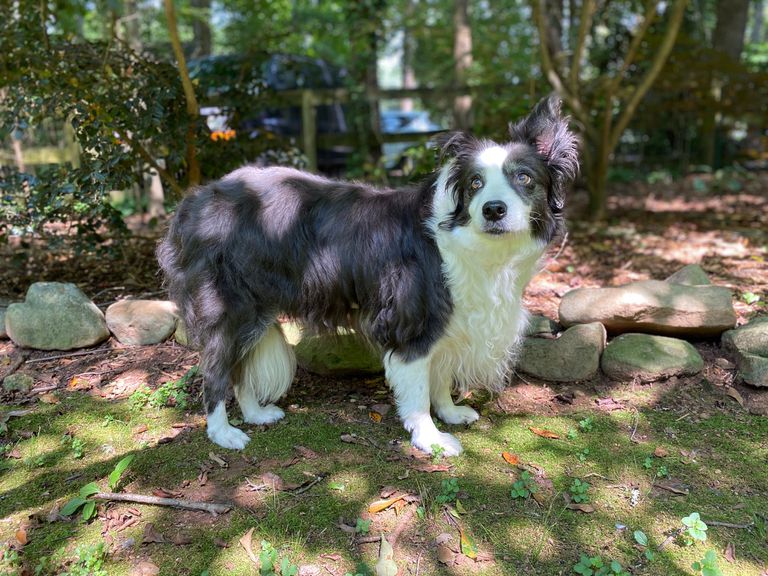
Magdalen is a 13-year-old border collie. Her owner gave her up temporarily when he was sick, but when he fully recuperated a few months later, he said he didn’t want her back. He had her since she was a puppy but now had no place for her.
The family who had given her a temporary home had children and other dogs and was unable to give her a permanent home. When Speak St. Louis, the rescue I work with, was contacted about the border collie, they offered to take her in.
She went to the groomer for her very matted coat and to the vet for a basic health check.
The spa visit made her look (and no doubt, feel) much better. But the vet didn’t have great news. She had to have surgery for mammary masses and her mouth was swollen with all sorts of dental issues. One surgery later and she had six masses removed. Two teeth fell out during cleaning and 11 more had to be extracted.
Fortunately, the growths were benign and she slowly began to recover.
Stressed and Resigned
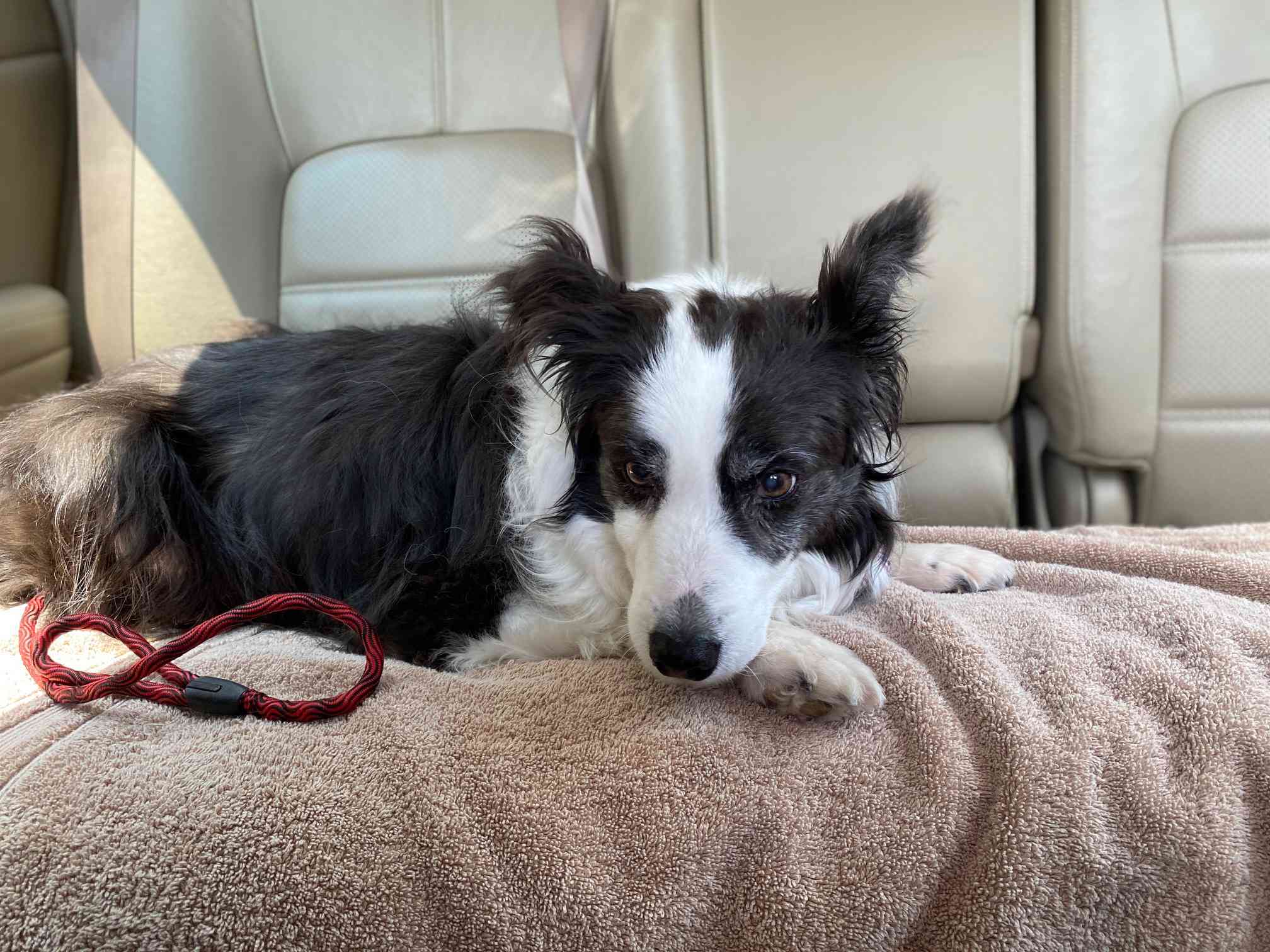
Magdalen barely moved on the ride to her new home. Mary Jo DiLonardo
On the trip home, the sweet senior looked so resigned in our backseat. The last kind transporter gently lifted her from her car and placed her in ours, where she barely moved as she re-settled herself.
She had just spent several weeks in the care of a wonderful foster parent where she recuperated from her surgery and from being left by her family.
I’m sure at this point she was just shut down and stressed and quietly rolling with whatever happened to her. She took the pieces of kibble we offered but her tail didn’t wag because it was tucked mostly between her legs.
It was heartbreaking to know that not so long ago she was someone’s pet and she was discarded.
It’s understandable that her owner needed some temporary help when he was sick and overwhelmed. But I can’t imagine why he wouldn’t have wanted her back now. I think of my own dog and dogs we’ve lost to old age in the past. They’re family and they stay that way forever.
Senior pets often end up in shelters and with rescues when their owners die and no one in the family is able to take them in.
Or some people give them up when they become harder to care for. Seniors can have more health problems and often people can’t afford the costs. They also aren’t as fun as their younger counterparts, and sometimes get cranky or snippy around children.
For rescues and shelters, it’s much easier to get a cute, bouncy puppy adopted than a less active senior that might come with health baggage and who might only be with the family for a few years.
A survey by PetFinder found that “less adoptable” pets like seniors or special needs animals spend nearly four times as long on the adoption site before they find a home.1
But older dogs have lots of benefits. Unlike puppies, they usually arrive housebroken. Sure, there are the occasional accidents as they figure things out, but they mostly know they are supposed to potty outside.
Senior dogs won’t chew your furniture or your fingers. They don’t bounce off the walls and wake you up in the middle of the night to go outside. They don’t need as much exercise as younger dogs but will revel in all the attention you want to give them.
Mary Jo DiLonardo
As for Magdalen, she is coming out of her shell in her new home. She was adopted by a good friend of mine who is a dog trainer. She has a soft heart for seniors and a passion for brainy border collies.
Because the pup is very driven by food, her new mom is going to try nosework with her. That’s an activity where she can sniff out treats in all sorts of hidden places. That will give her a job and a hobby—and lots of food!
Magdalen doesn’t have her tail between her legs anymore and the resident dogs are figuring out that she’s here to stay. But the key is for her to understand that this is now her forever home and no one will ever leave her again.
ooOOoo
Of the six dogs we have here at home three are old. But they still remain happy and carefree which is a little different to yours truly who, as much as he tries very hard not to do so, worries about the big things in life and, frankly, the biggest of them all is climate change.
I was browsing the internet yesterday and came across, quite by chance, the website PetMD. It looks like a great resource and I want to publish some of their introductory text:
About PetMD
PetMD is the online authority for all things pet health. Our goal is to provide the most accurate, reliable, up-to-date pet health information to help you navigate the everyday ups and downs of pet parenting. As a pet parent, you deserve to have access to the tools, tips, and insights you need to keep your pets healthy. With PetMD, you’ll find answers you can trust from qualified veterinarians. By working closely with veterinarians since 2008, PetMD has become the go-to resource for pet health and care.
Vet Team
PetMD collaborates with pet experts that know the most about pet health and care—veterinarians. Our network of credible veterinarians is essential in our mission to bring you the most detailed and current information. Meet some of the trusted veterinarians that we partner with to bring you the most up-to-date information.
What I was looking for is a reason why dogs love having their tummy’s rubbed.
This was a great article and I am pretty sure that republishing it is within the rules of PetMD.
ooOOoo
Why Do Dogs Like Belly Rubs?
PetMD Editorial
Updated: June 28, 2017, Published: April 07, 2017
By Chris Illuminati
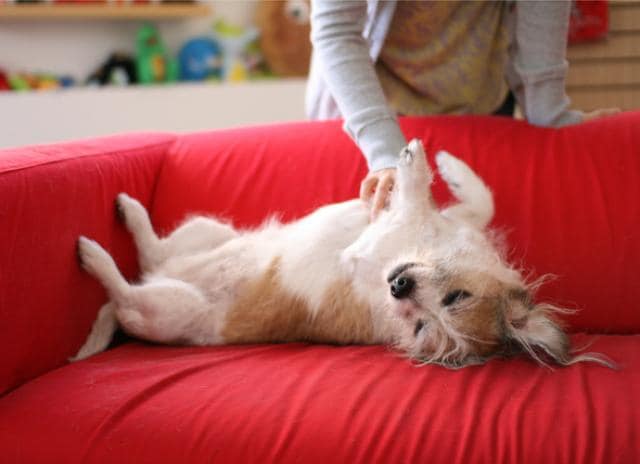
Some dogs love belly rubs almost as much as playing fetch or chewing on a really good bone, yet others could go without the show of human affection. So why do dogs like belly rubs? And is it weird if some dogs don’t?
“Belly rubbing is a comforting action,” explains Dr. Peter Brown, chief medical officer of Wagly, a veterinary-based pet service provider with campuses in California and Washington. “It’s an opportunity for bonding and part of our relationship with our dogs.”
Christine Case, an anthrozoology instructor at Beacon College in Leesburg, Florida, offers another idea about the origin of belly rubs for dogs. Case, a member of the Association of Professional Humane Educators and the International Society for Anthrozoology, feels that humans have modified canine behavior over the last thousand years due to domestication.
“Rolling on their backs is a submissive behavior that dogs exhibit toward humans.” Case explains. “I think it would be difficult to determine whether dogs truly like this activity or if they have been trained to do so. The context of the situation should be evaluated.”
Michael Schaier, a certified professional dog trainer and author of “Wag That Tail: A Trainer’s Guide To A Happy Dog,” concurs with Case’s assessment, but adds that affection is one of the greatest training tools a human can use on a canine.
“A dog rolling on his back is a submissive action and puts the canine in a vulnerable position,” says Schaier, “but dogs have been bred for 10,000 years to be social animals and coexist with humans.”
Studying Back Rolling Behavior in Dogs
A dog rolling over on his back doesn’t always mean the animal is being playful, submissive, or looking for a belly rub, especially in instances when other dogs are close by. In 2015, two teams of researchers from the University of Lethbridge in Alberta and the University of South Africa set out to investigate the meaning and function of dogs rolling over during play with other dogs. The researchers wanted to know if a dog rolling over onto the back is really an act of submission that serves to stop aggression or a tactic executed for combat purposes.
The researchers examined videos showing dogs playing together and staged play sessions with a medium-sized female dog paired with 33 dogs of different breeds and sizes. Then, they sat back and observed.
The researchers concluded that while dogs may roll when playing, the move might also be used to gain an advantage in fighting. Of rollovers observed, none of the dogs rolled over in a submissive response to aggressive behavior by another dog. Researchers noted that dogs rolling on their backs in front of other dogs used their position to block playful bites and launch attacks on the aggressor.
Should You Rub Your Dog’s Belly?
If pets are comfortable with belly rubs, pet owners should feel free to pet away. But Brown warns that a dog who suddenly doesn’t enjoy a good tummy scratching might be conveying a different message. “If your dog normally likes belly rubs, and then stops, that can be a sign of a sore belly or possibly an issue where their back is causing pain.”
There are, however, some dogs who can survive without the constant stomach rubbing.
“Past experience could affect the dog’s like or dislike for the activity,” Case remarks. “If a dog does not like to have its belly rubbed, it does not mean there is anything wrong—perhaps it’s just [the dog’s] preference. It’s up to the individual animal”
But most experts agree that when dogs ask for belly rubs or petting of any kind, it shows how comfortable they feel as part of the family.
“The greatest reward you can give your dog,” adds Schaier, “is the touch of your hand.”
ooOOoo
Those last two paragraphs say it all and it comes down to touch. Even a brief touch of the hand on the head of your dog is bliss. For both the human and the dog but especially for the dog.
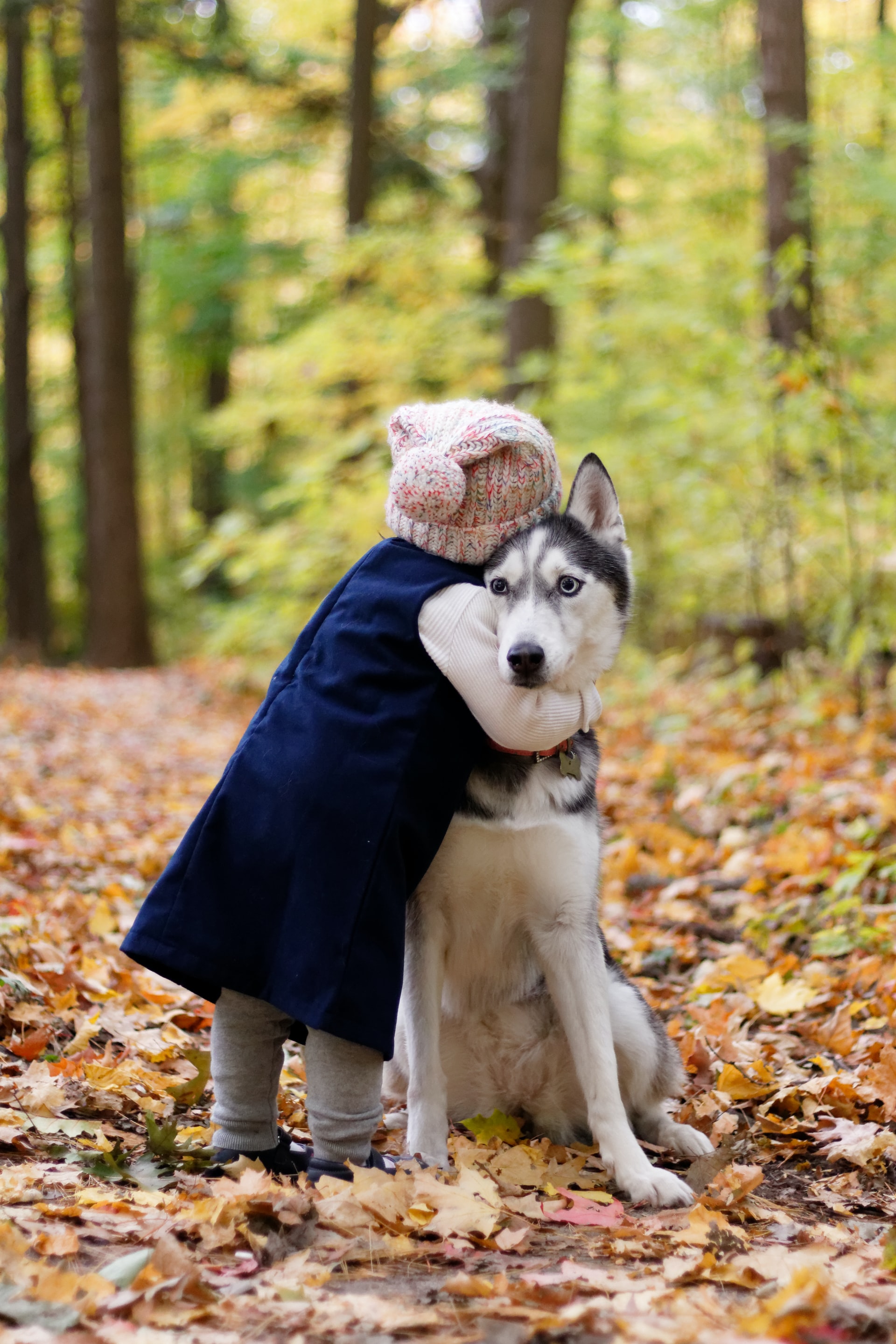
Capturing the moment of my daughter hugging her best friend, Oreo, in the woods. Photo from Unsplash.
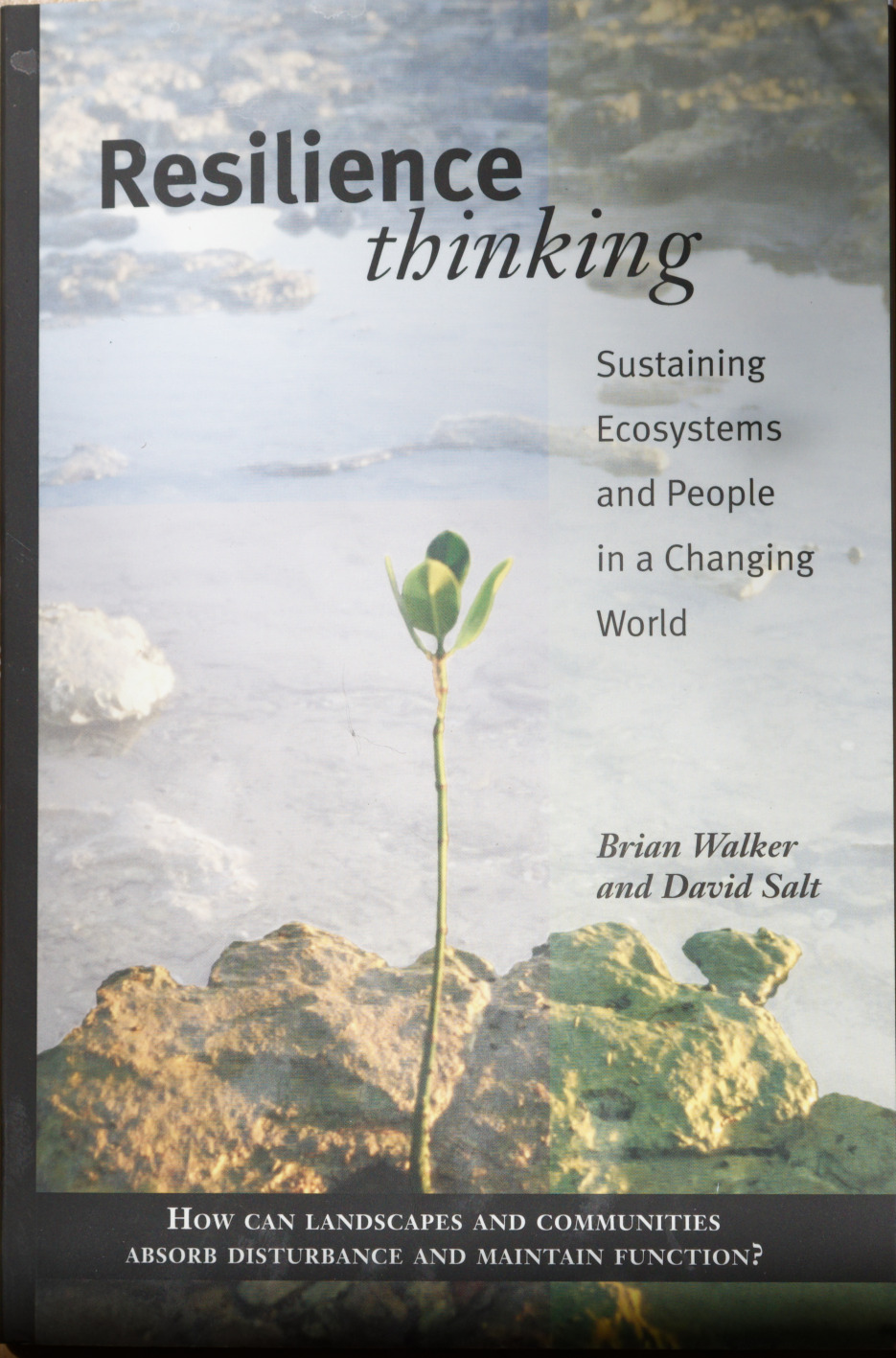
Let me make myself absolutely clear about this book, indeed I can do no better than to publish part of an email that I sent to the authors last Saturday:
To say that I was inspired by what you wrote is an understatement. More accurately it has changed my whole understanding of this planet, of the natural order of things, of the politics of the Western world, of vast numbers of us humans, and how precarious is our world just now. It has opened my eyes radically, and I thought before that I was fairly in touch with things.
Resilience is a simple idea but in its application has proved to be anything such. On page 2 the authors set out as they saw it The Drivers of Unsustainable Development. Here’s how that section develops:
Our world is facing a broad range of serious and growing resource issues. Human-induced soil degradation has been getting worse since the 1950s. About 85 percent of agriculture land contains areas degraded by erosion, rising salt, soil compaction, and various other factors. It has been estimated (Wood et al. 2000) that soil degradation has already reduced global agricultural productivity by around 15 percent in the last fifty years. In the last three hundred years, topsoil has been lost at a rate of 200 million tons per year; in the last fifty years it has more than doubled to 760 million tons per year.
As we move deeper into the twenty-first century we cannot afford to lose more of our resource base. The global population is now expanding by about 75 million people each year. Population growth rates are declining, but the world’s population will still be expanding by almost 60 million per year in 2030. The United Nations projections put the global population at nearly 8 billion in 2025. In addition, if current water consumption patterns continue unabated, half the world’s population will live in water-stressed river basins by 2025.
The Food and Agriculture Organization of the United Nations (FAO) 2004 Annual Hunger Report estimates that over 850 million people suffer from chronic hunger. Hunger kills 5 million children every year.
It goes on ….!
Now I want to quote from the end of the book, from their section on Resilience Thinking.
In our opening chapter we observed that there were many pathways into resilience thinking and suggested readers not worry too much if the finer details of a resilience framework are a bit obscure. We emphasized that what is of much more importance is an appreciation of the broader themes that underpin such a framework. Those broader themes revolve around humans existing within linked social and ecological systems. These are complex adaptive systems, and attempts to control or optimize parts of such systems without consideration of the responses that this creates in the broader system are fraught with risk. Much of this book has been spent on attempting to explore the consequences of such an approach.
In the broadest sense, optimizing and controlling components of a system in isolation of the broader system results in a decline in resilience, a reduction in options, and the shrinkage of the space in which we can safely operate. Resilience thinking moves us the other way.
It is our hope that readers who are persuaded of this basic premise will be encouraged to explore the inevitable consequences of such thinking. Even if you are not completely clear on the basins of attractions, thresholds, and adaptive cycles, if the concepts of ecological resilience and dynamic social-ecological systems have any resonance then you are in a better position to appreciate what is happening to the world around you.
The phrase complex adaptive system was new to me but intuitively I got what the authors meant. As they state on page 35: The three requirements for a complex adaptive system are:
That it has components that are independent and interacting,
There is some selection process at work on those components (and on the results of local interactions),
Variation and novelty are constantly being added to the system (through components changing over time or new ones coming in),
This was my eye-opener. It was now obvious that many processes, especially in nature, that I had hitherto regarded as constant were changing albeit usually on a timescale of many decades sometimes centuries.
And the other conclusion that was inescapable was that we humans were largely responsible for those changes because we couldn’t see the longterm consequences of what we were doing.
David writes that firstly carbon dioxide is not like other pollutants, for example like air particulants. Then later goes on to say:
The second difference is that climate change is irreversible.
As Joe Romm notes in a recent post, New York Times columnist Joe Nocera slipped up in his latest column and referred to technology that would “help reverse climate change.” I don’t know whether that reflects Nocera’s ignorance or just a slip of the pen, but I do think it captures the way many people subconsciously think about climate change. If we heat the planet up too much, we’ll just fix it! We’ll turn the temperature back down. We’ll get around to it once the market has delivered economically ideal solutions.
This paper shows that the climate change that takes place due to increases in carbon dioxide concentration is largely irreversible for 1,000 years after emissions stop. Following cessation of emissions, removal of atmospheric carbon dioxide decreases radiative forcing, but is largely compensated by slower loss of heat to the ocean, so that atmospheric temperatures do not drop significantly for at least 1,000 years. [my emphasis]
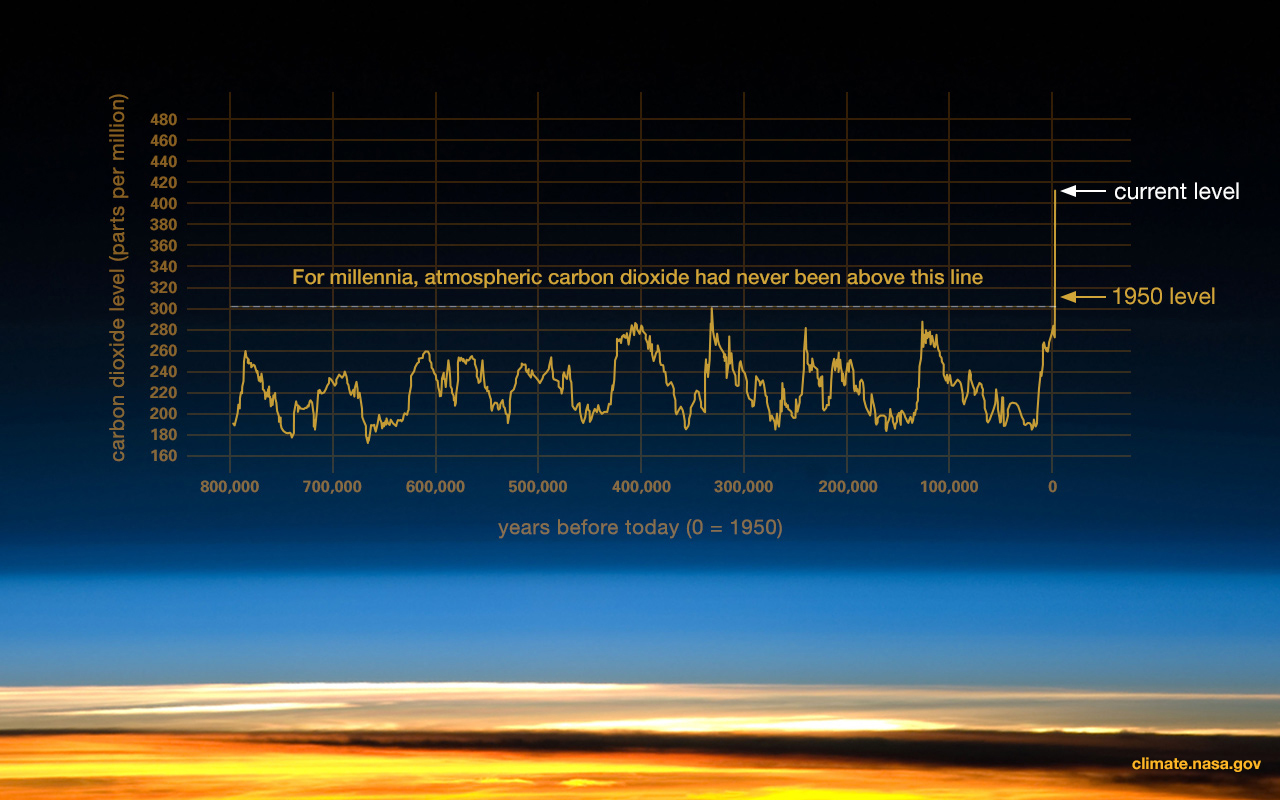
My last piece in this review is to republish a graph that is shown on the NASA Global Climate Changewebsite:
For all our sakes, dogs and humans and many other species, let us all please change our behaviours! Soon!
Back to the book: It is a remarkable book!
I will close with quoting one of the praises shown on the back cover. This one by Thomas Homer-Dixon, professor of political science, University of Toronto, and director of the Trudeau Centre for Peace and Conflict Studies.
Resilience Thinking is an essential guidebook to a powerful new way of understanding our world – and of living resiliently with it – developed in recent decades by an international team of ecologists. With five clear and compelling case studies drawn from regions as diverse as Florida, Sweden, and Australia, this book shows how all highly adaptive systems – from ecologies to economics – go through regular cycles of growth, reorganization, and renewal and how our failures to understand the basic principles of resilience have often led to disaster. Resilience Thinking gives us the conceptual tools to help us cope with the bewildering surprises and challenges of our new century.
Alok Sharma on why COP26 is our best chance for a greener future.
I wanted to share the eight-minute video that appeared on TED Talks. But it hasn’t appeared on YouTube as yet.
But the link is embedded above so if you don’t want to watch the slightly longer version (just 22 minutes) then that is fine.
I will share the words that came with the TED Talks video.
Something powerful is happening around the world. The issue of climate change has moved from the margins to the mainstream, says Alok Sharma, the President-Designate of COP26, the United Nations climate conference set to take place in November 2021 in Glasgow, Scotland. He unpacks what this shift means for the world economy and the accelerating “green industrial revolution” — and lays out the urgent actions that need to happen in order to limit global temperature rise.
Plus on the speaker, Alok Sharma.
Alok Sharma is a British politician, Cabinet Minister and President-Designate of COP26, the United Nations Climate Change Conference being held in Glasgow from 31 October until 12 November.
Sharma was previously UK Secretary of State for Business, Energy and Industrial Strategy. Before that, he was UK Secretary of State for International Development. He has also served in ministerial roles in the Department of Work and Pensions, Department for Communities and Local Government, and at the Foreign and Commonwealth Office. Prior to politics, he worked in finance.
Please watch the video for all our sakes.
For the sake of our dogs, and for the sake of everyone on this planet.
Now of course the majority of people reading the title to today’s post would think of us humans. And what I am about to republish is for us. But dogs require exercise just as much as we humans. The question is whether dog’s brains are better protected with exercise?
The exercise pill: How exercise keeps your brain healthy and protects it against depression and anxiety.
By Arash Javanbakht, Associate Professor of Psychiatry, Wayne State University, February 25th, 2021
As with many other physicians, recommending physical activity to patients was just a doctor chore for me – until a few years ago. That was because I myself was not very active. Over the years, as I picked up boxing and became more active, I got firsthand experience of positive impacts on my mind. I also started researching the effects of dance and movement therapies on trauma and anxiety in refugee children, and I learned a lot more about the neurobiology of exercise.
I am a psychiatrist and neuroscientist researching the neurobiology of anxiety and how our interventions change the brain. I have begun to think of prescribing exercise as telling patients to take their “exercise pills.” Now knowing the importance of exercising, almost all my patients commit to some level of exercise, and I have seen how it benefits several areas of their life and livelihood.
We all have heard details on how exercise improves musculoskeletal, cardiovascular, metabolic and other aspects of health. What you may not know is how this happens within the brain.
Brain biology and growth
Working out regularly really does change the brain biology, and it is not just “go walk and you will just feel better.” Regular exercise, especially cardio, does change the brain. Contrary to what some may think, the brain is a very plastic organ. Not only are new neuronal connections formed every day, but also new cells are generated in important areas of the brain. One key area is the hippocampus, which is involved in learning and memory and regulating negative emotions.
A molecule called brain-derived neurotrophic factor helps the brain produce neurons, or brain cells. A variety of aerobic and high-intensity interval training exercises significantly increase BDNF levels. There is evidence from animal research that these changes are at epigenetic level, which means these behaviors affect how genes are expressed, leading to changes in the neuronal connections and function.
Finally, there is evidence for the positive effects of exercise on the neurotransmitters – brain chemicals that send signals between neurons – dopamine and endorphins. Both of these are involved in positive mood and motivation.
Exercise improves clinical symptoms of anxiety and depression
Exercise could even potentially desensitize people to physical symptoms of anxiety. That is because of the similarity between bodily effects of exercise, specifically high-intensity exercise, and those of anxiety, including shortness of breath, heart palpitation and chest tightness. Also, by reducing baseline heart rate, exercise might lead to signaling of a calmer internal physical environment to the brain.
It is important to note that the majority of studies examined the effects of exercise in isolation and not in combination with other effective treatments of clinical anxiety and depression, such as psychotherapy and medication. For the same reason, I am not suggesting exercise as a replacement for necessary mental health care of depression or anxiety, but as part of it, and for prevention.
There are other perks besides the neurobiological impacts of exercise. When going out for a walk, one gets more exposure to sunlight, fresh air and nature. One of my patients befriended a neighbor during her regular walks, leading to regular taco Tuesdays with that new friend. I have made some great friends at my boxing gym, who are not only my motivators, but also a great supporting social network. One might pick a dog as their running mate, and another might meet a new date, or enjoy the high energy at the gym. Exercise can also function as a mindfulness practice and a respite from common daily stressors, and from our electronic devices and TV.
So how can you find time to exercise, especially with all the additional time demands of the pandemic, and the limitations imposed by the pandemic such as limited access to the gyms?
Pick something you can love. Not all of us have to run on a treadmill (I actually hate it). What works for one person might not work for another. Try a diverse group of activities and see which one you will like more: running, walking, dancing, biking, kayaking, boxing, weights, swimming. You can even rotate between some or make seasonal changes to avoid boredom. It does not even have to be called an exercise. Whatever ups your heartbeat, even dancing with the TV ads or playing with the kids.
Use positive peer pressure to your advantage. I have created a group messaging for the boxing gym because at 5:30 p.m., after a busy day at the clinic, I might have trouble finding the motivation to go to the gym or do an online workout. It is easier when friends send a message they are going and motivate you. And even if you do not feel comfortable going to a gym during the pandemic, you can join an online workout together.
Do not see it as all or none. It does not have to be a one-hour drive to and from the gym or biking trail for a one-hour workout vs. staying on the couch. I always say to my patients: “One more step is better than none, and three squats are better than no squats.” When less motivated, or in the beginning, just be nice to yourself. Do as much as possible. Three minutes of dancing with your favorite music still counts.
Merge it with other activities: 15 minutes of walking while on the phone with a friend, even around the house, is still being active.
When hesitant or low on motivation, ask yourself: “When was the last time I regretted doing it?”
Although it can help, exercise is not the ultimate weight loss strategy; diet is. One large brownie might be more calories than one hour of running. Don’t give up on exercise if you are not losing weight. It is still providing all the benefits we discussed.
Even if you do not feel anxious or depressed, still take the exercise pills. Use them for protecting your brain.
ooOOoo
This is a very good post. Arash Javanbakht is a scientist of the first order and we all should do as she advises. I’m going to close today’s post by republish the first two paragraphs of his bio that is also published by The Conversation:
Associate Professor of Psychiatry, Wayne State University Arash Javanbakht, M.D., is the director of the Stress, Trauma, and Anxiety Research Clinic (STARC; https://www.starclab.org) at Wayne State University. Dr Javanbakht and her work have been featured on the National Geographic, The Atlantic, CNN, Aljazeera, NPR, Washington Post, Smithsonian, PBS, American Psychiatric Association, Anxiety and Depression Association of America, American Academy of Child and Adolescent Psychiatry, and tens of other media.
Her clinical and research work is mainly focused on anxiety and trauma related disorders, and PTSD. She often helps civilians and first responders with PTSD. Her clinic utilizes pharmacotherapy (medication), psychotherapy, exercise, and lifestyle modification to help patients achieve their full capacity for a fulfilling life.
To be honest this is more about the Spitfire! The Spitfire SX336.
Raymond was working on the design of his dog tags and to nail stuff about the way to make them, the material thickness, how to work with it (2MM thick brass) and how to stop them failing, when he turned to a contact he had who is a Spitfire Engineer. At that point Ian, the contact, was up the road from Hertfordshire at The Shuttleworth Collection, getting AR501 back in the air.
However, mid-2019 he moved across the airfield to Kennet Aviation. That’s the home of Spitfire XVII.
At that point Raymond was still pestering for help with a fair few aspects of the manufacturing, from working with the five-ton fly-press that was recommended (from a closed aircraft factory south of Birmingham) to using high-speed polishing tools, but – above all – the position of the hole in relation to the edge of the tag, which is the same distance rivets are from the edge of the wing in a Spitfire.
In return, Raymond offered to build a few websites, one for Kennet Engineering and one for Kennet Aviation. Both the same company really, the Engineering one to try and get more work for a few huge and expensive CNC machines they’ve recently acquired to make spitfire parts they couldn’t get hold of.
Anyway, it was when researching regarding the Spitfire that he, Raymond, came across my Spitfire content and obviously noticed the title of the website he was looking at: LearningFromDogs.com, saw I had a tremendous-looking book and thought ‘hang on a minute!’ this is all too much of a coincidence, he must say hello AND introduce me (Paul) to the SX336.
So Raymond finally said ‘hello’ and let me know there is indeed another Spitfire still flying somewhere in the world.
At approximately 3pm on Tuesday 25 April 2017 The Shuttleworth Collection’s Spitfire under restoration fired into life for the first time in 12 years.
A first stage engine run took place on the airfield with volunteers who have been working on the project watching with fingers crossed. The Spitfire has recently been fitted with new propeller and spinner, with testing on all systems from hydraulics, electrical, coolant and air being undertaken in the engineer workshop where visitors have been able to follow the project’s progress.
Project engineer Ian Laraman expressed his relief that all had gone to plan, saying, “With any engine being tested for the first time you always hope it will run smoothly, and happily today the Spitfire’s first engine run couldn’t have gone any better. Higher power runs will now follow, which will give us a better indication of how close we are to flight testing, but for now hearing this aircraft powered up again after all the work that’s gone into it has just been fantastic!”
The coolant systems will now be flushed out, and checks carried out on the oil filters in advance of further testing of the Spitfire’s 1,440hp Rolls Royce Merlin V12 engine in the next fortnight. To follow the progress of AR501 as it moves toward the end of its restoration come along to see the aircraft in the engineering hangar or follow The Collection’s Facebook and Twitter pages!
Seafire FXVII, SX336, G-KASX, acquired in 2001 and put on the Civil Register by Kennet Aviation in 2006.
A real blast from the past!
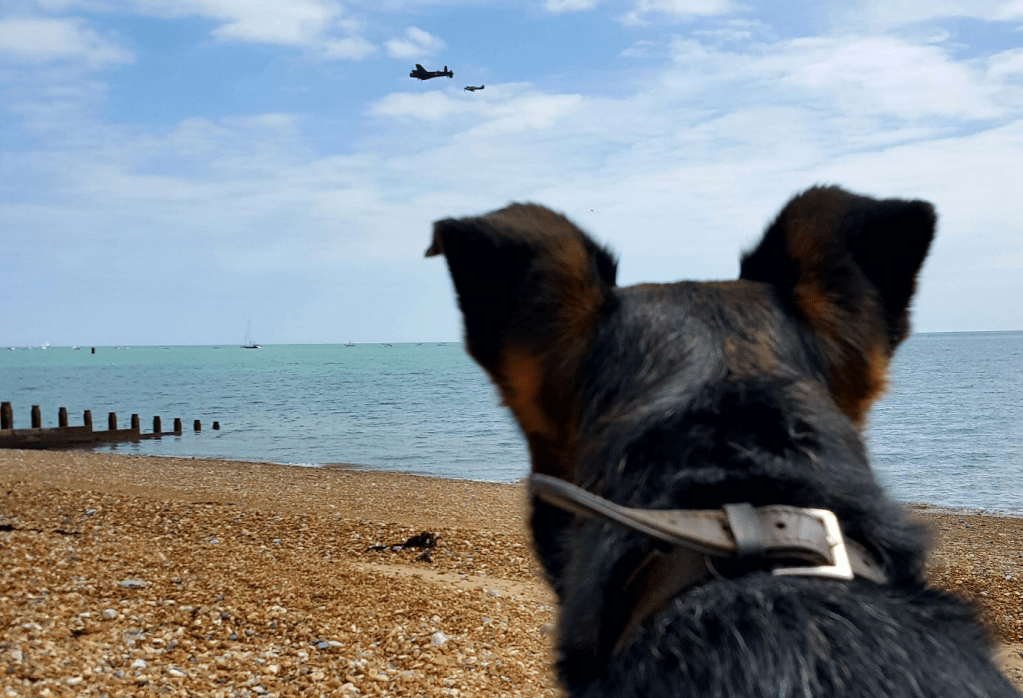
I will finish the post be repeating the photograph that Raymond took at the Eastbourne Air Show.
Lulu loved an air show, going to several with us over the years. Here she is at Eastbourne air show, enjoying the Lancaster Bomber and a Spitfire from the Battle of Britain Memorial Flight.
As can happen from time to time, I was contacted by Ray Dunthorne in England. He very kindly said that he had been following Learning from Dogs for a while and also was aware of my previous interest in flying.
So I emailed Ray saying that I would love to publish his account as a guest post and lo and behold in came the following story.
ooOOoo
The Story of Lulu
Ah hello again, I’ll try ever so hard not to give you my full life story, but just stuff you might find interesting and relevant, but can’t promise to get the balance right!
Willows Activity Farm St Albans
My adult dog journey began with Lulu, 15 years ago, but the seed was sown some 5 years earlier at a city farm. We’d gone with the then middle-born five-year-old for his birthday party. The shepherd who did herding demonstrations was over from New Zealand and had two dogs who’d just had a litter of puppies, which we were shown. We’d never heard of the New Zealand Huntaway, it was described as a combination of German Shepherd, Border Collie and Labrador, with a few other breeds thrown in for good measure.
They’d been consistently bred in, yes, you guessed it, New Zealand for over 100 years, specifically to help move large herds of sheep or cattle over long distances. The agile New Zealand Huntaway became known for its ability to move across packed, penned herds by leaping from the back of one sheep to another. Its loud LOUD bark was also required, as if not busy barking to get cattle or sheep moving, the Huntaway would be sent after a sheep or lamb that had strayed out of sight, hold it down (I don’t know how) and BARK so the shepherd could locate the unruly pair.
Little thought was given to the New Zealand Huntaway for a few years, when – on the other side of divorce – my then ex-wife and I decided to get a dog to raise collaboratively, to keep the disparate family united in some way. Divorce-wise, it wasn’t so amicable initially, as these things usually aren’t, but soon settled down with the three growing boys being the priority.
Lime End Farm, Sussex
Of course we couldn’t agree on the type of dog. I’d always wanted a German Shepherd, madame a Border Collie and a Labrador was a popular choice with Stanley, Arthur and Sidney (the aforementioned three boys). I bet you can tell where this is going. Yes, I remembered the New Zealand Huntaway. In 2006, it was a lot harder to find a litter in the UK than it is now, but I did. Down on a farm in Sussex. Lulu’s mum and dad were also over from New Zealand with a shepherd, this one herding cattle at Lime End Dairy Farm.
Lime End is in Herstmonceux, East Sussex, which is as Olde English countryside as it sounds, with a castle and an annual Medieval festival to complete the picture.
As soon as we arrived in the classic farm yard, all the puppies bumbled out to say hello, emerging three at a time from under an old caravan where they’d been sheltering from the sun. Their dad, Lord Toro was tied to a nearby barn, doing some general barking ‘he’s frightened of the puppies’ the lady told us. The nine puppies all toppled about us for a few minutes, then all rushed off to find dinner. All except one.
Eight week old Lulu came back with me, Sidney and Helen, my new girlfriend at the time, who I’d charmingly had to borrow the £300 needed to secure Lulu from. It was a four or five hour round trip for the three of us, four including Lulu. A bonding opportunity all round.
I always remember that – to add to the idyllic Sussex farm scene, as if it wasn’t enough like a scene from a film Hugh Grant drives a Mini in – just as we were leaving, an old barn door got pushed open from the inside and a litter of Border Collie puppies and their mum and dad ran out, to say hello to the remaining Huntaways and good bye to us.
Best Laid Plans
The wisdom of bringing that hard-working herding dog into two separate St Albans houses didn’t cross my mind. It probably should have, especially as my ‘house’ was a rented Maisonette, no dogs aloud. The theory was Lulu would be at the children’s house in the week, mine along with the children at the weekends. It didn’t turn out like that.
After a few months both me and my ex-wife got short contracts that meant heading off to work in an office for the day. Far from ideal, but no money at that point meant no choice. At least it was only temporary. Lulu would have been about six months old by then and absolutely should not have been left alone FOR A SECOND.
The office was just 15 minutes away (PC World, Maylands, Hemel Hempstead). I did manage to pop back at lunchtime most days and a child would pop round a few hours later after school. New Zealand Huntaways are like any puppy only more so. They need a lot of exercise and mental stimulation, or else you will pay.
A novice dog guardian then, I learned everything the hard way. Before her first birthday, Lulu had removed the floor covering in the kitchen and the lounge. She’d moved a large old cathode ray TV across the room, knocked bookshelves over and generally done over £1,000 of damage. I know it was that much because I got a bill from the landlord. I paid.
What dogs do
I will cut to the end here. That was in the first year of Lulu’s life.
The contract I mentioned was my first proper BIG company for the digital stuff I was doing, without it I wouldn’t have been able to have the career I’ve had, which started late as I accidentally tried to be a musician for ten years. Not too successfully. That doesn’t matter though.
The 14 years has gone by and even Sidney, who was about five years old when he came with us to East Sussex to meet Lulu, has gone off to university, the older two long-since moved away, to Nottingham and London respectively, leaving me, Lulu and my Helen, that new girlfriend who’d come to Sussex with us on that early date, who moved in a year or so later and is still here.
What Lulu did was tie us all together. Yes, she was a nightmare initially. Yes, she would run away, out of sight chasing imaginary deer, for 30 or 40 minutes at a time. Yes, she’d bark at everything, constantly herding the children when they were small, stopping them from fighting among each other as they got bigger, becoming more and more generally in control and charming with each year. Almost without us noticing. All of a sudden, she was one of us. Not a pet, not a ‘furry friend’, not even a dog really.
She could sense when someone was ill or in distress and would attend accordingly. She loved small children and even when in a fierce mood, if a small child the same size as her approached, she would sit down and raise her head waiting for a pair of tiny arms to be thrown around her. It had all just got normal for us. Pretty much every time when we were out with her, she’d do something that would further add to our respect for her understanding of what’s going on. She WAS one of us.
Lulu loved an air show, going to several with us over the years. Here she is at Eastbourne air show, enjoying the Lancaster Bomber and a Spitfire from the Battle of Britain Memorial Flight.
Now it’s all gone
It’s only when Lulu was finally gone I noticed everything else that’s passed too. All that time, pretty much my entire career, moving from acrimoniously divorced to getting along just fine and concentrating on giving the three boys as good a start as we could manage. The three boys no longer the children they were when Lulu was working out her role in the family, now all long-since scarpered and working harder than I ever have.
My career is pretty much done too. I’m finding it harder to get new contracts or jobs in digital. ‘What are you doing working in digital? I thought that was a young man’s game’ one marketing director interviewing me for a dull digital role I didn’t want tactfully said, almost ten years ago too. I won’t say where, for reasons of professional discretion (David Lloyd Leisure, Hatfield, Monday 4th March 2013)
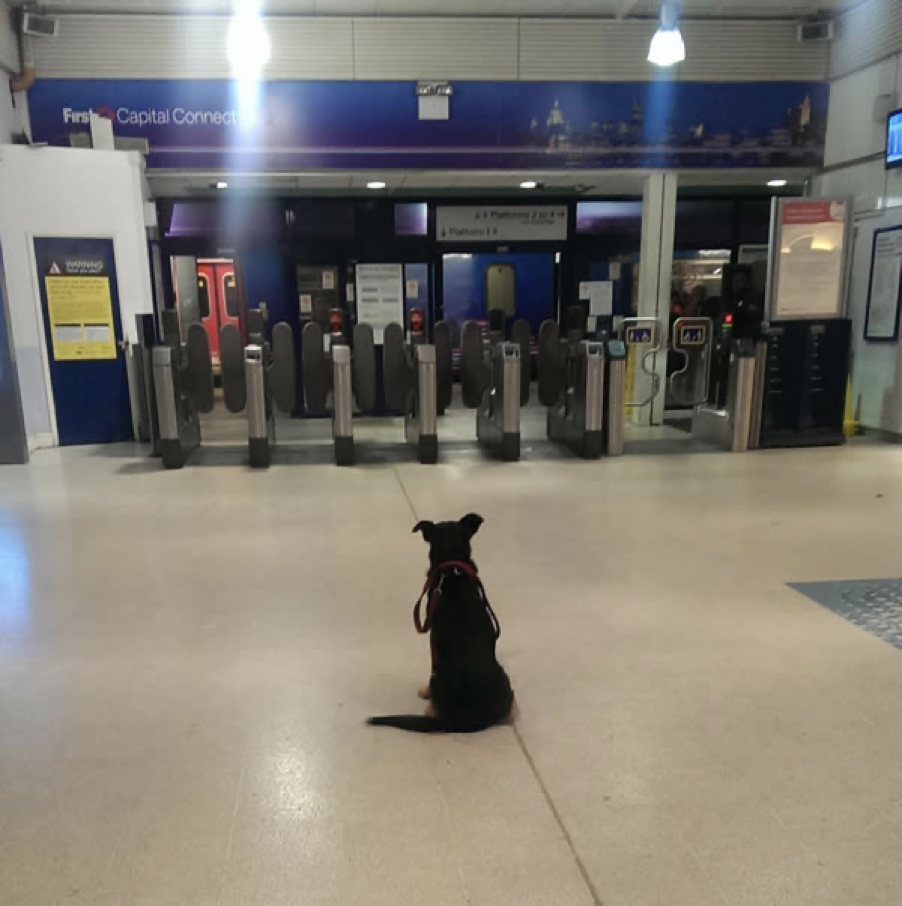
When I was working from home and madame, who I now call Mrs Tagmaster, was coming home from London, me and Lulu would go and pick her up. I trained Lulu to sit in the middle of the station and wait for Mrs Tagmaster for as long as 10 minutes, which meant several packed commuter trains unloaded past her. I’d hide out of sight, watching to see how many pats on the head she got. Usually several.
Lulu’s Legacy is Ten Year Tags
Phew, we’re getting up to date at last. Lulu lost dog name tags like it was something she was born to do. Sometimes in a few months, sometimes in a few days. We got through dozens. I’m a bit slow on the uptake, it took me a while to work out the dog name tags on the market just might not be up to the job.
It took about a year of fact-finding, market assessment and trying to work out how to make a better dog name tag before I was ready to start planning the equipment we needed. Having wasted months liaising with companies in China to get the tags made in volume, I gave up on that idea to both keep our carbon footprint down AND have more control over any supply chain and not have to worry about any one critical supplier.
With over 9 million dogs in the UK alone, there’s a good sized market. Research quickly revealed this ubiquitous, low price point product has largely been ignored, especially digitally. Consequently many competitors are getting away with minimal product quality and poor customer experience (I’ll come back to this). This surprised me, as not many products pretty much anyone can manufacture are actuallyrequired by law in the UK courtesy of a stupidly out of date Dog Tag Law.
I pretty much, at least subliminally, thank Lulu for every tag I press out and when it’s a busy day that started at 6 am and is only drawing to a close with a 6pm trip to the sorting office with a sack of 50 or more orders, I’m ever so grateful to Lulu, as without her showing us the flaws in all those substandard products over the years, patiently waiting until Raymond here got the hint, we probably wouldn’t be coping at all right now. Lulu is still looking after us.
ooOOoo
Thank you, Ray.
This is such a delightful story. So much so that I am going to post another story for Saturday. Namely, a short article, broadly written by Ray, and featuring the Spitfire.
Ray’s company Ten Year Tags is linked to Ray’s website.
Humans are great inventors! Indeed, a better way to describe H. sapiens ever since we separated from the chimpanzees, some 5 or 6 million years ago, is to describe us as explorers both outwards and inwards constantly in search for new worlds and new insights into meaning.
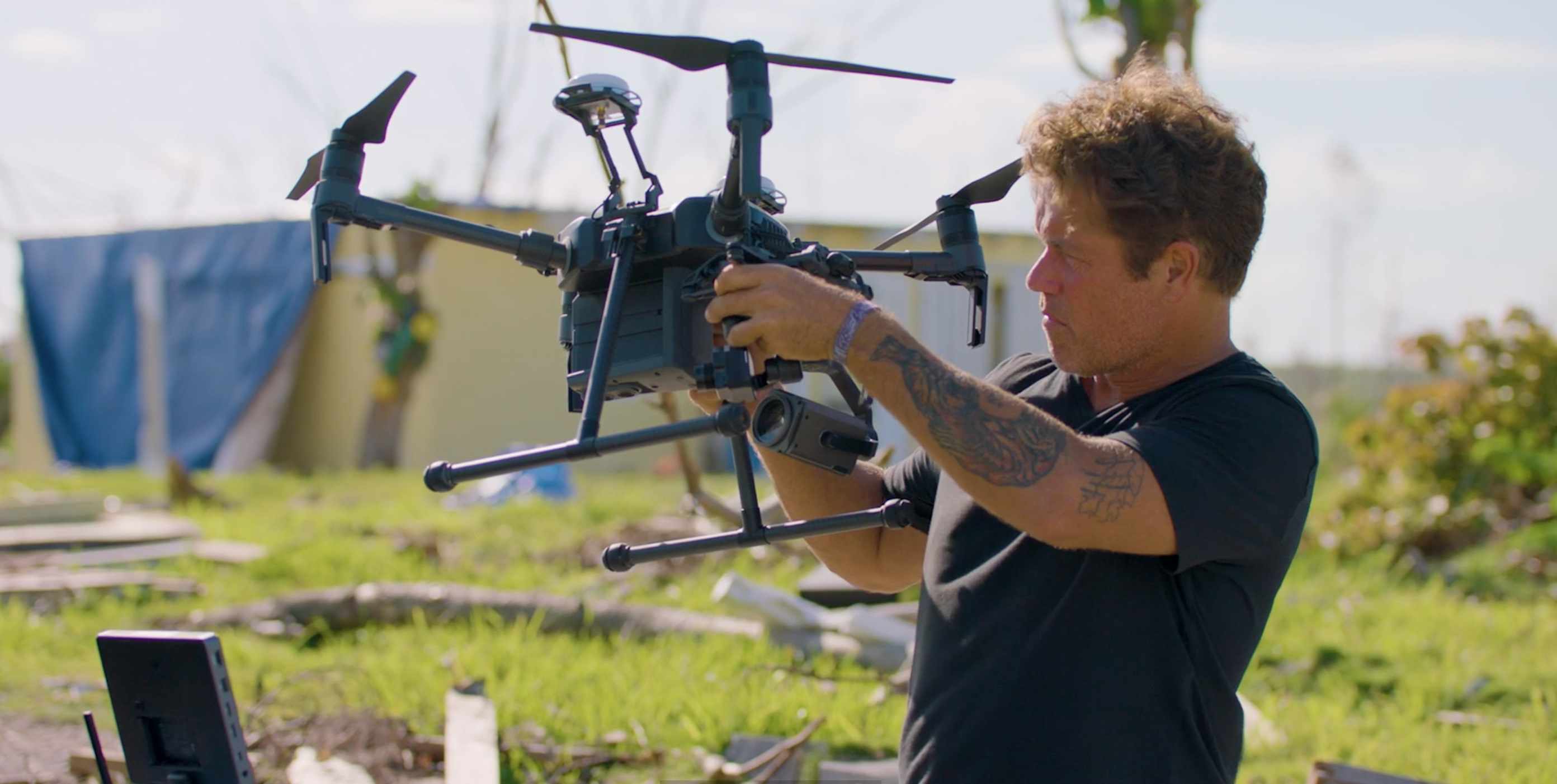
Thus this naturally caught me eye as Doug Thron uses a modern device, a drone, to search for animals in distress, a very ancient behaviour!
ooOOoo
Drone Pilot Rescues Animals After Natural Disasters
Doug Thron goes to devastated areas to save pets and wildlife.
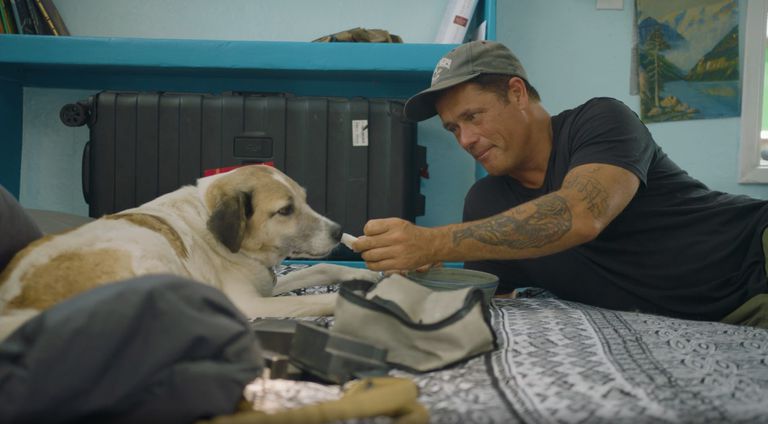
Doug Thron with Duke, a dog he rescued after California wildfires.”Doug to the Rescue”
For nearly three decades, seaplane and drone pilot Doug Thron has been a professional photographer and cinematographer, primarily for nature shows and magazines. A few years ago he was using his drone to film the devastation left behind after wildfires in California when he teamed up with rescuers to help find lost pets and reunite them with their owners.
A long-time animal lover and environmentalist, Thron realized he could combine those passions, using his aerial skills. He now travels wherever there is need, using his drone to help communities dealing with the destruction after natural disasters.
Thron is featured in a six-part documentary series “Doug to the Rescue”streaming on CuriosityStream beginning June 10.
He talked to Treehugger about his first animal rescues, his drones, and some of the challenges he’s faced.
Treehugger: Which came first: the animal rescue work or the drone?
Dough Thron: I was using drones for filming for TV shows, commercials, and real estate clients before doing the animal rescue work.
Were you involved in animal rescue and realized that your drone work could come in handy?
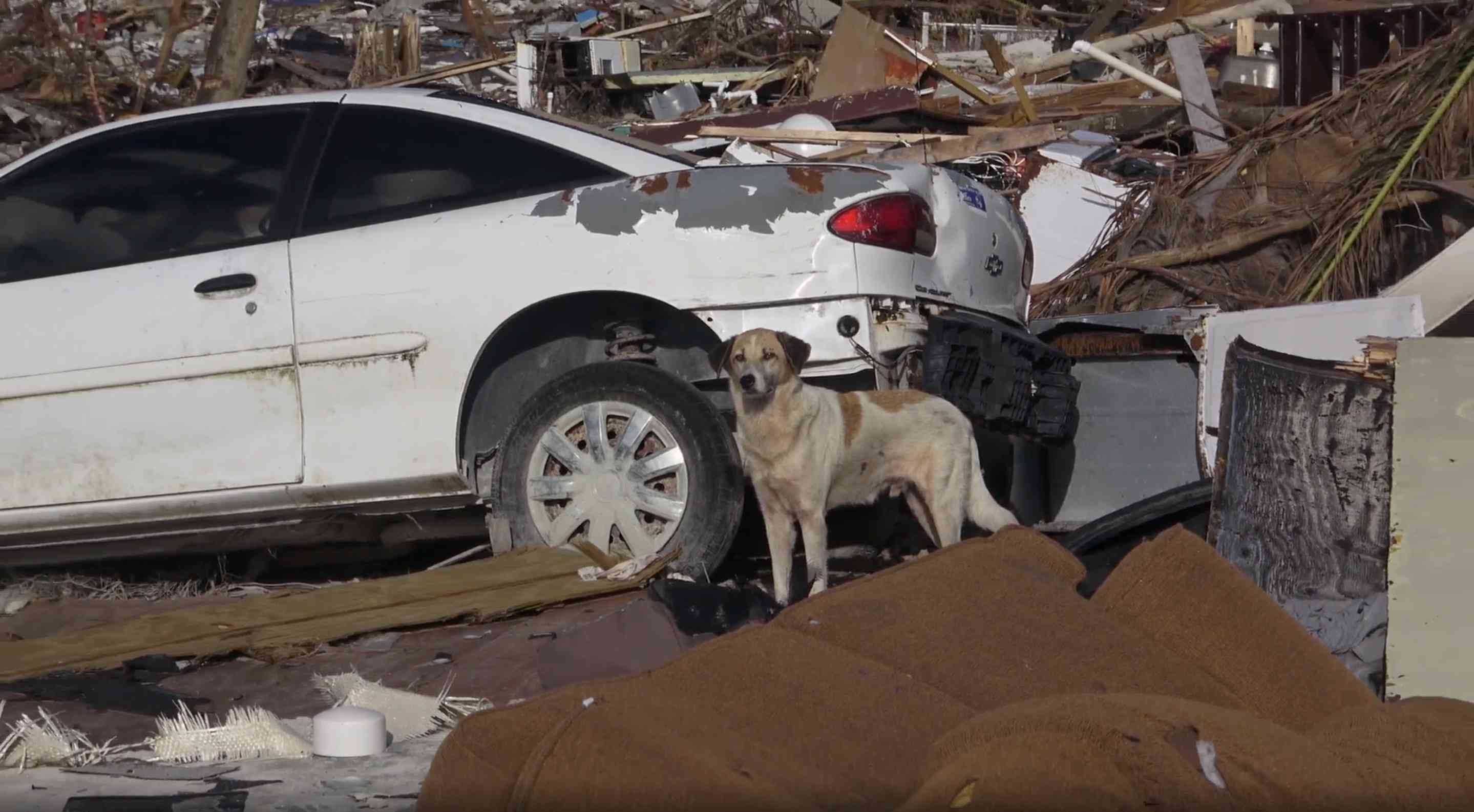
Definitely. I was doing animal rescue work after the wildfires in Paradise, California. I was working with an expert cat rescuer named Shannon Jay, and I saw him using an infrared scope at night to help find the cats. We talked about how incredible it would be to put one on a drone and when the opportunity came up about 10 months later in the Bahamas after the category 5 Hurricane Dorian, that’s what I did and it worked incredibly.
I had raised orphaned baby animals as a kid and worked with animals such as possums, raccoons, squirrels, beavers, and even mountain lions. I’ve been using drones since 2013 for cinematography, so I’ve used them for quite a while before I got involved in the actual rescuing of animals with drones.
Duke in the Bahamas.Doug Thron / “Doug to the Rescue”
What was your first big rescue using a drone?
My first big rescue using a drone was in the Bahamas after Hurricane Dorian. I was there helping to deliver aid and film the destruction when I spotted a dog roaming around the mountains of debris. He obviously hadn’t had any water or much food for days. He was really apprehensive at first, but warmed up over the course of the day, as I just sat with him. Dog food and water helped! The next day, some animal rescuers came with me to get him. He’s such an incredible dog, and meant so much to me, so I adopted him and named him Duke after a sign I’d seen where I found him.
Where are some of the places you’ve gone to help stranded animals?
The Bahamas, Australia, Oregon, California, and Louisiana.
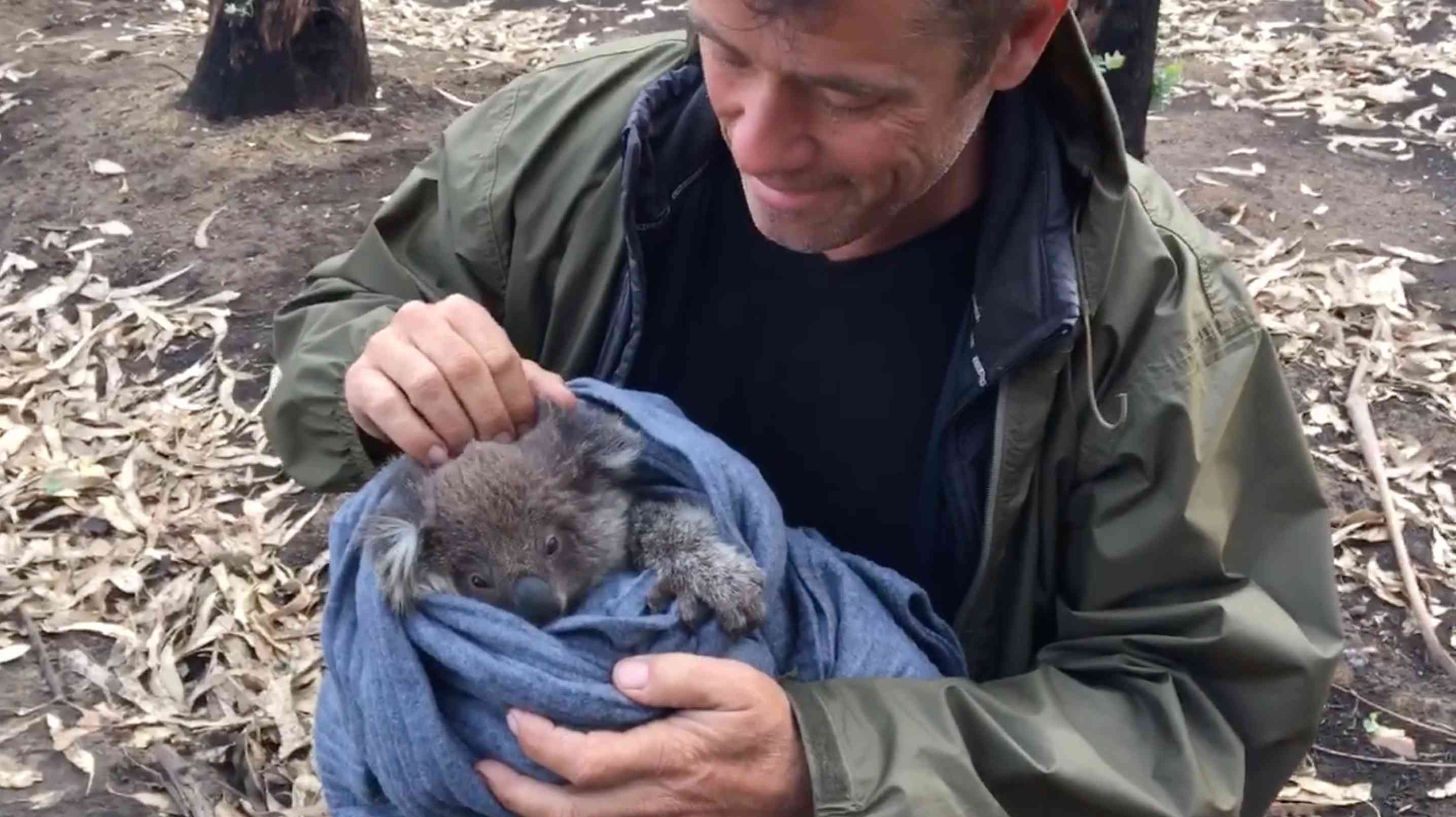
Thron with a rescued koala.”Doug to the Rescue”
What were some of the most challenging circumstances?
In Australia, it was challenging because the hurt koalas were deep in burnt out forests, often with a dense canopy. It was so hot out you had to fly strictly at night with spotlights and infrared and fly the drone pretty far and often drop it down through the trees to see the animals, which takes a lot of skill. Koalas are also very aggressive and strong, and not always thrilled when you go to grab them out of a tree to rescue them. On almost all these rescues, Australia and everywhere else, it’s countless long hours of work—generally about 20 hours a day—which can certainly wear you down day after day.
What is it like when you spot an animal in an area of devastation where there is no other sign of life?
It’s great to be able to rescue these animals so much more efficiently and faster and, in many cases, find animals that never would have been found. It’s different everywhere I go—finding animals when there aren’t any others alive nearby is always really hard. But in places like Louisiana, where I was searching in so many neighborhoods, it gives you a feeling of hope when you find a cat or dog, knowing it was someone’s pet.
In other places, like Australia, I’d be covering dozens of miles a night, sometimes and only finding an occasional animal. It’s really sad because you realize how many thousands of animals didn’t make it. It’s also really hard to see how fires and other natural disasters as a result of climate change are taking out the last patches of unentered habitat and endangered animals.
A dog rescued in Louisiana.”Doug to the Rescue”
How heart-wrenching can it be?
It can be really heart-wrenching to find animals that are severely wounded, but it’s wonderful to be able to save them.
How euphoric is it when you make a great save?
It’s awesome to be able to save people’s cats and dogs because frequently, that might be the only thing they have left after a fire or hurricane. Obviously, for the animal’s sake, it’s so incredible because without the infrared drone, in many cases, the animal would have never been found and would have died, sometimes a slow and painful death.
Thron with his drone.”Doug to the Rescue”
What is your drone like?
The Matrice 210 V2 are the drones I use with an infrared camera, spotlight, and 180x zoom lens. The combination of using those three attachments for animal rescue has never been done before.
How much time do you spend doing animal rescue work? What else do you do?
The rescue work is pretty continuous for 9 to 10 months during the fire and hurricane seasons. After that, there are occasional lost pets to be found.
What else do you want to accomplish?
I hope to make using infrared drones for animal rescue as popular as helicopters are for rescuing people after a natural disaster. So many more animals can be saved when you can find them so much faster and find ones that never would have been found on foot because there is just too much area to cover.
ooOOoo
This account makes me want to choke up. Doug is clearly used to being a professional photographer and, also, works with others in the field of animal rescue. But this story is about Doug and he is engaged with animal rescue with his heart as well as his head!
Doug has been reported widely I am delighted to say and there’s a YouTube video that you can watch.
A report from BBC Future suggests there is a hidden reason
With six dogs feeding them is quite an exercise. I don’t really take much notice of what Jeannie does although I do know that we feed them kibbles, canned food and Jean cooks up beef for the dogs as well.
Recently BBC Future had a report saying that there is a hidden reason that processed foods are addictive. I am going to share that article with you.
ooOOoo
The hidden reason processed pet foods are so addictive
From potently smelly additives to offal concentrates, pet food companies turn to some surprising ingredients in the quest to make kibble delicious.
The cue might be a hand in a pocket, the opening of a cupboard door, or even a word said carelessly aloud – “dinner”. Before you know it, you’re tripping over a pet excitedly awaiting a portion of… dull-brown dried pellets. What’s in these mysterious morsels, that makes them as delectable as roasted chicken, wild salmon, or bundles of fresh herbs?
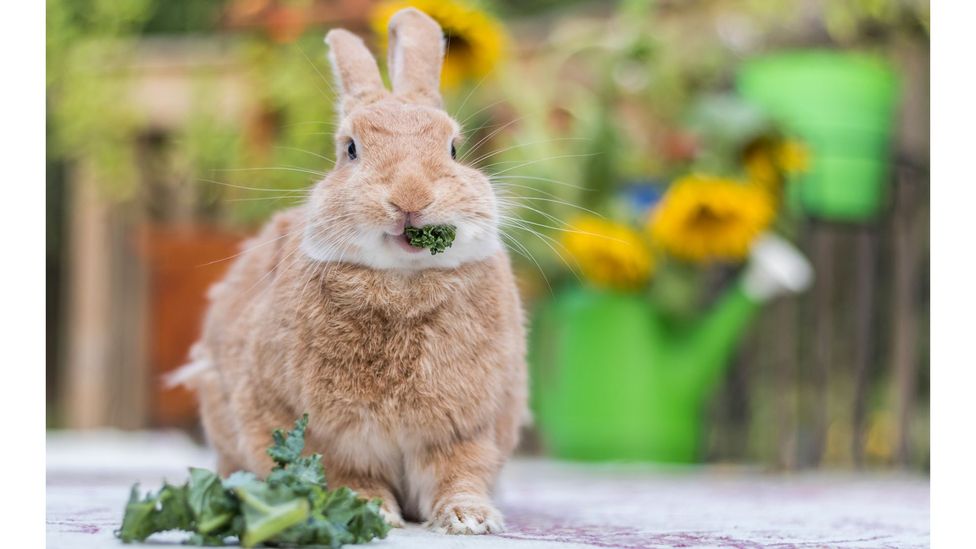
Take my flatmate, a small black rabbit. For a large part of every day, he can be found sitting attentively with his paws on his empty food bowl, awaiting his next portion of kibble – even though it looks like his droppings and smells equally unappetising. He used to have an automatic dispenser with a timer, but he learnt to throw it across the room to access its contents prematurely. No matter what delicacies I place before him – home-grown parsley, soft-cut hay, fresh carrot-tops, organic kale – he would always rather eat processed pet food.
It seems that this is not unusual. Anecdotes abound about pets whose thoughts are largely preoccupied with kibble, such as the cat that has a daily panic attack when it realises it has eaten all its pellets and the pragmatic German shepherd found carrying a bag of dog food around the streets of Houston after Hurricane Harvey.
As it happens, this addictive quality is carefully engineered. Big Pet Food is a multi-billion-dollar industry which invests heavily in research into “palatants” – ingredients that make our pets want to eat their products. And from potently smelly chemicalsusually found in rotting meat to an additive commonly added to potatoes to stop them discolouring, the quest to make the most scrumptious pet food has led to some surprising insights.
“Big [pet food] companies have huge departments that make palatants,” says Darren Logan, head of research at the Waltham Petcare Science Institute, part of the company Mars Petcare. “Just like we make them for humans, we make them for pets as well.”
Upper-class dogs
The first pet food was invented in 1860 by James Spratt, an enterprising lightning-rod salesman from the US state of Ohio. Legend has it that he had travelled to England for his business, and was looking out over the docks of Liverpool one day when he noticed stray dogs knocking back leftover hardtack biscuits.
This was a revelation for two reasons.
Rabbits eat fresh vegetables in the wild, but many kept as pets feast instead on processed pellets (Credit: Getty Images)
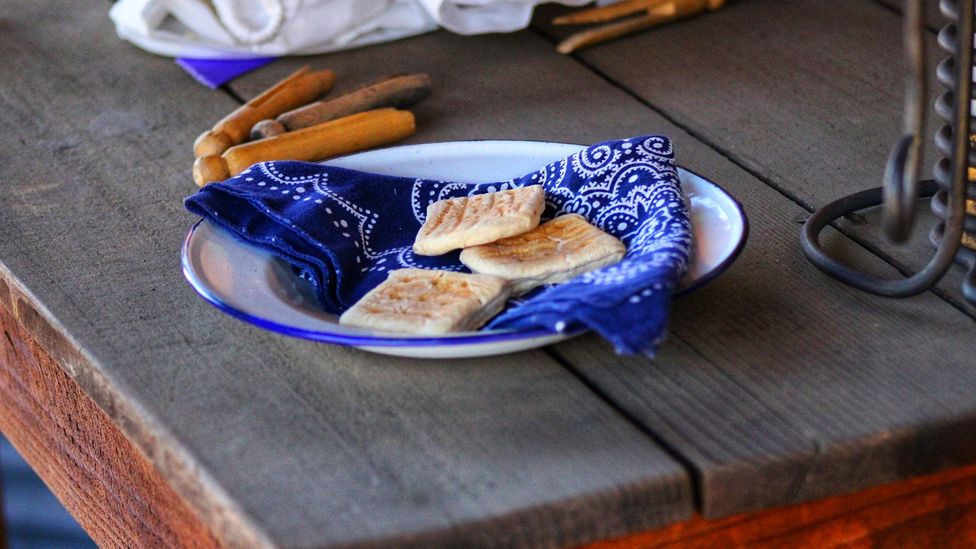
Firstly, hardtack were famously unappealing – loathed by generations of the soldiers and sailors who ate them, these simple slabs of baked flour and water were tougher than wood and sometimes hard enough to break your teeth. Their nicknames included “sheet iron” and “worm castles“, the latter because of the high proportion that were infested with maggots and weevils. The oldest piece of surviving hardtack was baked just nine years before Spratt’s dock visit, and still looks suspiciously well-preserved 170 years later.
Secondly, until that moment it hadn’t occurred to anyone to check what their pets would like to eat – or that this could be monetised. For as long as we had kept domesticated animals, they had been fed more or less the same food as humans, or expected to fend for themselves.
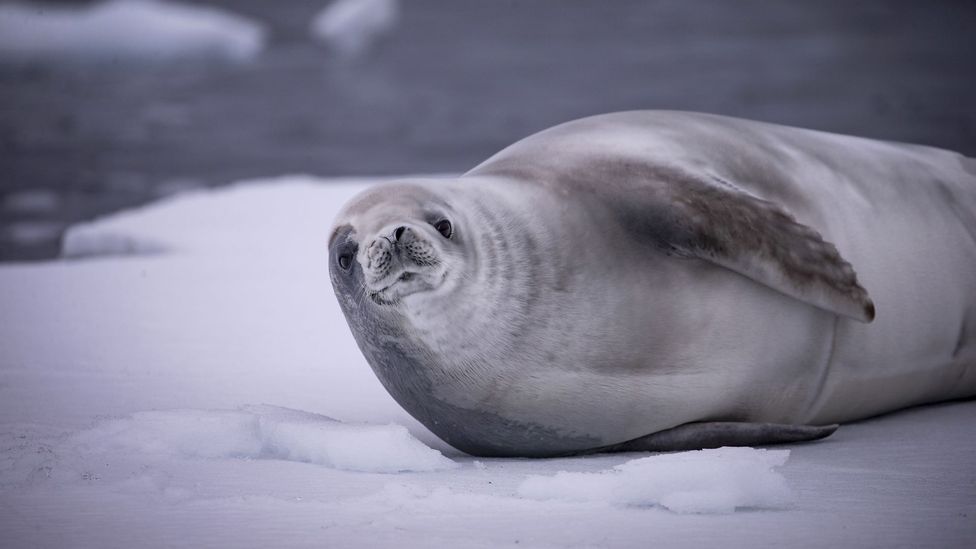
One striking example is the husky. In their native territory of Arctic Greenland, Canada and Alaska, Inuit hunter-gatherers have traditionally fed these dogs on seal meat, which comprises the majority of their own diet. Sled-dogs are so well-adapted to this that when the British Antarctic Survey brought them to Antarctica as a form of transport in 1945, they found that they struggled to digest commercial dog food. In the end, they had to kill a number of local seals each year, just to feed the dogs, before they were largely replaced with skidoos in the 1960s and 70s.
Spratt’s innovation coincided with a cultural revolution in the way people saw their pets
Meanwhile in Victorian London, dogs that were lucky enough to be looked after were either given table scraps or gruel. Even specialist exotic animals were fed everyday human food – the 20,000 or more tortoises imported from Morocco each year were mostly expected to survive on ordinary garden vegetables or bread soaked in water. Cats were considered street animals and rarely fed.
But Spratt had hit upon something entirely new. Over the coming months he developed the “Meat Fibrine Dog Cake”, a biscuit-like concoction of beetroot, vegetables, grains and beef of dubious origins that claimed to meet all the nutritional needs of his customers’ hounds. (While its packaging implied that it was the finest prairie beef, what it was actually made from was a secret he took to his grave.)
Spratt’s innovation coincided with a cultural revolution in the way people saw their pets – dogs and cats went from being viewed as mere utility animals or borderline-vermin to beloved family members to be coddled. Consequently, the Meat Fibrine Dog Cake was marketed as a luxury food for aristocratic pets.
The husky dogs taken on early Antarctic voyages had to be fed with freshly killed seals (Credit: Ozge Elif Kizil/Anadolu Agency/Getty Images)
The adverts labelled them “Dog’s Delight” and included gushing testimonials from wealthy customers. Ironically, Spratt’s also promoted the fact that they were chosen to feed the sled dogs on Captain Scott’s 1901 trip to the Antarctic, though we now know they would much rather have eaten seal.
Eventually the company branched out into cat food – “Spratt’s puts pussy into fine form!”, they said – and the rest is history. However, the science of pet food palatants still had some way to go.
Disgusting smells
Today it’s possible to buy specialised kibble for almost any kind of pet, from frogs to sugar gliders (a small marsupial). Most follow roughly the same formula – they usually contain some kind of base carbohydrate, assorted proteins and fats, sugars, a source of fibre, antioxidants or other preservatives, emulsifiers (which keep the fat in the food and prevent it from separating), vitamins and minerals, and colouring agents
More sophisticated versions may also contain probiotics or digestibility enhancers – such as chicory, which is often added to dog food – as well as enzymes, anti-parasitic compounds and minerals to prevent the build-up of tartar on teeth.
Oddly, there is very little relationship between how healthy a pet food is and its inherent deliciousness
To turn these ingredients into a dry pet food, it’s formed into a paste and “extruded” via a process that involves heating it up and forcing it through a plate with holes in it, to form an aerated product that matches the shape of the holes. It’s the same process that’s used to make puffed snack foods, with flavourings added in the final step – in the case of pet food, they’re either sprayed on or added as a powder.
Oddly, there is very little relationship between how healthy a pet food is and its inherent deliciousness. That’s because in the US, the EU and many other parts of the world, in order to describe one as “complete” – containing everything the body needs to be healthy – it must meet certain nutritional standards. These set out acceptable ranges for most ingredients, so manufacturers can’t just load up on sugar and fat to make it compelling.
“From my standpoint as a nutritionist, all pet foods are the same,” says Marion Nestle, professor emerita of nutrition, food studies, and public health at New York University.
The first processed dog foods were luxury products which ushered in the idea of the “pampered pet” (Credit: Kirn Vintage Stock/Corbis via Getty Images)
Instead, companies turn to chemistry.
Many animals rely heavily on smell to navigate the world around them, and this is often the main sense that’s targeted. While human noses contain around 50 million olfactory receptors, cats have 67 million, rabbits have 100 million and dogs have around 220 million. On the other hand, their sense of taste is generally less discriminating than ours – our relatively high density of taste receptors is thought to have evolved to help us cope with our diverse omnivorous diets.
The catch is that appealing to animals that find the smell of roadkill, sweaty socks, and vomit utterly enchanting – as carnivorous pets often do – while not making their human companions feel violently ill, is extremly tricky. “There is a slight paradox there, because the smells that cats particularly but also dogs seem to like are often the opposite of what humans like,” says Logan.
Nestle puts it more bluntly – “animals eat faeces”, she says. “They like strong animal odours and pet food manufacturers have a really difficult time, because they have to make it disgusting enough so that the animal will eat it, but not so disgusting that the owners won’t buy it.”
Pet food manufacturers have a really difficult time, because they have to make it disgusting enough so that the animal will eat it, but not so disgusting that the owners won’t buy it – Darren Logan
Examples include putrescine and cadaverine, colourless chemicals produced naturally by the breakdown of proteins. They’re largely responsible for the revolting smell of rotting flesh – and cats love them. While in human food, their levels are sometimes closely monitored as a way of ensuring the freshness and safety of meat, they’re often actively added to cat and dog food, either as offal extracts or lab-made additives.
In the case of naturally vegan animals, such as rabbits and guinea pigs, irresistible smells such as mint and oregano are sometimes added in the form of concentrates.
Japanese-inspired cuisine
Other insights are arguably more surprising. A recent study identified nine volatile compounds in common pet food flavourings that are linked to how delicious they are to dogs, including heptanal, nonanal, and octanal, which all have strong, fruity odours.
However, taste is also important – and here the preferences of carnivorous pets are not so different from ours.
One of the most popular additives in human food is the enigmatic “hydrolysed protein”, which is formed by breaking down the long strands of proteins into their constituent amino acids, usually using enzymes or hydrochloric acid. It imparts a flavour similar to that achieved by meat or vegetable stock, and often comes with MSG, which is produced as a by-product of the same reaction and is responsible for the savoury taste of tomatoes, cheese and Iberico ham.
Though hydrolysed proteins are produced artificially, the process is similar to what happens when you cook food for a long period of time – it’s a kind of pre-digestion, and is thought to contribute to the enticing smell of many brands of kibble.
Early processed dog food resembled the tooth-challenging hard-tack biscuits often taken on long sea voyages (Credit: Getty Images)
“The understanding of cat palatability is very similar to Japanese or Asian cuisine, where there’s a lot of focus on umami and another taste modality called kokumi,” says Logan.
Kokumi was discovered in Japan in 1989, and has been proposed as the sixth taste in humans, after sweetness, saltiness, bitterness, sourness and umami. It’s described as a kind of mouth-feel rather than a flavour per se – a texture that imparts richness and “thickness” to foods. Unlike the others, kokumi hasn’t yet been linked to a specific set of compounds, but foods that conjure this sensory experience include scallops, soy sauce, shrimp paste, yeast and beer.
While cats are particularly drawn to Japanese food, which is rich in meat and seafood, you’re unlikely to find them stealing ice-creams or doughnuts
The sixth taste is thought to be particularly popular with carnivorous animals, which may discern it via receptors in their mouths that evolved to detect calcium. And as you would expect, pet food companies have already begun targeting it with cocktails of flavour-enhancing chemicals.
But there are some flavours that you will never find in certain pet foods.
For example, most wild carnivorous animals lack the receptors for tasting sugar or carbohydrates. And unlike dogs, which have been living around humans and feasted off our scraps for up to 40,000 years, domestic cats have only been around for about 4,300. For the majority of that time, they were considered a kind of free pest-control that could fend for themselves.
So, while cats are particularly drawn to Japanese food, which is rich in meat and seafood, you’re unlikely to find them stealing ice-creams or doughnuts – unlike dogs, they simply haven’t been around humans for long enough to have evolved the ability to taste sugar.
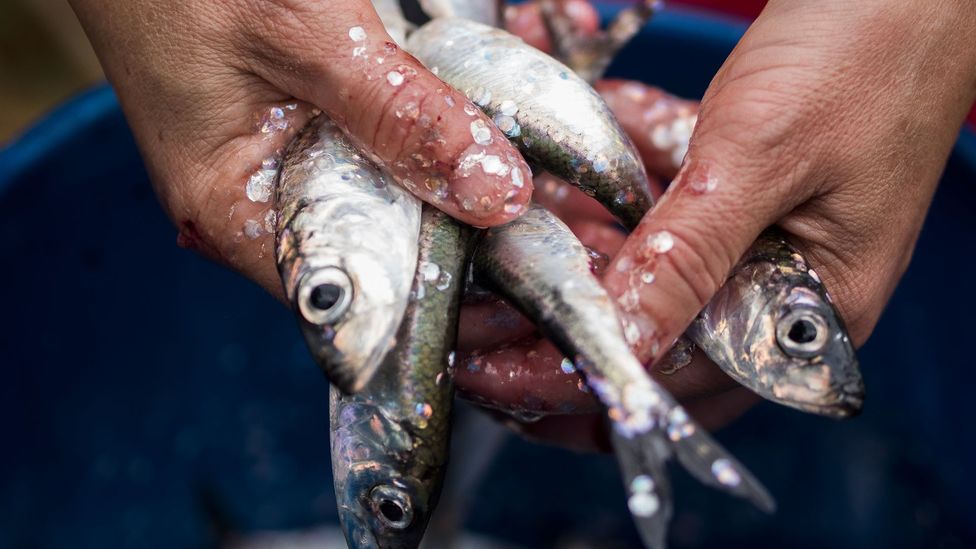
Cats are irresistibly drawn to the chemical compounds found in rotting fish (Credit: Getty Images)
On the other hand, because vegan animals eat exclusively vegetable matter, which is often rich in fibre and carbohydrates, they tend to prefer sweeter pet food.
Finally, no list of palatants would be complete without pyrophosphate, described in Popular Science as “cat crack”. This common additive performs a number of roles in human food, such as preventing potato products from going dark after they’re cooked – none of which involve improving its taste. Nevertheless, cats go nuts for it, possibly because it intensifies the flavour of amino acids.
Pet food companies are now so successful at making food delicious that they’re increasingly encountering a dilemma – it’s almost too good. “The danger for cats and dogs today is the same as for people, it’s overconsumption,” says Andrew Knight, a professor of animal welfare and ethics at the University of Winchester.
Pet obesity is a growing problem in the developed world, with one survey of veterinary professionals at a vet show in London suggesting that around 51% of dogs, 44% of cats and 29% of small mammals are now overweight or obese.
Pet foods made from more sustainable ingredients such as insects or soya are generally just as acceptable to carnivorous pets as the real deal
According to Logan, this is not down to the way pet food is formulated, but humans succumbing to their beloved pets’ pleading gazes. “The reason we make pet food palatable is that if they don’t eat all the food that we give them, it won’t meet the nutritional needs that they require,” he says. “The real problem is owners feeding them too much – pets can’t open the packets themselves.”
However, there is an upside. There are mounting concerns about the environmental impact of pet food, too – in 2009, two New Zealand scientists estimated the planetary cost of keeping a dog as roughly twice that of having a medium-sized SUV.
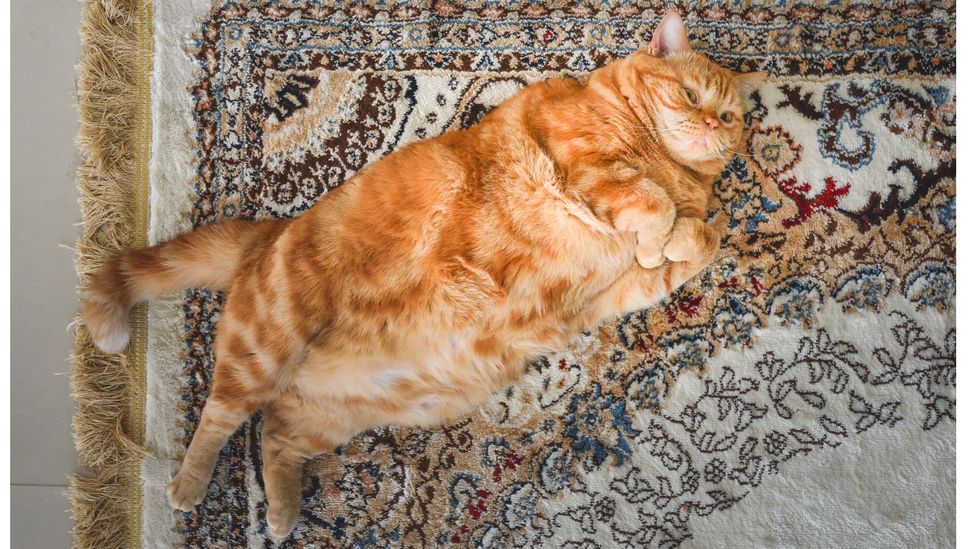
Pets given too much calorific processed food may, just like humans, put on extra weight (Credit: Getty Images)
This is where palatants come in. Because most pet foods comprise a fairly tasteless base that is spruced up with delicious flavourings and smells, pet foods made from more sustainable ingredients such as insects or soya are generally just as acceptable to carnivorous pets as the real deal. (Though cats cannot be fed a diet that is meat free.)
“According to this really large-scale study that we’ve just finished, the animals on vegan pet foods seem to be just as happy as animals on meat ones,” says Knight, who is hopeful about their future potential.
“There is a broad recognition that the need to be more sustainable will have a big impact on the pet food business,” says Logan, who explains that the pet food company he works for has just released its own brand of insect-based pet food.
So, why do our pets find pet food so addictive? Well, because it’s been made that way. Just like us, our pets find it hard to say no to the food we have designed to be tasty.
* Zaria Gorvett is a senior journalist for BBC Future and tweets at @ZariaGorvett
ooOOoo
That is a really useful article that goes a very long way to explaining how ‘big business’ interferes with the food that our pets eat.
And did you read right at the end of the article: “According to this really large-scale study that we’ve just finished, the animals on vegan pet foods seem to be just as happy as animals on meat ones,” says Knight.
Dog owners might not be too impressed when they’re able to point out a fallen piece of chicken or a thrown stick to their pooch, but dogs’ ability to follow that seemingly simple gesture places them in rare air in the animal kingdom. Some research suggests that even chimpanzees, our closest evolutionary relatives, don’t understand pointing as well as dogs.
For decades, researchers have debated whether dogs obtain their ability to understand pointing by spending time with humans and learning it or if our furry companions are born with a capacity to comprehend this deceptively complex feat of communication.
ooOOoo
And if one follows that link above then one comes to Current Biology and, again, an extract:
ooOOoo
Summary
Human cognition is believed to be unique in part because of early-emerging social skills for cooperative communication.1Comparative studies show that at 2.5 years old, children reason about the physical world similarly to other great apes, yet already possess cognitive skills for cooperative communication far exceeding those in our closest primate relatives.2,3 A growing body of research indicates that domestic dogs exhibit functional similarities to human children in their sensitivity to cooperative-communicative acts. From early in development, dogs flexibly respond to diverse forms of cooperative gestures.4,5 Like human children, dogs are sensitive to ostensive signals marking gestures as communicative, as well as contextual factors needed for inferences about these communicative acts.6, 7, 8 However, key questions about potential biological bases for these abilities remain untested. To investigate their developmental and genetic origins, we tested 375 8-week-old dog puppies on a battery of social-cognitive measures. We hypothesized that if dogs’ skills for cooperating with humans are biologically prepared, then they should emerge robustly in early development, not require extensive socialization or learning, and exhibit heritable variation. Puppies were highly skillful at using diverse human gestures, and we found no evidence that their performance required learning. Critically, over 40% of the variation in dogs’ point-following abilities and attention to human faces was attributable to genetic factors. Our results suggest that these social skills in dogs emerge early in development and are under strong genetic control.
ooOOoo
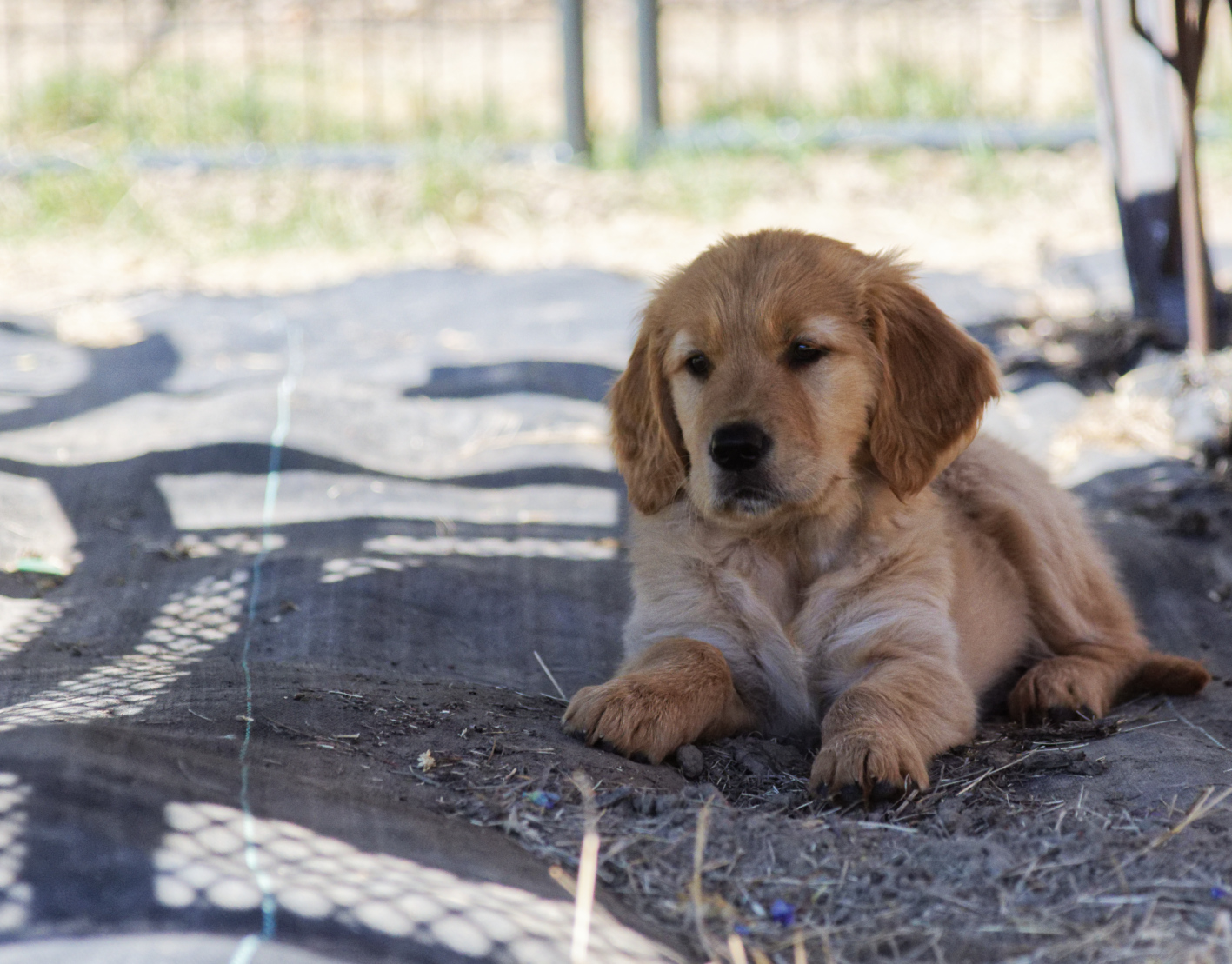
And I am going to sneak one of the photographs in the original article!
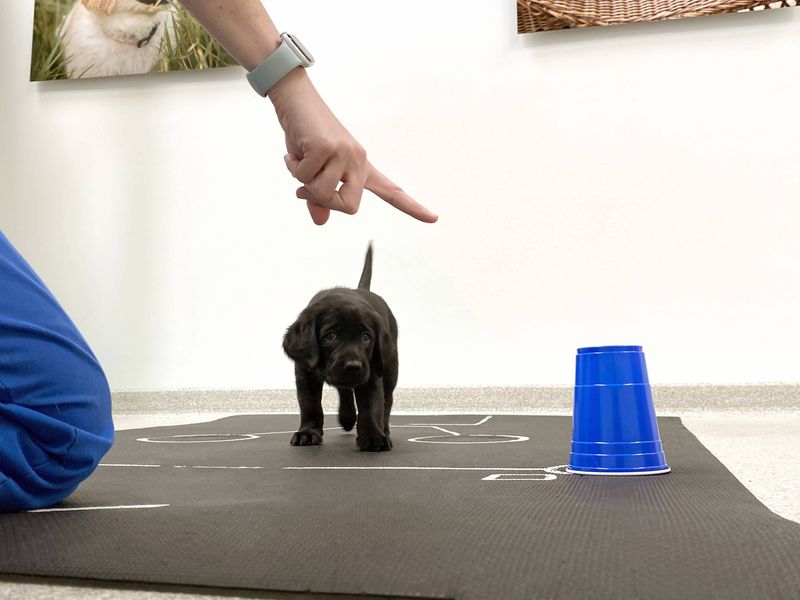
A young puppy responds to a human pointing to a treat during an experiment conducted by scientists at the University of Arizona. (Canine Companions for Independence)
And what better to close the post that one of the photos I showed yesterday of dear Joy.
:max_bytes(150000):strip_icc()/MaryJoDiLonardo-bw-treehugger-6d5044d7d4ae44298fb31df11a3d5a66.jpg)




:max_bytes(150000):strip_icc()/MaryJoDiLonardo-bw-d4a8600bf85f47c793a3a283f74ff222.jpg)
 Learning from Dogs