Category: Science

That magical night sky

Or more to the point of this article: Dark Matter.

Along with huge numbers of other people, I have long been interested in the Universe. Thus this article from The Conversation seemed a good one to share with you.

ooOOoo

When darkness shines: How dark stars could illuminate the early universe

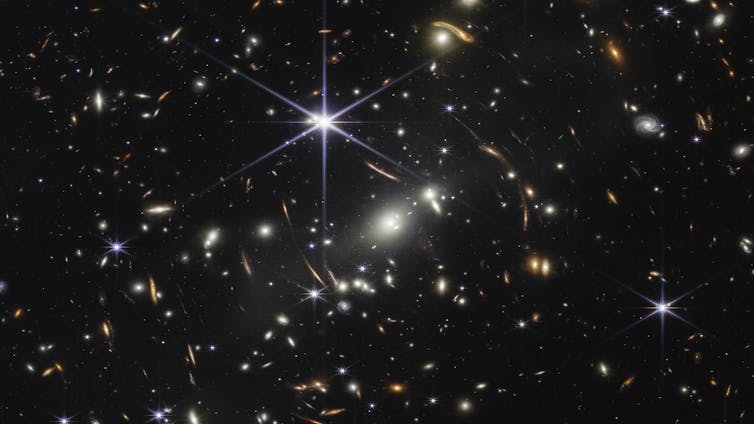
NASA’s James Webb Space Telescope has spotted some potential dark star candidates. NASA, ESA, CSA, and STScI

Alexey A. Petrov, University of South Carolina

Scientists working with the James Webb Space Telescope discovered three unusual astronomical objects in early 2025, which may be examples of dark stars. The concept of dark stars has existed for some time and could alter scientists’ understanding of how ordinary stars form. However, their name is somewhat misleading.

“Dark stars” is one of those unfortunate names that, on the surface, does not accurately describe the objects it represents. Dark stars are not exactly stars, and they are certainly not dark.

Still, the name captures the essence of this phenomenon. The “dark” in the name refers not to how bright these objects are, but to the process that makes them shine — driven by a mysterious substance called dark matter. The sheer size of these objects makes it difficult to classify them as stars.

As a physicist, I’ve been fascinated by dark matter, and I’ve been trying to find a way to see its traces using particle accelerators. I’m curious whether dark stars could provide an alternative method to find dark matter.

What makes dark matter dark?

Dark matter, which makes up approximately 27% of the universe but cannot be directly observed, is a key idea behind the phenomenon of dark stars. Astrophysicists have studied this mysterious substance for nearly a century, yet we haven’t seen any direct evidence of it besides its gravitational effects. So, what makes dark matter dark?

A pie chart showing the composition of the universe. The largest proportion is 'dark energy,' at 68%, while dark matter makes up 27% and normal matter 5%. The rest is neutrinos, free hydrogen and helium and heavy elements.
Despite physicists not knowing much about it, dark matter makes up around 27% of the universe. Visual Capitalist/Science Photo Library via Getty Images

Humans primarily observe the universe by detecting electromagnetic waves emitted by or reflected off various objects. For instance, the Moon is visible to the naked eye because it reflects sunlight. Atoms on the Moon’s surface absorb photons – the particles of light – sent from the Sun, causing electrons within atoms to move and send some of that light toward us.

More advanced telescopes detect electromagnetic waves beyond the visible spectrum, such as ultraviolet, infrared or radio waves. They use the same principle: Electrically charged components of atoms react to these electromagnetic waves. But how can they detect a substance – dark matter – that not only has no electric charge but also has no electrically charged components?

Although scientists don’t know the exact nature of dark matter, many models suggest that it is made up of electrically neutral particles – those without an electric charge. This trait makes it impossible to observe dark matter in the same way that we observe ordinary matter.

Dark matter is thought to be made of particles that are their own antiparticles. Antiparticles are the “mirror” versions of particles. They have the same mass but opposite electric charge and other properties. When a particle encounters its antiparticle, the two annihilate each other in a burst of energy.

If dark matter particles are their own antiparticles, they would annihilate upon colliding with each other, potentially releasing large amounts of energy. Scientists predict that this process plays a key role in the formation of dark stars, as long as the density of dark matter particles inside these stars is sufficiently high. The dark matter density determines how often dark matter particles encounter, and annihilate, each other. If the dark matter density inside dark stars is high, they would annihilate frequently.

What makes a dark star shine?

The concept of dark stars stems from a fundamental yet unresolved question in astrophysics: How do stars form? In the widely accepted view, clouds of primordial hydrogen and helium — the chemical elements formed in the first minutes after the Big Bang, approximately 13.8 billion years ago — collapsed under gravity. They heated up and initiated nuclear fusion, which formed heavier elements from the hydrogen and helium. This process led to the formation of the first generation of stars.

Two bright clouds of gas condensing around a small central region
Stars form when clouds of dust collapse inward and condense around a small, bright, dense core. NASA, ESA, CSA, and STScI, J. DePasquale (STScI), CC BY-ND

In the standard view of star formation, dark matter is seen as a passive element that merely exerts a gravitational pull on everything around it, including primordial hydrogen and helium. But what if dark matter had a more active role in the process? That’s exactly the question a group of astrophysicists raised in 2008.

In the dense environment of the early universe, dark matter particles would collide with, and annihilate, each other, releasing energy in the process. This energy could heat the hydrogen and helium gas, preventing it from further collapse and delaying, or even preventing, the typical ignition of nuclear fusion.

The outcome would be a starlike object — but one powered by dark matter heating instead of fusion. Unlike regular stars, these dark stars might live much longer because they would continue to shine as long as they attracted dark matter. This trait would make them distinct from ordinary stars, as their cooler temperature would result in lower emissions of various particles.

Can we observe dark stars?

Several unique characteristics help astronomers identify potential dark stars. First, these objects must be very old. As the universe expands, the frequency of light coming from objects far away from Earth decreases, shifting toward the infrared end of the electromagnetic spectrum, meaning it gets “redshifted.” The oldest objects appear the most redshifted to observers.

Since dark stars form from primordial hydrogen and helium, they are expected to contain little to no heavier elements, such as oxygen. They would be very large and cooler on the surface, yet highly luminous because their size — and the surface area emitting light — compensates for their lower surface brightness.

They are also expected to be enormous, with radii of about tens of astronomical units — a cosmic distance measurement equal to the average distance between Earth and the Sun. Some supermassive dark stars are theorized to reach masses of roughly 10,000 to 10 million times that of the Sun, depending on how much dark matter and hydrogen or helium gas they can accumulate during their growth.

So, have astronomers observed dark stars? Possibly. Data from the James Webb Space Telescope has revealed some very high-redshift objects that seem brighter — and possibly more massive — than what scientists expect of typical early galaxies or stars. These results have led some researchers to propose that dark stars might explain these objects.

Artist's impression of the James Webb telescope, which has a hexagonal mirror made up of smaller hexagons, and sits on a rhombus-shaped spacecraft.
The James Webb Space Telescope, shown in this illustration, detects light coming from objects in the universe. Northrup Grumman/NASA

In particular, a recent study analyzing James Webb Space Telescope data identified three candidates consistent with supermassive dark star models. Researchers looked at how much helium these objects contained to identify them. Since it is dark matter annihilation that heats up those dark stars, rather than nuclear fusion turning helium into heavier elements, dark stars should have more helium.

The researchers highlight that one of these objects indeed exhibited a potential “smoking gun” helium absorption signature: a far higher helium abundance than one would expect in typical early galaxies.

Dark stars may explain early black holes

What happens when a dark star runs out of dark matter? It depends on the size of the dark star. For the lightest dark stars, the depletion of dark matter would mean gravity compresses the remaining hydrogen, igniting nuclear fusion. In this case, the dark star would eventually become an ordinary star, so some stars may have begun as dark stars.

Supermassive dark stars are even more intriguing. At the end of their lifespan, a dead supermassive dark star would collapse directly into a black hole. This black hole could start the formation of a supermassive black hole, like the kind astronomers observe at the centers of galaxies, including our own Milky Way.

Dark stars might also explain how supermassive black holes formed in the early universe. They could shed light on some unique black holes observed by astronomers. For example, a black hole in the galaxy UHZ-1 has a mass approaching 10 million solar masses, and is very old – it formed just 500 million years after the Big Bang. Traditional models struggle to explain how such massive black holes could form so quickly.

The idea of dark stars is not universally accepted. These dark star candidates might still turn out just to be unusual galaxies. Some astrophysicists argue that matter accretion — a process in which massive objects pull in surrounding matter — alone can produce massive stars, and that studies using observations from the James Webb telescope cannot distinguish between massive ordinary stars and less dense, cooler dark stars.

Researchers emphasize that they will need more observational data and theoretical advancements to solve this mystery.

Alexey A. Petrov, Professor of physics and astronomy, University of South Carolina

This article is republished from The Conversation under a Creative Commons license. Read the original article.

ooOOoo

Alexey Petrov says at the end of the article that more observations are required before we humans know all the answers. I have no doubt that in time we will have the answers.

Cambridge University and our brains.

Scientists have identified five ages of the human brain.

Neuroscientists at the University of Cambridge have identified five “major epochs” of brain structure over the course of a human life, as our brains rewire to support different ways of thinking while we grow, mature, and ultimately decline.”

So wrote Fred Lewsey. Fred is the Communications Manager (Research) and is Responsible for: School of the Humanities and Social Sciences. (And I took this from this site.) He went on to report that: Four major turning points around ages nine, 32, 66 and 83 create five broad eras of neural wiring over the average human lifespan.

Being in my early 80’s I was most interested in that last turning point. This is the information about that era:

The last turning point comes around age 83, and the final brain structure epoch is entered. While data is limited for this era, the defining feature is a shift from global to local, as whole brain connectivity declines even further, with increased reliance on certain regions.     

“Looking back, many of us feel our lives have been characterised by different phases. It turns out that brains also go through these eras,” added senior author Prof Duncan Astle, Professor of Neuroinformatics at Cambridge.

“Many neurodevelopmental, mental health and neurological conditions are linked to the way the brain is wired. Indeed, differences in brain wiring predict difficulties with attention, language, memory, and a whole host of different behaviours”

“Understanding that the brain’s structural journey is not a question of steady progression, but rather one of a few major turning points, will help us identify when and how its wiring is vulnerable to disruption.”

The research was supported by the Medical Research Council, Gates Foundation and Templeton World Charitable Foundation. The full report may be read here: https://www.newscientist.com/article/2505656-your-brain-undergoes-four-dramatic-periods-of-change-from-age-0-to-90

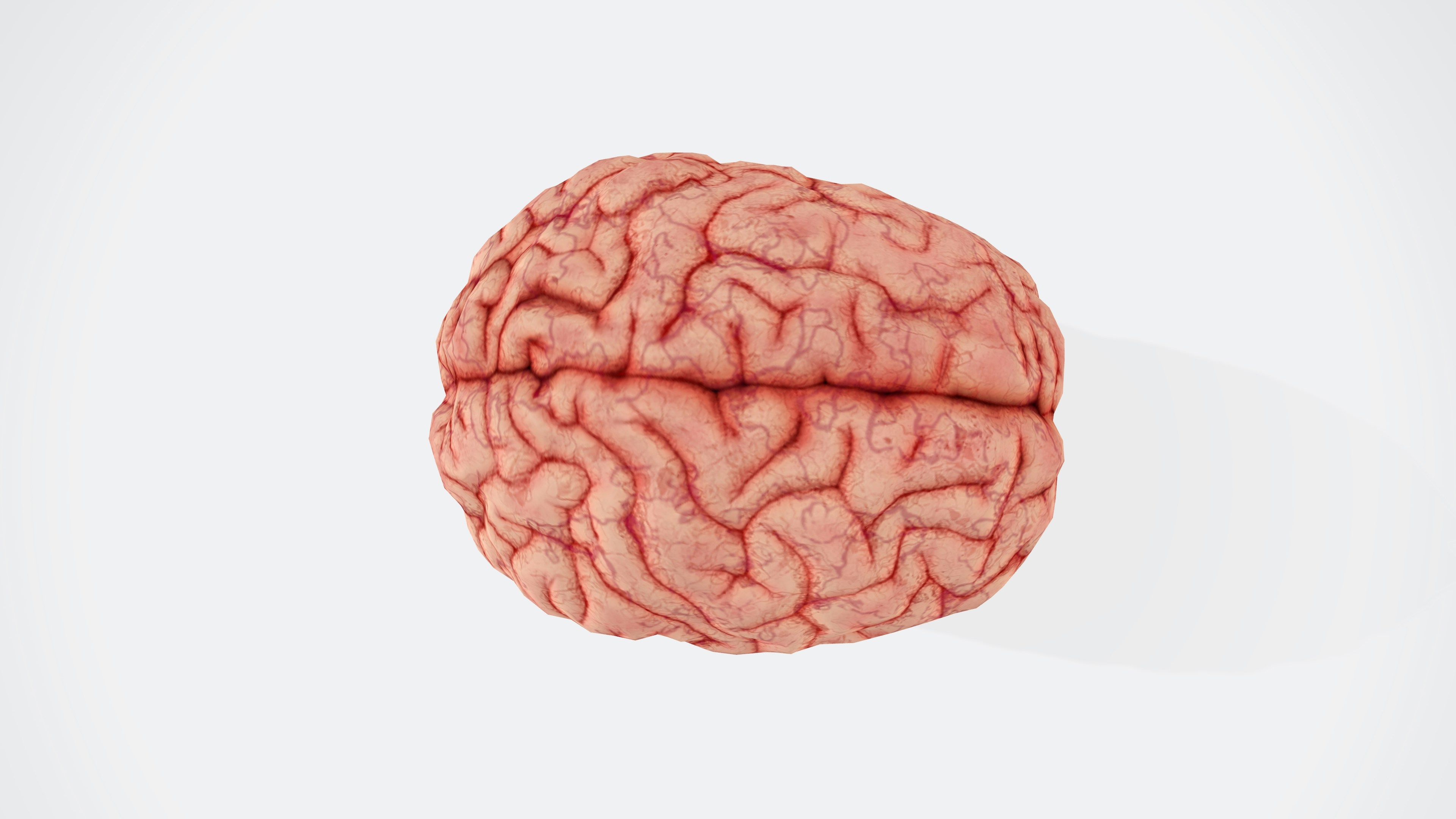
Finally, here is an image of this amazing organ that we humans have.

The DNA of dogs.

What is revealed in most dogs’ genes.

On November 24th this year, The Conversation published an article that spoke of the ancient closeness, as in genetically, of wolves and dogs.

I share it with you. It is a fascinating read.

ooOOoo

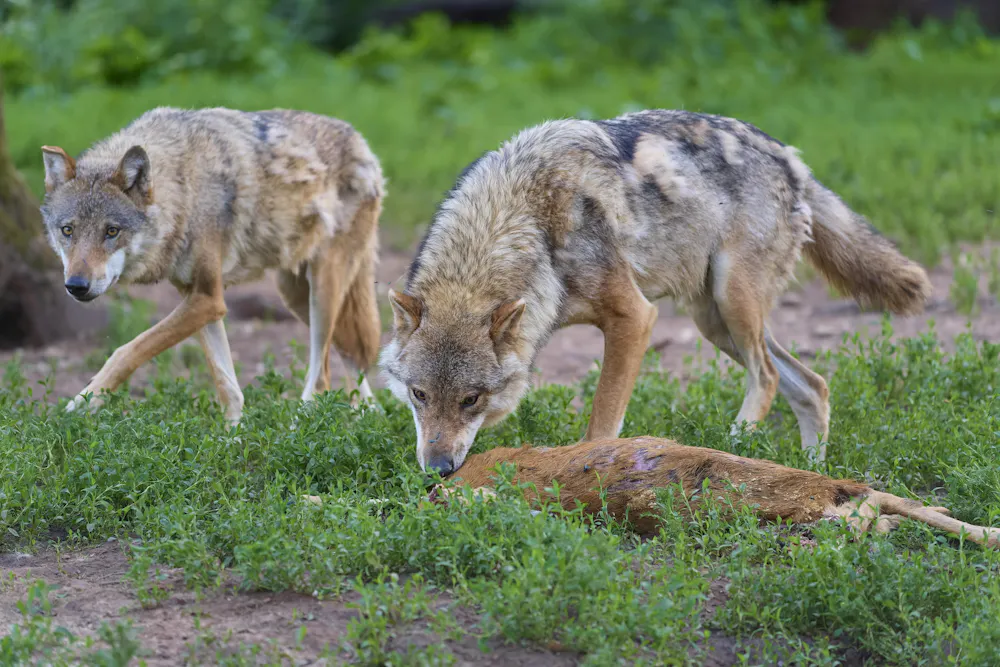
Thousands of genomes reveal the wild wolf genes in most dogs’ DNA.

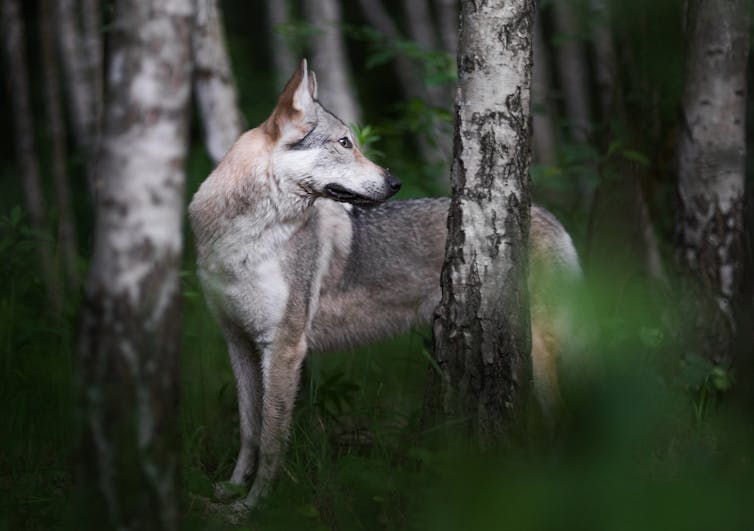
Modern wolves and dogs both descend from an ancient wolf population that lived alongside woolly mammoths and cave bears. Iza Lyson/500px Prime via Getty Images

Audrey T. Lin, Smithsonian Institution and Logan Kistler, Smithsonian Institution

Dogs were the first of any species that people domesticated, and they have been a constant part of human life for millennia. Domesticated species are the plants and animals that have evolved to live alongside humans, providing nearly all of our food and numerous other benefits. Dogs provide protection, hunting assistance, companionship, transportation and even wool for weaving blankets.

Dogs evolved from gray wolves, but scientists debate exactly where, when and how many times dogs were domesticated. Ancient DNA evidence suggests that domestication happened twice, in eastern and western Eurasia, before the groups eventually mixed. That blended population was the ancestor of all dogs living today.

Molecular clock analysis of the DNA from hundreds of modern and ancient dogs suggests they were domesticated between around 20,000 and 22,000 years ago, when large ice sheets covered much of Eurasia and North America. The first dog identified in the archaeological record is a 14,000-year-old pup found in Bonn-Oberkassel, Germany, but it can be difficult to tell based on bones whether an animal was an early domestic dog or a wild wolf.

Despite the shared history of dogs and wolves, scientists have long thought these two species rarely mated and gave birth to hybrid offspring. As an evolutionary biologist and a molecular anthropologist who study domestic plants and animals, we wanted to take a new look at whether dog-wolf hybridization has really been all that uncommon.

Little interbreeding in the wild

Dogs are not exactly descended from modern wolves. Rather, dogs and wolves living today both derive from a shared ancient wolf population that lived alongside woolly mammoths and cave bears.

In most domesticated species, there are often clear, documented patterns of gene flow between the animals that live alongside humans and their wild counterparts. Where wild and domesticated animals’ habitats overlap, they can breed with each other to produce hybrid offspring. In these cases, the genes from wild animals are folded into the genetic variation of the domesticated population.

For example, pigs were domesticated in the Near East over 10,000 years ago. But when early farmers brought them to Europe, they hybridized so frequently with local wild boar that almost all of their Near Eastern DNA was replaced. Similar patterns can be seen in the endangered wild Anatolian and Cypriot mouflon that researchers have found to have high proportions of domestic sheep DNA in their genomes. It’s more common than not to find evidence of wild and domesticated animals interbreeding through time and sharing genetic material.

That wolves and dogs wouldn’t show that typical pattern is surprising, since they live in overlapping ranges and can freely interbreed.

Dog and wolf behavior are completely different, though, with wolves generally organized around a family pack structure and dogs reliant on humans. When hybridization does occur, it tends to be when human activities – such as habitat encroachment and hunting – disrupt pack dynamics, leading female wolves to strike out on their own and breed with male dogs. People intentionally bred a few “wolf dog” hybrid types in the 20th century, but these are considered the exception.

a wolfish looking dog lies on the ground behind a metal fence
Luna Belle, a resident of the Wolf Sanctuary of Pennsylvania, which is home to both wolves and wolf dogs. Audrey Lin.

Tiny but detectable wolf ancestry

To investigate how much gene flow there really has been between dogs and wolves after domestication, we analyzed 2,693 previously published genomes, making use of massive publicly available datasets.

These included 146 ancient dogs and wolves covering about 100,000 years. We also looked at 1,872 modern dogs, including golden retrievers, Chihuahuas, malamutes, basenjis and other well-known breeds, plus more unusual breeds from around the world such as the Caucasian ovcharka and Swedish vallhund.

Finally, we included genomes from about 300 “village dogs.” These are not pets but are free-living animals that are dependent on their close association with human environments.

We traced the evolutionary histories of all of these canids by looking at maternal lineages via their mitochondrial genomes and paternal lineages via their Y chromosomes. We used highly sensitive computational methods to dive into the dogs’ and wolves’ nuclear genomes – that is, the genetic material contained in their cells’ nuclei.

We found the presence of wild wolf genes in most dog genomes and the presence of dog genes in about half of wild wolf genomes. The sign of the wolf was small but it was there, in the form of tiny, almost imperceptible chunks of continuous wolf DNA in dogs’ chromosomes. About two-thirds of breed dogs in our sample had wolf genes from crossbreeding that took place roughly 800 generations ago, on average.

While our results showed that larger, working dogs – such as sled dogs and large guardian dogs that protect livestock – generally have more wolf ancestry, the patterns aren’t universal. Some massive breeds such as the St. Bernard completely lack wolf DNA, but the tiny Chihuahua retains detectable wolf ancestry at 0.2% of its genome. Terriers and scent hounds typically fall at the low end of the spectrum for wolf genes.

a dog curled up on the sidewalk in a town
A street – or free-ranging – dog in Tbilisi, Georgia. Alexkom000/Wikimedia Commons, CC BY

We were surprised that every single village dog we tested had pieces of wolf DNA in their genomes. Why would this be the case? Village dogs are free-living animals that make up about half the world’s dogs. Their lives can be tough, with short life expectancy and high infant mortality. Village dogs are also associated with pathogenic diseases, including rabies and canine distemper, making them a public health concern.

More often than predicted by chance, the stretches of wolf DNA we found in village dog genomes contained genes related to olfactory receptors. We imagine that olfactory abilities influenced by wolf genes may have helped these free-living dogs survive in harsh, volatile environments.

The intertwining of dogs and wolves

Because dogs evolved from wolves, all of dogs’ DNA is originally wolf DNA. So when we’re talking about the small pieces of wolf DNA in dog genomes, we’re not referring to that original wolf gene pool that’s been kicking around over the past 20,000 years, but rather evidence for dogs and wolves continuing to interbreed much later in time.

A wolf-dog hybrid with one of each kind of parent would carry 50% dog and 50% wolf DNA. If that hybrid then lived and mated with dogs, its offspring would be 25% wolf, and so on, until we see only small snippets of wolf DNA present.

The situation is similar to one in human genomes: Neanderthals and humans share a common ancestor around half a million years ago. However, Neanderthals and our species, Homo sapiens, also overlapped and interbred in Eurasia as recently as a few thousand generations ago, shortly before Neanderthals disappeared. Scientists can spot the small pieces of Neanderthal DNA in most living humans in the same way we can see wolf genes within most dogs.

two small tan dogs walking on pavement on a double lead leash
Even tiny Chihuahuas contain a little wolf within their doggy DNA. Westend61 via Getty Images

Our study updates the previously held belief that hybridization between dogs and wolves is rare; interactions between these two species do have visible genetic traces. Hybridization with free-roaming dogs is considered a threat to conservation efforts of endangered wolves, including Iberian, Italian and Himalayan wolves. However, there also is evidence that dog-wolf mixing might confer genetic advantages to wolves as they adapt to environments that are increasingly shaped by humans.

Though dogs evolved as human companions, wolves have served as their genetic lifeline. When dogs encountered evolutionary challenges such as how to survive harsh climates, scavenge for food in the streets or guard livestock, it appears they’ve been able to tap into wolf ancestry as part of their evolutionary survival kit.

Audrey T. Lin, Research Associate in Anthropology, Smithsonian Institution and Logan Kistler, Curator of Archaeobotany and Archaeogenomics, National Museum of Natural History, Smithsonian Institution

This article is republished from The Conversation under a Creative Commons license. Read the original article.

ooOOoo

Well thanks to Audrey Lin and Logan Kistler for this very interesting study. So even modern dogs have visible traces of wolf in their DNA. It is yet another example of the ability of modern science to discover facts that were unknown a few decades ago.

A worldwide myth.

An incredible fact, as in the truth, that almost nobody will accept.

Until the 22nd November, 2025, that is last Saturday, I believed this lie. A lie that spoke of the dangers, the hazards, the imminent end of the world as I believed it; as in Climate Change!

Very few of you will change your minds, of that I’m sure.

Nonetheless, I am going to republish a long article that was sent to me by my buddy, Dan Gomez.

ooOOoo

Latest Science Further Exposes Lies About Rising Seas

By Vijay Jayaraj

It’s all too predictable: A jet-setting celebrity or politician wades ceremoniously into hip-deep surf for a carefully choreographed photo op, while proclaiming that human-driven sea-level rise will soon swallow an island nation. Of course, the water is deeper than the video’s pseudoscience, which is as shallow as the theatrics.

The scientific truth is simple: Sea levels are rising, but the rate of rise has not accelerated. A new peer-reviewed study confirms what many other studies have already shown – that the steady rise of oceans is a centuries-long process, not a runaway crisis triggered by modern emissions of carbon dioxide (CO2).

For the past 12,000 years, during our current warm epoch known as the Holocene, sea levels have risen and fallen dramatically. For instance, during the 600-year Little Ice Age, which ended in the mid-19th century, sea levels dropped quite significantly.

The natural warming that began in the late 1600s got to a point around 1800 where loss of glacial ice in the summer began to exceed winter accumulation and glaciers began to shrink and seas to rise. By 1850, full-on glacial retreat was underway.

Thus, the current period of gradual sea-level increase began between 1800-1860, preceding any significant anthropogenic CO2 emissions by many decades. The U.S. Department of Energy’s 2025 critical review on carbon dioxide and climate change confirms this historical perspective.

“There is no good, sufficient or convincing evidence that global sea level rise is accelerating –there is only hypothesis and speculation. Computation is not evidence and unless the results can be practically viewed and measured in the physical world, such results must not be presented as such,” notes Kip Hansen, researcher and former U.S. Coast Guard captain.

New Study Confirms No Crisis

While activists speak of “global sea-level rise,” the ocean’s surface does not behave like water in a bathtub. Regional currents, land movements, and local hydrology all influence relative sea level. This is why local tide gauge data is important. As Hansen warns, “Only actually measured, validated raw data can be trusted. … You have to understand exactly what’s been measured and how.”

In addition, local tide-gauge data cannot be extrapolated to represent global sea level. This is because the geographic coverage of suitable locations for gauges is often poor, with the majority concentrated in the Northern Hemisphere. Latin America and Africa are severely under-represented in the global dataset.  Hansen says, “The global tide gauge record is quantitatively problematic, but individual records can be shown as qualitative evidence for a lack of sea-level rise acceleration.”

A new 2025 study provides confirmation. Published in the Journal of Marine Science and Engineering, the study systematically dismantles the narrative of accelerating sea-level rise. It analyzed empirically derived long-term rates from datasets of sufficient length – at least 60 years – and incorporated long-term tide signals from suitable locations.

The startling conclusion: Approximately 95% of monitoring locations show no statistically significant acceleration of sea-level rise. It was found that the steady rate of sea-level rise – averaging around 1 to 2 millimeters per year globally – mirrors patterns observed over the past 150 years.

The study suggests that projections by the Intergovernmental Panel on Climate Change (IPCC), which often predicts rates as high as 3 to 4 millimeters per year by 2100, overestimate the annual rise by approximately 2 millimeters.

This discrepancy is not trivial. It translates into billions of dollars in misguided infrastructure investments and adaptation policies, which assume a far worse scenario than what the data support. Because we now know that local, non-climatic phenomena are a plausible cause of the accelerated sea level rise measured locally.

Rather than pursuing economically destructive initiatives to reduce greenhouse gas emissions on the basis of questionable projections and erroneous climate science, money and time should be invested in supporting coastal communities with accurate data for practical planning to adapt to local sea level rise.

Successful adaptation strategies have existed for centuries in regions prone to flooding and sea-level variations. The Netherlands is an excellent example of how engineering solutions can protect coastal populations even living below sea level.

Rising seas are real but not a crisis. What we have is a manageable, predictable phenomenon to which societies have adapted for centuries. To inflate it into an existential threat is to mislead, misallocate, and ultimately harm the communities that policymakers claim to protect.

This commentary was first published by PJ Media on September 10, 2025.

Vijay Jayaraj is a Science and Research Associate at the CO₂ Coalition, Fairfax, Virginia. He holds an M.S. in environmental sciences from the University of East Anglia and a postgraduate degree in energy management from Robert Gordon University, both in the U.K., and a bachelor’s in engineering from Anna University, India.

ooOOoo

I shall be returning to this important topic soon. Probably by republishing that 2025 Study referred to in the above article.

I hope that you read this post.

Thank you, Dan.

We humans are still evolving.

An article in The Conversation caught my eye.

We must never forget that evolution is always happening.

So without any more from me here is that article.

ooOOoo

If evolution is real, then why isn’t it happening now? An anthropologist explains that humans actually are still evolving

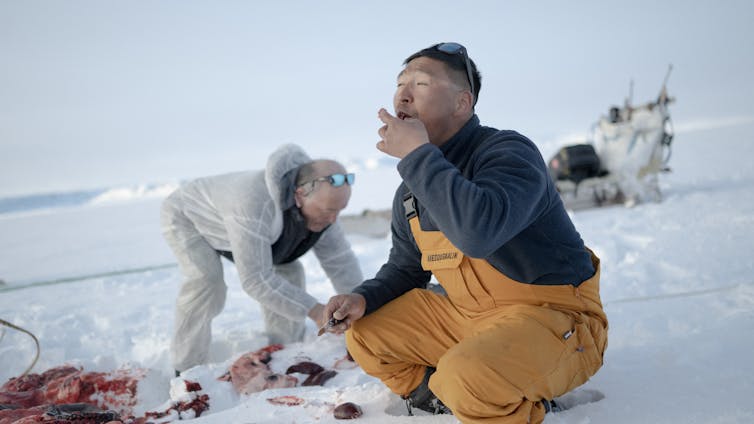
Inuit people such as these Greenlanders have evolved to be able to eat fatty foods with a low risk of getting heart disease. Olivier Morin/AFP via Getty Images

Michael A. Little, Binghamton University, State University of New York


If evolution is real, then why is it not happening now? – Dee, Memphis, Tennessee


Many people believe that we humans have conquered nature through the wonders of civilization and technology. Some also believe that because we are different from other creatures, we have complete control over our destiny and have no need to evolve. Even though lots of people believe this, it’s not true.

Like other living creatures, humans have been shaped by evolution. Over time, we have developed – and continue to develop – the traits that help us survive and flourish in the environments where we live.

I’m an anthropologist. I study how humans adapt to different environments. Adaptation is an important part of evolution. Adaptations are traits that give someone an advantage in their environment. People with those traits are more likely to survive and pass those traits on to their children. Over many generations, those traits become widespread in the population.

The role of culture

We humans have two hands that help us skillfully use tools and other objects. We are able to walk and run on two legs, which frees our hands for these skilled tasks. And we have large brains that let us reason, create ideas and live successfully with other people in social groups.

All of these traits have helped humans develop culture. Culture includes all of our ideas and beliefs and our abilities to plan and think about the present and the future. It also includes our ability to change our environment, for example by making tools and growing food.

Although we humans have changed our environment in many ways during the past few thousand years, we are still changed by evolution. We have not stopped evolving, but we are evolving right now in different ways than our ancient ancestors. Our environments are often changed by our culture.

We usually think of an environment as the weather, plants and animals in a place. But environments include the foods we eat and the infectious diseases we are exposed to.

A very important part of the environment is the climate and what kinds of conditions we can live in. Our culture helps us change our exposure to the climate. For example, we build houses and put furnaces and air conditioners in them. But culture doesn’t fully protect us from extremes of heat, cold and the sun’s rays.

a man runs after one of several goats in a dry, dusty landscape
The Turkana people in Kenya have evolved to survive with less water than other people, which helps them live in a desert environment. Tony Karumba/AFP via Getty Images

Here are some examples of how humans have evolved over the past 10,000 years and how we are continuing to evolve today.

The power of the sun’s rays

While the sun’s rays are important for life on our planet, ultraviolet rays can damage human skin. Those of us with pale skin are in danger of serious sunburn and equally dangerous kinds of skin cancer. In contrast, those of us with a lot of skin pigment, called melanin, have some protection against damaging ultraviolet rays from sunshine.

People in the tropics with dark skin are more likely to thrive under frequent bright sunlight. Yet, when ancient humans moved to cloudy, cooler places, the dark skin was not needed. Dark skin in cloudy places blocked the production of vitamin D in the skin, which is necessary for normal bone growth in children and adults.

The amount of melanin pigment in our skin is controlled by our genes. So in this way, human evolution is driven by the environment – sunny or cloudy – in different parts of the world.

The food that we eat

Ten thousand years ago, our human ancestors began to tame or domesticate animals such as cattle and goats to eat their meat. Then about 2,000 years later, they learned how to milk cows and goats for this rich food. Unfortunately, like most other mammals at that time, human adults back then could not digest milk without feeling ill. Yet a few people were able to digest milk because they had genes that let them do so.

Milk was such an important source of food in these societies that the people who could digest milk were better able to survive and have many children. So the genes that allowed them to digest milk increased in the population until nearly everyone could drink milk as adults.

This process, which occurred and spread thousands of years ago, is an example of what is called cultural and biological co-evolution. It was the cultural practice of milking animals that led to these genetic or biological changes.

Other people, such as the Inuit in Greenland, have genes that enable them to digest fats without suffering from heart diseases. The Turkana people herd livestock in Kenya in a very dry part of Africa. They have a gene that allows them to go for long periods without drinking much water. This practice would cause kidney damage in other people because the kidney regulates water in your body.

These examples show how the remarkable diversity of foods that people eat around the world can affect evolution.

gray scale microscope image of numerous blobs
These bacteria caused a devastating pandemic nearly 700 years ago that led humans to evolve resistance to them.
Image Point FR/NIH/NIAID/BSIP/Universal Images Group via Getty Images

Diseases that threaten us

Like all living creatures, humans have been exposed to many infectious diseases. During the 14th century a deadly disease called the bubonic plague struck and spread rapidly throughout Europe and Asia. It killed about one-third of the population in Europe. Many of those who survived had a specific gene that gave them resistance against the disease. Those people and their descendants were better able to survive epidemics that followed for several centuries.

Some diseases have struck quite recently. COVID-19, for instance, swept the globe in 2020. Vaccinations saved many lives. Some people have a natural resistance to the virus based on their genes. It may be that evolution increases this resistance in the population and helps humans fight future virus epidemics.

As human beings, we are exposed to a variety of changing environments. And so evolution in many human populations continues across generations, including right now.


Michael A. Little, Distinguished Professor Emeritus of Anthropology, Binghamton University, State University of New York

This article is republished from The Conversation under a Creative Commons license. Read the original article.

ooOOoo

This was published for the Curious Kids section of The Conversation.

However, I believe this is relevant for those adults as well who are interested in the subject. I’m in my 80’s and find this deeply interesting.

Picture Parade Four Hundred and Ninety-Seven

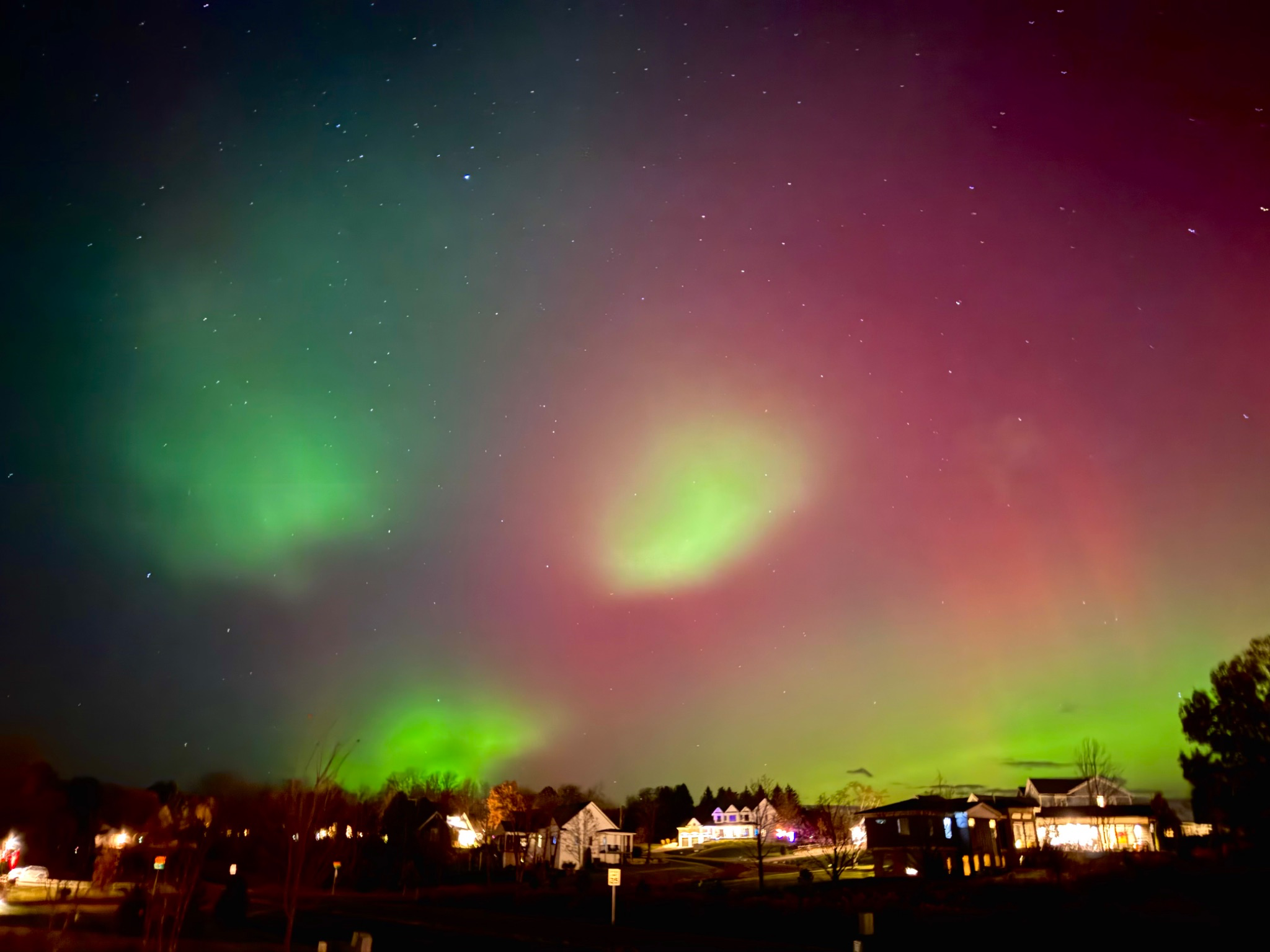
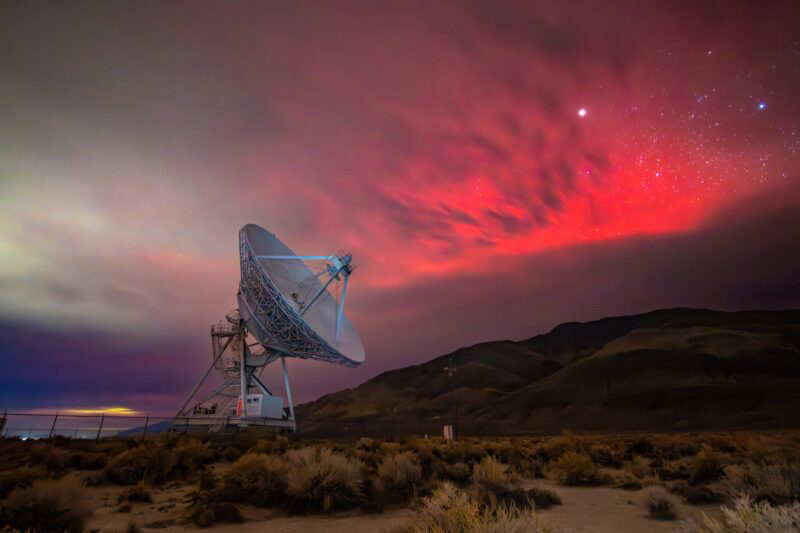
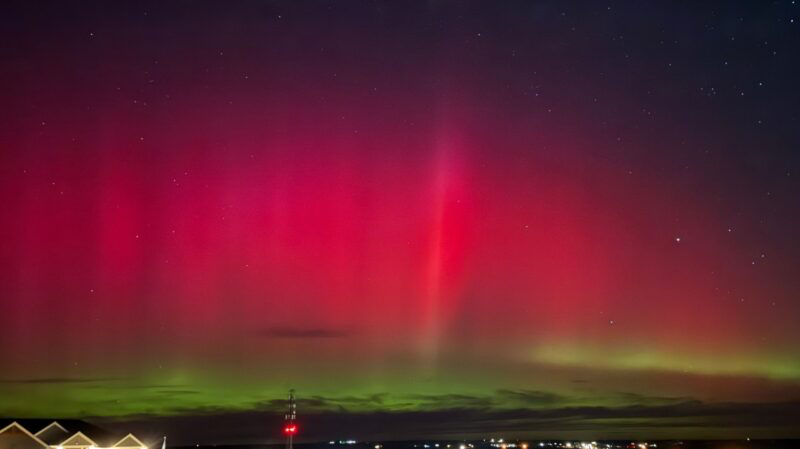
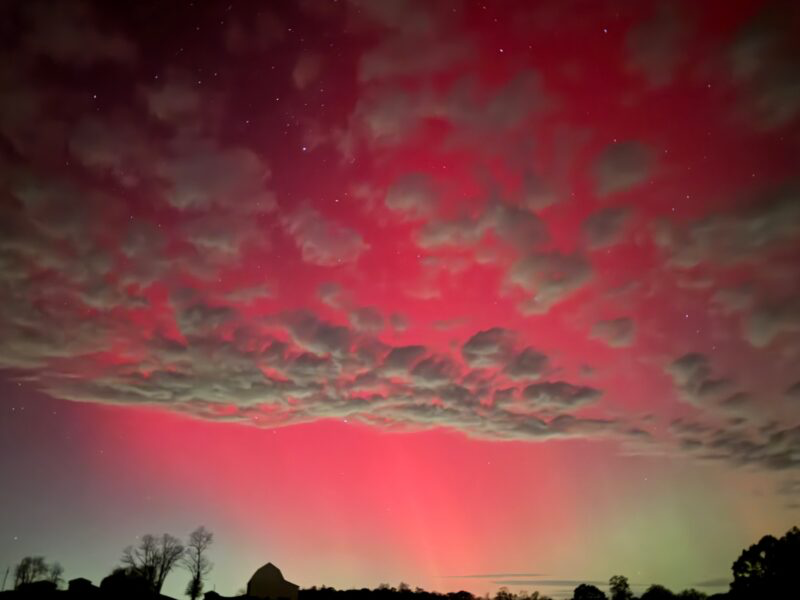
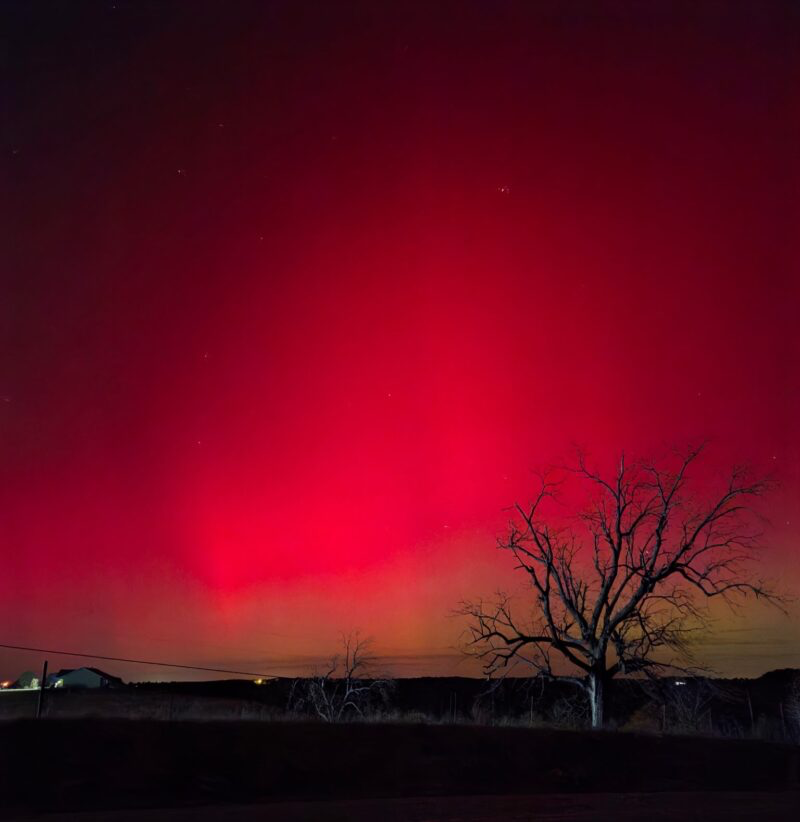
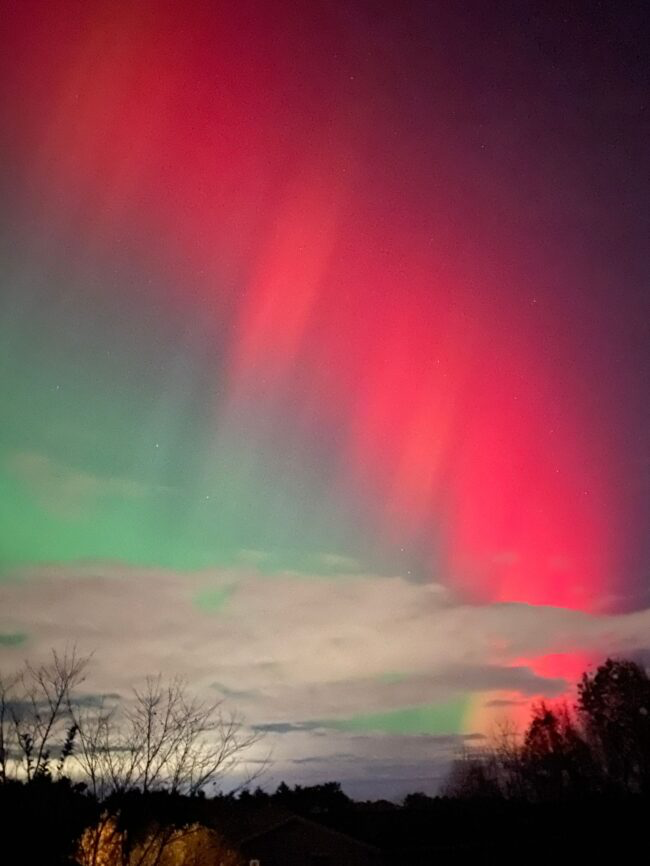
Some photos of The Northern Lights.

EarthSky’s Kelly Kizer Whitt captured the northern lights from near Madison, Wisconsin, on November 11, 2025. Kelly wrote: “An amazing night of aurora. In front of the red curtains we had bright green active blobs. One of the better displays I’ve seen.” Thank you, Kelly!

oooo

Ross Stone in Big Pine, California, captured this stunning view on November 11, 2025, and wrote: “The NRAO radio telescope in Owens Valley and the beautiful red aurora in the November sky. This was awesome, and the sky was so bright.” Thank you, Ross!

oooo

EarthSky’s Marcy Curran in Cheyenne, Wyoming, captured a beautiful display of auroras on November 11, 2025. Marcy wrote: “Aurora put on quite a show from Wyoming tonight. Lots of reds and green easily visible to the eye. We live in a semi-rural spot.” Thank you, Marcy!

oooo

Darrell Reese could see the aurora on November 11, 2025, from Ohio! Thank you for sharing your photo, Darrell.

oooo

Ruth Goodwin-Hager in Eureka Springs, Arkansas, shared this image from November 11, 2025, and wrote: “I banged on my neighbors’ doors and recruited others to come outside and see the fabulous lights. It’s been 30 years since I’ve seen northern lights from my backyard like this. Amazing!” Thank you, Ruth!

oooo

Patricia Evans in Seabrook, New Hampshire, captured the aurora on November 11, 2025. Patricia wrote: “Aurora borealis honors Veterans Day. I was afraid that the cloud cover would prevent viewing the aurora borealis but the reds and greens were amazingly intense! What a goosebump moment!” Thank you, Patricia!

And here’s a YouTube video to round things off!

Picture Parade Four Hundred and Ninety-Six

This short video I watched last Friday and wanted to share it with you all.

(As I type this, I’m getting an error (Error 153) on my video player. I hope in reality everything will be fine.)

The writing that accompanied the above video is:

Astounding Comet Lemmon Pics From Our Community

Comet Lemmon has been the best comet of 2025. It passed closest to Earth on October 21 and closest to the sun on November 8. As it brightened in our skies, EarthSky community members from around the globe captured spectacular images of the comet. See a compilation of editor’s picks here. Thanks to all who submitted!

Producer: Kelly Kizer Whitt

EarthSky.org: https://earthsky.org/

Subscribe: https://subscribe.earthsky.org/

Store: https://earthskystore.org/

Team and About: https://earthsky.org/about/

The Science of Sleep.

Exploring the connection between rest and health.

This is a one-hour video (as in a YouTube video) from an accredited US healthcare educator.

That is all for today. Just to add that sleep is so important.

‘When we turn the clocks ahead this spring, we’ll lose an hour of sleep—but for many Americans, poor sleep is a nightly problem. Lack of sleep takes a toll on physical and mental health, increasing risk for chronic conditions like high blood pressure and obesity. Our expert panelists will unpack the latest research on rest, including how social and environmental factors can impact our sleep. They’ll explore the connections between race, sleep, and health disparities. And they’ll share advice on how to improve sleep quality for better overall health.’

I have Ring Worm!

Luckily not badly.

Last week I went to my doctor to find out what was causing my itching, mainly in my groin and the skin of my forearms.

Dr. Mount told me that I had ringworm. I do not remember having had it before.

The Cleveland Clinic have the details online and it struck me that I should share the information with you. The source of this article is here. I hope very much that sharing this article is alright with Cleveland Clinic.

ooOOoo

Ringworm

Ringworm is an itchy, contagious fungal infection that causes a ring-shaped pattern on your skin. Over-the-counter and prescription treatments can stop the fungus from spreading to other parts of your body or to others.

Overview

Ringworm (Tinea Corporis) on the skin.
Ringworm is a circular-shaped skin rash caused by a fungal infection.

What is ringworm?

You might be surprised to learn that a fungus — and not a worm — causes ringworm. Fungi thrive in warm and humid areas such as locker rooms and public showers. This common and contagious skin infection gets its name from the red, itchy, ring-shaped skin plaque (a type of scaly rash). It spreads easily and through close contact.

You get ringworm from contact with an infected person, animal or object. Ringworm goes by different names depending on which body part it affects. Ringworm on your body is called tinea corporis. This type of ringworm affects your arms, legs, torso and face. Ringworm is treated with antifungal medication available either over the counter or as a prescription.

Types of ringworm

Ringworm has different names based on where it appears on your body — and it can appear just about anywhere. Ringworm infections include:

  • Athlete’s foot: Also called tinea pedis, this fungal infection causes an itchy, burning skin rash between your toes and on the soles of your feet. Your skin may become scaly and cracked or develop blisters. Sometimes, your feet smell bad.
  • Jock itch: Tinea cruris, or jock itch, causes a red, itchy rash in your groin, upper thighs or rectum. Some people get blisters.
  • Scalp ringworm (tinea capitis): This causes scaly, red, itchy bald spots on your scalp. If left untreated, the bald spots can grow bigger and become permanent.
  • Hands (tinea manuum): Signs of ringworm on your hands include dry, cracked palms and ring-like patches.
  • Beard (tinea barbae): Ringworm appears on your neck, chin and cheeks. The patches might become crusted over or filled with pus.
  • Toenails or fingernails (tinea unguium or onychomycosis): Nails become thick, discolored and deformed.

What does ringworm look like?

Ringworm typically begins as a flat, discolored patch, which may appear red in lighter complexions and brown in darker complexions. The patch has a ring-like or circular shape with a raised, scaly border.

Who gets ringworm?

Ringworm affects people of all ages. You’re more at risk for ringworm if you:

  • Have a weakened immune system or an autoimmune disease like lupus.
  • Participate in high-contact sports, such as wrestling (this ringworm is called tinea gladiatorum).
  • Sweat excessively (hyperhidrosis).
  • Use public locker rooms or public showers.
  • Work closely with animals that might have ringworm.

How common is ringworm?

Ringworm is contagious and extremely common. It can affect 20% to 25% of the world’s population at any given time.

Symptoms and Causes

What are the signs of ringworm?

Signs typically appear between four and 14 days after your skin comes in contact with the fungi that cause ringworm, including:

  • Circular, ring-shaped scales or plaques.
  • Flat patches with a raised, round border.
  • Itchy skin.
  • Hair loss or bald spots in the affected area.

What causes ringworm?

Despite its name, a fungus causes ringworm. This type of fungus naturally lives on your skin, hair and nails. However, when their environment gets hot and damp, the fungi start growing uncontrollably. You can get this infection anytime your skin comes into contact with the ringworm fungus on someone else’s skin.

How contagious is ringworm?

Ringworm is contagious. It can live on your skin, on surfaces and in soil. The main ways ringworm spreads are:

  • Skin-to-skin contact with a person who has ringworm.
  • Contact with an infected dog, cat or animal (livestock or pets).
  • Contact with a contaminated surface, such as a locker room floor or sweaty gym clothes.
  • Sharing objects with an infected person or animal such as a brush, towel or bedding.
  • Contaminated soil.

Diagnosis and Tests

How is ringworm diagnosed?

Your healthcare provider can diagnose ringworm by looking at your skin and assessing your symptoms. They may scrape the area to look at the skin cells under a microscope, too. Examining the scales typically confirms ringworm.

Management and Treatment

How is ringworm treated?

Several nonprescription (over-the-counter) and prescription antifungal medications are available to treat ringworm. Antifungals come in various forms like creams, gels or powders. Your healthcare provider can treat more widespread ringworm with oral antifungal medication.

Antifungal creams and powders

Over-the-counter (OTC) antifungal creams, gels or powders typically work well. OTC products include:

If your symptoms get worse or don’t clear after two weeks, you may need an oral prescription medication from your healthcare provider.

Oral medication

Your healthcare provider may write you a prescription for oral antifungal medication if you have ringworm on your scalp or on many parts of your body. Most medications are prescribed for between one and three months. Oral antifungal medications include:

Antifungal shampoo

Antifungal shampoo, such as ketoconazole shampoo (Nizoral A-D®), may stop scalp ringworm from spreading. It won’t cure it, but it may help contain the infection. You also need to take a prescribed oral antifungal medication. Unaffected family members may benefit from using the shampoo as well.

Home remedies for ringworm

Home remedies like apple cider vinegar or tea tree have little to no benefit. Apple cider vinegar may cause open sores or inflammation. Tea tree oil has antifungal and antimicrobial properties but its effects aren’t well-known.

Your home may require treatment as well. The ringworm fungus can live on surfaces for months. Disinfectant sprays like Lysol® or bleach can remove the fungus. Wash clothes, sheets and towels in hot water and detergent to prevent ringworm from spreading.

Steroid creams

Corticosteroid creams may help reduce inflammation, but they shouldn’t be used to treat ringworm. In fact, they may worsen the infection.

What cures ringworm?

Mild cases of ringworm clear up within a few weeks. More serious infections may require treatment for six to 12 weeks.

Some other things you can do to promote healing:

  • Keep the affected area clean and dry.
  • Apply antifungal lotions, creams or ointments for the entire treatment period.
  • Avoid touching the area and wash your hands before touching other areas of your body.

Does ringworm go away by itself?

Although ringworm can go away by itself, it’s not common. While ringworm is present on your skin, you’re still contagious to others.

Outlook / Prognosis

Can ringworm come back?

Yes, ringworm can come back. Ringworm will go away if you treat it appropriately. Follow your healthcare provider’s treatment plan until the infection clears completely. If you stop treatment or treatment ends too soon, the infection can come back.

What are the complications of ringworm?

If you suspect you or your child has ringworm, don’t use anti-itch creams containing corticosteroids. These creams weaken your skin’s defenses. They can allow the infection to spread and cover larger sections of skin. On rare occasions, the ringworm fungus goes deeper into your skin, making it even harder to treat.

Scalp ringworm can lead to a painful inflammation called kerion. With kerion, you may develop crusty, pus-filled sores, often with hair loss and scarring.

Prevention

How can I prevent ringworm?

Ringworm thrives in damp, warm areas. The fungus can live on towels, clothes, sheets and household surfaces for months. Preventing ringworm involves:

  • Changing your socks and underwear daily or more frequently if they become damp or soiled.
  • Showering immediately after contact sports or exercise.
  • Wearing sandals or shower shoes at the pool and in public locker rooms and showers.
  • Drying your skin thoroughly after showering, especially between your toes.
  • Avoiding sharing towels, washcloths, sheets, clothes, combs or other personal hygiene items.
  • Washing clothes, athletic gear, sheets and towels in hot water and detergent.
  • Disinfecting surfaces with bleach or sprays like Lysol®.
  • Treating pets for ringworm, if they’re infected.
  • Washing hands thoroughly after contact with animals.

A weak immune system or living in a damp, warm climate increases your risk of a fungal infection.

Living With

When should I call the doctor?

Call your healthcare provider if the ringworm infection:

  • Appears on your scalp.
  • Looks infected (redness and swelling).
  • Occurs during pregnancy.
  • Spreads to other areas of your body.
  • Doesn’t improve after using over-the-counter antifungal medication as directed.

What questions should I ask my doctor?

You’re sure to have questions if you or your child develop ringworm. You might ask your healthcare provider:

  • How did I get ringworm?
  • How long is ringworm contagious?
  • Should I (or my child) stay home from work/school until the ringworm infection is gone?
  • What steps can I take to prevent ringworm from spreading to other parts of my body?
  • What steps can I take to prevent ringworm from spreading to other people?
  • What’s the best treatment for ringworm?
  • Should I avoid any medications or treatments?
  • What steps can I take to keep from getting ringworm again?
  • How can I tell if my pet has ringworm?
  • Should I look out for signs of complications?

Additional Common Questions

Is ringworm an actual worm?

No, ringworm isn’t a worm. It’s a fungal infection that gets its name from its ring-like border.

How does ringworm affect pregnancy?

Ringworm fungus won’t affect your pregnancy. Still, you should check with your healthcare provider before using over-the-counter antifungal creams or powders. Oral antifungal medications appear to be safe to take during pregnancy. Your pregnancy care provider can discuss potential risks and benefits with you.

Can you get ringworm from dogs or cats?

Yes, you can get ringworm from dogs, cats and other animals like cows, goats or horses. You can protect yourself by always washing your hands after playing with or petting animals. If your pet has ringworm, disinfect your pet’s bedding and take extra care to clean surfaces your pet has visited in your home.

How is ringworm different from eczema?

Eczema and many other skin conditions can resemble ringworm. Both ringworm and eczema cause itchy, red skin. Unlike ringworm, eczema isn’t contagious and doesn’t spread from one area to another on your body. Ringworm has a unique, ring-like appearance. Contact a healthcare provider for an appropriate diagnosis.

A note from Cleveland Clinic

Ringworm can be unpleasant, but antifungal medications will help you get rid of the fungus that causes ringworm. The treatment may take time, but it’s important to follow your healthcare provider’s treatment plan for as long as recommended. Ending treatment too soon can cause ringworm to return and make the infection harder to treat. Ask your provider about how you can keep ringworm from spreading to other parts of your body and to other people.

ooOOoo

We were having a small and casual party at our house celebrating Halloween. There were thirteen coming some of them in fancy dress. However, a close neighbour, who was coming with her husband, recommended a cancellation just in case I passed the fungal infection on to someone else.

Thus I have to be patient and keep putting on the cream for at least the next couple of weeks, hoping that in time I will notice the fungus going.

Finally, let me just repeat this from the article by Clevedon: ‘Ringworm is contagious and extremely common. It can affect 20% to 25% of the world’s population at any given time.’

The start of it all!

A wonderful documentary of the formation of Planet Earth.

From the website The Earth through time, I quote: The Earth was formed about 4.6 billion years ago. 4.6 billion is 4,600,000.000 years ago. It was formed by collisions of particles in a large cloud of material. Slowly gravity gathered together all these particles of dust and gas and formed larger clumps. These clumps continued to collide and gradually grew bigger and bigger eventually forming the Earth. The earth at this time was very different to how we know it today.

I left a comment on the site: What a wonderful story.. So many comments in support of this fantastic film, and rightly so.

Reply