A few more of my own!

oooo

oooo

oooo

oooo

oooo
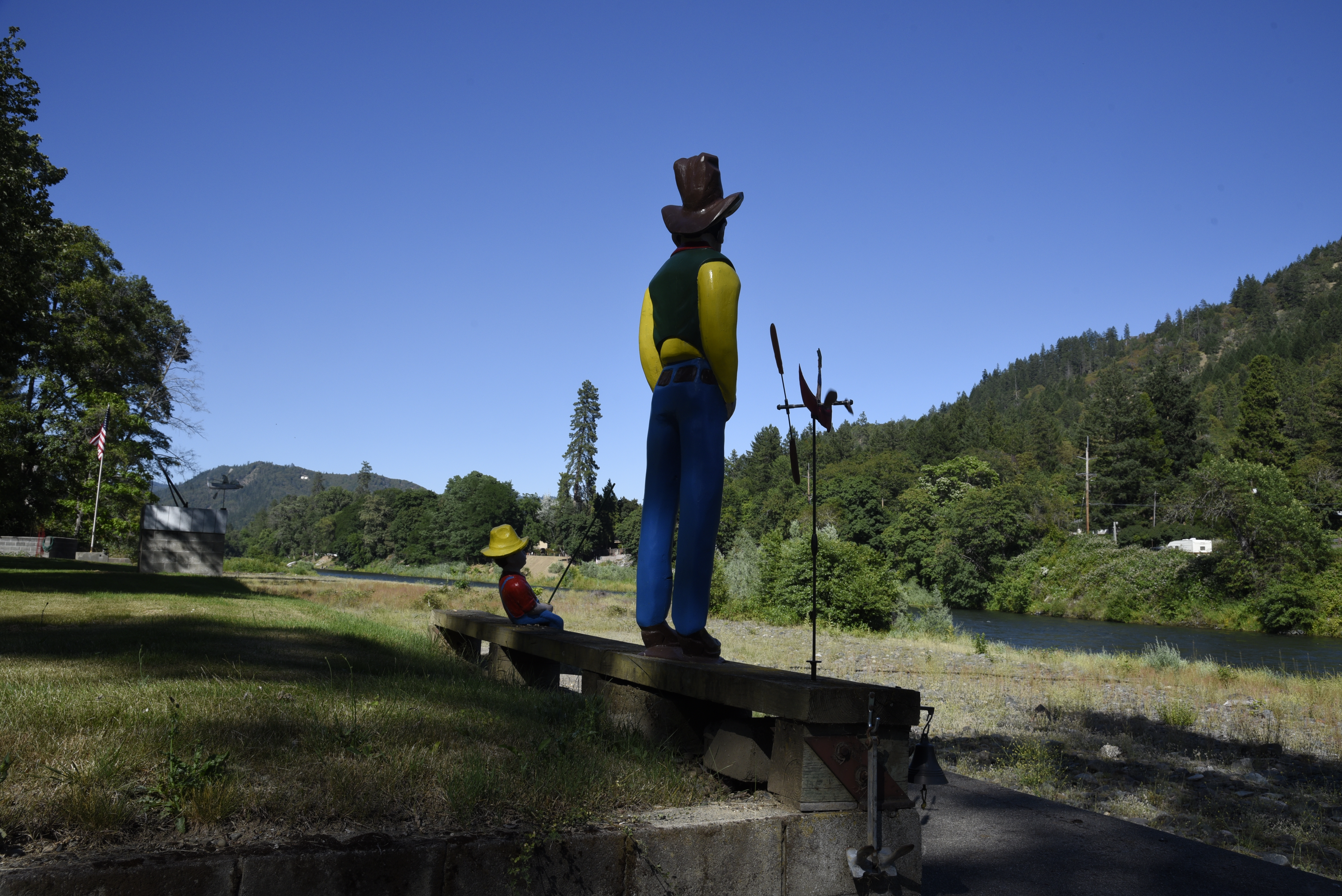
Hope you enjoy them.
Dogs are animals of integrity. We have much to learn from them.
Category: Photography
A few more of my own!
oooo
oooo
oooo
oooo
oooo
Hope you enjoy them.
Reflections on Oregon.
Or more precisely Southern Oregon.
We live in a beautiful State.
Roughly 100 miles North-East of us is Crater Lake.
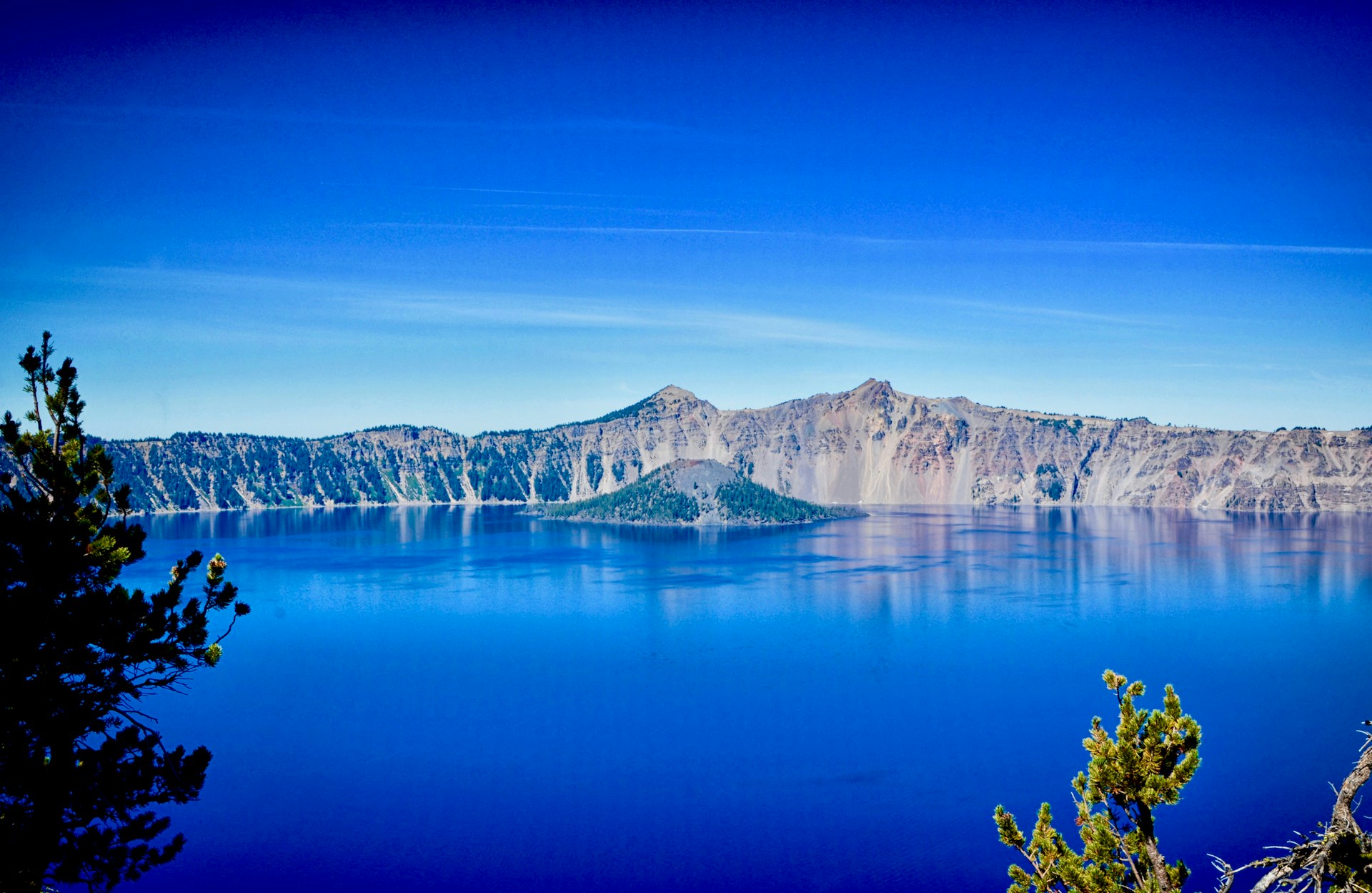
Photo by Anukrati Omar on Unsplash
It was formed when this former volcano, “which collapsed on itself during an eruption just 7,700 years ago and slowly filled with melted snow, now stands as Oregon’s only national park.”
At over 2,000 feet deep it is the deepest lake in the United States of America.
There is a website, 16 Reasons Why Oregon is the Best State in the Country, and Jean and I believe it. Do visit this web page.
Oregon has acres and acres of forest and wild lands.
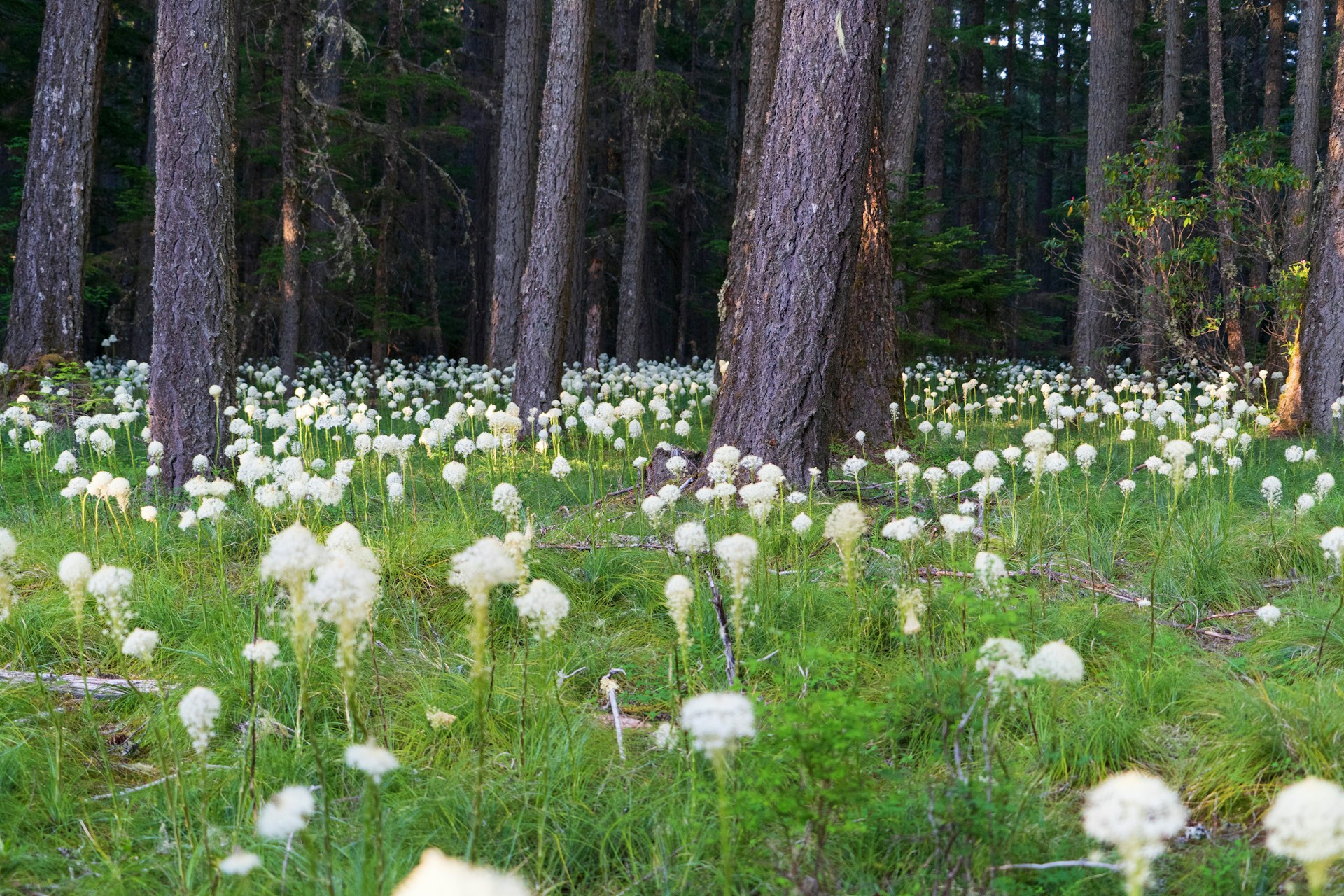
Photo by Dan Meyers on Unsplash
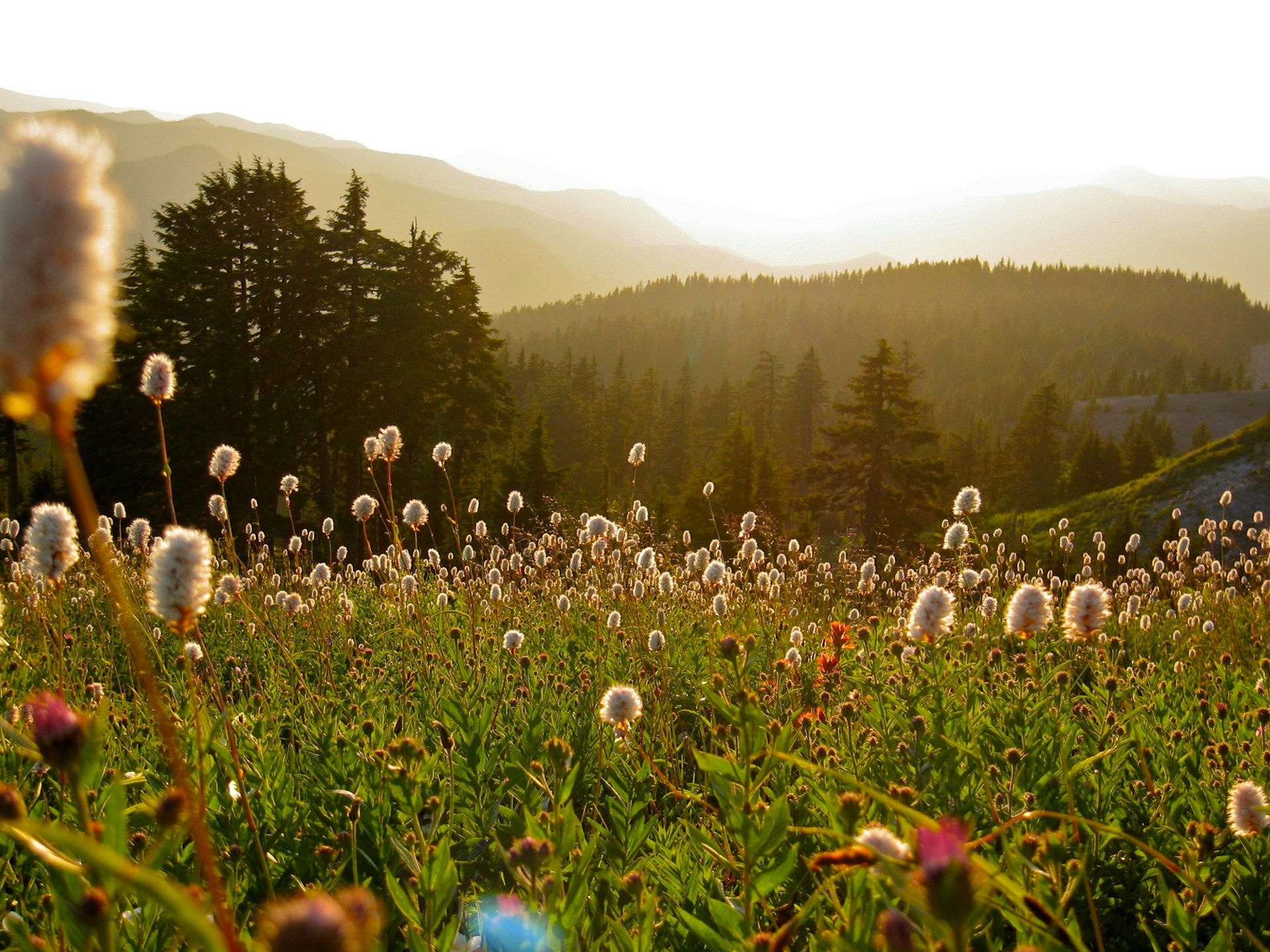
Photo by Moss and Fog on Unsplash
Oregon has many truly wild places. Here is a photograph of one of Oregon’s famous waterfalls.
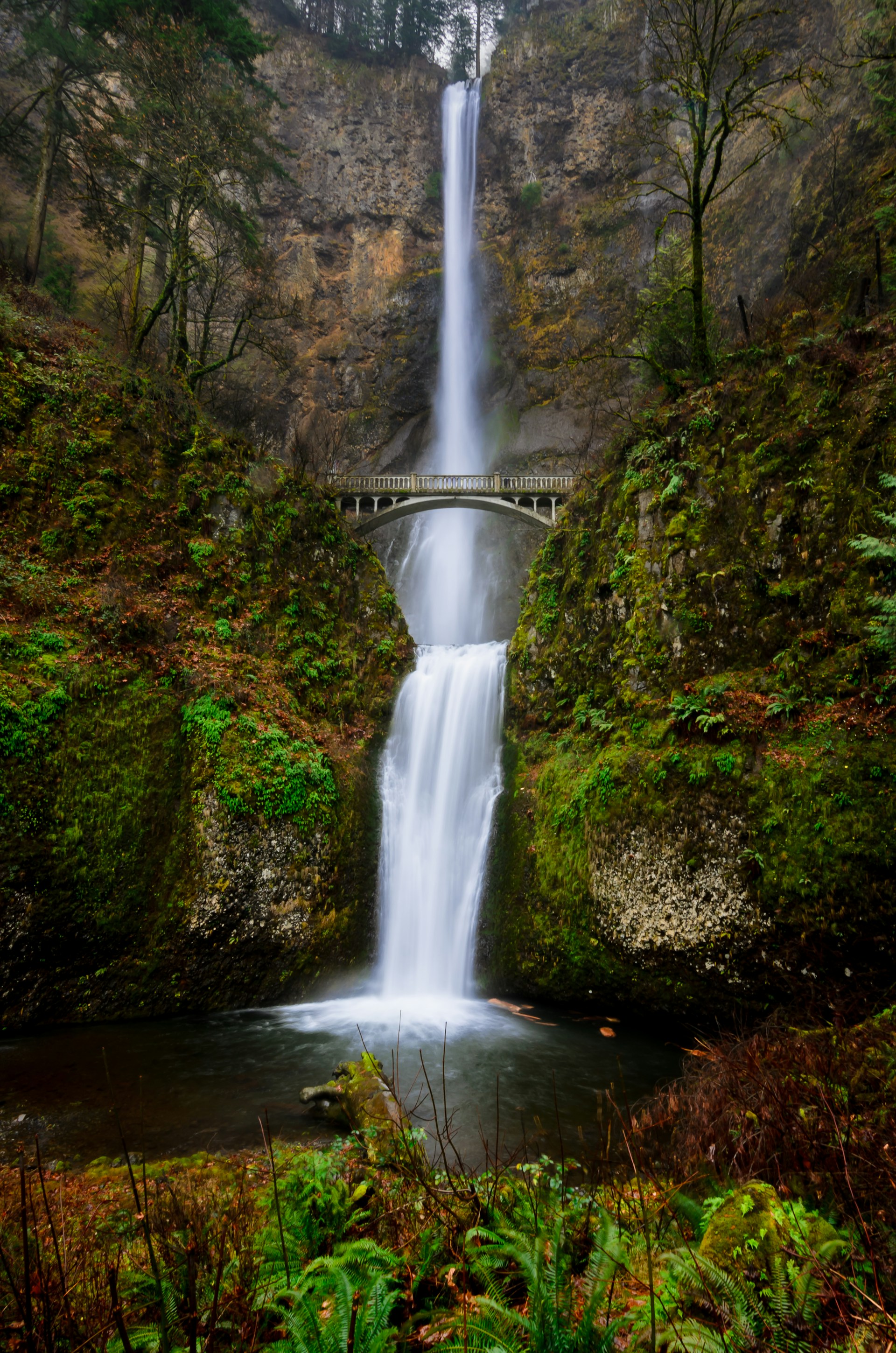
Photo by Chris Briggs on Unsplash
Here is a photo of the wild coast and the ocean.
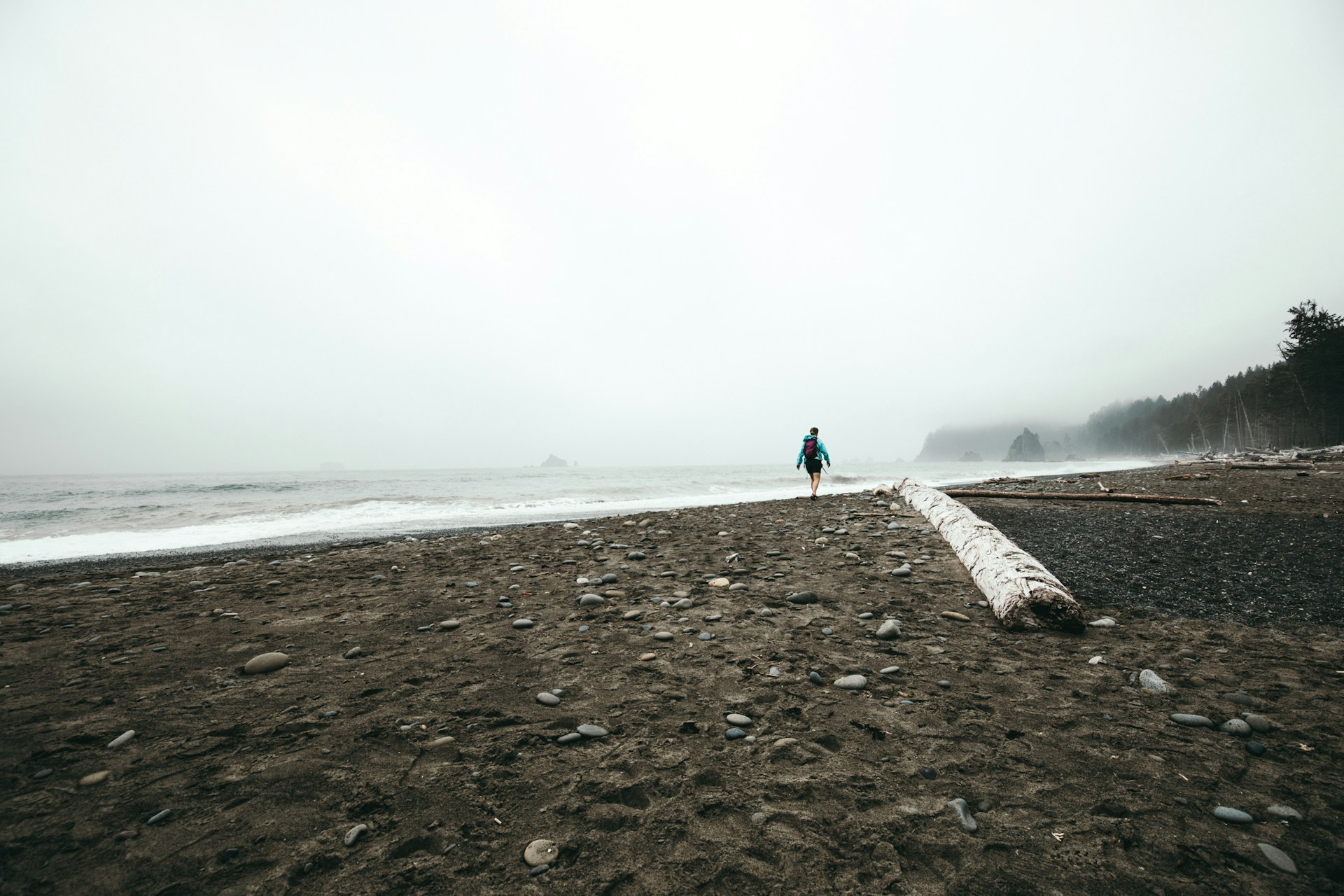
Photo by KAL VISUALS on Unsplash
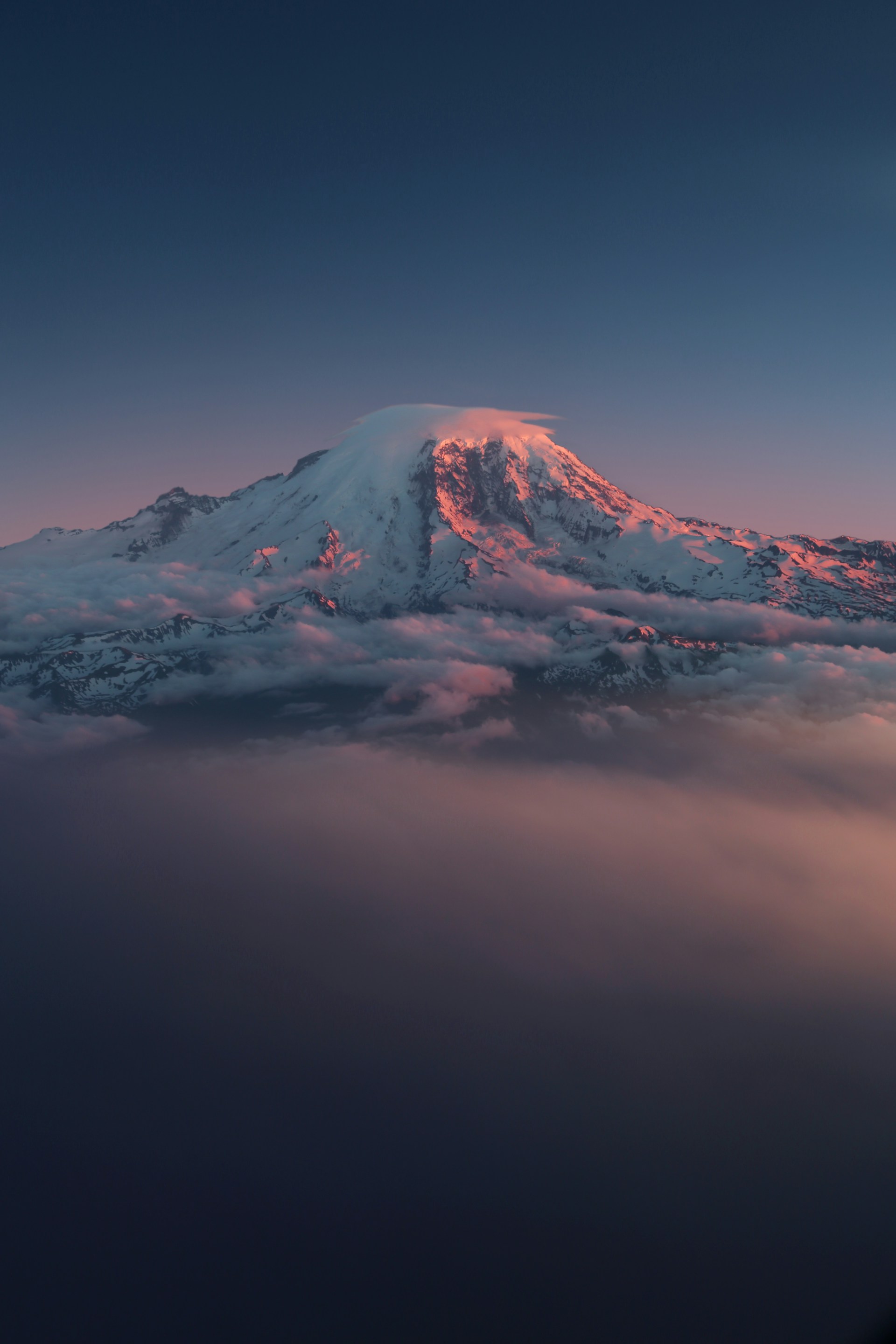
Photo by Jordan Steranka on Unsplash
As was said at the start, Jean and I live in a very beautiful part of America.
Plus the people are incredibly friendly.
Back to Unsplash!

Photo by Robert Koorenny on Unsplash

Photo by Tracey Hocking on Unsplash

Photo by Tadeusz Lakota on Unsplash

Photo by Marcus Löfvenberg on Unsplash

Photo by Nick Fewings on Unsplash

Photo by Kevin Noble on Unsplash

Photo by Vico Pradipta on Unsplash
That’s all for this week, and for the month of June.
See you again soon.
Just a single image today!
That of 50 years ago.
In other words when Apollo 8 was in Lunar Orbit and William Anders, who died on June 7th, aged 90, captured Earth-rise.
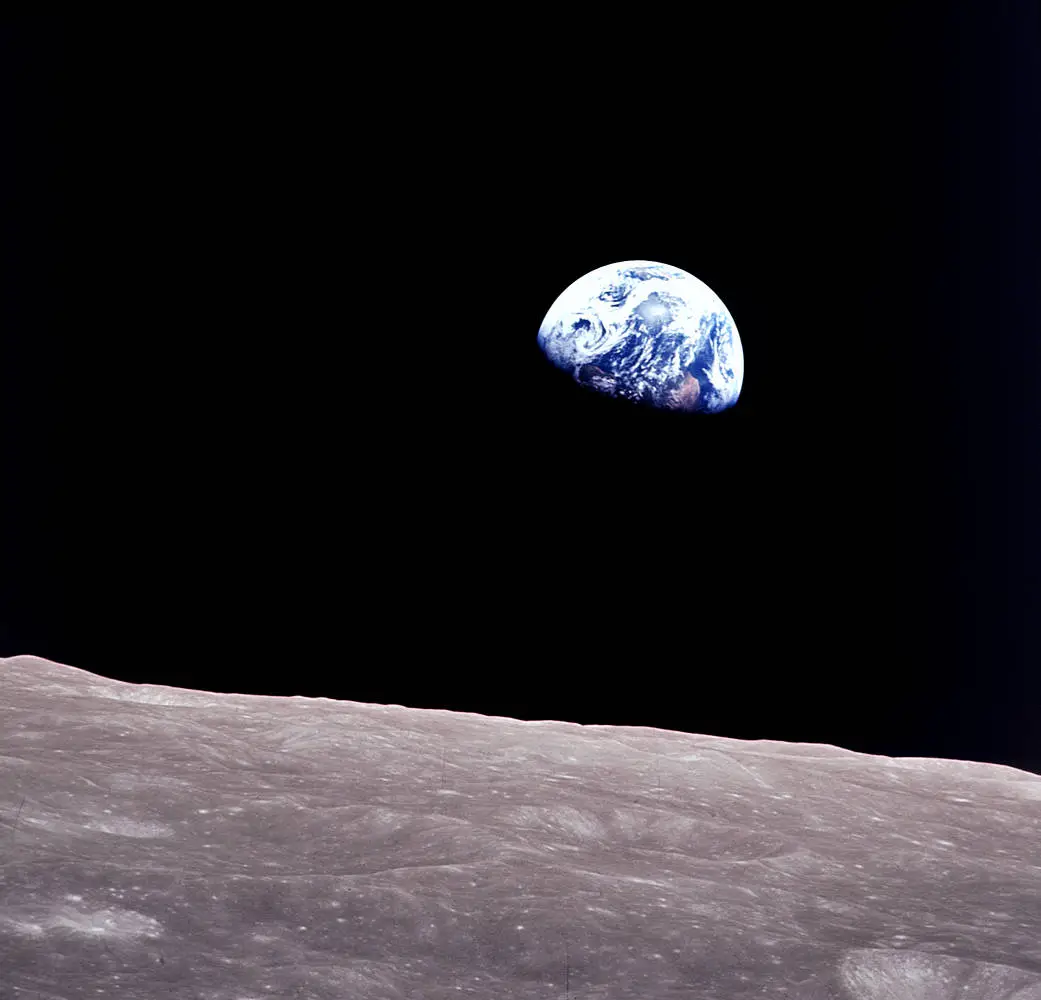
Image credit: NASA
What a photograph!
Thanks to the Dodo for this.
I just love articles about dogs being rescued. Such as this one:
ooOOoo
Tiny Dog Trapped In Canal For Days Almost Loses Hope Of Being Found
By Ashley Ortiz, Published on May 28, 2024.
It was a sunny spring day in Compton, California, when a group of residents spotted something white bolt across an unused canal. It’s not uncommon to find discarded items strewn along the canal, known as Compton Creek, but this was the first time they’d seen a dog trapped inside.
Situated tens of feet below ground level, the worried onlookers were unsure how a tiny pup made it into the canal in the first place.
“[T]here was no way in except to climb down,” Suzette Hall, founder of Logan’s Legacy 29 dog rescue, wrote on Facebook.

The Good Samaritans rushed to help the pup, later named Sammy, but he was too scared to let anyone get close.
“There were people who went to try to get the dog, but they were unable to secure [him],” Kristina Ross, one of Sammy’s original helpers, wrote in a Facebook comment.

Ross posted footage of Sammy sprinting down the canal on Facebook and pleaded for someone to save him. After three days of failed attempts, they contacted Logan’s Legacy, and Hall was eager to help.
Hall soon arrived with a humane dog trap in hand. As she figured out a way to lower herself into the canal to set up the trap, another pair of Good Samaritans descended.
“I [saw] the post today and jumped down the sewer with a rope,” one of the Good Samaritans wrote on Instagram. “[I] felt the need to rescue this poor baby.”

The pair trudged through muddy sewer water and trash to reach Sammy. As dangerous and uncomfortable as wading through the canal was, they knew that Sammy’s experience was even worse.
Hall watched as the men tried to catch Sammy multiple times. On their final attempt, one of the guys, Nelson, successfully cornered Sammy and threw a net around him to stop him from bolting again.
Nelson then carefully gathered up the net with Sammy still in it, and his partner lifted the pup out of the canal. They handed Sammy over to Hall, who gave the dog a big, triumphant hug before loading him up in her car.
“He literally melted in my arms,” Hall wrote. “He knew he was finally safe.”

Ross, the woman who had originally posted about Sammy, offered to foster him for the night. The grateful pup slept through the night in a cozy bed before heading to the veterinary clinic the next day, where he was immediately treated for a rotten tooth and an injured paw.
The tiny dog was soon on the mend, but his rescuers still couldn’t believe what he’d been through.
“I can’t imagine how scared he was down here in that big, huge canal, all by himself,” Hall wrote on Facebook. “He’s in recovery and doing just fine.”

While Sammy recovered at the vet clinic, he stole the heart of one of the vet techs caring for him. Instantly smitten with the pup, the loving vet tech decided to give him the best forever home he could’ve ever dreamed of.
“She said, ‘We have fallen in love … can we please adopt him?’” Hall wrote on Facebook. “[It’s] just so meant to be. He is beyond loved and getting spoiled.”

Over a month after his rescue, Sammy is thriving in his new home alongside his equally tiny Chihuahua sibling. His days are filled with cozy beds, walks with his family and play sessions with his doting sibling — and he wouldn’t have it any other way.
For his rescuers, it seems like Sammy’s journey through the canal was just yesterday. But for Sammy, his days of feeling alone and scared are far in the past. Now, he only knows love.
To help pups like Sammy get the care they need, you can donate to Logan’s Legacy 29 here.
ooOOoo
I have included the link to Logan’s Legacy 29 just in case you wanted to help Sammy as well. We have made a small donation.
This is the most perfect outcome one can imagine. Beautiful Sammy!
Just some local scenes.
I took my camera and Jean and I toured the local area and I have a few pictures to share with you.

oooo

oooo

oooo

oooo

Makes a nice change to photos of strange dogs!
Back to Unsplash for today’s photographs.

Photo by Cristina Anne Costello on Unsplash

Photo by Harshit Suryawanshi on Unsplash

Photo by Saman Tsang on Unsplash

Photo by Aldo Houtkamp on Unsplash
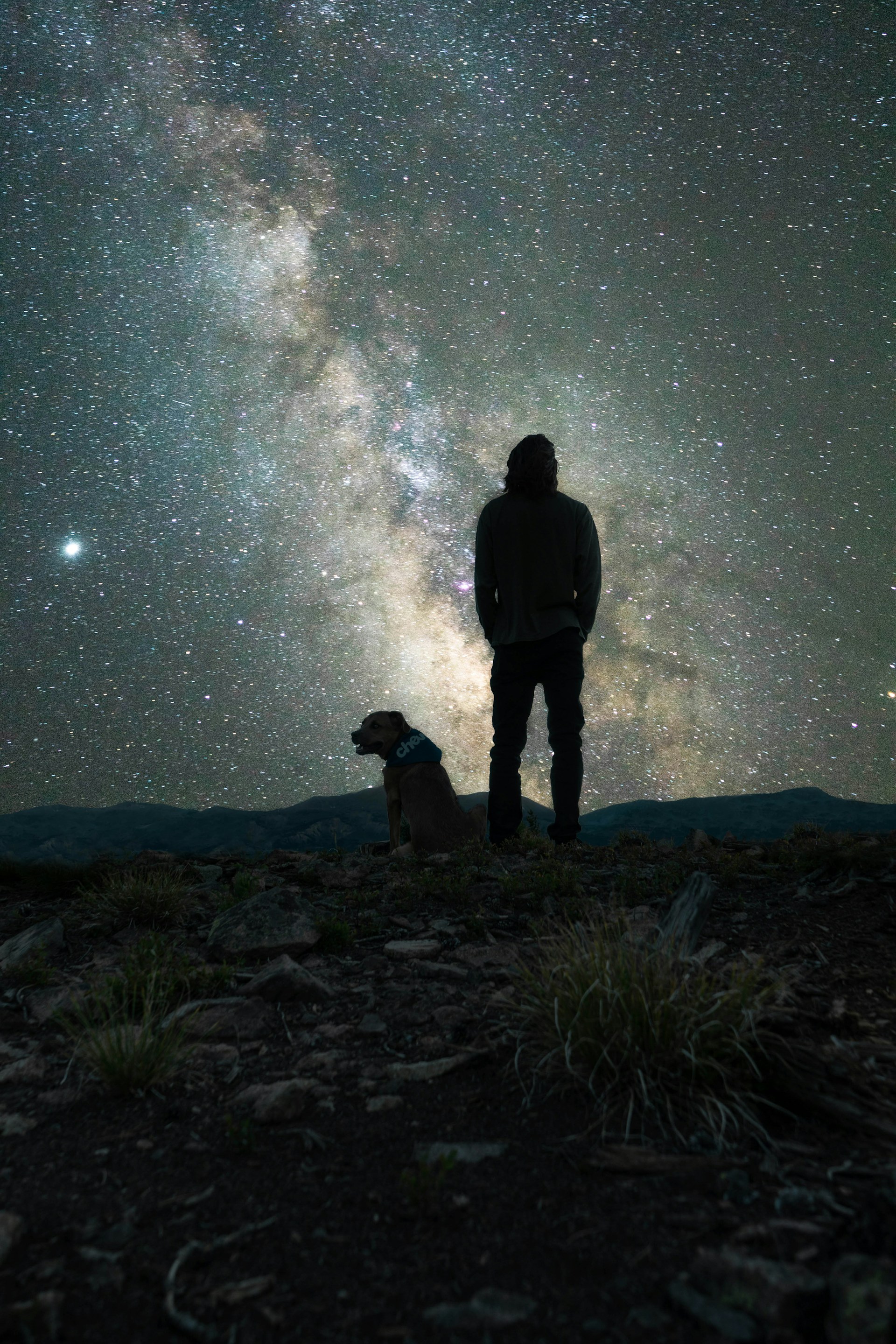

Photo by Deepak Kumar on Unsplash

Wonderful photographs.
I have done my best to avoid duplications with previous Picture Parades but cannot guarantee it.
Yet more from Unsplash!
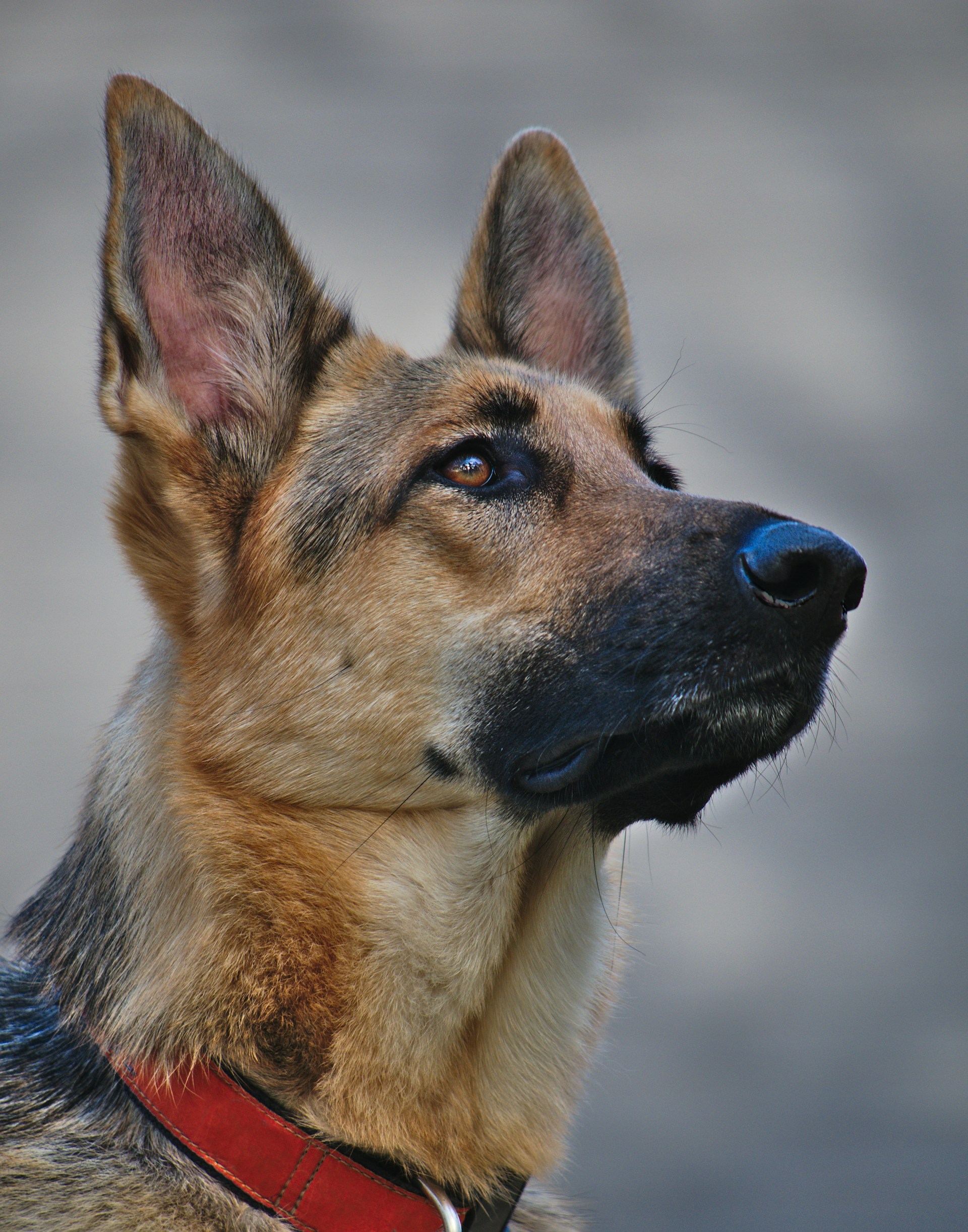
Photo by Michael Dziedzic on Unsplash
So handsome, this GSD. Reminds us of Pharaoh.

Photo by Silvana Carlos on Unsplash

Photo by Stainless Images on Unsplash

Photo by Jamie Street on Unsplash

Photo by Anna Dudkova on Unsplash
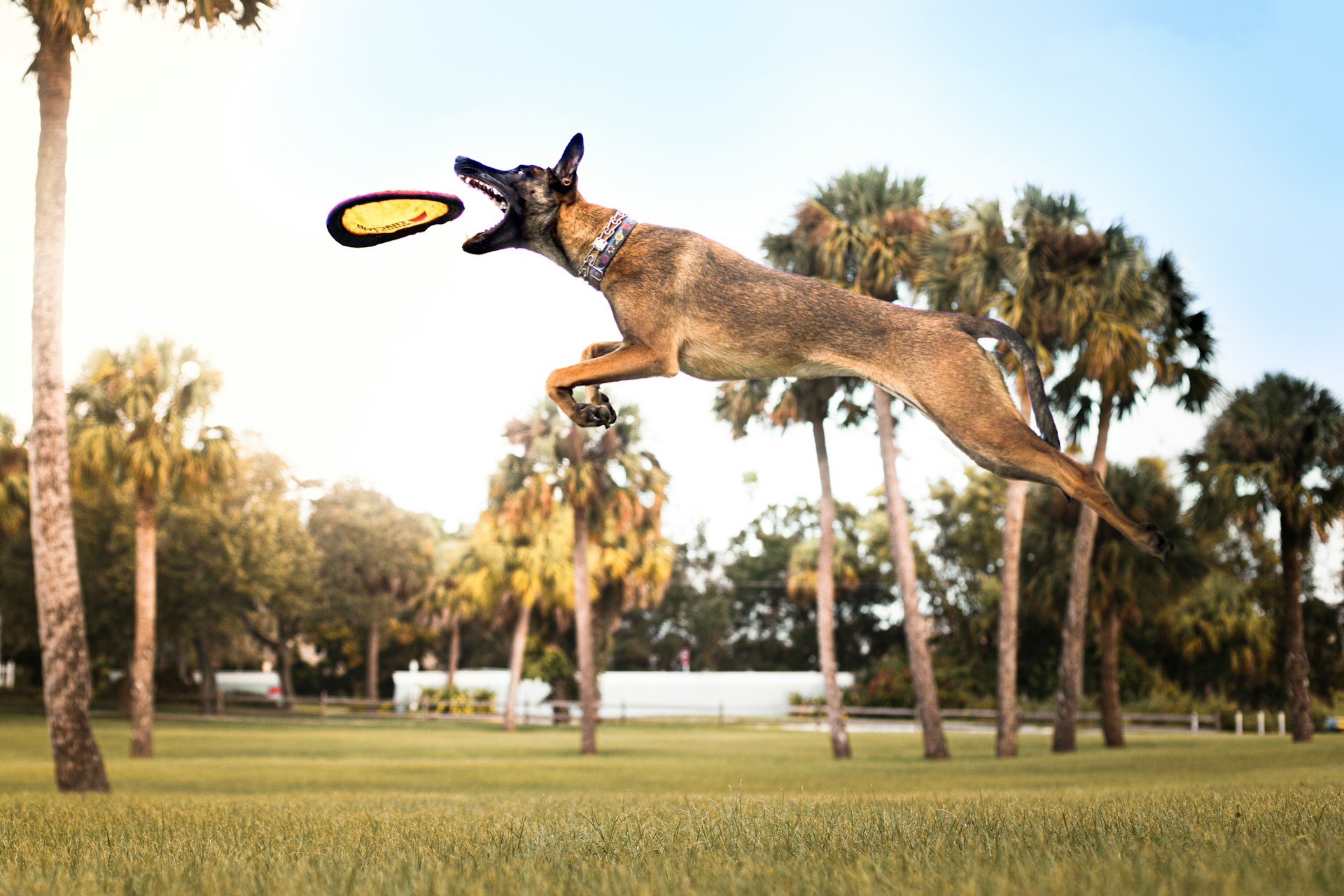
Photo by Anthony Duran on Unsplash

Photo by Cynthia Smith on Unsplash
Perfect photographs!
Once more, dear friends, from Unsplash.
This time with a focus on German Shepherd dogs.
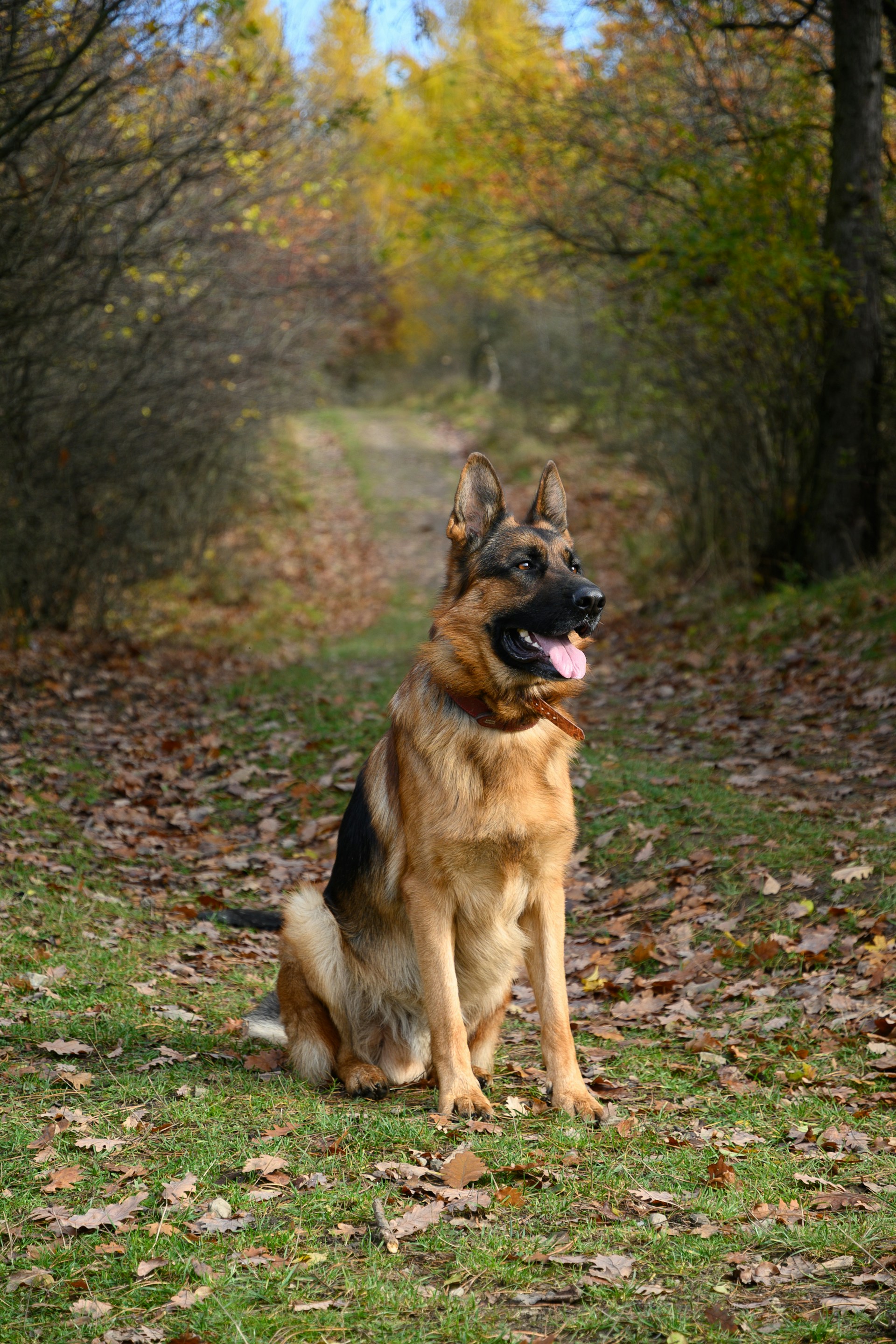
Photo by Jana Ohajdova on Unsplash

Photo by Anna Dudkova on Unsplash

Photo by Jayalekshman SJ on Unsplash

Photo by Anish Hassan on Unsplash
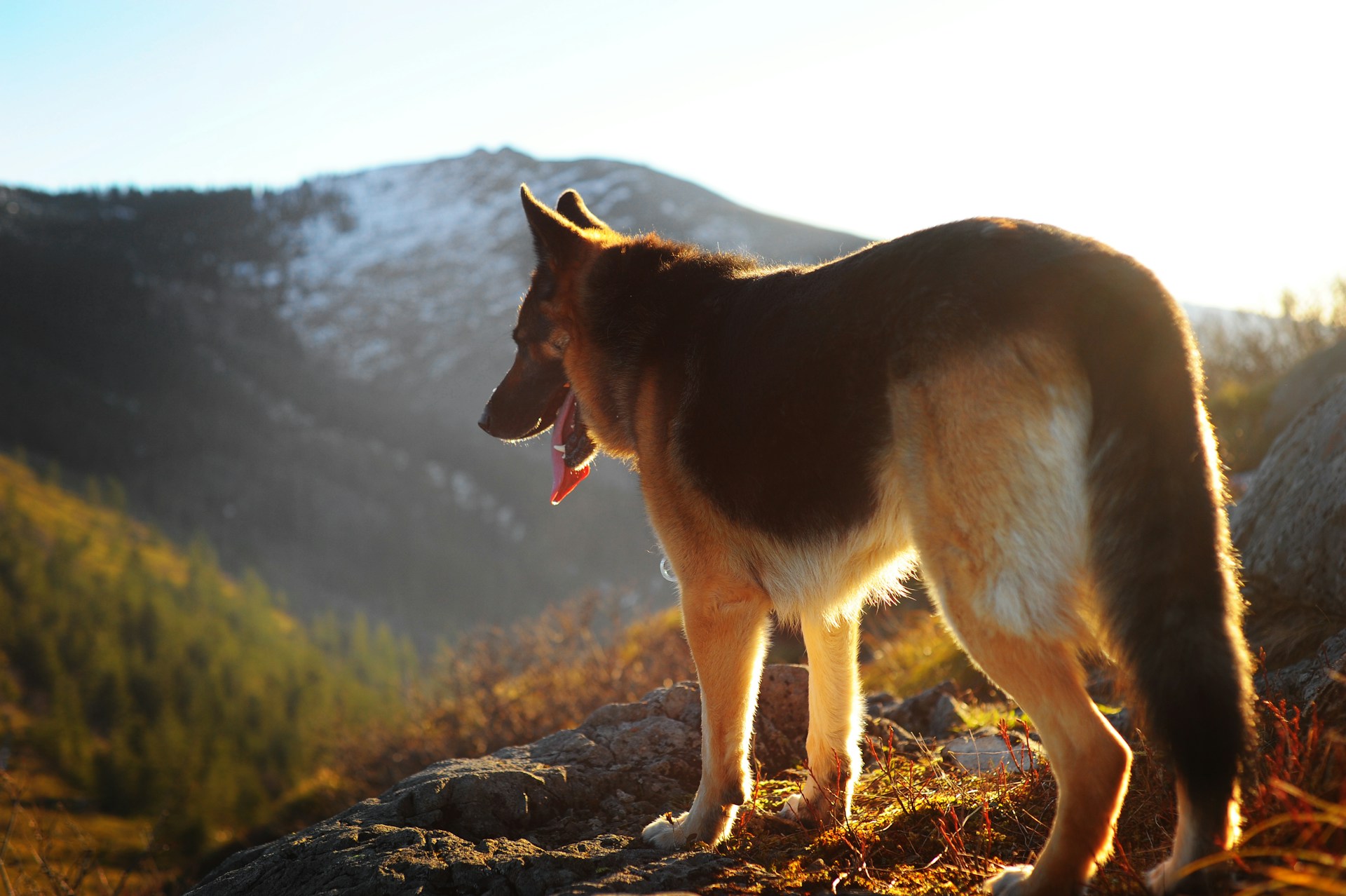
Photo by Yuriy Bogdanov on Unsplash

Photo by Sarah ( animal photography ) on Unsplash

Photo by Dustin Bowdige on Unsplash
These are such beautiful photographs, such fabulous pictures. Until next week!
Plenty of news stories to choose from.
NOAA presented a report for May 12th that said:
EVENT:
A coronal mass ejection (CME) is an eruption of solar material. When they arrive at Earth, a geomagnetic storm can result. Watches at this level are very rare.
TIMING:
Several CMEs are anticipated to merge and arrive at Earth on May 12th.
EFFECTS:
The general public should visit our webpage to keep properly informed. The aurora mav become
visible over much of the northern half of the country, and maybe as far south as Alabama to
northern California.
Meanwhile, Earth.com presented the following (and it is a long but extremely interesting report):
By Eric Ralls, Earth.com staff writer
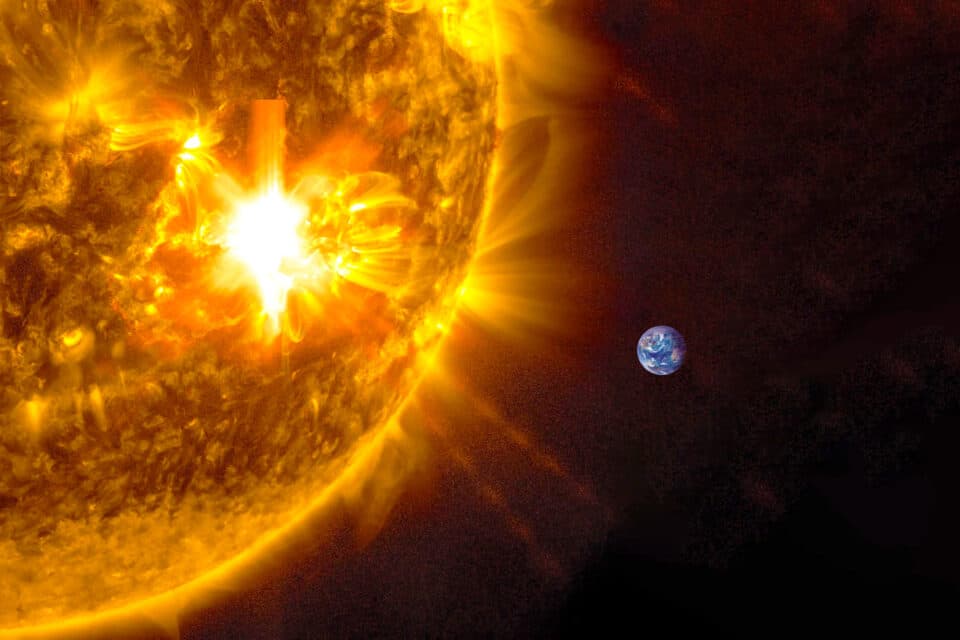
The Sun released another powerful burst of energy today, known as a solar flare, reaching its peak intensity at 12:26 p.m. Eastern Time. The flare originated from a region on the Sun’s surface called sunspot Region 3664, which has been quite active lately.
NASA’s Solar Dynamics Observatory, a spacecraft that keeps a constant eye on our nearest star, was able to capture a striking image of this latest solar outburst.
Solar flares are immense explosions on the Sun that send energy, light and high speed particles into space. They occur when the magnetic fields in and around the Sun reconnect, releasing huge amounts of stored magnetic energy. Flares are our solar system’s most powerful explosive events.
The NOAA’s Space Weather Prediction Center (SWPC) has extended the Geomagnetic Storm Warning until the afternoon of May 13, 2024.
Today’s flare was classified as an X1.0 flare. Solar flares are categorized into classes based on their strength, with X-class flares being the most intense. The number provides additional information about the flare’s strength within that class. An X1 flare is ten times more powerful than an M1 flare.
These energetic solar eruptions can significantly impact Earth’s upper atmosphere and near-Earth space environment. Strong flares can disrupt high-frequency radio communications and GPS navigation signals. The particle radiation and X-rays from flares can also pose potential risks to astronauts in space.
Additionally, the magnetic disturbances from flares, if particularly strong, have the ability to affect electric power grids on Earth, sometimes causing long-lasting blackouts.
However, power grid problems are more commonly caused by coronal mass ejections (CMEs), another type of powerful solar eruption often associated with strong flares.
Scientists are always on alert, monitoring the Sun for these explosive events so that any potential impacts can be anticipated and prepared for. NASA’s Solar Dynamics Observatory, along with several other spacecraft, help provide this early warning system.
Stay tuned to Earth.com and the Space Weather Prediction Center (SWPC) for updates.
The ongoing geomagnetic storm is expected to intensify later today, Sunday, May 12, 2024. Several intense Coronal Mass Ejections (CMEs), traveling from the Sun at speeds up to 1,200 miles per second, are anticipated to reach the Earth’s outer atmosphere by late afternoon.
Over the past two days, preliminary reports have surfaced regarding power grid irregularities, degradation of high-frequency communications, GPS outages, and satellite navigation issues. These disruptions are likely to persist as the geomagnetic storm strengthens.
Weather permitting, auroras will be visible again tonight over most of the continental United States. This spectacular display of lights is a direct result of the ongoing geomagnetic storm.
The threat of additional strong solar flares and CMEs, which ultimately result in spectacular aurora displays, will persist until the large and magnetically complex sunspot cluster, NOAA Region 3664, rotates out of view of the Earth. This is expected to occur by Tuesday, May 14, 2024.
Solar activity has been at moderate levels over the past 24 hours. Region 3664 produced an M8.8/2b flare, the strongest of the period, on May 11 at 15:25 UTC. A CME signature was observed, but an Earth-directed component is not suspected.
Solar activity is expected to remain at high levels from May 12-14, with M-class and X-class flares anticipated, primarily due to the flare potential of Region 3664.
The greater than 10 MeV proton flux reached minor to moderate storm levels on May 10. Additional proton enhancements are likely on May 13-14 due to the flare potential and location of Region 3664.
The solar wind environment has been strongly enhanced due to continued CME activity. Solar wind speeds reached a peak of around 620 miles/second on May 12 at 00:55 UTC.
A strongly enhanced solar wind environment and continued CME influences are expected to persist on May 12-13, and begin to wane by May 14.
The geomagnetic field reached G4 (Severe) geomagnetic storm levels in the past 24 hours due to continued CME activity.
Periods of G3 (Strong) geomagnetic storms are likely, with isolated G4 levels possible, on May 12. Periods of G1-G3 (Minor-Strong) storming are likely on May 13, and periods of G1 (Minor) storms are likely on May 14.
As the geomagnetic storm rages on, we must remain vigilant and prepared for the potential consequences. Monitor official sources for updates on the storm’s progress and any further disruptions to our technological infrastructure.
Take a moment to step outside tonight and marvel at the incredible auroras painting the night sky — a stunning reminder of the raw power and beauty of our Sun.
While these solar storms can cause temporary inconveniences, they also provide us with an opportunity to reflect on our place in the universe and the awe-inspiring forces that shape our world.
Stay tuned to Earth.com and the Space Weather Prediction Center (SWPC) for updates.
Geomagnetic storms are disturbances in the Earth’s magnetic field caused by the interaction between the solar wind and the planet’s magnetosphere. These storms can have significant impacts on technology, infrastructure, and even human health.
Geomagnetic storms typically originate from the Sun. They are caused by two main phenomena:
When these events occur, they send charged particles streaming towards Earth at high speeds, which can take anywhere from one to five days to reach our planet.
As the charged particles from CMEs and solar flares reach Earth, they interact with the planet’s magnetic field. This interaction causes the magnetic field lines to become distorted and compressed, leading to fluctuations in the strength and direction of the magnetic field.
Geomagnetic storms can have significant impacts on various aspects of modern technology and infrastructure:
Aurora Foundation
One of the most visually striking effects of geomagnetic storms is the formation of auroras, also known as the Northern and Southern Lights.
As charged particles collide with Earth’s upper atmosphere, they excite oxygen and nitrogen atoms, causing them to emit light in various colors.
Scientists continuously monitor the Sun’s activity and use various instruments to detect and measure CMEs and solar flares.
This data helps them forecast the timing and intensity of geomagnetic storms, allowing for better preparedness and mitigation of potential impacts.
Some of the most notable geomagnetic storms in history include:
Understanding geomagnetic storms is crucial for protecting our technology-dependent world and mitigating the potential risks associated with these powerful space weather events.
—–
Like what you read? Subscribe to our newsletter for engaging articles, exclusive content, and the latest updates.
Check us out on EarthSnap, a free app brought to you by Eric Ralls and Earth.com.
 Learning from Dogs