Category: People and their pets

A story about a Corgi from Portland!

This is a gorgeous story about a Corgi.

There was a story in the Daily Dodo that is just lovely.

I wondered why the Corgi was named Potato but that’s another question!

Enjoy the story!

ooOOoo

Attention-Loving Corgi’s Sign Brings Happiness To Everyone On Her Block

“It’s pretty wholesome” ❤️️

By Lily Feinn
Published on 6/8/2020.

Potato the corgi never misses an opportunity to say hi to her neighbors. So when social distancing started in Portland, Oregon, Potato’s parents, Cee and Pan, knew their dog wouldn’t be getting the kind of attention she was used to.

Instagram/potato_corgo

“She loves everyone — any dog, any kid, any adult human, doesn’t matter,” Cee told The Dodo. “Even dogs who snarl at her she’s like, ‘It’s OK, I’ll check back in five minutes.’”

“She’s in a polyamorous relationship with all of the mail, UPS and FedEx delivery people but the UPS man is her primary partner,” Cee added. “If you’re having a picnic at the park she will invite herself to your blanket and join in on the gossip.”

Instagram/potato_corgo

Potato knows a number of tricks, including how to ring a bell when she wants to go outside to the yard and socialize with the passersby. Cee, who works from home running a web agency, is always there to keep an eye on Potato when she goes out. And they noticed right away how difficult it was for Potato when her friends started ignoring her.

“Potato takes her job of getting pats through the fence very seriously and honestly seemed depressed that people stopped saying hi to her when social distancing started,” Cee said. “People kept looking really guilty when we’d catch them patting Potato through the fence, or others would ask if they could still pat her.”

Instagram/potato_corgo

To put an end to the confusion, they decided to make a little sign letting everyone know that it was still OK to give Potato the pets she craved, along with a few facts about her. “She’d bark at people she knew who normally would pat her when they’d walk by without saying hi,” Cee said. “So we wanted to make it known that it was consensual for us to take that slight risk of exposure.”

They laminated the sign and tacked it above Potato’s favorite spot on the fence. Potato was instantly happier.

Instagram/potato_corgo

The sign reads: “This is Potato! She’s friendly and yes you can pet her, even now with the virus. She also loves every dog so feel free to intro your dog!”

The sign has done more than cheer up Potato — it’s helped to connect Cee and Pan with neighbors they hadn’t met before. “People approach us more if we’re in the yard, or they send us little notes on [Potato’s] Instagram account,” Cee said. “There’s also an older neighbor lady who specifically comes by every single day to give her treats. It’s pretty wholesome.”

ooOOoo

That’s a really great good-news story!

More on the dog’s nose!

A new sense recently discovered in the dog’s nose.

I subscribe to AAAS and their last email newsletter contained this fascinating information.

ooOOoo


An infrared photo of a golden retriever in a functional magnetic resonance imaging scanner reveals the cold temperature of a dog’s nose versus its glowing, warm body.
Anna Bálint

New sense discovered in dog noses: the ability to detect heat

Dogs’ noses just got a bit more amazing. Not only are they up to 100 million times more sensitive than ours, they can sense weak thermal radiation—the body heat of mammalian prey, a new study reveals. The find helps explain how canines with impaired sight, hearing, or smell can still hunt successfully.

“It’s a fascinating discovery,” says Marc Bekoff, an ethologist, expert on canine sniffing, and professor emeritus at the University of Colorado, Boulder, who was not involved in the study. “[It] provides yet another window into the sensory worlds of dogs’ highly evolved cold noses.”

The ability to sense weak, radiating heat is known in only a handful of animals: black fire beetles, certain snakes, and one species of mammal, the common vampire bat, all of which use it to hunt prey.

Most mammals have naked, smooth skin on the tips of their noses around the nostrils, an area called the rhinarium. But dogs’ rhinaria are moist, colder than the ambient temperature, and richly endowed with nerves—all of which suggests an ability to detect not just smell, but heat.

To test the idea, researchers at Lund University and Eötvös Loránd University trained three pet dogs to choose between a warm (31°C) and an ambient-temperature object, each placed 1.6 meters away. The dogs weren’t able to see or smell the difference between these objects. (Scientists could only detect the difference by touching the surfaces.) After training, the dogs were tested on their skill in double-blind experiments; all three successfully detected the objects emitting weak thermal radiation, the scientists reveal today in Scientific Reports.

Next, the researchers scanned the brains of 13 pet dogs of various breeds in a functional magnetic resonance imaging scanner while presenting the pooches with objects emitting neutral or weak thermal radiation. The left somatosensory cortex in dogs’ brains, which delivers inputs from the nose, was more responsive to the warm thermal stimulus than to the neutral one. The scientists identified a cluster of 14 voxels (3D pixels) in this region of the dogs’ left hemispheres, but didn’t find any such clusters in the right, and none in any part of the dogs’ brains in response to the neutral stimulus.

Together, the two experiments show that dogs, like vampire bats, can sense weak hot spots and that a specific region of their brains is activated by this infrared radiation, the scientists say. They suspect dogs inherited the ability from their ancestor, the gray wolf, who may use it to sniff out warm bodies during a hunt.

“The study is consistent with other research that describes the combined dog nose and brain as a sophisticated platform for processing a broad range of signals,” says Gary Settles, an emeritus professor of mechanical engineering at Pennsylvania State University, University Park, who has studied dogs’ sniffing abilities. He doubts, however, “that the dog rhinarium can distinguish patterns of hot and cold objects at a distance,” suggesting dogs’ thermal detection skills may not be useful for long distance hunting. “[T]hat needs further study.”

If nothing else, the work suggests the extraordinary skills of the sled dog Buck, who tracked prey “not by sight or sound or smell, but by some other and subtler sense” in Jack London’s Call of the Wild, aren’t completely fictional after all.

ooOOoo

Dogs are in the news again. For their incredible noses; this time we are learning how they track heat.

Brilliant animals!

Alexandra Horowitz

Alexandra is a writer about dogs!

I can’t remember how long ago it was that I came across Alexandra Horowitz but the name stuck. For Alexandra is an author of many titles although many of them are about dogs.

But here’s a quote from someone who reviewed her book, On Looking: A Walker’s Guide to the Art of Observation.

“Horowitz writes like a poet, thinks like a scientist, and ventures like an explorer. Her book will have you looking in a new way at the world around you, and make you glad you did.” – Susan Orlean, author of Rin Tin Tin

If you haven’t already read some of her books then don’t delay!

Now I want to introduce a different side of Alexandra. That of her being a broadcaster, for want of a better description.

This is not a short video, it is 49 minutes long. But that’s a reason to sit down and thoroughly immerse oneself in her talk.

It is introduced thus:

To a dog, there is no such thing as “fresh air.” Every breath is full of information—in fact, what every dog knows about the world comes mostly through their nose. Dogs, when trained, can identify drugs of every type, underwater cadavers, cancer, illicit cell phones in prison, bed bugs, smuggled shark fins, dry rot, land-mines, termites, invasive knapweed, underground truffles, and dairy cows in estrous. But they also know about the upcoming weather, earthquakes before they happen, how “afternoon” smells, what you had for breakfast, and whether a cat touched your leg yesterday. And of course, they sniff their way home and know the distinctive odor of each spot of sidewalk as you travel there.
Alexandra Horowitz is a research scientist in the field of dog cognition and the New York Times bestselling author of “Inside of a Dog”. Her new book “BEING A DOG: Following the Dog into a World of Smell” explores in even greater depth what dogs know, delving into all of these remarkable abilities and revealing a whole world of experiences we miss every day. Alexandra visited Google Seattle to share her research and open eyes (and noses!) of pet parents everywhere.
Get the book here: https://goo.gl/cWJCfN

It’s a really fascinating and interesting talk and, I suspect, you will learn things about your dog’s nose that you didn’t know before.

If you want more news on Alexandra then go here!

And, forgive me, I can’t resist showing you a picture I took yesterday of Sheena!


Zelda, incredible Zelda.

A heart-warming story.

At the end of May this year there was an article on The Dodo blog that just had to be shared with you. It was about the remarkable trait of Zelda, a foster dog that was being cared for. It is about coming home.

Read it for yourself:

ooOOoo

Dog Travels 40 Miles To Find Her Way Back To The Woman She Loves

Photo Credit: Seneca Krueger

When Seneca Krueger first picked up her foster dog Zelda last year, she could never have predicted the remarkable journey the dog would one day make to be with her again.

Krueger, who works as a psychotherapist, is a dog foster mom who specializes in helping rescued dogs learn to trust people again. She’s fostered 30 dogs so far, but Zelda was an especially difficult case.

“She came with anti-anxiety medications,” Krueger told The Dodo. “Zelda paced. All day long she was either pacing or hiding.”

Krueger noticed that Zelda seemed calmest when on a leash, so she began tether training her — and slowly the skittish dog began to open up. “When I was home, she was attached to me,” Krueger said. “Over the course of two weeks of tether training, I had also weaned her off of her anti-anxiety medications, and the pacing had decreased. She was even willing to come out of hiding on her own for brief periods of time.”

After two months of living with Krueger and her two family dogs, Zelda finally wagged her tail. At four months, she began to bark and play — though she still struggled with unexpected noises and when visitors dropped by.

Photo Credit: Seneca Krueger

Still, Krueger knew that she had helped Zelda as much as she possibly could, and it was time to let her go. “As Zelda began to gain a little more confidence, I decided it was time for her to find her forever home,” Krueger said. “This is what you are supposed to do as a dog foster; help them adjust and then happily say goodbye as they go and live their best lives.”

Krueger drove Zelda 40 miles to her new home, but parting with her was more difficult than she anticipated. “I had to pull over to the side of the road because I couldn’t see through my tears,” Krueger said. “For the first time in my 12 years of dog fostering, I felt like I had given away my dog.”

Ten days after saying goodbye, Krueger received the call that every dog owner dreads — Zelda had gone missing after slipping her leash. Krueger immediately jumped in the car to begin searching for her.

An all-volunteer dog search team called START (Search, Track and Retrieval Team) had also gotten word of Zelda’s disappearance. The team set up feeding stations and trail cams around the area, and sightings of Zelda began to pour in.

As temperatures dropped below zero, Krueger refused to give up on her search. “The coldest days were the days I spent the most time searching because I was desperate to get Zelda warm and safe,” Krueger said. “[I] spent hours out in the freezing cold, following dog tracks through ravines, frozen swamps and fields.”

Photo Credit: Seneca Krueger

Over two months later, Krueger got word that Zelda had been spotted in Minneapolis, halfway between the dog’s new home and her foster home.

Only then did Krueger realize that Zelda was trying to make her way back to her.

The adopters surrendered Zelda back to Wags and Whiskers Animal Rescue, the organization that set up the adoption, and Krueger was thrilled to have her dog back — if only on paper. “She was mine again, and I was more determined than ever to find her,” Krueger said.

Two weeks later, Krueger received news that Zelda had been spotted near her home. She put out feeding stations around her house and began dumping dirty laundry on the front lawn in hopes that the smell would coax Zelda back to safety.

A couple reached out to Krueger to let her know that they had been feeding a very skittish dog who looked like Zelda. But after so long, Krueger didn’t want to get her hopes up. “Although I really wanted this dog to be my Zelda, I knew that if there was a lost, scared dog out there on the streets, we had to help it,” Krueger said. “Even if it wasn’t the dog that I knew and loved, and missed so much.”

Finally, the couple was able to trap the emaciated dog and called Krueger in the early hours of the morning to let her know. Inside the cage, Krueger saw a small, nervous dog, who barely resembled the Zelda she once knew. But when the manager of START arrived, a quick scan of the dog’s chip confirmed the impossible.

Photo Credit: Seneca Krueger

After over three months on the run, Zelda had found her way home.

“It was a miracle, and what else do you do in the face of a miracle? I sobbed,” Krueger said. “I apologized to Zelda for not recognizing her. I touched her for the first time in 97 days. I assured her that she was going home forever and that I never stopped looking for her.”

Zelda has been adjusting well to being at home, and couldn’t be happier to be with her mom again.

“She has become my Velcro dog, and is never more than a few feet away from me at all times,” Krueger said. “My other dogs are happy to have her back as well and groom her a lot.”

For Zelda, this family is forever. “I never could have imagined that the whole time I was searching for Zelda, she was searching for me, too,” Krueger added. “Zelda is officially my dog. But let’s be honest, it’s not like I had a choice. She is very persistent.”

ooOOoo

Seneca Krueger is one hell of a lucky person and so, too, is Zelda!

Zelda was on her own for 97 days and Seneca for the same amount of time was also on her own.

This is a story that warms the cockles of your heart.

Dog & Cat food recall

A food recall that came in yesterday!

We haven’t had a recall for some time but here’s one from Health Canada.

ooOOoo

Carnivora Dog and Cat Food Recall

June 15, 2020 — Health Canada is recalling Carnivora Fresh Frozen Patties for Dogs and Cats due to a possible contamination with E. coli O157.

E. coli O157 is a particularly dangerous strain of bacteria that can cause serious and life-threatening illness in both pets and humans after eating or handling the affected food.

What’s Recalled?

The recall includes 6 varieties of Carnivora brand raw pet food.

Approximately 1,803 packages of the affected products were sold nationwide in Canada between January 13, 2020 and June, 2020.

As of June 12, four cases of illness related to the recalled product have been reported.

About E. Coli Bacteria

E. coli O157 is a bacteria that can cause serious, sometimes life-threatening illness.

Some people infected with E. coli O157 do not get sick at all, though they can still spread the infection to others.

Common symptoms observed after infection include nausea, vomiting, headache, mild fever, severe stomach cramps, and watery or bloody diarrhea.

Most symptoms end within five to ten days.

Pregnant women, those with weakened immune systems, young children and older adults are most at risk for developing serious complications and might need hospitalization.

There is no real treatment for E. coli infections, other than monitoring the illness, providing comfort, and preventing dehydration.

People should contact their health care provider if symptoms persist or worsen with time.

What to Do?

Health Canada advises consumers to stop using any of the affected pet food products and contact the retailer where it was purchased from for a full exchange or refund.

U.S. citizens can report complaints about FDA-regulated pet food products by calling the consumer complaint coordinator in your area.

Or go to the FDA’s “Report a Pet Food Complaint” page.

Canadians can report any health or safety incidents related to the use of this product by filling out the Consumer Product Incident Report Form.

Get Lifesaving Recall Alerts by Email

Get free dog and cat food recall alerts sent to you by email. Subscribe to The Dog Food Advisor’s emergency recall notification system.

There’s no cost. No spam. Cancel any time.

ooOOoo

There you are good people. I trust none of you is affected.

Ruby has died!

Yesterday was a very sad day!

So soon after we welcomed Sheena, Ruby had a severe downturn.

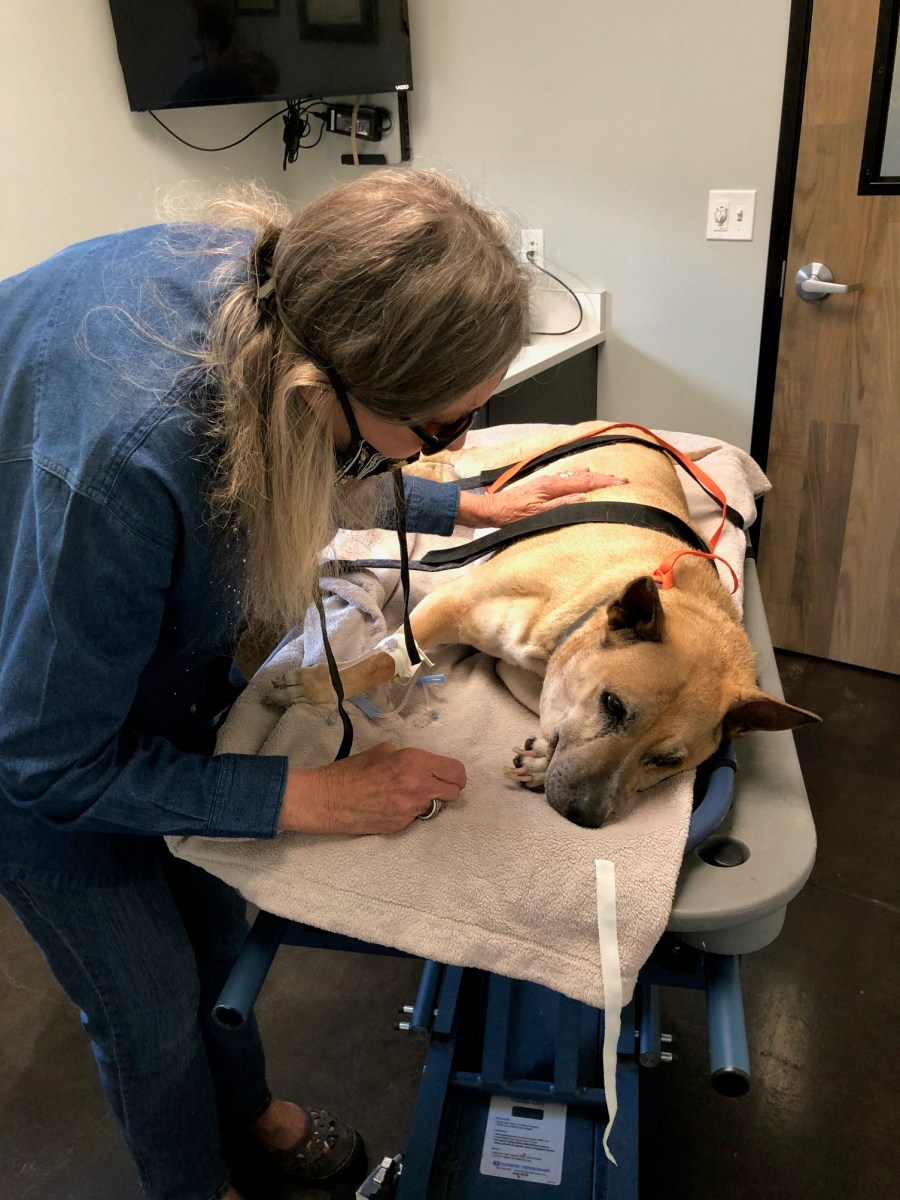
Ruby had had one operation for the removal of a mast cell tumor back in February but we were advised by the vet that almost certainly it would grow back. Late on Saturday Ruby became very tired and went off her food and Jean and I were discussing having to take her to be put down on Monday (today).

Then overnight Saturday it was clear that her breathing was very laboured and on Sunday she was weak and struggling. It was time.

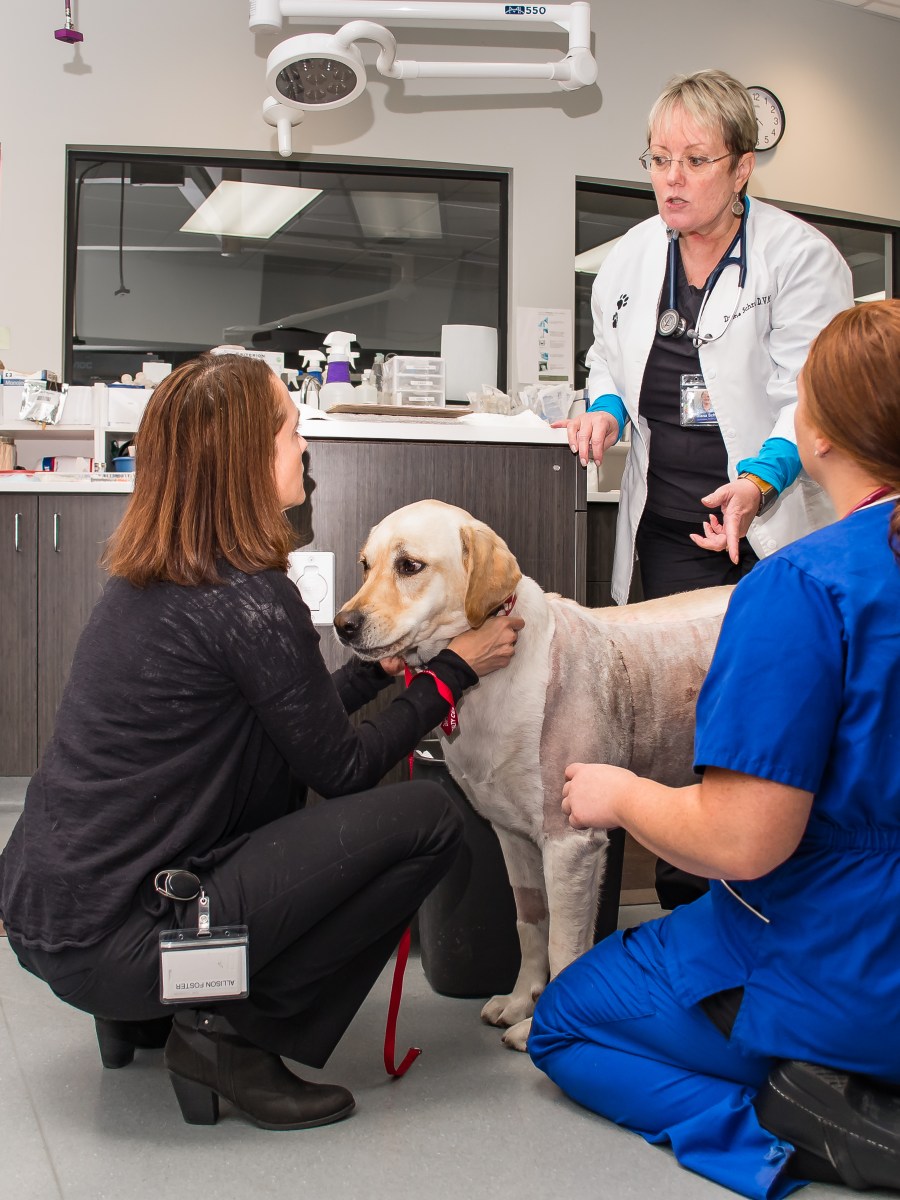
Being a Sunday we had no option other than to go to the Southern Oregon Veterinary Specialty Center, or SOVSC. We called them and they asked a few questions about Ruby and then told us to come straight over. They  are at Biddle Road, Central Point and it took us 45 minutes to get there.

A little bit from their website:

Outstanding Team

Our team includes board certified specialists and highly trained doctors and staff, who have been chosen for their skill and expertise, as well as their compassion and dedication to veterinary medicine.

Then a couple of photographs from us.

oooo

Jeannie saying goodbye.

Ruby was the last of Jean’s Mexican rescues. She will be sorely missed!


Picture Parade Three Hundred and Forty One

Back to Pixabay!

oooo

oooo

oooo

oooo

oooo

oooo

oooo

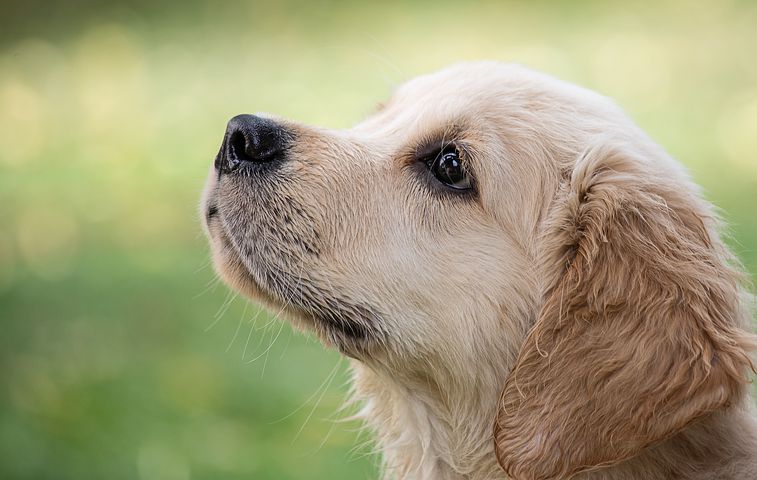
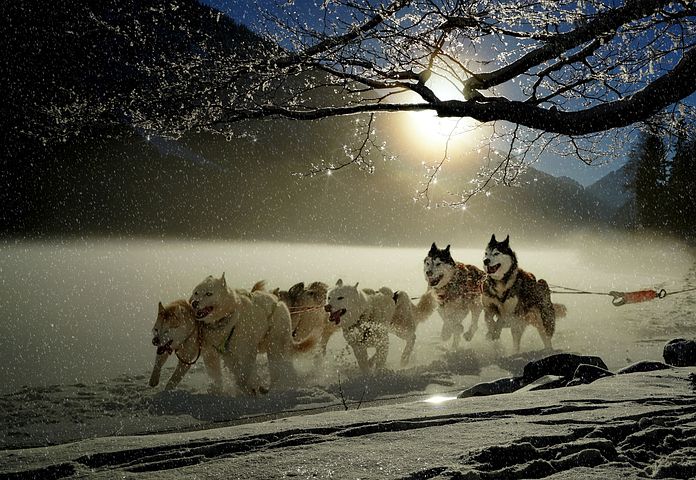
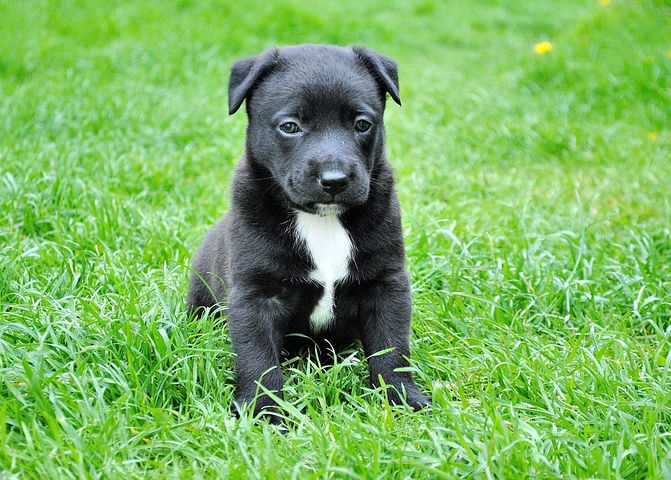
Lovely photographs! Pixabay has many more!

Sheena is here to stay!

“The easiest introduction ever!”

Those were Jeannie’s words not mine. When you consider the number of dogs that Jean has introduced into her pack, especially down in Mexico, that is quite a statement!

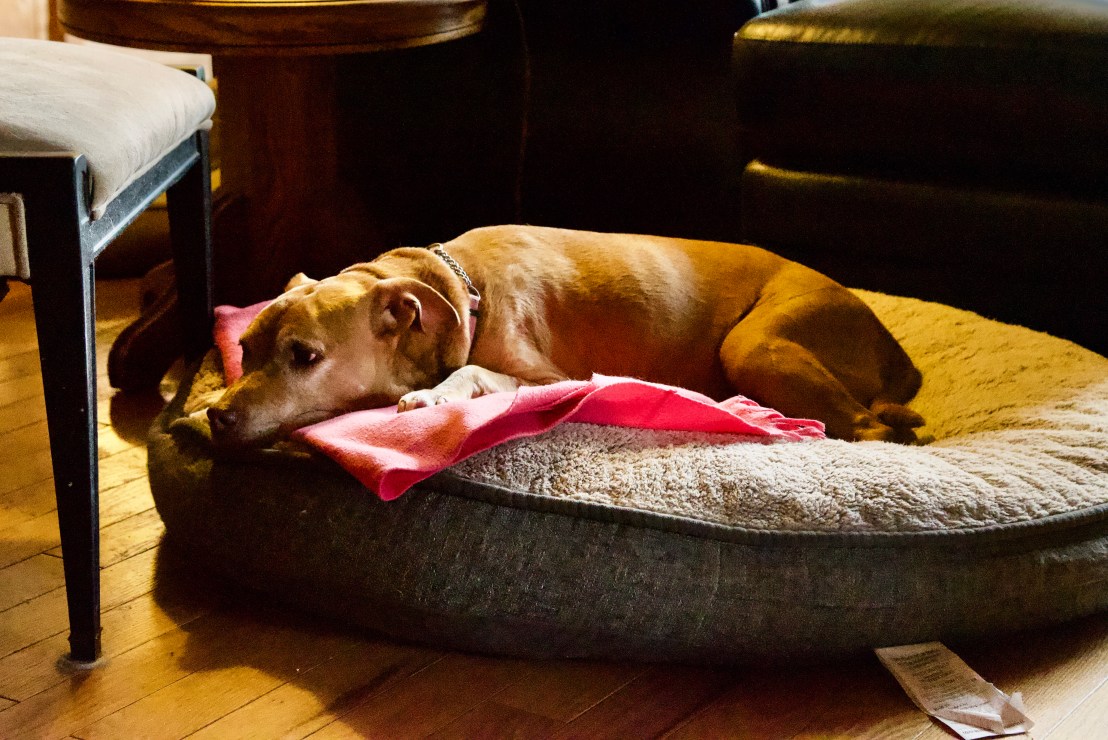
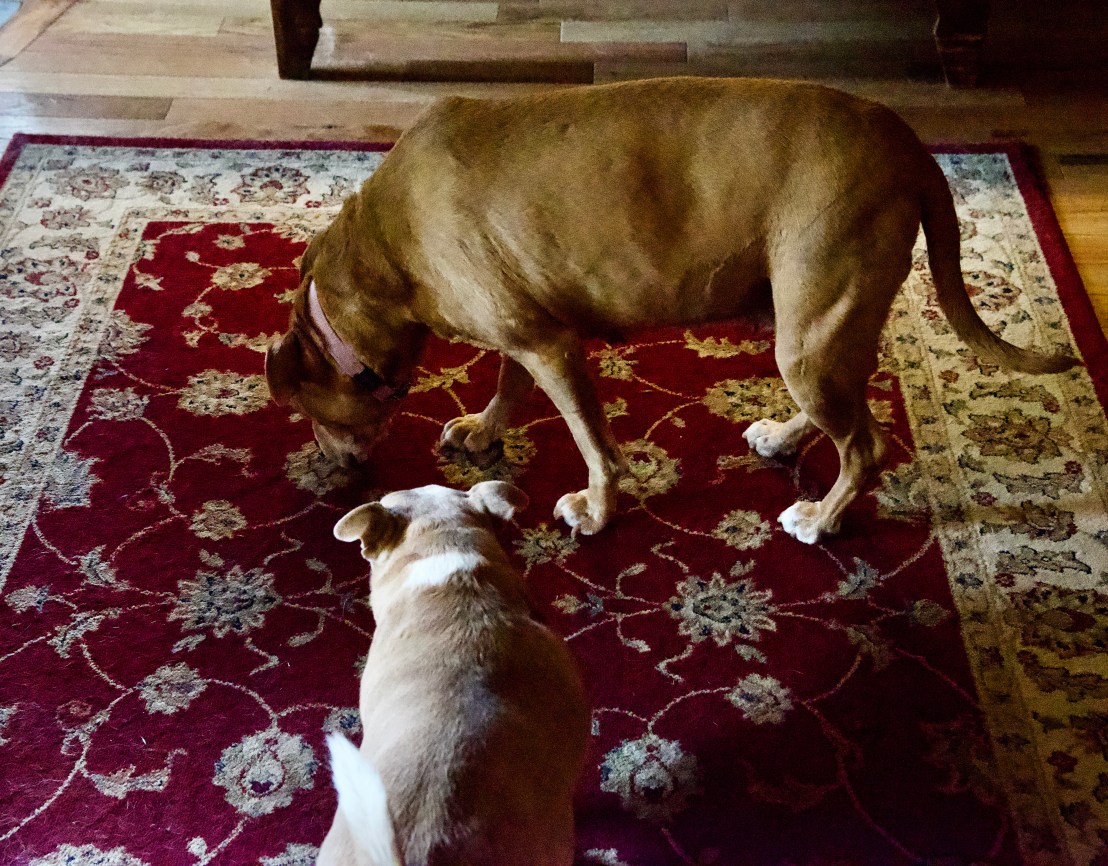
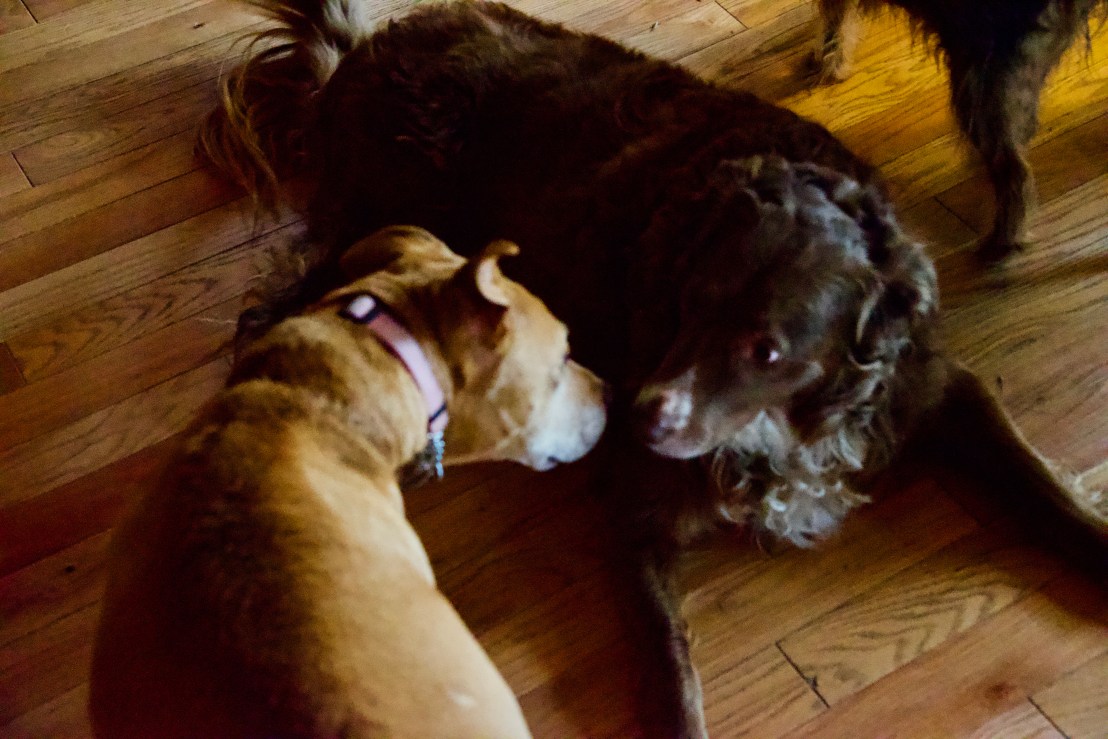
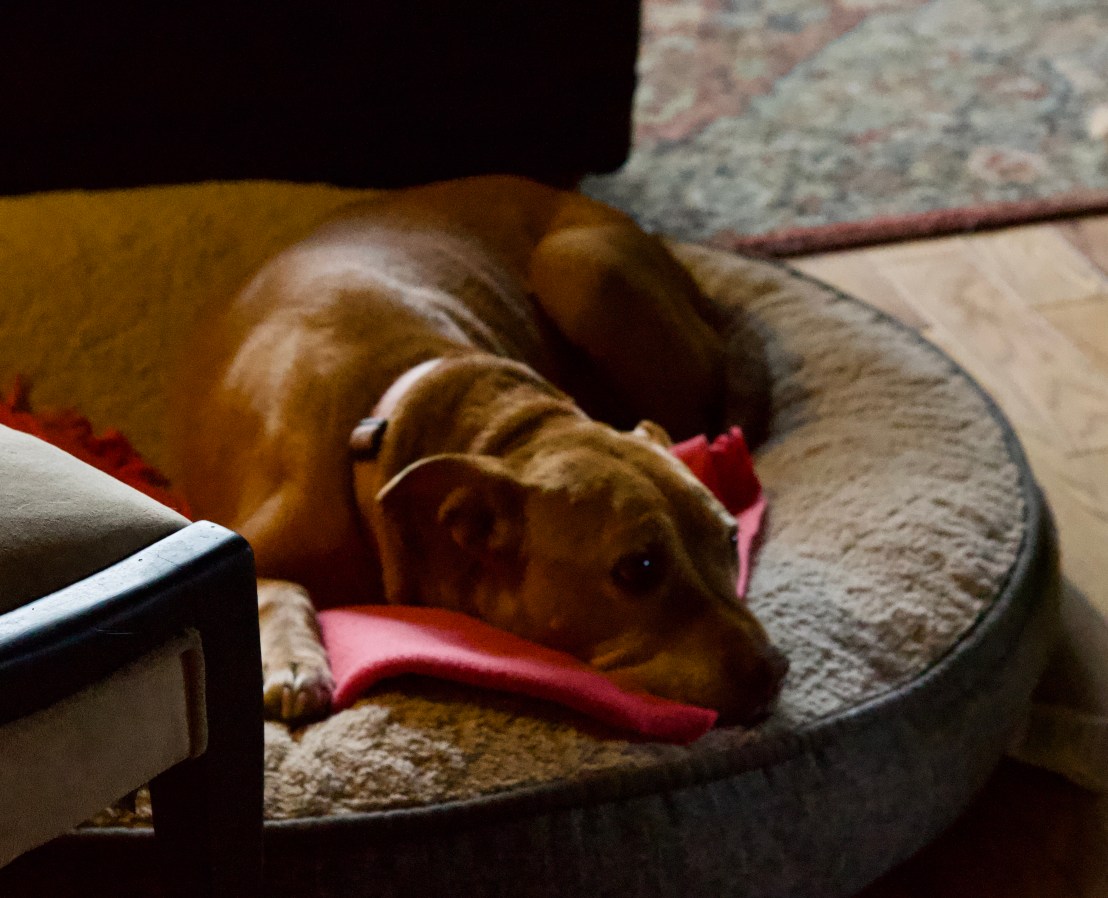
Very soon after Renate coming round to our place at 10 am yesterday morning Sheena came into the house. I tried to take a few photographs in those early moments. They are not the best I have taken!

Sheena within minutes goes to her bed.

oooo

Little Pedi watching Sheena!

oooo

oooo

oooo

Sheena getting to know Oliver.

oooo

oooo

oooo

Now we have yet to go a full day (as this is being written on Friday for publication at midnight PDT tonight). But Jean and I have a good feeling about Sheena.

Sheena!

Sheena’s visit was a great success.

As you know, we had Renate come round Sunday morning together with Sheena to get to know our dogs.

It all went extremely well and we ended up taking Sheena indoors, together with Renate, and we sat and chatted for quite some time.

Here are a few photos of the occasion.

Here Sheena is getting to know the inside of our home, looked on by Cleo, Pedi, Sweeny and Ruby.

Settling in quickly with Pedi taking an interest in Sheena.

Sheena giving Renate a loving look!

So Renate is coming back this Friday, the 12th June, to bring Sheena to us and we will be seven!

This COVID-19 pandemic.

How have you and your dogs been affected?

The idea for today’s post came to me from Amanda down in Australia.

We go back years and years and have stayed in contact with each other over that time.

In her latest email she wrote (my italics):

I started some classes at the beginning of the year, a family history research one and a writing one, which had to stop a couple of weeks short courtesy of the virus.  The family history class was essentially finished, but the writing class (How to Read/Write a Biography) is an ongoing thing, with the tutor being a published author.  I signed up for term two of the writing class as the tutor decided to trial conducting it on-line via Zoom.  Many people in the class are either writing a biography or just writing about their lives for their children or grandchildren, so the tutor encouraged us all to write a short piece about this COVID-19 outbreak; observations, feelings, how it’s affected us, or whatever we wanted.  There are only six of us in the class, but it was fascinating to hear the resulting six pieces, so utterly different in tone and content, but all really interesting.

I wonder if you could invite something similar from your readers?  Imagine the different perspectives and experiences of your readers in their different parts of the world!  Just a thought anyway .

So how have you and your dogs been affected. Your feelings, your observations, how it has affected you, and any other thoughts.

And I will close with a photograph that Amanda sent me years ago.