One can never have too much play time!
The following was first seen on the Care2 site. (But we did only watch the video up to the seven-minute mark!)
You all have a very playful weekend!
Dogs are animals of integrity. We have much to learn from them.
Category: Humour
One can never have too much play time!
The following was first seen on the Care2 site. (But we did only watch the video up to the seven-minute mark!)
You all have a very playful weekend!
Be happy good people.
oooo
oooo
oooo
oooo
oooo
oooo
And the final photograph for this week’s Picture Parade is of Socks being cuddled by a member of his new family home. Socks has been adopted!! (Full story about this wonderful happening on Tuesday.)

Keep loving those animals of yours out there!
More from Janet ….
But first a couple from closer to home.


oooo
oooo

oooo

oooo
oooo

oooo
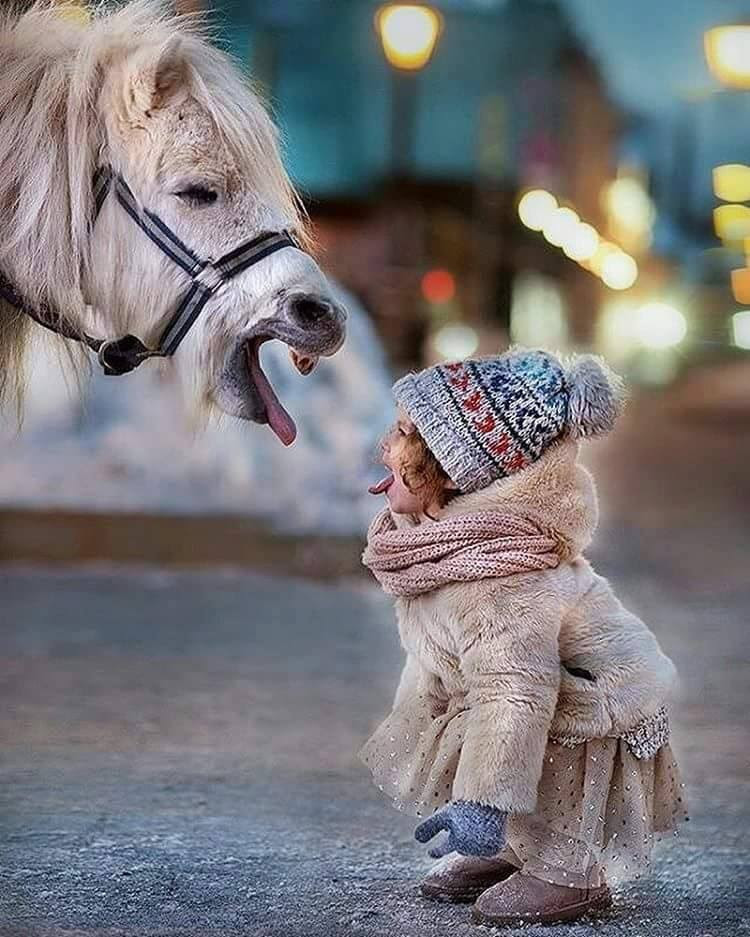
Yet more to come in a week’s time.
You and your lovely animals please take care out there!
Just relax and go and paddle a boat!
I was speaking to Angus the dog, by the way!
What dogs mean to us whatever our age!
I chose the title for today’s post deliberately. Wanting it to act as a metaphor for our senior years, as the dear Americans like to put it, or leaning on my English roots, preferring the metaphor of the sinking sun for the Autumnal years of our lives.
We live in a part of the world where “The median age was 47.3 years.”
Josephine County, Oregon
As of the 2010 United States Census, there were 82,713 people, 34,646 households, and 22,498 families residing in the county.[20] The population density was 50.4 inhabitants per square mile (19.5/km2). There were 38,001 housing units at an average density of 23.2 per square mile (9.0/km2).[21] The racial makeup of the county was 92.4% white, 1.4% American Indian, 0.8% Asian, 0.4% black or African American, 0.2% Pacific islander, 1.5% from other races, and 3.2% from two or more races. Those of Hispanic or Latino origin made up 6.3% of the population.[20] In terms of ancestry, 26.3% were German, 15.6% were Irish, 15.5% were English, 5.5% were Italian, and 5.5% were American.[22]
Of the 34,646 households, 25.5% had children under the age of 18 living with them, 49.2% were married couples living together, 11.0% had a female householder with no husband present, 35.1% were non-families, and 28.3% of all households were made up of individuals. The average household size was 2.34 and the average family size was 2.82. The median age was 47.3 years.[20]
Yet in the rural areas of this County one does see a fair number of people who, as with Jean and me, are the wrong side of 65!!
But one very frequent observation of those ‘senior’ people is that they have a dog in their lives.
On April 10th, I posted a guest article written by Jessica Brody. It was very well received and I closed that post by saying: “I know many will agree with me when I say that it would be good to receive some more articles from Jessica.”
Our wishes have been granted. Here is Jessica’s second guest article.
ooOOoo
by Jessica Browdy. May 3rd., 2017
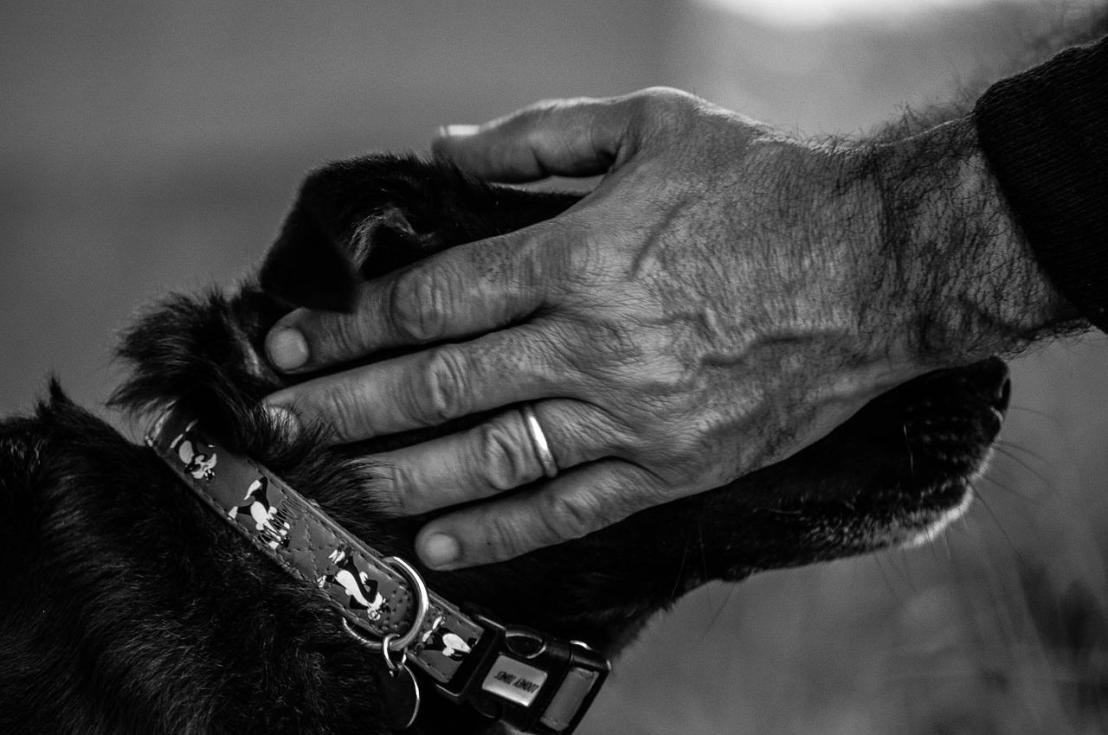
It’s no mystery that pet ownership can bring joy to people’s lives, but it turns out that having a pet may benefit seniors in ways that reach far beyond the pleasures of companionship. For elderly people who live alone or in senior care facilities, owning a pet can improve mental and physical health, paving the way for longer, healthier, and happier lives. Here are five ways that having a critter companion can benefit senior health.
Pets Improve Senior Mental Health
One of the greatest benefits of pet ownership for people of any age is the unconditional friendship and love that a pet provides. This support is especially important for elderly people, who are prone to loneliness and isolation as they leave the workforce, children move away, and friends and loved ones begin to pass on. Isolation is one of the biggest risks to senior health; isolation can cause depression (and related issues), cognitive decline, and even early death. The company of a beloved pet can help seniors stave off loneliness and preserve their mental health. Caring for a pet can also give seniors something to focus on other than negative thoughts about grief, physical ailments, and aging, thereby reducing their overall stress levels.
Pets Keep Seniors Social
Pets do more than provide a social outlet for seniors — they can actually lead the elderly to be more social with their peers as well. People are naturally drawn to dogs, and a senior who is out walking a pet is more likely to meet new people than if walking alone. Pets can help bring people together in senior living facilities, too. Dogs, cats, and other animals give people a common interest over which they can come together, share stories, and develop friendships.
Pets Reduce Heart Attack Risk
Companion animals like dogs, cats, birds, and even fish can improve heart health by lowering blood pressure. One study showed that being in the presence of your dog can even have a greater impact on your blood pressure than some medications. And by lowering blood pressure, pets can reduce heart attack risk in seniors.
Pets Keep Seniors Active
The daily routine of caring for a pet helps seniors maintain functional mobility. Giving food and water, cleaning a litter box, and letting the dog outside makes a sedentary senior get up and get moving. These simple activities can support an elderly person’s ability to complete the activities of daily living like bending, preparing meals, bathing, and dressing. Older people who own dogs are also more likely to stay active into their later years. Not only do they get out to walk the dog, but they’re also more likely to be involved in other active hobbies like gardening.
Pets Improve Senior Personal Care
A senior who has a daily pet care routine is more likely to adhere to a daily personal care routine. Having a routine gives structure to a senior’s days, making it easier to adhere to medication schedules, meal times, and personal care. Maintaining a daily routine can even help seniors sleep better.
Seniors can be saviors to pets, too. When older people adopt adult or senior pets, they provide a loving, stable home to an animal that may not have found a home otherwise. Dogs and cats aged seven and older are adopted at staggeringly low rates, even though they still have years of love to give. Many shelters and rescues even offer discounts for seniors adopting senior pets, so be sure to ask if you might be able to adopt your new friend at a reduced rate.
Image viaPixabay by marmax
Author: Jessica Brody
ooOOoo
Keep them coming, Jessica. (Well that’s the view from this senior!)
Are you a dog owner? Then here’s something else that you gain from your wonderful friend.
I was rather short on time yesterday so apologies for cutting my introduction to a minimum. But you will still love this item that appeared on the Care2 site three days ago.
ooOOoo
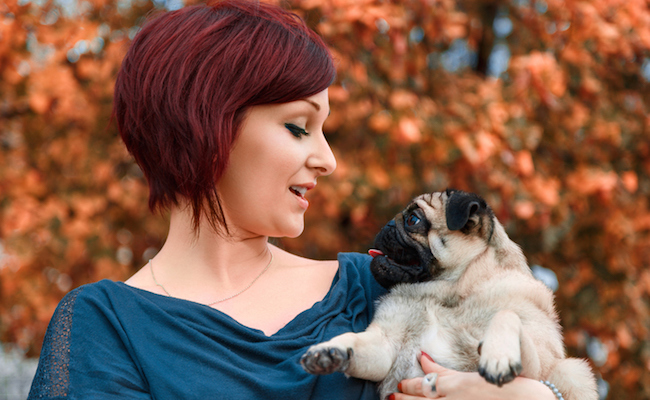
If you’ve ever owned a pet, you’ve probably talked to it at one point or another. And even though you may have been fully aware that your pet couldn’t talk back or even really comprehend what you were saying, you still did it anyway.
Why do we do this? Why do we talk to our pets like human friends when we know their little minds just aren’t built to think or feel the same way we do?
When we talk to our pets, we subconsciously create a human-like bond in our own minds with non-human creatures. We’re built for connection — and we feel more connected to things when we recognize that they’re just like us.
Talking to animals (and even to inanimate objects, such as house plants) is called anthropomorphism. We usually call it “cute” when kids do it, but when adults do it, we tend to view it as a little weird and immature.
According to behavioral science professor at the University of Chicago and anthropomorphism expert Nicholas Epley, talking to animals and objects is actually a sign of intelligent social cognition. Humans are very social creatures, so our brains are wired to see faces and perceive minds everywhere.
Epley explains that we anthropomorphize the things that we love as opposed to the things that we hate. The more we like something, the more likely we are to want to engage with its mind — even if it doesn’t actually have a mind.
In a 2011 study where a group of participants were shown photos of baby animals and adult animals, most admitted to liking the baby animals better and were more likely to anthropomorphize them. If the participants could own one of the baby animals, they said that they would name it, talk to it and refer to it by its appropriate gender pronoun.
The most common way we anthropomorphize animals and objects is by giving them names, but it can apply to character traits, too. For example, a person may describe their cat as “sassy” or their car as a “rickety old man.” These human-like character traits given to non-human things reflect our relationship with them and perhaps even symbolize extensions of ourselves.
Anthropomorphizing only benefits us when inanimate objects are involved, but when it comes to anthropomorphizing domesticated animals like dogs and cats, both ourselves and our pets can benefit. Since these animals evolved over thousands of years to become human companions, they are biologically designed to bond with us.
Studies have shown that when we talk to dogs, they can distinguish between the meaning of the words and the emotional cues we give them. Cats may not be as responsive to human language as dogs are, but they do have the ability to recognize their owners’ voices and they also have 16 different types of vocalizations they use to communicate.
So you can let go of the widely held belief that talking to your pet, your houseplants, your car or anything else is childish or even a little bit crazy. From a scientific viewpoint, it turns out that quite the opposite is true.
ooOOoo
Let me close by reminding all you good people of yet another wonderful aspect of the relationship between humans and dogs. In that we all know the dog evolved from the grey wolf. But had you pondered on the fact that wolves don’t bark! Yes, they howl but they do not bark.
There is good science to underpin the reason why dogs evolved barking; to have a means of communicating with us humans.
Every person who has a dog in their life will instinctively understand the meaning of most, if not all, of the barks their dog utters.
The third and final set of Janet Goodbrod’s images.

oooo

oooo

oooo
Weren’t they wonderful. If only there were more!
Well, there are! 🙂 And from the same lovely lady.
So here’s a taster for more over the next few weeks.

oooo
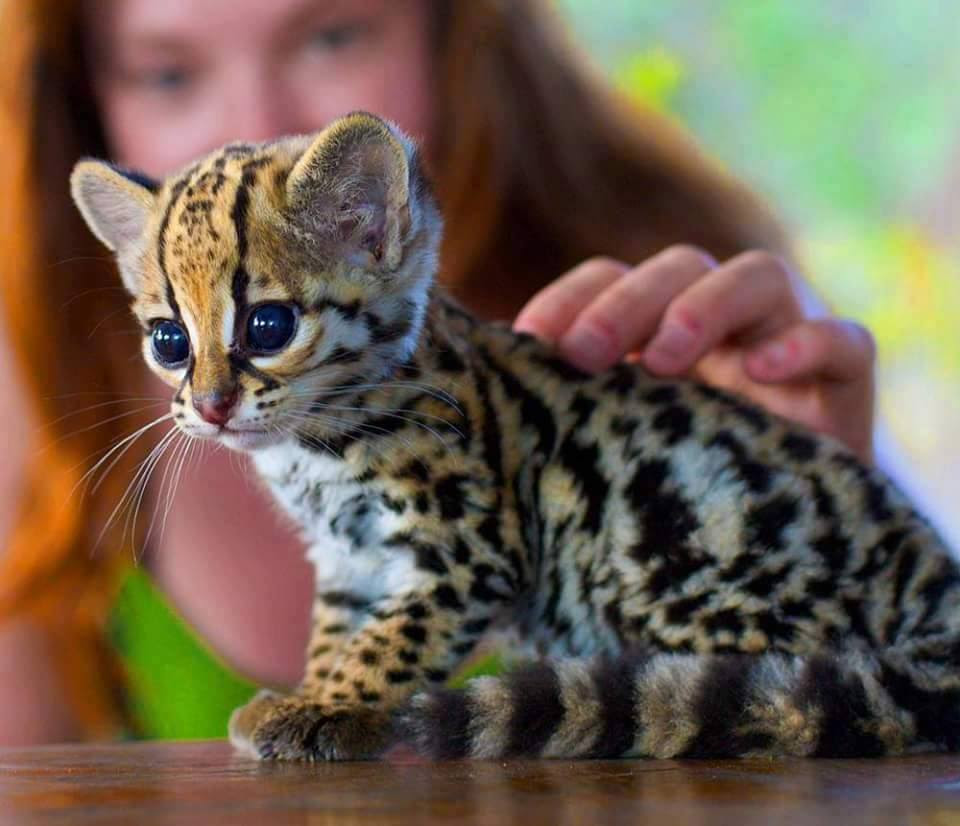
oooo
oooo

oooo

oooo
And wasn’t that last one simply stunning!
Be happy good people!
The second set of pictures sent across by Janet Goodbrod.

oooo

oooo

oooo
oooo
oooo
oooo
Another set in a week’s time.
You all take care out there meantime!
Sent to me by neighbour Janet Goodbrod.
(There may be a couple of duplicates from a previous picture parade but so what! They are still gorgeous!)
oooo

oooo

oooo

oooo

Another set, thanks to Janet, coming along in a week’s time.
Too adorable for words!
Was first seen as a Rumble video and then it came up on YouTube.
Published on Feb 24, 2017Jude the French Bulldog refuses to give up trying to bring his stick inside, but soon victory is all his. Well done little guy!
 Learning from Dogs