Category: Environment

More down to earth!

Further information on the subject of being grounded.

Just to set the scene, so to speak, last Saturday week I published a post on our reaction to the book called Earthing authored by Ober, Sinatra and Zucker. I said that we had been sufficiently convinced to order the half-sheet kit.  Then on the 23rd., I wrote of our experiences after having spent 5 nights on the earthing sheet.

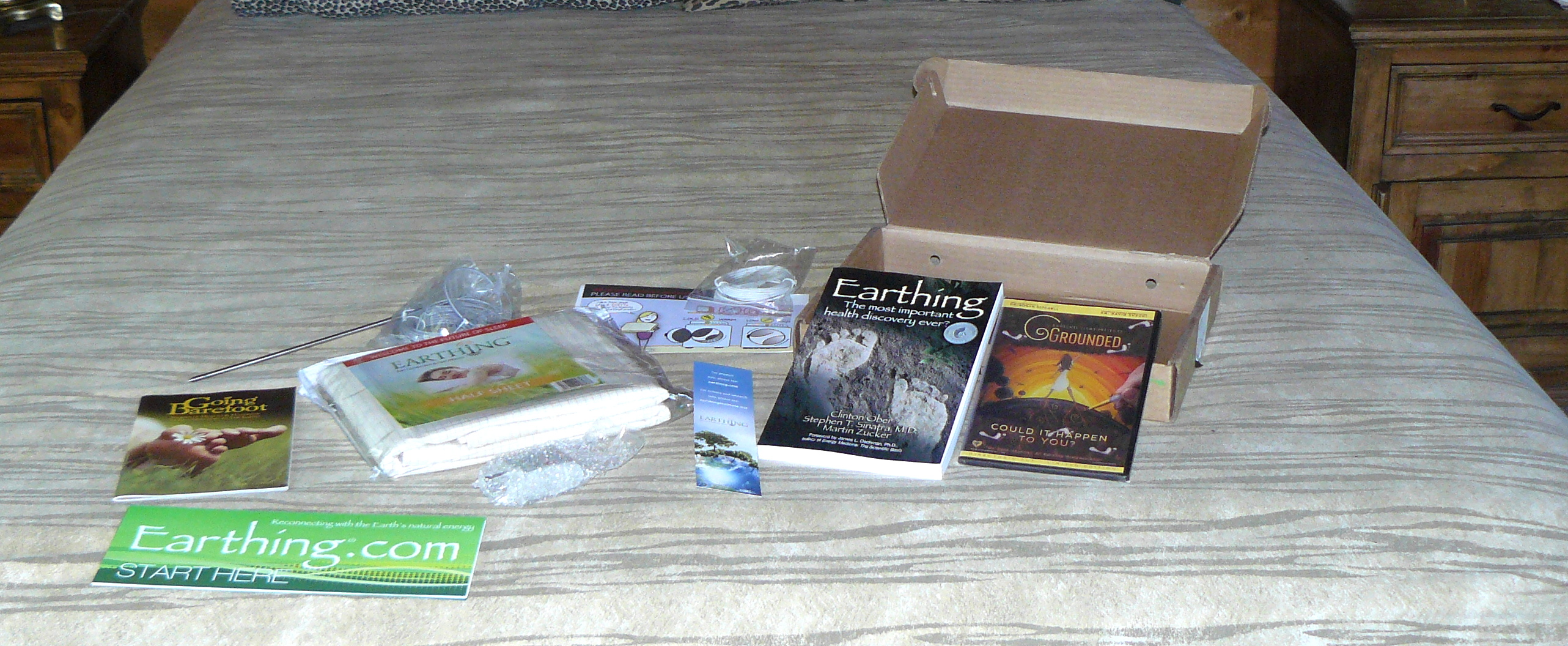
The half-sheet kit.
The half-sheet kit.

I promised to provide more information today. We have now been sleeping on the earthing sheet for eight nights.  All the positive effects written about on Monday continue and, frankly, strengthen.

The website GoingBarefoot.org has much information, including real-life experiences from customers.  That website suggests it is the work of Martin Zucker, one of the authors of the book.  It also offers this testimonial video:

There is another website Earthing.com that offers much the same information as the GoingBarefoot site.  (Indeed, I just called the Earthing company and they confirmed that there was no difference in service between the two websites.)

One of the items in the kit, as shown in the photograph, was a 74-minute, professionally-made film that was fascinating.  Guess what!  That film is available as a YouTube video.

The film was the product of Kroschel Films and their website is wonderful.  You must go there. These two pictures came from there.

Isis, January 2013 - Photo courtesy Dr.Vic Walker
Isis, January 2013 – Photo courtesy Dr.Vic Walker

oooo

Steve Kroschel spends some quality time with Lennox the Lynx, Nov.3, 2013

Then a web search brought to light a company with the name of Mercola.  Their website has a page with earthing products even including, towards the end of the webpage, instructions on making your own earthing mat.  The following video comes from that website.

So I do hope this is of interest and, please, if you have any thoughts or experiences, do please offer them as comments to the post.

(Oh, I guess I should mention that I am not affiliated with any of these companies and stand to gain no advantage if you choose to purchase a product mentioned on Learning from Dogs. Please verify for yourself the potential advantages in using any earthing product.)

How to close?

This seems as good a way as any.

Standing Bear.
Standing Bear.

There is a road in the hearts of all of us, hidden and seldom traveled, which leads to an unknown, secret place.

The old people came literally to love the soil, and they sat or reclined on the ground with a feeling of being close to a mothering power. Their teepees were built upon the earth and their altars were made of earth. The soul was soothing, strengthening, cleansing, and healing.

That is why the old Indian still sits upon the earth instead of propping himself up and away from its life giving forces. For him, to sit or lie upon the ground is to be able to think more deeply and to feel more keenly.

He can see more clearly into the mysteries of life and come closer in kinship to other lives about him.

Helping a pair of young birds.

Hoping that this story of rescuing some young birds may be of help to others.

Last Saturday afternoon we were sitting outside under the shade with the ‘kitchen’ group of dogs enjoying themselves.

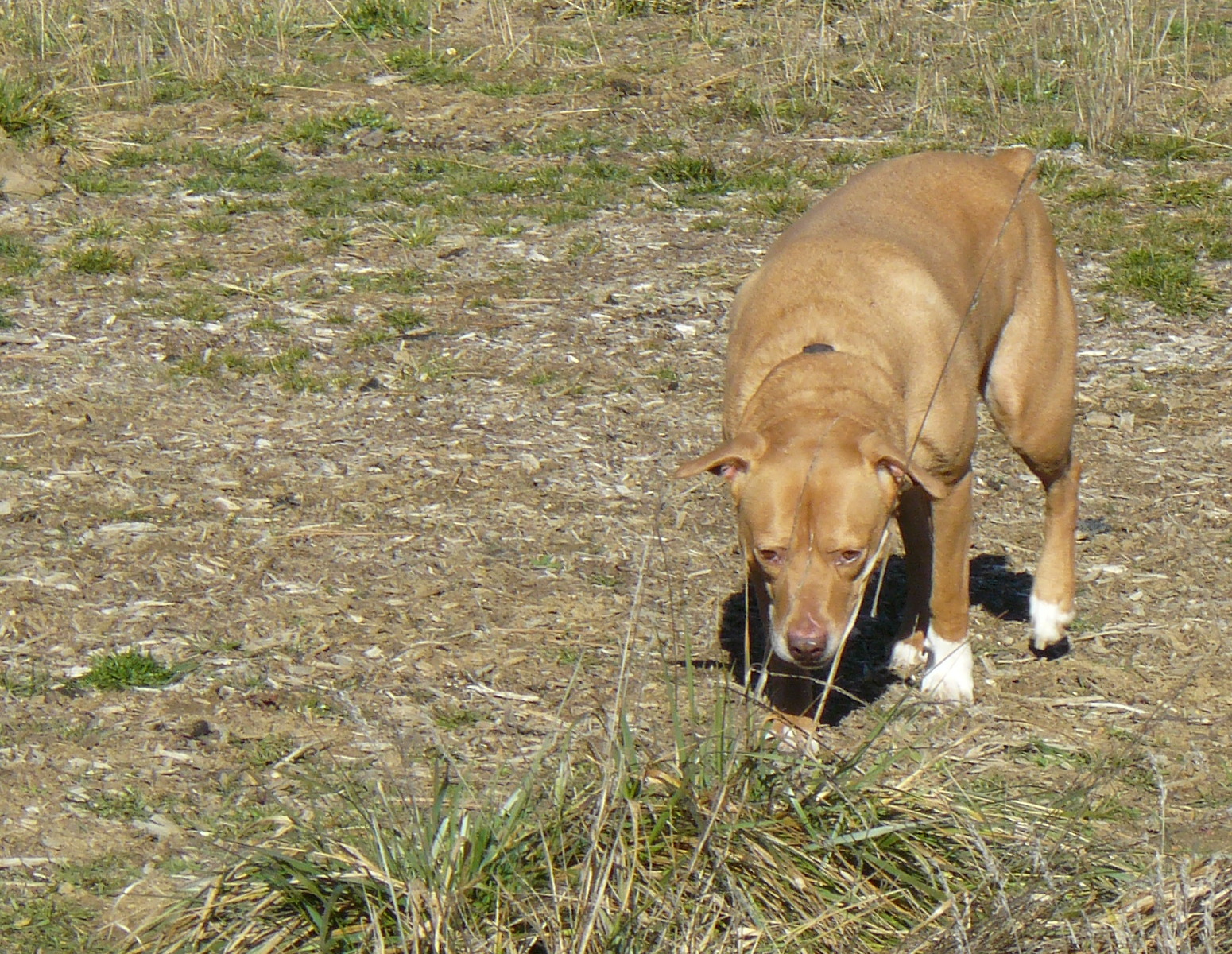
Jean and I noticed Casey taking a great interest in something on the ground.  Casey is a keen explorer as this photograph from earlier in the year demonstrates.

Casey demonstrating a dog's focussing skills!
Casey demonstrating a dog’s focussing skills!

The something that had caught Casey’s attention was a small baby bird that had fallen from a nearby nest.  We called Casey away and went across to see the tiny creature whereupon Jean picked up the baby bird.

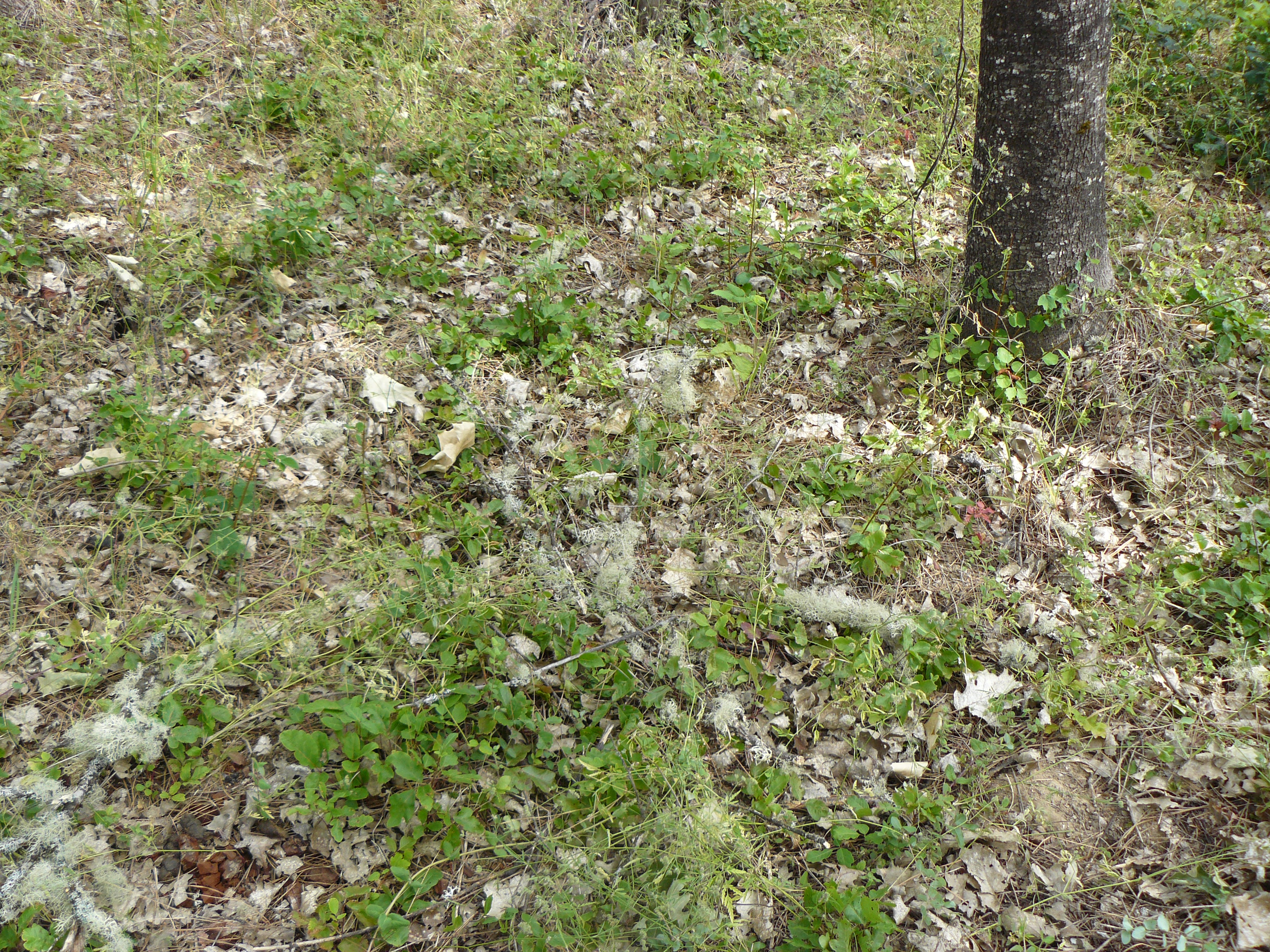
The patch of ground where the birds were found.

Frankly, we didn’t have a clue as to what to do but called Wildlife Images, just a few miles away from where we live.  As the Wildlife Images website explains:

Our guiding principles are the foundation for “why” we do what we do. These principles guide us in our work, our relationships with each other, our guests, supporters, sponsors, and vendors.

PURPOSE
Saving Wildlife

VISION
Wildlife Images Rehabilitation and Education Center is the educational leader of a healthy co-existence with our wildlife neighbors by rehabilitation sick, injured, and orphaned animals.

MISSION
Involve – people to share in our vision.
Educate – children and adults about the personal benefits of taking care of wildlife entrusted to our care.
Inspire – the public to engage in our rehabilitation and education efforts.

Jean and I had previously visited the centre and been impressed with their dedication to saving wildlife.

Over the phone we were told that the best thing to do was try and find the old nest and replace the baby bird within the nest.  If all else failed then bring the bird across to Wildlife Images.

Frankly, we struggled to find the nest but at least got a ladder up against the likely tree from where the bird had fallen.

It was as we were getting the ladder in place that we discovered another tiny bird on the ground in amongst the dead leaves and ground cover.  Now we had two birds and knew we were struggling to do the right thing for these vulnerable creatures.

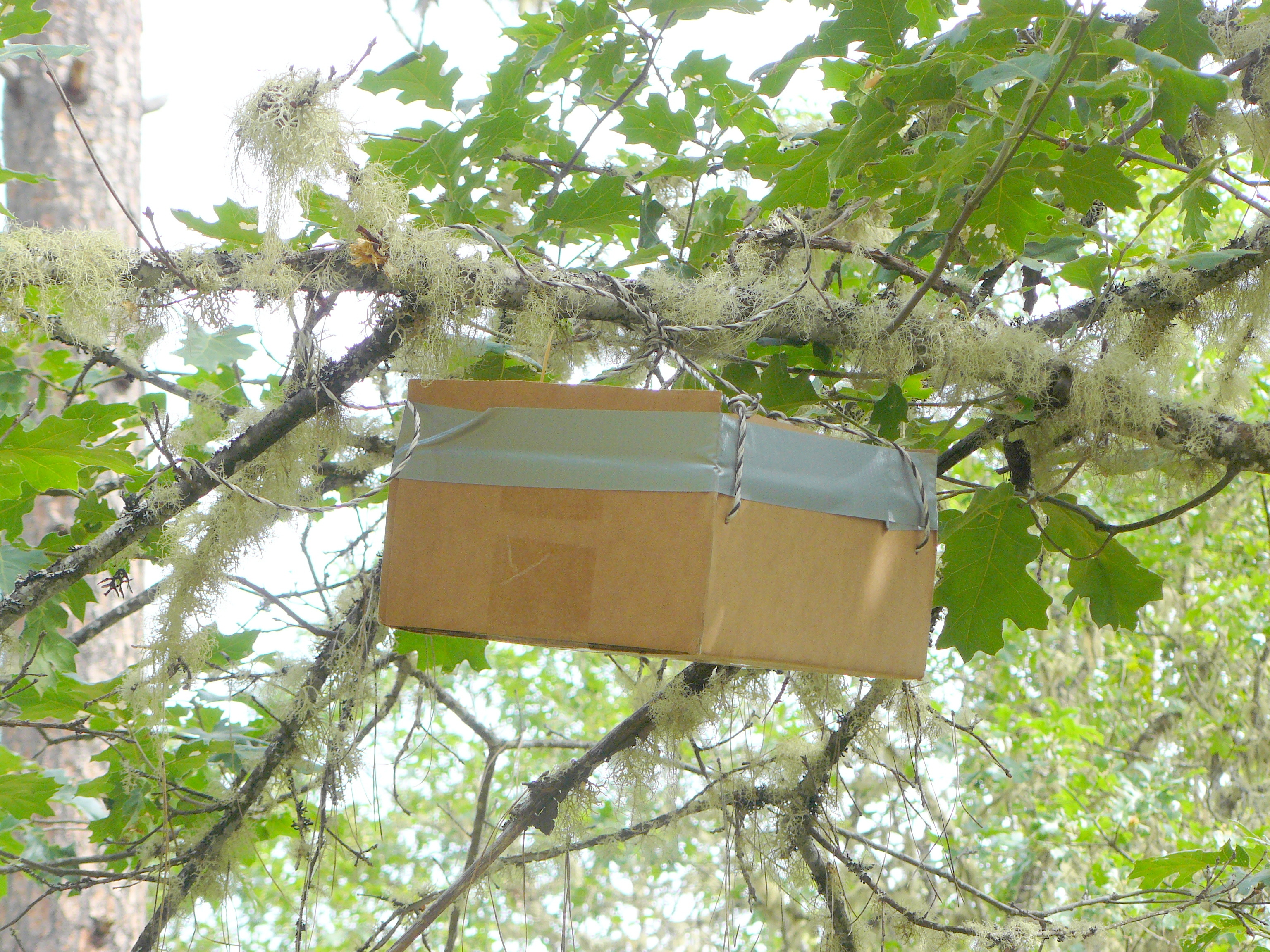
We drove across to Wildlife Images and they advised us to build an artificial nest and hang that up in the tree.  The call of the baby birds would attract the mother and, with a bit of luck, the mother would return to feeding the chicks again.  We were also told to speak quietly around the baby birds so that they wouldn’t imprint on our voice.  Apparently that was the greater risk of them being rejected rather than the smell of humans on their little bodies.

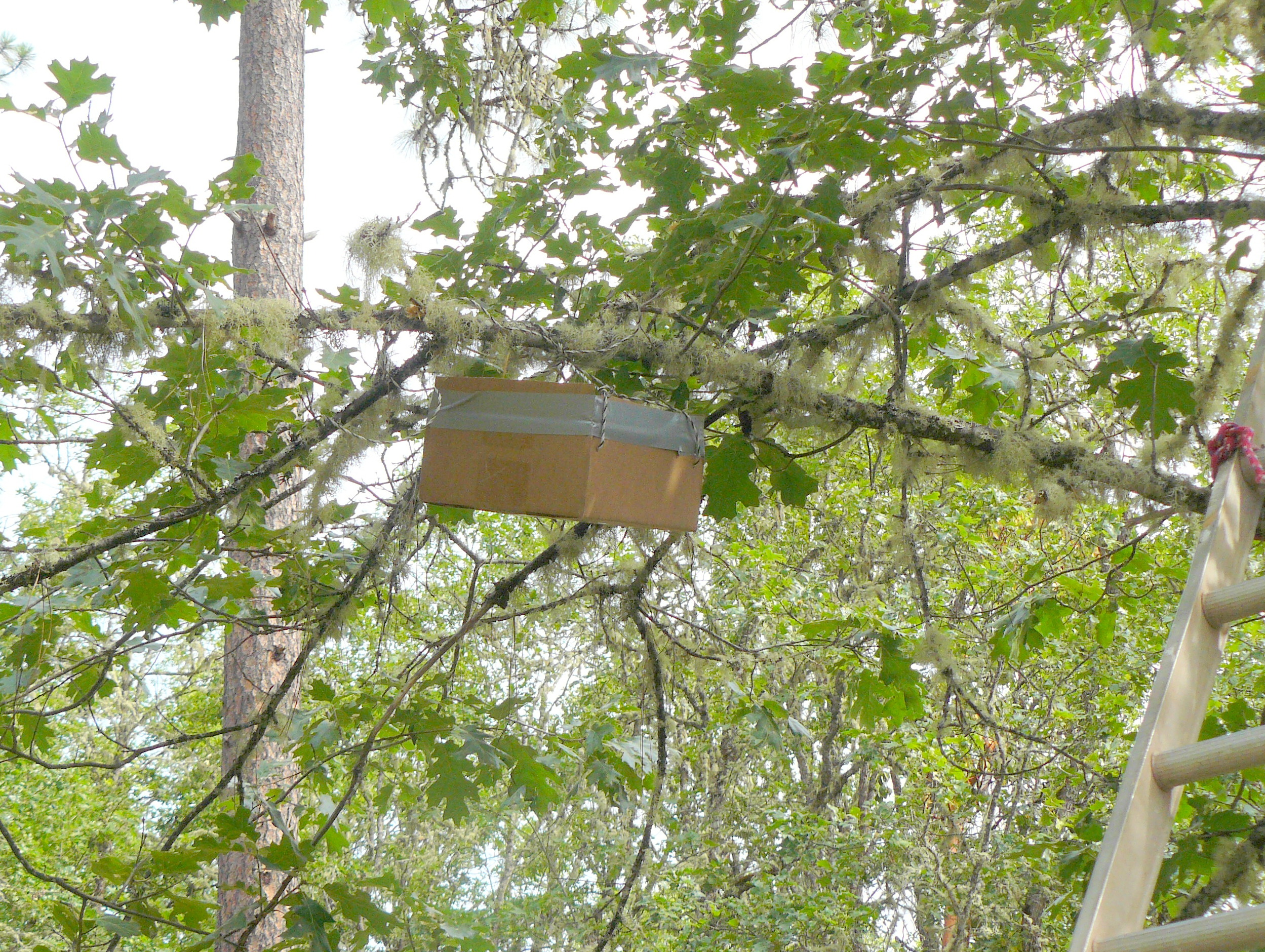
So back home we went and soon had a makeshift ‘nest’ in place.

Would it work?
Would it work?

Once the ‘nest box’ was in place, it was time to place the youngsters in their new home.

Good luck, my little things.

We left the birds in peace and went inside for a while.  Our fear was that they might try leaping out.

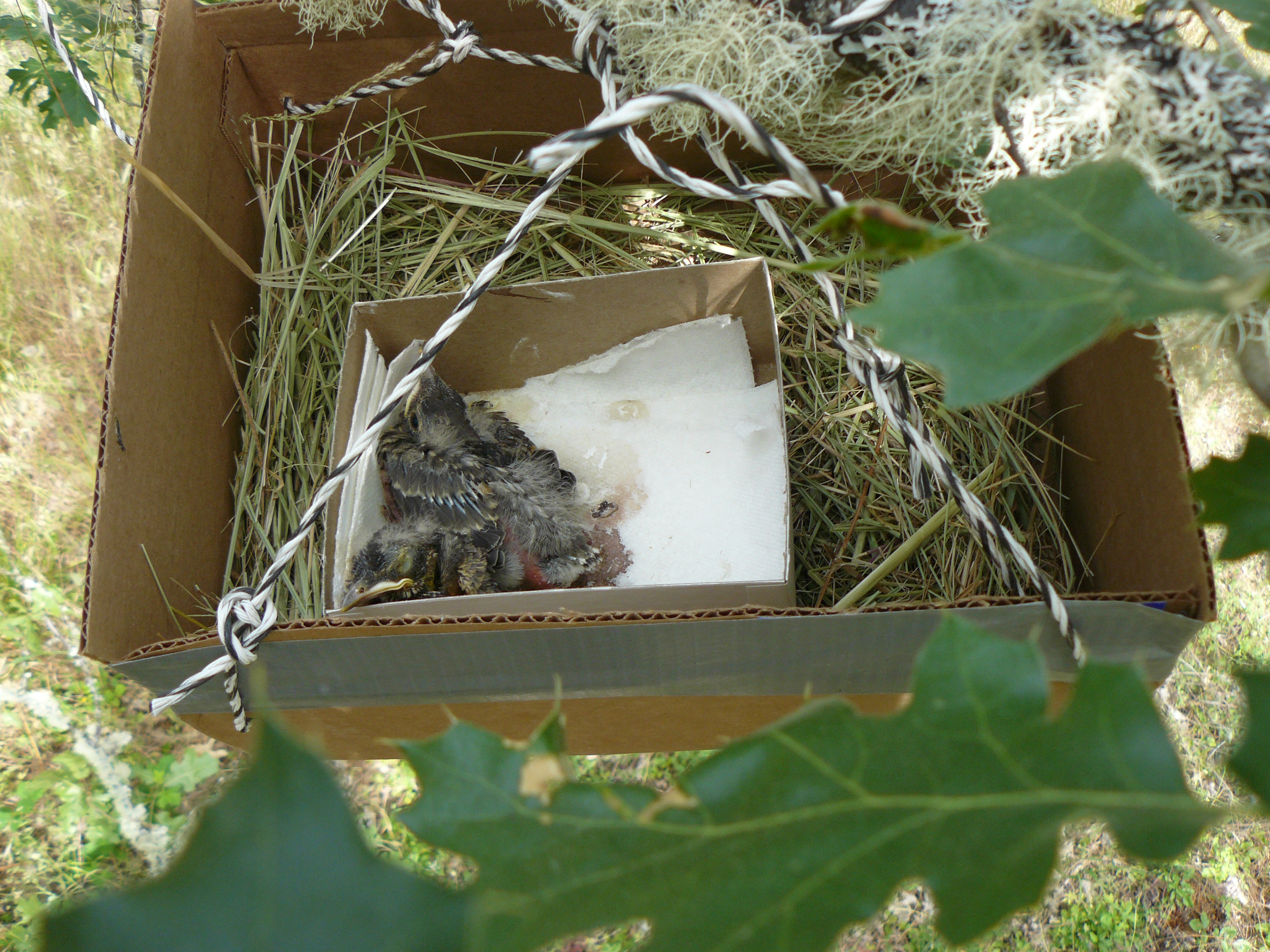
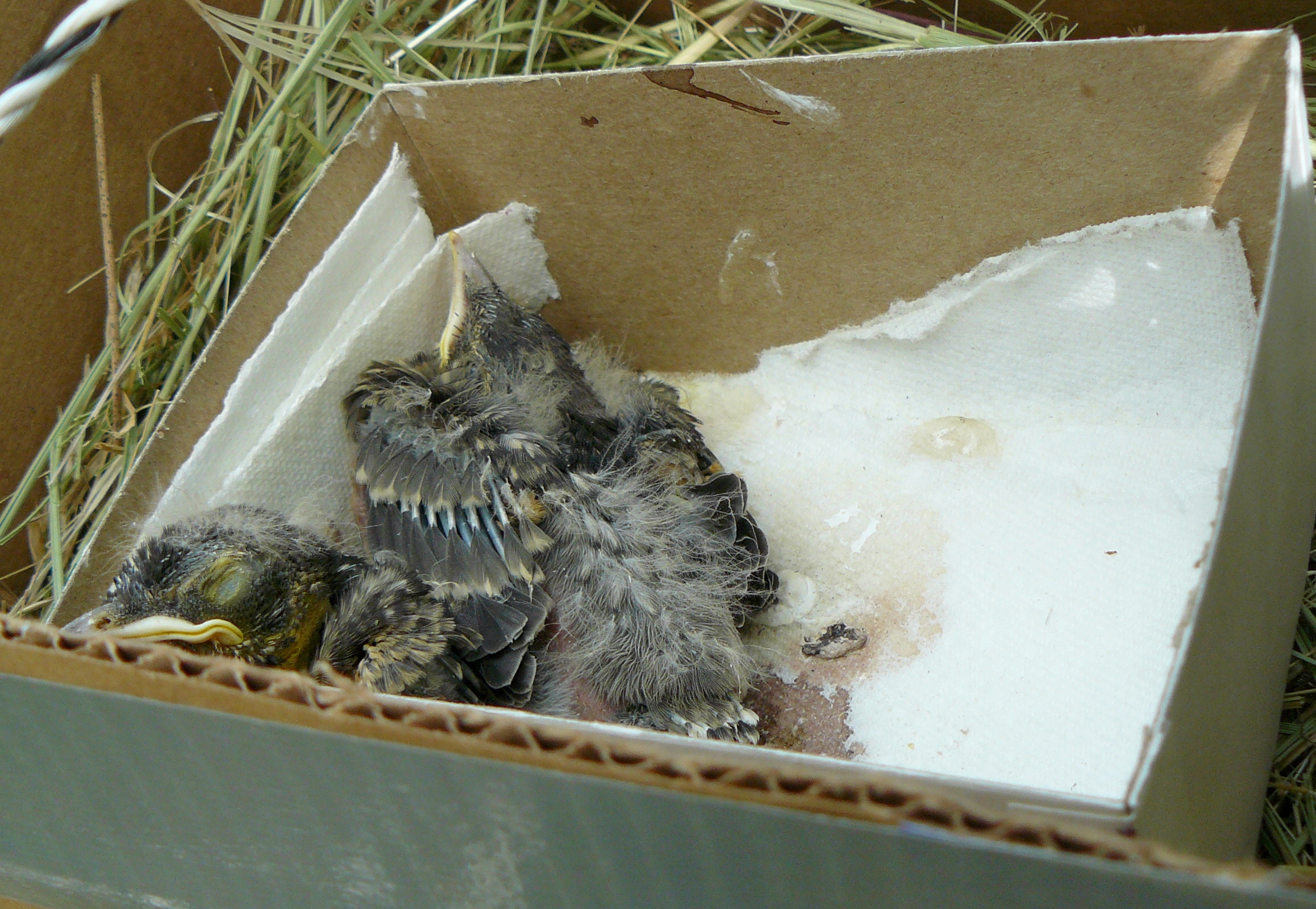
Then curiosity got the better of us and we needed to see if they were still alright.  So a couple of hours later, I took the following photograph.

Against all odds!
Against all odds!

The evening approached and we feared for their fate.

Then miracle of miracles we saw the mother come to them and start feeding her offspring.

We retired for the day content that we had done all we could.

Then on Sunday morning, bright and early, we went outside again.  Had they survived the night?  Had the mother returned to feed them this second day?

We heard nothing: saw nothing. Feared the worst.

It was no good, I had to climb the ladder and take a peek.

Still alive!
Still alive!

They were still in the land of the living!

Yet, there was still no sign of the mother.

Jean and I sat under our nearby gazebo and tried hard not to fear the worst.  My camera was on my lap.

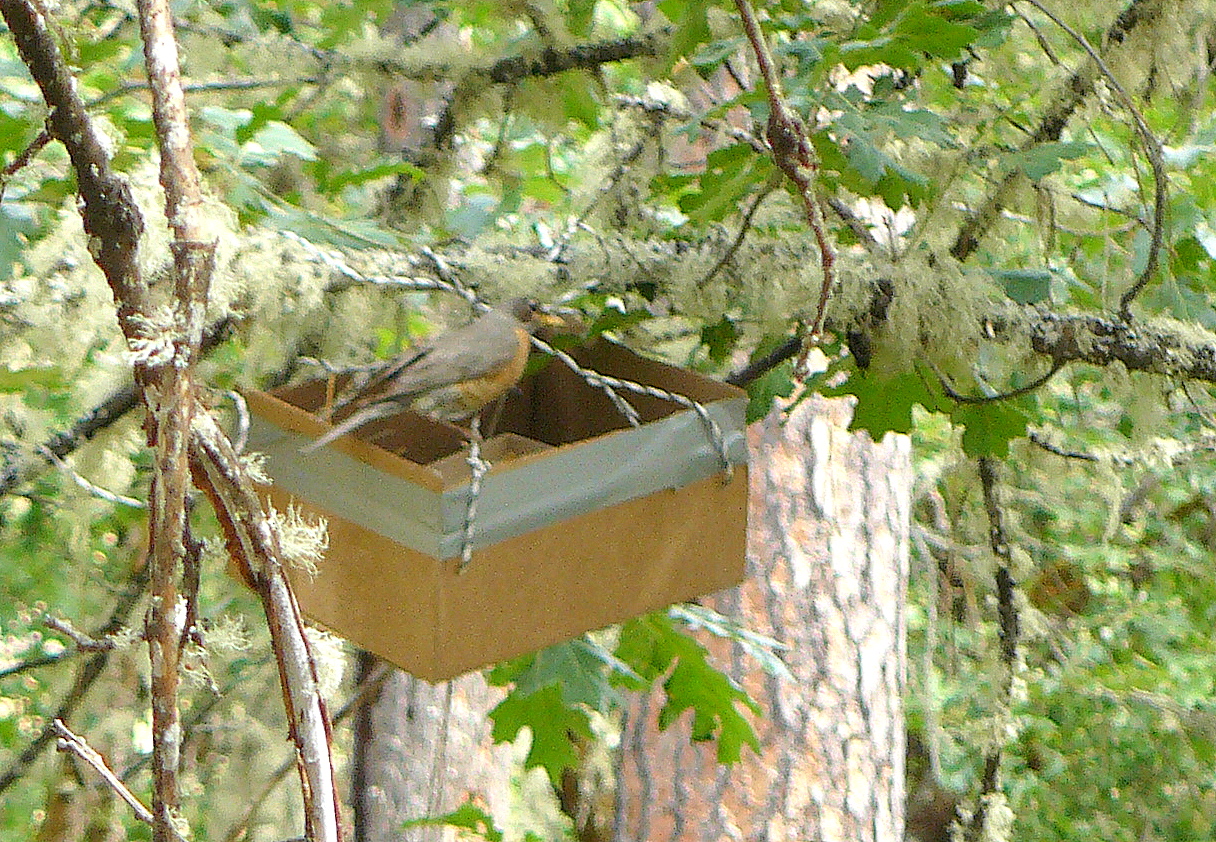
Then Jean saw a flash of feathers.  It was the mother arriving to feed her young.

I was able to take the following picture.

Not the best quality picture but so what!  It's proof the birds are being cared for by their mother.
Not the best quality picture but so what! It’s proof the birds are being cared for by their mother.

In the scheme of things, rescuing a couple of small birds doesn’t add up to much.  But I’ll tell you! When Jean and I saw the mother feeding her young both of us were a little wet around the eyes!

Our Earthing experiences.

This is really starting to open our eyes!

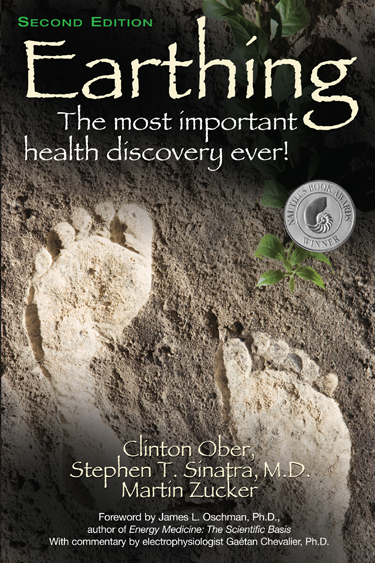
On Saturday, the 14th June, I published a post Are you grounded?  That post was a reaction to this book that Jean and I had recently read.

english2ndbkcover
I also explained that we had ordered an earthing sheet for the bed and that I would report further upon our findings.

Today’s post is that further report.

The slim box containing the half-sheet kit was delivered on the 18th June, five days ago at the time of writing this.

P1140851

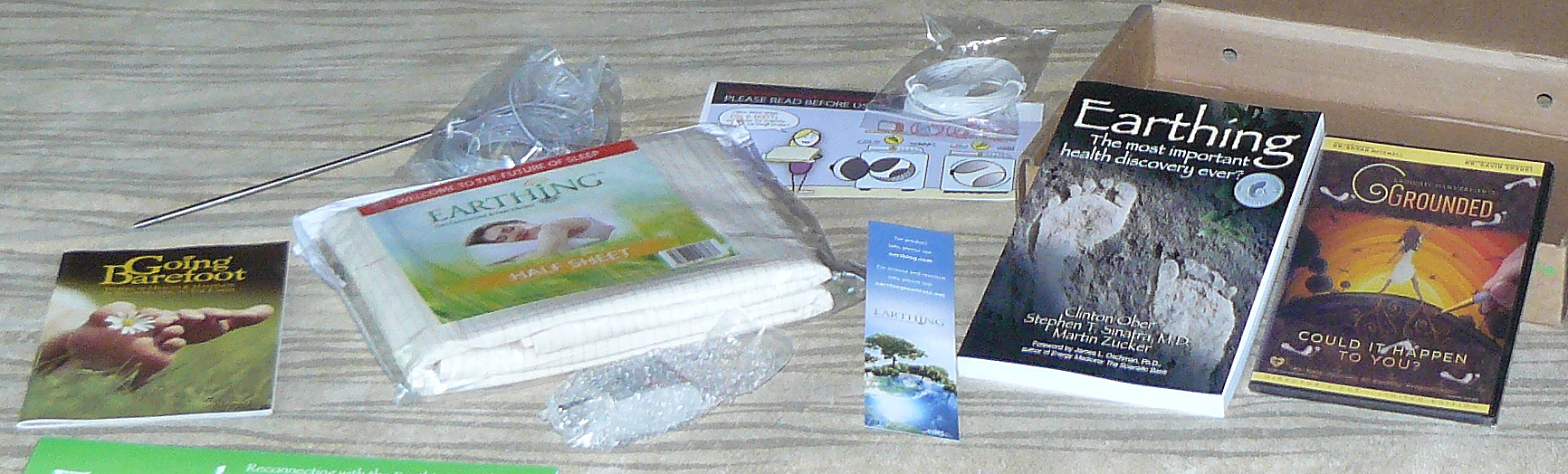
The next photograph shows more clearly what was included in the kit.

P1140853

From left to right: Case histories from users, an earthing rod above, the earthing half-sheet, and below the sheet, an outlet ground checker, the earthing connection cord, the book, and a full-length DVD of a film on the subject of grounding.

It was then a case of laying the sheet on the bed as recommended in the instruction guide.

P1140854

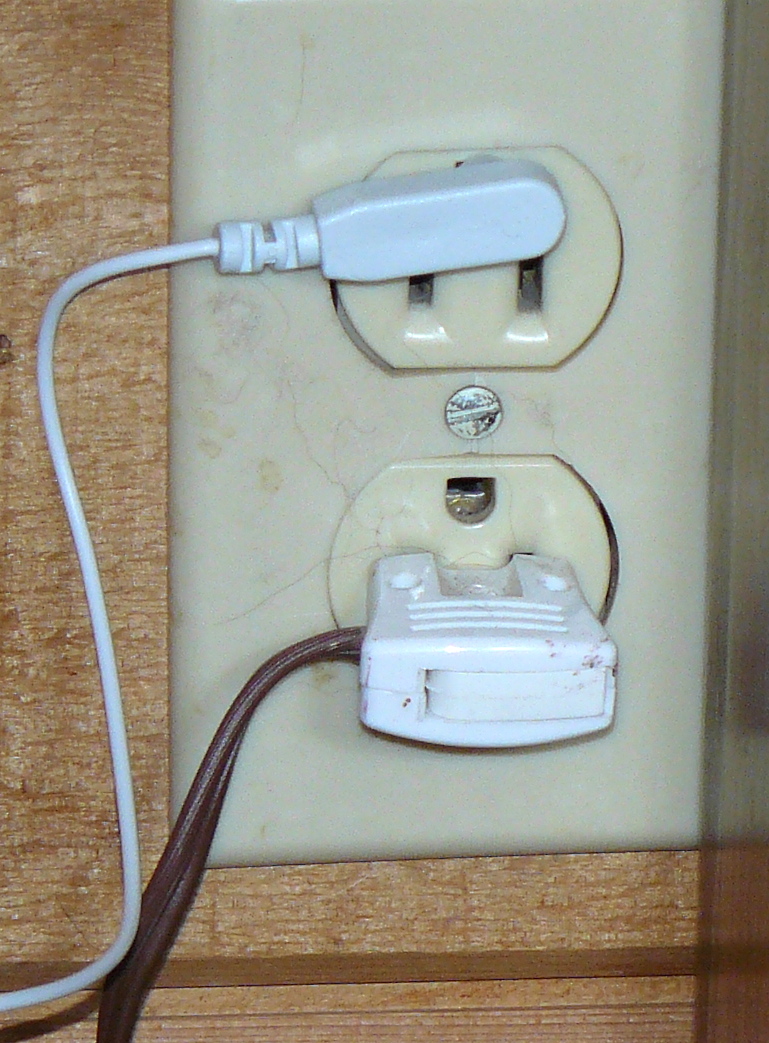
Then upon testing that we had a safe earthing connection via the ground pin on our nearby outlet, it was a case of connecting the earthing sheet to ground, as may be observed in the next photograph.

P1140855

I’m writing this yesterday.  We have both slept on the earthing sheet for four nights now.

So what are the results so far?

Jean

Jean has had leg muscle cramps each night for months and months.  Often just enough to waken her but frequently sufficiently severe to require her getting out of bed and walking around the room.  I can vouch for the latter!

Jean has had those four nights totally free from cramps!

Plus Jean has reported sleeping more soundly.

Me – Prostate

In recent months my bladder has been showing ‘old man’s bladder control’!  Certainly, over the last year I have been getting up for a pee two times, frequently three times, during the night.

During the day, I could hardly take a hot drink without the need to pee within minutes.  It had got to the stage where I would avoid having a drink before Jean and I went out unless I was certain that there would be public restrooms available.  I was taking a natural prostate medicine, morning and evening, but still starting to think that it wouldn’t be long before I would need to see a medical specialist.

Since sleeping on the earthing sheet, I have gone down to getting up just once during the night.  But it’s better than that!

I have stopped the prostate tablets.  During the day, my bladder control is hugely improved.  I hold my breath that this is going to continue.

Me – Memory

Like many of my age (I’m 70 in November), my short-term memory is not what it used to be.  I have not noticed any improvements in this area.

But I am sleeping much more soundly, which is never a bad thing.

But get this!

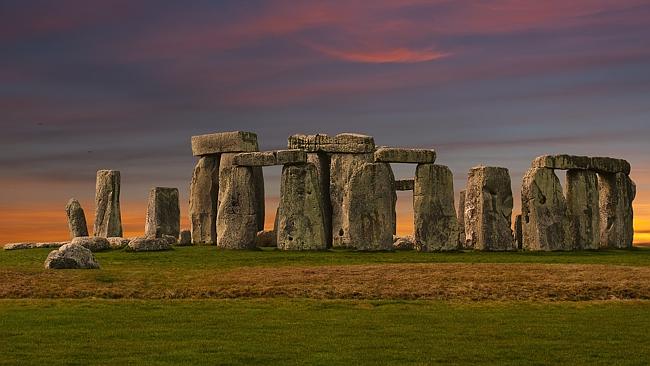
Being an old Englishman with a sense of connection to the ancient customs of Stonehenge, especially observing the sun’s dawn on the morning of Mid-Summer’s Day, I had looked up the exact local time equivalent of the moment of the Solstice here in Oregon.

Stonehenge at Dawn.  On the morning of Mid-Summer's Day the sun rises exactly over the heel stone.
Stonehenge at Dawn. On the morning of Mid-Summer’s Day the sun rises exactly over the heel stone.

Early in the hours of the morning of June 21st, ergo Mid-Summer’s Day, I woke unexpectedly.  I lay there wondering what had awoken me.  It wasn’t to jump out of bed and have a pee.  How strange!

I lay there for what felt like ten minutes and then curious as to the hour reached across and pressed the illuminate button on my bedside clock.  It read 3:48 am.

3:48 am!! How could that be! I could hardly believe it!

Let me explain.

The previous afternoon, I had been curious as to the exact time of the 2014 Summer Solstice.  Had looked it up online.  In the United Kingdom that precise moment was 10:41 am.  The equivalent time of the Summer Solstice in Oregon’s local Pacific Daylight Time (PDT) was 3:41 am.

I knew that was when I had woken up.

Now that’s what I call being grounded to the Planet!

OK, that’s enough for today but there is much more information about the whole business of being grounded to the planet. I shall return to the subject in Wednesday’s post.

Way to go!
Way to go!

Neat solution!

First of all a Very Happy Summer Solstice wherever you are (in the Northern Hemisphere!)

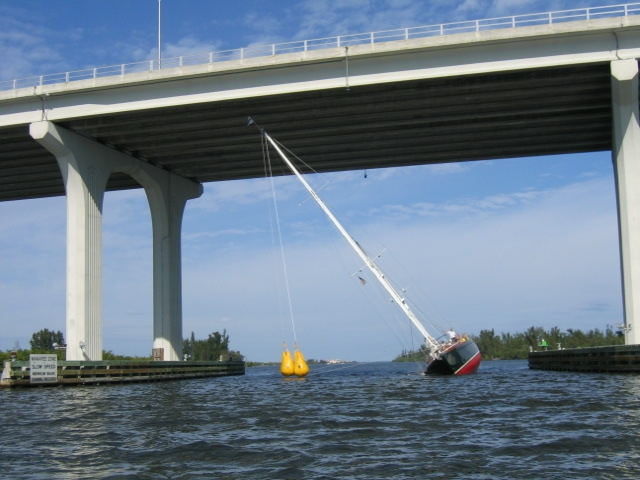
Neighbour Larry sent me a link to a delightful story about solving the problem of a yacht, with a mainmast stretching 85 feet above the water level, passing under a bridge that had a clearance of 65 feet above that same water level.

Here’s a picture to whet your interest. (Notice I wrote ‘whet’ not ‘wet’!)

A case of lateral thinking!

The story was reported in UK’s The Daily Mail newspaper nearly three years ago.  So I shall take a chance and republish it for you.

Beats going the long way round! How sailors got their 80ft mast under 65ft bridge

By DAILY MAIL REPORTER
UPDATED: 11:04 EST, 20 September 2011

It may not look like an entirely safe practice – but it sure beats going the long way round.

These sailors came up with an ingenious way to get their boat – complete with 80ft mast – under a 65ft bridge on the Intracoastal Waterway. A video posted on YouTube shows how the sailors keeled the boat over by dangling containers filled with two tons of water from the mast.

But it is not a solution for the faint hearted.

Any miscalculation with the weight has the potential to send the whole boat crashing into the water.

The sailor ‘hunterparrot’ who posted the video said he initiates the roll by fixing the containers to the mast and slowly turning to port. The severity of the roll is then controlled by letting the ropes affixed to the mast out gradually with a cockpit winch.

The intracoastal waterway is a 3000-mile network of waterways that run up the Gulf and Atlantic coasts of the U.S. It runs from New Jersey, around Florida to Texas.

Follow us: @MailOnline on Twitter | DailyMail on Facebook

The photographs in that Daily Mail article may be viewed here.

Then across on the forums of the Wooden Boat Magazine was this:

Really? If the bridge clearance is 65 feet and the mast height is 80 feet, then the cosine of the heel angle would be 65 / 80. This corresponds to a heel angle of about 36 degrees; the mast is 54 degrees above the horizontal. Still, a pretty impressive maneuver.

If the bags are full of water, then his setup is self-limiting. As the bags start to immerse, the pull on the halyard is reduced. This means he would be nearly unable to capsize unless he winches the bags WAY too high. I think he has done this trick before.

I think the reason he is sitting on the high side is twofold: He can see the masthead more easily and it is more comfortable

The weight of one person really doesn’t make much difference when you are trying to heel that big a boat that far.

If someone had to do this sort of trick a lot, would it be worth putting a small video camera on the top of the mainmast? This would make it easier to judge clearance.

God bless!
Wayne

The link to that forum discussion  is here.

Finally, watch the video!

You all have a wonderful Mid-Summer’s Day and …. duck your head when passing under that low bridge! 😉

Picture parade forty-eight.

Concluding set of nanosecond pictures!

Courtesy of John H.

nano9

oooo

nano10

oooo

nano11

oooo

nano12

oooo

nano13

oooo

nano14

oooo

nano15

oooo

nano16

oooo

Incredible!

You all have a good week.

Are you grounded?

Or just away with the fairies!

Sorry, just kidding: Couldn’t resist!

I have just finished reading a book with the title of Earthing.

english2ndbkcover

It has been an absolutely fascinating read and one, I’m bound to say, that seems entirely plausible.

That is that our modern lifestyle that has us disconnected from Mother Earth for much of our time is the cause of many ailments. As the associated website explains:

CONNECT TO THE EARTH AND FEEL BETTER!

Just as the sun gives us warmth and vitamin D, the Earth underfoot gives us food and water, a surface to walk, sit, stand, play, and build on, and something you never, ever thought about—an eternal, natural, and gentle energy. Think of it perhaps as vitamin G: G for ground. What does that mean to you? Maybe the difference between feeling good and not so good, of having little or a lot of energy, or sleeping well or not so well.

You can’t see the Earth’s energy but some people can feel it as a warm, tingling, and pleasant sensation when they are out walking barefoot along the water’s edge at the beach or on a stretch of dew-moistened grass.

Throughout history humans walked barefoot and slept on the ground. But modern lifestyle, including the widespread use of insulative rubber, or plastic-soled shoes, has disconnected us from the Earth’s energy and, of course, we no longer sleep on the ground. Fascinating new research has raised the possibility that this disconnect may actually contribute to chronic pain, fatigue, and poor sleep that plague so many people.

The remedy for the disconnect is simple. Walk barefoot outdoors whenever possible and/or sleep, work, or relax indoors in contact with conductive sheets or mats that transfer the energy to your body. People who do so on a regular basis say they sleep better, feel better, and have more energy during the day. This simple practice is called Earthing, also known as grounding, and it is both a technology and a movement which is transforming lives across the planet.

Were you aware, for example, that the sole of our foot has more nerve endings per square inch than any other part of our body! And more sweat glands! All from thousands of years of being connected to the Earth.

Curious?

Then watch Part One of a conference video by Dr. Stephen Sinatra, one of the authors of the book:

(The remaining parts of Dr. Sinatra’s talk will be presented in a post on Monday!)

Jean and I have just ordered the half-sheet and I shall be delighted to write more of our experiences over the coming weeks.

And I don’t need to remind you that dogs have been in bare-foot contact with Planet Earth for some time now!

Stay healthy!


Secesh Reservoir, Oregon.

A gem in the crown of stunning countryside.

Funny how things happen!

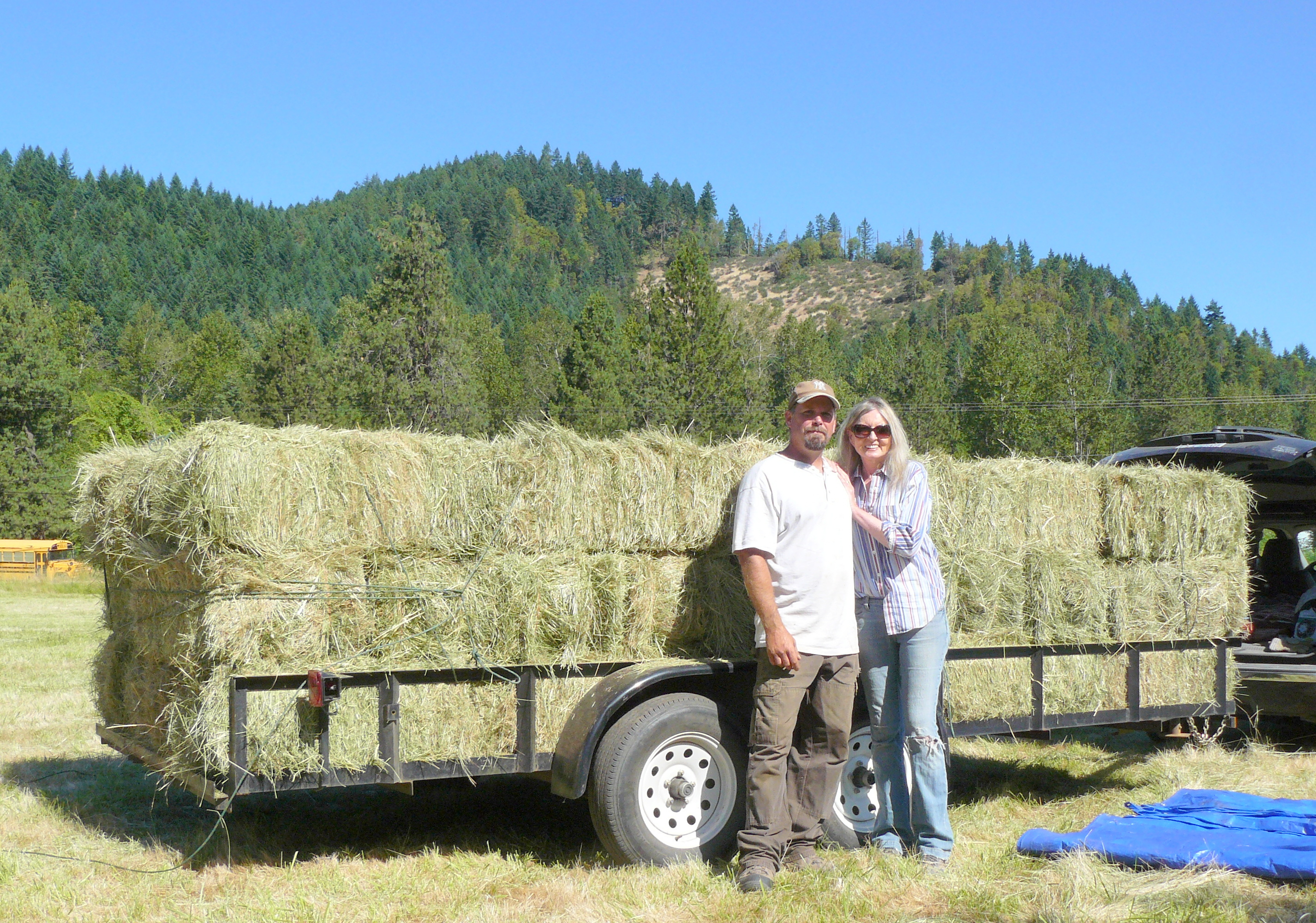
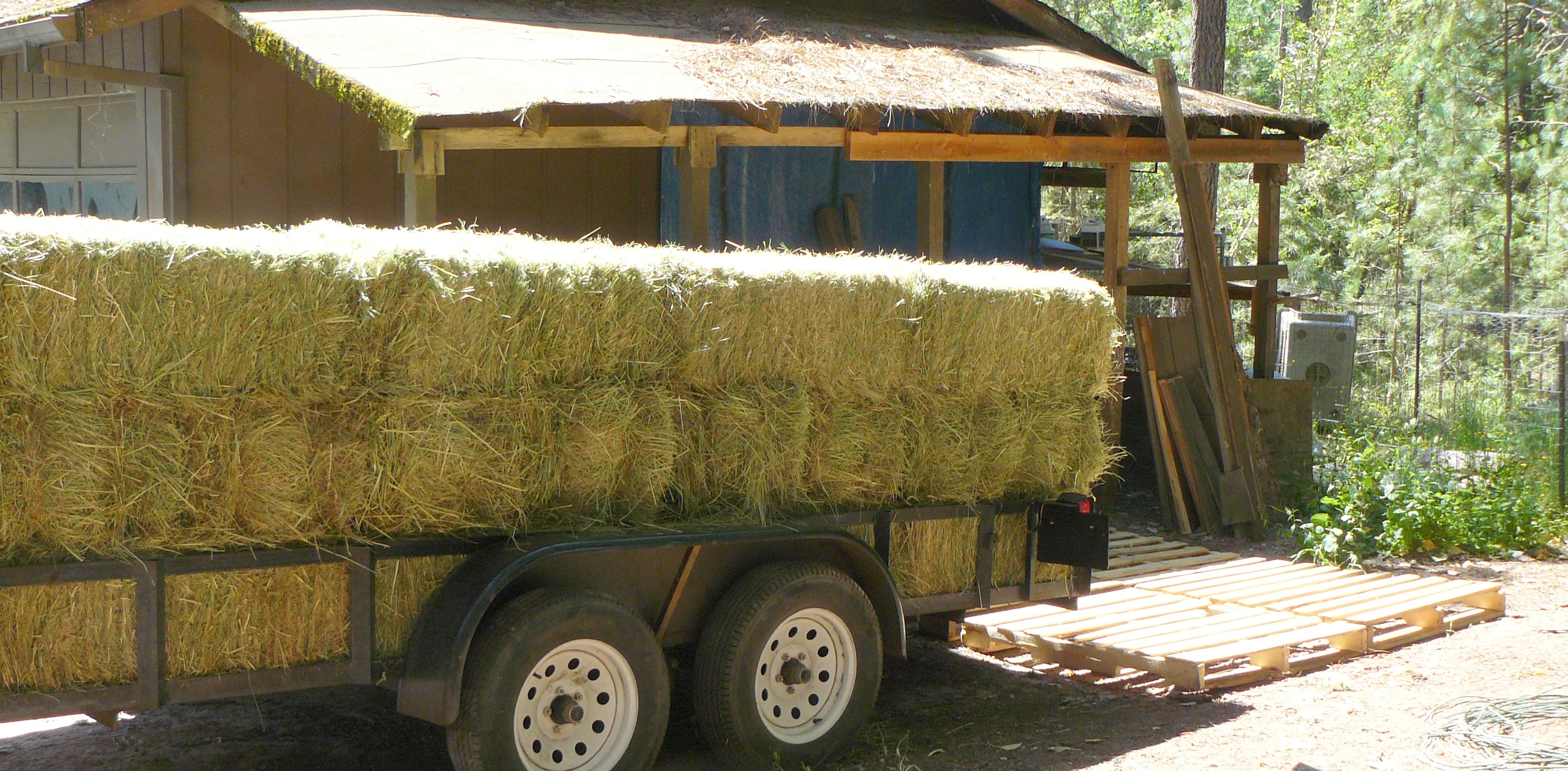
In last Wednesday’s post I included a picture of Jean with Robert who helped us load 60 bales of hay onto our trailer.  This photo:

Jean thanking Robert for his great help in loading 60 bales!

Anyway, Tad, who farms the land, mentioned a wonderful place to fish not far from his farm at Wolf Creek.

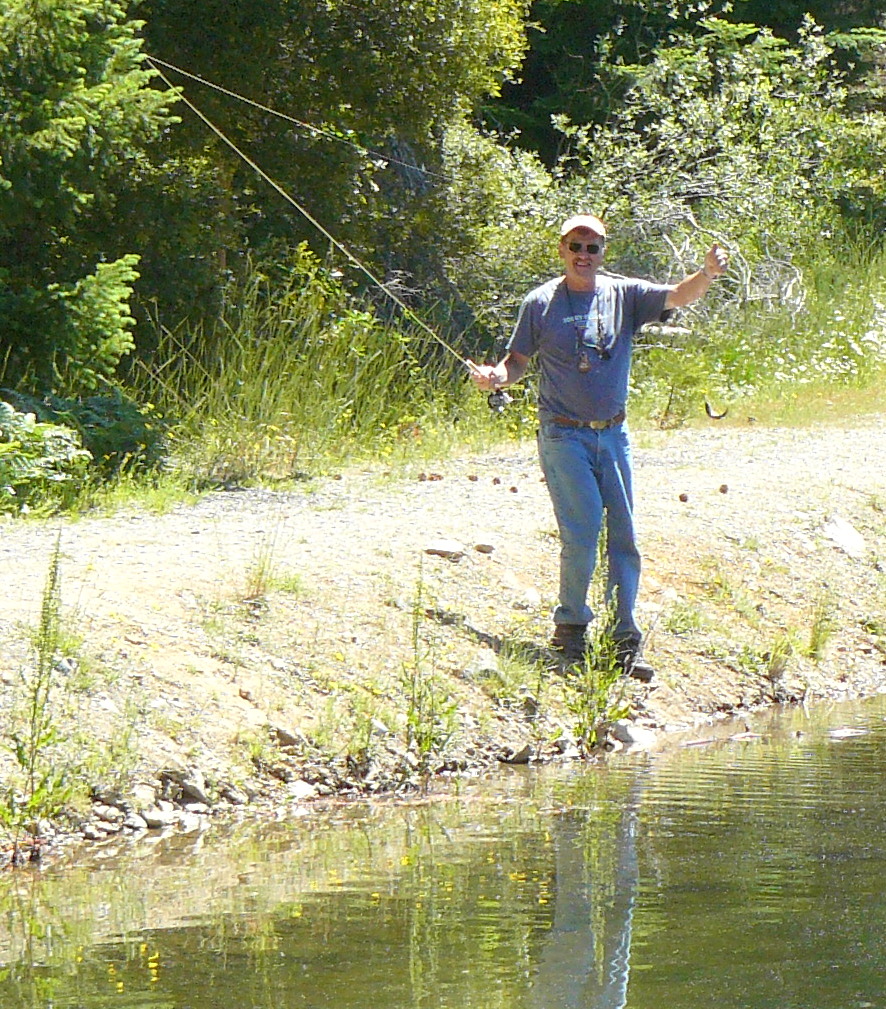
I’m not a fisherman but Andy, who is staying with us with his wife, Trish, is a keen fisherman.

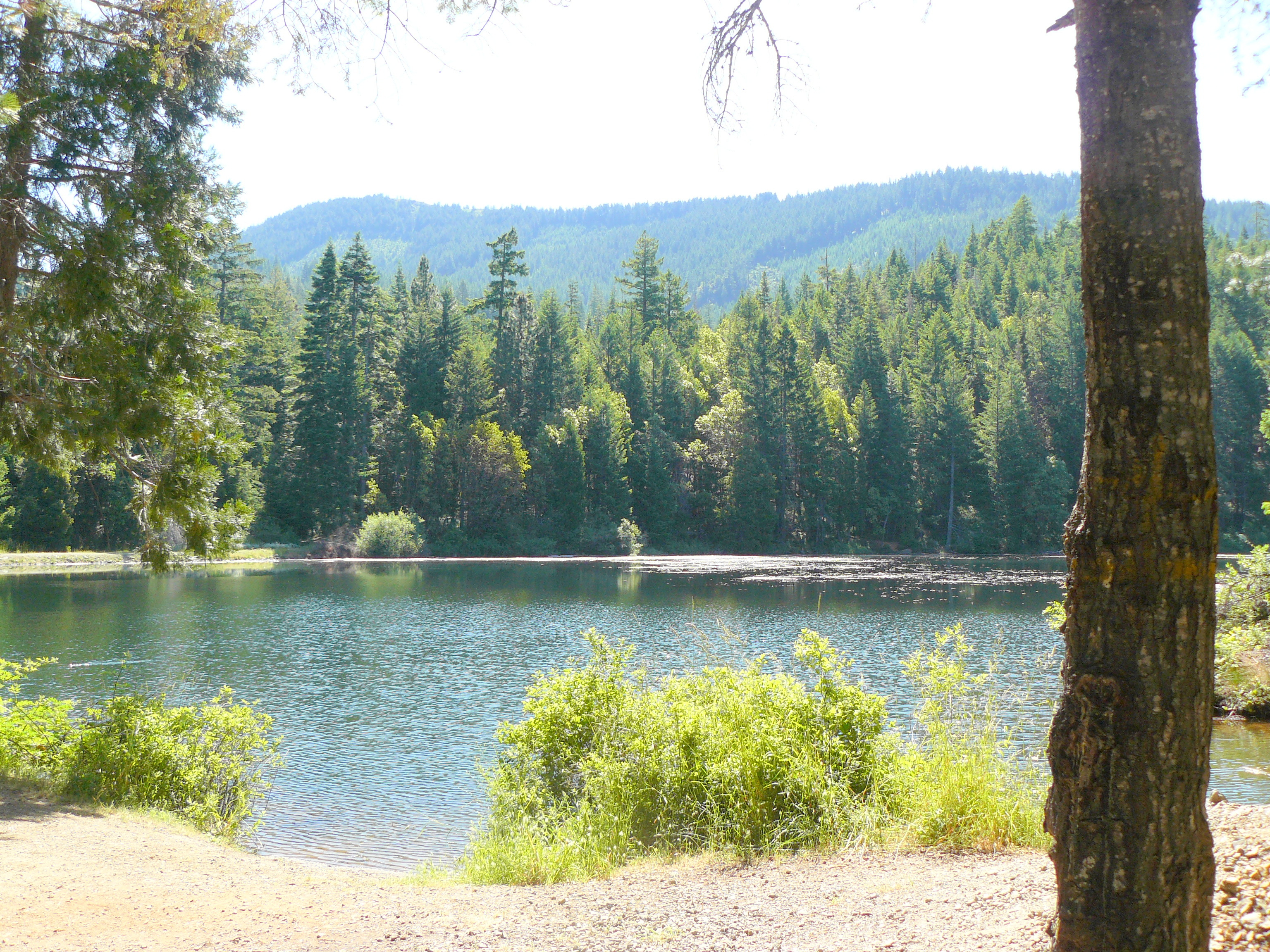
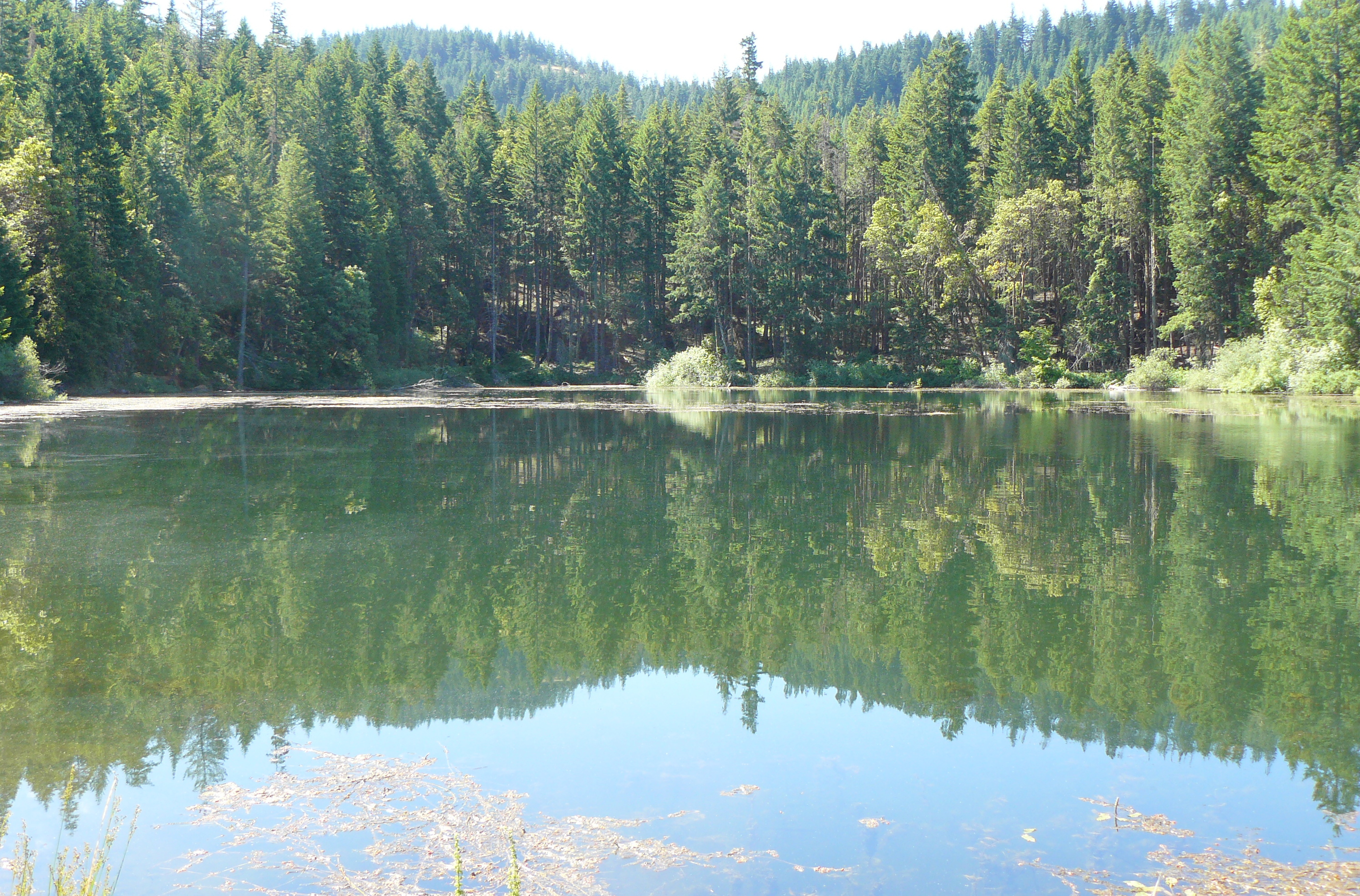
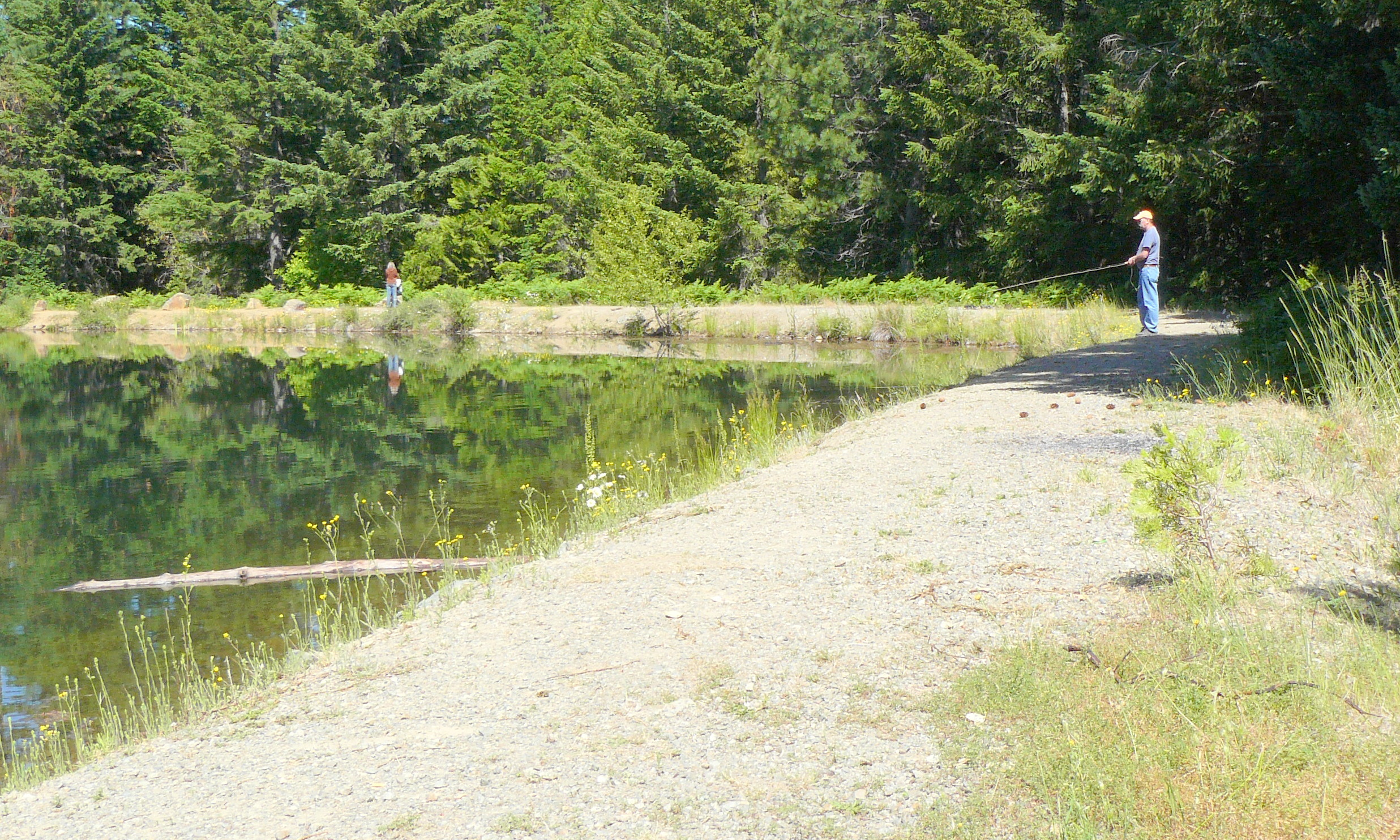
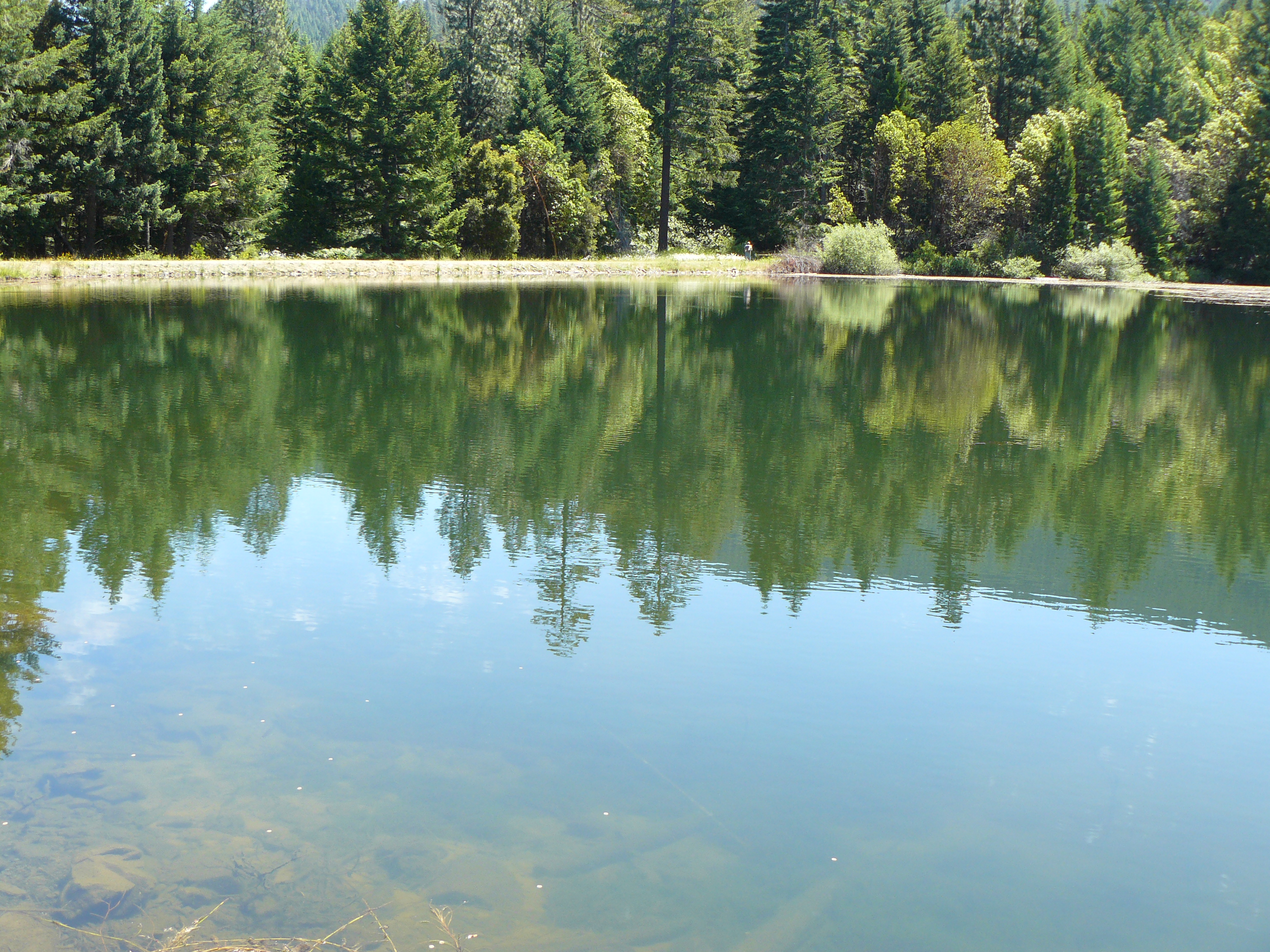
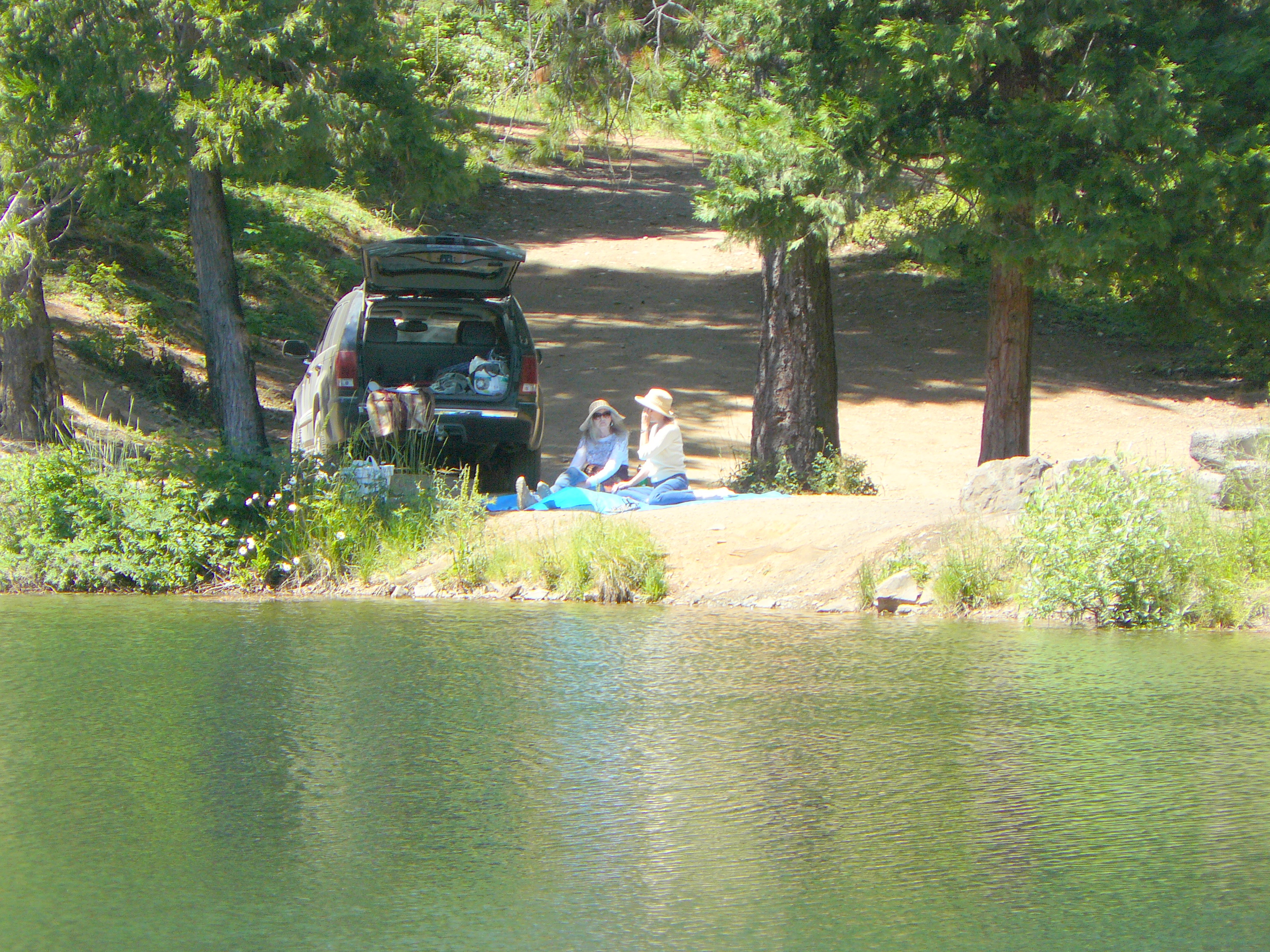
So last Wednesday we all set off into the high forest lands up above Wolf Creek and after some pretty tough driving up some steep dirt roads found the lake.  Here’s a record of our morning at Secesh.

Wow!
Wow! First sighting!

As you can see, it was a breath-taking oasis in a sea of tall trees and towering peaks.

asa
Still waters!

With crystal-clear waters that just seemed to be calling out to those that enjoy fly-fishing!

Doesn't get much better than this!
Doesn’t get much better than this!

Meanwhile, yours truly decided to walk the perimeter of the lake that is, apparently, some 3.7 acres of water area.

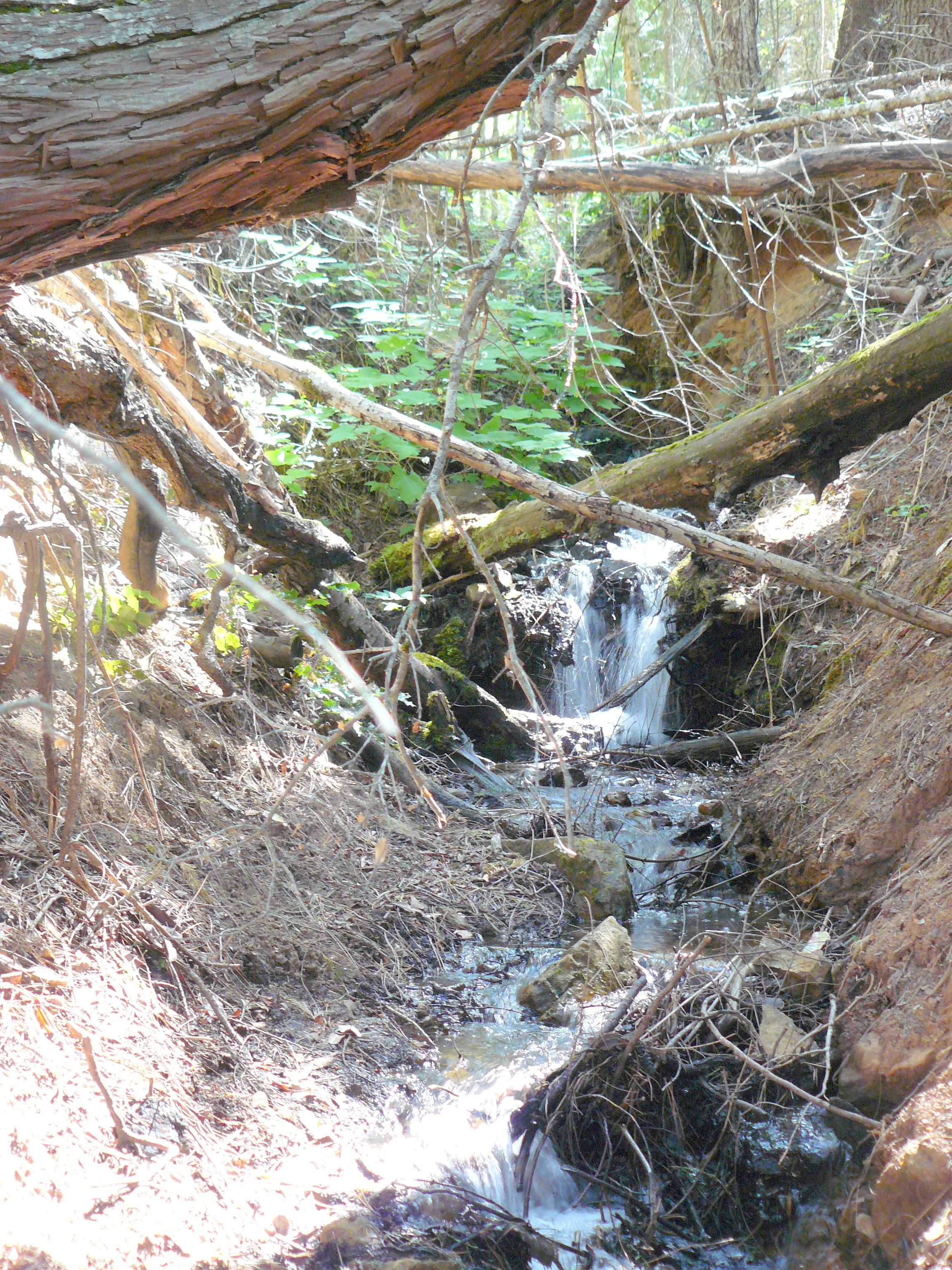
Towards the farthest point of the shoreline, a beautiful stream was flowing into the lake.

Mountain streams.
Mountain streams.

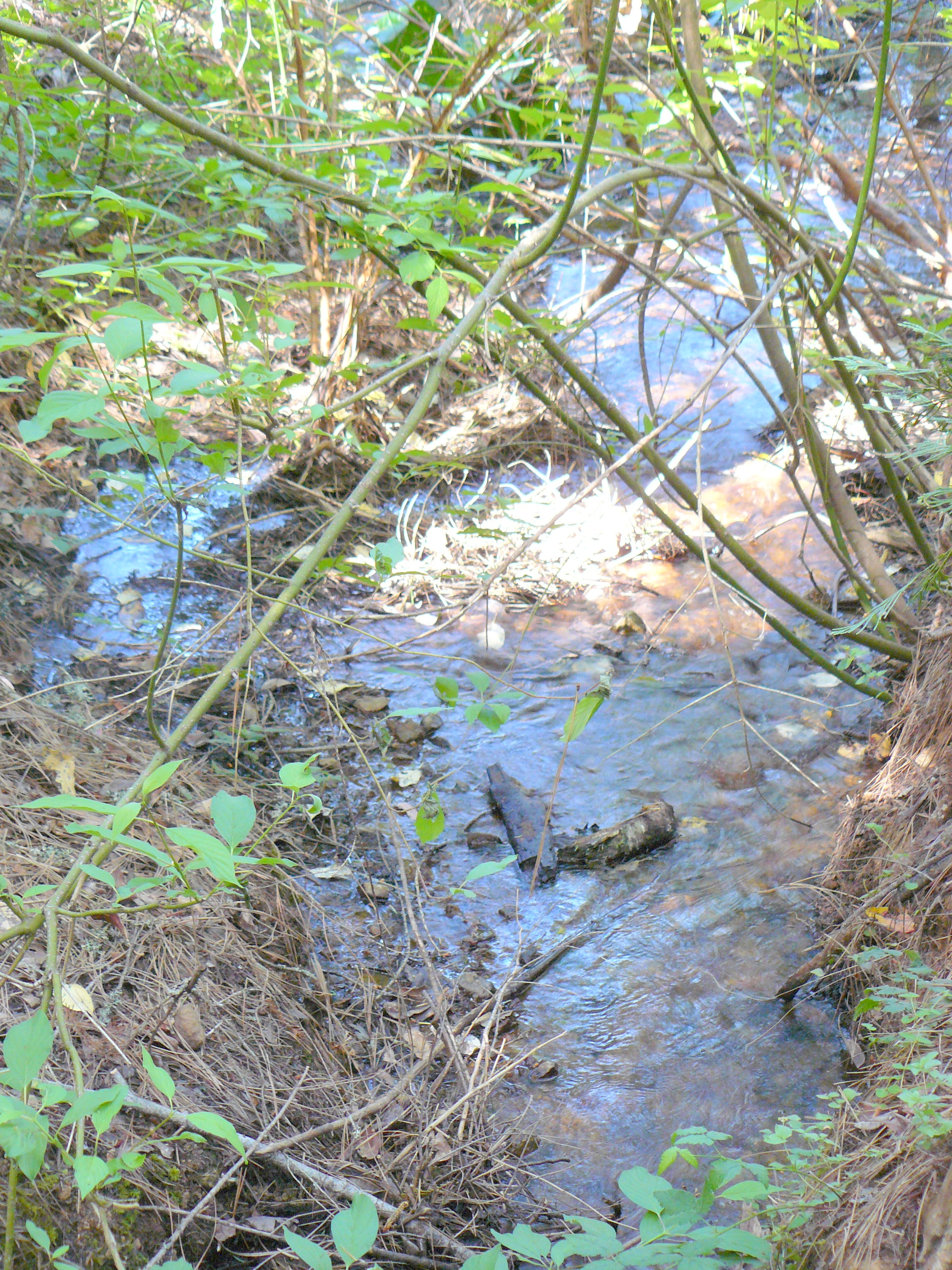
And not too farther along, a likewise beautiful stream outflowed from the lake.

What flows in ... must eventually flow out.
What flows in … must eventually flow out.

From this vantage point, one could look across the full breadth of the lake.

First sighting of the lake!
Tranquility in spades!

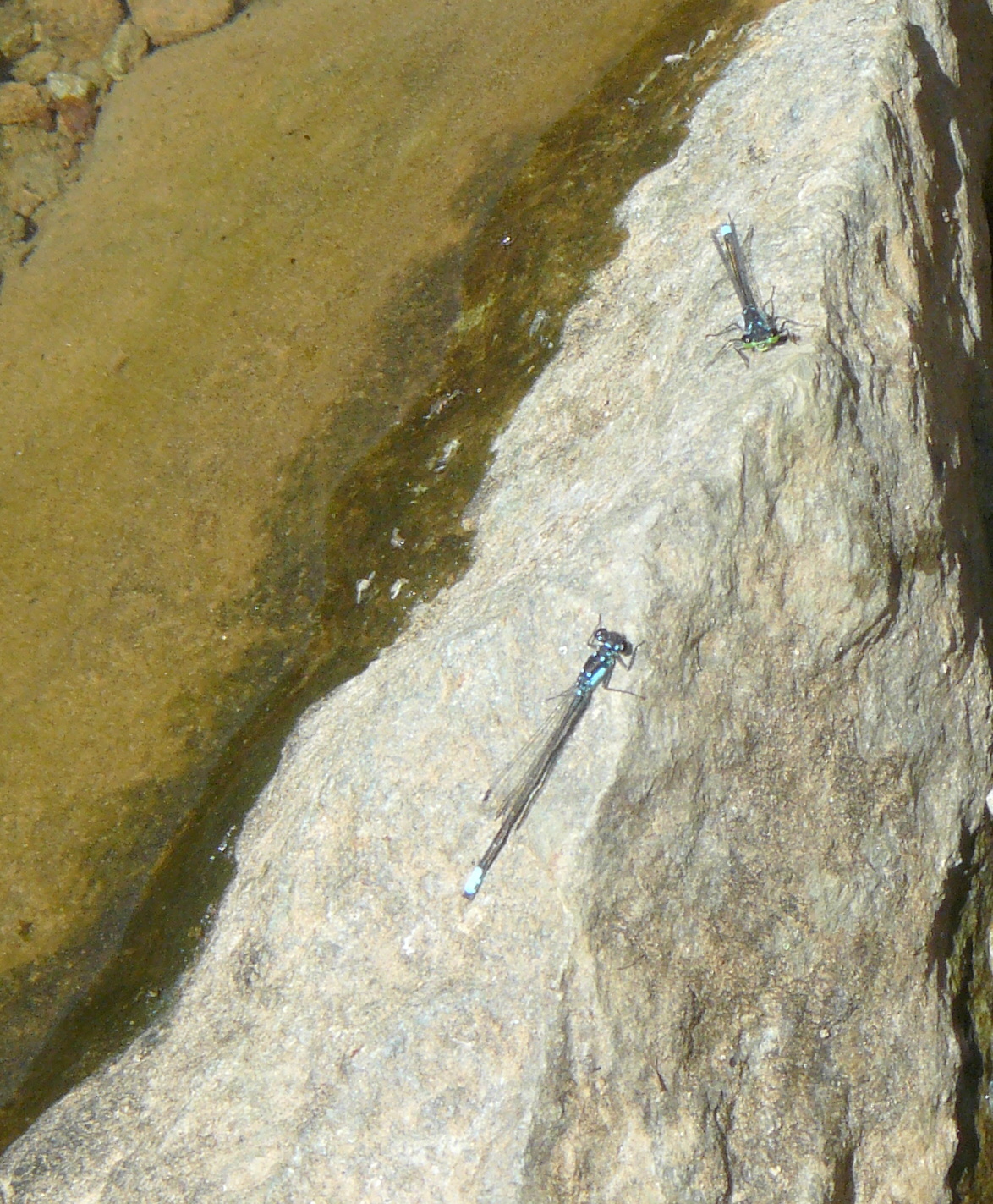
And marvel at the wildlife, from ….

P1140714
Dragon flies.

… the very small, to ….

P1140724
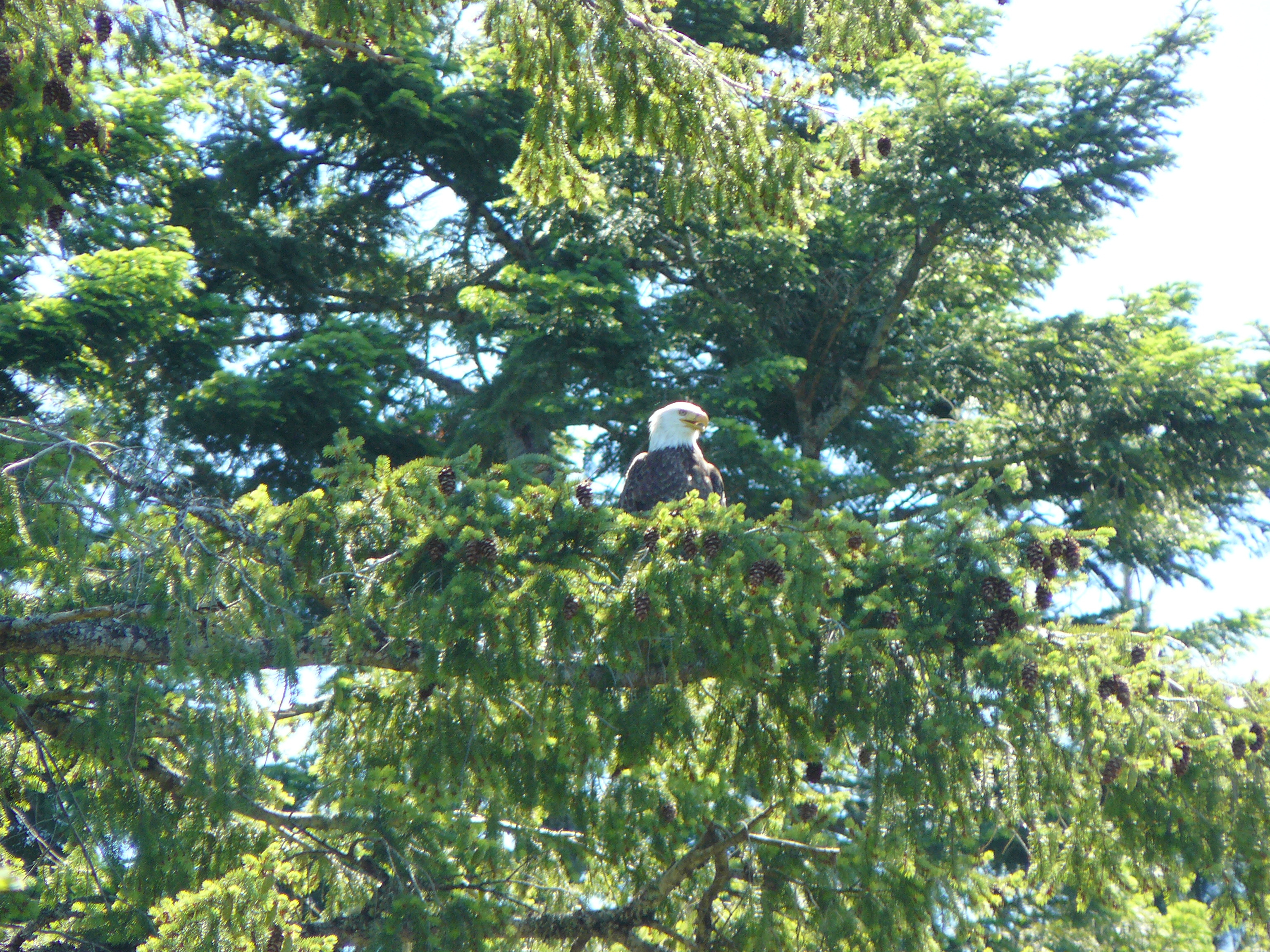
An American bald-eagle.

…. the stunning eagles of the land. A veritable icon of this country!
Returning in time to see Andy pulling a (small) fish from the lake.

that was promptly returned ..

And Jean and Trish catching up on old times.

P1140725
Pure bliss!

What a fabulous discovery!

Less than 25 miles from home.

Thank you, Tad!
We will return – possibly with a dog or two!

Market forces.

A powerful essay from Paul Gilding.

Having our good friends, Andy and Trish, with us for a few days means, quite rightly, that time with them is top of our list; so to speak.

Thus I want to republish a recent post from Paul Gilding that seems to me to be right on the mark.

But first an apology.  About 10 minutes ago (07:40 US PDT yesterday) I pressed the ‘reblog’ key over on Paul Gilding’s posting in error.  Subscribers to Learning from Dogs will have been sent an email to that reblog and then discovered that I had deleted it, in favour of this approach!

Mr Paul Gilding.
Mr Paul Gilding.

ooOOoo

THE GLOBAL ENERGY MARKET’S MOMENT OF TRUTH

If you want to know what addressing climate change will really be like for business and investors, then take a look at today’s electricity and energy markets. Driven by climate policy, technology development, business innovation, NGO campaigns and investment risk analysis, creative destruction is inflicting itself upon the sector with a vengeance – and the process has just begun.

Value is being destroyed at an incredible scale with just one example being European utilities losing $750 billion in market cap in recent years. Another is the huge losses in value for coal companies and the cancellation of a large number of new coal mining projects around the world as the forecast growth in China and India evaporates. As I argued in my last Chronicle, Carbon Crash Solar Dawn, this is not a temporary market blip but a fundamental shift. Company strategies and business models that have been working for generations are collapsing. In parallel we see the creative side of the process, with new industries being built, entrepreneurs flourishing and massive wealth being created. Now the market is working, as it should, allocating capital to the places where risk and return are best aligned. It is at once a beautiful and brutal process to observe.

This is an important inflection point to acknowledge, with significant implications that should reframe our thinking about these issues.

For a start it means, climate policy and its economic consequences have now shifted from future forecasts to present reality. This reality, with all its brutality for existing businesses, give us important insights into what to expect as the world wakes up to climate change. Business is already waking up to what that means in a market economy – creative destruction unleashed to destroy slow responders.

This suggests that traditional corporate responsibility, which argued sustainability was good for all businesses, is outmoded and not helpful. We have moved into an era of win/lose rather than win/win, and with that, sustainability is shifting from ‘environmentalists vs business’ to ‘business vs business’ as I covered in this earlier Chronicle.

Taken together this means we need to change the way we talk and think about climate change and business. Sustainability is not good for many businesses – in fact it means they’ll have to go out of business. This is what sustainability at its core is all about – things that are unsustainable will stop.

While on the one hand this is blindingly obvious, it is a conversation many in business and politics don’t want to acknowledge. So when the previous Australian government brought in its carbon pricing scheme, it went to great lengths to argue that Australia would still have a healthy coal industry. And President Obama’s new regulations on CO2 emissions in the US power industry are likewise being positioned as being as much about health and air pollution as climate policy.

But as Michael Grunwald argues in this Time Magazine piece on “Obama’s War on Coal” – a phrase used by the coal industry to suggest this is unfair and unreasonable – it’s time to face up to the reality of climate action. It is a war on coal, pure and simple. Grunwald calls it the “just but undeclared war ”. But rather than “just” with its moral overtones, we could simply argue it is “necessary” based on any objective analysis of what’s good for the economy and for society. What is necessary is to move a range of companies out of the economy and replace them.

Coal is first in the firing line. As a major cause of CO2 emissions and with the lack of market support for Carbon Capture and Storage suggesting “clean coal” is either a delusion or at best an expensive PR campaign, coal simply has to go. That means coal companies will go out of business, and then oil companies and gas companies will follow them.

This is not a problem at all for the economy, as they will be replaced with new companies and new industries, which will create new jobs, new wealth and new innovations. But it is a major problem for the incumbents who will cease to exist and for their owners who will lose their money. Unless we have that conversation honestly and openly, we are setting ourselves up for pain and suffering we can easily avoid or at least minimise by thinking through the consequences and being better prepared for their departure.

Of course the best way to minimise the pain would be for fossil fuel companies to transition to new areas of business, to use the great wealth they have created to diversify into sustainable sources of profit. But most of them won’t. It’s not that they couldn’t – it’s just that they won’t. And it’s not just coal but also oil and gas who are, for the most part, in strong denial about what’s coming and so won’t be prepared, as well explained in this article by Giles Parkinson at RenewEconomy.

We shouldn’t be surprised. History shows how rare it is for companies to transform and survive major market and technology shifts. That’s why the average life expectancy of a successful multinational is only 40-50 years. And that’s why the financial markets – who act without ideology based on looking at the data – are rapidly responding. They are stripping value from fossil fuel exposed utilities and the resource companies that provide their fuel. They are also downgrading credit risk, with Barclays recently issuing a warning the investors should no longer see utilities as a “sturdy and defensive subset of the investment grade universe”. The report concluded: “We see near-term risks to credit from regulators and utilities falling behind the solar plus storage adoption curve.” No doubt Deutche Bank considered these risks when they recently announced they wouldn’t consider funding a major new coal port next to Australia’s Great Barrier Reef.

So while the idea of “war on coal” is in some ways an accurate summary of the momentous threats the industry faces from a range of forces that are consciously and deliberately coming after them, we could also just see this as how markets work.

Fossil fuels provide us with energy, but they also destroy value across the economy – by driving climate change, damaging health and increasing costs for taxpayers while imposing unmanageable risks on other companies who rely on a stable climate for their business success. So the market is simply doing its job, pricing in some of these costs using the proxies of regulatory, credit and technology risk.

The market is working …. and fossil fuels are losing.

ooOOoo

Hope you agree with me that it’s a great essay and, also, I hope you followed the links – they are all very interesting.

Those of you who are not familiar with Paul Gilding can find out more about him here.  Plus the following TED Talk by Paul is highly recommended viewing.

Still more quarts!

Still responding to immediate needs.

In yesterday’s post, I wrote:

Then yesterday, around 2pm, we dropped everything to race up to a farmer at Wolf Creek, just a dozen miles North of us, to inspect some hay that was for sale. It was great quality and at $5 a bale the deal of the century. So by the time we had loaded up some bales onto the trailer and returned, unloaded them into the hay loft, organised a bigger trailer from neighbours Dordie and Bill, and I had recuperated under a shower, there was no time at all for today’s post.

Well that larger flatbed trailer was borrowed on Monday evening and early yesterday morning we set off again to Wolf Creek to purchase more bales of hay.

This time we had room for 60 bales, the equivalent of 4,200 lbs in weight.  Each bale had to be lifted onto the trailer and stacked carefully.

But at last it was all done, great thanks to Robert who was up at Wolf Creek, and then it was time to head for home.

Jean thanking Robert for his great help in loading 60 bales!
Jean thanking Robert for his great help in loading our 60 bales!

Impossible not to ignore the beautiful countryside that is so typical of this part of Southern Oregon. (Wolf Creek is less than 15 miles from home.)

The things we do for our horses!

Anyway, once back home somehow Jean and I managed to unload and stack all 60 bales, by which time my creative juices were no longer to be found.

So apologies and see you tomorrow.

Is it just me?

Some days, one just wonders about a world that appears to be stark, raving mad!

One of the fundamental things that mankind is not learning from dogs, or from other animals for that fact, is having a sensitivity to danger.

Even happy, domesticated dogs, as with cats, are incredibly quick to pick up on something that just doesn’t ‘feel right’!

For example, take what was written here last Wednesday. About the extreme madness of our dependency on oil for our food!

Why is there no outcry?

Just recently, NOAA reported that “April 2014 was tied with April of 2010 as being the warmest April on record globally for land and ocean surface combined. NOAA also said that – globally – the January 2014 to April 2014 period was the 6th warmest Jan-Apr period on record.”

Why is there no outcry?

Just ten days ago, I wrote a post under the title of The nature of delusions. Included in that post was an essay from George Monbiot he called Are We Bothered? His proposition being, “The more we consume, the less we care about the living planet.

Part of me hates the way that this blog often touches on pain and negativity but my motivation is simply that doing nothing, ignoring what is so wrong in the world, would be the height of irresponsibility.

All of which is a preamble to another George Monbiot essay. Mr. Monbiot is a powerful writer as his many essays demonstrate. But this latest one from him is one of the most powerful essays in a very long time.

It’s not a comfortable read. But sure as hell, it’s a must read!

ooOOoo

The Impossibility of Growth

May 27, 2014

Why collapse and salvation are hard to distinguish from each other.

By George Monbiot, published in the Guardian 28th May 2014

Let us imagine that in 3030BC the total possessions of the people of Egypt filled one cubic metre. Let us propose that these possessions grew by 4.5% a year. How big would that stash have been by the Battle of Actium in 30BC? This is the calculation performed by the investment banker Jeremy Grantham (1).

Go on, take a guess. Ten times the size of the pyramids? All the sand in the Sahara? The Atlantic ocean? The volume of the planet? A little more? It’s 2.5 billion billion solar systems (2). It does not take you long, pondering this outcome, to reach the paradoxical position that salvation lies in collapse.

To succeed is to destroy ourselves. To fail is to destroy ourselves. That is the bind we have created. Ignore if you must climate change, biodiversity collapse, the depletion of water, soil, minerals, oil; even if all these issues were miraculously to vanish, the mathematics of compound growth make continuity impossible.

Economic growth is an artefact of the use of fossil fuels. Before large amounts of coal were extracted, every upswing in industrial production would be met with a downswing in agricultural production, as the charcoal or horse power required by industry reduced the land available for growing food. Every prior industrial revolution collapsed, as growth could not be sustained (3). But coal broke this cycle and enabled – for a few hundred years – the phenomenon we now call sustained growth.

It was neither capitalism nor communism that made possible the progress and the pathologies (total war, the unprecedented concentration of global wealth, planetary destruction) of the modern age. It was coal, followed by oil and gas. The meta-trend, the mother narrative, is carbon-fuelled expansion. Our ideologies are mere subplots. Now, as the most accessible reserves have been exhausted, we must ransack the hidden corners of the planet to sustain our impossible proposition.

On Friday, a few days after scientists announced that the collapse of the West Antarctic ice sheet is now inevitable (4), the Ecuadorean government decided that oil drilling would go ahead in the heart of the Yasuni national park (5). It had made an offer to other governments: if they gave it half the value of the oil in that part of the park, it would leave the stuff in the ground. You could see this as blackmail or you could see it as fair trade. Ecuador is poor, its oil deposits are rich: why, the government argued, should it leave them untouched without compensation when everyone else is drilling down to the inner circle of hell? It asked for $3.6bn and received $13m. The result is that Petroamazonas, a company with a colourful record of destruction and spills (6), will now enter one of the most biodiverse places on the planet, in which a hectare of rainforest is said to contain more species than exist in the entire continent of North America (7).

The UK oil company Soco is now hoping to penetrate Africa’s oldest national park, Virunga, in the Democratic Republic of Congo (8); one of the last strongholds of the mountain gorilla and the okapi, of chimpanzees and forest elephants. In Britain, where a possible 4.4 billion barrels of shale oil has just been identified in the south-east (9), the government fantasises about turning the leafy suburbs into a new Niger delta. To this end it’s changing the trespass laws to enable drilling without consent and offering lavish bribes to local people (10,11). These new reserves solve nothing. They do not end our hunger for resources; they exacerbate it.

The trajectory of compound growth shows that the scouring of the planet has only just begun. As the volume of the global economy expands, everywhere that contains something concentrated, unusual, precious will be sought out and exploited, its resources extracted and dispersed, the world’s diverse and differentiated marvels reduced to the same grey stubble.

Some people try to solve the impossible equation with the myth of dematerialisation: the claim that as processes become more efficient and gadgets are miniaturised, we use, in aggregate, fewer materials. There is no sign that this is happening. Iron ore production has risen 180% in ten years (12). The trade body Forest Industries tell us that “global paper consumption is at a record high level and it will continue to grow.” (13) If, in the digital age, we won’t reduce even our consumption of paper, what hope is there for other commodities?

Look at the lives of the super-rich, who set the pace for global consumption. Are their yachts getting smaller? Their houses? Their artworks? Their purchase of rare woods, rare fish, rare stone? Those with the means buy ever bigger houses to store the growing stash of stuff they will not live long enough to use. By unremarked accretions, ever more of the surface of the planet is used to extract, manufacture and store things we don’t need. Perhaps it’s unsurprising that fantasies about the colonisation of space – which tell us we can export our problems instead of solving them – have resurfaced (14).

As the philosopher Michael Rowan points out, the inevitabilities of compound growth mean that if last year’s predicted global growth rate for 2014 (3.1%) is sustained, even if we were miraculously to reduce the consumption of raw materials by 90% we delay the inevitable by just 75 years(15). Efficiency solves nothing while growth continues.

The inescapable failure of a society built upon growth and its destruction of the Earth’s living systems are the overwhelming facts of our existence. As a result they are mentioned almost nowhere. They are the 21st Century’s great taboo, the subjects guaranteed to alienate your friends and neighbours. We live as if trapped inside a Sunday supplement: obsessed with fame, fashion and the three dreary staples of middle class conversation: recipes, renovations and resorts. Anything but the topic that demands our attention.

Statements of the bleeding obvious, the outcomes of basic arithmetic, are treated as exotic and unpardonable distractions, while the impossible proposition by which we live is regarded as so sane and normal and unremarkable that it isn’t worthy of mention. That’s how you measure the depth of this problem: by our inability even to discuss it.

http://www.monbiot.com

References:

1. http://www.theoildrum.com/node/7853

2. Grantham expressed this volume as 1057 cubic metres. In his paper We Need To Talk About Growth, Michael Rowan translated this as 2.5 billion billion solar systems. (http://persuademe.com.au/need-talk-growth-need-sums-well/). This source gives the volume of the solar system (if it is treated as a sphere) at 39,629,013,196,241.7 cubic kilometres, which is roughly 40 x 1021 cubic metres. Multiplied by 2.5 billion billion, this gives 1041 cubic metres.

Since posting this, I’ve received the following clarifications:

From Jacob Bayless:

“… about the volume of the solar system — there is no agreed-upon definition of its diameter, which is why the figures vary wildly. (There are also two definitions of ‘a billion’, which adds to the confusion). Using the radius of Neptune’s orbit, as the farthest ‘planet’ from the sun, gives the 2.5 billion billion figure:

The orbit of Neptune is 4.5 x 10^12 m radius, which yields a 4 x 10^38 cubic m sphere. Multiplying this by 2.5 x 10^18, or “2.5 billion billion”, gives 10^57 cubic m. So that calculation checks out.

The heliopause radius would be another possible way to measure the solar system radius; it’s 4 times as far and thus 64 times the volume.”

From Geoff Briggs:

“Michael Rowan has taken the size of the solar system to be the orbit of Neptune, which is kind of understandable, but the sun’s influence extends a LOT further than that, so his estimate is correspondingly significantly overstated (ie the extra billion).

The 39,629,… cubic km figure from yahoo answers is based on a correct calculation in light years, but then a massive cock-up in the conversion to cubic km. The author seems to have assumed that a light year is about 21,000,000m, which is off by about eight orders of magnitude. 4.2 cubic light years is about 3.6 x 10^39 cubic km (and hence about 3.6 x 10^48 cubic metres).”

From Andrew Bryce:

“Starting volume of Egyptian possessions = 1 m3

after 3000 years volume = 1 x (1.045)^3000

= 2.23 x 10^57 m3

Assume the radius of the solar system is 50 AU (the distance to the Kuiper belt)

1 AU = 1.496 x 10^11 m

radius of the solar system = 50 AU = 7.48 x 10^12 m

volume of solar system = 4/3 x pi x r^3

= 1.75 x 10^39 m3

so the Egyptian possessions would require 2.23 x 10^57 / 1.75 x 10^39 solar systems

= 1.27 x 10^18

= about 1.27 billion billion solar systems

If you consider the radius of the solar system to be 40 AU (about the mid point of the orbit of Pluto), then you would get a figure of about 2.5 billion solar systems.”

But: “if you round off the volume of possessions to exactly 10^57 m3, and you assume the radius of the solar system to be 30 AU (the orbit of Neptune), then you would also get a figure of around 2.5 billion billion solar systems (well, 2.64 billion billion), which might be where the calculation came from. That would be a better definition for the size of the solar system, because it has a neatly defined edge.”

3. EA Wrigley, 2010. Energy and the English Industrial Revolution. Cambridge University Press.

4. http://www.theguardian.com/environment/2014/may/12/western-antarctic-ice-sheet-collapse-has-already-begun-scientists-warn

5. http://www.theguardian.com/environment/2014/may/23/ecuador-amazon-yasuni-national-park-oil-drill

6. http://www.entornointeligente.com/articulo/2559574/ECUADOR-Gobierno-concede-licencia-para-la-explotacion-de-dos-campos-del-ITT-23052014

7. http://www.theguardian.com/world/2013/aug/16/ecuador-approves-yasuni-amazon-oil-drilling

8. http://www.wwf.org.uk/how_you_can_help/virunga/

9. http://www.theguardian.com/environment/2014/may/23/fracking-report-billions-barrels-oil-government-cynicism

10. http://www.telegraph.co.uk/earth/energy/fracking/10598473/Fracking-could-be-allowed-under-homes-without-owners-permission.html

11. http://www.theguardian.com/environment/2014/may/23/fracking-report-billions-barrels-oil-government-cynicism

12. Philippe Sibaud, 2012. Opening Pandora’s Box: The New Wave of Land Grabbing by the Extractive Industries and the Devastating Impact on Earth. The Gaia Foundation. http://www.gaiafoundation.org/opening-pandoras-box

13. http://www.forestindustries.fi/industry/paper_cardboard_converted/paper_pulp/Global-paper-consumption-is-growing-1287.html

14. https://www.globalonenessproject.org/library/articles/space-race-over

15. Michael Rowan, 2014. We Need To Talk About Growth (And we need to do the sums as well.) http://persuademe.com.au/need-talk-growth-need-sums-well/

ooOOoo

Why is there no outcry!