Category: Dogs

Dogs and cats

A guest post from Ashly Brown

This is a great post. As I just said a guest post that covers an important question; for those that have cats and dogs read on!

ooOOoo

How to Stop a Dog Aggression Towards Cats

By Ashly Brown.

Meta Description

Learn how to stop dog aggression towards cats with these helpful tips and techniques. Discover how to train and manage your dog to live peacefully with cats and prevent any dangerous incidents.

How to Stop a Dog Aggression Towards Cats

Dogs and cats are known to be natural enemies, and it’s not unusual for dogs to act aggressively towards cats. Even though it’s natural for a dog to feel territorial or defensive around a cat, this can be dangerous for the cat and stressful for the owner. So, it’s important to do something to stop a dog from being mean to cats. Here are some tips:

  • Watch out for your dog around cats.

The first thing you can do to stop your dog from being mean to cats is to always watch your dog when it’s around cats. Even if you think your dog is friendly towards cats, you should never leave your dog alone with a cat. Dogs can be hard to predict, and their instincts to hunt can come out at any time.

  • Slowly get your dog used to the cat.

It’s important to go slowly and carefully when bringing a new cat into your home or letting your dog meet a cat for the first time. Keep your dog on a leash and let your cat come up to it at its own speed. Give your dog treats for being good, and keep a close eye on them at all times.

  • Teach your dog the basic commands for obedience.

If you teach your dog basic obedience commands like “sit,” “stay,” and “leave it,” it will be less likely to attack cats. By teaching your dog to do what you say, you can take its mind off the cat and keep it from chasing or hurting it.

  • Give your dog and cat separate places to live.

If your dog and cat don’t get along, you may need to give them each their own place to live. This could mean putting your cat in a different room or putting a baby gate between your cat and dog. Make sure your cat’s separate living space has a place to eat, drink, and go to the bathroom.

  • Use training with positive reinforcement

Positive reinforcement is a great way to teach your dog how to behave well. When your dog acts well around your cat, praise them or give them treats. This will make them more likely to keep behaving well and make them feel good about the cat behavior.

  • Think about asking an expert.

If your dog is very mean to cats, you may need to get help from a professional dog trainer or behaviorist. They can help you come up with a plan for training your dog that fits its needs and habits. They might also be able to give you more advice on how to stop your dog from being mean to cats.

  • Think About Medications

In some cases, a dog may need to be put on medicine to stop being mean to cats. Talk to your vet about whether your dog can take a certain medicine. They might be able to give you medicine to help your dog feel less anxious or less likely to attack cats.

  • Be steady and patient.

Stopping a dog from being mean to a cat can take a long time and patience and consistency. Don’t stop working with your dog if you don’t see results right away. You can teach your dog to get along with cats if you give it time and work at it.

  • Figure out the cause

Find out what makes your dog act mean towards cats. This can help you stop the behavior. It could be a certain sound or smell, or it could be something the cat does. You can work to get rid of the trigger or get your dog used to it if you know what it is.

  • Desensitize Your Dog

Desensitizing your dog means slowly exposing them to the thing that makes them aggressive towards cats, while keeping them far away. This can help them feel less scared or worried about the trigger and keep them from getting angry. Start by showing the trigger to your dog from a distance where they don’t show any signs of aggression. Over time, you can slowly get closer.

  • Use a muzzle or head collar.

Putting your dog in a head collar or giving it a muzzle can help keep it from attacking the cat. Dog bark collars can help you keep your dog from moving around too much, and muzzles can stop them from biting or attacking. It’s important to know how to use these tools right and to never leave your dog alone while they are on.

  • Manage Your Dog’s Environment

Taking care of your dog’s environment can help stop your dog from being mean to cats. This could mean keeping your dog on a leash when there are cats around or putting up baby gates to keep them apart. It’s important to give your dog and cat a safe and secure place to live.

Conclusion 

In conclusion, it is possible to stop a dog from being mean to a cat, but it takes time, patience, and consistent work on the part of the owner. Understanding why your dog is mean to cats is very important for coming up with a good plan to stop the behavior. You should never punish or hurt your dog physically if he or she is mean to cats. This can make the problem worse and cause fear and anxiety.

Focus instead on training with positive reinforcement, desensitization, and management techniques like making a safe space and using head collars or muzzles. Your dog can learn to live peacefully with cats with consistent training and management. This can prevent any dangerous or harmful situations from happening.

It’s important to remember that every dog is different, and what works for one dog might not work for another. Talking to a professional dog trainer or behaviorist can help you come up with a custom plan to stop your dog from being mean to cats.

Author Bio:

Ashly Brown is an experienced writer and pet enthusiast who loves to share her knowledge and insights on the latest trends in pet care. As a dedicated pet cat owner, Ashley understands the importance of finding the best gadgets to keep your feline friend healthy, happy, and entertained in the pet cats world. With her expertise in technology and pet care, Ashley provides valuable information and advice to help cat owners make informed decisions about the latest gadgets for their furry friends

ooOOoo

Ashly shows her experience as a pet lover and being a writer; in spades!

There will be many that have cats and dogs who take her advice with great interest and many of you that will find in Ashly’s tips some very educational ideas.

Thank you, Ashly!

Picture Parade Four Hundred and Seventy-Six

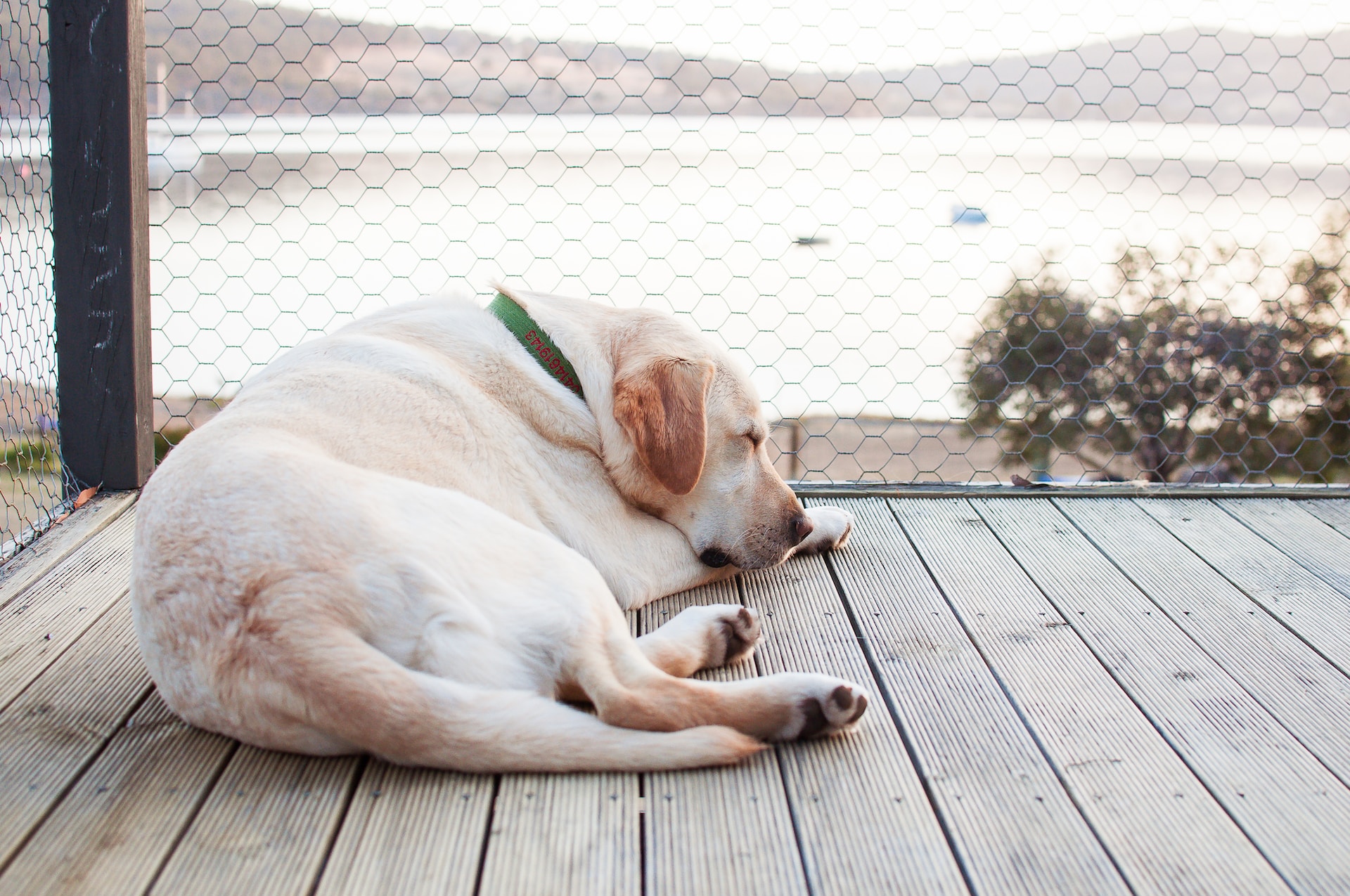
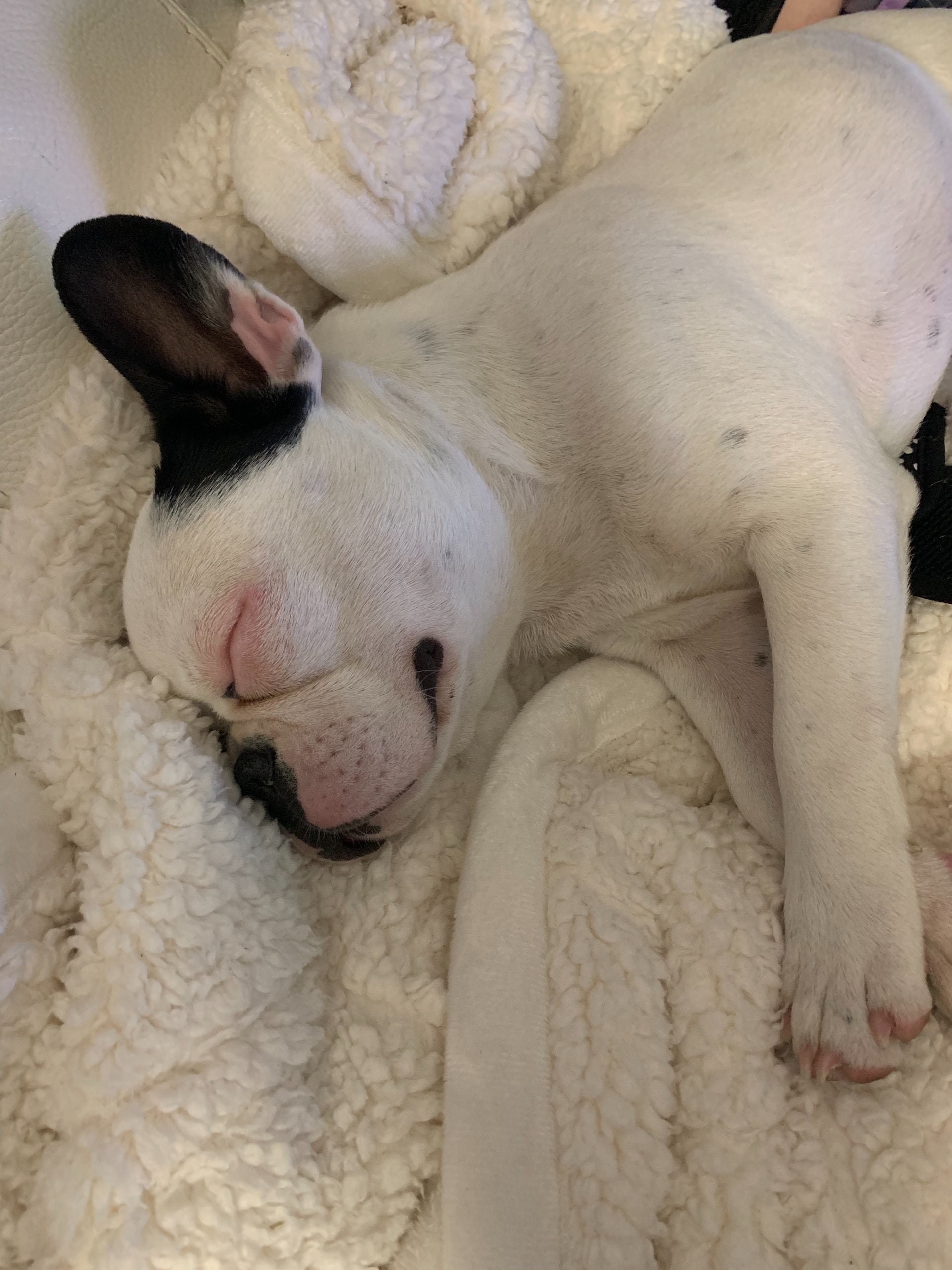
Another set of photographs that show sleeping dogs, courtesy Unsplash.

oooo

oooo

oooo

oooo

oooo

oooo

They are all so exquisite.

I am hoping there will be more sleeping dogs in a week’s time.

Keeping our dogs free from poisons

Just a single image!

The vet practice we use is Lincoln Road Veterinary Clinic, and we have used them for quite a few years. They recently sent out a mailer that contained the following:

Now the ‘CALL US’ has to be the vet in your own location; that’s obvious!

But nonetheless I thought it was worth sharing with you.

Our pets are very special!

Picture Parade Four Hundred and Seventy-Four

Back to Unsplash!

I put in the search description ‘Service dogs’ but that didn’t seem to be the correct way of describing the search. Anyway, I liked what was seen!

ooOOoo

oooo

oooo

oooo

oooo

oooo

oooo

oooo

oooo

There you are, good people!

Some less-known facts about dogs

A fascinating list!

Now I can’t recall where I saw these facts; I suspect they were emailed to me.

Whatever, it doesn’t matter, for they are amazing!

ooOOoo

1. Dogs have an incredible sense of smell—up to 100,000 times better than ours! They have more than 220 million olfactory receptors in their noses, while humans only have around 5 million.

2. Dogs can recognize up to 250 words and gestures, and they can even understand the tone of voice we use when we’re speaking to them.

3. Dogs can see in the dark better than us. They have a layer of cells in their eyes called the tapetum lucidum which reflects light back into the retina and helps them to see better in low light.

4. Dogs can sense when something is wrong or when you’re feeling down. They’ll often come and sit with you or give you extra cuddles when you’re feeling blue.

5. Dogs have an incredible sense of direction and can find their way back home from miles away. They use a combination of smell, sight and sound to remember the route they took.

6. Dogs can often tell when you’re about to sneeze. They have a special ability to sense subtle changes in our body language, and they can detect the slight changes that happen right before you sneeze.

7. Dogs can also tell when you’re happy or sad. They have the ability to sense changes in our breathing, body temperature, and even the amount of sweat we produce.

8. Dogs can sense when you’re getting sick. They can detect changes in your scent that you don’t even notice, and they’ll often come and comfort you when you’re feeling unwell.

9. Dogs can sense when someone is going to epileptic seizures or diabetic shock. They can detect the changes in smell, behavior and body chemistry that occur before a seizure or shock happens.

10. Dogs can detect certain types of cancer. They’re able to sniff out volatile organic compounds (VOCs) in the breath, urine or sweat of a person with cancer, which is why some organizations are training dogs to use their noses to detect cancer in humans.

ooOOoo

Dogs are amazing animals, in so many ways!

Picture Parade Four Hundred and Seventy-Three

A little different for today!

Our neighbour Dordie L. sent these across earlier in the month. Enjoy!

oooo

oooo

oooo

oooo

oooo

Thank you, Dordie!

The work done by dog charities

This particular post is from ‘Who Will Let the Dogs Out‘.

The range of expertise in looking after our dear dogs is incredible. I have long followed Who Will Let the Dogs Out but today wanted to republish a very recent article, hopefully with permission.

ooOOoo

Tiny Municipal Shelter Outside Nashville Has Only One Employee

By Cara Sue Achterberg. 14th February, 2023

In Robertson County, Tennessee, just outside Nashville, there are actually three municipal shelters. In addition to the Robertson shelter written about in the previous post, we also stopped at a tiny shelter ten minutes away— Greenbrier Animal Control.

This small shelter has ten kennels and was currently housing 12 dogs. Shelbie is the only ACO and employee for the small shelter. She works seven days a week 365 days a year. The only days she’s had off since she began work there three years ago were this past winter when she had Covid.

Shelbie does everything at the tiny, age-worn shelter – the cleaning and the caring, and running the animal control calls, and pretty much anything that needs done. Several of the outdoor kennels do not have covered roofs. The roofs are at the shelter, but Shelbie is only one person (and a tiny one at that), so she can’t get them put on by herself. She could use a hand with the roofs, and with lots of things, but the only ones she and the dogs have are her own.

The city animal control budget covers food, supplies, and a few other things, like Shelbie’s uniforms, but it doesn’t cover vaccines, deworming, or spay/neuter. Shelbie knows that anything she adopts out locally is likely to send puppies back her way. She depends on CASA Transport to help get animals out, so the shelter doesn’t become overcrowded.

Shelbie took the job because she loves animals and because she’s always been an advocate for not killing shelter animals. One of the dogs, Denali, has been at the shelter almost as long as she has. “He’s special and he needs a special kind of home,” she told me.

She loves her job, but would really love for the city to hire someone to help on the weekends so that she could have more time for herself (and her FIVE children ages 4-10).

We set up a few peanut butter boards and left Shelbie with lots of food, treats, bones, and collars, but joked with her that we wished we had a person in the truck we could leave with her. Every time we make these trips we meet remarkable people like Shelbie. I’m sure she isn’t getting rich on this job and I’d guess she sees some pretty awful situations. It is not just back breaking work, it’s heartbreaking.

There are so many people, just like Shelbie, who are quietly saving lives through their own dedication and sacrifice. They inspire me to keep pushing for change, for any way to make the situation better.

I don’t understand why Robertson County, which serves 72,000 residents, has not only the county shelter, but two city shelters (we were not able to visit Springfield animal control). Greenbriar is in the county and it took us about ten minutes to get from one to the other. To me, clearly an outsider (but one who has visited over 100 shelters in 12 states), it makes more sense to combine the three shelters in the new building that Robertson County is building.

Surely, by combining budgets and staff, they could have one excellent facility with plenty of help, and likely save money in the bargain. Plus, then Shelbie wouldn’t be working seven days a week and handling animals all by herself (not that she isn’t more than capable of doing so as she’s done it for three years now). That’s just my observation, unlikely to be embraced.

Until we start looking for common sense solutions like regional public shelters, the lives of too many animals will depend on the decency and the willingness of people like Shelbie to sacrifice so much to do the work very few will.

If you’d like to help Shelbyville Animal shelter, consider shopping their Amazon wishlist.

Until each one has a home,

Cara

If you want to learn more, be sure to subscribe to this blog. And help us spread the word by sharing this post with others. Visit our website to learn more.

You can also help raise awareness by following/commenting/sharing us on FacebookInstagramYouTube, and Tik Tok!

Learn more about what is happening in our southern shelters and rescues in the book, One Hundred Dogs & Counting: One Woman, Ten Thousand Miles, and a Journey Into the Heart of Shelters and Rescues (Pegasus Books, 2020). It’s the story of a challenging foster dog who inspired me to travel south to find out where all the dogs were coming from. It tells the story of how Who Will Let the Dogs Out began. Find it anywhere books are sold. A portion of the proceeds of every book sold go to help unwanted animals in the south.

Watch our Emmy-nominated, award-winning short documentary about rescue in western Tennessee here.

For more information on any of our projects, to talk about rescue in your neck of the woods, please email whowillletthedogsout@gmail.com or carasueachterberg@gmail.com.

ooOOoo

There are many more photographs on the website that I chose not to republish because I couldn’t do it as neatly as Cara did it.

Rescue dogs in action

A powerful three-minute video from the BBC.

Just another example of the wonderful abilities of our dogs.