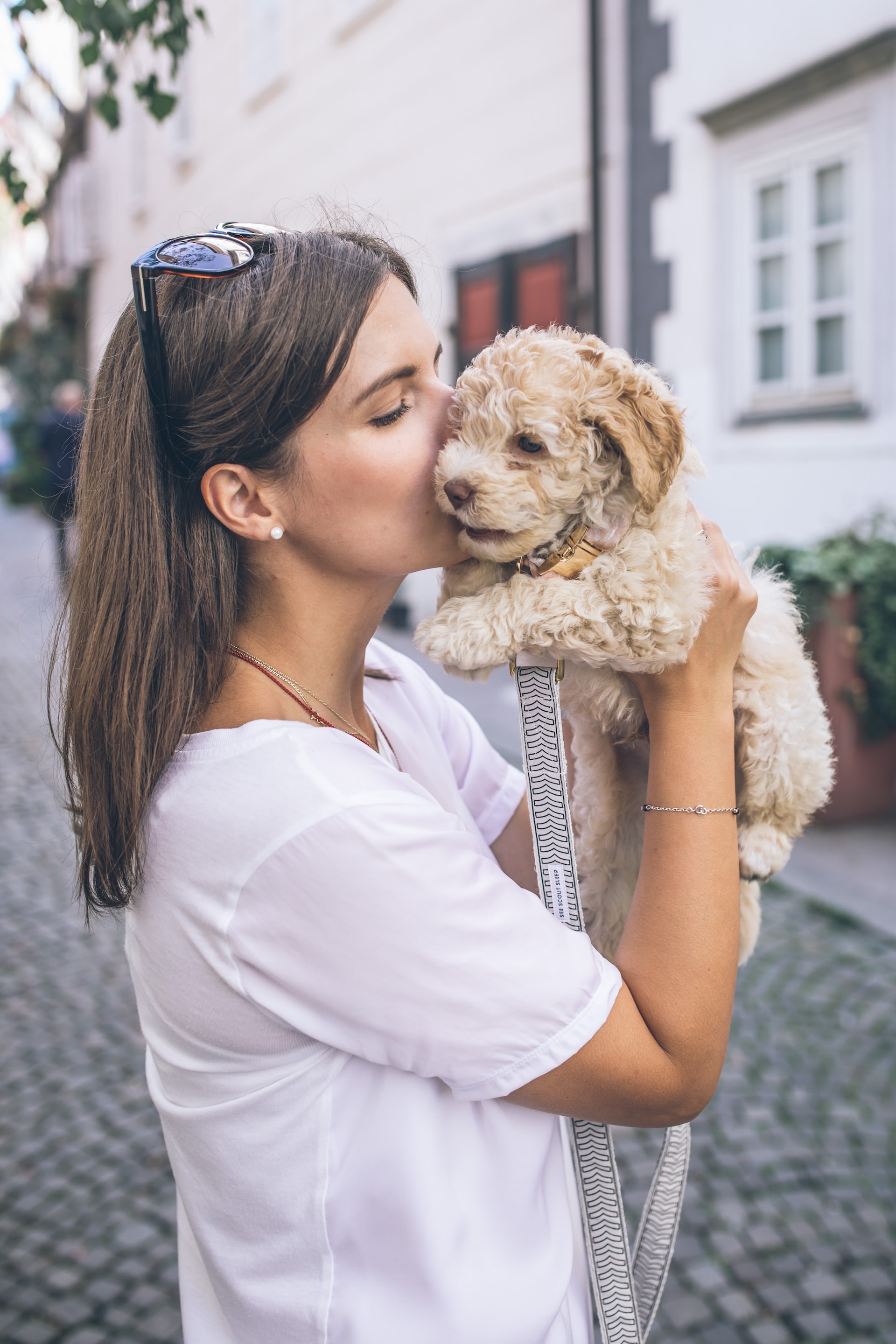
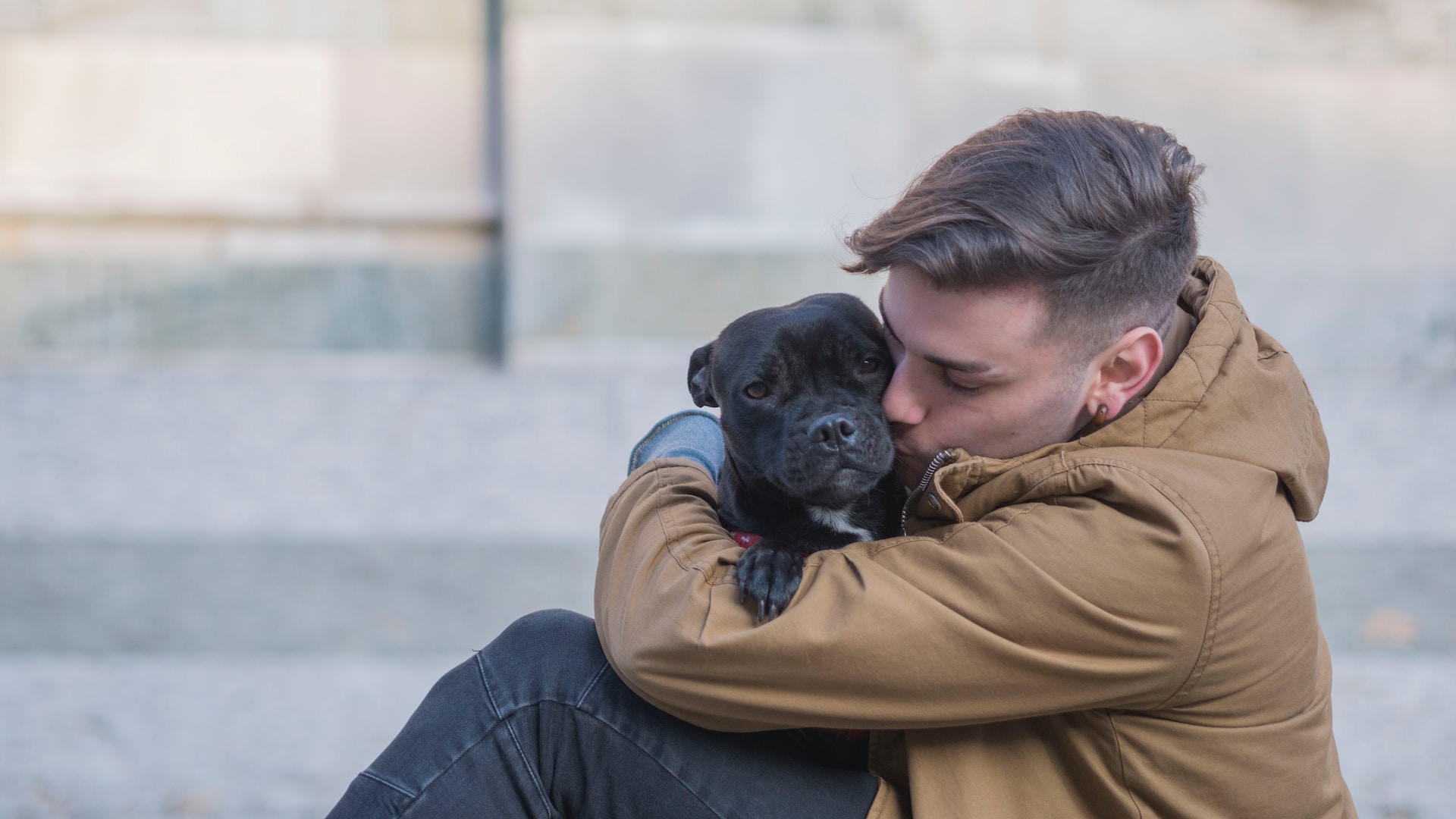
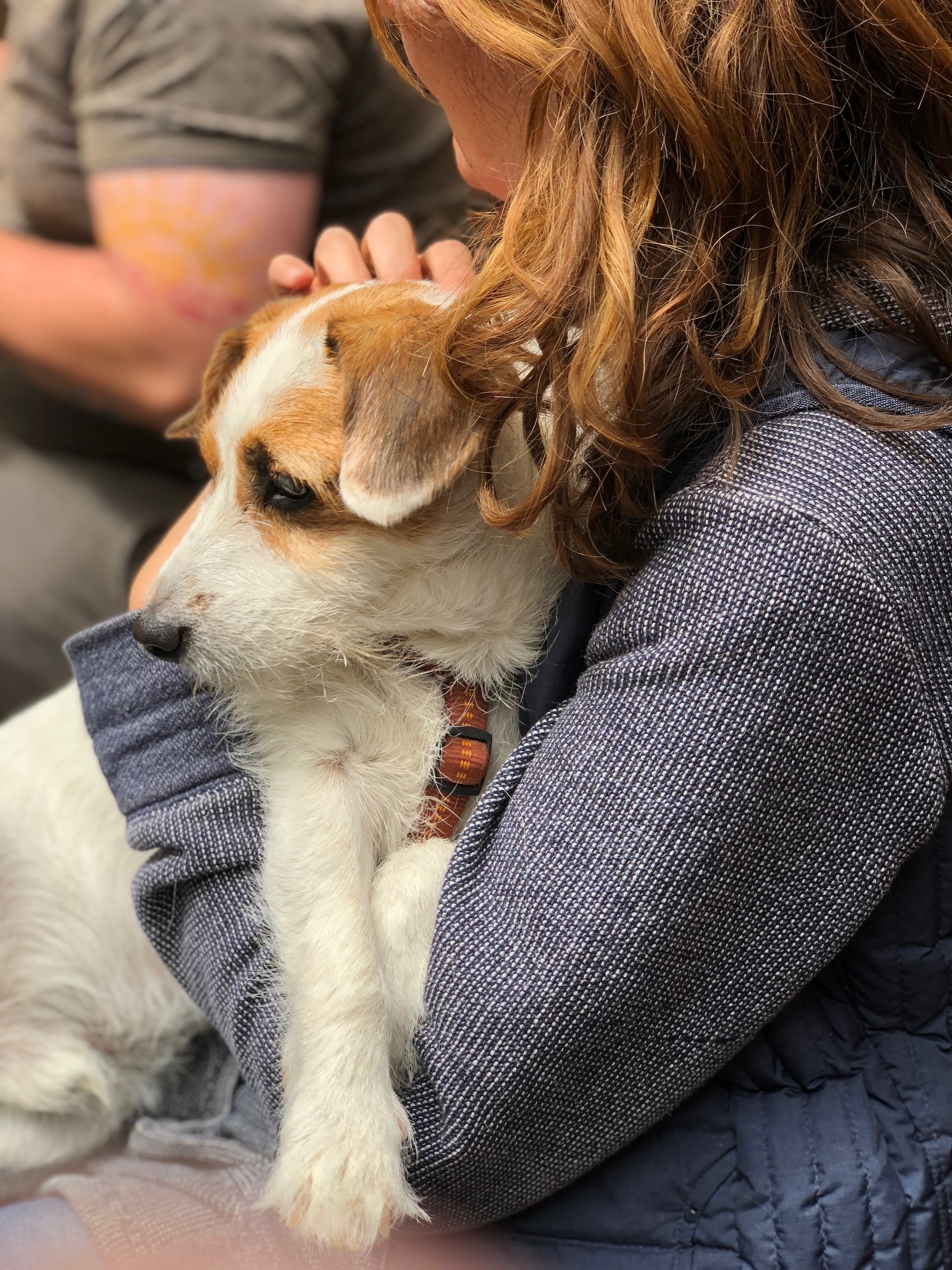
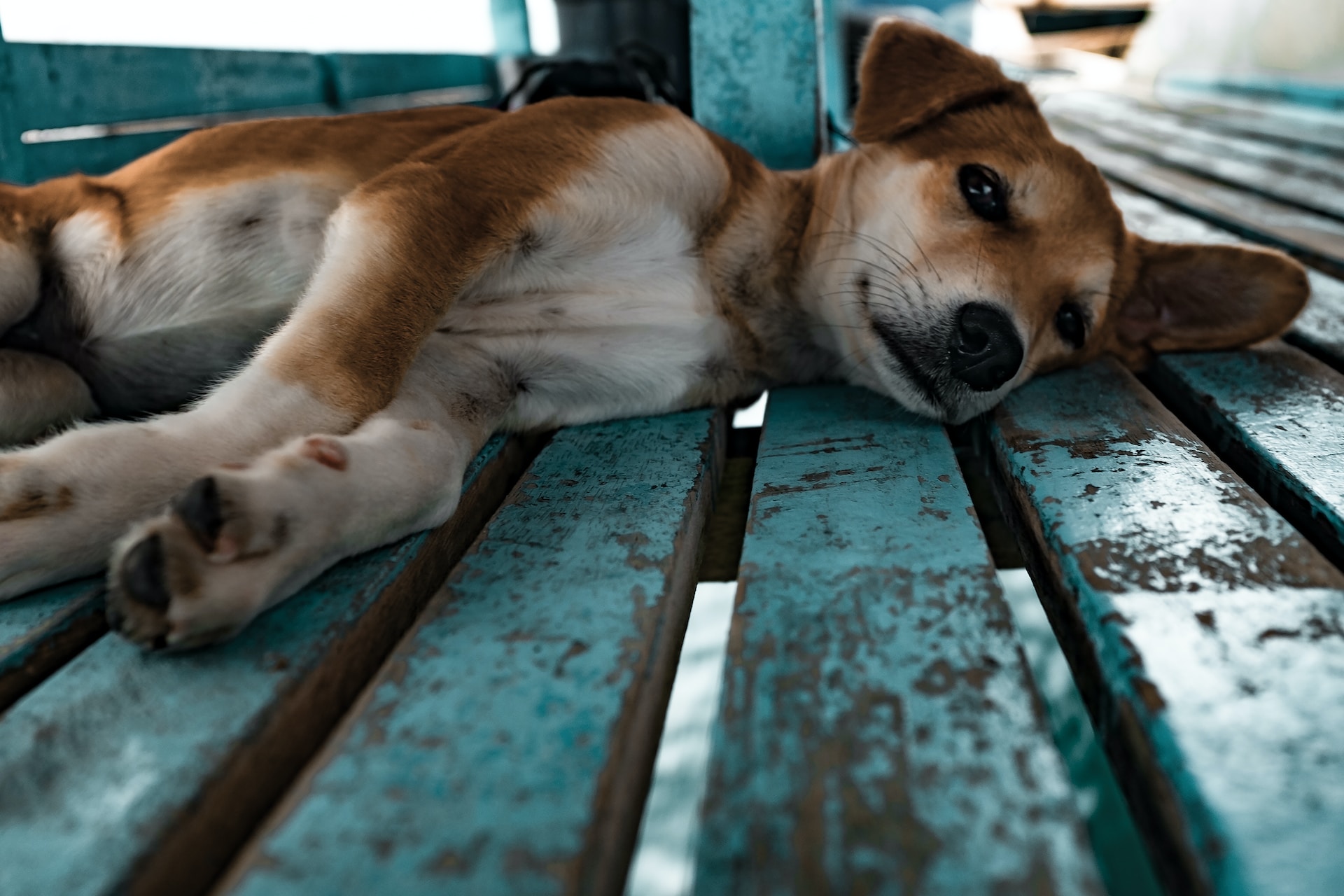
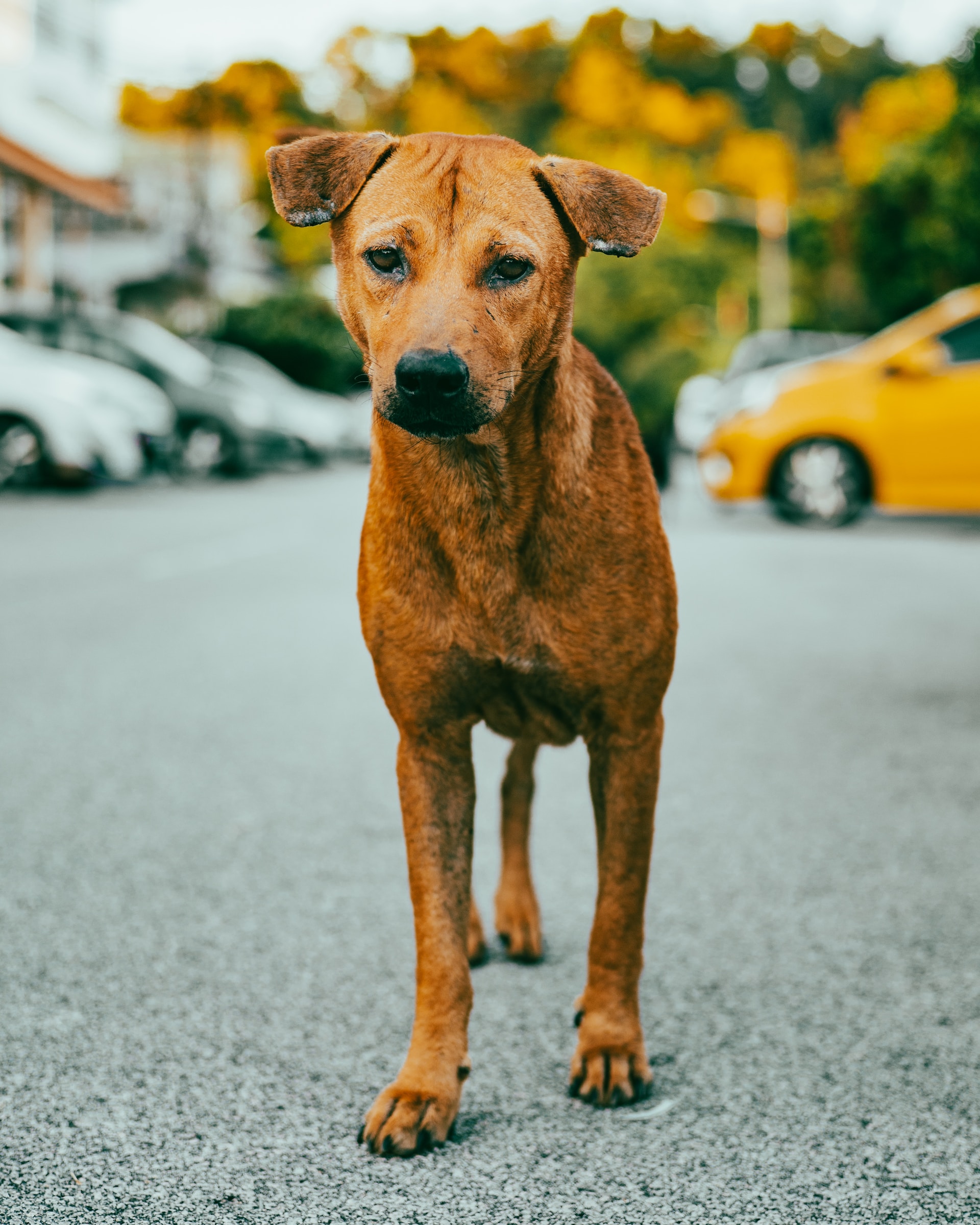
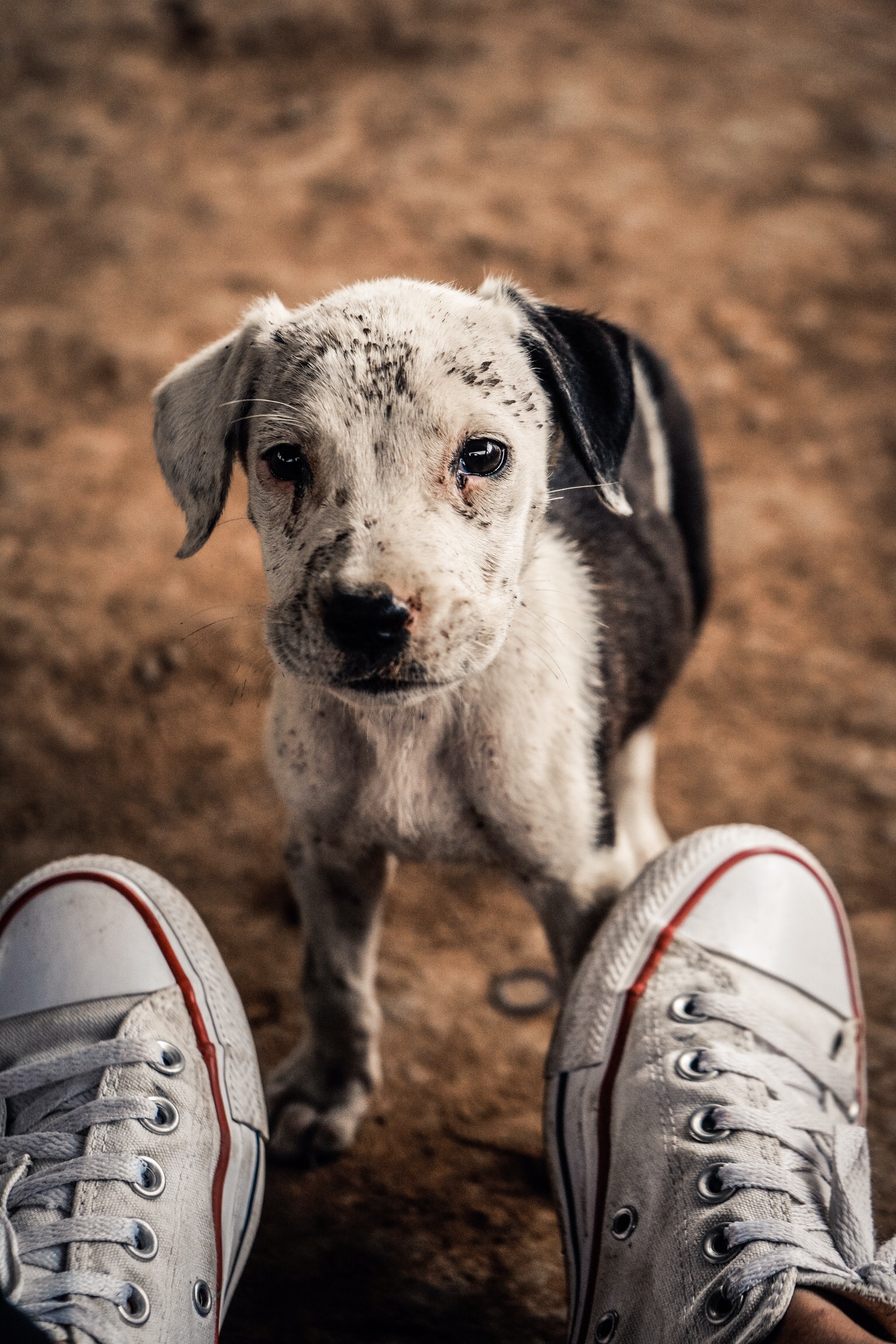
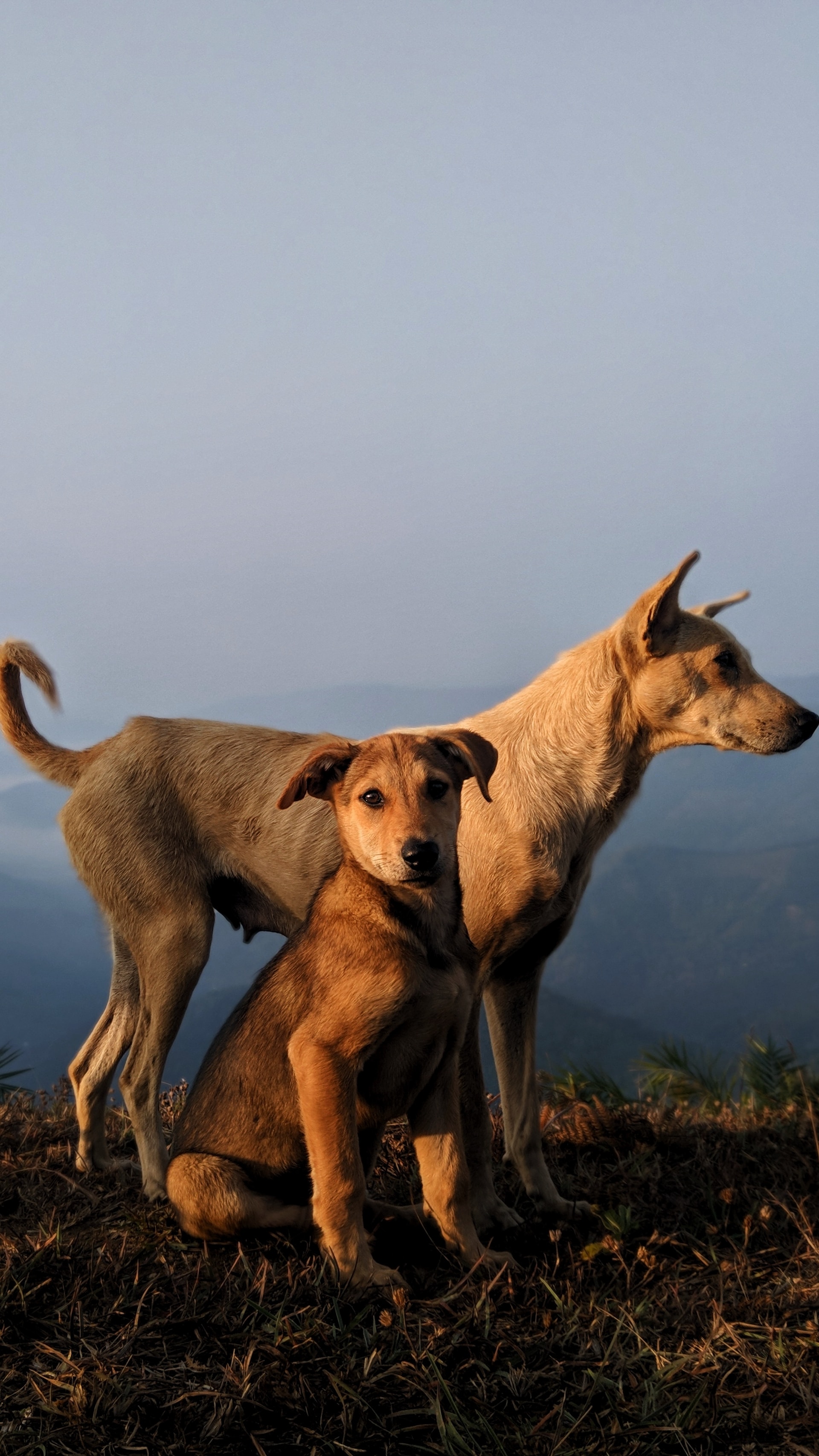
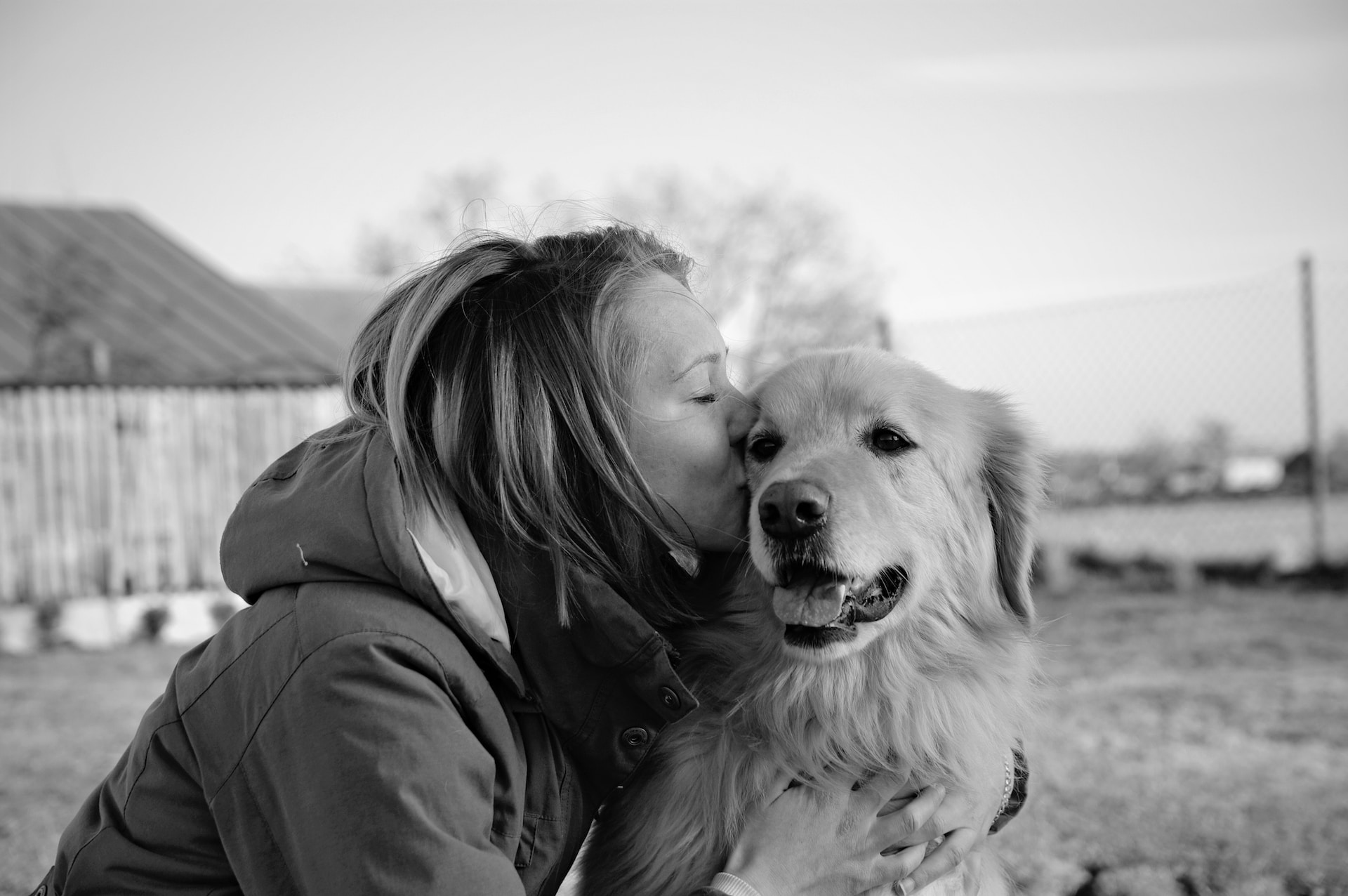
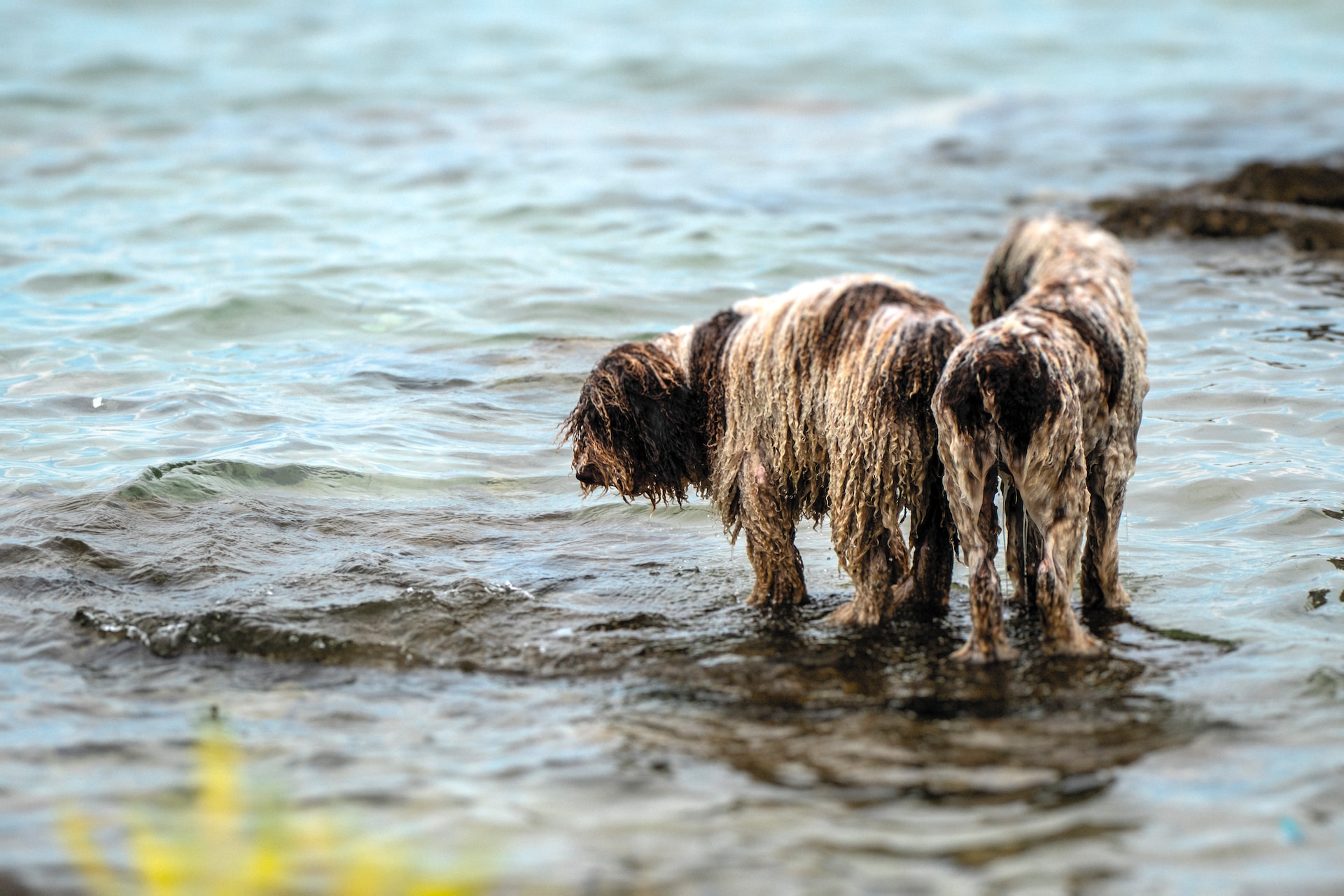
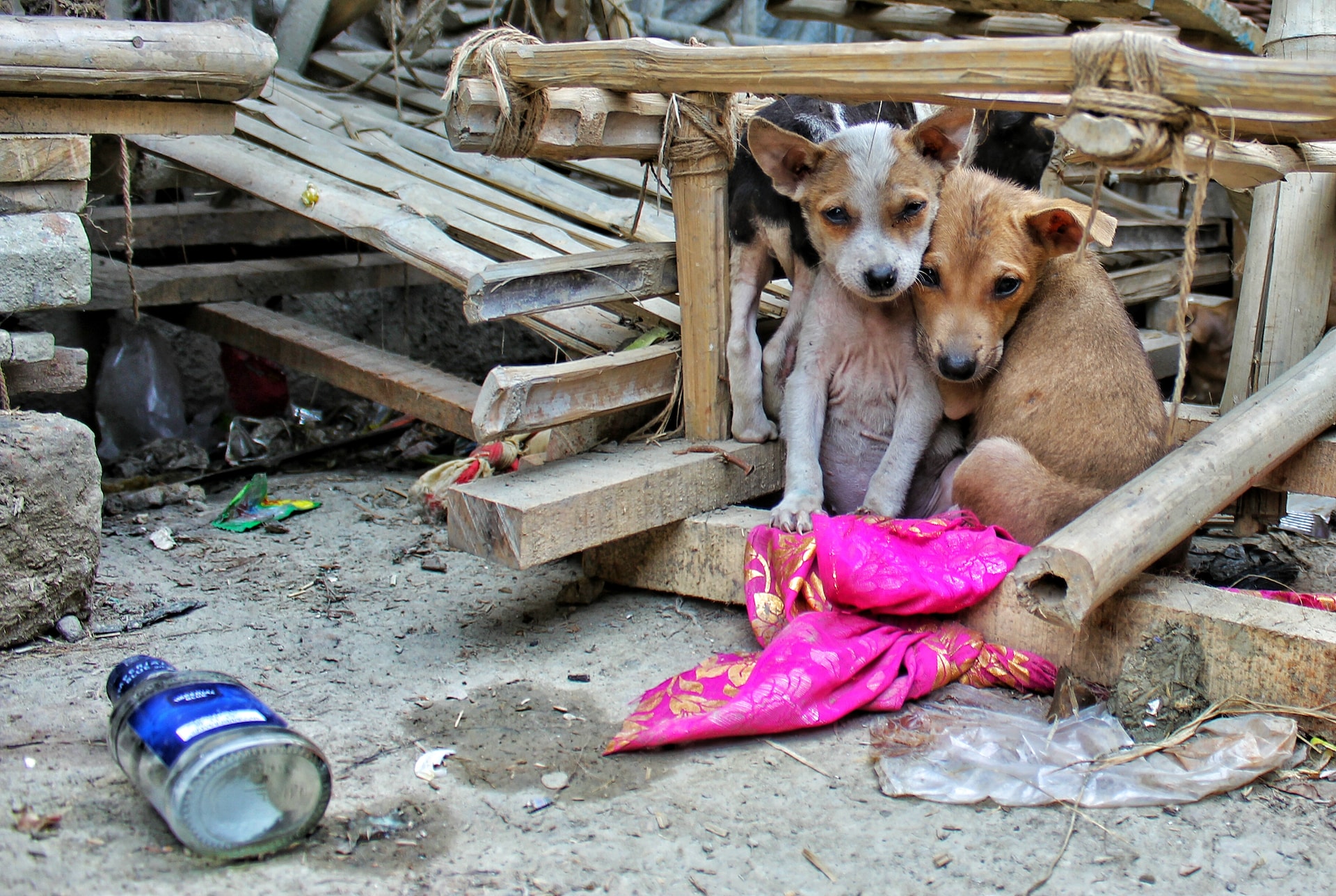
My feelings when I look at these pictures are nothing new but that doesn’t diminish at all my despair at these poor dogs. At least there are a few photographs of people loving them but they are intelligent, caring animals and in an ideal world we wouldn’t have strays.
These are such powerful photographs and the many photographers who contributed them to Unsplash are to be heartily congratulated, especially as they are provided without charge.
Thank you to all the photographers. I am certain that I am not the only one saying ‘thank you’ even if most of you are thinking a ‘thank you’ rather than verbalising it. I am unsure at this stage as to whether I will post further photographs from Unsplash; any feedback?
A while ago I was contacted by email from Anushka Mishra about her writing a guest post. This is what I received:
Greetings,
This is Anushka Mishra, Content Strategist at Jaldee Vets. We hope this email finds you well. We are writing to propose a guest blogging opportunity for your esteemed pet care blog. Our platform, Jaldee Vets specializes in pet care with a significant emphasis towards strays. In the spirit of becoming the voice for the voiceless, we provide free consultancy to stray animals. Through our blog posts we want to convey the message of carrying out social responsibility of protecting stray and providing care to animals.
We will be providing an SEO optimized blog of 500-600 words. With our high-quality guest blog, you will benefit from fresh and engaging content that can captivate your readers. We can offer our expertise in pet care to cover topics such as nutrition, health, training, and grooming, providing valuable insights to your audience.
In return, we would gain exposure to your dedicated readership and the opportunity to showcase our #StrayLivesMatter initiative of providing free consultancy to strays. It would be an excellent platform for us to establish ourselves as a reliable resource and expand our reach within the pet care community.
We look forward to discussing the specifics and exploring potential topics. We eagerly await your positive response.
Warm regards,
Anushka Mishra
As is normal in these situations I took a look at the organisation that Anushka represented and replied:
Anushka,
Good day to you and thank you for your email and the offer.
Unfortunately, I only take guest posts from those who have no business connection because otherwise I would have the challenge of determining what businesses I would support and what businesses I would not support.
The bigger picture of looking at the whole world is that around 200 million strays embrace the streets, finding love and joy in slight caresses and mini treats. Every nation has strays flaunting their roads. However, what differentiates one is the condition in each of these countries. In some countries, the situation of street animals is alarming, with the perpetual enmity of brutal and inhumane behaviour towards them. The indifference towards these creatures has led to a massive shoot in their population. They are usually left to cater for themselves and are more prone to fall prey to some diseases.
On the contrary, some countries look after their strays with utmost concern. They have working policies for neutering and spraying strays and adequate amenities to provide suitable shelter care. Along with the direct accommodations, there is always a persistent attempt at propagating vigilance and educating people. As a living entity endowed with the privilege to stand up for ourselves and speak our concerns out loud, it is our responsibility to tend to those devoid of such benefits. The implementation and execution of official policies and reforms are outside our hands. However, it’s well within our powers to do small bits and pieces to make life easier for these hustling babies.
Helping stray animals
Adopt
The best way to help the button-eyed sweethearts is by welcoming them into the comfort of your abode. Bringing home a new member can add a hint of sparkling confetti to the lives of all the family members. On the other hand, it would always bestow the four-legged friend with a healthier living ribboned in kindness and surrounded by loved ones. If you have doubts about becoming a full-time parent, there’s always an option of fostering. This allows you a trial run for a life as a pet parent and gives the pet adequate living temporarily until they find a permanent residence.
Volunteer
Various animal welfare organizations work towards rescuing and sheltering stray animals. These organizations are always open towards a helping hand who can assist with multiple works. Volunteering involves but isn’t limited to helping in the rescuing process. The job extends to several back-end works such as photography, content writing, bringing sponsors on board, etc. Volunteering in such initiatives is a noble method of helping stray animals and would also give you some quality time with these endearing pets.
Generating awareness
Little drops accumulate together to make an entire ocean; thus, every drop counts. Just like that, every small step towards raising awareness and educating people on the cause of animal safety can eventually make a profound difference. No one alone can end all the mistreatment and cruelty happening to animals. However, we can do our best by educating our friends, family and acquaintances on the subject. You can participate in events promoting such values or engage with online campaigns to help add more voice to the cause.
Feed and Care
All it takes to help a stray is a strong will and good food. The easiest way to bring joy to these lovely friends is by feeding them and providing them warm clothes if winter is around the corner. Good food would ensure a healthy and sound living for stray animals, which they direly require.
When Injury strikes?
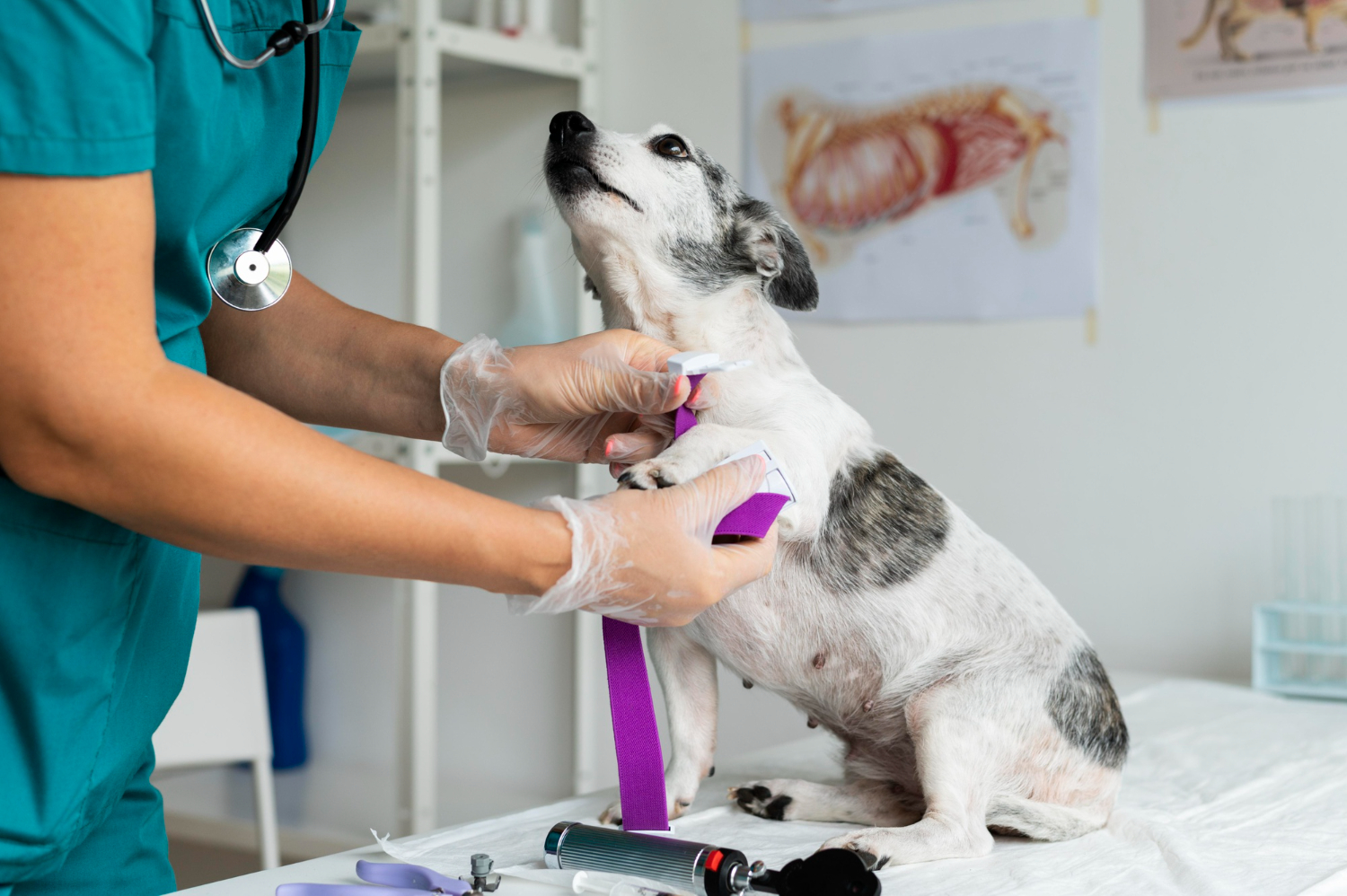
Unless you are a professional or vet, you can do only so much. On some grim day, you may stumble across an injured animal. The immediate response to such a situation should always be to consult a vet. Jaldee Vets, with its online consulting platform, is thriving to make lives more manageable for stray animals. Through our site, one can avail of free online consultancy for strays who may require the same. If you encounter an animal injured or have met with an accident and can’t find a clinic nearby, you can hop on to the site and get immediate help for the furry pal. The consultancy is online and completely free.
Strays are a social responsibility. To help them isn’t just a noble cause but a necessary one. So, wait no further and take these small and practical steps to shower some ounces of comfort and kindness into the lives of many animals.
ooOOoo
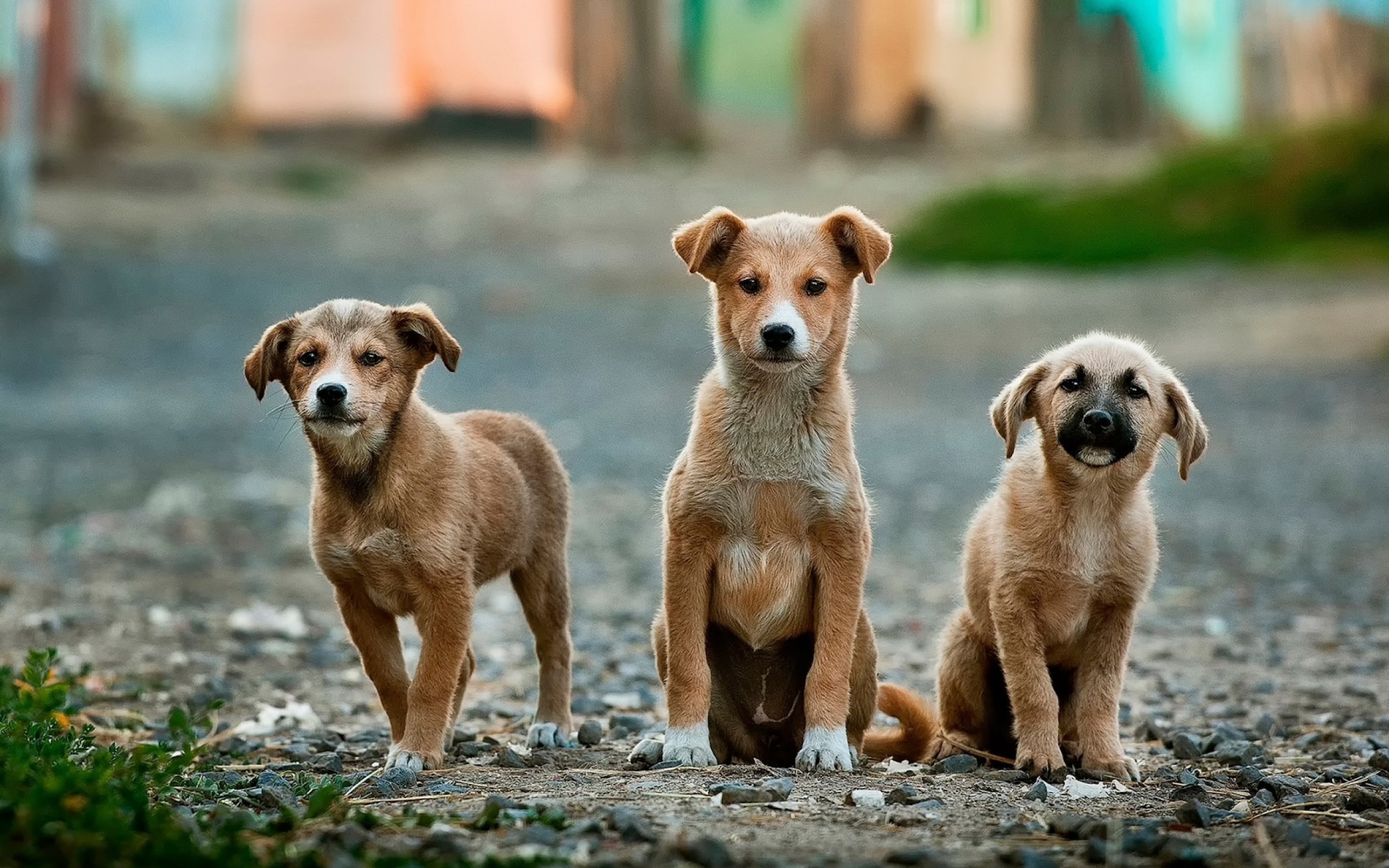
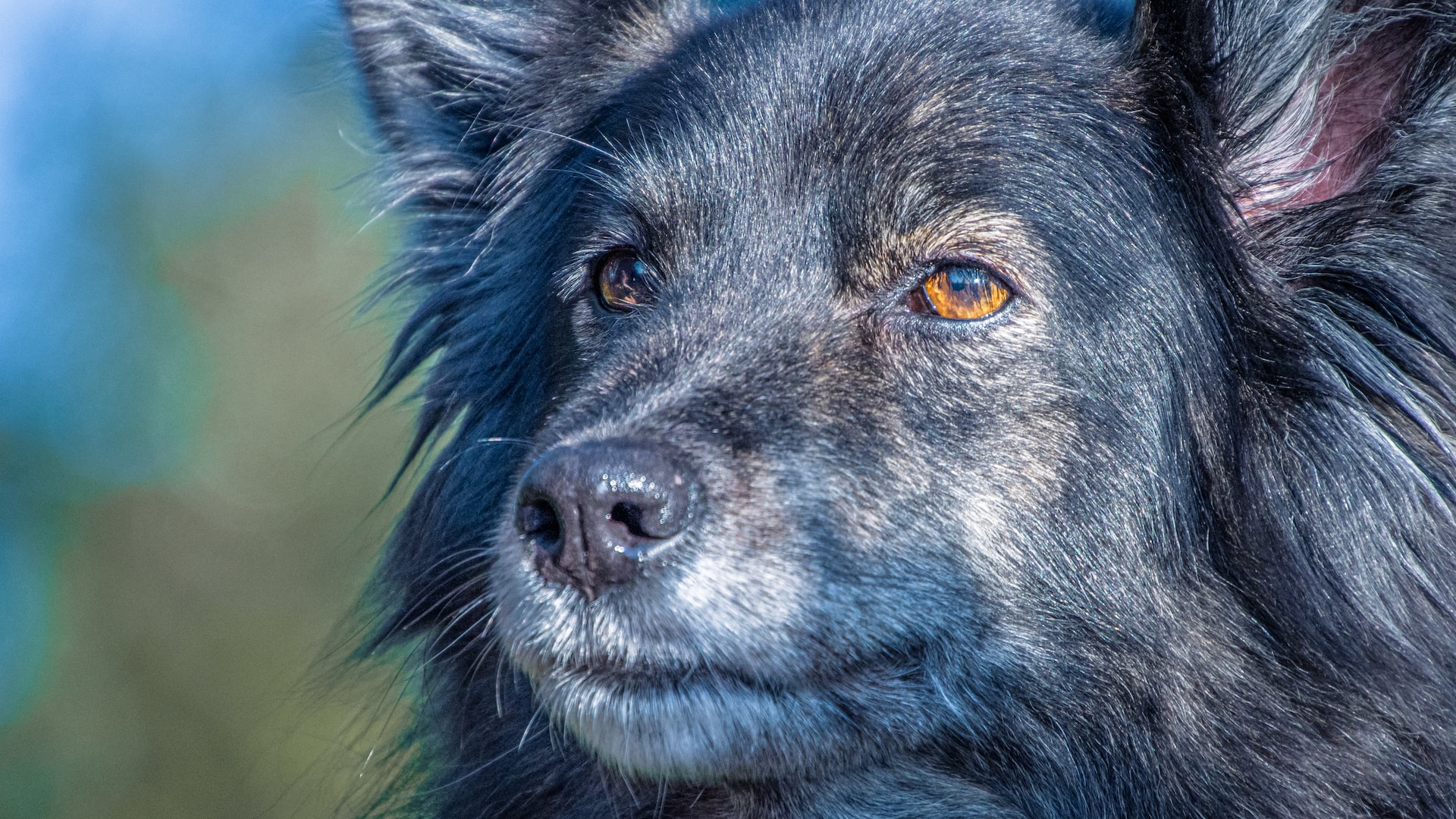
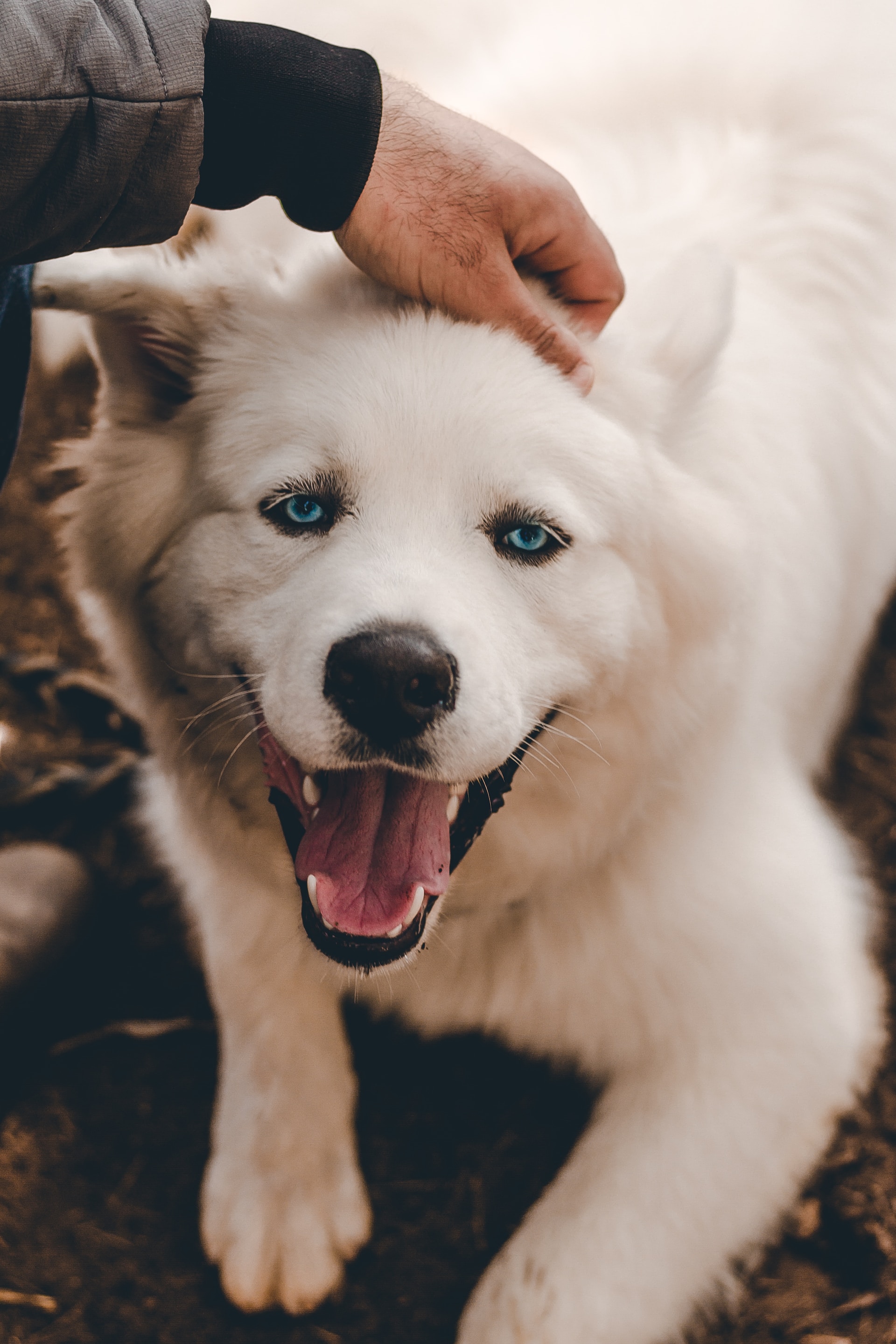
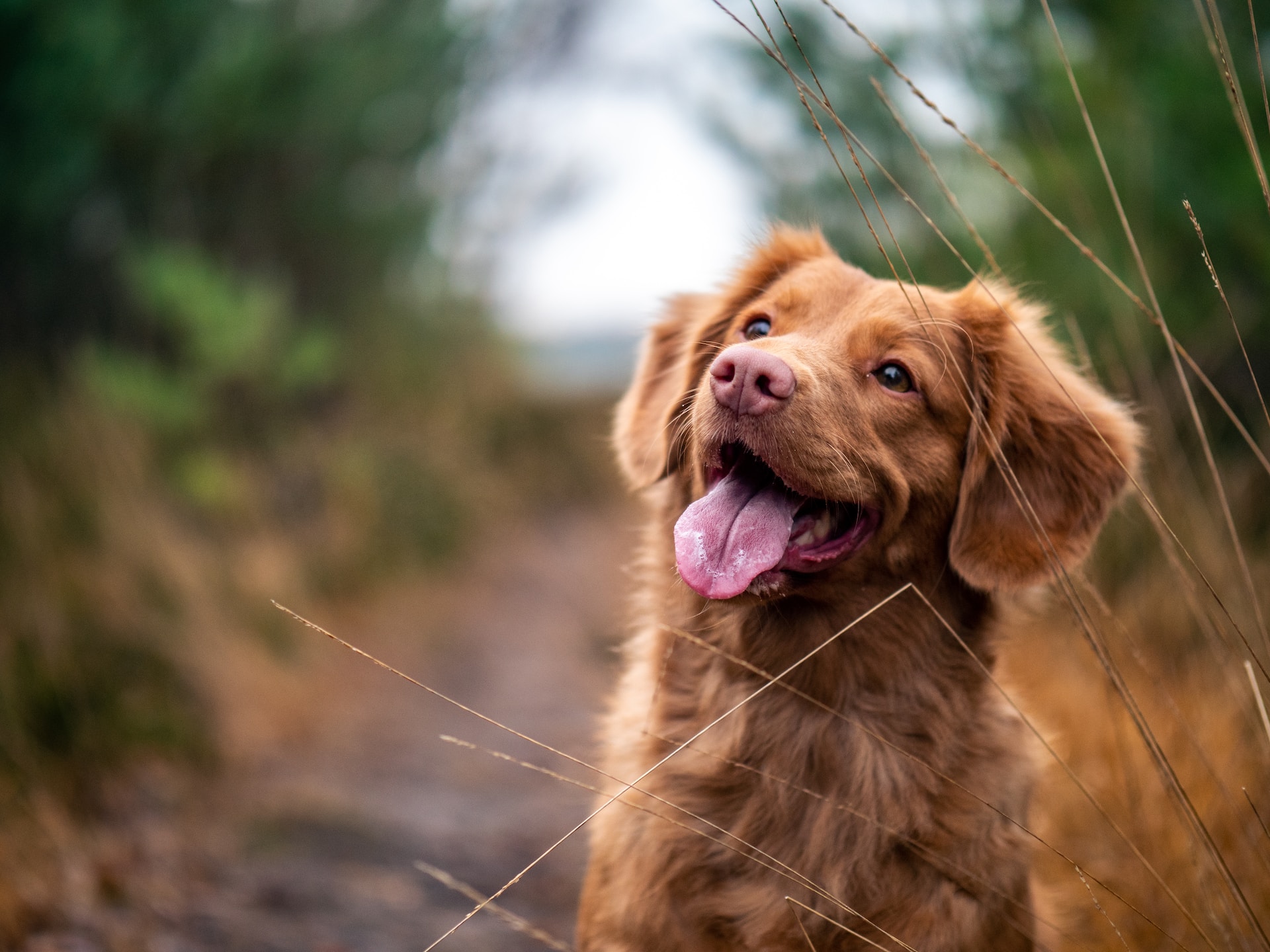
The only way to close this is by adding a couple of pictures from Unsplash of stray dogs.
These pictures make my heart ache and I hope you support Jaldee Vets. Finally are you in favour of me publishing guest posts from Anushka? Please give me feedback.
An Amazon delivery driver named Erik was out delivering packages as usual when he noticed someone furry walking in front of his truck. He figured it was a dog coming to say hi, which happens to him a lot on his route. He was getting excited to greet the dog and see if he’d ever met this one before — then suddenly realized he wasn’t a dog at all.
When the animal made it to the door of his truck, Erik realized the friendly neighbor was actually a goat.
Erik and the goat stood watching each other for a few seconds, both assessing the situation. Then, the goat decided Erik was friendly and climbed on the truck, greeting Erik just like a dog would. Erik couldn’t stop laughing at the absurdity of the situation.
“This is so funny, what the heck,” Erik said in a video about the encounter.
The goat jumped up onto Erik to say hi and even stuck his little tongue out. He was wearing a collar and a leash, which made Erik think this kind of thing probably happens a lot.
A TikTok user who has goats commented, “[T]hat bell means he’s the problem goat.”
Luckily, using the leash, Erik was able to lead the friendly goat back to where he came from. He was glad it didn’t turn into a neighborhood-dog-who-wouldn’t-leave-his-truck, which has happened to him before.
Erik didn’t expect to see a goat during his shift that day, but now he hopes it’ll happen again.
ooOOoo
There were three videos inserted in the original, all from TikTok, but I chose not to include them. If you want to watch them then please go here.
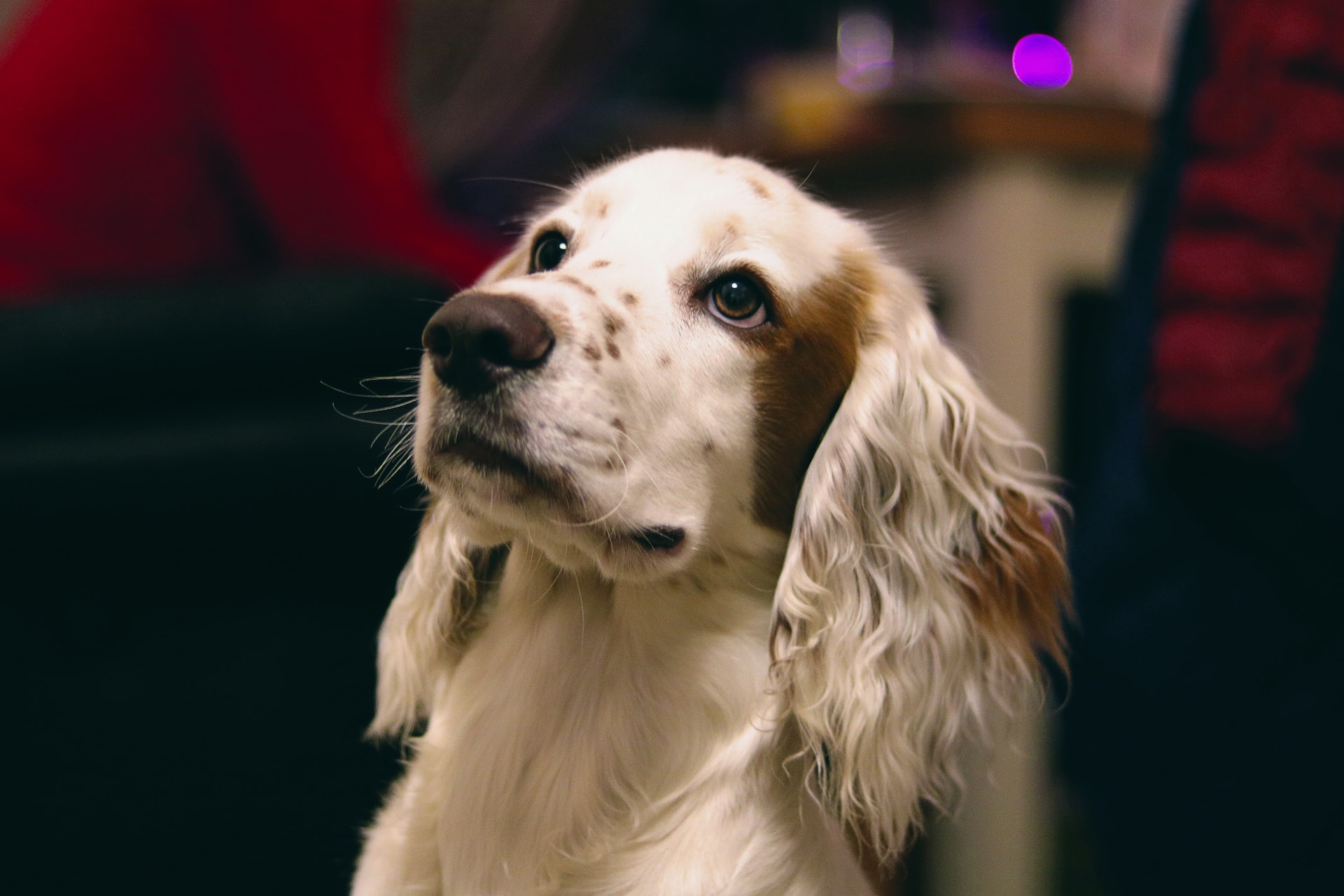
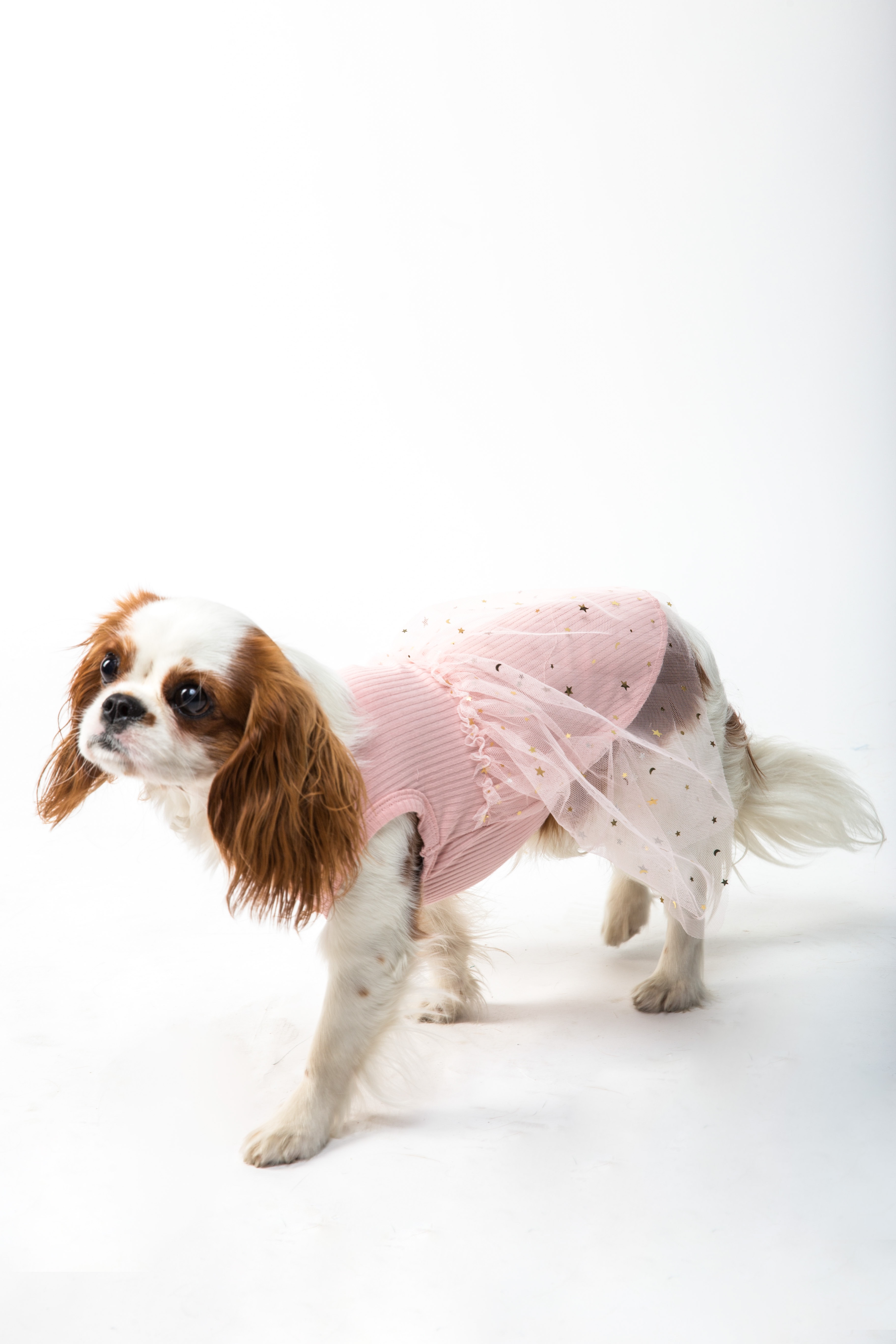
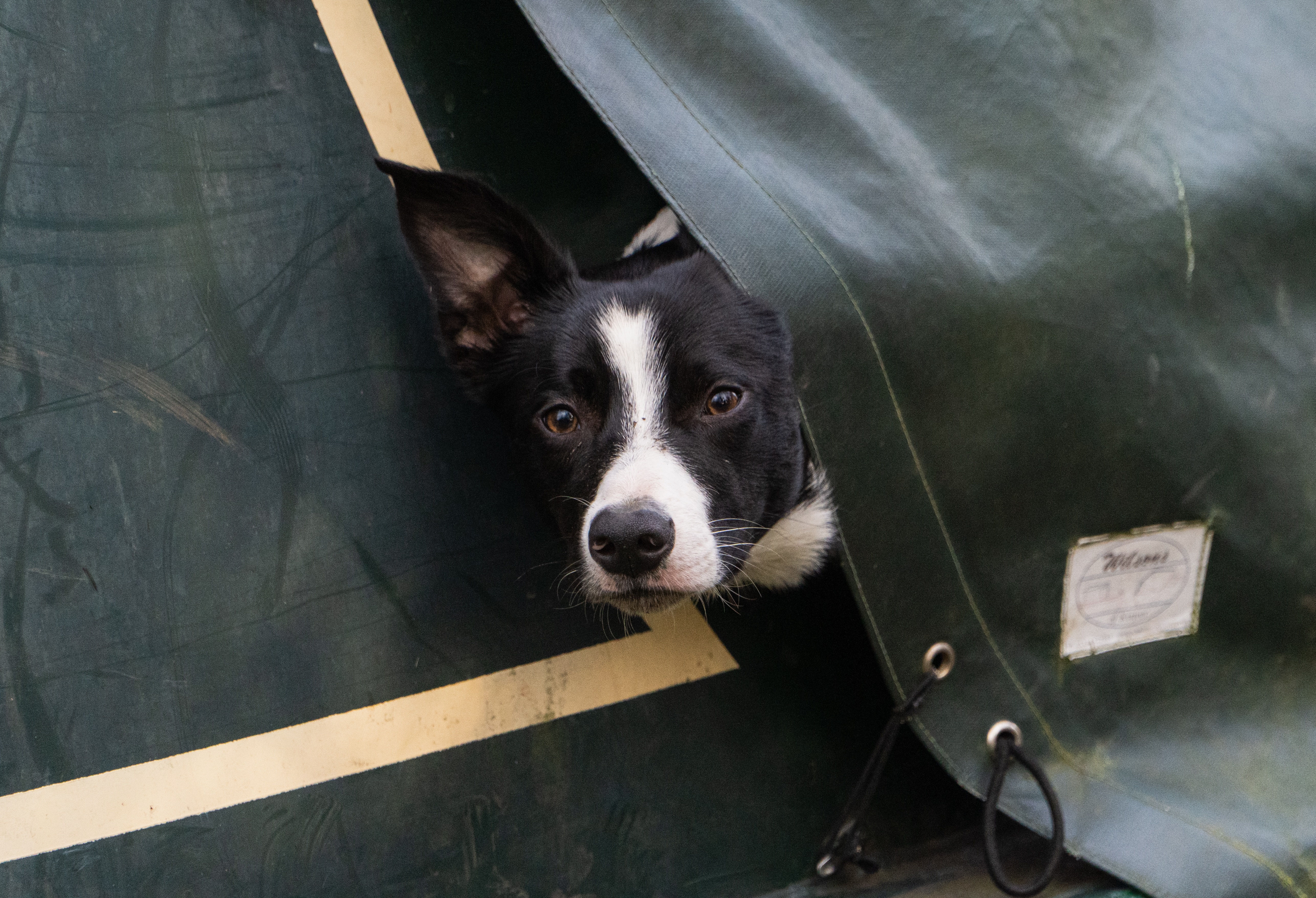
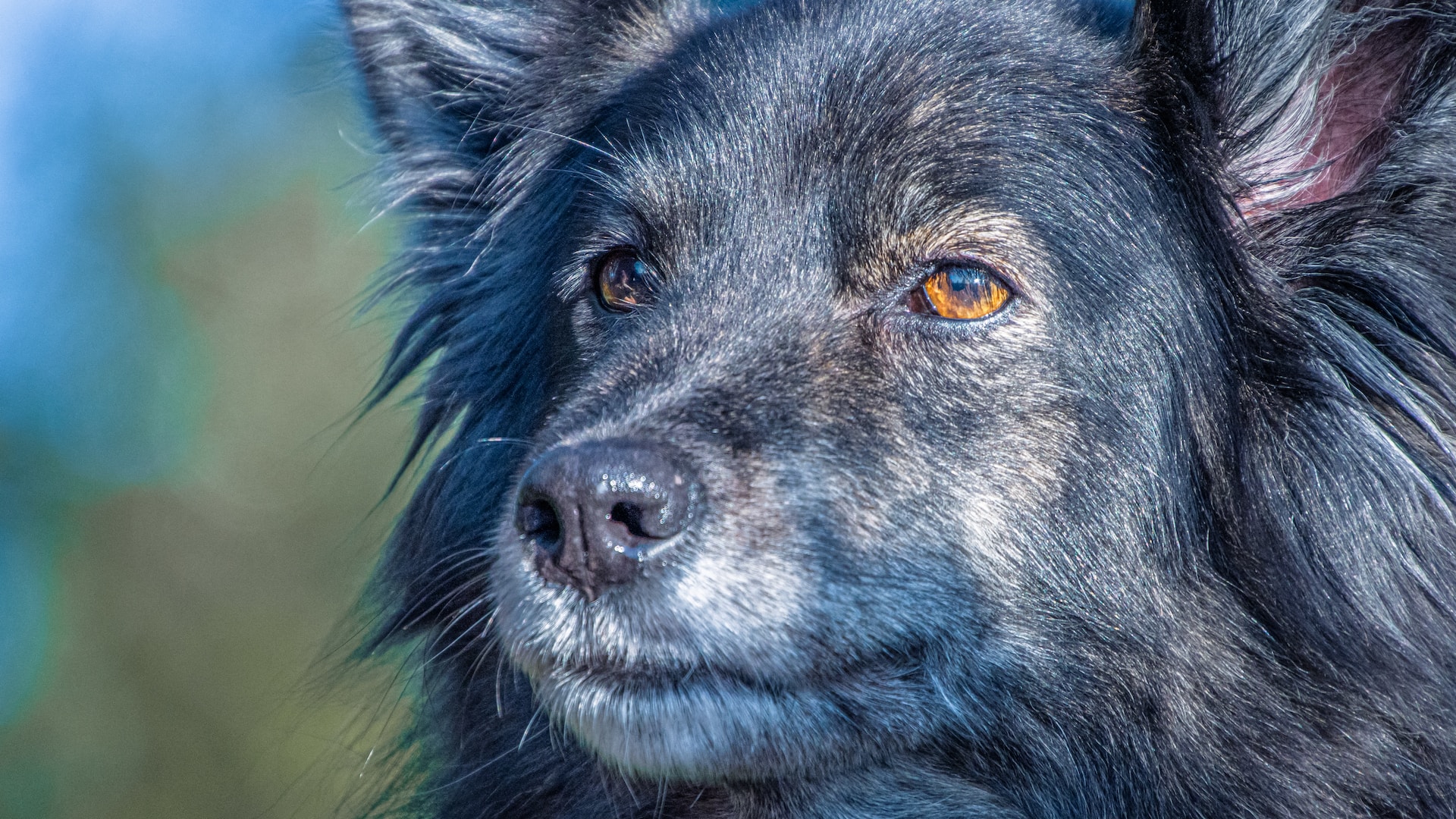
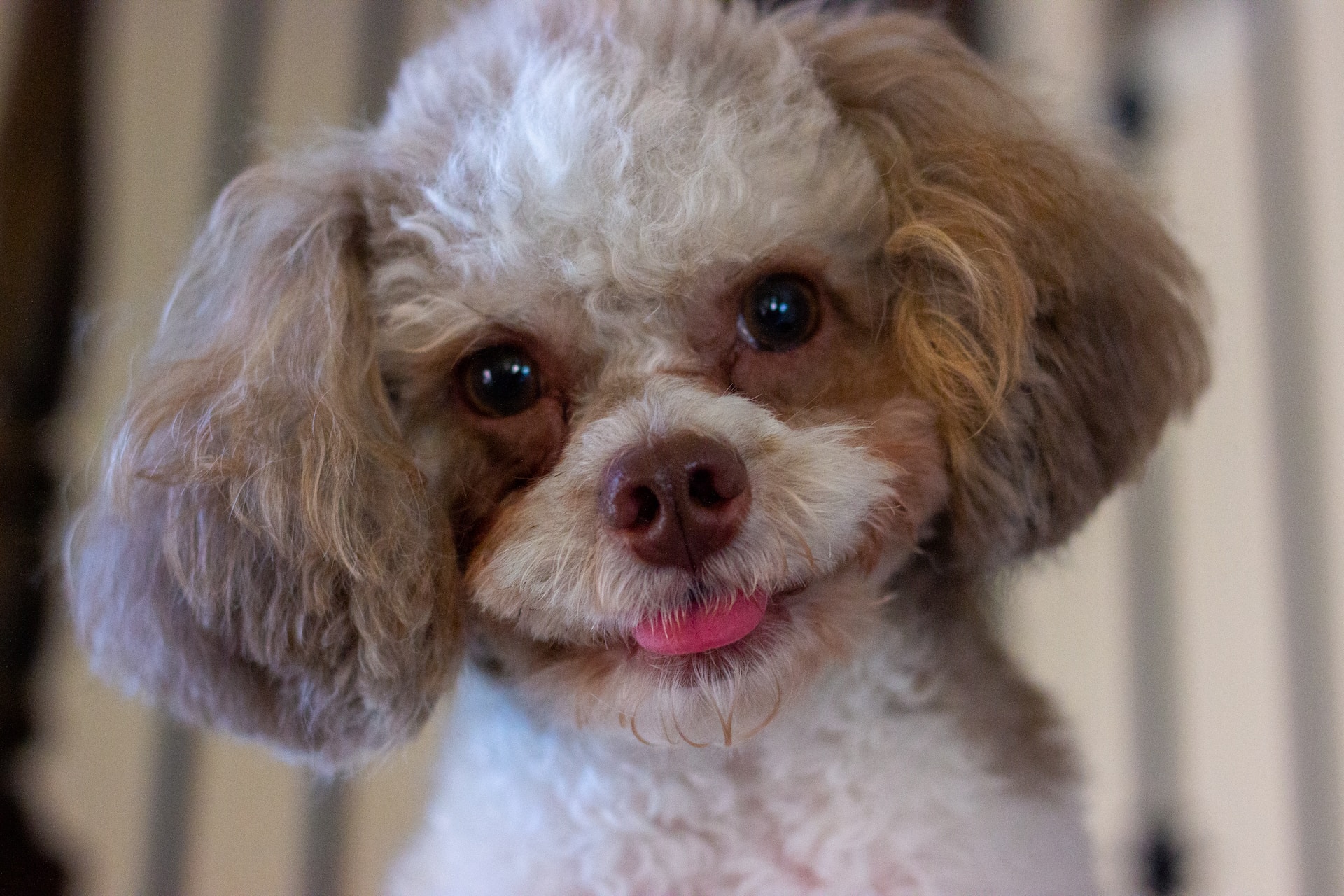
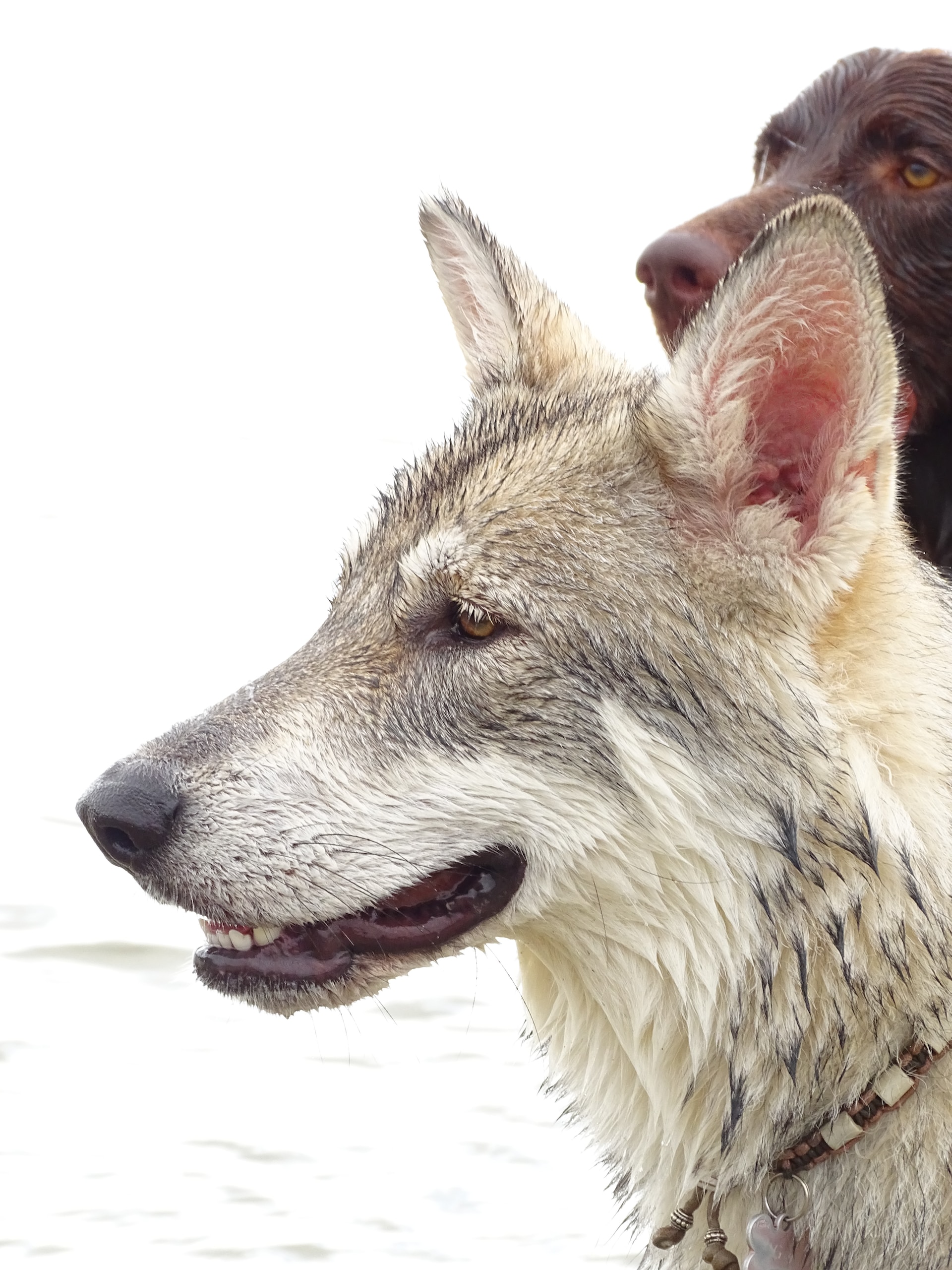
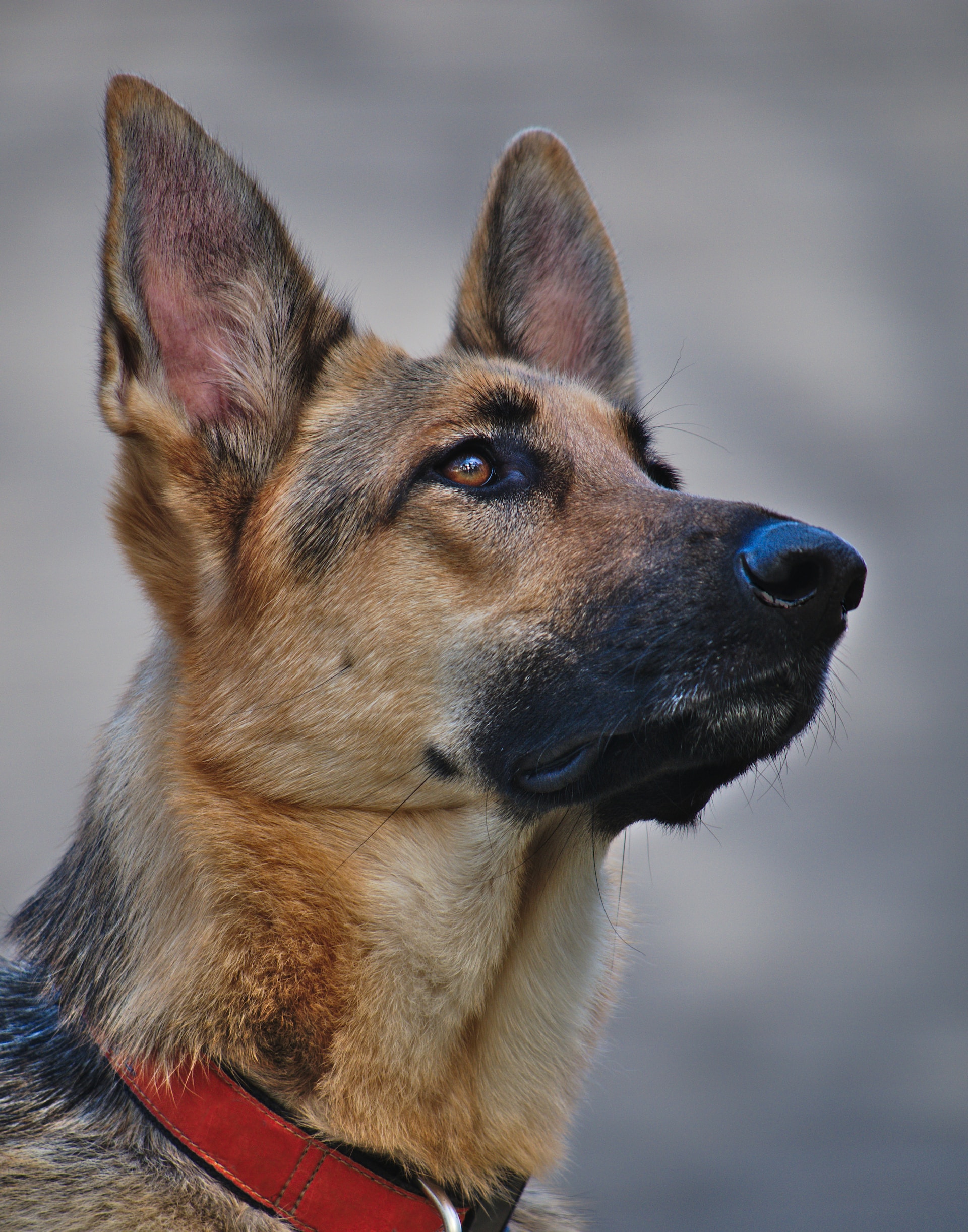
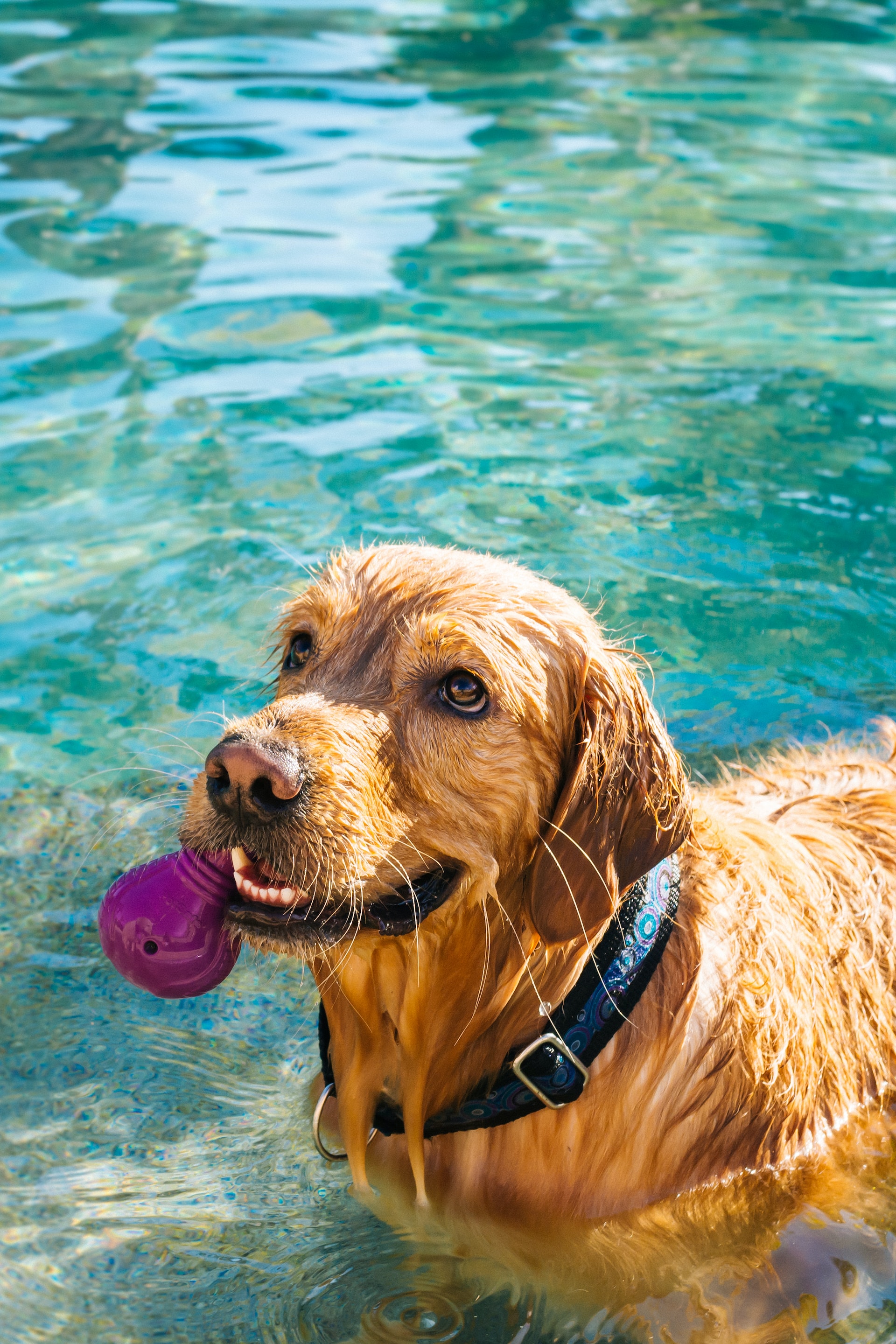
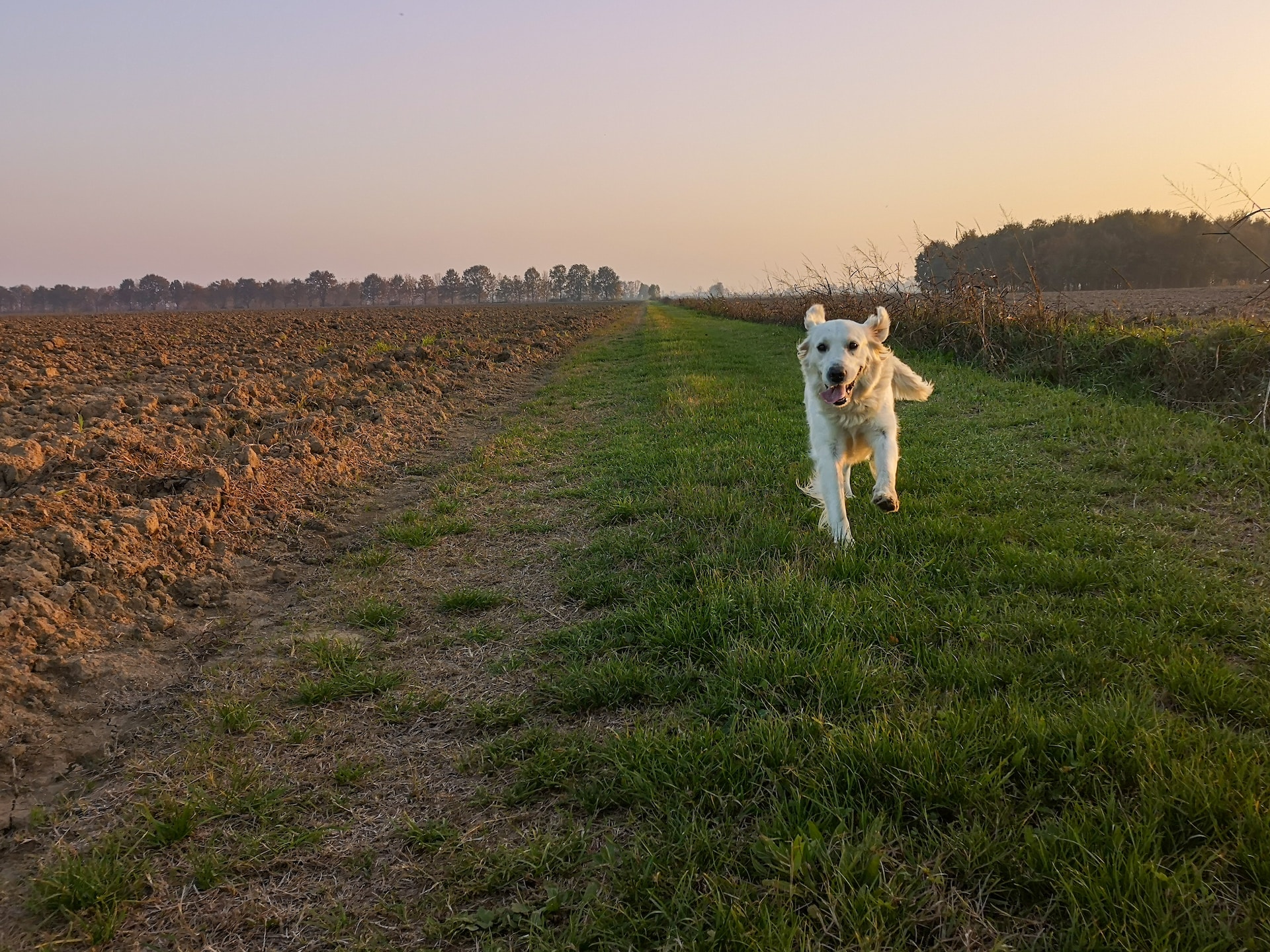
More dogs for the first day of the month of October.
Again, these pictures are taken from Unsplash. Frankly I do not know what I would do if the many photographers had not put their photos for free on this website. I have found a relatively easy way of crediting each photographer.
Back on September 19th I received an email offering me a guest post. It was from Luna Angeni. At first I was highly suspicious thinking of scams and the like and replied: “Before responding further please explain what your niche is?”
Luna replied: “Thank you for your response. I’m working on Animal Health care. It’s the perfect fit for your site.”
I agreed and this is her article.
ooOOoo
How to Control and Prevent Common Dog Diseases Effectively
By Luna Angeni
“Man’s best friend” is a phrase that perfectly defines the deep bond between humans and their canine companions.
It’s our duty to ensure the health and well-being of our furry friends. One of the most critical aspects of canine care is disease prevention and control. This is what we are going to focus on here.
In this blog, we will learn about some effective ways we can control and prevent common dog diseases to keep our canine fellows happy and healthy.
Let’s get started!
Understanding Common Dog Diseases
Dogs, like humans, are susceptible to a range of diseases and health issues.
To effectively control and prevent these complications, we need to understand them first.
Let’s review some common canine diseases:
Canine Parvovirus (Parvo)
Canine parvovirus is a highly contagious and potentially fatal disease that affects puppies and unvaccinated dogs.
It spreads through direct contact with an infected dog or contaminated environment.
Symptoms include:
1. Severe diarrhea
2. Vomiting 3. Lethargy 4. Loss of appetite
To prevent parvo, ensure your dog is up-to-date on vaccinations and avoid areas where the virus may be present.
Canine Distemper
Canine distemper is another contagious viral disease that can be fatal, particularly in puppies.
It affects various body systems and presents symptoms such as:
1. Fever 2. Nasal discharge
3. Coughing 4. Neurological signs
Vaccination is the most effective way to prevent distemper.
Heartworm Disease
Heartworm disease is transmitted through mosquito bites and can be life-threatening if left untreated.
It affects the heart and lungs, leading to symptoms like:
1. Coughing 2. Exercise intolerance
3. Weight loss
Prevention through vaccination is key for this common dog disease.
Preventive Measures for Common Canine Diseases
Preventing common dog diseases is often more manageable than treating them.
Here are some essential preventive measures every dog owner should follow:
Vaccination
Regular vaccination is the cornerstone of disease prevention in dogs.
As your veterinarian recommends, ensure your dog receives all necessary vaccinations against parvovirus, distemper, rabies, and others.
Regular Exercise
Exercise not only keeps your dog physically fit but also mentally stimulated.
Engaging in regular exercise helps boost dogs’ overall health and keeps obesity-related diseases at bay.
Proper Nutrition
A balanced diet is crucial for maintaining a healthy immune system.
Consult your veterinarian to determine the best diet for your dog’s specific needs.
Avoid feeding your canine human food, as some ingredients can be toxic to them.
Hygiene and Cleanliness
Maintaining proper hygiene for your dog and their living environment is essential.
In this regard, you must ensure:
1. Regular grooming 2. Cleaning your dog’s bedding 3. Keeping their living area free from parasites and bacteria
Regular Vet Check-ups
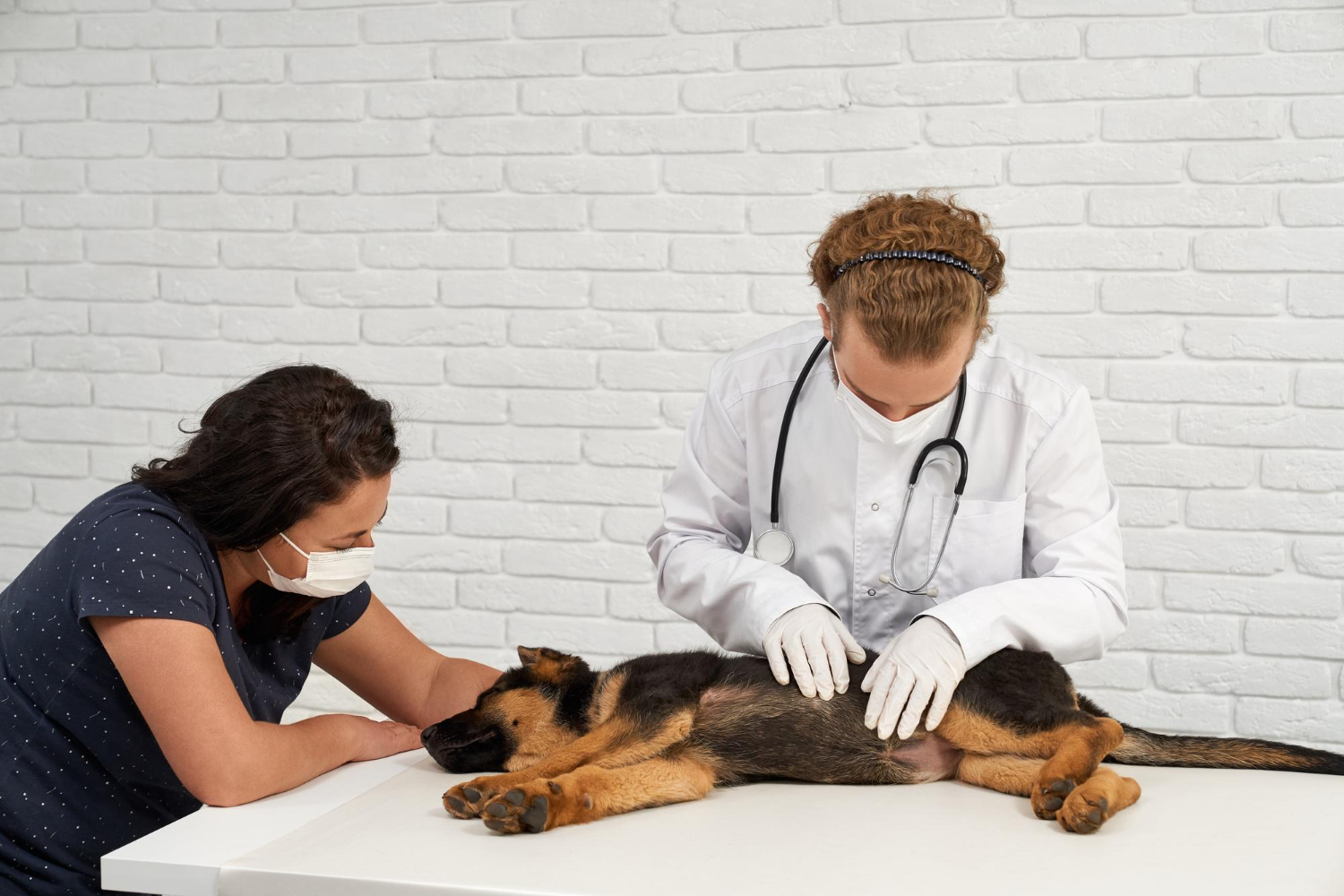
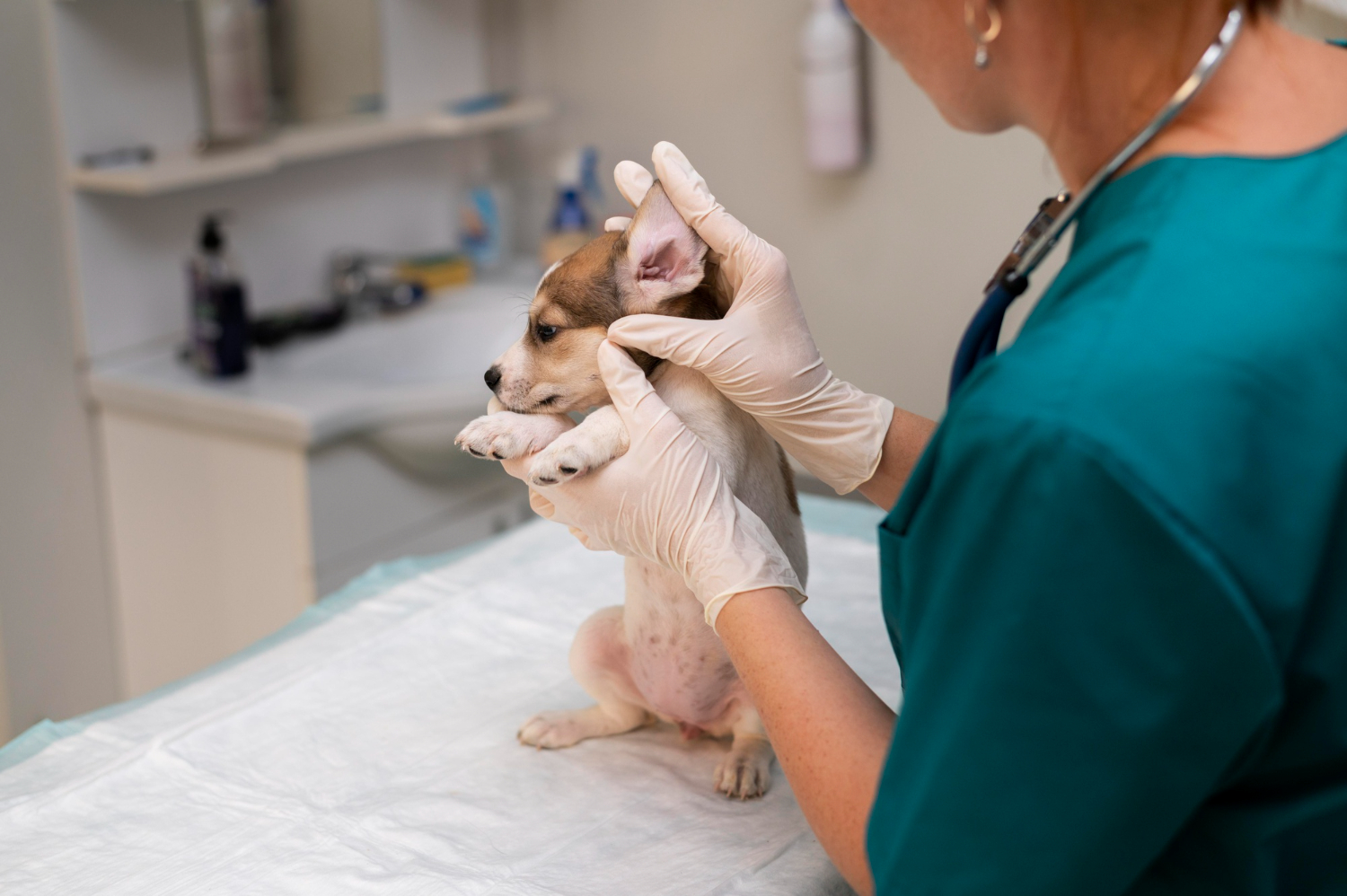
Routine visits to the veterinarian are crucial for early disease detection and prevention.
Your vet can identify potential health issues before they become severe and provide guidance on maintaining your dog’s health.
Recognizing the Signs of Illness
Despite your best efforts, your dog may still fall ill occasionally.
Recognizing the early signs of common dog diseases is essential for prompt treatment.
Here are some common signs of complications in dogs:
Changes in Appetite
A sudden loss of appetite or excessive hunger can indicate a health issue.
So, you must monitor your dog’s eating habits closely.
Changes in Behavior
Drastic changes in behavior, such as increased aggression, withdrawal, or excessive vocalization, can be indicative of pain or discomfort.
Vomiting and Diarrhea
Frequent vomiting or diarrhea can be symptomatic of various diseases, including gastrointestinal complications.
Lethargy
If your dog is unusually lethargic or lacks energy, it could be a sign of an underlying problem.
In such cases, seek a veterinarian’s help immediately.
Breathing Problems
Labored breathing, coughing, or wheezing may suggest respiratory or cardiac problems.
Immediate Action and Veterinary Care
Taking immediate action is essential if you notice any signs of illness or discomfort in your dog.
Contact your veterinarian and follow their guidance.
Early intervention can often make a significant difference in the outcome of the disease.
Conclusion
Your dog’s health is in your hands.
Effective disease control and prevention are crucial for ensuring your furry friend’s long and happy life.
Understanding common dog diseases and treatment and following preventive measures can significantly reduce the risk of complications and provide them with the best possible care.
For more guides on animal health solutions and tips for healthy dogs, you must visit Vet and Tech – a source for online veterinary education.
FAQs
What Vaccinations Does My Dog Need?
Consult your vet for a personalized vaccination schedule. Common dog vaccinations include rabies, distemper, parvovirus, and kennel cough.
What’s the Best Diet for My Dog?
High-quality commercial dog food is a good option. Still, you need to consult your vet for a diet tailored to your dog’s age, breed, and health.
How Often Should I Take My Dog to the Vet?
Generally, annual check-ups are recommended, but older dogs can benefit more from biannual visits. And–puppies may need more frequent check-ups.
ooOOoo
That is a wonderful set of recommendations and advice. Really of no surprise when one considers Luna’s biography:
I am a clinical veterinarian, researcher, and professional content writer. Being a medical professional and a content writer, I hold key writing skills such as Blog writing. I shall provide beautifully crafted, interesting to read, easily understood, highly informative, 100% original, error, and plagiarism-free content.
Luna Angeni
I sincerely hope this will be far from the one and only post!
P.S. I also openly admit that I have featured her blog site Vet and Tech but will also explain that I have no special association with her blog or with Luna Angeni.
A fascinating article about our unique body odour.
I was researching stories that I could republish and was concentrating at first on The Conversation. Then I saw the post for today and went no further. It is primarily about the odour that each of us has.
ooOOoo
Your unique body odor could identify who you are and provide insights into your health – all from the touch of a hand
From the aroma of fresh-cut grass to the smell of a loved one, you encounter scents in every part of your life. Not only are you constantly surrounded by odor, you’re also producing it. And it is so distinctive that it can be used to tell you apart from everyone around you.
Your scent is a complex product influenced by many factors, including your genetics. Researchers believe that a particular group of genes, the major histocompatibility complex, play a large role in scent production. These genes are involved in the body’s immune response and are believed to influence body odor by encoding the production of specific proteins and chemicals.
But your scent isn’t fixed once your body produces it. As sweat, oils and other secretions make it to the surface of your skin, microbes break down and transform these compounds, changing and adding to the odors that make up your scent. This scent medley emanates from your body and settles into the environments around you. And it can be used to track, locate or identify a particular person, as well as distinguish between healthy and unhealthy people.
We areresearchers whospecialize in studying human scent through the detection and characterization of gaseous chemicals called volatile organic compounds. These gases can relay an abundance of information for both forensic researchers and health care providers.
Science of body odor
When you are near another person, you can feel their body heat without touching them. You may even be able to smell them without getting very close. The natural warmth of the human body creates a temperature differential with the air around it. You warm up the air nearest to you, while air that’s farther away remains cool, creating warm currents of air that surround your body.
Researchers believe that this plume of air helps disperse your scent by pushing the millions of skin cells you shed over the course of a day off your body and into the environment. These skin cells act as boats or rafts carrying glandular secretions and your resident microbes – a combination of ingredients that emit your scent – and depositing them in your surroundings.
Your scent is composed of the volatile organic compounds present in the gases emitted from your skin. These gases are the combination of sweat, oils and trace elements exuded from the glands in your skin. The primary components of your odor depend on internal factors such as your race, ethnicity, biological sex and other traits. Secondary components waver based on factors like stress, diet and illness. And tertiary components from external sources like perfumes and soaps build on top of your distinguishable odor profile.
Identity of scent
With so many factors influencing the scent of any given person, your body odor can be used as an identifying feature. Scent detection canines searching for a suspect can look past all the other odors they encounter to follow a scent trail left behind by the person they are pursuing. This practice relies on the assumption that each person’s scent is distinct enough that it can be distinguished from other people’s.
Researchers have been studying the discriminating potential of human scent for over three decades. A 1988 experiment demonstrated that a dog could distinguish identical twins living apart and exposed to different environmental conditions by their scent alone. This is a feat that could not be accomplished using DNA evidence, as identical twins share the same genetic code.
The field of human scent analysis has expanded over the years to further study the composition of human scent and how it can be used as a form of forensic evidence. Researchers have seen differences in human odor composition that can be classified based on sex, gender, race and ethnicity. Our research team’s 2017 study of 105 participants found that specific combinations of 15 volatile organic compounds collected from people’s hands could distinguish between race and ethnicity with an accuracy of 72% for whites, 82% for East Asians and 67% for Hispanics. Based on a combination of 13 compounds, participants could be distinguished as male or female with an overall 80% accuracy.
Researchers have trained dogs to sniff out COVID-19 infections.
Researchers are also producing models to predict the characteristics of a person based on their scent. From a sample pool of 30 women and 30 men, our team built a machine learning model that could predict a person’s biological sex with 96% accuracy based on hand odor.
Scent of health
Odor research continues to provide insights into illnesses. Well-known examples of using scent in medical assessments include seizure and diabetic alert canines. These dogs can give their handlers time to prepare for an impending seizure or notify them when they need to adjust their blood glucose levels.
While these canines often work with a single patient known to have a condition that requires close monitoring, medical detection dogs can also indicate whether someone is ill. For example, researchers have shown that dogs can be trained to detect cancer in people. Canines have also been trained to detect COVID-19 infections at a 90% accuracy rate.
Similarly, our research team found that a laboratory analysis of hand odor samples could discriminate between people who are COVID-19 positive or negative with 75% accuracy.
Forensics of scent
Human scent offers a noninvasive method to collect samples. While direct contact with a surface like touching a doorknob or wearing a sweater provides a clear route for your scent to transfer to that surface, simply standing still will also transfer your odor into the surrounding area.
Although human scent has the potential to be a critical form of forensic evidence, it is still a developing field. Imagine a law enforcement officer collecting a scent sample from a crime scene in hopes that it may match with a suspect.
Further research into human scent analysis can help fill the gaps in our understanding of the individuality of human scent and how to apply this information in forensic and biomedical labs.



















 Learning from Dogs