Category: Culture

Artificial Intelligence and Mars

NASA hasn’t landed humans on Mars yet. But thanks to robotic missions, scientists now know more about the planet’s surface than they did when the movie, The Martian, was released.

Our human knowledge is constantly growing. In many, many directions. Here is a fascinating (well it is to me!) article from The Conversation.

ooOOoo

A decade after the release of ‘The Martian’ and a decade out from the world it envisions, a planetary scientist checks in on real-life Mars exploration

‘The Martian’ protagonist Mark Watney contemplates his ordeal. 20th Century Fox

Ari Koeppel, Dartmouth College

Andy Weir’s bestselling story “The Martian” predicts that by 2035 NASA will have landed humans on Mars three times, perfected return-to-Earth flight systems and collaborated with the China National Space Administration. We are now 10 years past the Hollywood adaptation’s 2015 release and 10 years shy of its fictional timeline. At this midpoint, Mars exploration looks a bit different than how it was portrayed in “The Martian,” with both more discoveries and more controversy.

As a planetary geologist who works with NASA missions to study Mars, I follow exploration science and policy closely. In 2010, the U.S. National Space Policy set goals for human missions to Mars in the 2030s. But in 2017, the White House Space Policy Directive 1 shifted NASA’s focus toward returning first to the Moon under what would become the Artemis program.

Although concepts for crewed missions to Mars have gained popularity, NASA’s actual plans for landing humans on Mars remain fragile. Notably, over the last 10 years, it has been robotic, rather than crewed, missions that have propelled discovery and the human imagination forward.

A diagram showing the steps from lunar missions to Mars missions. The steps in the current scope are labeled 'Human presence on Moon,' 'Practice for Mars Exploration Demo' and 'Demo exploration framework on Mars.' The partial scope step is labeled 'Human presence on Mars.'
NASA’s 2023 Moon to Mars Strategy and Objectives Development document lays out the steps the agency was shooting for at the time, to go first to the Moon, and from there to Mars. NASA

Robotic discoveries

Since 2015, satellites and rovers have reshaped scientists’ understanding of Mars. They have revealed countless insights into how its climate has changed over time.

As Earth’s neighbor, climate shifts on Mars also reflect solar system processes affecting Earth at a time when life was first taking hold. Thus, Mars has become a focal point for investigating the age old questions of “where do we come from?” and “are we alone?

The Opportunity, Curiosity and Perseverance rovers have driven dozens of miles studying layered rock formations that serve as a record of Mars’ past. By studying sedimentary layers – rock formations stacked like layers of a cake – planetary geologists have pieced together a vivid tale of environmental change that dwarfs what Earth is currently experiencing.

Mars was once a world of erupting volcanoes, glaciers, lakes and flowing rivers – an environment not unlike early Earth. Then its core cooled, its magnetic field faltered and its atmosphere drifted away. The planet’s exposed surface has retained signs of those processes ever since in the form of landscape patterns, sequences of layered sediment and mineral mixtures.

Rock shelves layered on top of each other, shown from above.
Layered sedimentary rocks exposed within the craters of Arabia Terra, Mars, recording ancient surface processes. Photo from the Mars Reconnaissance Orbiter High Resolution Imaging Science Experiment. NASA/JPL/University of Arizona

Arabia Terra

One focus of scientific investigation over the last 10 years is particularly relevant to the setting of “The Martian” but fails to receive mention in the story. To reach his best chance of survival, protagonist Mark Watney, played by Matt Damon, must cross a vast, dusty and crater-pocked region of Mars known as Arabia Terra.

In 2022 and 2023, I, along with colleagues at Northern Arizona University and Johns Hopkins University, published detailed analyses of the layered materials there using imagery from the Mars Reconnaissance Orbiter and Mars Odyssey satellites.

By using infrared imagery and measuring the dimensions of surface features, we linked multiple layered deposits to the same episodes of formation and learned more about the widespread crumbling nature of the terrain seen there today. Because water tends to cement rock tightly together, that loose material indicates that around 3.5 billion years ago, that area had a drying climate.

To make the discussions about this area easier, we even worked with the International Astronomical Union to name a few previously unnamed craters that were mentioned in the story. For example, one that Watney would have driven right by is now named Kozova Crater, after a town in Ukraine.

More to explore

Despite rapid advances in Mars science, many unknowns remain. Scientists still aren’t sure of the precise ages, atmospheric conditions and possible signatures of life associated with each of the different rock types observed on the surface.

For instance, the Perseverance rover recently drilled into and analyzed a unique set of rocks hosting organic – that is, carbon-based – compounds. Organic compounds serve as the building blocks of life, but more detailed analysis is required to determine whether these specific rocks once hosted microbial life.

The in-development Mars Sample Return mission aims to address these basic outstanding questions by delivering the first-ever unaltered fragments of another world to Earth. The Perseverance rover is already caching rock and soil samples, including ones hosting organic compounds, in sealed tubes. A future lander will then need to pick up and launch the caches back to Earth.

Sampling Mars rocks could tell scientists more about the red planet’s past, and whether it could have hosted life.

Once home, researchers can examine these materials with instruments orders of magnitude more sensitive than anything that could be flown on a spacecraft. Scientists stand to learn far more about the habitability, geologic history and presence of any signs of life on Mars through the sample return campaign than by sending humans to the surface.

This perspective is why NASA, the European Space Agency and others have invested some US$30 billion in robotic Mars exploration since the 1960s. The payoff has been staggering: That work has triggered rapid technological advances in robotics, telecommunications and materials science. For example, Mars mission technology has led to better sutures for heart surgery and cars that can drive themselves.

It has also bolstered the status of NASA and the U.S. as bastions of modern exploration and technology; and it has inspired millions of students to take an interest in scientific fields.
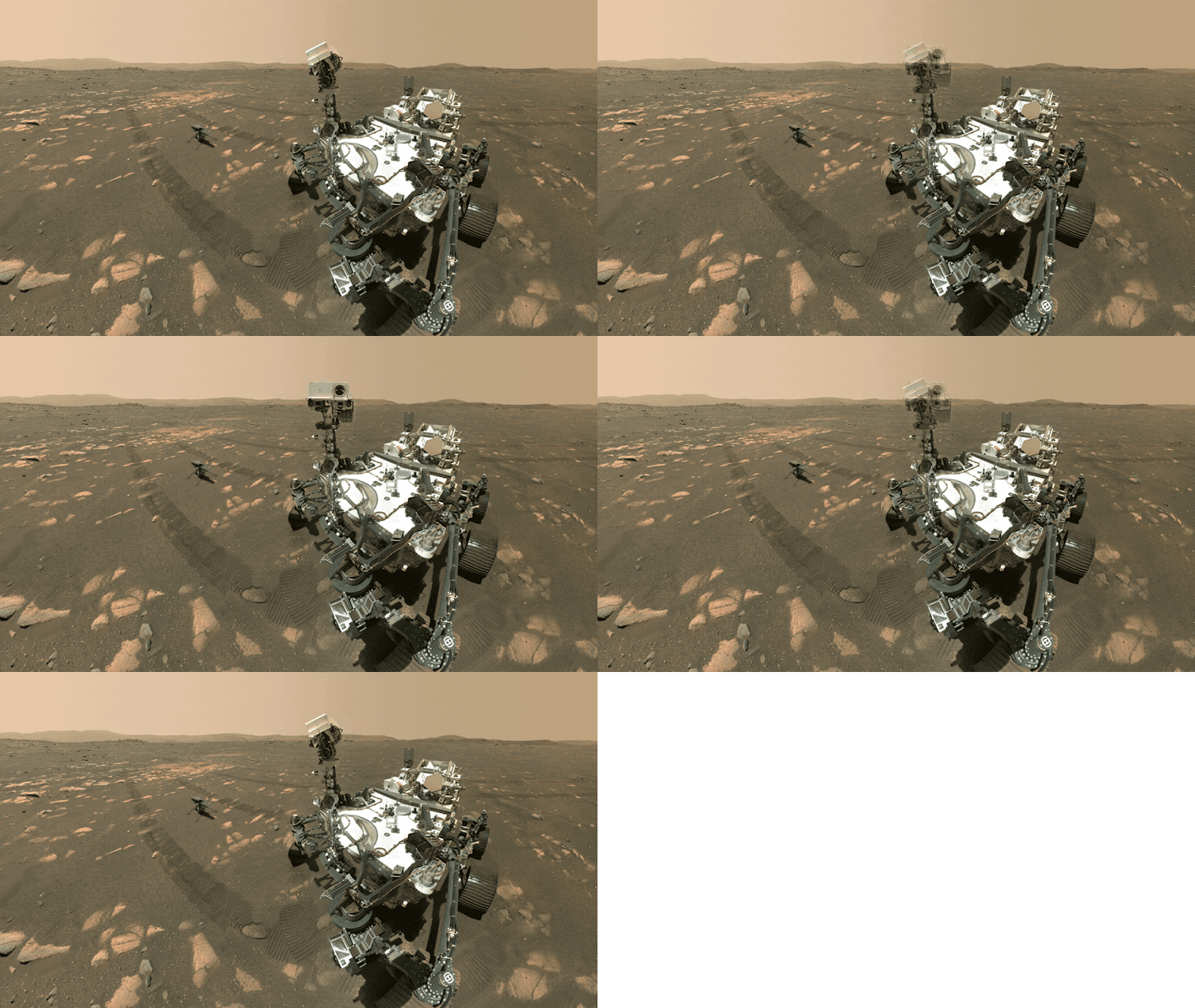
The Perseverance rover and the Ingenuity helicopter on the Martian surface, with the rover's camera moving to look down at Ingenuity.
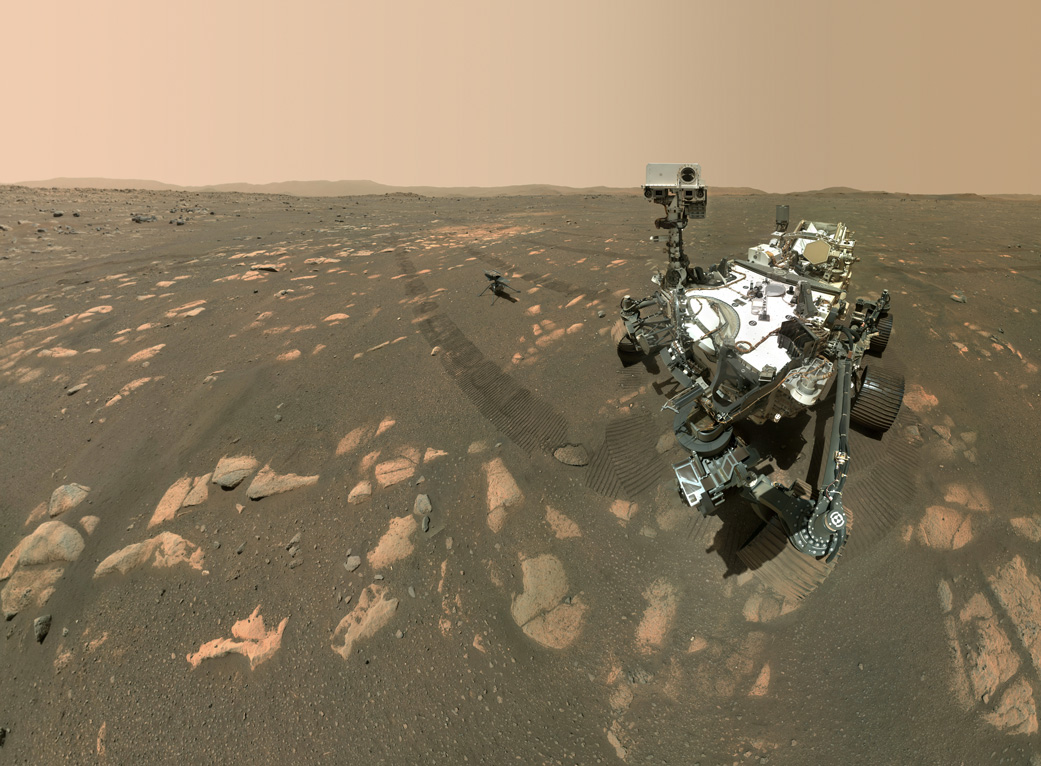
A selfie from NASA’s Perseverance Mars rover with the Ingenuity helicopter, taken with the rover’s extendable arm on April 6, 2021. NASA/JPL-Caltech/MSSS

Calling the red planet home?

Colonizing Mars has a seductive appeal. It’s hard not to cheer for the indomitable human spirit while watching Watney battle dust storms, oxygen shortages and food scarcity over 140 million miles from rescue.

Much of the momentum toward colonizing Mars is now tied to SpaceX and its CEO Elon Musk, whose stated mission to make humanity a “multi-planetary species” has become a sort of rallying cry. But while Mars colonization is romantic on paper, it is extremely difficult to actually carry out, and many critics have questioned the viability of a Mars habitation as a refuge far from Earth.

Now, with NASA potentially facing a nearly 50% reduction to its science budget, the U.S. risks dissolving its planetary science and robotic operations portfolio altogether, including sample return.

Nonetheless, President Donald Trump and Musk have pushed for human space exploration to somehow continue to progress, despite those proposed cuts – effectively sidelining the robotic, science-driven programs that have underpinned all of Mars exploration to date.

Yet, it is these programs that have yielded humanity’s richest insights into the red planet and given both scientists and storytellers like Andy Weir the foundation to imagine what it must be like to stand on Mars’ surface at all.

Ari Koeppel, Postdoctoral Scientist in Earth and Planetary Science, Dartmouth College

This article is republished from The Conversation under a Creative Commons license. Read the original article.

ooOOoo

Nothing to add from yours truly except to say that this quote is highly relevant: “Challenges are what make life interesting and overcoming them is what makes life meaningful.” – Joshua J. Marine

(And this was the result of me looking online for quotes and coming across 50 quotes from USA Today.)

Yellowstone National Park

An amazing National Park!

Alex, my son, and his partner, Lisa, are coming to see us later today. They arrived in Portland on Sunday, 11th but first of all wanted to see Yellowstone.

Here is an extract from Wikipedia about the Park.

Yellowstone National Park is a national park of the United States located in the northwest corner of Wyoming, with small portions extending into Montana and Idaho. It was established by the 42nd U.S. Congress through the Yellowstone National Park Protection Act and signed into law by President Ulysses S. Grant on March 1, 1872. Yellowstone was the first national park in the US, and is also widely understood to be the first national park in the world. The park is known for its wildlife and its many geothermal features, especially the Old Faithful geyser, one of its most popular. While it represents many types of biomes, the subalpine forest is the most abundant. It is part of the South Central Rockies forests ecoregion.

Here is a YouTube video of the Park:

The magic of gratitude

A fascinating article!

Nothing more to add from me!

ooOOoo

Gratitude comes with benefits − a social psychologist explains how to practice it when times are stressful

If the concept of journaling feels daunting, perhaps just call it a gratitude list. Karl Tapales/Moment via Getty Images

Monica Y. Bartlett, Gonzaga University

A lot has been written about gratitude over the past two decades and how we ought to be feeling it. There is advice for journaling and a plethora of purchasing options for gratitude notebooks and diaries. And research has consistently pointed to the health and relationship benefits of the fairly simple and cost-effective practice of cultivating gratitude.

Yet, Americans are living in a very stressful time, worried about their financial situation and the current political upheaval.

How then do we practice gratitude during such times?

I am a social psychologist who runs the Positive Emotion and Social Behavior Lab at Gonzaga University. I teach courses focused on resilience and human flourishing. I have researched and taught about gratitude for 18 years.

At the best of times, awareness of the positive may require more effort than noticing the negative, let alone in times of heightened distress. There are, however, two simple ways to work on this.

A team of soccer players lift their coach into the air, as she smiles and high fives the air.
Expressions of gratitude can take many different forms. Lighthouse Films/DigitalVision via Getty Images

Gratitude doesn’t always come easily

Generally, negative information captures attention more readily than the positive. This disparity is so potent that it’s called the negativity bias. Researchers argue that this is an evolutionary adaptation: Being vigilant for life’s harms was essential for survival.

Yet, this means that noticing the kindnesses of others or the beauty the world has to offer may go unnoticed or forgotten by the end of the day. That is to our detriment.

Gratitude is experienced as a positive emotion. It results from noticing that others − including friends and family certainly, but also strangers, a higher power or the planet − have provided assistance or given something of value such as friendship or financial support. By definition, gratitude is focused on others’ care or on entities outside of oneself. It is not about one’s own accomplishments or luck.

When we feel gratitude toward something or someone, it can increase well-being and happiness and relationship satisfaction, as well as lower depression.

Thus, it may assist in counteracting the negativity bias by helping us find and remember the good that others are doing for us every day − the good that we may lose sight of in the best of times, let alone in times when Americans are deeply stressed.

A middle-aged woman sits at a kitchen table between two older women, all of whom are laughing joyously.
We feel gratitude more easily when we notice the good that others have brought into our lives. Catherine Falls Commercial/Moment via Getty Images

How to practice gratitude

Research has shown that some people are naturally more grateful than others.

But it’s also clear that gratitude can be cultivated through practice. People can improve their ability to notice and feel this positive emotion.

One way to do this is to try a gratitude journal. Or, if the idea of journaling is daunting or annoying, perhaps call it a daily list instead. If you have given this a try and dislike it, skip to the second method below.

Gratitude lists are designed to create a habit in which you scan your day looking for the positive outcomes that others have brought into your life, no matter how small. Writing down several experiences each day that went well because of others may make these positive events more visible to you and more memorable by the end of the day − thus, boosting gratitude and its accompanying benefits.

While the negative news − “The stock market is down again!” “How are tariffs going to affect my financial security?” − is clearly drawing attention, a gratitude list is meant to help highlight the positive so that it doesn’t go overlooked.

The negative doesn’t need help gaining attention, but the positive might.

A second method for practicing gratitude is expressing that gratitude to others. This can look like writing a letter of gratitude and delivering it to someone who has made a positive impact in your life.

When my students do this exercise, it often results in touching interactions. For instance, my college students often write to high school mentors, and those adults are regularly moved to tears to learn of the positive impact they had. Expressing gratitude in work settings can boost employees’ sense of social worth.

In a world that may currently feel bleak, a letter of gratitude may not only help the writer recognize the good of others but also let others know that they are making a beautiful difference in the world.

Monica Y. Bartlett, Professor of Psychology, Gonzaga University

This article is republished from The Conversation under a Creative Commons license. Read the original article.

ooOOoo

I like the suggestions for practicing gratitude and I am going to reproduce that last sentence from Monica, namely: ‘In a world that may currently feel bleak, a letter of gratitude may not only help the writer recognize the good of others but also let others know that they are making a beautiful difference in the world.

I would add sending an email to that person as well is a good move.

The recycling of plastics.

It is not as straightforward as I thought it was.

ooOOoo

How single-stream recycling works − your choices can make it better

Successful recycling requires some care. Alejandra Villa Loarca/Newsday RM via Getty Images

Alex Jordan, University of Wisconsin-Stout

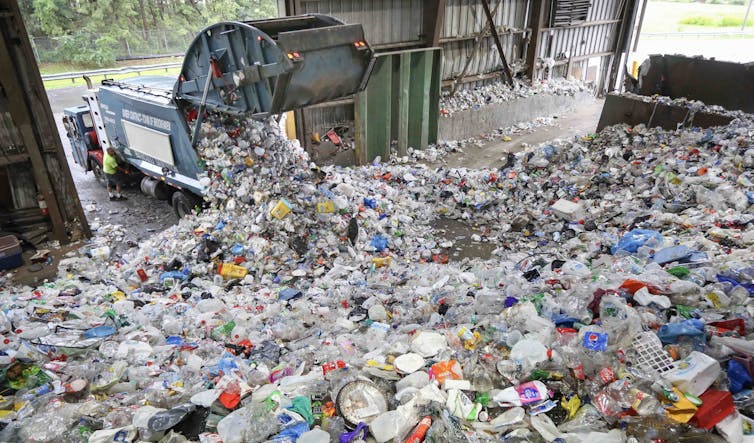
Every week, millions of Americans toss their recyclables into a single bin, trusting that their plastic bottles, aluminum cans and cardboard boxes will be given a new life.

But what really happens after the truck picks them up?

Single-stream recycling makes participating in recycling easy, but behind the scenes, complex sorting systems and contamination mean a large percentage of that material never gets a second life. Reports in recent years have found 15% to 25% of all the materials picked up from recycle bins ends up in landfills instead.

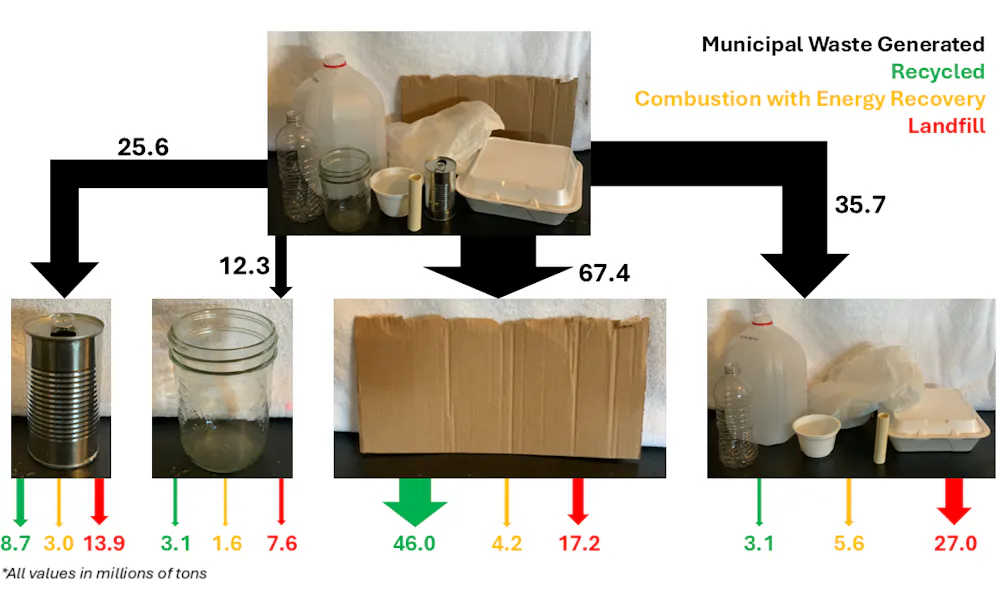
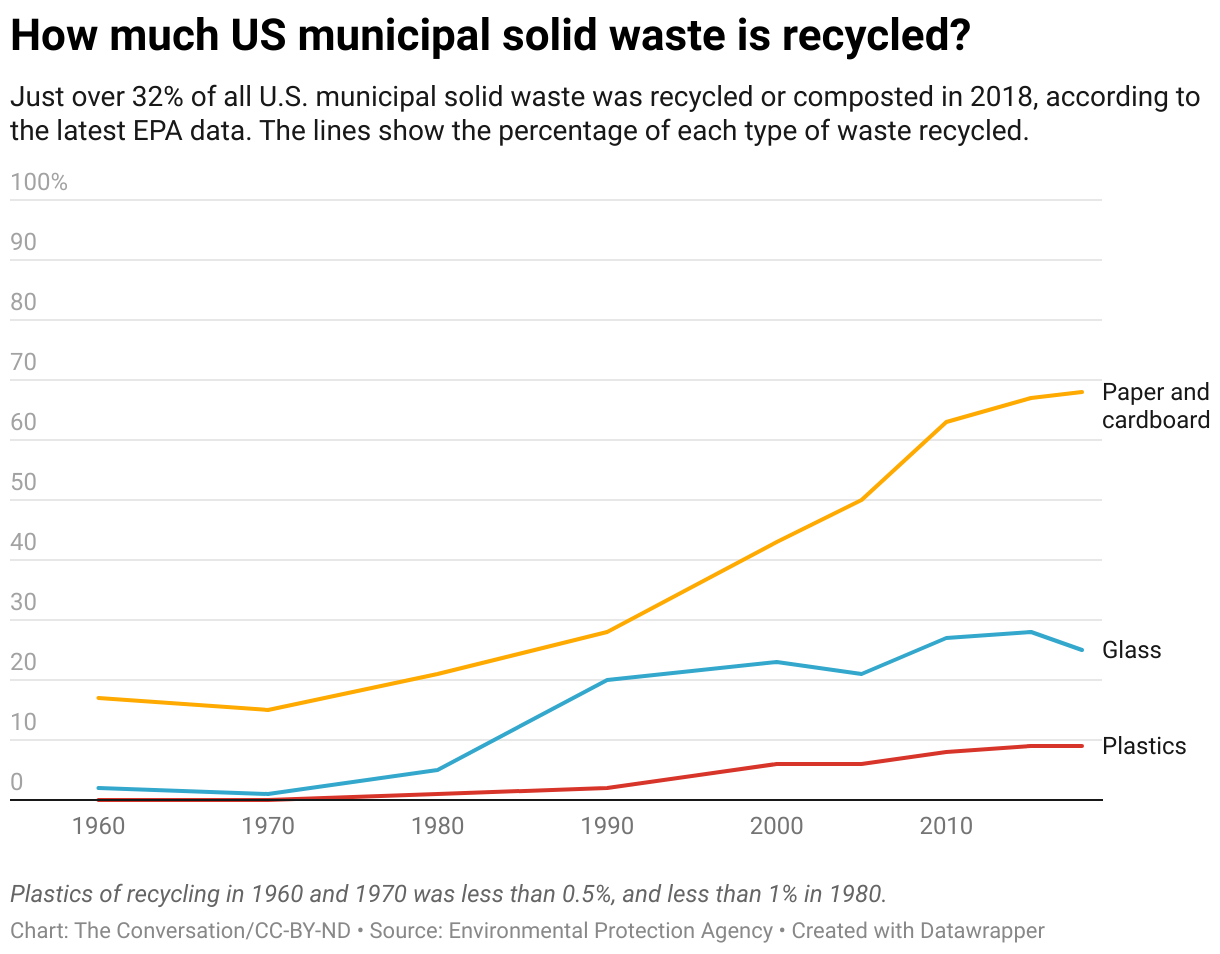
Plastics are among the biggest challenges. Only about 9% of the plastic generated in the U.S. actually gets recycled, according to the Environmental Protection Agency. Some plastic is incinerated to produce energy, but most of the rest ends up in landfills instead.

Photos and arrows show how much of each type of product is recycled.
A breakdown of U.S. recycling by millions of tons shows about two-thirds of all paper and cardboard gets a second life, but only about a third of metal, a quarter of glass and less than 10% of plastics do. Alex Jordan/University of Wisconsin-Stout

So, what makes plastic recycling so difficult? As an engineer whose work focuses on reprocessing plastics, I have been exploring potential solutions.

How does single-stream recycling work?

In cities that use single-stream recycling, consumers put all of their recyclable materials − paper, cardboard, plastic, glass and metal − into a single bin. Once collected, the mixed recyclables are taken to a materials recovery facility, where they are sorted.

First, the mixed recyclables are shredded and crushed into smaller fragments, enabling more effective separation. The mixed fragments pass over rotating screens that remove cardboard and paper, allowing heavier materials, including plastics, metals and glass, to continue along the sorting line.

The basics of a single-stream recycling system in Pennsylvania. Source: Van Dyk Recycling Solutions.

Magnets are used to pick out ferrous metals, such as steel. A magnetic field that produces an electrical current with eddies sends nonferrous metals, such as aluminum, into a separate stream, leaving behind plastics and glass.

The glass fragments are removed from the remaining mix using gravity or vibrating screens.

That leaves plastics as the primary remaining material.

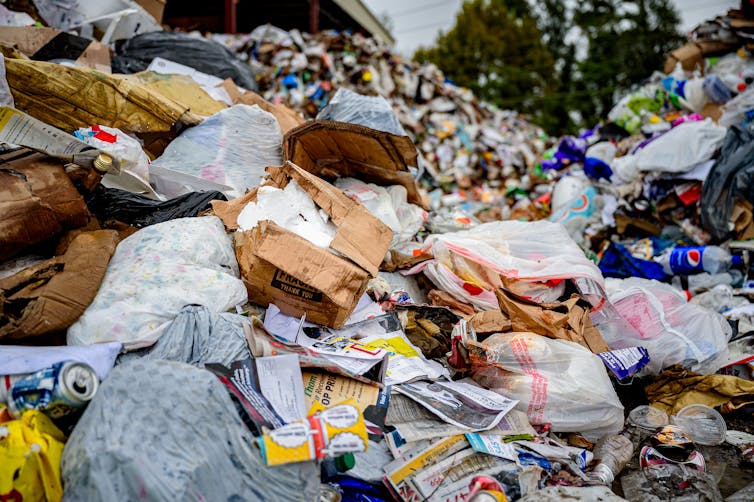
While single-stream recycling is convenient, it has downsides. Contamination, such as food residue, plastic bags and items that can’t be recycled, can degrade the quality of the remaining material, making it more difficult to reuse. That lowers its value.

Having to remove that contamination raises processing costs and can force recovery centers to reject entire batches.

A mound of items send for recycling includes a lot of plastic bags.
Plastic bags, food residue and items that can’t be recycled can contaminate a recycling stream. City of Greenville, N.C./Flickr

Which plastics typically can’t be recycled?

Each recycling program has rules for which items it will and won’t take. You can check which items can and cannot be recycled for your specific program on your municipal page. Often, that means checking the recycling code stamped on the plastic next to the recycling icon.

These are the toughest plastics to recycle and most likely to be excluded in your local recycling program:

  • Symbol 3 – Polyvinyl chloride, or PVC, found in pipes, shower curtains and some food packaging. It may contain harmful additives such as phthalates and heavy metals. PVC also degrades easily, and melting can release toxic fumes during recycling, contaminating other materials and making it unsafe to process in standard recycling facilities.
  • Symbol 4 – Low-density polyethylene, or LDPE, is often used in plastic bags and shrink-wrap. Because it’s flexible and lightweight, it’s prone to getting tangled in sorting machinery at recycling plants.
  • Symbol 6 – Polystyrene, often used in foam cups, takeout containers and packing peanuts. Because it’s lightweight and brittle, it’s difficult to collect and process and easily contaminates recycling streams.

Which plastics to include

That leaves three plastics that can be recycled in many facilities:

However, these aren’t accepted in some facilities for reasons I’ll explain.

Taking apart plastics, bead by bead

Some plastics can be chemically recycled or ground up for reprocessing, but not all plastics play well together.

Simple separation methods, such as placing ground-up plastics in water, can easily remove your soda bottle plastic (PET) from the mixture. The ground-up PET sinks in water due to the plastic’s density. However, HDPE, used in milk jugs, and PP, found in yogurt cups, both float, and they can’t be recycled together. So, more advanced and expensive technology, such as infrared spectroscopy, is often required to separate those two materials.

Once separated, the plastic from your soda bottle can be chemically recycled through a process called solvolysis.

It works like this: Plastic materials are formed from polymers. A polymer is a molecule with many repeating units, called monomers. Picture a pearl necklace. The individual pearls are the repeating monomer units. The string that runs through the pearls is the chemical bond that joins the monomer units together. The entire necklace can then be thought of as a single molecule.

During solvolysis, chemists break down that necklace by cutting the string holding the pearls together until they are individual pearls. Then, they string those pearls together again to create new necklaces.

Other chemical recycling methods, such as pyrolysis and gasification, have drawn environmental and health concerns because the plastic is heated, which can release toxic fumes. But chemical recycling also holds the potential to reduce both plastic waste and the need for new plastics, while generating energy.

The problem of yogurt cups and milk jugs

The other two common types of recycled plastics − items such as yogurt cups (PP) and milk jugs (HDPE) − are like oil and water: Each can be recycled through reprocessing, but they don’t mix.

If polyethylene and polypropylene aren’t completely separated during recycling, the resulting mix can be brittle and generally unusable for creating new products.

Chemists are working on solutions that could increase the quality of recycled plastics through mechanical reprocessing, typically done at separate facilities.

One promising mechanical method for recycling mixed plastics is to incorporate a chemical called a compatibilizer. Compatibilizers contain the chemical structure of multiple different polymers in the same molecule. It’s like how lecithin, commonly found in egg yolks, can help mix oil and water to make mayonnaise − part of the lecithin molecule is in the oil phase and part is in the water phase.

In the case of yogurt cups and milk jugs, recently developed block copolymers are able to produce recycled plastic materials with the flexibility of polyethylene and the strength of polypropylene.

Improving recycling

Research like this can make recycled materials more versatile and valuable and move products closer to a goal of a circular economy without waste.

However, improving recycling also requires better recycling habits.

You can help the recycling process by taking a few minutes to wash off food waste, avoiding putting plastic bags in your recycling bin and, importantly, paying attention to what can and cannot be recycled in your area.

Alex Jordan, Associate Professor of Plastics Engineering, University of Wisconsin-Stout

This article is republished from The Conversation under a Creative Commons license. Read the original article.

ooOOoo

Can we all learn to be better at recycling in the face of so much world ‘news’!

Beautiful shots of Jupiter

Just lucky to be in the right place at the right time!

As in taken from our deck facing East just after 5am Pacific Daylight Time

oooo

The above two photographs were taken in the early morning of the 14th April, 2025 with my Nikon D750 camera.

Here’s an extract from WikiPedia about the planet Jupiter.

Jupiter is the fifth planet from the Sun and the largest in the Solar System. It is a gas giant with a mass more than 2.5 times that of all the other planets in the Solar System combined and slightly less than one-thousandth the mass of the Sun. Its diameter is eleven times that of Earth and a tenth that of the Sun. Jupiter orbits the Sun at a distance of 5.20 AU (778.5 Gm), with an orbital period of 11.86 years. It is the third-brightest natural object in the Earth’s night sky, after the Moon and Venus, and has been observed since prehistoric times. Its name derives from that of Jupiter, the chief deity of ancient Roman religion.

Improving equality

An extremely powerful new essay from George Monbiot.

While this post from G. Monbiot is about politics, I think it goes far beyond that. Hence my reason for republishing this essay, with George Monbiot’s permission. When I will die is not known but surely I will in the next ten years or so. I really want to leave this world seeing everything improving, from the lessening of the change in our climate, to a reduction in world fighting, to a greater equality for all.

Please, please be wrong, Mr. Monbiot.

ooOOoo

The Urge to Destroy

Posted on14th April 2025

It’s a cast-iron relationship: the more unequal a society becomes, the better the far right does. Here’s why. 

By George Monbiot, published in the Guardian  13th April 2025

“He’s really gone and done it this time. Now everyone can see what a disaster he is.” How many times have we heard this about Donald Trump? And how many times has it been proved wrong? Well, maybe this time he really has overstepped. After all, his clowning around with tariffs, sparking trade wars, then suddenly reversing his position, could provoke a global recession, perhaps even a depression. Surely his supporters will disown him? But I’m not banking on it, and this is why.

Already, Trump has waged war on everything that builds prosperity and wellbeing: democracy, healthy ecosystems, education, healthcare, science, the arts. Yet, amid the wreckage, and despite some slippage, his approval ratings still hold between 43 and 48%: far higher than those of many other leaders. Why? I believe part of the answer lies in a fundamental aspect of our humanity: the urge to destroy that from which you feel excluded.

This urge, I think, is crucial to understanding politics. Yet hardly anyone seems to recognise it. Hardly anyone, that is, except the far right, who see it all too well.

In many parts of the world, and the US in particular, inequality has risen sharply since the late 1970s. (The UK tracks this trend.) The world’s billionaires became $2tn richer last year, while the number of people living below the global poverty line is more or less unchanged since 1990.

There is strong evidence of a causal association between growing inequality and the rise of populist authoritarian movements. A paper in the Journal of European Public Policy found that a one-unit rise in the Gini coefficient (a standard measure of inequality) increases support for demagogues by 1%.

Why might this be? There are various, related explanations: feelings of marginalisationstatus anxiety and social threat, insecurity triggering an authoritarian reflex and a loss of trust in other social groups. At the root of some of these explanations, I feel, is something deeply embedded in the human psyche: if you can’t get even, get mean.

In the US, a high proportion of the population is excluded from many of the benefits I’ve listed. Science might lead to medical breakthroughs, but not, perhaps, for people who can’t afford health insurance. A university education might open doors, but only if you’re prepared to carry tens or hundreds of thousands of dollars of debt. Art and theatre and music improve our lives: good for those who can buy the tickets. So do national parks, but only if you can afford to visit them.

Democracy, we are told, allows people a voice in politics. But only, it seems, if they have a few million to give to a political party. As the political scientist Prof Martin Gilens notes in his book Affluence and Influence: “Under most circumstances, the preferences of the vast majority of Americans appear to have essentially no impact on which policies the government does or doesn’t adopt.” GDP growth was strong under Joe Biden, but as the economics professor Jason Furman points out: “From 2019 to 2023, inflation-adjusted household income fell, and the poverty rate rose.” GDP and social improvement are no longer connected.

All those good things? Sorry, they’re not for you. If you feel an urge to tear it all down, to burn the whole stinking, hypocritical, exclusive system to the ground, Trump is your man. Or so he claims. In reality his entire performance is both a distraction from and an accelerant of spiralling inequality. He can hardly lose: the more he exacerbates inequality, the more he triggers an urge for revenge against his scapegoats: immigrants, trans people, scientists, teachers, China.

But such killer clowns can’t pull this off by themselves. Their most effective recruiters are centrist parties paralysed in the face of economic power. In hock to rich funders, terrified of the billionaire media, for decades they have been unable even to name the problem, let alone address it. Hence the spectacular uselessness of the Democrats’ response to Trump. As the US journalist Hamilton Nolan remarks: “One party is out to kill, and the other is waiting for its leaders to die.”

In the UK, Labour, like the Democrats, has long assured itself that it doesn’t matter how wide economic disparities are, as long as the poorest are raised up. Now it has abandoned even that caveat: we can cut benefits, so long as GDP grows. But it does matter. It matters very much. A vast array of evidence, brought together in 2009 in The Spirit Level by Richard Wilkinson and Kate Pickett and updated in 2024, shows that inequality exerts a massive influence on social, economic, environmental and political outcomes, regardless of people’s absolute positions.

If there is a such a thing as Starmerism, it collapses in the face of a paper published by the political scientists Leonardo Baccini and Thomas Sattler last year, which finds that austerity increases support for the radical right in economically vulnerable regions. (My emboldening. PH) Austerity, they found, is the key variable: without it, less-educated people are no more likely to vote for rightwing demagogues than highly educated people are. In other words, Keir Starmer and Rachel Reeves are busily handing their core constituencies to Nigel Farage.

Of course, they deny they’re imposing austerity, using a technical definition that means nothing to those on the sharp end. Austerity is what the poor experience, while they must watch the rich and upper middle classes, under a Labour government, enjoy ever greater abundance.

Starmer and his minions suggest there’s nothing they can do: wealthy people are already taxed to the max. As private jets and helicopters cross the skies, anyone can see this is nonsense. Of all the remarkable things I stumbled across while researching this column, the following is perhaps the most jaw-dropping. On the most recent (2022) figures, once benefits have been paid, the Gini coefficient for gross income in the UK scarcely differs from the Gini coefficient for post-tax income. In other words, the gap between the rich and the poor is rougly the same after taxes are levied, suggesting that taxation has no further significant effect on income distribution. How could this possibly be true, when the rich pay higher rates of income tax? It’s because the poor surrender a much higher proportion of their income in sales taxes, such as VAT. So much for no further options. So much for Labour “realism”.

The one thing that can stop the rise of the far right is the one thing mainstream parties are currently not prepared to deliver: greater equality. The rich should be taxed more, and the revenue used to improve the lives of the poor. However frantically centrist parties avoid the issue, there is no other way.

www.monbiot.com

ooOOoo

George writes about Britain but my judgement is that this issue is not limited to that country; I suspect it is a far wider problem. Did you know that Finland is the world’s happiest country?

An extract of that article: “Finland has been ranked as the world’s happiest country for the eighth successive year, with experts citing access to nature and a strong welfare system as factors.

It came ahead of three other Nordic countries in this year’s UN-sponsored World Happiness Report, while Latin America’s Costa Rica and Mexico entered the top 10 for the first time.

Both the UK and the US slipped down the list to 23rd and 24th respectively – the lowest-ever position for the latter.”

A guide to staying fulfilled in later life.

This article in The Conversation spoke to me!

So it is the 1st April and, here in Oregon, we had over half-an-inch of rain yesterday; Spring hasn’t yet arrived!

I’m at the age where I think much more about dying than I used to, say, ten years ago. Frankly, I’m not ready to go yet!

So when I saw this article from The Conversation I wanted to share it with you.

ooOOoo

Want to stay healthier and fulfilled later in life? Try volunteering

New volunteers get trained in Lexington, Ky., to help out at CASA of Lexington in April 2023. AP Photo/Joshua A. Bickel

Cal J. Halvorsen, Washington University in St. Louis and Seoyoun Kim, University of Michigan

As gerontologistssocial scientists who study aging populations – we envision a future in which older people leave a doctor’s visit with a prescription to go volunteer for something.

Does that sound far-fetched? There’s scientific research backing it up.

Good for your health

While spending more than a dozen years researching what happens when older adults volunteer with nonprofits, including churches, we’ve found that volunteers consider themselves to be in better health than their peers who don’t. In addition, their blood pressure is lower, and they appear to be aging more slowly than other people of the same age.

Other researchers have found that volunteering is associated with a lower risk of having a heart attack.

The mental health benefits are just as striking.

Volunteering is tied to having fewer symptoms of depression and being more satisfied with your life. It often brings an instant boost in mood – along with a deeper sense of meaning and purpose.

Even engaging in what’s known as “informal helping” – lending a hand to friends, neighbors or community members in need, without getting paid or participating in an organized program – can help you in similar ways.

There are also health benefits for those who start volunteering much earlier in life.

Children and teens who volunteer tend to have better health and lower levels of anxiety and fewer behavioral problems than those who don’t volunteer.

Changing demographics

The number of U.S. adults at least 62 years old – the earliest age at which you can claim Social Security retirement benefits – has grown by nearly 35 million since 2000, while the number of children and teens under 18 has fallen by nearly 1.5 million. There are now about 76 million Americans over 62 and 71 million under 18.

This change has been gradual. Following a long-term demographic shift, record numbers of Americans are reaching retirement age.

Benefits for society and the economy

The benefits of volunteering aren’t just for the volunteers themselves.

The total value of the hours of unpaid work volunteers put in totals an estimated US$170 billion each year, according to AmeriCorps, the federal agency focused on national and community service.

And participating in community service programs can lead to better job prospects for volunteers, that same agency has found.

AmeriCorps Seniors, which focuses on engaging volunteers ages 55 and older, runs programs that offer major benefits to their communities. These include the Foster Grandparent program, which connects older adult mentors to children, and the Senior Companion program, which connects volunteers to older adults seeking some help to continue living independently in their own homes.

A current AmeriCorps Seniors pilot program is helping adults 55 and up, who can have more trouble landing new jobs than younger people, gain new job skills through their community service.

People of all ages can get together through volunteering. Some organizations intentionally encourage this kind of intergenerational cooperation, including CoGenerate and Generations United.

Rebuilding communities

Researchers have also found that volunteering may increase trust within a community, especially when it brings together people from different backgrounds.

It can strengthen “social cohesion,” a term researchers use to describe how much people bond and help each other, and reduce prejudice.

Volunteers’ views on social issues may change through their work, too: More than 4 in 5 adults over 55 who tutored public school students to strengthen their reading skills in the national Experience Corps program, for example, stated that their views on public education evolved as a result. Those volunteers expressed more support for public education and said they’d be more likely to vote in favor of spending on schools.

An American pastime

Our findings are backed by science, but they also have roots in American history.

Alexis de Tocqueville – a French philosopher and diplomat who arrived in the United States in 1831 to study the new nation’s penal system – was so impressed by the scale of volunteering in the U.S. that he wrote about it in his 1835 book “Democracy in America.”

Tocqueville observed that “Americans of all ages, all conditions, all minds” were likely to unite in many kinds of groups or associations.

More recently, former U.S. Surgeon General Vivek Murthy has said that volunteering can strengthen communities, and that “community is a powerful source of life satisfaction and life expectancy.”

If you aren’t volunteering today, here are a few ideas to help you begin.

Start small. Try joining an organization or association in your community, taking part in neighborhood cleanups or volunteering at your local senior center, animal shelter or museum. Love gardening? You can take care of local parks, conservation areas, community gardens and more.

Once you’re ready for a bigger commitment, consider becoming a mentor through programs such as OASIS Intergenerational Tutoring or Big Brothers Big Sisters.

And consider a more extensive level of commitment to organizations or causes you care deeply about. This might include joining a nonprofit board of directors, volunteering more hours, or taking on a volunteer leadership role.

At a time when trust is eroding and divisions seem insurmountable, volunteering offers something rare: an evidence-backed way to reconnect with communities, institutions and each other.

Reach out to your favorite nonprofit, visit Volunteer.gov or VolunteerMatch.org, or connect with a nonprofit resource center, a regional United Way or a community foundation to find volunteer opportunities near you.

Cal J. Halvorsen, Associate Professor of Social Work, Washington University in St. Louis and Seoyoun Kim, Associate adjunct of Sociology, University of Michigan

This article is republished from The Conversation under a Creative Commons license. Read the original article.

ooOOoo

The challenge is I no longer have a driver’s license. Plus Jean has Parkinson’s Disease. But if there is a way to overcome these obstacles and doing some volunteering then that would be a very positive way ahead.

Picture Parade Four Hundred and Sixty-Five

More photographs by yours truly.

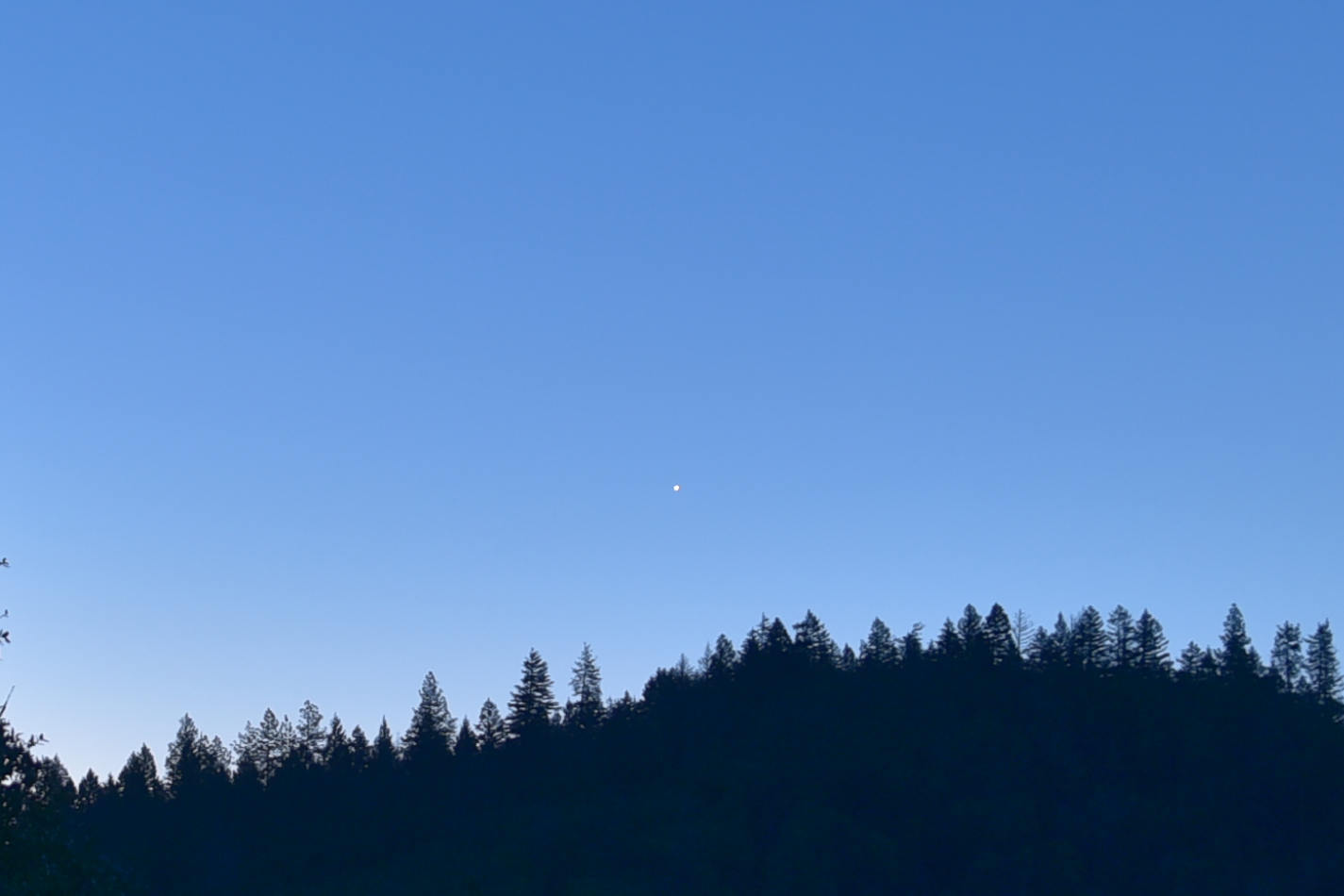
Early morning sunrise.

oooo

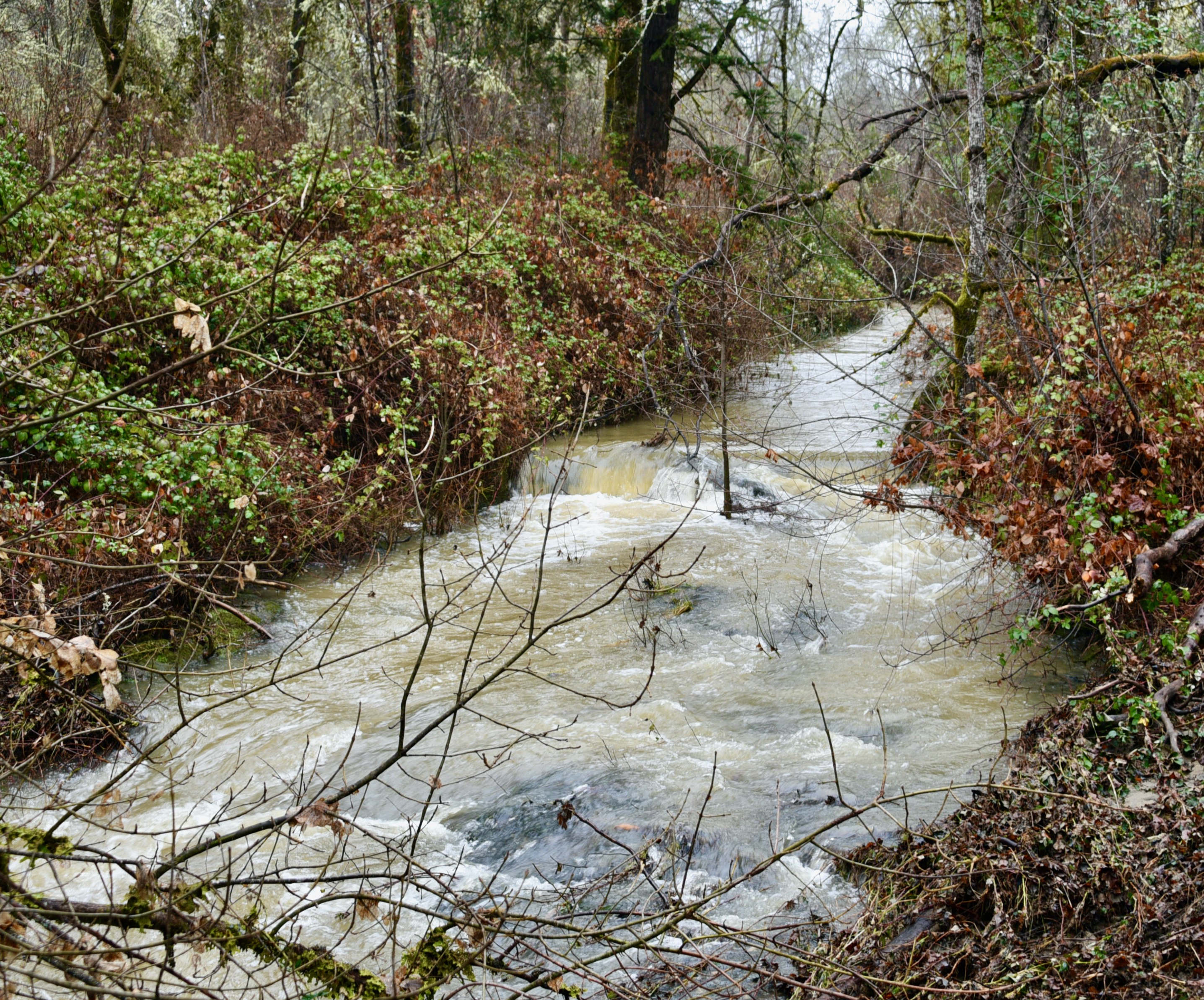
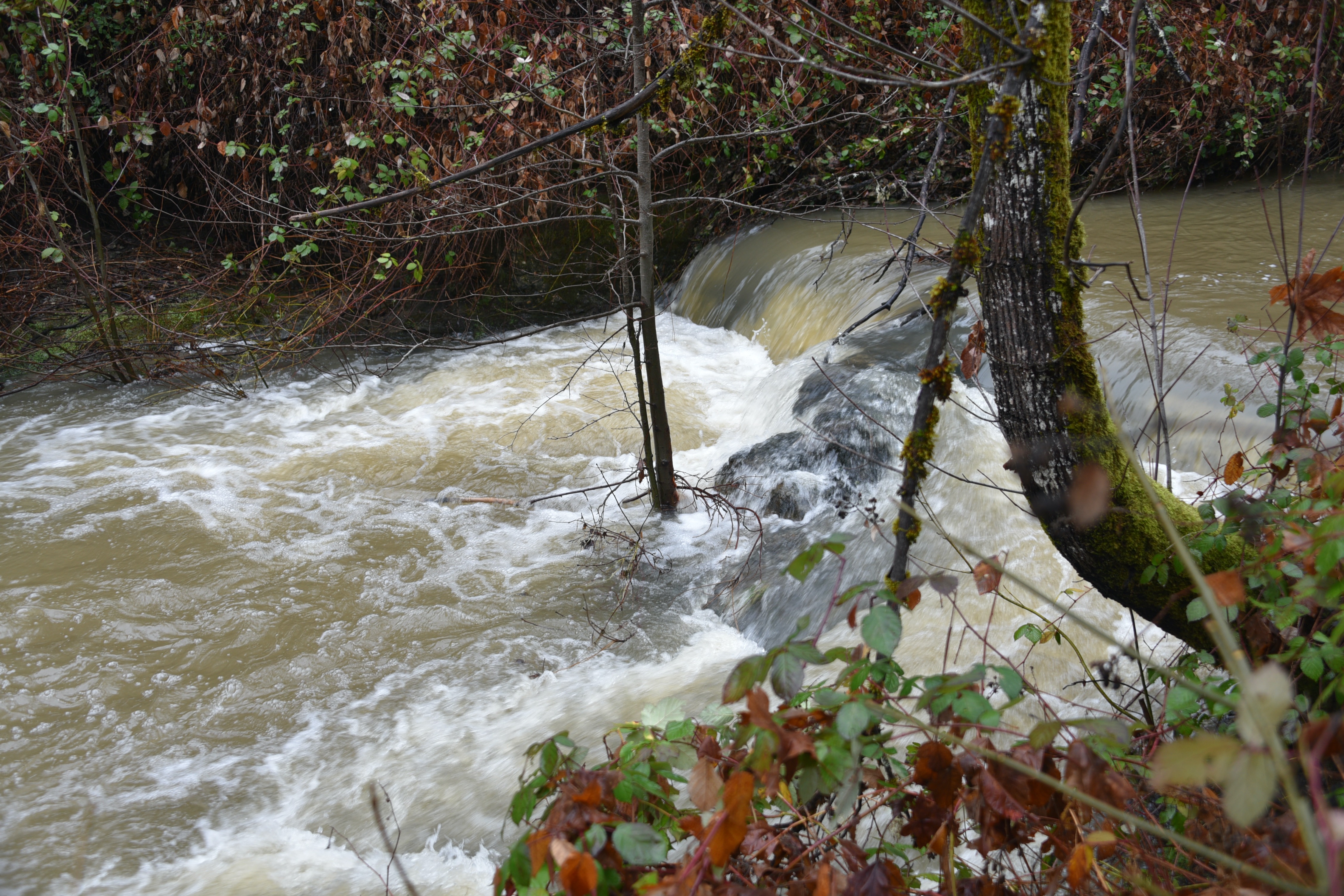
Our Bummer Creek last Monday.

oooo

More flood water! Again, photo taken last Monday.

oooo

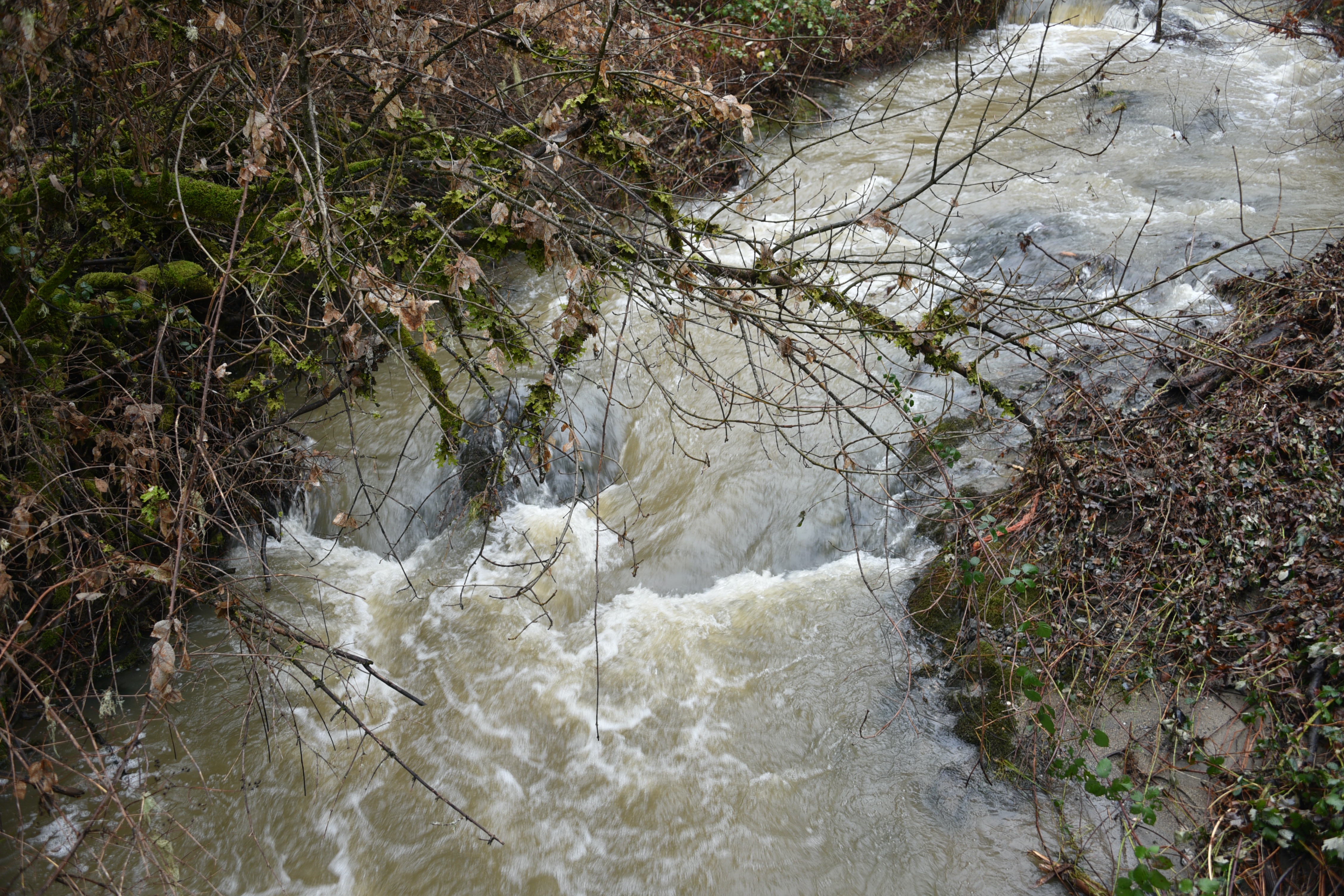
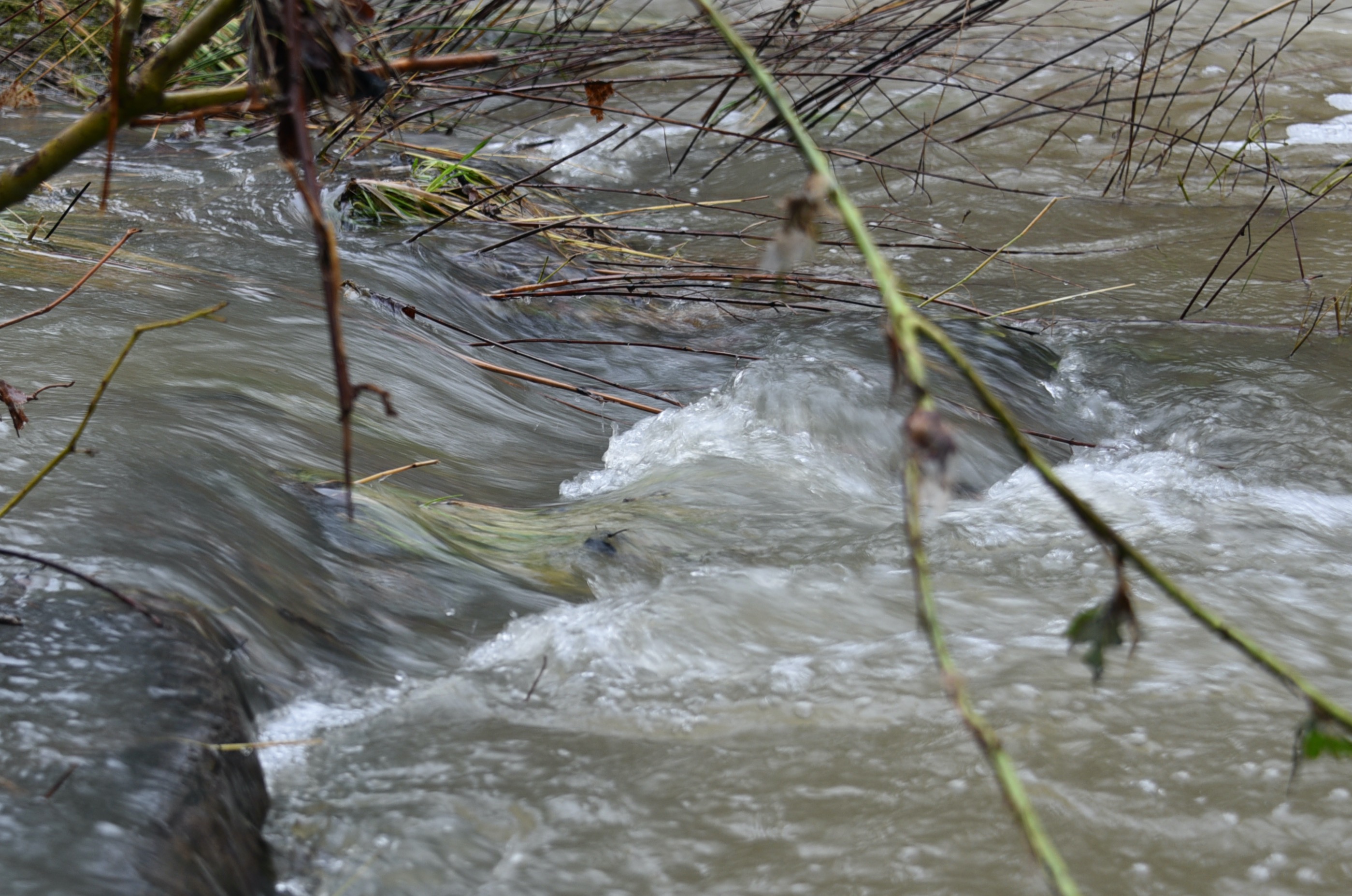
Another view of Bummer Creek.

oooo

Yet another view.

oooo

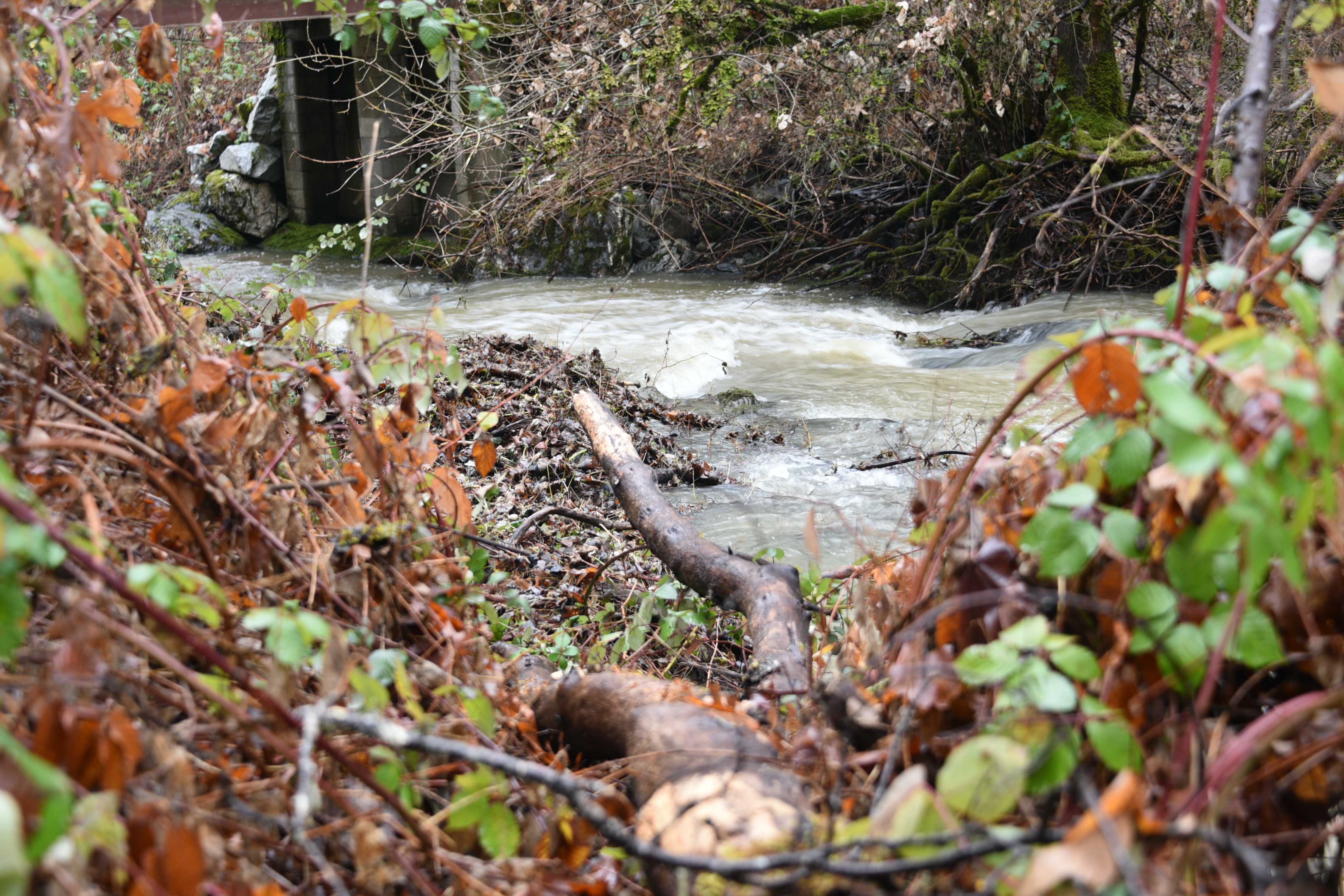
Yet another photograph of the rush of the water.

oooo

A goodbye to Cleo

Cleo was put to sleep yesterday afternoon.

Cleo’s rear legs were really troubling her so we went with her to Lincoln Road Vet yesterday at 1:45pm.

Around 2pm the doctor injected Cleo with firstly a deep sleep injection then after Cleo was asleep then the final injection.

Cleo was thirteen and the staff at Lincoln Road remarked that was a grand age for a German Shepherd.

oooo

oooo

oooo

oooo

Goodbye sweet girl! You will be missed!