Category: Culture

The beautiful moon, but …

… does it make us sleepless?

As has been mentioned previously, my dear wife and her Parkinson’s means that we go to bed early and get up early the following morning. Thus a recent item on The Conversation fascinated me and it is shared with you now.

ooOOoo

Does the full moon make us sleepless? A neurologist explains the science behind sleep, mood and lunar myths

How much does the moon cycle affect sleep? Probably less than your screen time at night. Muhammad Khazin Alhusni/iStock via Getty Images Plus

Joanna Fong-Isariyawongse, University of Pittsburgh

Have you ever tossed and turned under a full moon and wondered if its glow was keeping you awake? For generations, people have believed that the Moon has the power to stir up sleepless nights and strange behavior – even madness itself. The word “lunacy” comes directly from luna, Latin for Moon.

Police officers, hospital staff and emergency workers often swear that their nights get busier under a full moon. But does science back that up?

The answer is, of course, more nuanced than folklore suggests. Research shows a full moon can modestly affect sleep, but its influence on mental health is much less certain.

I’m a neurologist specializing in sleep medicine who studies how sleep affects brain health. I find it captivating that an ancient myth about moonlight and madness might trace back to something far more ordinary: our restless, moonlit sleep.

What the full moon really does to sleep

Several studies show that people really do sleep differently in the days leading up to the full moon, when moonlight shines brightest in the evening sky. During this period, people sleep about 20 minutes less, take longer to fall asleep and spend less time in deep, restorative sleep. Large population studies confirm the pattern, finding that people across different cultures tend to go to bed later and sleep for shorter periods in the nights before a full moon.

The most likely reason is light. A bright moon in the evening can delay the body’s internal clock, reduce melatonin – the hormone that signals bedtime – and keep the brain more alert.

The changes are modest. Most people lose only 15 to 30 minutes of sleep, but the effect is measurable. It is strongest in places without artificial light, such as rural areas or while camping. Some research also suggests that men and women may be affected differently. For instance, men seem to lose more sleep during the waxing phase, while women experience slightly less deep and restful sleep around the full moon.

Young adult woman lying in bed wide awake, staring out the window toward a bright light.
Sleep loss from a bright moon is modest but measurable. Yuliia Kaveshnikova/iStock via Getty Images Plus

The link with mental health

For centuries, people have blamed the full moon for stirring up madness. Folklore suggested that its glow could spark mania in bipolar disorder, provoke seizures in people with epilepsy or trigger psychosis in those with schizophrenia. The theory was simple: lose sleep under a bright moon and vulnerable minds might unravel.

Modern science adds an important twist. Research is clear that sleep loss itself is a powerful driver of mental health problems. Even one rough night can heighten anxiety and drag down mood. Ongoing sleep disruption raises the risk of depression, suicidal thoughts and flare-ups of conditions like bipolar disorder and schizophrenia.

That means even the modest sleep loss seen around a full moon could matter more for people who are already at risk. Someone with bipolar disorder, for example, may be far more sensitive to shortened or fragmented sleep than the average person.

But here’s the catch: When researchers step back and look at large groups of people, the evidence that lunar phases trigger psychiatric crises is weak. No reliable pattern has been found between the Moon and hospital admissions, discharges or lengths of stay.

But a few other studies suggest there may be small effects. In India, psychiatric hospitals recorded more use of restraints during full moons, based on data collected between 2016 and 2017. In China, researchers noted a slight rise in schizophrenia admissions around the full moon, using hospital records from 2012 to 2017. Still, these findings are not consistent worldwide and may reflect cultural factors or local hospital practices as much as biology.

In the end, the Moon may shave a little time off our sleep, and sleep loss can certainly influence mental health, especially for people who are more vulnerable. That includes those with conditions like depression, bipolar disorder, schizophrenia or epilepsy, and teenagers who are especially sensitive to sleep disruption. But the idea that the full moon directly drives waves of psychiatric illness remains more myth than reality.

The sleep/wake cycle is synchronized with lunar phases.

Other theories fall short

Over the years, scientists have explored other explanations for supposed lunar effects, from gravitational “tidal” pulls on the body to subtle geomagnetic changes and shifts in barometric pressure. Yet, none of these mechanisms hold up under scrutiny.

The gravitational forces that move oceans are far too weak to affect human physiology, and studies of geomagnetic and atmospheric changes during lunar phases have yielded inconsistent or negligible results. This makes sleep disruption from nighttime light exposure the most plausible link between the Moon and human behavior.

Why the myth lingers

If the science is so inconclusive, why do so many people believe in the “full moon effect”? Psychologists point to a concept called illusory correlation. We notice and remember the unusual nights that coincide with a full moon but forget the many nights when nothing happened.

The Moon is also highly visible. Unlike hidden sleep disruptors such as stress, caffeine or scrolling on a phone, the Moon is right there in the sky, easy to blame.

A woman staring at her cellphone while lying in the dark.
Screen-time habits are far more likely to have detrimental effects on sleep than a full moon. FanPro/Moment via Getty Images

Lessons from the Moon for modern sleep

Even if the Moon does not drive us “mad,” its small influence on sleep highlights something important: Light at night matters.

Our bodies are designed to follow the natural cycle of light and dark. Extra light in the evening, whether from moonlight, streetlights or phone screens, can delay circadian rhythms, reduce melatonin and lead to lighter, more fragmented sleep.

This same biology helps explain the health risks of daylight saving time. When clocks “spring forward,” evenings stay artificially brighter. That shift delays sleep and disrupts circadian timing on a much larger scale than the Moon, contributing to increased accidents and cardiovascular risks, as well as reduced workplace safety.

In our modern world, artificial light has a much bigger impact on sleep than the Moon ever will. That is why many sleep experts argue for permanent standard time, which better matches our biological rhythms.

So if you find yourself restless on a full moon night, you may not be imagining things – the Moon can tug at your sleep. But if sleeplessness happens often, look closer to home. It is likely a culprit of the light in your hand rather than the one in the sky.

Joanna Fong-Isariyawongse, Associate Professor of Neurology, University of Pittsburgh

This article is republished from The Conversation under a Creative Commons license. Read the original article.

ooOOoo

Ever since I have been an adult I have wondered what the purpose was of daylight time and standard time. The University of Colorado have the history of the time change and, as I suspect, it was brought about by the war; World War I.

Here’s part of that article:

It was first introduced in Germany in 1916 during World War I as an energy saving measure, according to CU Boulder sleep researcher Kenneth Wright. The U.S. followed suit, adopting DST in 1918. Initially implemented as a wartime measure, it was repealed a year later. 

Daylight saving time was reinstituted in 1942 during World War II. The next couple decades were a free-for-all, when states and localities switched between DST and standard time (ST) at will. To put an end to the clock chaos, Congress finally passed the Uniform Time Act in 1966, which standardized daylight saving time and its start and end dates across the country — with the exception of Hawaii and Arizona, which opted to keep standard time year-round. 

Beautiful silence!

For the mind, body and soul!

Four days ago I sent in a comment to Magic and Beauty. This is what I wrote:

My darling wife has Parkinson’s (PD). She has had it for many years. As a consequence we are awake early, usually between 4am and 5am. As soon as it is sufficiently light to see the trees I go and feed the wild deer, usually three or four of them but some mornings ten, twelve or a few more.

Then I return to our deck that faces East and just pause for five minutes just looking at Mount Sexton and the tree line nearby. It is a very beautiful sight and is my way of doing nothing! 
Im (that should be I’m) 81 in November and want to stat (that should be stay) as healthy as possible for as long as possible.

and this was replied by ‘Age45’.

Dear Paul, Many thanks for your comment and sharing with us the way of your life which is helpful (since all life experience is meaningful and significant). Wish your darling wife and yourself all the best.

Now to today’s post which is a republication of her article.

ooOOoo

Silence hides a space where thoughts can calm down. Silence helps a person reset and prepare for the challenges that a new day brings

  1. Silence therapy is always useful because nothing happens in silence and it is then that a person hears their own fears and repressed emotions, i.e. in silence. Silence is a rarity today in a world where various sounds are a constant part of everyday life. Silence can be unpleasant and sometimes frightening because it confronts a person with their own being.
  2. Silence is not an empty space but a space for breathing, connecting and regeneration, psychotherapists and psychologists explain. Silence is healing in partner relationships only if it is conscious and shared. If a person needs a little time to calm down and calm down their emotions and then return to the conversation, then silence is just a space for processing and not an obstacle to contacts.
  3. Silence therapy can be practiced in everyday life by taking micro-breaks, i.e. just 5 minutes a day without a phone, without music and sounds, i.e. just breathing. Or a conscientious walk without headphones with light steps and listening to sounds from the environment but deep breathing.
  4. Morning silence is part of silence therapy, ie take 10 minutes without speaking without a screen, because this kind of morning silence can positively change the entire course of the day.
  5. Silence during the conversation is also advised, i.e. you should not rush to answer because a pause between sentences can open up space for deeper contact. Healthy relationships do not run away from silence, but wisely use the silences to take a breath and not be silent about a painful topic. Research shows that just 2 minutes of silence can have a powerful relaxing effect from your favorite music.
  6. Medicinal silence lowers blood pressure, slows breathing and calms the mind. Regularly practicing silence is a gentle and powerful treatment and form of self-regulation. Silence is often understood as a loss or something that needs to be filled in today’s modern culture of hyperproduction and constant stimulation. But silence shows its function precisely in that discomfort. Silence exposes what we normally cover with noise. In silence, fears, unspoken thoughts, repressed emotions are heard. That is why people run away from silence and that is why people need silence.
  7. In silence, we listen to our own being and others because presence is born. Many therapeutic processes rely on the power of sharing silence, i.e. moments in which words are neither necessary nor sufficient. Silence becomes a bridge that connects in therapy and in interpersonal relationships, not an obstacle.
  8. Silence can also become a form of distancing, punishment, and control in interpersonal relationships (although it is a powerful tool for connection and presence).
  9. There is a difference between healing silence and silence that hurts. Passive aggression, withdrawal without explanation, silence that hangs in space after a conflict – these are situations in which silence becomes a wall and ceases to be space. The treatment of silence is a term used in psychology to explain this form of silence. Silence does not strengthen contact, but sabotages contact. Silent treatment is a form of emotional manipulation in which other people are punished by denying communication. Then silence is used like a weapon in communication.
  10. Silence is unhealthy in a relationship if silence is used as a means of punishment or manipulation. If a person feels discomfort, confusion and tension and does not know the reason. If there is no open communication after the conflict or the silence lasts too long and does not lead to clarification, it deepens the distance.

ooOOoo

Powerful words from her!

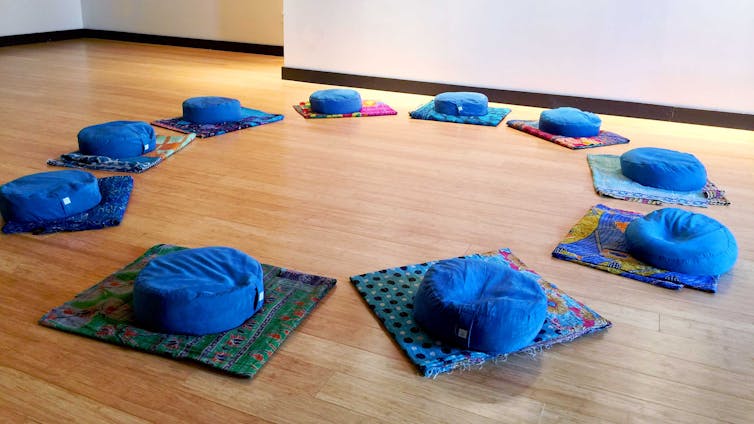
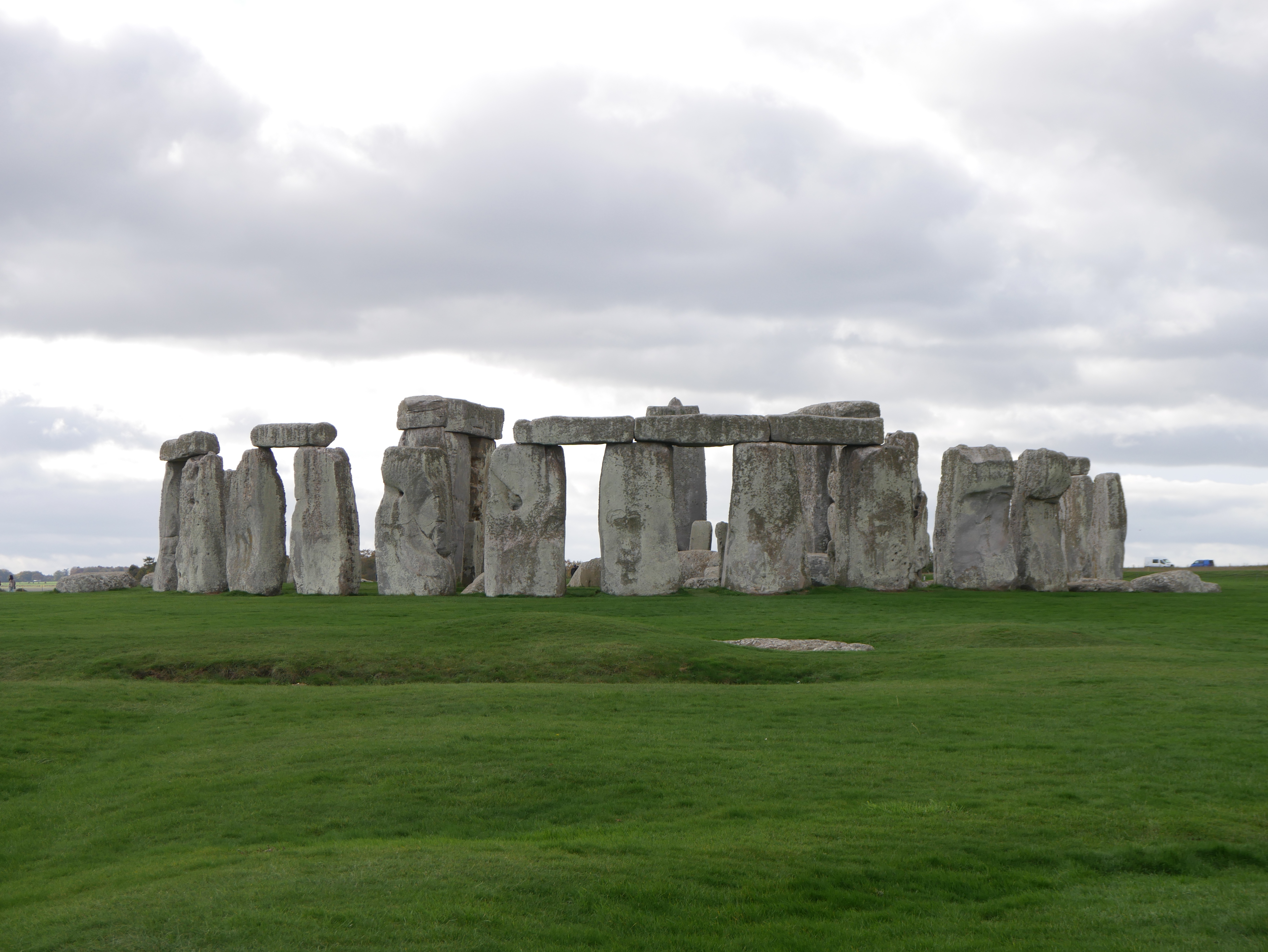
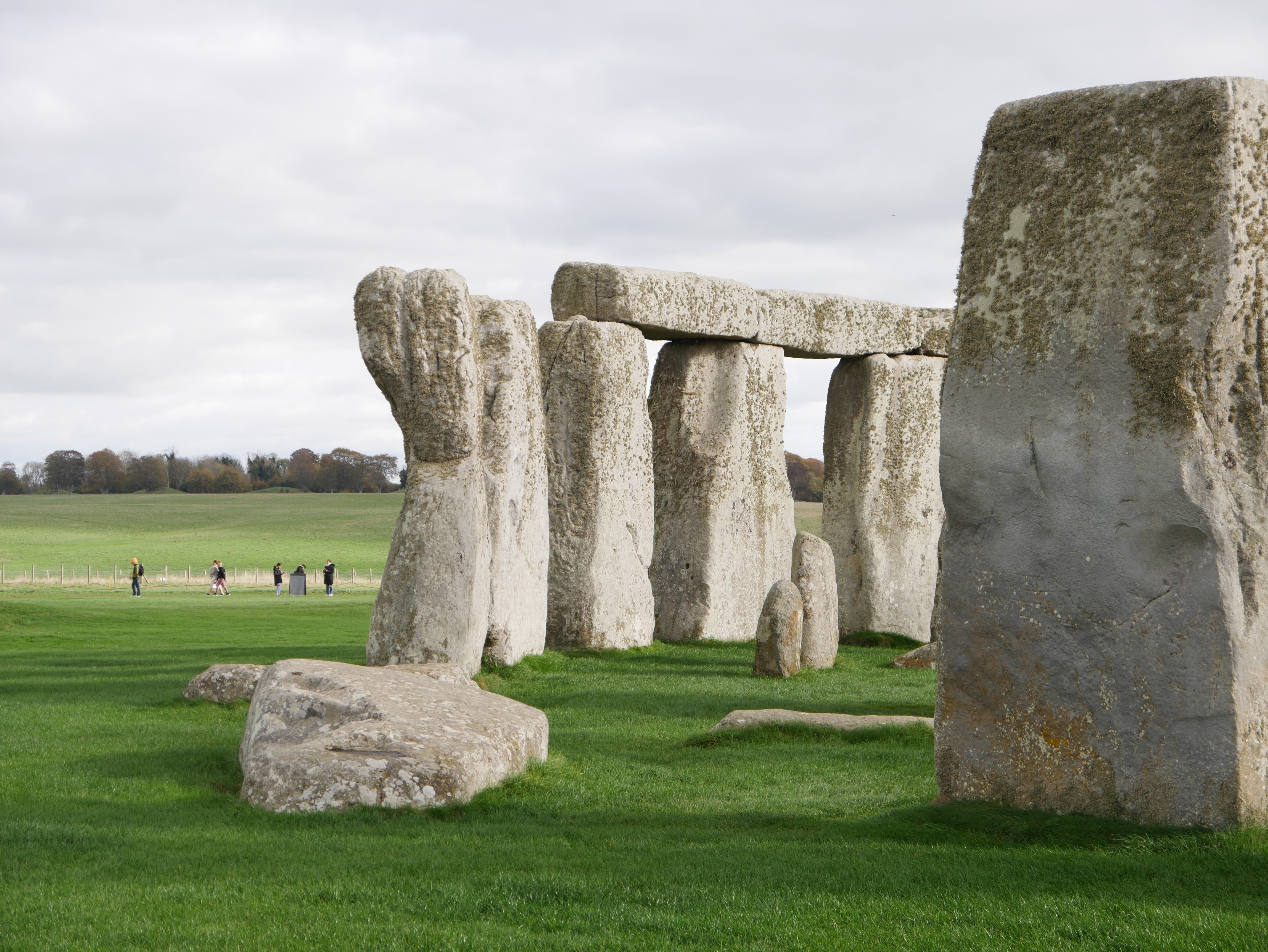
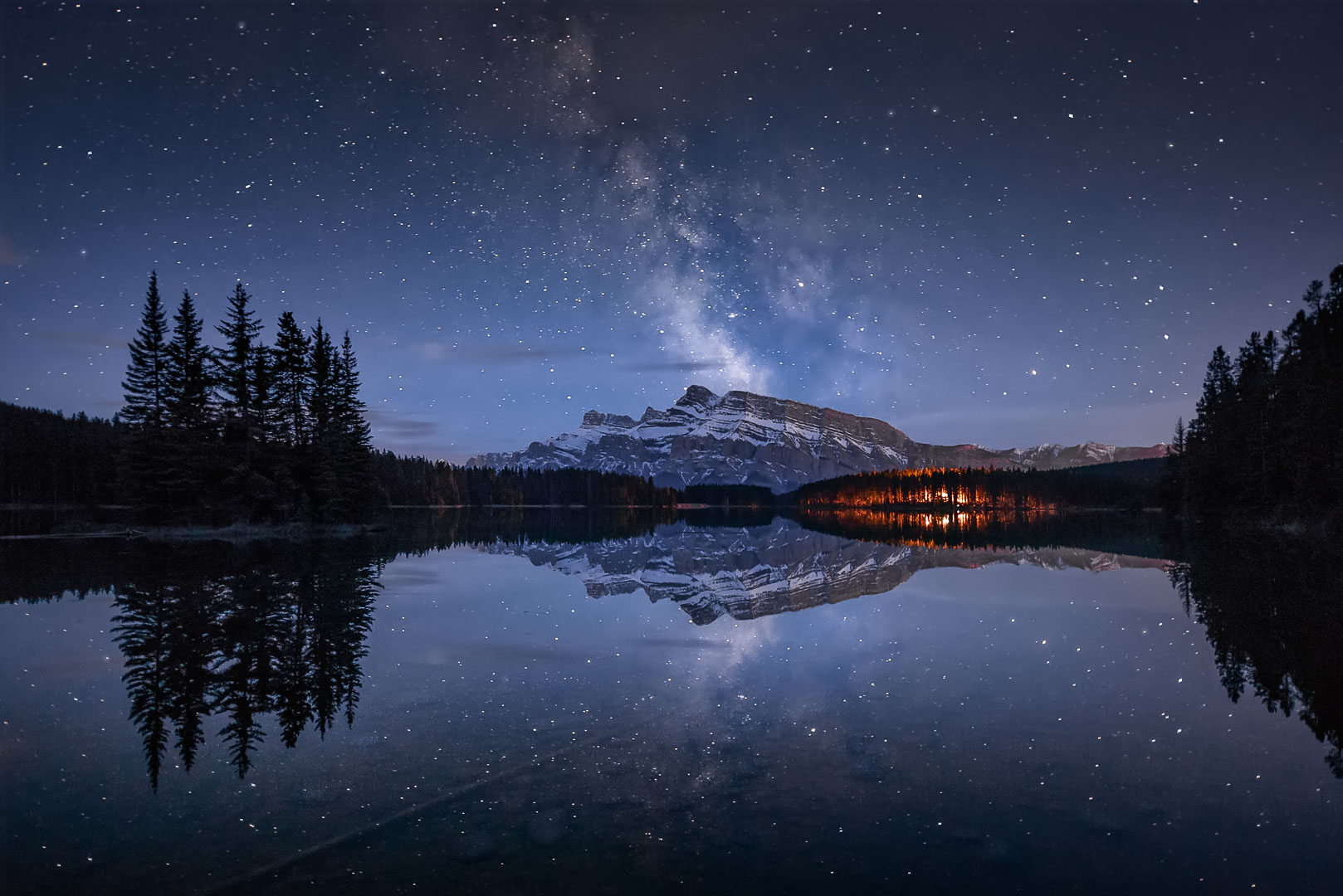
And a photograph from me that spells out peace and silence.

In memory of Jane Goodall

May she be remembered for a very long time!

There is much information on the web and elsewhere so all I want to do is to share a video of Jane.

For persons who would want to know more about Jane’s life there is an excellent piece on Wikipedia. Here it is!

Picture Parade Four Hundred and Ninety-One

Yet more dog photos courtesy of Unsplash!

Photo by Anthony Duran on Unsplash

oooo

Photo by Sam Manickaraj on Unsplash

oooo

Photo by Reuben Mergard on Unsplash

oooo

Photo by Edoardo Cuoghi on Unsplash

oooo

Photo by Ayelt van Veen on Unsplash

oooo

Photo by Victor Chartin on Unsplash

oooo

Photo by Sisi on Unsplash

oooo

Photo by Chris Thomassen on Unsplash

My same feeling as last Sunday! Dogs are perfect.

More Bark & Bond.

🐶❤️ Because the love of a dog changes your day.

Thank you, John.

Technology, and Scamming

The title says it all!

We live in a world that is rapidly becoming more and more digital. But we also live in a world where the criminals are becoming better at carrying out their crimes. So a recent article in The Conversation seemed appropriate to republish.

ooOOoo

Scams and frauds: Here are the tactics criminals use on you in the age of AI and cryptocurrencies

Scammers often direct victims to convert cash to untraceable cryptocurrency and send it to them. Joe Raedle/Getty Images

Rahul Telang, Carnegie Mellon University

Scams are nothing new – fraud has existed as long as human greed. What changes are the tools.

Scammers thrive on exploiting vulnerable, uninformed users, and they adapt to whatever technologies or trends dominate the moment. In 2025, that means AI, cryptocurrencies and stolen personal data are their weapons of choice.

And, as always, the duty, fear and hope of their targets provide openings. Today, duty often means following instructions from bosses or co-workers, who scammers can impersonate. Fear is that a loved one, who scammers also can impersonate, is in danger. And hope is often for an investment scheme or job opportunity to pay off.

AI-powered scams and deepfakes

Artificial intelligence is no longer niche – it’s cheap, accessible and effective. While businesses use AI for advertising and customer support, scammers exploit the same tools to mimic reality, with disturbing precision.

Deepfake scams use high-tech tools and old-fashioned emotional manipulation.

Criminals are using AI-generated audio or video to impersonate CEOs, managers or even family members in distress. Employees have been tricked into transferring money or leaking sensitive data. Over 105,000 such deepfake attacks were recorded in the U.S. in 2024, costing more than US$200 million in the first quarter of 2025 alone. Victims often cannot distinguish synthetic voices or faces from real ones.

Fraudsters are also using emotional manipulation. The scammers make phone calls or send convincing AI-written texts posing as relatives or friends in distress. Elderly victims in particular fall prey when they believe a grandchild or other family member is in urgent trouble. The Federal Trade Commission has outlined how scammers use fake emergencies to pose as relatives.

Cryptocurrency scams

Crypto remains the Wild West of finance — fast, unregulated and ripe for exploitation.

Pump-and-dump scammers artificially inflate the price of a cryptocurrency through hype on social media to lure investors with promises of huge returns – the pump – and then sell off their holdings – the dump – leaving victims with worthless tokens.

Pig butchering is a hybrid of romance scams and crypto fraud. Scammers build trust over weeks or months before persuading victims to invest in fake crypto platforms. Once the scammers have extracted enough money from the victim, they vanish.

Pig-butchering scams lure people into fake online relationships, often with devastating consequences.

Scammers also use cryptocurrencies as a means of extracting money from people in impersonation scams and other forms of fraud. For example, scammers direct victims to bitcoin ATMs to deposit large sums of cash and convert it to the untraceable cryptocurrency as payment for fictitious fines.

Phishing, smishing, tech support and jobs

Old scams don’t die; they evolve.

Phishing and smishing have been around for years. Victims are tricked into clicking links in emails or text messages, leading to malware downloads, credential theft or ransomware attacks. AI has made these lures eerily realistic, mimicking corporate tone, grammar and even video content.

Tech support scams often start with pop-ups on computer screens that warn of viruses or identity theft, urging users to call a number. Sometimes they begin with a direct cold call to the victim. Once the victim is on a call with the fake tech support, the scammers convince victims to grant remote access to their supposedly compromised computers. Once inside, scammers install malware, steal data, demand payment or all three.

Fake websites and listings are another current type of scam. Fraudulent sites impersonating universities or ticket sellers trick victims into paying for fake admissions, concerts or goods.

One example is when a website for “Southeastern Michigan University” came online and started offering details about admission. There is no such university. Eastern Michigan University filed a complaint that Southeastern Michigan University was copying its website and defrauding unsuspecting victims.

The rise of remote and gig work has opened new fraud avenues.

Victims are offered fake jobs with promises of high pay and flexible hours. In reality, scammers extract “placement fees” or harvest sensitive personal data such as Social Security numbers and bank details, which are later used for identity theft.

How you can protect yourself

Technology has changed, but the basic principles remain the same: Never click on suspicious links or download attachments from unknown senders, and enter personal information only if you are sure that the website is legitimate. Avoid using third-party apps or links. Legitimate businesses have apps or real websites of their own.

Enable two-factor authentication wherever possible. It provides security against stolen passwords. Keep software updated to patch security holes. Most software allows for automatic update or warns about applying a patch.

Remember that a legitimate business will never ask for personal information or a money transfer. Such requests are a red flag.

Relationships are a trickier matter. The state of California provides details on how people can avoid being victims of pig butchering.

Technology has supercharged age-old fraud. AI makes deception virtually indistinguishable from reality, crypto enables anonymous theft, and the remote-work era expands opportunities to trick people. The constant: Scammers prey on trust, urgency and ignorance. Awareness and skepticism remain your best defense.

Rahul Telang, Professor of Information Systems, Carnegie Mellon University

This article is republished from The Conversation under a Creative Commons license. Read the original article.

ooOOoo

That last paragraph really spells out how it is in the modern world. I repeat that last sentence: “Awareness and skepticism remain your best defense.

What a beautiful account!

From the find of the six puppies to the fantastic conclusion.

I subscribe to The Dodo. On September 5th Maeve Dunigan wrote an article that is so beautiful. I have permission to republish the story.

ooOOoo

Rescuers Hear Cries In Open Field — Then See Faces Peeking Out Of A Drain.

“[They] were friendly and very social.”

By Maeve Dunigan

Published on Sep 5, 2025

In a field near the Kansas Humane Society’s Murfin Animal Care Campus, a concrete storm drain peeks out of the green grass, its circular opening extending into a black tunnel below. One morning this past July, humane society team members arrived at work and heard a heartbreaking sound echoing from within this drain — the sound of animals crying for help.

Kansas Humane Society

The rescuers hurried over and found the source of the noise. There, cowering inside, were six little puppies left to fend for themselves.

puppy in drain
KANSAS HUMANE SOCIETY 

Using treats as a tasty incentive, the team coaxed each puppy out from the hole. The pups served a mandatory stray hold at the Wichita Animal Shelter next door. Then they returned to the Kansas Humane Society for further care.

woman helping dog
KANSAS HUMANE SOCIETY 

Staff members gave the pups a comfortable place to recover. They named the dogs Abby, Ellie, Greg, Lev, Mike and Tommy, and made sure each of them received the necessary vaccines and medical attention needed to grow up healthy and strong.

puppies in backseat
KANSAS HUMANE SOCIETY

“The puppies were very wiggly, especially Ellie,” a representative from Kansas Humane Society told The Dodo. “All were friendly and very social.”

Local news stations soon began covering the amazing rescue, urging community members to adopt or foster the pups. Within two days, every puppy was either adopted or put on hold for adoption.

puppies
KANSAS HUMANE SOCIETY 

Today, Abby, Ellie, Greg, Lev, Mike and Tommy are all safe in their forever homes, and rescuers couldn’t be happier.

“We hope their futures are full of love, cuddles and treats,” the representative said.

To help other animals like these puppies, you can make a donation to the Kansas Humane Society.

ooOOoo

It is stories like this one that provide the incentive for not engaging in politics. Period!

Picture Parade Four Hundred and Eighty-Eight

More Oregon landscape photographs from Unsplash.

Photo by everett mcintire on Unsplash

oooo

Photo by Katie Musial on Unsplash

oooo

oooo

oooo

Photo by pine watt on Unsplash

oooo

Photo by David Talley on Unsplash

They are all beautiful but that last one is magical.

Emmy the dog

She has her own doorbell.

A lovely video.

Emmy’s way of seeing her ‘Mum’, namely Linda Rose.

ooOOoo

Jean and I are atheists. I subscribe to the American Humanist Association whose motto is “GOOD WITHOUT A GOD”.

Bill Watterson of the AHA posted the following yesterday:

I wish people were more like animals. Animals don’t try to change you. Animals like you just the way you are. They listen to your problems, they comfort you when you’re sad, and all they ask in return is a little kindness.

So, so true!

The death of Graham Greene

The loss of an icon.

Firstly, from the BBC News website.

Graham Greene, the Canadian First Nations actor who starred in films including Dances With Wolves, has died aged 73, his manager says.

“It is with deep sadness we announce the peaceful passing of award-winning legendary Canadian actor Graham Greene,” Gerry Jordan said in a statement to CBC News. The outlet reported he died of natural causes.

Greene scored an Academy Award nomination for Best Supporting Actor for his role in Kevin Costner’s 1990 epic western, where he played Kicking Bird.

He was a member of the Oneida Nation, part of the Six Nations Reserve in southern Ontario.

Greene worked as a draftsman, civil technologist, steelworker and rock-band crew member before starting his career in theatre in the UK in the 1970s.

In a 2012 interview with Canadian publication Playback, he credited theatre with giving him a grounding for acting.

“It helps you build a character. When you get into film you don’t have that luxury. The discipline of theatre is what I recommend to all actors.”

In the same interview, he said a key moment for him came when he married his wife Hilary Blackmore, which led to “the best time of my life”.

His breakthrough came in 1990 when he played Kicking Bird, a Lakota medicine man, in Dances With Wolves. Greene won widespread acclaim for the role.

He also appeared in the 1992 western thriller Thunderheart, playing tribal officer Walter Crow Horse.

In the 1999 fantasy drama The Green Mile, Greene played Arlen Bitterbuck, a Native American man on death row in prison.

He also starred in Die Hard With A Vengeance (1995), Maverick (1994), The Twilight Saga: New Moon (2009) and Wind River (2017). 

He picked up numerous awards through his storied career, including the Earle Grey Award for Lifetime Achievement by the Academy of Canadian Film and Television in 2004.

In 2016, he was inducted into the Order of Canada, the country’s second highest civilian honour.

Second, the YouTube dedication to Graham Greene.

Please watch the video.

Graham Greene will be missed; big time!