Last week the BBC chose to present a programme called An Almanac for Anxiety. There were five episodes: Fire; Wood: Water: Air; Earth.
If you have not registered with the BBC then you will need to do so before the link below works.
The details of each episode were presented on the BBC website:
Anxiety is the most common form of mental illness in the UK, with nearly a fifth of people experiencing it over the course of a year. Although it is often treated through medication, there are many alternative ways which are proving to be very effective in reducing anxiety amongst some people. In this series, we explore how connecting with the elemental forces of nature helps people with a range of mental illnesses to feel better. We also learn about the current academic research behind these methods.
In Episode 1 – Fire – we visit an overnight camp on the banks of the River Spey near Aviemore in the Scottish Highlands run by the charity Fire and Peace. According to the participants, – who have a range of mental ill health and addiction issues – the experience of spending time around the fire in nature is transformative when it comes to promoting feelings of connection and wellbeing. We also hear new research which shows how being around a campfire can be calming.
BBC Radio 4
I am going to share the link to the BBC each day this week with a new episode each day. The programmes are 15 minutes long and in my opinion well worth listening to.
Now above we were told: ‘Anxiety is the most common form of mental illness in the UK’ but of course we all know that anxiety affects many millions across the world. That is why I intend to share with you all five programmes.
An Amazon delivery driver named Erik was out delivering packages as usual when he noticed someone furry walking in front of his truck. He figured it was a dog coming to say hi, which happens to him a lot on his route. He was getting excited to greet the dog and see if he’d ever met this one before — then suddenly realized he wasn’t a dog at all.
When the animal made it to the door of his truck, Erik realized the friendly neighbor was actually a goat.
Erik and the goat stood watching each other for a few seconds, both assessing the situation. Then, the goat decided Erik was friendly and climbed on the truck, greeting Erik just like a dog would. Erik couldn’t stop laughing at the absurdity of the situation.
“This is so funny, what the heck,” Erik said in a video about the encounter.
The goat jumped up onto Erik to say hi and even stuck his little tongue out. He was wearing a collar and a leash, which made Erik think this kind of thing probably happens a lot.
A TikTok user who has goats commented, “[T]hat bell means he’s the problem goat.”
Luckily, using the leash, Erik was able to lead the friendly goat back to where he came from. He was glad it didn’t turn into a neighborhood-dog-who-wouldn’t-leave-his-truck, which has happened to him before.
Erik didn’t expect to see a goat during his shift that day, but now he hopes it’ll happen again.
ooOOoo
There were three videos inserted in the original, all from TikTok, but I chose not to include them. If you want to watch them then please go here.
I was struggling with the post for tomorrow and then saw this article on The Conversation. It may not be everyone’s cup of tea but nevertheless I find it sufficiently interesting to publish it.
ooOOoo
Psychedelics plus psychotherapy can trigger rapid changes in the brain − new research at the level of neurons is untangling how
The human brain can change – but usually only slowly and with great effort, such as when learning a new sport or foreign language, or recovering from a stroke. Learning new skills correlates with changes in the brain, as evidenced by neuroscience research with animals and functional brain scans in people. Presumably, if you master Calculus 1, something is now different in your brain. Furthermore, motor neurons in the brain expand and contract depending on how often they are exercised – a neuronal reflection of “use it or lose it.”
People may wish their brains could change faster – not just when learning new skills, but also when overcoming problems like anxiety, depression and addictions.
Clinicians and scientists know there are times the brain can make rapid, enduring changes. Most often, these occur in the context of traumatic experiences, leaving an indelible imprint on the brain.
A transformative experience can be like a fork in the road, changing the path you are on. Westend61 via Getty Images
Social scientists call events like these psychologically transformative experiences or pivotal mental states. For the rest of us, they’re forks in the road. Presumably, these positive experiences quickly change some “wiring” in the brain.
How do these rapid, positive transformations happen? It seems the brain has a way to facilitate accelerated change. And here’s where it gets really interesting: Psychedelic-assisted psychotherapy appears to tap into this natural neural mechanism.
Psychedelic-assisted psychotherapy
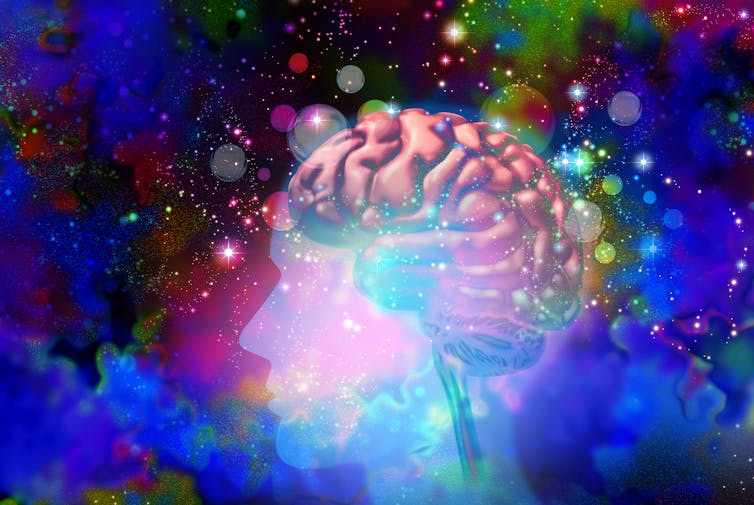
Those who’ve had a psychedelic experience usually describe it as a mental journey that’s impossible to put into words. However, it can be conceptualized as an altered state of consciousness with distortions of perception, modified sense of self and rapidly changing emotions. Presumably there is a relaxation of the higher brain control, which allows deeper brain thoughts and feelings to emerge into conscious awareness.
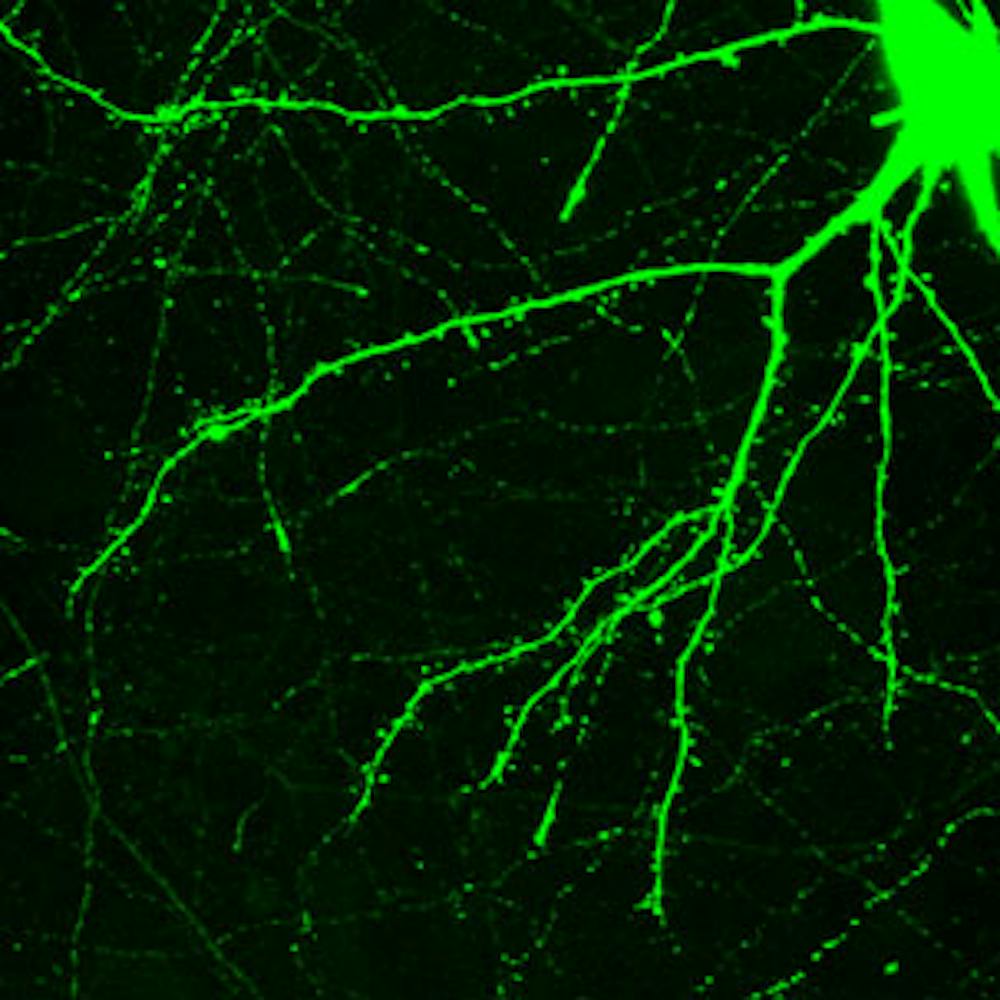
Research suggests that new skills, memories and attitudes are encoded in the brain by new connections between neurons – sort of like branches of trees growing toward each other. Neuroscientists even call the pattern of growth arborization.
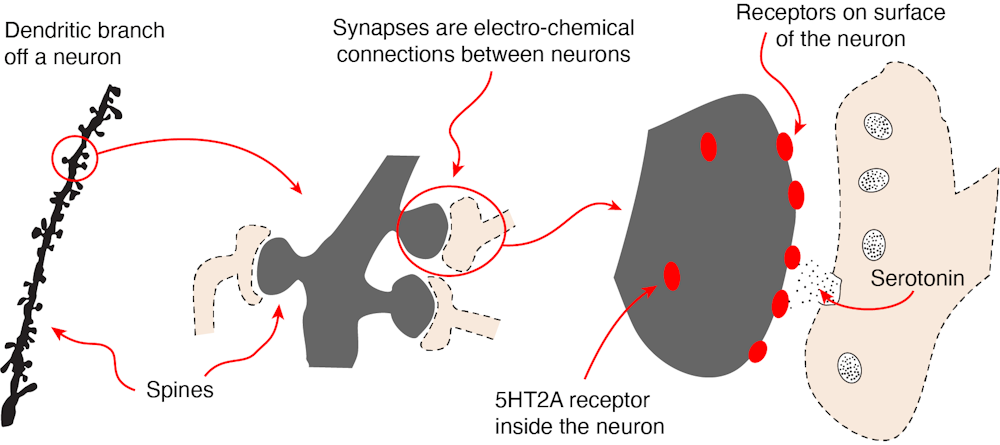
Researchers using a technique called two-photon microscopy can observe this process in living cells by following the formation and regression of spines on the neurons. The spines are one half of the synapses that allow for communication between one neuron and another.
Scientists have thought that enduring spine formation could be established only with focused, repetitive mental energy. However, a lab at Yale recently documented rapid spine formation in the frontal cortex of mice after one dose of psilocybin. Researchers found that mice given the mushroom-derived drug had about a 10% increase in spine formation. These changes had occurred when examined one day after treatment and endured for over a month.
Tiny spines along a neuron’s branches are a crucial part of how one neuron receives a message from another. Edmund S. Higgins
A mechanism for psychedelic-induced change
Psychoactive molecules primarily change brain function through the receptors on the neural cells. The serotonin receptor 5HT, the one famously tweaked by antidepressants, comes in a variety of subtypes. Psychedelics such as DMT, the active chemical in the plant-based psychedelic ayahuasca, stimulate a receptor cell type, called 5-HT2A. This receptor also appears to mediate the hyperplastic states when a brain is changing quickly.
These 5-HT2A receptors that DMT activates are not only on the neuron cell surface but also inside the neuron. It’s only the 5-HT2A receptor inside the cell that facilitates rapid change in neuronal structure. Serotonin can’t get through the cell membrane, which is why people don’t hallucinate when taking antidepressants like Prozac or Zoloft. The psychedelics, on the other hand, slip through the cell’s exterior and tweak the 5-HT2A receptor, stimulating dendritic growth and increased spine formation.
Here’s where this story all comes together. In addition to being the active ingredient in ayahuasca, DMT is an endogenous molecule synthesized naturally in mammalian brains. As such, human neurons are capable of producing their own “psychedelic” molecule, although likely in tiny quantities. It’s possible the brain uses its own endogenous DMT as a tool for change – as when forming dendritic spines on neurons – to encode pivotal mental states. And it’s possible psychedelic-assisted psychotherapy uses this naturally occurring neural mechanism to facilitate healing.
A word of caution
In her essay collection “These Precious Days,” author Ann Patchett describes taking mushrooms with a friend who was struggling with pancreatic cancer. The friend had a mystical experience and came away feeling deeper connections to her family and friends. Patchett, on the other hand, said she spent eight hours “hacking up snakes in some pitch-black cauldron of lava at the center of the Earth.” It felt like death to her.
Psychedelics are powerful, and none of the classic psychedelic drugs, such as LSD, are approved yet for treatment. The U.S. Food and Drug Administration in 2019 did approve ketamine, in conjunction with an antidepressant, to treat depression in adults. Psychedelic-assisted psychotherapy with MDMA (often called ecstasy or molly) for PTSD and psilocybin for depression are in Phase 3 trials.
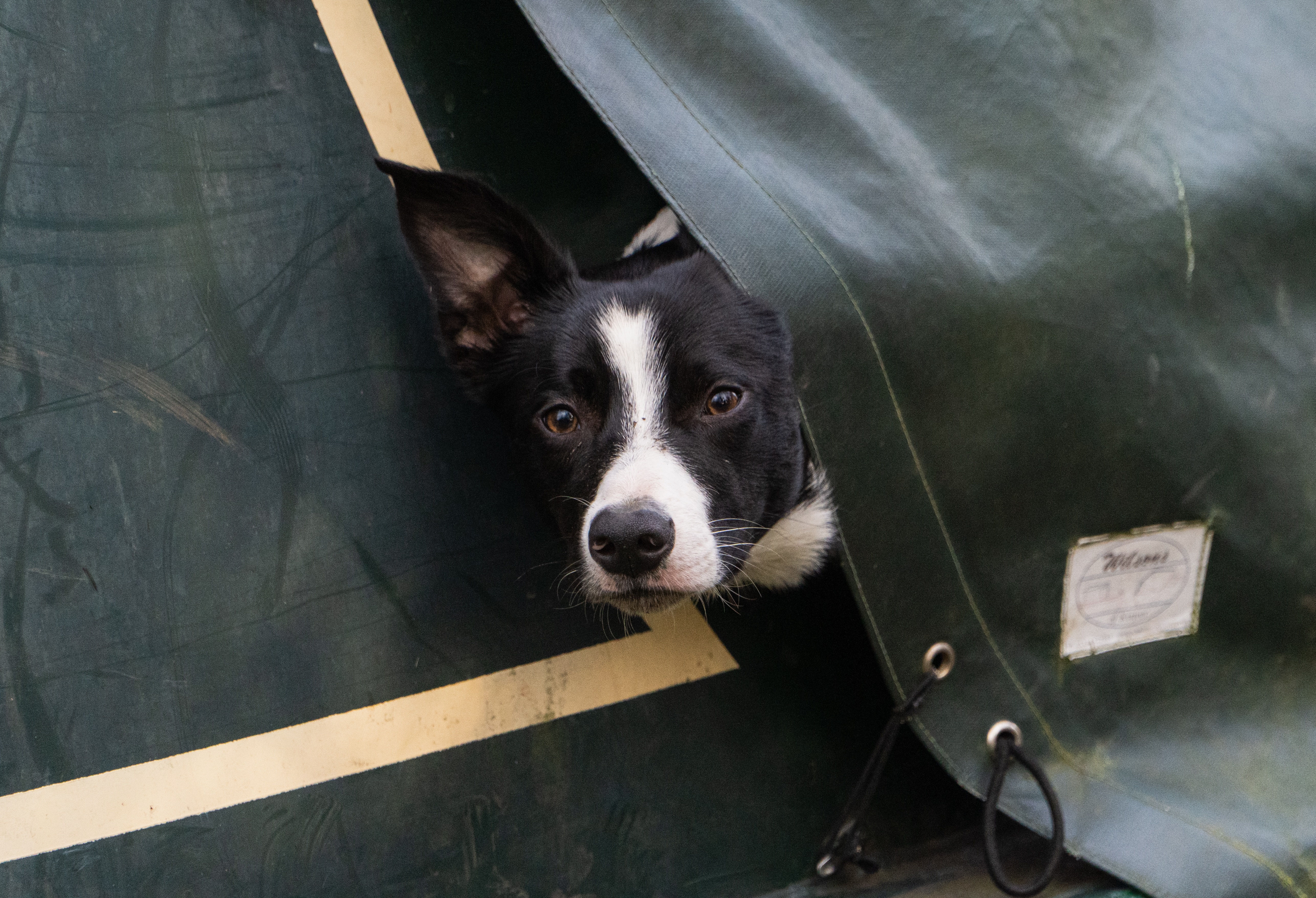
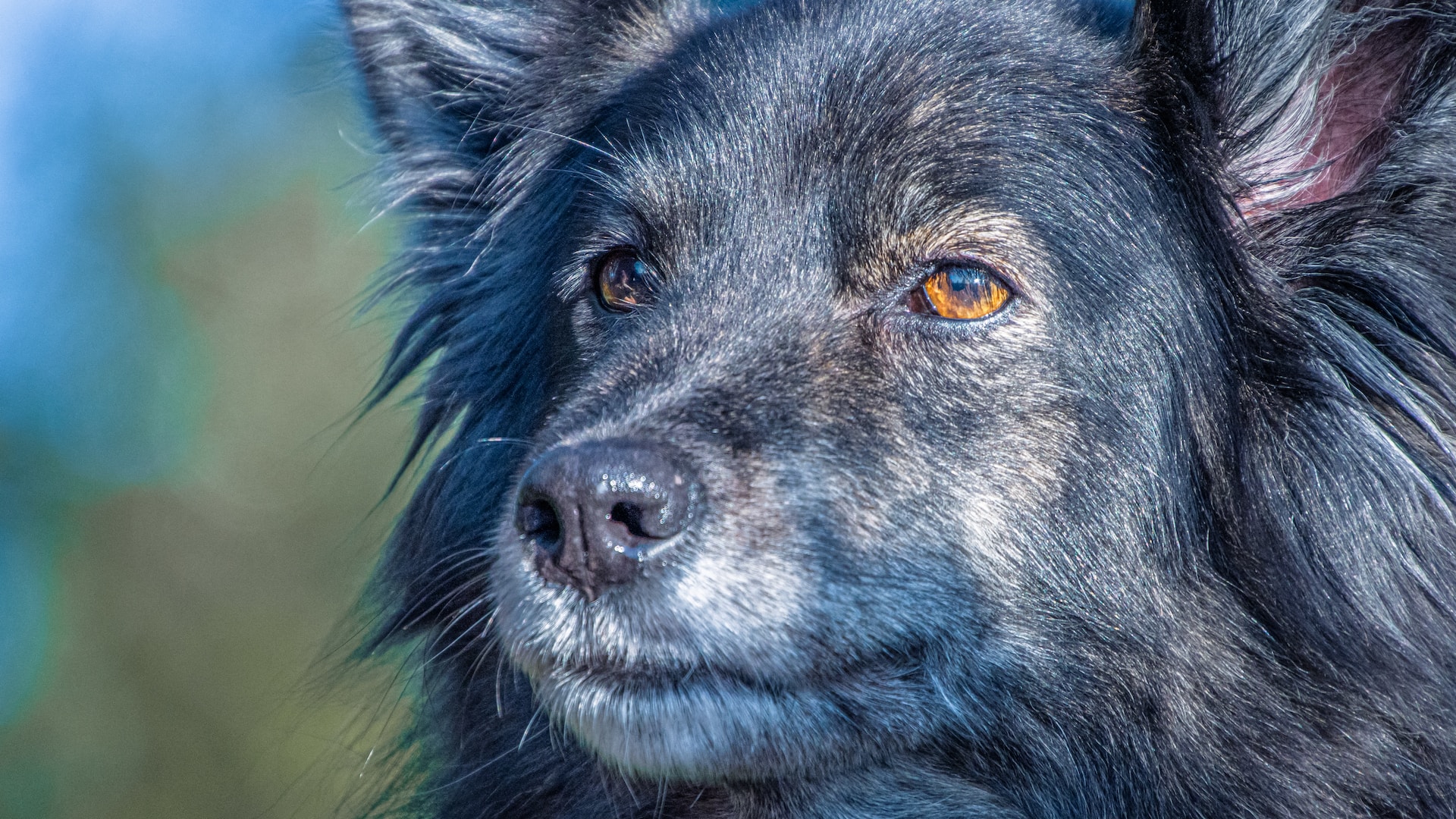
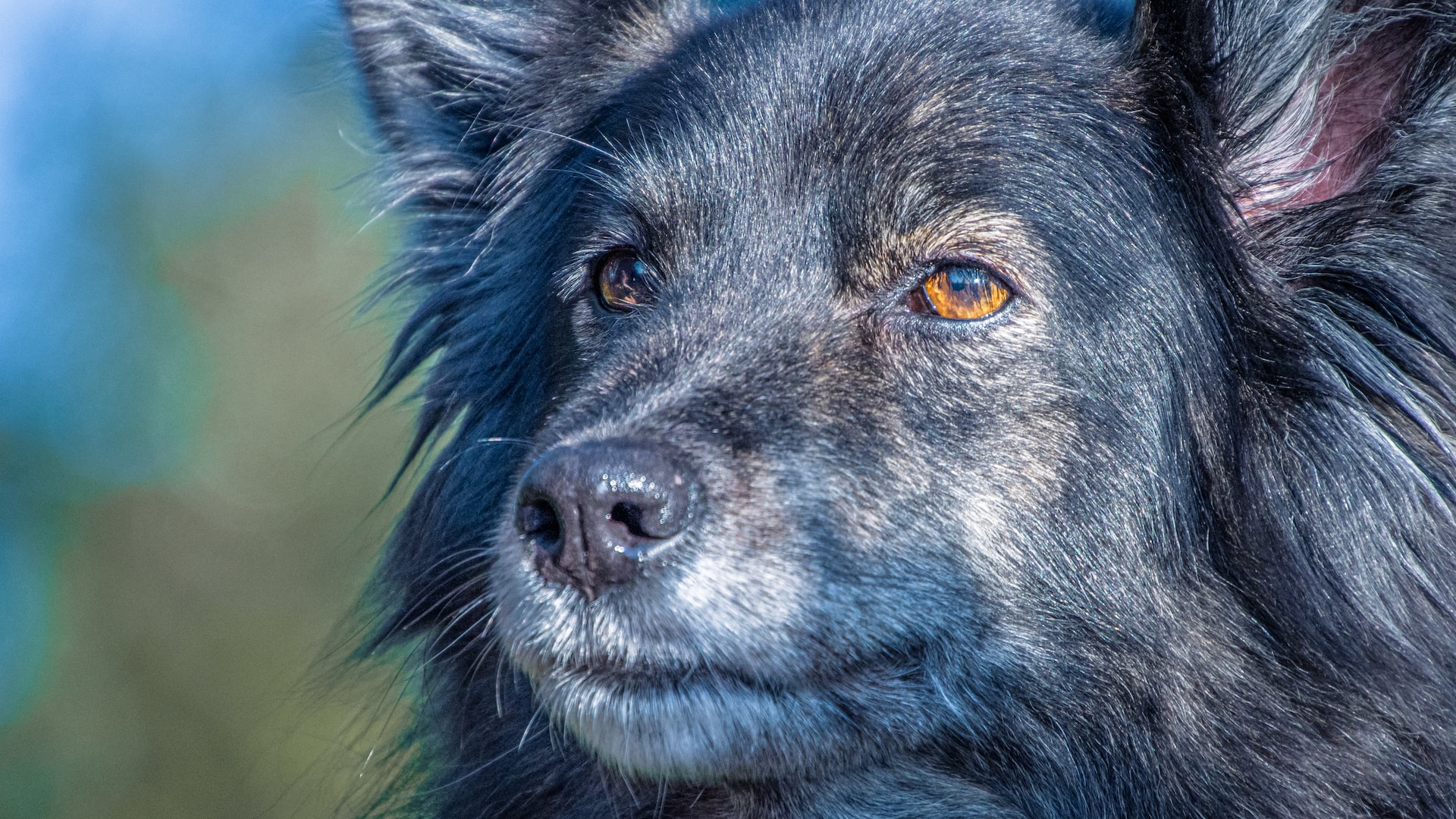
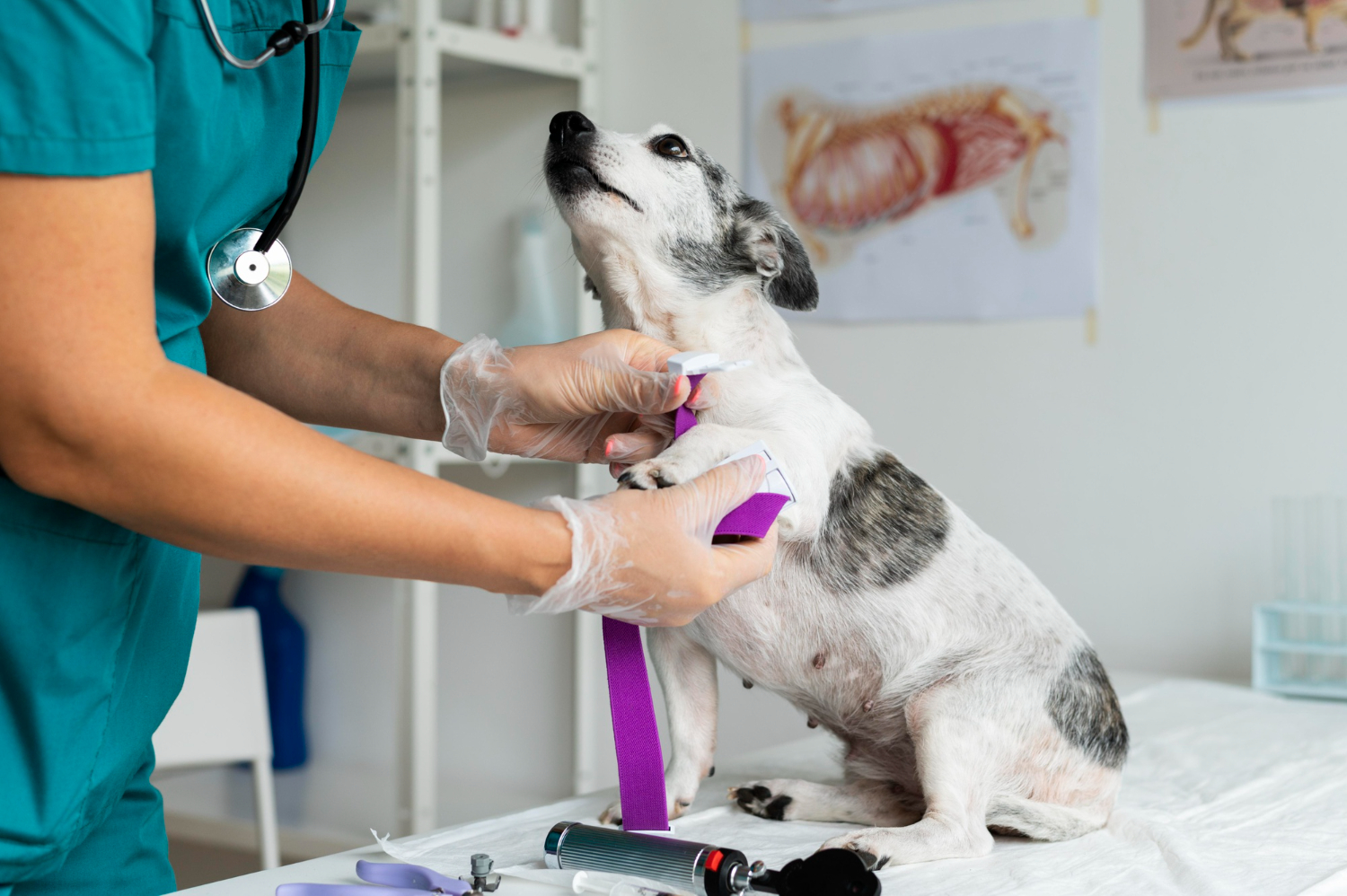
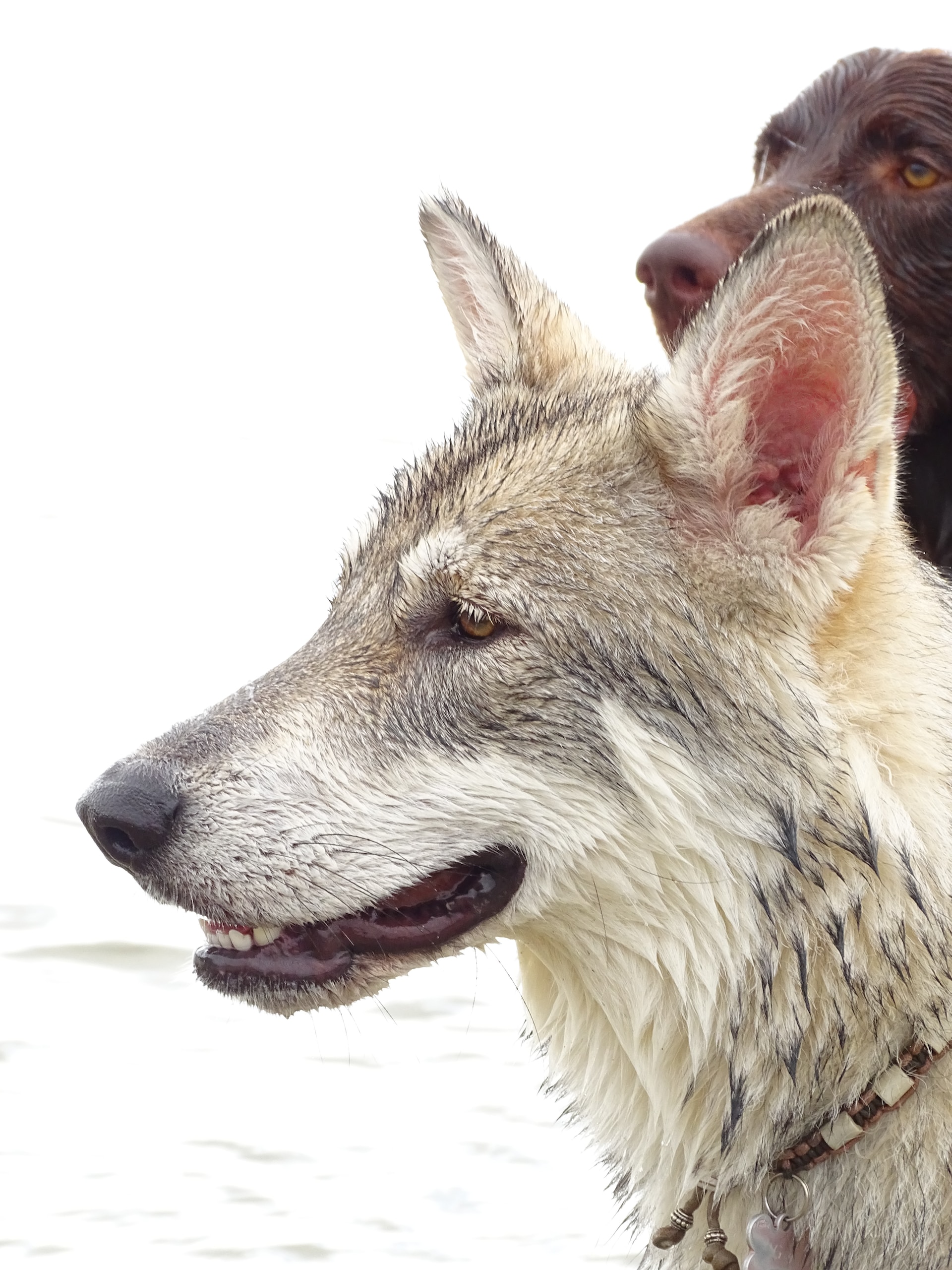
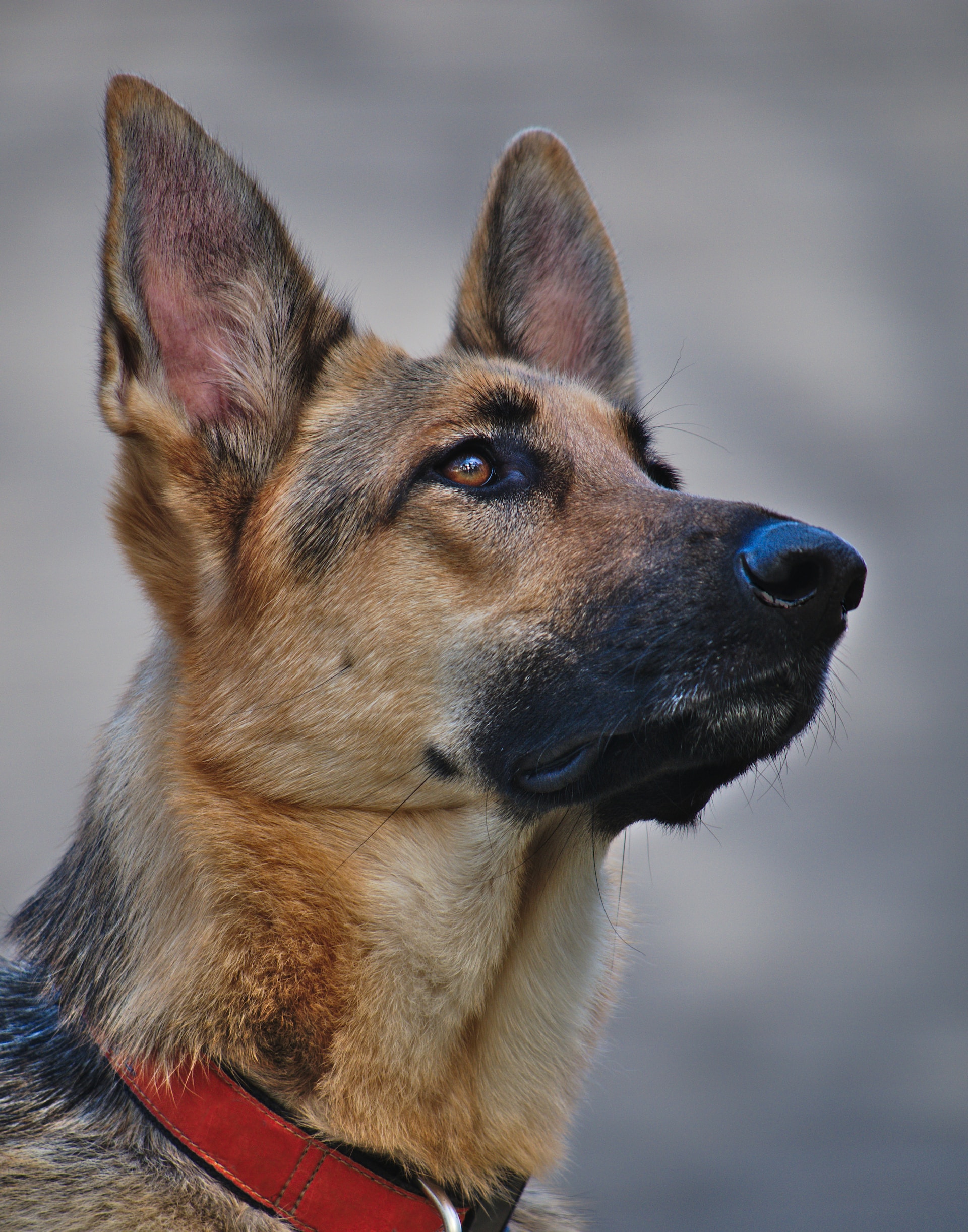
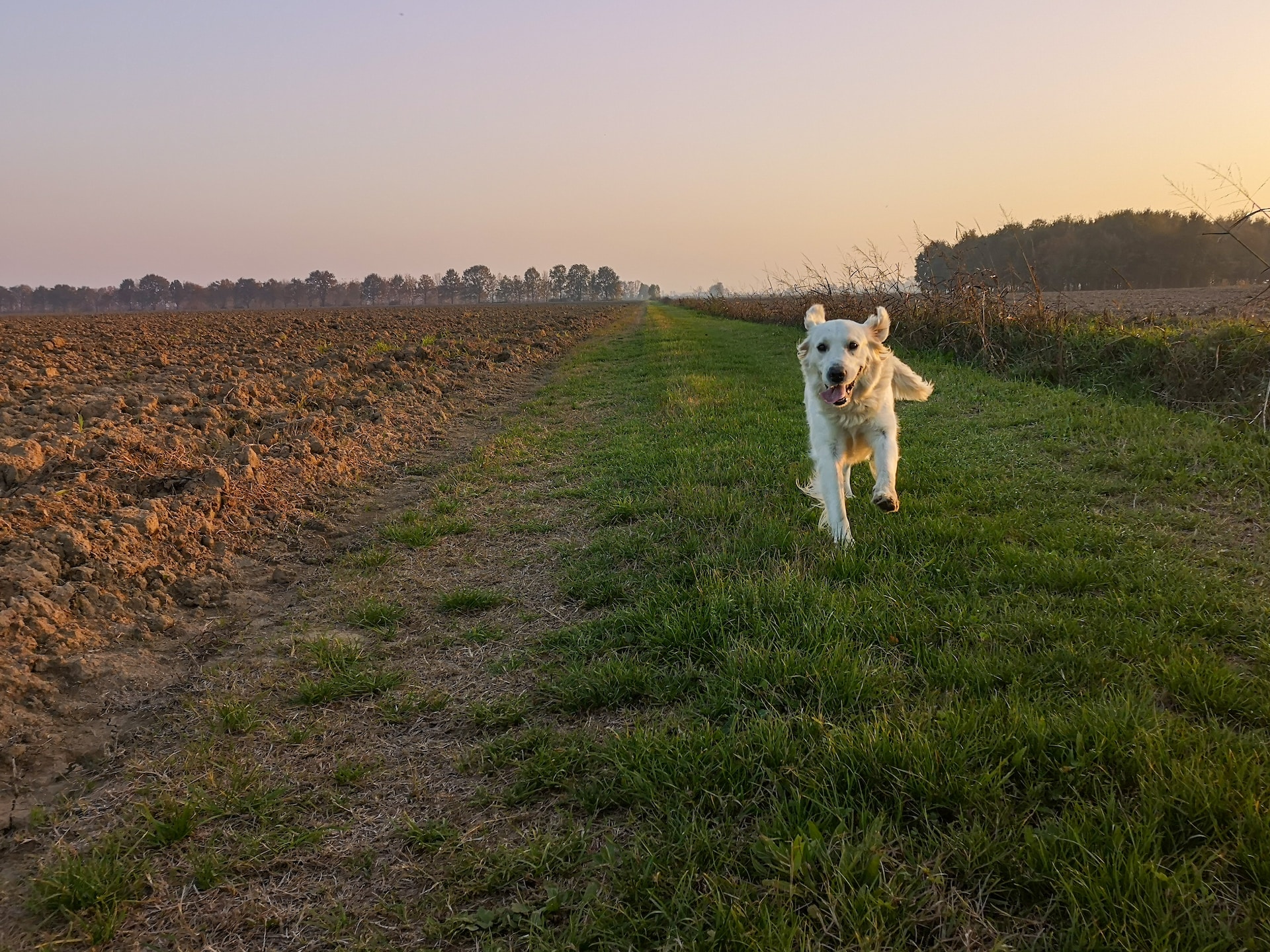
More dogs for the first day of the month of October.
Again, these pictures are taken from Unsplash. Frankly I do not know what I would do if the many photographers had not put their photos for free on this website. I have found a relatively easy way of crediting each photographer.
Back on September 19th I received an email offering me a guest post. It was from Luna Angeni. At first I was highly suspicious thinking of scams and the like and replied: “Before responding further please explain what your niche is?”
Luna replied: “Thank you for your response. I’m working on Animal Health care. It’s the perfect fit for your site.”
I agreed and this is her article.
ooOOoo
How to Control and Prevent Common Dog Diseases Effectively
By Luna Angeni
“Man’s best friend” is a phrase that perfectly defines the deep bond between humans and their canine companions.
It’s our duty to ensure the health and well-being of our furry friends. One of the most critical aspects of canine care is disease prevention and control. This is what we are going to focus on here.
In this blog, we will learn about some effective ways we can control and prevent common dog diseases to keep our canine fellows happy and healthy.
Let’s get started!
Understanding Common Dog Diseases
Dogs, like humans, are susceptible to a range of diseases and health issues.
To effectively control and prevent these complications, we need to understand them first.
Let’s review some common canine diseases:
Canine Parvovirus (Parvo)
Canine parvovirus is a highly contagious and potentially fatal disease that affects puppies and unvaccinated dogs.
It spreads through direct contact with an infected dog or contaminated environment.
Symptoms include:
1. Severe diarrhea
2. Vomiting 3. Lethargy 4. Loss of appetite
To prevent parvo, ensure your dog is up-to-date on vaccinations and avoid areas where the virus may be present.
Canine Distemper
Canine distemper is another contagious viral disease that can be fatal, particularly in puppies.
It affects various body systems and presents symptoms such as:
1. Fever 2. Nasal discharge
3. Coughing 4. Neurological signs
Vaccination is the most effective way to prevent distemper.
Heartworm Disease
Heartworm disease is transmitted through mosquito bites and can be life-threatening if left untreated.
It affects the heart and lungs, leading to symptoms like:
1. Coughing 2. Exercise intolerance
3. Weight loss
Prevention through vaccination is key for this common dog disease.
Preventive Measures for Common Canine Diseases
Preventing common dog diseases is often more manageable than treating them.
Here are some essential preventive measures every dog owner should follow:
Vaccination
Regular vaccination is the cornerstone of disease prevention in dogs.
As your veterinarian recommends, ensure your dog receives all necessary vaccinations against parvovirus, distemper, rabies, and others.
Regular Exercise
Exercise not only keeps your dog physically fit but also mentally stimulated.
Engaging in regular exercise helps boost dogs’ overall health and keeps obesity-related diseases at bay.
Proper Nutrition
A balanced diet is crucial for maintaining a healthy immune system.
Consult your veterinarian to determine the best diet for your dog’s specific needs.
Avoid feeding your canine human food, as some ingredients can be toxic to them.
Hygiene and Cleanliness
Maintaining proper hygiene for your dog and their living environment is essential.
In this regard, you must ensure:
1. Regular grooming 2. Cleaning your dog’s bedding 3. Keeping their living area free from parasites and bacteria
Regular Vet Check-ups
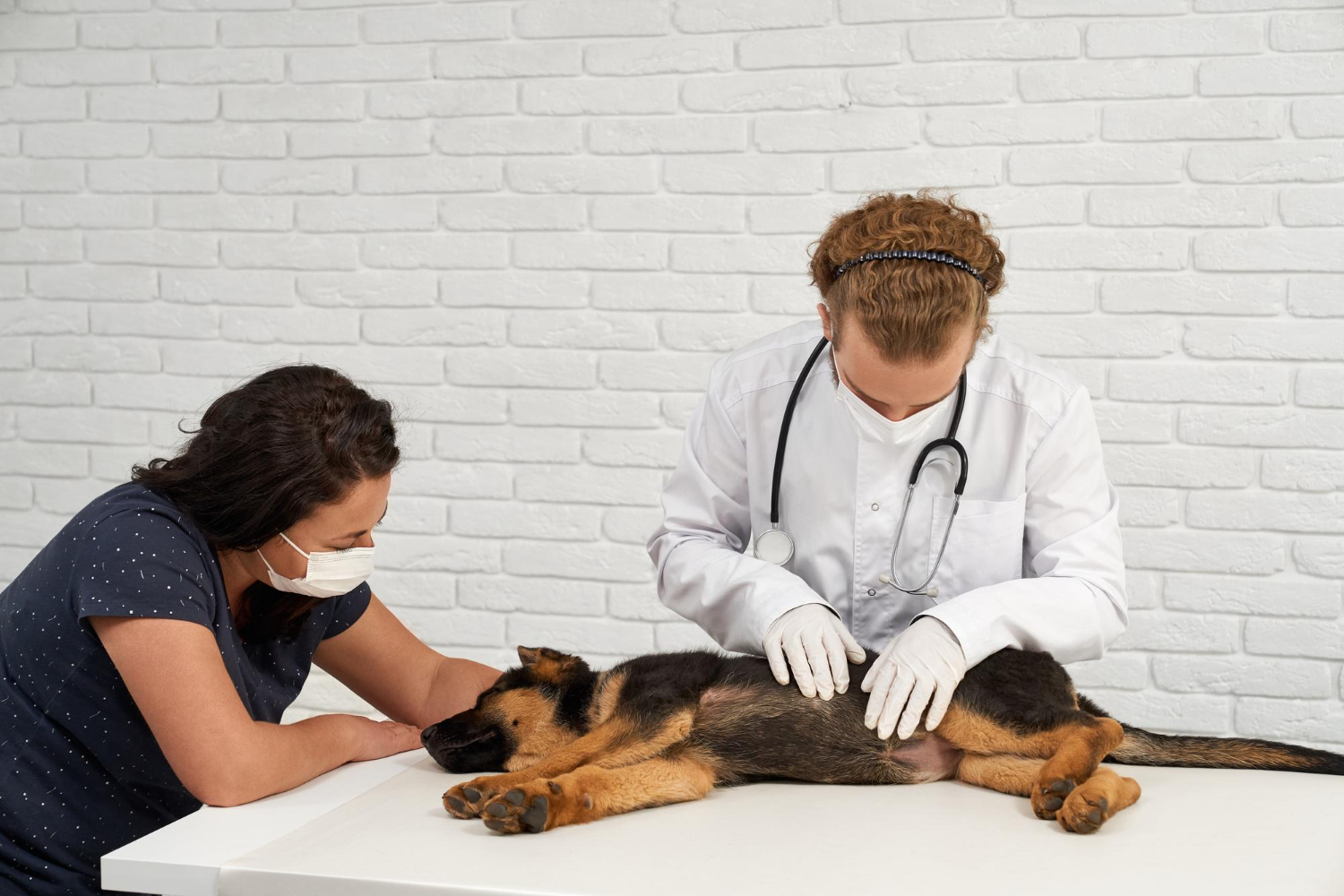
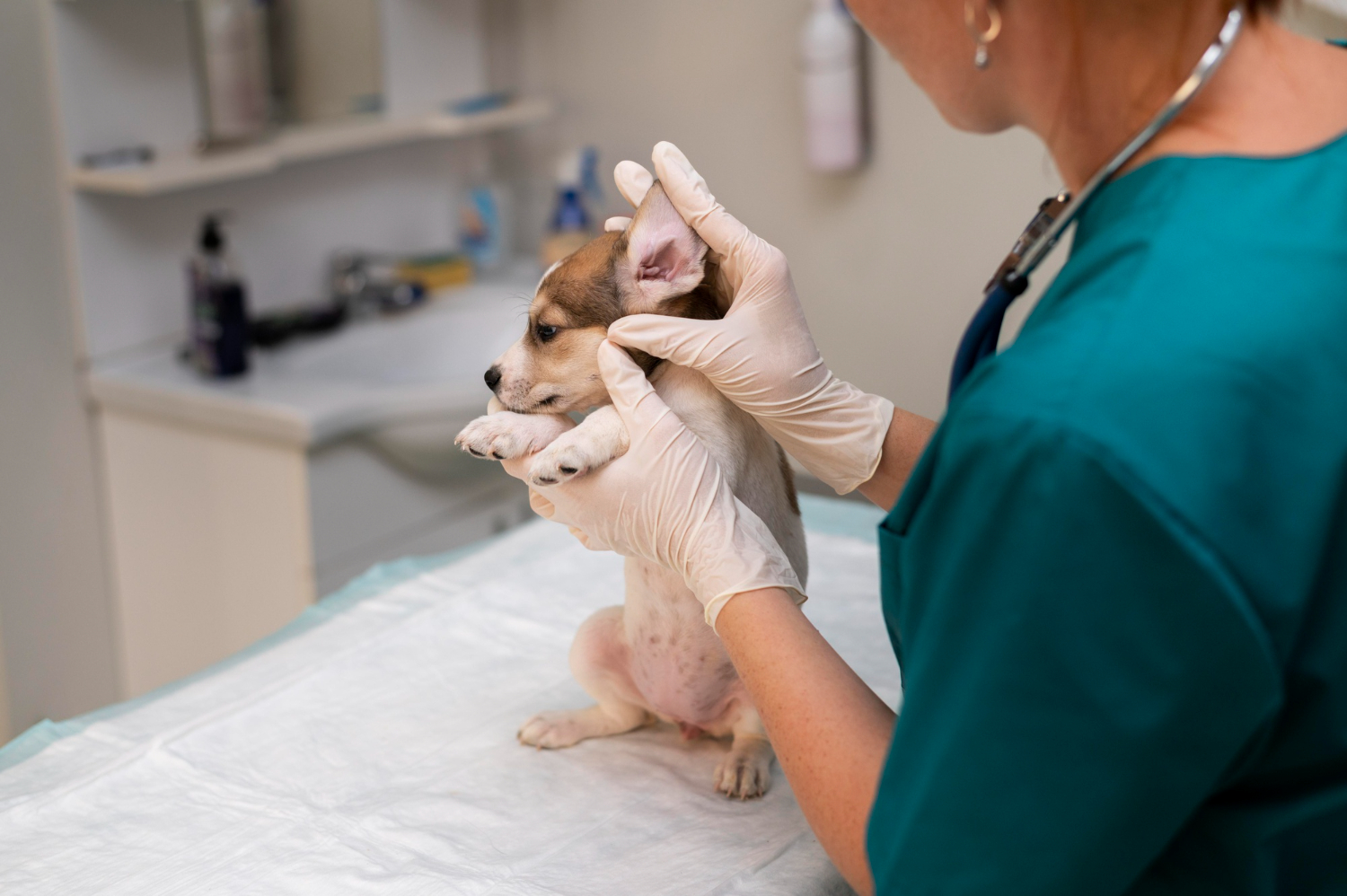
Routine visits to the veterinarian are crucial for early disease detection and prevention.
Your vet can identify potential health issues before they become severe and provide guidance on maintaining your dog’s health.
Recognizing the Signs of Illness
Despite your best efforts, your dog may still fall ill occasionally.
Recognizing the early signs of common dog diseases is essential for prompt treatment.
Here are some common signs of complications in dogs:
Changes in Appetite
A sudden loss of appetite or excessive hunger can indicate a health issue.
So, you must monitor your dog’s eating habits closely.
Changes in Behavior
Drastic changes in behavior, such as increased aggression, withdrawal, or excessive vocalization, can be indicative of pain or discomfort.
Vomiting and Diarrhea
Frequent vomiting or diarrhea can be symptomatic of various diseases, including gastrointestinal complications.
Lethargy
If your dog is unusually lethargic or lacks energy, it could be a sign of an underlying problem.
In such cases, seek a veterinarian’s help immediately.
Breathing Problems
Labored breathing, coughing, or wheezing may suggest respiratory or cardiac problems.
Immediate Action and Veterinary Care
Taking immediate action is essential if you notice any signs of illness or discomfort in your dog.
Contact your veterinarian and follow their guidance.
Early intervention can often make a significant difference in the outcome of the disease.
Conclusion
Your dog’s health is in your hands.
Effective disease control and prevention are crucial for ensuring your furry friend’s long and happy life.
Understanding common dog diseases and treatment and following preventive measures can significantly reduce the risk of complications and provide them with the best possible care.
For more guides on animal health solutions and tips for healthy dogs, you must visit Vet and Tech – a source for online veterinary education.
FAQs
What Vaccinations Does My Dog Need?
Consult your vet for a personalized vaccination schedule. Common dog vaccinations include rabies, distemper, parvovirus, and kennel cough.
What’s the Best Diet for My Dog?
High-quality commercial dog food is a good option. Still, you need to consult your vet for a diet tailored to your dog’s age, breed, and health.
How Often Should I Take My Dog to the Vet?
Generally, annual check-ups are recommended, but older dogs can benefit more from biannual visits. And–puppies may need more frequent check-ups.
ooOOoo
That is a wonderful set of recommendations and advice. Really of no surprise when one considers Luna’s biography:
I am a clinical veterinarian, researcher, and professional content writer. Being a medical professional and a content writer, I hold key writing skills such as Blog writing. I shall provide beautifully crafted, interesting to read, easily understood, highly informative, 100% original, error, and plagiarism-free content.
Luna Angeni
I sincerely hope this will be far from the one and only post!
P.S. I also openly admit that I have featured her blog site Vet and Tech but will also explain that I have no special association with her blog or with Luna Angeni.
I would not have believed this had I not read it with my own eyes.
I have been an atheist all my life. My mother and father were all those years ago when being an atheist was not something one promoted.
But a recent article from The Conversation told a very surprising account: “These spiritual caregivers can be found working in hospitals, universities, prisons and many other secular settings, serving people of all faiths and those with no faith tradition at all.“
Here’s the full article.
ooOOoo
Religious leaders without religion: How humanist, atheist and spiritual-but-not-religious chaplains tend to patients’ needs
Chaplains talk with anyone, regardless of whether or not the patient has a religious affiliation – and some chaplains themselves are not religious. Jacob Wackerhausen/iStock via Getty Images Plus
In times of loss, change or other challenges, chaplains can listen, provide comfort and discuss spiritual needs. These spiritual caregivers can be found working in hospitals, universities, prisons and many other secular settings, serving people of all faiths and those with no faith tradition at all.
Yet a common assumption is that chaplains themselves must be grounded in a religious tradition. After all, how can you be a religious leader without religion?
Thirty percent of Americans are religiously unaffiliated. Research suggests that people who are atheists or otherwise nonreligious sometimes reject a chaplain out of wariness, or shut down a conversation if they feel judged for their beliefs. But this research has not accounted for a new, increasingly likely situation – that the chaplain might also be nonreligious.
No national survey has been done, so the number of nonreligious chaplains is unknown. But there is plenty of reason to think that as more Americans choose not to affiliate with any particular religion, so too do more chaplains.
Nonreligious chaplains have been a part of hospital systems and universities for years, but they came into the national spotlight in August 2021 when Harvard University’s organization of chaplains unanimously elected humanist and atheist Greg Epstein as president. Humanists believe in the potential and goodness of human beings without reference to the supernatural.
Other recent reporting on humanist chaplains has also focused on school campuses, but nonreligious chaplains are not limited to colleges and universities. Eighteen of the 21 nonreligious chaplains we spoke with in our study work in health care, including hospice. The Federal Bureau of Prisons allows nonreligious chaplains, but we were unable to find any of them to participate in the current study.
Humanist chaplain Bart Campolo, center, and his wife, Marty, right, mingle with students at the University of Southern California in 2015. AP Photo/Jae C. Hong
The idea of a “call” from God is central to many religious vocations: a strong impulse toward religious leadership, which many people attribute to the divine.
Chaplains who are atheists, agnostics, humanists or who consider themselves spiritual but not religious also can feel called. But they do not believe that their calls come from a deity.
Joe, for example, an atheist and a humanist whom we interviewed, has worked as a chaplain in hospitals and hospices. He says that his “light bulb moment” came after a history professor told him that beliefs are the source of a community’s power. While atheists do not believe in God or gods, many do have strong beliefs about ethics and morality, and American atheists are more likely than American Christians to say they often feel a sense of wonder about the universe. Joe’s call was not “from a divine source,” but nonetheless, he says this experience “kind of filled me with a sense of control, and confidence, and presence” in his life that grounded his sense of a calling.
Sunil, another chaplain our team interviewed, was inspired by his college chaplain, whom he calls “a really influential presence.” The chaplain helped Sunil answer questions about identity and values without “necessarily having any religious or spiritual leanings to it,” and encouraged him to go to divinity school.
Today, Sunil tries to help others answer those same questions in his work as a health care chaplain – and to offer deeply thoughtful, meaningful spiritual care to people who aren’t religious.
Education and training
Most chaplaincy jobs require a theological degree. Along with coursework in sacred scriptures and religious leadership, chaplaincy training usually involves clinical pastoral education, where students learn about hands-on, care-oriented aspects of their profession. This involves learning to provide care to everyone, regardless of their religious background.
Although coursework is broadly the same for all students, religious or nonreligious, the actual experience of earning a degree is very different for nonreligious students. In the United States, Christian students are easily able to enroll in a seminary or divinity school that shares their faith identity and spend their years of study learning about their own tradition.
Chaplaincy programs that focus on non-Christian traditions are available, but scarcer, and our team does not know of an overtly nonreligious chaplaincy program. In recent years, more seminaries have welcomed nonreligious students, but nonetheless, nonreligious students often find themselves focusing their study on traditions to which they have no personal connection.
Yet there is a surprising bright side.
‘I am here to support you’
Being deeply immersed in traditions that are not one’s own is one of the reasons that nonreligious chaplains can be so effective.
Artwork posted by a chaplain in a break room in the trauma surgery ICU at Harborview Medical Center in Seattle. David Ryder/Getty Images
For example, our team asked Kathy, a health care chaplain, how she approaches prayer with religious and nonreligious patients. “My goal is to try to meet that person where they are and pray in a way that’s helpful and comforting for them, or meets whatever the need is that’s arisen during the conversation that we’ve had,” she said. Like all chaplains, Kathy is there to accompany, not proselytize. While she herself prays to the “great mystery,” she is comfortable facilitating whatever prayer is needed.
Claire, a chaplaincy student, agreed with Kathy and described her own first experience meeting an evangelical Christian patient. It was easy, she said, because “you’re not trying to fix anything. You’re just trying to meet them where they are. So that’s it.”
Nonreligious chaplains are used to thinking outside the box. Having learned about major world religions, many of them can find overlapping values and beliefs with their patients, such as finding beauty and meaning in the natural world or finding strength in their conviction that human beings are inherently good.
Cynthia works in the palliative care department in a hospital and tells her patients, “I am here to support you in whatever is meaningful to you right now and whatever is most important in your life in this moment.” She asks patients: “What are you struggling with right now? What are your goals? What do you hope for? What are you afraid of?” – trying to “unpack that with a spiritual lens rather than a medical lens.”
Cynthia is an example of why spiritual care by nonreligious chaplains may be surprising, but is likely here to stay. Based on our research, nonreligious chaplains are as capable as religious chaplains of meeting a person in their darkest hour and taking them by the hand.
That last sentence may be opened up even more. In that the article speaks of chaplains, both religious and nonreligious. But as someone who was a counsellor with the Prince’s Youth Business Trust some years ago, now The Prince’s Trust, it is my opinion that anyone who is an active listener can undertake the role.
The article has many fine points including one that I had not considered before. “That American atheists are more likely than American Christians to say they often feel a sense of wonder about the universe.” I am certain that this isn’t confined to Americans.






























 Learning from Dogs
