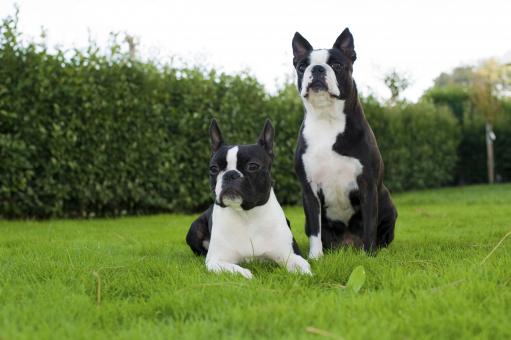
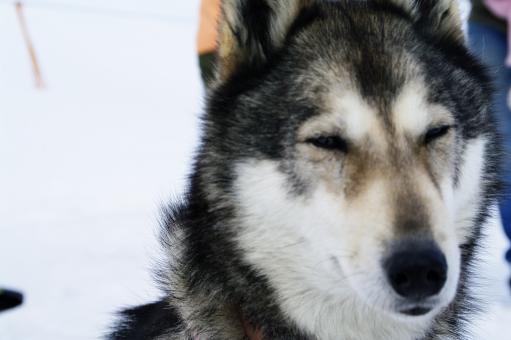
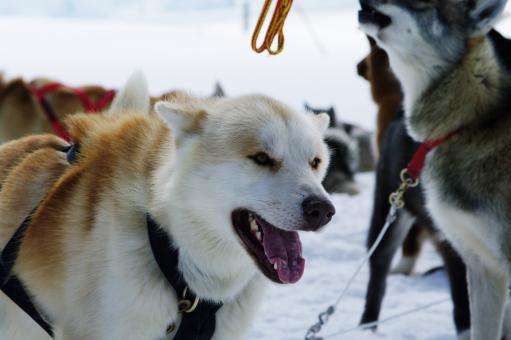
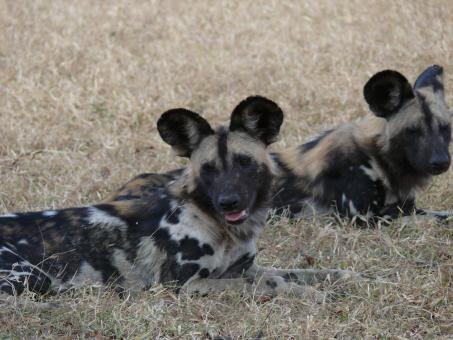
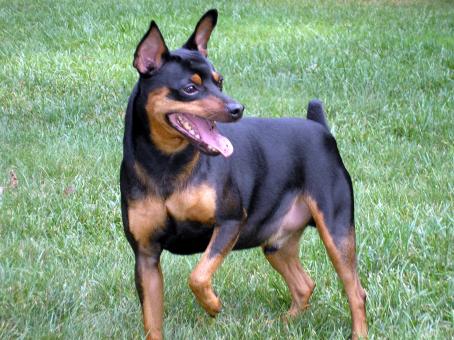
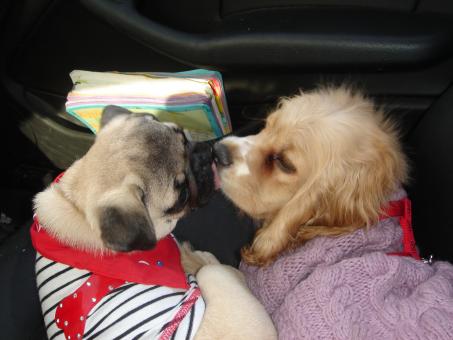
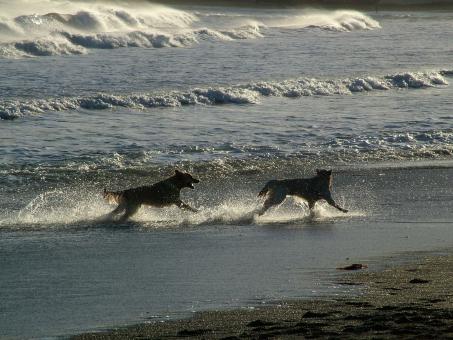
A selection of free photos from the web.
Thanks to Susan for highlighting these free websites.
oooo
oooo
oooo
oooo
oooo
oooo
oooo
Lovely!
Dogs are animals of integrity. We have much to learn from them.
Category: Communication
A selection of free photos from the web.
Thanks to Susan for highlighting these free websites.
oooo
oooo
oooo
oooo
oooo
oooo
oooo
Lovely!
The walking tour of Spain continues!
Once more I will keep my introduction very short. Except to say that the original was here.
It’s turning into a fabulous walk!
ooOOoo
By Tom and Chica, 18th January, 2020
Written by Tom’s wife.

Today was the longest walk so far and didn’t actually start until late as we decided to shift base. By the time we had the caravan installed on a site in Jimena de la Frontera and I’d driven Tom and Chica back to Castillar it was 2pm. Chica was obviously refreshed after her day off and keen to go. Castillar again looked amazing and it was great to know the start is downhill on a tarmac path through more lovely woodland.
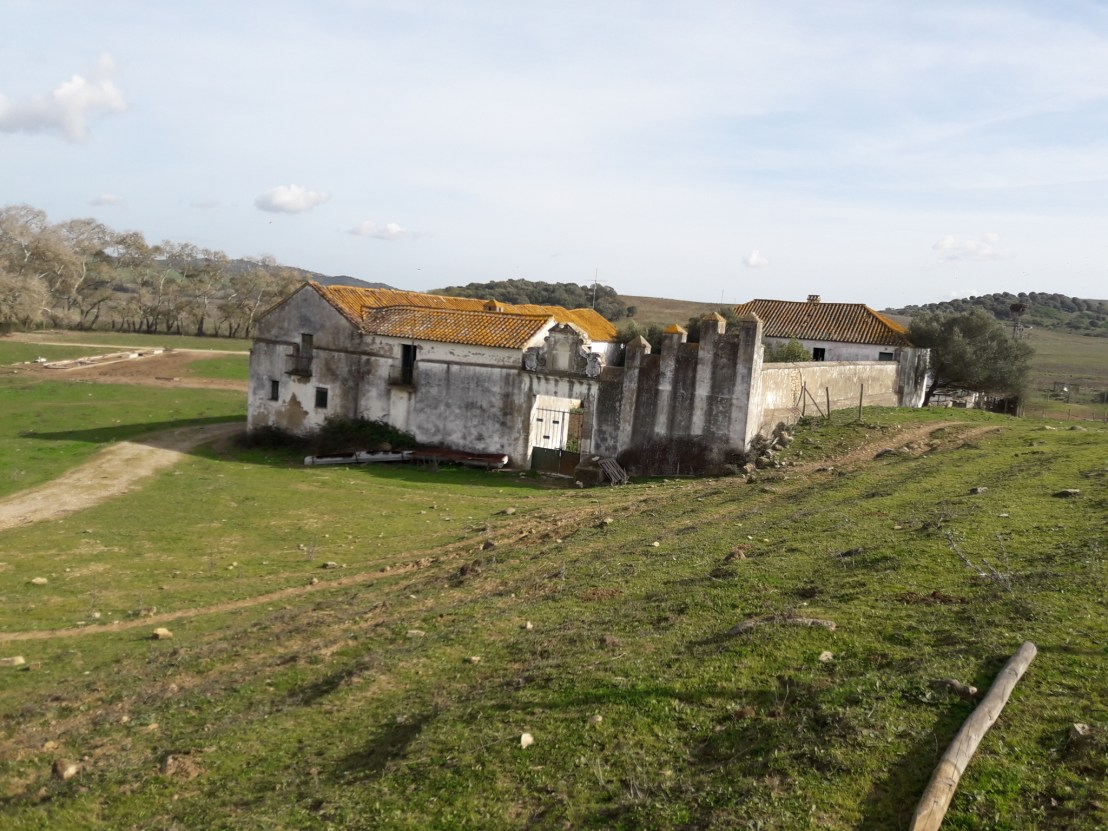
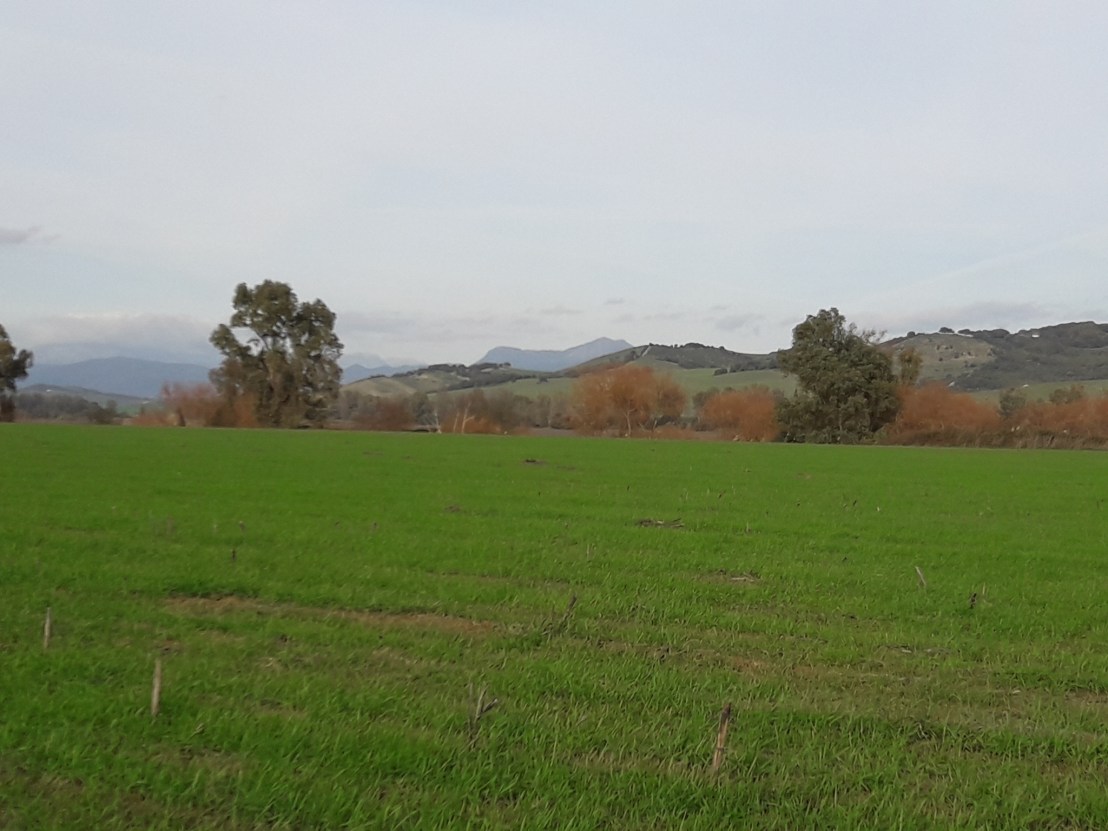

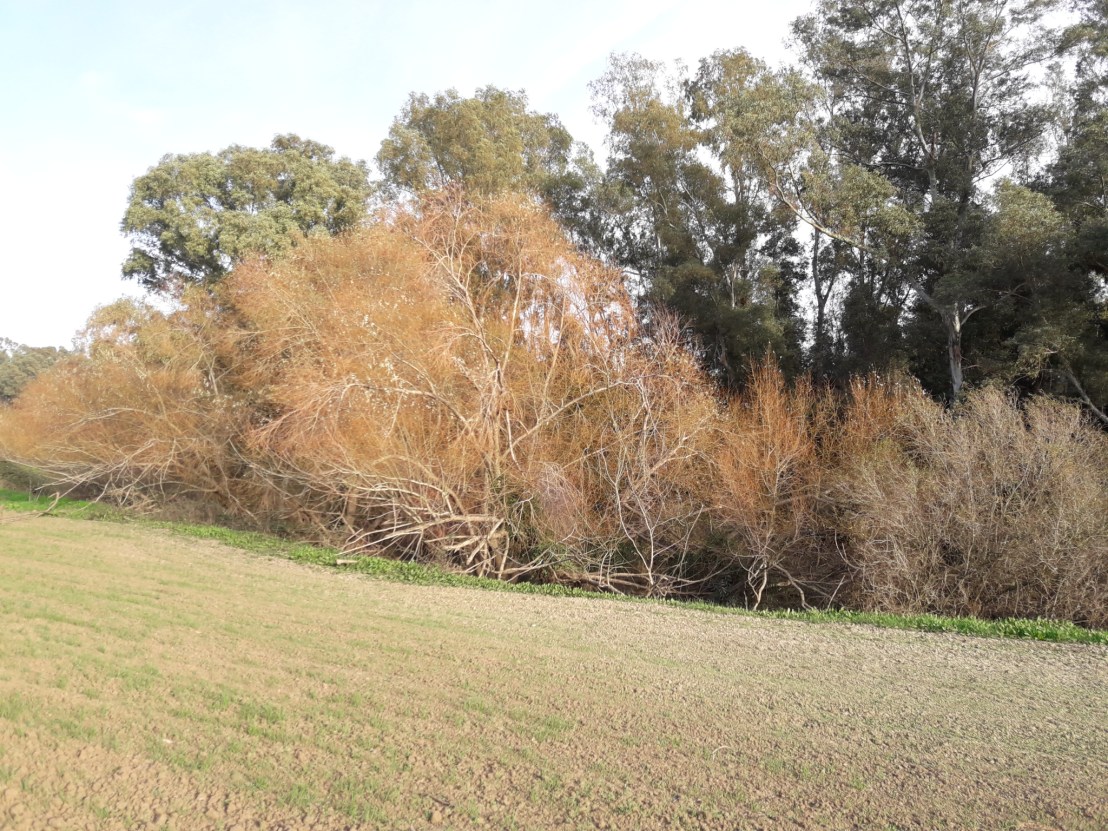
As it levelled out, the tarmac gave way to a gravel track through scrub and grazing land occupied mainly by local brown retinto beef cattle. A huge old farmhouse had seen better days and seemed unoccupied, at least by humans. The scenery changed again as they entered the first cultivated area they had come across since the start. No idea what the crop is though.
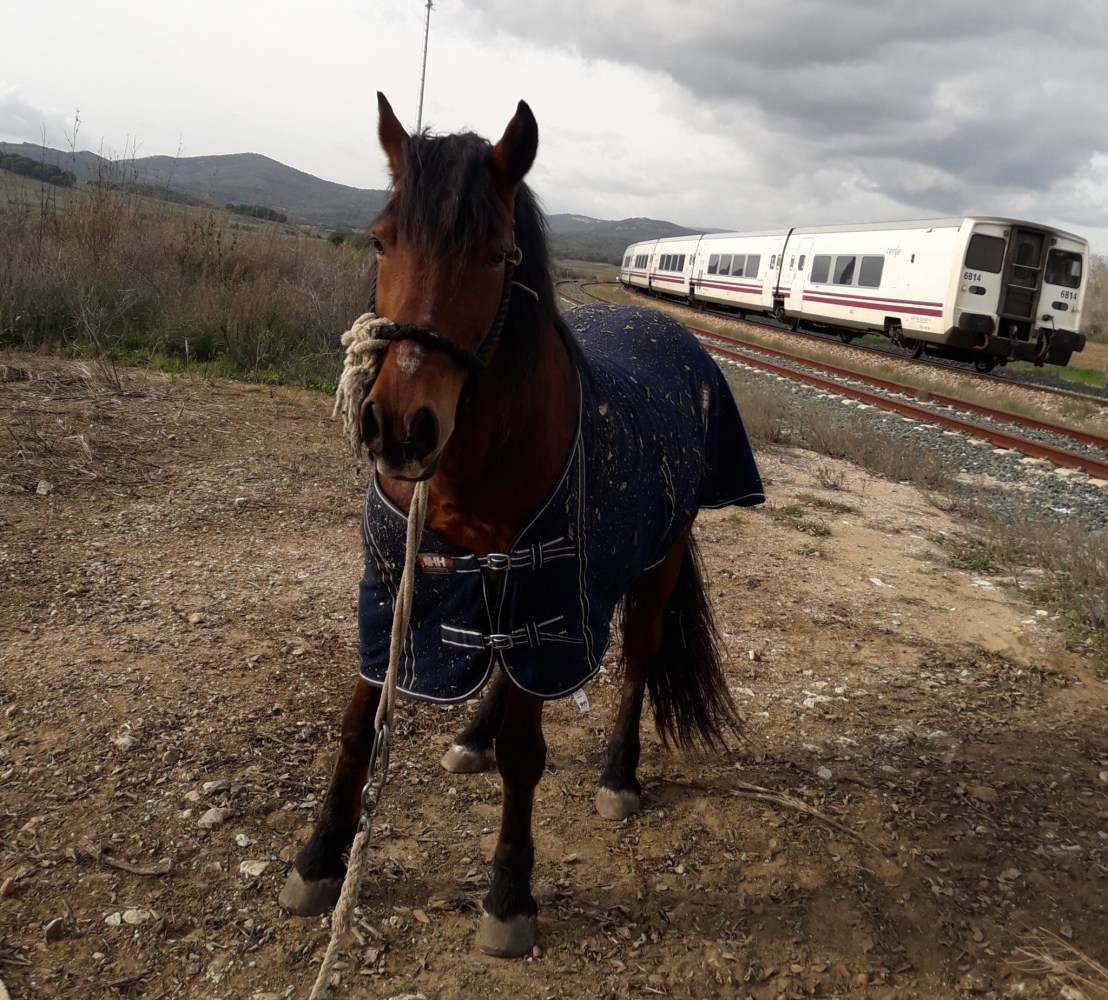
The route met up with the railway track and would stay with it all the way to Jimena. There was a pony grazing here. Despite having a rug and being quite friendly, the white hairs on its nose indicate it has been put in a seraton – a noseband with spikes that dig into the soft flesh of the muzzle. These are still used a lot in Spain. Nearby there was a donkey that was hobbled – which is now illegal. Equines get a rough deal here sometimes.

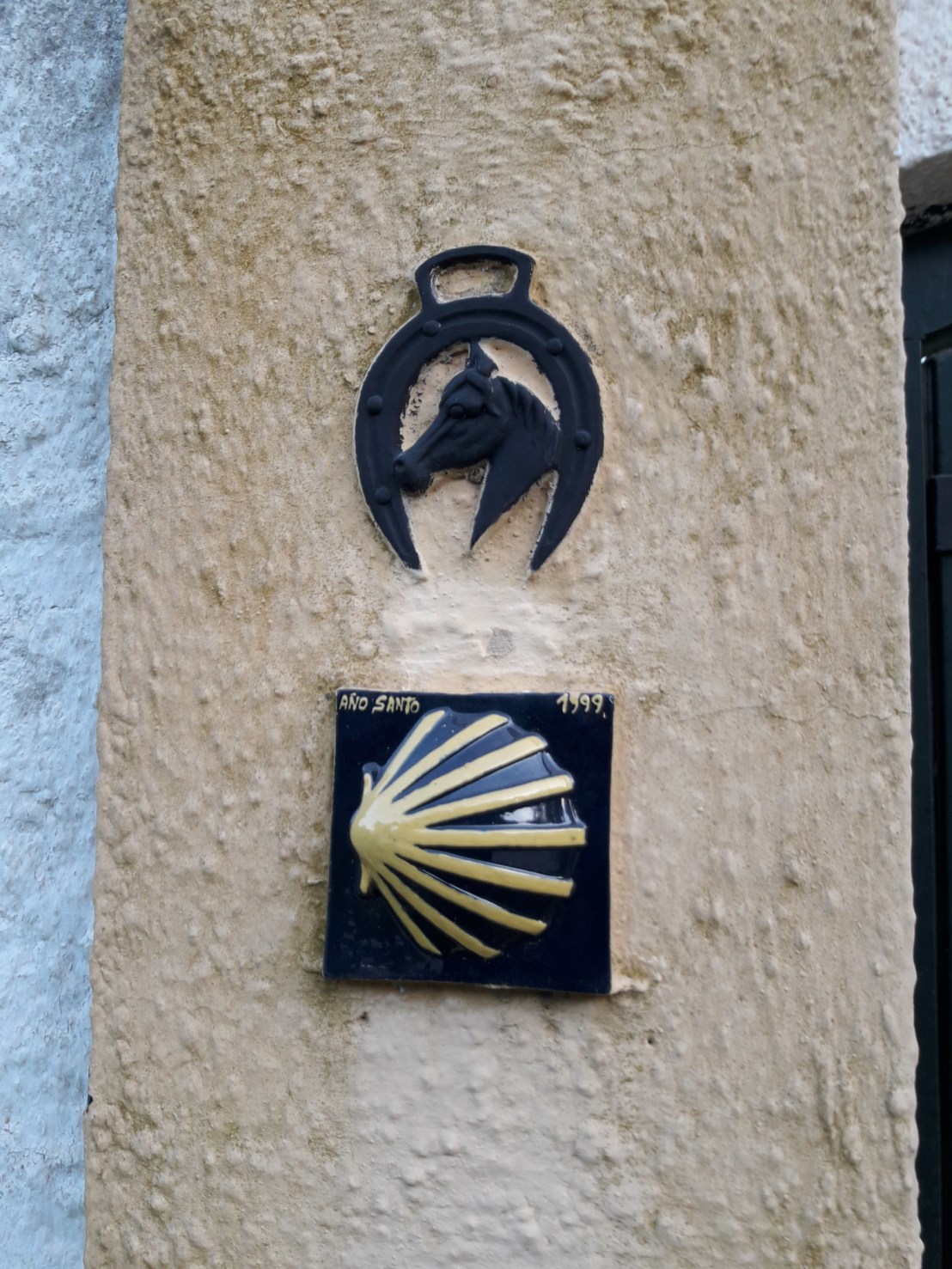
There were a few dwellings as they approached Jimena – one with a very impressive gate. The shell motif is associated with St James and is a common one on caminos (pilgrim trails) although more usually found on the famous Santiago de Compostela in northern Spain.

The light was fading fast and the last hour or so was done in virtual darkness with Jimena castle luminations acting as beacon to the weary traveller.
ooOOoo
Wonderful. And what a lovely job of writing it all up.
Keep it coming, Mrs. Tom.
Seeing parts of Spain that the tourists rarely see.
Again, I’ll keep my introduction really short. After all you came here to read of Tom and Chica’s walk along GR7.
ooOOoo
By Tom & Chica, 17th January, 2020
Written by Tom’s wife
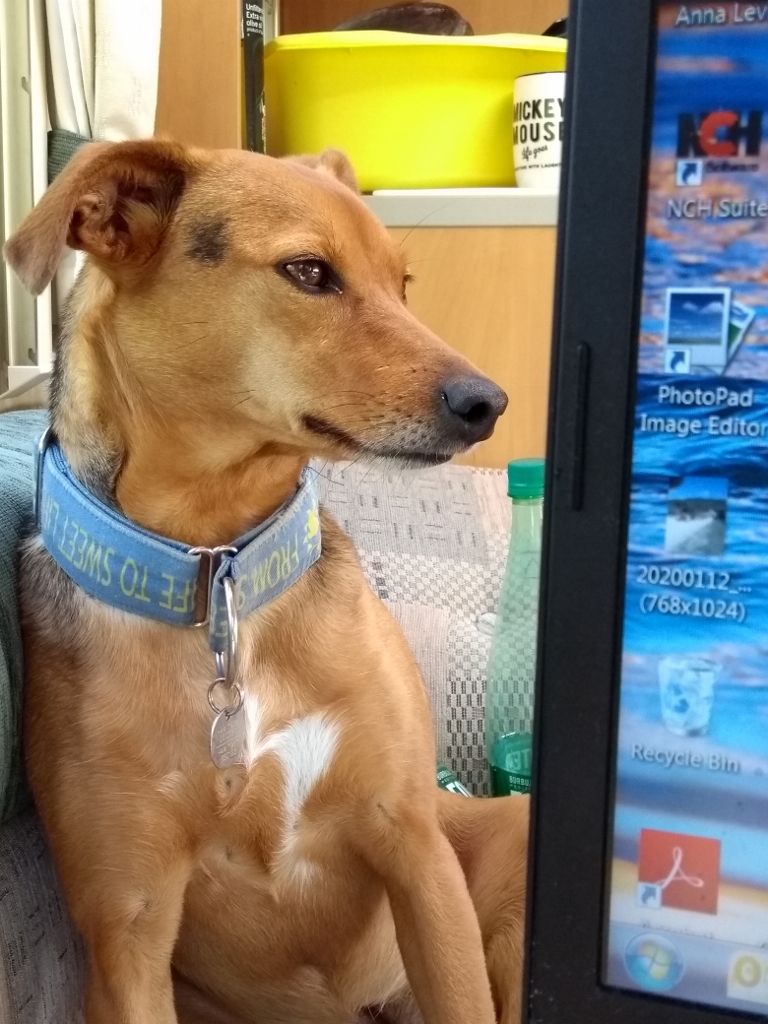
After his adventure yesterday, Merlin was up early this morning bounding around shouting ” Me! Me! Me!” Chica opened one eye (she’s not good in the morning) and made it clear that she was happy for him to deputise for her today. She had a lie-in while Tom and Merlin headed back up to Castillar and as you can see, later she helped me deal with her social media fans!
Day 6 started as day 5 ended, by the road. This proved less hazardous than the next section which was on a track by the main road along which groups of lycra-clad cyclists flew in both directions. It was with relief that T & C were able to turn onto a lovely quiet road that wound through the oak forest towards the castillo (castle) high on a rocky outcrop ahead.


After a few kilometres, a very inviting track appeared to the right of the road and despite the marker not being for the GR7, Tom couldn’t resist, wanting to be off tarmac for a while. A bit further on, a post bearing the red and white stripes of the GR routes was a welcome sight and the path through the wood was cool and easy on the feet (all six).


The path eventually came back out onto the road and the castle could now be seen high above. As it started to climb, the road also started to wind so Tom thought he’d try and cut off the corners. But we all know that cutting corners rarely works and sure enough, he soon had to retrace his steps. Eventually, a cobbled path did appear but it proved a steep slog. Plucky little Merlin who’d been trotting along happily up until now started to flag. His tail had been vertical all the way but now began to droop a little. Both were very pleased to see the bar at the top.
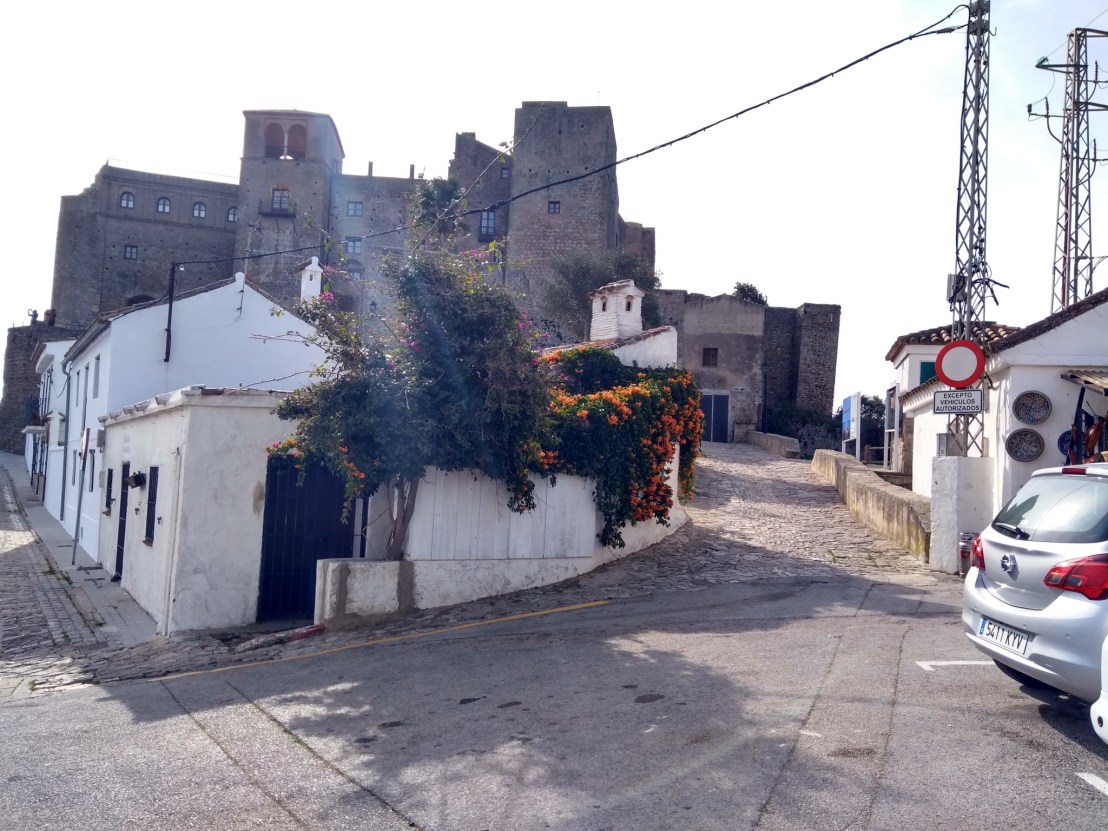
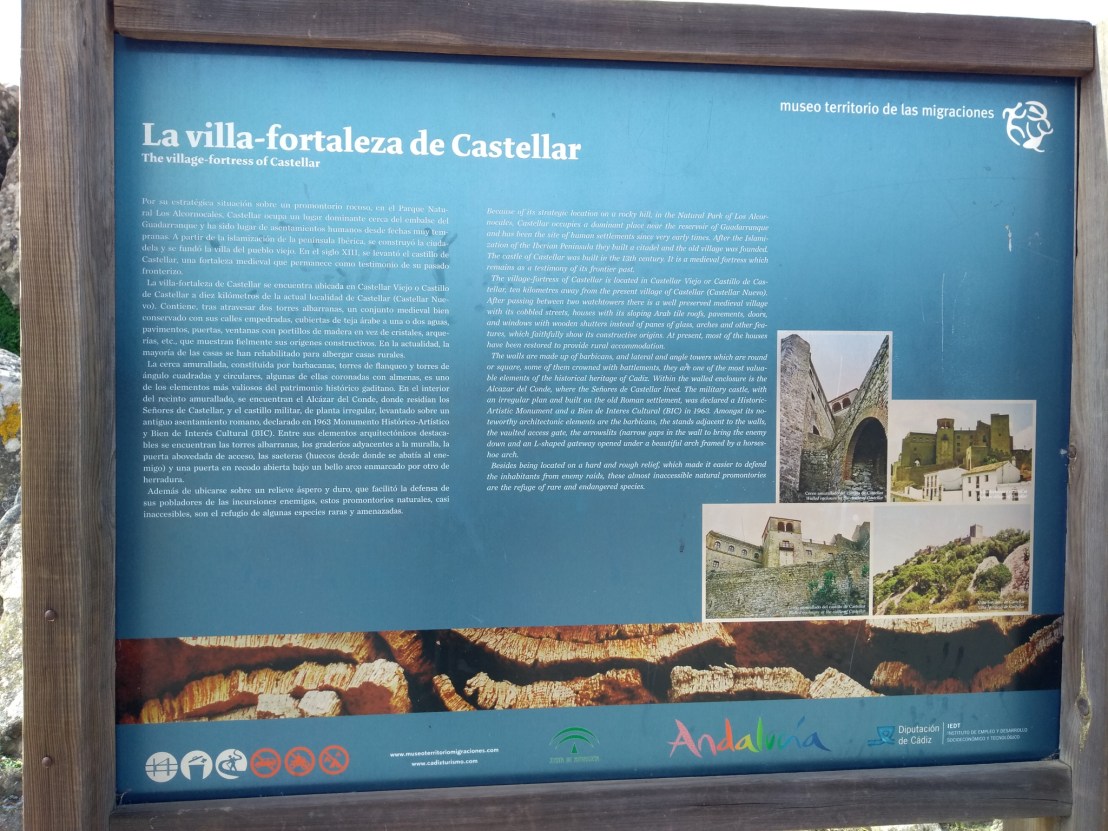
It is beautiful spot with wonderful views and the history of the village goes back to the Bronze Age. The prehistoric presence is still evident in the many caves around the area, where enthusiasts can see the wonderful cave drawings. It played an important role in the wars between the Spanish and the Muslims. In such an advantageous strategic position, many cultures wanted to control this strong vantage point.
In the 1960s the new town, where we started today, was built 7 km away in a more convenient location next to the road and the train station. This new model Andalucian town was inaugurated in 1971.
Two years later the Rumasa Group acquired the old village and in 1983 the Spanish government expropriated Castellar and declared it an ‘Historical and Artistic Monument’. By this time, the place was in a state of neglect and the Town Hall invested the equivalent of around £100,000 to restore the old castle and village.
If you ever find yourself in this part of Spain, we strongly recommend a visit.
ooOOoo
I can’t do any better than to repeat what I said after the last:
Keep it going, Tom. For the description of your walk is very engaging. To be honest, it is Tom’s wife, G
The walk along GR7 continues
This walk is really getting under way. In day four they achieve the stretch from Los Barrios to Castillo de Castellar.
ooOOoo
By Tom & Chica, 16th January, 2020
Written by Tom’s wife.

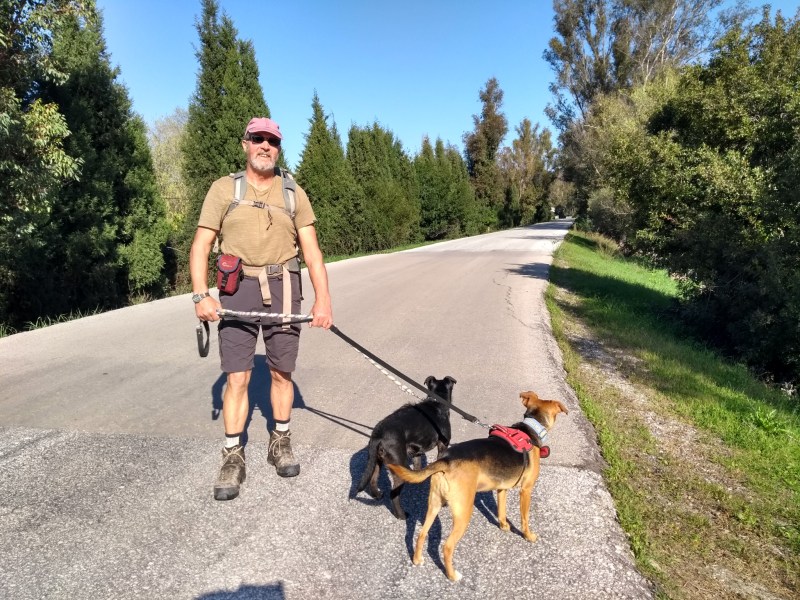
In complete contrast to yesterday, this morning there was a clear blue sky – a truly glorious day. We all set off together for the first mile or two but when I turned to go, Merlin dug his paws in and and absolutely refused to come with me. So he carried on with Tom and Chica while Arthur and I returned to the car.
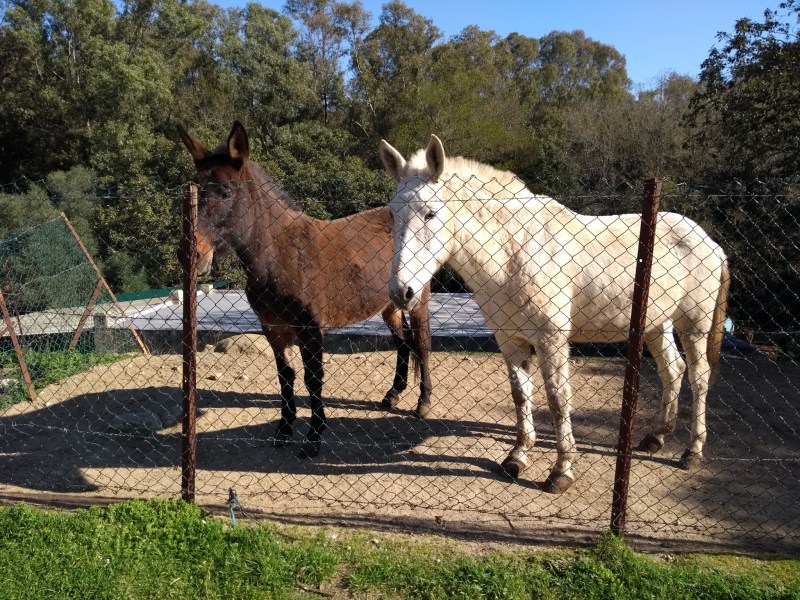
Mules are still used in Spain both as personal transport and as pack animals. Here in the forest, they haul wood and cork. These two look in good condition and don’t have any of the white patches or scarring that indicates poor loading or ill-fitting harness that is often seen. Happily, it is now illegal to hobble equines (ie chain the front feet together to severely restrict movement). This is a very recent change and six years ago when we first came to this area it was a common sight. To restrict the movement of a prey animal that naturally depends on flight for survival is very cruel, in my view, so it’s good to see it dying out.
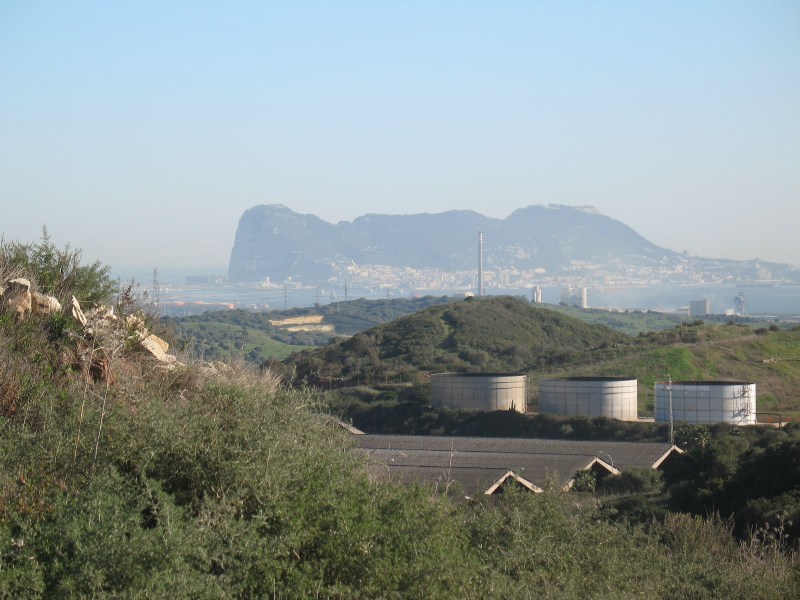
Today’s route wound gently uphill past an army camp until, at the high point, there was a fantastic view across the top of Algeciras, the main port, to the rock of Gibraltar. After that it continued to through pasture and cork oaks until the enormous rubbish dump made its presence felt well before it was visible in what appeared to be a disused quarry.

Eventually, the path came out on the road, which though not very busy was less pleasant to walk on and all three members of the party were quite happy to be picked up after 15k in very warm weather.
ooOOoo
Keep it going, Tom. For the description of your walk is very engaging. To be honest, it is Tom’s wife, G
The journey continues!
I made a mental note to republish this wonderful story more often than hitherto.
Certainly, if I am do the story justice, and I do want to do that, then a couple of republications a week is needed.
So we are at Day Three.
ooOOoo
By Tom and Chica, 15th January, 2020
Written by Tom’s wife.

This was the first cold and cloudy morning we’ve had since we arrived in Tarifa – a bit of a shock! The lack of wind, which is a rarity here, meant that all the wind turbines were motionless – like silent sentinels guarding the the hills.

oooo

oooo

We reached the start point (What Three Words location: dashes.outlived. plums) at around 10.15. Frustratingly, the route is barred by an electronic gate and notices warn that vehicles are prohibited, although google maps shows it as a through route. This wasn’t a problem this morning but made for a long drive for the pick up later.
After yesterday’s day off both dog and man keen to get going and set a brisk pace to keep warm. The lizards referred to in the sign weren’t in evidence – it was definitely too cold. The same very stony track caused less problems for Tom today with medium rather than light weight boots. The route climbed steadily to a high open valley to Puerto de Ojen giving views of the Sierra del Nino to the north. There used to be a bar here offering refreshment to walkers but sadly only a rather angry little dog and a donkey there now but a brief lunch break was taken anyway.

oooo

This sign on the right (Ed. the last one above.) was a little further down the road. A brief translation tells us that, as a result of the Spanish civil war, prisons were overflowing so Franco decided to create disciplinary battalions, an organized group of political prisoners to perform forced labour. After the outbreak of WWII, he launched the Fortification Plan on the northern shore of the Strait of Gibraltar, with the aim of fortifying and defending the area from possible attacks from the coast. To do this, he built a network of roads in this coastal area of southern Spain from Conil to the Guadiaro River and the path of the prisoners is part of this network of roads built by disciplinary battalion number 22 that was located between Venta de Ojén and Cerro del Rayo from 1940 to 1943.

oooo

Further along they came cross this old bread oven that is currently being restored. Tom is a builder specialising in stone work so was able to determine that it was a good example of modern stonework. He was unable to fully translate the sign but it said that bread was a very important part of the diet and this was oven was a vital resource used by many people.
All in all, an interesting and reasonably easy route. The weather had improved as the day went on and it reached 18 deg but after 20k both Tom and Chica were quite happy to see the car, I think.

ooOOoo
I am so grateful for being given permission by Tom’s wife to republish this amazing journey along the GR7 path.
I’m assuming that you all are enjoying this!
Where does the time go!
It is now ten days since I last reported on Tom and Chica’s great walk; so much for my couple of postings a week!
But they continue to walk the GR7 path in Spain and I will continue to republish their posts of this great trip.
So now, so far as republishing goes, we are up to Day Two.
ooOOoo
By Tom and Chica, 13th January, 2020
Written by Tom’s wife.


All walking days will start with the full monty for Tom. He is a very practiced breakfast chef so I leave him to it. It did seems to take a while this morning so I think we may have to start getting up a bit earlier. For this week, at least, I will be dropping him off and picking him up so he doesn’t have to carry the full pack with the tent etc, giving him time to get some fitness back first after the flu virus.
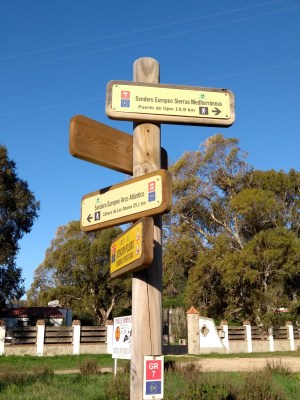
So it was 10am before we got to the start at La Pena (What Three Words location: crafted.indecisive.barbecued.) and already a really glorious day; full sun and a gentle breeze. The route wound up into the hills giving wonderful views back down to the sea and across to the Moroccan coast. The path continued on a variety of surfaces, some tarmac, some sand and some stony tracks. The latter proved a bit uncomfortable and Tom now thinks that his more sturdy boots might be better, despite being a bit heavier. He has metal rods in both his feet, the result of a climbing accident about twenty years ago. So it’s extra important that his feet are well supported.


The landscape was quite rocky with olive and other hardy shrubs and trees, and lots of cacti too. Not much wildlife spotted but plenty of goats with their melodic bells. The route ended at a large lake on a inaccessible track so they walked back to the road where we met, conveniently close to a bar for a much appreciated cold beer (for Tom)and long drink of water (for Chica).
Meanwhile, back at the campsite, there was a minor crisis as a neighbour discovered a number of processionary caterpillars. These are nasty critters with highly irritant hairs that can cause a painful rash in humans but are even more dangerous for dogs. As the name suggests, the caterpillars form a chain when they move and, of course, most dogs want to investigate but if they ingest the hairs it can cause real problems. The nests can easily be spotted as dense webs on the tips of pine branches. The site maintenance staff were very prompt in coming along to remove the nests but we will remain vigilant. It was probably a bit daft to choose a plot under the pines and it’s a lesson learned for the future. One of many to come, no doubt.


ooOOoo
This is such an amazing trip. Words hardly express my admiration for what Tom.
And, as before, please do follow Tom and Chica directly.
And back to The Conversation.
I was discussing with Mr. P. (he of Wibble) yesterday the pros and cons of republishing material from The Conversation and I noticed this recent essay there.
It’s a very positive message but I will let you read it in full.
ooOOoo
R. Claudio Aguilar, Purdue University
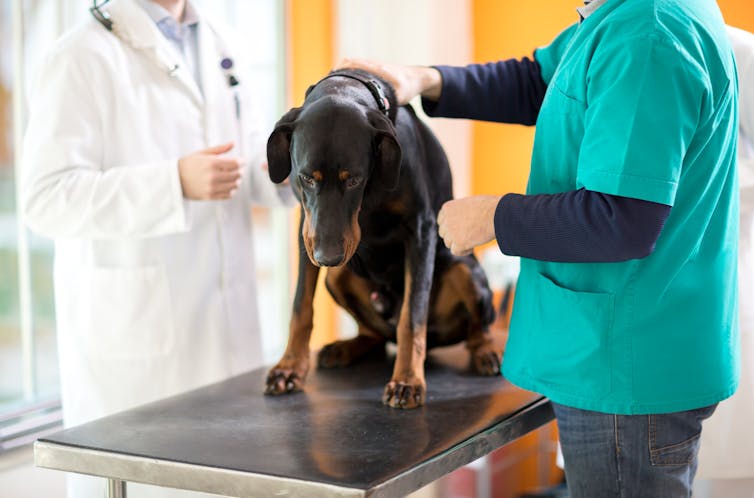
Can the feared anthrax toxin become an ally in the war against cancer? Successful treatment of pet dogs suffering bladder cancer with an anthrax-related treatment suggest so.
Anthrax is a disease caused by a bacterium, known as Bacillus anthracis, which releases a toxin that causes the skin to break down and forms ulcers, and triggers pneumonia and muscle and chest pain. To add to its sinister resumé, and underscore its lethal effects, this toxin has been infamously used as a bioweapon.
However, my colleagues and I found a way to tame this killer and put it to good use against another menace: bladder cancer.
I am a biochemist and cell biologist who has been working on research and development of novel therapeutic approaches against cancer and genetic diseases for more than 20 years. Our lab has investigated, designed and adapted agents to fight disease; this is our latest exciting story.
Among all cancers, the one affecting the bladder is the sixth most common and in 2019 caused more than 17,000 deaths in the U.S.
Of all patients that receive surgery to remove this cancer, about 70% will return to the physician’s office with more tumors. This is psychologically devastating for the patient and makes the cancer of the bladder one of the most expensive to treat.
To make things worse, currently there is a worldwide shortage of Bacillus Calmette-Guerin, a bacterium used to make the preferred immunotherapy for decreasing bladder cancer recurrence after surgery. This situation has left doctors struggling to meet the needs of their patients. Therefore, there is a clear need for more effective strategies to treat bladder cancer.
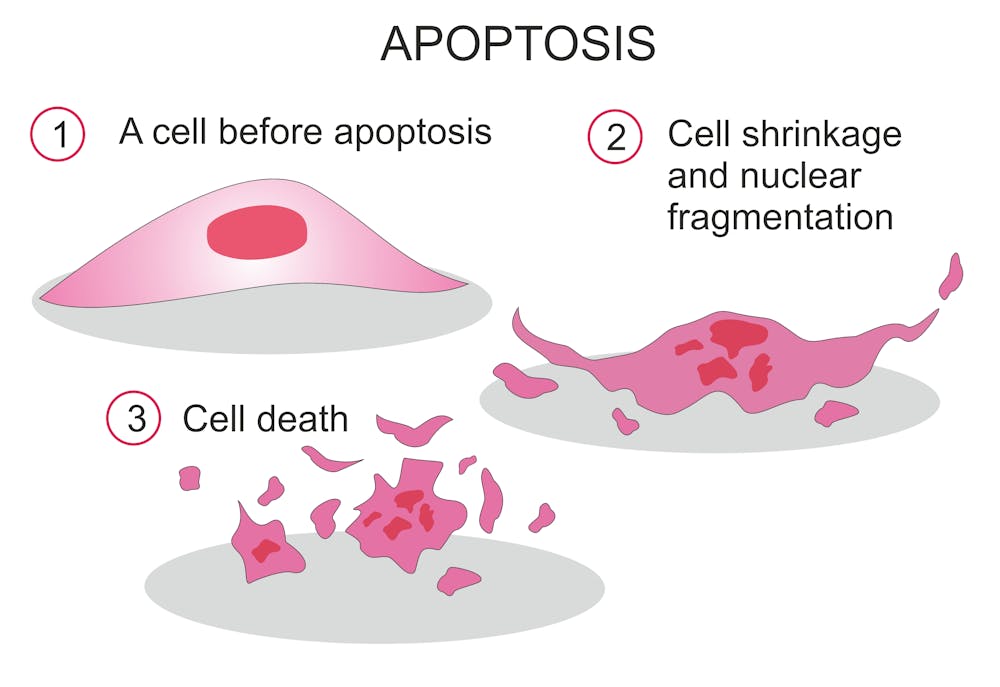
Years ago scientists in the Collier lab modified the anthrax toxin by physically linking it to a naturally occurring protein called the epidermal growth factor (EGF) that binds to the EGF receptor, which is abundant on the surface of bladder cancer cells. When the EGF protein binds to the receptor – like a key fits a lock – it causes the cell to engulf the EGF-anthrax toxin, which then induces the cancer cell to commit suicide (a process called apoptosis), while leaving healthy cells alone.
In collaboration with colleagues at Indiana University medical school, Harvard University and MIT, we designed a strategy to eliminate tumors using this modified toxin. Together we demonstrated that this novel approach allowed us to eliminate tumor cells taken from human, dog and mouse bladder cancer.
This highlights the potential of this agent to provide an efficient and fast alternative to the current treatments (which can take between two and three hours to administer over a period of months). I also think it is good news is that the modified anthrax toxin spared normal cells. This suggests that this treatment could have fewer side effects.
These encouraging results led my lab to join forces with Dr. Knapp’s group at the Purdue veterinary hospital to treat pet dogs suffering from bladder cancer.
Canine patients for whom all available conventional anti-cancer therapeutics were unsuccessful were considered eligible for these tests. Only after standard tests proved the agent to be safe in laboratory animals, and with the consent of their owners, six eligible dogs with terminal bladder cancer were treated with the anthrax toxin-derived agent.
Two to five doses of this medicine, delivered directly inside the bladder via a catheter, was enough to shrink the tumor by an average of 30%. We consider these results impressive given the initial large size of the tumor and its resistance to other treatments.
Our collaborators at Indiana University Hospital surgically removed bladder cells from human patients and sent them to my lab for testing the agent. At Purdue my team found these cells to be very sensitive to the anthrax toxin-derived agent as well. These results suggest that this novel anti-bladder cancer strategy could be effective in human patients.
The treatment strategy that we have devised is still experimental. Therefore, it is not available for treatment of human patients yet. Nevertheless, my team is actively seeking the needed economic support and required approvals to move this therapeutic approach into human clinical trials. Plans to develop a new, even better generation of agents and to expand their application to the fight against other cancers are ongoing.
R. Claudio Aguilar, Associate Professor of Biological Sciences, Purdue University
This article is republished from The Conversation under a Creative Commons license. Read the original article.
ooOOoo
So I republished this from The Conversation in accordance with their republishing rules. As they put it:
You are free to republish this article both online and in print. We ask that you follow some simple guidelines.
Please do not edit the piece, ensure that you attribute the author, their institute, and mention that the article was originally published on The Conversation.
Regular readers of this place may notice some subtle differences because up until now I had just copied and pasted the article as posted.
Another essay that is nothing to do with dogs!
I have long been a subscriber to The Conversation. They seem to be politically neutral as well as giving permission for their essays to be republished elsewhere.
This particular essay chimed with me because for some time, one or two years sort of time-span, the number of people agreeing with the statement, “It’s a strange world“, has measurably grown. At first I thought it was a question of politics, both sides of The Atlantic, but I have recently come to the opinion that it is deeper than that.
This encapsulates the idea perfectly.
ooOOoo
By , Professor of Ethics and Business Law, University of St. Thomas
January 27, 2020
We live in a world threatened by numerous existential risks that no country or organization can resolve alone, such as climate change, extreme weather and the coronavirus.
But in order to adequately address them, we need agreement on which are priorities – and which aren’t.
As it happens, the policymakers and business leaders who largely determine which risks become global priorities spent a week in January mingling in the mountainous resort of Davos for an annual meeting of the world’s elite.
I participated in a global risk assessment survey that informed those at the Davos summit on what they should be paying the most attention to. The results, drawn from experts in a broad range of disciplines including business, happen to be very different from what company CEOs specifically see as the biggest threats they face.
As a philosopher, I found the differences curious. They highlight two contrasting ways of seeing the world – with significant consequences for our ability to address societal risks.

Two perspectives on the biggest risks
The World Economic Forum’s Global Risk Report consolidates the perceptions of about 800 experts in business, government and civil society to rank “the world’s most pressing challenges” for the coming year by likelihood and impact.
In 2020, extreme weather, a failure to act on climate change and natural disasters topped the list of risks in terms of likelihood of occurrence. In terms of impact, the top three were climate action failure, weapons of mass destruction and a loss of biodiversity.
The specific perspective of corporate leaders, however, is captured in another survey that highlights what they perceive as the biggest risks to their own businesses’ growth prospects. Conducted by consultancy PwC since 1998, it also holds sway in Davos. I’ve been involved in that report as well when I used to work for the organization.
In sharp contrast to the World Economic Forum’s risk report, the CEO survey found that the top three risks to business this year are overregulation, trade conflicts and uncertain economic growth.

Economic or ethical
What explains such a big difference in how these groups see the greatest threats?
I wanted to look at this question more deeply, beyond one year’s assessment, so I did a simple analysis of 14 years of data generated by the two reports. My findings are only inferences from publicly available data, and it should be noted that the two surveys have different methodologies and ask different questions that may shape respondents’ answers.
A key difference I observed is that business leaders tend to think in economic terms first and ethical terms second. That is, businesses, as you’d expect, tend to focus on their short-term economic situation, while civil society and other experts in the Global Risk Report focus on longer-term social and environmental consequences.
For example, year after year, CEOs have named a comparatively stable set of narrow concerns. Overregulation is among the main three threats in all but one of the years – and is frequently at the top of the list. Availability of talent, government fiscal concerns and the economy were also frequently mentioned over the past 14 years.
In contrast, the Global Risk Report tends to reflect a greater evolution in the types of risks the world faces, with concerns about the environment and existential threats growing increasingly prominent over the past five years, while economic and geopolitical risks have faded after dominating in the late 2000s.
A philosophical perspective
Risk surveys are useful tools for understanding what matters to CEOs and civil society. Philosophy is useful for considering why their priorities differ, and whose are likelier to be right.
Fundamentally, risks are about interests. Businesses want a minimum of regulations so they can make more money today. Experts representing constituencies beyond just business place a greater emphasis on the common good, now and in the future.
When interests are in tension, philosophy can help us sort between them. And while I’m sympathetic to CEOs’ desire to run their businesses without regulatory interference, I’m concerned that these short-term economic considerations often impede long-term ethical goals, such as looking after the well-being of the environment.
An uncertain world
Experts agree on at least one thing: The world faces dire risks.
This year’s Global Risk Report, titled, “An Unsettled World,” depicts on its cover a vulnerable earth in the shadow of a gigantic whirlpool.
The cover photograph of the Global CEO Survey, which reported the lowest CEO confidence in economic growth since the Great Recession, shows an incoming tide beneath looming dark clouds, with the words: “Navigating the Rising Tide of Uncertainty.”
Between the covers, however, the reports demonstrate a wide gap between two influential groups that need to be on the same page if we hope to resolve the world’s biggest threats.
Last century, in the same year that World War II drew to a close, Bertrand Russell proclaimed that

the purpose of philosophy was to teach us “how to live without certainty, and yet without being paralyzed by hesitation.”
In the 21st century, philosophy can remind us of our unfortunate tendency to let economic priorities paralyze action on more pressing concerns.
[ You’re smart and curious about the world. So are The Conversation’s authors and editors. You can read us daily by subscribing to our newsletter. ]
ooOOoo
Bertrand Russell was a great philosopher. Well he was that and much more. Wikipedia remind us that he “was a British philosopher, logician, mathematician, historian, writer, essayist, social critic, political activist, and Nobel laureate.”
He died at the age of 97 on the 2nd February, 1970; fifty years ago as of yesterday.
I’ll close with another quote from the great man:
Another republication of the Spanish walk by Tom and Chica.
There was such a wonderful response to the post on the 28th January that I decided to republish another one. This time I have started at the beginning.
ooOOoo

If you tell someone you’re planning a long walk in Spain, they will mostly assume you’re talking about the Camino de Santiago pilgrim trail across northern Spain. Tom being a bit of a misanthrope said he’d rather go somewhere less crowded.
We are familiar with a part of the GR7 as it runs through the Serrania de Ronda where we have spent a few recent winters. After more research it was decided that this would be the most interesting.
The GR7 starts on the south coast at Tarifa, near Gibraltar, and then runs up through the Los Alcornocales, a beautiful forest of cork oaks, then into the Grazalema National Park before reaching the city of Ronda. Dramatically perched above a deep gorge, Ronda is our favourite city.
From there the route turns eastwards towards Antequera and passes through the Parque Natural del Torcal whose bizarre rocky outcrops form one of the most impressive karst landscapes in Europe.
Shortly beyond, the route splits and Tom and Chica will be taking the southern variation through many small villages into Las Alpajarras. Then it heads up into the Sierra Nevada and there it may get tricky depending on the snow level. Chica isn’t keen on being belly deep in snow!
As the route heads north inland from the east coast, it is all new territory for us. There should be a couple of visits to both our charities near Alicante and Valencia and then due north to the border with Andorra. The final stop for recuperation will be with good friend, Kate, in the Pyrenees.

At last, after a fair few hitches and glitches, Tom and Chica took their first steps on a journey that will take them right across Spain to Andorra on the GR7 route. The start is at the aptly (and purely coincidentally) named Playa Chica, which is the most southerly point of mainland Europe. From here, you have the Med to the east, the Atlantic to the west and Africa on the horizon. It’s an epic trip and one that only around five people complete every year. It should cover a variety of landscapes, starting today with the beautiful beaches of Tarifa and the surrounding area. As it’s a Saturday, with a good strong breeze, the kite surfers were out in force. It’s quite a sight!

Today was a short toddle, by comparison with what will follow – just 11k in about 2.5 hours. The route was almost entirely on the beach and Tom shed his shoes and walked barefoot. It might be the only time that will be possible.
Given that he is recovering from flu an easy start seemed a good plan – definitely so as it’s now raining! Chica, however, needs to understand that stopping to investigate every interesting smell would mean the walk would take several years.
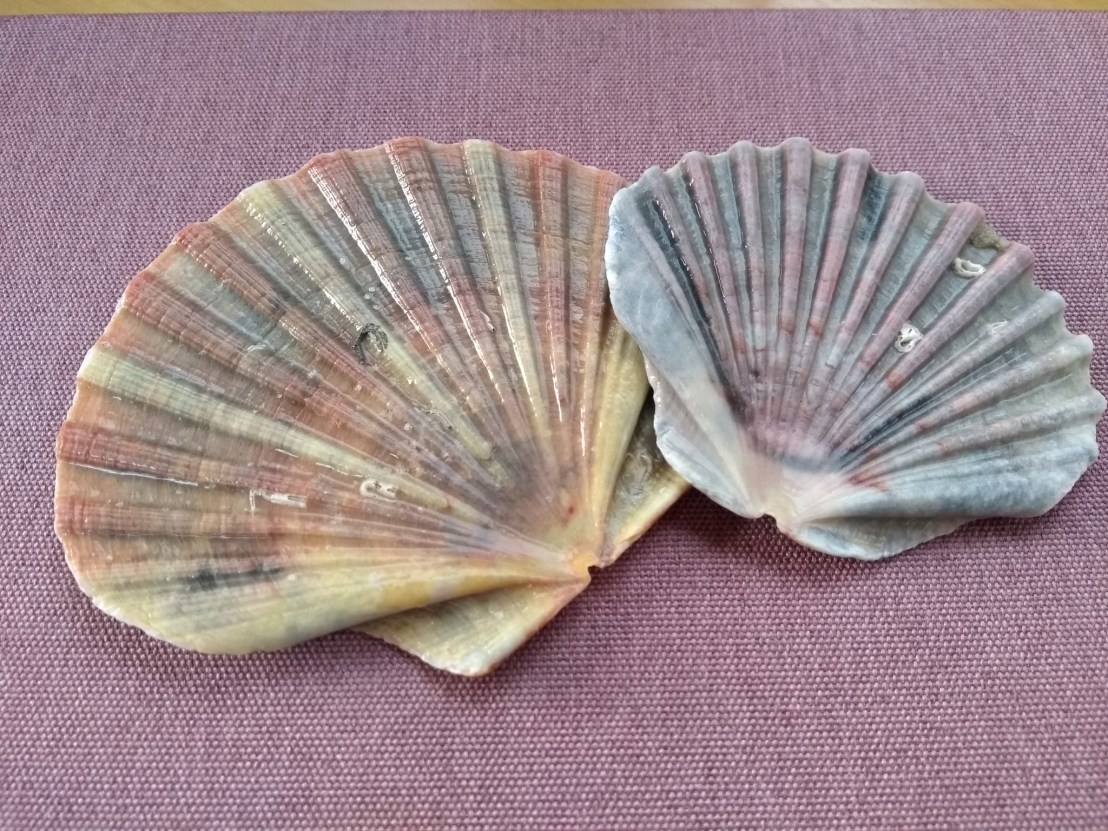
We will be posting a blog every day of the walk, with information on the route, the scenery and the flora and fauna. Tom isn’t able to carry field guides – too much extra weight – so identification from any of our followers would be appreciated, starting with these shells found on the beach today. These pics will be posted on our instagram page too.
As well as posting our position, hopefully using Viewranger (we’re working on this) we will also give our position using What Three Words. Tonight’s are: tigress, asked, varies. This is fun and will be another way of ensuring that the back up team (me) can hook up with them.
Stay with us!

ooOOoo
This is an incredible journey and I’m so pleased that Tom is happy for me to share it with you.
And, please, do follow Tom and Chica directly.
From someone who knows!
From time to time I have an offer of a guest post. That is a person who wishes to write for Learning from Dogs. In nearly all cases I say ‘yes please’.
So it was with Adrian.
On the 15th January this year Adrian emailed me:
Hi Paul,
My name is Adrian and I am reaching out on behalf of Scott’s Police K9. I’ve followed your Learning from Dogs blog for a while now!
We write content for the family protection dog industry and love to share our expertise.
I’ll keep it short, I think I could be a valuable contributor and I would love to provide additional content to your site!
Please let me know if you are interested, I will send you a couple suggestions to choose from, which I feel would resonate with your readers’ interests. We’re also open to topic suggestions that you might want to touch upon on.
Thanks for your time and we hope to hear back from you soon.
Adrian Brito
On Behalf of Scott’s Police K9
https://scottsk9.com/
I replied to say that I would love a guest post, and here it is!
ooOOoo
By Steve Scott
If you’re the new parent of a protection dog, congratulations! You just made one of the best purchases for you and your family’s well being. Personal protection dogs are loyal animals that will happily become one of the “pack” and put all of its training, skills, and intelligence to work in looking after your family.
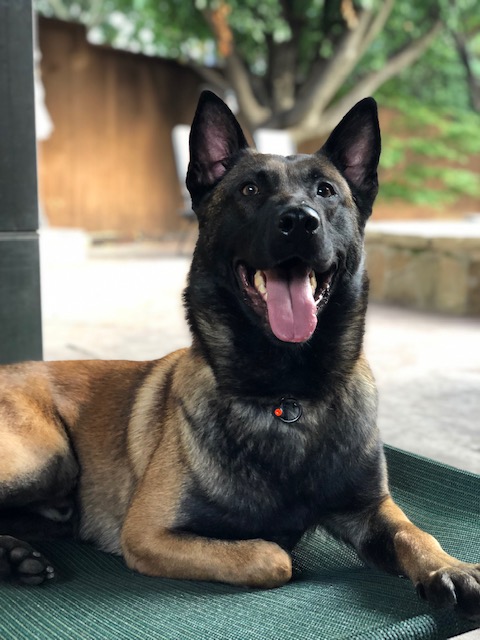
Should you be on the verge of bringing home your new family member, you’ll likely be wondering how to help them adjust to life at their new home. Read on for the best tips and tricks for a smooth adjustment for your trained K9 companion.
Visits with the Family
Dogs, even intelligent ones, prefer to be familiar with their surroundings, people, and environment. When your protection dog is being raised and trained, it will be beneficial to visit and begin bonding with the dog.
Bring each member of your family, and any important people your protection dog will be in charge of protecting once you take them home. If you have another dog and the trainer or foster allows it, provide some time for your protection dog to play with your current family pet.
Getting to know your protection dog before the big day when you take them home will help them, and you adjust to the new living arrangement. They will begin to associate you with someone they enjoy being around and when it comes time for you to train with the dog and the trainer, you’ll be a step ahead.
During this time, the dog shouldn’t leave the trainer or foster parent to spend time with you. Instead, you should visit the dog in the environment and surrounding it knows best with the trainer present.
Time of Day
When the big day comes, and it’s time to bring your personal protection dog home, plan to do so early in the day. Great protection dogs are raised to protect you and they’ll want to get a good look at their surroundings.
Moving a dog at night will cause a greater sense of unease and anxiety.
Introduce them to unfamiliar territory when there is plenty of daylight and the opportunity to explore together. Show them your house, the surrounding, and if you live in a place with property, walk the land with your new pup.
This will help them get oriented with the place they have sworn to protect and settle them in right away.
Be Ready for Their Arrival
When you bring your personal protection dog home, be ready for their arrival. Have their food bowl ready and filled. Ensure they have fresh water and a comfortable place to sleep. Acquaint them with their belongings, toys, dog bed, and everything related to their personal ownership.
Be prepared to spend most of the day with your dog, getting him used to your house, property, and your family. It’s important that you don’t bring your dog home then leave shortly after.
Adjusting your dog to your home and family takes time and is a crucial part of the bonding process.
Establish a Routine
All dogs thrive on routine. Help your new protection dog get to know yours. It’s a good idea to bring your protection dog home when life is normal, and you’re not planning on going on vacation in the following week.
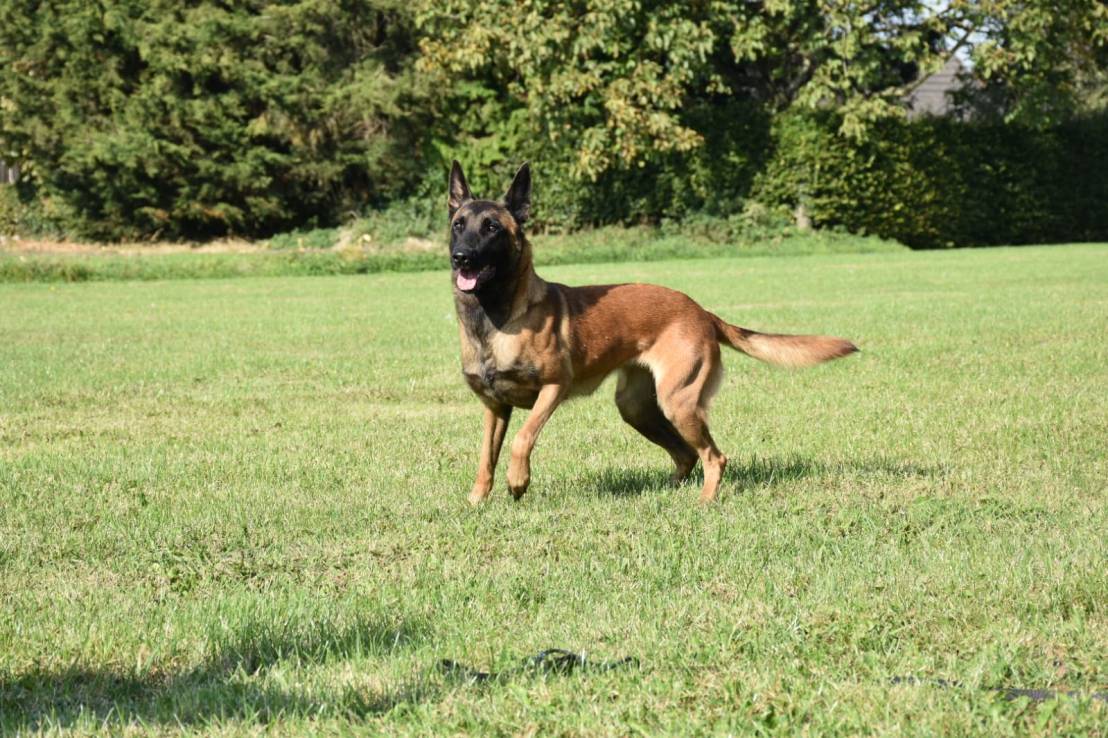
Give them time to adjust to your routine. Protection dogs like knowing what to expect, what type of work they’ll regularly do, and the way your “pack” functions so they can better serve you.
Will you take them with you to work? Start taking them right away and put routines in place, so your protection dog knows this will happen regularly.
Will you leave them with your spouse and child at home? Have a ritual of letting them know you’re leaving and make sure they know that their job is to take care of your loved ones.
Plan regular times of continued training, running and playing daily after work and on the weekends. This will help them smoothly fit into the regular ebb and flow of your family’s work, school, and routine schedules. Also, protection dogs love to remain active.
Supervision Required
As you show your new protection dog around the house, yard, property, and introduce them to friends and family members they haven’t met, keep in mind that supervision is required.
They will still be getting used to their new location and the people they are supposed to protect, and introductions are best done in person with you by their side. Supervision is especially important when it comes to spending time with small children for the first several months.
Are You Ready?
Introducing your protection dog to its new home is an exciting and fun time. You alone have the opportunity to make its first impression the best one possible. How you begin life at home for your protection dog goes a long way in setting the tone for how it lives with you, your family, and your friends.
Are you ready for your protection dog to make its grand entrance?
ooOOoo
I asked for some background and this is what was sent:
Steve Scott – After his service in the Army, Steve pursued a career in Law Enforcement, earning honors as the head trainer of his Police Department’s K9 Unit. Steve’s real-world police K9 experience is what sets Scott’s Police K9 apart from other protection dog companies. With Steve’s dog training expertise and his access to the top European kennels, our Family Protection Dogs and trained Police Dogs are second to none.
This is a fabulous piece of advice. From, I have to say, someone who jolly well knows what he is talking about!
More please!

 Learning from Dogs