Pratyush has been very patient with me. He first contacted me regarding sending in a guest post many months ago. At first I thought it was a spam email and then realised that was a mistake. Then stuff my end got in the way, and so on.
But I’m delighted to publish this today, and should add that Pratyush is based in India!
ooOOoo
Winter is here — When you have a golden retriever at home.
Golden Retrievers are great family dogs with a lovely personality, good intelligence, and adaptability. Golden Retrievers are built for colder climates and have plenty of thick, insulating double coats to keep them warm; however, special considerations should still be taken in winter weather to promote the health, comfort, and happiness of your Golden. Below is a complete guide outlining things to be aware of when looking after Golden Retrievers in winter.
Keep Their Paw Pads Safe From Cold and Salt
Although Golden Retrievers enjoy an outdoor adventure, winter can be tough on the pads of their sensitive paws. Winter storms bring snow and ice, which lead to dry skin, cracking and irritation — not to mention the damage from road salt. When they return from walks, be sure to wash their paws properly to get rid of salt or other chemicals. You can apply a paw balm to protect and moisturize your puppy’s paws, make sure you opt for a non-toxic product. Depending on how cold it gets where you live, you may resort to dog booties for their feet when they go outside.
Change Their Diet with the Seasons
Golden Retrievers are energetic, active dogs, and if they’re out in the cold playing during winter, they might need a boost in energy levels. This additional energy expenditure may require you to make minor adjustments in their calorie intake. Over feeding allows them to gain weight, so, consult your Veterinarian to make any alternate diet plan. And they have free fresh water forever, as well during chills when dehydration is possible.
Keep Them Warm Indoors
Golden Retrievers do have a thick double coat which insulates them against the cold but they still need an indoor space to feel warm and comfortable. Give them a warm bed in a wind-free part of your home. If your floors are tiled or wooden, place a blanket or mat under them when they sleep for additional warmth. Do not shave or trim coats too short in winter, it is their natural protection against the cold.
Limit Bathing During Winter
Now, bathing your Golden Retriever too often in winter will remove the natural oils on your dog’s skin which can cause drying of the skin and irritations. Rather, give them a bath only when needed and use a conditioning dog shampoo that helps restore their skin. If your kitty has a bath, be sure to dry them off well so that they don’t catch a chill. Until they are allowed to roam free, blow them dry using a pet safe hair dryer on low or towel drying set properly.
Monitor Their Time Outdoors
Golden Retrievers love to romp and play in the snow, however too much time spent out in freezing conditions can cause hypothermia or frostbite. Do not leave them outside too long and keep an eye on them for signs that they may be feeling cold like shivering or lifting their feet off the ground. On very cold days, keep them busy with something indoors, puzzle toys or activities.
Regular Grooming is Essential
The thick coat of a Golden Retriever can mat and tangle in winter weather. Grooming is also a great way to keep the insulation quality of their coat intact and helps to avoid skin problems. Groom at least three times a week to minimize loose fur, matting,and spread natural oils. Look for any possible drying or skin irritation and when in doubt contact your vet.
Ensure Proper Exercise
Golden Retrievers are energetic dogs that enjoy getting out, and they still need exercise in the winter. On the flip side — snowy or slick conditions may elevate the risk of injuries. Keep them on a leash so they cannot run onto frozen surfaces and only walk in safe areas. If you cannot take them outdoors for exercise, make opportunities indoors to play– fetch or hide-and-seek can help expend some energy.
Watch for Signs of Illness
Cold climates could contribute to Golden Retrievers developing a cold or respiratory infection. Look out for any coughing, sneezing or lethargy. If you observe unusual behavior or signs of illness, take action and contact your veterinarian. Make sure they are vaccinated against seasonal diseases.
Offer Enrichment and Mental Stimulation
When the weather grows chilly, it can restrain outdoor actions that need to be carried out in the hot sun so exercise for a Golden Retriever should be maintained indoor as well. Keep their mind active with interactive toys, treat-dispensing puzzles or by teaching them new tricks. Physical exercise is very important, especially during the colder season when outdoor playtime becomes scarce, but so does mental stimulation.
Watch Over Older Dogs
For older Golden Retrievers, the cold can aggravate any existing joint problems e.g. arthritis. Keep them a warm, cozy resting space and try orthopedic beds to relieve them of joint problems. Consider discussing with your vet promoting joint health, supplements that help in the cold months or medications.
Conclusion
Taking care of a Golden Retriever in winter is all about comfort, health and happiness. However, though their double coat does provide some protection against the cold, they need you to help them get through winter safely and comfortably. With the right protection for their paws, some diet changes, and keeping them warm and active, your golden retriever can enjoy the winter just like humans. Take good care of them and they will love the winter season as much as you do!
ooOOoo
There is great advice in this guest post and for anyone with Golden Retrievers this post is spot on. To be honest, the advice presented is applicable to all breeds of dogs.
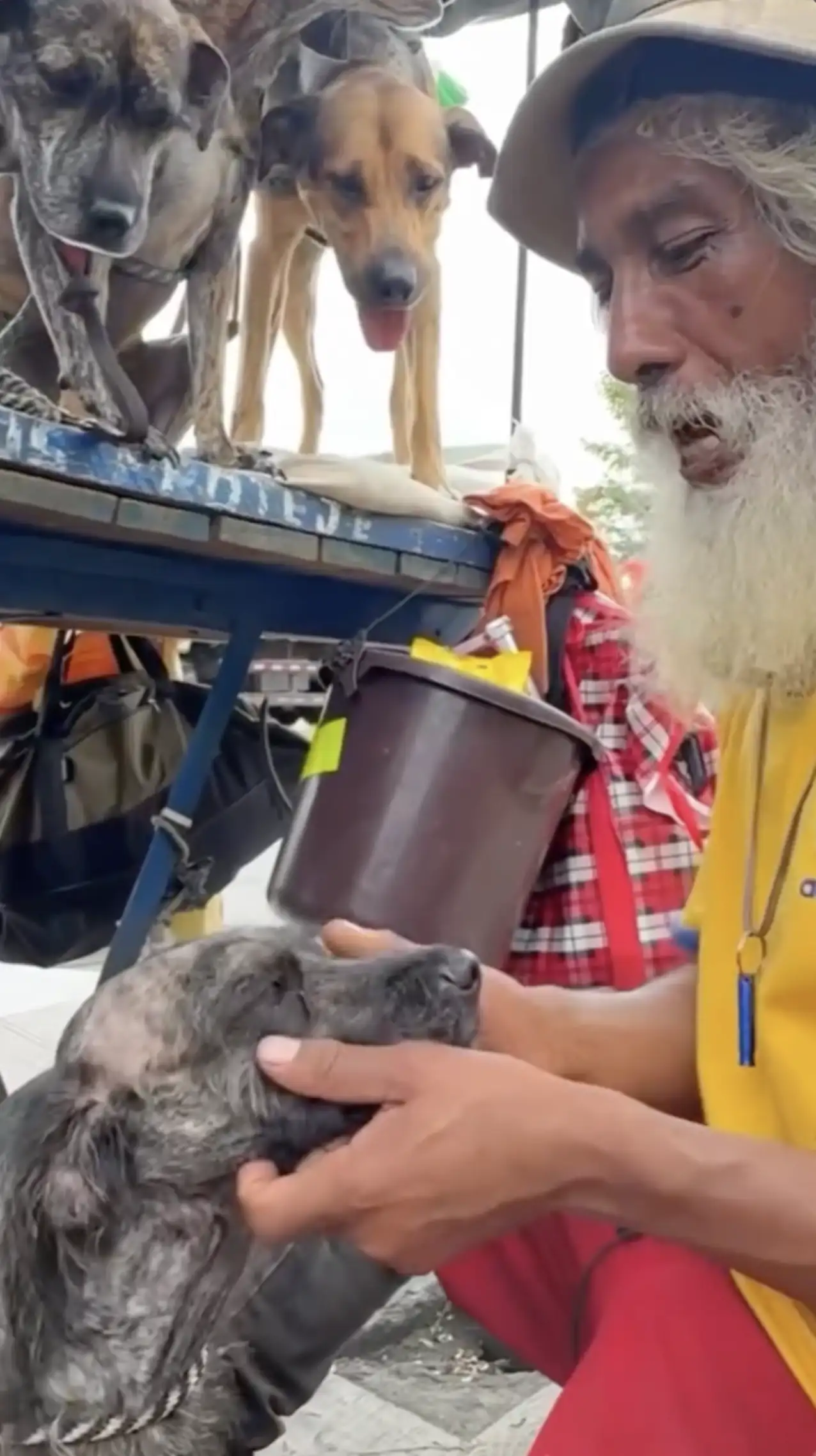
They say that home is where the heart is, and that couldn’t be more true for a man named Rubén and his pack of rescued dogs.
Despite not having a home of his own, Rubén, who goes by Noé, is dedicated to sharing his space and resources with every homeless dog in his Colombian city. Whether they’ve been left behind at a stop light or abandoned in an apartment, Noé believes in giving each dog he meets a second chance at love.
“They are living beings,” Noé said in an interview with IguanaTV. “They are everything to me.”
Noé’s pack is ever-growing, as he readily collects abandoned dogs of all ages and sizes. While it all started with just one dog, his furry family is now large enough to require a double-decker push cart.
Each dog has their own unique backstory, but they’re all loved by Noé just the same.
“This is Rocky. They left him tied up there at that traffic light,” Noé said. “These two girls are named Ears and Cheeks. I’ve had them since they were little. They were also abandoned.”
Rocky, Ears and Cheeks ride on the top level of the push cart with their siblings, a pit bull named Tyson and a German shepherd named Shakira. Below them, senior pups Tembleque, Parkinson and Morochito happily take in the world around them.
“These dogs down below are the oldest,” Noé said. “Little Morochito here was left for me while I was sleeping outside of [the store].”
The pups may have heartbreaking pasts, but their sadness has faded since being adopted by Noé. When they’re not actively traveling around the city with their beloved dad, the pack of dogs can usually be found enjoying a fresh meal made by Noé.
“I buy them milk, carrots and oats, and I combine them with ground meat and seeds,” Noé said. “I make them a hearty meal so that they eat well.”
Seeing the pups lap up their meals brings joy to Noé, even when he hasn’t eaten yet.
“They eat first,” Noé said. “My food is less important to me.”
Once the pups have finished eating, Noé usually snacks on an arepa and some coffee before heading off with his pack again. With his dogs by his side, Noé feels a sense of purpose and peace.
“The dogs keep me busy and give me a reason to wake up every day,” Noé said. “They don’t care if I’m bearded, toothless, dirty or clean. They only care that I’m by their side.”
This growing companionship is beyond fulfilling for Noé. Even on his most challenging days, Noé knows he can always lean on his beloved pack of rescued dogs for unconditional support.
“A dog’s love is the best there is,” Noé said.
ooOOoo
The two photographs are presented by INSTAGRAM/@IGUANATV. (And the article is published with the kind permission of The Dodo.)
One can’t do better than repeat that last sentence: “A dog’s love is the best there is,”.
A hundred years ago, astronomer Edwin Hubble dramatically expanded the size of the known universe. At a meeting of the American Astronomical Society in January 1925, a paper read by one of his colleagues on his behalf reported that the Andromeda nebula, also called M31, was nearly a million light years away – too remote to be a part of the Milky Way.
Hubble’s work opened the door to the study of the universe beyond our galaxy. In the century since Hubble’s pioneering work, astronomers like me have learned that the universe is vast and contains trillions of galaxies.
Nature of the nebulae
In 1610, astronomer Galileo Galilei used the newly invented telescope to show that the Milky Way was composed of a huge number of faint stars. For the next 300 years, astronomers assumed that the Milky Way was the entire universe.
Charles Messier also produced a catalog of over 100 prominent nebulae in 1781. Messier was interested in comets, so his list was a set of fuzzy objects that might be mistaken for comets. He intended for comet hunters to avoid them since they did not move across the sky.
As more data piled up, 19th century astronomers started to see that the nebulae were a mixed bag. Some were gaseous, star-forming regions, such as the Orion nebula, or M42 – the 42nd object in Messier’s catalog – while others were star clusters such as the Pleiades, or M45.
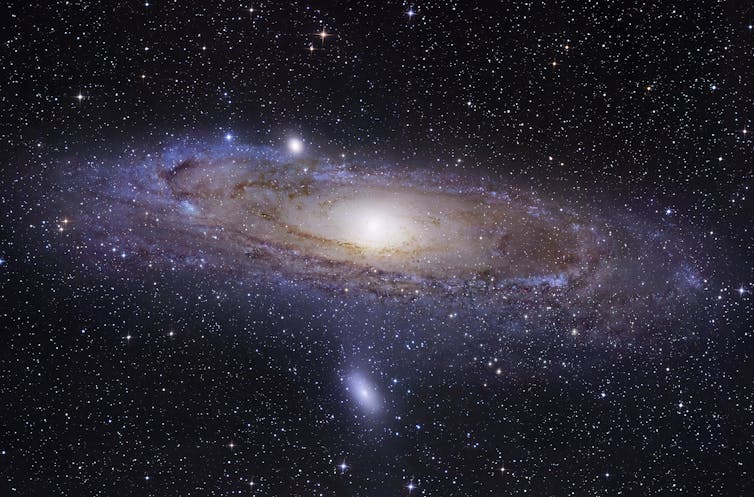
A third category – nebulae with spiral structure – particularly intrigued astronomers. The Andromeda nebula, M31, was a prominent example. It’s visible to the naked eye from a dark site.
The Andromeda galaxy, then known as the Andromeda nebula, is a bright spot in the sky that intrigued early astronomers.
Astronomers as far back as the mid-18th century had speculated that some nebulae might be remote systems of stars or “island universes,” but there was no data to support this hypothesis. Island universes referred to the idea that there could be enormous stellar systems outside the Milky Way – but astronomers now just call these systems galaxies.
In 1920, astronomers Harlow Shapley and Heber Curtis held a Great Debate. Shapley argued that the spiral nebulae were small and in the Milky Way, while Curtis took a more radical position that they were independent galaxies, extremely large and distant.
At the time, the debate was inconclusive. Astronomers now know that galaxies are isolated systems of stars, much smaller than the space between them.
Hubble makes his mark
Edwin Hubble was young and ambitious. At the of age 30, he arrived at Mount Wilson Observatory in Southern California just in time to use the new Hooker 100-inch telescope, at the time the largest in the world.
He began taking photographic plates of the spiral nebulae. These glass plates recorded images of the night sky using a light-sensitive emulsion covering their surface. The telescope’s size let it make images of very faint objects, and its high-quality mirror allowed it to distinguish individual stars in some of the nebulae.
Estimating distances in astronomy is challenging. Think of how hard it is to estimate the distance of someone pointing a flashlight at you on a dark night. Galaxies come in a very wide range of sizes and masses. Measuring a galaxy’s brightness or apparent size is not a good guide to its distance.
Hubble leveraged a discovery made by Henrietta Swan Leavitt 10 years earlier. She worked at the Harvard College Observatory as a “human computer,” laboriously measuring the positions and brightness of thousands of stars on photographic plates.
She was particularly interested in Cepheid variables, which are stars whose brightness pulses regularly, so they get brighter and dimmer with a particular period. She found a relationship between their variation period, or pulse, and their intrinsic brightness or luminosity.
Once you measure a Cepheid’s period, you can calculate its distance from how bright it appears using the inverse square law. The more distant the star is, the fainter it appears.
Hubble worked hard, taking images of spiral nebulae every clear night and looking for the telltale variations of Cepheid variables. By the end of 1924, he had found 12 Cepheids in M31. He calculated M31’s distance as a prodigious 900,000 light years away, though he underestimated its true distance – about 2.5 million light years – by not realizing there were two different types of Cepheid variables.
His measurements marked the end of the Great Debate about the Milky Way’s size and the nature of the nebulae. Hubble wrote about his discovery to Harlow Shapley, who had argued that the Milky Way encompassed the entire universe.
“Here is the letter that destroyed my universe,” Shapley remarked.
Always eager for publicity, Hubble leaked his discovery to The New York Times five weeks before a colleague presented his paper at the astronomers’ annual meeting in Washington, D.C.
An expanding universe of galaxies
But Hubble wasn’t done. His second major discovery also transformed astronomers’ understanding of the universe. As he dispersed the light from dozens of galaxies into a spectrum, which recorded the amount of light at each wavelength, he noticed that the light was always shifted to longer or redder wavelengths.
Light from the galaxy passes through a prism or reflects off a diffraction grating in a telescope, which captures the intensity of light from blue to red.
It seemed that these redshifted galaxies were all moving away from the Milky Way.
Hubble’s results suggested the farther away a galaxy was, the faster it was moving away from Earth. Hubble got the lion’s share of the credit for this discovery, but Lowell Observatory astronomer Vesto Slipher, who noticed the same phenomenon but didn’t publish his data, also anticipated that result.
Hubble referred to galaxies having recession velocities, or speeds of moving away from the Earth, but he never figured out that they were moving away from Earth because the universe is getting bigger.
Belgian cosmologist and Catholic priest Georges Lemaitre made that connection by realizing that the theory of general relativity described an expanding universe. He recognized that space expanding in between the galaxies could cause the redshifts, making it seem like they were moving farther away from each other and from Earth.
Lemaitre was the first to argue that the expansion must have begun during the big bang.
Edwin Hubble is the namesake for NASA’s Hubble Space Telescope, which has spent decades observing faraway galaxies. NASA via AP
NASA named its flagship space observatory after Hubble, and it has been used to study galaxies for 35 years. Astronomers routinely observe galaxies that are thousands of times fainter and more distant than galaxies observed in the 1920s. The James Webb Space Telescope has pushed the envelope even farther.
The current record holder is a galaxy a staggering 34 billion light years away, seen just 200 million years after the big bang, when the universe was 20 times smaller than it is now. Edwin Hubble would be amazed to see such progress.
Animal rights campaigners in France are celebrating after a wild boar facing the threat of death was allowed to stay with its owner.
The boar, named Rillette, was found in 2023 as a piglet by Elodie Cappé on her horse-breeding smallholding in Chaource, central France, after apparently being abandoned by its mother.
My last post was about an accident that I had on the 17th November, last.
Jean is now back home; she came home on Friday, 13th December. However, every day we have a caregiver at home for part of the time. Jean is getting slowly better. I would estimate that at about one percent a day.
I am unsure as to the pattern of my posts. Whether I should go back to scheduling posts three times a week or publish posts on an ad-hoc basis. That will become clearer over the next few weeks.
I am going to start with publishing posts on an ad-hoc basis.
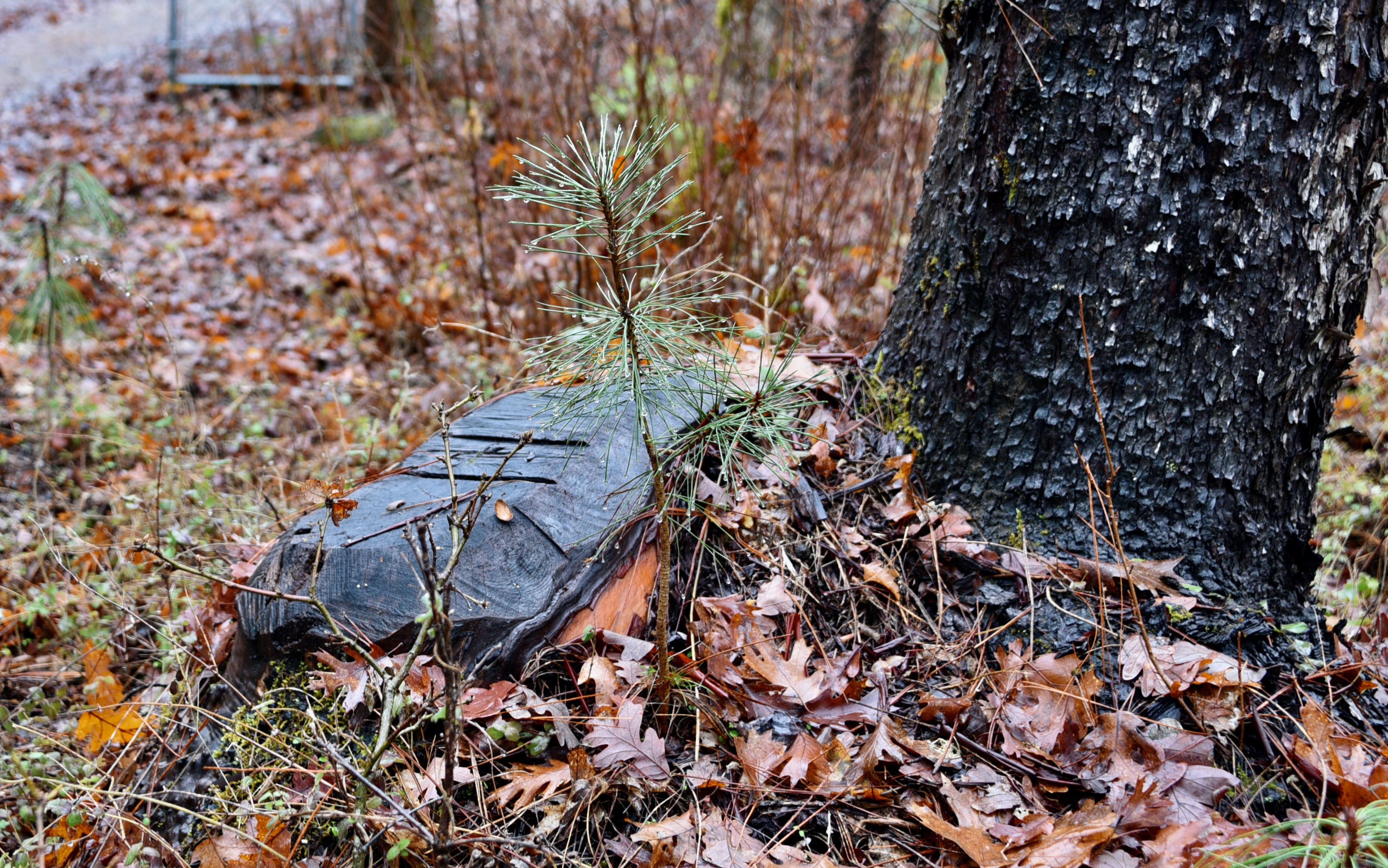
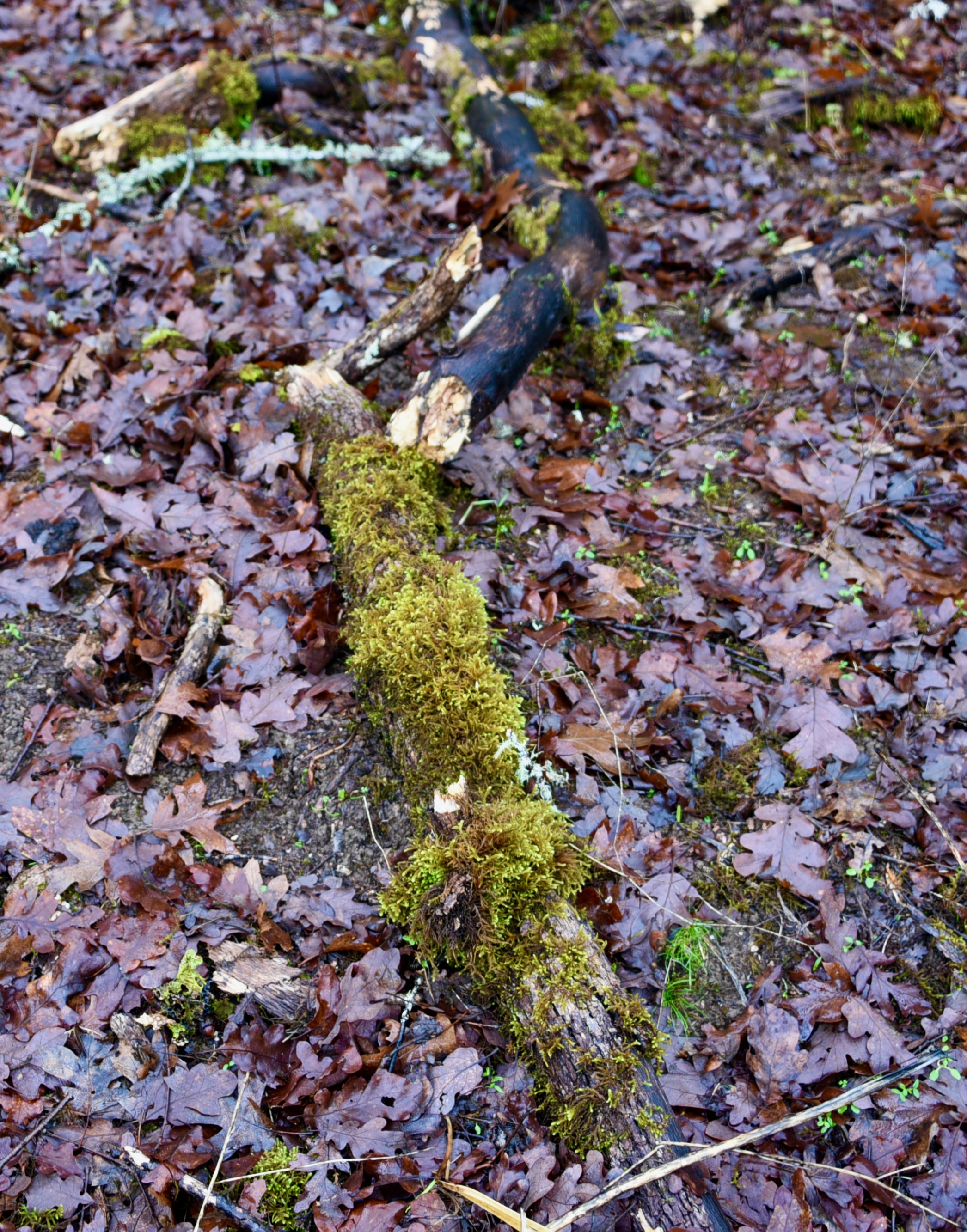
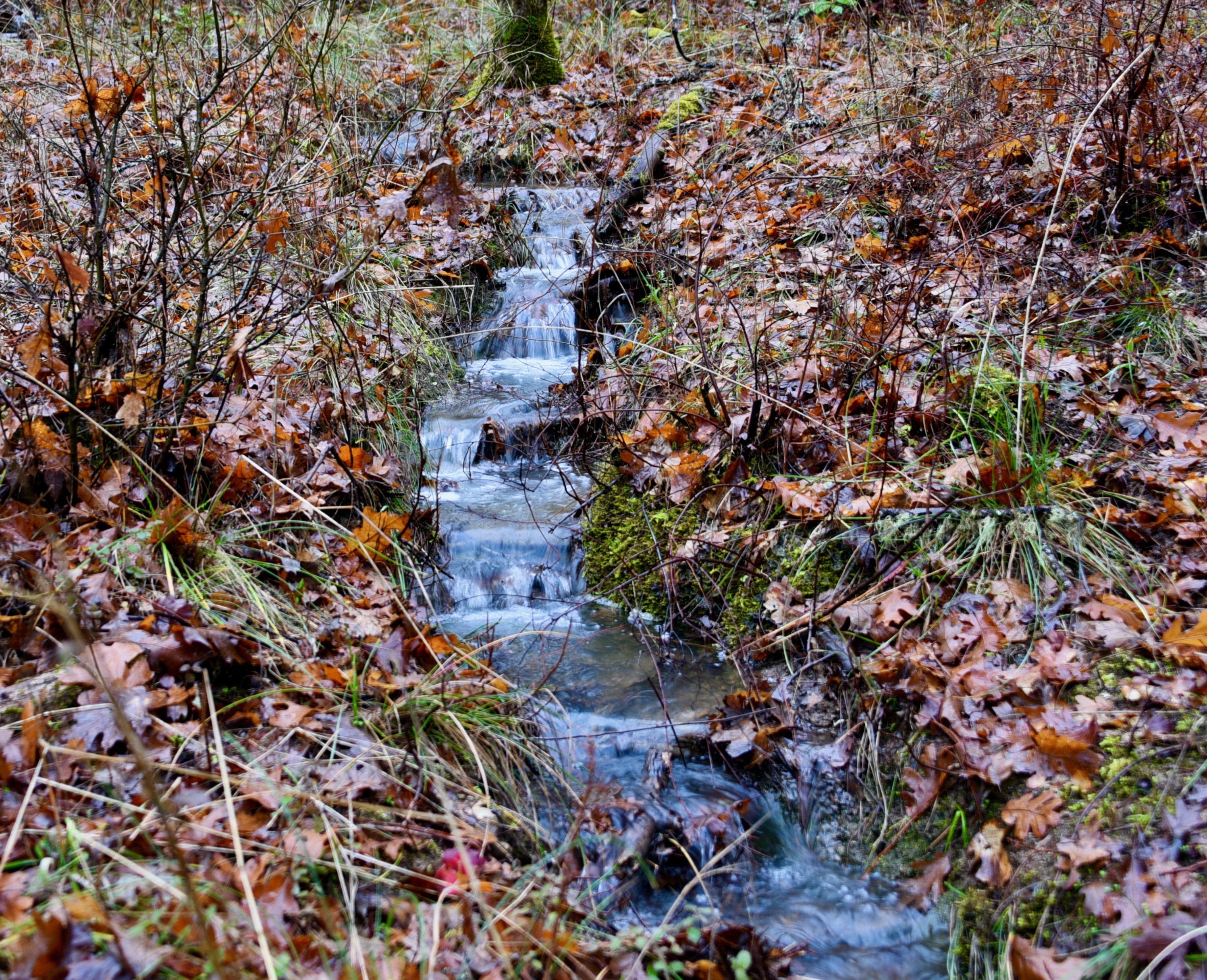
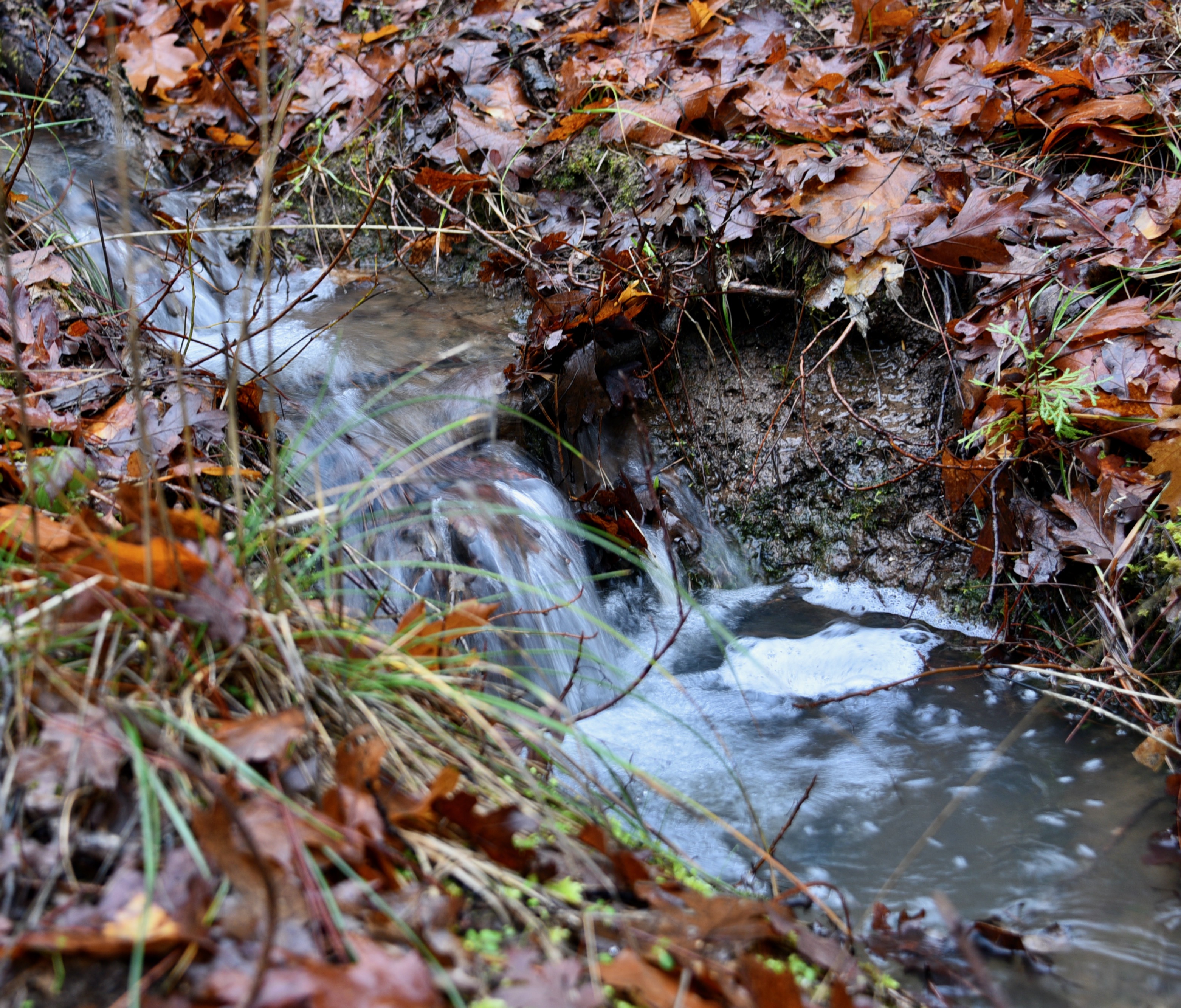
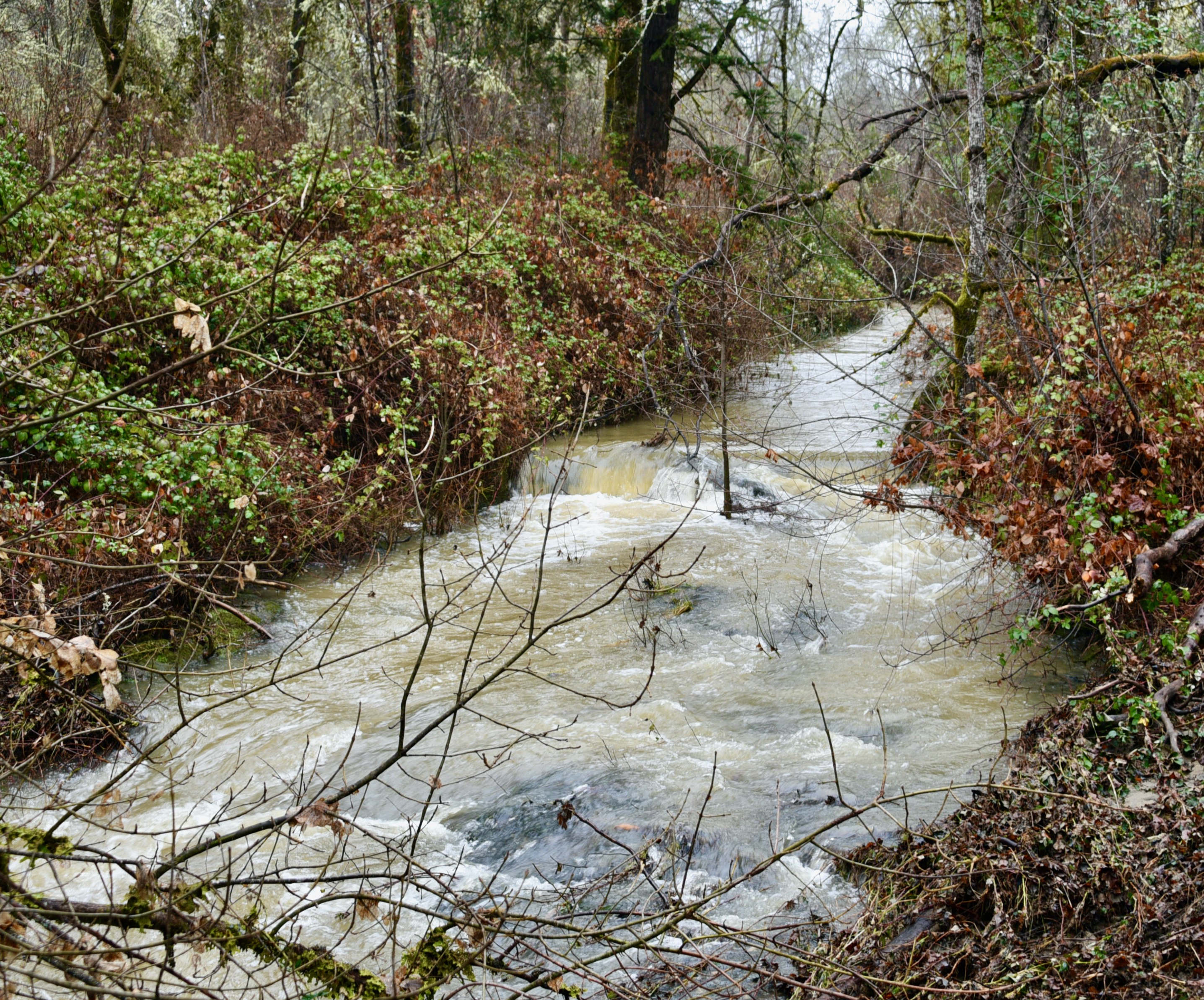
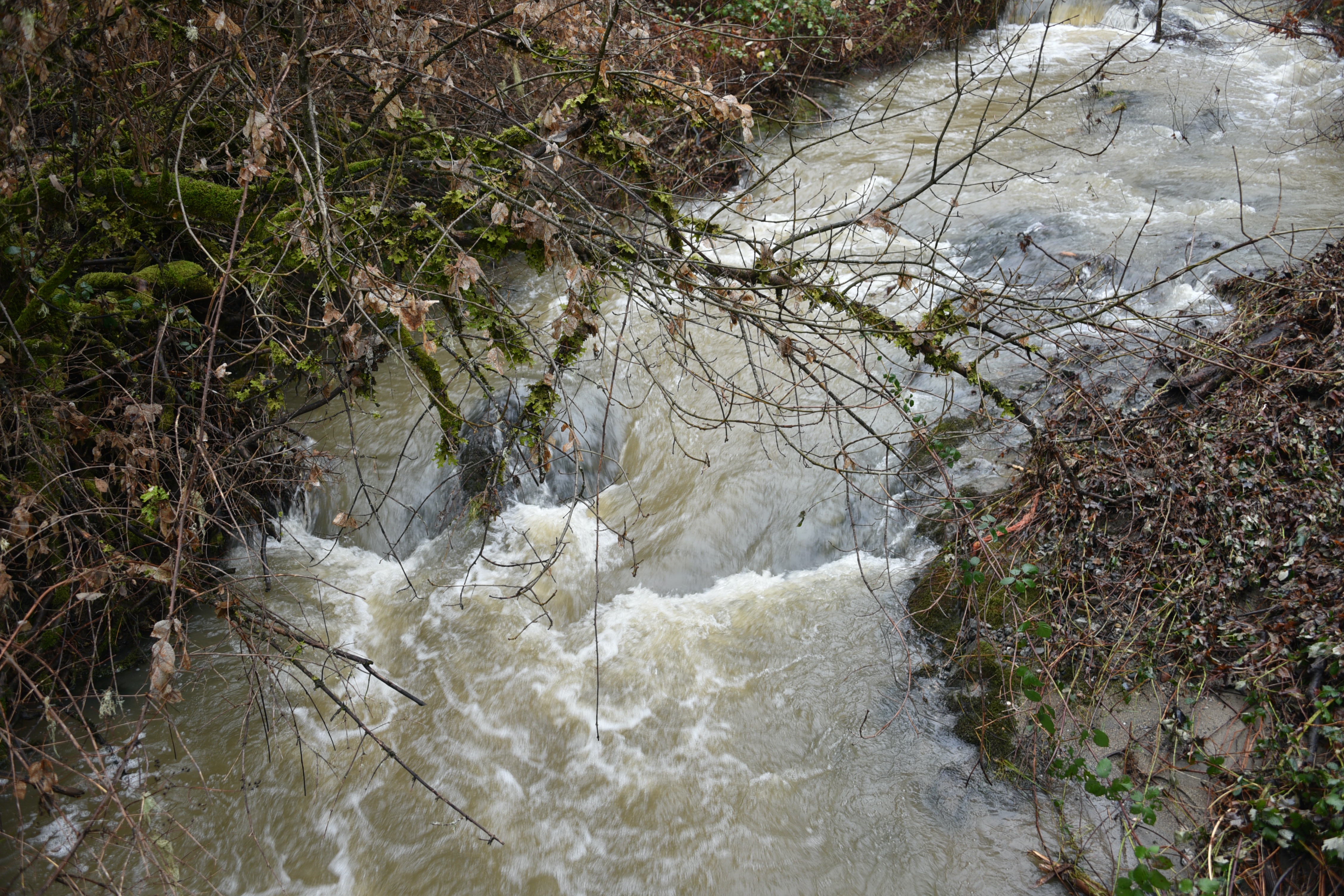
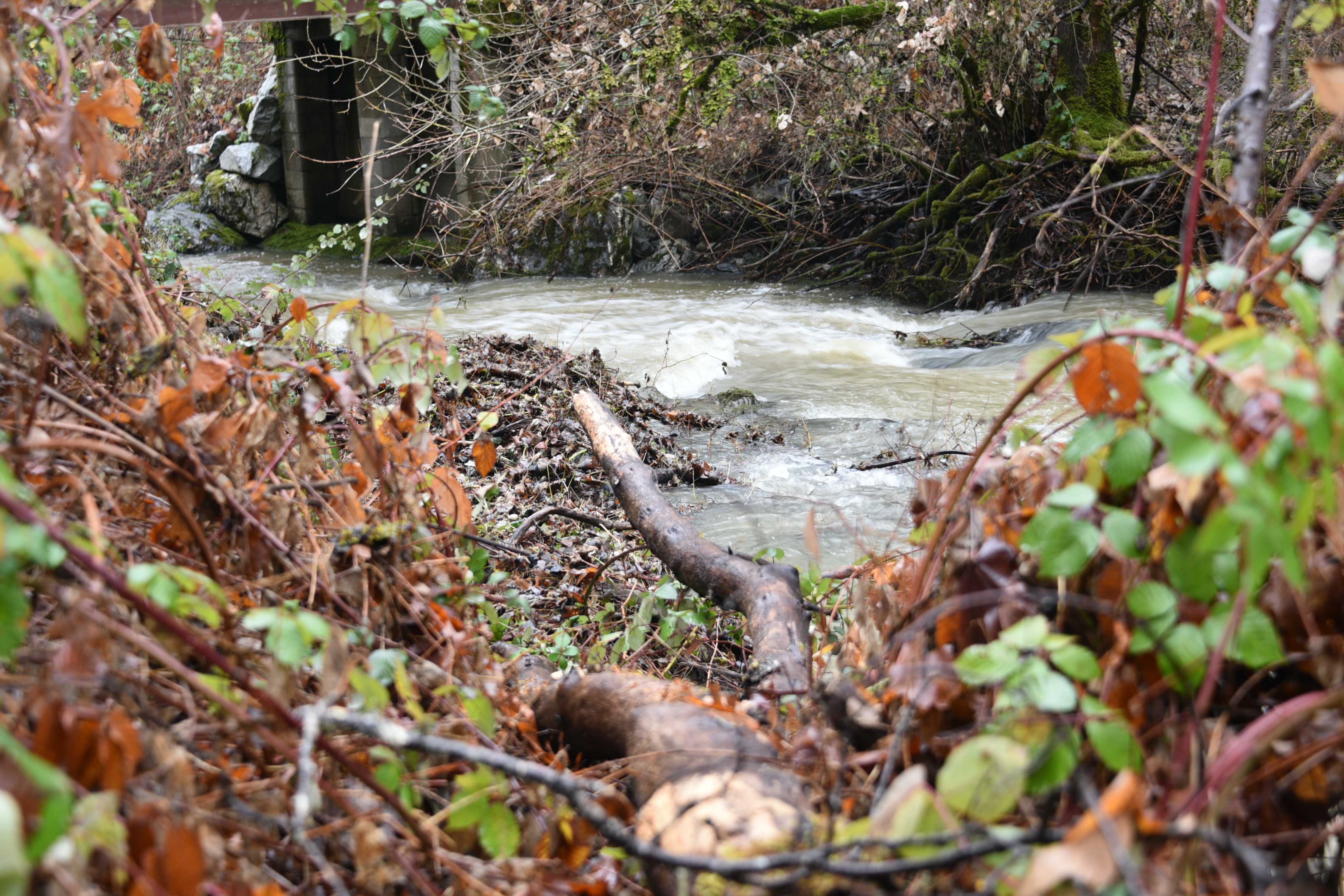
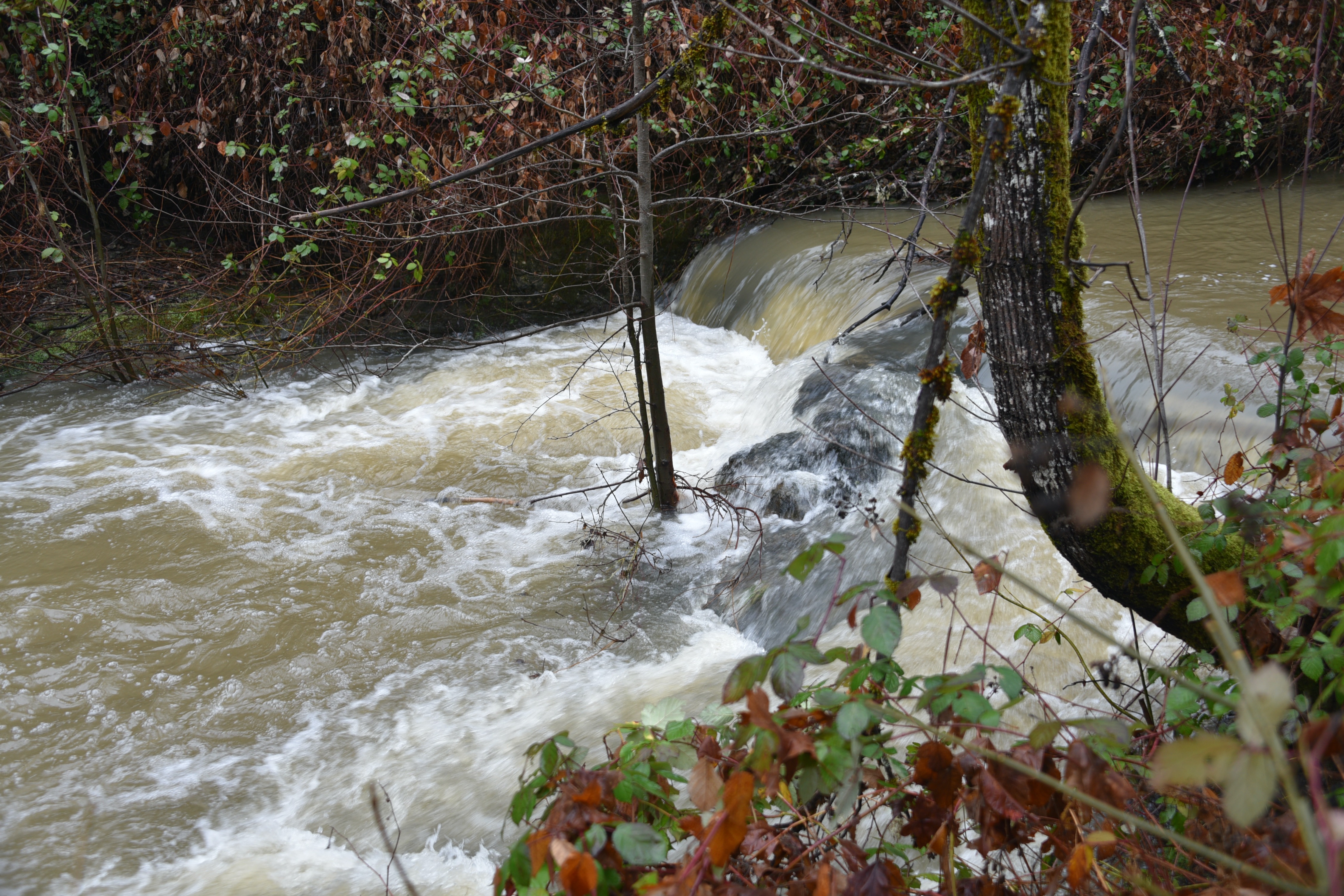
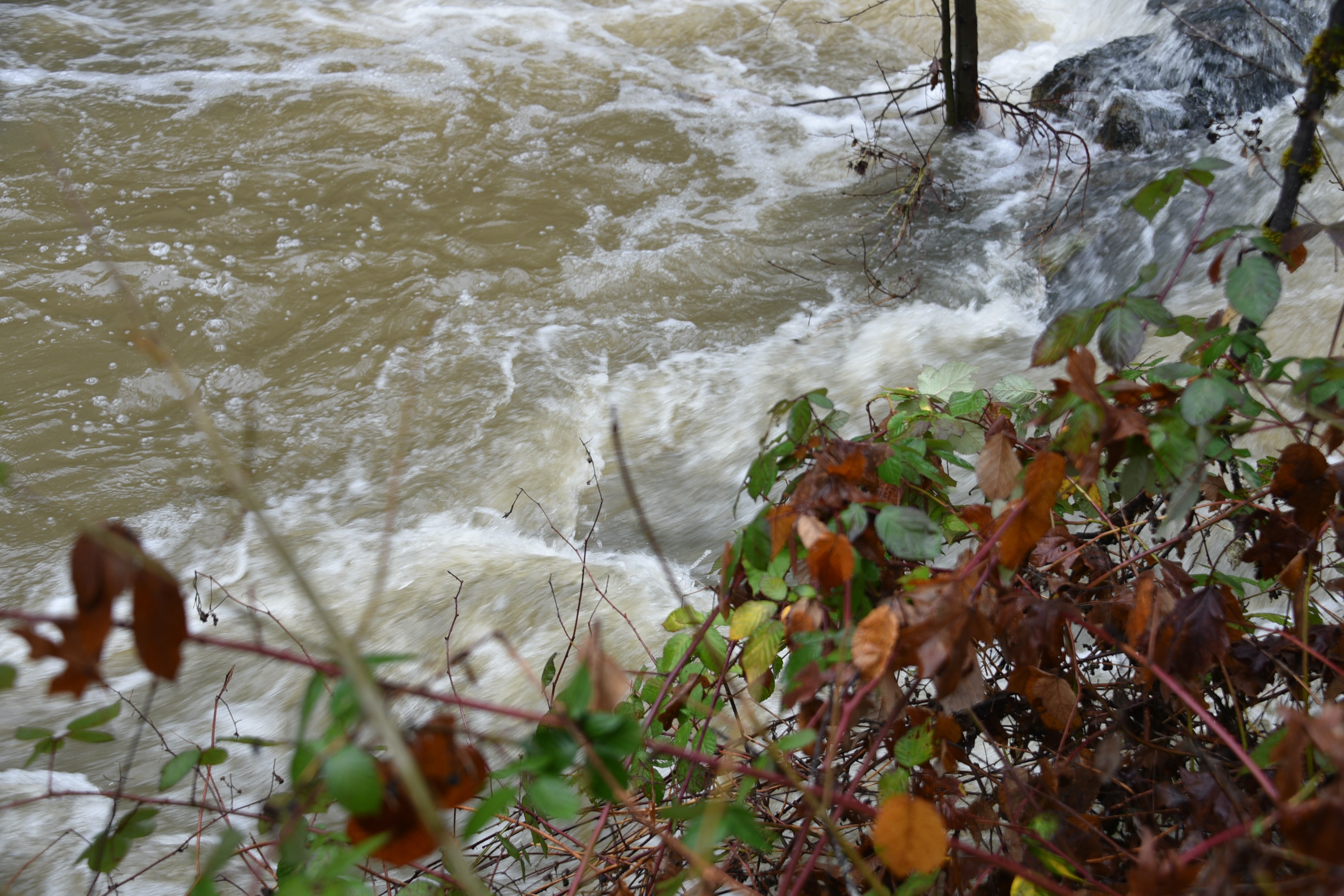
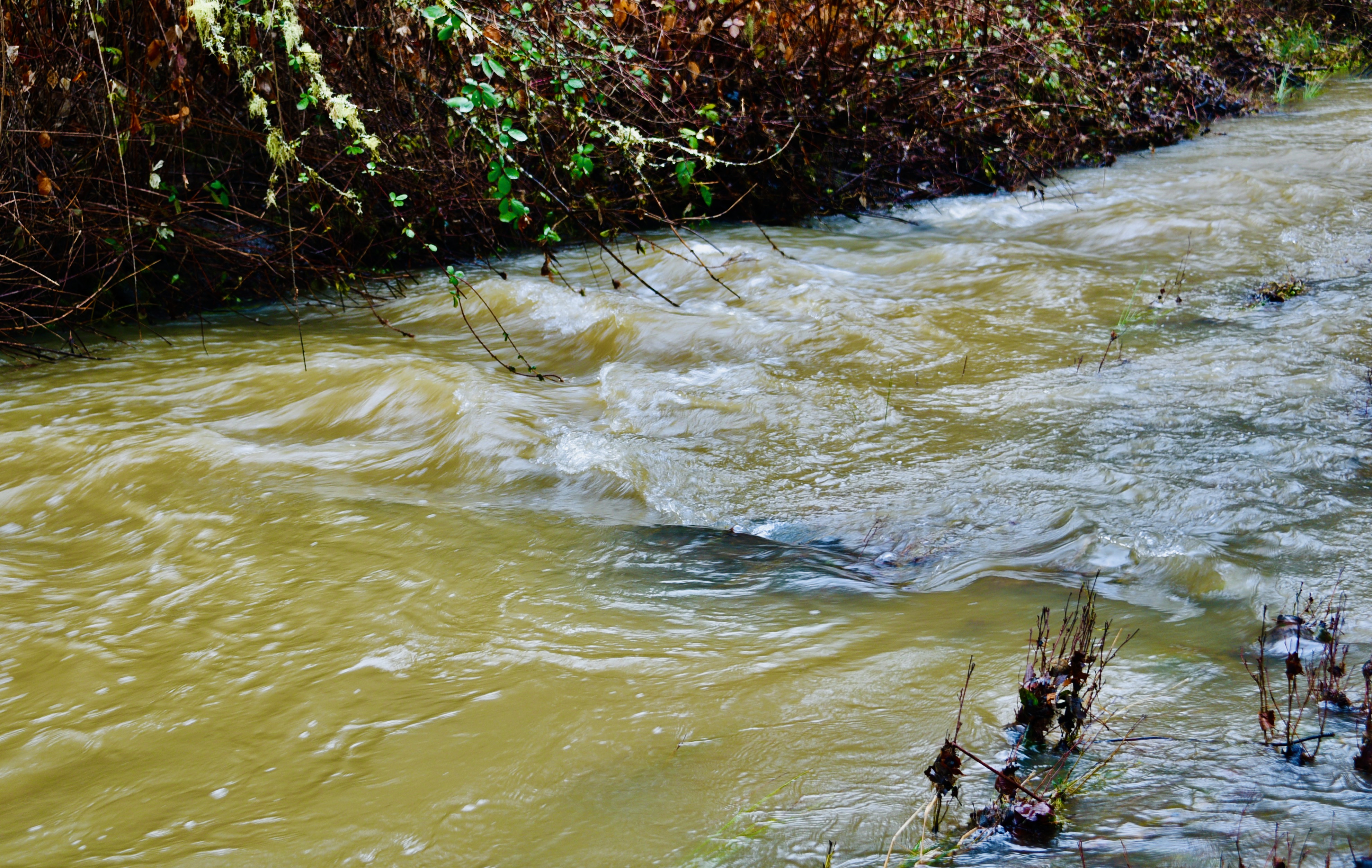
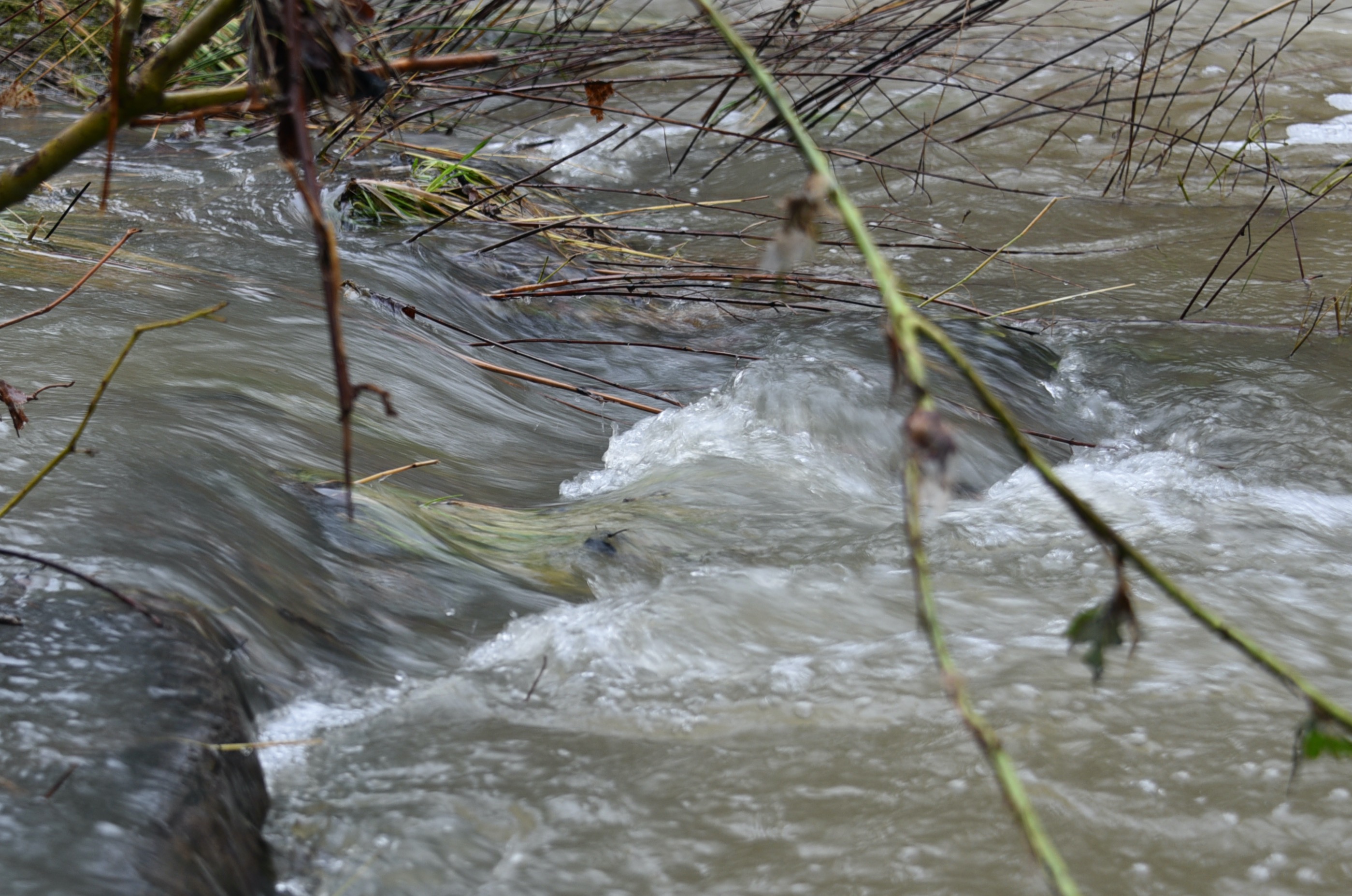
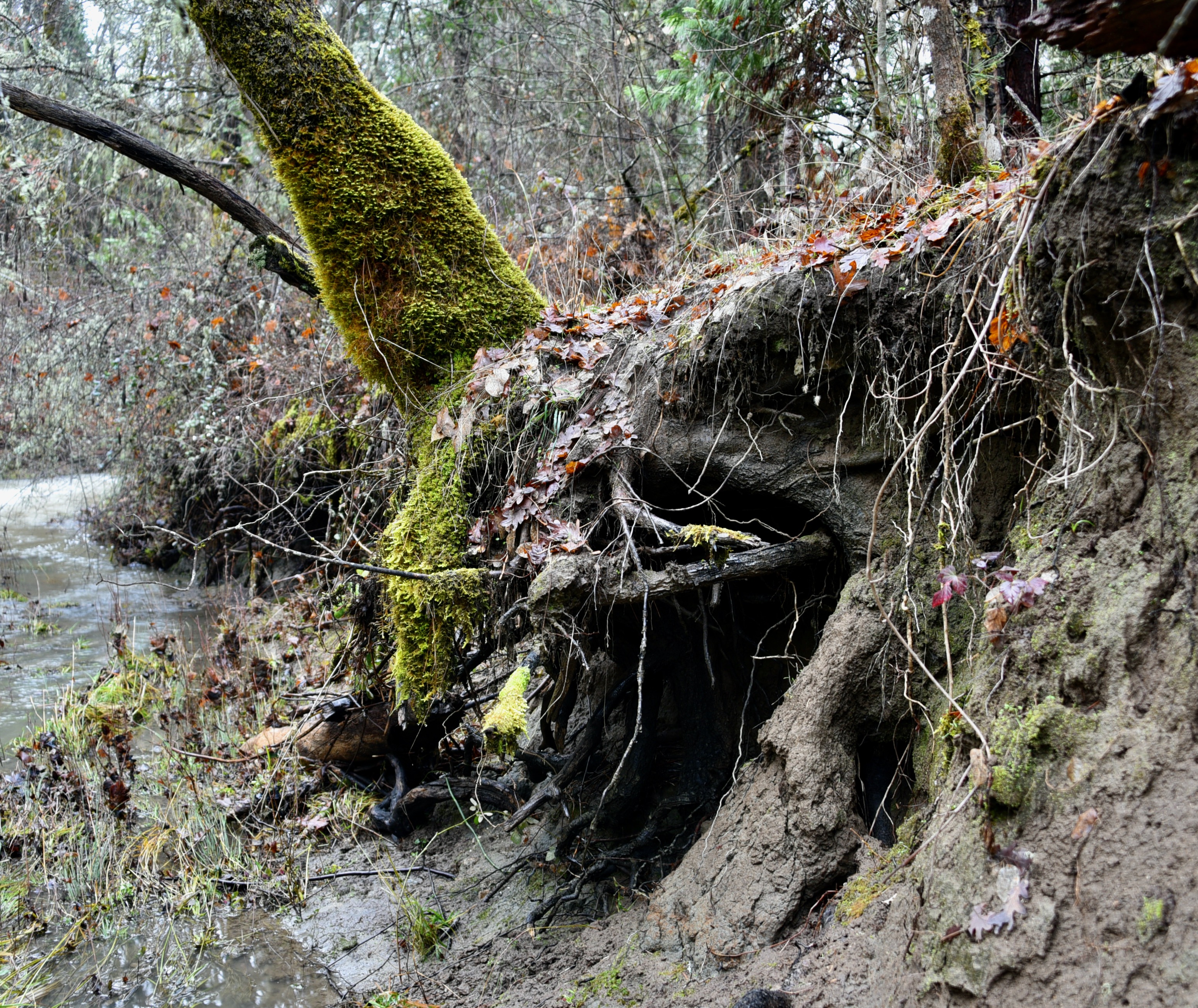
Meanwhile here in Merlin we have had loads of rain.
Bummer Creek
This is the creek that flows across the lower part of the property.
I had a blackout while driving back from the shops last Saturday week, the 17th, swerved and hit an oak tree. Jean and I were both taken to hospital but I was discharged at the end of the day; Jean is still in hospital, the Asante Regional at Medford. Plus the DMV cancelled my driver’s license and the car was declared written off.
Jean is getting better all the time but until she is back home and we can put our heads together about a variety of things I shall not be blogging.
I’m very sorry but that is the way it is at the moment.
Thinking it through thanks to a recent issue of Skeptical Inquirer.
Melanie Trecer-King is the creator of Thinking is Power and the associate professor of biology at the Massasoit Community College, where she teaches a science course designed to equip her students with essential critical thinking, information literacy, and science literacy skills.
The article was published in the November/December, 2024 issue of the magazine. I believe it is free to share.
ooOOoo
Most people agree that critical thinking is an important skill that should be taught in schools. And most educators think they teach critical thinking. I know I did. After all, I was a science educator, and science is critical thinking. Isn’t it?
For years, I taught general-education biology, a course commonly taken by undergraduates who aren’t science majors. And while I love biology, I grew more and more frustrated with the content. I asked myself: If I had one semester to teach the average student what they need to know about the process of science and critical thinking, what would it look like?
Thankfully, my college allowed me to replace my traditional introductory biology course with a course titled Science for Life, designed to teach critical thinking, information literacy, and science literacy skills (Trecek-King 2022). Since my conversion, I’ve been sharing my new path with anyone who will listen about the value of teaching critical thinking.
Yet conversations with Bertha Vazquez, director of education for the Center for Inquiry, gave me pause. In a recent podcast conversation with the two of us and Daniel Reed (of the West Virginia Skeptics Society), Vazquez was adamant. Educators do teach critical thinking: the Next Generation Science Standards (NGSS) require students to ask questions, plan and carry out investigations, analyze and interpret data, construct explanations, and engage in arguments from evidence.
As a science communicator, I constantly fight misconceptions around certain terms. Theory and skepticism are prime examples. So imagine my surprise (and embarrassment) when I realized that, as a critical thinking educator, I had overlooked an important first step in critical thinking: defining terms. The irony.
What Is Critical Thinking?
While we can all agree that it’s important to teach critical thinking, there’s not always agreement on what we mean by the term.
In his book Critical Thinking, Jonathan Haber (2020) explains how the concept emerged and some of the ways it’s currently defined. John Dewey, in his 1910 work How We Think, proposed one of the first modern definitions of reflective thinking, describing it as an “active, persistent, and careful consideration of any belief” (Dewey 1910, 6).
In his 1941 dissertation, Edward Glaser identified three components of critical thinking: “(1) an attitude of being disposed to consider in a thoughtful way the problems and subjects that come within the range of one’s experiences, (2) knowledge of the methods of logical inquiry and reasoning, and (3) some skill in applying those methods” (Glaser 1941, 5–6). That same year, Glaser and Goodwin Watson published the Watson-Glaser Tests of Critical Thinking (now the Watson-Glaser Critical Thinking Appraisal), a widely used standardized test for assessing critical thinking skills.
Critical thinking’s “big bang” moment, according to Haber, came in the early 1980s when the state of California (Harmon 1980, 3) mandated that all students in its university system complete a course that teaches “an understanding of the relationship of language to logic, leading to the ability to analyze, criticize and advocate ideas, reason inductively and deductively, and reach factual or judgmental conclusions based on sound inferences drawn from unambiguous statements of knowledge or belief.”
And the Delphi Report (Facione 1990, 2), in which Peter Facione worked with critical thinking experts to create a consensus definition, concludes that critical thinking is a “purposeful, self-regulatory judgment which results in interpretation, analysis, evaluation, and inference, as well as explanation of the evidential, conceptual, methodological, criteriological, or contextual considerations upon which that judgment is based.”
From these (and many other) definitions, Haber identifies three interconnected parts of critical thinking: knowledge of critical thinking components, such as logic and argumentation; the skills to put the knowledge to use in real-world situations; and the dispositions needed to prioritize critical thinking honestly and ethically.
This problem-solving view of critical thinking forms the basis of many of the current educational standards, including the NGSS and Common Core, which ask students to think deeply within a specific domain. And it is one scientists themselves use when trying to understand issues.
These are worthy educational goals to be sure. However, in my experience teaching general-education biology, I’ve come to realize that this approach is incomplete.
If critical thinking requires deep knowledge, then our ability to analyze topics is limited to areas in which we possess sufficient expertise. Pedagogy that encourages “independent” thinking outside these areas can have the unintended consequence of teaching students to overestimate their abilities. The best minds know they can’t know everything. Even experts rely on other experts and sources.
Additionally, in the classroom, students are provided with reliable content from which to critically analyze. In the “real world,” these guardrails are nonexistent. Not only is misinformation ubiquitous, disinformation purveyors exploit our biases and emotions to manipulate our reasoning.
And finally, we can’t address science misinformation, from evolution to vaccines to climate change, by giving students more content knowledge. We don’t fall for science denial and pseudoscience because we don’t have the facts but because of our emotions, desires, identities, and biases.
I now have a better understanding of what my colleague and friend Andy Norman means when he says that critical thinking suffers from a branding problem.
Yes, And …?
Using the above definition(s), I was teaching my biology students how to think critically. For example, I didn’t just ask them to memorize the stages of mitosis but to explore the mutations that could disrupt the cell cycle and lead to cancer. But to what end? If (or when) my former students are touched by cancer, will they remember how proto-oncogenes and tumor suppressor genes can lead to unregulated cell growth? Is that even what they need to know? I argue that, especially for students who aren’t going to be scientists, it’s far more important to teach students how and why the process of science results in reliable knowledge … and how to find it.
My Science for Life course and my Thinking Is Power resource are both based on the same premise. Knowledge may be power, but there’s too much to know. Even more, knowledge is a process; it’s not just what we know but how we know. It’s not just a noun but a verb. When we need reliable knowledge, can we find it and use it to make wiser decisions? And how do we know what information to ignore?
As a science educator, I want my students to understand how the process of science produces knowledge and why it’s reliable. Why aren’t comments such as “it worked for me” or “I know what I saw” sufficient evidence? I’ve come to realize that an essential—and often overlooked—ingredient is why we need science in the first place.
Richard Feynman famously said, “The first principle is that you must not fool yourself, and you are the easiest person to fool.” Science is how we correct for this tendency toward self-deception. That’s why I spend the first third of the semester exploring how we come to our beliefs, the limits of our perception and memory, the importance of skepticism, the cognitive biases that can lead our thinking astray, and the logical fallacies we use to convince ourselves (and others) that our conclusions are justified.
Influential voices in the skeptical community played a crucial role in shaping the ingredients of critical thinking I use in Science for Life and Thinking Is Power, which include the following:
Being aware of our limitations: Understanding that our perception and memory are flawed, and the biases and heuristics our brains rely on to make fast and easy decisions can lead us astray.
Arguing with evidence and logic: Using arguments that are well-structured and supported by evidence. This includes understanding how the different types of arguments work (i.e., deductive, inductive, and abductive) and avoiding logical fallacies.
Thinking about our thinking (metacognition): Actively examining and questioning our own thought processes—including the source of our knowledge, assumptions, intuitions, motivations, emotions, and biases—and how they might influence our judgments.
Embracing nuance and uncertainty: Avoiding the black-or-white thinking that can lead to oversimplified conclusions and accepting that our knowledge is never perfect or complete.
Seeking objectivity: Actively working to counter the limitations that prevent us from accurately understanding the world. This includes seeking diverse perspectives, separating our identity from our beliefs, and prioritizing accuracy over ego.
Having curiosity and open-mindedness: Possessing a desire to learn and understand by asking questions and seeking out information, even if it contradicts what we want to believe.
Maintaining healthy skepticism: Balancing gullibility and doubt and proportioning our beliefs to the available evidence. And remembering that claims made without evidence can be dismissed without evidence and extraordinary claims require extraordinary evidence.
Exhibiting intellectual humility: Recognizing the limitations of our knowledge, being open to the expertise of others, and being willing to change our minds with evidence.
In my experience, giving students this foundation is essential for helping them become better consumers of information and science. Without an awareness that our emotions and existing beliefs can drive our reasoning, search engines and low-quality sources become tools to confirm our biases. And without an understanding of how our identities and worldviews can alter our standards of evidence, pseudoscience and science denial provide cover for what we want or don’t want to believe.
The logic of science’s practices, from carefully controlling experimental variables to making the findings available to other experts for scrutiny and replication, falls into place once students understand the problems it’s addressing. Simply put, science is our shield against self-deception.
Now instead of asking students to think critically about the biology of cancer, I teach them how to evaluate sources to find reliable information, how to recognize pseudoscientific “treatments,” and how their need for hope and answers makes them vulnerable to misinformation.
The Take-Home Message
I have no doubt that most educators teach critical thinking. But for pedagogical and communication purposes, it would be beneficial to clarify what we mean—and just as importantly to ask ourselves what we want our students to learn.
The dominant view of critical thinking in education is problem-solving in specific domains, which is absolutely a valuable skill. However, many skeptics view critical thinking as good thinking in a broader sense. My own teaching shifted toward this latter framework after I realized that problem-solving skills are insufficient without a foundation in better thinking. We may be born with the ability to think, but we must be taught to think well, and our primate brains aren’t adapted to today’s tidal wave of misinformation.
I’m grateful to the skeptical community for challenging my assumptions about critical thinking and my friend Bertha Vazquez for encouraging me to think more deeply about the good work science educators do in their classrooms every day. This article is the result of my attempt to reconcile what critical thinking means to educators and what it means to skeptics, and my hope is that it opens a conversation about how we can better serve our students. Maybe it will even start a critical thinking revolution, especially in science education.
Let the critical thinking revolution begin!
Acknowledgments
My thanks go to those on this brief list of skeptical thinkers/authors who’ve influenced my understanding of critical thinking: James Alcock, Timothy Caulfield, John Cook, Brian Dunning, Julia Galef, Adam Grant, David Robert Grimes, Jon Guy, Harriet Hall, Guy Harrison, Daniel Kahneman, David McRaney, Steven Novella, Carl Sagan, Michael Shermer, and Carol Tavris.
Special thanks to Bertha Vazquez, Daniel Pimentel, Andy Norman, Daniel Reed, and Jon Guy for their helpful feedback on this article.
References
Dewey, John. 1910. How We Think. Lexington, MA: D.C. Heath and Company.
Facione, Peter A. 1990. Critical Thinking: A Statement of Expert Consensus for Purposes of Educational Assessment and Instruction—The Delphi Report. Millbrae, CA: California Academic Press.
Glaser, Edward M. 1941. An Experiment in the Development of Critical Thinking. New York, NY: Teachers College, Columbia University.
Haber, Jonathan. 2020. Critical Thinking. Cambridge, MA: The MIT Press.
Harmon, Harry. 1980. Executive Order No. 338: General Education-Breadth Requirements. The California State University and Colleges.
I hope others have read this fascinating article and repeat the statement: ‘While we can all agree that it’s important to teach critical thinking, there’s not always agreement on what we mean by the term.’







 Learning from Dogs