My grandson, Morten, sent me this photo yesterday.
Dogs are animals of integrity. We have much to learn from them.
Category: Cats
My grandson, Morten, sent me this photo yesterday.
We have never thought of this before but the question is a valid one.
The article, which was presented by The Conversation, raised the question. As you will see the article starts with the sentence “Americans love dogs.” To my mind, it is many more people than Americans who love dogs. Let’s read the article.
ooOOoo
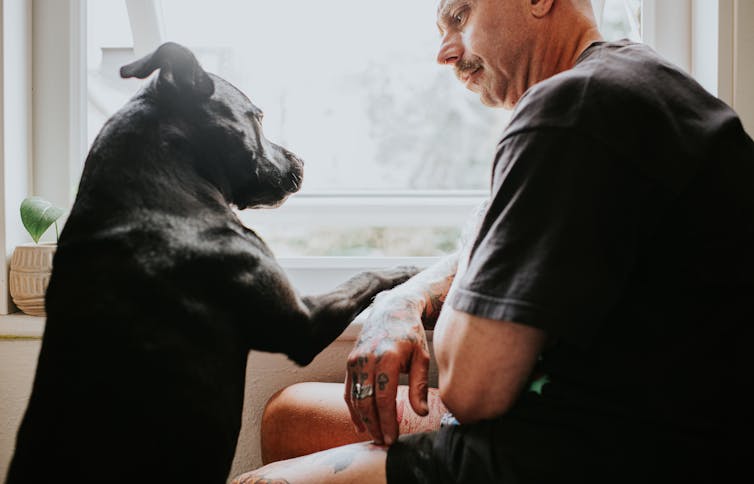
Margret Grebowicz, Missouri University of Science and Technology
Americans love dogs.
Nearly half of U.S. households have one, and practically all owners see pets as part of the family – 51% say pets belong “as much as a human member.” The pet industry keeps generating more and more jobs, from vets to trainers, to influencers. Schools cannot keep up with the demand for veterinarians.
It all seems part of what Mark Cushing, a lawyer and lobbyist for veterinary issues, calls “the pet revolution”: the more and more privileged place that pets occupy in American society. In his 2020 book “Pet Nation,” he argues that the internet has caused people to become more lonely, and this has made them focus more intensely on their pets – filling in for human relationships.
I would argue that something different is happening, however, particularly since the COVID-19 lockdown: Loving dogs has become an expression not of loneliness but of how unhappy many Americans are with society and other people.
In my own book, “Rescue Me,” I explore how today’s dog culture is more a symptom of our suffering as a society than a cure for it. Dogs aren’t just being used as a substitute for people. As a philosopher who studies the relationships between animals, humans and the environment, I believe Americans are turning to dogs to alleviate the erosion of social life itself. For some owners, dogs simply offer more satisfying relationships than other people do.
And I am no different. I live with three dogs, and my love for them has driven me to research the culture of dog ownership in an effort to understand myself and other humans better. By nature, dogs are masters of social life who can communicate beyond the boundaries of their species. But I believe many Americans are expecting their pets to address problems that they cannot fix.
During the pandemic, people often struggled with the monotony of spending too much time cooped up with other humans – children, romantic partners, roommates. Meanwhile, relationships with their dogs seemed to flourish.
Rescuing shelter animals grew in popularity, and on social media people celebrated being at home with their pets. Dog content on Instagram and Pinterest now commonly includes hashtags like #DogsAreBetterThanPeople and #IPreferDogsToPeople.
“The more I learn about people, the more I like my dog” appears on merchandise all over e-commerce sites such as Etsy, Amazon and Redbubble.
One 2025 study found that dog owners tend to rate their pets more highly than their human loved ones in several areas, such as companionship and support. They also experienced fewer negative interactions with their dogs than with the closest people in their lives, including children, romantic partners and relatives.
The late primatologist Jane Goodall celebrated her 90th birthday with 90 dogs. She stated in an interview with Stephen Colbert that she preferred dogs to chimps, because chimps were too much like people. https://www.youtube.com/embed/3xGvLApNrFQ?wmode=transparent&start=0 Jane Goodall said she appreciates dogs for their “unconditional love.”
This passion for dogs seems to be growing as America’s social fabric unravels – which began long before the pandemic.
In 1972, 46% of Americans said “most people can be trusted.” By 2018, that percentage dropped to 34%. Americans report seeing their friends less than they used to, a phenomenon called the “friendship recession,” and avoid having conversations with strangers because they expect the conversation to go badly. People are spending more time at home.
Today, millennials make up the largest percentage of pet owners. Some cultural commentators argue dogs are especially important for this generation because other traditional markers of stability and adulthood – a mortgage, a child – feel out of reach or simply undesirable. According to the Harris Poll, a marketing research firm, 43% of Americans would prefer a pet to a child.
Amid those pressures, many people turn to the comfort of a pet – but the expectations for what dogs can bring to our lives are becoming increasingly unreasonable.
For some people, dogs are a way to feel loved, to relieve pressures to have kids, to fight the drudgery of their job, to reduce the stress of the rat race and to connect with the outdoors. Some expect pet ownership to improve their physical and mental health.

And it works, to a degree. Studies have found dog people to be “warmer” and happier than cat people. Interacting with pets can improve your health and may even offer some protection against cognitive decline. Dog-training programs in prisons appear to reduce recidivism rates.
But expecting that dogs will fill the social and emotional gaps in our lives is actually an obstacle to dogs’ flourishing, and human flourishing as well.
In philosophical terms, we could call this an extractive relationship: Humans are using dogs for their emotional labor, extracting things from them that they cannot get elsewhere or simply no longer wish to. Just like natural resource extraction, extractive relationships eventually become unsustainable.
The late cultural theorist Lauren Berlant argued that the present stage of capitalism creates a dynamic called “slow death,” a cycle in which “life building and the attrition of life are indistinguishable.” Keeping up is so exhausting that, in order to maintain that life, we need to do things that result in our slow degradation: Work becomes drudgery under unsustainable workloads, and the experience of dating suffers under the unhealthy pressure to have a partner.
Similarly, today’s dog culture is leading to unhealthy and unsustainable dynamics. Veterinarians are concerned that the rise of the “fur baby” lifestyle, in which people treat pets like human children, can harm animals, as owners seek unnecessary veterinary care, tests and medications. Pets staying at home alone while owners work suffer from boredom, which can cause chronic psychological distress and health problems. And as the number of pets goes up, many people wind up giving up their animal, overcrowding shelters.
So what should be done? Some philosophers and activists advocate for pet abolition, arguing that treating any animals as property is ethically indefensible.
This is a hard case to make – especially with dog lovers. Dogs were the first animal that humans domesticated. They have evolved beside us for as long as 40,000 years, and are a central piece of the human story. Some scientists argue that dogs made us human, not the other way around.
Perhaps we can reconfigure aspects of home, family and society to be better for dogs and humans alike – more accessible health care and higher-quality food, for example. A world more focused on human thriving would be more focused on pets’ thriving, too. But that would make for a very different America than this one.
Margret Grebowicz, Distinguished Professor of the Humanities, Missouri University of Science and Technology
This article is republished from The Conversation under a Creative Commons license. Read the original article.
ooOOoo
I do not recognise the unhealthy culture as mentioned four paragraphs above. But Jeannie and me do understand and believe the alternative: “Some scientists argue that dogs made us human, not the other way around.”
I’ve said it many times before but perhaps some of our newer readers haven’t heard the fact that when I met Jean in 2007 she was looking after twenty-three dogs, and numerous cats, and it was pure magic. In 2008 I went to Mexico, where Jean lived, with Pharaoh. Then in 2010 we came north to Arizona to be married. We had sixteen dogs and seven cats with us.
It is what we share with animals, but it is not as straightforward as one thinks!
The range of thinking, in terms of logical thinking, even in humans, is enormous. And when we watch animals, especially mammals, it is clear that they are operating in a logical manner. By ‘operating’ I am referring to their thought processes.
So a recent article in The Conversation jumped out at me. Here it is:
ooOOoo
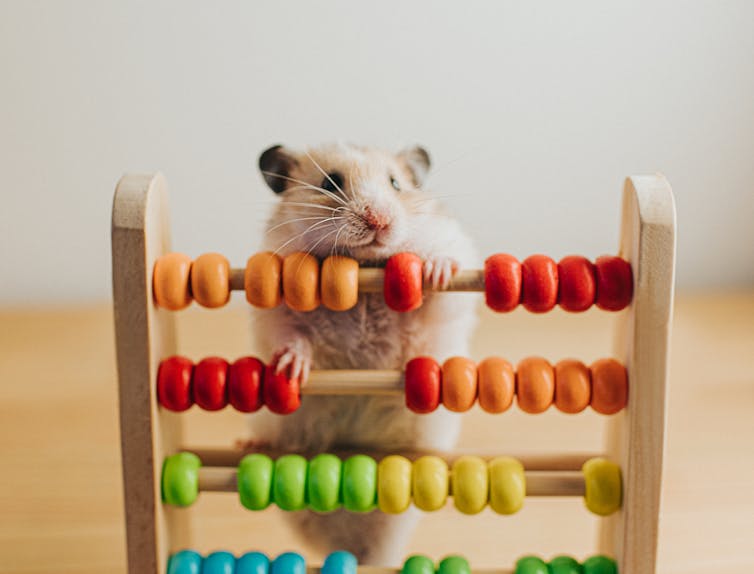
Olga Lazareva, Drake University
Can a monkey, a pigeon or a fish reason like a person? It’s a question scientists have been testing in increasingly creative ways – and what we’ve found so far paints a more complicated picture than you’d think.
Imagine you’re filling out a March Madness bracket. You hear that Team A beat Team B, and Team B beat Team C – so you assume Team A is probably better than Team C. That’s a kind of logical reasoning known as transitive inference. It’s so automatic that you barely notice you’re doing it.
It turns out humans are not the only ones who can make these kinds of mental leaps. In labs around the world, researchers have tested many animals, from primates to birds to insects, on tasks designed to probe transitive inference, and most pass with flying colors.
As a scientist focused on animal learning and behavior, I work with pigeons to understand how they make sense of relationships, patterns and rules. In other words, I study the minds of animals that will never fill out a March Madness bracket – but might still be able to guess the winner.
The basic idea is simple: If an animal learns that A is better than B, and B is better than C, can it figure out that A is better than C – even though it’s never seen A and C together?
In the lab, researchers test this by giving animals randomly paired images, one pair at a time, and rewarding them with food for picking the correct one. For example, animals learn that a photo of hands (A) is correct when paired with a classroom (B), a classroom (B) is correct when paired with bushes (C), bushes (C) are correct when paired with a highway (D), and a highway (D) is correct when paired with a sunset (E). We don’t know whether they “understand” what’s in the picture, and it is not particularly important for the experiment that they do.
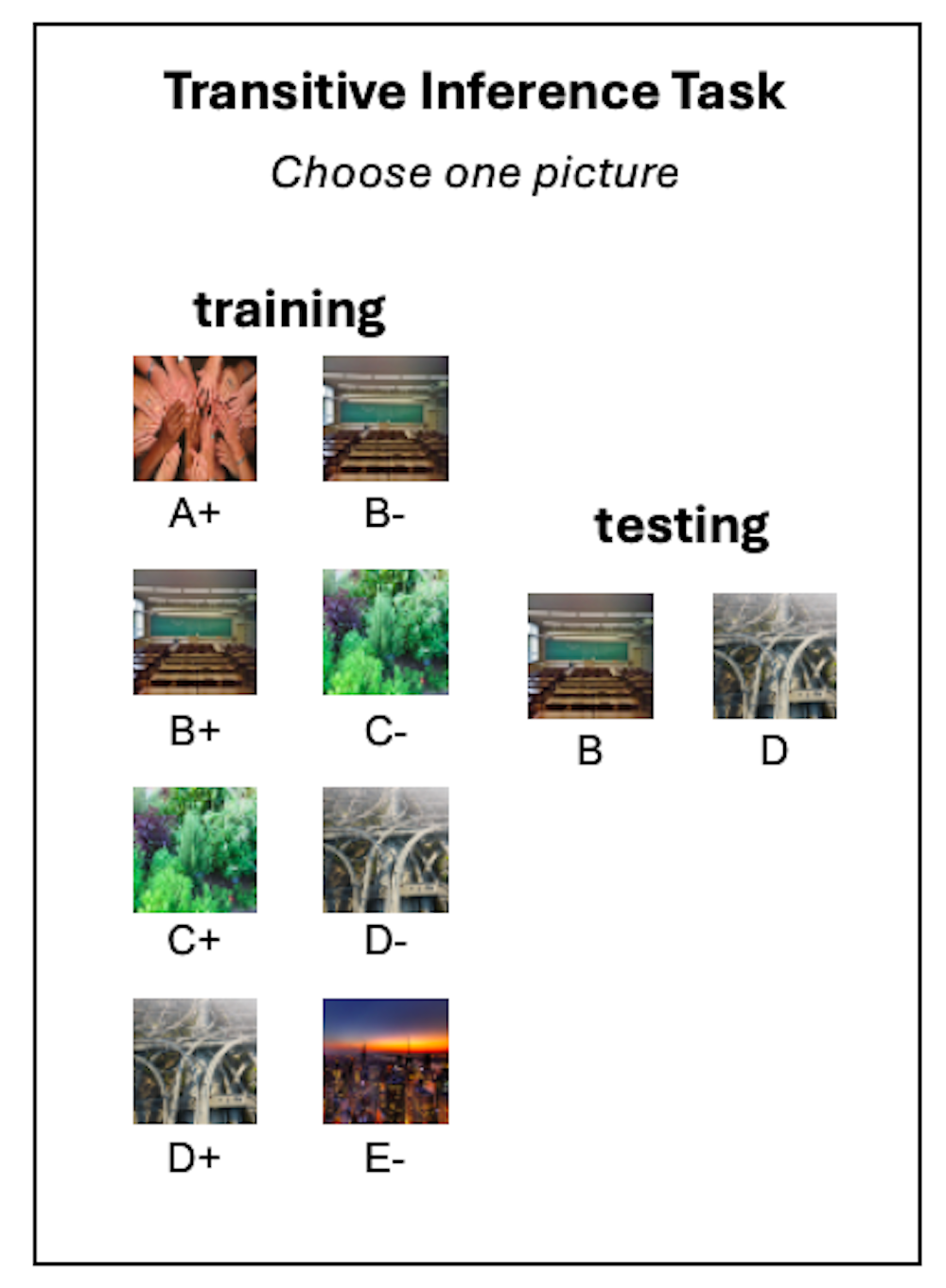
One possible explanation is that the animals that learn all the tasks create a mental ranking of these images: A > B > C > D > E. We test this idea by giving them new pairs they’ve never seen before, such as classroom (B) vs. highway (D). If they consistently pick the higher-ranked item, they’ve inferred the underlying order.
What’s fascinating is how many species succeed at this task. Monkeys, rats, pigeons – even fish and wasps – have all demonstrated transitive inference in one form or another.
But not all types of reasoning come so easily. There’s another kind of rule called transitivity that is different from transitive inference, despite the similar name. Instead of asking which picture is better, transitivity is about equivalence.
In this task, animals are shown a set of three pictures and asked which one goes with the center image. For example, if white triangle (A1) is shown, choosing red square (B1) earns a reward, while choosing blue square (B2) does not. Later, when red square (B1) is shown, choosing white cross (C1) earns a reward while choosing white circle (C2) does not. Now comes the test: white triangle (A1) is shown with white cross (C1) and white circle (C2) as choices. If they pick white cross (C1), then they’ve demonstrated transitivity.

The change may seem small, but species that succeed in those first transitive inference tasks often stumble in this task. In fact, they tend to treat the white triangle and the white cross as completely separate things, despite their common relationship with the red square. In my recently published review of research using the two tasks, I concluded that more evidence is needed to determine whether these tests tap into the same cognitive ability.
Why does the difference between transitive inference and transitivity matter? At first glance, they may seem like two versions of the same ability – logical reasoning. But when animals succeed at one and struggle with the other, it raises an important question: Are these tasks measuring the same kind of thinking?
The apparent difference between the two tasks isn’t just a quirk of animal behavior. Psychology researchers apply these tasks to humans in order to draw conclusions about how people reason.
For example, say you’re trying to pick a new almond milk. You know that Brand A is creamier than Brand B, and your friend told you that Brand C is even waterier than Brand B. Based on that, because you like a thicker milk, you might assume Brand A is better than Brand C, an example of transitive inference.
But now imagine the store labels both Brand A and Brand C as “barista blends.” Even without tasting them, you might treat them as functionally equivalent, because they belong to the same category. That’s more like transitivity, where items are grouped based on shared relationships. In this case, “barista blend” signals the brands share similar quality.
Researchers often treat these types of reasoning as measuring the same ability. But if they rely on different mental processes, they might not be interchangeable. In other words, the way scientists ask their questions may shape the answer – and that has big implications for how they interpret success in animals and in people.
This difference could affect how researchers interpret decision-making not only in the lab, but also in everyday choices and in clinical settings. Tasks like these are sometimes used in research on autism, brain injury or age-related cognitive decline.
If two tasks look similar on the surface, then choosing the wrong one might lead to inaccurate conclusions about someone’s cognitive abilities. That’s why ongoing work in my lab is exploring whether the same distinction between these logical processes holds true for people.
Just like a March Madness bracket doesn’t always predict the winner, a reasoning task doesn’t always show how someone got to the right answer. That’s the puzzle researchers are still working on – figuring out whether different tasks really tap into the same kind of thinking or just look like they do. It’s what keeps scientists like me in the lab, asking questions, running experiments and trying to understand what it really means to reason – no matter who’s doing the thinking.
Olga Lazareva, Professor of Psychology, Drake University
This article is republished from The Conversation under a Creative Commons license. Read the original article.
ooOOoo
Fascinating! I quote: “… a reasoning task doesn’t always show how someone got to the right answer.“
Olga finishes her article on reasoning with the statement that scientists are still trying to understand what it means to reason!
A guest post.
This post, and the next one, are submitted by Penny Martin.
ooOOoo
Image: Freepik
Vision to Reality: Building a Profitable Vet Clinic
Launching a veterinary clinic is a significant endeavor that requires meticulous planning and strategic decision-making. This venture combines a passion for animal care with the intricacies of managing a successful business. Aspiring clinic owners must navigate several critical steps to lay a strong foundation and ensure operational excellence. Starting your own clinic promises not only to fulfill a dream of helping animals but also to establish a thriving enterprise in the community.
Build a Strong Foundation with an Effective Marketing Strategy
A robust marketing strategy is essential to attract potential clients in the digital era. Establishing a professional online presence through a user-friendly website that details your services, team, and location builds trust among pet owners. Engage actively on social media with regular updates and client testimonials to showcase your expertise and commitment to animal care. Forge partnerships with local pet-related businesses to increase visibility and drive traffic to your clinic, enhancing both your and your partners’ customer bases.
Craft a Clear and Detailed Business Plan
A well-constructed business plan acts as your clinic’s roadmap, detailing your mission, services offered, and the specific target market. Identify your niche early—whether it’s specializing in certain animals or treatments—to attract the appropriate clientele. Include comprehensive financial projections and a marketing budget in your plan to ensure financial preparedness and support your clinic’s promotional activities.
Enhance Your Business Knowledge by Pursuing an MBA
Running a veterinary clinic demands a blend of clinical and business expertise. Pursuing a master’s of business administration online can boost your proficiency in key business areas such as strategy, management, and finance. An MBA not only deepens your understanding of business operations but also enhances leadership skills and self-assessment capabilities. These competencies are essential for balancing the medical and business demands of your clinic, ensuring its long-term success.
Safeguard Your Business with Proper Insurance
Operating a veterinary clinic comes with inherent risks, making comprehensive insurance coverage essential. Essential policies include malpractice insurance to handle legal issues and general liability insurance for accidents on your premises. Property insurance is crucial to protect your clinic’s infrastructure and equipment against unexpected events. Consulting with an insurance expert can ensure that you have thorough coverage to protect against potential financial setbacks.
Invest in High-Quality Veterinary Equipment
Providing top-tier care necessitates investing in high-quality veterinary equipment. Essential tools like X-ray machines, surgical instruments, and lab equipment should be of the highest standard to ensure accurate diagnoses and treatments. Modern technologies, such as digital imaging systems, not only enhance patient care but also improve operational efficiency. While the initial cost may be higher, investing in quality equipment pays off in the long run by boosting efficiency and minimizing errors.
Secure the Necessary Funding for Your Clinic
Securing sufficient funding is critical when starting a veterinary clinic. Estimate your startup costs accurately to understand your financial needs, including equipment, premises, staffing, and marketing. Explore diverse financing options, such as bank loans, private investors, and specialty medical practice loans that might offer favorable terms. Adequate initial funding prevents cash flow problems and supports your clinic’s growth trajectory.
Choose the Right Location for Your Clinic
The location of your clinic is pivotal to its success, necessitating a spot with a high demand for veterinary services. Conduct thorough market research to choose a community rich in pet owners who need your services. Select a location that is accessible, visible, and has ample parking to ensure convenience for your clients. Proximity to complementary services like pet groomers or dog trainers can further enhance client traffic and provide expansion opportunities.
Opening a veterinary clinic is both challenging and rewarding, demanding a careful blend of dedication and strategic foresight. Success in this field not only enhances the well-being of pets but also contributes positively to the local community. It requires ongoing commitment to adapt and grow in a dynamic environment. Ultimately, the fulfillment of running a successful veterinary clinic comes from both the impact on animal health and the achievement of entrepreneurial goals.
Discover the timeless wisdom that dogs offer at Learning from Dogs, where integrity and living in the present are celebrated. Dive into our content and embrace the lessons from our four-legged friends.
ooOOoo
Opening a vet clinic is well beyond me even though many years ago I was an entrepreneur.
However, one hopes that somewhere a person or two find this very useful.
We take our decision from watching the animal kingdom.
A recent post in The Conversation provides the article for today’s blog post.
ooOOoo
At Cambridge University Library, along with all the books, maps and manuscripts, there’s a child’s drawing that curators have titled “The Battle of the Fruit and Vegetable Soldiers.”
The drawing depicts a turbaned cavalry soldier facing off against an English dragoon. It’s a bit trippy: The British soldier sits astride a carrot, and the turbaned soldier rides a grape. Both carrot and grape are fitted with horses’ heads and stick appendages.

It’s thought to be the work of Francis Darwin, the seventh child of British naturalist Charles Darwin and his wife, Emma, and appears to have been made in 1857, when Frank would have been 10 or 11. And it’s drawn on the back of a page of a draft of “On the Origin of Species,” Darwin’s masterwork and the foundational text of evolutionary biology. The few sheets of the draft that survive are pages Darwin gave to his children to use for drawing paper.
Darwin’s biographers have long recognized that play was important in his personal and familial life. The Georgian manor in which he and Emma raised their 10 children was furnished with a rope swing hung over the first-floor landing and a portable wooden slide that could be laid over the main stairway. The gardens and surrounding countryside served as an open-air laboratory and playground.
Play also has a role in Darwin’s theory of natural selection. As I explain in my new book, “Kingdom of Play: What Ball-bouncing Octopuses, Belly-flopping Monkeys, and Mud-sliding Elephants Reveal about Life Itself,” there are many similarities – so many that if you could distill the processes of natural selection into a single behavior, that behavior would be play.
Natural selection is the process by which organisms that are best adapted to their environments are more likely to survive, and so able to pass on the characteristics that helped them thrive to their offspring. It is undirected: In Darwin’s words, it “includes no necessary and universal law of advancement or development.”
Through natural selection, the rock pocket mouse has evolved a coat color that hides it from predators in the desert Southwest.
In contrast to foraging and hunting – behaviors with clearly defined goals – play is likewise undirected. When a pony frolics in a field, a dog wrestles with a stick or chimpanzees chase each other, they act with no goal in mind.
Natural selection is utterly provisional: The evolution of any organism responds to whatever conditions are present at a given place and time. Likewise, animals at play are acting provisionally. They constantly adjust their movements in response to changes in circumstances. Playing squirrels, faced with obstacles such as falling branches or other squirrels, nimbly alter their tactics and routes.
Natural selection is open-ended. The forms of life are not fixed, but continually evolving. Play, too, is open-ended. Animals begin a play session with no plan of when to end it. Two dogs play-fighting, for instance, cease playing only when one is injured, exhausted or simply loses interest.
Natural selection also is wasteful, as Darwin acknowledged. “Many more individuals of each species are born than can possibly survive,” he wrote. But in the long term, he allowed, such profligacy could produce adaptations that enable an evolutionary line to become “more fit.”
Keepers noticed that Shanthi, a 36-year-old elephant at the Smithsonian national zoo, liked to make noise with objects, so they gave her horns, harmonicas and other noisemakers.
Play is likewise profligate. It requires an animal to expend time and energy that perhaps would be better devoted to behaviors such as foraging and hunting that could aid survival.
And that profligacy is also advantageous. Animals forage and hunt in specific ways that don’t typically change. But an animal at play is far more likely to innovate – and some of its innovations may in time be adapted into new ways to forage and hunt.
As Darwin first framed it, the “struggle for existence” was by and large a competition. But in the 1860s, Russian naturalist Pyotr Kropotkin’s observations of birds and fallow deer led him to conclude that many species were “the most numerous and the most prosperous” because natural selection also selects for cooperation.
Scientists confirmed Kroptokin’s hypothesis in the 20th century, discovering all manner of cooperation, not only between members of the same species but between members of different species. For example, clown fish are immune to anemone stings; they nestle in anemone tentacles for protection and, in return, keep the anemones free of parasites, provide nutrients and drive away predators.
Play likewise utilizes both competition and cooperation. Two dogs play-fighting are certainly competing, yet to sustain their play, they must cooperate. They often reverse roles: A dog with the advantage of position might suddenly surrender that advantage and roll over on its back. If one bites harder than intended, it is likely to retreat and perform a play bow – saying, in effect, “My bad. I hope we can keep playing.”
River otters at the Oregon Zoo repeatedly separate and reunite while playing in a tub of ice.
Natural selection and play also may both employ deception. From butterflies colored to resemble toxic species to wild cats that squeal like distressed baby monkeys, many organisms use mimicry to deceive their prey, predators and rivals. Play – specifically, play-fighting – similarly offers animals opportunities to learn about and practice deception.
Darwin wrote that natural selection creates “endless forms most beautiful and most wonderful.” Play also creates beauty in countless ways, from the aerial acrobatics of birds of prey to the arcing, twisting leaps of dolphins.
In 1973, Ukrainian-American geneticist Theodosius Dobzhansky published an essay with the take-no-prisoners title “Nothing in Biology Makes Sense Except in the Light of Evolution.” Many biologists would agree. Perhaps the most satisfying definition of life attends not to what it is but to what it does – which is to say, life is what evolves by natural selection.
And since natural selection shares so many features with play, we may with some justification maintain that life, in a most fundamental sense, is playful.
David Toomey, Professor of English, UMass Amherst
This article is republished from The Conversation under a Creative Commons license. Read the original article.
ooOOoo
Prof. Toomey’s analysis is spot-on.
All of life involves some form of play.
But primarily for companionship.
I chose this article from The Conversation simply because it is the truth about having a pet animal.
ooOOoo
Emily Hemendinger, University of Colorado Anschutz Medical Campus
Owning a pet can be a roller coaster. There are the highs, like when your dog greets you with a full-body wiggle when you return home, or when your cat purrs loudly as you cuddle next to one another. Then there are the lows, like stressful trips to urgent care, waking up to that unpleasant vomiting noise, or making the difficult choice to say goodbye because of medical problems or even intractable behavioral issues.
For those pet-owners who are struggling, it’s beneficial to their mental health to acknowledge that pets can create stress and that some animals are more work than others.
Research has shown that both cats and dogs can have equally positive impacts on mental health.
Pets may be helpful at reducing stress, anxiety and feelings of being overwhelmed, including in children. Pet ownership has also been shown to improve well-being by instilling people with a sense of purpose and responsibility.
As a licensed clinical social worker, animal lover and proud dog mom, I have both professionally and personally seen the mental health impacts of having animal companions.
Media stories commonly cover the positives of pet ownership. But the hardships and downsides of owning a pet are not discussed as often. For instance, while there are many positive aspects to pet ownership, some research is showing that pets may lead to exacerbated mental health concerns or even sleep issues.
Whether you’re adopting or shopping, pets can bring a full range of emotions into our lives. Research has even shown that pets may benefit non-pet owners around them as well.
A pet owner may easily be able to tick off an infinite number of positive effects their fuzzy companion has had on their life. Research backs them up.
Pets can provide constant companionship for individuals and families. This is particularly true for older adults. There was an uptick in adoptions of pets during the early days of the COVID-19 pandemic. Many people benefited from pets during periods of stay-at-home mandates and quarantines.
Pet adoptions soared during the early days of the COVID-19 pandemic. But many owners then found themselves struggling with the rising costs of care.
Research shows that dogs can reduce loneliness in their owners. In fact, being accompanied by a dog may even make you seem more approachable.
Pets, especially dogs, may help improve one’s ability to socialize and feel connected with others, as well as increasing the prospects for social interactions. People may bond over the experience of having pets, socialize at the dog park, or even meet up at the local cat café.
Animals and pets have also been used to assist in detecting the onset symptoms of medical episodes, including seizures. Animal-assisted therapy and pet therapy have shown promise in improving symptom management and overall quality of life in a number of conditions, including trauma and stressor-related disorders, anxiety disorders, eating disorders, autism, traumatic brain injuries, neurological disorders and more.
There are ample benefits to pet ownership.
Despite the many positive impacts of pet ownership, it also can have negative impacts. For example, one survey found that 47% of Americans felt separation anxiety when leaving their dogs at home.
The survey also found that 41% of pet owners declined social invitations because they did not want to leave their dog at home, and that 70% of pet owners would prefer to work remotely so they could stay at home with their pet. Pet owners have also identified feeling anxious about their pet getting sick or running away, or the risk that they might harm the animal unintentionally.
Stress from pet ownership is common. There’s the stress of house-training and making sure the pet is getting enough enrichment – both physically and mentally. Then there are the challenges associated with vet appointments and navigating illness, as well as financial stressors and finding pet sitters.
Another element of pet ownership that people often don’t talk about is the stress, and often shame, that owners with reactive dogs experience from walking their dog, having people over to the house or having their dog around children.
Finally, there’s the reality that our pet companions live shorter lives than we do, leading to end-of-life planning, expensive treatments for older-age ailments, and, of course, the grief that will be felt from the loss of a pet. For some people, the loss of a pet may feel worse than human loss.
People may judge or criticize pet owners for an “overblown” grief reaction. The common experience of invalidation and lack of acknowledgment related to grief around pet loss – similar to the grief felt from divorce and miscarriage – is categorized as disenfranchised grief. This term refers to grief that is not acknowledged, validated or accepted socially.

Pet owners, especially post-pandemic, have reported high levels of guilt related to leaving their pets at home while at work or social events. Some of this guilt may be related to concerns about providing insufficient attention to the pet or about the pet’s health. This guilt has even been shown to be similar to the feeling human parents have concerning their human children.
As someone who adores their dog, I can relate to the guilt of leaving him alone. To complicate things, my dog has joint issues, anxiety and discoid lupus, a type of lupus that affects the skin on his nose. He can also be reactive. All of these aspects require me to provide extra care. When friends invalidate my worries and guilt, it can feel isolating and shaming.
And I’m not alone in these feelings. Overall, when there is a lack of consideration for the complex feelings pet owners experience, the invalidation and disenfranchised feelings can lead to depression, anxiety, feelings of being isolated and worsened quality of life.

The human-animal bond is unique, with humans receiving unconditional love and full acceptance from their animal companion. When society can honor and respect this bond through validation, patience and compassion, it not only helps pet owners but also the clinicians who treat the animals.
Employers can be supportive by continuing to provide remote and hybrid work options, flexibility in scheduling and opportunities for employees to feel validated and receive support. If a loved one is experiencing guilt around leaving their dog at home or a friend is having anxiety about their cat’s health, instead of minimizing their experience, try talking to them and asking how best to support them through their distress.
Another support tool is encouraging pet owners to practice self-compassion and mindfulness, being present and focusing on the time they do have with their pet.
Pets can bring infinite joy and companionship to our lives, whether that’s through pet ownership, fostering, volunteering or engaging in animal-assisted therapy.
It remains important, however, to acknowledge the stressors and difficulties pet owners face. After all, the ups and downs of pet ownership, just like the ups and downs of the human experience, are what make life and relationships that much more meaningful.
Emily Hemendinger, Assistant Professor of Psychiatry, University of Colorado Anschutz Medical Campus
This article is republished from The Conversation under a Creative Commons license. Read the original article.
ooOOoo
This is such a good article both for the general readership and for Jeannie and me specifically. For when I met Jean in December, 2007 Jean had 23 dogs and 7 cats. Jean’s passionate interest was in rescuing the many street dogs that roamed San Carlos in Mexico.
My great love of dogs came from the loving companionship that the animals offered me, including my Pharaoh that I brought with me from England. Now we are down to just two dogs: Oliver and Cleopatra.
This article has some deeper implications.
As 99% of you know, Jean, my wife, has Parkinson’s Disease. One of the characteristics of the disease is the effect it has on sleeping; Jean frequently has a bad night. Plus, our two dogs, Cleopatra and Oliver sleep in the bedroom on dog beds.
But if I was on my own I would find it difficult not to encourage our dogs to sleep on our double bed. That’s my assessment, at least! Over to The Conversation on the topic.
ooOOoo
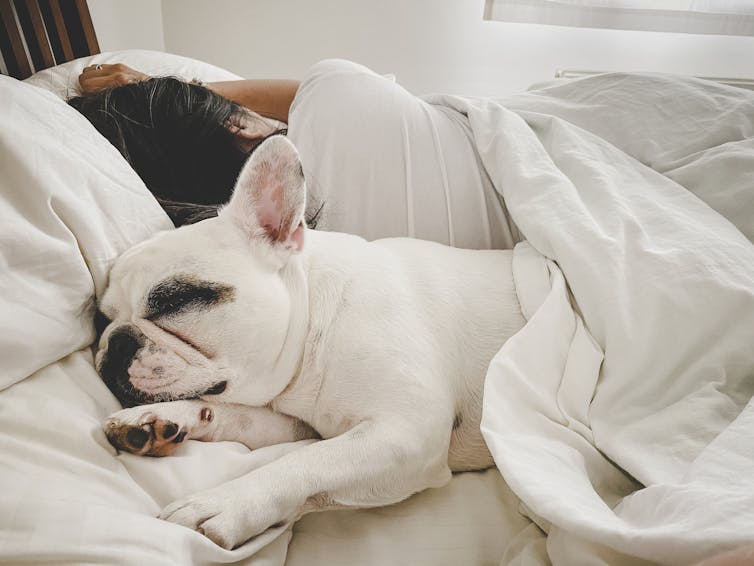
Brian N. Chin, Trinity College
Sleeping with your dog in the same room could be negatively affecting your sleep quality, according to my team’s recently published research in Scientific Reports.
We recruited a nationally representative sample of more than 1,500 American adults who completed questionnaires assessing their sleep habits. Overall, about half of the participants reported co-sleeping with pets – defined in our study as sleeping in the same room with your pet for at least part of the night.
Next, our research team compared the sleep habits of people who did and didn’t co-sleep with pets. Our analyses revealed that participants who co-slept with pets had poorer sleep quality and more insomnia symptoms than those who did not. These findings persisted even after accounting for demographic differences between these groups. When considering pet type, we found evidence for a negative effect on sleep when co-sleeping with dogs but no evidence for a negative effect on sleep when co-sleeping with cats.
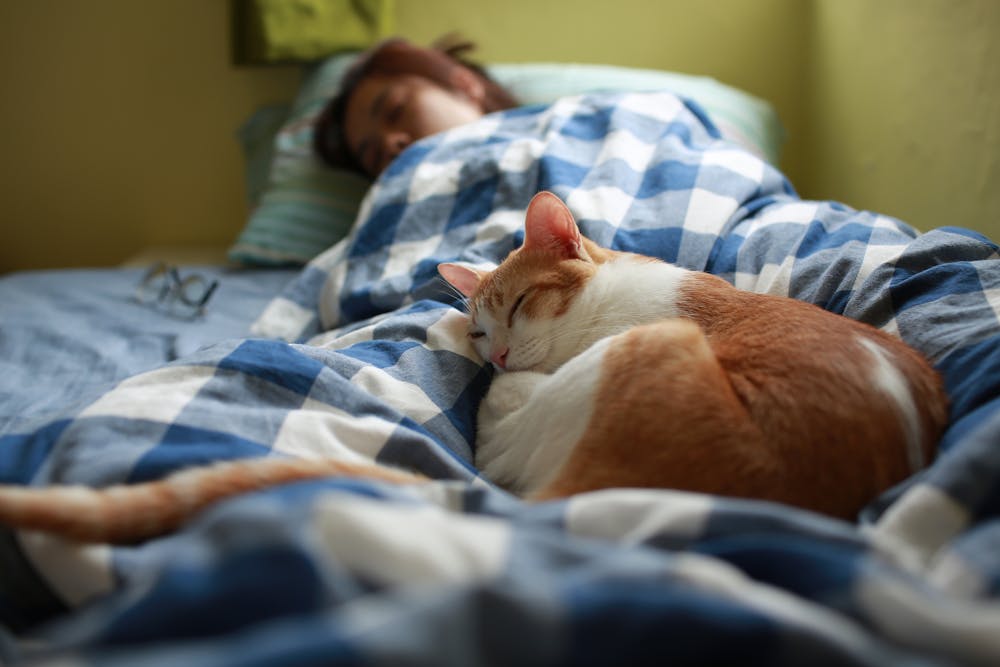
Surprisingly, 93% of people in our study who co-slept with their pets believed that their pets had either a positive or neutral overall effect on their sleep. Although more research is needed, these findings could suggest that most people are unaware of the potential negative effects their pets may have on their sleep.
Most pet owners report that their pets have a generally positive effect on their mental health. Pets can improve their owners’ health in numerous ways during the day, such as by encouraging physical activity, promoting a daily routine and providing love and companionship.
However, our study fills an important knowledge gap by indicating that co-sleeping with pets can affect sleep quality. Good sleep is a pillar of health and wellness. Even though pets may have an overall positive effect on mental health, it is possible that some of this benefit may be undermined if they are also causing you to lose sleep at night.
Although some people report that co-sleeping with their pets can provide them with a sense of comfort or intimacy, it is important for people sharing a bedroom with their pets to be aware of their potential to serve as a source of nighttime noise, heat or movement that can disrupt your ability to fall or stay asleep.
Survey-based studies like ours are unable to prove that co-sleeping with pets causes disrupted sleep, although there is some evidence suggesting that this could be the case.
One important factor that our study did not assess was whether participants were also co-sleeping with other people like a spouse or child. Previous research suggests that sharing a bed with other people can also affect our sleep and that the mental health benefits of pet ownership could be stronger for people with a romantic partner.
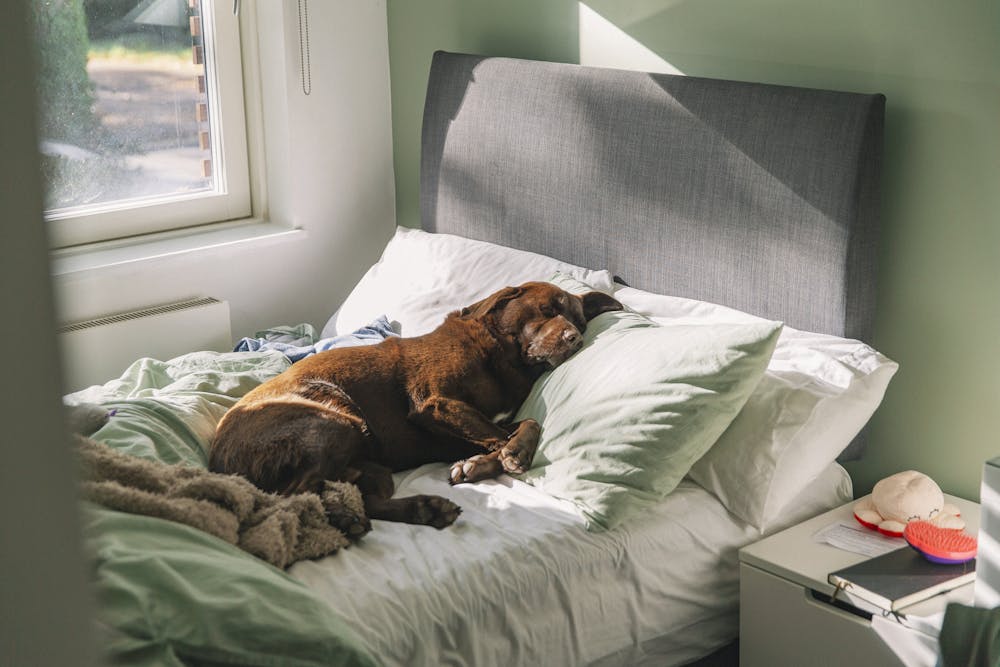
It probably isn’t realistic for most people to just stop co-sleeping with their pets. So, what should someone do to improve their sleep if they already share a bed with their pets?
Some expert tips include choosing a mattress that is large enough for you and your pets, washing and changing your bedding regularly, and establishing and maintaining a consistent bedtime routine with your pets. Further research is needed to identify more specific habits and routines that pet owners can adopt to ensure a good night’s sleep when sharing the bedroom with their pets.
The Research Brief is a short take about interesting academic work.
Brian N. Chin, Assistant Professor of Psychology, Trinity College
This article is republished from The Conversation under a Creative Commons license. Read the original article.
ooOOoo
Coming back to Jean and me at least we have a pretty regular routine with us going to our bedroom around 7pm to 8pm. In the morning over our daily coffees I always ask Jean what sort of night she had. Yesterday morning Jean replied that she had had a poor night. My judgement is that Jean has roughly one in two poor nights.
Concerning addiction recovery.
Penny Martin is a regular contributor to these pages and I am delighted with that.
So without any more todo, here is Penny’s post.
ooOOoo
Fur-Ever Friends: The Therapeutic Bonds of Pets in Addiction Rehab
By Penny Martin

Image via Pexels
Recovery from addiction is a complex and emotionally taxing process that involves much more than simply abstaining from substance use. It necessitates a holistic approach to healing, which often includes medical treatment, psychotherapy, lifestyle changes, and, for many people, the support of loved ones.
Another source of support that is increasingly recognized for its therapeutic benefits is the companionship of pets. Whether it’s a dog, a cat, or even a bird, pets offer emotional sustenance, non-judgmental companionship, and numerous practical advantages. In this article from Learning from Dogs, we delve into how the presence of a pet can be a transformative experience.
It’s All About a Good Routine
Establishing a stable routine is a cornerstone of addiction recovery. A routine not only provides structure to the day but also instills a sense of responsibility and purpose. Owning a pet naturally requires a routine for feeding, exercise, and care.
This routine can help an individual in recovery stay focused and reduce the void or emptiness often cited as a relapse trigger. Technologies like automated pet feeders can further support this routine, ensuring that your responsibilities are met even when you’re dealing with emotional ups and downs.
Pets Just Make You Feel Better
PsychCentral notes that interacting with pets has been scientifically shown to improve emotional health. Simple actions such as petting a dog or cat trigger the release of “feel-good” hormones like oxytocin, reducing stress and elevating mood.
These emotional benefits are invaluable, especially during the psychologically taxing phases of withdrawal and detoxification. Mental health tracking apps can provide real-time data on your emotional state, often reflecting an improvement correlated with increased time spent with your pet.
Pet-Friendliness and Rehab
Selecting the appropriate rehab facility is an essential step toward a successful recovery journey. An important criterion to consider is the availability of pet-friendly options or the incorporation of pet therapy in the facility’s treatment approach.
Many centers, including local resources for treatment and recovery, are increasingly acknowledging the multifaceted therapeutic advantages that pets can offer and are thus integrating them into their treatment regimens. Specialized online platforms provide comprehensive data about such pet-amicable facilities, empowering individuals to make a well-informed decision.
Diverting from Destructive Urges
Engaging with pets can provide a crucial distraction from cravings and negative thoughts. Whether it’s going for a walk, playing fetch, or simply cuddling on the sofa, these activities require engagement that diverts attention away from destructive patterns. There are even interactive pet toys available now, controlled via smartphone apps, that can keep both the pet and the owner engaged, further reducing idle time that might otherwise lead to cravings.
Pets Make You Social
HABRI points out that owning a pet often encourages social interaction, which can be particularly beneficial during recovery. Whether it’s through meeting other dog owners during walks or engaging in community pet events, these interactions foster a sense of community and belonging. These newly formed social connections can be a significant supportive element in staying sober. Social platforms and apps for pet owners offer a virtual space to connect, share experiences, and seek advice, contributing to a broader support system.
Enhancing Self-Image
Successfully caring for a pet significantly boosts self-esteem and self-worth. Taking responsibility for the well-being of another life generates a sense of accomplishment and purpose, which are foundational in rebuilding one’s life after addiction. Virtual training modules and online courses offer valuable insights into pet care, further increasing competence and confidence in this area.
The journey through addiction recovery is seldom straightforward. It’s a path fraught with challenges, emotional turbulence, and setbacks. However, the simple act of caring for a pet offers an unmatched emotional and practical support system that aids significantly in the recovery process. From establishing routine and boosting emotional well-being to providing a sense of purpose, the benefits are multi-layered and profound. As you navigate through the trials of addiction recovery, the companionship of a pet can become one of your most significant sources of comfort, strength, and hope.
Learning from Dogs serves as a reminder of the values of life and the power of unconditional love – as so many, many dogs prove each and every day. Read more informative articles today!
ooOOoo
HABRI stands for The Human Animal Bond Research Institute and their website is available if you click on the title. I am going to see if I can republish some of HABRI’s articles.
Anyway, thanks to Penny for another great guest post.
It just goes to show the importance of loving an animal, especially a cat or a dog.
As a pet owner.
This is a guest post, from Penny Martin. Penny has written guest posts previously, and I welcome another one for your reading.
ooOOoo
How To Style Your Home for a Successful Sale As a Pet Owner
By Penny Martin
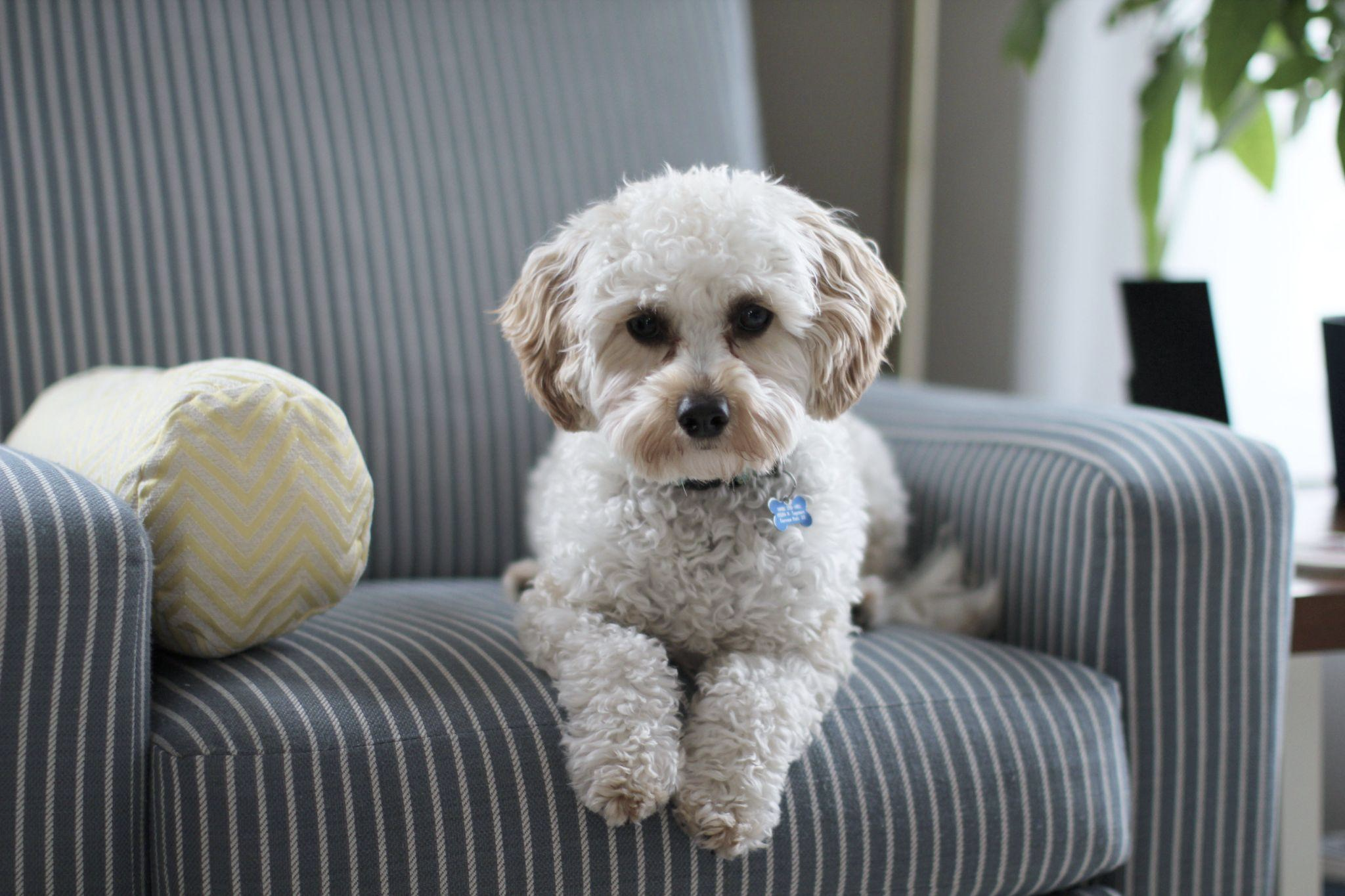
Selling a home is a pivotal moment, and it’s often laden with challenges, especially for pet owners. Pets are integral to many families, yet their presence in a home can affect its market appeal. The key to success lies in presenting a home that is inviting to a broad range of buyers, creating a balance where your pet-friendly environment is subtly perceptible but not overtly dominant. This comprehensive guide, presented by Learning From Dogs, delves into effective strategies for preparing your home for sale, ensuring it is welcoming and appealing to potential buyers while accommodating your pets in an understated manner.
Refurbish Pet-Caused Damages
Initiate the home staging process by addressing any visible pet-related damage. This includes repairing scratched floors, restoring torn carpets, and replacing chewed baseboards or door frames. Undertaking these repairs is essential, as it enhances the aesthetic appeal of your home and demonstrates to potential buyers that the property has been meticulously cared for. This attention to detail not only increases the home’s visual appeal but also instills confidence in buyers about the overall maintenance of the property. It’s also a good idea to take proactive measures that will prevent your pet from exhibiting destructive behaviors in your new place.
Deep Cleaning for a Pristine Look
The importance of a thoroughly cleaned home cannot be overstated. This means going beyond the usual cleaning routine to focus on eradicating pet hair, dander, and any trace of pets. Consider the benefits of a professional cleaning service to ensure a comprehensive and meticulous result. A spotlessly clean home not only presents well but also communicates a sense of pride and care in property maintenance. It’s a visual reassurance to buyers that the home has been well-loved and looked after.
Market Research for Competitive Edge
Conducting thorough market research is a pivotal step in the home-selling process. Investigate how comparable homes in your locality are presented in the market. Pay close attention to their staging techniques, pricing strategies, and how they highlight their homes’ best features. This research will arm you with knowledge and insights, enabling you to position your home competitively in the market. Understanding the local real estate landscape helps in making informed decisions about how to best showcase your home to attract the right buyers.
Eliminating Pet Odors
Neutralizing pet odors is a critical aspect of home staging. Utilize air purifiers, scented candles, and specialized odor-neutralizing products to ensure your home smells inviting. Regularly airing out the house also plays a crucial role in maintaining a pleasant and fresh atmosphere. Remember, the olfactory experience can greatly influence a buyer’s first impression, so a fresh-smelling home is key to creating a positive and lasting impact.
Stowing Away Pet Supplies
During property viewings, it’s advisable to temporarily remove all visible pet supplies, including food bowls, toys, beds, and litter boxes. You can also do this with personal items such as family photos. This tactic helps potential buyers focus on the space itself without distractions. Creating an environment where buyers can easily envision their own life and belongings in the space is crucial for forming an emotional connection with the property.
Clearing Out Pet Furniture
Consider storing or temporarily replacing pet-specific furniture, such as cat trees, dog beds, and pet crates, as well as large pieces of your own furniture. This not only declutters the space but also allows potential buyers to appreciate the full potential and size of each room. Clearing these items creates an impression of more space and versatility, appealing to a wider range of buyer preferences.
Selecting Pet-Friendly Fabrics
Switch to fabrics that are less prone to trapping pet hair and odors. Opt for easy-to-clean furniture covers that complement your home’s decor. Neutral tones and textures can make a significant difference, as they help potential buyers envision their own furniture and style in the space. This subtle change can enhance the overall appeal of your home, making it more attractive to a diverse group of buyers.
Navigating the home-selling journey as a pet owner requires a strategic and thoughtful approach. By implementing these tailored strategies, you can ensure your home is showcased as a welcoming, pet-neutral space, appealing to a broad spectrum of buyers. A well-prepared, immaculately clean, and thoughtfully staged home increases the likelihood of attracting serious buyers and achieving a successful sale. Remember, the goal is to present a home that resonates with buyers’ aspirations, creating an environment where they can easily envision building their future.
Learning From Dogs offers a unique perspective on how to live life with honesty and integrity. Follow the blog today to learn more!
ooOOoo
Thank you, Penny.
Hopefully this will be on interest to our readers. I, certainly, found it so. Plus, I was more than grateful for the LfD references in the article. Once again, thank you, Penny.
A welcome to a new guest author from India.
A while ago I was contacted by email from Anushka Mishra about her writing a guest post. This is what I received:
Greetings,
This is Anushka Mishra, Content Strategist at Jaldee Vets. We hope this email finds you well. We are writing to propose a guest blogging opportunity for your esteemed pet care blog. Our platform, Jaldee Vets specializes in pet care with a significant emphasis towards strays. In the spirit of becoming the voice for the voiceless, we provide free consultancy to stray animals. Through our blog posts we want to convey the message of carrying out social responsibility of protecting stray and providing care to animals.
We will be providing an SEO optimized blog of 500-600 words. With our high-quality guest blog, you will benefit from fresh and engaging content that can captivate your readers. We can offer our expertise in pet care to cover topics such as nutrition, health, training, and grooming, providing valuable insights to your audience.
In return, we would gain exposure to your dedicated readership and the opportunity to showcase our #StrayLivesMatter initiative of providing free consultancy to strays. It would be an excellent platform for us to establish ourselves as a reliable resource and expand our reach within the pet care community.
We look forward to discussing the specifics and exploring potential topics. We eagerly await your positive response.
Warm regards,
Anushka Mishra
As is normal in these situations I took a look at the organisation that Anushka represented and replied:
Anushka,
Good day to you and thank you for your email and the offer.
Unfortunately, I only take guest posts from those who have no business connection because otherwise I would have the challenge of determining what businesses I would support and what businesses I would not support.
Hope you understand,
Kind regards,
Paul H.
However, I got it wrong because Jaldee Vets is in the business of doing much more. They are an Indian firm that provide online services including providing free online vet consultations for stray dogs and cats.
So here is Anushka’s guest post.
ooOOoo
Ways to help stray animals
The bigger picture of looking at the whole world is that around 200 million strays embrace the streets, finding love and joy in slight caresses and mini treats. Every nation has strays flaunting their roads. However, what differentiates one is the condition in each of these countries. In some countries, the situation of street animals is alarming, with the perpetual enmity of brutal and inhumane behaviour towards them. The indifference towards these creatures has led to a massive shoot in their population. They are usually left to cater for themselves and are more prone to fall prey to some diseases.
On the contrary, some countries look after their strays with utmost concern. They have working policies for neutering and spraying strays and adequate amenities to provide suitable shelter care. Along with the direct accommodations, there is always a persistent attempt at propagating vigilance and educating people. As a living entity endowed with the privilege to stand up for ourselves and speak our concerns out loud, it is our responsibility to tend to those devoid of such benefits. The implementation and execution of official policies and reforms are outside our hands. However, it’s well within our powers to do small bits and pieces to make life easier for these hustling babies.
The best way to help the button-eyed sweethearts is by welcoming them into the comfort of your abode. Bringing home a new member can add a hint of sparkling confetti to the lives of all the family members. On the other hand, it would always bestow the four-legged friend with a healthier living ribboned in kindness and surrounded by loved ones. If you have doubts about becoming a full-time parent, there’s always an option of fostering. This allows you a trial run for a life as a pet parent and gives the pet adequate living temporarily until they find a permanent residence.
Various animal welfare organizations work towards rescuing and sheltering stray animals. These organizations are always open towards a helping hand who can assist with multiple works. Volunteering involves but isn’t limited to helping in the rescuing process. The job extends to several back-end works such as photography, content writing, bringing sponsors on board, etc. Volunteering in such initiatives is a noble method of helping stray animals and would also give you some quality time with these endearing pets.
Little drops accumulate together to make an entire ocean; thus, every drop counts. Just like that, every small step towards raising awareness and educating people on the cause of animal safety can eventually make a profound difference. No one alone can end all the mistreatment and cruelty happening to animals. However, we can do our best by educating our friends, family and acquaintances on the subject. You can participate in events promoting such values or engage with online campaigns to help add more voice to the cause.
All it takes to help a stray is a strong will and good food. The easiest way to bring joy to these lovely friends is by feeding them and providing them warm clothes if winter is around the corner. Good food would ensure a healthy and sound living for stray animals, which they direly require.
Unless you are a professional or vet, you can do only so much. On some grim day, you may stumble across an injured animal. The immediate response to such a situation should always be to consult a vet. Jaldee Vets, with its online consulting platform, is thriving to make lives more manageable for stray animals. Through our site, one can avail of free online consultancy for strays who may require the same. If you encounter an animal injured or have met with an accident and can’t find a clinic nearby, you can hop on to the site and get immediate help for the furry pal. The consultancy is online and completely free.
Strays are a social responsibility. To help them isn’t just a noble cause but a necessary one. So, wait no further and take these small and practical steps to shower some ounces of comfort and kindness into the lives of many animals.
ooOOoo
The only way to close this is by adding a couple of pictures from Unsplash of stray dogs.
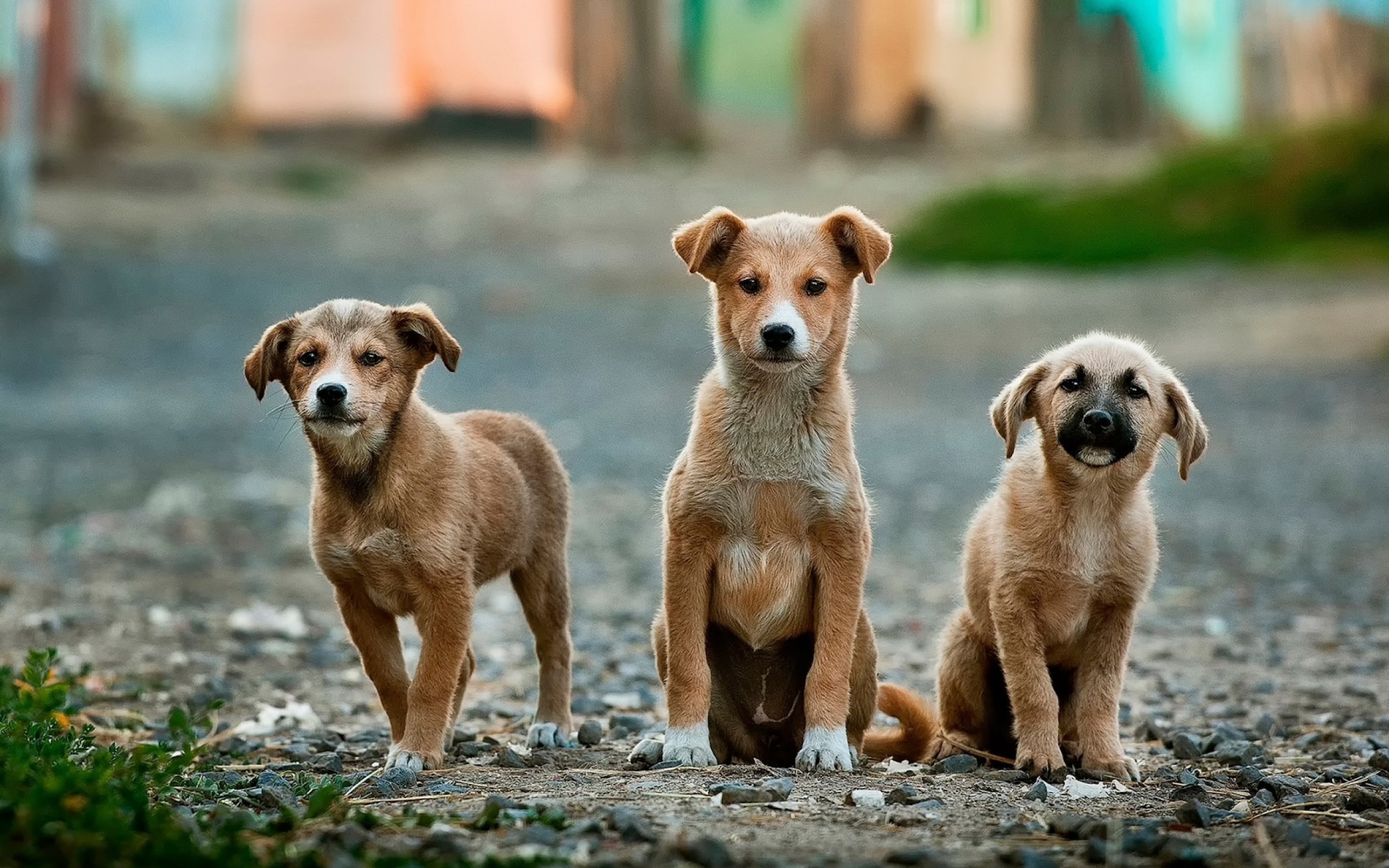
Photo by Anoir Chafik on Unsplash
oooo
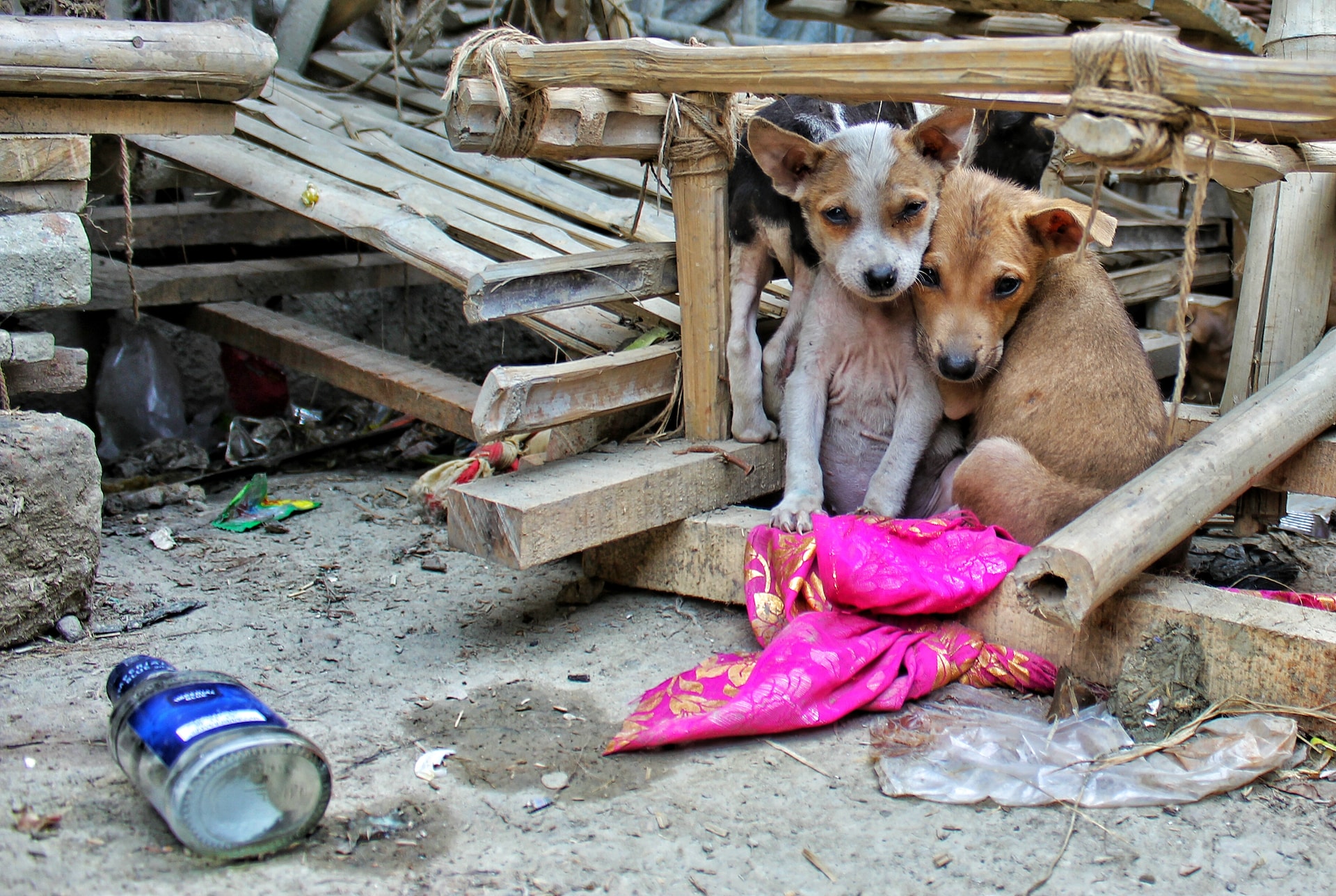
Photo by Evan Clark on Unsplash
These pictures make my heart ache and I hope you support Jaldee Vets. Finally are you in favour of me publishing guest posts from Anushka? Please give me feedback.
 Learning from Dogs