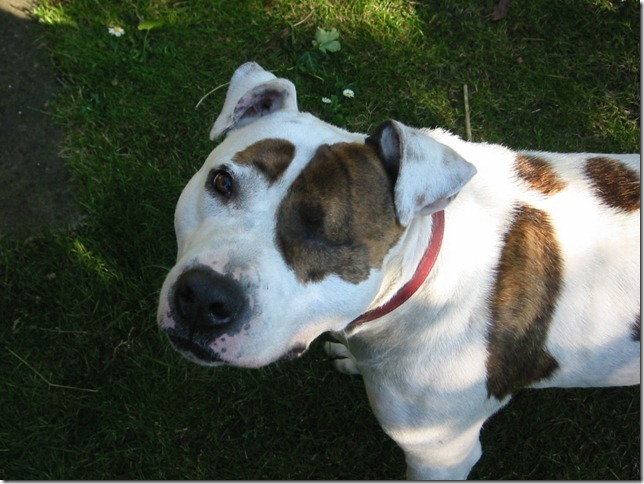
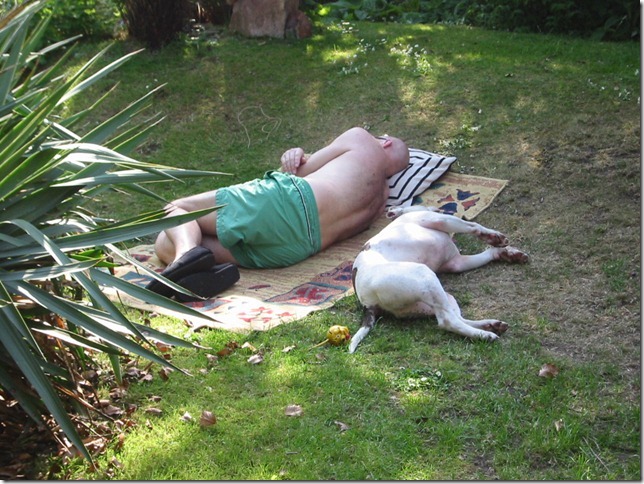
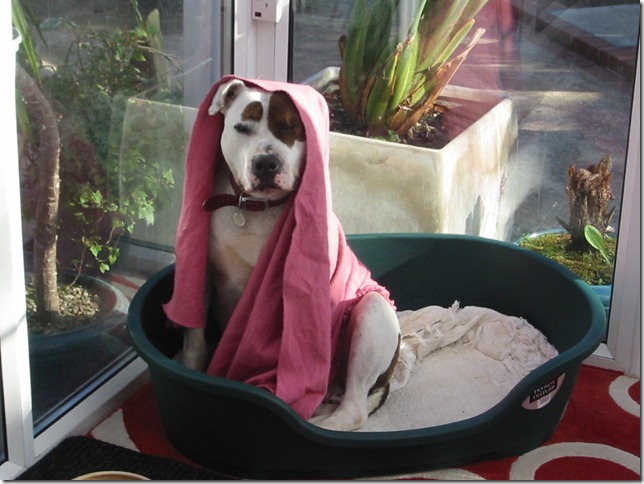
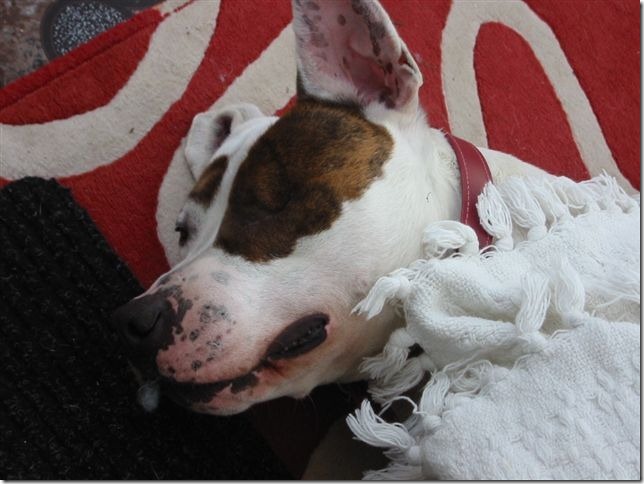
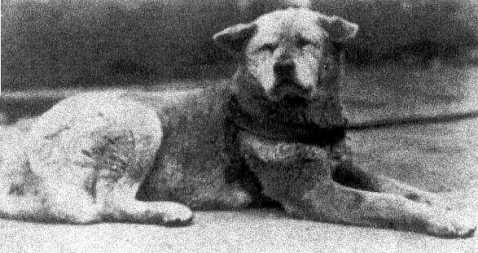
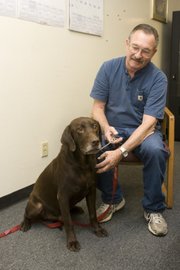
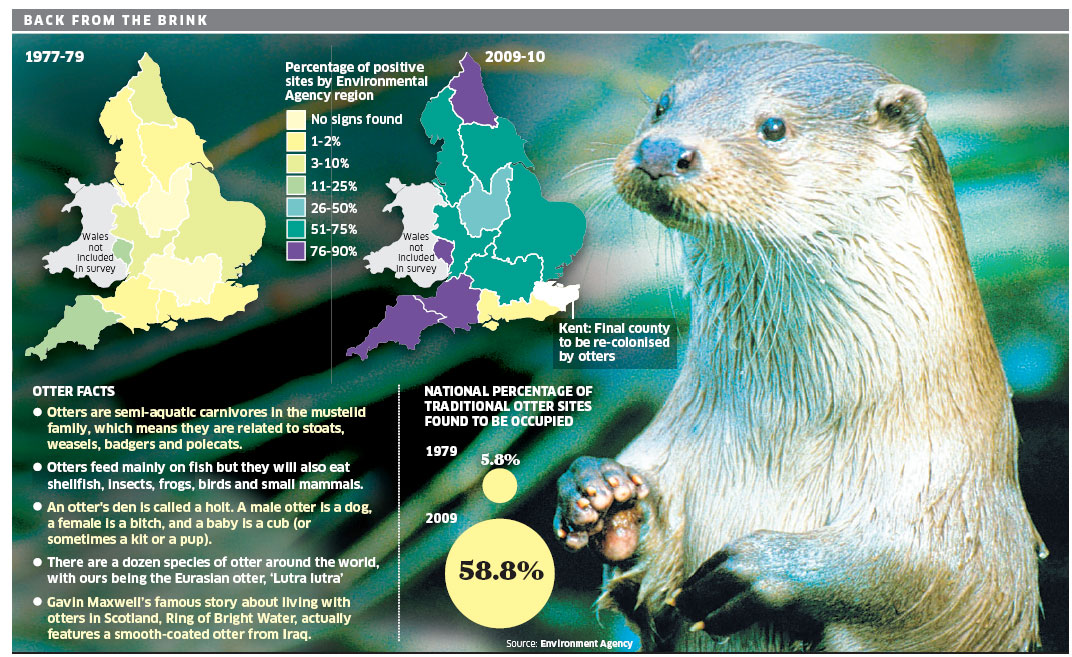
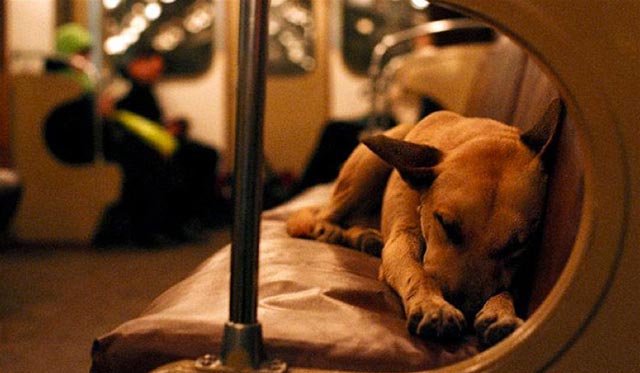
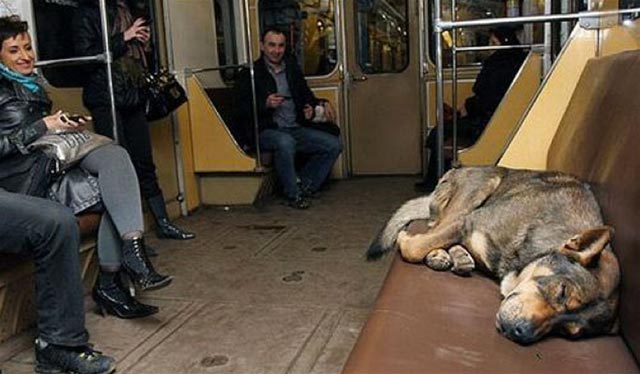
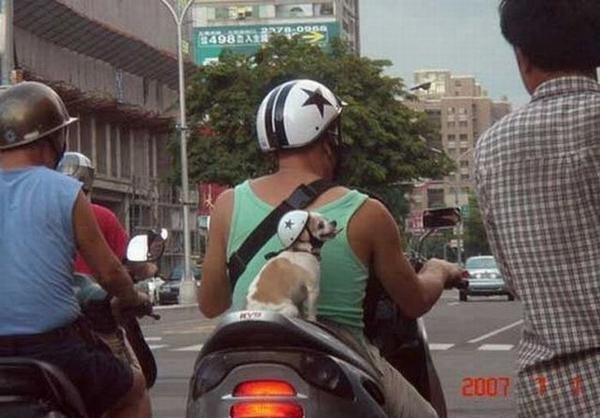
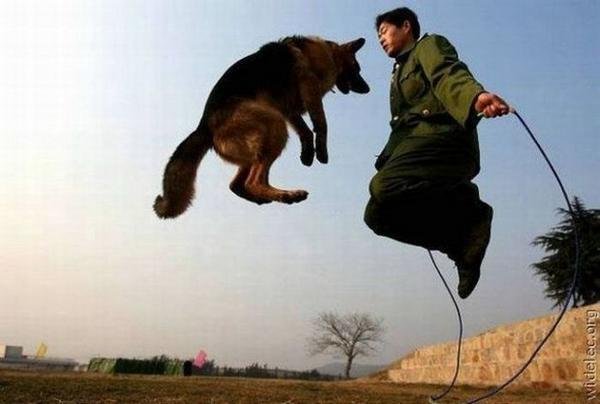
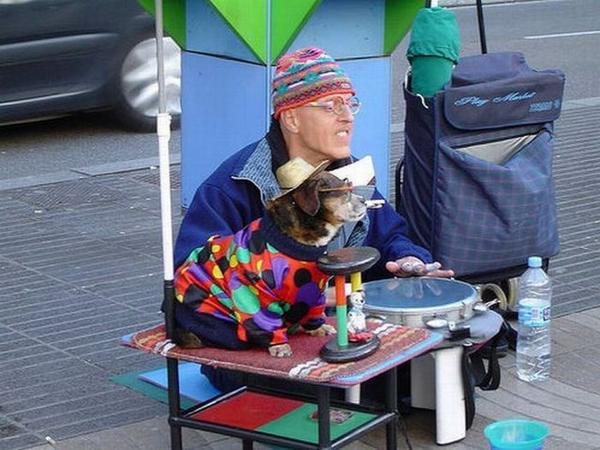
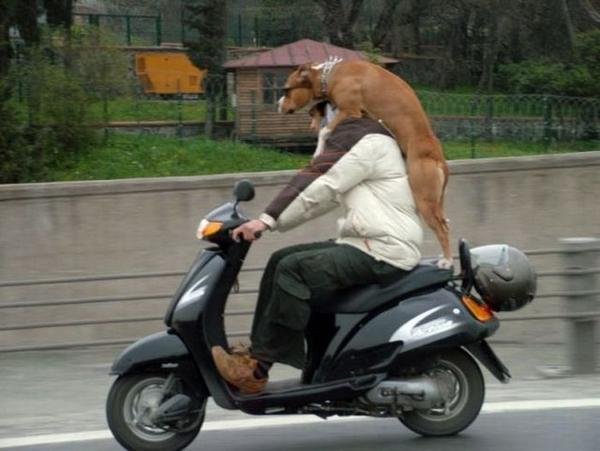
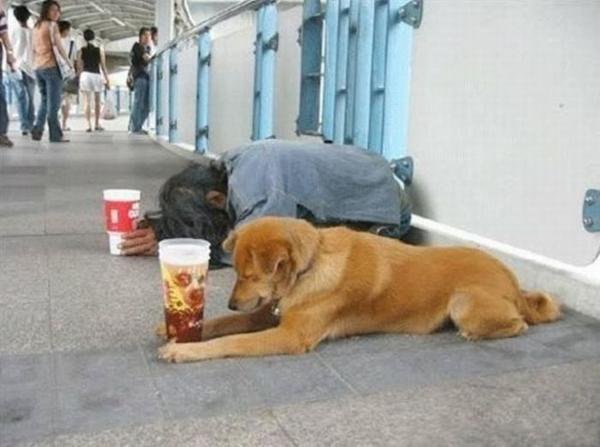
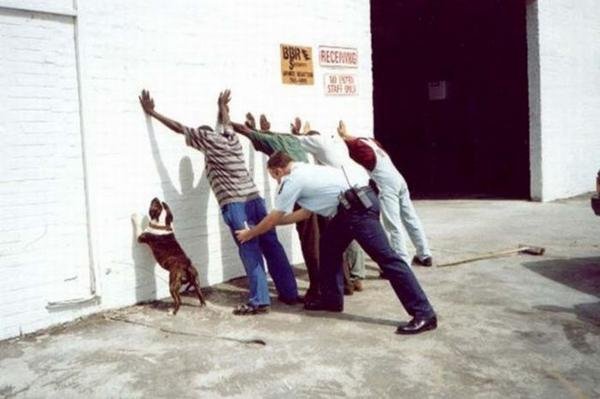
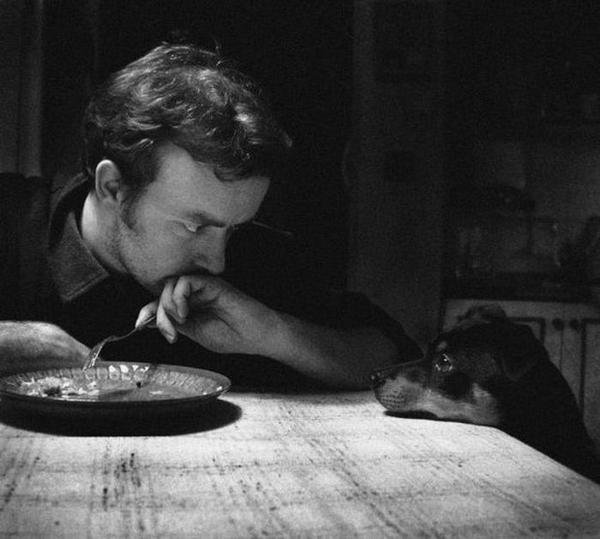
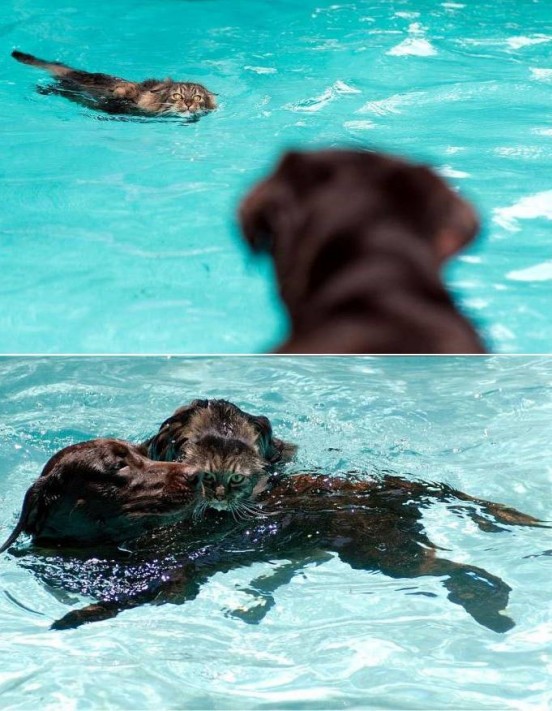
I subscribe to Naked Capitalism, as many of you will be aware, and in their 20th July release were the following photos,
In fact, a quick Google search reveals that the photographs have been widely circulated over recent years and in all probability the source and original story are long lost by now.
Please watch this! It ‘s amazing, beautiful, and may take your breath away.
These are the words that John H., from here in Payson wrote, when he sent me the email that included the following video. Thanks John.
Here’s that video, Saving Valentina,
Now, while you are still ‘out there’ with the whales, go here and read,
Protecting blue whales along the California coast
The Great Whale Conservancy (GWC) Blue Whale Protection Program
Our Goal
To protect blue whales along the California coast from ship-strike caused injuries and death.
The Facts
The blue whale is the largest animal species to have ever inhabited the Earth. The global population prior to human predation has been estimated at 350,000 individuals. Today that number is ~10,000. Blue whales inhabit every ocean but one of the largest subpopulations is the Northeast Pacific group. These whales transit four favored areas: the California Bight (south of Point Conception,) the west coast of Baja California, the Sea of Cortez, and the Costa Rica Dome. By far the largest number of blue whales congregates in the California Bight between June and October where food availability is very high. This area is also one of the world’s busiest shipping lanes, with over 6000 cargo ships/year transiting the Santa Barbara Channel to and from the ports of Los Angeles and Long Beach.
The Problem
Blue whales are most vulnerable to strikes by cargo ships, tankers, cruise ships, and other large vessels at night while feeding on krill, transiting, or resting. During the day krill descend hundreds of feet into the water column, but every evening the whale’s photosensitive prey re-concentrate near the surface. The whales follow the krill back to the dark surface waters, and may not react quickly enough to avoid the large ships. A ship collision usually ends in injury or death for these giants of the seas. The documented number of blue whales killed by ships along the coast of California has been as high as 5 whales in a year. The actual number of mortalities is unknown and is suspected to be many times higher because blue whales are negatively buoyant – they sink when they die. The total number of ship-strike kills represents a survival threat to this subgroup and the worldwide population.
The Solution
Despite their size, California’s blue whales are for the most part unseen, which to a great degree is why they remain unprotected. The GWC will utilize media-generating tools such as web-based videos and public presentations and actions involving life-size blue whale floats to inform the public, focus attention on state and federal agencies and ship owners, and force a strengthening of the rules and operational policies for vessels transiting critical blue whale habitat. We will not turn the corner on this issue until the general public becomes aware of the problem and begins to “speak for the whales.” We must succeed – it would truly be a tragedy to lose this magnificent species forever.
It took decades to institute strong protections, including adjusted shipping lanes, ship speeds, and the establishment of protected areas for North Atlantic right whales, despite 60 years of “protected status” and the knowledge that 1/3 of the known mortalities every year resulted from ship strikes. The survival of the right whale population still hangs by a thread. We can’t afford to negotiate for decades on protecting blue whales in the Pacific.
They are such wonderful, amazing creatures – man’s longest and best friend, the dog.
A couple of events caused me to be reminded about the preciousness of our relationship with the dog. The first was coming across this article in The Boston Globe. It is entitled, A friendly paw to a veteran and is all about how therapy dogs bring relief and joy to veterans. Incidentally, the story was written by good friend to Learning from Dogs, Daniela Caride who has her own blog, The Daily Tail. Here’s how that article opens,
NORTHAMPTON — Carter the Chesapeake Bay retriever, Sassy the Pomeranian, and Spyder the German shepherd spend most of their time playing, begging for treats, and getting belly rubs just like other pet dogs. But their unconditional love gains a purpose every time their owners take them to the hospital to visit veterans.
They are therapy dogs — canines trained to give affection to strangers — and they are becoming more popular in veteran facilities. An increasing number of dog owners are willing to volunteer at VA homes and hospices, where 6 million veterans get treated for acute and chronic health conditions. The service they provide is invaluable, health care specialists say.
The second event was coming across something that I wrote nearly three years ago. Here it is in full.
The knowing eyes of your best friend
Pharaoh
(Based on an article sent to me, unfortunately from an unknown author, and modified to reflect the special relationship that I have with my 4 year old German Shepherd, Pharaoh. Paul Handover, 14 September, 2007.)
I am your dog and have something I would love to whisper in your ear. I know that you humans lead very busy lives. Some have to work, some have children to raise, some have to do this alone. It always seems like you are running here and there, often too fast, never noticing the truly grand things in life.
Look down at me now. While you sit at your computer. See the way my dark, brown eyes look at yours.
You smile at me. I see love in your eyes. What do you see in mine? Do you see a spirit? A soul inside who loves you as no other could in the world? A spirit that would forgive all trespasses of prior wrong doing for just a single moment of your time? That is all I ask. To slow down, if even for a few minutes, to be with me.
So many times you are saddened by others of my kind passing on. Sometimes we die young and oh so quickly, so suddenly that it wrenches your heart out of your throat. Sometimes, we age slowly before your eyes that you may not even seem to know until the very end, when we look at you with grizzled muzzles and cataract-clouded eyes. Still the love is always there even when we must take that last, long sleep dreaming of running free in a distant, open land.
I may not be here tomorrow. I may not be here next week. Someday you will shed the water from your eyes, that humans have when grief fills their souls, and you will mourn the loss of just ‘one more day’ with me. Because I love you so, this future sorrow even now touches my spirit and grieves me. I read you in so many ways that you cannot even start to contemplate.
We have now together. So come and sit next to me here on the floor and look deep into my eyes. What do you see? Do you see how if you look deeply at me we can talk, you and I, heart to heart. Come not to me as my owner but as a living soul. Stroke my fur and let us look deep into the other’s eyes and talk with our hearts.
I may tell you something about the fun of working the scents in the woods where you and I go. Or I may tell you something profound about myself or how we dogs see life in general. I know you decided to have me in your life because you wanted a soul to share things with. I know how much you have cared for me and always stood up for me even when others have been against me. I know how hard you have worked to help me be the teacher that I was born to be. That gift from you has been very precious to me. I know too that you have been through troubled times and I have been there to guard you, to protect you and to be there always for you. I am very different to you but here I am. I am a dog but just as alive as you.
I feel emotion. I feel physical senses. I can revel in the differences of our spirits and souls. I do not think of you as a dog on two feet; I know what you are. You are human, in all your quirkiness, and I love you still.
So, come and sit with me. Enter my world and let time slow down if only for a few minutes. Look deep into my eyes and whisper in my ears. Speak with your heart and I will know your true self. We may not have tomorrow but we do have now.
There is no question that one of the important aspects of life that we can surely learn from dogs is the ability to stay in the present as much as we can. Easier to write than accomplish, of course. But letting go of the past (because it’s gone) and making the best of today as opposed to worrying about the future (because that interferes in the joy of today) is still a powerful reminder of that we would do well to keep close to our heart.
Linking yesterday’s amazing story with Dr. Sheldrake’s work.
Many of you will have read the account published yesterday about little Mason, the pet dog that was picked up by the recent tornado in North Smithfield, Alabama. Here’s a recap of what happened.
Mason, a terrier mix, now rests inside the Vulcan Park Animal Care Clinic where he’s waiting to find out what kind of surgery he will need to repair 2 badly broken legs. This is only the 2nd night he’s spent under any kind of roof in the last 2 weeks and the story of how he got there is almost too amazing to believe.
On April 27th, Mason was hiding in his garage in North Smithfield when the storm picked him up and blew him away. His owners couldn’t find him and had about given up when they came back Monday to sift through the debris, and found Mason waiting for them on the porch.
In that book, there are several references to both incredible journeys undertaken by pet dogs and the science believed to be involved. The book is much recommended.
Chapter 13 of Sheldrake’s book is called Pets Finding Their People Far Away. Here’s how it starts,
In 1582, Leonhard Zollikofer left his native St. Gall, Switzerland, to go to Paris as ambassador to the court of the French King Henri III. He left behind his faithful dog, aptly named Fidelis. Two weeks later the dog disappeared from St. Gall. Three weeks after that he rejoined his master at the court in Paris, exactly at the time when the Swiss ambassadors were being led in to an audience with the king. The dog had never been to Paris before. How did he find his master so far away from home?
There are other ‘mind-blowing’ examples in the book. In Chapter 10, Incredible Journeys, Dr. Sheldrake explores many aspects of this wondrous ability of many animals.
Animals bond not only to members of their social group but also to particular places. Many kinds of animals, both wild and domesticated, can find their way home from unfamiliar locations. This attachment to places depends on morphic fields, which underlie the sense of direction that enables animals to find their way home over unfamiliar terrain.
The sense of direction also plays a vital role in migration. Some species, like swallows, salmon, and sea turtles, migrate from breeding grounds to feeding grounds and back again over thousands of miles. Their ability to navigate is one of the great unsolved mysteries of biology, as I discuss in the next chapter. Here too I think that morphic fields, and the ancestral memory inherent in them, could provide an explanation.
If you have read this and are curious, then these videos will give you a little more to mull over. The first is a little ‘alternate’.
Watch this video – any chit-chat from me is superfluous.
Smithfield, Alabama
If a tornado picked you up, threw you across the sky, and set you down in an unfamiliar place far away from home, and you broke two legs in the process, could you find your way back? That’s exactly the incredible story of Mason, a terrier mix in Alabama.
Credits.
I first saw the item as a link in the daily digest from Naked Capitalism. As ever, I am indebted to the fantastic work that Yves and her team does in scouring the world for interesting news items.
The link went to a website that was just loaded with ads but in the article was another link to Fox 6. There was the story as well, as this extract explains,
BIRMINGHAM, AL (WBRC) –
Update**:As of Wednesday night, Mason has been x-rayed and put on an IV. His vets at the Vulcan Park Animal Clinic plan to operate on his two broken legs Friday. They will use plates and maybe pins to help realign his bones. Doctors think it will be a long, but ultimately successful recovery.
Amazing stories of survival from the April 27th tornadoes don’t just include people. There are some amazing 4-legged tales of endurance being told including the story of one dog who just returned home yesterday. He is clearly battered, but alive.
Mason, a terrier mix, now rests inside the Vulcan Park Animal Care Clinic where he’s waiting to find out what kind of surgery he will need to repair 2 badly broken legs. This is only the 2nd night he’s spent under any kind of roof in the last 2 weeks and the story of how he got there is almost too amazing to believe.
On April 27th, Mason was hiding in his garage in North Smithfield when the storm picked him up and blew him away. His owners couldn’t find him and had about given up when they came back Monday to sift through the debris, and found Mason waiting for them on the porch.
Do support the Fox 6 website by reading the story in full.
Finally, the original link, as mentioned above, did contain this great news update,
Because of the generosity of Vulcan Park Animal Care in Birmingham, a center that volunteered their services to help the ailing pup, Mason is now on the mend — and needless to say, being showered with affection. Last Friday, Mason underwent surgery to fix metal plates to both his broken limbs, which will keep them stabilized as they heal. Mason will remain at Vulcan Park for about six more weeks, as his family works to restore some sense of order to their shattered home.
Just another account of how remarkable man’s best friend truly is.
My article yesterday about Tony the Tiger and what looks like a very happy ending to his dismal existence led me on to more sites regarding the situations about tigers.
Again, pressure on time means that this post is more about sharing links than expressing my own feelings, although most readers will know where I am coming from – having a Blog called Learning from Dogs is a bit of a clue!
The first website is Free Tony The Tiger and clearly has been an essential part of the force needed to get the win in court for Toby. On that website, they set out their stance thus,
Free Tony The Tiger is dedicated to raising awareness to Tony’s situation as well as gaining support for Tony. The objective is to have Tony released to an accredited big cat sanctuary so he can receive the care, home, diet, enrichment, medical care and respect he deserves. It is also the mission of Free Tony The Tiger to bring attention to the severe problem of privately owned tigers in the United States.
Tony represents one of thousands of privately owned tigers in the United States whose numbers are greater than tigers in the wild. Captive U.S. tigers are used in roadside zoos and attractions, photo ops and exhibitions, entertainment shows, pseudo-sanctuaries, bred for profit or are owned as “pets.” Others end up in canned hunts or on the black market.
This is a serious situation that must be addressed and resolved and the more this issue is exposed , the better the chance to put an end to this abuse and exploitation. There is no conservational value in privately breeding tigers. The only sanctioned tiger breeding program in the United States is the Species Survival Plan in which AZA accredited zoos participate. Not all animal rescue centers and sanctuaries are what they claim to be. A true sanctuary would never buy, sell, trade, breed, or cart their animals to malls, fairs, etc. Such majestic and magnificent cats like tigers should be respected and protected. Visit End Tiger Farming In The U.S. and take action for tigers.
Please view this very important and informative video from Big Cat Rescue – Tampa Florida addressing this issue. Carole Baskin, Founder and CEO of Big Cat Rescue of Tampa FL , the world’s largest accredited sanctuary, that is devoted entirely to exotic cats speaks out about:
1. Where do big cats go when they are no longer profitable cubs?
2. If the good sanctuaries are full, where do the big cats go?
3. Should we be building bigger and more sanctuaries for the unwanted cats?
4. What is the best way to prevent the abuse of lions, tigers and other big cats?
5. Does banning private possession of exotics work?
6. Who tracks maulings, killings and escapes by tigers and other big cat species?
7. Do USDA and state inspections make sure breeders and dealers are being humane?
8. When did the big cat crisis in America start?
9. Are there laws to prevent exotic cats from being traded for their meat, skin and bones?
10. How is the public to blame for the worst acts toward tigers and their cubs?
11. What happens to breeders, dealers and other wild animal exploiters when they run out of money?
12. What are some of the most lax states when it comes to wildcat standards and enforcement?
13. Why doesn’t the government do something about all of the abuse of tigers, lions, leopards, jaguars & other big cats?
14. Are there illegal activities operating in the shadow of legal uses of tigers?
15. What kind of tracking is done and what needs to be done to end the abuse of exotic wild cats?
More important links from the above can be found here.
The Big Cat Rescue organisation, as referred to above, may be found here. Finally, on the Free Tony website is much information about the efforts to save wild tigers, thus,
Please support Tony’s “wild cousins” by visiting http://www.savetigersnow, a global campaign by World Wildlife Fund and Leonardo DiCaprio whose objective is to build political, financial and public support to double the number of wild tigers by 2022, the next Year of the Tiger.