Author: Paul Handover

Picture Parade Four Hundred and Fifty-Two

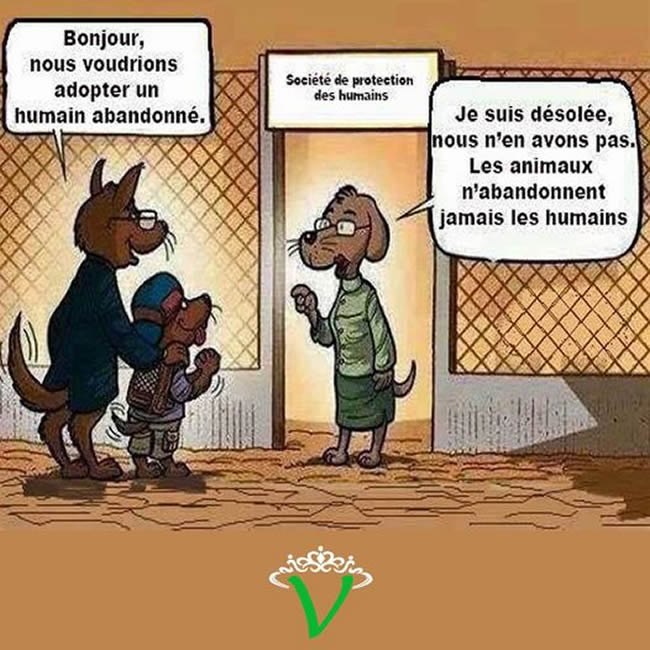
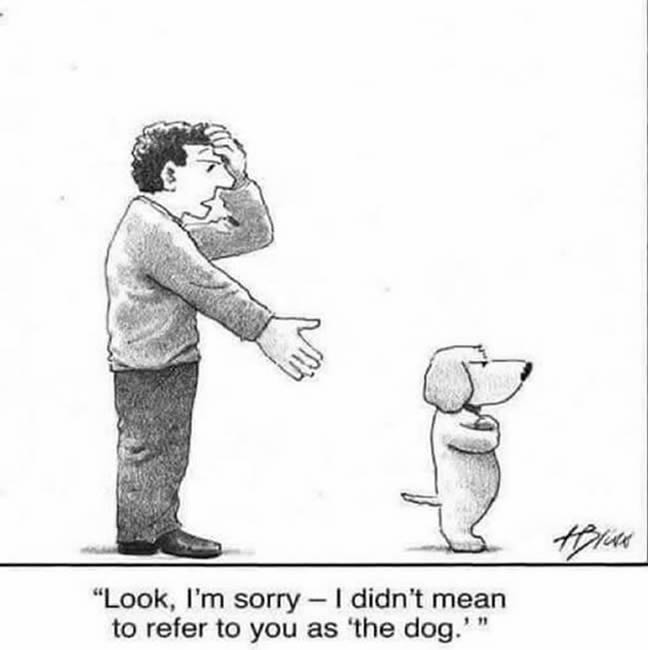
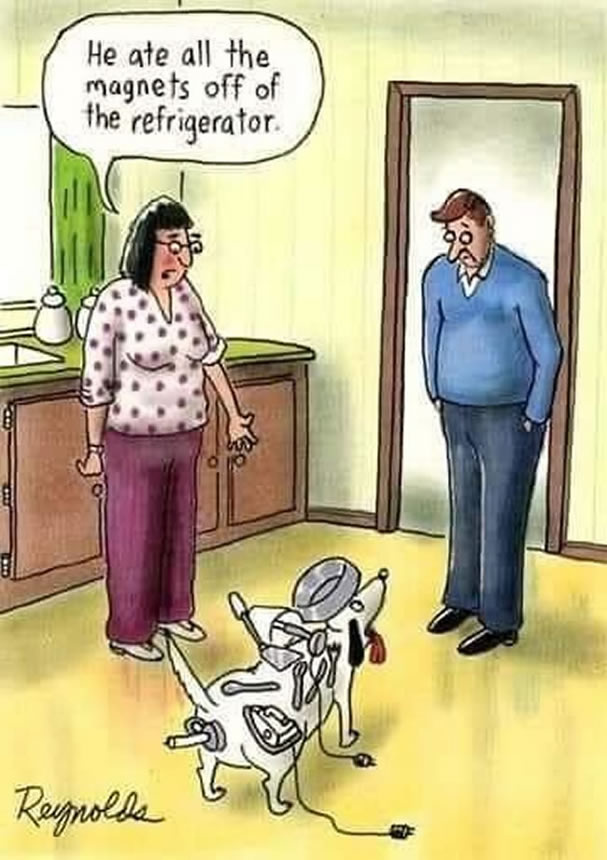
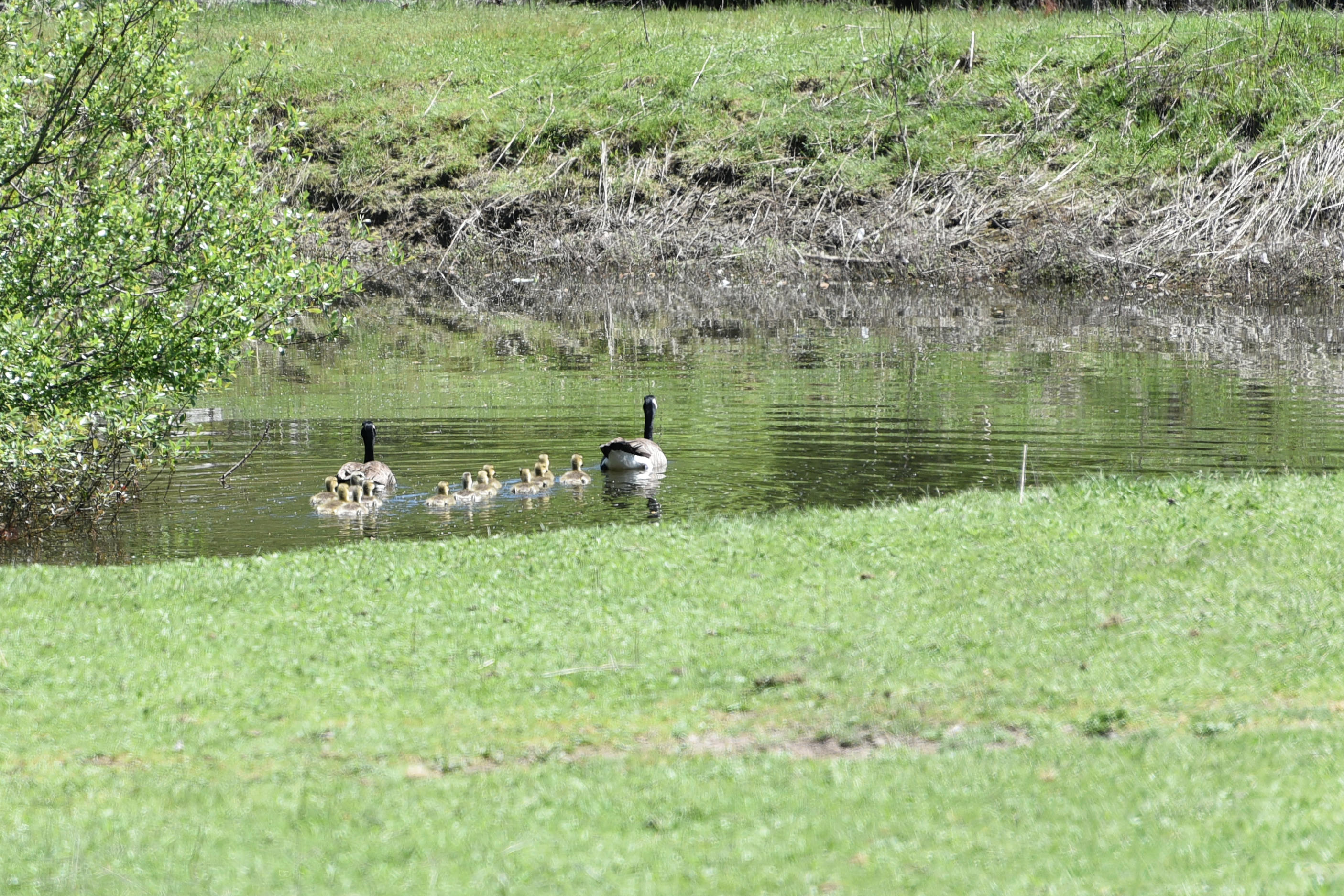
Back to dogs! (And apologies if there are some that I have shown before!)

oooo

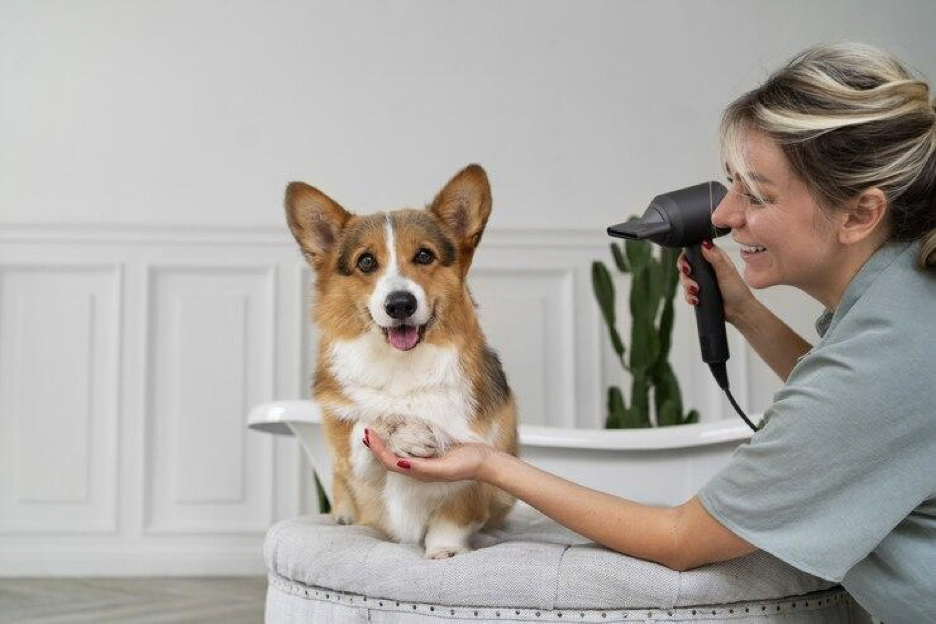
Both the above are Photos by Chewy on Unsplash

And so is this one of the starry night.

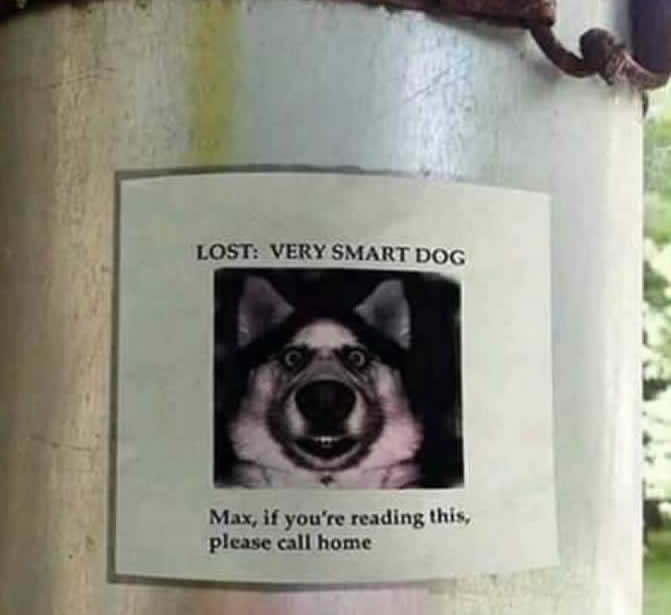
And yet another photo from Chewy!

Photo by Anna Dudkova on Unsplash

Aren’t they fabulous!

Why Write?

This poster will be displayed frequently until October 19th.

Author’s Innovative Marketing (AIM) is pleased to present a unique opportunity to dip into the minds of eight local authors, on Saturday, October 19th, 2024. Why Write is a free event taking place in the lobby and conference room at Club Northwest, 2160 NW Vine St., in Grants Pass from 1:00 to 5:00 pm. Two panels of four authors each are scheduled to speak about why they write at 1:30 and at 3:00 pm. Hear about their backgrounds, what inspires their writing, how writing benefits them, and be able to ask questions. Talk with the authors and purchase signed copies of their books before and after the panel sessions. Food and beverages will be available for purchase. For more information, please visit Authors Innovative Marketing website.

If you are at all within range of Grants Pass, we would love to see you at the event.

August’s video of felling our trees

August has produced a find video and it is presented today.

August Hunicke has completed the editing of the video he shot while taking down the very tall trees alongside our house on the 24th and 25th of last September.

It is shared with all of you today.

When a Smooth Job Meets Bad Company

The team involved in the project were shown in this previous post.

Atheism

A fascinating article makes a fundamental point.

My mother and father were atheists so when I was born in 1944 it was obvious that I would be brought up as an atheist. Same for my sister, Elizabeth, born in 1948. It was amazing that when I met Jean in Mexico in 2007 that she, too, was an atheist. That was on top of the fact that we were both born in North London some 26 miles apart. Talk about fate!

So naturally my attention was drawn to a recent article in Free Enquiry magazine, Thinking Made Me an Atheist.

That article opens as follows:

I was abused as a child. The abuse to which I was subjected is called “child indoctrination,” a type of brainwashing considered noble and necessary and, therefore, the most natural thing in the world.

My mother took me to the Seventh-day Adventist Church, an American denomination known for keeping the Sabbath and emphasizing the advent, or return, of Jesus. Adventists boast that they are the only ones to interpret the Bible the way its author wanted. Consequently, they deem themselves the most special creatures to God—so special that they’ll soon arouse the envy and wrath of all other denominations and religions, which, under the command of the beasts of Revelation (the American government and the Catholic Church), will persecute them. Adventists believe that the Earth was created in six days, that it is 6,000 years old, and that dinosaurs are extinct because they were too big to be saved on Noah’s ark.

It closes thus:

I don’t want to believe; I want to know. Atheism is a natural result of intellectual honesty.

The author of the article, Paulo Bittencourt is described as:

Paulo Bittencourt was born in Castro, Brazil, spent his childhood in Rio de Janeiro, and studied theology in São Paulo. Close to becoming a pastor, he went on an adventure to Europe and ended up settling in Austria, where he trained as an opera singer. Bittencourt is the author of the books Liberated from Religion: The Inestimable Pleasure of Being a Freethinker and Wasting Time on God: Why I Am an Atheist.

So once again, do read this article.

We sincerely believe there is no god!

Picture Parade Four Hundred and Fifty-One

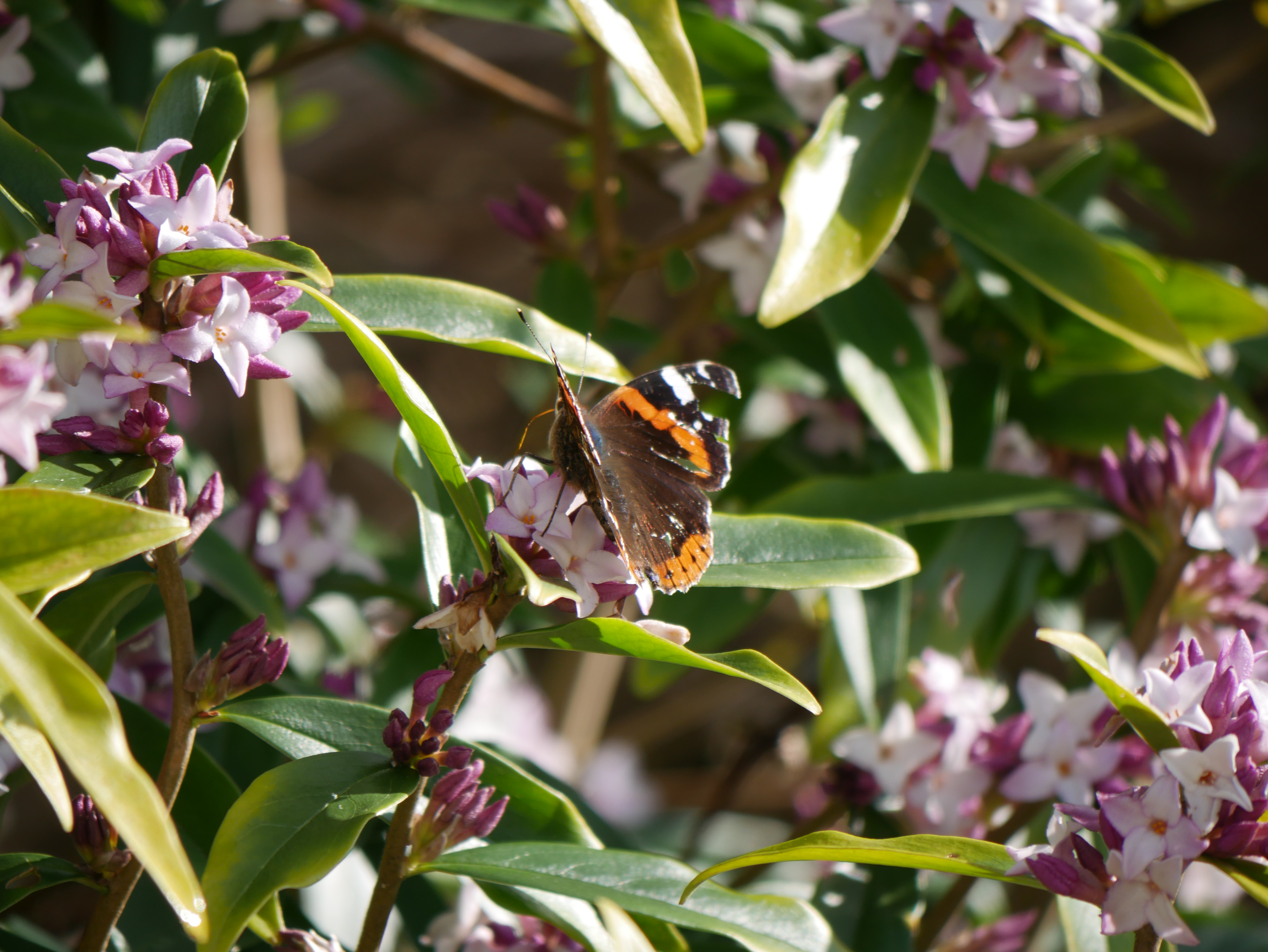
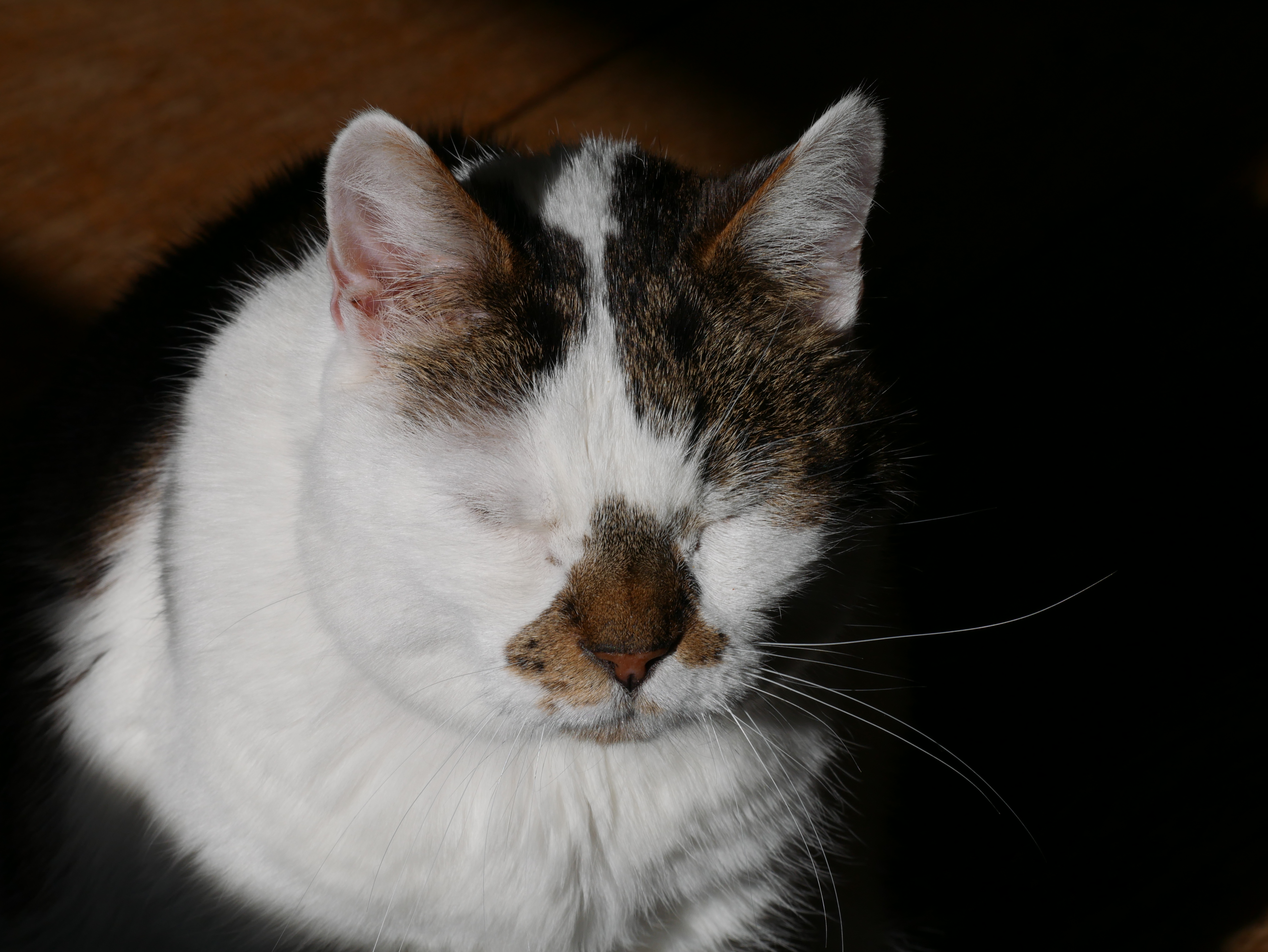
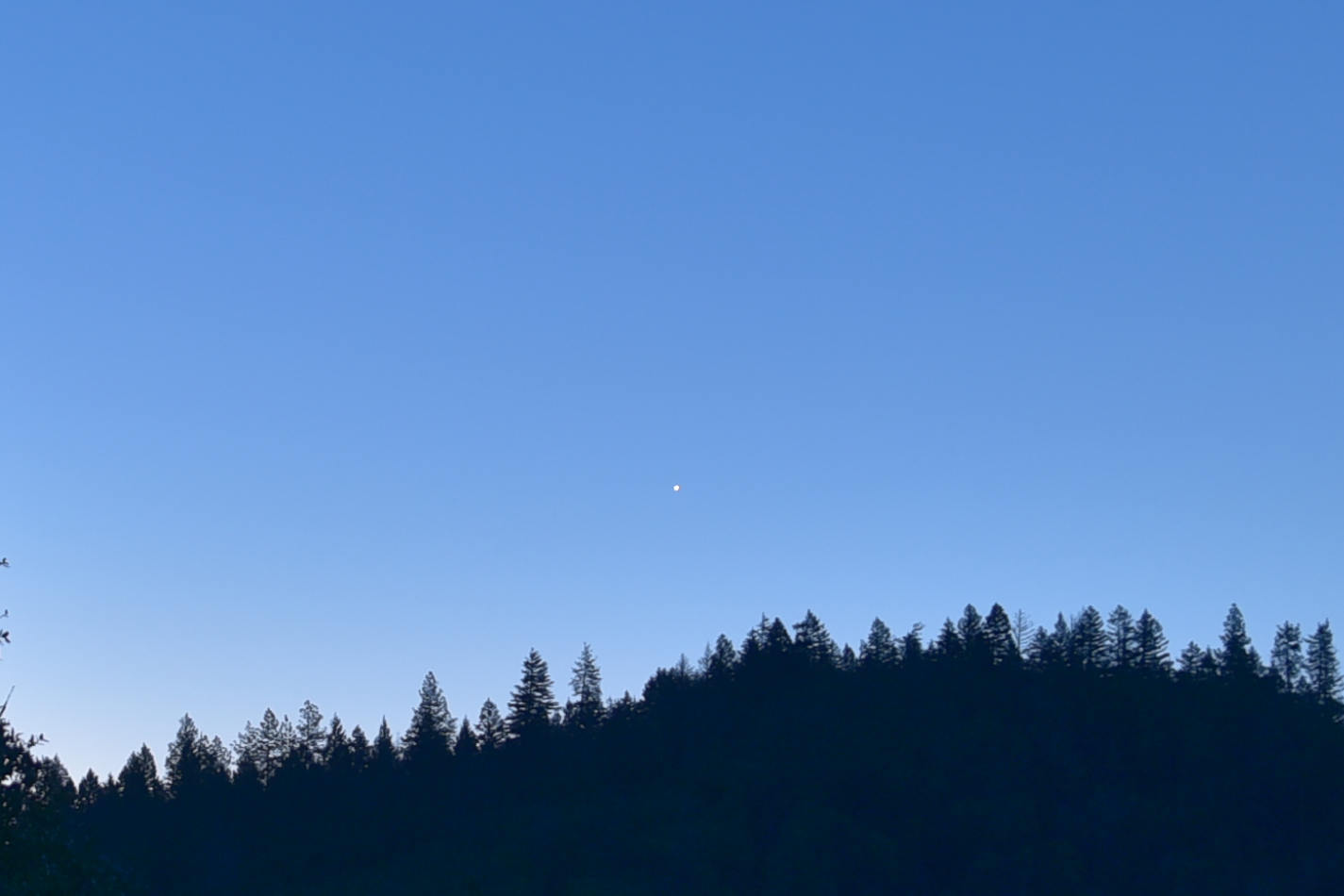
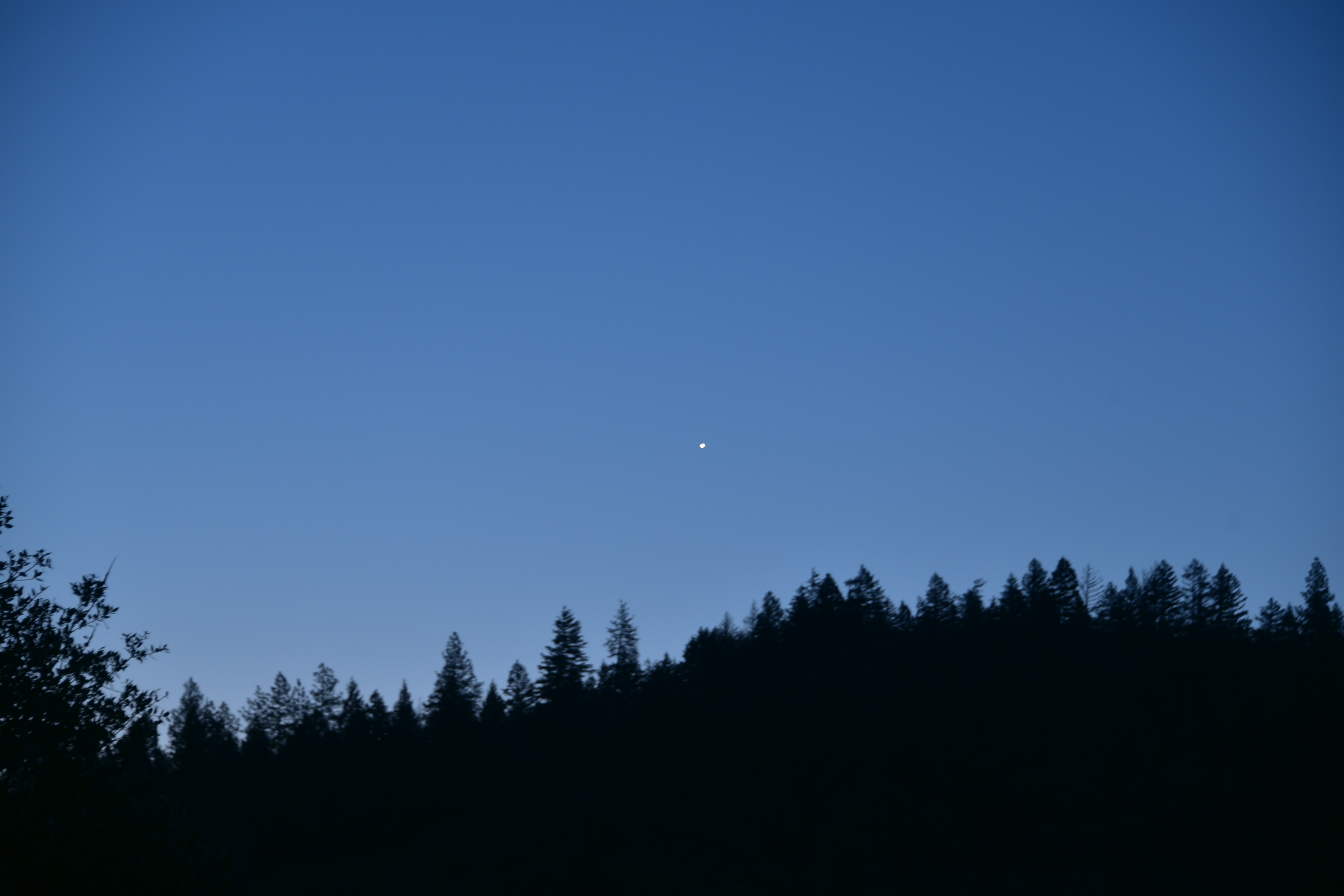
A few photographs from home.

oooo

oooo

oooo

oooo

The three deer photos show them feeding from me putting out COB (corn, oats, barley) each morning soon after it is light.

Of course, typically the morning I took my camera out there were just four deer. Usually there between seven and fifteen and a couple of months ago a friendly stag in getting to the COB as I was pouring it out rubbed his right antler on my right leg.

Feeding my friends!

A ‘new’ home.

For the last two days we have had some major tree work done.

A couple of weeks ago, our neighbour Clarence came across to our land to point out a dying pine. It was alongside the house together with two other trees, another pine and a fir. The pines were over a hundred feet tall.

They had to come down reasonably quickly otherwise they would crash into the roof with terrible consequences.

Clarence recommended a company, August Hunicke Arborists Inc., and August came round to give us an estimate.

And on Tuesday and Wednesday they came to do the job. They had a great deal of equipment plus lots of experience. They were four of them. And the two pines were very far gone.

At the end of the project I took two photographs and here they are:

August is on the far right of the group.

oooo

It was not cheap but they did an excellent job.

Picture Parade Four Hundred and Fifty

Today is the Autumn Equinox.

At the equinoxes, the ecliptic and the celestial equator intersect. See the intersection point on this imaginary great circle, representing the dome of Earth’s sky? The celestial equator is directly above Earth’s equator. The ecliptic is the sun’s apparent path across our sky. And the celestial equator intersects your horizon at points due east and due west. That’s why – at every equinox, no matter where you are on the globe – the sun, on the celestial equator, rises due east and sets due west. Image via NASA.

This September equinox happens at 12:44 UTC or 04:44 Pacific Daylight Time today, September 22, 2024.

The equinox sun rises due east and sets due west

It’s not true that day and night are precisely equal on the day of an equinox. But here’s an equinox fact that is true. The sun rises due east and sets due west at the equinox. It might seem counterintuitive. But it’s true no matter where you live on Earth (except at the North and South Poles). Here’s how to visualize it.

To understand the nearly due-east and due-west rising and setting of an equinox sun, you have to think of the reality of Earth in space. First think about why the sun’s path across our sky shifts from season to season. That’s because our world is tilted on its axis with respect to its orbit around the sun.

Read the rest of this article here: https://earthsky.org/tonight/equinox-sun-rises-due-east-and-sets-due-west/

Fantastic advice re dogs for seniors

A great post on WebMD.

Now I appreciate that many who come to this place are not seniors but as I approach 80 that makes me most definitely a senior.

So this article was highly relevant.

ooOOoo

Best Dogs for Seniors

Medically Reviewed by Poonam Sachdev on October 12, 2023

Written by WebMD Editorial Contributors

Any dog owner can tell you there’s nothing like having a loyal companion. Dogs are good pets for people of any age, as long as you choose the right dog for your lifestyle.

If you’re an older adult looking to find a furry, four-legged friend, here are a few things you should consider. 

Why Get a Dog?

It’s a big responsibility, but the benefits are worth the work. Dogs can give you joy, companionship, and unconditional love. They can bring warmth and comfort into your life.

Better health. Decades of studies have shown the health benefits of spending time with dogs. Dog owners tend to have better heart and blood vessel health, including lower blood pressure, than those who don’t have a pet pup. That’s because dogs get people moving. Walking a dog regularly can help you boost how much exercise you get each day.

Less lonely. Dogs offer companionship just by being around. They might also help you be more social. Taking your dog on walks gives you a chance to meet neighbors or other canine owners at the local dog park.

Much happier. Looking at your dog can release a hormone that makes you feel happier. Science shows that gazing into your dog’s eye releases oxytocin. Known as the love hormone, oxytocin quickly boosts your mood.

Caring for a Dog

Before you get a furry pal, you should think about what you can offer the dog, as well as what they can offer you. You want to make sure to choose a dog that will be happy with the kind of life you lead. Consider these things when you start looking for a new pet.

Space. How much room do you have indoors and outdoors? You need to pick a dog that will be happy with the space you have to offer. 

Exercise. Some dogs need a lot of exercise, while others are happy hanging out on the couch all day. Think about how much exercise time you can give your pup. Also, think about how fit you are. You may not want a large, strong dog that could tug hard on the leash and cause you to get hurt on a walk.

Cost. All dogs need vet care, food, and toys. If they need a lot of grooming, you need to consider paying a professional groomer.

Age. Puppies are cute, but they’re also a lot of work. Older dogs may already have some training, but they might be set in their ways. Spend some time thinking about what you’re willing to accept in dog behavior.

Best Breeds for Seniors

Here are a few breeds that are natural choices for older adults.

Bichon Frise. These dogs are very small and cute. Their fluffy coats need regular grooming. They’re happy in small homes and apartments, and they only need moderate exercise.

Cocker spaniels. These dogs are known for their beautiful, soft coats, which need regular grooming. They’re gentle and friendly, and usually weigh under 30 pounds. They need regular walks to stay fit, but they aren’t highly energetic.

Beagles. They’re small, smart, and make wonderful companions. Their short coats are easy to groom. Beagles are energetic and need a lot of exercise every day.

Greyhounds. They can run fast, but they don’t always want to. They’re happiest lounging around indoors, but they need walks to stay fit. They’re large, usually weighing around 60 pounds, but they have short coats that don’t require a lot of grooming.

Pugs. These happy little dogs make great companions. They’re usually around 15 pounds and have short, easy-to-groom coats. They need more exercise than they want because they’re prone to be overweight. Regular walks can take care of that.

If you’re an older adult looking for a four-legged companion, you can speak to a veterinarian or a dog trainer in your area for more information. They can help you choose the perfect pet.

ooOOoo

I am certain there are many people who will find this a practical help in deciding what dog to get.

In my own case we currently have two dogs, Cleo and Oliver, and I frequently ponder on what Jean and I do when the last of them dies.

This article reminds me and Jean that at whatever age we are it is better to have a dog than not!

The Heart Wall in London

I love this!

I am writing this having listened to a programme on BBC Radio 4. (Was broadcast on Radio 4 on Tuesday, August 13th.) It shows how many, many people can have a really positive response to a dastardly negative occurrence such as the Covid outbreak or a pandemic.

ooOOoo

Photo by Nick Fewings on Unsplash

Why are those lost to COVID not formally memorialised? How politics shapes what we remember

Mark Honigsbaum, City, University of London

Every Friday, volunteers gather on the Albert Embankment at the River Thames in London to lovingly retouch thousands of red hearts inscribed on a Portland stone wall directly opposite the Houses of Parliament. Each heart is dedicated to a British victim of COVID. It is a deeply social space – a place where the COVID bereaved come together to honour their dead and share memories.

The so-called National Covid Memorial Wall is not, however, officially sanctioned. In fact, ever since activists from COVID-19 Bereaved Families for Justice (CBFFJ) daubed the first hearts on the wall in March 2021 it has been a thorn in the side of the authorities.

Featured in the media whenever there is a new revelation about partygate, the wall is a symbol of the government’s blundering response to the pandemic and an implicit rebuke to former prime minister Boris Johnson and other government staff who breached coronavirus restrictions.

As one writer put it, viewed from parliament the hearts resemble “a reproachful smear of blood”. Little wonder that the only time Johnson visited the wall was under the cover of darkness to avoid the TV cameras. His successor Rishi Sunak has been similarly reluctant to acknowledge the wall or say what might take its place as a more formal memorial to those lost in the pandemic.

Though in April the UK Commission on COVID Commemoration presented Sunak with a report on how the pandemic should be remembered, Sunak has yet to reveal the commission’s recommendations.

Lady Heather Hallett, the former high court judge who chairs the public inquiry into COVID, has attempted to acknowledge the trauma of the bereaved by commissioning a tapestry to capture the experiences of people who “suffered hardship and loss” during the pandemic. Yet such initiatives are no substitute for state-sponsored memorials.

What is remembered and what is forgotten?

This political vacuum is odd when you consider that the United Kingdom, like other countries, engages in many other commemorative activities central to national identity. The fallen of the first world war and other military conflicts are commemorated in a Remembrance Sunday ceremony held every November at the Cenotaph in London, for example.

But while wars lend themselves to compelling moral narratives, it is difficult to locate meaning in the random mutations of a virus. And while wars draw on a familiar repertoire of symbols and rituals, pandemics have few templates.

For instance, despite killing more than 50 million globally, there are virtually no memorials to the 1918-1919 “Spanish” influenza pandemic. Nor does the UK have a memorial to victims of HIV/AIDS. As the memory studies scholar Astrid Erll puts it, pandemics have not been sufficiently “mediated” in collective memory.

As a rule, they do not feature in famous paintings, novels or films or in the oral histories passed down as part of family lore. Nor are they able to draw on familiar cultural materials such as poppies, gun carriages, catafalques and royal salutes. Without such symbols and schemata, Erll argues, we struggle to incorporate pandemics into our collective remembering systems.

This lacuna was brought home to me last September when tens of thousands of Britons flocked to the south bank of the Thames to pay their respects to Britain’s longest serving monarch. By coincidence, the police directed the queue for the late Queen’s lying-in-state in Westminster Hall over Lambeth Bridge and along Albert Embankment.

But few of the people I spoke to in the queue seemed to realise what the hearts signified. It was as if the spectacle of a royal death had eclipsed the suffering of the COVID bereaved, rendering the wall all but invisible.

Waiting for answers

Another place where the pandemic could be embedded in collective memory is at the public inquiry. Opening the preliminary hearing last October into the UK’s resilience and preparedness for a pandemic, Lady Hallett promised to put the estimated 6.8 million Britons mourning the death of a family member or friend to COVID at the heart of the legal process. “I am listening to them; their loss will be recognised,” she said.

But though Lady Hallett has strategically placed photographs of the hearts throughout the inquiry’s offices in Bayswater and has invited the bereaved to relate their experiences to “Every Story Matters”, the hearing room is dominated by ranks of lawyers. And except when a prominent minister or official is called to testify, the proceedings rarely make the news.

This is partly the fault of the inquiry process itself. The hearings are due to last until 2025, with the report on the first stage of the process not expected until the summer of 2024. As Lucy Easthope, an emergency planner and veteran of several disasters, puts it: “one of the most painful frustrations of the inquiry will be temporal. It will simply take too long.”

The inquiry has also been beset by bureaucratic obfuscation, not least by the Cabinet Office which attempted (unsuccessfully in the end) to block the release of WhatsApp messages relating to discussions between ministers and Downing Street officials in the run-up to lockdown.

To the inquiry’s critics, the obvious parallel is with the Grenfell inquiry, which promised to “learn lessons” from the devastating fire that engulfed the west London tower in 2017 but has so far ended up blurring the lines of corporate responsibility and forestalling a political reckoning.

The real work of holding the government to account and making memories takes place every Friday at the wall and the other places where people come together to spontaneously mourn and remember absent loved ones. These are the lives that demand to be “seen”. They are the ghosts that haunt our amnesic political culture.

Mark Honigsbaum, Senior Lecturer in Journalism, City, University of London

This article is republished from The Conversation under a Creative Commons license. Read the original article.

plus Wikipedia have a long article on the National Covid Memorial Wall. That then takes us to the website for the wall.

ooOOoo

As was written in the last sentence of the article; ‘They are the ghosts that haunt our amnesic political culture.

Humans are a strange lot and I most certainly count myself in!