Author: Paul Handover

Making your vet clinic profitable

The second guest post from Penny Martin.

ooOOoo

Image: Freepik

Vision to Reality: Building a Profitable Vet Clinic

Launching a veterinary clinic is a significant endeavor that requires meticulous planning and strategic decision-making. This venture combines a passion for animal care with the intricacies of managing a successful business. Aspiring clinic owners must navigate several critical steps to lay a strong foundation and ensure operational excellence. Starting your own clinic promises not only to fulfill a dream of helping animals but also to establish a thriving enterprise in the community.

Build a Strong Foundation with an Effective Marketing Strategy

A robust marketing strategy is essential to attract potential clients in the digital era. Establishing a professional online presence through a user-friendly website that details your services, team, and location builds trust among pet owners. Engage actively on social media with regular updates and client testimonials to showcase your expertise and commitment to animal care. Forge partnerships with local pet-related businesses to increase visibility and drive traffic to your clinic, enhancing both your and your partners’ customer bases.

Craft a Clear and Detailed Business Plan

A well-constructed business plan acts as your clinic’s roadmap, detailing your mission, services offered, and the specific target market. Identify your niche early—whether it’s specializing in certain animals or treatments—to attract the appropriate clientele. Include comprehensive financial projections and a marketing budget in your plan to ensure financial preparedness and support your clinic’s promotional activities.

Enhance Your Business Knowledge by Pursuing an MBA

Running a veterinary clinic demands a blend of clinical and business expertise. Pursuing a master’s of business administration online can boost your proficiency in key business areas such as strategy, management, and finance. An MBA not only deepens your understanding of business operations but also enhances leadership skills and self-assessment capabilities. These competencies are essential for balancing the medical and business demands of your clinic, ensuring its long-term success.

Safeguard Your Business with Proper Insurance

Operating a veterinary clinic comes with inherent risks, making comprehensive insurance coverage essential. Essential policies include malpractice insurance to handle legal issues and general liability insurance for accidents on your premises. Property insurance is crucial to protect your clinic’s infrastructure and equipment against unexpected events. Consulting with an insurance expert can ensure that you have thorough coverage to protect against potential financial setbacks.

Invest in High-Quality Veterinary Equipment

Providing top-tier care necessitates investing in high-quality veterinary equipment. Essential tools like X-ray machines, surgical instruments, and lab equipment should be of the highest standard to ensure accurate diagnoses and treatments. Modern technologies, such as digital imaging systems, not only enhance patient care but also improve operational efficiency. While the initial cost may be higher, investing in quality equipment pays off in the long run by boosting efficiency and minimizing errors.

Secure the Necessary Funding for Your Clinic

Securing sufficient funding is critical when starting a veterinary clinic. Estimate your startup costs accurately to understand your financial needs, including equipment, premises, staffing, and marketing. Explore diverse financing options, such as bank loans, private investors, and specialty medical practice loans that might offer favorable terms. Adequate initial funding prevents cash flow problems and supports your clinic’s growth trajectory.

Choose the Right Location for Your Clinic

The location of your clinic is pivotal to its success, necessitating a spot with a high demand for veterinary services. Conduct thorough market research to choose a community rich in pet owners who need your services. Select a location that is accessible, visible, and has ample parking to ensure convenience for your clients. Proximity to complementary services like pet groomers or dog trainers can further enhance client traffic and provide expansion opportunities.

Opening a veterinary clinic is both challenging and rewarding, demanding a careful blend of dedication and strategic foresight. Success in this field not only enhances the well-being of pets but also contributes positively to the local community. It requires ongoing commitment to adapt and grow in a dynamic environment. Ultimately, the fulfillment of running a successful veterinary clinic comes from both the impact on animal health and the achievement of entrepreneurial goals.

Discover the timeless wisdom that dogs offer at Learning from Dogs, where integrity and living in the present are celebrated. Dive into our content and embrace the lessons from our four-legged friends.

ooOOoo

This is all very sound advice. Thank you, Penny.

Starting a Veterinary Clinic

A guest post.

This post, and the next one, are submitted by Penny Martin.

ooOOoo

Image: Freepik

Vision to Reality: Building a Profitable Vet Clinic

Launching a veterinary clinic is a significant endeavor that requires meticulous planning and strategic decision-making. This venture combines a passion for animal care with the intricacies of managing a successful business. Aspiring clinic owners must navigate several critical steps to lay a strong foundation and ensure operational excellence. Starting your own clinic promises not only to fulfill a dream of helping animals but also to establish a thriving enterprise in the community.

Build a Strong Foundation with an Effective Marketing Strategy

A robust marketing strategy is essential to attract potential clients in the digital era. Establishing a professional online presence through a user-friendly website that details your services, team, and location builds trust among pet owners. Engage actively on social media with regular updates and client testimonials to showcase your expertise and commitment to animal care. Forge partnerships with local pet-related businesses to increase visibility and drive traffic to your clinic, enhancing both your and your partners’ customer bases.

Craft a Clear and Detailed Business Plan

A well-constructed business plan acts as your clinic’s roadmap, detailing your mission, services offered, and the specific target market. Identify your niche early—whether it’s specializing in certain animals or treatments—to attract the appropriate clientele. Include comprehensive financial projections and a marketing budget in your plan to ensure financial preparedness and support your clinic’s promotional activities.

Enhance Your Business Knowledge by Pursuing an MBA

Running a veterinary clinic demands a blend of clinical and business expertise. Pursuing a master’s of business administration online can boost your proficiency in key business areas such as strategy, management, and finance. An MBA not only deepens your understanding of business operations but also enhances leadership skills and self-assessment capabilities. These competencies are essential for balancing the medical and business demands of your clinic, ensuring its long-term success.

Safeguard Your Business with Proper Insurance

Operating a veterinary clinic comes with inherent risks, making comprehensive insurance coverage essential. Essential policies include malpractice insurance to handle legal issues and general liability insurance for accidents on your premises. Property insurance is crucial to protect your clinic’s infrastructure and equipment against unexpected events. Consulting with an insurance expert can ensure that you have thorough coverage to protect against potential financial setbacks.

Invest in High-Quality Veterinary Equipment

Providing top-tier care necessitates investing in high-quality veterinary equipment. Essential tools like X-ray machines, surgical instruments, and lab equipment should be of the highest standard to ensure accurate diagnoses and treatments. Modern technologies, such as digital imaging systems, not only enhance patient care but also improve operational efficiency. While the initial cost may be higher, investing in quality equipment pays off in the long run by boosting efficiency and minimizing errors.

Secure the Necessary Funding for Your Clinic

Securing sufficient funding is critical when starting a veterinary clinic. Estimate your startup costs accurately to understand your financial needs, including equipment, premises, staffing, and marketing. Explore diverse financing options, such as bank loans, private investors, and specialty medical practice loans that might offer favorable terms. Adequate initial funding prevents cash flow problems and supports your clinic’s growth trajectory.

Choose the Right Location for Your Clinic

The location of your clinic is pivotal to its success, necessitating a spot with a high demand for veterinary services. Conduct thorough market research to choose a community rich in pet owners who need your services. Select a location that is accessible, visible, and has ample parking to ensure convenience for your clients. Proximity to complementary services like pet groomers or dog trainers can further enhance client traffic and provide expansion opportunities.

Opening a veterinary clinic is both challenging and rewarding, demanding a careful blend of dedication and strategic foresight. Success in this field not only enhances the well-being of pets but also contributes positively to the local community. It requires ongoing commitment to adapt and grow in a dynamic environment. Ultimately, the fulfillment of running a successful veterinary clinic comes from both the impact on animal health and the achievement of entrepreneurial goals.

Discover the timeless wisdom that dogs offer at Learning from Dogs, where integrity and living in the present are celebrated. Dive into our content and embrace the lessons from our four-legged friends.

ooOOoo

Opening a vet clinic is well beyond me even though many years ago I was an entrepreneur.

However, one hopes that somewhere a person or two find this very useful.

Picture Parade Four Hundred and Seventy-Two

Have a happy day!

The pictures in today’s and next week’s Picture Parade were sent to me by Chris Snuggs, an English friend whom I have known for many years.

oooo

oooo

oooo

oooo

oooo

More of these delightful cartoons in a week’s time!

Talking dogs!

And that title is not a joke!

Want to know whether “talking” dogs like Bunny are for real? When UC San Diego Professor Federico Rossano first saw Bunny’s videos, he was a skeptic. After all, he knows all about the complicated and messy history of animal communication studies – like the woman who tried to teach a dolphin to speak. But after studying these button-pushing pups for years, his team has published some research that will make you rethink just how much dogs are capable of telling us. Federico’s study is still looking for participants! Sign up here: https://cclab.ucsd.edu/pet-cognition-…

Picture Parade Four Hundred and Seventy-One

Photographs of the family of geese in our pond in Hugo Road, Oregon.

oooo

oooo

oooo

In the last few days the whole family have winged it elsewhere.

They were gorgeous!

The magic of gratitude

A fascinating article!

Nothing more to add from me!

ooOOoo

Gratitude comes with benefits − a social psychologist explains how to practice it when times are stressful

If the concept of journaling feels daunting, perhaps just call it a gratitude list. Karl Tapales/Moment via Getty Images

Monica Y. Bartlett, Gonzaga University

A lot has been written about gratitude over the past two decades and how we ought to be feeling it. There is advice for journaling and a plethora of purchasing options for gratitude notebooks and diaries. And research has consistently pointed to the health and relationship benefits of the fairly simple and cost-effective practice of cultivating gratitude.

Yet, Americans are living in a very stressful time, worried about their financial situation and the current political upheaval.

How then do we practice gratitude during such times?

I am a social psychologist who runs the Positive Emotion and Social Behavior Lab at Gonzaga University. I teach courses focused on resilience and human flourishing. I have researched and taught about gratitude for 18 years.

At the best of times, awareness of the positive may require more effort than noticing the negative, let alone in times of heightened distress. There are, however, two simple ways to work on this.

A team of soccer players lift their coach into the air, as she smiles and high fives the air.
Expressions of gratitude can take many different forms. Lighthouse Films/DigitalVision via Getty Images

Gratitude doesn’t always come easily

Generally, negative information captures attention more readily than the positive. This disparity is so potent that it’s called the negativity bias. Researchers argue that this is an evolutionary adaptation: Being vigilant for life’s harms was essential for survival.

Yet, this means that noticing the kindnesses of others or the beauty the world has to offer may go unnoticed or forgotten by the end of the day. That is to our detriment.

Gratitude is experienced as a positive emotion. It results from noticing that others − including friends and family certainly, but also strangers, a higher power or the planet − have provided assistance or given something of value such as friendship or financial support. By definition, gratitude is focused on others’ care or on entities outside of oneself. It is not about one’s own accomplishments or luck.

When we feel gratitude toward something or someone, it can increase well-being and happiness and relationship satisfaction, as well as lower depression.

Thus, it may assist in counteracting the negativity bias by helping us find and remember the good that others are doing for us every day − the good that we may lose sight of in the best of times, let alone in times when Americans are deeply stressed.

A middle-aged woman sits at a kitchen table between two older women, all of whom are laughing joyously.
We feel gratitude more easily when we notice the good that others have brought into our lives. Catherine Falls Commercial/Moment via Getty Images

How to practice gratitude

Research has shown that some people are naturally more grateful than others.

But it’s also clear that gratitude can be cultivated through practice. People can improve their ability to notice and feel this positive emotion.

One way to do this is to try a gratitude journal. Or, if the idea of journaling is daunting or annoying, perhaps call it a daily list instead. If you have given this a try and dislike it, skip to the second method below.

Gratitude lists are designed to create a habit in which you scan your day looking for the positive outcomes that others have brought into your life, no matter how small. Writing down several experiences each day that went well because of others may make these positive events more visible to you and more memorable by the end of the day − thus, boosting gratitude and its accompanying benefits.

While the negative news − “The stock market is down again!” “How are tariffs going to affect my financial security?” − is clearly drawing attention, a gratitude list is meant to help highlight the positive so that it doesn’t go overlooked.

The negative doesn’t need help gaining attention, but the positive might.

A second method for practicing gratitude is expressing that gratitude to others. This can look like writing a letter of gratitude and delivering it to someone who has made a positive impact in your life.

When my students do this exercise, it often results in touching interactions. For instance, my college students often write to high school mentors, and those adults are regularly moved to tears to learn of the positive impact they had. Expressing gratitude in work settings can boost employees’ sense of social worth.

In a world that may currently feel bleak, a letter of gratitude may not only help the writer recognize the good of others but also let others know that they are making a beautiful difference in the world.

Monica Y. Bartlett, Professor of Psychology, Gonzaga University

This article is republished from The Conversation under a Creative Commons license. Read the original article.

ooOOoo

I like the suggestions for practicing gratitude and I am going to reproduce that last sentence from Monica, namely: ‘In a world that may currently feel bleak, a letter of gratitude may not only help the writer recognize the good of others but also let others know that they are making a beautiful difference in the world.

I would add sending an email to that person as well is a good move.

Picture Parade Four Hundred and Seventy

Today it is all about jet contrails.

I just find the contrails of the jets way above us in Merlin, Oregon fascinating.

oooo

oooo

oooo

oooo

oooo

All of the photos taken from our rear deck.

Plus two taken in September last year.

oooo

The recycling of plastics.

It is not as straightforward as I thought it was.

ooOOoo

How single-stream recycling works − your choices can make it better

Successful recycling requires some care. Alejandra Villa Loarca/Newsday RM via Getty Images

Alex Jordan, University of Wisconsin-Stout

Every week, millions of Americans toss their recyclables into a single bin, trusting that their plastic bottles, aluminum cans and cardboard boxes will be given a new life.

But what really happens after the truck picks them up?

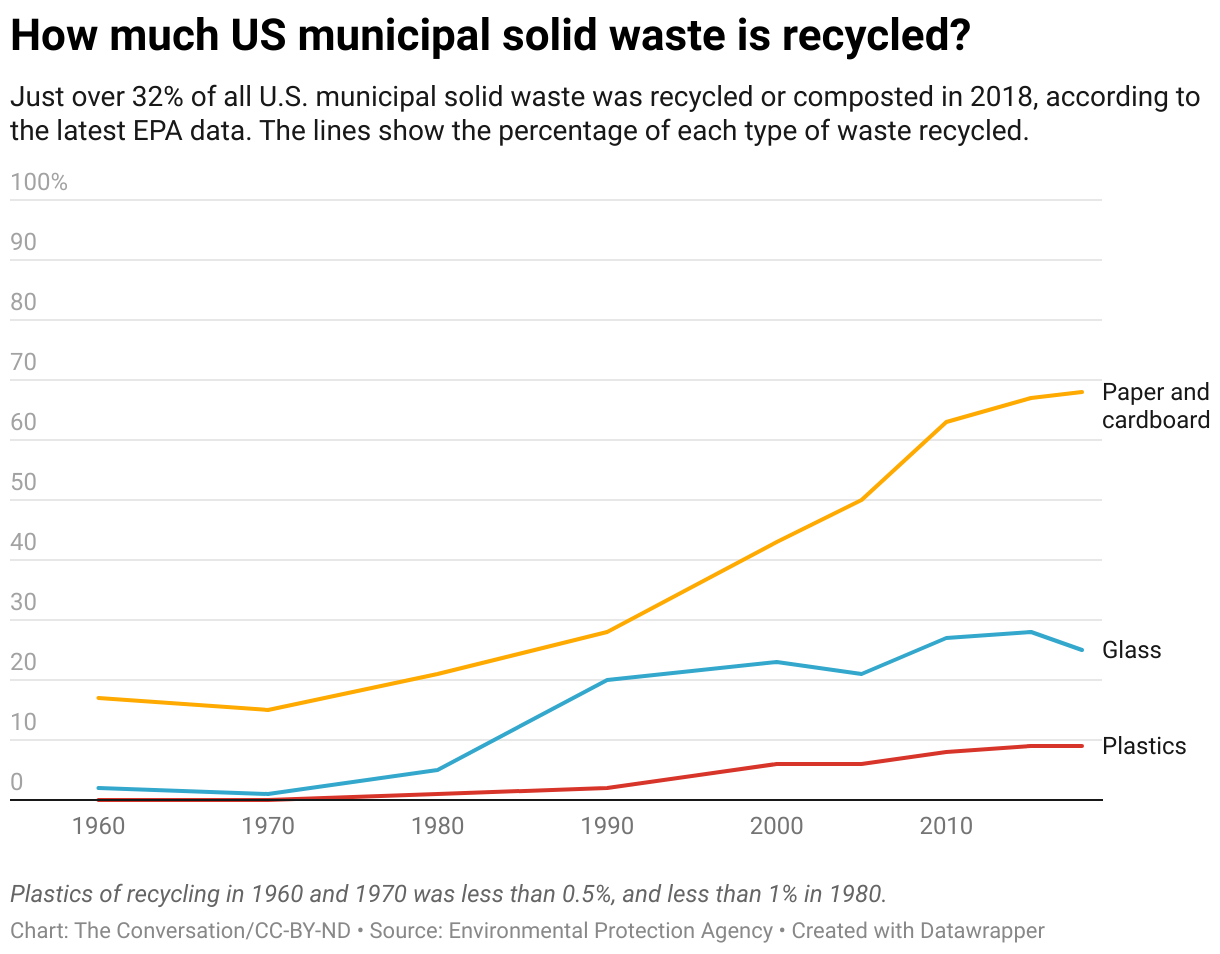
Single-stream recycling makes participating in recycling easy, but behind the scenes, complex sorting systems and contamination mean a large percentage of that material never gets a second life. Reports in recent years have found 15% to 25% of all the materials picked up from recycle bins ends up in landfills instead.

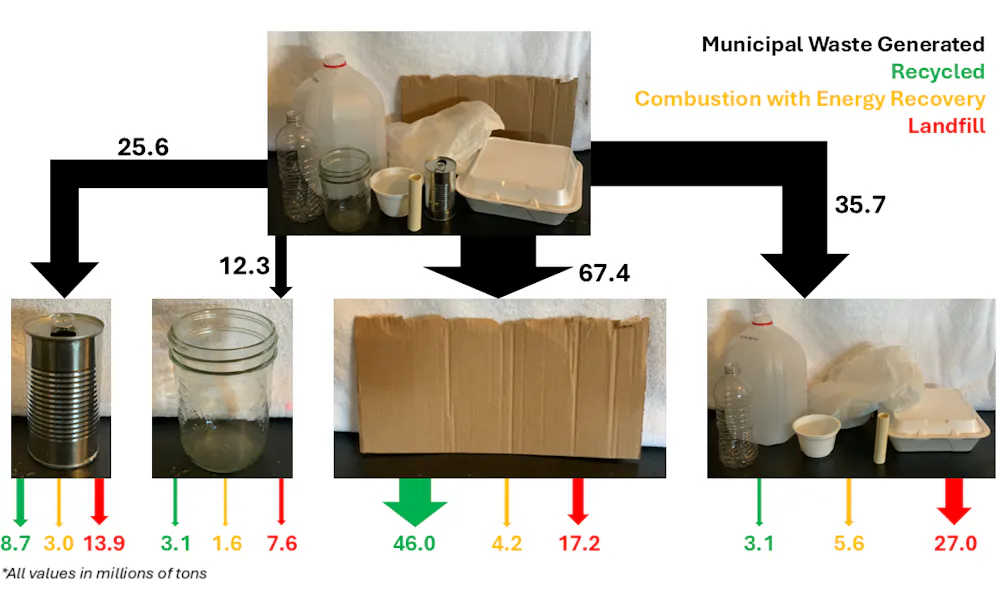
Plastics are among the biggest challenges. Only about 9% of the plastic generated in the U.S. actually gets recycled, according to the Environmental Protection Agency. Some plastic is incinerated to produce energy, but most of the rest ends up in landfills instead.

Photos and arrows show how much of each type of product is recycled.
A breakdown of U.S. recycling by millions of tons shows about two-thirds of all paper and cardboard gets a second life, but only about a third of metal, a quarter of glass and less than 10% of plastics do. Alex Jordan/University of Wisconsin-Stout

So, what makes plastic recycling so difficult? As an engineer whose work focuses on reprocessing plastics, I have been exploring potential solutions.

How does single-stream recycling work?

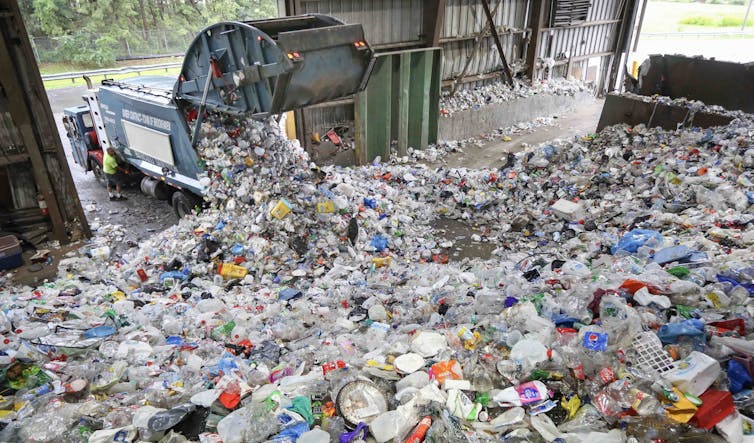
In cities that use single-stream recycling, consumers put all of their recyclable materials − paper, cardboard, plastic, glass and metal − into a single bin. Once collected, the mixed recyclables are taken to a materials recovery facility, where they are sorted.

First, the mixed recyclables are shredded and crushed into smaller fragments, enabling more effective separation. The mixed fragments pass over rotating screens that remove cardboard and paper, allowing heavier materials, including plastics, metals and glass, to continue along the sorting line.

The basics of a single-stream recycling system in Pennsylvania. Source: Van Dyk Recycling Solutions.

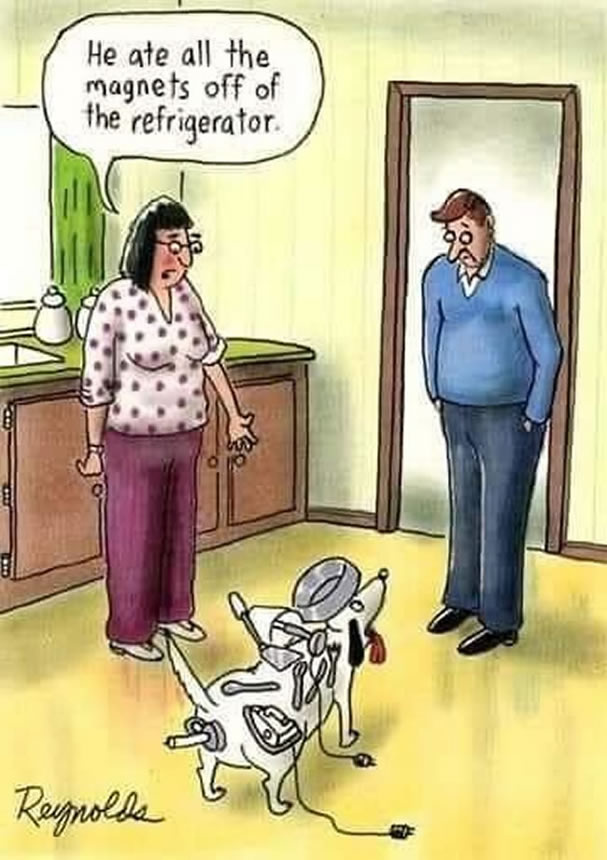
Magnets are used to pick out ferrous metals, such as steel. A magnetic field that produces an electrical current with eddies sends nonferrous metals, such as aluminum, into a separate stream, leaving behind plastics and glass.

The glass fragments are removed from the remaining mix using gravity or vibrating screens.

That leaves plastics as the primary remaining material.

While single-stream recycling is convenient, it has downsides. Contamination, such as food residue, plastic bags and items that can’t be recycled, can degrade the quality of the remaining material, making it more difficult to reuse. That lowers its value.

Having to remove that contamination raises processing costs and can force recovery centers to reject entire batches.

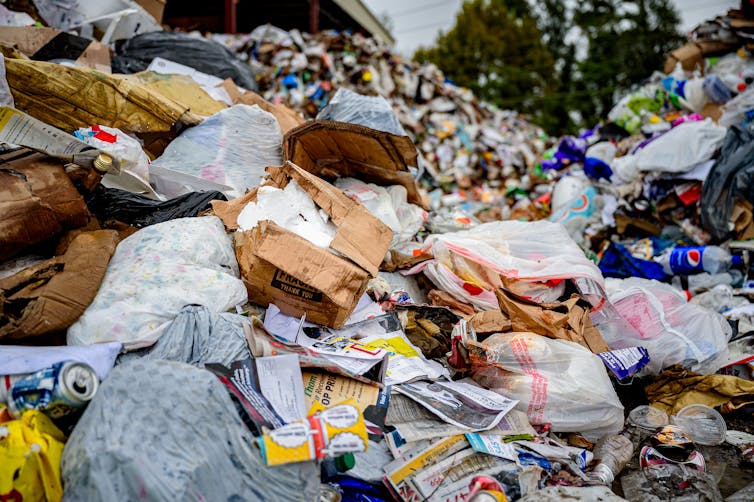
A mound of items send for recycling includes a lot of plastic bags.
Plastic bags, food residue and items that can’t be recycled can contaminate a recycling stream. City of Greenville, N.C./Flickr

Which plastics typically can’t be recycled?

Each recycling program has rules for which items it will and won’t take. You can check which items can and cannot be recycled for your specific program on your municipal page. Often, that means checking the recycling code stamped on the plastic next to the recycling icon.

These are the toughest plastics to recycle and most likely to be excluded in your local recycling program:

  • Symbol 3 – Polyvinyl chloride, or PVC, found in pipes, shower curtains and some food packaging. It may contain harmful additives such as phthalates and heavy metals. PVC also degrades easily, and melting can release toxic fumes during recycling, contaminating other materials and making it unsafe to process in standard recycling facilities.
  • Symbol 4 – Low-density polyethylene, or LDPE, is often used in plastic bags and shrink-wrap. Because it’s flexible and lightweight, it’s prone to getting tangled in sorting machinery at recycling plants.
  • Symbol 6 – Polystyrene, often used in foam cups, takeout containers and packing peanuts. Because it’s lightweight and brittle, it’s difficult to collect and process and easily contaminates recycling streams.

Which plastics to include

That leaves three plastics that can be recycled in many facilities:

However, these aren’t accepted in some facilities for reasons I’ll explain.

Taking apart plastics, bead by bead

Some plastics can be chemically recycled or ground up for reprocessing, but not all plastics play well together.

Simple separation methods, such as placing ground-up plastics in water, can easily remove your soda bottle plastic (PET) from the mixture. The ground-up PET sinks in water due to the plastic’s density. However, HDPE, used in milk jugs, and PP, found in yogurt cups, both float, and they can’t be recycled together. So, more advanced and expensive technology, such as infrared spectroscopy, is often required to separate those two materials.

Once separated, the plastic from your soda bottle can be chemically recycled through a process called solvolysis.

It works like this: Plastic materials are formed from polymers. A polymer is a molecule with many repeating units, called monomers. Picture a pearl necklace. The individual pearls are the repeating monomer units. The string that runs through the pearls is the chemical bond that joins the monomer units together. The entire necklace can then be thought of as a single molecule.

During solvolysis, chemists break down that necklace by cutting the string holding the pearls together until they are individual pearls. Then, they string those pearls together again to create new necklaces.

Other chemical recycling methods, such as pyrolysis and gasification, have drawn environmental and health concerns because the plastic is heated, which can release toxic fumes. But chemical recycling also holds the potential to reduce both plastic waste and the need for new plastics, while generating energy.

The problem of yogurt cups and milk jugs

The other two common types of recycled plastics − items such as yogurt cups (PP) and milk jugs (HDPE) − are like oil and water: Each can be recycled through reprocessing, but they don’t mix.

If polyethylene and polypropylene aren’t completely separated during recycling, the resulting mix can be brittle and generally unusable for creating new products.

Chemists are working on solutions that could increase the quality of recycled plastics through mechanical reprocessing, typically done at separate facilities.

One promising mechanical method for recycling mixed plastics is to incorporate a chemical called a compatibilizer. Compatibilizers contain the chemical structure of multiple different polymers in the same molecule. It’s like how lecithin, commonly found in egg yolks, can help mix oil and water to make mayonnaise − part of the lecithin molecule is in the oil phase and part is in the water phase.

In the case of yogurt cups and milk jugs, recently developed block copolymers are able to produce recycled plastic materials with the flexibility of polyethylene and the strength of polypropylene.

Improving recycling

Research like this can make recycled materials more versatile and valuable and move products closer to a goal of a circular economy without waste.

However, improving recycling also requires better recycling habits.

You can help the recycling process by taking a few minutes to wash off food waste, avoiding putting plastic bags in your recycling bin and, importantly, paying attention to what can and cannot be recycled in your area.

Alex Jordan, Associate Professor of Plastics Engineering, University of Wisconsin-Stout

This article is republished from The Conversation under a Creative Commons license. Read the original article.

ooOOoo

Can we all learn to be better at recycling in the face of so much world ‘news’!

Our brains and new memories

A fascinating article!

I may be the wrong side of old but I still enjoy immensely the process of learning new things. Some of these new memories actually stay with me!

That is why it gives me great pleasure in republishing an article from The Conversation about our brains creating new memories.

ooOOoo

How does your brain create new memories? Neuroscientists discover ‘rules’ for how neurons encode new information

Neurons that fire together sometimes wire together. PASIEKA/Science Photo Library via Getty Images

William Wright, University of California, San Diego and Takaki Komiyama, University of California, San Diego

Every day, people are constantly learning and forming new memories. When you pick up a new hobby, try a recipe a friend recommended or read the latest world news, your brain stores many of these memories for years or decades.

But how does your brain achieve this incredible feat?

In our newly published research in the journal Science, we have identified some of the “rules” the brain uses to learn.

Learning in the brain

The human brain is made up of billions of nerve cells. These neurons conduct electrical pulses that carry information, much like how computers use binary code to carry data.

These electrical pulses are communicated with other neurons through connections between them called synapses. Individual neurons have branching extensions known as dendrites that can receive thousands of electrical inputs from other cells. Dendrites transmit these inputs to the main body of the neuron, where it then integrates all these signals to generate its own electrical pulses.

It is the collective activity of these electrical pulses across specific groups of neurons that form the representations of different information and experiences within the brain.

Diagram of neuron, featuring a relatively large cell body with a long branching tail extending from it
Neurons are the basic units of the brain. OpenStax, CC BY-SA

For decades, neuroscientists have thought that the brain learns by changing how neurons are connected to one another. As new information and experiences alter how neurons communicate with each other and change their collective activity patterns, some synaptic connections are made stronger while others are made weaker. This process of synaptic plasticity is what produces representations of new information and experiences within your brain.

In order for your brain to produce the correct representations during learning, however, the right synaptic connections must undergo the right changes at the right time. The “rules” that your brain uses to select which synapses to change during learning – what neuroscientists call the credit assignment problem – have remained largely unclear.

Defining the rules

We decided to monitor the activity of individual synaptic connections within the brain during learning to see whether we could identify activity patterns that determine which connections would get stronger or weaker.

To do this, we genetically encoded biosensors in the neurons of mice that would light up in response to synaptic and neural activity. We monitored this activity in real time as the mice learned a task that involved pressing a lever to a certain position after a sound cue in order to receive water.

We were surprised to find that the synapses on a neuron don’t all follow the same rule. For example, scientists have often thought that neurons follow what are called Hebbian rules, where neurons that consistently fire together, wire together. Instead, we saw that synapses on different locations of dendrites of the same neuron followed different rules to determine whether connections got stronger or weaker. Some synapses adhered to the traditional Hebbian rule where neurons that consistently fire together strengthen their connections. Other synapses did something different and completely independent of the neuron’s activity.

Our findings suggest that neurons, by simultaneously using two different sets of rules for learning across different groups of synapses, rather than a single uniform rule, can more precisely tune the different types of inputs they receive to appropriately represent new information in the brain.

In other words, by following different rules in the process of learning, neurons can multitask and perform multiple functions in parallel.

Future applications

This discovery provides a clearer understanding of how the connections between neurons change during learning. Given that most brain disorders, including degenerative and psychiatric conditions, involve some form of malfunctioning synapses, this has potentially important implications for human health and society.

For example, depression may develop from an excessive weakening of the synaptic connections within certain areas of the brain that make it harder to experience pleasure. By understanding how synaptic plasticity normally operates, scientists may be able to better understand what goes wrong in depression and then develop therapies to more effectively treat it.

Microscopy image of mouse brain cross-section with lower middle-half dusted green
Changes to connections in the amygdala – colored green – are implicated in depression. William J. Giardino/Luis de Lecea Lab/Stanford University via NIH/Flickr, CC BY-NC

These findings may also have implications for artificial intelligence. The artificial neural networks underlying AI have largely been inspired by how the brain works. However, the learning rules researchers use to update the connections within the networks and train the models are usually uniform and also not biologically plausible. Our research may provide insights into how to develop more biologically realistic AI models that are more efficient, have better performance, or both.

There is still a long way to go before we can use this information to develop new therapies for human brain disorders. While we found that synaptic connections on different groups of dendrites use different learning rules, we don’t know exactly why or how. In addition, while the ability of neurons to simultaneously use multiple learning methods increases their capacity to encode information, what other properties this may give them isn’t yet clear.

Future research will hopefully answer these questions and further our understanding of how the brain learns.

William Wright, Postdoctoral Scholar in Neurobiology, University of California, San Diego and Takaki Komiyama, Professor of Neurobiology, University of California, San Diego

This article is republished from The Conversation under a Creative Commons license. Read the original article.

ooOOoo

Our human brains are incredible. Billions of nerve cells. Yet we are still getting to know the science of our brains and as that last sentence was written: “Future research will hopefully answer these questions and further our understanding of how the brain learns.”

Roll on this future research.

Picture Parade Four Hundred and Sixty-Nine

Beautiful photos from my Grandson.

oooo

oooo

oooo

I have not editted these photos. They were taken by a Lumix G7 camera that was a present from his Uncle; my son Alex.