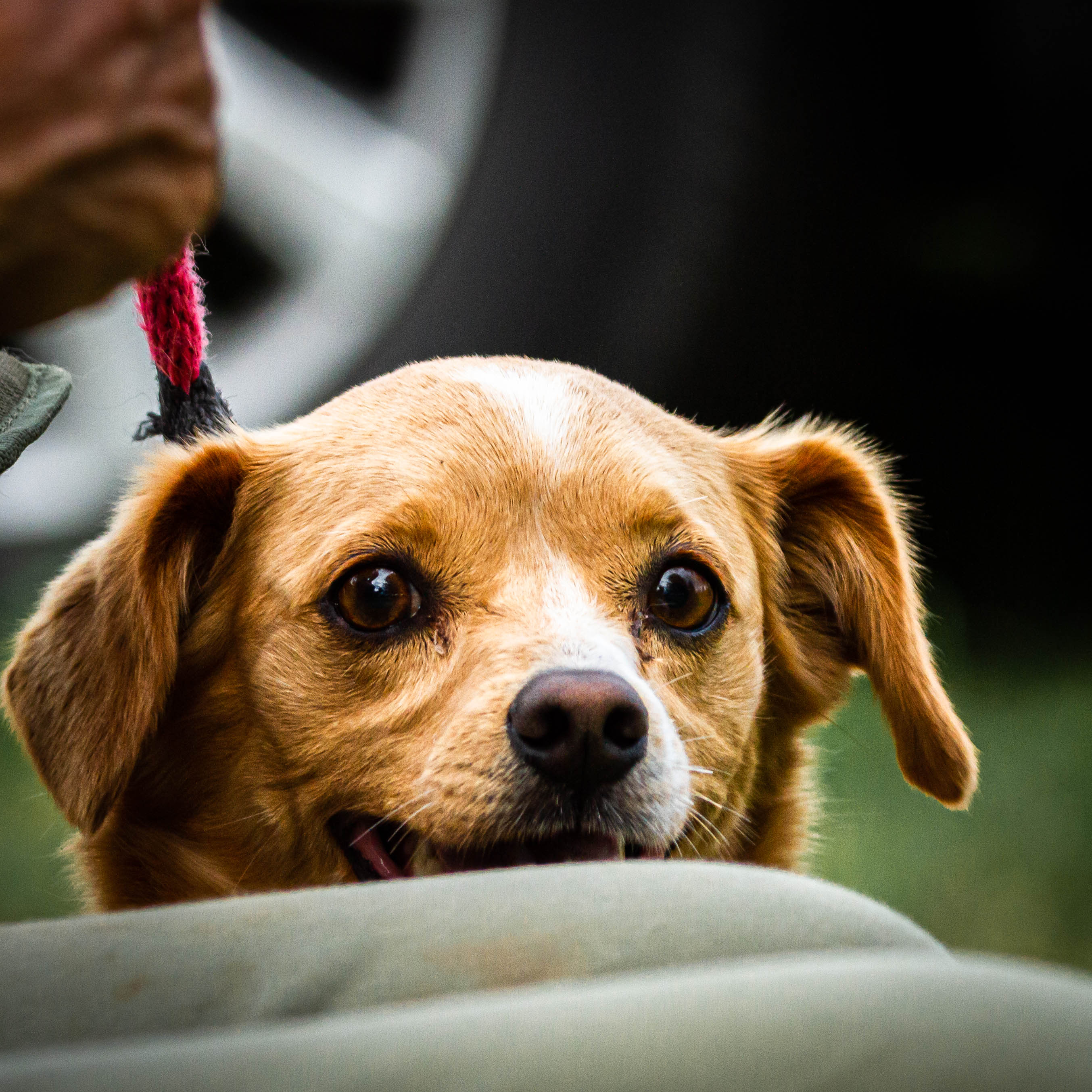
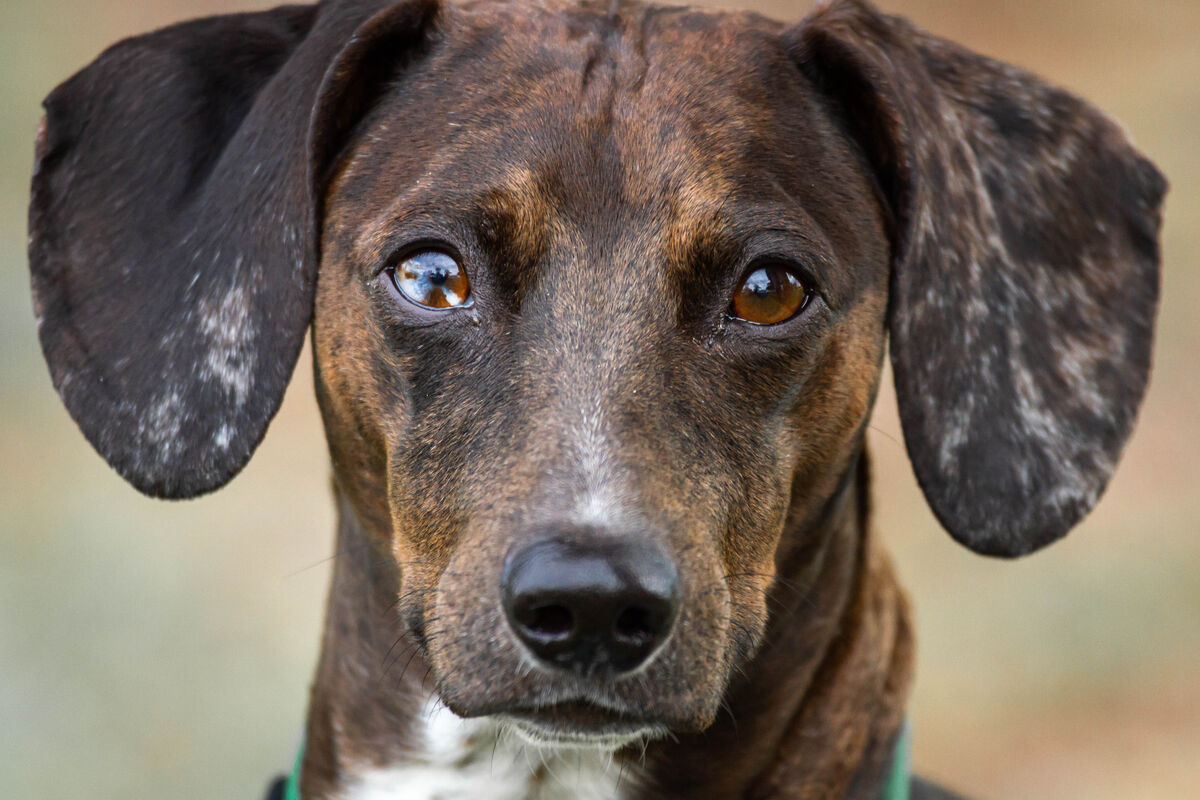
I am still dogless after more than two years (some of you remember Ted) but I have started attending a dog training class with a friend to fill the gap. Of course I can’t just sit there, so I asked permission to bring my camera and zoom lens. I’m no pro at dog portrait photography, but I had fun getting these shots of some good-looking subjects. You can see they are all concentrating very hard.
I asked for permission to share the photographs with you and it was promptly given.
Here they are.
oooo
oooo
oooo
oooo
oooo
oooo
oooo
They are lovely photographs and they are a tribute to the dogs and the photographer alike.
Thank you, ‘SW Feral’, for granting me permission to publish them.
Over at The Dodo is an item that I want to share with you. And my apologies for keeping my own comments really short; it is a hectic couple of hours here.
ooOOoo
Random Dog Crashes Pool Party And Everyone Is Overjoyed
“He floated around the pool, got pets and kisses, went swimming and had a great time!”
A bunch of friends were having a pool party when they noticed two dogs hanging around outside the fence on the edge of the yard. The dogs seemed like they wanted to come in, so a bunch of partygoers went over to investigate. One of the dogs had a tag, so they decided to let the dogs into the yard to hang out until they could track down their owners.
The dogs ran into the yard, and while one of them was a little shy, the other immediately decided he was joining the party.
“At that point, some of us were on the deck, some in the pool, and some out in the yard,” Jennifer Motes, one of the partygoers, told The Dodo. “The golden was down to party right away and immediately started running around, wagging its tail, going up to everyone and getting pets. The shepherd was much more timid, kinda stayed in the yard for a bit, but then when she saw her friend up on the deck with us, she eventually came up there too.”
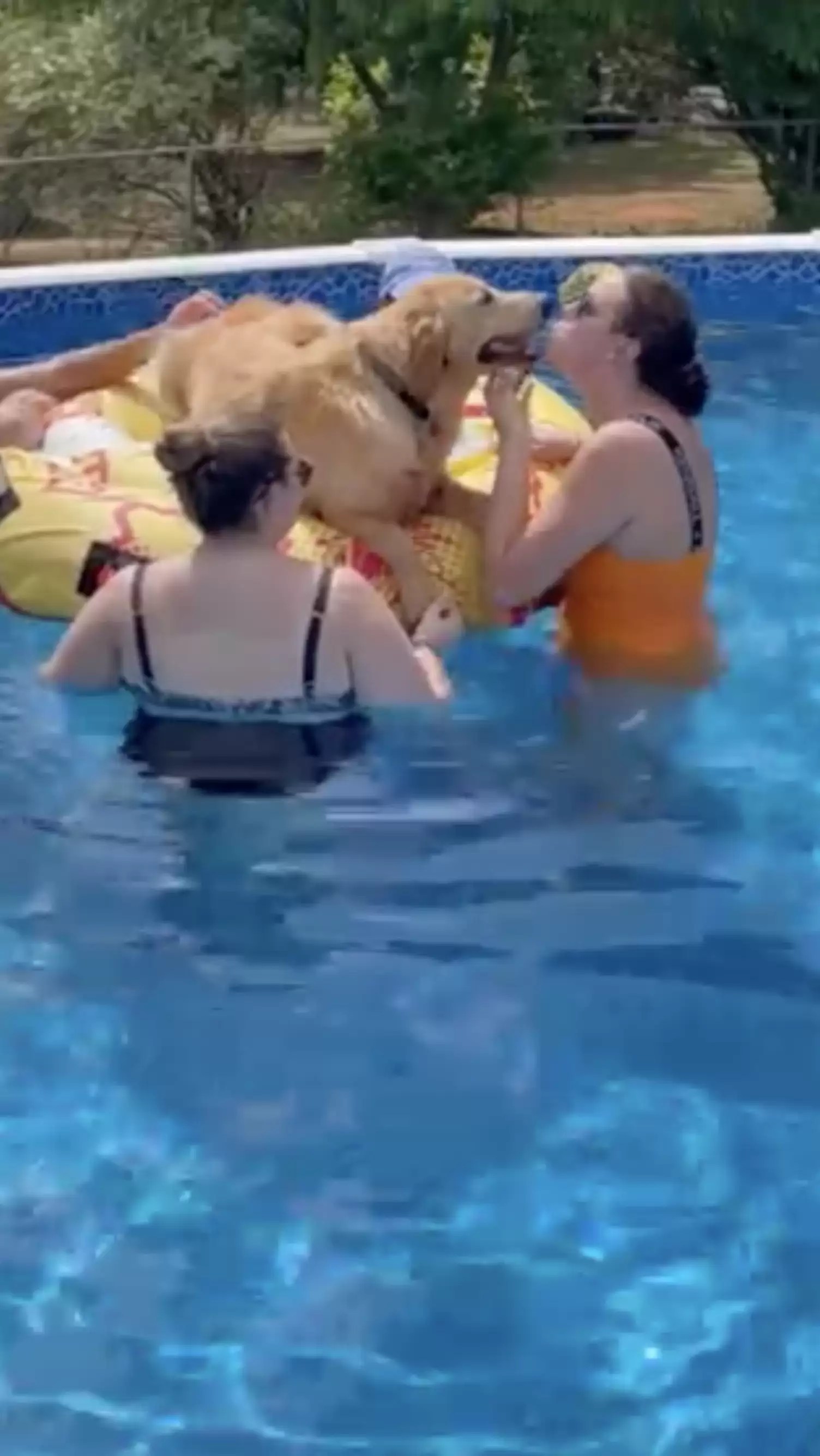
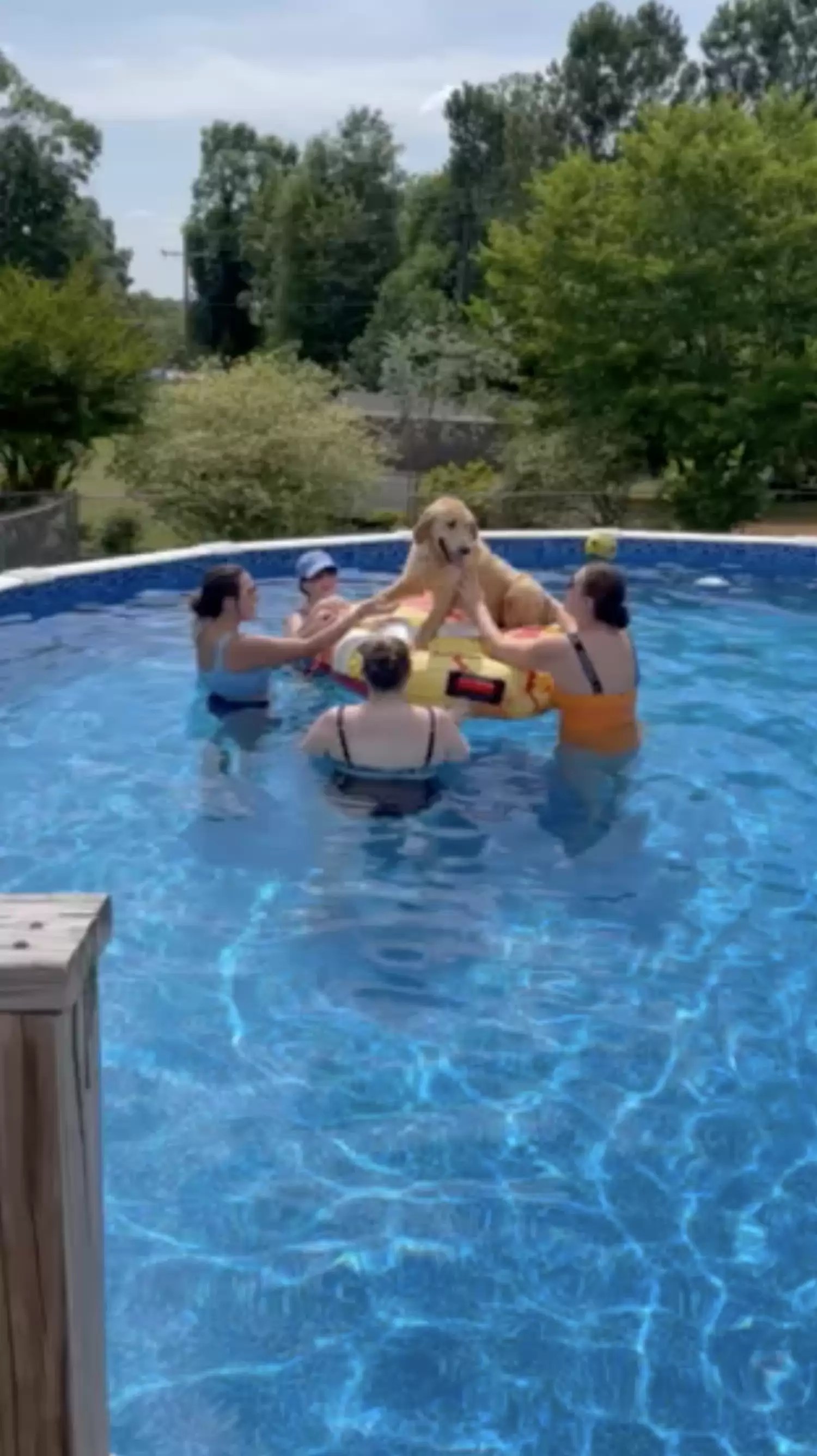
The golden retriever, who they later found out is named Stoker, clearly knew how to have a good time. He didn’t hesitate to join the fun and ran around playing fetch, begging for food, stealing shoes and eventually even hopping into the pool with everyone.
“Some of the people in the pool had slid the innertube raft over to the edge and Stoker climbed right on,” Motes said. “He floated around the pool, got pets and kisses, went swimming and had a great time! The shepherd never was brave enough to go in the pool, she just walked around and watched us, let some of us pet her and she chased after Stoker.”
As the dogs partied, someone was able to get in touch with Stoker’s dad, who said the other dog belonged to his neighbor and that she and Stoker were best friends who played together all the time. Apparently, the pair had run off together in search of a party, and they’d certainly succeeded in that endeavor.
The dogs were there for a few hours before they got picked up — and the party hosts made sure to emphasize that they’re absolutely welcome to come back anytime they want.
The only thing that can make a pool party even better is dogs, and Stoker and his best friend were more than happy to make that dream come true.
One cannot imagine a dog without a tail. One can’t imagine a dog’s tail that doesn’t wag for much of the time. So why do our dogs wag their tails? Sam Schwab answers the question.
When coming home after being away all day, it can be super sweet to be greeted at the door by your dog wagging her tail.
Dogs use their tails to communicate a range of emotions to humans and other dogs, including both positive emotions, like happiness or excitement, and negative ones, like frustration or anger.
“In general terms, dogs wag their tails because their level of excitement or agitation has gone up,” Irith Bloom, a professional certified dog trainer and owner of The Sophisticated Dog in Los Angeles, told The Dodo. “So a wagging tail could mean the dog is excited, frustrated, angry or happy, for example — and that’s just a partial list!”
The Dodo spoke with Bloom to understand the meaning of your dog’s tail wagging and to get some tips for interpreting your dog’s tail language.
She’s happy
Dogs will wag their tails when they’re happy to see someone — which is usually what most people assume a dog is feeling when they wag their tail (though, this isn’t always the case).
To know if your dog is happy when she’s wagging her tail, pay close attention to the position of your dog’s tail and her body language.
If your dog’s whole body seems relaxed in general while wagging her tail, she’s most likely communicating happiness. “If the dog’s tail is wagging in a loose, relaxed arc, and the dog’s body is also loose or even wiggly, odds are the dog is happy to see you,” Bloom said.
A quick wag, or a tail wagging in circles really fast, can also mean your dog’s happy. “Sometimes dogs wag their tails really fast in these situations, too, and their tail may even move a little like a propeller,” Bloom said.
You should also consider context: If you’re returning home after being out, or your dog sees someone she likes, the tail wagging is most likely due to happiness.
In one study, researchers found that dogs who wagged their tails more to the right side of their bodies were more relaxed, while dogs who wagged their tails to the left side of their bodies were more stressed, alert and anxious. (So, next time your dog wags her tail, check to see if it skews to either side!)
She’s excited
You might also see dogs wagging their tails when they’re really excited.
“Among other things, dogs may wag their tails when they are looking forward to something,” Bloom said.
You’ll commonly see your dog wagging her tail out of excitement when she’s waiting for a treat, meeting new dogs or playing fetch.
When your dog’s excited, her whole body will pretty much zero in on the object of her excitement, but her body language won’t be too tense.
“If a dog’s tail is moving fast, the rest of the body is ready for action but not ‘tight,’ and the dog is focused on something like a ball, they are probably looking forward to playing,” Bloom said.
She’s agitated
A wagging tail doesn’t always mean a dog is happy — sometimes it means she’s feeling agitated.
“A lot of people are surprised to learn that dogs sometimes also wag their tails when they are upset or angry,” Bloom said.
If a dog’s tail starts wagging out of anger, she could easily become aggressive, so it’s important to back away from the pup or leave the situation if that happens.
“I cannot tell you how many people have told me they were bitten by a dog whose tail was wagging!” Bloom said. “It’s important to remember that a wagging tail does not mean a friendly dog.”
You’ll be able to tell if a dog is wagging her tail out of anger if her tail and overall body language are very tense.
“If the dog’s tail is wagging slowly and stiffly, though, look to see if the dog’s muscles look tight or if their face seems tense,” Bloom said. “You might notice that their mouth is tightly closed or their brow is furrowed.”
An aggressive dog might also be more vocal. “They might also be growling or snarling,” Bloom said.
“Any of these behaviors, even when the tail is wagging, mean that the tail wag is more about being agitated or angry than happy and welcoming, so be sure to keep your distance!” Bloom added.
Be careful when meeting a new dog for the first time
Paying attention to a dog’s body language (as well as the context of the situation) can give you valuable insight into how a dog is feeling — and if the tail wagging means aggression.
“To figure out what a tail wag means, look at the whole dog’s body, but keep in mind that not every dog’s body language will be the same,” Bloom said.
You should have a good idea of what your own dog looks like when she’s happy, but since it can be difficult to tell the emotions of an unfamiliar dog, you should always be very careful when meeting a new dog for the first time.
According to Bloom, in these situations, you should let the dog approach you first and not vice versa.
“It bears repeating: A wagging tail does NOT mean a friendly dog,” Bloom said. “Sometimes it’s hard for even an expert to tell what a dog’s body language is saying, so it’s a good idea to let dogs decide whether or not they want to approach you instead of invading their space.”
Why do dogs have tails, anyway?
In addition to using their tails to communicate with people and dogs around them, dogs use their tails for movement and balance.
“Dogs use their tails for balance,” Bloom said. “They do this both in everyday activities and when moving fast, like during a game of fetch.”
Tails can also assist your dog in completing a turn while she runs: Her front legs turn in one direction, while her back legs continue moving forward, and her tail moves with the front legs to keep her body on course.
“Watch your dog’s tail movement when they make a fast turn to see an example of how the dog’s tail helps keep the dog’s body in balance!” Bloom said.
Dog tails are super important for your pup and play a huge role in how they communicate. So next time you see your dog’s tail wagging, you’ll know that there might be more going on than meets the eye, and you should always check your dog’s body language to get the full picture.
ooOOoo
I think that is a comprehensive review of the subject and, hopefully, some out there learnt some more about dogs’ tails.
For people who want to delve more deeply into the subject there’s an excellent study over on Current Biology, from which I take this small extract:
Left-right asymmetries in behavior associated with asymmetries in the brain are widespread in the animal kingdom and the hypothesis has been put forward that they may be linked to animals’ social behavior. Dogs show asymmetric tail-wagging responses to different emotive stimuli the outcome of different activation of left and right brain structures controlling tail movements to the right and left side of the body.






 Learning from Dogs