The photographs of Ossi Saarinen
(Split across two Sundays.)

oooo

oooo
 (Photo: Ossi Saarinen)
oooo

oooo
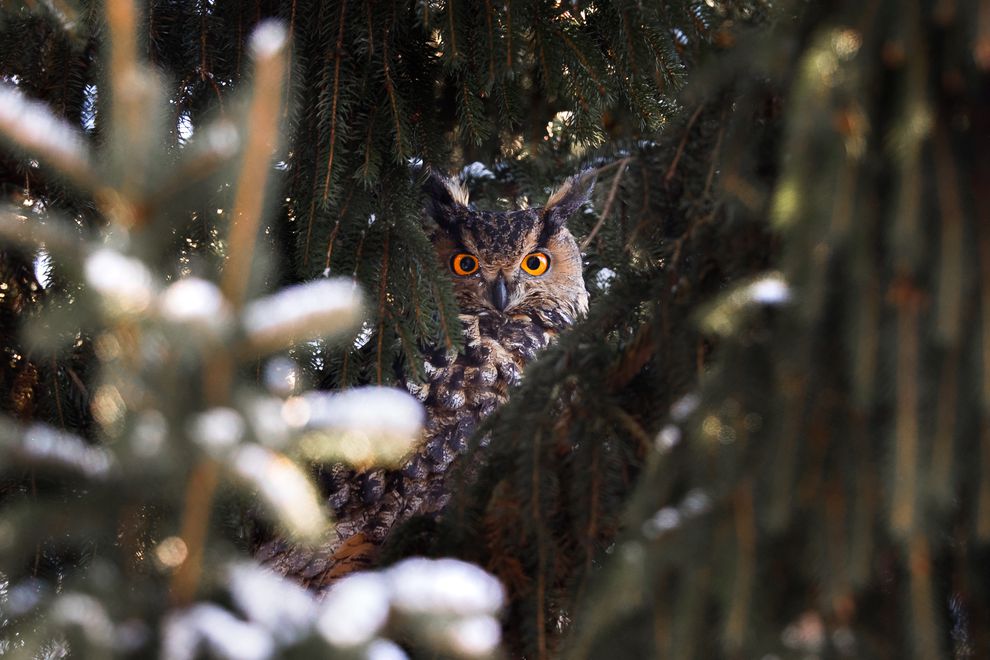
oooo
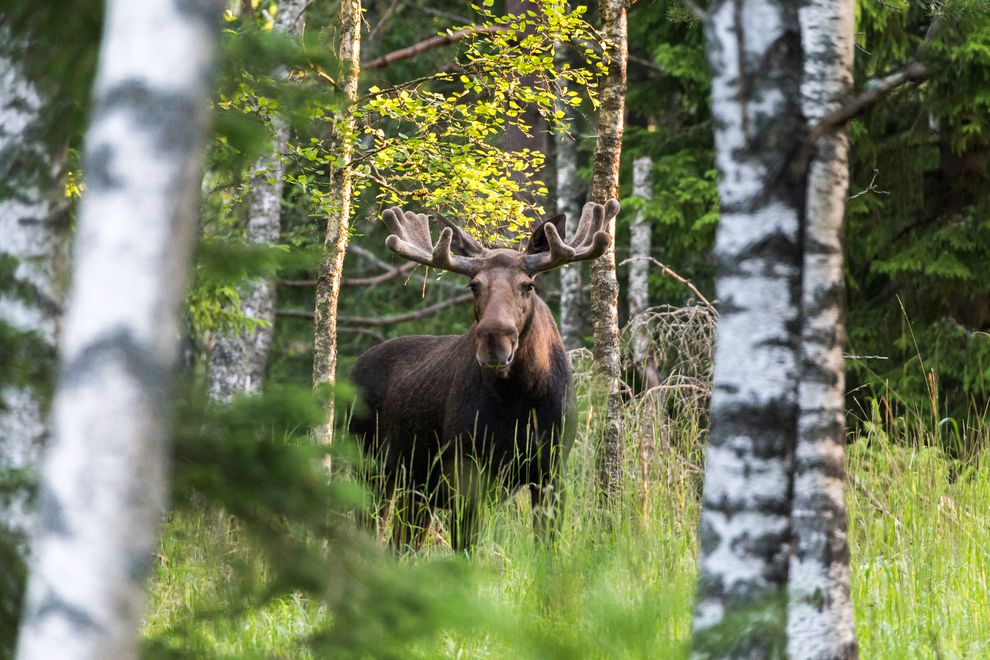
oooo
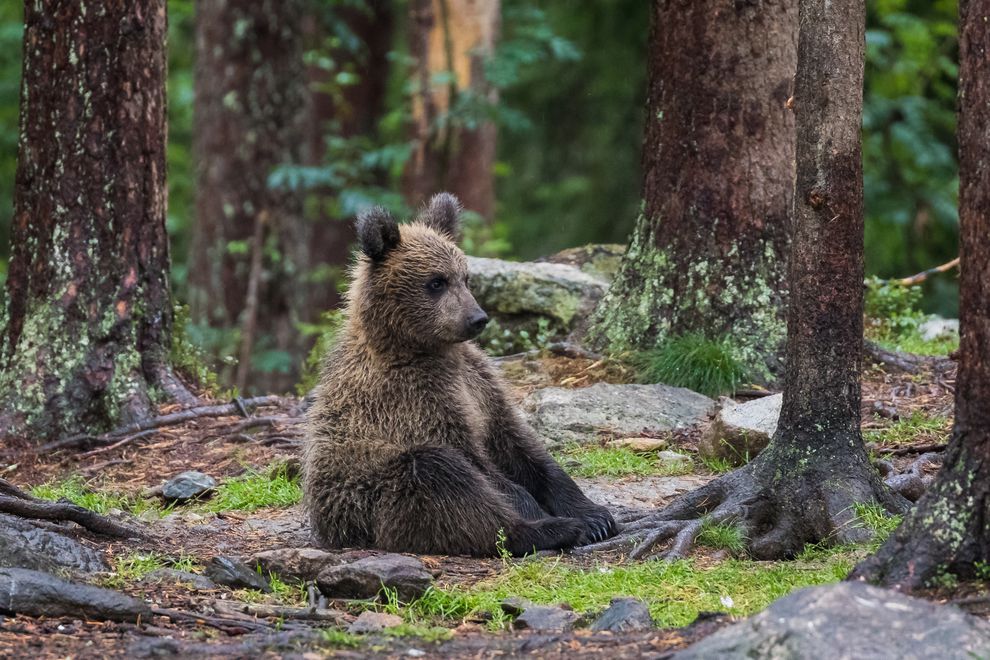
oooo
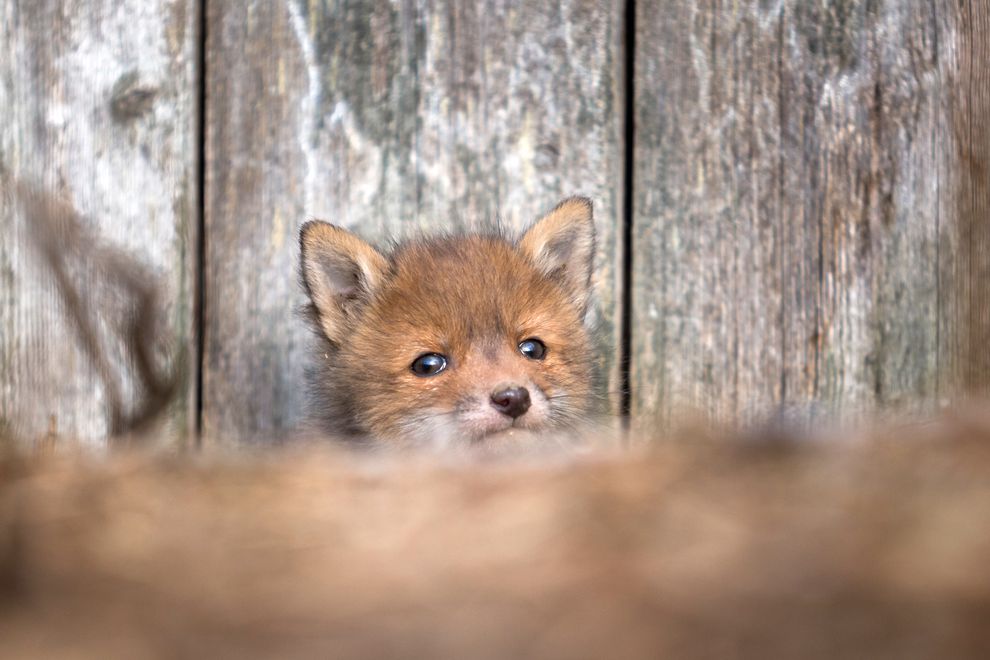
oooo

More of these incredible photographs in a week’s time.
Dogs are animals of integrity. We have much to learn from them.
Year: 2019
The photographs of Ossi Saarinen
(Split across two Sundays.)
oooo
oooo
(Photo: Ossi Saarinen)
oooo
oooo
oooo
oooo
oooo
oooo
More of these incredible photographs in a week’s time.
It’s World Pangolin day tomorrow.
I confess to not having heard of this endangered species before.
But my son, Alex, sent me an email earlier in the week hoping I would post something on the blog.
ooOOoo
 Dear Alex
Creating widespread awareness of the four African pangolin species is an important part of our mission, because if people don’t know what a pangolin is, why would they care enough to help save it?
It’s World Pangolin Day this Saturday and here are two easy ways you can get involved right now:
Share this newsletter
Forward this email to all your friends to encourage them to sign up and receive our updates too.
Tag10ForPangolins
Share our latest Facebook campaign tagging at least 10 friends in your post, and help us reach our target of telling 100,000 people about pangolins by Saturday. We’ve just passed the 51,000 mark and with your help we can reach our goal!
With thanks,
Catherine and Team Pangolin
ooOOoo
Every little helps!
And guess what I found:
PANGOLIN – The Most Poached Animal in The World
Pangolins are the most heavily poached animal in the world, despite the fact that most people don’t even know that they exist.
The Pangolin is a small mammal, covered in large overlapping scales. It’s mainly a nocturnal animal with a diet consisting of insects such as ants and termites.
They may look like weird-scaly anteaters, but they are actually not part of the anteater family at all. The 2 most unique features of this animal are, that it is covered in plate armor scales from head to toe, and even though it has four legs, it walks predominantly on it’s hind legs, and uses it’s front legs for griping & digging.
So why are these creatures being so heavily poached? Well It’s all to do with their scales. The Pangolin’s scales & meat are used in traditional medicine, fashion and even eaten in high-end cuisine.
Thanks for watching
And then on Wednesday the BBC News had an extensive item about Pangolins. It’s a long article with a video. Please read it.
Incredible!
There are so many stories and articles about dogs that it’s easy to overlook some of them.
Take this recent story from BBC News, back on February 11th.
ooOOoo

A dog that showed signs of a brain tumour was found to have a 7cm (3in) needle lodged in its neck.
Toby, a 13-year-old Yorkshire terrier, was taken to a vet in Nairn in the Highlands after he suffered neck pain, struggled to walk and showed seizure symptoms.
X-rays later showed the needle had pierced his spinal cord.
But surgeons in Edinburgh were able to extract it and Toby went on to make a full recovery.

Owner Alexander Jamieson, from Beauly, near Inverness, said: “We feel that without the help of the experts in Edinburgh, Toby would not be here today.
“The care and attention he got was out of this world and we are delighted to see him back to his old self.”
Toby was referred to the specialist surgical clinic at the University of Edinburgh’s Hospital for Small Animals at the Royal (Dick) School for Veterinary Studies where vets performed a CT scan to assess any major damage to his spinal cord in August 2018.
They found that the sewing needle – which still had thread attached – was dangerously close to his brain.
Toby has now recovered to the point where he is able to walk and run normally.

It is not known how the needle ended up in Toby’s neck but vets suspect that he could have eaten it or laid his head on it.
Samantha Woods, senior lecturer, and Jessica McCarthy, senior clinical training scholar in small animal surgery, said they were delighted with Toby’s progress.
Ms Woods added: “We are really pleased to see Toby back to full health, thanks to the combined efforts of his vets and our specialist teams here in Edinburgh.”
ooOOoo
That was fantastic! All kudos to the whole team that swung into action.
More than that how do you know if anything is real?
I was sitting in the living-room yesterday and watching Cleo dream. She was on the floor in front of the lit fire and happily involved in her dream.
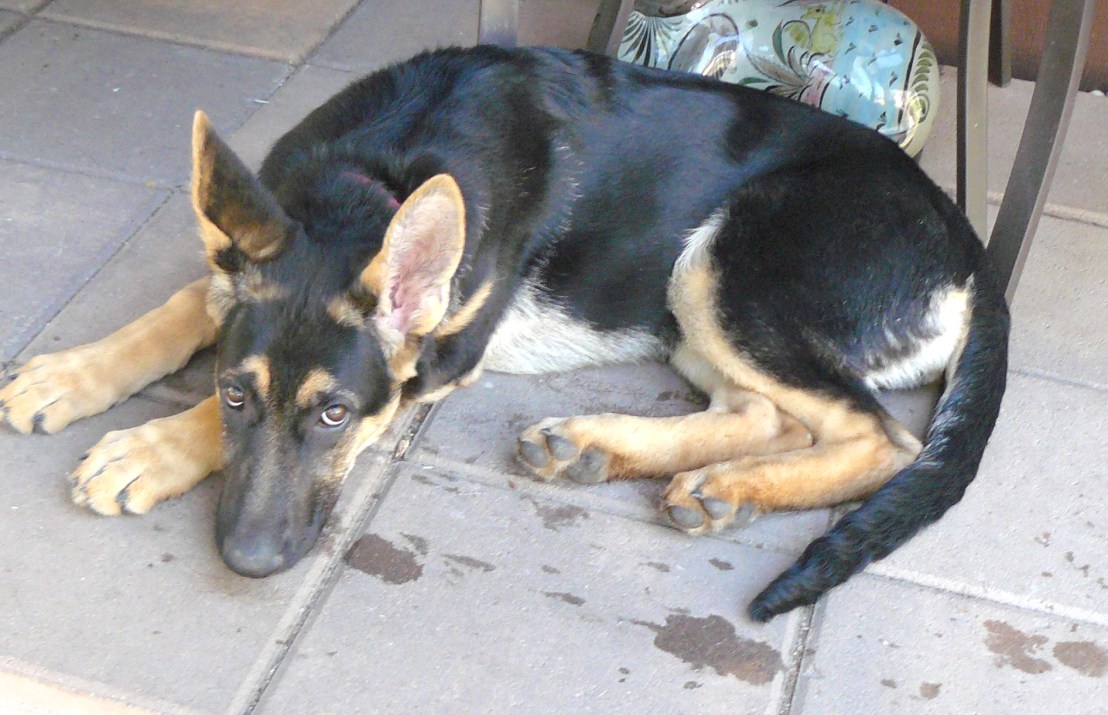
She was such a beautiful dog. It was natural of me to wonder of what she was dreaming. I could see her feet twitching and her eyelids flicking as though she was dreaming of chasing. But any more than that was pure speculation.
Then I mused about how the world looked for Cleo, and for the rest of our dogs come to that.
Then I went back to a philosophical article that I read quite recently.
What does it all mean? Are we real? What is reality?
ooOOoo
Research Fellow Center for Philosophy and History of Science, Boston University
February 6th, 2019

The life choices that had led me to be sitting in a booth underneath a banner that read “Ask a Philosopher” – at the entrance to the New York City subway at 57th and 8th – were perhaps random but inevitable.
I’d been a “public philosopher” for 15 years, so I readily agreed to join my colleague Ian Olasov when he asked for volunteers to join him at the “Ask a Philosopher” booth. This was part of the latest public outreach effort by the American Philosophical Association, which was having its annual January meeting up the street.
I’d taught before – even given speeches – but this seemed weird. Would anyone stop? Would they give us a hard time?
I sat between Ian and a splendid woman who taught philosophy in the city, thinking that even if we spent the whole time talking to one another, it would be an hour well spent.
Then someone stopped.
At first glance, it was hard to tell if she was a penniless nomad or an emeritus professor, but then she took off her hat and psychedelic scarf and came over to the desk and announced, “I’ve got a question. I’m in my late 60s. I’ve just had life threatening surgery, but I got through it.”
She showed us the jagged scar on her neck. “I don’t know what to do with the rest of my life,” she said. “I’ve got a master’s degree. I’m happily retired and divorced. But I don’t want to waste any more time. Can you help?”
Wow. One by one, we all asked her to elaborate on her situation and offered tidbits of advice, centering on the idea that only she could decide what gave her life meaning. I suggested that she might reach out to others who were also searching, then she settled in for a longer discussion with Ian.
And then it happened: A crowd gathered.
At first I thought they were there to eavesdrop, but as it turned out they had their own existential concerns. A group of teenagers engaged the philosopher on my right. One young woman, who turned out to be a sophomore in college, stepped away from the group with a serious concern. “Why can’t I be happier in my life? I’m only 20. I should be as happy as I’m ever going to be right now, but I’m not. Is this it?”
It was my turn. “Research has shown that what makes us happy is achieving small goals one after the other,” I said. “If you win the lottery, within six months you’ll probably be back to your baseline of happiness. Same if you got into an accident. You can’t just achieve happiness and stay there, you have to pursue it.”
“So I’m stuck?” she said.
“No…” I explained. “Your role in this is huge. You’ve got to choose the things that make you happy one by one. That’s been shown from Aristotle all the way down to cutting-edge psychological research. Happiness is a journey, not a destination.”
She brightened a bit, while her friends were still puzzling over whether color was a primary or secondary property. They thanked us and moved on.
Suddenly, the older woman who had stopped by initially seemed satisfied with what Ian had told her, and said that she had to be on her way as well.
Again it was quiet. Some who passed by were pointing and smiling. A few took pictures. It must have looked odd to see three philosophers sitting in a row with “Ask a Philosopher” over our heads, amidst the bagel carts and jewelry stalls.
During the quiet I reflected for a moment on what had just happened. A group of strangers had descended upon us not to make fun, but because they were carrying around some real philosophical baggage that had long gone unanswered. If you’re in a spiritual crisis, you go to your minister or rabbi. If you have psychological concerns, you might seek out a therapist. But what to do if you don’t quite know where you fit into this world and you’re tired of carrying that burden alone?
And then I spotted her … an interlocutor who would be my toughest questioner of the day. She was about 6 years old and clutched her mother’s hand as she craned her neck to stare at us. Her mother stopped, but the girl hesitated. “It’s OK,” I offered. “Do you have a philosophical question?” The girl smiled at her mother, then let go of her hand to walk over to the booth. She looked me dead in the eye and said: “How do I know I’m real?”
Suddenly I was back in graduate school. Should I talk about the French philosopher Rene Descartes, who famously used the assertion of skepticism itself as proof of our existence, with the phrase “I think, therefore I am?” Or, mention English philosopher G.E. Moore and his famous “here is one hand, here is the other,” as proof of the existence of the external world?
Or, make a reference to the movie “The Matrix,” which I assumed, given her age, she wouldn’t have seen? But then the answer came to me. I remembered that the most important part of philosophy was feeding our sense of wonder. “Close your eyes,” I said. She did. “Well, did you disappear?” She smiled and shook her head, then opened her eyes. “Congratulations, you’re real.”
She grinned broadly and walked over to her mother, who looked back at us and smiled. My colleagues patted me on the shoulder and I realized that my time was up. Back to the conference to face some easier questions on topics like “Academic Philosophy and its Responsibilities in a Post-Truth World.”
ooOOoo
Fascinating!


 Learning from Dogs