Sorry about there being no post today.
We had a dental appointment yesterday that went on much later than was anticipated. We didn’t arrive home until 4pm.
So I am very sorry.
Dogs are animals of integrity. We have much to learn from them.
Year: 2023
Sorry about there being no post today.
We had a dental appointment yesterday that went on much later than was anticipated. We didn’t arrive home until 4pm.
So I am very sorry.
An interesting film.
On Sunday evening Jean and I watched a documentary on touch. It was most interesting and included the obvious thought (that I needed reminding of) that babies when they are born cannot see more than 30 centimetres and cannot hear at first. So touch is vital for the health and early bonding of the babe and its parents with the mother being the dominant parent and the provider of breast milk.
Then yesterday I poked around online and found that the benefits of touch not only were for the very young but also for all ages and also were more broadly available across many animals, especially dogs.
But here’s the first film:
Touch shapes us as humans. Indeed, touch is fundamental to what makes us social beings. Touch influences how we perceive stress and pain, who we trust and who we fear. How does this work? And what happens to us in the absence of touch? Gentle touch is vital for us humans. It creates the first contact with the world for newborns, giving us a sense of security and belonging. Touch influences our immune system, and on our feelings for our fellow human beings. Especially strong feelings, such as love or compassion, can be better conveyed through touch than through words, facial expressions or gestures. Given how important touch is, it’s no surprise that humans have a highly specialized system devoted exclusively to perceiving gentle touch stimuli. Why does the touch of a stranger feel so different to that of someone we are emotionally close to? What is happening in our brain – and what role does the brain play in all this? In an era of social distancing, touch research is becoming increasingly relevant. How does it affect us, and our relationships, when we are required to keep our distance? Researchers explore what role touch plays in our physical and emotional well-being, and what the consequences are when touch is missing.
Then moving on I found an article on the Johns Hopkins Medicine website called The Friend Who Keeps You Young.
It opens:
Adopting a pet may seem like a selfless act, but there are plenty of selfish reasons to embrace pet ownership. Research has shown that owning a pet provides an amazing array of health benefits, says Jeremy Barron, M.D., medical director of the Beacham Center for Geriatric Medicine at Johns Hopkins.
Not ready for a full-time furry friend in your home? Offer to walk a neighbor’s dog, cat-sit for a friend, or donate time at a local animal shelter—even short interactions provide enough pet exposure to reap some of these rewards.

And that wasn’t the end, far from it!
HelpGuide.org had a powerful article The Health and Mood-Boosting Benefits of Pets. Here’s how it starts:
Most pet owners are clear about the immediate joys that come with sharing their lives with companion animals. However, many of us remain unaware of the physical and mental health benefits that can also accompany the pleasure of snuggling up to a furry friend. It’s only recently that studies have begun to scientifically explore the benefits of the human-animal bond.
Pets have evolved to become acutely attuned to humans and our behavior and emotions. Dogs, for example, are able to understand many of the words we use, but they’re even better at interpreting our tone of voice, body language, and gestures. And like any good human friend, a loyal dog will look into your eyes to gauge your emotional state and try to understand what you’re thinking and feeling (and to work out when the next walk or treat might be coming, of course).
Pets, especially dogs and cats, can reduce stress, anxiety, and depression, ease loneliness, encourage exercise and playfulness, and even improve your cardiovascular health. Caring for an animal can help children grow up more secure and active. Pets also provide valuable companionship for older adults. Perhaps most importantly, though, a pet can add real joy and unconditional love to your life.
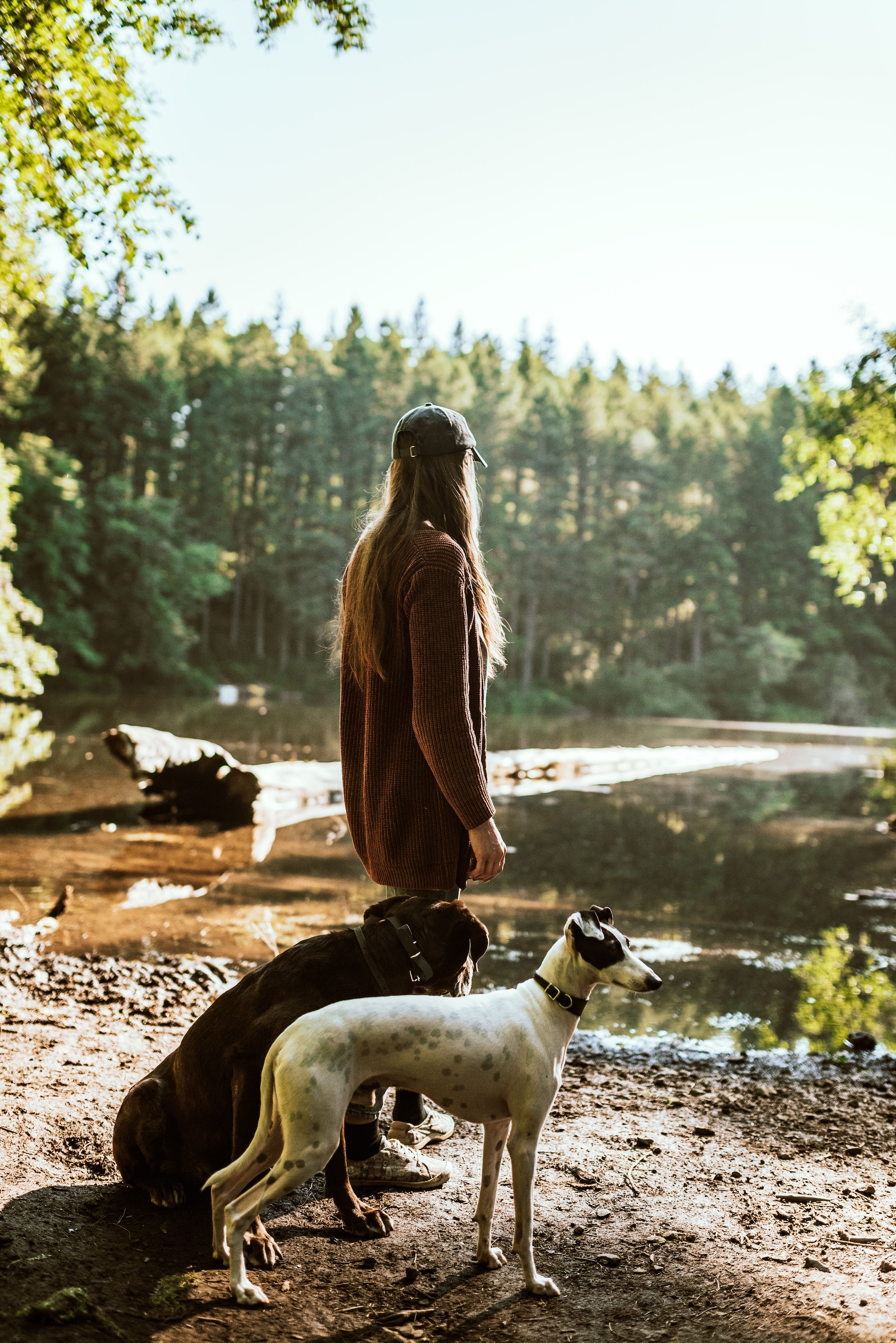
Dogs are the perfect companions to us!
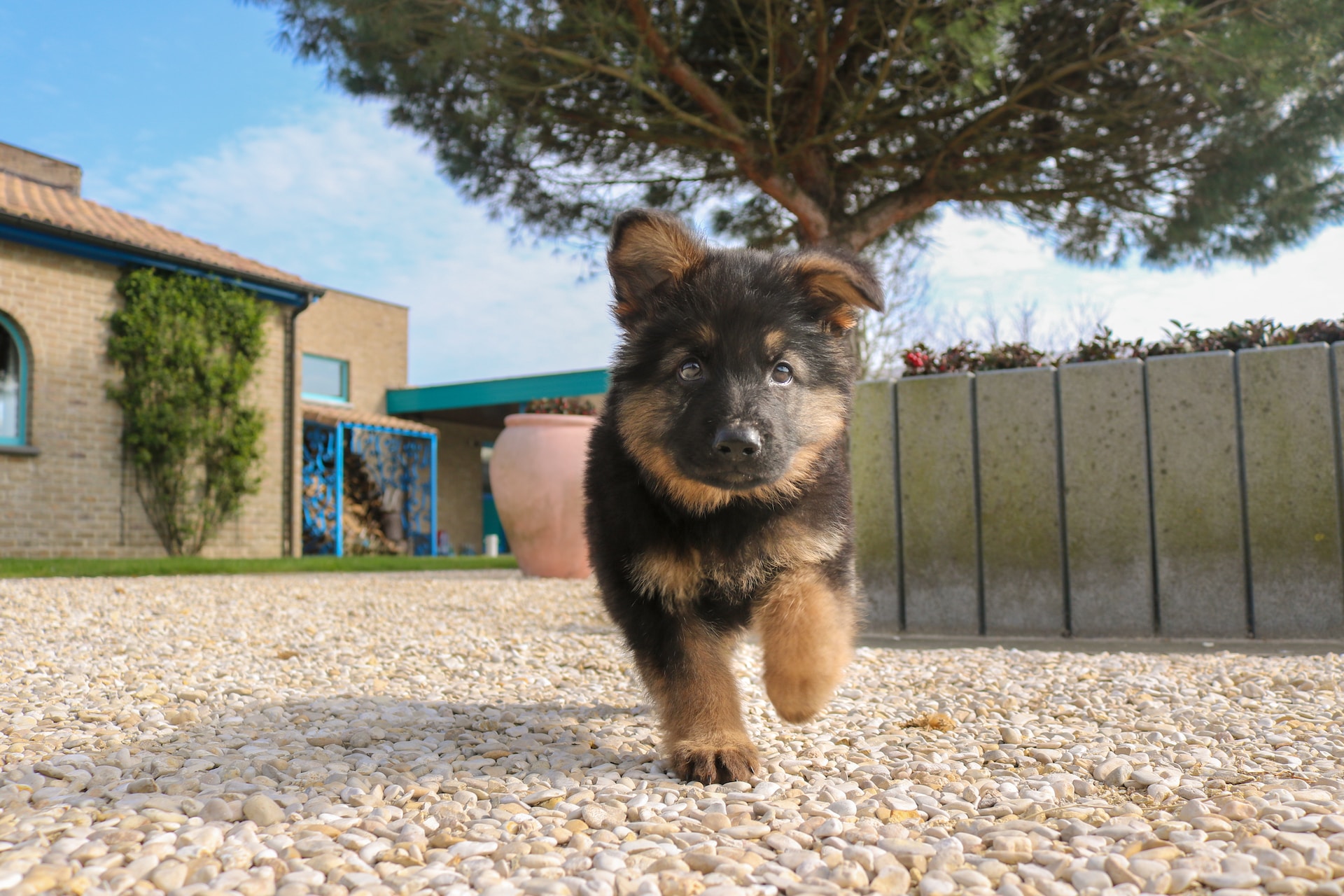
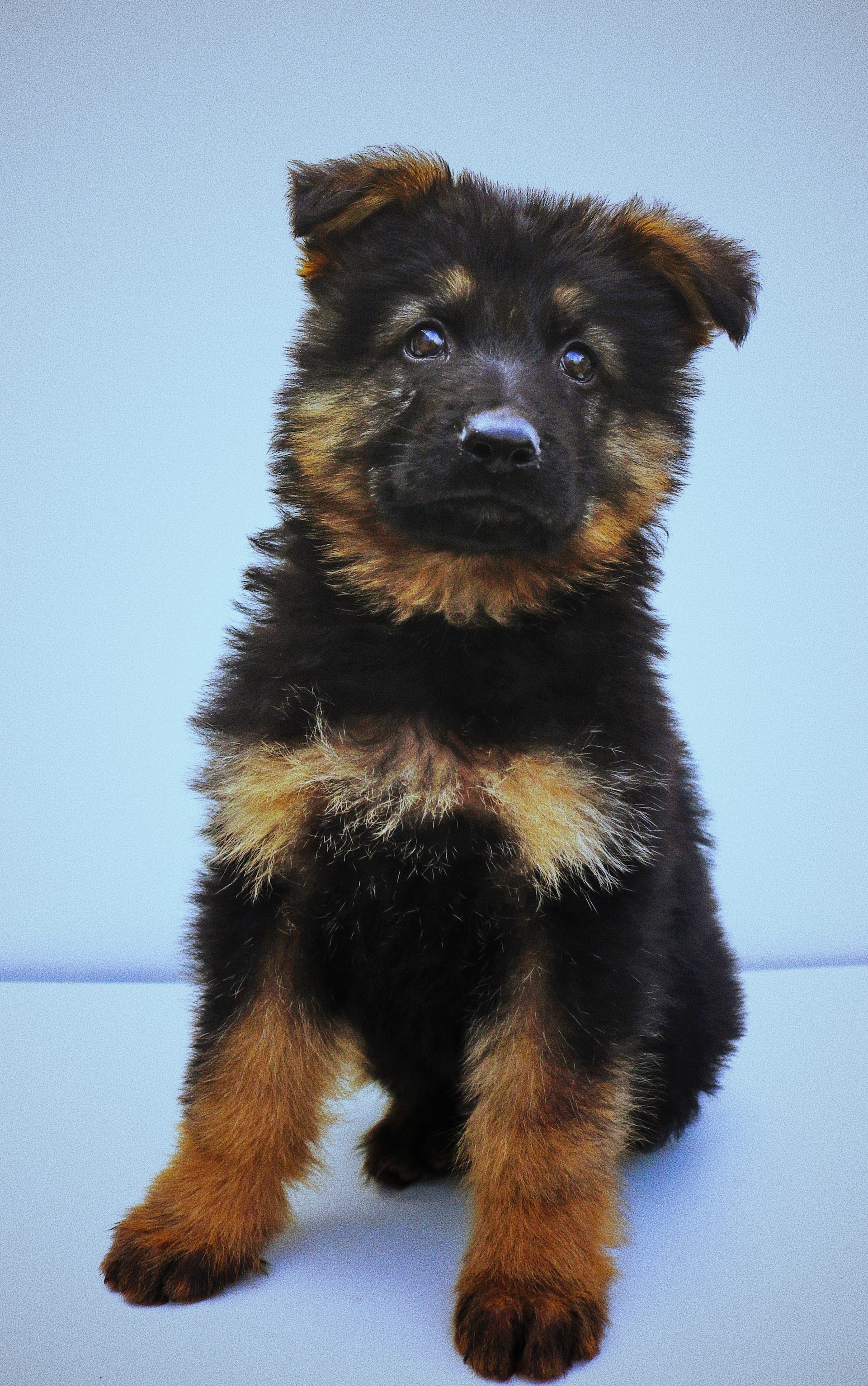
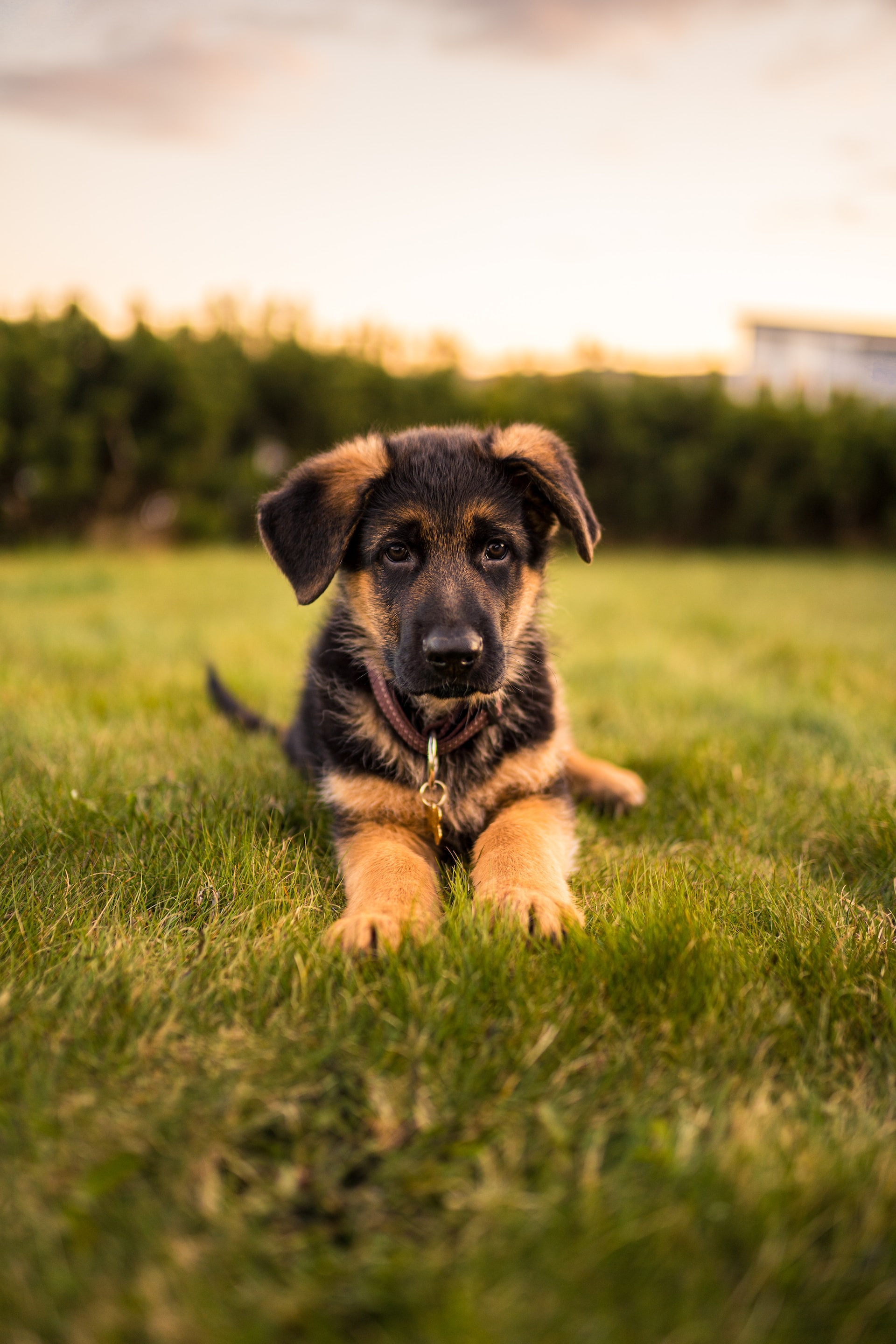
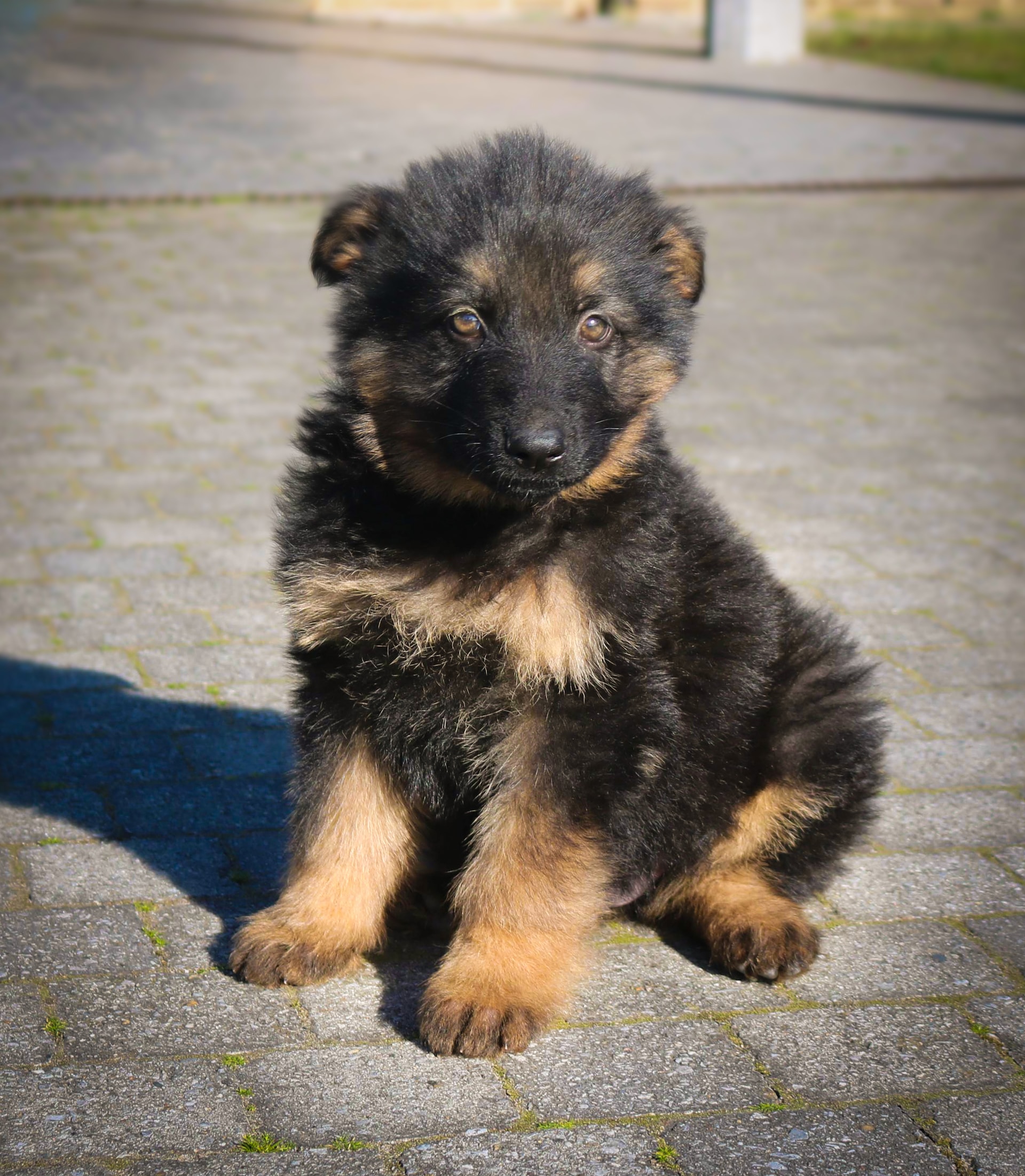
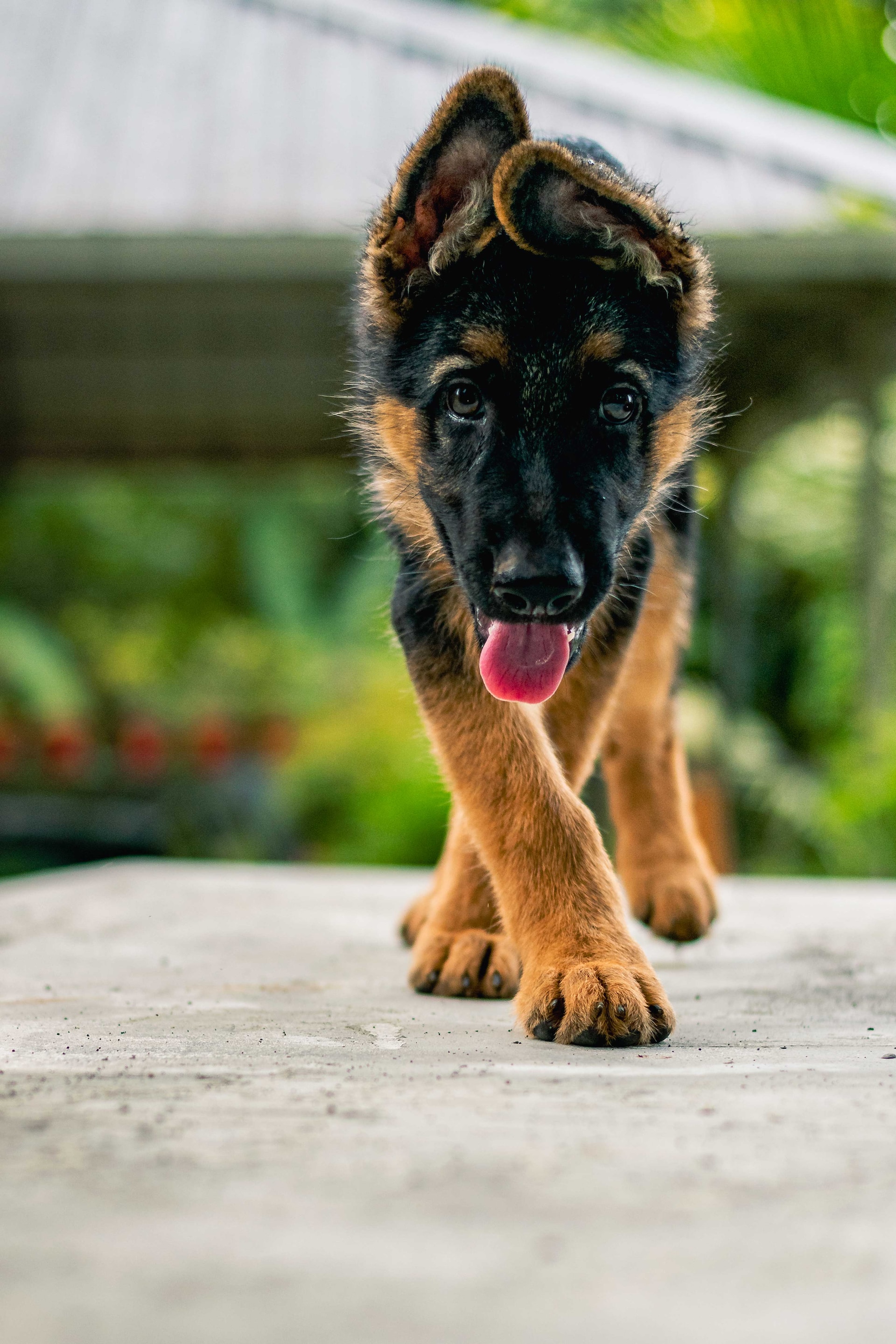
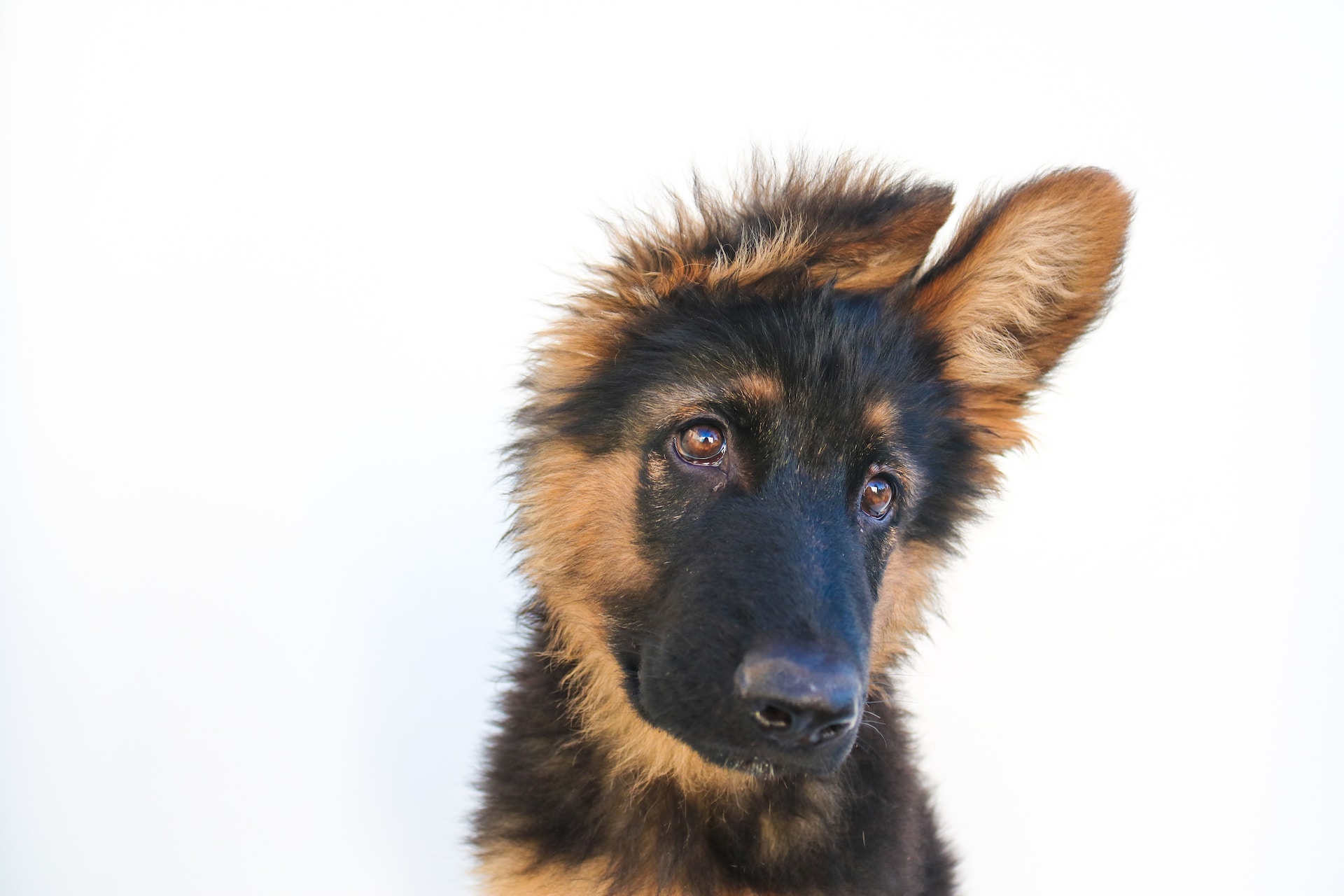
More German Shepherds from Unsplash.
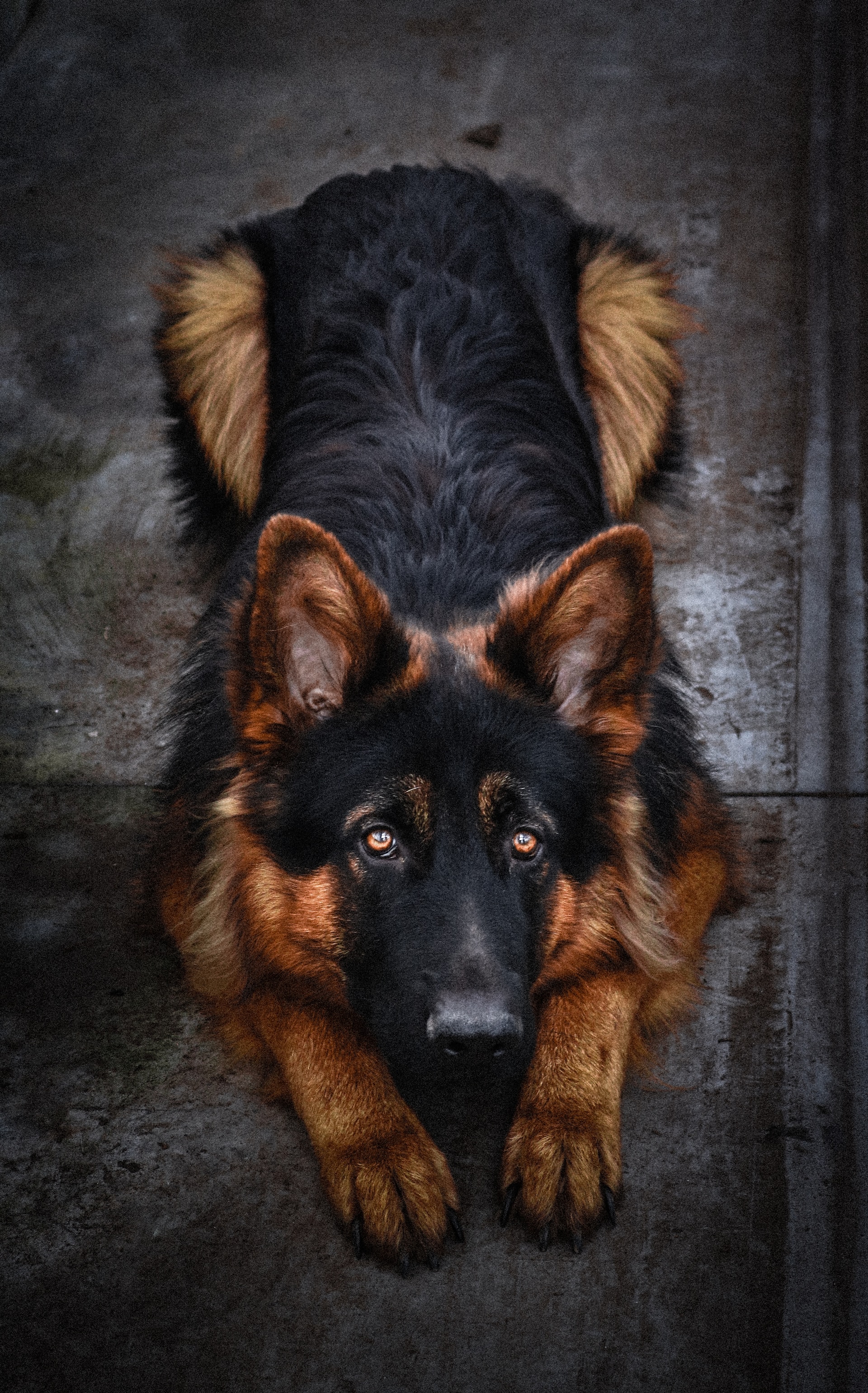
oooo
oooo
oooo
oooo

oooo
oooo
oooo
oooo
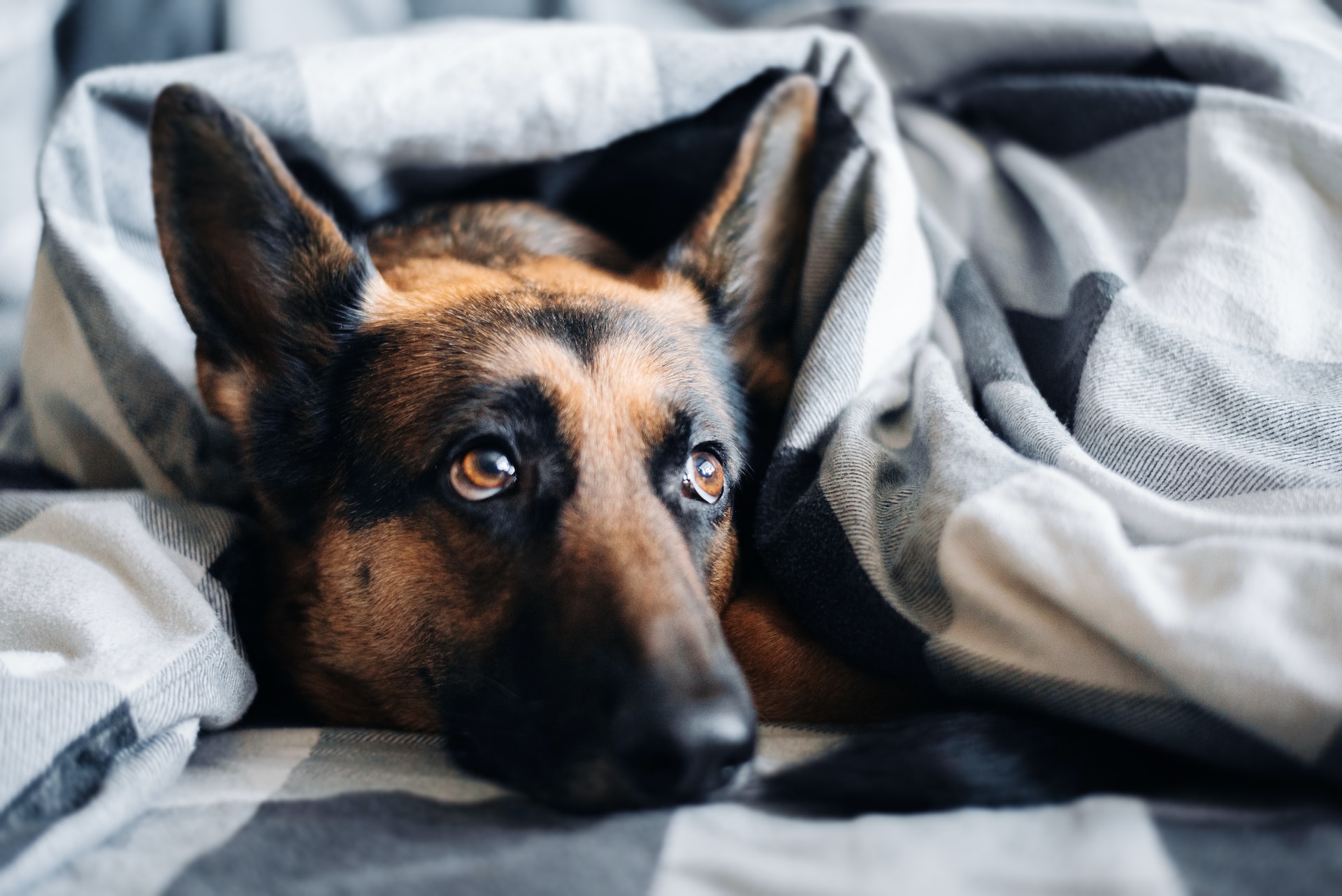
Quite a few puppies, as you can see!
A tremendous guest post from Raphael Wildcom.
Raphael was in contact with me asking whether I had any ideas of a subject that could be written about. I replied that it would be lovely to have a post about the way that dogs understand us humans. The following is the result, and it is great!
ooOOoo
Building Bridges: How Dogs Understand Humans and How We Can Improve Our Communication with Them
By Raphael Wildcom.
Dogs have been our faithful companions for thousands of years, and during that time, they have evolved to become incredibly attuned to human emotions and communication. Their ability to understand us and our ability to communicate with them has led to a unique bond between our two species.
In this article, we will explore how dogs understand humans and offer some tips on how we can improve our communication with our canine friends.
How Dogs Understand Humans
One of the most crucial ways dogs interpret our emotions and intentions is through our body language. Dogs are highly perceptive when it comes to noticing our posture, eye contact, and movements. They can sense if we are relaxed or tense and often respond accordingly.
Photo from Pexels.com
For example, a cute Shiba Inu puppy might approach a person exhibiting relaxed body language while avoiding someone who appears tense or stressed.
Dogs are remarkably adept at recognizing human facial expressions. Research has shown that they can distinguish between expressions of happiness, sadness, and anger, among others. This ability allows them to adjust their behavior depending on our emotional state.
Although dogs may not understand the specific words we use, they are incredibly sensitive to the tone and pitch of our voices. They can pick up on the emotional content of our speech, which helps them gauge our emotions and intentions. For example, a dog might become excited when they hear a high-pitched, happy voice or become submissive when they hear a low, stern voice.
Dogs can learn to associate specific words or gestures with actions or objects through training and repetition. This ability allows them to respond to our commands and communicate with us effectively. For example, a dog might learn to sit when they hear the word “sit” or see a specific hand signal.
Dogs possess an extraordinary sense of smell, and they can pick up on subtle changes in our body odor, which may be indicative of our emotional state. For example, a dog might be able to detect the scent of stress-related hormones and respond accordingly.
Dogs are skilled at observing and interpreting social cues within a group or family. They understand relationships between people and often respond to the social hierarchy within the household. For example, a dog might defer to the person they perceive as the leader of the family.
Improving Communication with Your Dog
Consistency is key when it comes to communicating with your dog. Use the same words, tone, and gestures for specific commands, and make sure all family members are on the same page. This consistency will help your dog understand what you expect from them and make it easier for them to respond correctly.
Reward your dog with praise, treats, or playtime when they respond correctly to a command or exhibit desirable behavior. Positive reinforcement is an effective way to strengthen your communication with your dog and encourage them to repeat the desired behavior in the future.
Learn to recognize the subtle signs your dog uses to communicate their emotions and intentions. By understanding their body language, you can respond more effectively to their needs and create a stronger bond.
Training and effective communication with your dog takes time and effort. Be patient, and understand that your dog may need repetition and practice to grasp new commands or break old habits. Persistence and consistency will pay off in the long run.
Consider enrolling in a dog training class, consulting with a professional dog trainer, or reading books on dog behavior and training to improve your communication skills and understanding of your dog’s needs.
Expose your dog to various people, animals, environments, and situations from an early age. Socialization helps your dog become more comfortable in different settings and makes them better equipped to understand and respond to different cues from humans and other animals. Well-socialized dogs are generally more confident, adaptable, and better communicators.
Dogs thrive on routines, as they provide structure and predictability. Establish a daily routine for feeding, walks, playtime, and rest. A consistent routine helps your dog feel secure and makes it easier for them to understand your expectations.
Remember that your dog is constantly observing you and responding to your body language and emotions. Be mindful of the signals you send through your posture, facial expressions, and tone of voice. By being aware of your own non-verbal communication, you can create a more harmonious and effective relationship with your dog.
When giving your dog a command, use clear, simple words or gestures that are easy for them to understand. Avoid using multiple words for the same command or giving commands when you are angry or frustrated, as this can confuse your dog and hinder communication.
Spend time playing with your dog and engaging them in activities that challenge their mind and body. Interactive play and training sessions can strengthen your bond, improve communication, and provide mental stimulation for your dog.
Conclusion
By understanding how dogs interpret our emotions and intentions and implementing strategies to improve communication, we can forge an even stronger bond with our canine companions. This deeper connection not only enhances our relationship with our dogs but also contributes to their overall well-being and happiness.
With patience, consistency, and a commitment to understanding each other, we can continue to enjoy the unique and enriching bond that humans and dogs have shared for thousands of years.
ooOOoo
This article is such great advice. Thank you very much, Raphael.
I am sure I am not the only one that would love to have more articles from Raphael.
She was at TED19 giving this talk.
It is under 14 minutes in length so, please, watch it until the end. You will be pleased you did!
It’s normal to feel anxious or overwhelmed by climate change, says psychologist Renée Lertzman. Can we turn those feelings into something productive? In an affirming talk, Lertzman discusses the emotional effects of climate change and offers insights on how psychology can help us discover both the creativity and resilience needed to act on environmental issues.
Dr. Renée Lertzman is a researcher, educator and engagement strategist who uses psychological insights to unlock action on global climate and environmental crises.
Dr. Renée Lertzman is a pioneer and leader at the intersection of psychology, climate and environment. She applies psychosocial insights to drive engagement and action on ecological issues.
Lertzman translates psychology and social science best practices into tools, resources and guidance that unleash the potential for creativity and courage. She guides companies and organizations in strengthening engagement campaigns and boosting their ability to connect with stakeholders to inspire action, ingenuity and resilience in facing one of the biggest challenges of our time.
Her website is here: https://reneelertzman.com
This is a very positive talk and the recommendation that Dr. Lertzman provides is simply music to our ears!
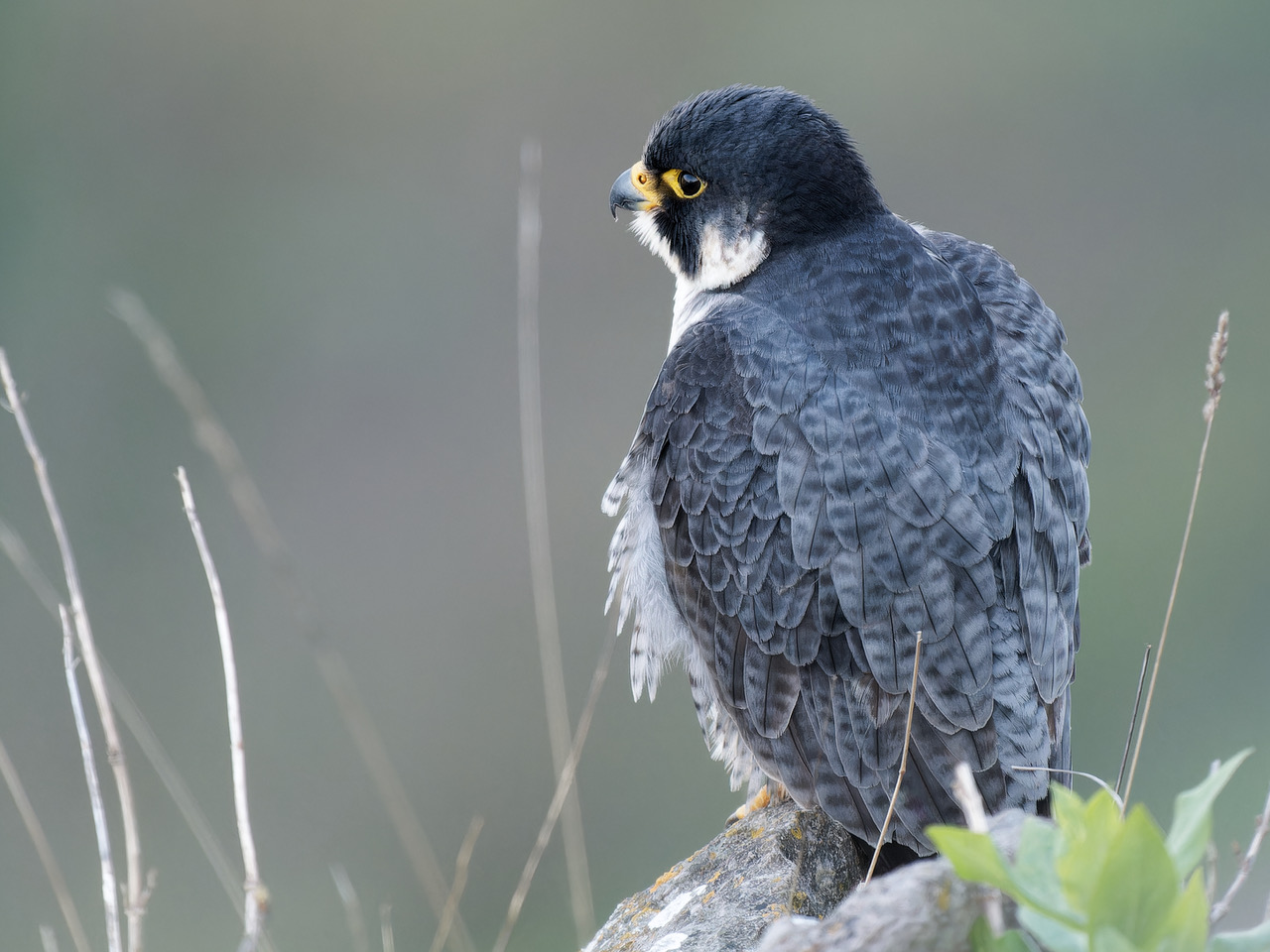
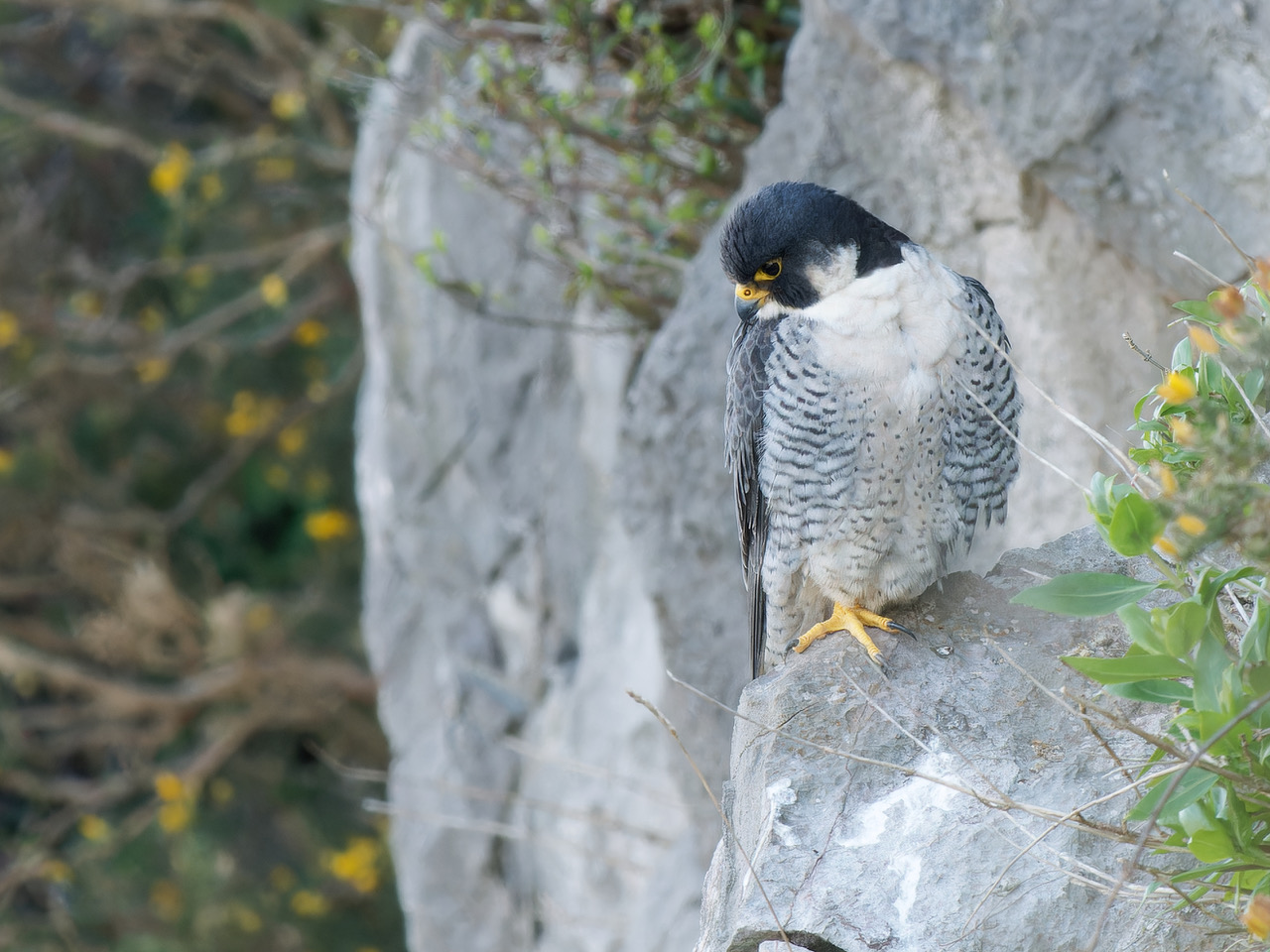
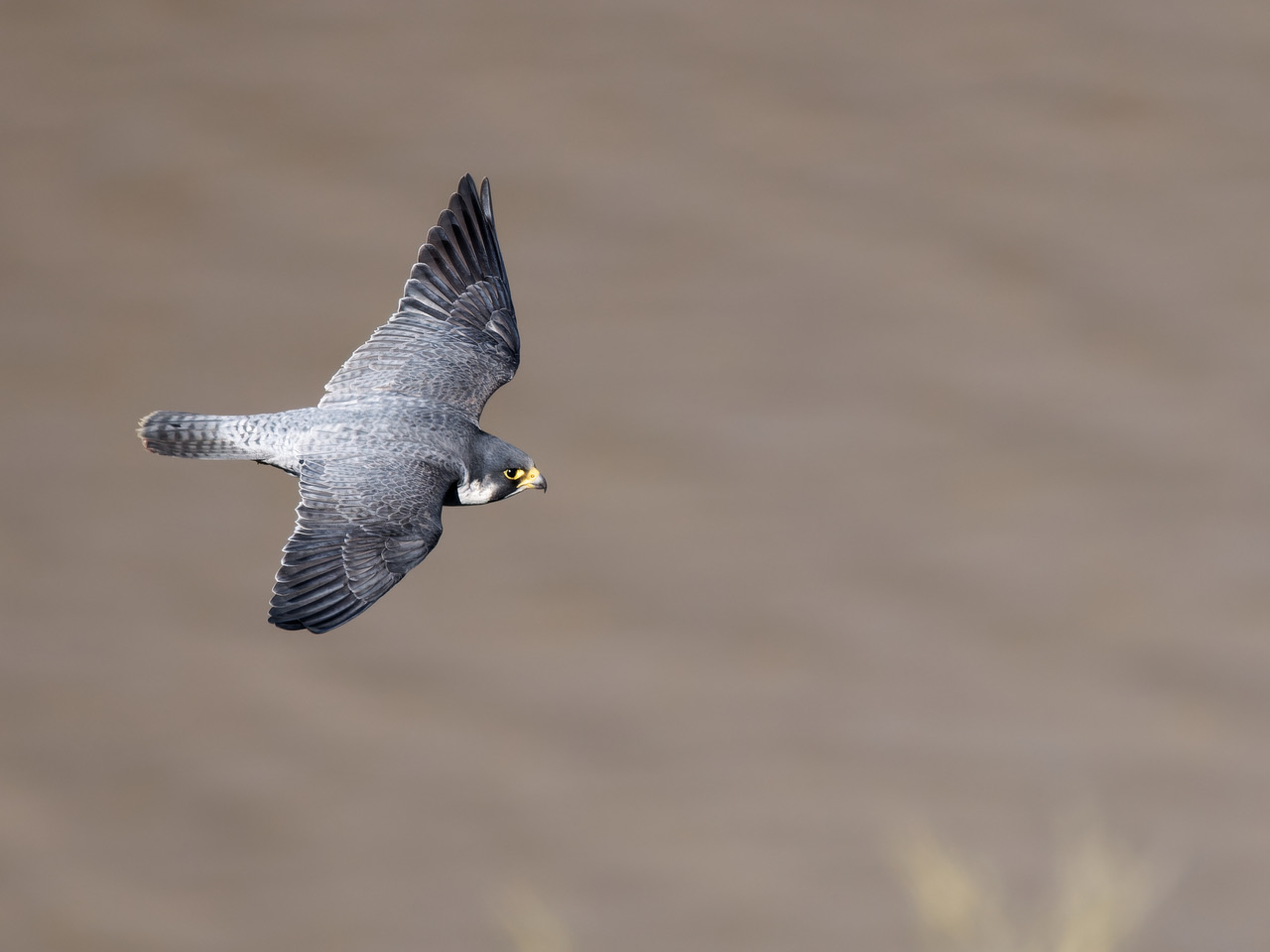
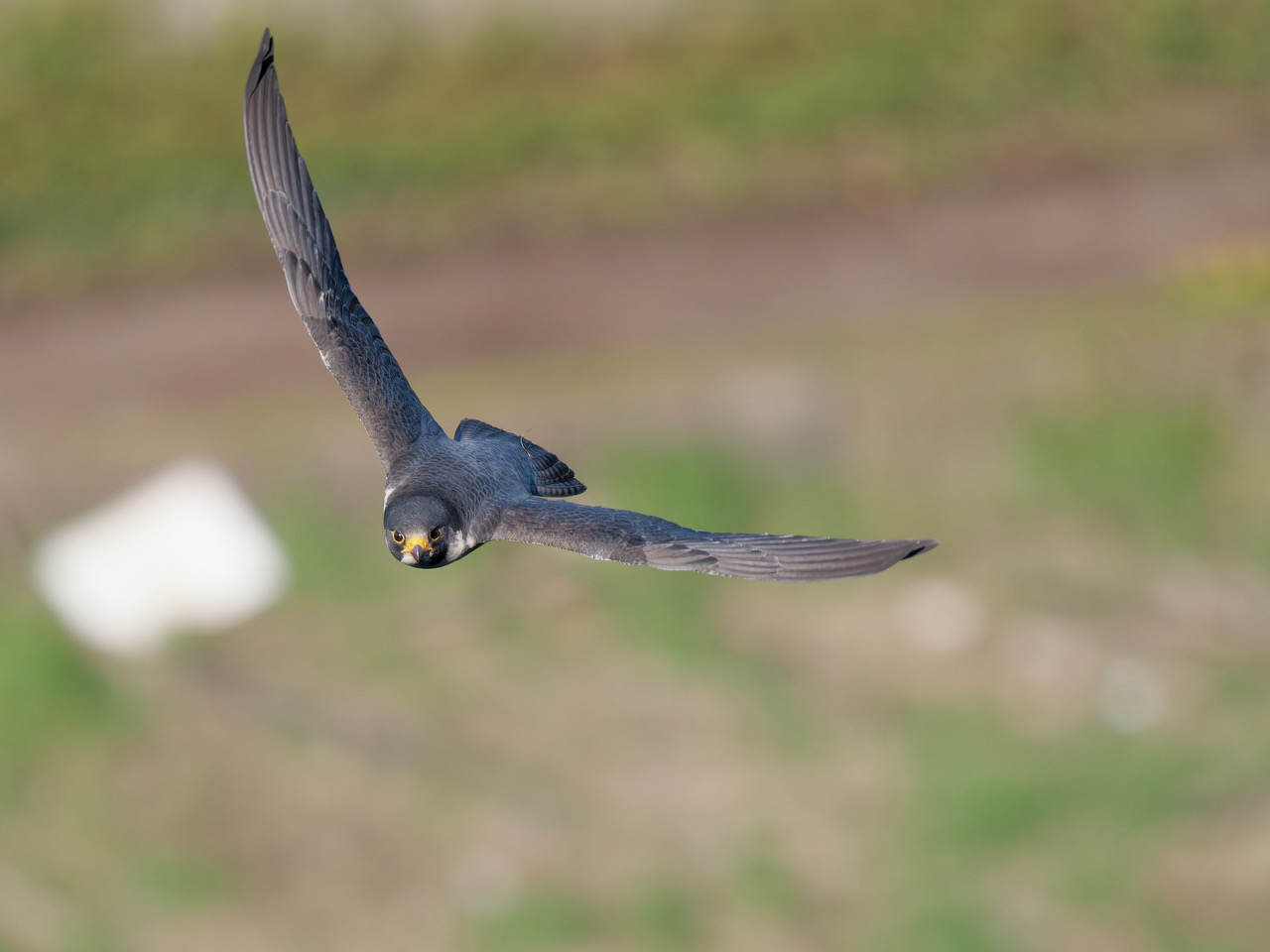
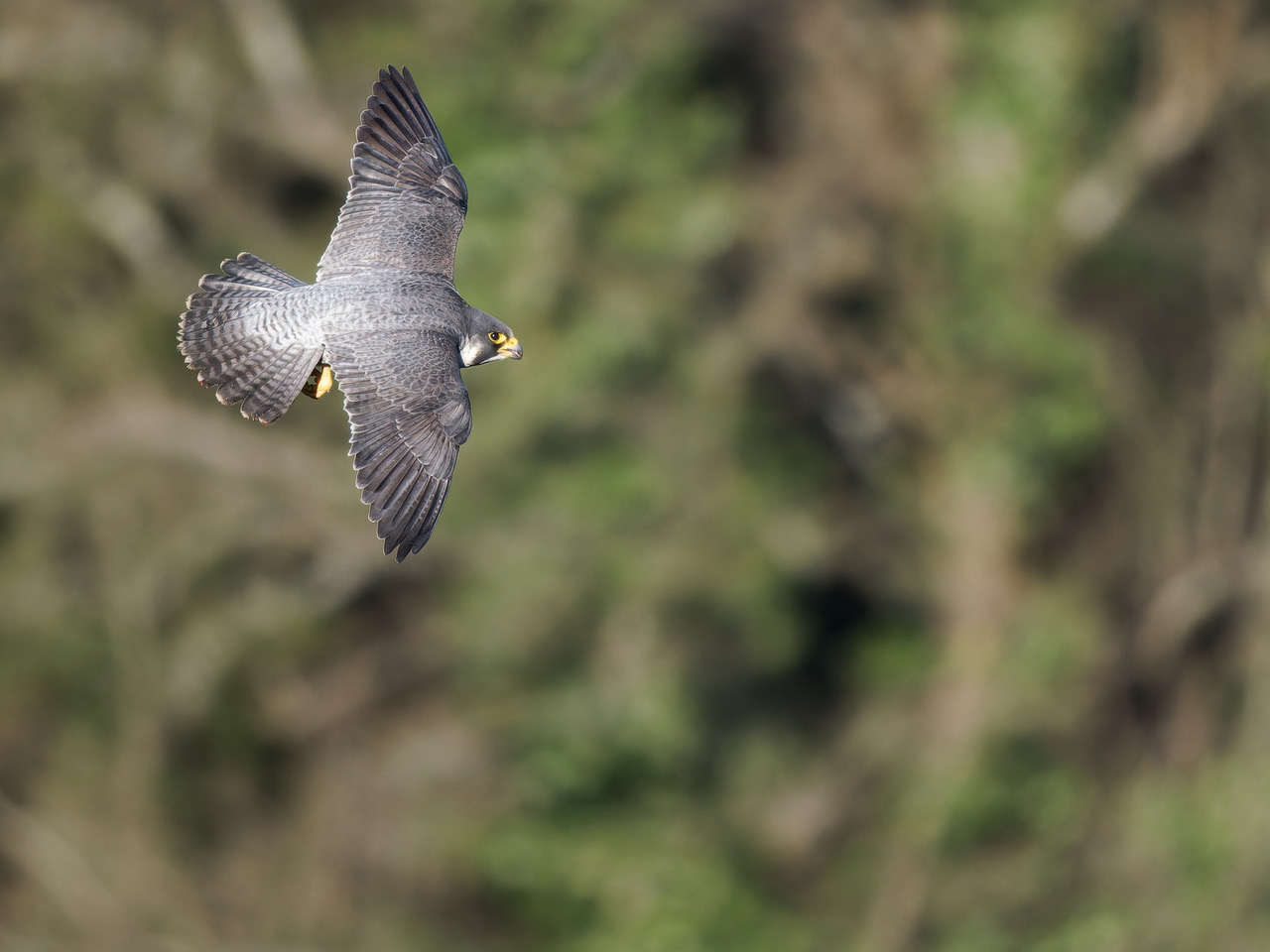
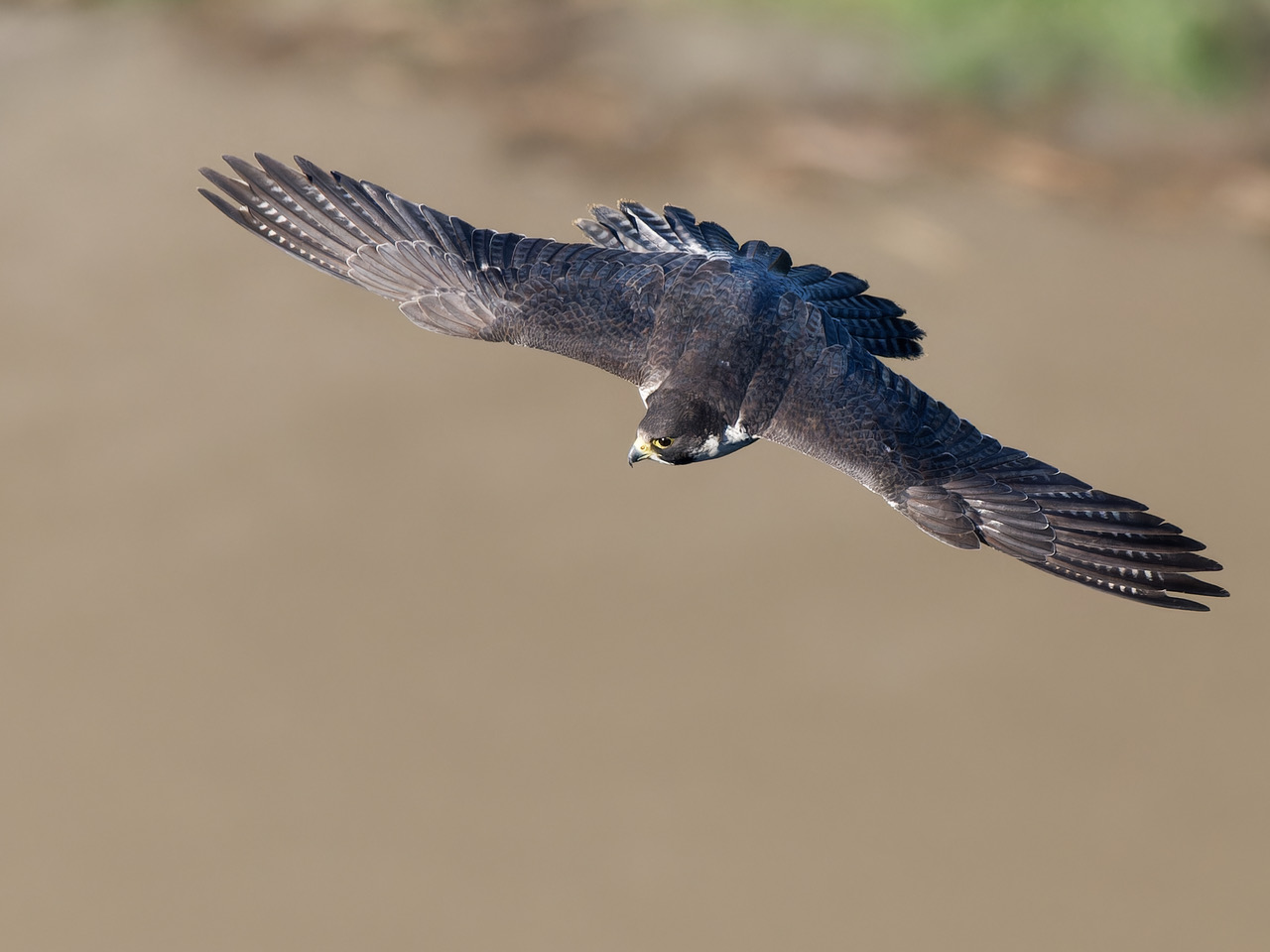
Back to birds, this time the Peregrin Falcon, courtesy of Alex!
oooo
oooo
oooo
oooo
oooo
oooo
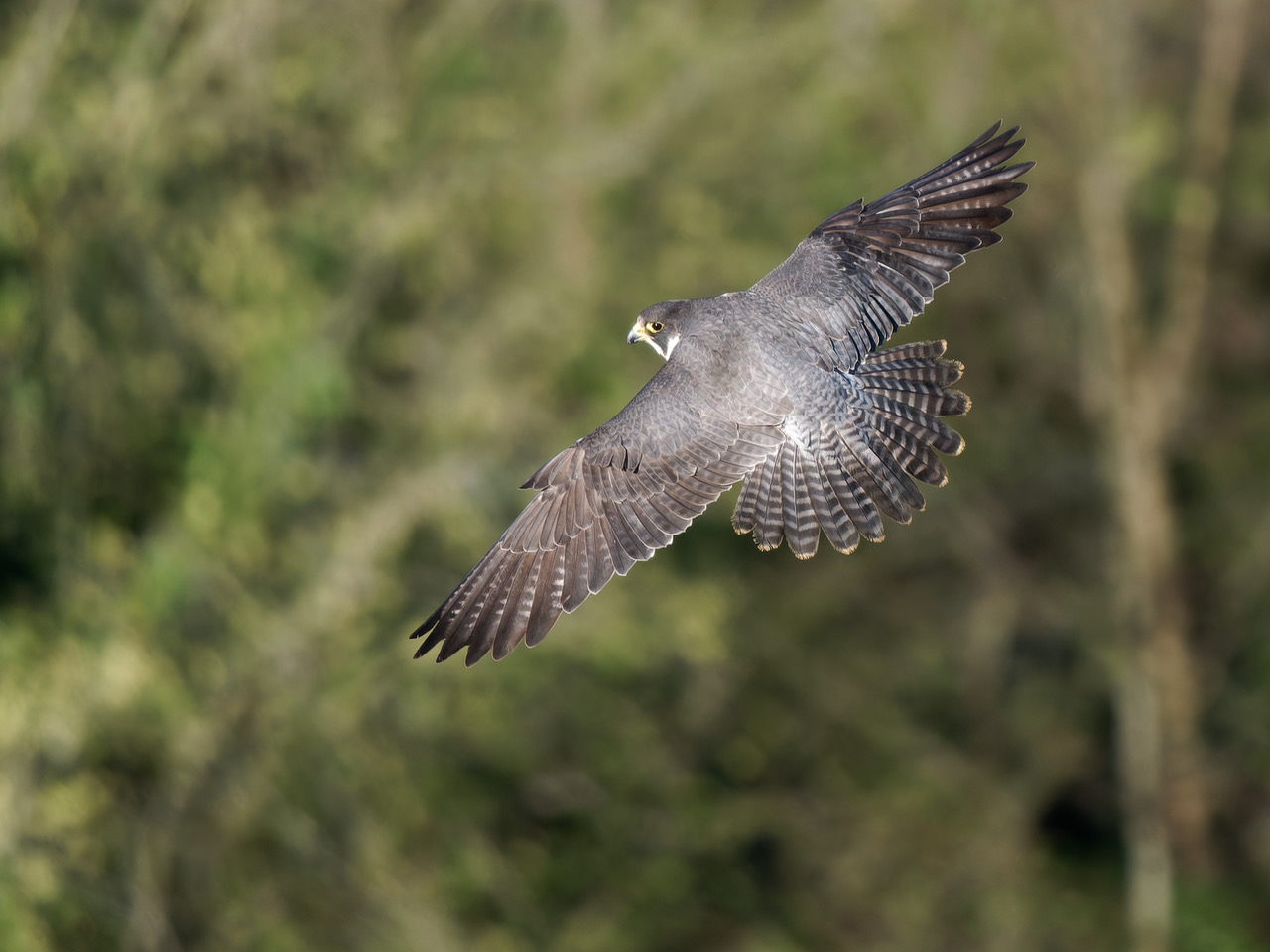
They are beautiful photographs of these incredible birds!
Introducing a guest post from Gloria Peters.
Although this blog is 99% about dogs that doesn’t preclude a guest post; one that is really charming.
ooOOoo
Fun DIY Toys to Keep Your Cat Entertained
Keep your cat entertained with these easy DIY toys, including puzzle toys and toilet paper roll toys. Challenge your cat’s mind and provide hours of fun with these ideas
Fun DIY Toys to Keep Your Cat Entertained
Cats are known for being playful and curious, so it’s important to give them things to keep them occupied and their minds working. But store-bought toys can be expensive, and your cat may not always be interested in them.
That’s why making your own toys is a good idea. Making your own cat toys is not only cheaper, but it also allows you to make them just the way your cat likes them. In this article, we’ll talk about ten fun toys you can make to keep your cat busy.
A cardboard box is one of the easiest and most useful toys you can make for your cat. You can make a box fortress by cutting holes and tubes in the box and filling it with soft bedding. Cats love to hide and look around, and a cardboard box fort is the right place for them.
Find a large cardboard box to start making your cardboard fort. Cut holes and tubes into the sides of the box, making sure the edges are even so the cat doesn’t get hurt.
You can cut the paper with scissors or a utility knife. Then put something soft inside the box, such as a blanket or towel. Your cat will love hiding in his new fort and exploring it.
Cats love feathers and you can make your own feather toy by tying the feathers to a string or stick. Your cat will enjoy chasing and pouncing on feathers, which will exercise them, keep their mind active, and remind you that cat shed.
Start by getting feathers to make a feather toy. You can use feathers you find on the street or feathers bought from a craft store. Use glue or tape to attach the feathers to a string or stick. Make sure the feathers are well attached so they don’t fall off when the kids play. Then hang a feather toy in front of your cat and watch it jump and run after it.
Cats love the natural catnip stimulant, and you can make your own catnip toy by placing dried catnip in a sock and tying a knot at the end. Your cat will enjoy rubbing and biting on the sock, and the smell of catnip will keep her interested.
Find a clean sock to use as the base for your catnip sock. Put the dried catnip in the sock and then tie a knot at the end so the catnip stays inside. You can also put bells or wrinkled paper inside the sock to make it more interesting. Then give your cat a sock and watch her rub and bite into it, enjoying the smell of catnip.
Cats naturally love to scratch, but if you give them room to scratch, they won’t scratch your furniture. You can make a scratching post by wrapping string or carpet around a cardboard tube or wooden pole.
Find a sturdy cardboard tube or wooden pole to start making your scratching post. Cut a piece of string or carpet long enough to go around the pipe or pole. Then wrap the rope or cloth tightly around the pipe or pole and glue or staple it to keep it in place. Make sure the scratching post is high enough so that the cat can stretch out its entire body when using it. Place the scratching post where your cat likes to scratch and rub it with catnip so the cat can use it.
Make a ping pong ball track a fun and responsive toy for your cat. Make a path for the ping pong ball by cutting holes in the cardboard box and attaching the cardboard tubes. Your cat will love trying to catch the ball when you hit him with the bat.
Find a wooden box to start making a ping pong ball track. After making holes in the sides of the box, make sure they are large enough for a ping pong ball to fit through. Then make a maze by inserting cardboard tubes into the holes. The tubes can be glued with hot glue or tape. Finally, place the ping pong ball in the maze and watch your cat try to catch it by hitting it.
A paper bag tunnel is another easy and cheap toy you can make for your cat. You can make a tunnel for your cat by cutting the bottom out of a paper bag and sticking several bags together. You can also crumple up some paper and put it in bags to make them rustle and make the animals more excited.
Collect some paper bags to start making the paper bag tunnel. Make a long tunnel by cutting out the bottom of each bag and taping them together. You can also put crumpled paper inside the bags so that the cat makes noise while playing inside. Your cat will have a great time exploring his new cave and hiding in the bags.
Another fun toy for cats that looks like their natural prey is playing with a fishing rod. Stretch a toy or some feathers and tie them to a stick or dowel. Your cat will enjoy chasing and jumping on the toy, which will keep her active and stimulate her brain.
Find a stick or fishing rod to start making a fishing rod toy. Use glue or tape to attach the toy or feathers to the string, and tie the other end of the string to the stick. Hang the toy in front of your cat and watch it run and jump on it.
A toy that gives treats is a fun way to give your cat a treat and keep them entertained at the same time. Cut holes in a plastic bottle and fill it with treats to make a toy that dispenses treats. To get a treat, your cat will break the bottle.
Find a plastic bottle to start making a toy that gives out treats. Use a utility knife or scissors to cut some small holes in the sides of the bottle. Then put the best treats for your cat into the bottle. Your cat will love to hit the bottle and try to get treats out of the holes.
Conclusion
After all, making your own cat toys is a great way to keep them entertained and stimulated while saving money. But when you make these toys, it’s important to put your cat’s safety first and give her a range of toys that stimulate different senses. Don’t forget to play with your cat to bond with her and give her some exercise.
ooOOoo
Here is Gloria’s bio that she also supplied:
Gloria Peters is an experienced pet writer and enthusiast, sharing valuable insights on gadgets to keep your feline friend healthy, happy, and entertained. Her expertise in technology and pet care is well-known in the industry, as seen on her popular website blog tulip.

Gloria Peters
I must say that Gloria has done a splendid job in writing the above guest post. It is excellent and way better than I could have done myself.
Thank you, Gloria.
A start to a fascinating programme on BBC Radio 4.
Yesterday morning (Oregon time) had me listening to a new series on BBC Sounds. It was Frontlines of Journalism. Here is what the Beeb had to say about it:
Released On: 27 Feb 2023
Available for over a year
In the spring of 2023, twenty years after the Americans, the British and their allies invaded to overthrow Saddam Hussein, BBC International Editor Jeremy Bowen was reporting from Iraq for the BBC. He described the invasion as ‘a catastrophe’. Taking you to some of the most difficult stories Jeremy and other journalists have covered; in this episode – why impartiality is not about trying to get perfect balance, the truth lying somewhere in the middle. Often it does not. Jeremy speaks with: journalist Rana Rahimpour who was born in Iran but left when she was 25 to work for the BBC; former BBC bureau chief Milton Nkosi, who grew up under apartheid in Soweto, South Africa; journalist and environmentalist George Monbiot, and CNN’s Chief International Anchor Christiane Amanpour.
Presenter: Jeremy Bowen Producer: Georgia Catt Assistant Producer: Sam Peach Additional research: Rob Byrne Series mixing: Jackie Margerum Series Editor: Philip Sellars.
But in wanting to present a little more to you readers, I did some research on the topic and came across this article published by the Reuters Institute at the University of Oxford. I cannot see a warning about not sharing this with you.
ooOOoo
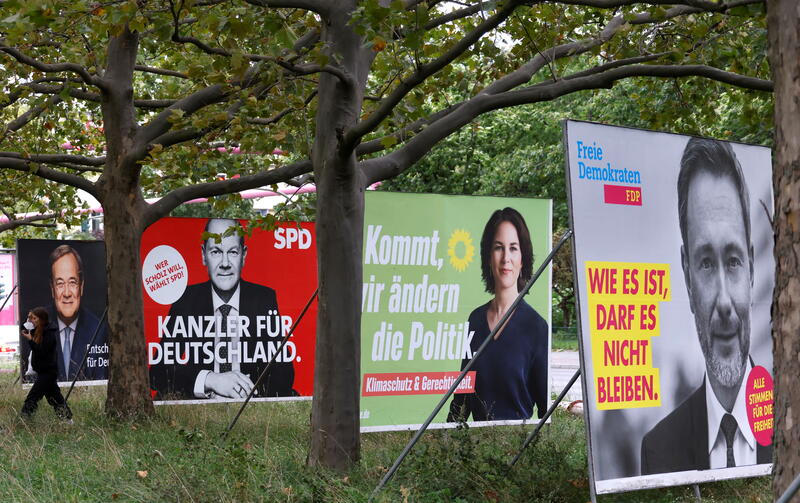
Impartiality is still key for news audiences. Here’s how to rethink it for the digital age
Our research shows people still value the ideal of impartial news. A new report offer suggestions to adapt it to a challenging environment.
Tuesday 19 October 2021
Most people agree that news organisations and journalists should reflect all sides of an issue and not push a particular agenda – at least when asked about it in surveys. Our 2021 Digital News Report finds this to be true across countries and age groups.
However, many people feel that the media often fail to live up to this ideal. Our surveys consistently show that committed partisans believe that traditional media coverage is unfair, especially in countries where debates about politics or social justice have become deeply polarised. In recent years we’ve also seen an increase in opinion-led television formats such as Fox News/MSNBC in the United States, GB News in the UK and CNews in France, while many traditional print publications have focussed on distinctive and robust opinion as a way of standing out online.
Together with the growth of partisan websites, YouTubers and podcasters, audiences now have access to a wider range of views than ever before. Against this background, some have questioned traditional approaches to impartiality that try to represent all points of view within a single broadcast or publication. Other critics go further – arguing that impartiality has given extreme or unrepresentative views undue prominence, through its focus on balance, helping to legitimise climate change deniers and anti-vaxxers amongst others.
This all raises the question: how relevant is impartial and objective journalism to audiences today? The Reuters Institute commissioned market research company JV Consulting to carry out qualitative research in four countries – Brazil, Germany, the UK, and the US – with different news markets, traditions of public broadcasting, and systems of media regulation. They conducted a series of focus groups and in-depth interviews on our behalf in February and March 2021 with politically and ethnically diverse groups of older and younger people interested in and engaged with news (52 people in total).
These are some of the key findings of the report:
It is important to recognise that not all news organisations are committed to impartiality: indeed, some make a virtue of creating news and opinion with a clear point of view. But most will want to take note of audience desires for a range of views to be represented and to see clearer labelling of news and opinion. For news organisations that are committed to impartiality, the report highlights the increased dangers in areas where journalism is more informal or accessed in distributed environments. Public media like the BBC have already embarked on updated training and issued new guidelines on these issues. Audiences have also sent a clear signal in this report that they would like much greater transparency over why certain perspectives are included or excluded, however difficult this may be in practice.
Finally, the report notes that given the importance of social media, search and other access points, technology platforms such as Facebook, Google and Apple, will also need to develop clearer guidelines on impartiality – as their own trust levels will depend on fair implementation of policies around inclusion and exclusion, whether by algorithm or human intervention.
ooOOoo
Now this isn’t everyone’s cup of tea but when one thinks of the enormous amount of news and information one gathers from the television, the radio, the press and a wide variety of online sources then thinking a little more about the truth of what we are being told is crucial to us making wise decisions. including voting where appropriate.
People still value the ideal of impartial news; there is no question about that!
Back to dogs and back to Unsplash!
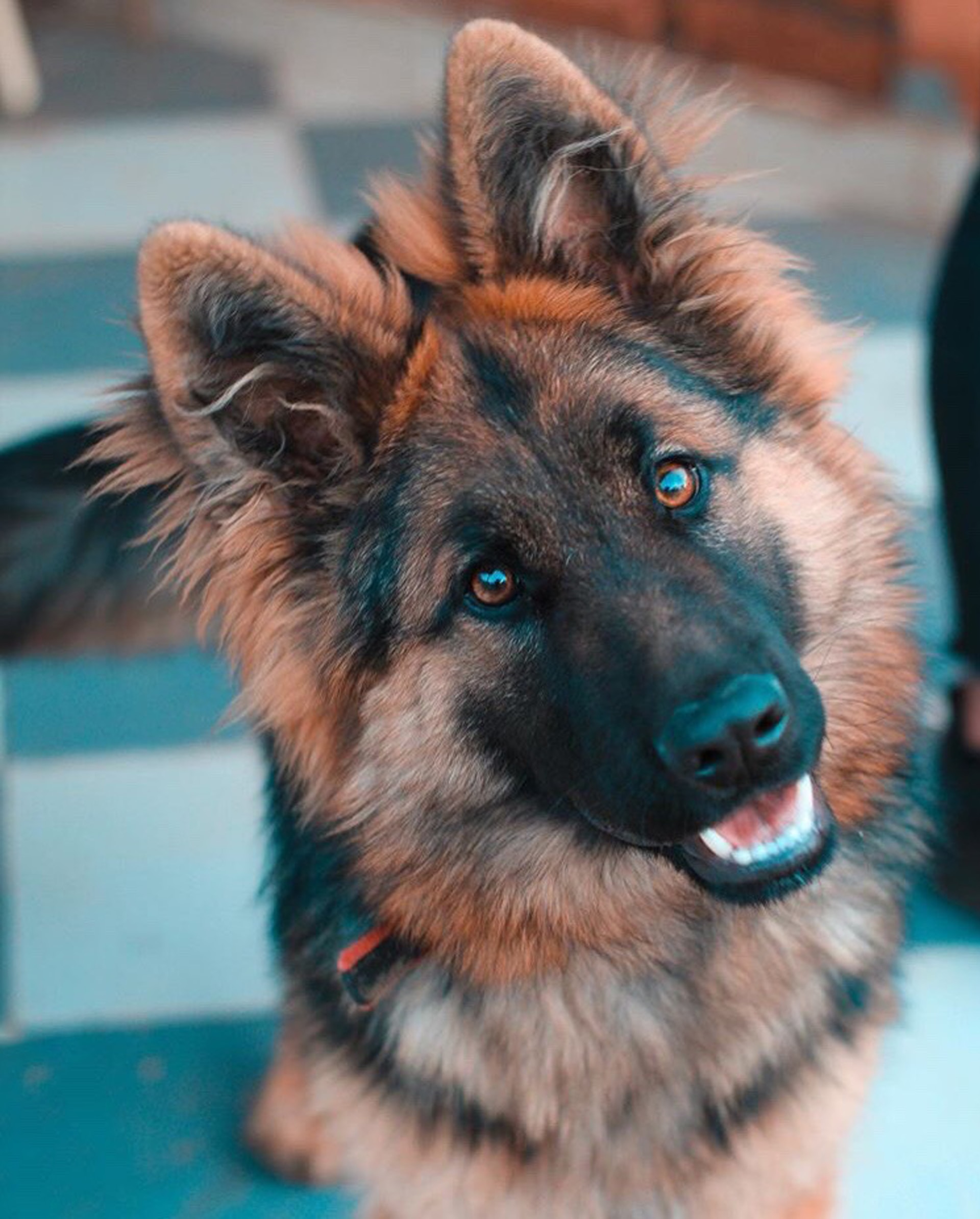
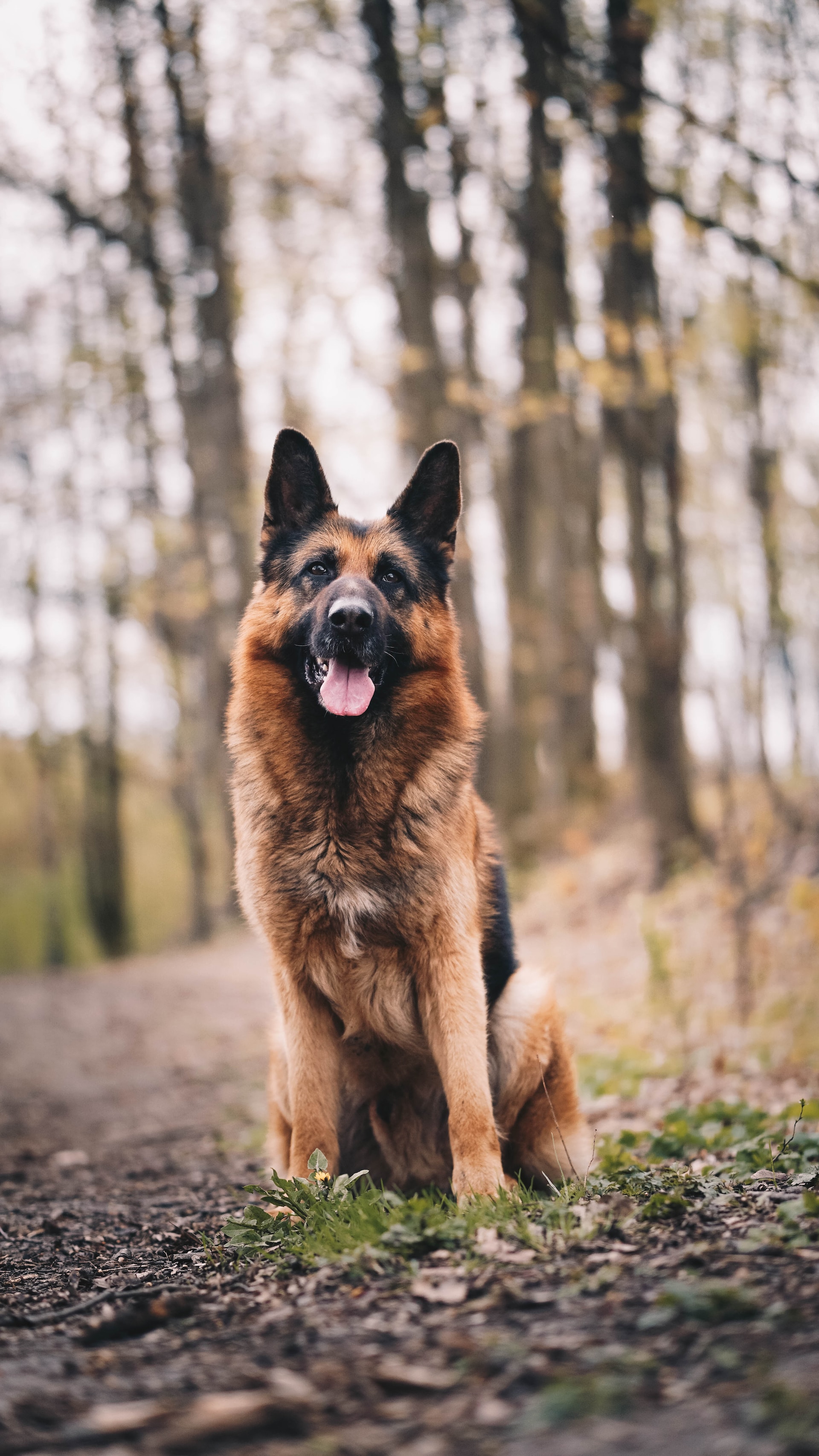
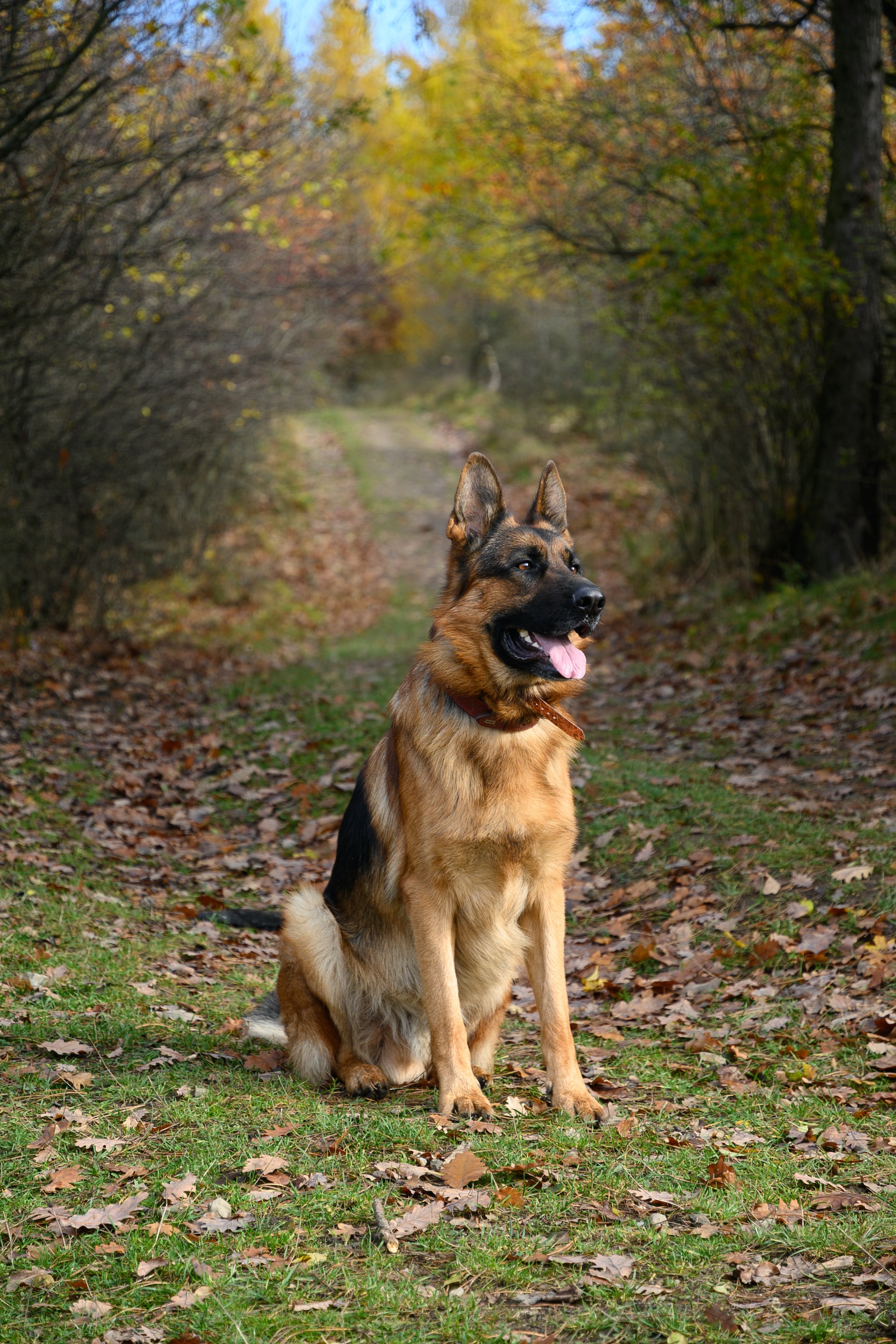
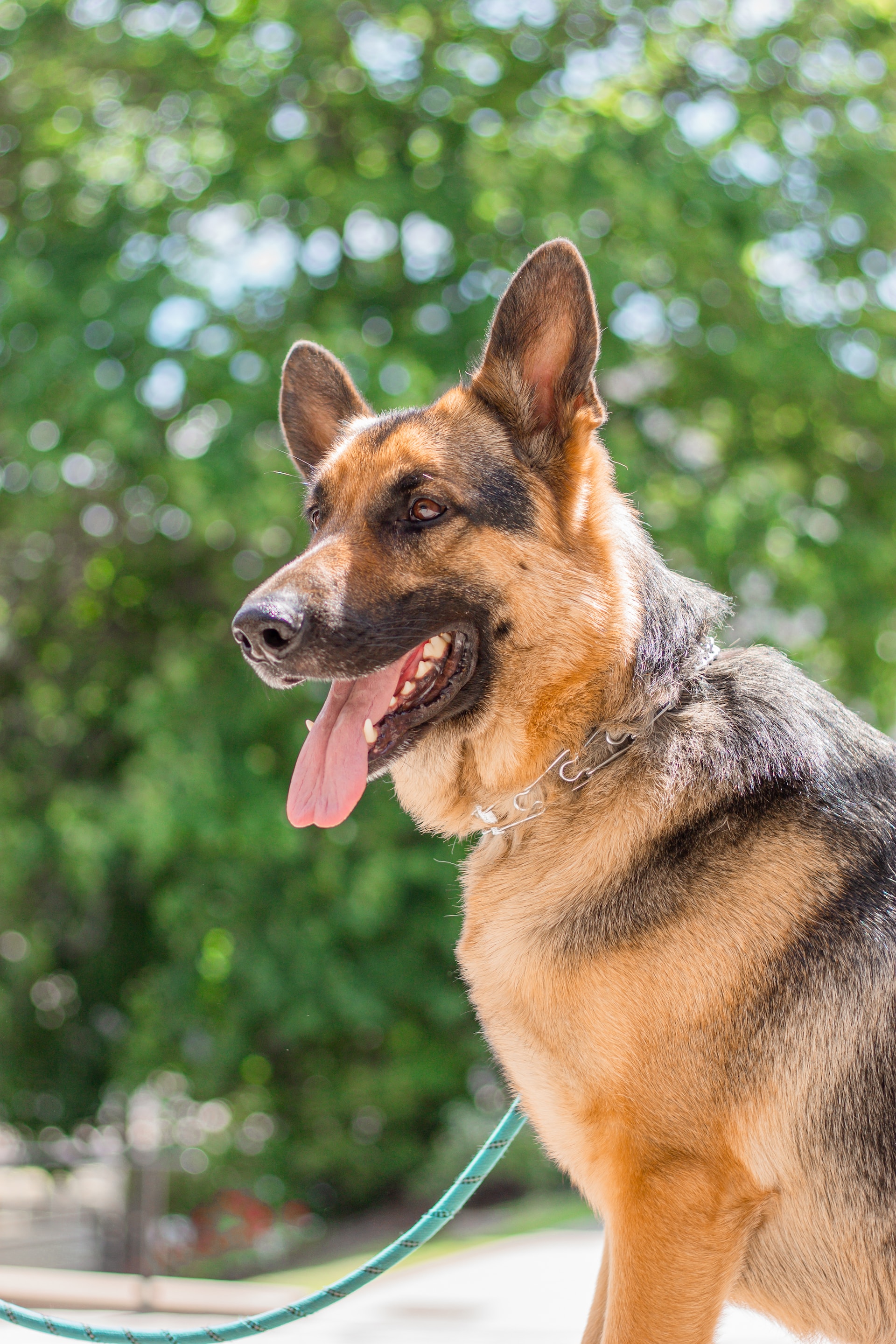
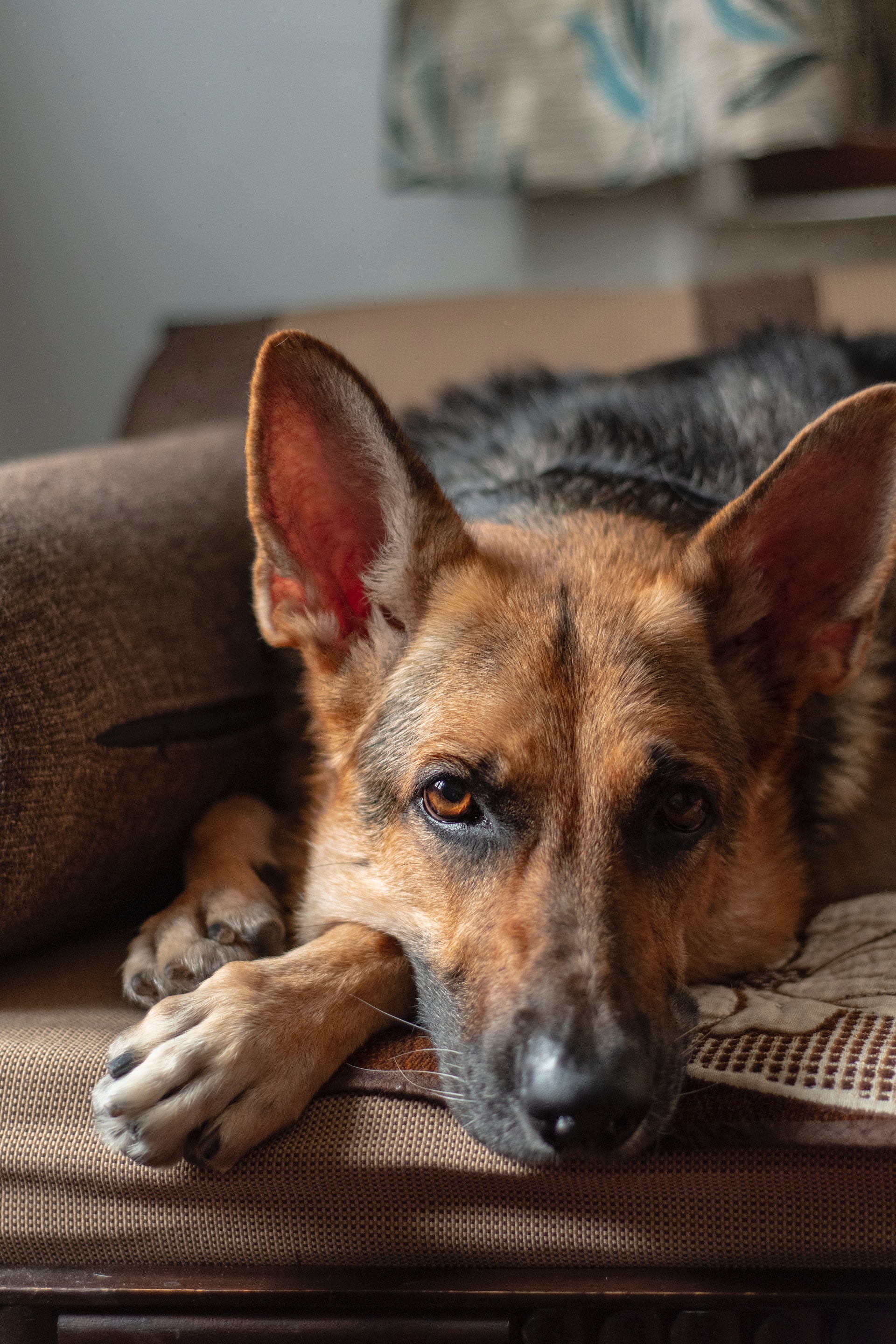
Seeing how many approved of the photos of Pharaoh, it seemed to me that I should provide photos of German Shepherd dogs; there are plenty of them.
But before that many congratulations to the new King of the United Kingdom, King Charles III, or as Wikipedia put it:
The coronation of Charles III and his wife, Camilla, as king and queen of the United Kingdom and the other Commonwealth realms took place on 6 May 2023, at Westminster Abbey. Charles acceded to the throne on 8 September 2022, upon the death of his mother, Elizabeth II.
Now to the dogs!
oooo
oooo
oooo

oooo

oooo
oooo

oooo
oooo

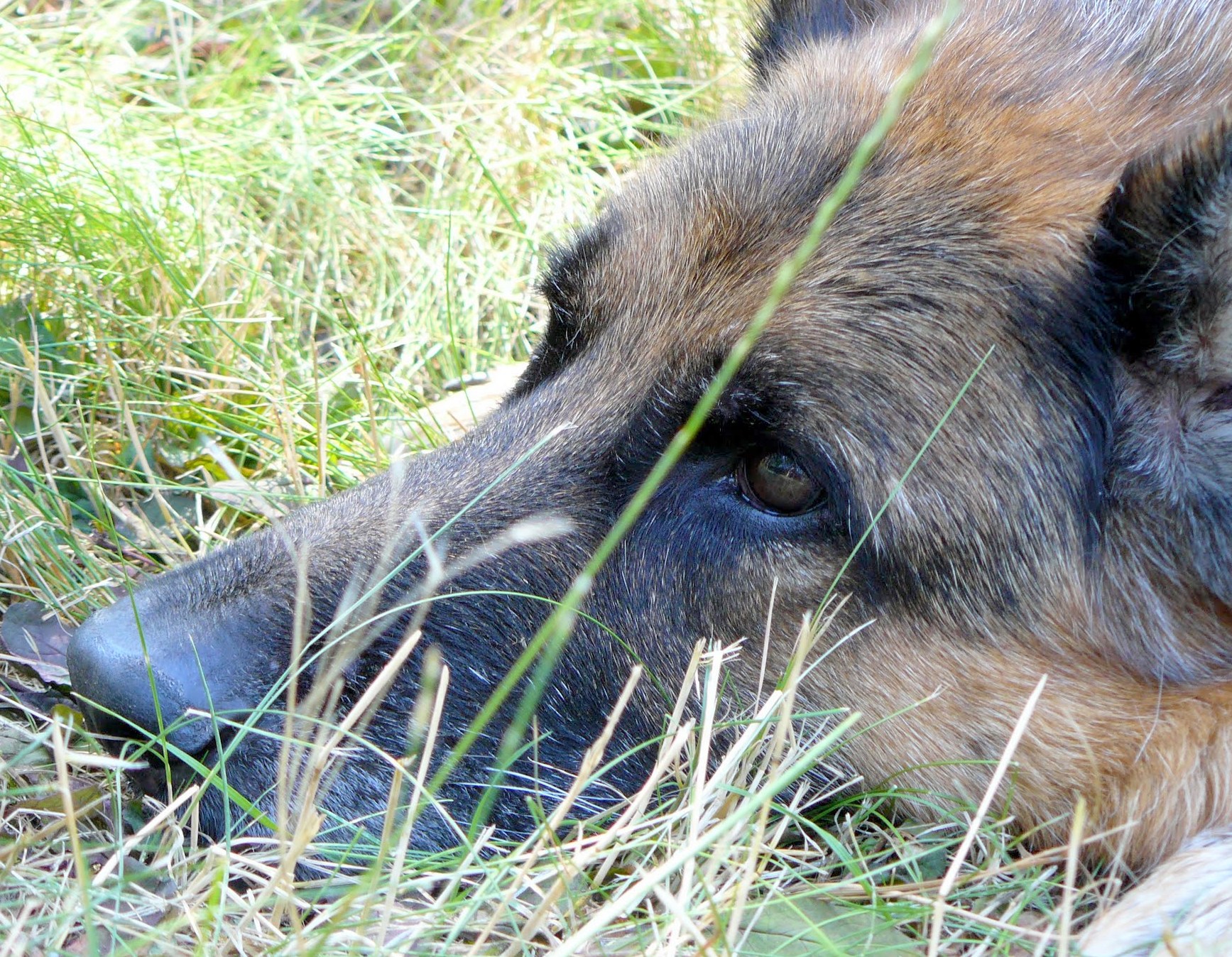
Wonderful dogs! And just a reminder of Pharaoh to play us out:
What a wonderful relationship it has been.
(This post was drafted back in 2020 and, for whatever reason, never got published, until today! Pharaoh, of course, is no longer with us)
Years ago if I was ever to own a dog, it had to be one breed and one breed only: a German Shepherd Dog.
The reason for this was that back in 1955 my father and mother looked after a German Shepherd dog called Boy. Boy belonged to a lovely couple, Maurice and Marie Davies. They were in the process of taking over a new Public House (Pub); the Jack & Jill in Coulsdon, Surrey. My father had been the architect of the Jack & Jill.

As publicans have a tough time taking holidays, it was agreed that the move from their old pub to the Jack & Jill represented a brilliant opportunity to have that vacation. My parents offered to look after Boy for the 6 weeks that Maurice and Marie were going to be away.
Boy was the most gentle loveable dog one could imagine and I quickly became devoted to him; I was 11 years old at the time. So when years later it seemed the right time to have a dog, there was no question about the breed. Boy’s memory lived on all those years, and, as this post reveals, still does!
Pharaoh was born June 3rd, 2003 at Jutone Kennels up at Bovey Tracy, Devon, on the edge of Dartmoor. As the home page of the Jutone website pronounces,
The Kennel was established in 1964 and it has always been the aim to breed the best German Shepherd Dogs for type and temperament. To this end the very finest German bloodlines are used to continue a modern breeding programme.
and elsewhere on that website one learns:
Jutone was established by Tony Trant who was joined by Sandra Tucker in 1976. Sandra continues to run Jutone since Tony passed away in 2004. Both Tony and Sandra qualified as Championship Show judges and Sandra continues to judge regularly. Sandra is the Secretary and a Life Member of the German Shepherd Dog Club of Devon.
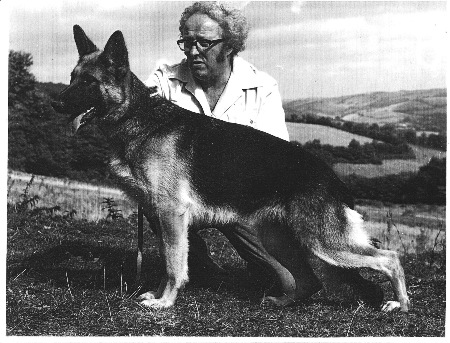
Turning to Pharaoh, here are a few more pictures over the years.
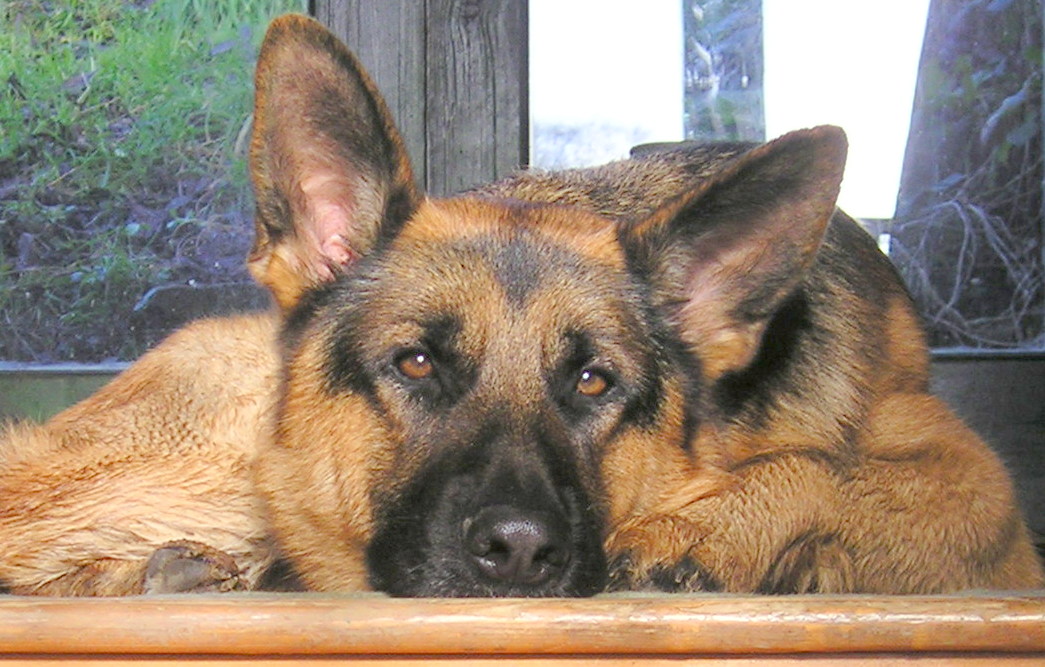
oooo
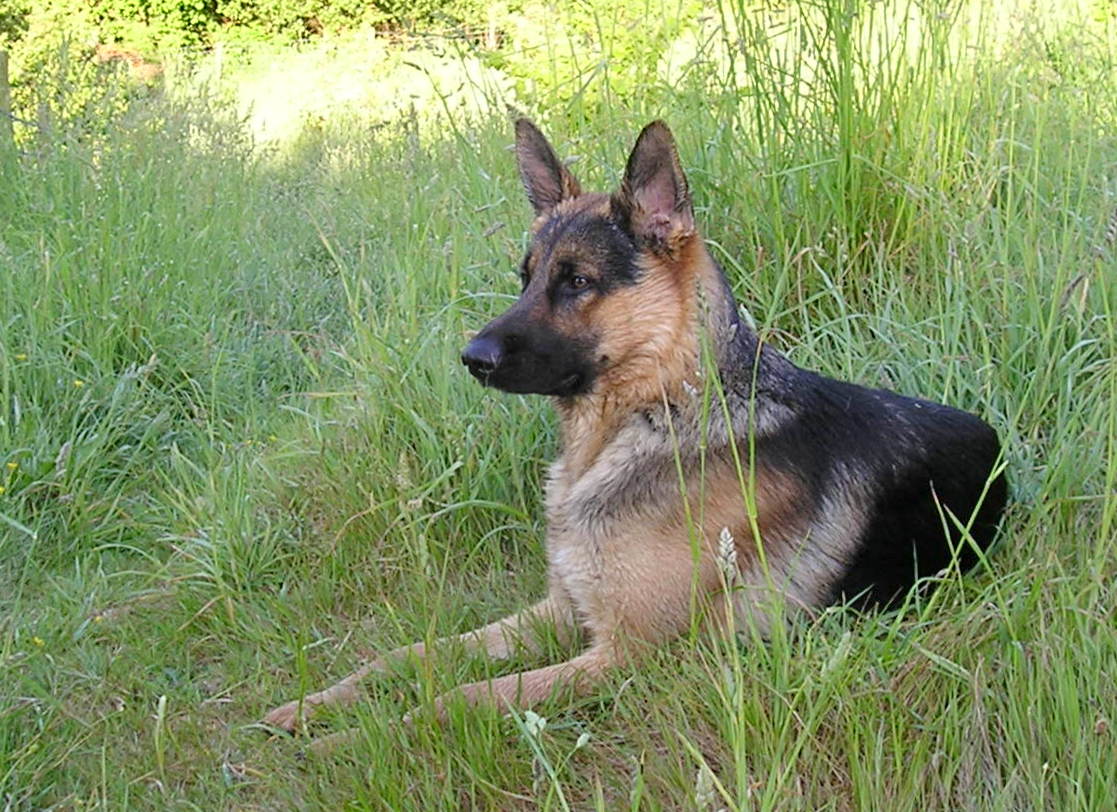
The next picture of Pharaoh requires a little background information.
For many years I was a private pilot and in later days had the pleasure, the huge pleasure I must say, of flying a Piper Super Cub which is a group-owned aircraft based at Watchford Farm in South Devon. The aircraft, a Piper PA-18-135 Super Cub, was originally supplied to the Dutch Air Force in 1954 and was permitted by the British CAA to carry her original military markings including her Dutch military registration, R-151, although there was a British registration, G-BIYR, ‘underneath’ the Dutch R-151. (I wrote more fully about the history of the aircraft on Learning from Dogs back in August 2009.)

Anyway, every time I went to the airfield with Pharaoh he always tried to climb into the cockpit. So one day, I decided to see if he would sit in the rear seat and be strapped in. Absolutely no problem with that!
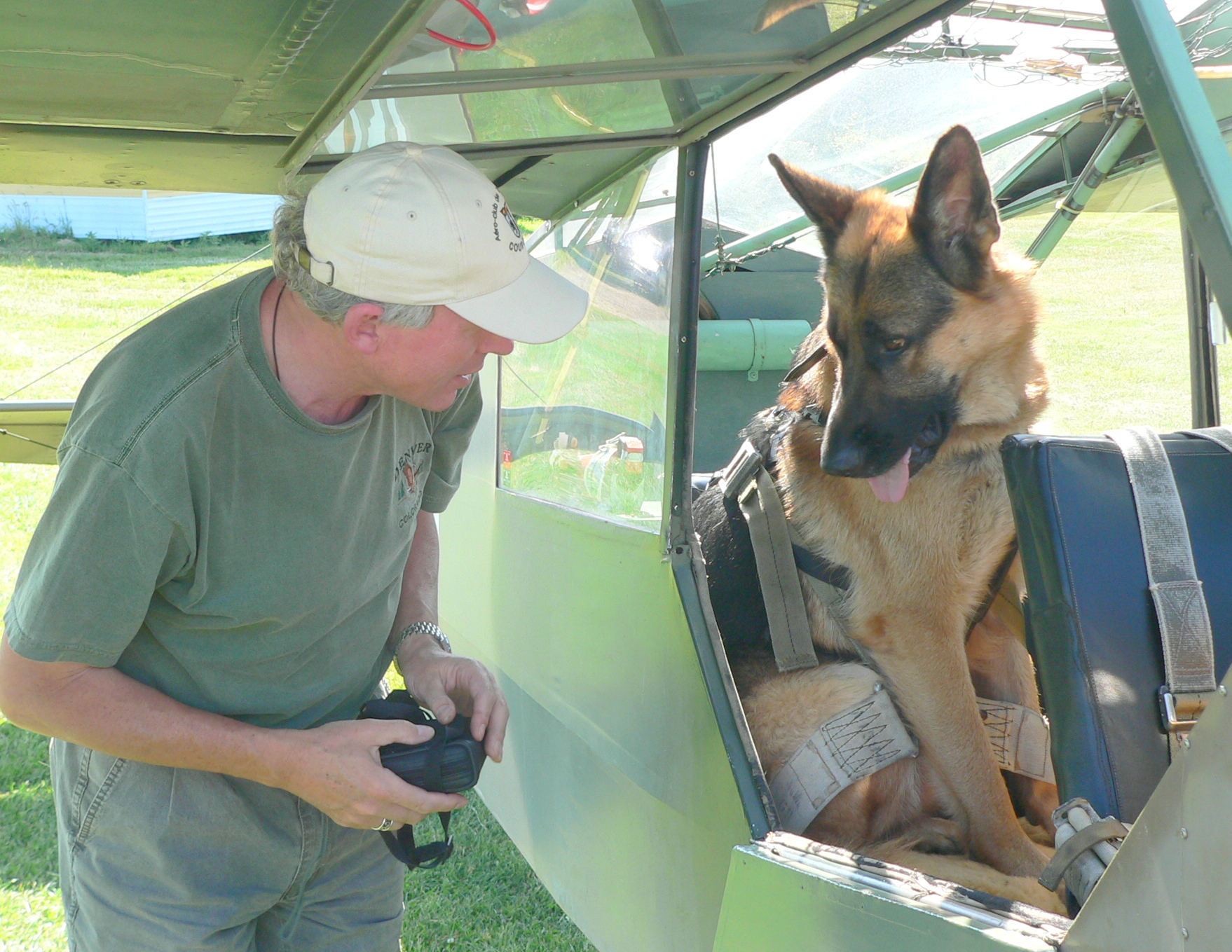
My idea had been to fly a gentle circuit in the aircraft. First I did some taxying around the large grass airfield that is Watchford to see how Pharaoh reacted. He was perfectly behaved.
Then I thought long and hard about taking Pharaoh for a flight. In the Cub there is no autopilot so if Pharaoh struggled, or worse, it would have been almost impossible to fly the aircraft and cope with Pharaoh. So, in the end, I abandoned taking him for a flight. The chances are that it would have been fine. But if something had gone wrong, the outcome just didn’t bear thinking about.
So we ended up motoring for 30 minutes all around the airfield which, as the next picture shows, met with doggie approval. The date was July 2006.
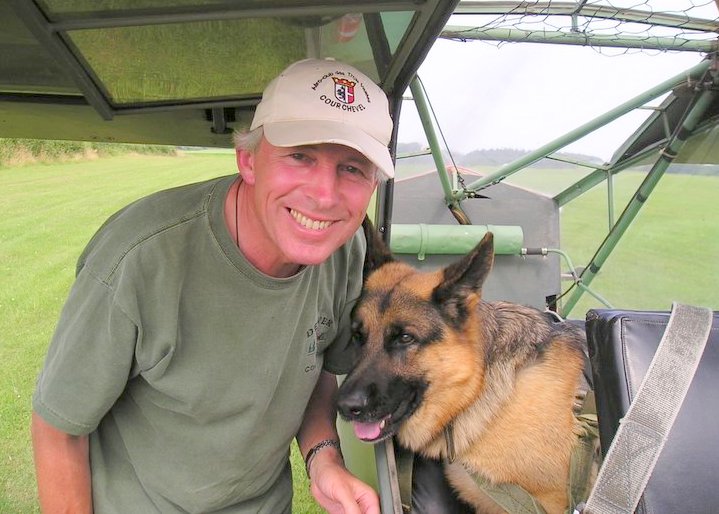
What a dear dog he has been over all the years!
As if to reinforce the fabulous dog he still is, yesterday it was almost as though he knew he had to show how youthful he still was.
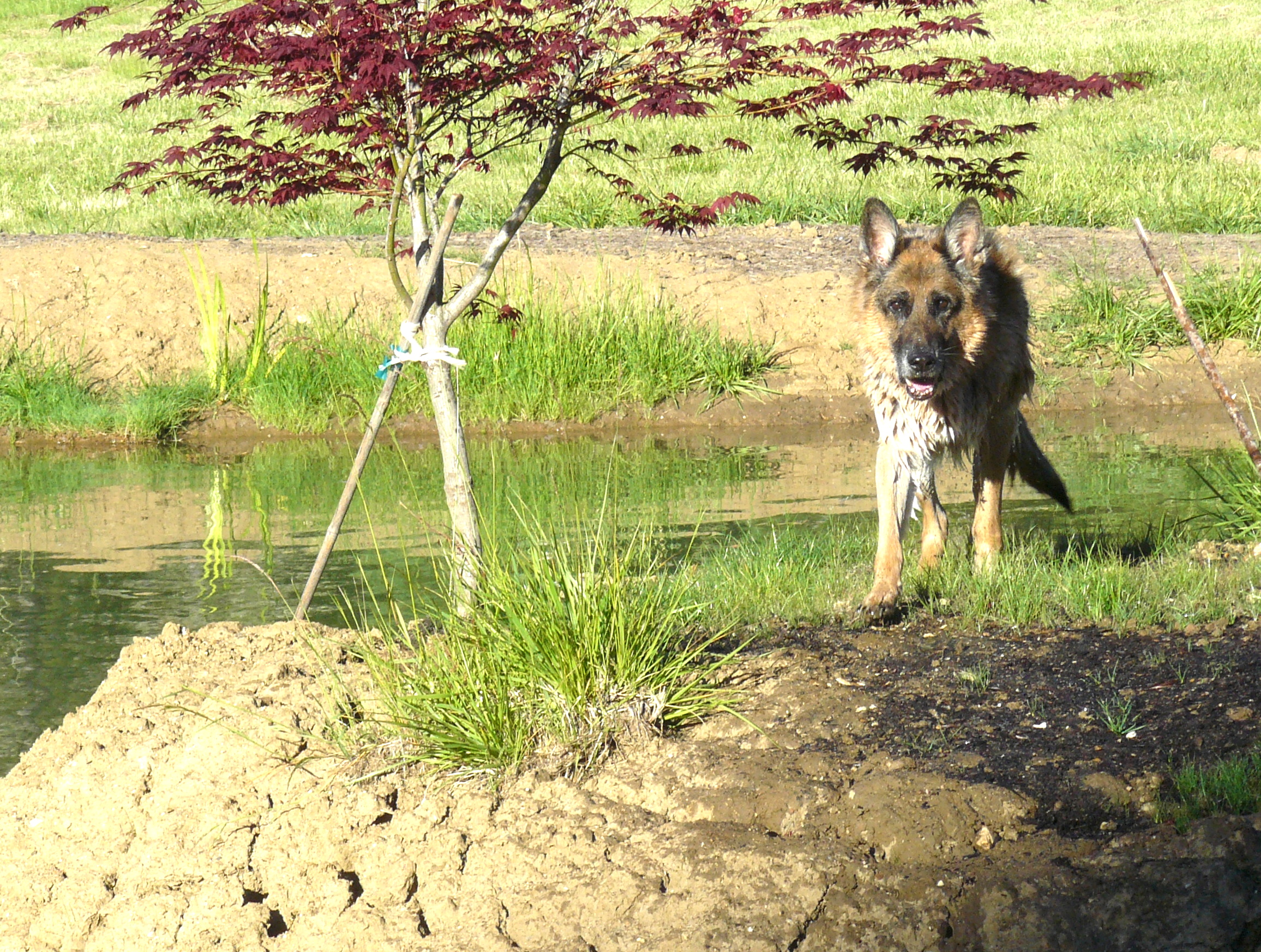
Because, when I took his group of dogs out around 7.30am armed with my camera, Pharaoh was brimming over with energy.
First up was a swim in the pond.
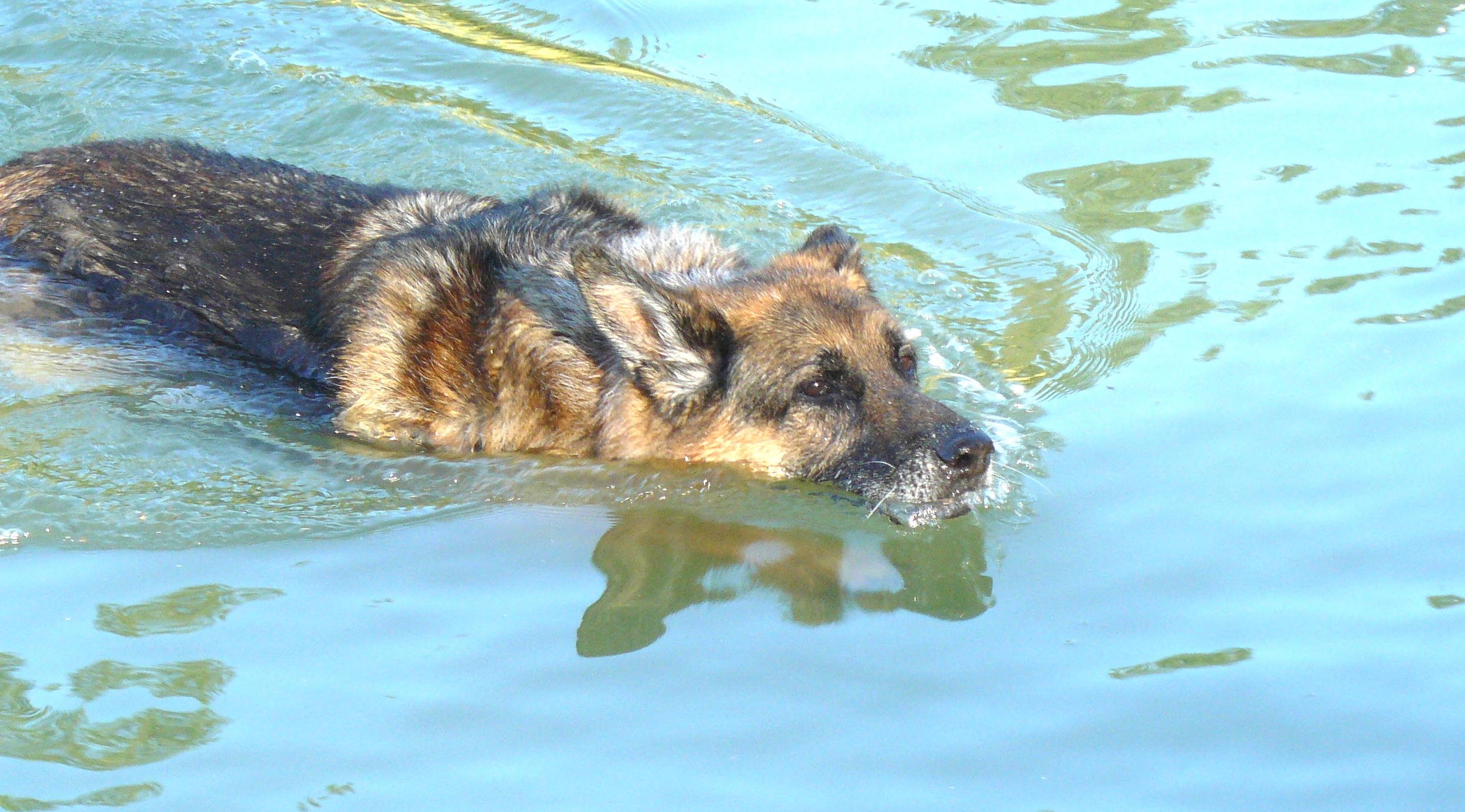
Then in a way he has not done before, Pharaoh wanted to play ‘King of my Island’, which is in the middle of the pond.
oooo
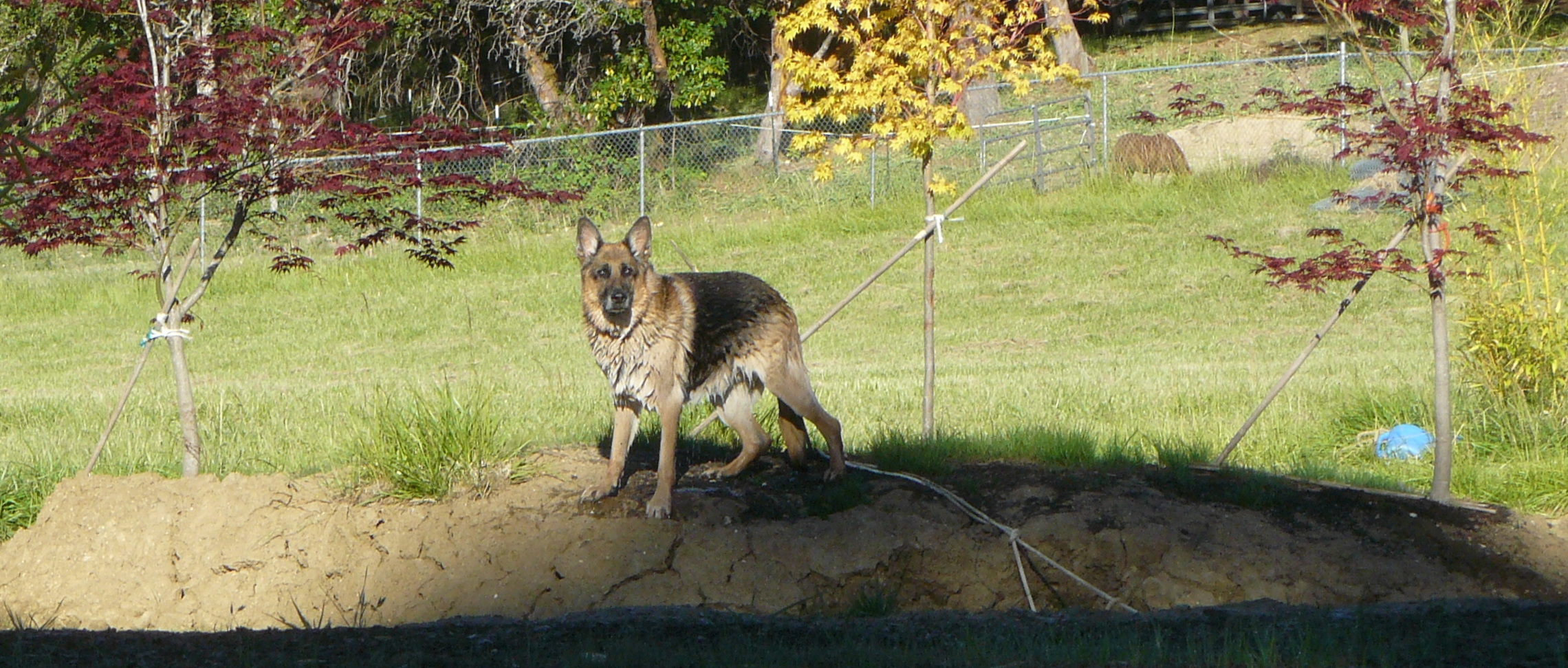
Then a while later, when back on dry land, so to speak, it was time to dry off in the morning sunshine.
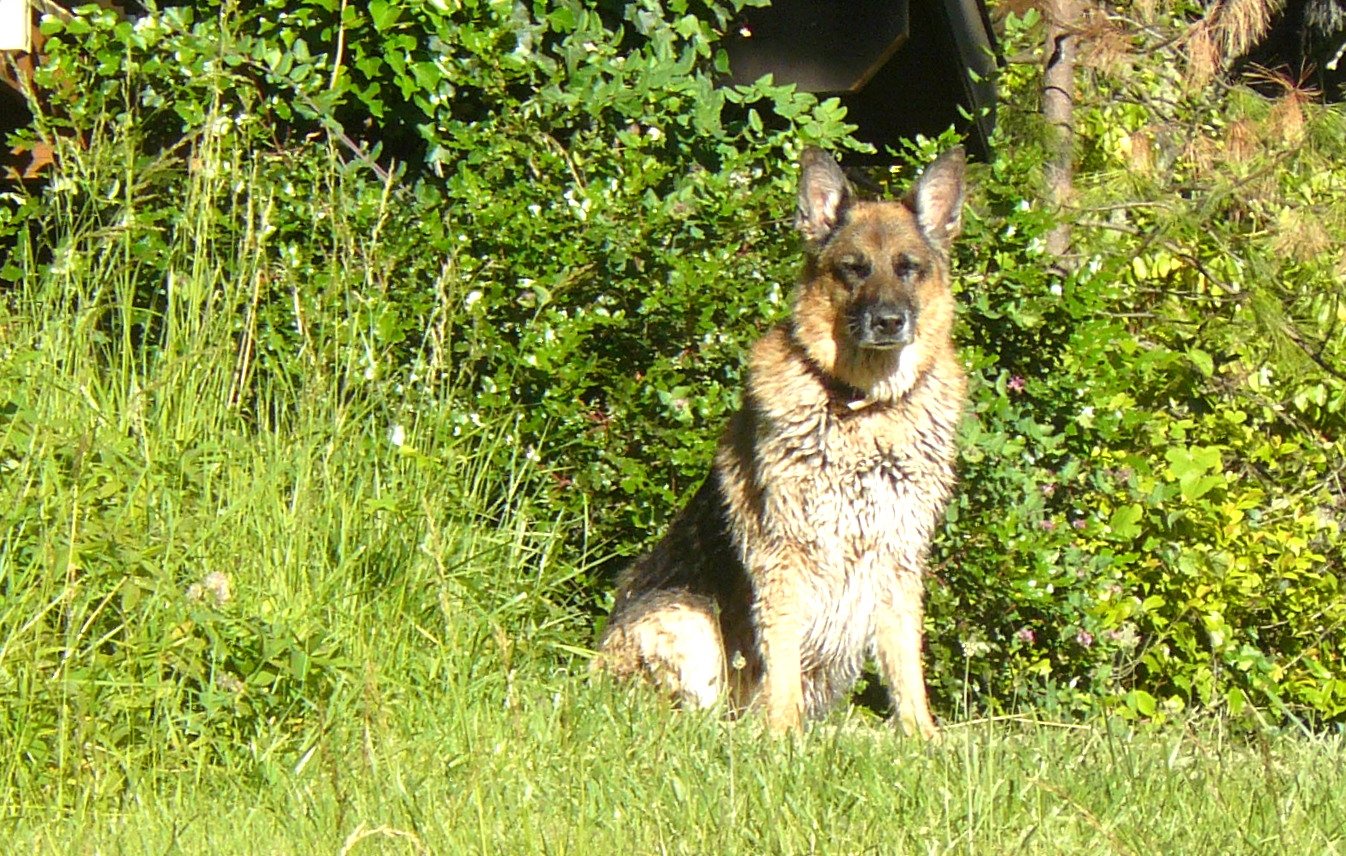
Long may he have an enjoyable and comfortable life.
ooOOoo
This was written quite obviously before Pharaoh died. He is still on the home page of this blog.
Beloved Pharaoh. Born: June 3rd., 2003 – Died: June 19th., 2017. A very special dog that will never be forgotten.

 Learning from Dogs