The last two posts have offered two aspects of our bountiful Nature. First we had Earth Day and the celebration of our trees. Then yesterday we had the celebration of the birth of five Canada Geese goslings.
So it seemed appropriate to continue the theme for another day.
Earlier this month there was an article over on MNN that I saved for later use simply because the message it offered was counter-intuitive. Here’s how that article opened:
Deforestation vs. nature: The winner might surprise you
Large-scale tree-planting projects, abandoned farmland help balance out rain forest destruction.
By: Michael Graham Richard
Wed, Apr 08, 2015 at 10:11 AM
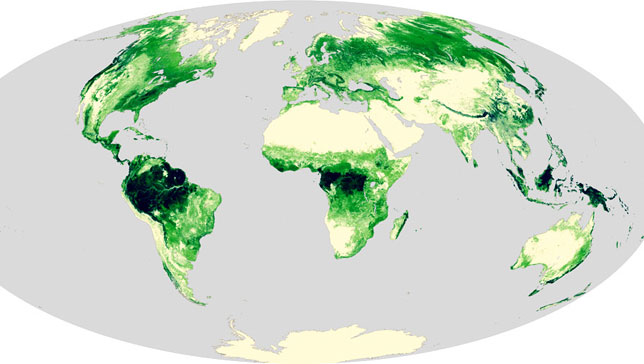
Forest canopy heights are highest near the equator and generally decrease the closer forests are to the poles. (Photo: NASA)
For decades, we’ve been hearing about how the world’s forests are under attack, how the equivalent of “36 football fields of the world’s forests are being cut every minute.” With all this pressure on nature, could the Earth possibly be getting greener? Not a chance, right? Surprisingly, that’s what a team of scientists discovered when they looked at two decades’ worth of data from satellites that use a technique called “passive microwave remote sensing,” which allows researchers to measure how much biomass, or living matter, is present on the surface of the planet.
The researchers found that despite ongoing deforestation in the rain forests of South America and Southeast Asia — a huge problem, regardless of what happens elsewhere — other regions outside the tropics, such as Africa and Australia, have been improving enough to offset the losses. Some of the more unexpected sources of this extra biomass are farmland abandoned after the fall of communism where forests have spontaneously regrown in the former Soviet republics, as well as in areas of China where large-scale tree planting projects took place.
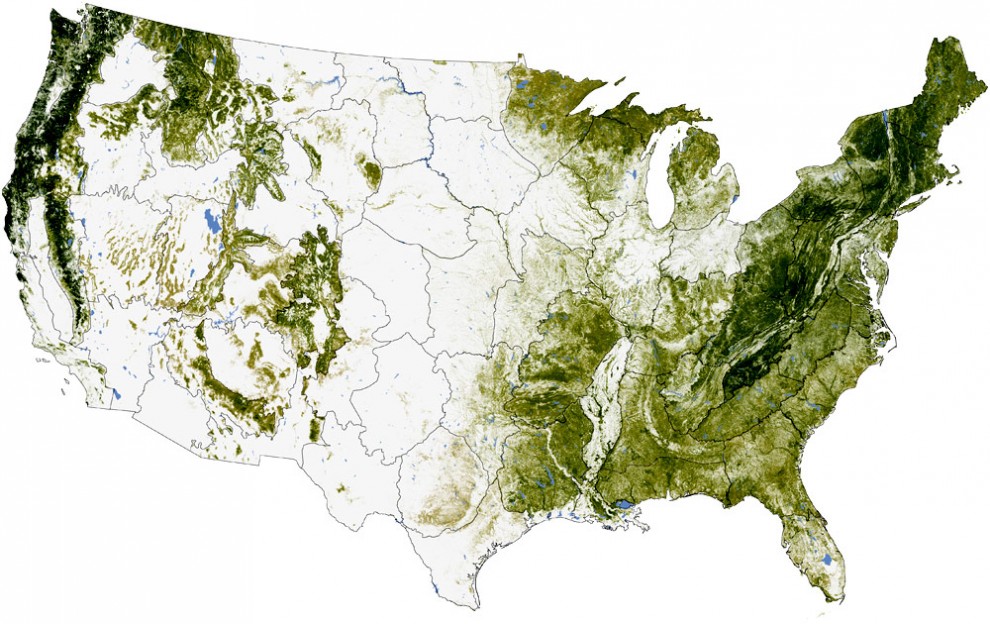
What really caught my eye was another photo from NASA that showed the biomass stored in trees in the USA.
The concentration of biomass stored in trees in the U.S. The darkest greens reveal the areas with the densest, tallest, and most robust forest growth. (Photo: NASA)
But as the article reminded readers:
We’re only talking about biomass quantities being offset, though; the loss of rain forests also mean the loss of many species of animals and plants, as well as unique habitats that can’t be replaced by other regions elsewhere, such as the savannah of Africa or the Australian Outback. So while this is good news, we can’t declare victory over deforestation just yet!
Nonetheless, I am sure that I am not the only one to welcome this reminder of the power of Nature. Or in the closing words of that MNN article:
In the period between 2003-2012, the total amount of vegetation above the ground has increased by about 4 billion tonnes of carbon. Any way you slice in, 4 billion tonnes is significant!
This is particularly important because around 25 percent of the CO2 that we release into the atmosphere by burning formerly buried hydrocarbons is absorbed by plants, so having more of them can help slow down (but not stop) climate change, and there’s a limit to plants’ rate of absorption. Still, it’s nice to get good news for a change …
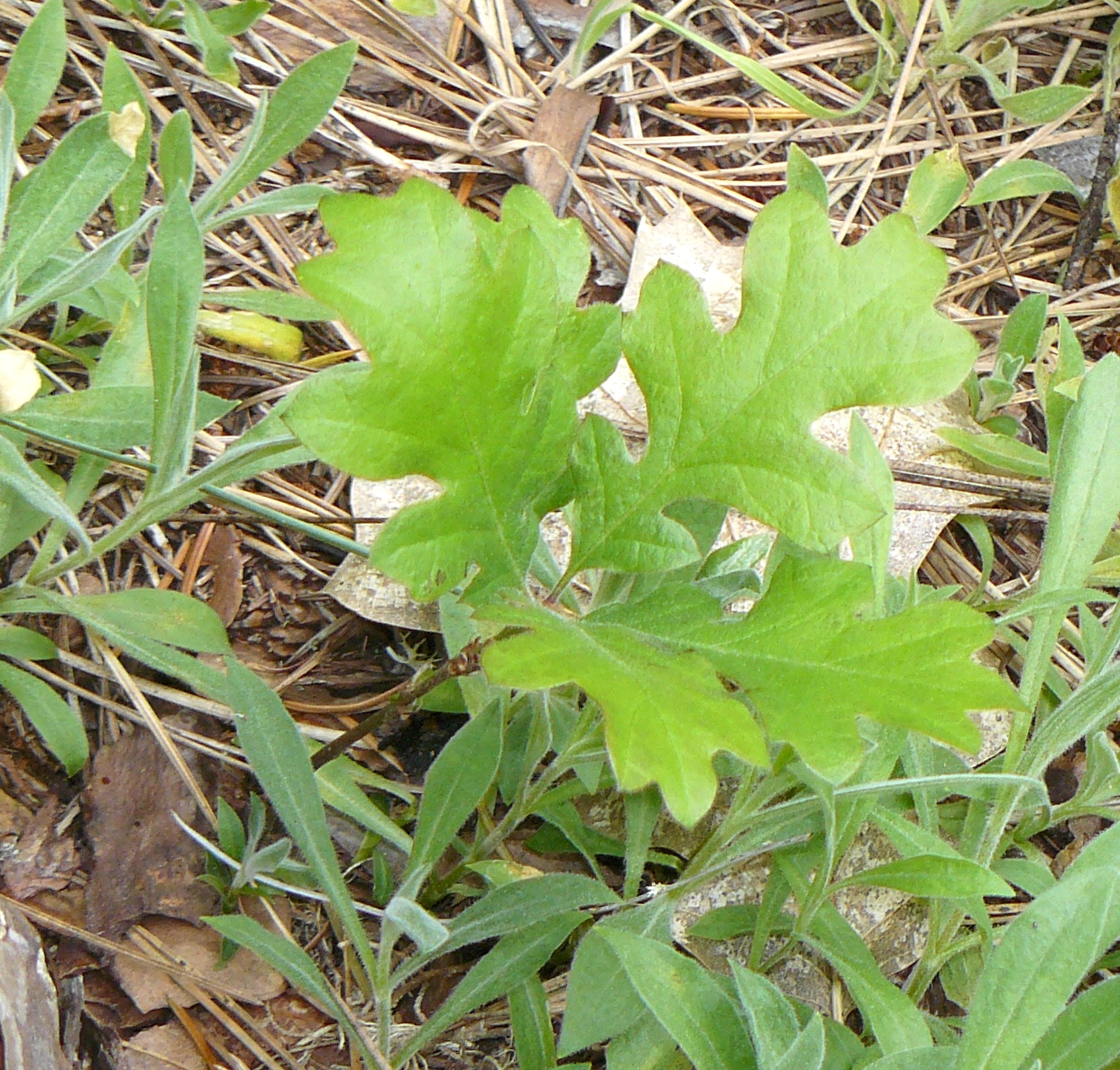
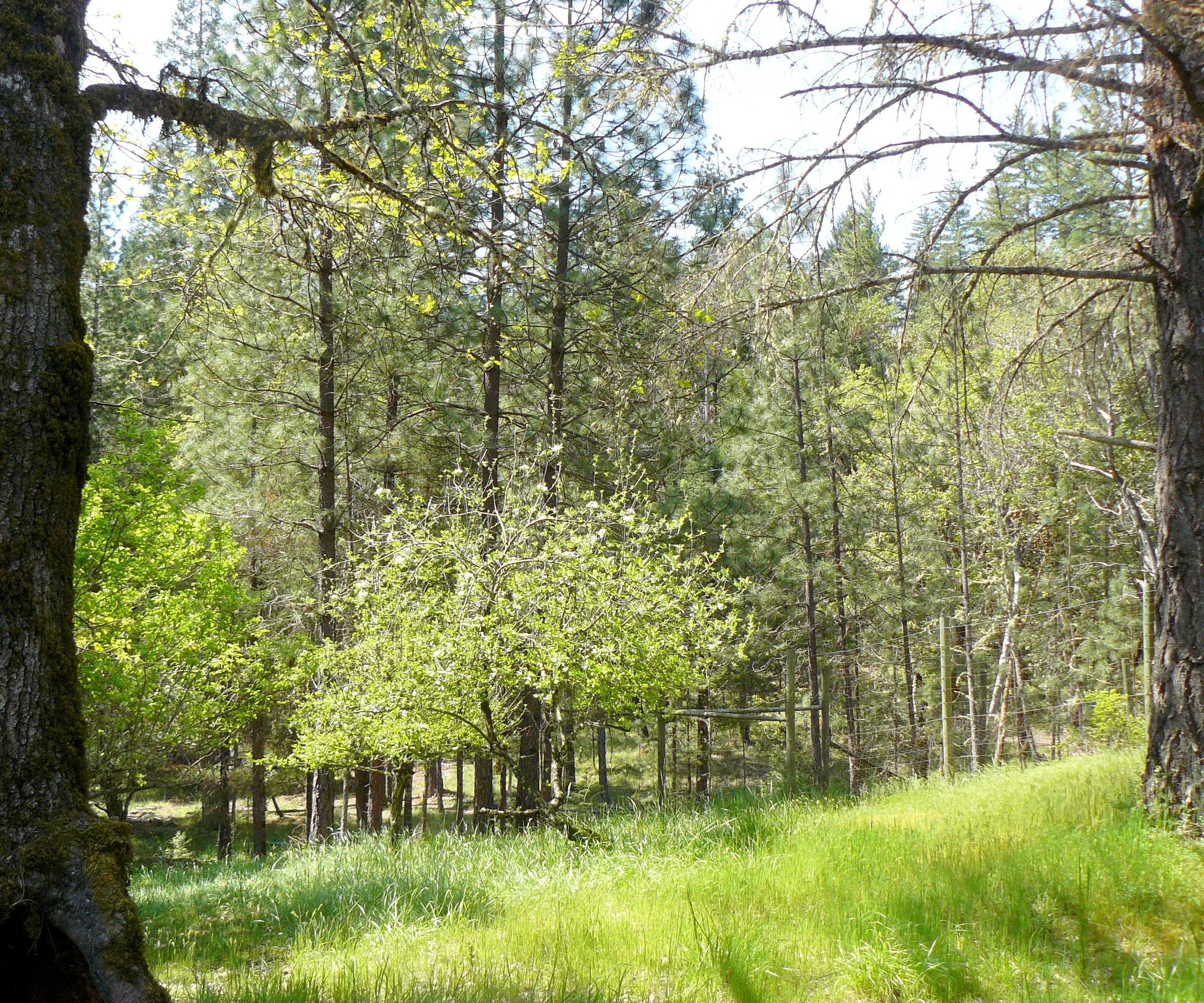
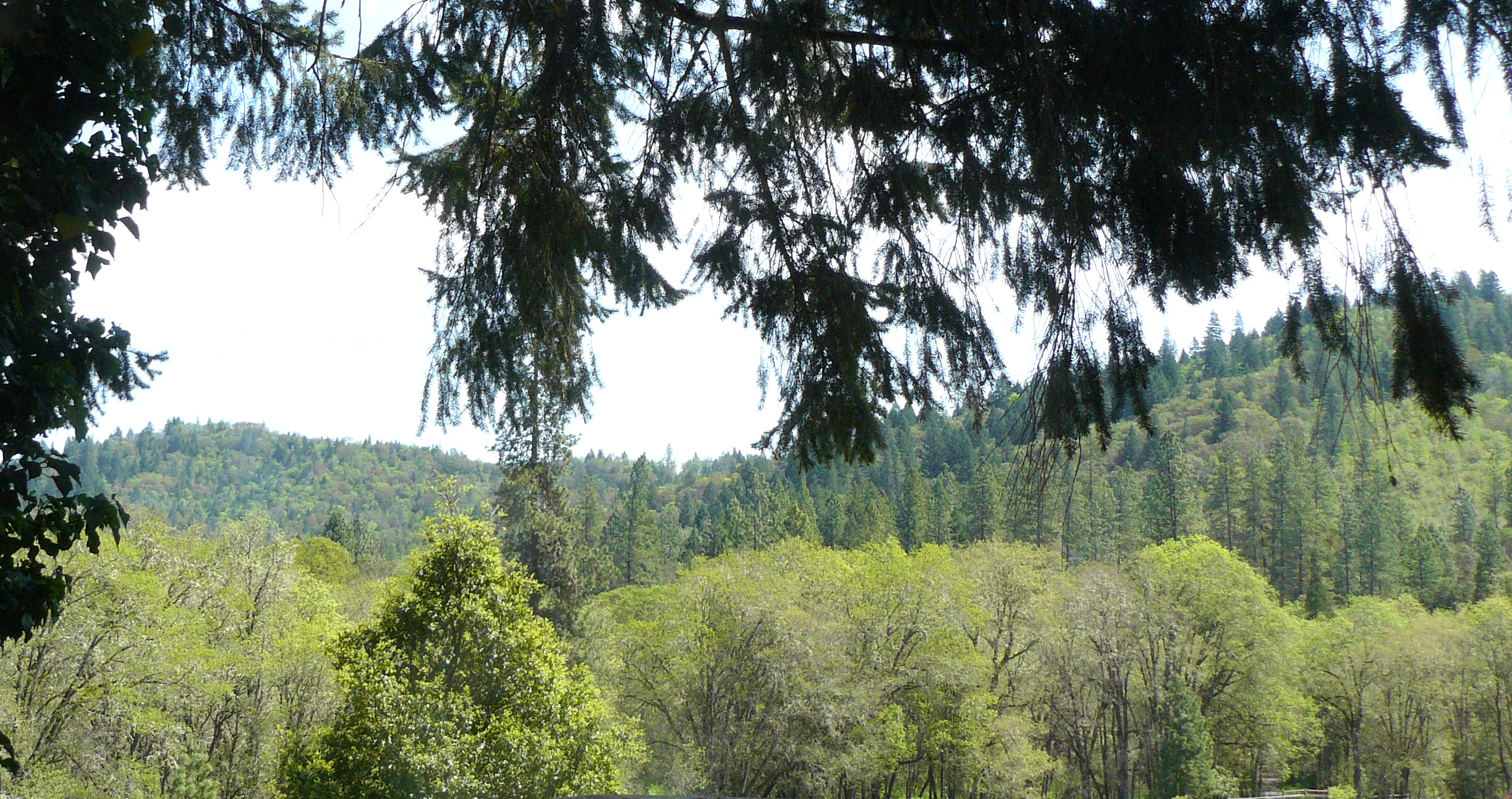
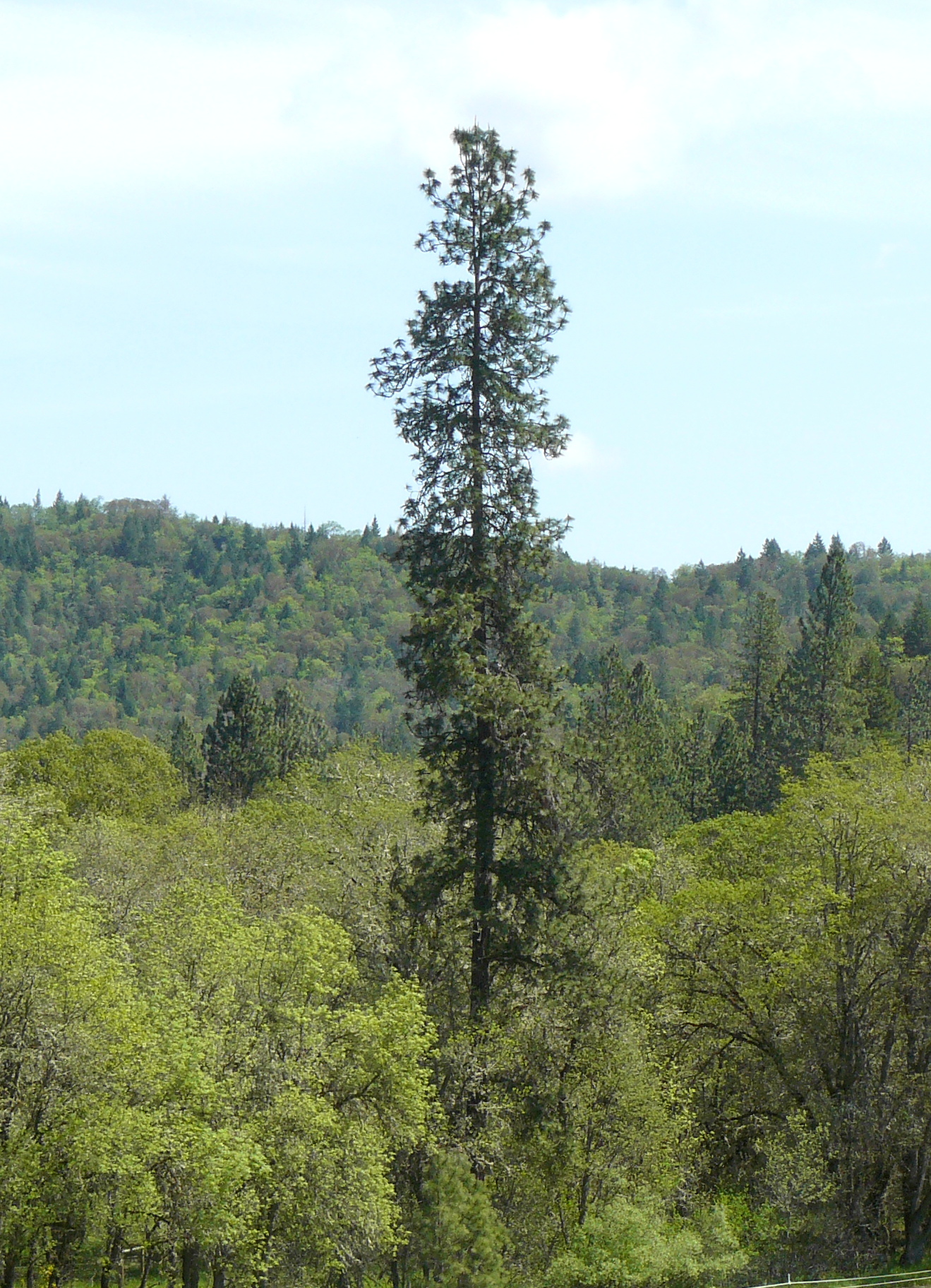
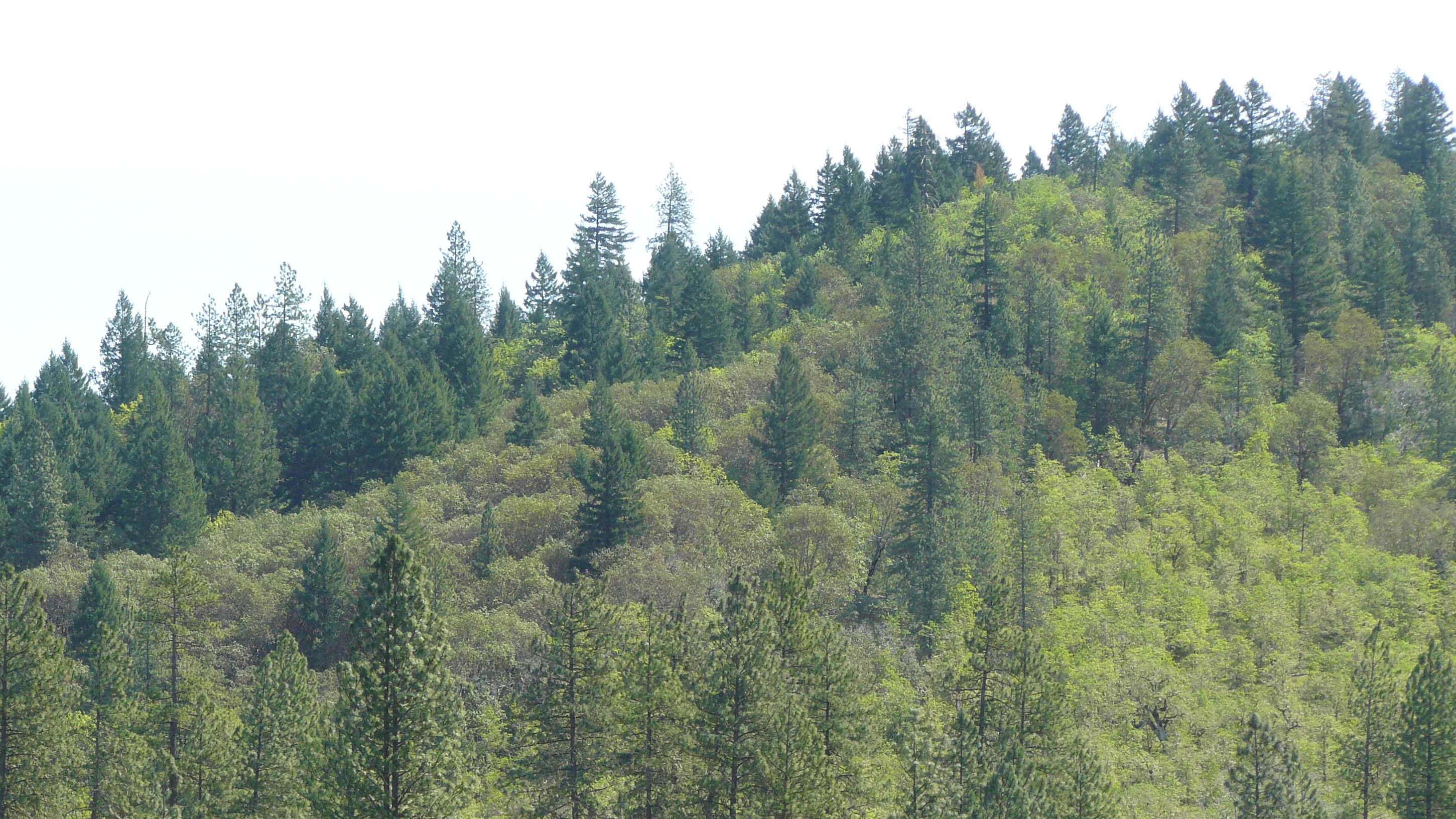
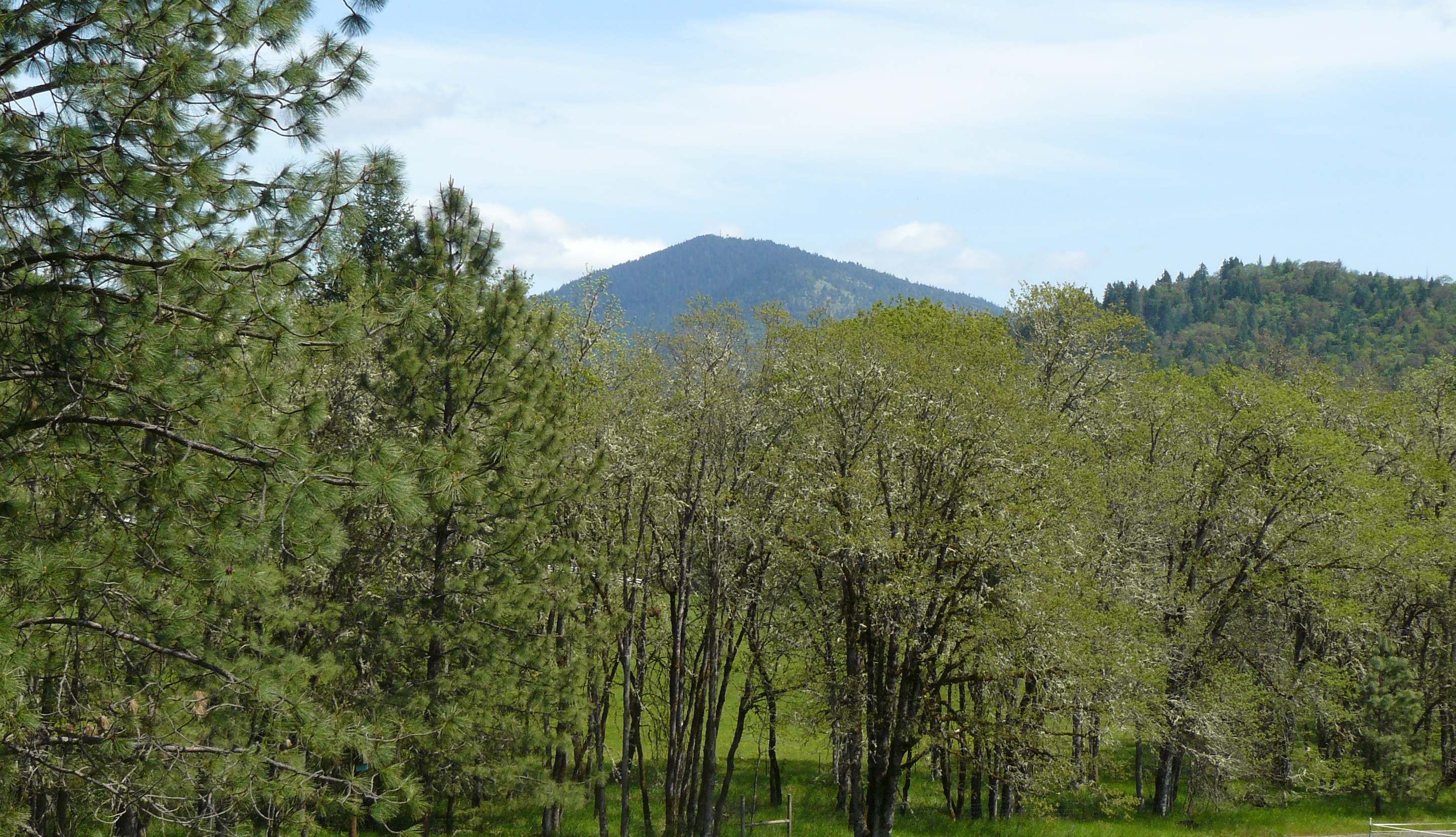
While it may be a long way yet from them being tonnes of carbon, let me close with three pictures of ‘increasing tree biomass‘ right here on Hugo Road in Merlin, Oregon.
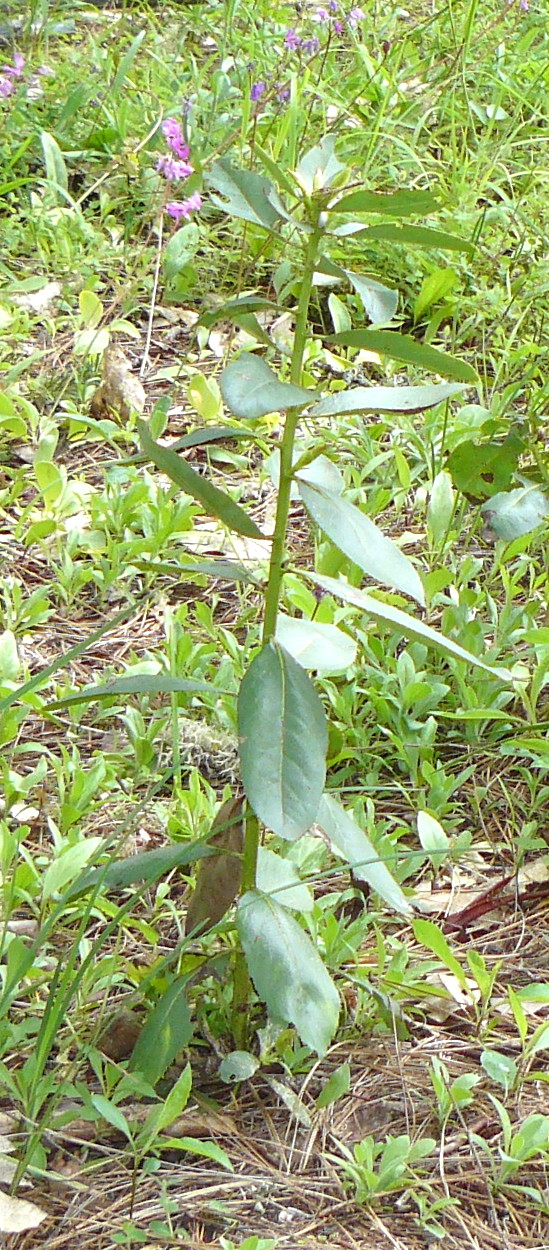
The oak.
oooo
The madrone.
oooo
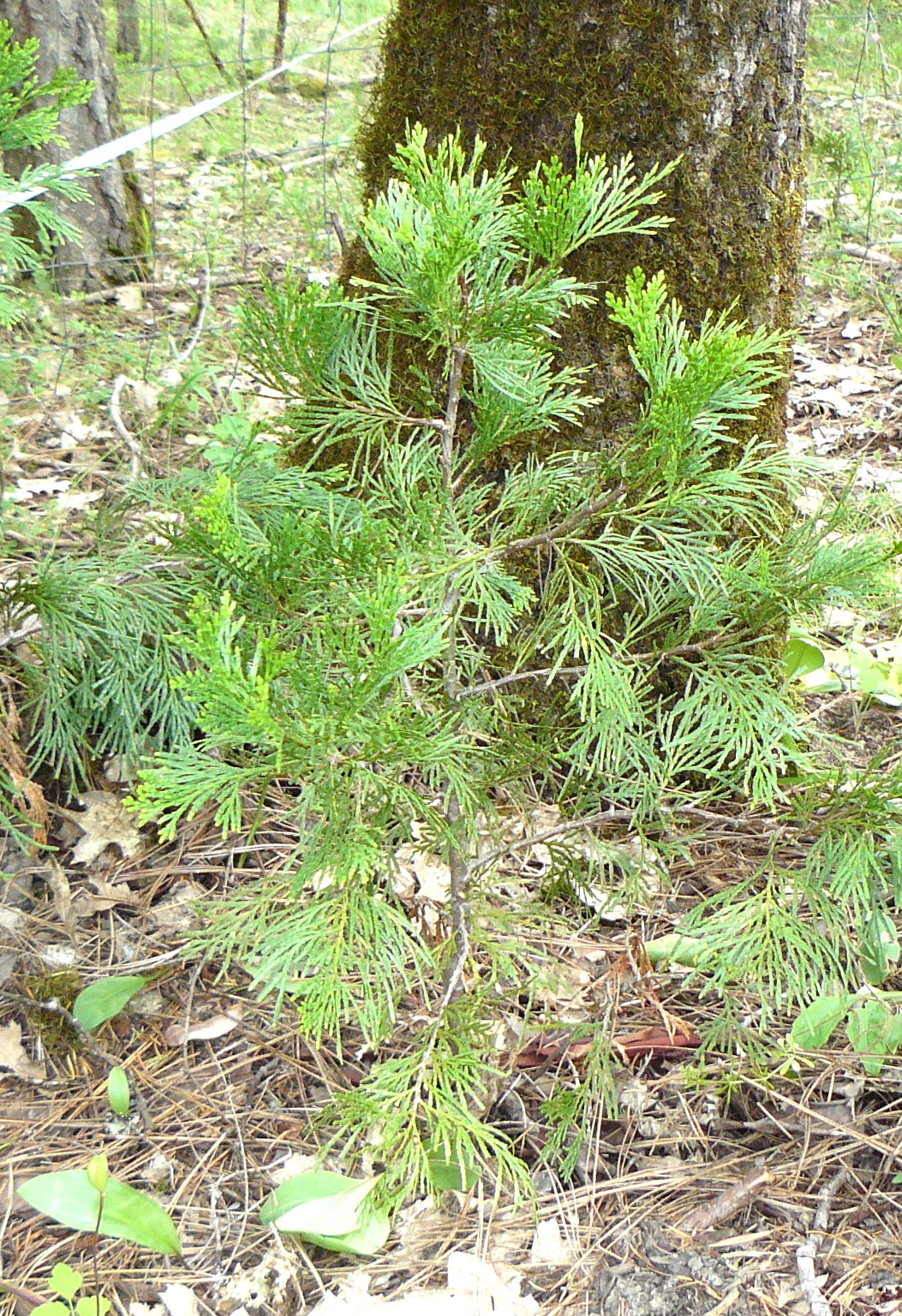
The cedar.
Nature really does have all the answers to man’s long-term survival.
After welcoming Pedy last Saturday, now we welcome five young goslings.
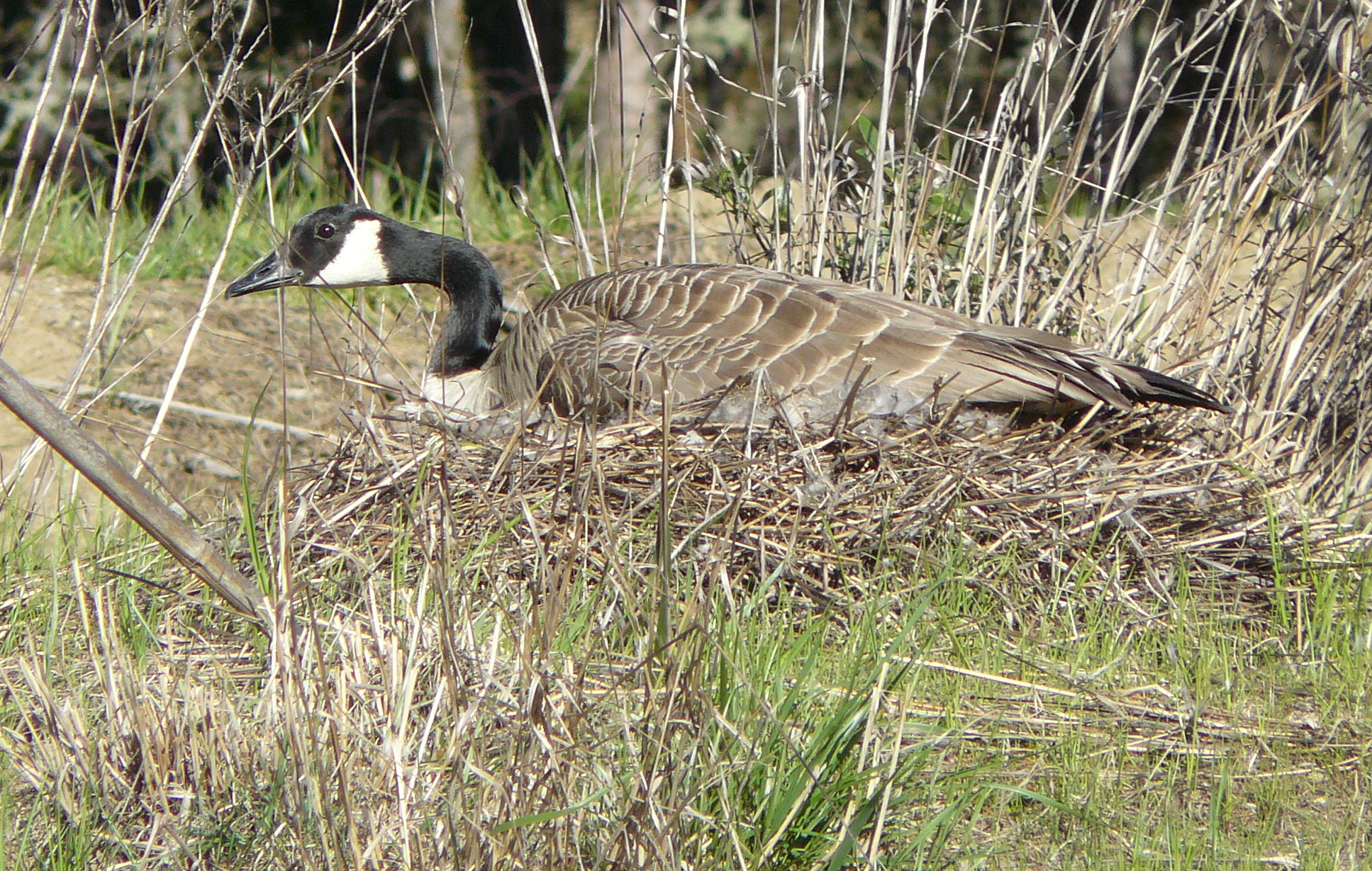
First thing this morning it was another quick check on Mother Goose, as Jean and I tend to do each day these last couple of weeks. She was still sitting on her nest, as she had been since March 17th.
Still sitting at 7am.
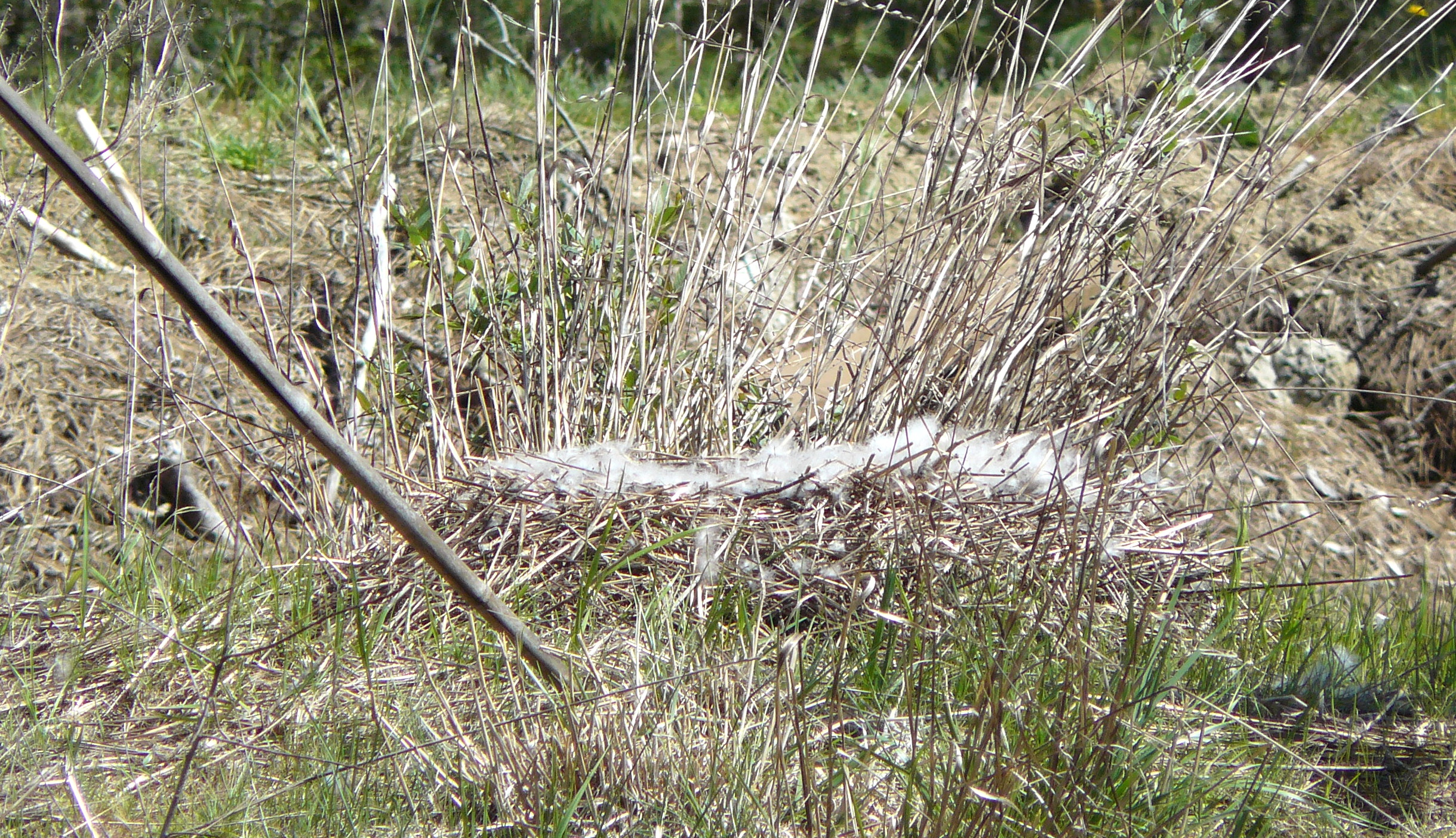
Jean and I then had to go out this morning for a couple of hours. So imagine our sheer delight upon our return to see an empty nest.
Job done!
But this pair first started egg-sitting far too long ago for what we believed was the normal incubation period for Canada Geese; 24 to 28 days. Plus, neighbours Larry and Janell, had seen broken gosling eggs just inside their fence line. We held our breath as we looked around the pond.
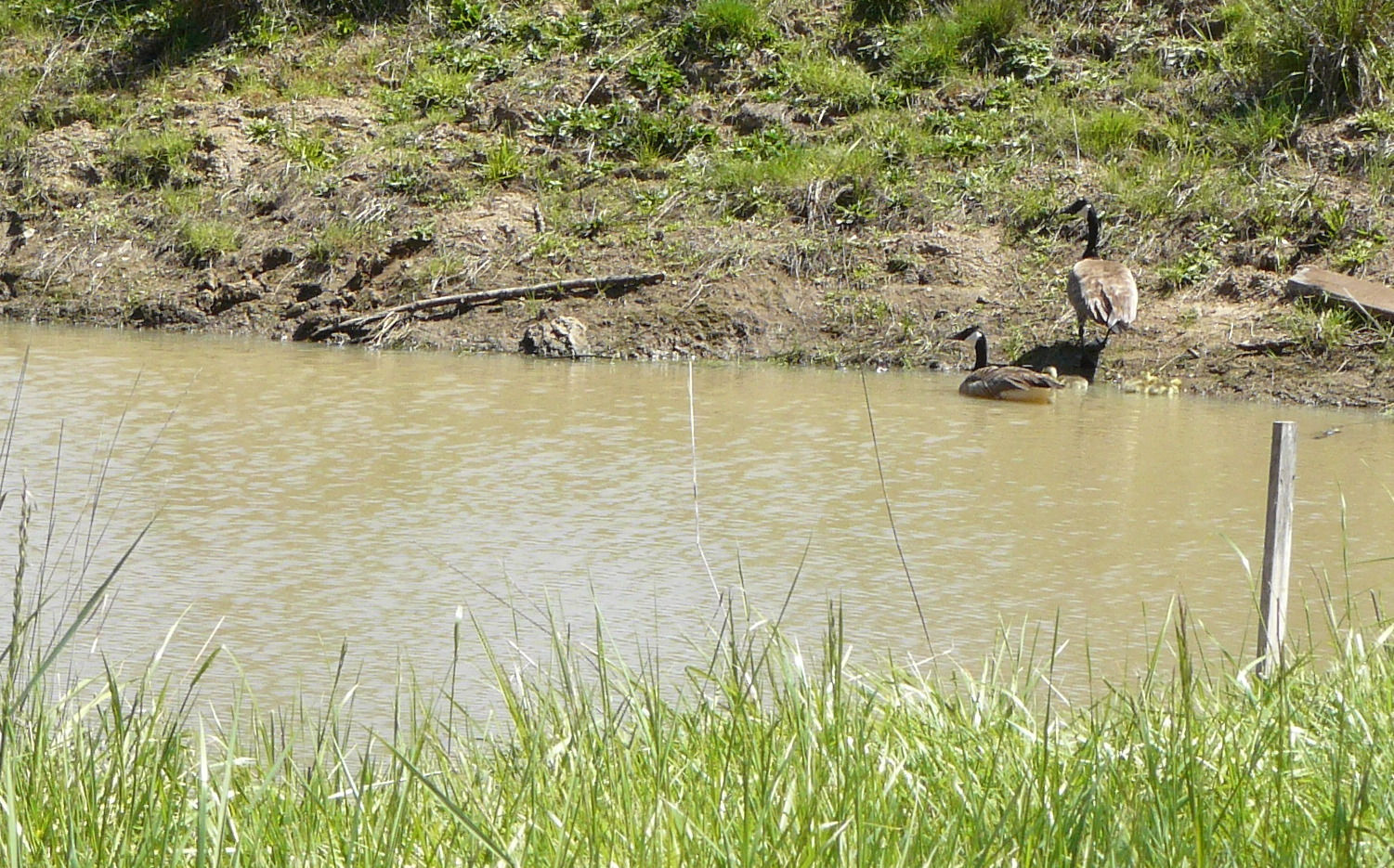
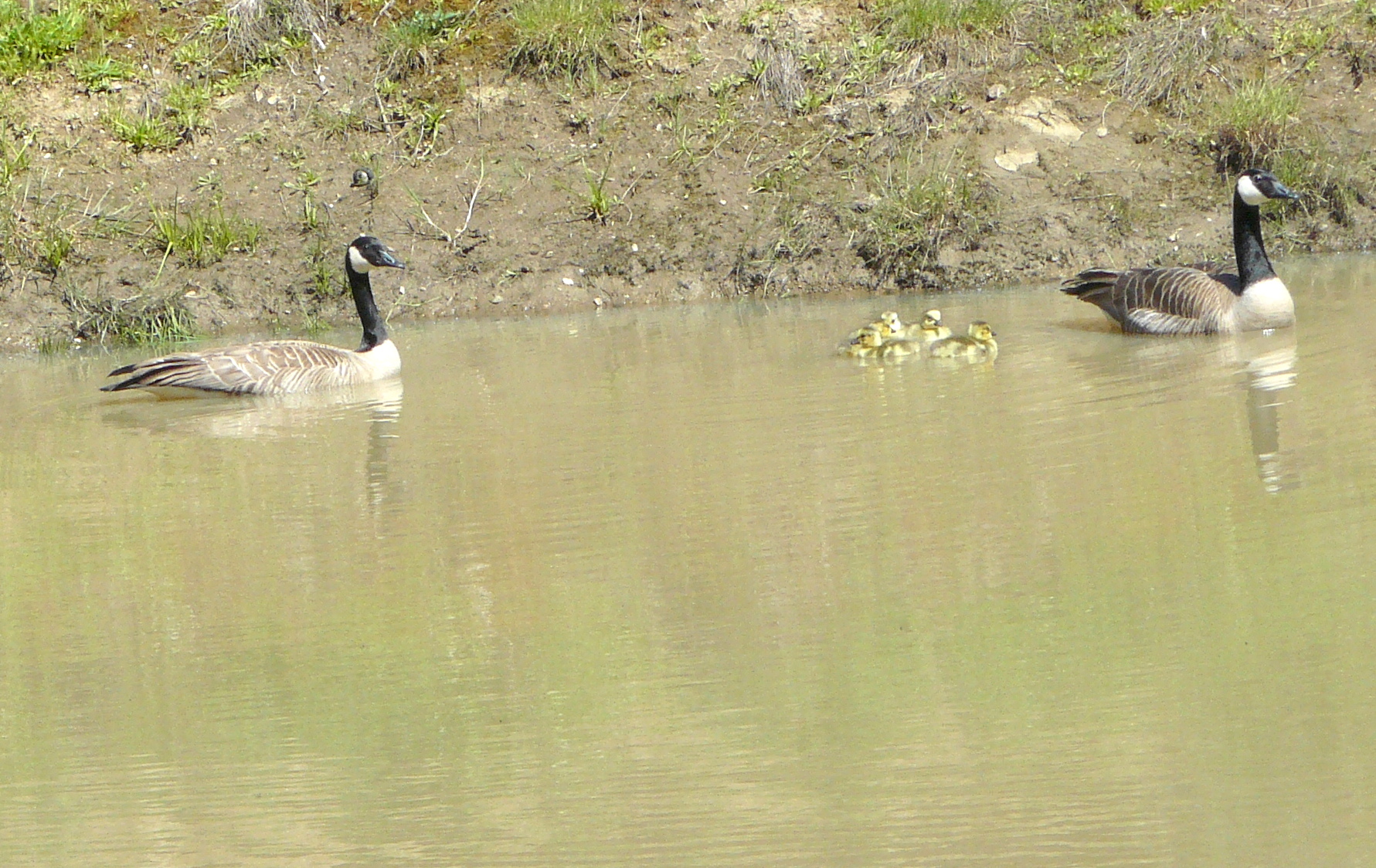
Then a few moments later, we saw this:
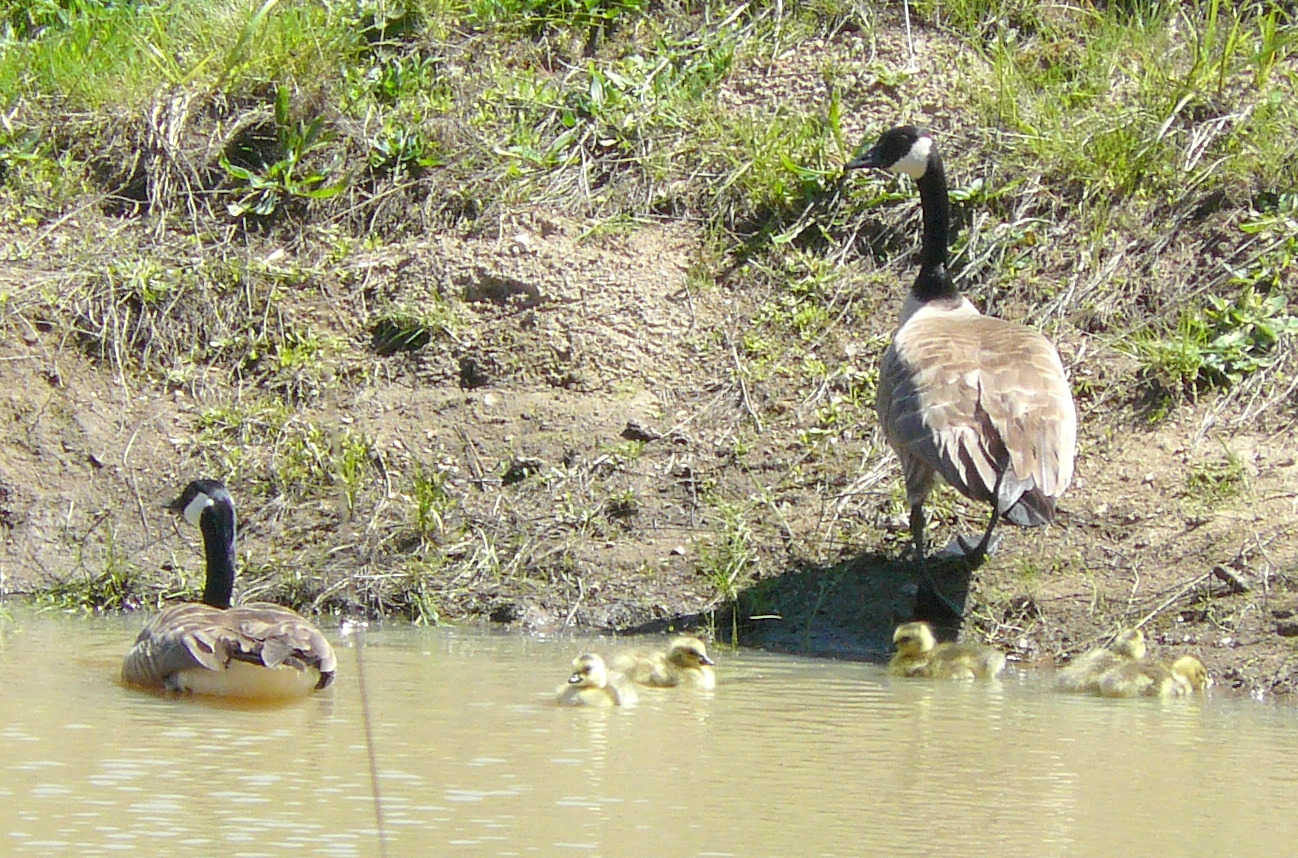
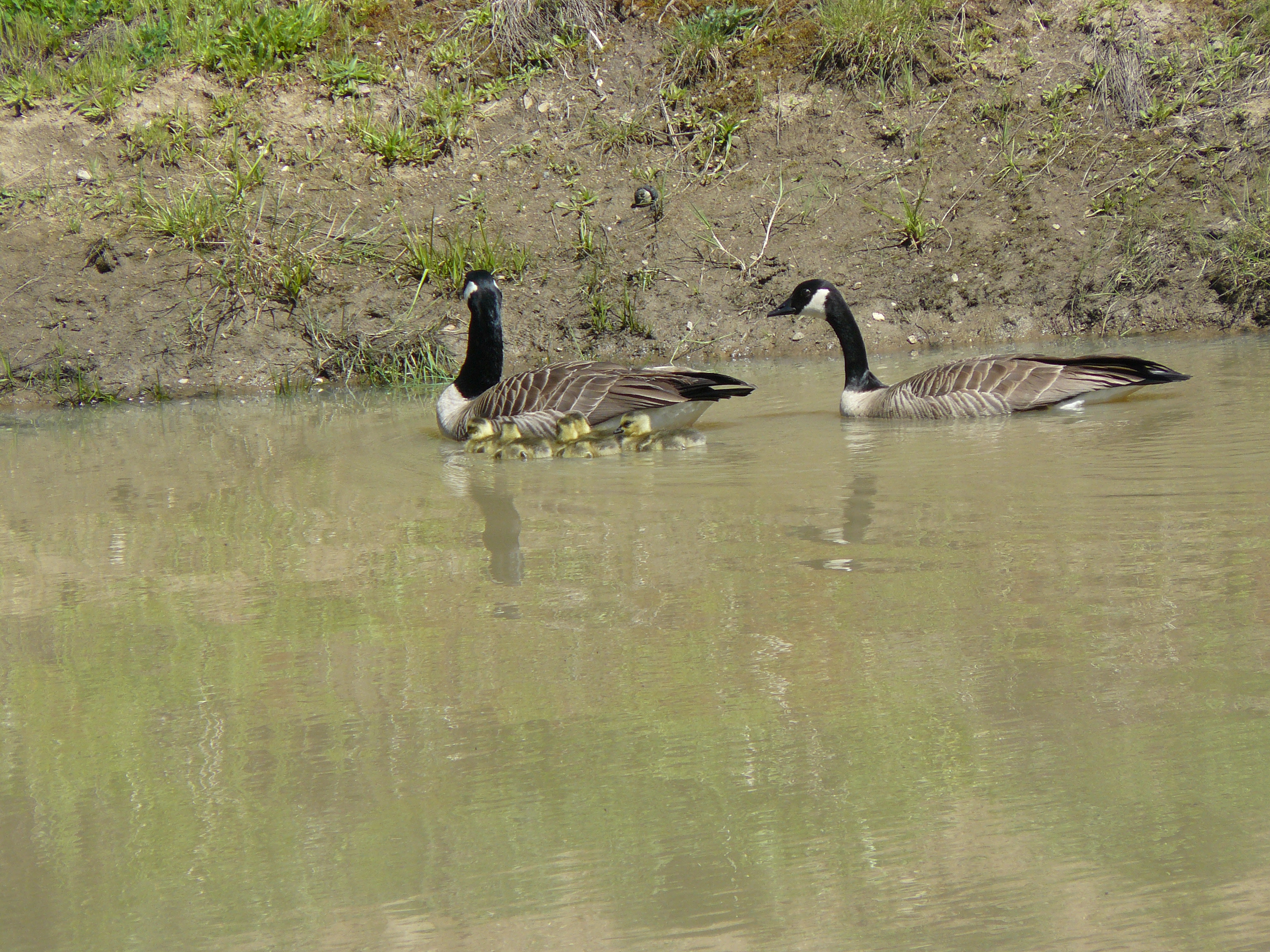
Five wonderful goslings.
That zoomed in showed the new family.
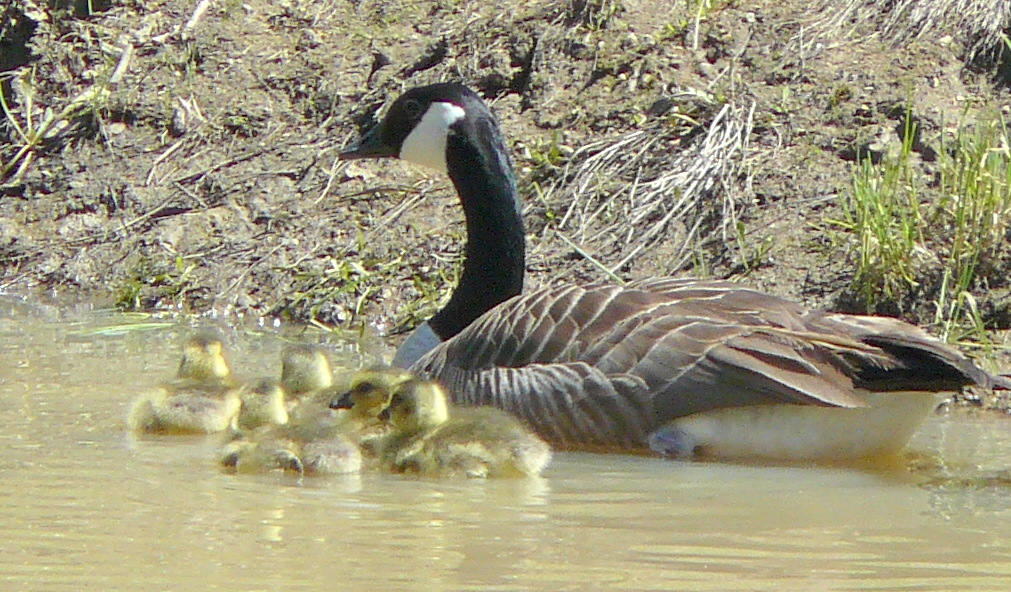
And an even better image ….
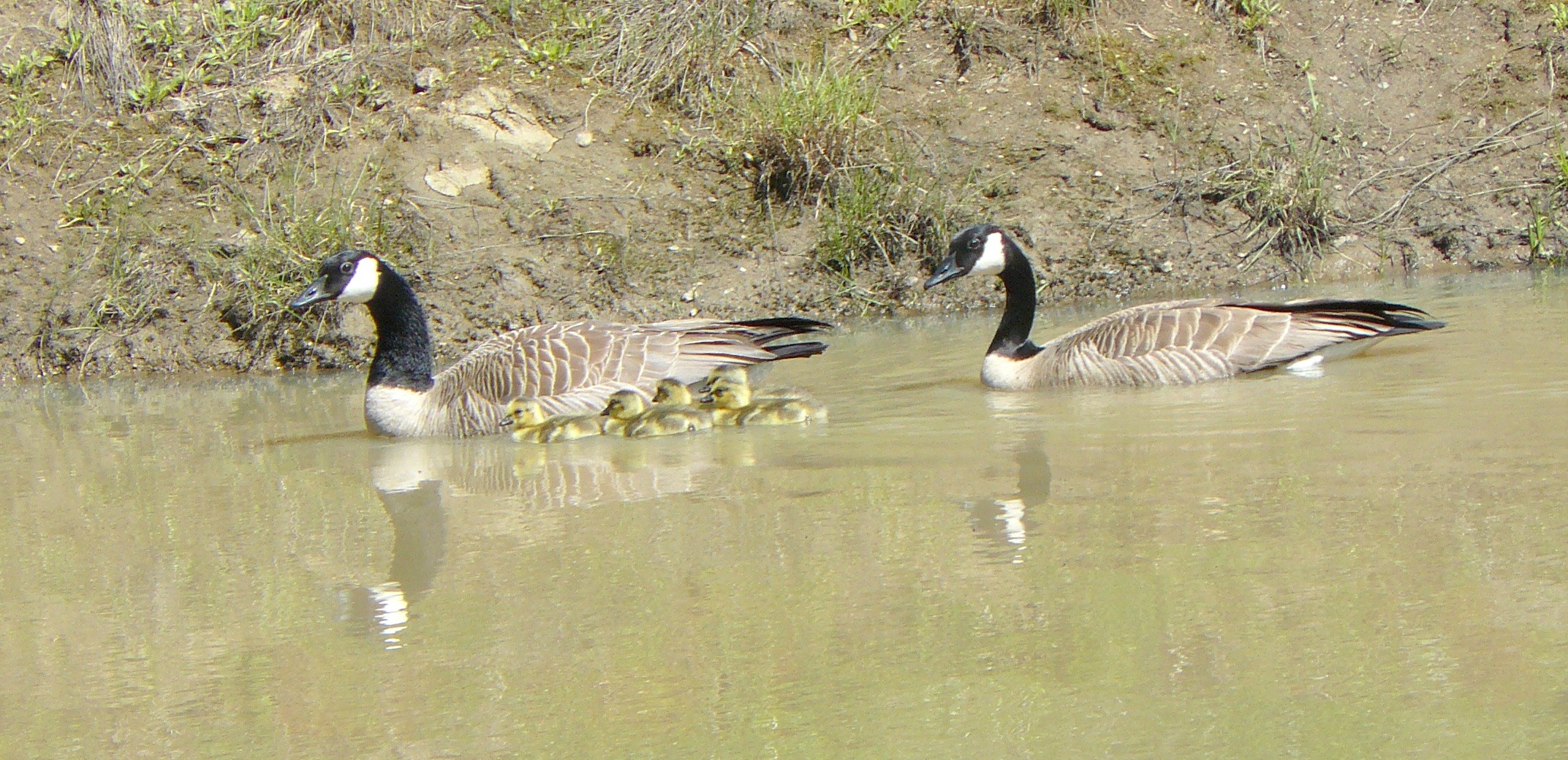
Couldn’t stop taking pictures!
oooo
oooo
So a very happy ending. Apparently young Canada Geese return to their place of birth when they are adults so we look forward to seeing some of them again in 2016.
My Earth Day Painting, in tribute to our Earth Mother and Nature
You can find out more about Singing for our Trees Here and why its important to honour our sacred trees which are fast disappearing from our Earth.
In celebration of connecting with Gaia, our Earth Mother, I spent the weekend Painting. I wanted something Light, bright and showing the love.. Hence all the hearts and flowers.
But can you spot a Fairy two little elves and a new born, mouse and pot of gold in there?
That link in Sue’s second paragraph goes across to Songkeeper.net where one reads:
Earth Day – Sing for the Trees April 22, 2015
Noon, wherever you are on the planet
Sing for the Trees You Love
A Single Idea Planted With Hope
In January 2010 a single idea was planted on the fertile ground of Facebook. It was a simple call: Create your own Woodstock. On Earth Day, April 22, 2010 sing to your favorite tree.
The Response
Since then over 8,000 people from 45 countries and 48 U.S. States have sung to trees
The Need
Every day a rain forest the size of Central Park is destroyed.
Every year a rain forest area larger than England is cut down.
15% of deforestation is caused by cutting down trees for toilet paper.
Why Sing?
The Civil Rights Movement, Apartheid and more recently Pete Seeger’s Ship of Hope to clean the Hudson River have used song to create awareness and galvanize action.
Singing:
Helps create community
Gives us a way to have a voice in saving what we love
Is an offering of our life force and spirit
Connects us to ancient traditions
Nourishes trees by giving them carbon dioxide
Is part of the joy of being human
Helps us relax and tune into nature and to each other
Reminds us we are part of the chorus of life
What more can I add other than offer some pictures of the trees here at home.
oooo
oooo
oooo
oooo
Yes, we will sing for the trees today, and not just today!
The last two weeks predominantly have been posts under the umbrella of WordPress’ Writing 101 event. I’m bowing out at the half-way point.
Simply because the arrival of Pedy and the huge pleasure that Jean and I have had from rescuing him meant I wanted to return to writing most of the time about dogs and what we humans can learn from them.
So with that in mind it has been widely reported in recent days about the news that we humans bond with dogs as we do with babies. Let me quote a little from a recent article from the BBC.
Gazing into a dog’s eyes can stimulate the same bonding process that occurs between mother and child.
Presented by Zoe Gough
Eye contact between a mother and her baby strengthens their attachment by activating the so-called ‘love hormone’ – oxytocin – in the mother’s brain.
This drives emotional bonding between parent and offspring by encouraging both nurturing and interactive behaviours.
Studies have shown that stroking or making eye contact with a dog can trigger a similar release of oxytocin in a human’s brain.
Now a team of Japanese scientists have found that the “mutual gaze” between dogs and their owners can lead to a bond that is similar to that between a mother and child, with humans experiencing the same feelings of affection for their dogs as they might do for their family, therefore helping to bring the species closer.
The findings are reported in the journal Science and also note that wolves do not show the same response. Authors suggest this means that the bonding process probably co-evolved in both species as dogs became domesticated.
“It can be said that dogs successfully cohabit with humans because they have been successful in adapting the bonding mechanism to relations with humans,” said lead author Dr Miho Nagasawa, from the School of Veterinary Medicine, Azabu University, Japan.
All of which serves as a wonderful foreword to how the stray dogs manage so successfully to exist on the Moscow subway. I reported on this back in 2011 under the title of The Tenacity of Dogs but immediate neighbours Larry and Janell sent me a link to a much more detailed account of these subway dogs. Here is the remarkable story.
ooOOoo
The Life of Subway Dogs
To those of you who own dogs or like them, this should be interesting.
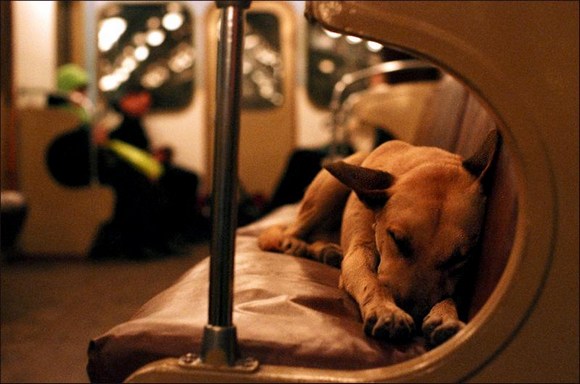
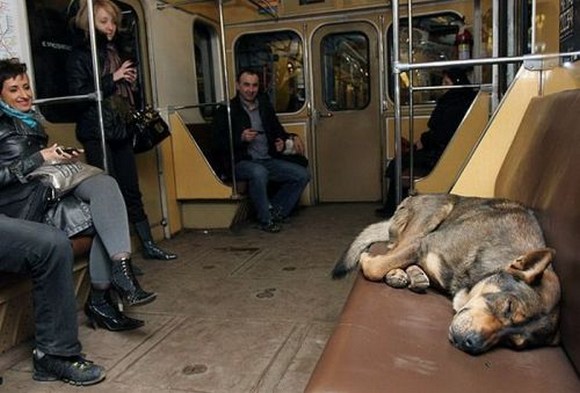
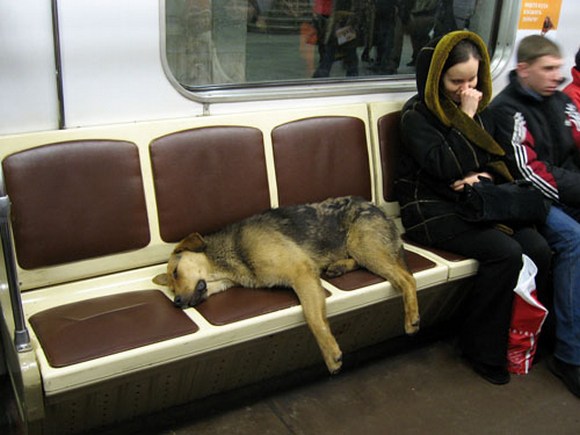
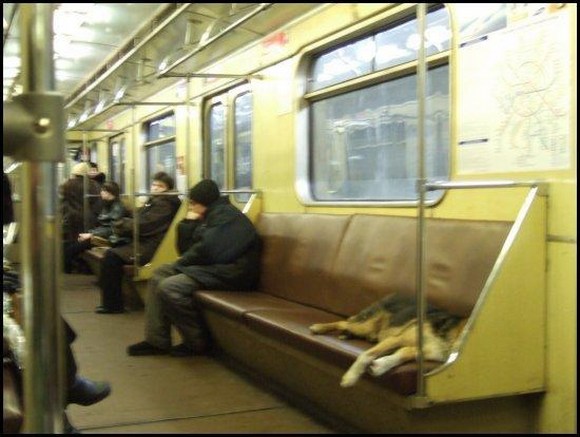
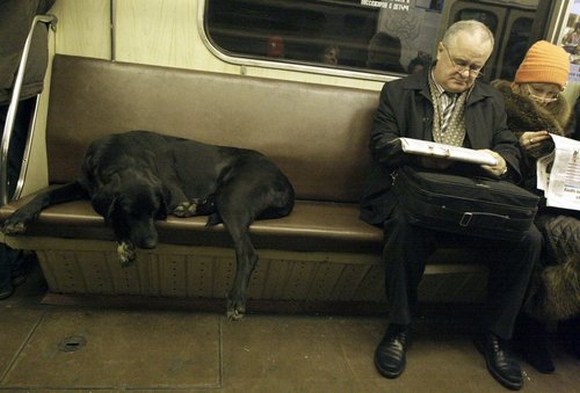
The elite of Moscow’s 35,000 stray dogs are about 500 Russian dogs constantly living in the Moscow subway (Metro). About 50 of subway dogs have learned to ride the trains, commuting from quiet suburbs stations where they spend the night to downtown where it’s easier to get some food.
Each morning, like clockwork, they board the subway, off to begin their daily routine amidst the hustle and bustle of the city. But these aren’t just any daily commuters. These are stray dogs who live in the outskirts of Moscow Russia and commute on the underground trains to and from the city centre in search of food scraps.
Then after a hard day scavenging and begging on the streets, they hop back on the train and return to the suburbs where they spend the night.
Living in the subway is just a survival tactic the Moscow stray dogs have come up with. The subway dogs have figured out how to use the city’s huge and complicated subway system, getting on and off at the stops they need. They recognize the desired station by smell, by recorded announcer’s voice, and by time intervals basing on their biological clocks. Usually they ride first or last car to keep away from crushes.
Experts studying the dogs, who usually choose the quietest carriages at the front and back of the train, say they even work together to make sure they get off at the right stop – after learning to judge the length of time they need to spend on the train.
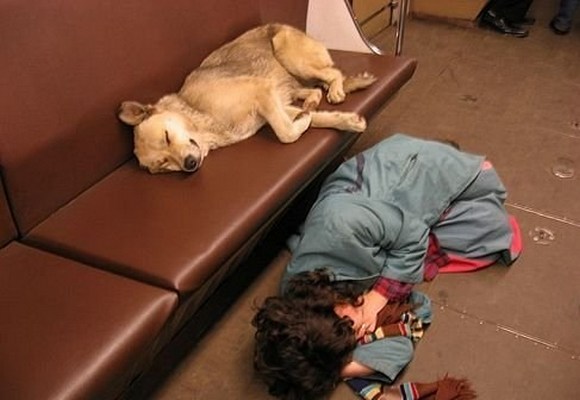
In Soviet times stray dogs were barred from subway. Moscow Metro’s passengers are so accustomed to dogs on subway – sleeping on empty seats and hanging around stations – that they do not pay any attention.
For these strays the Moscow Metro is their home. The subway dogs get outside to do all their deeds and behave friendly to the passengers. They have very good instincts about people, greeting happily kind passengers and avoiding contacts with intolerant persons. And they always find somebody who will share food with them.
With children the dogs “play cute” by putting their heads on youngsters’ knees and staring pleadingly into their eyes to win sympathy – and scraps.
Dogs are opportunistic and intelligent, and when they figured out they were no longer chased away from the subway stations, they began hopping trains for a lift into the city. The Moscow subway system is a maze that can be confusing for people, but the dogs appear to have learned the system.
Once in the city, the dogs have their own special ways of getting food. Some position themselves outside butcher shops and wait for dog lovers coming out of the shop to toss them a bone. Others have refined a technique of sneaking up behind people who are eating food and surprising them with a loud bark which hopefully scares the person into dropping whatever they’re eating. If the dog is successful in getting the person to drop their food, he grabs his prize and runs.
Packs of stray dogs are led not by the strongest or most dominant member, but by the most intelligent dog in the pack. The dogs understand living among people in a large city requires brains and not muscle to survive. Researchers have observed dog packs selecting pack members that are smaller and cuter than the other ones who are then sent out to beg for food.
The dogs also don’t leave messes laying around where someone can step in them, and they relieve themselves in out of the way spots away from the main traffic areas. The subway riding stray dogs of Moscow have essentially learned how to interact with people and move among them in order to survive.
ooOOoo
Aren’t dogs the most remarkable species of animal!
Pedy has settled in so unbelievably well that it is almost impossible to comprehend, that when many of these photographs were taken yesterday, he had not been with us for twenty-four hours.
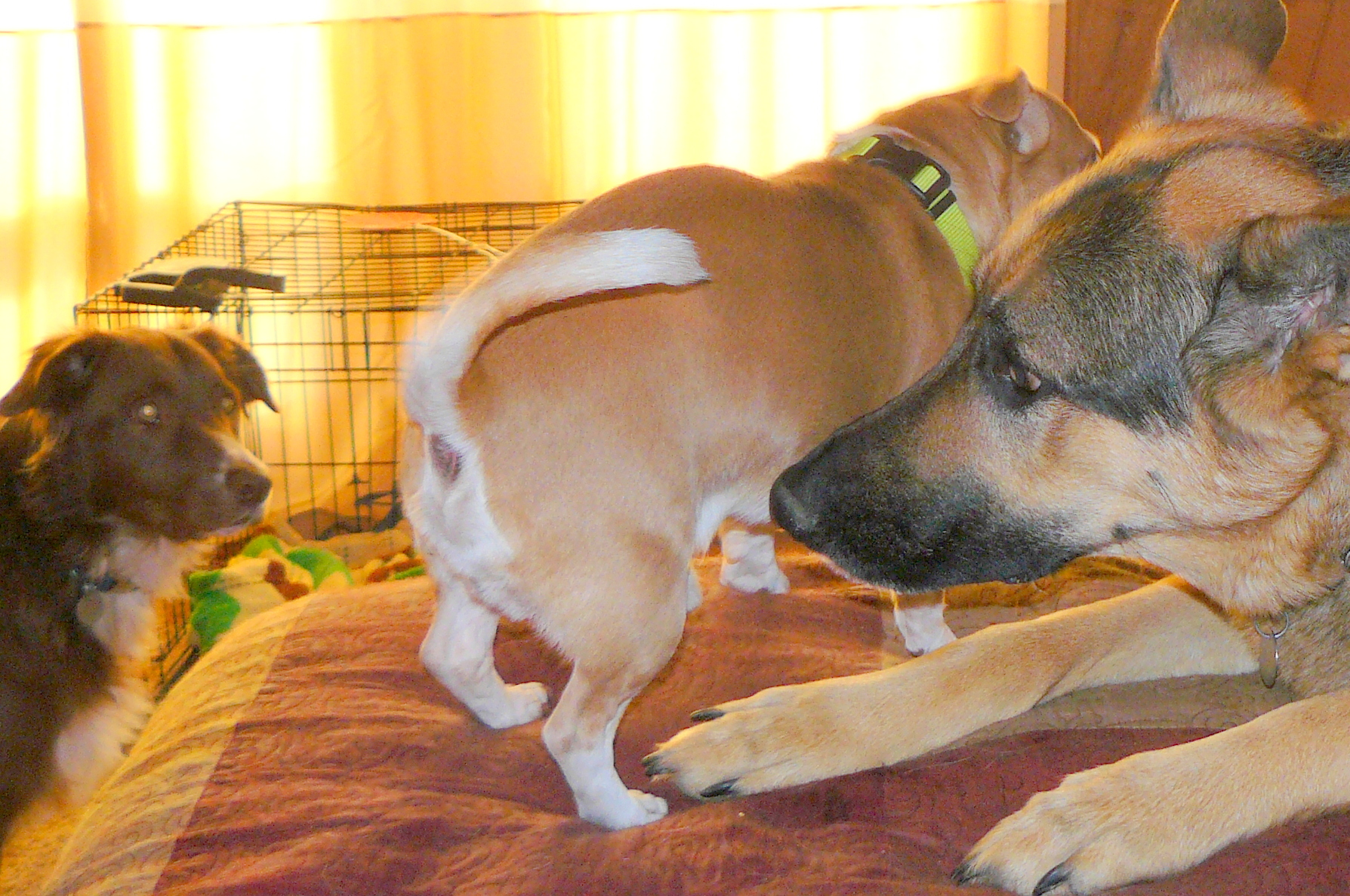
Pedy spent the whole night free to settle wherever in the bedroom. There was no hassle in the slightest and from 3;30am onwards he slept on the bed together with Hazle and Sweeny. (I more or less had Jeannie’s approval to publish this!)
First thing Sunday morning.
oooo
Behaving as if Pedy had been with us for weeks.
oooo
Happiness all round!
oooo
Then one more taken later on in the morning.
oooo
A dear, dear little fellow.
In so many ways we have so much to learn from dogs!













 Learning from Dogs