Scientists have identified five ages of the human brain.
“Neuroscientists at the University of Cambridge have identified five “major epochs” of brain structure over the course of a human life, as our brains rewire to support different ways of thinking while we grow, mature, and ultimately decline.”
So wrote Fred Lewsey. Fred is the Communications Manager (Research) and is Responsible for: School of the Humanities and Social Sciences. (And I took this from this site.) He went on to report that: Four major turning points around ages nine, 32, 66 and 83 create five broad eras of neural wiring over the average human lifespan.
Being in my early 80’s I was most interested in that last turning point. This is the information about that era:
The last turning point comes around age 83, and the final brain structure epoch is entered. While data is limited for this era, the defining feature is a shift from global to local, as whole brain connectivity declines even further, with increased reliance on certain regions.
“Looking back, many of us feel our lives have been characterised by different phases. It turns out that brains also go through these eras,” added senior author Prof Duncan Astle, Professor of Neuroinformatics at Cambridge.
“Many neurodevelopmental, mental health and neurological conditions are linked to the way the brain is wired. Indeed, differences in brain wiring predict difficulties with attention, language, memory, and a whole host of different behaviours”
“Understanding that the brain’s structural journey is not a question of steady progression, but rather one of a few major turning points, will help us identify when and how its wiring is vulnerable to disruption.”
The research was supported by the Medical Research Council, Gates Foundation and Templeton World Charitable Foundation. The full report may be read here: https://www.newscientist.com/article/2505656-your-brain-undergoes-four-dramatic-periods-of-change-from-age-0-to-90
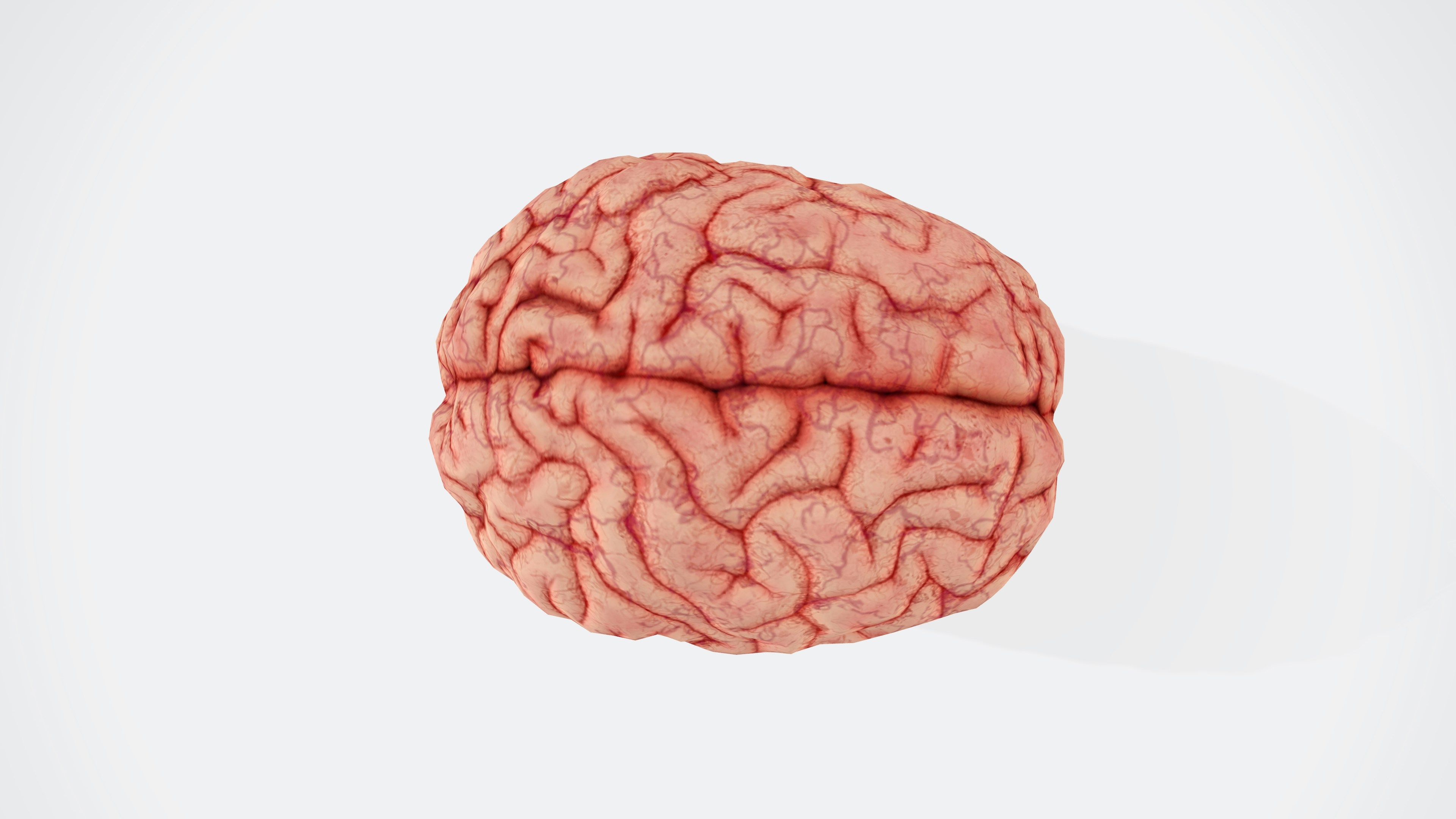
Finally, here is an image of this amazing organ that we humans have.
 Learning from Dogs