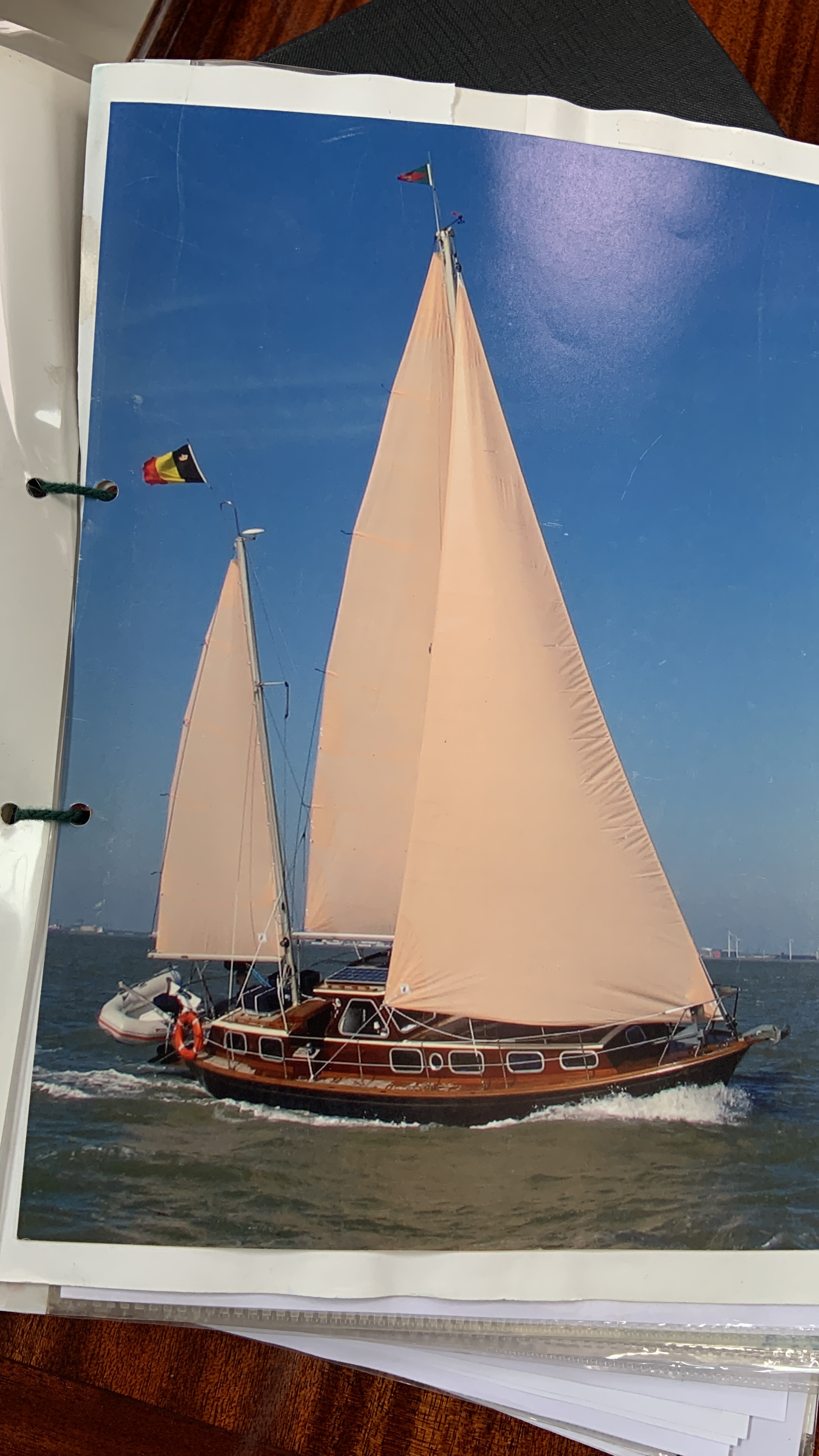
Bob Derham is someone I met many years ago, when I was living on my yacht in Larnaca, Cyprus, and I can do no better than to repeat what I wrote in my autobiography.
ooOOoo
I negotiated what I thought was a good deal and sold the company. Inevitably I resigned from what was now not my company; it was the end of November in the year of 1988.
In Tollesbury, I had my annual tax returns done by Peter Michael, also living in the village. Peter was an accountant who also taught accountancy at the nearby Essex University. I saw Peter and we discussed the recent agreement for the sale of the business.
“Paul, there is not a lot you can do, to be honest. You will be liable in broad terms for the tax in the difference between the opening price and the closing price. In your case the opening price was near enough zero and the closing price…” Peter did not need to finish the sentence. I got the picture and stood up to leave. Just has I was going out of the room, Peter added: “Unless you can leave the country before April 15th next year, and stay away for a minimum of four tax years. In other words, leave before April 15th, 1989.”
I walked home from Peter Michael’s house that November, 1988 with the advice I had been given ringing in my ears. I would worry about the tax implications in a day or two. But once again fate intervened.
I was a subscriber to the boating magazine Practical Boat Owner (PBO). In a late 1988 issue I read in the classifieds:
Songbird of Kent – Tradewind 33
Great opportunity to purchase a long-distance ocean yacht designed by John Rock for sea-kindly short-handed sailing.
Well kitted out, continually updated and maintained Songbird of Kent is the yacht for you if you dream of blue waters and serious long distance cruising.
Lying Larnaca, Cyprus.
I knew about Tradewind yachts, was familiar with John Rock. (As the designer of Tradewind yachts he had been featured several times in Practical Boat Owner magazine), and knew how many of his yachts had made world circumnavigations, and, finally, I deserved a holiday. I arranged to go out to Larnaca as soon as I could.
About a week later I caught a flight to Larnaca International Airport; upon arriving I rented a car and drove the few miles to the Marina.
The yacht was easy to find as it was out of the water. I met the owners, Michael and Betty Hughes, who were still living onboard Songbird of Kent. They explained why they were selling. Simply because, as Michael put it, they had been living on the boat for many years and it was time to return to their native Wales. Songbird had been extensively cruised the length of the Mediterranean Sea using Larnaca Marina as the base.
I quietly inspected the boat. Because it was lifted out viewing the boat in detail was much easier than had it still been floating. It was in good condition; very good condition in fact. Then I climbed up the ladder and entered the boat. Again I found everything that I expected, and more. It was clear to me that Michael and Betty had had the boat as their home and, consequently, everything was in order. Or to use the phrase; shipshape and Bristol fashion!
I excused myself, left the yacht and went and sat on a nearby seawall. I wanted to think. To be honest, it was pretty easy thinking. I loved the boat; it was a purchase I could afford, and if everything went to plan and I left the UK before April 15th, 1989, and stayed away for four tax years, there would be no UK tax to pay on the sale of my company Dataview. Nothing: Nada!
So that is exactly what I did!
I went back to Songbird, where Michael and Betty were still sitting in the cockpit, and told them I would buy it. They drew up a contract there and then and I signed it!
My autobiography
ooOOoo
Here is Bob’s story:
Paul and I first met in 1992, when I was working as a contract pilot on the BAC 1-11 for Cyprus Airways.
My last flying post was down in New Zealand, a wonderful place to be, with it’s natural beauty, and lack of aggression and oppression. The joy of life is set around being outdoors, so road trips, camping, sailing, and skiing all feature, but less on big houses, and possessions.
Although I have travelled widely in my career, I now want a simple life, and that amounts to being free of ties to a property, such that all I really need is a warm, dry place to sleep, a suitable place to prepare food, and a place to relax, it is no longer about the big house, which brings it’s own issues, and expenses.
Following on from my time living on Paul’s boat, I was then drawn to living on a boat. I owned a smaller Westerley Centaur, for a few years, and even though small, I had a very happy time when I lived on that. It was down in Lymington, a small market town on the south coast of England opposite Yarmouth, on the Isle of Wight, that I kept my first boat.
The reason for this was simple 🙂
One of the interesting people I met in Cyprus was a man called Les Powles. Paul and I would regularly go out and have a mezze in a side street of Larnaca. Les would be very easy company, and found fun in the most silly situations. I was invited to call by on his boat any time, and have a “ cuppa” What I was intrigued with onboard was a picture of the globe, but cut in half, and opened up. There were a series of lines around the world. I asked Les what this was. His reply was “It’s where I have been when sailing round the world.“
So why I asked are their three lines ?
“Because I have done it three times!“
Les was a most unusual character in that he had started building his boat in 1970. It took him 5 years to complete, and apart from a few short sea trials, Les actually had no other sailing experience, but in 1975, with barely enough rice and water onboard, he headed west. Actually he had intended to go to the Caribbean, but he had applied the variation to his navigation the wrong way, and made land fall 1500 miles from his intended destination. Les only died last year, 96, and his home had been his boat for all those years.
It’s that bit that has been the big thing for me.
Having a home has been ongoing hassle, the fun and enjoyment has been removed, because you are in a trap.
It is important to have a home, but I started to question the point of having a physical building. That brings all the ongoing costs and expenses, where the authorities can milk you for a lot of money!
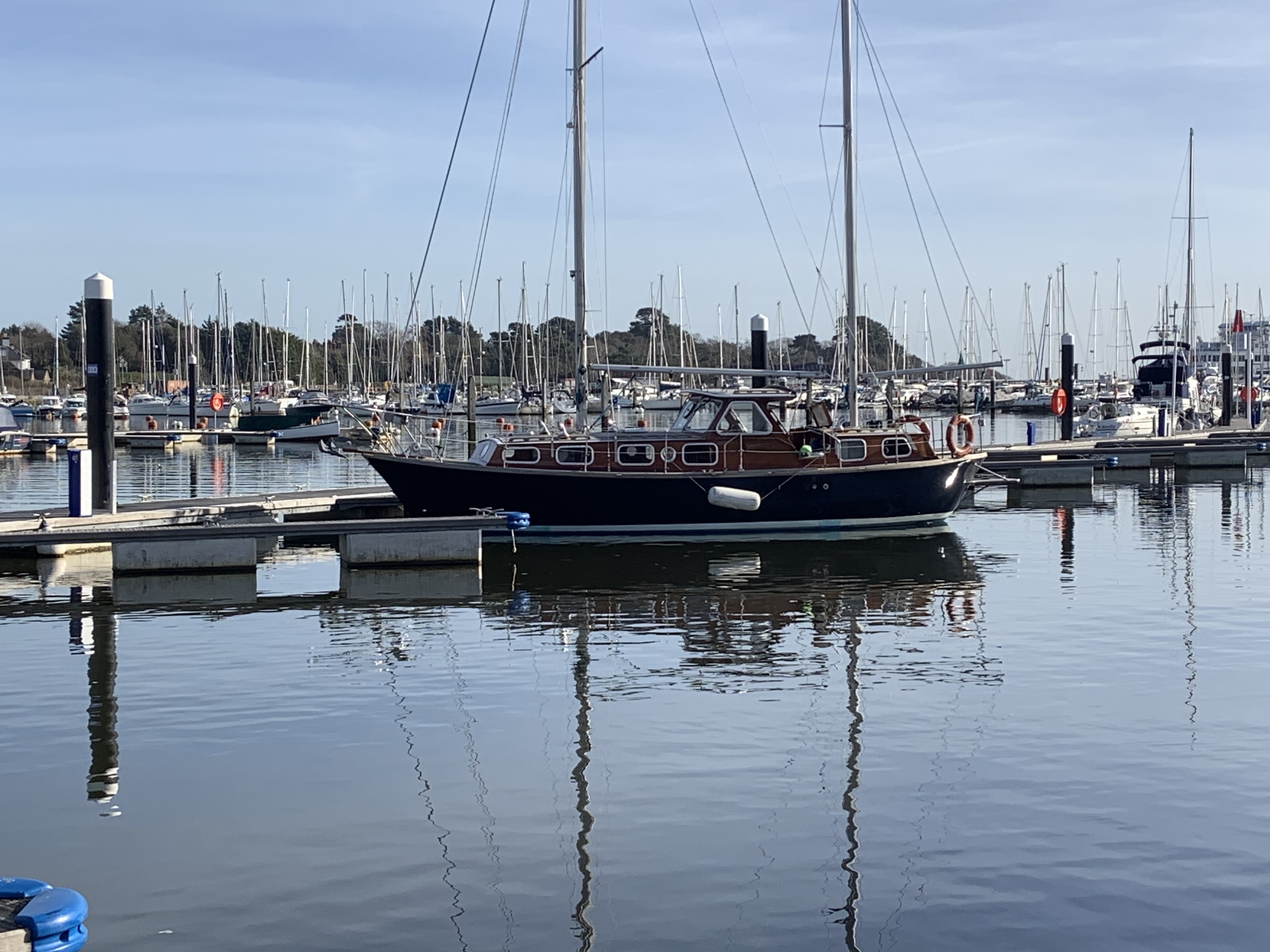
I first saw Antoinette, in Lymington, and from the first moment I saw the boat, I knew I could make the boat my “home.”
She went to Southwold in Suffolk, England for a major refit, and so there is a new engine, gearbox, and propeller, replaced decking, and repairs have been carried out to the hull.
Inside, I can stand up, and although only 37 foot long, being beamy, there is a lot of room.
There are double cabins both fore and after, with “heads” (bathrooms). The main cabin and galley is very comfortable. It has a lot of mahogany wood, so looks homely, and the “dog house” (bit in the middle), is a very open useable space, either enclosed when cold and wet, or if the weather permits, opened up to enjoy the sun.
The key is that this is “my home”.
I can now travel, and go where I like, but I have my home with me. It has heating, but normally when you arrive somewhere, part of the mooring fees offer a shower unit and facilities. I have space to entertain, but above all, I am free of all the ties that we adopt by following the life society offers us as “the norm“.
It is only now that I see the traps that others face, because I can up anchor and head off, and can see where Les Powles got his freedom, and lived his dream.
In the cabin of Antoinette with Finn the dog belonging to Natalie (on the left).
The collie is “Finn”, Natalie’s dog. I think Paul was one of the first to see her when she was born, so 31 years later, Natalie wants to enjoy the alternative life.
As for Finn, he loves it. Fresh air, plenty going on, and a lot to see.
“Tiny living”, but the release from the way most people live is amazing.
No speeding tickets for me. 🤪
ooOOoo
Thank you, Bob for the story of you and me. That last thirty years have flown by and those years on Songbird of Kent were really special albeit the end of my cruising days were pretty scary.
This dog catching a fish while his owner is away.. Dogs are the best..
It was originally posted on ‘X’ by but then I found it on YouTube. However the text that was shown on X read:
Buitengebieden,
Welcome to the positive side of X. I’m Sander from the Netherlands. All copyrights belong to their respective owners! DM for credits/removal/submission!
The other day, members of the neighborhood watch in Richards Bay, South Africa, received a shocking phone call. A woman said she’d been walking through an undeveloped area of wilderness nearby and stumbled on something heartbreaking.
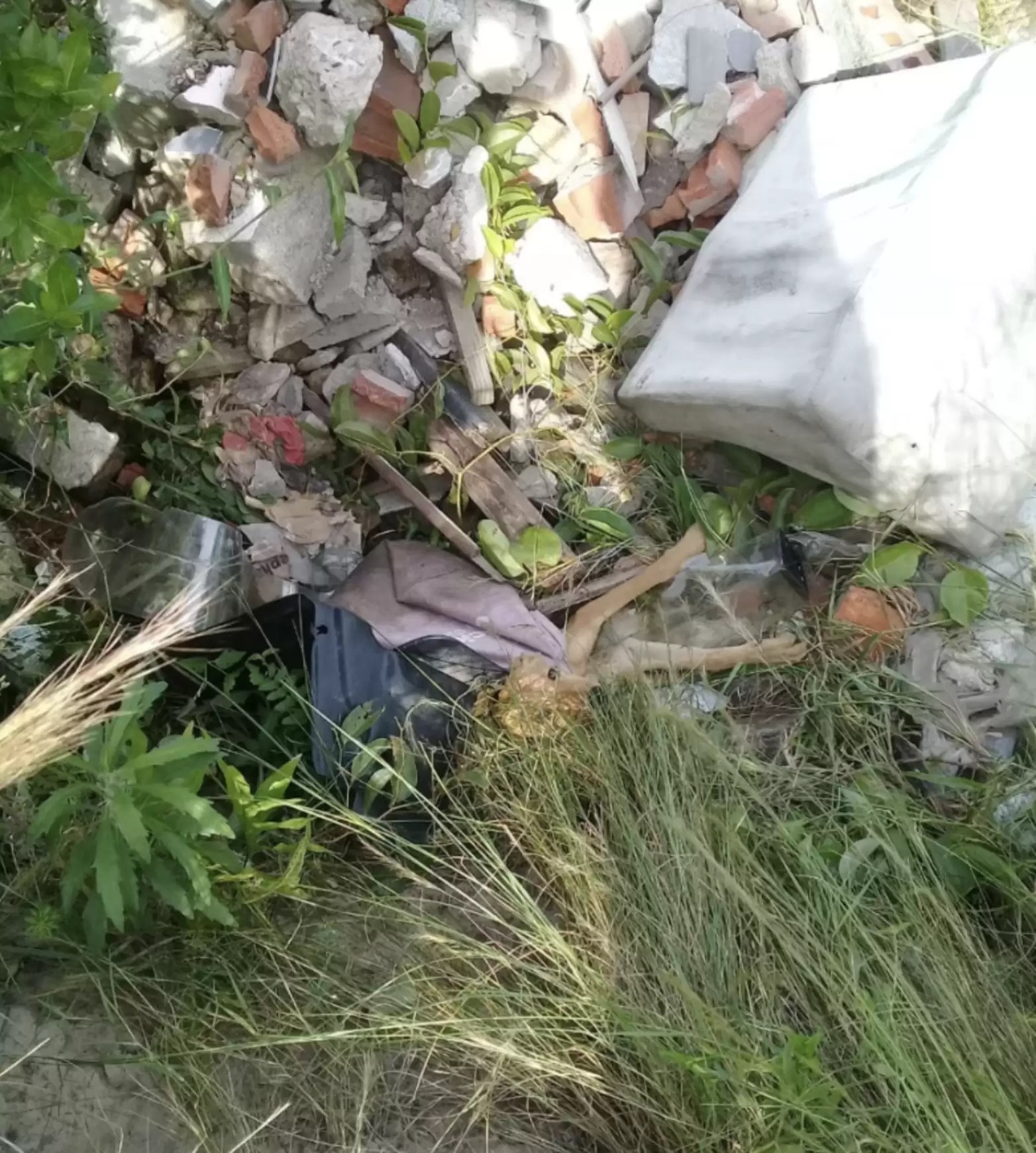
Two watch captains rushed to the scene. When they arrived, they found a discarded pile of rubble and plastic — not necessarily a surprise, given that trash is occasionally dumped in the area. What was upsetting, though, were the pair of long brown legs and pleading black eyes barely visible under the debris.
A little dog was trapped, and he needed help.
With caution, the team began to cut the dog loose from the plastic bag where he’d been tied up. After freeing the pup, they carried him out of the trash and gently placed him in the grass nearby.
The dog, later named Rocky, was so happy to be able to move around, though he was very weak from his ordeal. Neighborhood watch personnel gave the pup some ice cubes to suck on while they waited for SPCA Richards Bay staff to arrive.
Safe at the SPCA, a veterinary team examined Rocky and treated him for a small wound on his head. The malnourished pup was given plenty of food and water, and, in no time, Rocky’s slim figure began to improve and his personality began to shine.
“Rocky is now the sweetest, most outgoing puppy,” a representative from SPCA Richards Bay told The Dodo.
SPCA staff were inspired by Rocky — who spread so much love and who didn’t seem jaded by his harrowing ordeal.
“We were amazed at how a puppy who had been discarded like trash could love and trust again,” the representative said.
Rocky has since been adopted into a loving family and taken to live with them on their farm. The grateful pup, who once spent hours trapped under garbage, unable to move, will spend the rest of his days running through the ample fields of his new home, loving every minute.
ooOOoo
All of the above photographs are taken by FACEBOOK/SPCA RICHARDS BAY
No matter where in the world one is there is a love for dogs and this account shows it to be so!
The last day of April, 2023, brings a change in the Picture Parades.
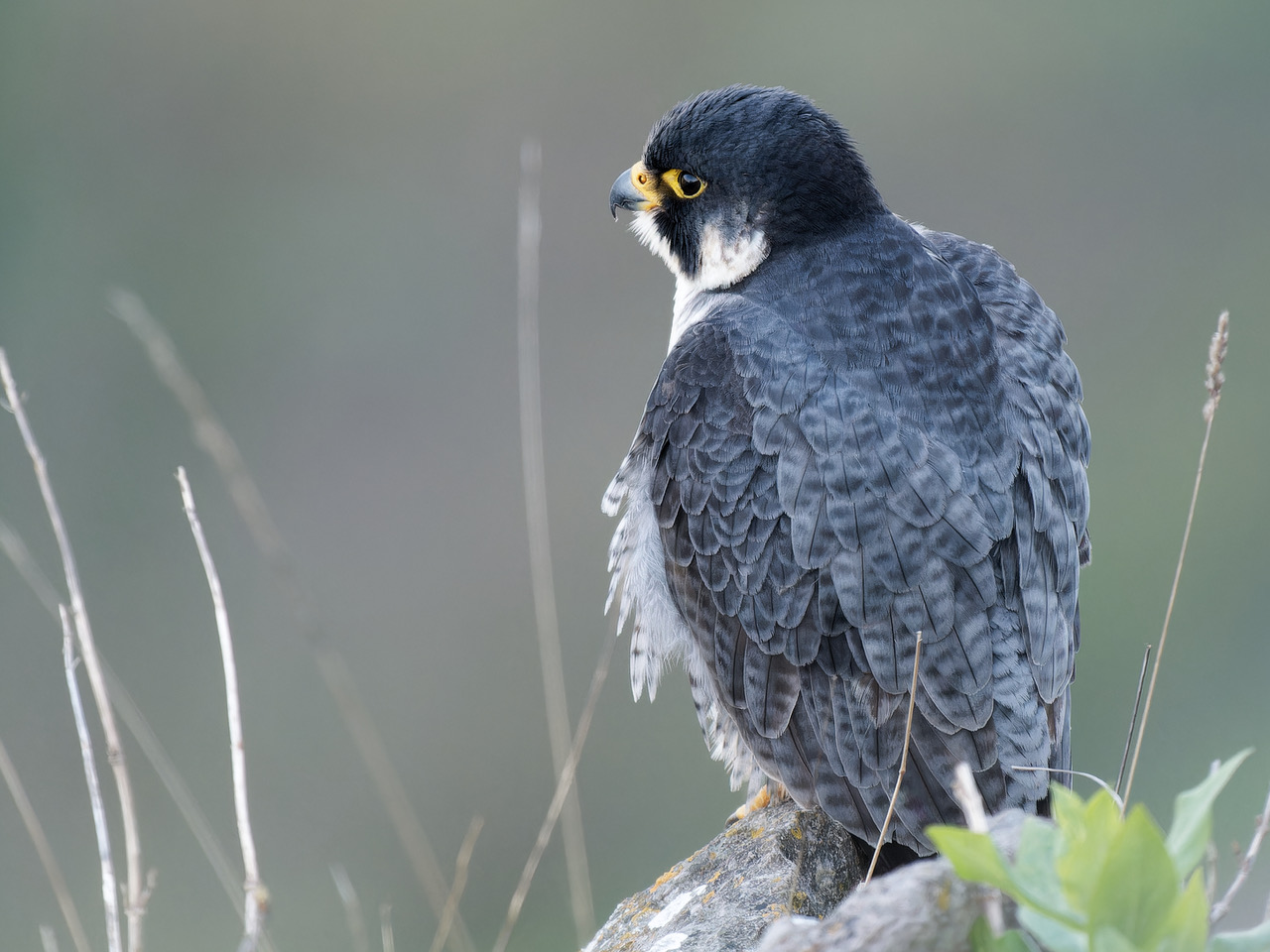
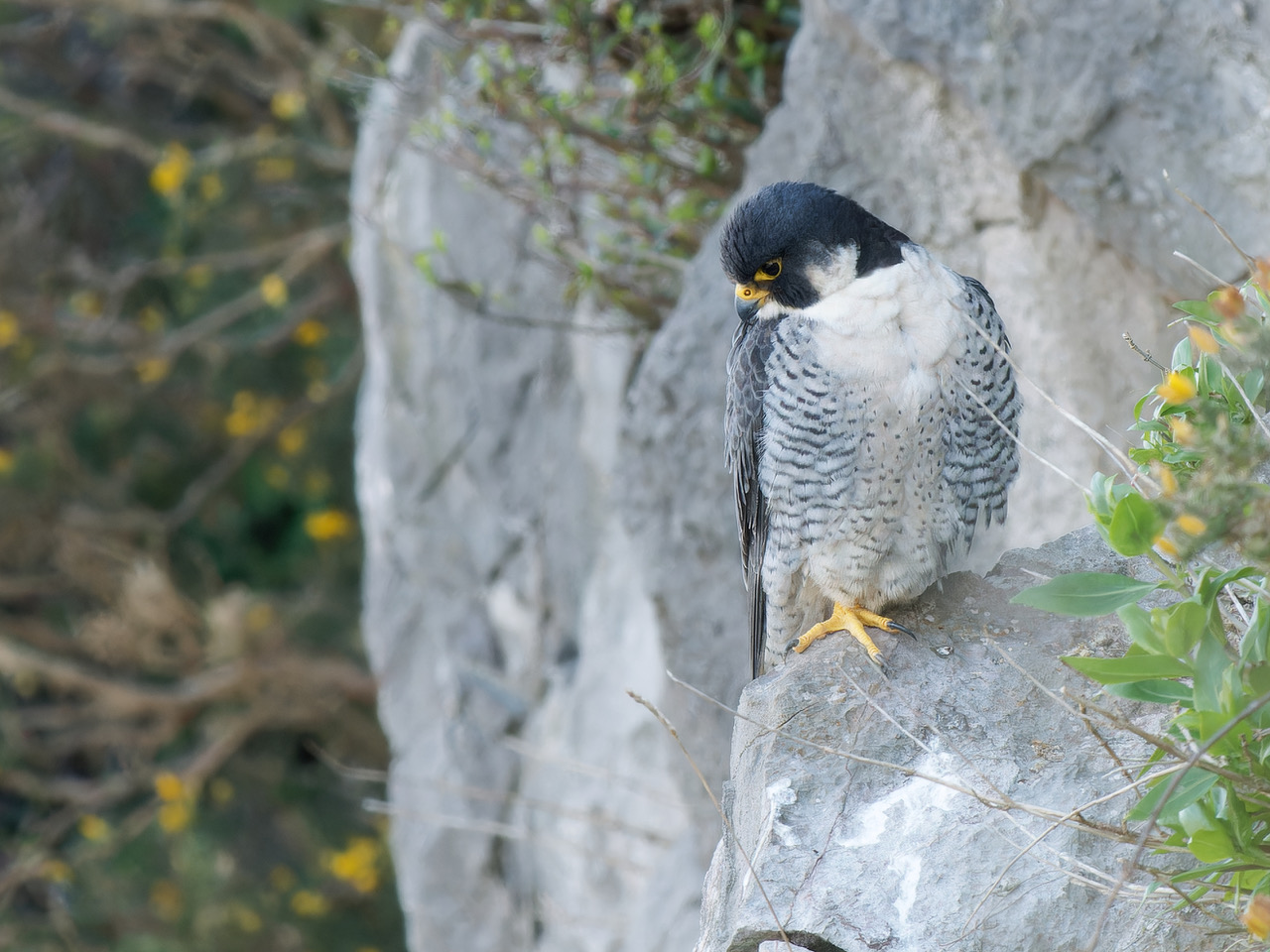
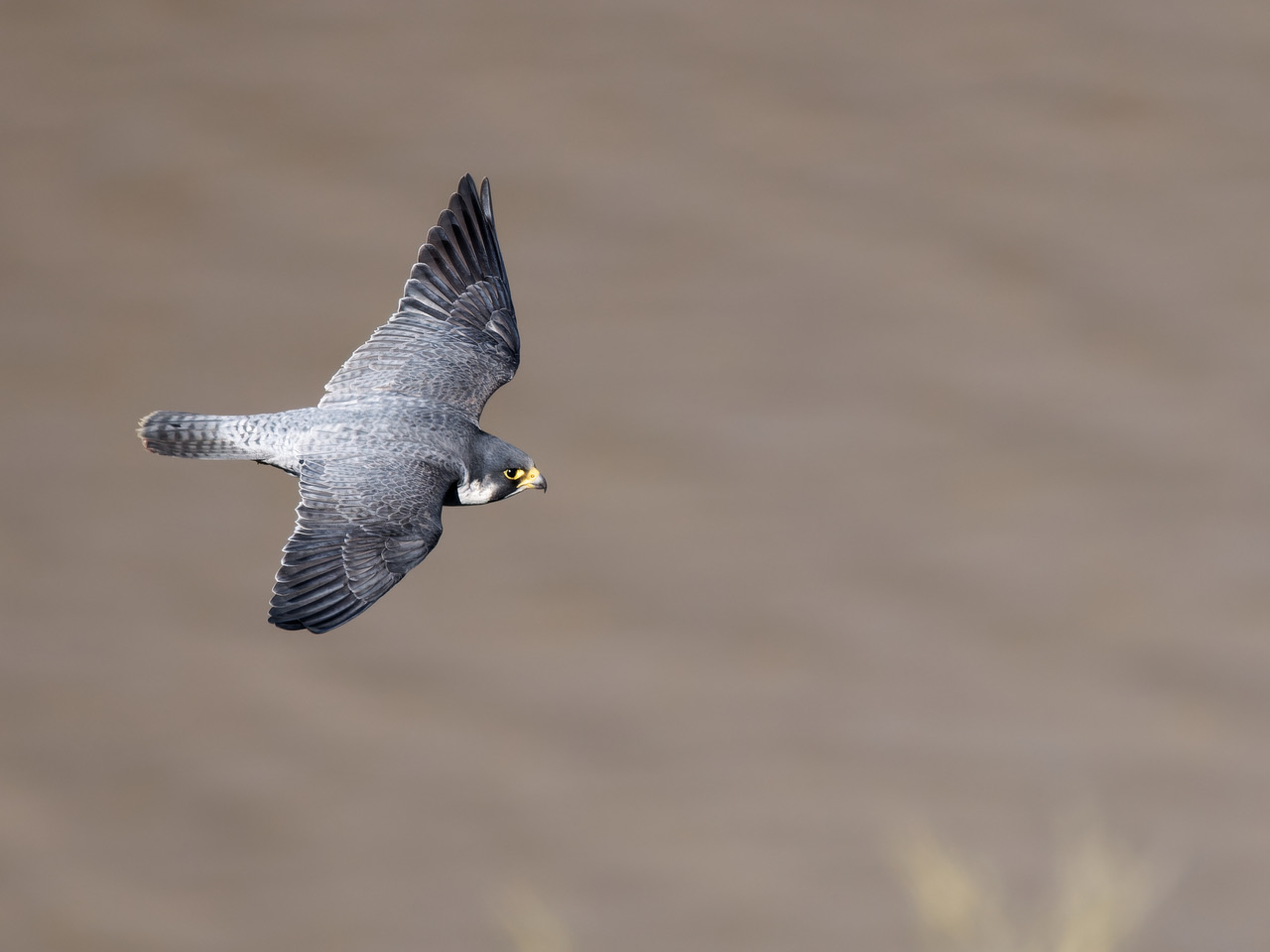
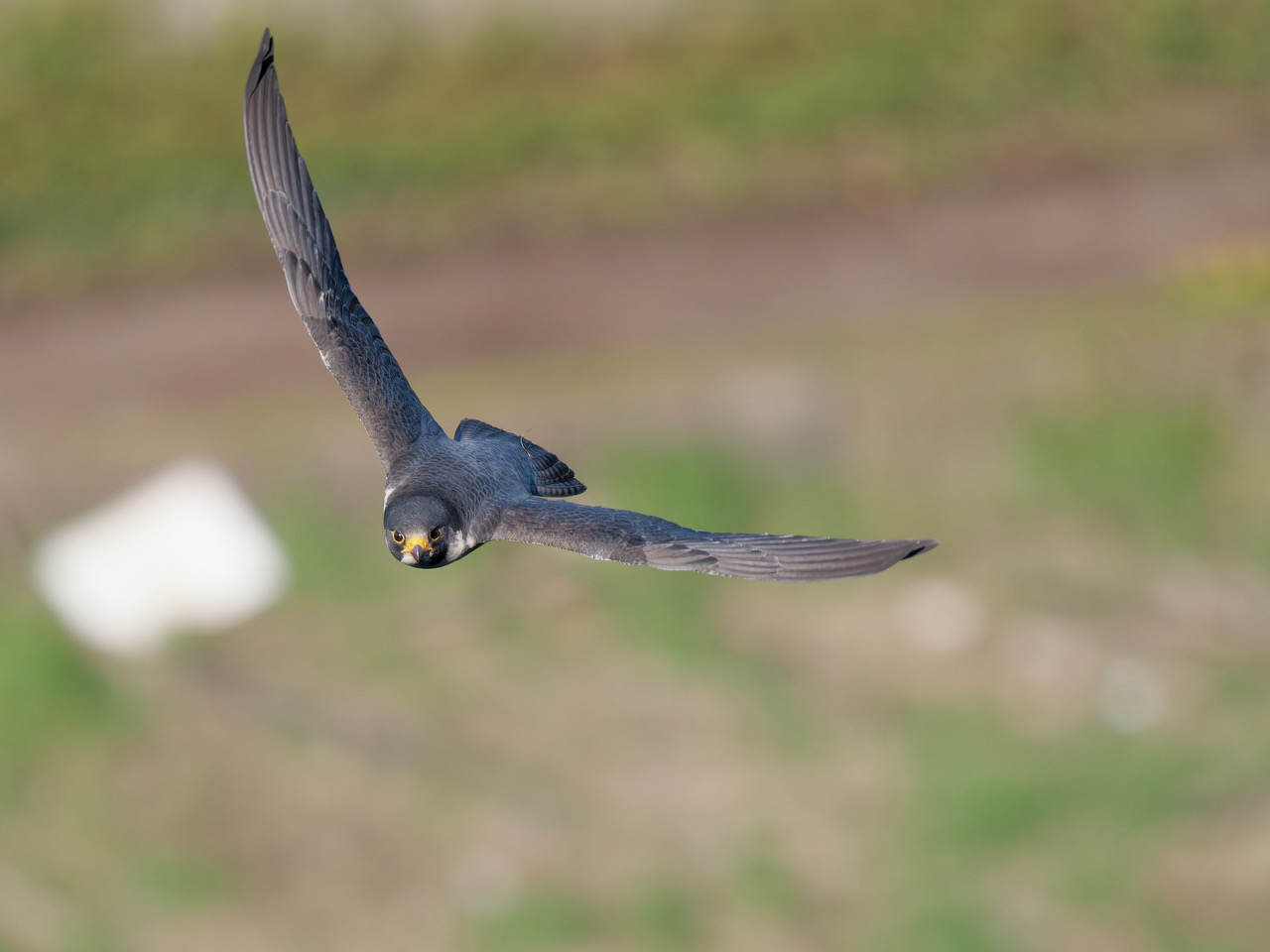
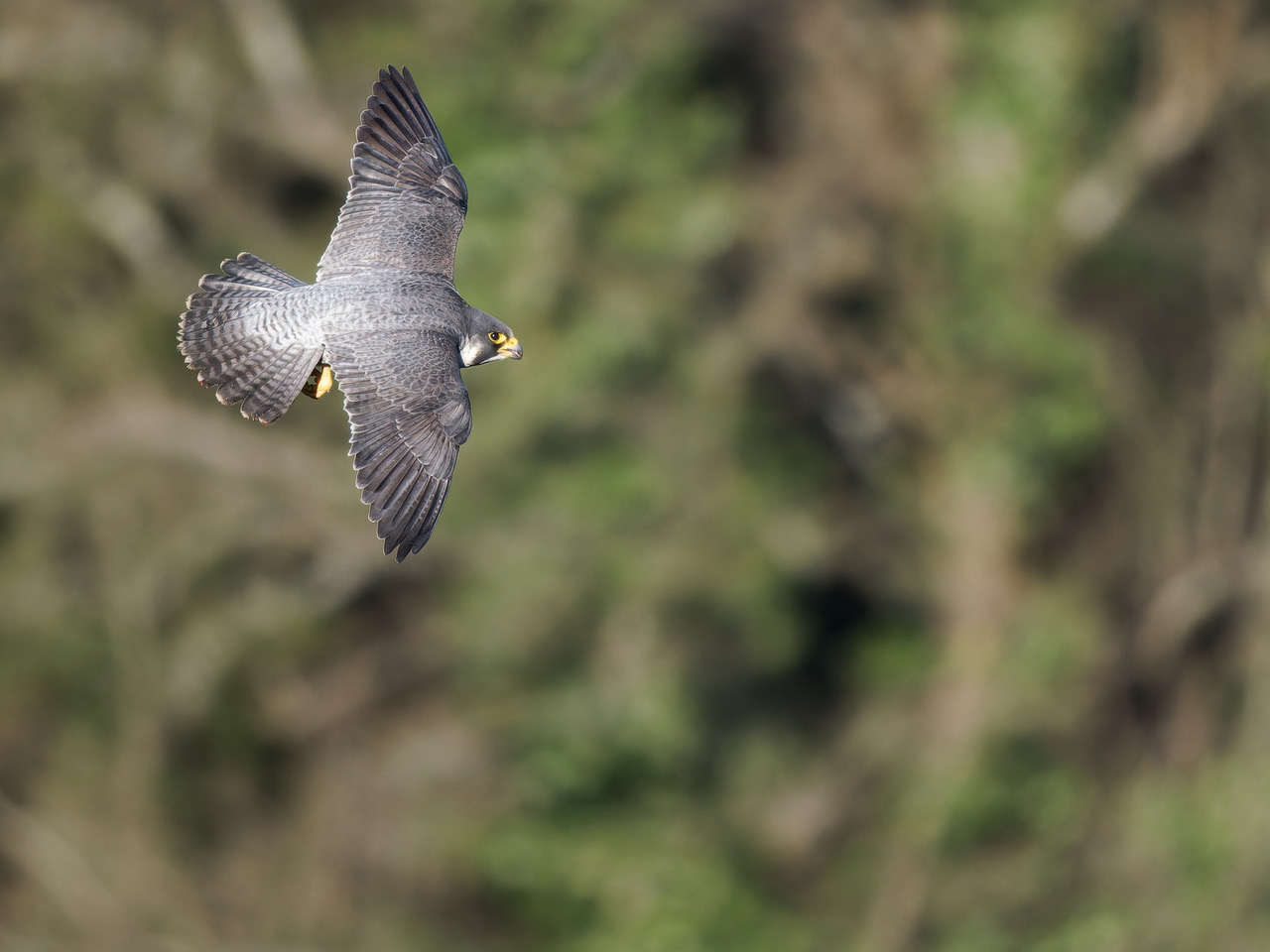
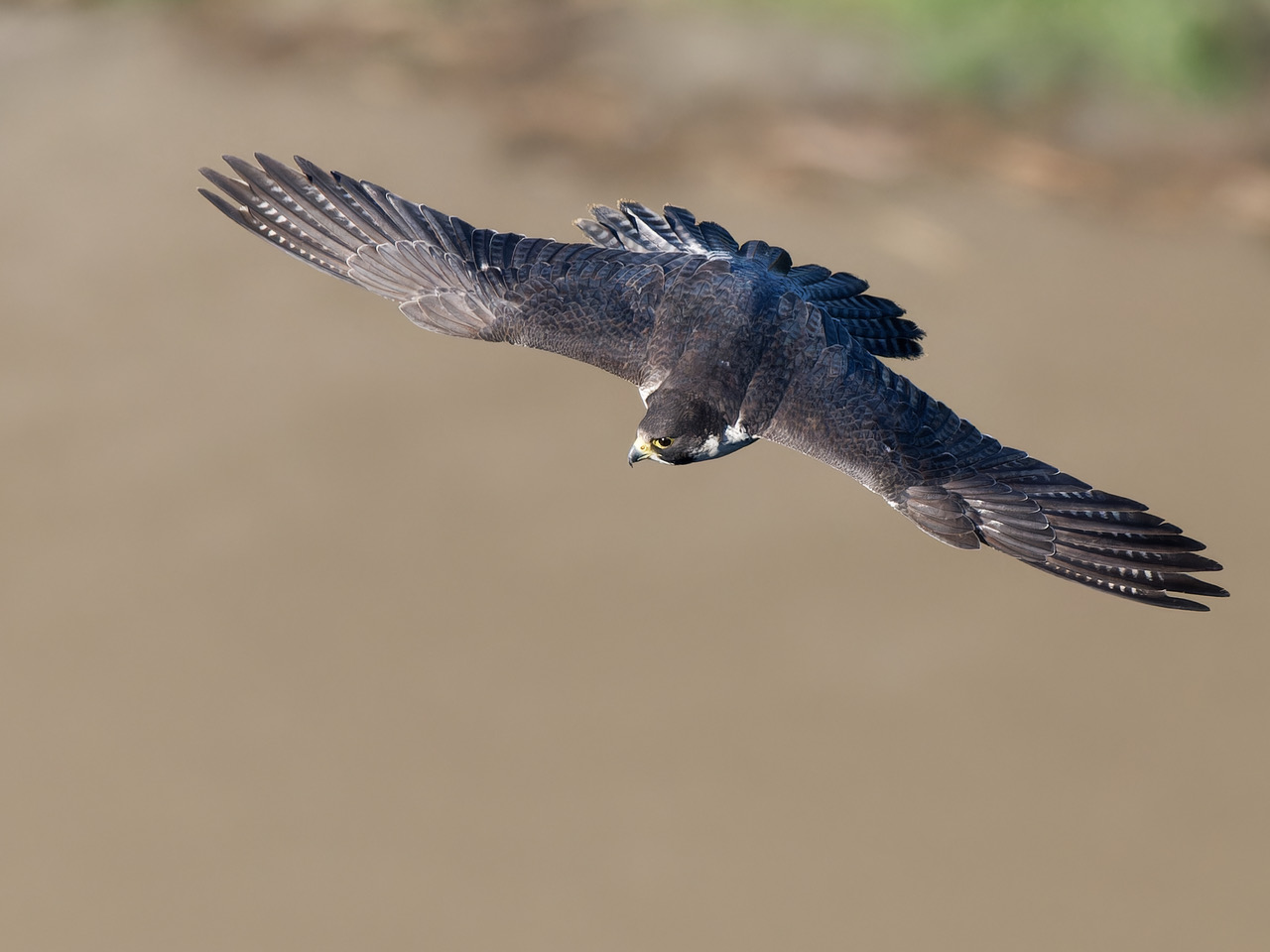
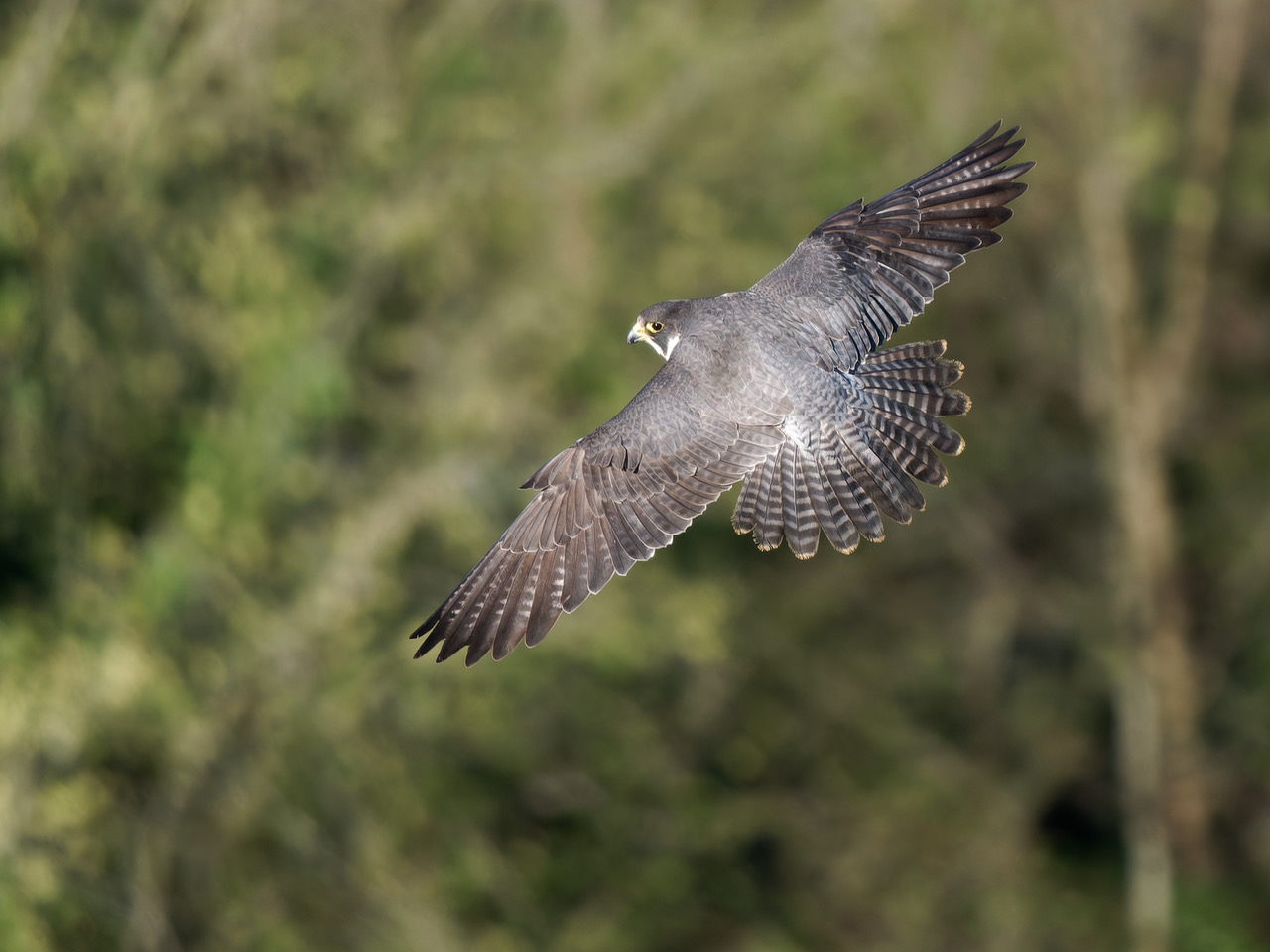
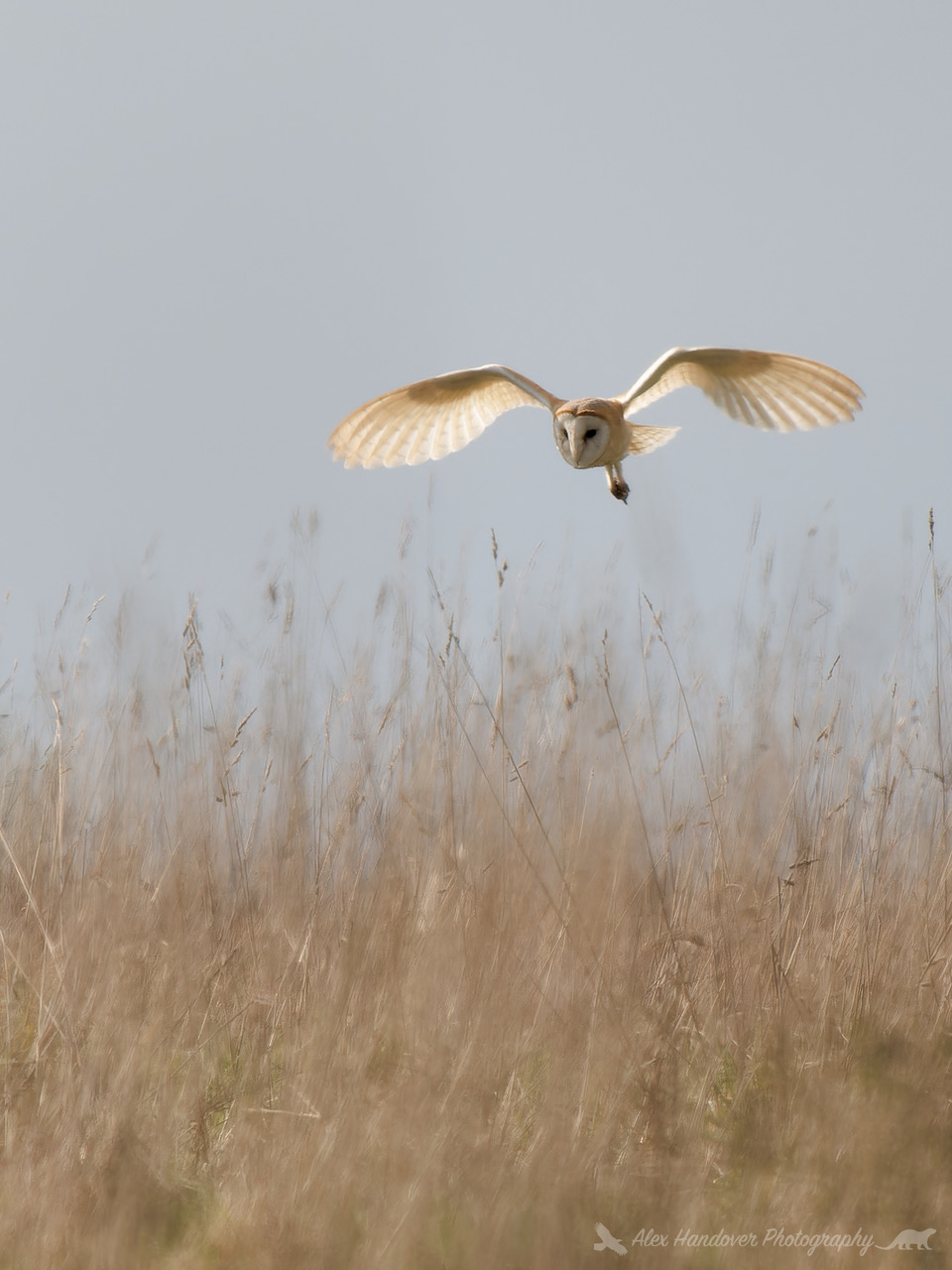
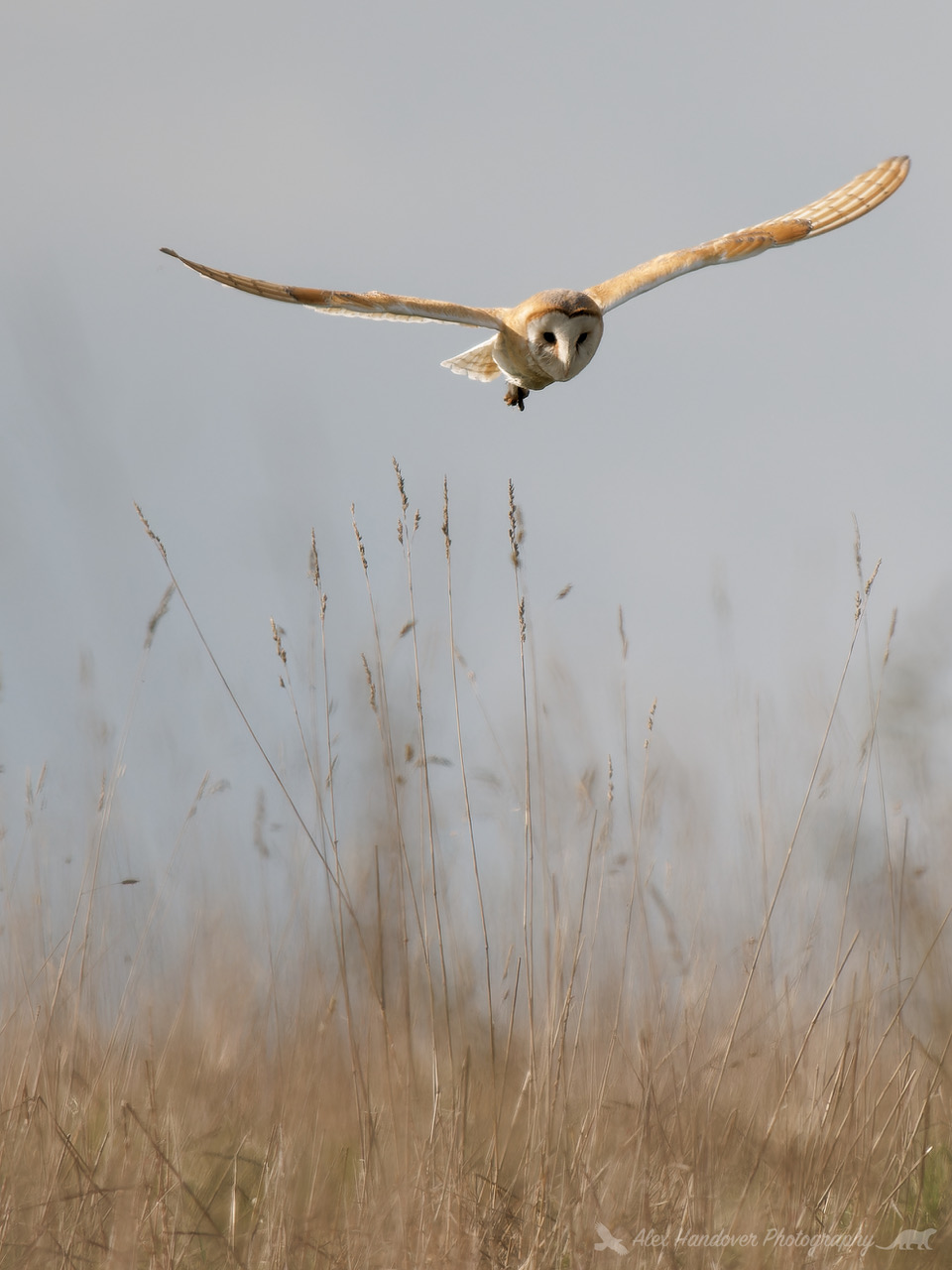
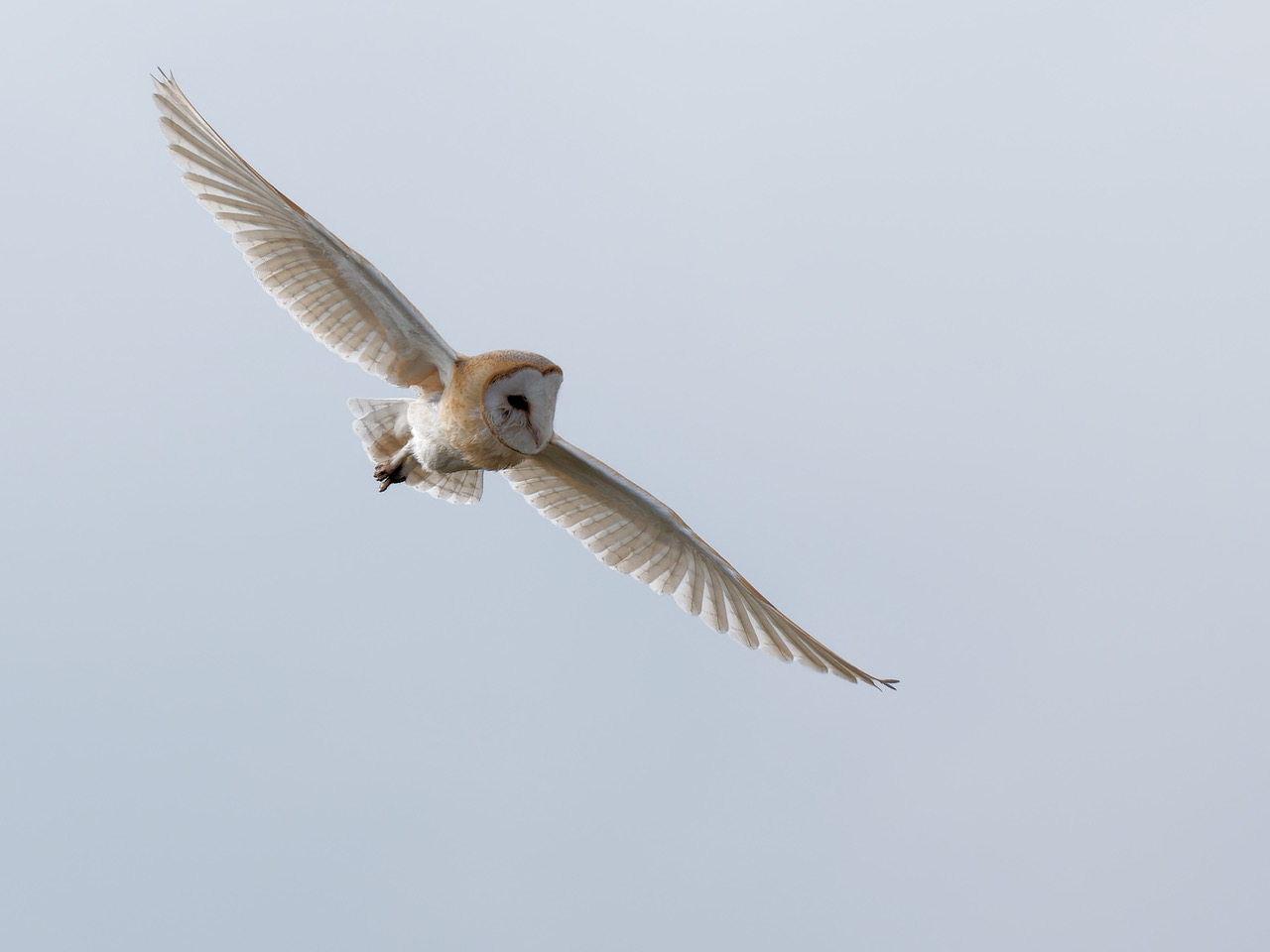
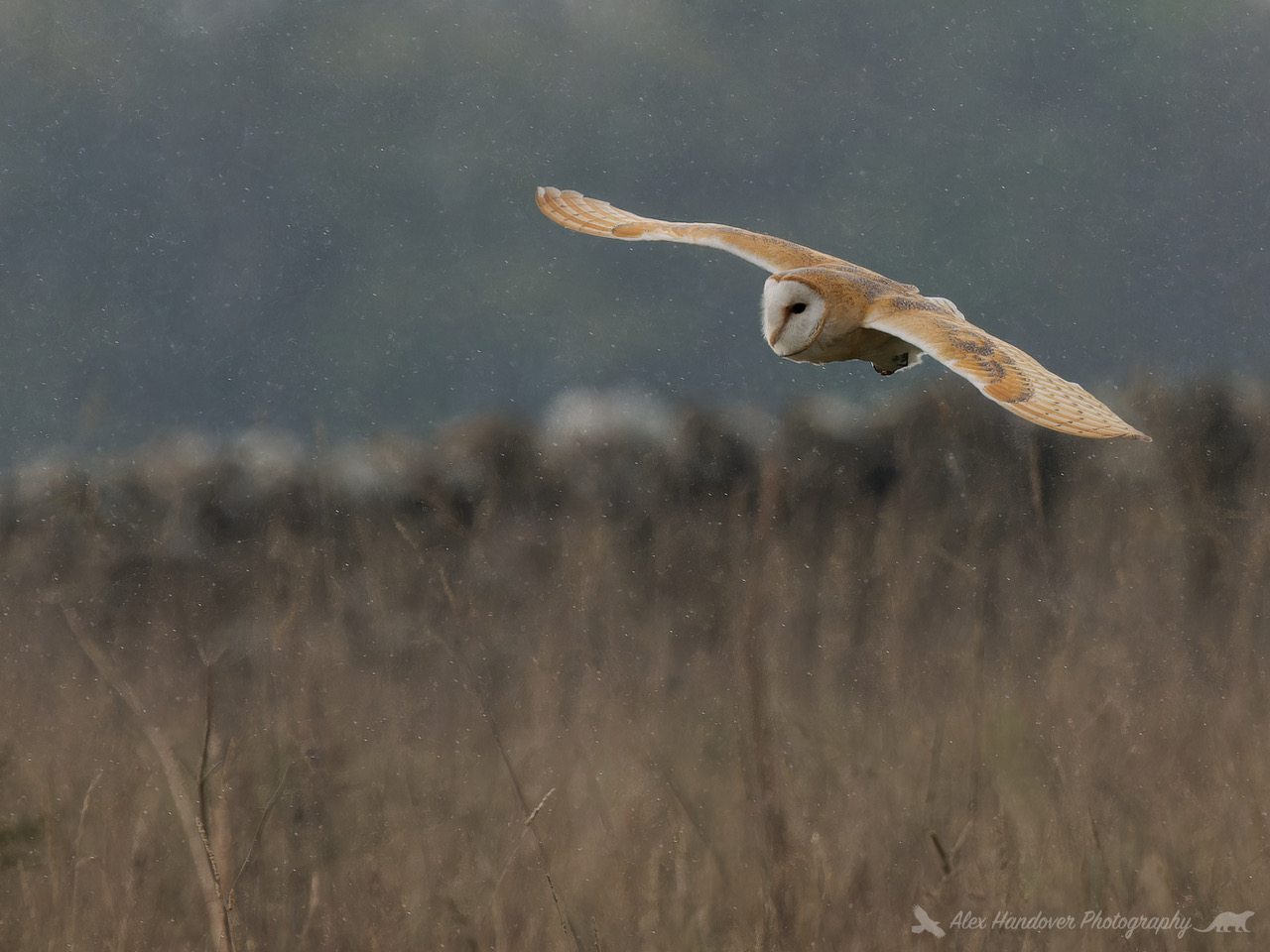
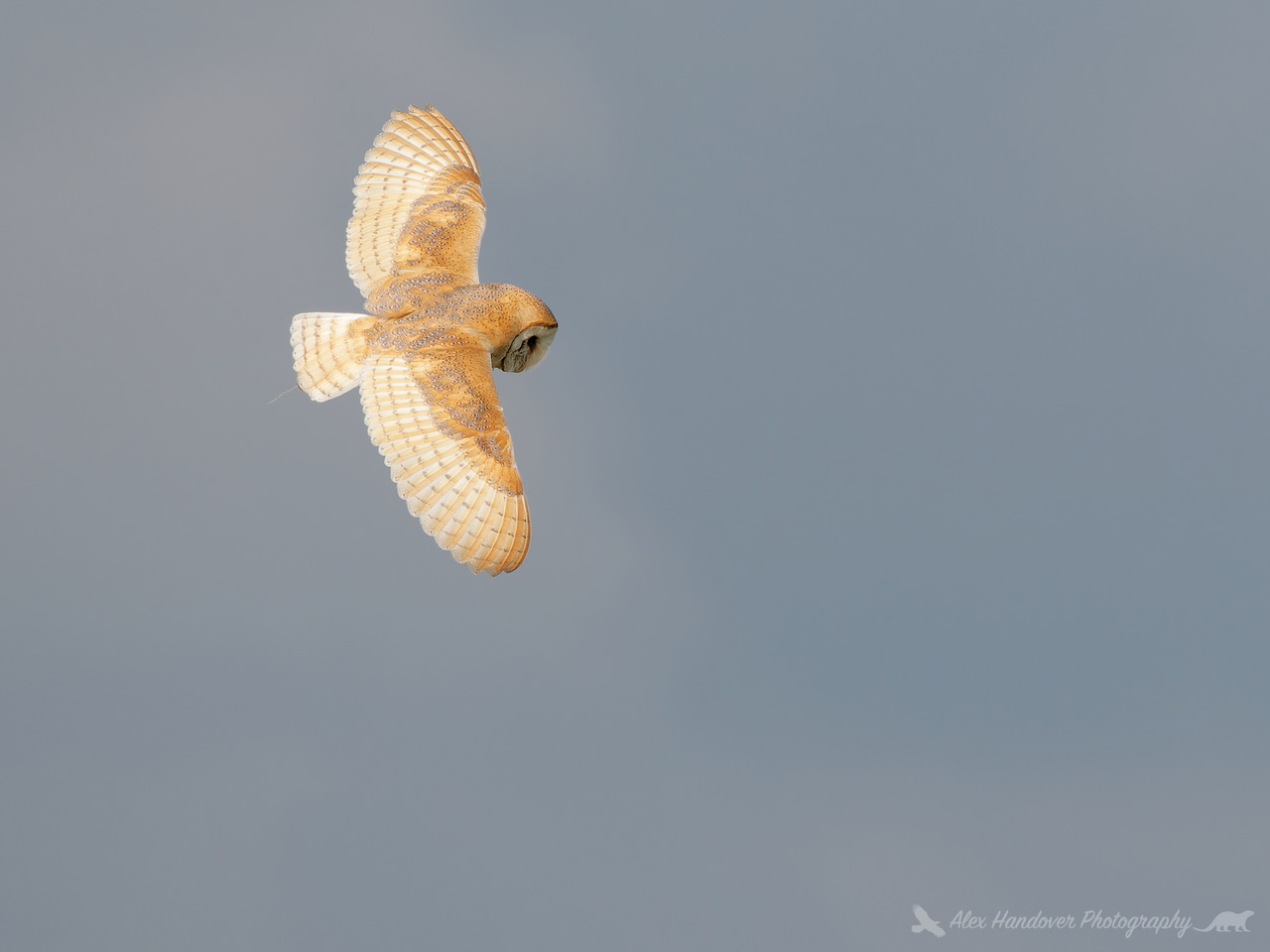
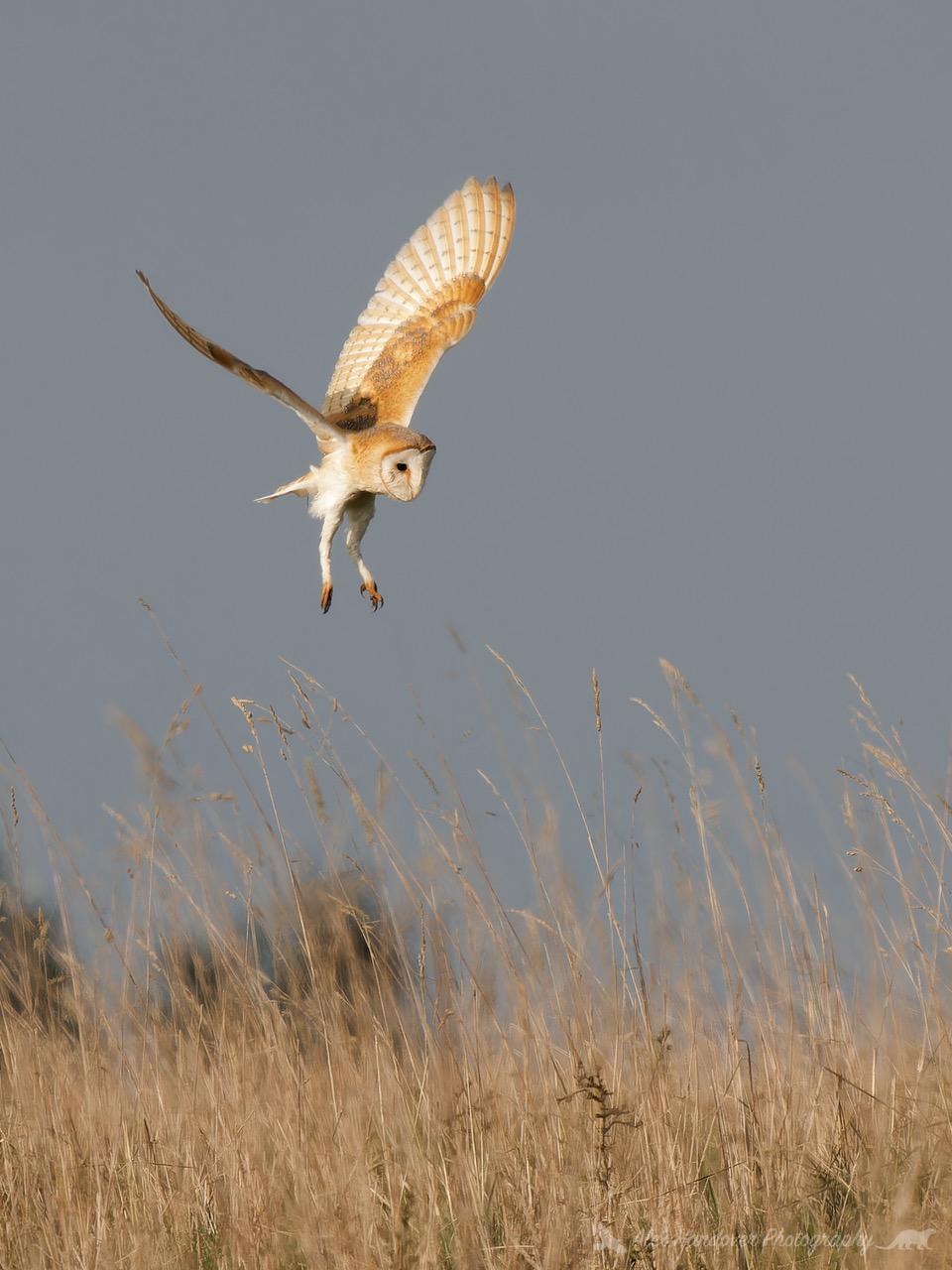
My son, Alex, is a very keen photographer and has taken many beautiful photos of birds. He wants to build his following especially on Instagram (that is a link to Alex’s page) and I was very willing to assist him in his endeavour.
So starting today I will be posting the photographs taken by Alex and repeating this every other Sunday. In other words, I shall now be alternating between birds and dogs for as long as is possible.
But first of all here is Alex’s QR code.
oooo
oooo
oooo
oooo
oooo
oooo
oooo
oooo
oooo
Alex uses an Olympus camera, an OM-1, and his lens is an Olympus M zuiko 150-400TC pro. A feature of the camera is the continuous shooting rate of 130 frames per second that Alex uses to good effect; as you can see.
So if you are interested in photography, please go across to this Instagram link and revel in the wonderful pictures featuring wildlife from the UK🇬🇧, mainly in the counties of Somerset, Gloucestershire and Bristol.
As soon as I read it I contacted Jason and asked his permission to share it with you all.
Here it is!
ooOOoo
How I met my first working dog.
April 6th, 2023
Hello, my name is Jason. For as long as I can remember, I have loved dogs. Dogs have been a big part of my life while growing up. They have also been a big part of having a family with kids.
I am super lucky, because over the last couple of years, I have had the job of my dreams. I get to work with a dog every day. This dog has become my best friend, she has become my work partner, and she has become a very important part of my family.
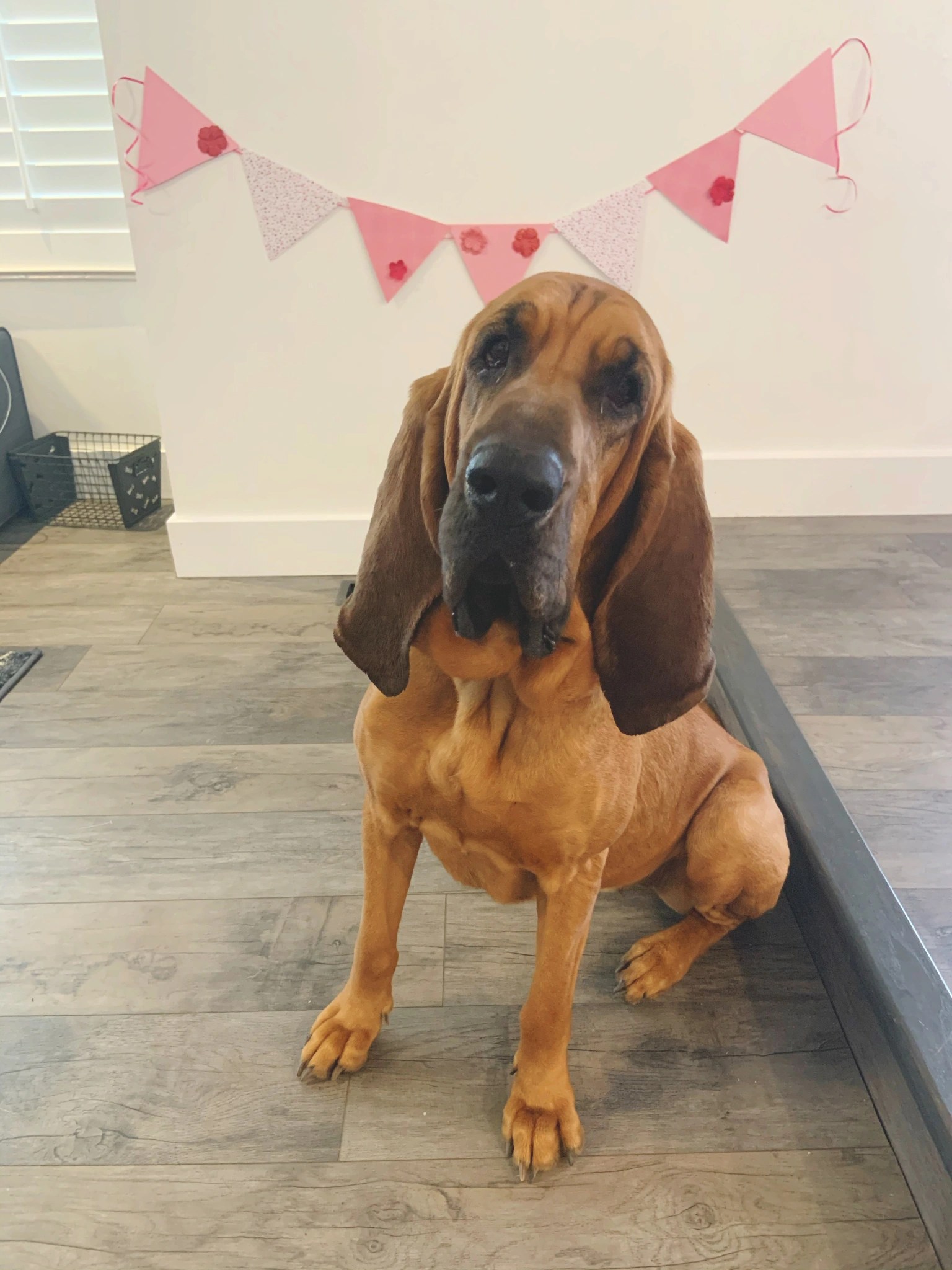
I am excited to share my stories about this big, floppy eared, wrinkly faced, hard working Bloodhound. Would it surprise any of you that the job that Sophie and I do every day is to help find people that have gone missing?
Her nose, second to none in the dog world, has helped the community where we work to find people in many aspects. We have found criminals that have ran away from law enforcement, we have found missing children that ran away from home, and we have helped look for people that for any number of circumstances were in danger if they weren’t found in a timely manner.
This is Sophie!
I hope to be able to entertain you with stories of this wonderful dog. She’s got a stubborn streak both while working and while at home. She has made life interesting to be sure, and more entertaining and loving than I deserve in a friend and partner. I want to share my story of how I met her.
Unfortunately, her story wasn’t one without a few struggles of her own. She had to deal with some struggles before I was able to be lucky enough to have her stumble head first into my life. Maybe in some ways though, her and I were better off having to work through some of the repercussions of moving away from multiple families. Maybe because of what she went through, it opened my eyes to the opportunity to train with her in more than just search and rescue type work.
It’s been a long road from the time that I got her. Trying to help her get through her anxiety and stress that led to her sometimes biting people, dog aggression, and sometimes just not wanting to listen to me at all.
The dog that I live with now is still a working machine. She loves the hunt more than anything else. So much so that if we go too many days without it, she starts destroying my house. Instead of the biting and hating other dogs, she now gets to live with my family of a wife and two children. She has grown to love and co-exist with a stubborn Rottweiler that constantly gives her a run for her money.
I still wonder how I had the opportunity to have a dog that was born and raised in Massachusetts. At least for the first two years of her life.
Her story started with a hound handler that had many years, and many hounds during his time of working with dogs. Sophie was still really young when her handler had an unfortunate thing happen to him. He injured his back to where he was no longer able to run with a hound the same way he had in the past.
With her age, abilities, and ultimately what she was bred for, her first owner decided that he still wanted the world to have the opportunity to have Sophie provide her assistance to a community somewhere.
Across the United States in the state of Utah was a small police department that had been in contact with the organization that Sophie’s handler was part of. The police chief with this department had attended a seminar where this organization presented the abilities and benefits of a hound working for a local police department.
This police chief made quick friends with the people of this organization. He was also invited to Massachusetts where he spent some time watching the hounds work. Learning first hand what these amazing dogs can do to help find missing people.
When this organization realized that Sophie needed a new home, they contacted this chief from Utah and told them of a rare opportunity they wanted to offer him. They told him that they had a hound that needed to be re-homed. That she was a couple of years old, and was fully trained in her abilities. All she needed was a handler and a department willing to use her. The chief of police sent his lieutenant to Massachusetts where he spent about a week learning the basics of how Sophie worked. The lieutenant then drove back to Utah to start a bloodhound unit program with this police department.
A couple of years in of getting this program off of the ground, another incident happened. Sophie’s new handler got injured. For month’s it was thought that the lieutenant would be back to work. He was adamant that he wanted to stay with the department until Sophie retired so he could take her with him. He came to the realization though, that he was going to have to leave before Sophie could retire.
It was rumored around the police department that Sophie was just going to retire with the lieutenant even though she had years left available to keep working and providing for the community. One day, the lieutenant announced that he wanted officers to put in letters of interest to be the new hound handler for the department. He told those interested that there was going to be a panel of three officers, all hound handlers from Utah, that would decide who the best candidate would be for Sophie.
I was about two years into my career as a law enforcement officer at this same police department where Sophie worked. When I first started in law enforcement, my goal and biggest dreams were to work with a dog in some capacity. When I heard that they were looking for people that wanted the position, I didn’t think much of it. I was newer, other more experienced officers were putting in for the position, and I didn’t know if I wanted to run a tracking/trailing dog. I had always dreamed of having a dog that helped find drugs or had a more known job as a police officer.
I was called by my lieutenant shortly after the position to be Sophie’s handler opened up. He was aware that I have always wanted to be a K9 handler. He knew that I spent a lot of time working with another officer with the department that has a dog used to find drugs. He told me that he wanted me to put in for the position.
I wrote my letter of interest, then started the process of getting ready to interview. I had a small amount of experience with training a dog that I had previously that had behavior issues. My experience was no more than working with a company that helped with behavioral modification for my dog that had health and anxiety issues.
During the interview, among many questions, I was asked what experience I had working with dogs. I shared the small bit of experience that I had. Among all the other questions that stood out to me was asking if my family was prepared for the time and energy it took to be a police K9 handler. I was able to explain to them that my wife was very aware that having a dog in a working capacity has been a dream of mine even before meeting her. That I probably have no idea how big of a commitment this really was, but if given the opportunity, I would give it my all and put forth all the effort I could to succeed.
Hours after the interview, my lieutenant called me and one other officer that made it to the final interview process. The call was to announce to the two of us who had gotten the position. I expected this other officer, almost a 20 year veteran officer, to get the position. Well, I was pleasantly surprised and shocked that my name was the one called to be Sophie’s next handler!
ooOOoo
I hope you read it completely through because you would agree with me that this is most interesting. Hopefully, Jason will be publishing more posts.
Like so many others we do our little bit regarding plastic but do not properly think about the issue. I have to admit that I am not even sure if all plastics are harmful or just some.
But I comprehend art!
That is why I am republishing, with permission, this article from The Conversation.
ooOOoo
My art uses plastic recovered from beaches around the world to understand how our consumer society is transforming the ocean
Pam Longobardi amid a giant heap of fishing gear that she and volunteers from the Hawaii Wildlife Fund collected in 2008. David Rothstein, CC BY-ND
I am obsessed with plastic objects. I harvest them from the ocean for the stories they hold and to mitigate their ability to harm. Each object has the potential to be a message from the sea – a poem, a cipher, a metaphor, a warning.
My work collecting and photographing ocean plastic and turning it into art began with an epiphany in 2005, on a far-flung beach at the southern tip of the Big Island of Hawaii. At the edge of a black lava beach pounded by surf, I encountered multitudes upon multitudes of plastic objects that the angry ocean was vomiting onto the rocky shore.
I could see that somehow, impossibly, humans had permeated the ocean with plastic waste. Its alien presence was so enormous that it had reached this most isolated point of land in the immense Pacific Ocean. I felt I was witness to an unspeakable crime against nature, and needed to document it and bring back evidence.
I began cleaning the beach, hauling away weathered and misshapen plastic debris – known and unknown objects, hidden parts of a world of things I had never seen before, and enormous whalelike colored entanglements of nets and ropes.
‘Bounty Pilfered’ (center), ‘Newer Laocoön’ (left) and ‘Threnody’ (right). All made of ocean plastic from the Atlantic, Pacific and Gulf of Mexico, installed at the Baker Museum in Naples, Fla., 2022. Pam Longobardi, CC BY-ND
I returned to that site again and again, gathering material evidence to study its volume and how it had been deposited, trying to understand the immensity it represented. In 2006, I formed the Drifters Project, a collaborative global entity to highlight these vagrant, translocational plastics and recruit others to investigate and mitigate ocean plastics’ impact.
My new book, “Ocean Gleaning,” tracks 17 years of my art and research around the world through the Drifters Project. It reveals specimens of striking artifacts harvested from the sea – objects that once were utilitarian, but have been changed by their oceanic voyages and come back as messages from the ocean.
‘Drifters Objects,’ a tiny sample of the plastic artifacts Pam Longobardi has collected from beaches worldwide. Pam Longobardi, CC BY-ND
Living in a plastic age
I grew up in what some now deem the age of plastic. Though it’s not the only modern material invention, plastic has had the most unforeseen consequences.
My father was a biochemist at the chemical company Union Carbide when I was a child in New Jersey. He played golf with an actor who portrayed “The Man from Glad,” a Get Smart-styled agent who rescued flustered housewives in TV commercials from inferior brands of plastic wrap that snarled and tangled. My father brought home souvenir pins of Union Carbide’s hexagonal logo, based on the carbon molecule, and figurine pencil holders of “TERGIE,” the company’s blobby turquoise mascot.
On the 2013 Gyre Expedition, Pam Longobardi traveled with a team of scientists, artists and policymakers to investigate and remove tons of oceanic plastic washing out of great gyres, or currents, in the Pacific Ocean, and make art from it.
Today I see plastic as a zombie material that haunts the ocean. It is made from petroleum, the decayed and transformed life forms of the past. Drifting at sea, it “lives” again as it gathers a biological slime of algae and protozoans, which become attachment sites for larger organisms.
Plastic ‘nurdles,’ (left), tiny pellets that serve as raw materials for manufacturing plastic products, and herring roe, or eggs (right). These visually analogous forms exemplify how fish can mistake plastic for food. Pam Longobardi, CC BY-ND
The forensics of plastic
I see plastic objects as the cultural archaeology of our time – relics of global late-capitalist consumer society that mirror our desires, wishes, hubris and ingenuity. They become transformed as they leave the quotidian world and collide with nature. By regurgitating them ashore or jamming them into sea caves, the ocean is communicating with us through materials of our own making. Some seem eerily familiar; others are totally alien.
A degraded plastic doll arm, from the series ‘Evidence of Crimes.’ Pam Longobardi, CC BY-ND
A person engaging in ocean gleaning acts as a detective and a beacon, hunting for the forensics of this crime against the natural world and shining the light of interrogation on it. By searching for ocean plastic in a state of open receptiveness, a gleaner like me can find symbols of pop culture, religion, war, humor, irony and sorrow.
In keeping with the drifting journeys of these material artifacts, I prefer using them in a transitive form as installations. All of these works can be dismantled and reconfigured, although plastic materials are nearly impossible to recycle. I display some objects as specimens on steel pins, and wire others together to form large-scale sculptures.
From the series ‘Prophetic Objects,’ a plastic cap from a Greek manufacturer of cleaning products, found on the Greek island of Kefalonia. Pam Longobardi, CC BY-ND
I am interested in ocean plastic in particular because of what it reveals about us as humans in a global culture, and about the ocean as a cultural space and a giant dynamic engine of life and change. Because ocean plastic visibly shows nature’s attempts to reabsorb and regurgitate it, it has profound stories to tell.
‘Albatross’ and ‘Hope Floats,’ 2017. Recovered ocean plastic, survival rescue blankets, life vest straps and steel. Pam Longobardi, CC BY-ND
I believe humankind is at a crossroads with regards to the future. The ocean is asking us to pay attention. Paying attention is an act of giving, and in the case of plastic pollution, it is also an act of taking: Taking plastic out of your daily life. Taking plastic out of the environment. And taking, and spreading, the message that the ocean is laying out before our eyes.
Pam at one point describes the ocean plastic”… because ofwhat it reveals about us as humans in a global culture, and about the ocean as a cultural space and a giant dynamic engine of life and change …”. It raises questions that I can only ponder the answer. Ultimately, are there too many inhabitants on this planet? What does the next generation think? Is there an answer?
A dog that was stranded near a frozen waterfall in Utah on Christmas Eve was saved by search and rescue officials and reunited with her owner.
According to the Weber County Sheriff’s Office Search and Rescue, a local man was hiking near Waterfall Canyon on Saturday when he became separated from his dog Nala.
The unidentified hiker couldn’t find Nala by nightfall and resumed his search the morning of Christmas Day, the sheriff’s office wrote on its Facebook page.
The hiker’s family members contacted authorities around 1:00 p.m., local time, saying he wasn’t responding to their calls or text messages, officials said.
Nala’s owner answered one of the phone calls once he regained cellphone service and was able to let people know that Nala was around the waterfall, but couldn’t reach her because of the steepness and the icy condition of the terrain, according to Weber County Sheriff’s Office Search and Rescue.
A grab from video posted by Weber County Sheriff’s Office Search and Rescue shows the dog Nala at Waterfall Canyon in Ogden, Utah, Dec. 25, 2022.
Weber County Sheriff’s Office Search and Rescue
The search and rescue team responded to the call and were able to save a skittish Nala after a little coaxing, officials said.
“Nala was cold with a few minor injuries, but was able to hike down with the rescuers,” officials wrote. “She is one tough puppy! Once reaching the trailhead parking lot, both human and canine couldn’t have been happier to be reunited.”
According to Waterfall Canyon it is a “moderately challenging,” 2.4-mile trail near Ogden, Utah, according to AllTrails. Ogden is around 38 miles north of Salt Lake City.
ooOOoo
I’m sure you read that the human and the dog were very grateful to be reunited.