The last set of photographs from Kristýna Kvapilová
As before taken from here.

oooo
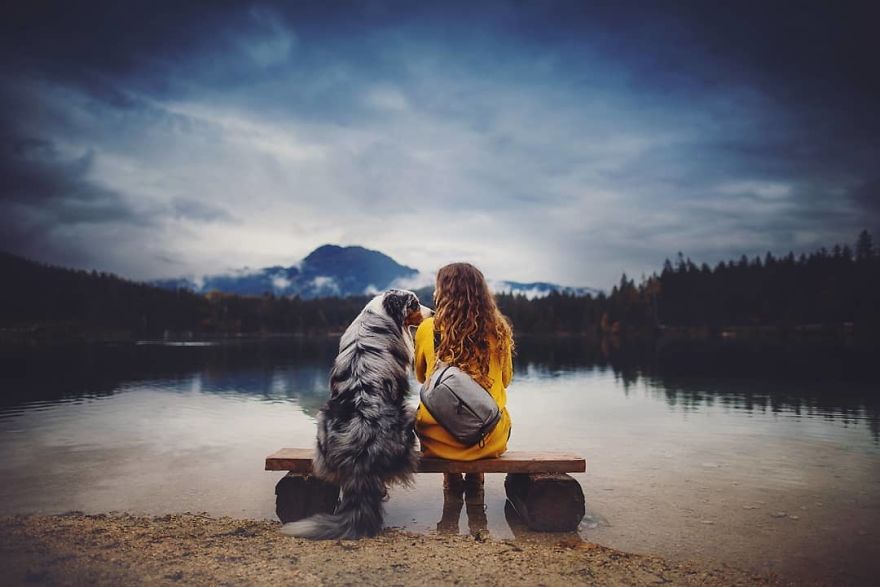
oooo

oooo

oooo

oooo
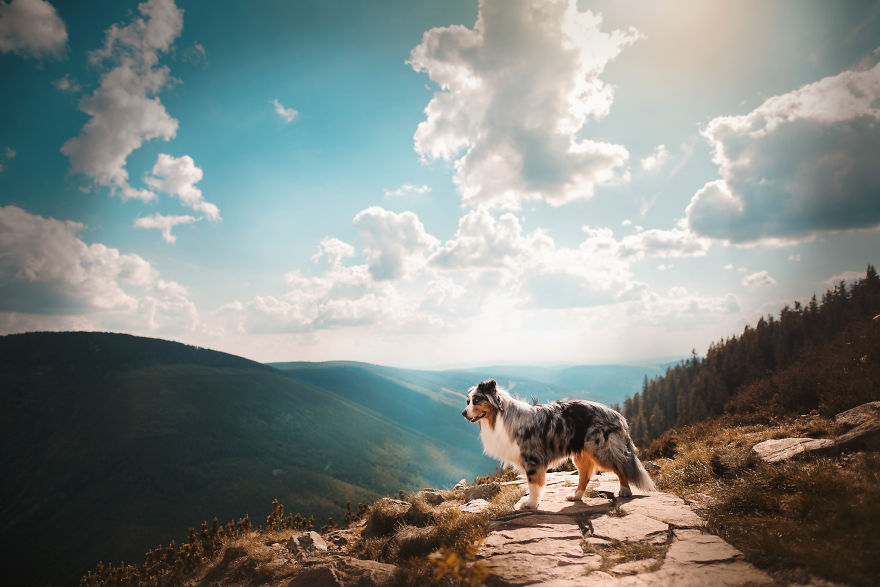
oooo

What a wonderful set of photographs these have been.
I think they will take some beating!
Dogs are animals of integrity. We have much to learn from them.
Category: Photography
The last set of photographs from Kristýna Kvapilová
As before taken from here.
oooo
oooo
oooo
oooo
oooo
oooo
What a wonderful set of photographs these have been.
I think they will take some beating!
More photographs from Kristýna Kvapilová
As before taken from here.
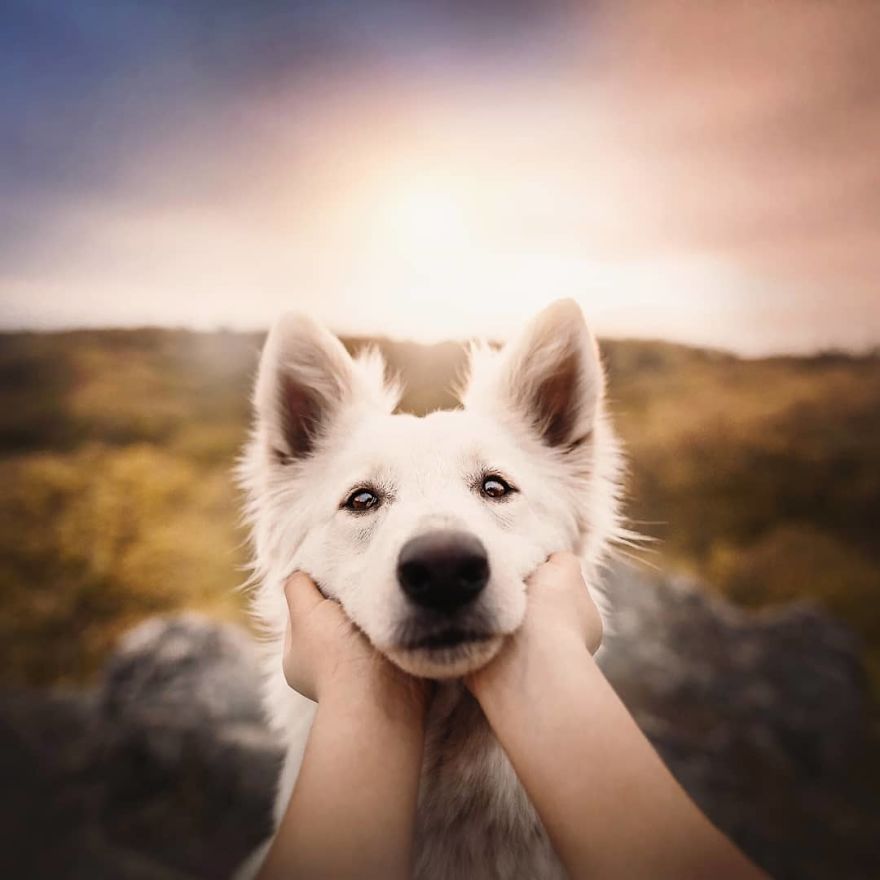
oooo

oooo
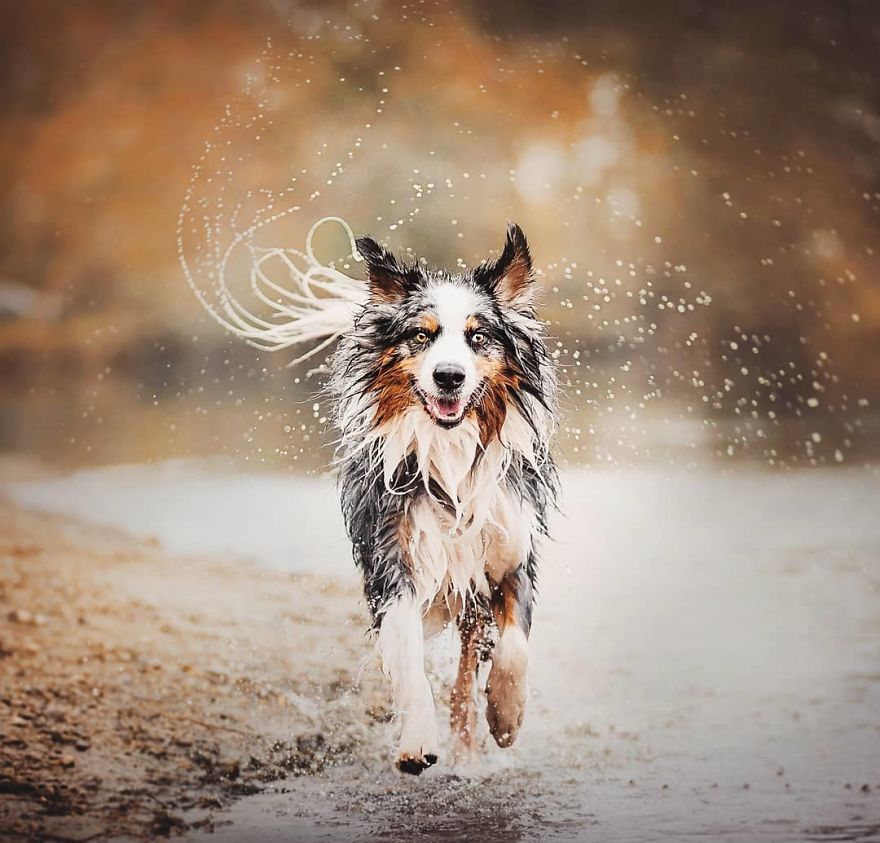
oooo

oooo
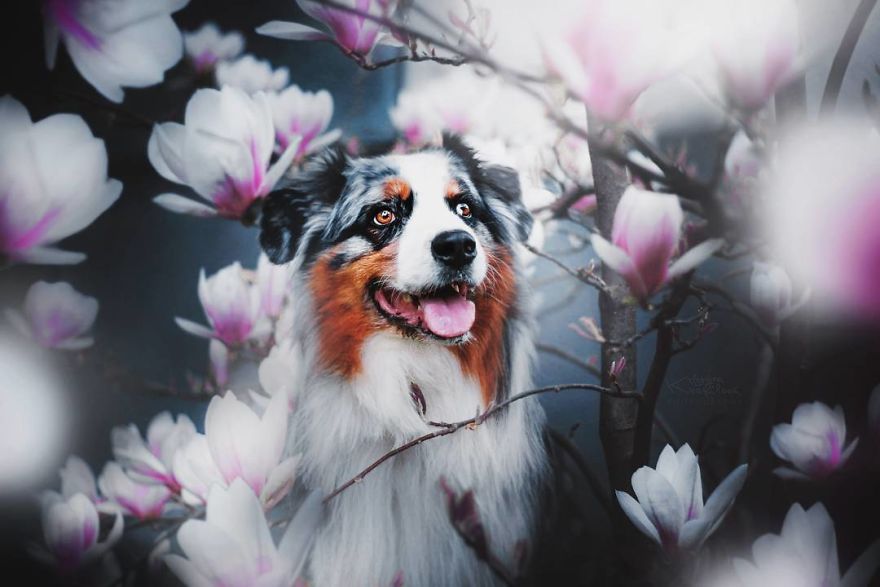
oooo
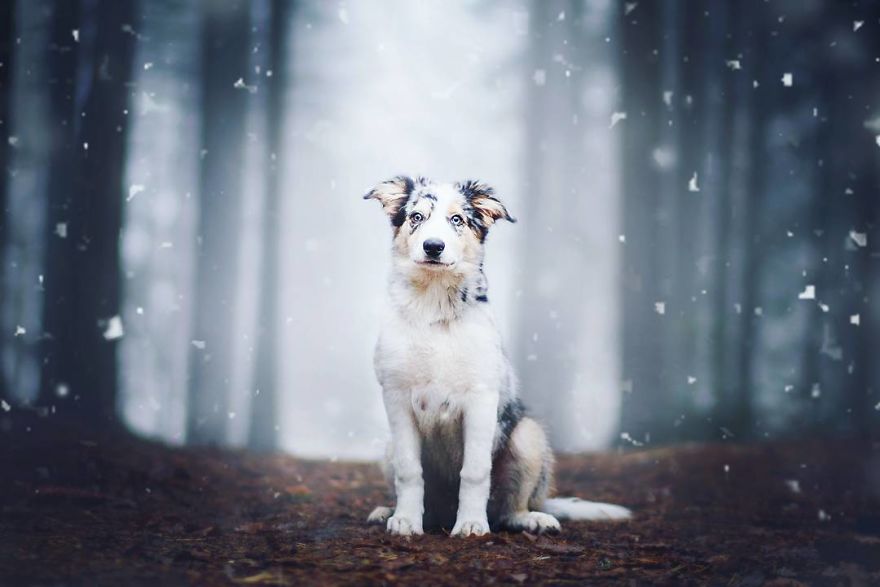
oooo
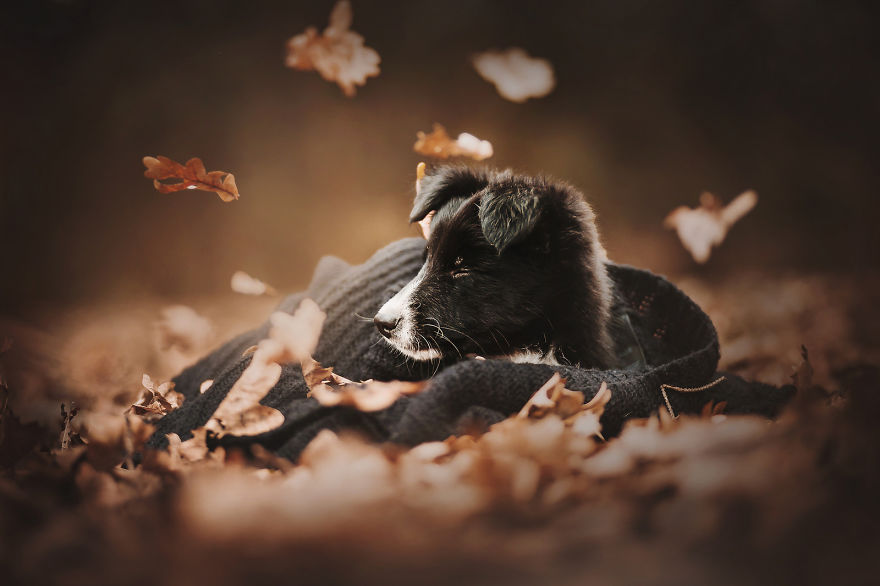
oooo
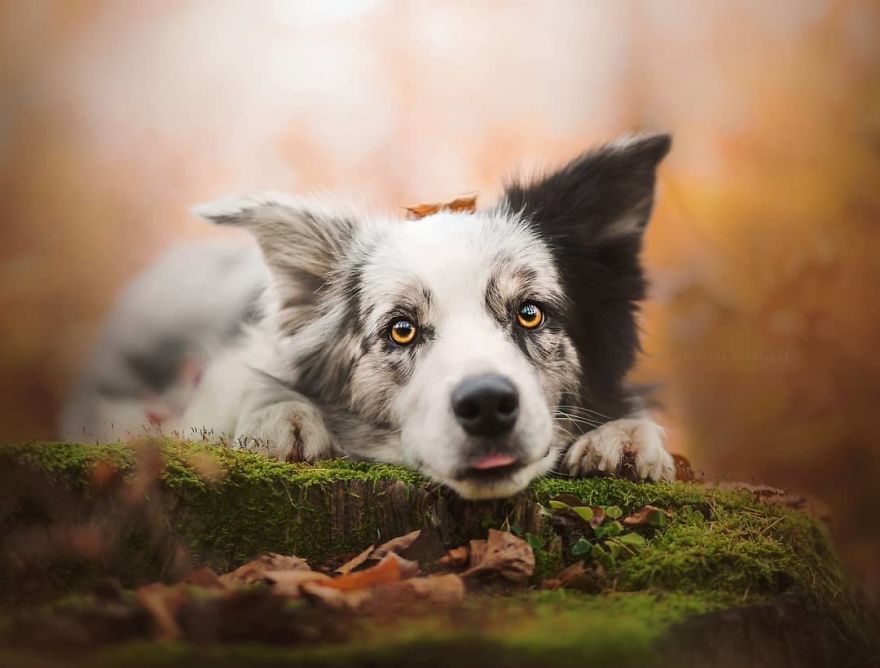
Now all good things come to an end and next week will be the last of these gorgeous photographs of dogs.
I better start thinking of what else to share with you.
Literally!
This is both an unlikely story and a beautiful one.
For a hawk had ‘grabbed’ a puppy but then, for whatever reason, chose to let it go. But that’s enough from me, here’s the story.
ooOOoo
From the clutches of despair to the most compassionate hands.
By CHRISTIAN COTRONEO, January 15, 2019.

Not much is known about the tiny chihuahua who suddenly appeared at a construction site near Austin, Texas, last week.
In fact, he literally fell from the sky.
Workers at the project heard his cries long before they saw him. They figured a puppy was trapped somewhere among the debris.
“They were going around the construction site trying to figure out where these cries were coming from,” Jennifer Olohan, communications director for the Austin Animal Center, tells MNN.
“And then they realized it was actually coming from the sky.”
High above their heads, a puppy was flying through the air — in the clutches of a hawk.
At that very moment, the bird suddenly let go and a tiny screaming puppy — no older than 6 weeks — fell into their midst.
Aside from a few superficial wounds on his head, the chihuahua was surprisingly unhurt. But terrified.
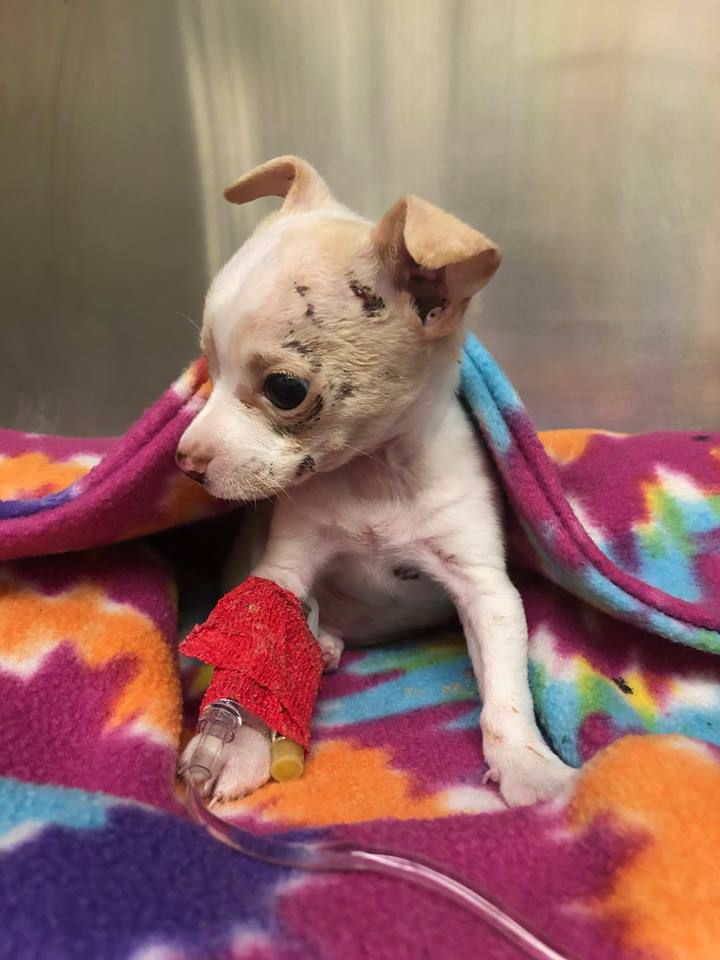
But that didn’t last long, as the workers quickly brought him to a medical clinic, and from there, the puppy found his way into the care of the Austin Animal Center.
“We don’t know where he came from — whether he was born as a stray or whether he was in a home and got out,” Olohan explains.
The unlikely paratrooper’s new name, however, came naturally: He would be called Tony Hawk.

Considering his sheer tininess — not much bigger than a mouse — Tony Hawk probably seemed like a good idea to a hungry hawk.
But maybe he wasn’t ready to deal with all that crying. In any case, Tony Hawk’s fears subsided soon after he found some traction on terra firma.
Mostly because he found a living foster home to ease him into his new life. In a month or so, Tony Hawk will be looking for a forever home.
But Olohan suspects he won’t wait long.
“We’ve had plenty of interest, tons of applications for him,” she says. “He’s certainly not going to have a problem finding a home.”
And so a tiny puppy without a past found himself free from the clutches of despair — thanks to the warm, caring hands that will help him shape a brand new future.

ooOOoo
In a world that sometimes seems a little strange this is a heck of a good news story.
Well done all involved especially the crew at Austin Animal Center.
A very unlikely venue for some dog art.
In my travels around for items about dogs I came across this one. It’s not your usual item. For it features dog art at the 23rd Street station on the IND Sixth Avenue Line in Manhattan’s Chelsea neighbourhood.
ooOOoo
With more than a little help from William Wegman’s Weimaraners
By MATT HICKMAN
December 24, 2018.
Dogs aren’t that unusual of a sight in the bowels of the New York City subway system.
There are service dogs and law enforcement dogs; dogs being transported in tote bags, baskets, backpacks and baby carriages; dogs swaddled beneath heavy winter jackets; very small dogs that come scurrying from the darkest corners of the platform towards … oh wait.
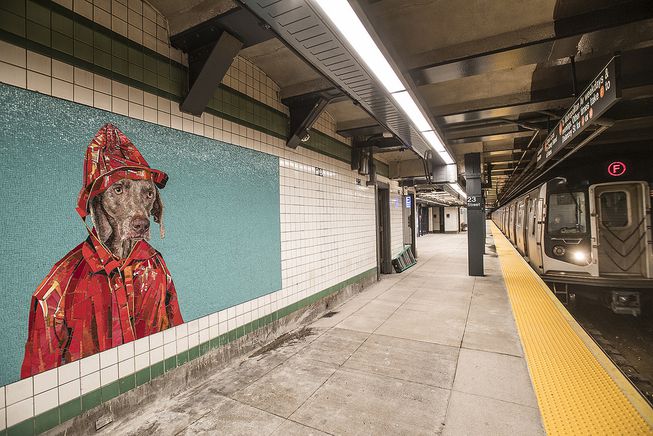
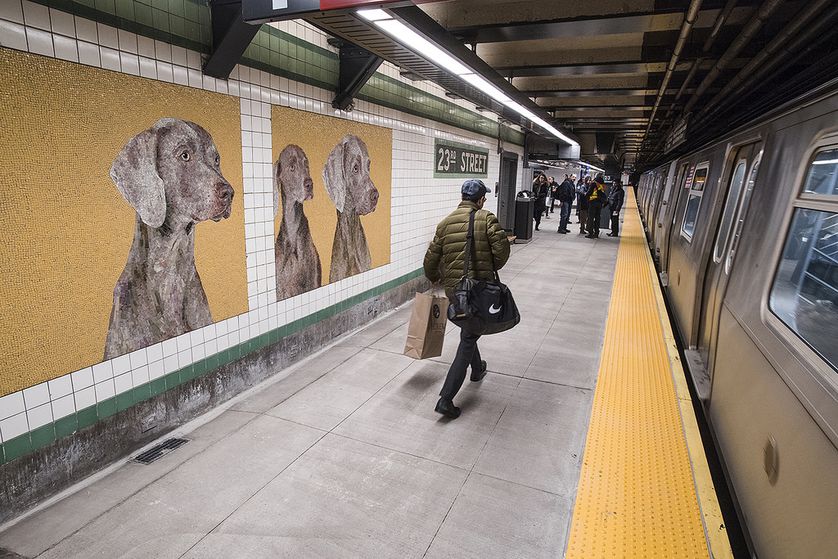
What you don’t see beneath the streets of New York are dogs depicted in public art. This has all changed with the unveiling of “Stationary Figures,” a collection of 11 glass mosaic pooch portraits now on permanent display at the 23rd Street station on the IND Sixth Avenue Line in Manhattan’s Chelsea neighborhood.
No doubt a number of straphangers passing through 23rd Street station, which services the F and M trains and was closed for several months earlier this year while undergoing a major revamping, will find that the pooches in question look familiar — maybe a bit like the average New York commuter: stoic, alert, borderline restless. But it’s mostly because the mosaics, fabricated in stunning detail by Mayer of Munich, are based on images created by none other than Mr. Weimaraner himself, William Wegman.
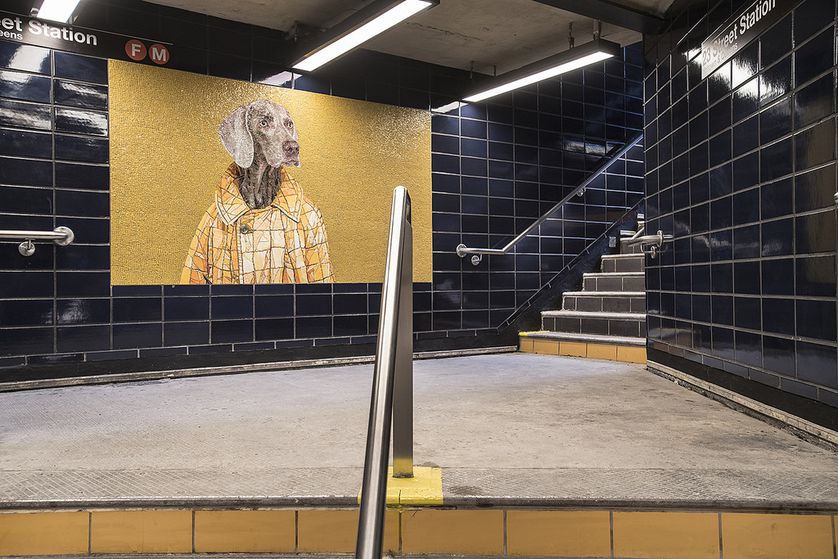
Although Wegman’s subjects have varied over his lauded career as a photographer, painter and video artist, he’s best known for whimsical compositions that depict his beloved pet Weimaraners in humanlike poses (and sometimes donning wigs and costumes). It all began in the 1970s with Wegman’s first true four-legged muse, the leggy and camera-loving Man Ray. It wasn’t until the mid-1980s, however, that Wegman’s second Weimaraner, Fay Ray, achieved true art world stardom. Fay’s descendants — they include Battina, Crooky, Chundo, Chip, Bobbin, Candy and Penny — have all also modeled for their human.
Wegman’s pet Weimaraners — a German hunting breed dating back to the early 19th century — have the distinction of appearing in the permanent collections of numerous top art museums and being a regular feature on “Sesame Street.” That’s no small feat for an extended family of very good boys and girls.
The dogs depicted in “Stationary Figures” are Flo and her brother, Topper — Wegman’s ninth and 10th Weimaraners, respectively. As the Metropolitan Transportation Authority (MTA), which commissioned the portraits as part of its MTA Arts & Design program, explains: “The portraits highlight Wegman’s deadpan humor by juxtaposing Flo and Topper in poses that suggest the way customers group themselves with waiting for a train at the platform. In some portraits, they’re dressed in human clothes and others they’re in their natural state.”

In addition to showcasing the work of a world-renowned artist (and local Chelsea resident) in an unexpected venue, “Stationary Figures” is meant to bring joy to — and lower the blood pressure of — harried commuters passing through 23rd Street station, which ranks amongst the 50th busiest in the Big Apple. After all, who wouldn’t crack a smile when chancing across a mosaic portrait of a handsome pooch, especially when said handsome pooch is gussied up in a bright red rain slicker and matching cap?
As Mark Byrnes points out for CityLab, this isn’t the first time Wegman’s dogs have brightened up an American subway station. In 2005, two Weimaraners, both outfitted in NASA spacesuits, became permanent fixtures as circular murals above exits at L’Enfant Plaza Metro station in Washington, D.C.
Very good dogs, very poor service
It goes without saying that New York City subway stations, while teeming with various forms of microbial life, have never exactly been known as hotbeds of contemporary art and design.
That, however, began to change with the long-anticipated January 2017 opening of the first phase of the Second Avenue subway line, which features eye-catching new works by Chuck Close, Vik Muniz, Sarah Sze and Jean Shin spread out across four different stations on Manhattan’s Upper East Side. Gov. Andrew Cuomo heralded the Second Avenue line’s secondary function as subterranean contemporary gallery (price tag: $4.5 million) as the “the largest permanent public art installation in New York history.”
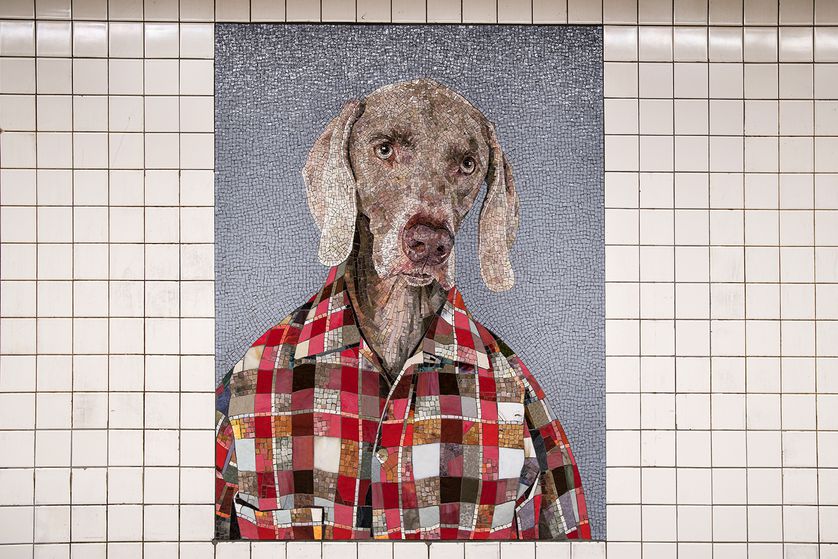
And this is all fine and good — great in fact. The more public art in the subways, the better — especially when it involves local artists of international renown, dapper-looking dogs and an ample dose of wit. Flo and Topper are the best thing to hit the 23rd Station since, well, forever.
Critics, however, have been left wondering as to when significant, tangible improvements to the MTA’s declining service will finally be instituted. And this is especially true with new fare hikes on the horizon.
As is the case with the 23rd Street station, which also received new benches, lighting, tile work, countdown clocks and digital screens as part of its extensive overhaul, what does it matter if the platforms and other public areas look fantastic but the trains aren’t running efficiently? (Byrnes points out that accessibility, or a lack thereof, also remains a major issue at 23rd Street station.)
The MTA needs to do more than outfit stations with delightful distractions to keep straphangers — who mainly just want to get from point A to point B in a minimal amount of time with minimal headache — happy. While mosaics, murals and the like do act as a sort of soothing balm and improve the user experience, public art is ultimately best enjoyed while also not on the verges of tears because three completely packed F trains have gone by and you’re running 30 minutes late.
As for Wegman, described by the New York Post as a “frequent subway commuter,” he doesn’t offer any specific thoughts as to how the MTA can also improve its service.
“I really like what they’re doing as far as making it look better,” he tells the Post. “But how to make them run better, that’s out of my area.”
ooOOoo
Now I can’t really comment any more as the odds of me being on the New York Subway are slim to none. Plus, it’s many years since I travelled on the British Underground.
But that doesn’t stop me from applauding this. Both the authorities for permitting it to happen and especially to William Wegman for such beautiful and outstanding work.
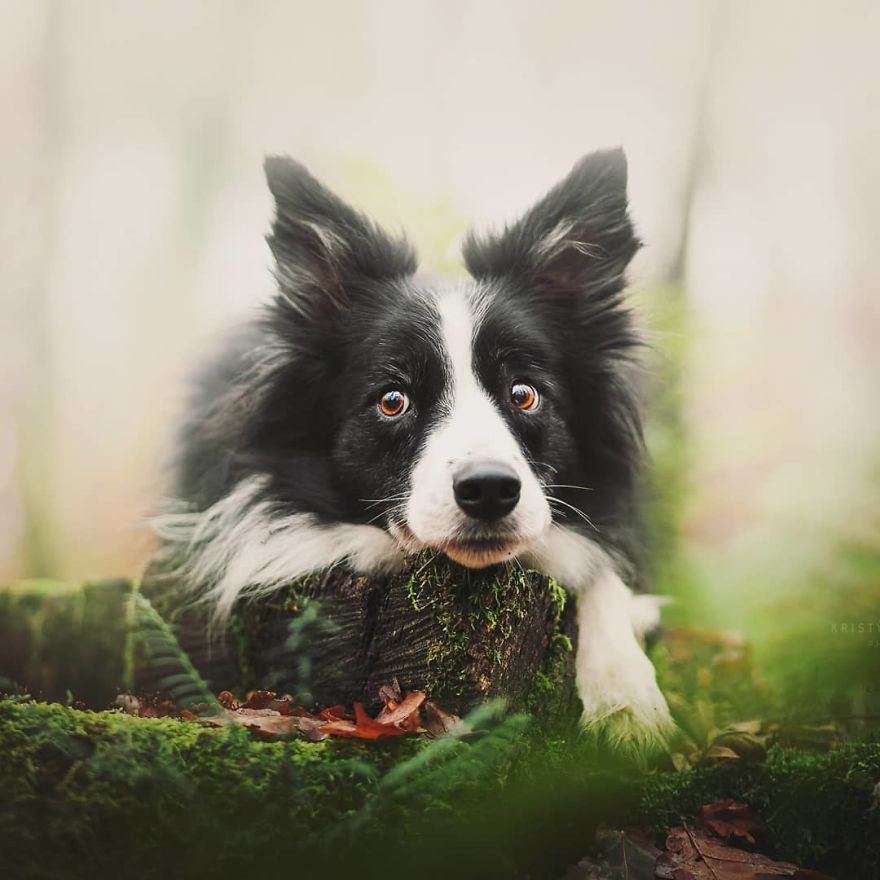
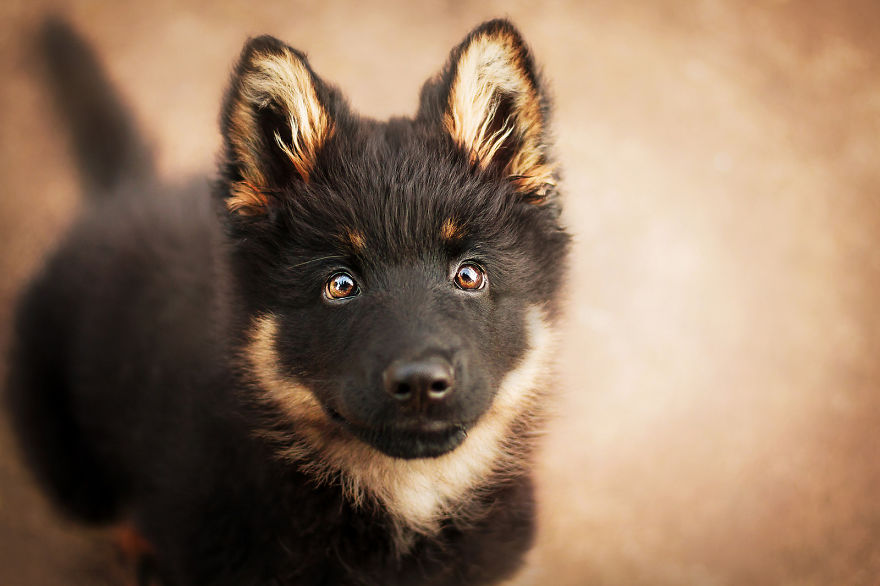
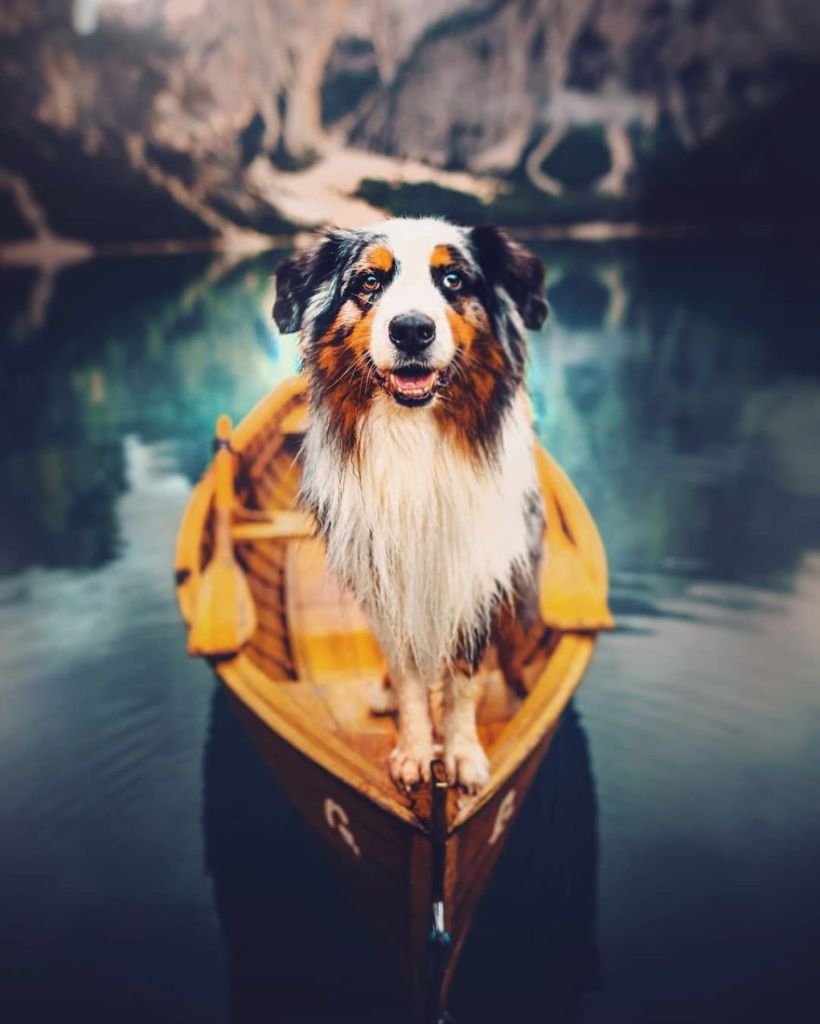
And guess what? Another Sunday, another set of photographs from Kristýna Kvapilová
oooo
oooo
oooo
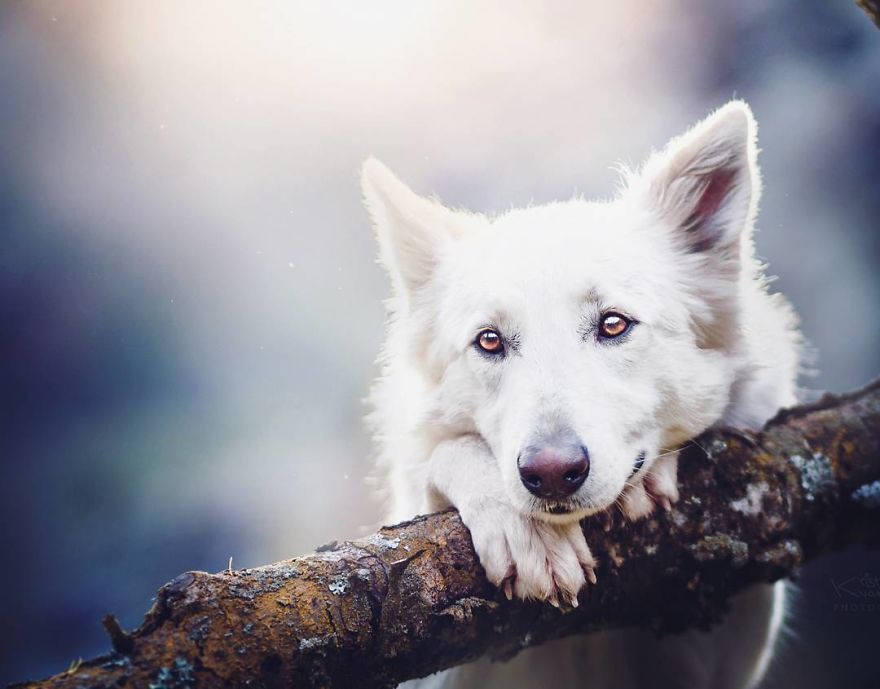
oooo
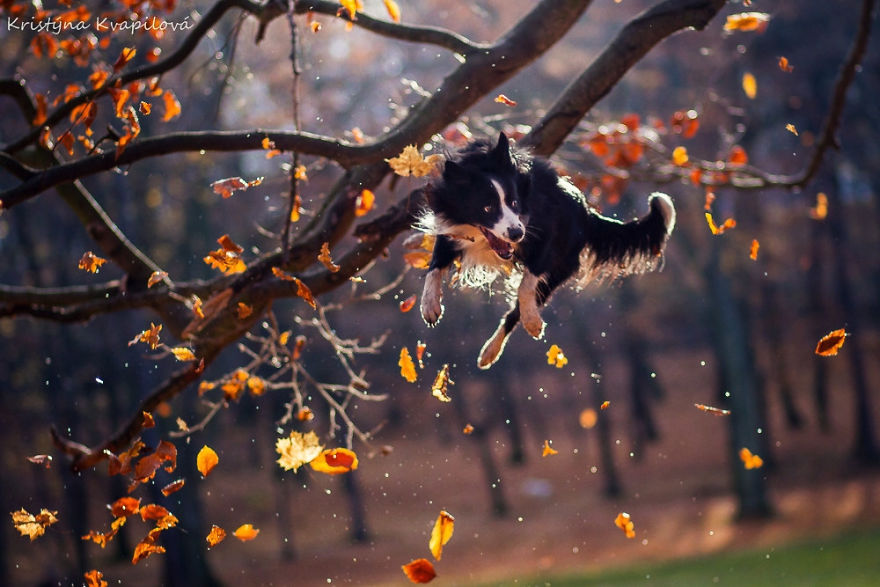
oooo
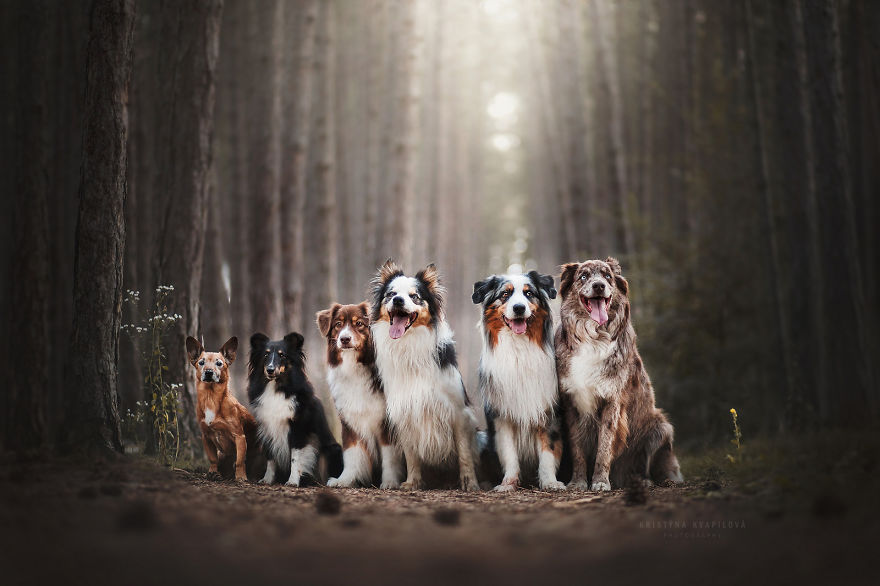
oooo
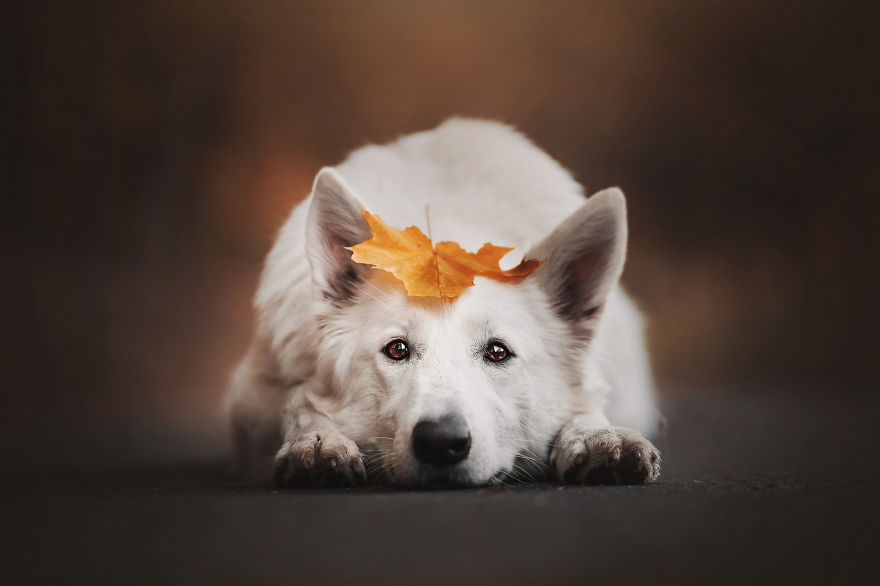
As before the photographs were copies of those here.
They continue to be superb.
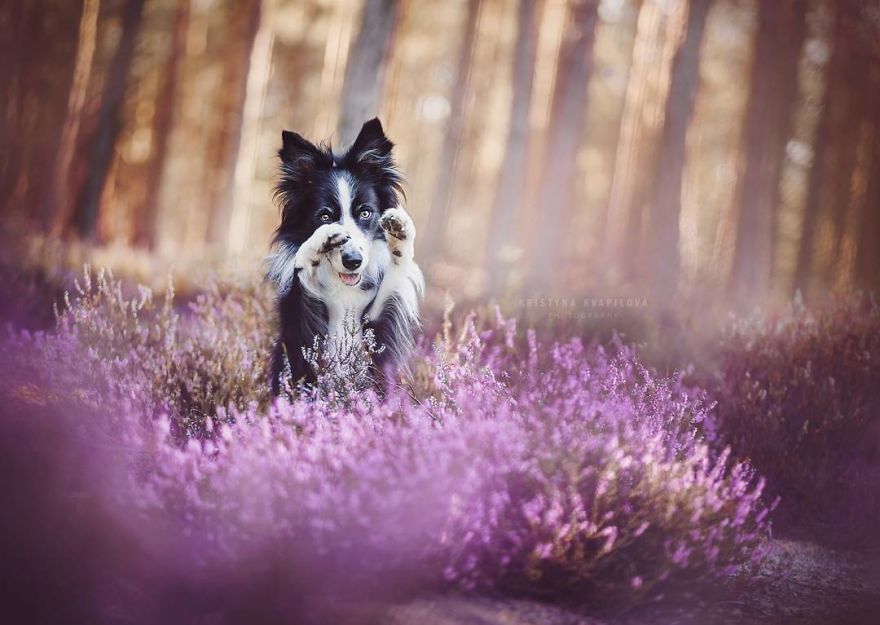
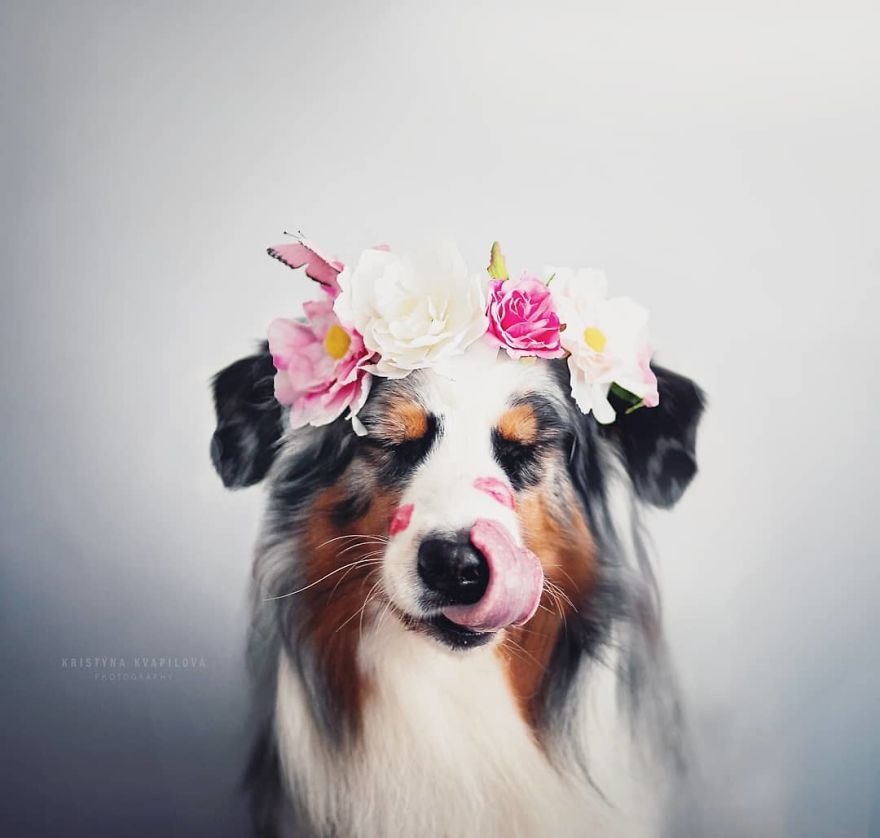
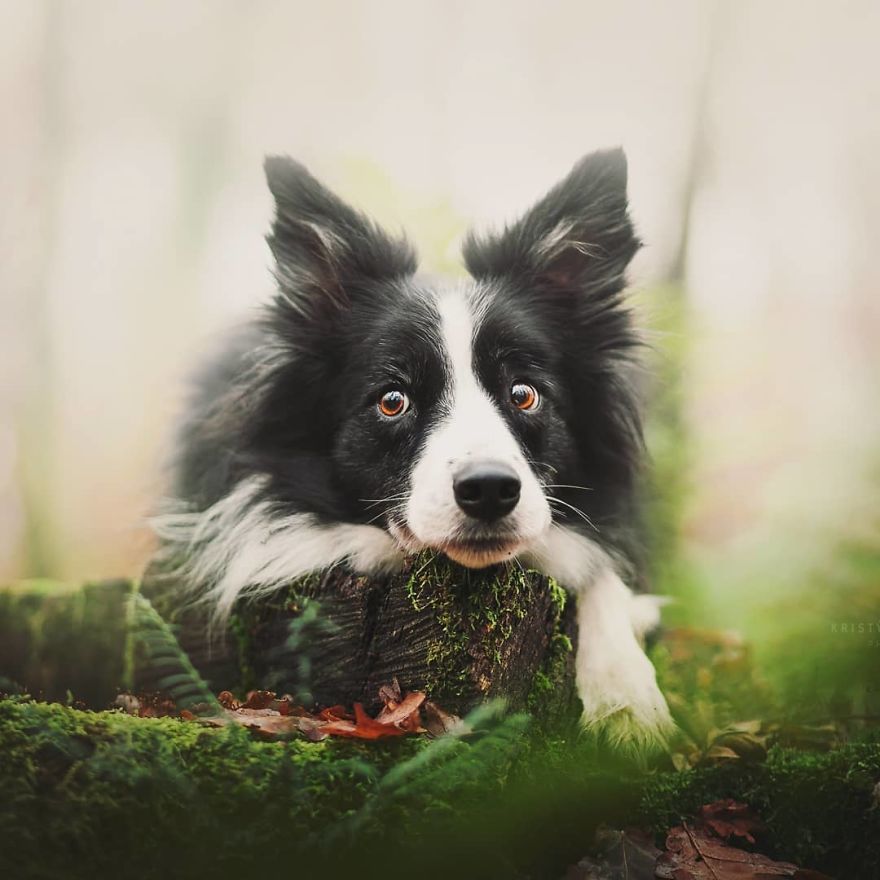
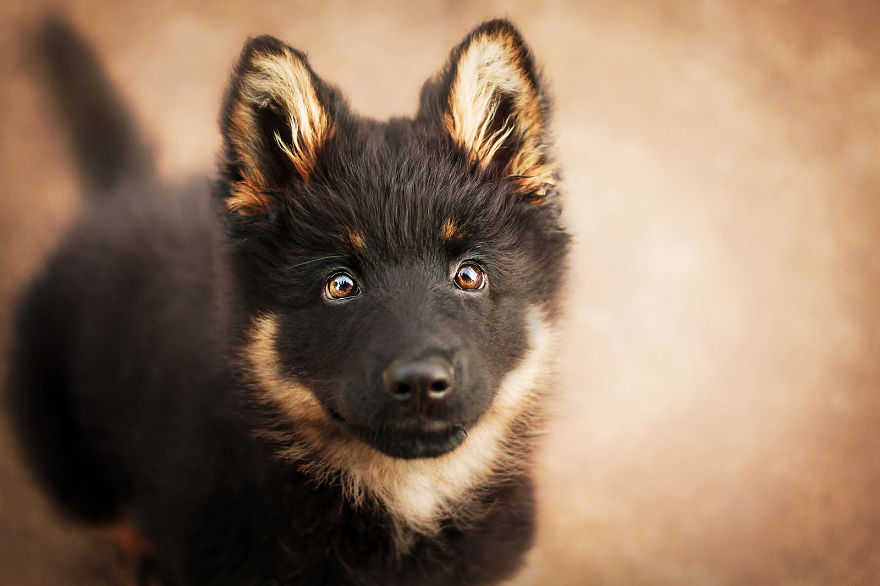
Guess what! More pictures from Kristýna Kvapilová
oooo

oooo

oooo
oooo
oooo
oooo
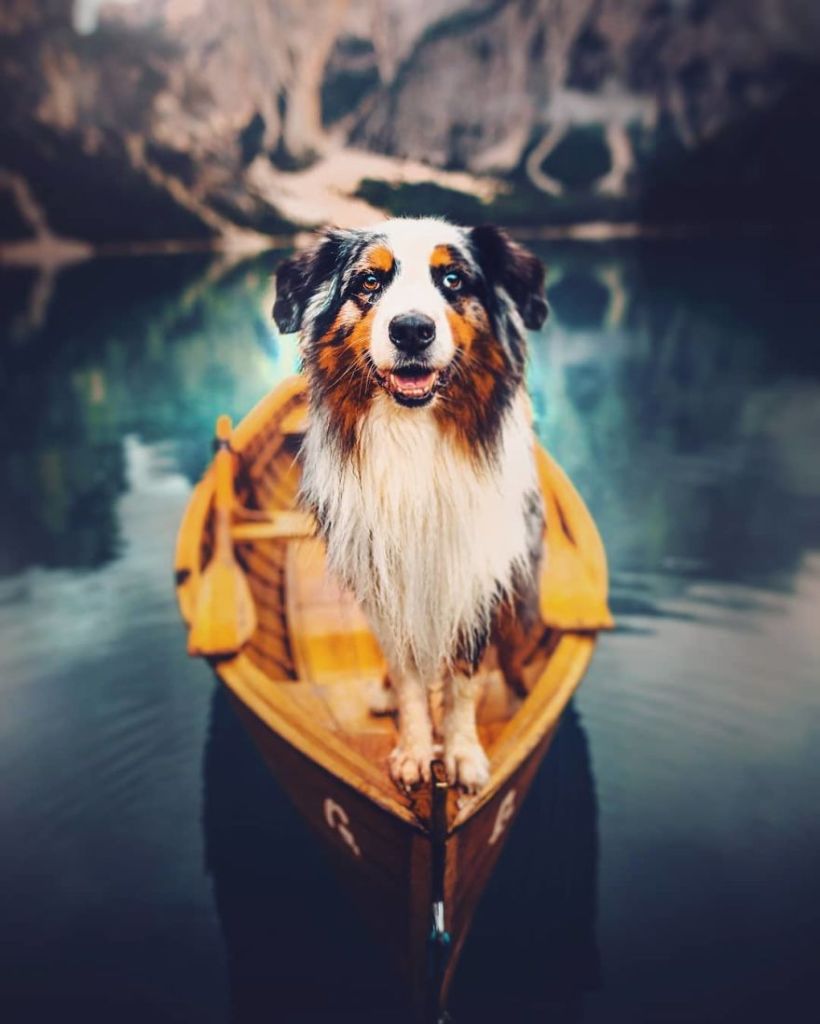
oooo
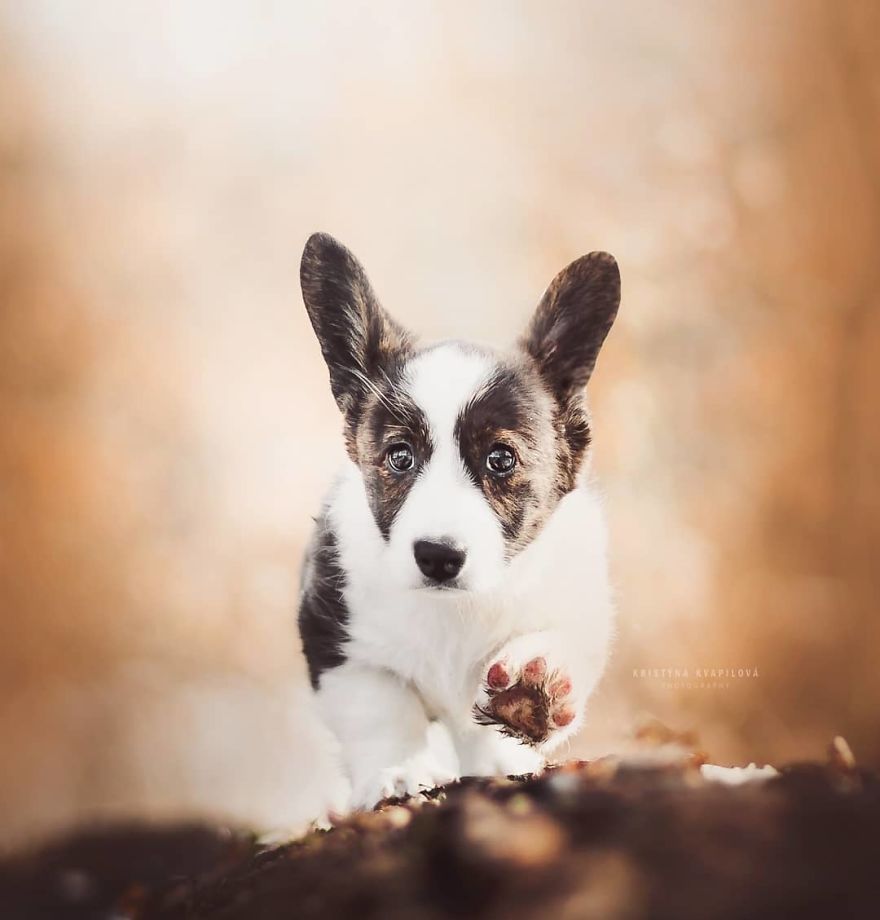
Once again, taken from here.
More of these gorgeous photographs in a week’s time.
And what a great story!
This article really demonstrates the power of love, good training and inspiration.
ooOOoo
November 6th, 2018.

What happens to those dogs that are just too much dog for people to handle? “You know them — you go to your friend’s barbecue, their dog is so happy to see you that she pees on your feet, and she drops a slobbery ball in your lap,” says Megan Parker (TEDxJacksonHole talk: Dogs for Conservation), a wildlife biologist and dog expert based in Bozeman, Montana. “You throw it to get as much distance between you and the dog as possible, but she keeps coming back with the ball. By the 950th throw, you’re thinking, Why don’t they get rid of this dog?” All too often, their owners reach the same conclusion and leave their pet at a shelter.
Thanks to Parker and the team at Working Dogs for Conservation (WD4C), some of these dogs have found a new leash lease on life. They’re using their olfactory abilities and unstoppable drive in a wide variety of earth-friendly ways, working with human handlers to sniff out illegal poachers and smugglers, track endangered species, and spot destructive invasive plants and animals.

Parker first considered using dogs in conservation when she worked on the reintroduction of wolves to Yellowstone Park and was asked how researchers could track wolves through their scat, or droppings. “I started thinking how best to detect their scat off a large landscape, and the idea came up for dogs,” she says. In 2000, she cofounded WD4C to train and use canines in conservation work. Most of their dogs are adopted from shelters or from organizations or work settings where they didn’t quite fit in.
While it’s fair to say almost all dogs love toys, wildlife-detection dogs are obsessed with them. “They’ll do anything to chase a ball or a tug toy,” says Parker. If their preferred plaything is thrown far into the brush or buried in a massive pile of leaves, no worries — they won’t stop looking until they find it. No food, obstacle or distractions can deter them, and WD4C staff have turned this single-minded focus into a powerful incentive. Their canine friends are rewarded with their favorite toy every time they locate a desired wildlife-related scent, anything from elephant ivory and poachers’ guns in Zambia and trafficked snow leopards in Tajikistan to predatory Rosy wolf snails in Hawaii and invasive Argentine ants on California’s Santa Cruz Islands. The dogs are careful not to disturb or touch any specimens they pinpoint; it’s all about the toy.
Lily, a yellow Lab, is one of the group’s many sad-start-happy-ending stories. When the then-three-year-old came to the attention of WD4C trainers, she’d already bounced her way in and out of five different homes. She couldn’t sit still and she never, ever wanted to stop playing. Oh, and she was a bit of a whiner. Since joining WD4C in 2011, she has been trained to recognize a dozen different conservation-related scents and been deployed to track grizzly bears and sniff out the eggs, beetles and larvae of emerald ash borers, an insect that has killed millions of trees in the US and Canada.
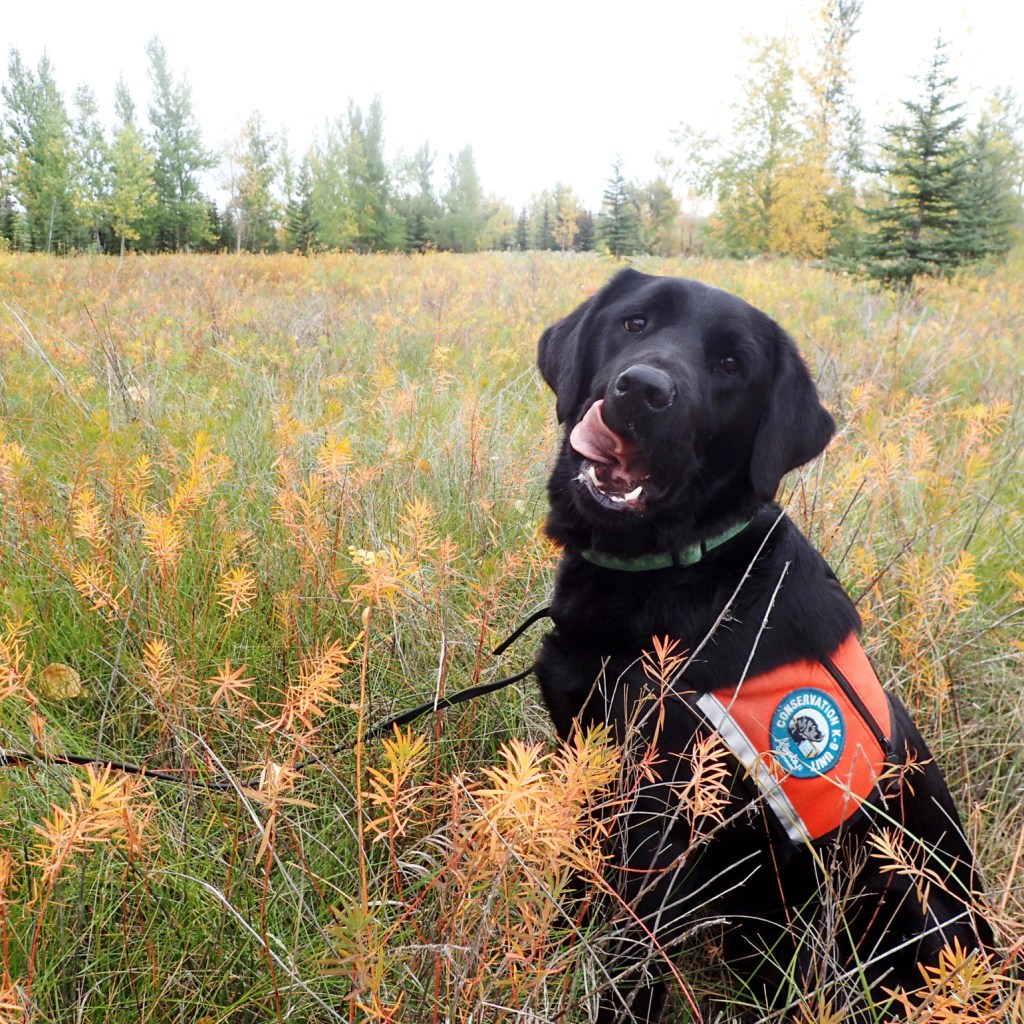
The three-dozen-strong WD4C pack also includes purebred working dogs who weren’t right for their intended occupations. Orbee, a border collie, had the enthusiasm and live-wire energy required of ranch dogs, but there was one problem: he had zero interest in herding sheep. He also barked a lot. Since joining WD4C in 2009, Orbee has had a globe-trotting career — he has spotted invasive quagga and zebra mussels on boats in Alberta and Montana, monitored the habitats of the endangered San Joaquin kit fox in California, and assisted scientists in northern Africa in counting up Cross River gorillas, the world’s rarest gorilla.
Jax is a Belgian malinois, a sturdy breed frequently used by the police and military. He was in training to serve with the US Army’s special unit, the Green Berets, until his handlers realized Jax doesn’t like to bite people — just toys. And, boy, does he loves toys; he’s even tried to climb trees to reach prized objects. Since 2017, Jax’s athleticism and high spirits have been used by the WD4C to perform tasks such as mapping the movements of bobcats in the western US.
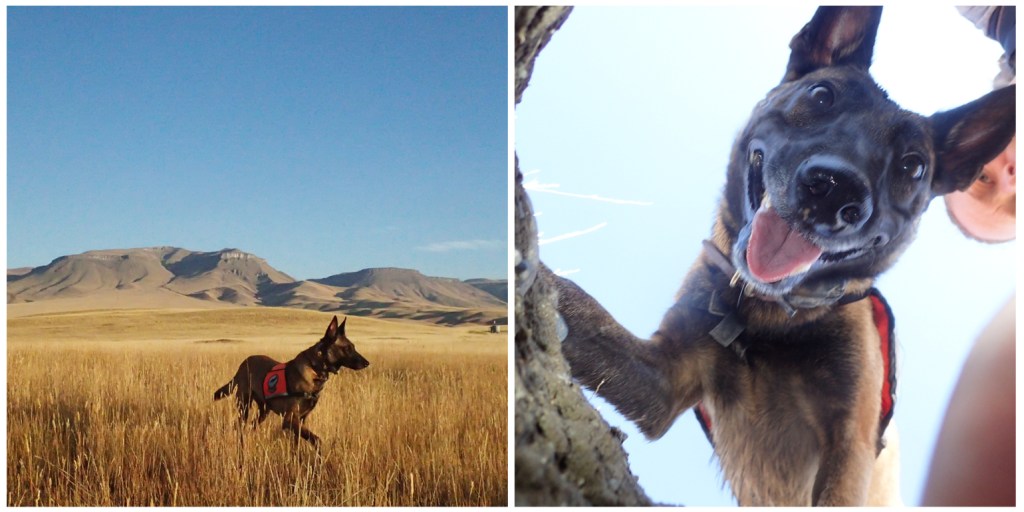
“Different dogs have different strong suits,” says Parker. She and the WD4C team try to place their charges in environments that match their skillset, likes and dislikes. Unlike many dogs, Tule (above), a Belgian malinois who flunked out of a job with US Customs and Border Patrol, has absolutely no desire to chase small animals such as cats, squirrels and rabbits. This made her the perfect fit to help researchers monitor black-footed ferrets, which live in the same territory as a large, scampering prairie-dog population. The ferrets, once thought extinct in the US, were reintroduced in Wyoming in recent years. Tule alerts her handlers to the scent of live ferrets or their scat, information that allows state wildlife officials to map their distribution and see if the population is recovering. Without Tule and her pack, researchers would be forced to study the elusive creatures with cameras or live traps, undependable methods at best.
The dogs’ efforts have resulted in positive, substantial changes. The organization teamed up with the nonprofit Wildlife Conservation Society so their dogs could track the scat of four keystone carnivores (grizzly bears, black bears, mountain lions and wolves) through the Centennial Mountains in Idaho and Montana. Five years of doggie data showed that all four species depended on the mountains to move between the Greater Yellowstone ecosystem and central Idaho wilderness areas. Thanks to this information, activists were able to stop construction of a housing development that would have interrupted their migratory pathway.
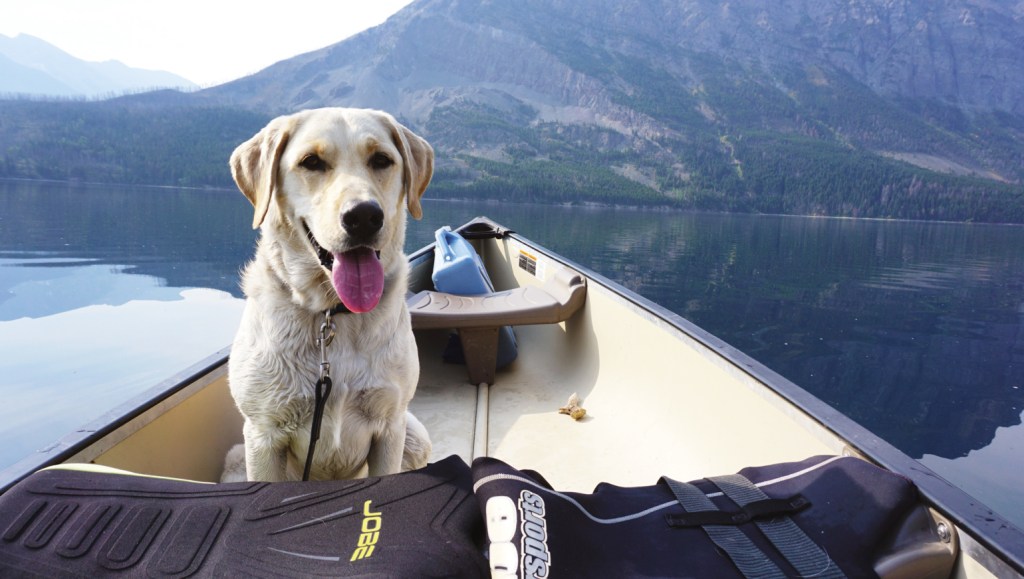
Some dogs are searching for animals and plants that are most wanted for the opposite reason: they’re invasive species proliferating where they don’t belong and driving out native flora and fauna. There’s the previously mentioned zebra and quagga mussels, which spread by clinging to boats and watercraft, and which clog water and sewage pipes, foul up power plants, and destroy good algae. Tobias (above) is a specialist in finding them. In one test, WD4C dogs identified 100 percent of the boats with mussels aboard (human screeners spotted 75 percent). The dogs did the job more quickly, and they could also detect the mussels’ microscopic larvae.
Former shelter dog Seamus (shown at the top of the post), a border collie, is an expert in searching out dyer’s woad on Mount Sentinel in Montana. Humans have tried to eradicate the invasive weed by spotting its flowers and pulling out plants by hand, but these attempts barely made a dent. By the time it’s found, it’s often already seeded (and a single plant can produce up to 10,000 seeds). Seamus’s keen nose, along with those of three canine colleagues, learned to sniff out woad before it flowered, a time when it’s extremely hard for human eyes to see. They also found root remnants left in the ground. At a recent checkup, just 19 of the invasive plants were found on the mountain. “It will be a complete extermination,” says Parker. “It’s just going to take a long time because we don’t know how long their seeds last in the soil.”
The dogs’ hunting grounds even extend into the water. Although prized in their native habitat, brook trout are an invasive species elsewhere; in some places in the Western US, they are pushing out the native cutthroat trout. WD4C was brought to Montana by the US Fish and Wildlife Service, the US Geological Survey and the Turner Endangered Species Fund to see whether their animals could learn to sniff out live fish in moving water. Reports Parker, “This project confirmed what we long suspected: that dogs can detect and discriminate scents in water.”

Pepin (above), who worked on the brook trout project, is part of an ambitious charge to train the dogs to detect infectious diseases in animals.“He’s done the first of a lot of things for us, because he’s so game,” says Parker. Some wildlife carry brucellosis, a bacterial disease that is particularly harmful to cattle. It’s difficult to tell when animals are first infected because they typically don’t display symptoms, so in areas where the disease is prevalent, ranchers tend to keep livestock and wildlife as far away from each other as possible — severely limiting the territory and movement of both kinds of animals. The hope is that dogs could provide a fast, reliable way to identify infected herds. So far, Pepin has shown he can discriminate infected elk scat with higher and lower concentrations of the bacteria, and WD4C is eager to explore this use of dog power. “We have proof of concept,” says Parker. “I’d like to move that work forward.”
There are so many other unexplored capacities and environments where dogs could help, Parker believes. To that end, WD4C started a program in 2015 called Rescues 2the Rescue, which aims to help shelters around the world identify would-be detection dogs and place them with wildlife and conservation organizations. What kind of dogs are they looking for? Ones that are, uh, crazy.
To clarify that adjective, we’ll close by telling you about Wicket, a black Lab mix who retired from WD4C in 2017 at the top of her game, having detected 32 different wildlife scents in 18 states and seven countries. Wicket languished in a Montana shelter for six months, barking up a storm and scaring away potential owners, until WD4C cofounder Aimee Hurt found her there in 2005. When she went to adopt her, the shelter director said, “You don’t want that dog — that dog’s crazy!” To which Hurt replied, “I think she might be the right kind of crazy.”
All photos courtesy of Working Dogs for Conservation.
Watch Megan Parker’s TEDxJacksonHole talk here:
Rebekah Barnett is the community speaker coordinator at TED, and knows a good flag when she sees one.
ooOOoo
Dogs give us so much. They are inspiring, loving and happy creatures.
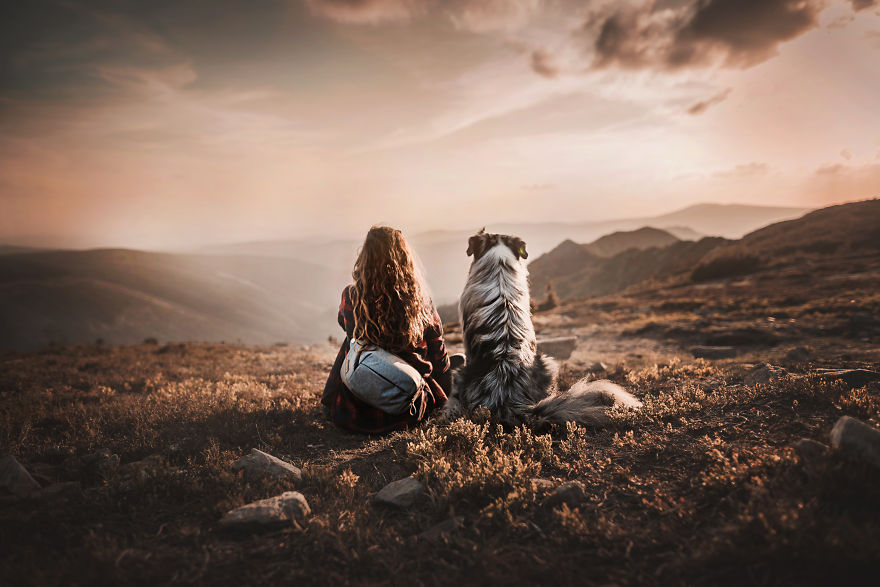
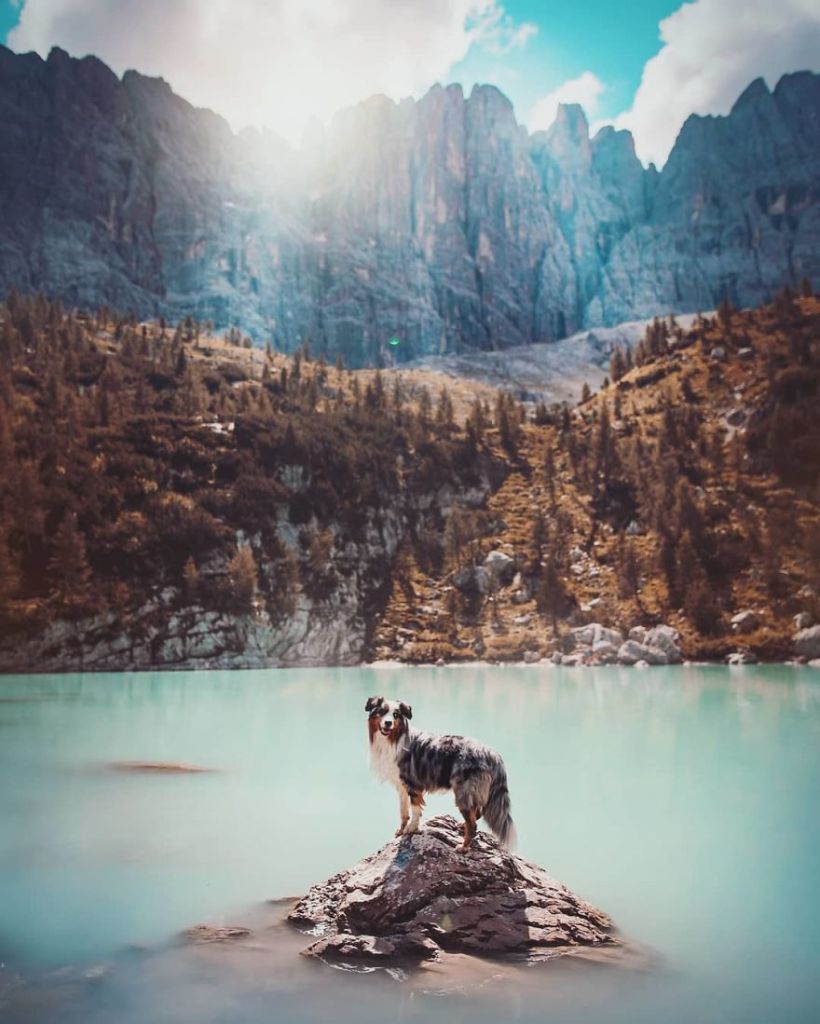
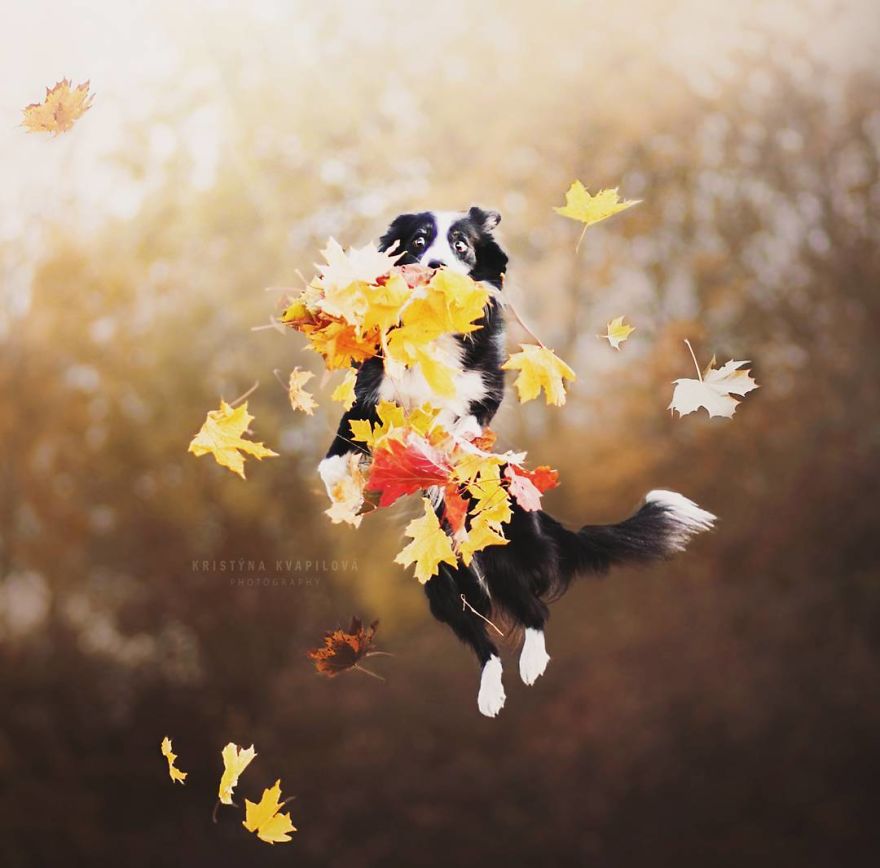
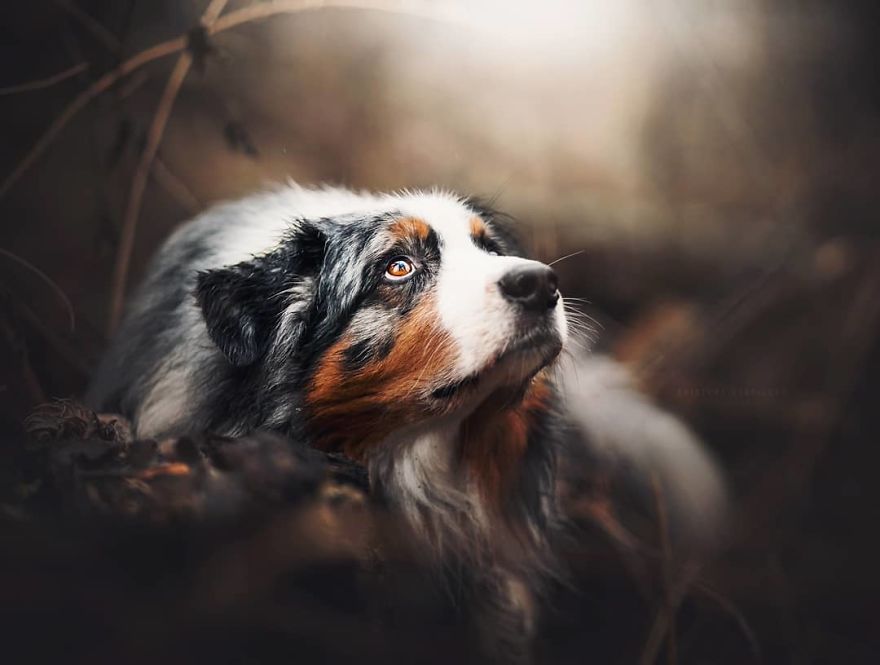
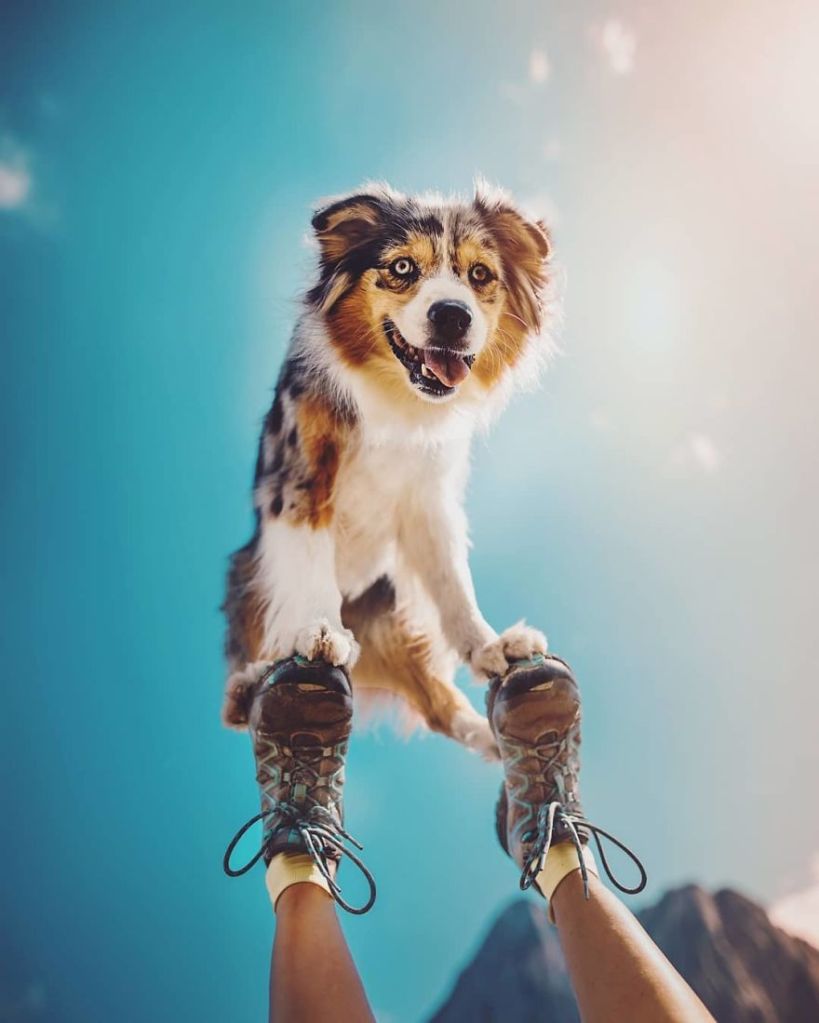
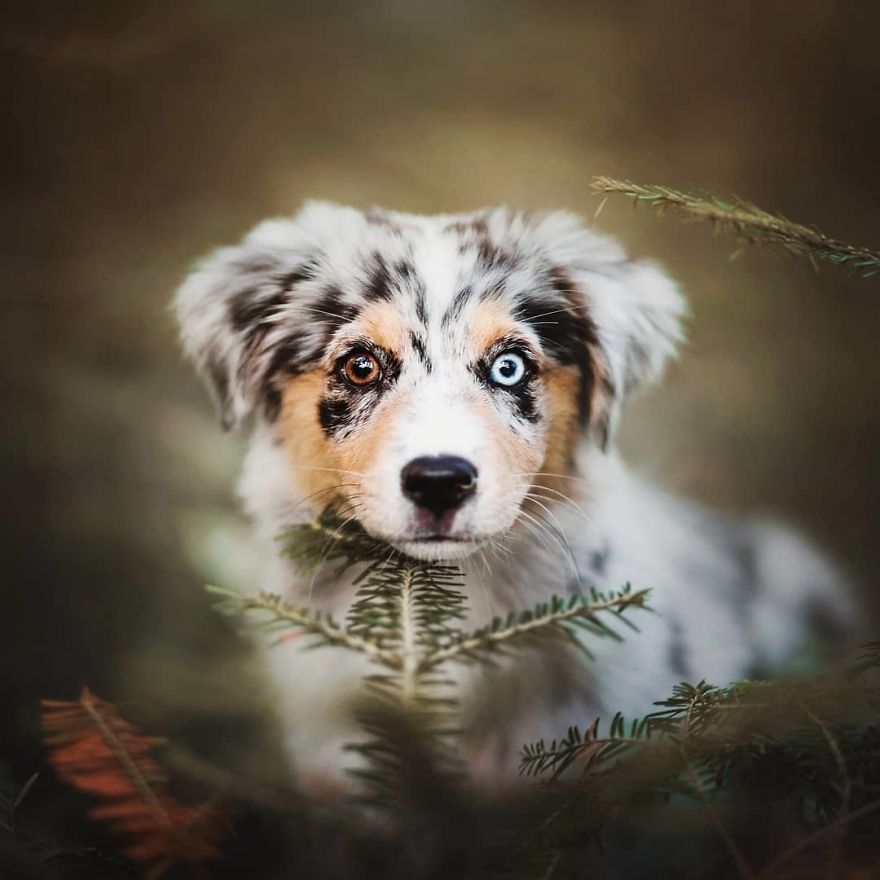
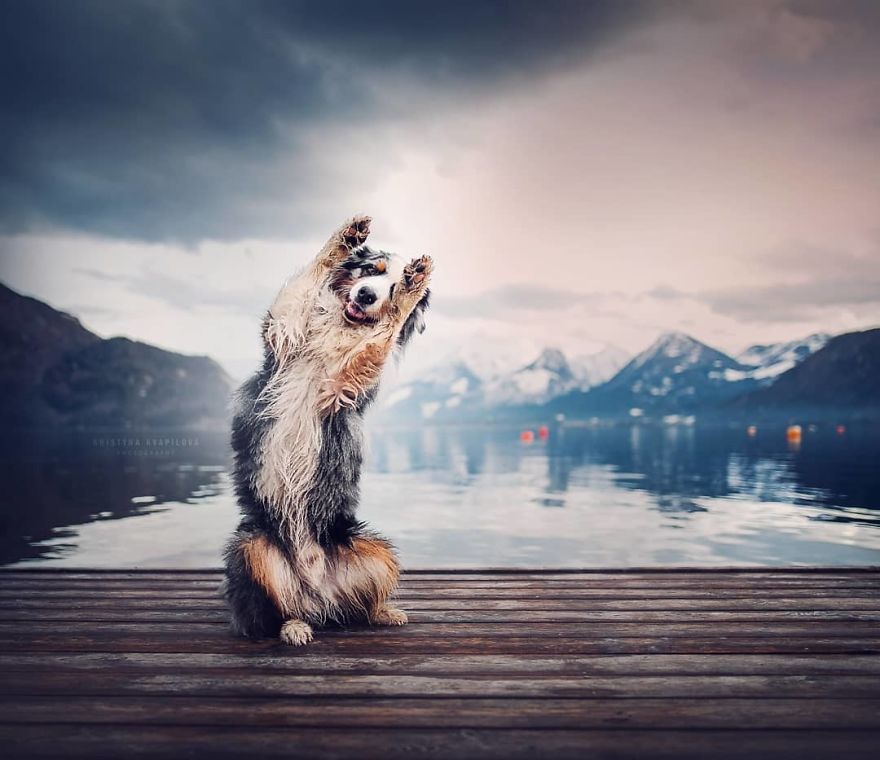
Yet more of those gorgeous photos by Kristýna Kvapilová.
oooo
oooo
oooo
oooo
oooo
oooo
oooo
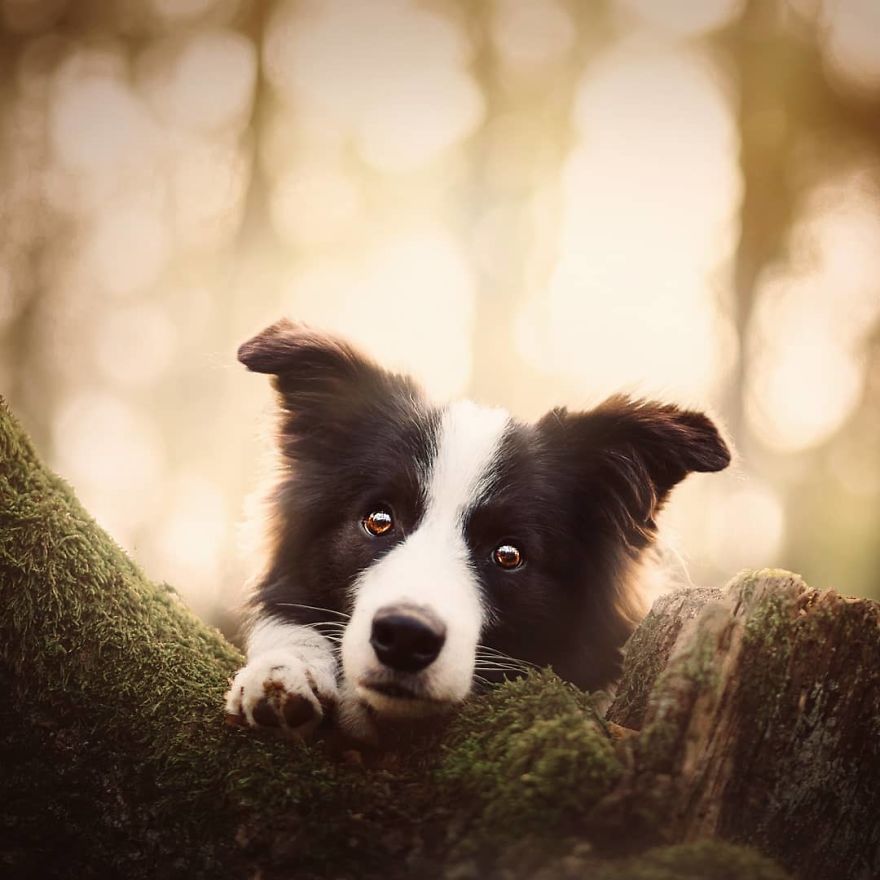
As I said last week these were all taken from here.
Again, I am going to take a short break and will see you all in the New Year; on January 2nd, 2019.
Columbia River Natural Pet Food Recall Expands
Columbia River Natural Pet Foods of Vancouver, WA, is expanding its recall to include 2 of its dog and cat food products because they have the potential to be contaminated with Salmonella and Listeria bacteria.
ooOOoo
December 24, 2018 — Columbia River Natural Pet Foods of Vancouver, WA, is expanding its recent recall to include additional dog and cat foods due to their potential to be contaminated with Salmonella and Listeria monocytogenes.
What’s Recalled?
The following products are being recalled:
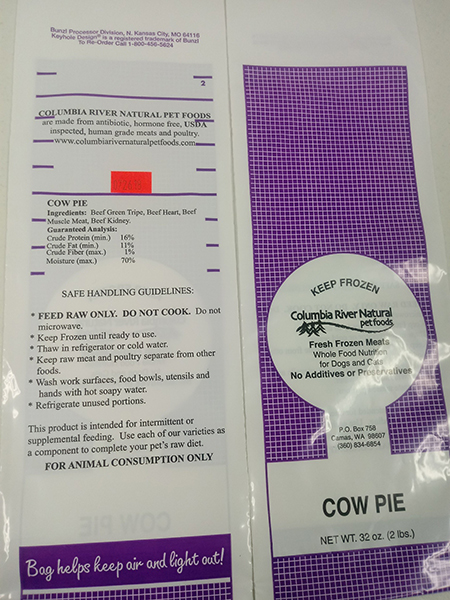
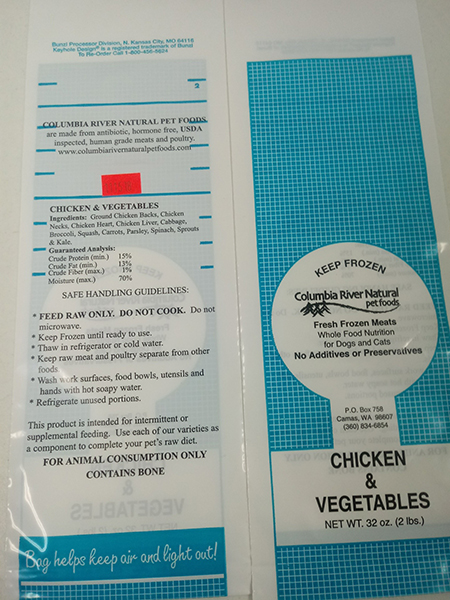
The recall includes 261 packages of Cow Pie Lot # 72618 and 82 packages of Chicken & Vegetables Lot# 111518 fresh frozen meats for dogs and cats, produced in July 2018 and November 2018.
Cow Pie and Chicken and Vegetables are fresh frozen meat products intended to be fed raw to dogs and cats.
Both were distributed in Alaska, Oregon, and Washington through retail stores and direct delivery.
The Cow Pie product comes in frozen 2-pound purple and white plastic bags with Lot# 72618 found on an orange sticker.
The Chicken and Vegetables product comes in frozen 2-pound turquoise and white plastic bags with Lot # 111518 found on an orange sticker.
No illnesses have been reported to date.
About Salmonella and Listeria
Salmonella and Listeria monocytogenes can affect animals eating the products and there is risk to humans from handling contaminated pet products, especially if they have not thoroughly washed their hands after having contact with the products or any surfaces exposed to these products.
Healthy people infected with Salmonella and Listeria monocytogenes should monitor themselves for some or all of the following symptoms: nausea, vomiting, diarrhea or bloody diarrhea, abdominal cramping and fever.
Rarely, Salmonella and Listeria monocytogenes can result in more serious ailments, including arterial infections, endocarditis, arthritis, muscle pain, eye irritation, and urinary tract symptoms.
Consumers exhibiting these signs after having contact with this product should contact their healthcare providers.
Pets with Salmonella and Listeria monocytogenes infections may be lethargic and have diarrhea or bloody diarrhea, fever, and vomiting.
Some pets will have only decreased appetite, fever and abdominal pain.
Infected but otherwise healthy pets can be carriers and infect other animals or humans.
If your pet has consumed the recalled product and has these symptoms, please contact your veterinarian.
What Caused the Recall?
The potential for contamination was noted after testing by the Washington State Department of Agriculture revealed the presence of Listeria monocytogenes and Salmonella in one package of Cow Pie and Salmonella in one package of Chicken & Vegetables.
What to Do?
Consumers who purchased the product should discontinue use of the product and return for a full refund or exchange by returning the product in its original packaging to place of purchase.
Consumers with questions may contact the company at 360-834-6854 Monday to Friday from 8 AM to 4 PM PT.
This recall is being made with the knowledge of the U.S. Food and Drug Administration.
U.S. citizens can report complaints about FDA-regulated pet food products by calling the consumer complaint coordinator in your area.
Or go to http://www.fda.gov/petfoodcomplaints.
Canadians can report any health or safety incidents related to the use of this product by filling out the Consumer Product Incident Report Form.
ooOOoo
Please share this important news item as far and wide as you can.
Times they are a changing!
I am speaking of the summer months and the risk of animals being burnt. Mind you, as the following article shows, summer is stretching it a bit. This article was published on December 10th!
But whenever it was published it’s a good news story.
ooOOoo
By JACQUELINE GULLEDGE December 10, 2018.
Just this past month, California suffered its worst wildfire in the state’s history. Camp Fire in Paradise, California burned 220 acres and claimed the lives of 85 people. The vast majority of residents had little-to-no warning to evacuate, and many pets were left behind and left to fend for themselves along with the wildilfe.
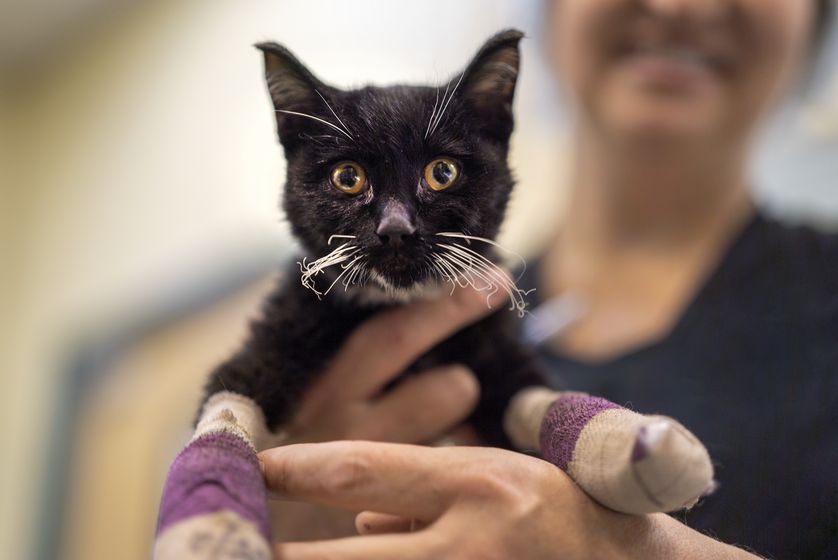
Several dogs and cats burned in the fire ended up at Valley Oak Veterinary Center in Chico. When Dr. Jamie Peyton, chief of the Integrative Medicine Service at the UC Davis Veterinary Medical Teaching Hospital, heard about the animals, she volunteered to treat them with the innovative method of using tilapia skin on their burns. (This is the first time dogs and cats have been treated with tilapia skin for burns.) The kitten pictured above suffered third degree burns on some of his paws and lost the pads to all his feet.
“Their paws have been badly burned,” said Dusty Spencer, a veterinary surgeon at VCA Valley Oak Veterinary Center. “Their whiskers are singed or gone. Some of them have had really bad burns on their eyelids and nose.”

An 8-year-old Boston terrier mix named Olivia was one of the first dogs to receive treatment.
Olivia’s owners, Curtis and Mindy Stark, were out of town when the blaze began. Fortunately, Olivia has a microchip and was reunited with her owners. She suffered second-degree burns to her paws, legs and side, but it wasn’t long till she was feeling better thanks to the tilapia skin.
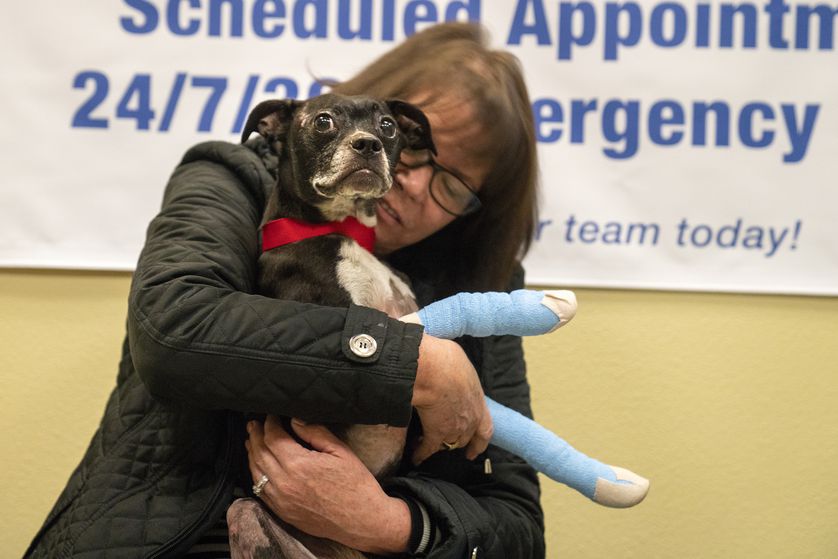
“It was a day and night difference,” said Curtis Stark. “She got up on the bed and did a back flip. That is the first time we saw her acting like she was before.”
Treatment also works for the most severe burns
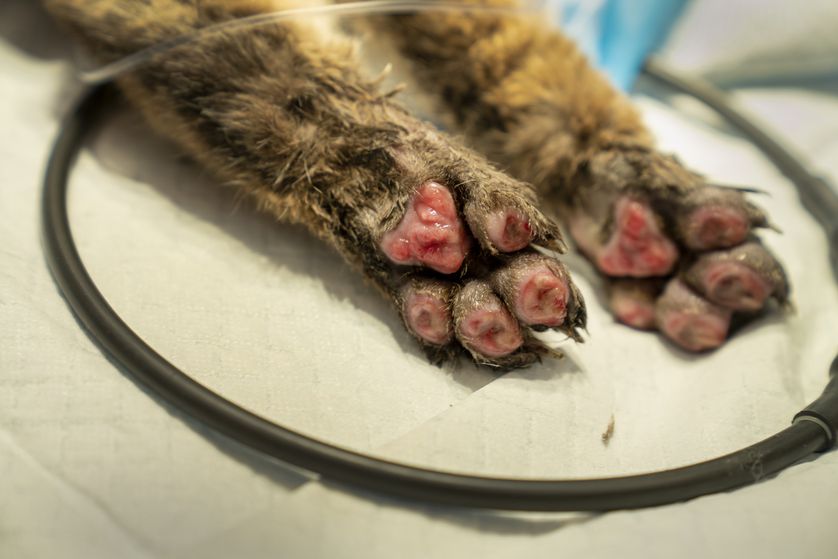
Pets weren’t the only animals to suffer during the wildfire. Many wild animals desperately tried to flee but couldn’t.
A bobcat was also brought in for treatment. Peyton tells MNN the bobcat suffered third- to fifth-degree burns on his paws. A fifth-degree burn means the burn goes down to the bone. The animal was very thin due to his inability to hunt for food and lack of food sources after the fire. In the week since the bobcat received his first treatment, he has had three tilapia bandage changes. “Each one seems to be showing marked improvement and he is moving well and showing a lot of spunk at his rehabilitation home,” said Peyton.
It will be several months before the bobcat can be released back in the wild, but Peyton’s goal is to “help him heal as soon as possible to allow him to get back to his home.”
Previously, Peyton treated a bear cub injured in California’s Carr Fire back in August and before that two bears and a mountain lion from the Thomas Fire earlier this year.
Previous success for other injured wildlife
This summer, the Carr Fire near Redding, California burned for more than a month and scorched more than 229,000 acres — also forcing many wild animals to try and escape.
On Aug. 2, a Pacific Gas & Electric Company contractor spotted an injured black bear cub lying in the ash, unable to walk on her paws. She was the latest victim of the Carr Fire — and luckily, one the contractor knew he could help. The contractor called Lake Tahoe Wildlife Care, a certified wildlife rehabilitation facility.
A team was quickly mobilized to rescue the cub. Officers from the California Department of Fish and Wildlife (CDFW) cleared a safe path and tranquilized the cub to carry her to safety. The cub was brought to a lab to be treated by a team of veterinarians from CDFW and the University of California, Davis.
“Generally speaking, an animal that has survived a fire and is walking around on its own should be left alone, but that wasn’t the case here,” CDFW’s Environmental Program Manager Jeff Stoddard said. “In addition to her inability to stand or walk, there were active fires burning nearby, and with the burn area exceeding 125 square miles and growing, we weren’t sure there was any suitable habitat nearby to take her to.”
How does tilapia skin work for treating burns?
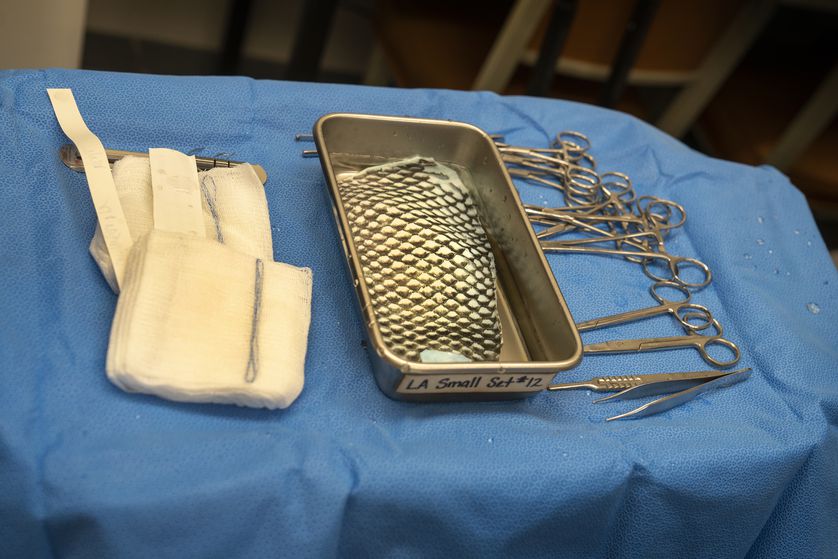
“The tilapia skins provide direct, steady pressure to the wounds, keep bacteria out and stay on better and longer than any kind of regular, synthetic bandage would,” Peyton said. “The complete treatment also includes application of antibiotics and pain salve, laser treatments and acupuncture for pain management.”
The cub is the third bear in the state to be treated for burns with tilapia skin. Earlier this year after the Thomas fire, two bears and a mountain lion also received similar treatment. With each animal being treated, Peyton and her team grow more optimistic that tilapia skin is an effective treatment for burns that can be used in veterinary hospitals around the world.
“Just like we’ve seen in other species, we’re seeing increased pain relief. We’re seeing wound healing and an overall increased comfort,” said Peyton. “One of the most important things about being at UC Davis VMTH is that we are learning new techniques, but they don’t make much of a difference unless we can use them in the community.”
Editor’s note: This article has been updated since it was originally published in August 2018.
ooOOoo
Reading this article leaves me with the impression that there are a great number of good people out there!
 Learning from Dogs