Category: People

Dr Renée Lertzman speaking a great deal of sense

She was at TED19 giving this talk.

It is under 14 minutes in length so, please, watch it until the end. You will be pleased you did!

It’s normal to feel anxious or overwhelmed by climate change, says psychologist Renée Lertzman. Can we turn those feelings into something productive? In an affirming talk, Lertzman discusses the emotional effects of climate change and offers insights on how psychology can help us discover both the creativity and resilience needed to act on environmental issues.

Dr. Renée Lertzman is a researcher, educator and engagement strategist who uses psychological insights to unlock action on global climate and environmental crises.

Why you should listen

Dr. Renée Lertzman is a pioneer and leader at the intersection of psychology, climate and environment. She applies psychosocial insights to drive engagement and action on ecological issues. 

Lertzman translates psychology and social science best practices into tools, resources and guidance that unleash the potential for creativity and courage. She guides companies and organizations in strengthening engagement campaigns and boosting their ability to connect with stakeholders to inspire action, ingenuity and resilience in facing one of the biggest challenges of our time.

Her website is here: https://reneelertzman.com

This is a very positive talk and the recommendation that Dr. Lertzman provides is simply music to our ears!

Picture Parade Four Hundred and Eighty-Five

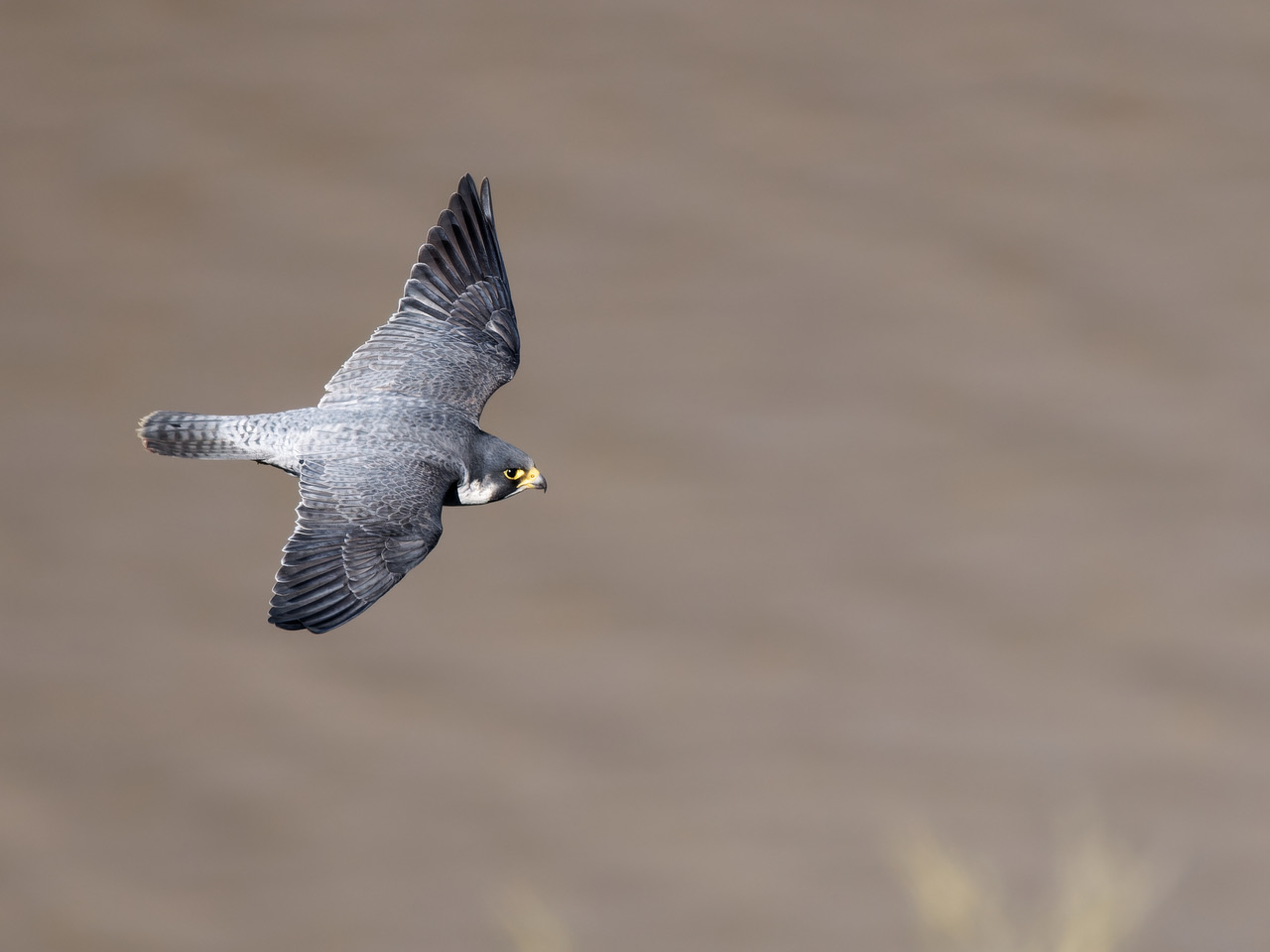
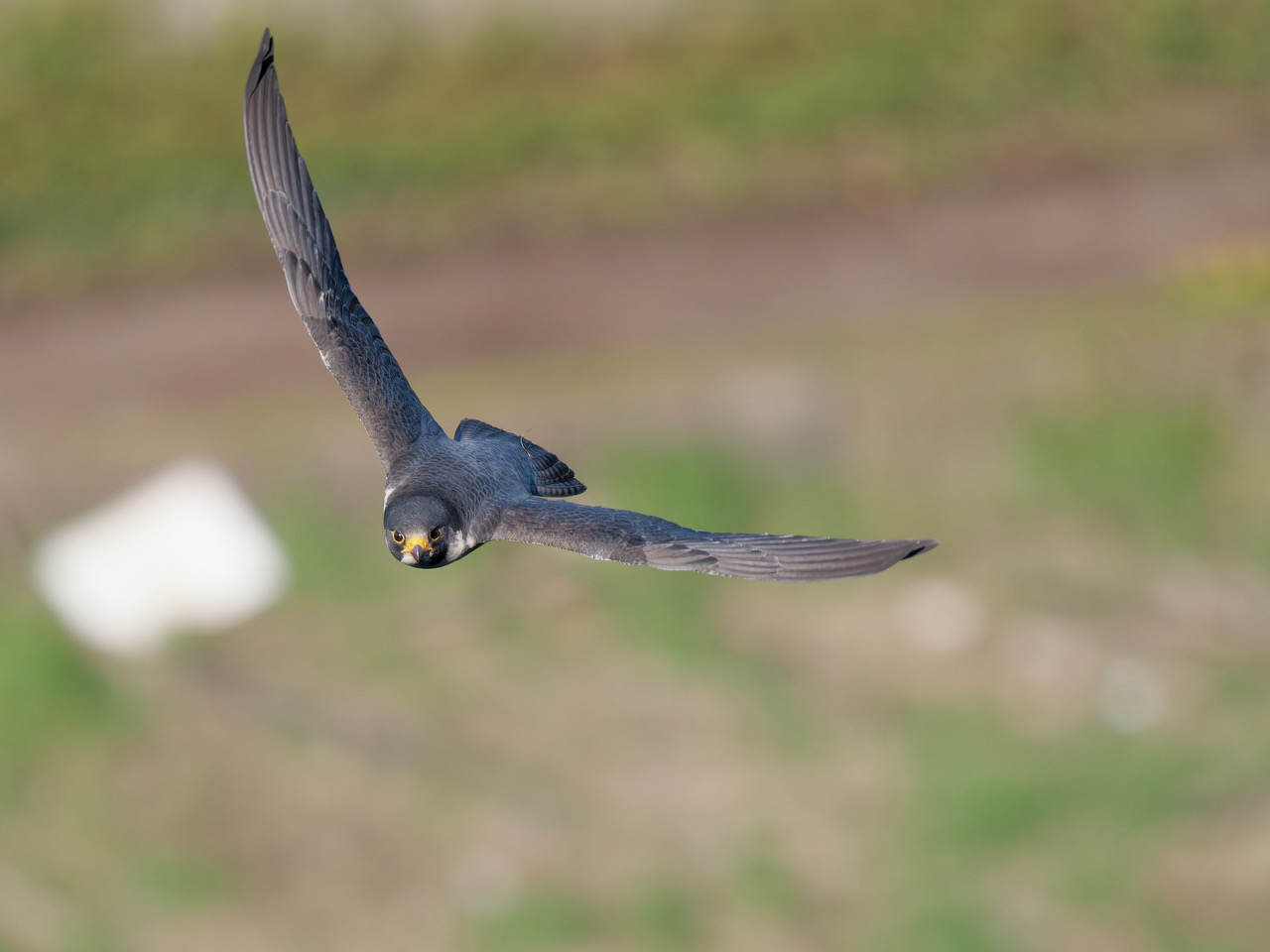
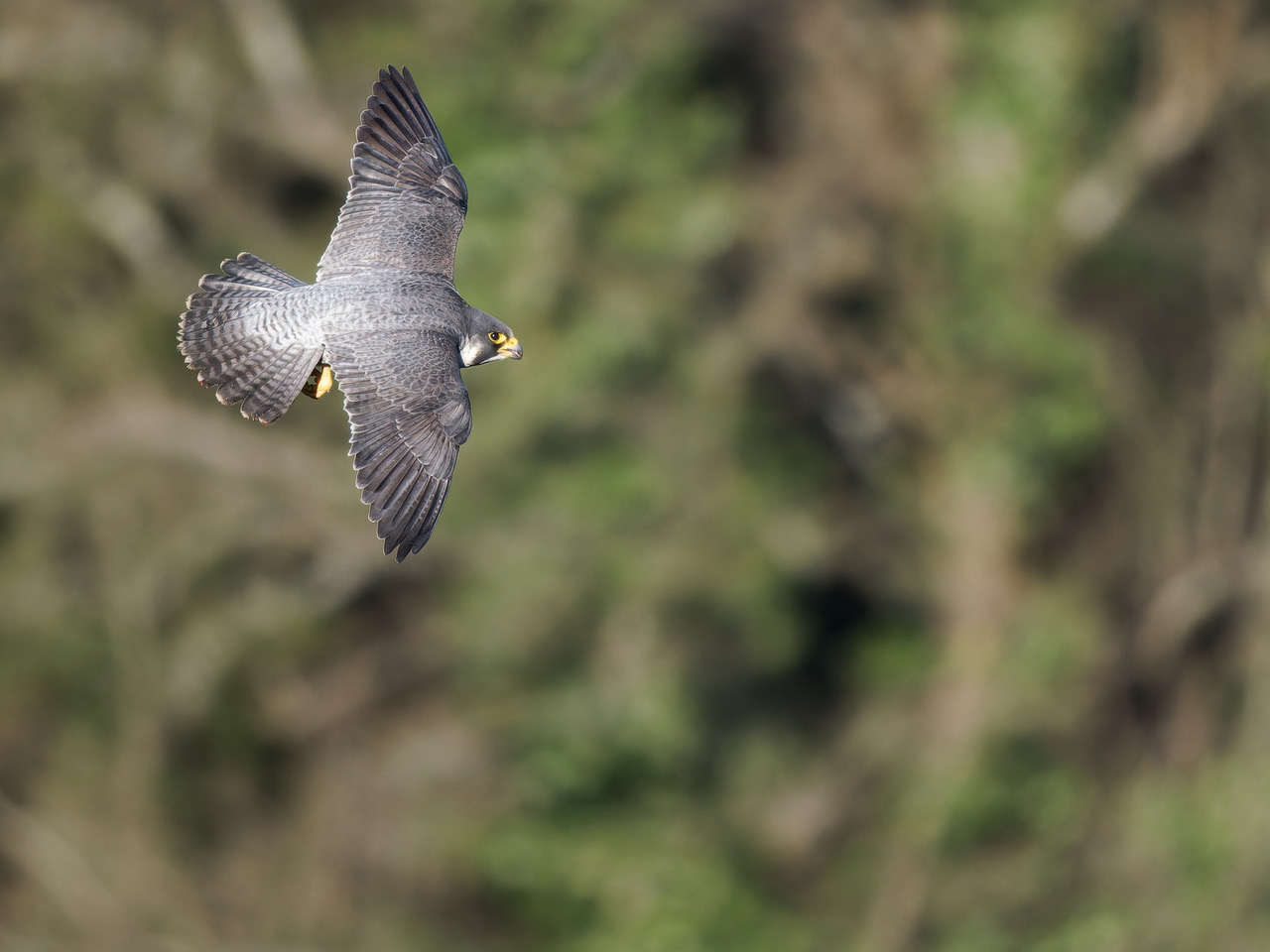
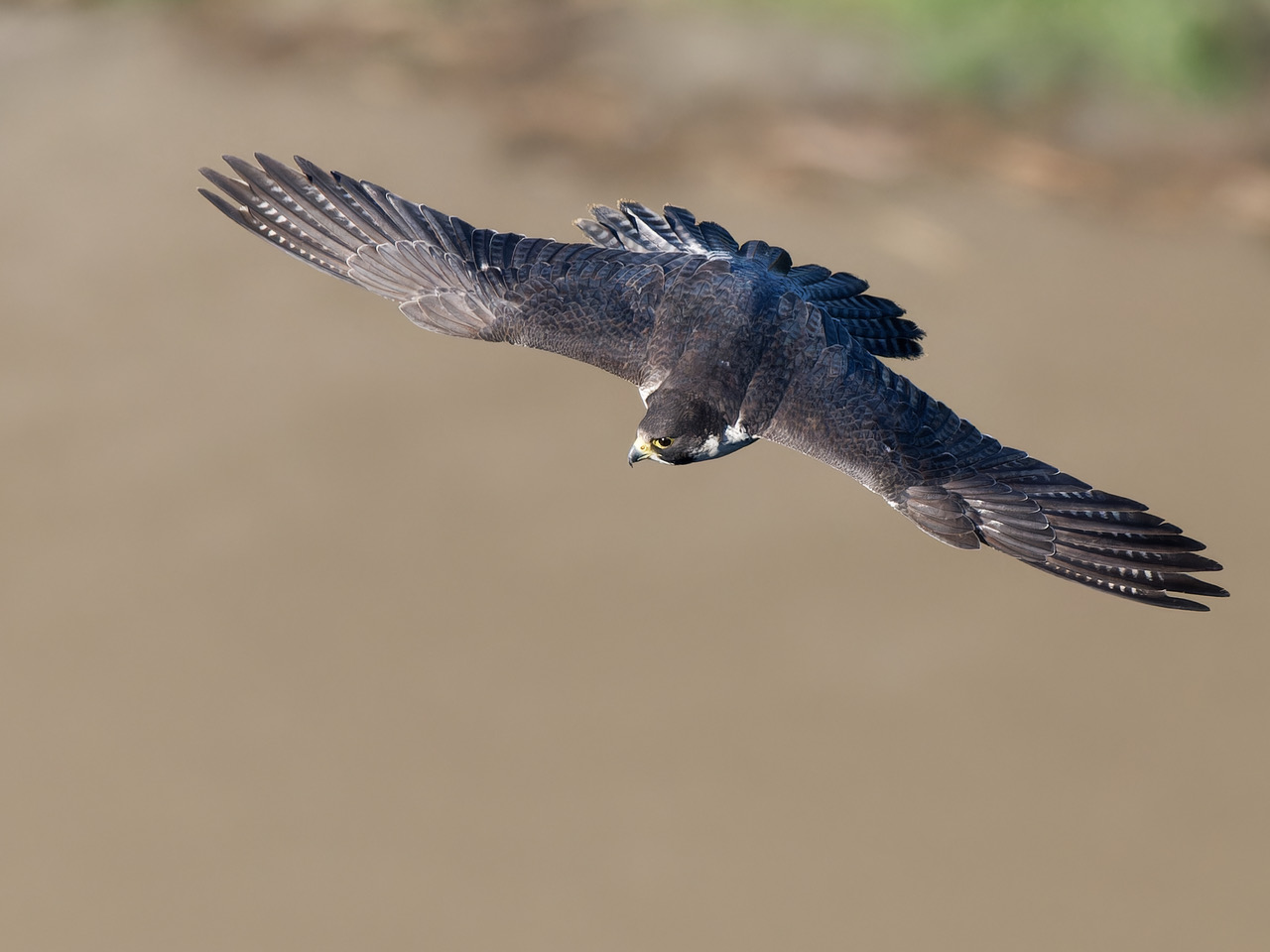
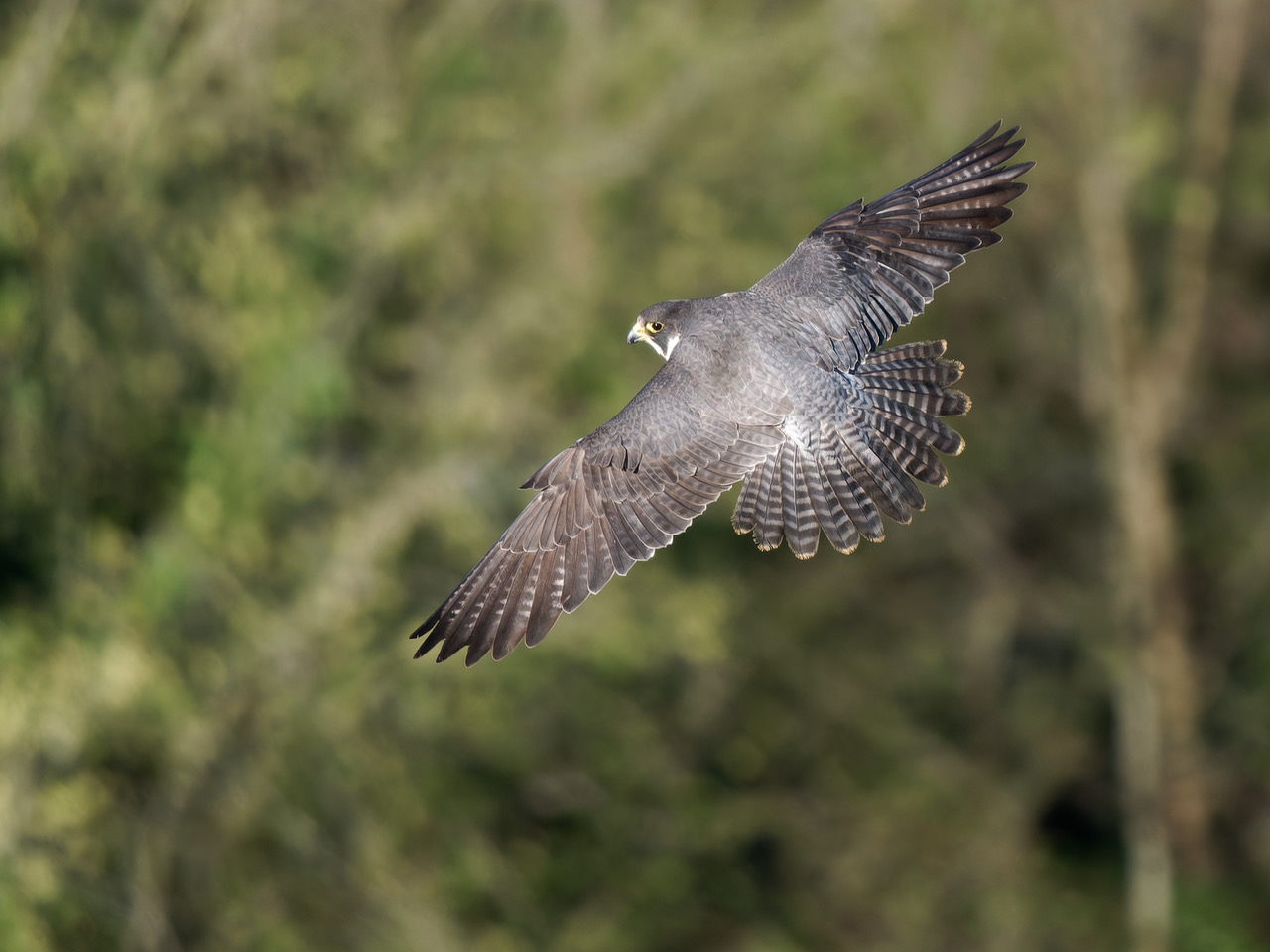
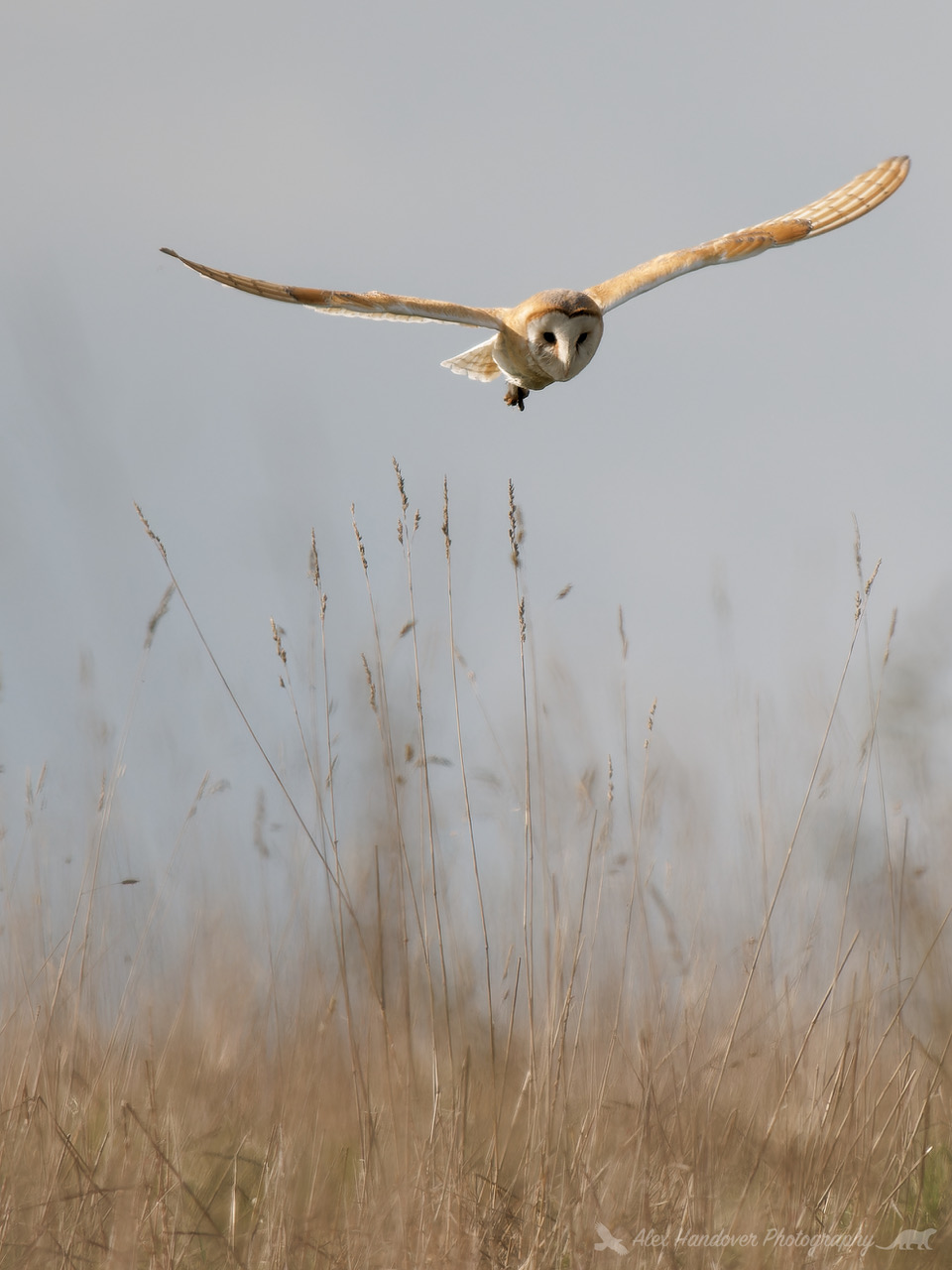
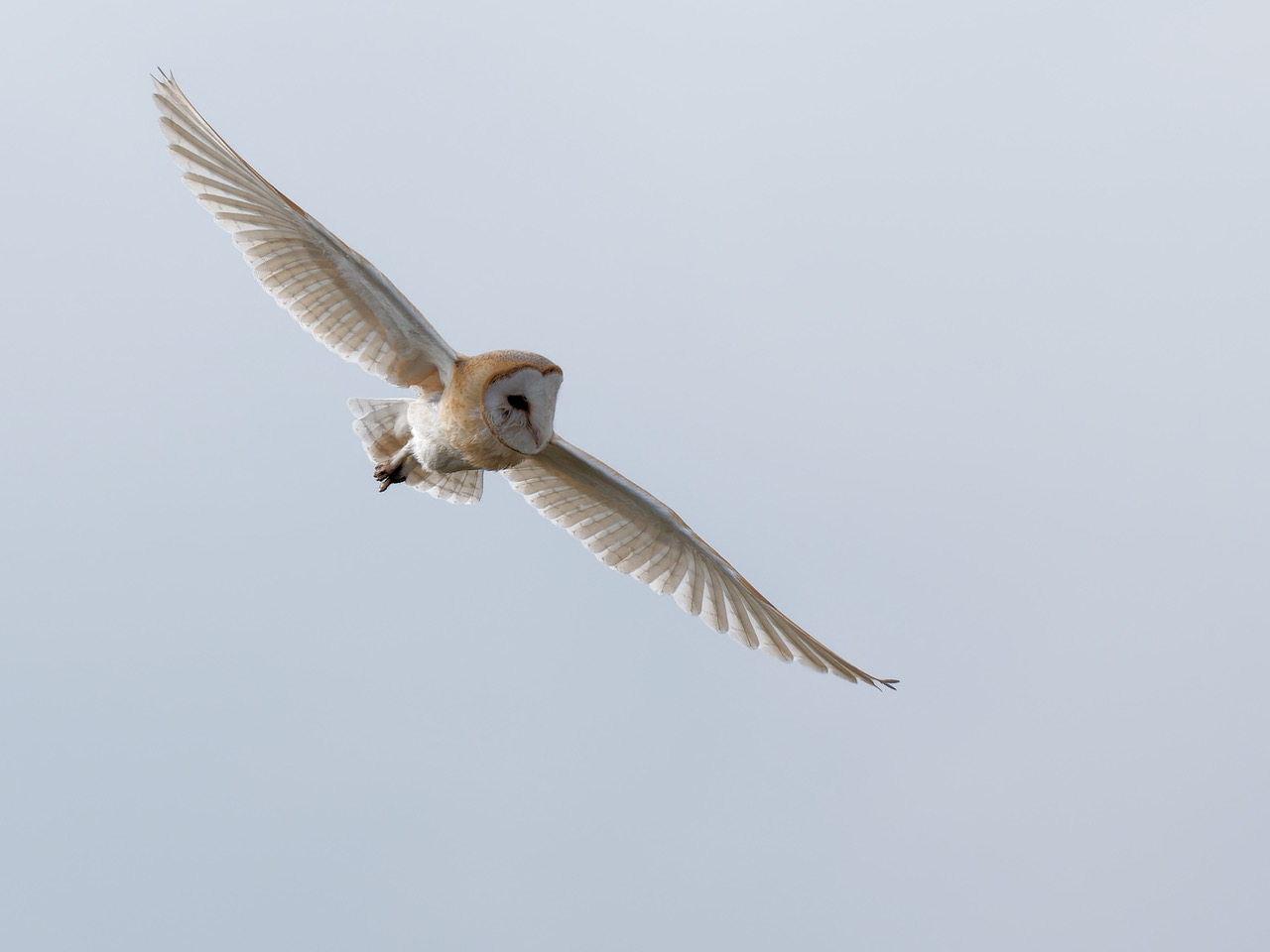
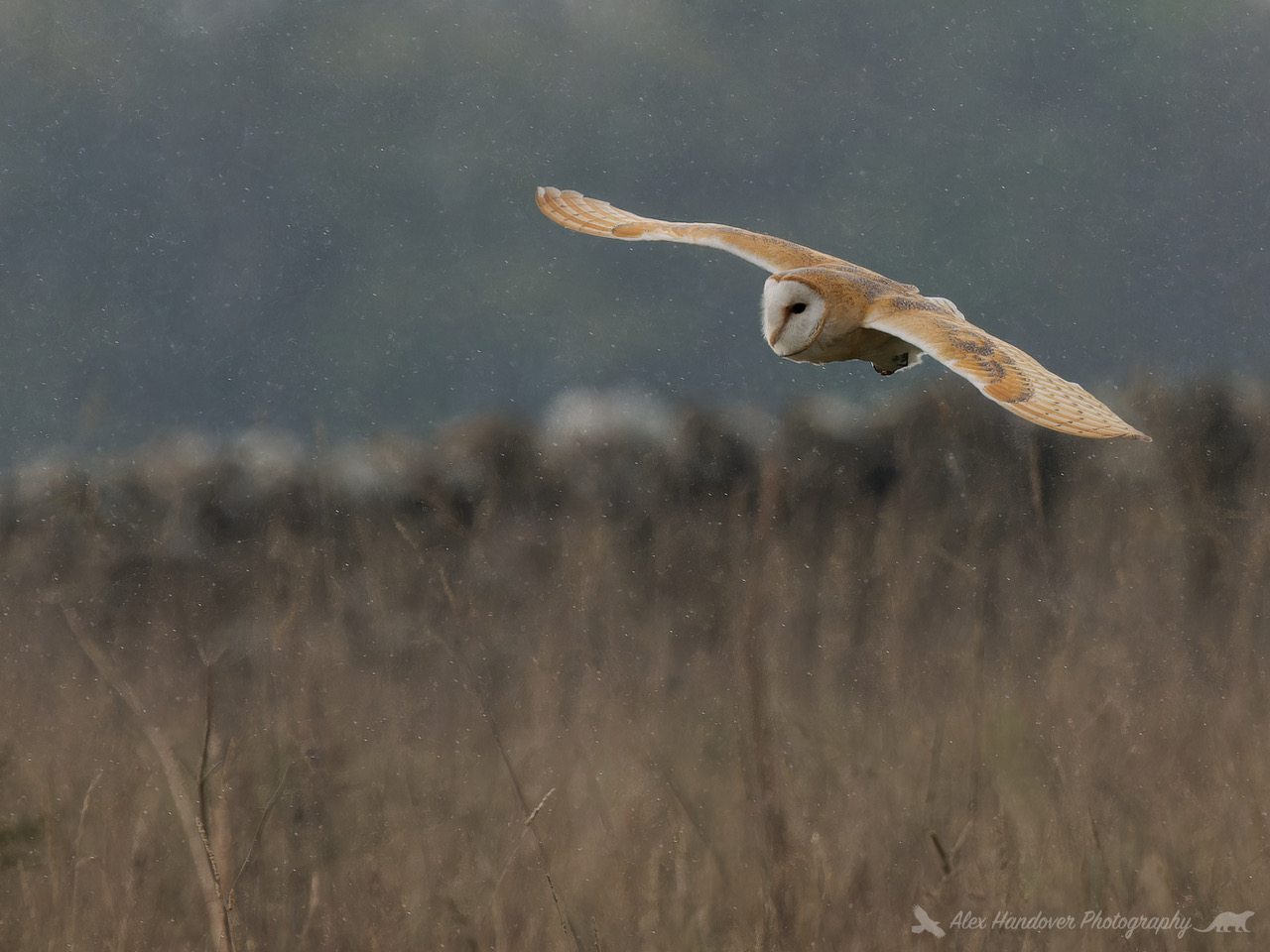
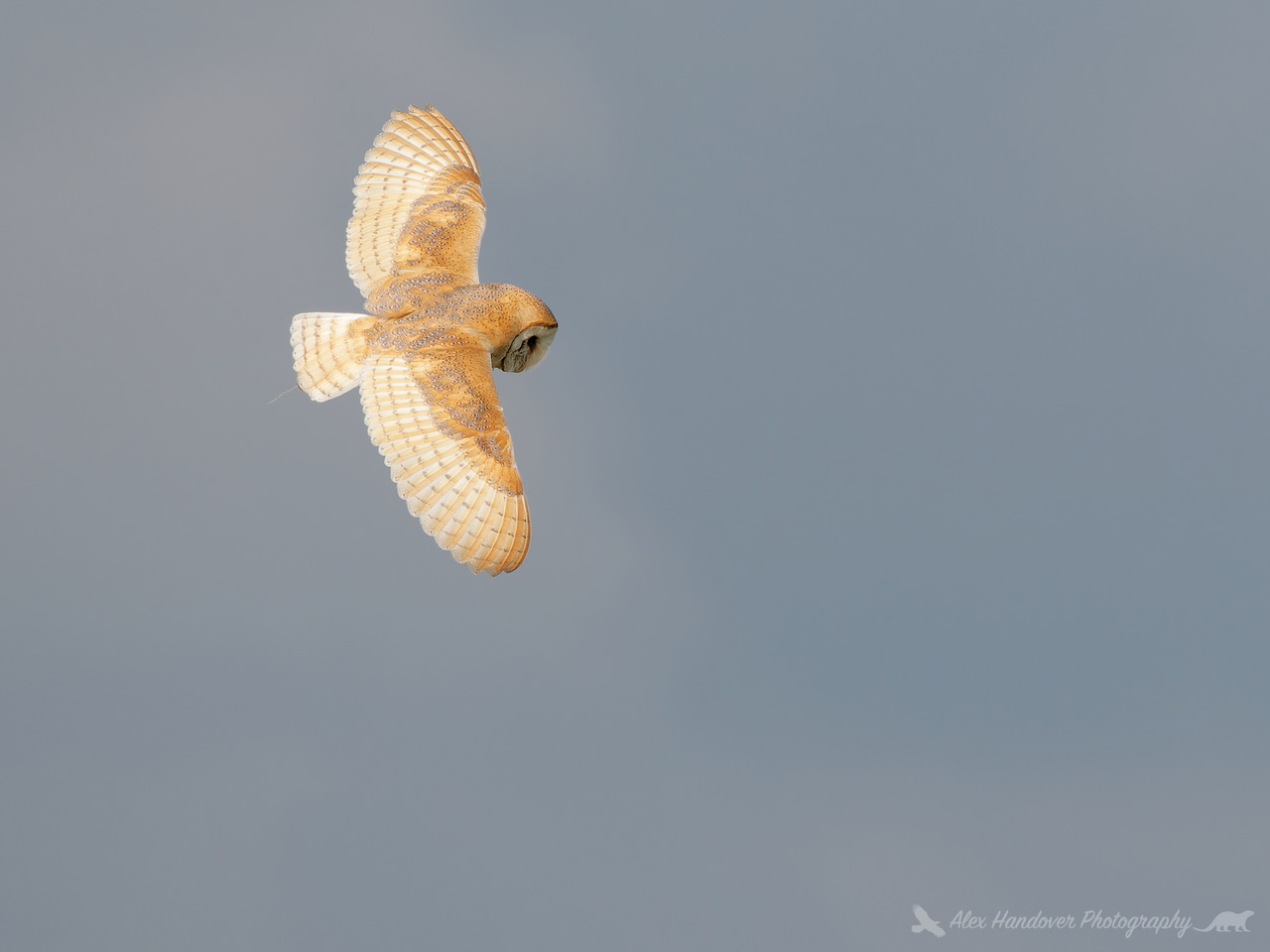
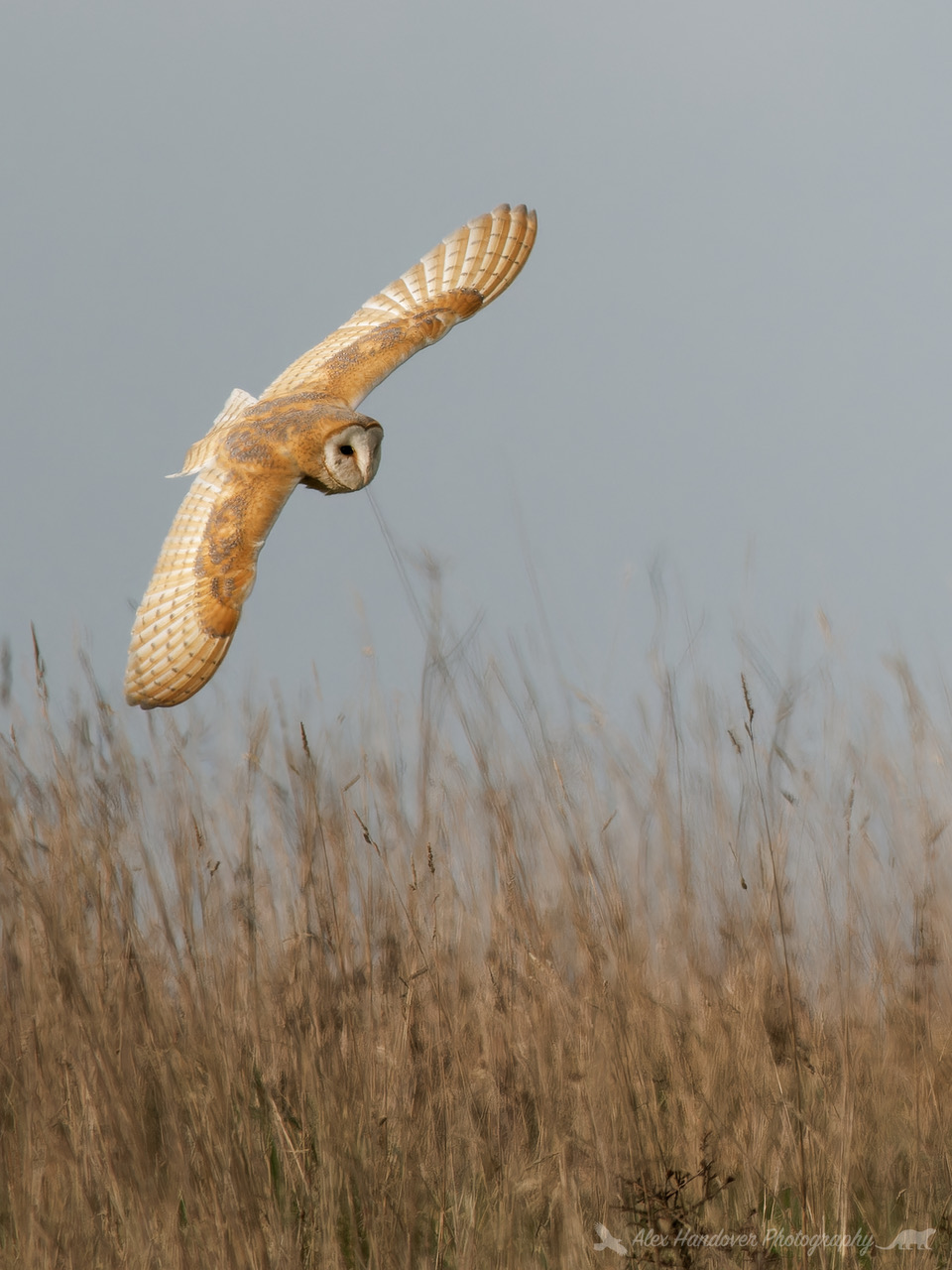
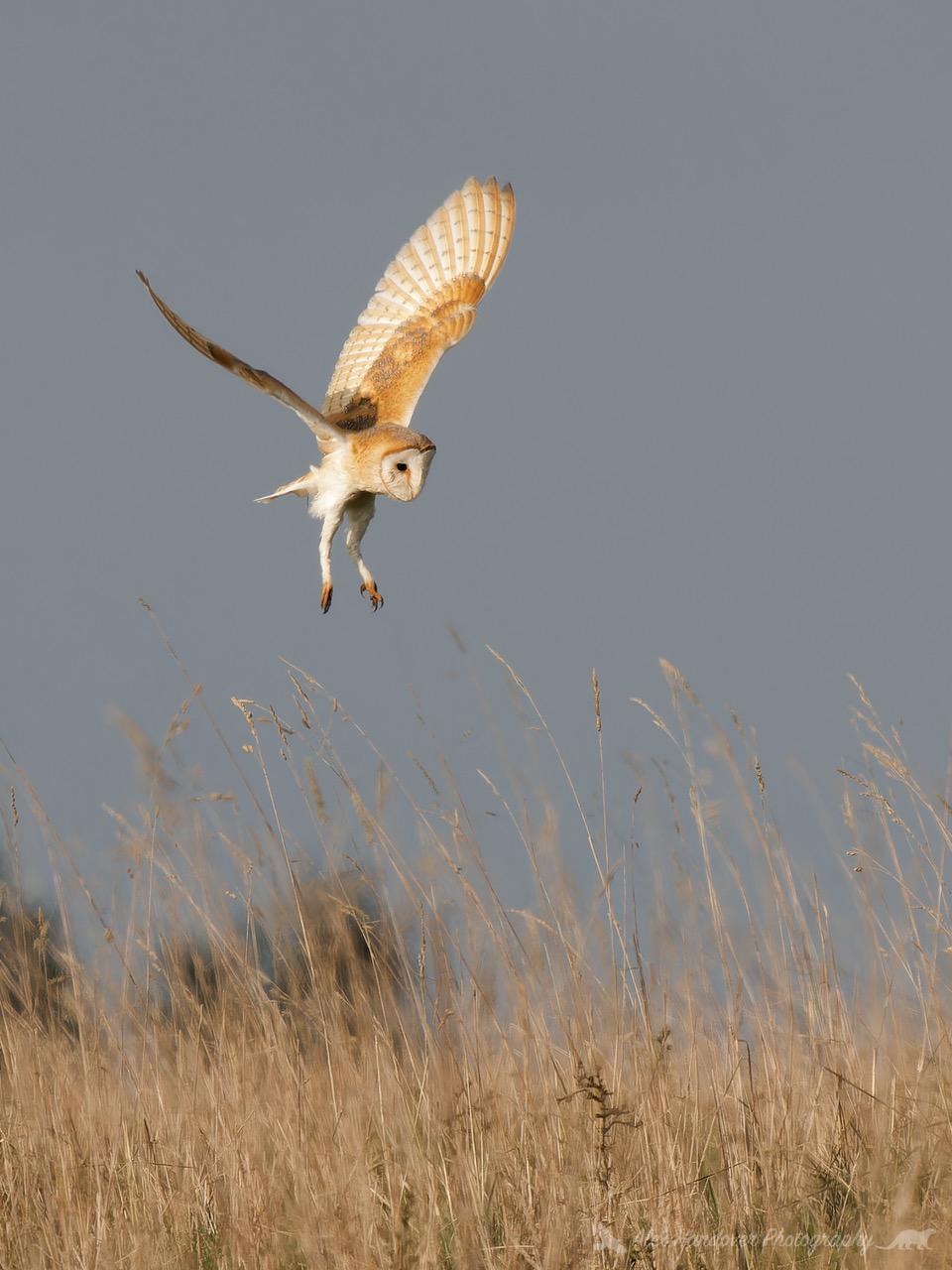
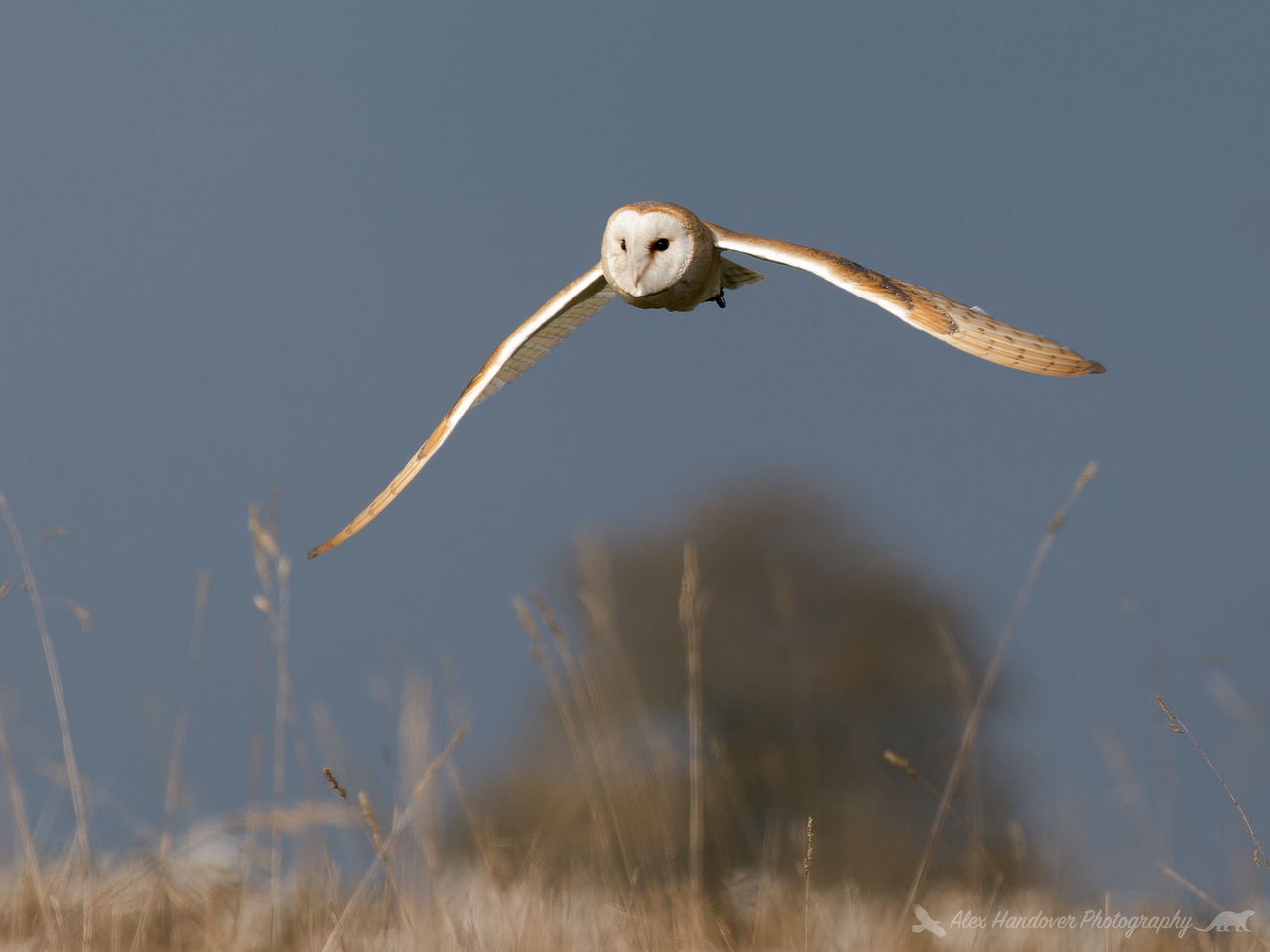
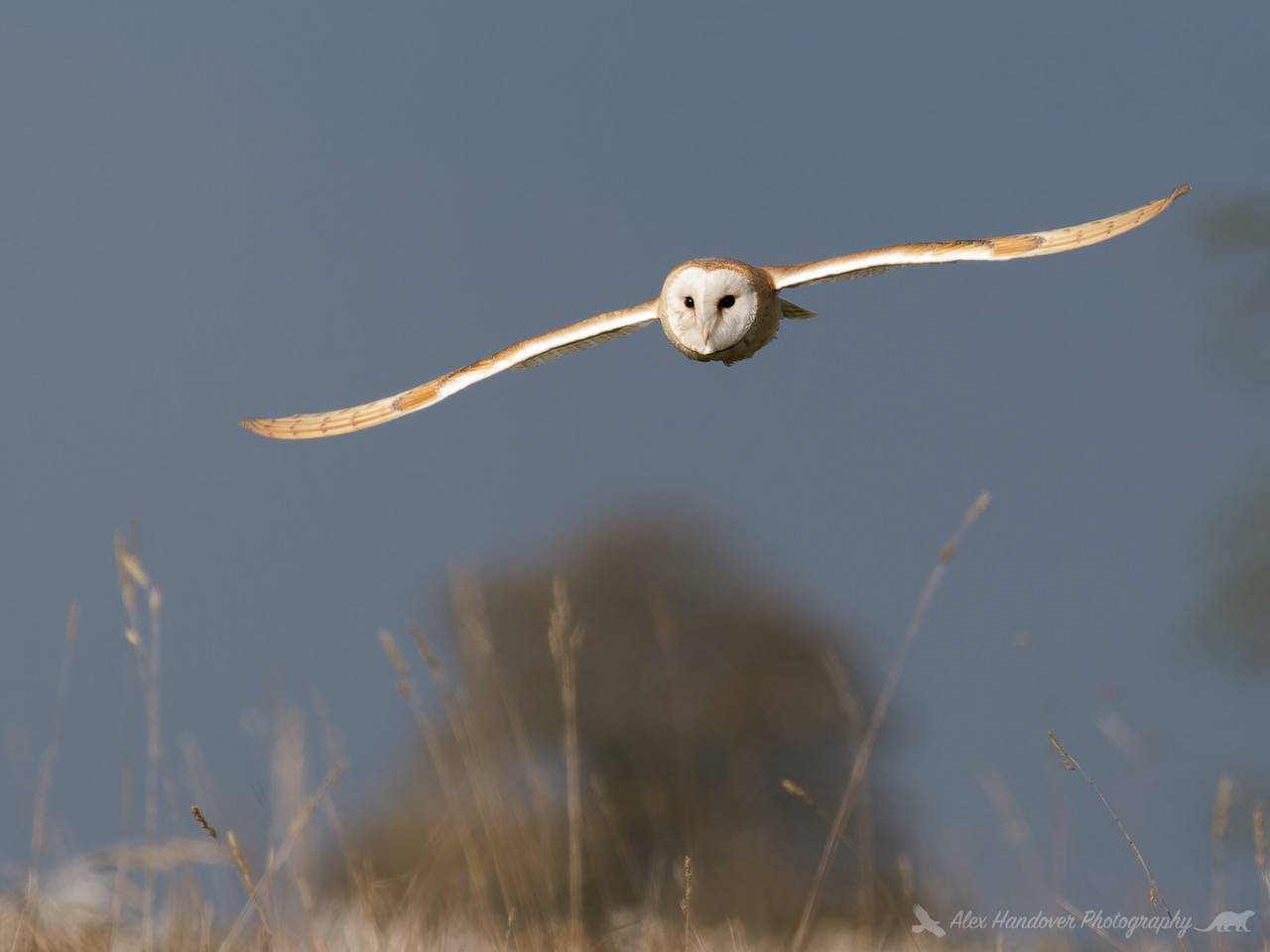
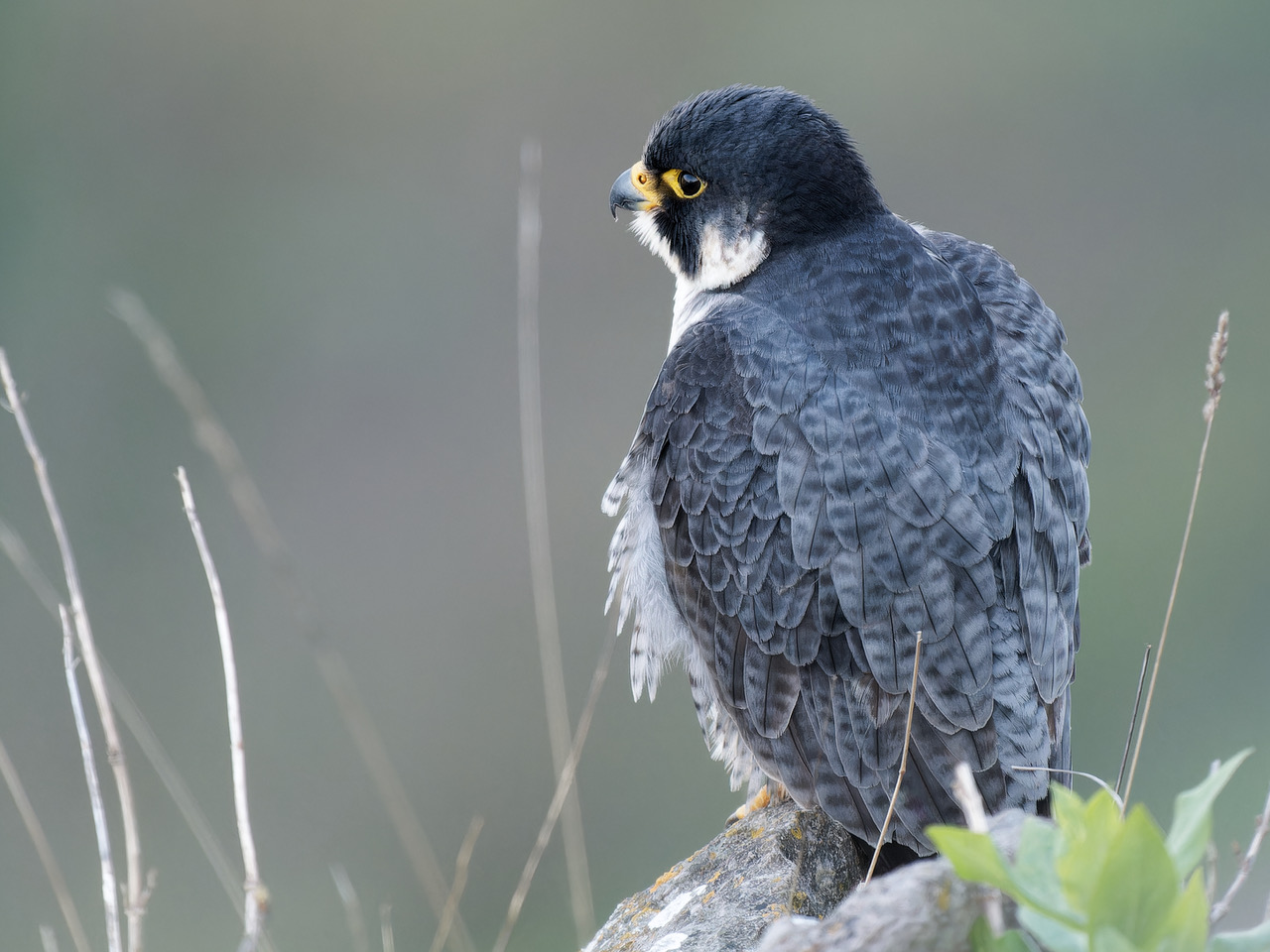
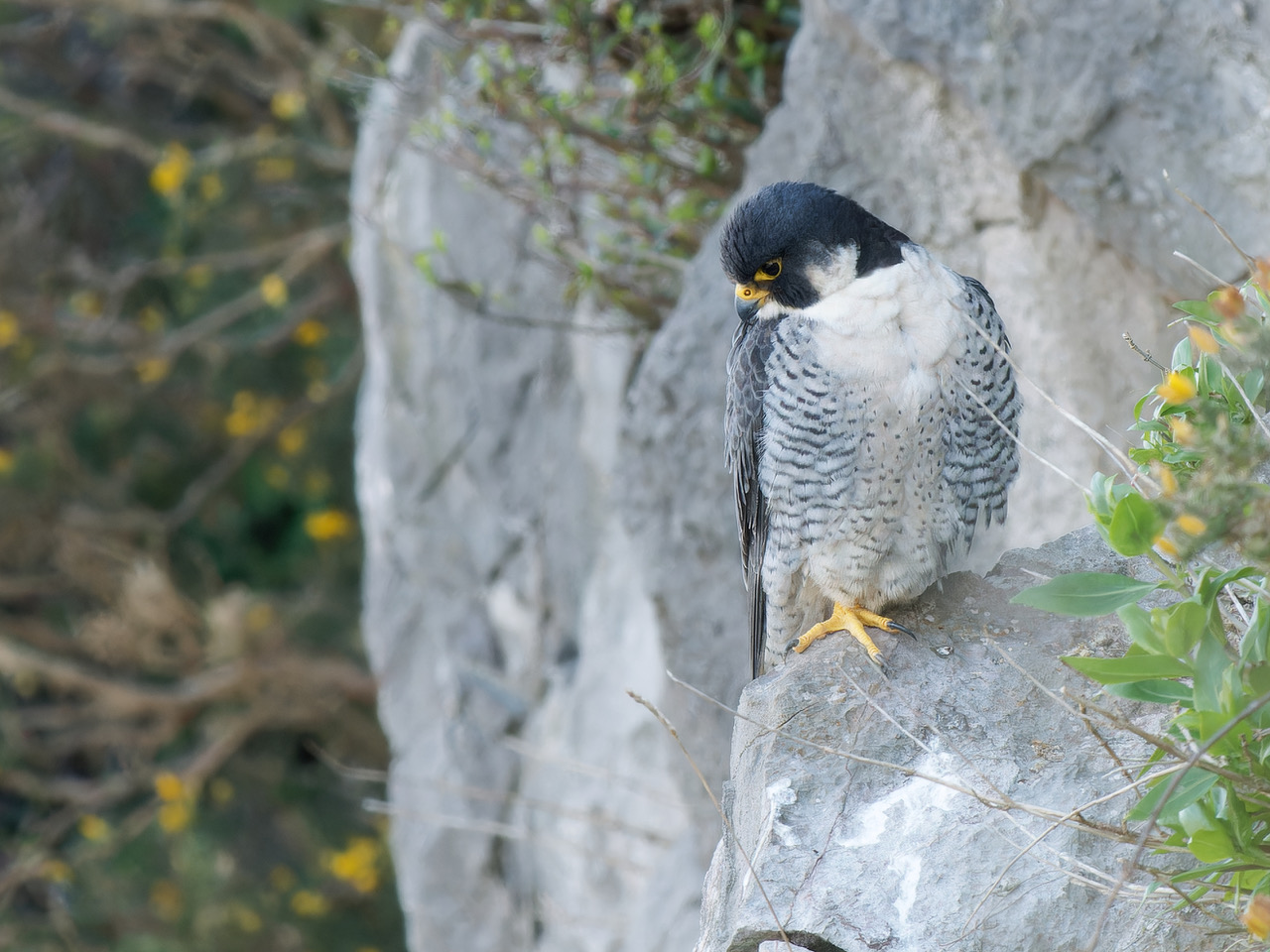
Back to birds, this time the Peregrin Falcon, courtesy of Alex!

oooo

oooo

oooo

oooo

oooo

oooo

They are beautiful photographs of these incredible birds!

Journalism.

A start to a fascinating programme on BBC Radio 4.

Yesterday morning (Oregon time) had me listening to a new series on BBC Sounds. It was Frontlines of Journalism. Here is what the Beeb had to say about it:

Released On: 27 Feb 2023

Available for over a year

In the spring of 2023, twenty years after the Americans, the British and their allies invaded to overthrow Saddam Hussein, BBC International Editor Jeremy Bowen was reporting from Iraq for the BBC. He described the invasion as ‘a catastrophe’. Taking you to some of the most difficult stories Jeremy and other journalists have covered; in this episode – why impartiality is not about trying to get perfect balance, the truth lying somewhere in the middle.  Often it does not.   Jeremy speaks with: journalist Rana Rahimpour who was born in Iran but left when she was 25 to work for the BBC; former BBC bureau chief Milton Nkosi, who grew up under apartheid in Soweto, South Africa; journalist and environmentalist George Monbiot, and CNN’s Chief International Anchor Christiane Amanpour.

Presenter: Jeremy Bowen Producer: Georgia Catt Assistant Producer: Sam Peach Additional research: Rob Byrne Series mixing: Jackie Margerum Series Editor: Philip Sellars.

But in wanting to present a little more to you readers, I did some research on the topic and came across this article published by the Reuters Institute at the University of Oxford. I cannot see a warning about not sharing this with you.

ooOOoo

Impartiality is still key for news audiences. Here’s how to rethink it for the digital age

Our research shows people still value the ideal of impartial news. A new report offer suggestions to adapt it to a challenging environment.

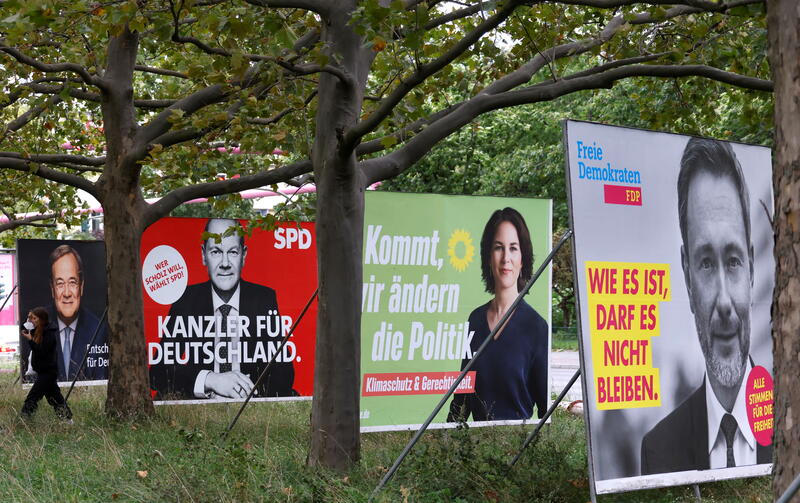
Election posters of Germany’s top candidates for chancellor.
September 16, 2021. REUTERS/Fabrizio Bensch

Nic Newman

Tuesday 19 October 2021

Most people agree that news organisations and journalists should reflect all sides of an issue and not push a particular agenda – at least when asked about it in surveys. Our 2021 Digital News Report finds this to be true across countries and age groups

However, many people feel that the media often fail to live up to this ideal. Our surveys consistently show that committed partisans believe that traditional media coverage is unfair, especially in countries where debates about politics or social justice have become deeply polarised. In recent years we’ve also seen an increase in opinion-led television formats such as Fox News/MSNBC in the United States, GB News in the UK and CNews in France, while many traditional print publications have focussed on distinctive and robust opinion as a way of standing out online.

Together with the growth of partisan websites, YouTubers and podcasters, audiences now have access to a wider range of views than ever before. Against this background, some have questioned traditional approaches to impartiality that try to represent all points of view within a single broadcast or publication. Other critics go further – arguing that impartiality has given extreme or unrepresentative views undue prominence, through its focus on balance, helping to legitimise climate change deniers and anti-vaxxers amongst others.

This all raises the question: how relevant is impartial and objective journalism to audiences today? The Reuters Institute commissioned market research company JV Consulting to carry out qualitative research in four countries – Brazil, Germany, the UK, and the US – with different news markets, traditions of public broadcasting, and systems of media regulation. They conducted a series of focus groups and in-depth interviews on our behalf in February and March 2021 with politically and ethnically diverse groups of older and younger people interested in and engaged with news (52 people in total).

These are some of the key findings of the report:

  • Engaged audiences in the four countries researched still care about impartiality and say it helps define news, even if some consider it an impossible ideal. They want journalists to focus on facts, objectivity and fairness, and to steer clear of opinions and bias in reporting, leaving them to decide for themselves how they feel about the news. Alongside accuracy, impartiality is a foundational value of news that underpins audiences’ trust.
  • People recognise the risk of giving exposure to extreme views or one side in the name of balance. However, evidence from this group of engaged users is that they are even more concerned about the suppression and silencing of viewpoints. There are particular misgivings about this in Brazil and Germany, where twentieth century history frames some people’s views.
  • Most participants recognise that there were some topics (e.g., science stories, natural disasters, and questions of social justice) where there were not always two or more sides to represent. Here, many felt there should be more latitude for journalists to present just one perspective or an established point of view. There are also expectations that journalists will show greater empathy and connection in their reporting than perhaps traditional interpretations of impartiality have allowed in the past.
  • Across countries, newer digital formats such as social media are perceived as carrying more risk of bias along with the growth of more informal and entertaining broadcast formats such as chat shows and podcasts. Impartiality is more vulnerable in these contexts, as well as when the news is emotive or controversial, because journalists’ personal views risk slipping out in the impulse to engage, although the subject and intention have a bearing on how audiences feel about this.
  • Younger people, who have grown up using more informal and digital sources, tend to have different expectations of impartiality, often looking for journalism that aligns with their values. But overall, their underlying attitudes and desires are remarkably similar to older people’s.
  • Different countries’ news traditions shape people’s experiences and expectations. Audiences in the US cannot envisage a world without partisan news outlets, but in the UK and Germany, with their public service traditions, most audiences still laud the upholding of impartiality.
  • Respondents also delineate between news reporting (where impartiality is expected) and opinion/commentary (where people expect that views are argued for). Importantly, many told us that they often find it difficult to distinguish between the two, especially online. Interviewees like news and they like opinion, but want them very clearly separated. 

It is important to recognise that not all news organisations are committed to impartiality: indeed, some make a virtue of creating news and opinion with a clear point of view. But most will want to take note of audience desires for a range of views to be represented and to see clearer labelling of news and opinion. For news organisations that are committed to impartiality, the report highlights the increased dangers in areas where journalism is more informal or accessed in distributed environments. Public media like the BBC have already embarked on updated training and issued new guidelines on these issues. Audiences have also sent a clear signal in this report that they would like much greater transparency over why certain perspectives are included or excluded, however difficult this may be in practice.

Finally, the report notes that given the importance of social media, search and other access points, technology platforms such as Facebook, Google and Apple, will also need to develop clearer guidelines on impartiality – as their own trust levels will depend on fair implementation of policies around inclusion and exclusion, whether by algorithm or human intervention.

Download the full report

ooOOoo

Now this isn’t everyone’s cup of tea but when one thinks of the enormous amount of news and information one gathers from the television, the radio, the press and a wide variety of online sources then thinking a little more about the truth of what we are being told is crucial to us making wise decisions. including voting where appropriate.

People still value the ideal of impartial news; there is no question about that!

One of the numerous effects of a warming climate.

An article that I wanted to share with you!

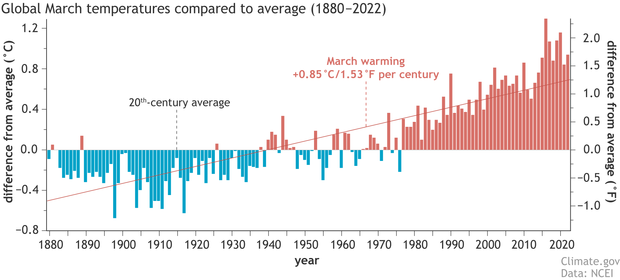
There is no question that we are warming the world, and in my mind, there’s very little doubt that it is us older persons who are the cause. Take this chart, for example, where the effects of populations in the 1980’s – 2000’s had a dramatic impact on the worsening trend:

The reason for today’s post is to share an article that writes of the science of precipitation.

ooOOoo

THE PHYSICS OF PRECIPITATION
IN A WARMING CLIMATE

WRITTEN BY DR ASHLEIGH MASSAM

The scientific consensus on climate change is that atmospheric temperatures are rising and will continue to rise. Mean global temperatures are already 1˚C warmer than preindustrial times (relative to 1850–1900), predominantly due to human activity increasing the amount of greenhouse gases in the atmosphere (IPCC, 2018a). The 2020 Paris Conference of Parties (COP) agreed on the aim of a 1.5˚C cap on climate change-induced warming, although without rapidly introducing measures to reduce carbon and greenhouse gas emissions, global warming could easily go beyond this limit. 

In fact, the Intergovernmental Panel on Climate Change (IPCC) warns that even a mean global temperature increase of 1.5˚C will lead to an increase in the frequency and intensity of rainfall events. But what links a warmer climate to an increase in intense rainfall events? This blog post will explain the physics behind the changes to precipitation rates in a warming climate.

A SIMPLE OVERVIEW OF THE PHYSICS

Climate projections simultaneously warn of higher annual mean surface temperatures, higher rates of intense rainfall and more frequent intense rainfall events. The atmospheric moisture content increases with respect to a change in temperature – essentially, the warmer the atmosphere, the more water is held in the atmosphere, and therefore higher rates of precipitation can be expected.

This is explained by the Clausius-Clapeyron relationship between surface temperature and water vapour. According to the Clausius-Clapeyron relationship, atmospheric water content increases by between 6 and 7% per 1 °C. Therefore, even just an increase of 1.5°C could result in ~9% more water in the atmosphere, which could have a major impact on storm systems and subsequent rainfall.

Storm systems travelling across oceans will have an increased moisture content from water evaporated from the sea surface, forming a larger storm system and therefore more precipitation. JBA has recently discussed the risk of flooding from intensifying rainfall due to climate change and this will be explored in respect to storm systems later in this blog.

HOW PRECIPITATION IS FORMED

In meteorology, precipitation can be liquid or solid water that falls from the atmosphere and reaches the Earth’s surface. Types of precipitation include rain, sleet, or snow, depending on the temperature of the atmosphere. During the water cycle (fig. 1), water evaporates from the surface into the atmosphere, and changes state from liquid to vapour. The water vapour forms cloud droplets, which join together until the heavy droplets fall from the clouds as precipitation. Several processes affect this simple view of the journey from evaporation to precipitation.

Figure 1: A diagram of the water cycle showing the connections between water masses, the atmosphere and the transpiration and condensation of water vapour.

THE SURFACE TEMPERATURE – PRECIPITATION RELATIONSHIP IN MORE DEPTH

The connection between precipitation and surface temperature is defined by the Clausius-Clapeyron equations. The Clausius-Clapeyron equations calculate the energy required to cause a chemical reaction at a given pressure. In terms of precipitation, the Clausius-Clapeyron equations can be used to calculate the thermal energy required to condense water vapour into droplets when the atmospheric pressure is known. 

When water droplets are evaporated into the atmosphere, they travel upwards. As the Clausius-Clapeyron relationship is dependent on atmospheric pressure, the thermal energy requirement for a phase change is lower at a lower pressure. As the water droplets travel upwards, two things happen: 

  1. The atmospheric pressure decreases, and 
  2. The atmospheric temperature cools (this is known as the temperature lapse rate and is typically estimated at -6.5°C per kilometre). 

When the water vapour reaches an elevation where the atmospheric pressure and temperature satisfy the Clausius-Clapeyron relationship, the water vapour condenses into cloud droplets. 

IMPACTS OF A WARMING CLIMATE ON THE SURFACE TEMPERATURE – PRECIPITATION RELATIONSHIP

The release of carbon dioxide, and other greenhouse gases, into the atmosphere by humans has already led to climate change in the form of atmospheric warming. Long-term measurements show that the atmosphere has already warmed by 1°C since 1900. IPCC projections suggest that additional warming is inevitable, and attempts are being made to keep global atmospheric warming to under 1.5°C. Although, as previously mentioned, this could still increase the frequency and intensity of rainfall (IPCC, 2018b). To understand how an increase in annual mean surface temperature will influence rainfall events, we can apply the Clausius-Clapeyron relationship in a geographical context. 

As the Clausius-Clapeyron equations define the relationship between vapour and pressure, they can also be used to define the saturation vapour pressure with respect to temperature. In meteorology, the saturation vapour pressure is the maximum pressure of water vapour, at a given temperature, before it condenses. Therefore, the pressure required to condense a water droplet increases exponentially with respect to a change in temperature. 

This means that the Clausius-Clapeyron relationship can be used to determine the moisture content of the atmosphere. Warmer atmospheric temperatures will increase the atmospheric moisture content before condensation because the atmospheric pressure will not be affected by climate change in the same way as temperature. This results in the previously mentioned calculation that moisture content will increase by ~6.5% in the atmosphere per 1°C increase in temperature and means that atmospheric warming of 1.5°C will yield an increase in atmospheric moisture content of ~9%.

THE EFFECT ON STORMS AND PRECIPITATION

This ~9% increase has an impact on storm systems and therefore rainfall. Hurricane Harvey made landfall on the coast of Texas in August 2017. Over seven days, areas of Texas including Galveston and Houston experienced nearly 1.5 metres of rainfall. 

Research published since the event suggests that the intensity of Hurricane Harvey is attributable to a combination of the storm stalling over one location and climate change. The Gulf of Mexico, the source of moisture for Hurricane Harvey, has experienced anthropogenic-induced sea-surface temperature warming of 1°C since preindustrial times (Pall et al., 2017; Trenberth et al., 2018). Comparing Hurricane Harvey’s precipitation records with an equivalent event from 1950, extreme value analysis concluded that climate change contributed to a 5-7% increase in rainfall rates covering the full region affected by the hurricane (Risser and Wehner, 2017). 

With an increase in rainfall events and the wider impacts of climate change, it’s important for organisations to think about the potential risk to their business. JBA’s UK Climate Change Flood Model assesses and quantifies future flood risk in the UK under a warming climate and complements our range of global Climate Change Analytics, helping clients to understand and manage the effects of climate change on their assets and to enable long-term planning.

For more information on our climate change work, including bespoke consultancy services offered by our expert team, get in touch.

REFERENCES

IPCC, 2018a: Summary for Policymakers. In: Global warming of 1.5°C. An IPCC Special Report on the impacts of global warming of 1.5°C above pre-industrial levels and related global greenhouse gas emission pathways, in the context of strengthening the global response to the threat of climate change, sustainable development, and efforts to eradicate poverty [Masson-Delmotte, V., P. Zhai, H.-O. Pörtner, D. Roberts, J. Skea, P.R. Shukla, A. Pirani, W. Moufouma-Okia, C. Péan, R. Pidcock, S. Connors, J.B.R. Matthews, Y. Chen, X. Zhou, M.I.Gomis, E. Lonnoy, T.Maycock, M.Tignor, and T. Waterfield (eds.)].]. World Meteorological Organization, Geneva, Switzerland.

IPCC, 2018b. Impacts of 1.5ºC Global Warming on Natural and Human Systems. In: Global Warming of 1.5°C. An IPCC Special Report on the impacts of global warming of 1.5°C above pre-industrial levels and related global greenhouse gas emission pathways, in the context of strengthening the global response to the threat of climate change, sustainable development, and efforts to eradicate poverty [Masson-Delmotte, V., P. Zhai, H.-O. Pörtner, D. Roberts, J. Skea, P.R. Shukla, A. Pirani, W. Moufouma-Okia, C. Péan, R. Pidcock, S. Connors, J.B.R. Matthews, Y. Chen, X. Zhou, M.I.Gomis, E. Lonnoy, T.Maycock, M.Tignor, and T. Waterfield (eds.)]. World Meteorological Organization, Geneva, Switzerland.

Pall, P., Patricola, C.M., Wehner, M.F., Stone, D.A., Paciorek, C.J., Collins, W.D. 2017. Diagnosing conditional anthropogenic contributions to heavy Colorado rainfall in September 2013. Weather and Climate Extremes, 17, pp 1-6.

Risser, M.D., Wehner, MF. 2017. Attributable human-induced changes in the likelihood and magnitude of the observed extreme precipitation during Hurricane Harvey. Geophysical Research Letters¸ 44(24), doi: 10.1002/2017GL075888.

Trenberth, K.E., Cheng, L., Jacobs, P., Zhang, Y., Fasullo, J. 2018. Hurricane Harvey links to ocean heat content and climate change adaptation. Earth’s Future, 6(5), doi: 10.1029/2018EF000825

ooOOoo

The IPCC states what is clearly known in science circles; a warmer atmosphere equals more moisture in the air and that translates into more rainfall.

It comes down to warmer atmospheric temperatures increasing the atmospheric moisture content before condensation, simply because the atmospheric pressure will not be affected by climate change in the same way as temperature, as was described earlier in the paper. The reference to Hurricane Harvey was very powerful.

The world has to focus on climate change in an urgent manner. Because there isn’t a great deal of time, something like 10 years, at most, to bring about huge changes in the way we consume energy.
Picture Parade Four Hundred and Eighty-Three

The last day of April, 2023, brings a change in the Picture Parades.

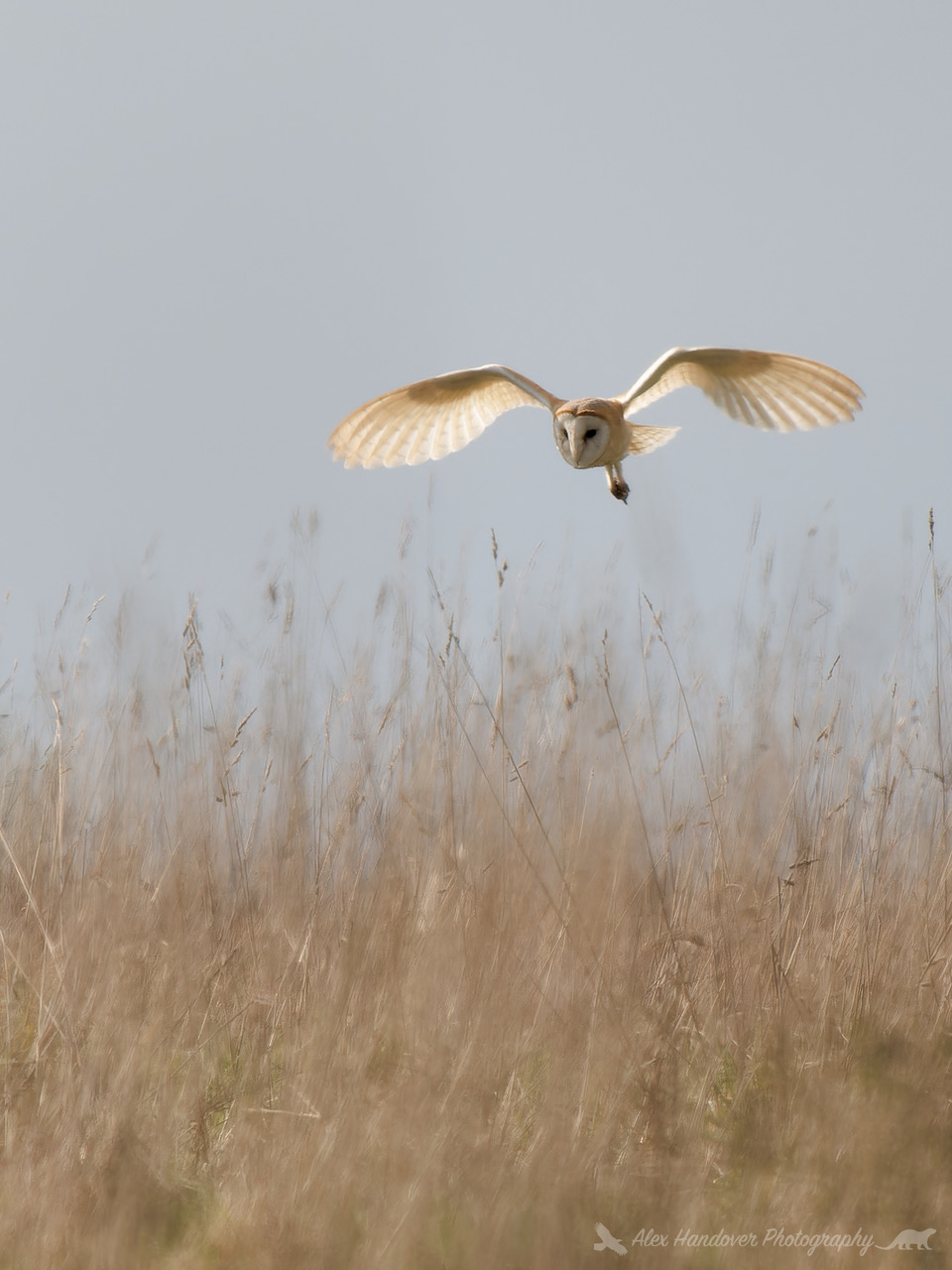
My son, Alex, is a very keen photographer and has taken many beautiful photos of birds. He wants to build his following especially on Instagram (that is a link to Alex’s page) and I was very willing to assist him in his endeavour.

So starting today I will be posting the photographs taken by Alex and repeating this every other Sunday. In other words, I shall now be alternating between birds and dogs for as long as is possible.

But first of all here is Alex’s QR code.

oooo

oooo

oooo

oooo

oooo

oooo

oooo

oooo

oooo

Alex uses an Olympus camera, an OM-1, and his lens is an Olympus M zuiko 150-400TC pro. A feature of the camera is the continuous shooting rate of 130 frames per second that Alex uses to good effect; as you can see.

So if you are interested in photography, please go across to this Instagram link and revel in the wonderful pictures featuring wildlife from the UK🇬🇧, mainly in the counties of Somerset, Gloucestershire and Bristol.

Next Sunday we are back to dogs!

Moore’s Law

In memory of Gordon Moore.

From Wikipedia:

Gordon Earle Moore (January 3, 1929 – March 24, 2023) was an American businessman, engineer, and the co-founder and emeritus chairman of Intel Corporation.

It was in 1965 that Gordon Moore suggested that every year there would be a doubling of the number of components per integrated circuit. In 1975 he revised his forecast to a doubling every two years; that prediction has become a reliable outcome and became known as Moore’s Law.

Just look at the left-hand scale of that graph above and ponder on the figures. From less than 10,000 in 1971 to more than 10 billion in 2021!

Incredible!

Gordon Earle Moore in 1978. He died on March 24th, 2023 aged 94 years.

What an amazing man!

An invitation from SOUND UK.

To apply to the UK’s Sound Generator.

This is the company that my daughter helps to run. She is Maija and together with Polly and Chloe they run Sound UK. I want to promote a recent item that appeared on their website.

ooOOoo

WHAT IS SOUND GENERATOR?

Now in its third year, Sound Generator is Sound UK’s research and development (R & D) programme that supports artists and seeds the development of an ambitious new project.

Each year six early career music and sound artists spend six months developing and testing their project, supported by mentoring from a range of experts.

By the end of the programme artists will have thoroughly explored their initial idea and tested that they can make it work, ready for the next stage of full commissioning and public engagement.

During the process artists will be able to try out new approaches, learn from others, increase their network and develop their practice.

Projects can be:
• For indoors or outdoors
• Suitable for venue touring or site specific
• Digital, installation or live
• Music, sound or multi-disciplinary
• Designed to reach a new audience, work with a specific community or respond to the world we live in.

Following an open call, six artists will each receive an award of £2200 to research and develop their idea across six months (June to November 2023).

In addition to £2200, the programme includes access to the Sound Generator Network with support sessions from a range of exceptional mentors, plus opportunities to connect with other artists on the programme.

The R & D will culminate in the creation of a short audio or video sample of the project, and a proposal for its delivery. These will be presented by each artist at a sharing event at the end of the programme and sent out to a wide network of industry contacts.

WHO IS IT FOR?

• UK* creators that reflect the full cultural diversity and gender spectrum of the UK
• Creators with 5 – 10 years professional experience
• Creators who want to develop a new idea that extends their practice, with public interaction in mind.
• Artists pushing the boundaries of contemporary music. Working within, but not exclusively, jazz, sound, folk, classical and electronic music, plus all points in between.

*we define a UK artist as someone who has been based and working in the UK for more than 5 years.

Find out more about our 2022 Sound Generator artists and our 2021 Sound Generator artists.

“We learnt so much and mentoring + support was very helpful in furthering our ideas. I think it also puts us in a better position to get further funding and for potential future collaborations.”
Daphnellc & Ambra, Sound Generator 2022

ooOOoo

Hopefully this is read by some people who either want to help share the message or want to apply.

Either way it was worth sharing!

A treasure of a dog story

A guest post from Connie Hart.

This is a most amazing story about Connie’s dogs and was sent to me as a guest post.

You will love it!

ooOOoo

A Dog Story

by Connie Hart, March 14th., 2023

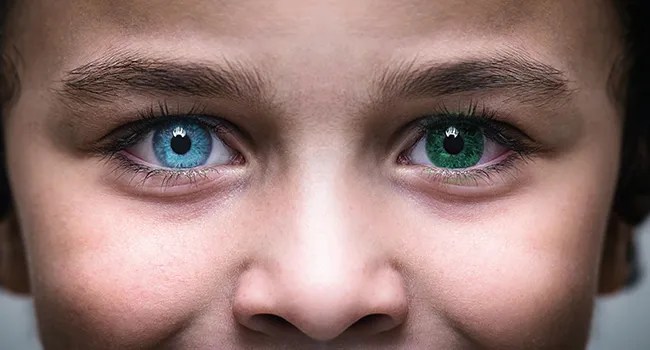
Having been raised by my father from the age of three, I spent many hours sitting on his lap as he read to me. Often, as he read, I looked up at his face, and into his eyes. It was always a marvel to me. As an adult, I know it as heterochromia, or different colored eyes. He had one brown eye, and one blue.

This is a condition that is very rare in humans; only 1% have this. But it was something that I, as a child, loved about my father.

In dogs, heterochromia is more common, but still rare. It occurs 3.5% of the time in dogs. That being said, here is my story;

This is Bernie:

Bernie is 145 lbs. of pure love. He was a gift from a friend, after a tragic loss of two of my sweet dogs. I still had one old dog, Bo. But even he passed when Bernie was about a year old. So we took Bernie to the County Shelter, and let him pick out a new friend. Hence, Rosie came into our lives.

oooo

But two years later, unfortunately, we lost Rosie.

We moved after that, but Bernie was not to be alone. Believe it or not, the people who moved out of the house we bought, moved from Oregon to Arizona and left behind their dog, Endy. Endy was a sweet, old dog. When I inquired about him, the owners simply said, ‘Oh, he can fend for himself.”

I was horrified. I couldn’t believe it as I watched those people drive out, leaving Endy crying on the porch.

But we made it up to him. We loved him and played with him. He and Bernie became inseparable. But, alas, time and age forced a sad good-bye.

Again, we took Bernie to the County Shelter to pick out a new friend. With Bernie in the ‘meet and greet’ yard, I went through and picked out a handful of dogs I liked, first. One in particular, struck me. A Shepard/Pyrenees mix, with one blue eye and one brown.

One at a time, each dog was taken out to the yard to meet Bernie. Some, he barely even sniffed, some, he totally ignored. But when the heterochromatic dog was put in the yard, there was instant frolic!

Bernie had lost three of his besties and we didn’t want him to have to go through that again. This dog, Cassie, was young and vibrant, in so many ways. They romped and played while I went in to do the paperwork. While looking through the paperwork, I noticed her birthdate. November 23….

She and my beloved father have the same birthday!

ooOOoo

This is a lovely story.

For those that want more information on Heterochromia, I took from the Mount Sinai website the following:

Heterochromia is the presence of different colored eyes in the same person. Heterochromia in humans appears either as a hereditary trait unassociated with other disease, as a symptom of various syndromes or as the result of a trauma.

What an unusual, but pretty, condition in her face.

Thank you, Connie.

Getting older and older!

An interesting post for all of us, albeit, those on the right side of 70? will find this less important.

It is very difficult for me to add anything useful to this article so I will not try.

Except to say that the author, Aditi Gurkar, is Assistant Professor of Geriatric Medicine at the University of Pittsburgh so she should know what she is talking about!

ooOOoo

Are you a rapid ager? Biological age is a better health indicator than the number of years you’ve lived, but it’s tricky to measure

Healthspan measures incorporate quality of life in ways that lifespan does not. Ira T. Nicolai/The Image Bank via Getty Images

Aditi Gurkar, University of Pittsburgh

Do you ever wake up some days and think, “When I was younger, I could survive on just four hours of sleep, but now it seems like I need 10”? Or have you ever walked out of the gym and “felt” your knees?

Almost everyone experiences these kinds of signs of aging. But there are some people who seem to defy their age. The late U.S. Supreme Court Justice Ruth Bader Ginsberg stayed on the bench until her death at age 87. The “Great British Bake Off” judge Mary Berry, now in her 80s, continues to inspire people all over the world to bake and enjoy life. And actor Paul Rudd was named People magazine’s “Sexiest Man Alive” in 2021 at age 52 while still looking like he’s in his 30s. Is age just a number then?

Researchers have focused a lot of attention on understanding the causes and risk factors of age-related diseases like Alzheimer’s, dementia, osteoporosis and cancer. But many ignore the major risk factor for all of these diseases: aging itself. More than any individual risk factor such as smoking or lack of exercise, the number of years you’ve lived predicts onset of disease. Indeed, aging increases the risk of multiple chronic diseases by up to a thousandfold.

However, no two people age the same. Although age is the principal risk factor for several chronic diseases, it is an unreliable indicator of how quickly your body will decline or how susceptible you are to age-related disease. This is because there is a difference between your chronological age, or the number of years you’ve been alive, and your biological age – your physical and functional ability.

As the author notes in her TED Talk, aging is not just a number.

I am a scientist interested in redefining “age.” Instead of benchmarking chronological age, my lab is invested in measuring biological age. Biological age is a more accurate measure of healthspan, or years lived in good health, than chronological age, and doesn’t directly correlate with wrinkles and gray hairs. Rapid agers experience a faster rate of functional deterioration relative to their chronological age.

My grandmother, who lived to be 83 but was bedridden and could not remember who I was for the last few years of her life, was a rapid ager. My grandfather, on the other hand, also lived until he was 83, but he was active, functional and even did my homework with me until he passed away – he was a healthy ager.

With the unprecedented growth of the world’s aging population, I believe that figuring out ways to measure biological age and how to maintain or delay its advance is critical not only for individual health, but also for the social, political and economic health of our society. Detecting rapid agers early on presents an opportunity to delay, change or even reverse the trajectory of biological aging.

Genetics and biological age

Biological aging is multifaceted. It arises from a complex mix of genetic traits and is influenced by factors like microbiome composition, environment, lifestyle, stress, diet and exercise.

Genetics were once thought to have no influence on aging or longevity. However, in the early 1990s, researchers reported the first studies identifying genes that were able to extend the lifespan of a small roundworm. Since then, multiple observations support the influence of genetics on aging.

For example, children of long-lived parents and even those with long-lived siblings tend to live longer. Researchers have also identified multiple genes that influence longevity and play a role in resilience and protection from stress. These include genes that repair DNA, protect cells from free radicals and regulate fat levels.

However, it is clear from studies in identical twins – who share the same genes but not the same exact lifespans – that genes are not the only factor that influences aging. In fact, genes probably account for only 20% to 30% of biological age. This suggests that other parameters can strongly influence biological aging.

Environmental and lifestyle effects

Researchers have found that environmental and lifestyle factors heavily influence biological age, including social connectedness, sleeping habits, water consumption, exercise and diet.

Social connectedness is essential for well-being throughout life. But social connections can be challenging to maintain over time due to loss of family and friends, depression, chronic illness or other factors. Several studies have reported a strong link between social isolation and increased stress, morbidity and mortality.

Three women dancing together in a park
Social connectedness and physical activity are linked to well-being throughout life. Filippo Bacci/E+ via Getty Images

Similarly, diet and exercise are strong influencers of biological age. Blue zones, which are areas around the world where people live long lives, attribute their successful aging to diet, exercise and social connectedness. Mostly plant-based meals and spurts of activity throughout the day are well-known “secrets” of healthspan and longevity. Although newer studies on the effects of diet interventions such as intermittent fasting and time-restricted feeding on longevity have not been rigorously tested, they do show multiple health benefits, including better glucose and insulin regulation

While genetics is difficult to control, diet and exercise can be modified to delay biological aging.

How to measure biological age

Currently, there is no effective test to predict an individual’s health trajectory early enough in life in order to intervene and improve quality of life with age. Scientists are interested in identifying a molecule that is sensitive and specific enough to serve as a unique fingerprint for biological age.

Considering the health and resilience of the individual instead of focusing solely on disease state is important in discussions on biological age. Resilience is the state of adapting and bouncing back from a health challenge and is often more predictive of functional health. A molecular aging fingerprint may provide a tool to help identify people who are less resilient and require more aggressive monitoring and early intervention to preserve their health and help reduce gender, racial and ethnic health disparities.

There are several promising molecular markers that may serve as biological age fingerprints.

One of these markers are epigenetic clocks. Epigenetics are chemical modifications of DNA that control gene function. Several scientists have found that DNA can get “marked” by methyl groups in a pattern that changes with age and could potentially act as a readout for aging.

It is important to note, however, that while epigenetic clocks have been valuable in predicting chronological age, they do not equate to biological age. In addition, it is unclear how these epigenetic marks work or how they contribute to aging.

Older adult holding gold balloons of the number 70 in a backyard
Age is so much more than a number. Klaus Vedfelt/DigitalVision via Getty Images

Another well-regarded marker of biological age is the build-up of dysfunctional cells called senescent or zombie cells. Cells become senescent when they experience multiple types of stress and become so damaged that they cannot divide anymore, releasing molecules that cause chronic low-grade inflammation and disease.

Animal studies have shown that getting rid of these cells can improve healthspan. However, what clearly defines senescent cells in humans is still unknown, making them challenging to track as a measure of biological age.

Lastly, the body releases unique metabolites, or chemical fingerprints, as byproducts of normal metabolism. These metabolites play a dynamic and direct role in physiological regulation and can inform functional health. My lab and others are figuring out the exact makeup of these chemicals in order to figure out which can best measure biological age. A lot of work still remains on not only identifying these metabolites, but also understanding how they affect biological age.

People have long sought a fountain of youth. Whether such an elixir exists is still unknown. But research is starting to show that delaying biological age may be one way to live healthier, fuller lives.

Aditi Gurkar

This article is republished from The Conversation under a Creative Commons license. Read the original article.

ooOOoo

There is no arguing the fact that more and more great articles are appearing online. Indeed, the whole world is changing radically in many areas.

Onwards and upwards! 😉

Footnote: This appeared online on the Inspiring Quotes website. The link is here, from which I reproduce the following:

Growing older is one of the most pervasive preoccupations of humankind. The passing of time is, after all, an inescapable part of the human condition. And aging, like love, is one of the most common themes in literature, be it the calm of poet Robert Brownings’ “Grow old along with me! The best is yet to be,” or poet Dylan Thomas’ raging against the dying of the light. 

The relationship between us and wild animals.

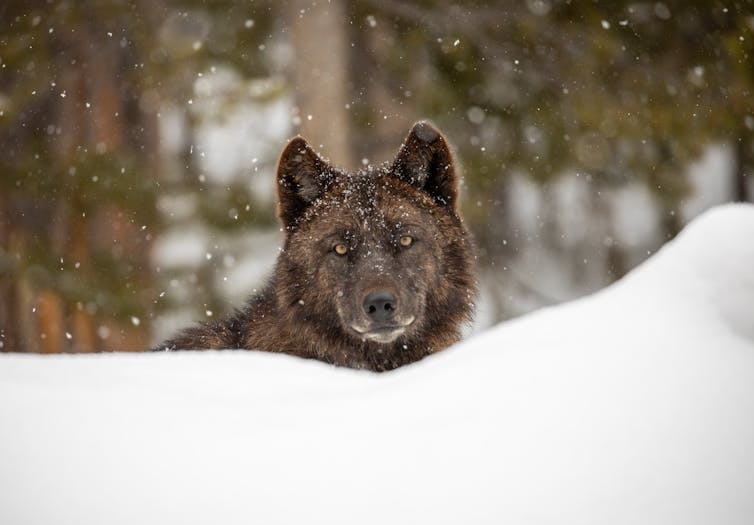
In this particular case looking at the wolf.

So many times a particular article from a website that allows republishing is not only a good and relevant article but also is a quick way of me publishing a post when, as I was yesterday, a bit pressed for time.

So here is that article from The Conversation.

ooOOoo

Wolf restoration in Colorado shows how humans are rethinking their relationships with wild animals

A gray wolf in Yellowstone National Park. NPS/Jim Peaco

Christopher J. Preston, University of Montana

From sports to pop culture, there are few themes more appealing than a good comeback. They happen in nature, too. Even with the Earth losing species at a historic rate, some animals have defied the trend toward extinction and started refilling their old ecological niches.

I’m a philosopher based in Montana and specialize in environmental ethics. For my new book, “Tenacious Beasts: Wildlife Recoveries That Change How We Think About Animals,” I spent three years looking at wildlife comebacks across North America and Europe and considering the lessons they offer. In every case, whether the returnee is a bison, humpback whale, beaver, salmon, sea otter or wolf, the recovery has created an opportunity for humans to profoundly rethink how we live with these animals.

One place to see the rethink in action is Colorado, where voters approved a ballot measure in 2020 mandating the reintroduction of gray wolves west of the Continental Divide. Colorado’s Parks and Wildlife Agency has released a draft plan that calls for moving 30 to 50 gray wolves from other Rocky Mountain states into northwest Colorado over five years, starting in 2024.

Aldo Leopold, the famed conservationist and professor of game management at the University of Wisconsin, believed that moral beliefs evolve over time to become more inclusive of the natural world. And what’s happening in Colorado suggests Leopold was right. Human attitudes toward wolves have clearly evolved since the mid-1940s, when bounties, mass poisoning and trapping eradicated wolves from the state.

Recovering animals encounter a world that is markedly different from the one in which they declined, especially in terms of how people think about wildlife. Here are several reasons I see why societal attitudes toward wolves have changed. The importance of keystone species

Wolves released in northwest Colorado will wear GPS collars that enable wildlife managers to track them.

The idea that certain influential species, which ecologists call keystone species, can significantly alter the ecosystems around them first appeared in scientific literature in 1974. Bison, sea otters, beavers, elephants and wolves all exert this power. One way in which wolves wield influence is by preying on coyotes, which produces ripple effects across the system. Fewer coyotes means more rodents, which in turn means better hunting success for birds of prey.

Wolves also cause nervous behaviors among their prey. Some scientists believe that newly returned predators create a “landscape of fear” among prey species – a term that isn’t positive or negative, just descriptive. This idea has shifted thinking about predators. For example, elk avoid some areas when wolves are around, resulting in ecological changes that cascade down from the top. Vegetation can recover, which in turn may benefit other species.

Insights into pack dynamics

Animal behavioral science research has provided pointers for better wolf management. Studies show that wolf packs are less likely to prey on livestock if their social structure remains intact. This means that ranchers and wildlife managers should take care not to remove the pack’s breeding pair when problems occur. Doing so can fragment the pack and send dispersing wolves into new territories.

Wildlife agencies also have access to years of data from close observation of wolf behavior in places like Yellowstone National Park, where wolves were reintroduced starting in 1995. This research offers insights into the wolf’s intelligence and social complexity. All of this information helps to show how people can live successfully alongside them.

Predators provide economic value

Research has also demonstrated that wolves provide economic benefits to states and communities. Wisconsin researchers discovered that changes in deer behavior due to the presence of wolves have saved millions of dollars in avoided deer collisions with cars. These savings far exceed what it costs the state to manage wolves.

Wolf recovery has been shown to be a net economic benefit in areas of the U.S. West where they have returned. The dollars they attract from wolf-watchers, photographers and foreign visitors have provided a valuable new income stream in many communities.

Predators do kill livestock, but improved tracking has helped to put these losses in perspective. Montana Board of Livestock numbers show that wolves, grizzly bears and mountain lions caused the loss of 131 cattle and 137 sheep in the state in 2022. This is from a total of 2,200,000 cattle and 190,000 sheep. Of the 131 cattle, 36 were confirmed to be taken by wolves – 0.0016% of the statewide herd.

According to the U.S. Department of Agriculture, dogs, foxes and coyotes in Montana all killed more sheep and lambs than wolves did in 2020. Even eagles were three times more deadly to sheep and lambs than wolves were.

Actual costs to ranchers are certainly higher than these numbers suggest. The presence of wolves causes livestock to lose weight because the animals feed more nervously when wolves are around. Ranchers also lose sleep as they worry about wolves attacking their livestock and guard dogs. And clearly, low statewide kills are small comfort to a rancher who loses a dozen or more animals in one year. Margins are always tight in the livestock business.

t

A northern Colorado rancher discusses options for protecting his cattle from wolves, which already are naturally present in the state.

What’s more, predators’ economic impacts don’t end with ranching. In Colorado, for example, elk numbers are likely to decline after wolves are reintroduced. This may affect state wildlife agency budgets that rely on license fees from elk hunters. It may also affect hunting outfitters’ incomes.

In my view, voters who supported bringing wolves back to Colorado should remain deeply aware of the full distribution of costs and support proactive compensation schemes for losses. They should be mindful that support for wolf reintroduction varies drastically between urban and rural communities and should insist that effective mechanisms are in place ahead of time to ensure fair sharing of the economic burdens that wolves generate.

A new ethical playing field

Despite these complexities, the idea of the “big bad wolf” clearly no longer dominates Americans’ thinking. And the wolf is not alone. Social acceptance of many other wildlife species is also increasing. For example, a 2023 study found that between 80% and 90% of Montanans believed grizzly bears – which are recovering and expanding their presence there – have a right to exist.

Aldo Leopold famously claimed to have experienced an epiphany when he shot a wolf in New Mexico in the 1920s and saw “a fierce green fire” dying in her eyes. In reality, his attitude took several more decades to change. Humans may have an ingrained evolutionary disposition to fear carnivorous predators like wolves, but the change ended up being real for Leopold, and it lasted.

Leopold, who died in 1948, did not live to see many wildlife species recover, but I believe he would have regarded what’s happening now as an opportunity for Americans’ moral growth. Because Leopold knew that ethics, like animals, are always evolving.

Christopher J. Preston, Professor of Philosophy, University of Montana

This article is republished from The Conversation under a Creative Commons license. Read the original article.

ooOOoo

Those last few paragraphs under the sub-heading of ‘A new ethical playing field’ show how many other wildlife species have gained a real advantage, a social acceptance as the article said. Long may it continue.