Category: Flying

Picture parade forty-two

More of Bob’s beautiful bird photographs!

For those of you that missed the first set a week ago, then they are here.  To the twenty-seven of you who ‘Liked’ last Sunday’s set; thank you.

Bird9
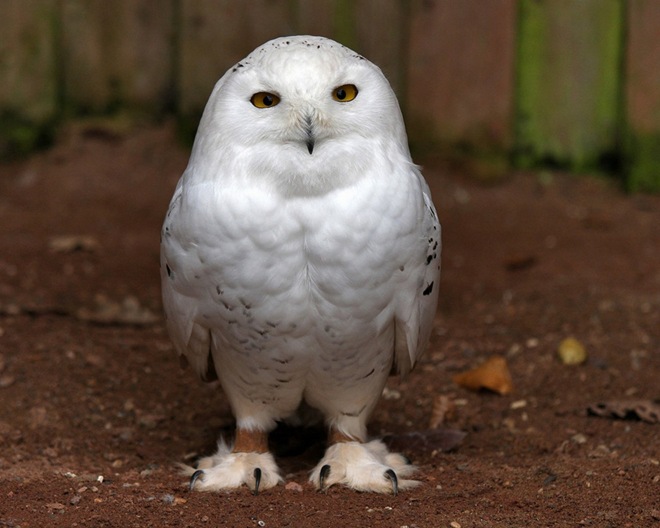
But Honey, what makes you think I had a little too much at the office party?

oooo

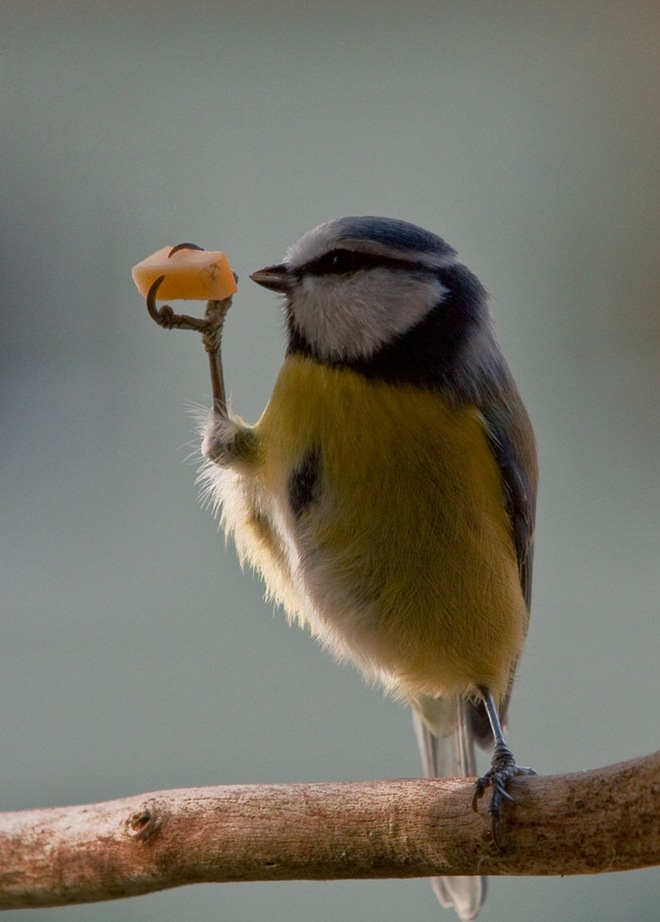
I would have sworn the package said Swiss.

oooo

Hello, are you the photographer from Vogue?

oooo

Wow! That was one very elusive fish!

oooo

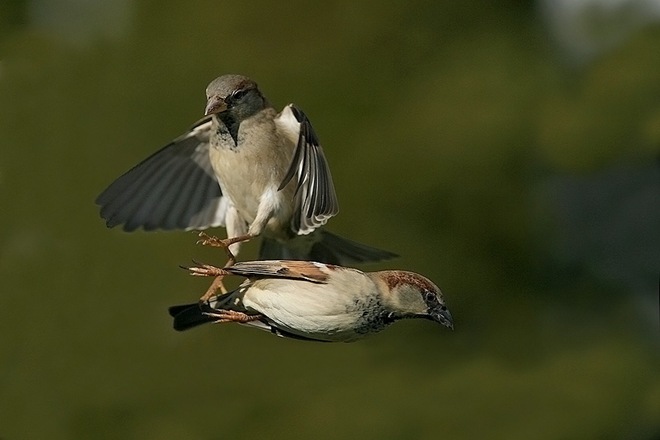
You idiot, don't you know you are supposed to pass on the left?
You idiot, don’t you know you are supposed to pass on the left?

oooo

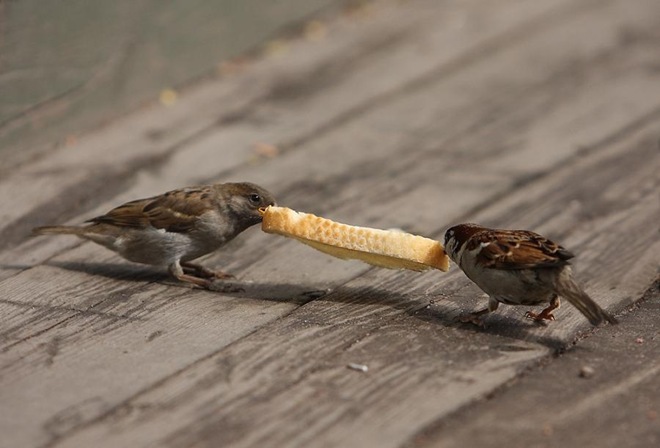
No, I didn't read the part in the Bible about breaking bread together so just let go.
No, I didn’t read the part in the Bible about breaking bread together so just let go.

oooo

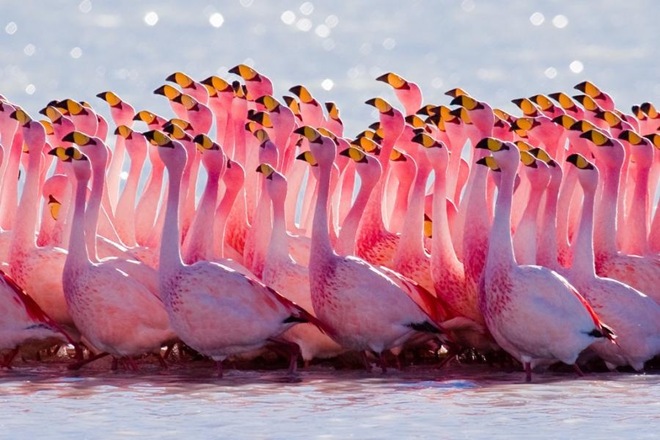
OK girls, I think we are ready for "Dancing With The Birds".
OK girls, I think we are ready for “Dancing With The Birds”.

oooo

Come on Willard, quit acting like an NFL defensive back!

oooo

Yet more stunning bird photographs in a week’s time.

Again, thanks Bob.

Picture parade forty-one.

Beautiful bird photographs sent to me by Bob Derham.

Row, row, my bod, gently down the stream.....
Row, row, my bod, gently down the stream…..

oooo

Quick, I need some floss, I think I've got a seed stuck in my beak.
Quick, I need some floss, I think I’ve got a seed stuck in my beak.

oooo

Hey guys, what do you think I am, a houseboat?

oooo

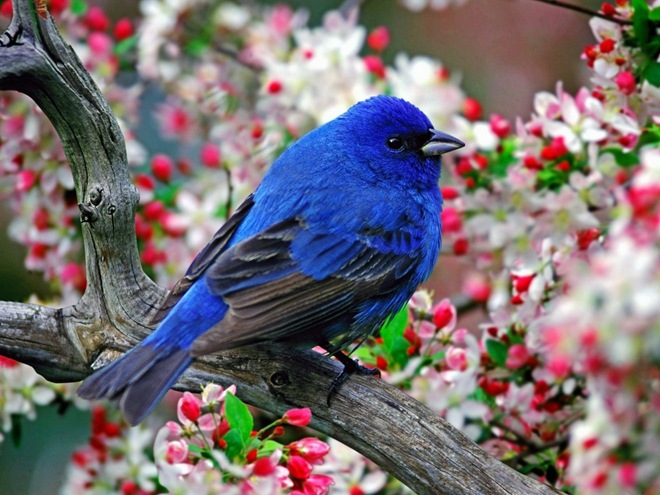
Where is my Prozac, I'm feeling so blue.
Where is my Prozac, I’m feeling so blue.

oooo

So? I'm just not into socks, I like the wind on my ankles.
So? I’m just not into socks, I like the wind on my ankles.

oooo

Landing check list; gear down, check; full flaps, check; runway clear, check; alignment correct, check.

oooo

Man, I wish I could build nests like that!!

oooo

Just keeping an eye on those noisy magpies next door.


More of these fabulous photographs next Sunday.

(Thanks Bob!)

Aviation nostalgia alert!

The fabulous story of the restoration of a British Navy Supermarine Seafire Mk.XV

From time to time I let on that in the past I was a keen private pilot and before that a glider (sailplane) pilot.  My son has been a commercial airline pilot for many years.  Inevitably, one gets to know other pilots, a few of whom become firm friends.  One such friend is Bob Derham who recently sent me this story about the restoration of a Supermarine Seafire.  For anyone interested in classic aircraft, the story of this particular aircraft is fascinating.

Seafire Mk. XV
Seafire Mk. XV

While WikiPedia has a good description of the type, there’s a fine description of this particular aircraft over at the Salute website, (the photo above came from that website) from which I offer:

Supermarine Seafire Mk. XV

This airplane is one of only four known Seafire Mk. XVs to exist in the world and it may be the only flying Supermarine Seafire Mk. XV in the world. Dr. Wes Strickler’s immaculate Supermarine Seafire Mk. XV (also known as the “hooked Spitfire”) is based in Columbia, MO, was restored by Jim Cooper, and made its first post-restoration flight in 2010. The Supermarine Seafire was a naval version of the Supermarine Spitfire specially adapted for operation from aircraft carriers. The Seafire’s mission was primarily as a short range interceptor. The name Seafire was derived by abbreviating the longer name “Sea Spitfire”.

The Mk XV variant of the Seafire was powered by a Griffon VI (single-stage supercharger, rated at 1,850 hp driving a 10 ft 5 in Rotol propeller. It appeared to be a naval Spitfire F Mk XII but was an amalgamation of a strengthened Seafire III airframe and wings with the wing fuel tanks, retractable tailwheel, larger elevators and broad-chord “pointed” rudder of the Spitfire VIII. The engine cowling was from the Spitfire XII series, being secured with a larger number of fasteners and lacking the acorn shaped blister behind the spinner. A vee-shaped guard forward of the tailwheel prevented arrestor wires getting tangled up with the tailwheel.

One problem which immediately surfaced was the poor deck behavior of this mark, especially on take-off. At full power the slipstream of the propeller, which swung to the left (as opposed to the Merlin, which swung to the right), often forced the Seafire to swing to starboard, even with the rudder hard over on opposite lock. This sometimes led to a collision with the carrier’s island. The undercarriage oleo legs were still the same as the much lighter Merlin engined Spitfires, meaning that the swing was often accompanied by a series of hops. This undercarriage also gave it a propensity of the propeller tips “pecking” the deck during an arrested landing and occasionally bouncing over the arrestor wires and into the crash barrier.

Wing span: 36ft 10in. Max takeoff weight: 7,640 lb. Max speed: 359 mph. Power: 1,850 hp.

This is an example of incredible dedication!
This is an example of incredible dedication! Jim Cooper in front of the Seafire.

When you watch the film, Jim Cooper makes it clear that there were others on the restoration project.  But the film also makes it clear that without Jim this beautiful aircraft would never have been restored, let alone restored to a flying machine.

Settle back and enjoy!

Uploaded on Aug 18, 2010 by Scott Schaefer

“While Sarah Hill and I were taping the first Central Missouri Honor Flight special in the Ozark Hangar at Columbia Regional Airport in January 2009, I noticed Jim Cooper working on a plane in the corner of the hangar. I love airplanes and this sight piqued my interest.

The corner was enclosed by plastic from floor to ceiling and inside sat a plane, wings folded toward the ceiling and a paint job that left more to be desired. It was the Seafire XV – one of only a handful still in existence. As soon as I saw the plane and learned a few facts about it, I knew I wanted to do a story on it and follow Cooper through the rest of the restoration process.

Cooper had already been working on the Seafire for nearly a year and half by the time we met, but there was still plenty of work that had to be done. I started shooting that night and throughout the next year and half, whenever Cooper would move to a different stage in the restoration, he’d call and I would head to the hangar to shoot video. I didn’t shoot every part of the process, but tried to capture the big ones ?cleaning the plane, painting, revealing the paint job, testing the landing gear, testing the engine and of course the first flight.

After 10 trips to the airport, 130 miles and nearly 6 hours of video, it was time to start the editing process. Once all the video was in the system, I spent 14 hours typing the details from of every sound and interview captured in the video. That log was essential in writing the story. I needed to know exactly what was said in order to organize everything into a story that would hopefully hold people’s interest. After I had a rough script written, I began to edit the video. After about 15 hours in the edit bay tweaking every little audio and video cut? then re-tweaking them? I was finally finished. Nineteen months later. It was a tough job picking the best four minutes from six hours of video, but in the end, I think I accomplished what I set out to do.”

Leave you with another photograph.

One of a kind!
One of a kind!


If you wanted to see the aircraft in the air, then it will be at this year’s EAA OSHKOSH.  I’ve always wanted to go but never made it! Anyone fancy baby-sitting some dogs and horses around the end of July? 😉

Thanks Bob for sending me the video link.

Nostalgic times.

Flying the Piper Super Cub

Last Saturday, I posted an item that included a great video about the Air-Cam sports aircraft.  I succumbed to a bout of nostalgia in that I dipped into both my old gliding and flying log-books.  As I wrote:

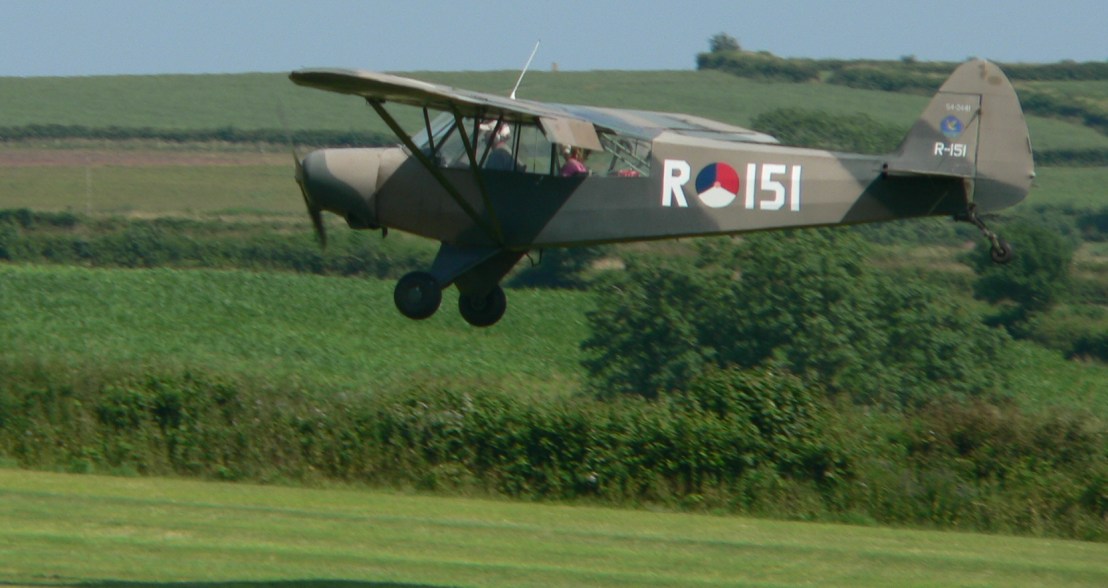
 My last (powered) flight was in a Piper Super Cub, registration R-151, a flight of 1 hr 40 mins from Kemble returning to Watchford Farm, where the Cub was based.

I ‘warned’ readers that today’s post would offer some more about that wonderful aircraft; Piper Super Cub R-151.

ooOOoo

Approaching home in South Devon, England
Approaching home airfield in South Devon, England

Piper Super Cub, L-21B, R-151

A/C Construction No. 18-3841, Frame No. 18-3843

Original Engine, Lycoming 135 Type 0-290-D2, 54/2441

R-151 was one of a batch of 298 L-21’s delivered in 1954. There were 584 L-21B’s produced by Piper for military use, the ‘L’ standing for Liaison. The L-21B’s were PA-18-135’s with civil Lycoming 0-290-D2 engines, glasswork as most L-21A’s and L-18’s and a gross weight of 1760 lbs.

This aircraft was delivered to Koninklijke Luchtmacht, Dutch Air Force, on the 1st July, 1954 and registered R-151. After various homes, R-151 transferred to the Dutch civil register as PH-GER, on the 1st April 1976 with 4,458 hours. Shortly thereafter the aircraft was registered to Vliegclub Hoogeveen, Certificate Number 2380.  Amazingly, the club is still in existence as their website shows.

On the 27th March, 1981 the aircraft was delivered to the UK with a total time of 5,043 hours and in September, 1981 became G-BIYR. In April, 1983 G-BIYR was the first of type to be given a Public Transport CofA (Certificate of Airworthiness) and was used for training at Tollerton; Nottingham. G-BIYR reverted to a Private CofA in January, 1984 when purchased by Mike and Barbara Fairclough from Devon at 5,120 hours.

In 1992, the aircraft was re-engined with a Lycoming 150HP, 0320-A2B No. L49809-27A (zero hours). Finally on the 2nd June, 1995 the aircraft was repainted in original Dutch insignia and given CAA (UK Civil Aviation Authority) permission to use the original call-sign, Romeo 151.

The aircraft is based in South Devon, England and owned by the five members of the Delta Foxtrot Flying Group.

More pictures.

Flying in the French Alps, Mt Blanc in sight

oooo

9,300 ft up in the French Alps

oooo

This last photograph was taken shortly after Pharaoh decided to jump into the passenger’s seat.  The year was 2006 when Pharaoh was 3 years old.  As much as I was tempted, I resisted the urge of taxying him around the airfield!

P1000357.s
Rather like the view from here, Dad!

Now for something completely different!

Echoes of a past life.

A few days ago, dear friend Suzann, sent me an item about a wonderful new light aircraft.  (It was Su and Don who invited me to Mexico in December, 2007 that resulted in me and Jeannie meeting!)

Before I explain what Su sent me, allow me a few moments of nostalgia.

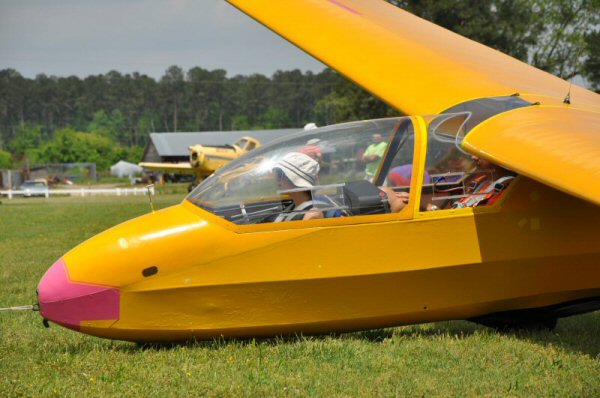
'K7' glider.
‘K7’ glider.

I have a gliding (sailplaning in US speak) log book that has the following entry at the top of page 1:

Flights 1 & 2. June 7th 1981. K7 dual seat glider. Rattlesden Gliding Club, Suffolk. Winch launch. Total flight time 12 minutes.

Those flights started a love affair with flying.

I have a powered-flight log book that has the following entry at the top of page 1.

March 3rd, 1984. Cessna 150. Reg: G-BGAF. Capt: Martin Lowe. Ipswich Airport – local flight 1325 – 1355. Exercises 4,5.

I continued glider flying, becoming an instructor along the way, until my last flight, flight number 1,424, on the 19th December, 1992; again from Rattlesden.

I continued power flying until the 4th August, 2008, a short time before I left the UK to be with Jean in Mexico.  My last flight was in a Piper Super Cub, registration R-151, a flight of 1 hr 40 mins from Kemble returning to Watchford Farm, where the Cub was based.

My son, Alex, shared my love of flying as a young man and is now a Senior Captain with a British airline.

G-EWFN, a Socata TB20.

Anyway, all of which is a rather long preamble to this.

What a fabulous aircraft!  The relevant website is, unsurprisingly, the Air-Cam site.

(Come back on Monday for some more recollections about flying the Piper Super Cub!)

The power of thinking

It’s easy to underestimate just how powerful the brain can be.

Last Friday’s post was called Instinctive behaviours and explored the notion of instinct, coming to the conclusion that almost everything the brain does is a result of learning rather than genetics.  Yet acknowledging the vast amount of brain activity that runs in ‘background’ mode or subconsciously.

That was brought home to me in spades as a result of being introduced to the flying of gliders, or sailplanes in American speak.  The year was 1981 and working near to me in my offices in Colchester, Essex was a gentlemen running his own company, like yours truly.  His name was Roger Davis and we were sharing a beer one day when the subject of flying came up.  It piqued my interest so, as my logbook declares, on the 7th June, 1981 I had the first of two flights in a glider with Roger at the controls.  The place was Rattlesden Airfield, an old wartime airfield near Felsham, Bury St. Edmunds in Suffolk.  The gliding club was Rattlesden Gliding Club.

RGC header

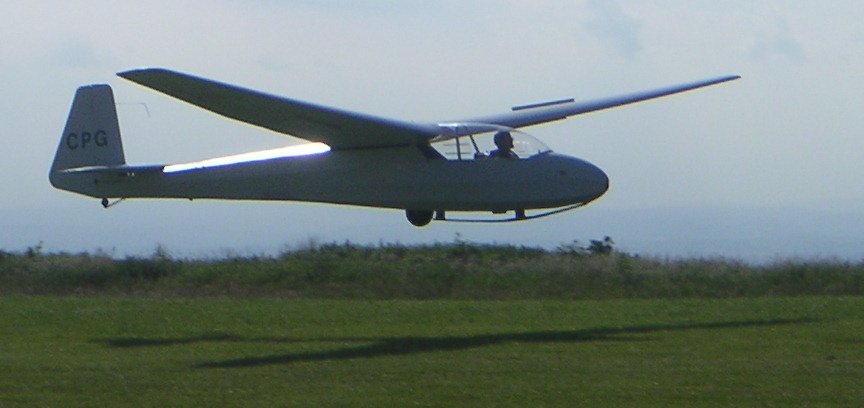
The glider we were in was known as a K-7, a high-wing, two-seater (naturally!) glider with the instructor sitting behind the student.
A K-7 typical of the glider I first flew in at Rattlesden GC.

Anyway, some 43 flights later, I was signed off to conduct my first solo flight in the K-7.  The date was 5th September, 1981 and my flight time was just 4 minutes!  I was hooked.

In over 10 years of flying amounting to more than 1,400 flights I had the great fortune to experience much of the magic of flying relying on nothing more than the currents of air.

Ahh! Memories!  Over 10 years of glider flying, amounting to more than 200 hours of flight-time, 17 different types of glider.  Longest flight was 5 hours, 16 minutes including a climb to over 6000 feet above sea-level on the 7th July, 1985 in a single-seater LS4 glider type.

So what’s this got to do with subconscious thinking?  Simply this.

One quickly learnt that once the decision had been made to land, most frequently because one was unable to find further, or any, rising air currents the brain had a major computing task in hand.  As the aircraft descends, the air currents change and the direction and velocity of the wind changes.  There is no engine to allow one to abort the landing; to do a ‘go round’!

One of the key visual judgments was determining the point of touchdown: not too early that might risk a ground contact before the start of the runway, and not too late which might risk running out of landing space.

Thus the brain was operating clearly in two modes.  Consciously, computing second by second where the touch-down point was going to be and, subconsciously, the flying of the glider as in operating the joystick and rudder pedals in support of the touch-down ‘computations’.

Moving on.

In last Friday’s post, I also wrote this: “Plus something that could just possibly be the key to mankind having a long-term sustainable future on this planet: The Power of Thinking.

That ‘something’ was me reflecting on an article in the October 7th edition of FORTUNE magazine.  Not something I read on a normal basis but just happened to come across that edition – and glad I did.  Because there was an article about IBM’s new supercomputer Watson.  The link to the summary is here, from which I republish this:

Dr. Mark Kris is among the top lung cancer specialists in the world. As chief of thoracic oncology at Memorial Sloan-Kettering (MSK) Cancer Center in New York City, he has been diagnosing and treating patients for more than 30 years. But even he is overwhelmed by the massive amount of information that goes into figuring out which drugs to give his patients — and the relatively crude tools he has to decipher that data. “This is the standard for treatment today,” he says, passing me a well-worn printout of the 2013 treatment guidelines in his office. We choose a cancer type. A paragraph of instructions says to pair two drugs from a list of 16. “Do the math,” he says. It means more than 100 possible combinations. “How do you figure out which ones are the best?”

It’s a huge problem. More than 230,000 Americans will be diagnosed with lung cancer this year. Almost all of them will receive chemotherapy. As crude as the existing guidelines are, says Kris, they won’t be followed more than half the time. If we bumped up adherence by just 10% to 20%, he says, as many as 30,000 people might live longer. Never mind curing cancer — shouldn’t we be able to get the best available combinations of medications to sick people now?

That’s the question that led Kris to IBM. He saw that more information was not the answer. What doctors needed was a better brain — one that could instantly vacuum up facts, draw deeper connections between data points, and remember everything. They needed Watson.

Just read that last paragraph again.  That it’s not about information, it’s about offering humanity computing power that can see things that humans might not easily see.

Thus, I mused that when mankind gets to the point where there is total and complete commitment to finding a non-carbon-burning way ahead for every living thing on this planet we won’t have the luxury of countless years working out the new journey directions.  Maybe, just maybe, computing power a la Watson might just be our saving grace.

Curious to learn more about IBM Watson?  Then here’s the relevant website.

The power of love.

The widely reported but nonetheless wonderful story of a man and an eagle.

This was sent to me by Dan Gomez but I very quickly found information all over the ‘web’.  After reading many accounts, I decided to use the version of the story that was in Dan’s email.

oooOOOooo

Freedom and Jeff Guidry

Love and trust across the species gap.

Freedom and I have been together 11 years this summer. She came in as a baby in 1998 with two broken wings. Her left wing doesn’t open all the way even after surgery, it was broken in 4 places.  She’s my baby.

When Freedom came in she could not stand and both wings were broken. She was emaciated and covered in lice. We made the decision to give her a chance at life, so I took her to the vet’s office. From then on, I was always around her. We had her in a huge dog carrier with the top off, and it was loaded up with shredded newspaper for her to lay in. I used to sit and talk to her, urging her to live, to fight; and she would lay there looking at me with those big brown eyes. We also had to tube feed her for weeks.

This went on for 4-6 weeks, and by then she still couldn’t stand. It got to the point where the decision was made to euthanize her if she couldn’t stand in a week. You know you don’t want to cross that line between torture and rehab, and it looked like death was winning. She was going to be put down that Friday, and I was supposed to come in on that Thursday afternoon. I didn’t want to go to the center that Thursday, because I couldn’t bear the thought of her being euthanized; but I went anyway, and when I walked in everyone was grinning from ear to ear. I went immediately back to her cage; and there she was, standing on her own, a big beautiful eagle. She was ready to live. I was just about in tears by then. That was a very good day.

We knew she could never fly, so the director asked me to glove train her. I got her used to the glove, and then to Jesse’s, and we started doing education programs for schools in western Washington.

We wound up in the newspapers, radio (believe it or not) and some TV. Miracle Pets even did a show about us.

In the spring of 2000, I was diagnosed with non-Hodgkin’s lymphoma. I had stage 3, which is not good (one major organ plus everywhere), so I wound up doing 8 months of chemo. Lost the hair – the whole bit. I missed a lot of work. When I felt good enough, I would go to Sarvey and take Freedom out for walks. Freedom would also come to me in my dreams and help me fight the cancer. This happened time and time again.

Fast forward to November 2000.

The day after Thanksgiving, I went in for my last checkup. I was told that if the cancer was not all gone after 8 rounds of chemo, then my last option was a stem cell transplant. Anyway, they did the tests; and I had to come back Monday for the results. I went in Monday, and I was told that all the cancer was gone.

So the first thing I did was get up to Sarvey and take the big girl out for a walk. It was misty and cold. I went to her flight and we went out front to the top of the hill. I hadn’t said a word to Freedom, but somehow she knew. She looked at me and wrapped both her wings around me to where I could feel them pressing in on my back (I was engulfed in eagle wings), and she touched my nose with her beak and stared into my eyes, and we just stood there like that for I don’t know how long. That was a magic moment. We have been soul mates ever since she came in. This is a very special bird.

On a side note: I have had people who were sick come up to us when we are out, and Freedom has some kind of hold on them. I once had a guy who was terminal come up to us and I let him hold her. His knees just about buckled and he swore he could feel her power course through his body. I have so many stories like that..

I never forget the honor I have of being so close to such a magnificent spirit as Freedom.

An inspiring message for all.

oooOOOooo

Mathematics in action!

You will be amazed – guaranteed!

The TED Talk link was sent to me by friend, Lee Crampton.

Published on Jun 11, 2013

In a robot lab at TEDGlobal, Raffaello D’Andrea demos his flying quadcopters: robots that think like athletes, solving physical problems with algorithms that help them learn. In a series of nifty demos, D’Andrea show drones that play catch, balance and make decisions together — and watch out for an I-want-this-now demo of Kinect-controlled quads.

There’s more on Raffaello here where you can read this:

My work is focused on the creation of systems that leverage technological innovations, scientific principles, advanced mathematics, algorithms, and the art of design in unprecedented ways, with an emphasis on advanced motion control.

By their very nature, these creations require a team to realize. Many are enabled by the research I conduct with my graduate students. Many are also the fruit of collaborations with architects, entrepreneurs, and artists.

My hope is that these creations inspire us to rethink what role technology should have in shaping our future.

Raffaello D’Andrea

and where you can also find this further video – Zurich Minds – doubly fascinating.

Raffaello D’Andrea is interviewed by Rolf Dobelli

Makes me want to lie down in a darkened room! 😉

Interesting few days!

Well at least it isn’t boring!

Last Friday, the 26th, the area where we live in Oregon, that is Merlin just to the North-West of Grants Pass, Oregon, experienced a significant thunder and lightning storm.  The challenge was that the storm had very little associated rain and, as a consequence, a number of fires were started in the tinder-dry forest.

We were not really aware of these fires over the week-end.

Then on Monday morning, our microwave internet linked failed.  I went next door to our neighbours (thanks Dordie and Bill) and borrowed their PC to post a Loss of Service notice around 2pm on that Monday.  That’s also when I heard that one of the fires, named the Brimstone Fire, had started less than a couple of miles away from where we live – h’m-mm!

The edge of the smoke cover.

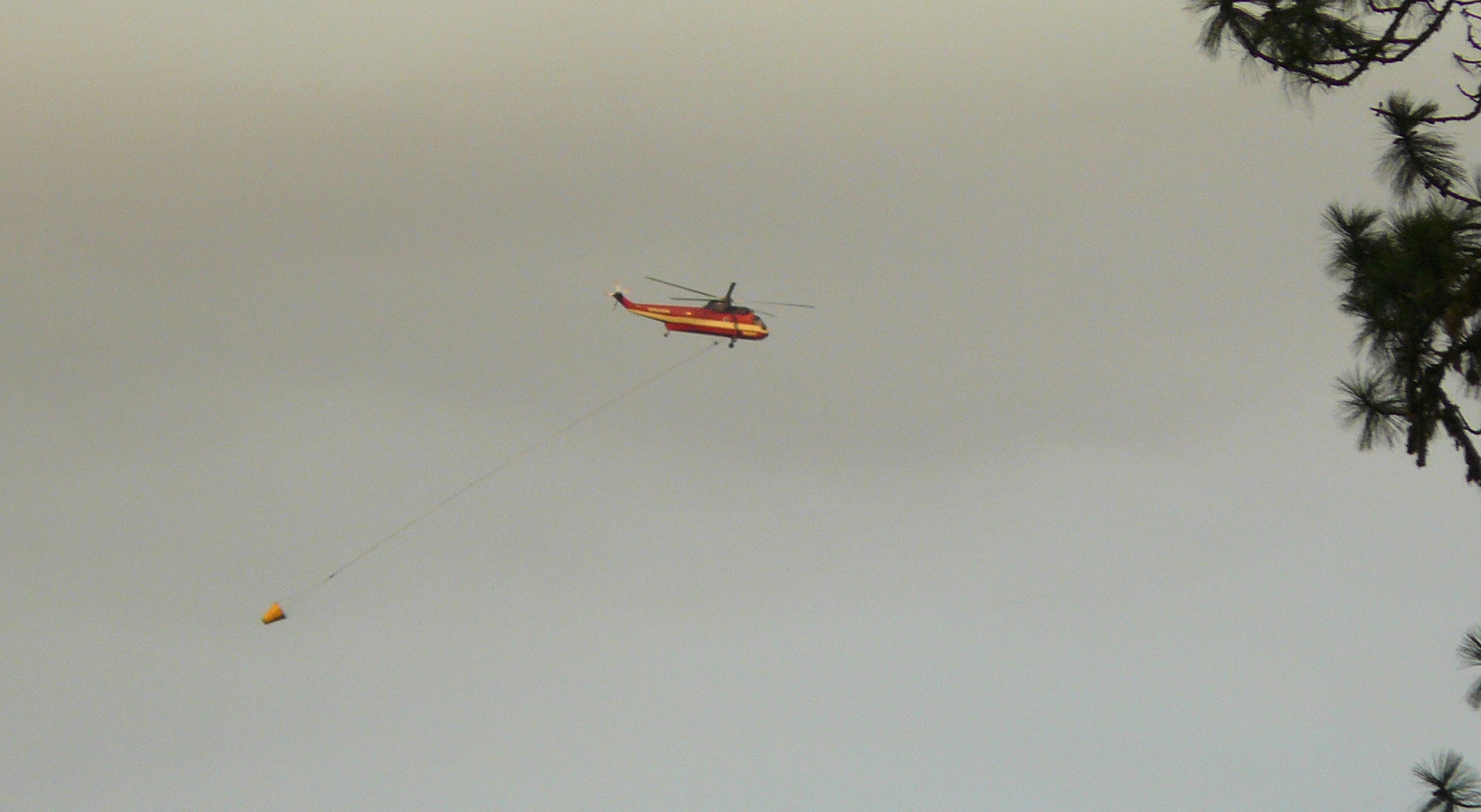
Later on that evening, the first of a great number of helicopter fire dousing flights flew by overhead.

Returning to refill at Grants Pass Airport.

The wind was creating some interesting cloud waves in the smoke cover.

Wave cloud - in the smoke cover.
Wave cloud – in the smoke cover.

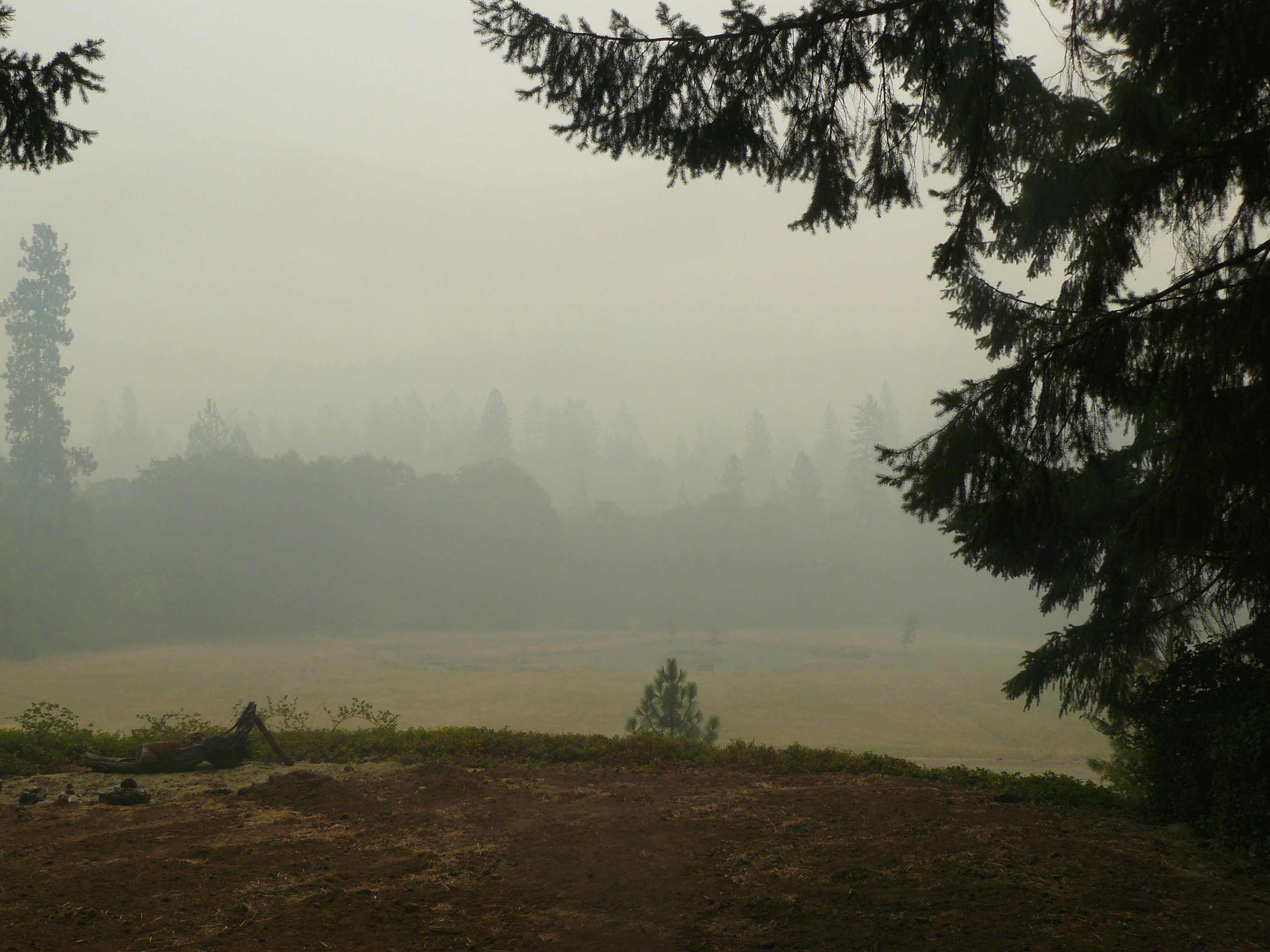
Then as each day passed the air became more and more smoke filled.  Reliable reports had said that the smoke cover had expanded to Northern California.

Here’s a picture taken yesterday morning of the ground that drops away from the house!

About a quarter-mile visibility, frequently worse!

But at least our internet service has been restored enabling me for the first time to access the Fire Incident website, from which I read at 4:40 pm yesterday, the following.

Incident Overview

The 1,600-acre Brimstone Fire, located 5 miles west of Sunny Valley, made no significant movement late Tuesday or overnight. Crews coming in from night shift said planned fireline improvement on the north and southeast corners was completed, and burnouts in those same areas were successful. Nearly 800 people are assigned to the Brimstone Fire’s suppression effort. Specifically, 29 crews, 26 wildland fire engines, seven bulldozers and nine water tenders are divided between the day and night shifts. The weather has been calm and this has helped reduce fire activity.  However, the heavy smoke layer has made it impossible to use helicopters on the fire.No evacuations have been announced for residential areas around the fire area, but structural fire protection personnel have assessed homes should an evacuation become necessary. To find out more about evacuation planning, call the Josephine County Emergency Operations Center (EOC) at (541) 474-5305.Firefighters ask that the public not use roads in the Upper Quartz Creek Rd and Hogs Creek Rd areas because these roads are narrow and are being heavily used by fire engines, trucks hauling water, and bulldozers.

Basic Information
Incident Type: Wildfire
Cause: Lightning
Date of Origin: Monday July 29th, 2013 approx. 02:00 AM
Location: 10 miles northwest of Merlin, OR
Incident Commander: Chris Cline
Current Situation
Total Personnel: 773
Size: 1,600 acres
Percent Contained: 10%
Fuels Involved: Mixed conifer and hardwood trees of widely varied ages, snags (dead, standing trees), brush and logging slash.
Fire Behavior: Torching and short-range spotting. The fire is difficult to see due to smoky conditions.
Significant Events: Three roads are closed because fire engines and other equipment are using the roads. The closed roads are Hog Creek, Quartz Creek and Angora Creek.
Outlook
Planned Actions: Improve the fire line and strategically burn out unburned areas inside the fire line.
Growth Potential: High
Terrain Difficulty: High
Current Weather
Wind Conditions 10 mph NW
Temperature 85 degrees
Humidity 31%

Well at least I can settle down and work my way through 130+ emails!!

AGW – summing up.

“If there’s any doubt, there’s no doubt!”

I opened the first post on Monday with the sub-heading: “Certainty is perfect knowledge secure from error or doubt.” going on to write that, “Whatever your views on the effect of man’s behaviours on our planet’s climate, it’s a long way from the logical idea of ‘2 + 2‘!”

Within that very strict definition, I remain unmoved.  The argument that mankind is the cause of the present change in the climate of Planet Earth is not certain!

However, if only life was that simple! The change in our planet’s atmosphere is possibly the most emotionally-laden topic of all time.  For some reason that quotation attributed to Hiram Johnson comes to mind, “The first casualty when war comes is truth.” because the supporters and deniers of AGW are engaged in what amounts to a verbal war.

Each side can draw on much information.

For example, a very recent article in The New York Times by their Justin Gillis offered this:

The rise in the surface temperature of earth has been markedly slower over the last 15 years than in the 20 years before that. And that lull in warming has occurred even as greenhouse gases have accumulated in the atmosphere at a record pace.

The slowdown is a bit of a mystery to climate scientists. True, the basic theory that predicts a warming of the planet in response to human emissions does not suggest that warming should be smooth and continuous. To the contrary, in a climate system still dominated by natural variability, there is every reason to think the warming will proceed in fits and starts.

But given how much is riding on the scientific forecast, the practitioners of climate science would like to understand exactly what is going on. They admit that they do not, even though some potential mechanisms of the slowdown have been suggested. The situation highlights important gaps in our knowledge of the climate system, some of which cannot be closed until we get better measurements from high in space and from deep in the ocean.

As you might imagine, those dismissive of climate-change concerns have made much of this warming plateau. They typically argue that “global warming stopped 15 years ago” or some similar statement, and then assert that this disproves the whole notion that greenhouse gases are causing warming.

Rarely do they mention that most of the warmest years in the historical record have occurred recently. Moreover, their claim depends on careful selection of the starting and ending points. The starting point is almost always 1998, a particularly warm year because of a strong El Niño weather pattern.

Dan Gomez, a long-time friend of over 40 years and a regular contributor to items on Learning from Dogs, wrote in a recent email,

I’m not sure what is meant by “believer”, Paul.  The Universe unfolds as it should.  Because many have been led to “believe” that AGW is inevitable and that all the facts are the ‘Truth”, we’ve created a religious substitute, almost a new “industry” with significant “tithing” obligations, etc. (e.g. Cap and Trade). Presumptions and facts are being manipulated to fulfill the prophecy.

Interesting to note in our daily lives, that weather prediction is very good 24-36 hrs out.  This drops precipitously just a few days out.  More than 7-10 days is nearly impossible. Even though both Europe and the USA have decreased CO2 levels by multiple percentage points over the last 20 years, the rest of the world does not care and the impact is very problematic.  Recently, CO2 gas has increased overall but heat has not. In the past, warming has occurred followed by CO2 levels increasing. Global politics and redistribution of wealth schemes continue to interfere with common sense.

Let’s just deal with the facts as Science reveals its secrets. New information is discovered every day about the interaction of the  Earth/Sun/Atmosphere/Lithosphere/Hydrosphere. New information is learned every day about the Universe.  These are not closed subjects. Climatology, meteorology, geology and solar system dynamics will continue to shape the Earth’s future for millennia to come whether Man is involved or not.

There is much in what Dan writes that has me nodding my head; stimulates my recollection of what Luther Haave and Derek Alker wrote in 2009:

With the explosion of knowledge, particularly in the past 100 years, each of us has found it a requirement for being successful, and to being able to earn a living, to concentrate our knowledge in an ever increasingly narrow field. Just as we have come to expect others to defer to our expertise in our narrow area, we have come to assume that we need to defer to others who have a deeper comprehension of seemingly complex topics such as the science related to climate change. [Apologies, can’t find the web link for this.]

However, if we broaden the perspective from that tight definition of certainty to an analysis of probabilities, then it all changes for me and I can embrace the views so strongly put forward by Martin Lack.

For example, Martin left a comment on Monday, “ACD is not a matter of opinion or belief; it is a matter of probability. As such, all that matters now is the extremely high probability that the scientific consensus is real, reasonable and reliable.”  That comment included a link to a discussion on the website Skeptical Science, Is the science settled? Let me quote from that:

Some aspects of the science of AGW are known with near 100% certainty. The greenhouse effect itself is as established a phenomenon as any: it was discovered in the 1820s and the basic physics was essentially understood by the 1950s. There is no reasonable doubt that the global climate is warming. And there is also a clear trail of evidence leading to the conclusion that it’s caused by our greenhouse gas emissions. Some aspects are less certain; for example, the net effect of aerosol pollution is known to be negative, but the exact value needs to be better constrained.

What about the remaining uncertainties? Shouldn’t we wait for 100% certainty before taking action? Outside of logic and mathematics, we do not live in a world of certainties. Science comes to tentative conclusions based on the balance of evidence. The more independent lines of evidence are found to support a scientific theory, the closer it is likely to be to the truth. Just because some details are still not well understood should not cast into doubt our understanding of the big picture: humans are causing global warming.

In most aspects of our lives, we think it rational to make decisions based on incomplete information. We will take out insurance when there is even a slight probability that we will need it. Why should our planet’s climate be any different?

That, ultimately, delivers for me what truly counts.

I am not a scientist; just a Brit living in Southern Oregon trying to make sense of the world while I still have a functioning head and body – time is not on my side! 😉  The powerful common-sense in the sentence, “Outside of logic and mathematics, we do not live in a world of certainties.” is beyond argument.

In the year 2012, the total number of passengers carried by US Airlines and other carriers in and out of the USA was a staggering 815 million people. 815,000,000 people!

Remember the sub-heading from the start of this post!  “If there’s any doubt, there’s no doubt!” Years ago I heard that from Bob Derham, a long-time friend and a commercial airline Captain since the time God was a boy!  It’s that cautious, safety-focused attitude that has made airline transport such an amazing mode of transport for all those millions of passengers.

Should we not travel with the same cautious, safety-focused attitude on the ‘vehicle’ that carries every man, woman and child; every animal, plant and living thing: Planet Earth!

The answer is obvious – more than obvious!