On Sunday evening Jean and I watched a documentary on touch. It was most interesting and included the obvious thought (that I needed reminding of) that babies when they are born cannot see more than 30 centimetres and cannot hear at first. So touch is vital for the health and early bonding of the babe and its parents with the mother being the dominant parent and the provider of breast milk.
Then yesterday I poked around online and found that the benefits of touch not only were for the very young but also for all ages and also were more broadly available across many animals, especially dogs.
But here’s the first film:
Touch shapes us as humans. Indeed, touch is fundamental to what makes us social beings. Touch influences how we perceive stress and pain, who we trust and who we fear. How does this work? And what happens to us in the absence of touch? Gentle touch is vital for us humans. It creates the first contact with the world for newborns, giving us a sense of security and belonging. Touch influences our immune system, and on our feelings for our fellow human beings. Especially strong feelings, such as love or compassion, can be better conveyed through touch than through words, facial expressions or gestures. Given how important touch is, it’s no surprise that humans have a highly specialized system devoted exclusively to perceiving gentle touch stimuli. Why does the touch of a stranger feel so different to that of someone we are emotionally close to? What is happening in our brain – and what role does the brain play in all this? In an era of social distancing, touch research is becoming increasingly relevant. How does it affect us, and our relationships, when we are required to keep our distance? Researchers explore what role touch plays in our physical and emotional well-being, and what the consequences are when touch is missing.
Adopting a pet may seem like a selfless act, but there are plenty of selfish reasons to embrace pet ownership. Research has shown that owning a pet provides an amazing array of health benefits, says Jeremy Barron, M.D., medical director of the Beacham Center for Geriatric Medicine at Johns Hopkins.
Not ready for a full-time furry friend in your home? Offer to walk a neighbor’s dog, cat-sit for a friend, or donate time at a local animal shelter—even short interactions provide enough pet exposure to reap some of these rewards.
Most pet owners are clear about the immediate joys that come with sharing their lives with companion animals. However, many of us remain unaware of the physical and mental health benefits that can also accompany the pleasure of snuggling up to a furry friend. It’s only recently that studies have begun to scientifically explore the benefits of the human-animal bond.
Pets have evolved to become acutely attuned to humans and our behavior and emotions. Dogs, for example, are able to understand many of the words we use, but they’re even better at interpreting our tone of voice, body language, and gestures. And like any good human friend, a loyal dog will look into your eyes to gauge your emotional state and try to understand what you’re thinking and feeling (and to work out when the next walk or treat might be coming, of course).
Pets, especially dogs and cats, can reduce stress, anxiety, and depression, ease loneliness, encourage exercise and playfulness, and even improve your cardiovascular health. Caring for an animal can help children grow up more secure and active. Pets also provide valuable companionship for older adults. Perhaps most importantly, though, a pet can add real joy and unconditional love to your life.
Raphael was in contact with me asking whether I had any ideas of a subject that could be written about. I replied that it would be lovely to have a post about the way that dogs understand us humans. The following is the result, and it is great!
ooOOoo
Building Bridges: How Dogs Understand Humans and How We Can Improve Our Communication with Them
By Raphael Wildcom.
Dogs have been our faithful companions for thousands of years, and during that time, they have evolved to become incredibly attuned to human emotions and communication. Their ability to understand us and our ability to communicate with them has led to a unique bond between our two species.
In this article, we will explore how dogs understand humans and offer some tips on how we can improve our communication with our canine friends.
How Dogs Understand Humans
Body language
One of the most crucial ways dogs interpret our emotions and intentions is through our body language. Dogs are highly perceptive when it comes to noticing our posture, eye contact, and movements. They can sense if we are relaxed or tense and often respond accordingly.
Photo from Pexels.com
For example, a cute Shiba Inu puppy might approach a person exhibiting relaxed body language while avoiding someone who appears tense or stressed.
Facial expressions
Dogs are remarkably adept at recognizing human facial expressions. Research has shown that they can distinguish between expressions of happiness, sadness, and anger, among others. This ability allows them to adjust their behavior depending on our emotional state.
Vocalizations
Although dogs may not understand the specific words we use, they are incredibly sensitive to the tone and pitch of our voices. They can pick up on the emotional content of our speech, which helps them gauge our emotions and intentions. For example, a dog might become excited when they hear a high-pitched, happy voice or become submissive when they hear a low, stern voice.
Training and commands
Dogs can learn to associate specific words or gestures with actions or objects through training and repetition. This ability allows them to respond to our commands and communicate with us effectively. For example, a dog might learn to sit when they hear the word “sit” or see a specific hand signal.
Scent and pheromones
Dogs possess an extraordinary sense of smell, and they can pick up on subtle changes in our body odor, which may be indicative of our emotional state. For example, a dog might be able to detect the scent of stress-related hormones and respond accordingly.
Social cues
Dogs are skilled at observing and interpreting social cues within a group or family. They understand relationships between people and often respond to the social hierarchy within the household. For example, a dog might defer to the person they perceive as the leader of the family.
Improving Communication with Your Dog
Be consistent
Consistency is key when it comes to communicating with your dog. Use the same words, tone, and gestures for specific commands, and make sure all family members are on the same page. This consistency will help your dog understand what you expect from them and make it easier for them to respond correctly.
Use positive reinforcement
Reward your dog with praise, treats, or playtime when they respond correctly to a command or exhibit desirable behavior. Positive reinforcement is an effective way to strengthen your communication with your dog and encourage them to repeat the desired behavior in the future.
Pay attention to your dog’s body language
Learn to recognize the subtle signs your dog uses to communicate their emotions and intentions. By understanding their body language, you can respond more effectively to their needs and create a stronger bond.
Be patient and persistent
Training and effective communication with your dog takes time and effort. Be patient, and understand that your dog may need repetition and practice to grasp new commands or break old habits. Persistence and consistency will pay off in the long run.
Learn from the experts
Consider enrolling in a dog training class, consulting with a professional dog trainer, or reading books on dog behavior and training to improve your communication skills and understanding of your dog’s needs.
Socialize your dog
Expose your dog to various people, animals, environments, and situations from an early age. Socialization helps your dog become more comfortable in different settings and makes them better equipped to understand and respond to different cues from humans and other animals. Well-socialized dogs are generally more confident, adaptable, and better communicators.
Develop a routine
Dogs thrive on routines, as they provide structure and predictability. Establish a daily routine for feeding, walks, playtime, and rest. A consistent routine helps your dog feel secure and makes it easier for them to understand your expectations.
Be aware of your own body language and emotions
Remember that your dog is constantly observing you and responding to your body language and emotions. Be mindful of the signals you send through your posture, facial expressions, and tone of voice. By being aware of your own non-verbal communication, you can create a more harmonious and effective relationship with your dog.
Use clear and simple commands
When giving your dog a command, use clear, simple words or gestures that are easy for them to understand. Avoid using multiple words for the same command or giving commands when you are angry or frustrated, as this can confuse your dog and hinder communication.
Engage in interactive play and training
Spend time playing with your dog and engaging them in activities that challenge their mind and body. Interactive play and training sessions can strengthen your bond, improve communication, and provide mental stimulation for your dog.
Conclusion
By understanding how dogs interpret our emotions and intentions and implementing strategies to improve communication, we can forge an even stronger bond with our canine companions. This deeper connection not only enhances our relationship with our dogs but also contributes to their overall well-being and happiness.
With patience, consistency, and a commitment to understanding each other, we can continue to enjoy the unique and enriching bond that humans and dogs have shared for thousands of years.
ooOOoo
This article is such great advice. Thank you very much, Raphael.
I am sure I am not the only one that would love to have more articles from Raphael.
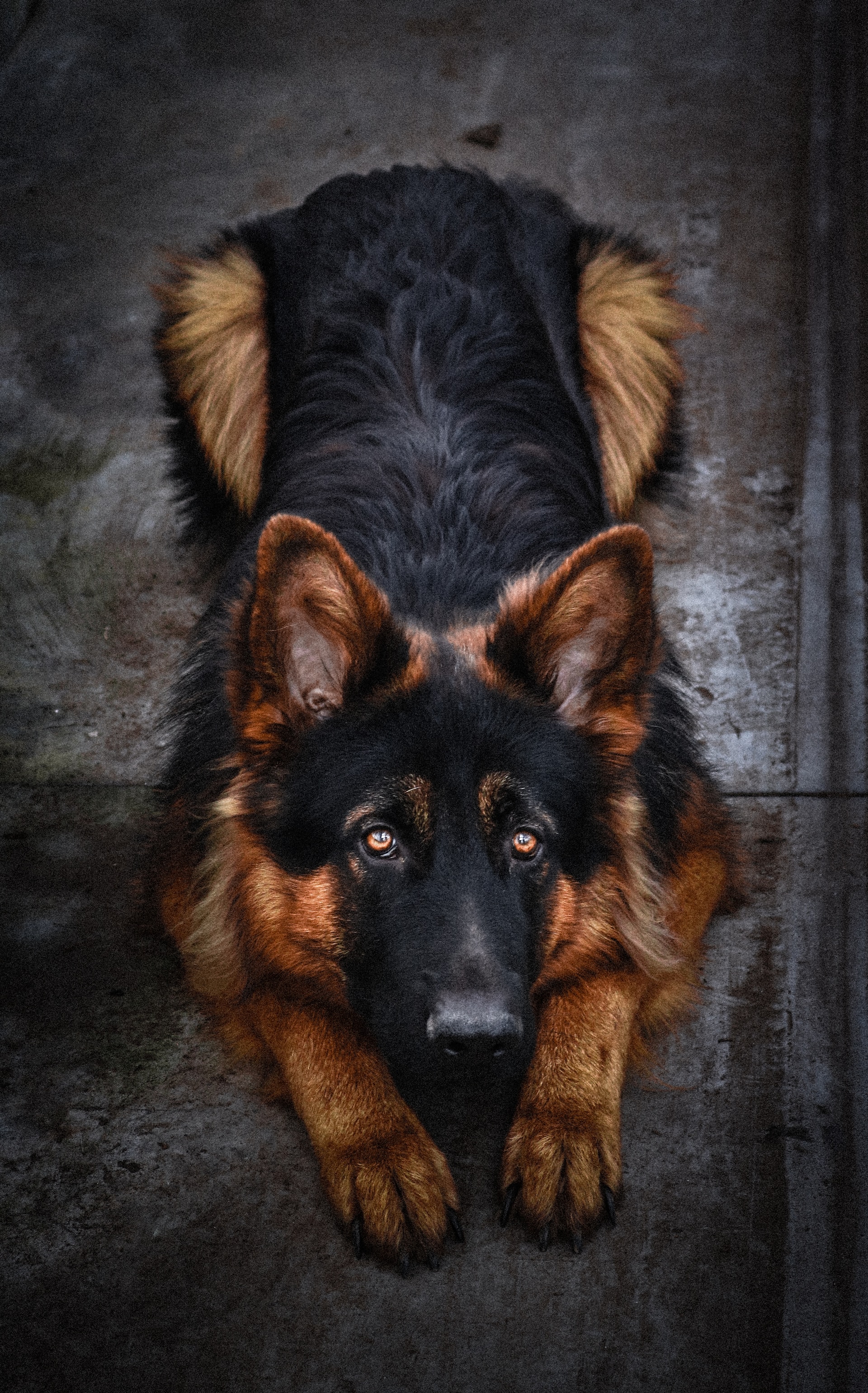
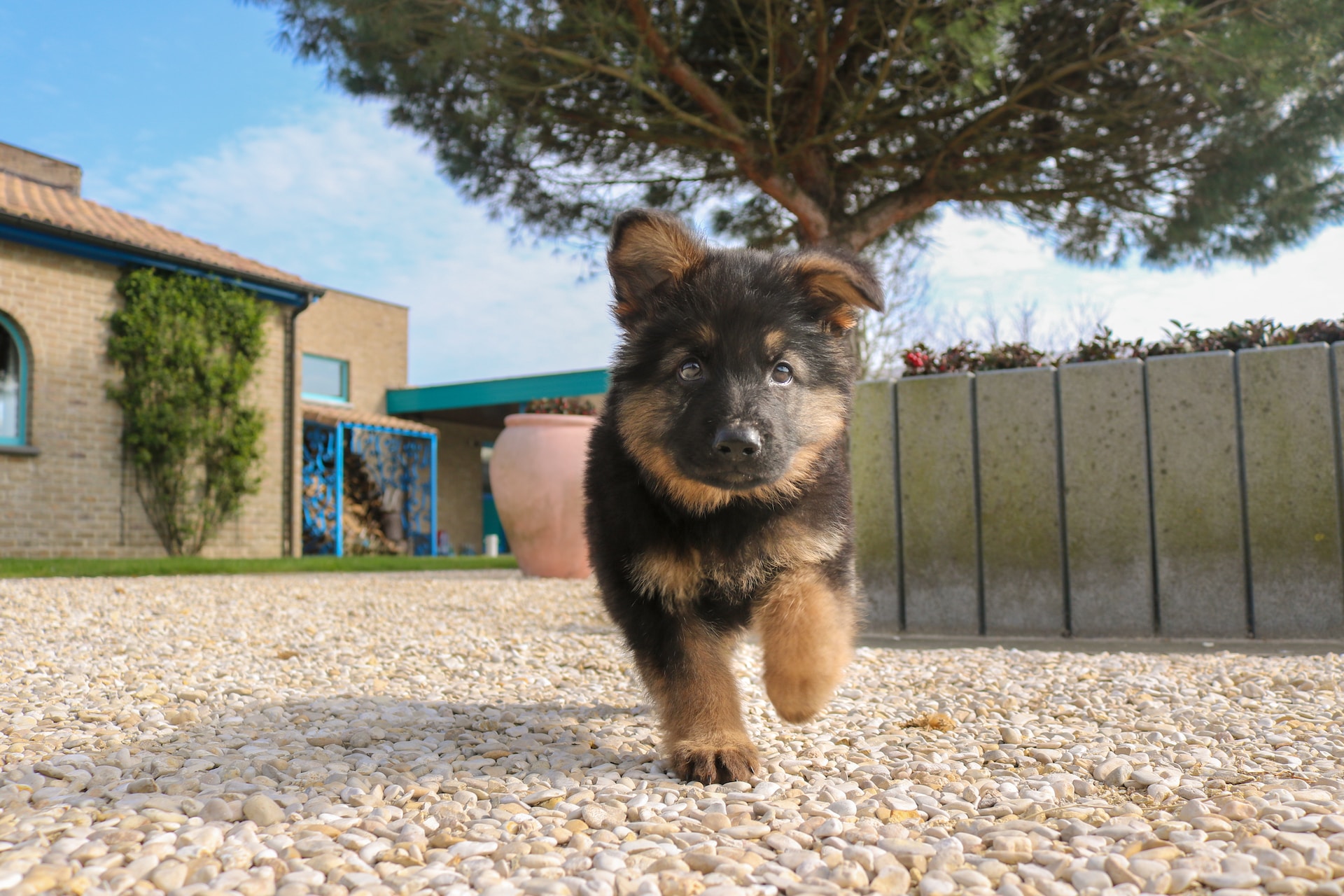
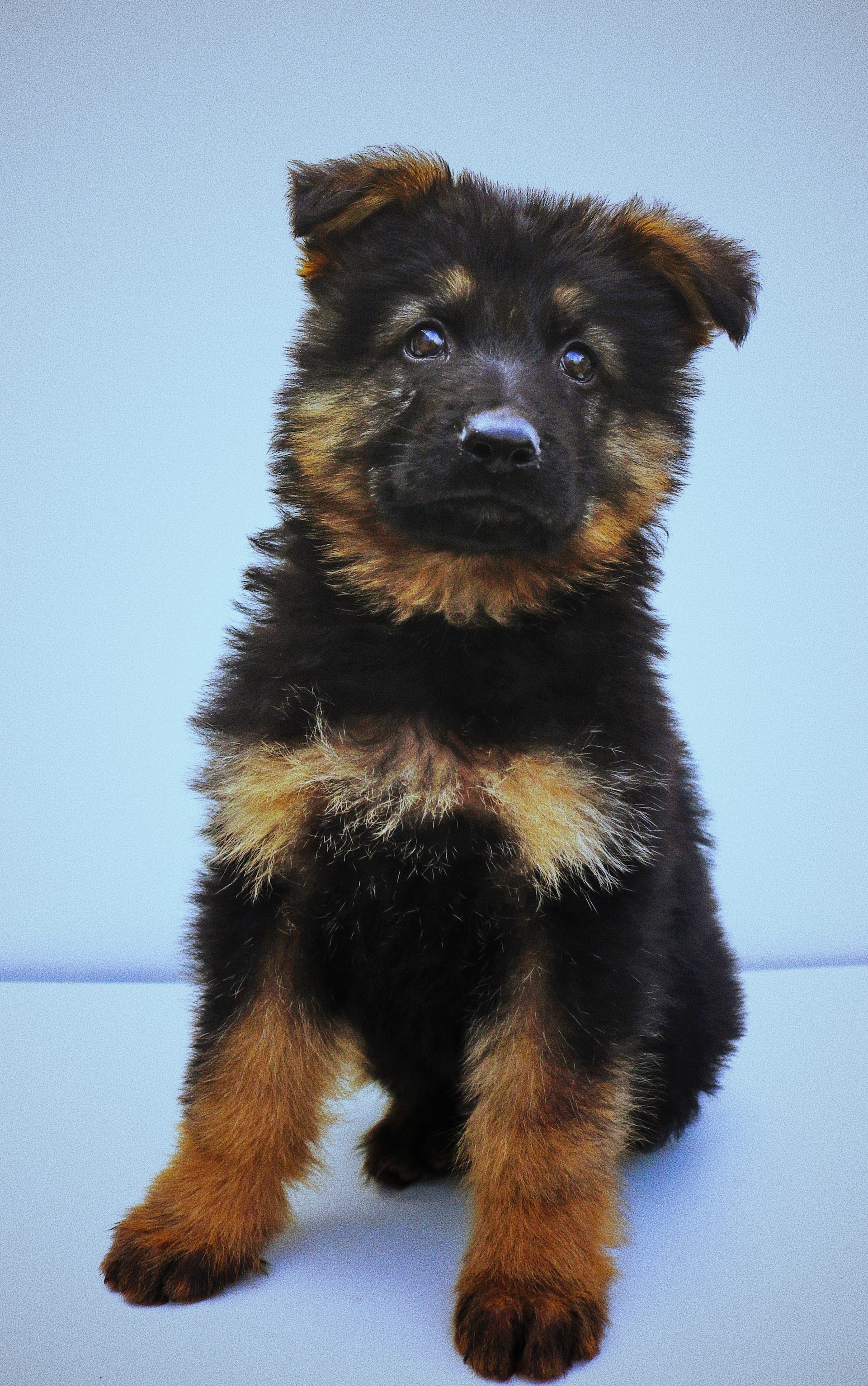
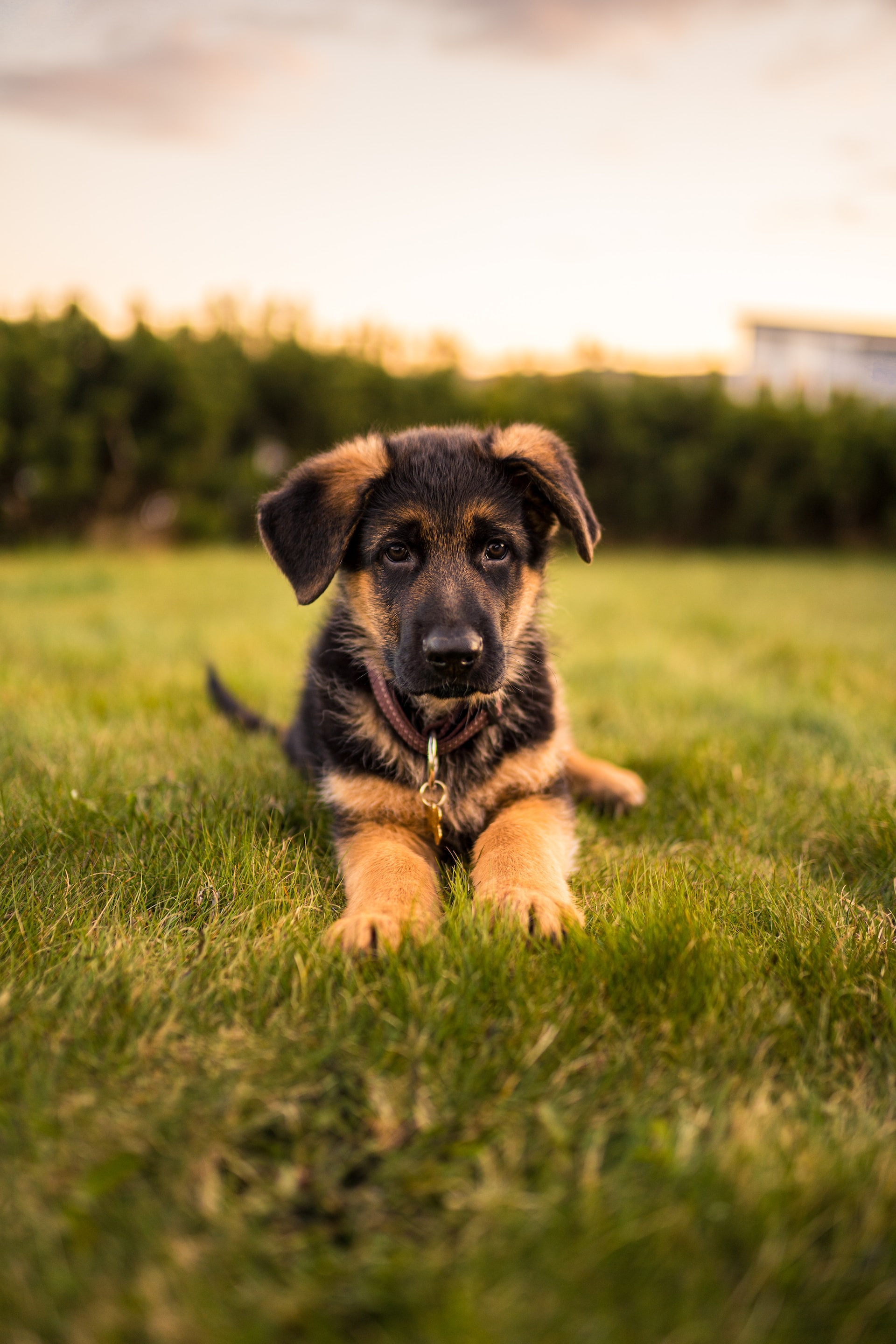
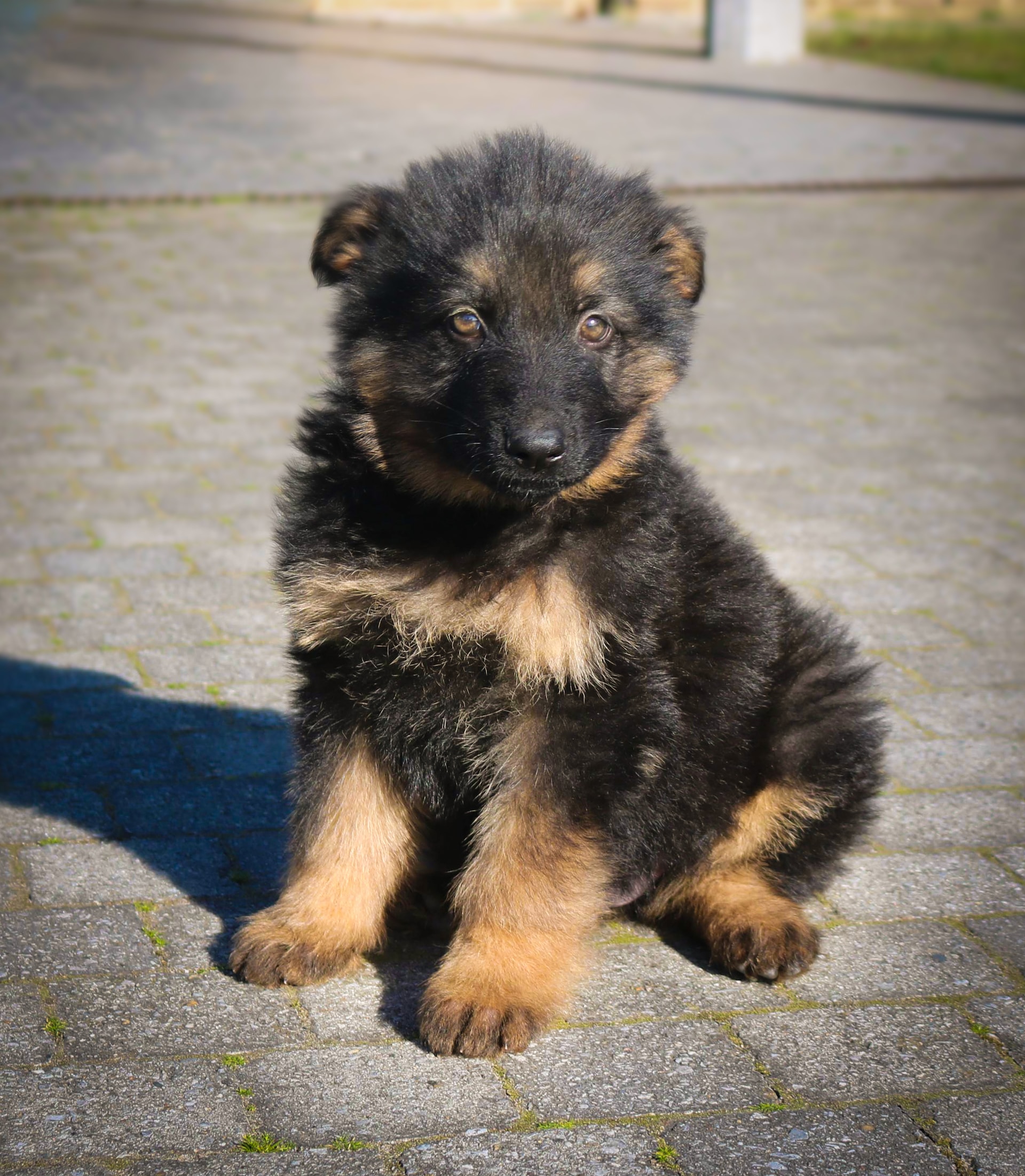
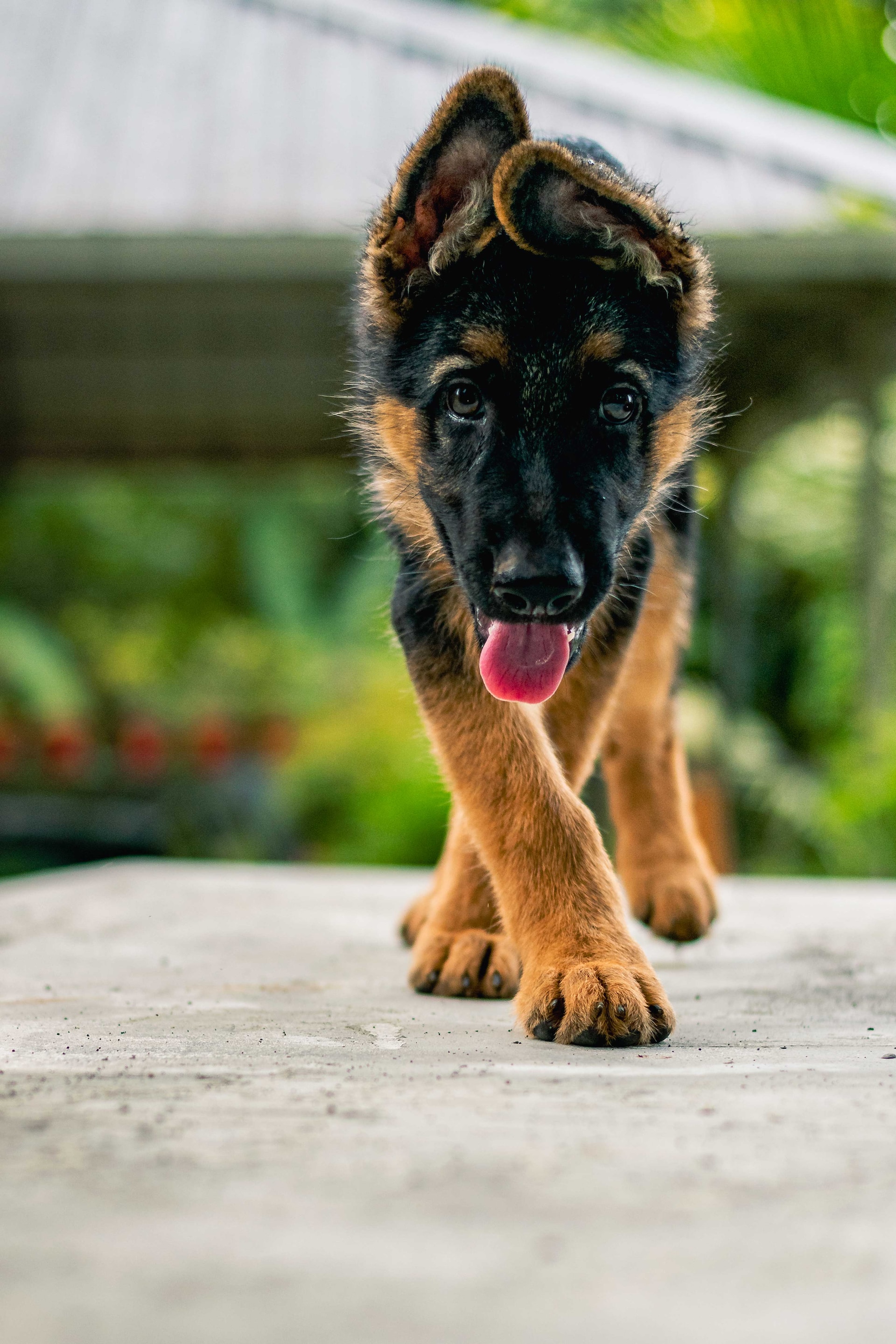
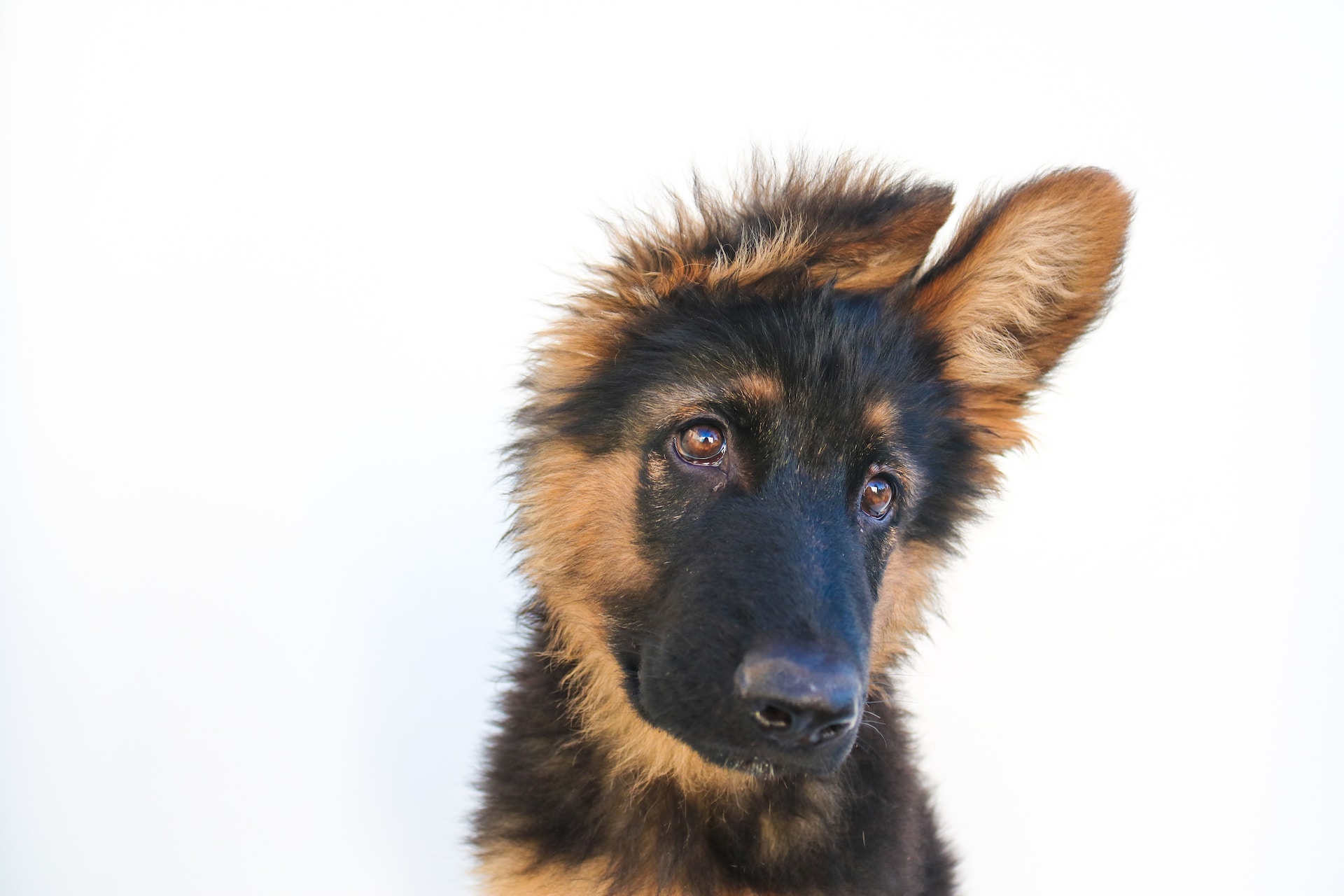
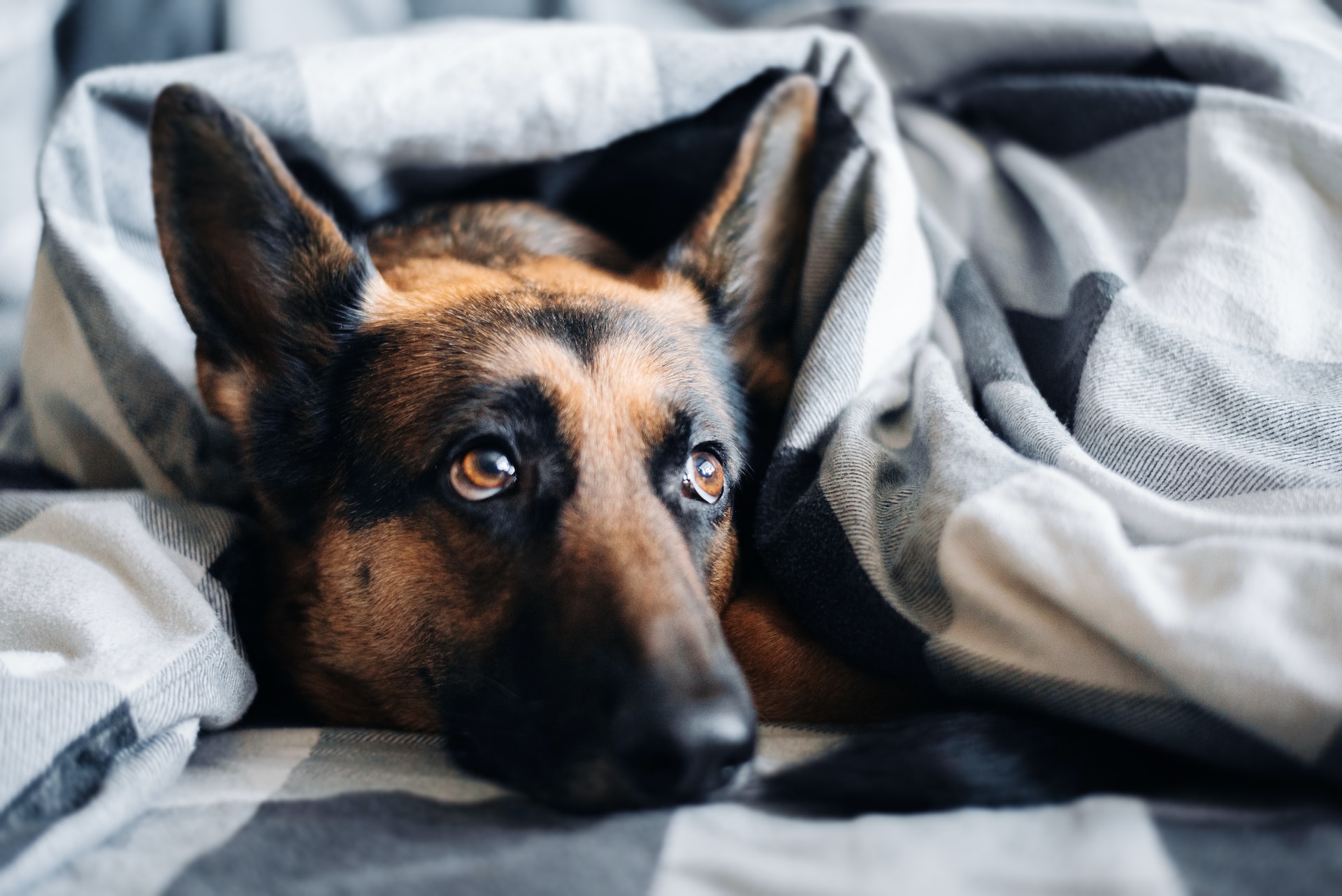
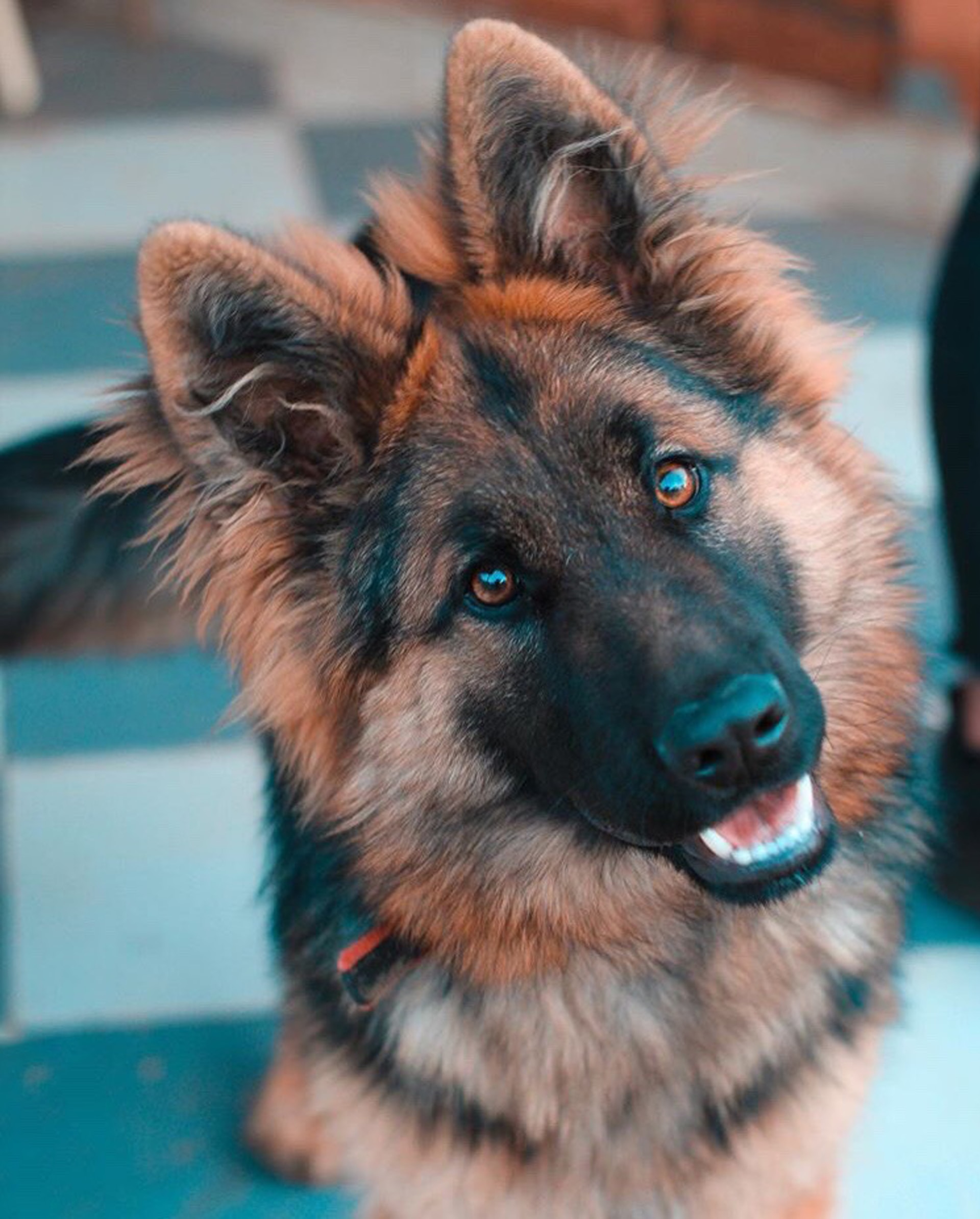
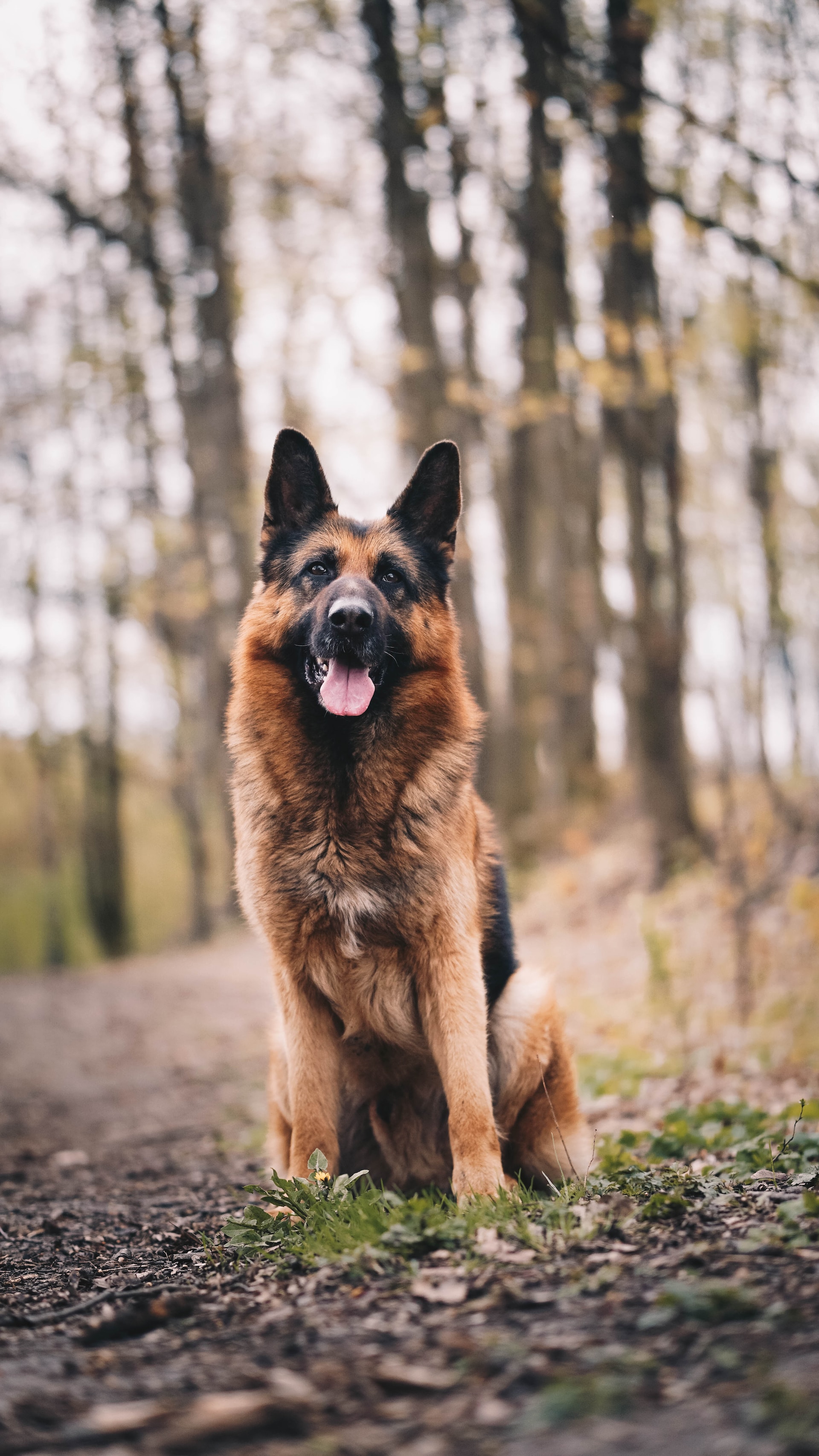
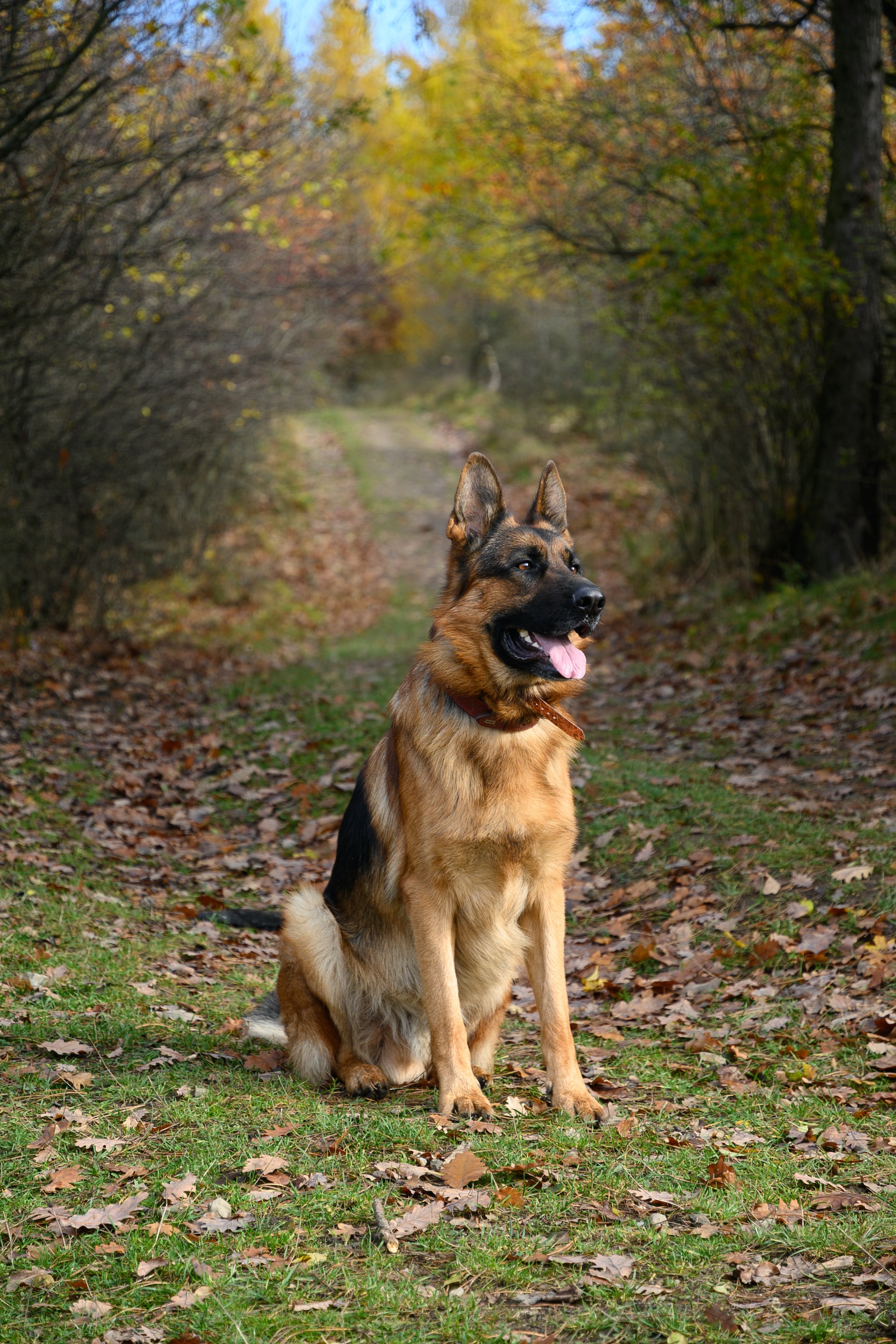
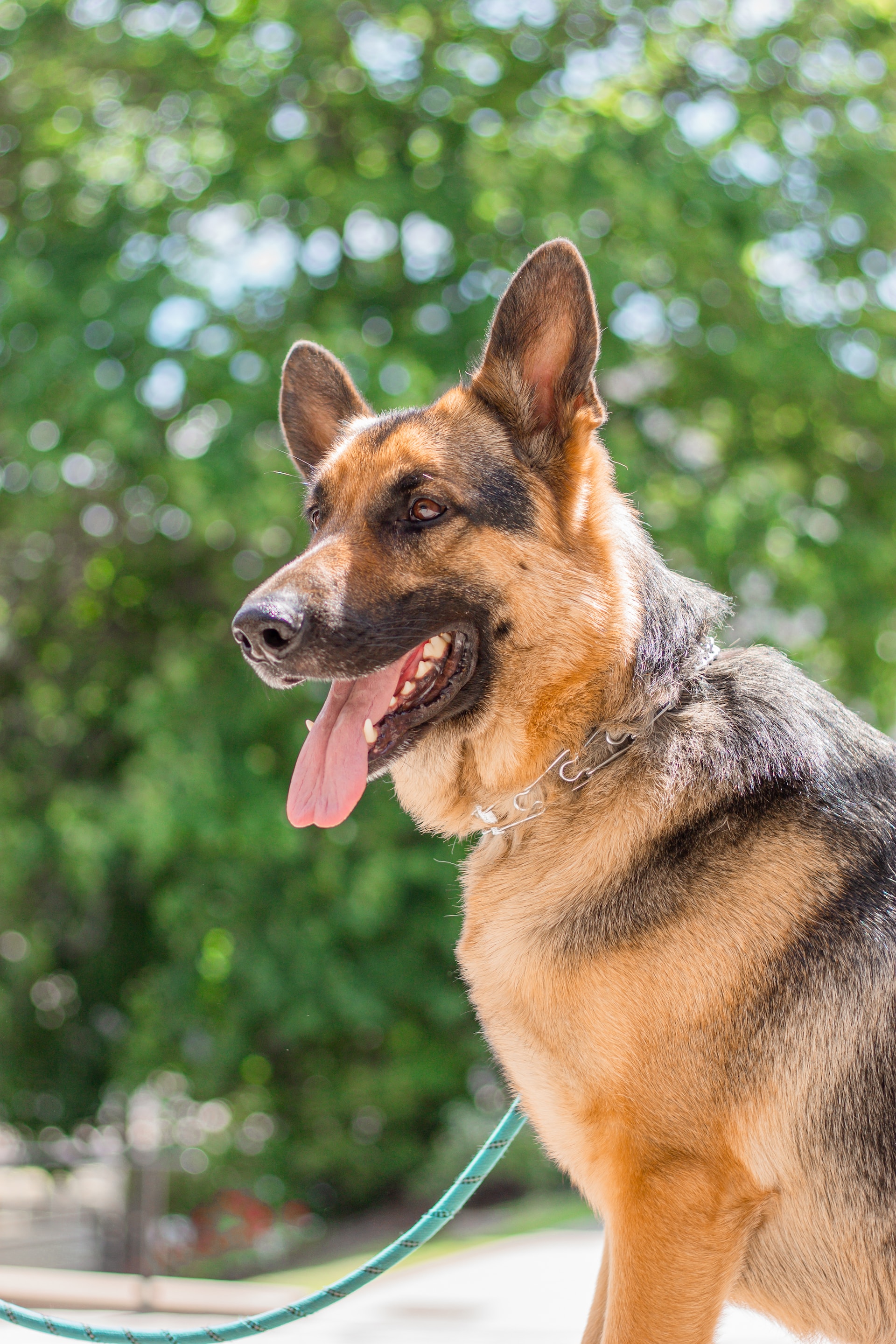
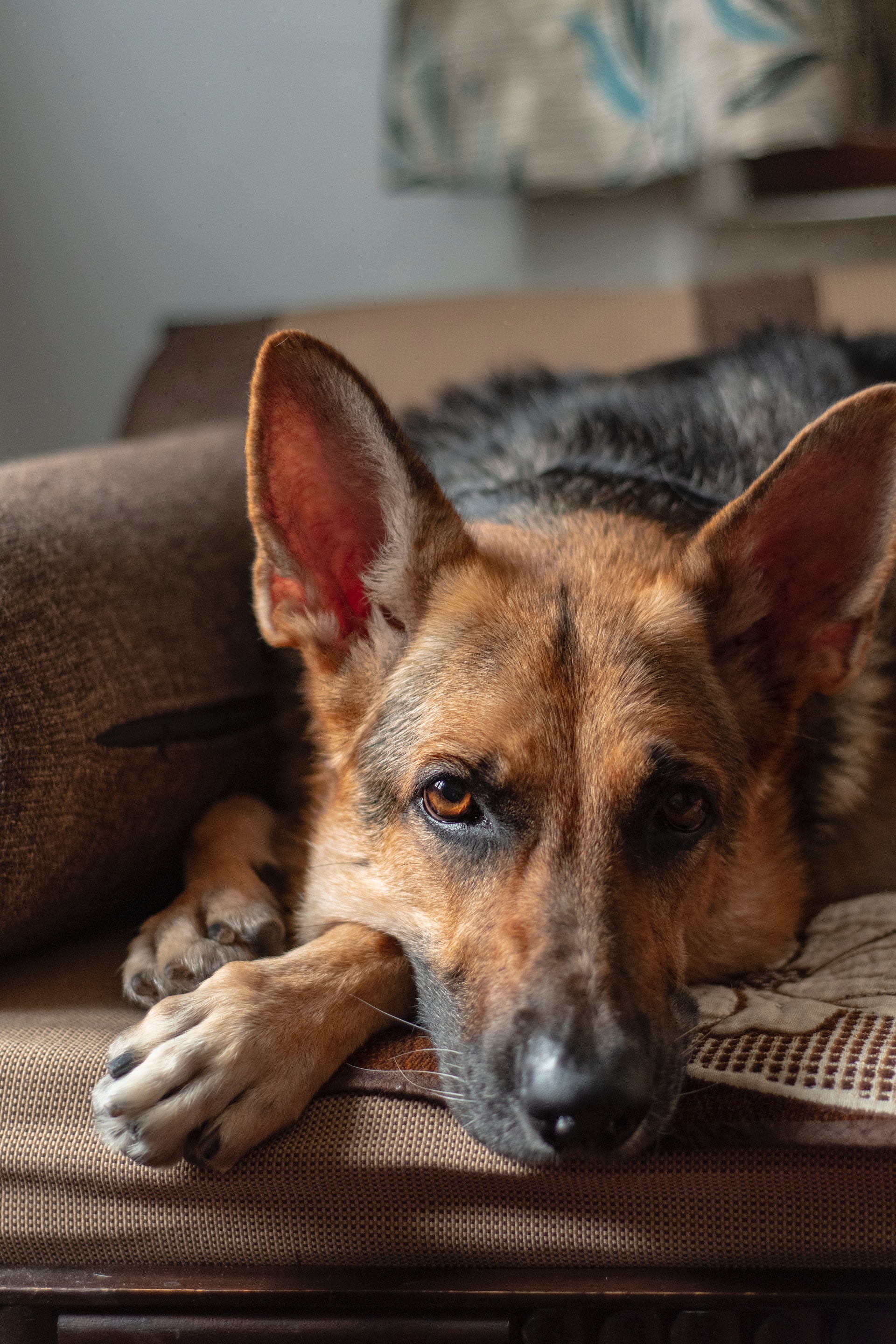
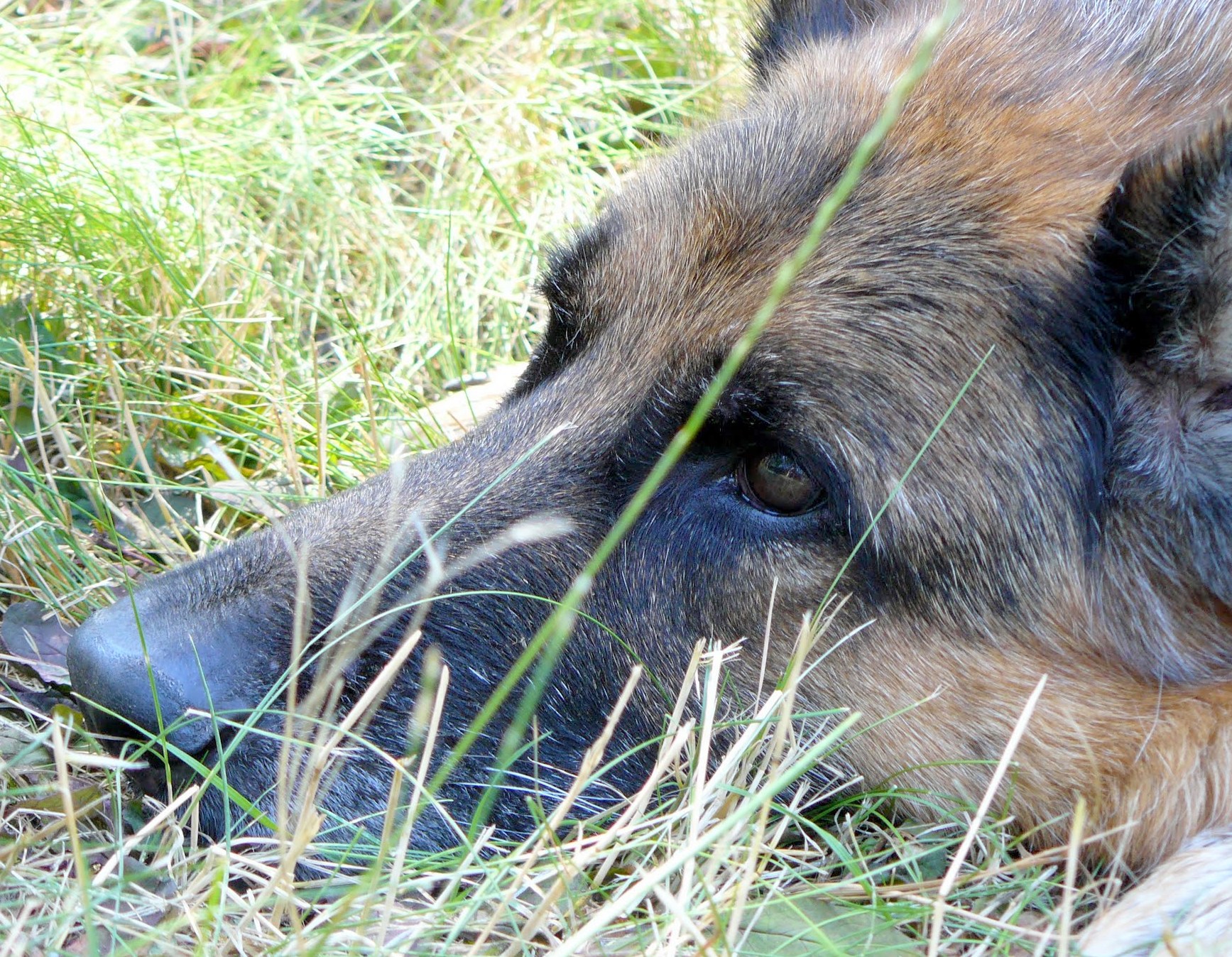
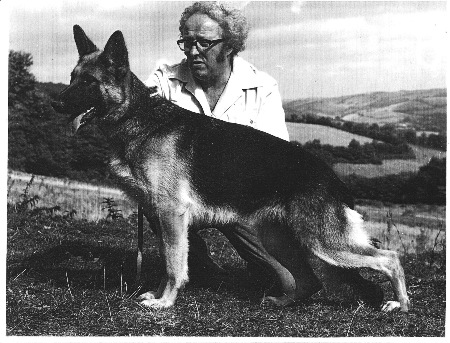
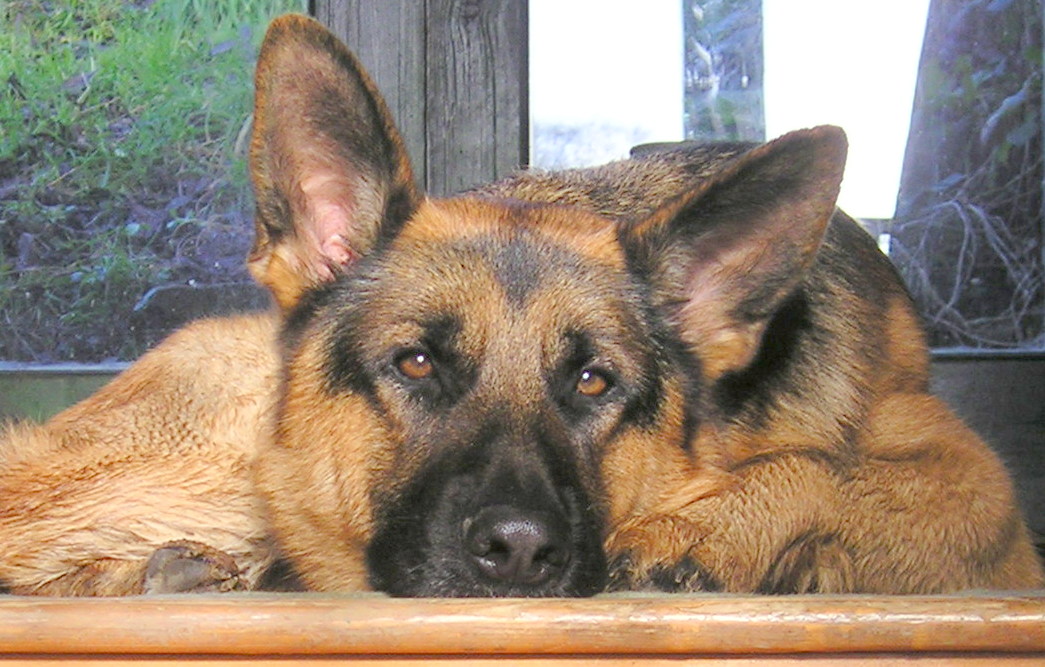
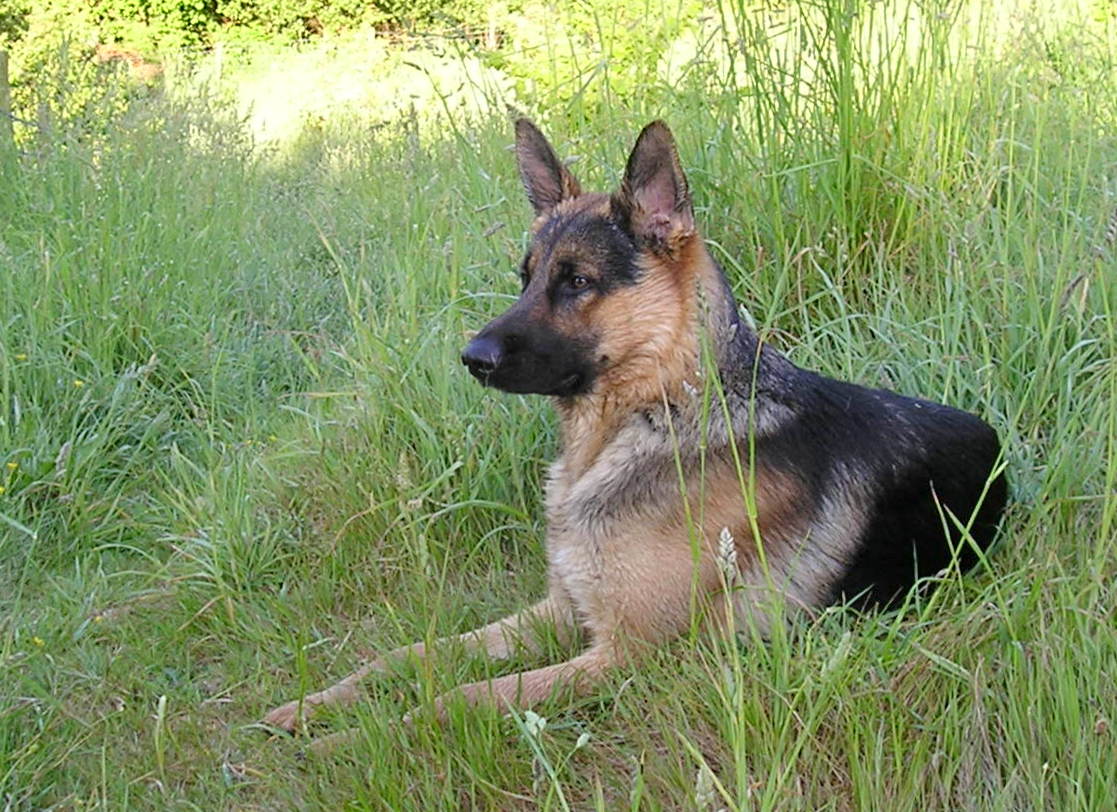
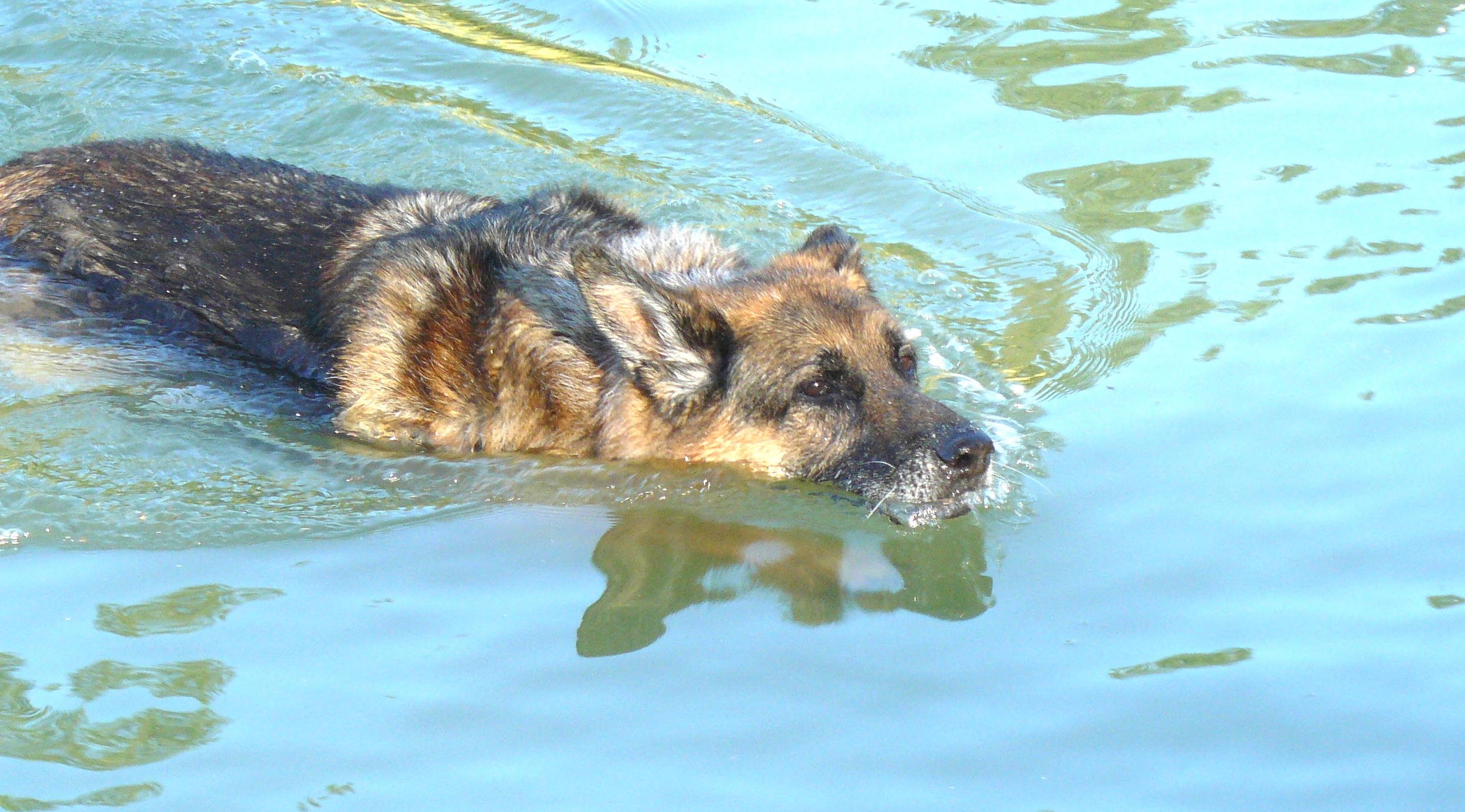
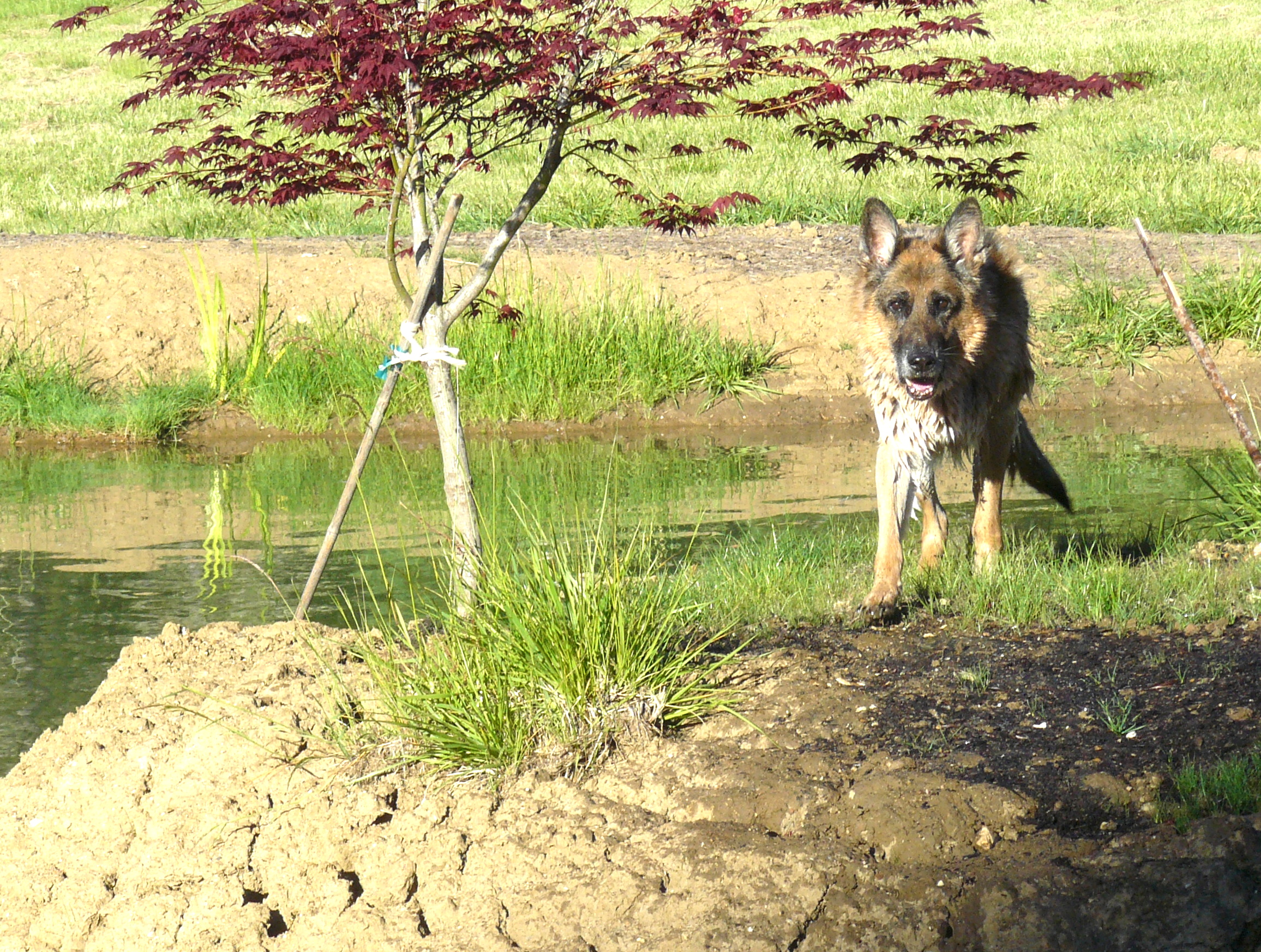
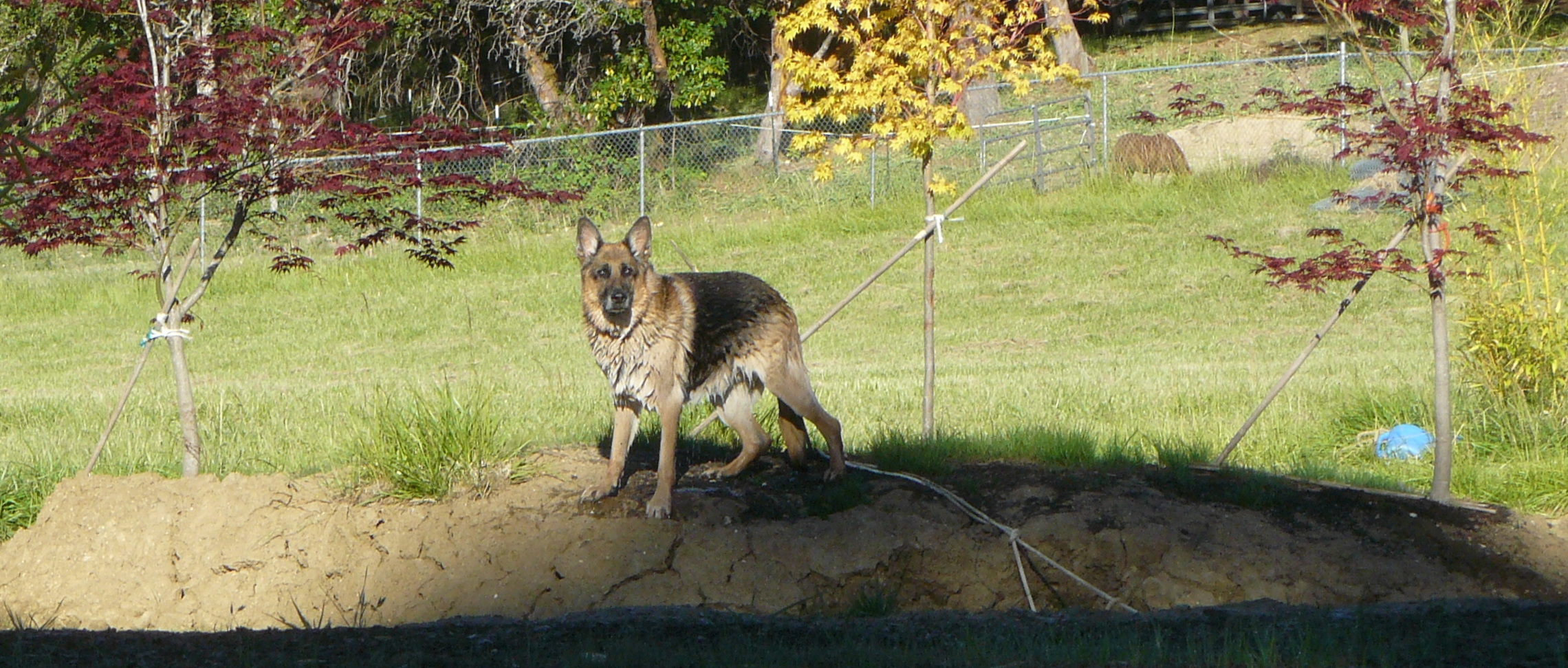
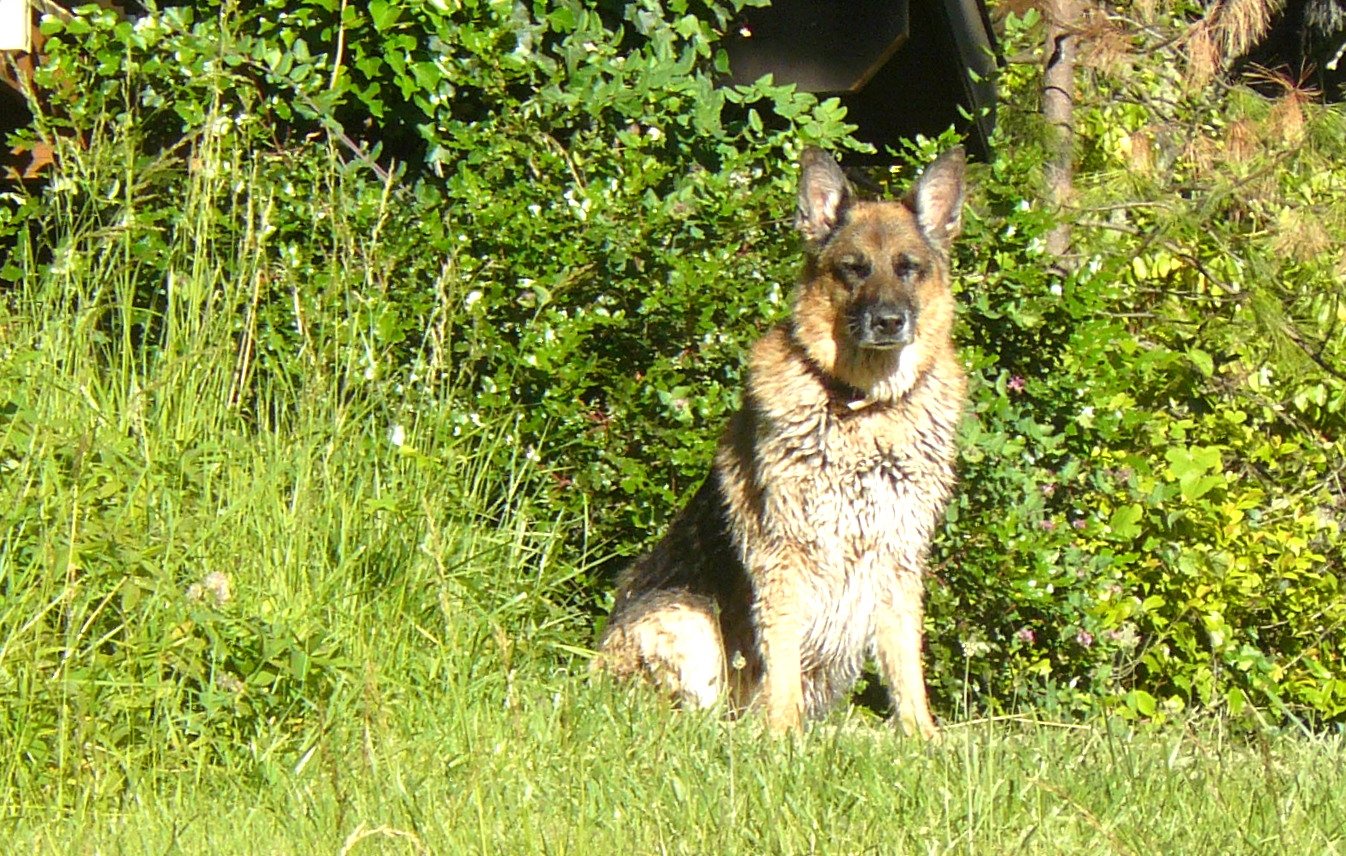
Seeing how many approved of the photos of Pharaoh, it seemed to me that I should provide photos of German Shepherd dogs; there are plenty of them.
But before that many congratulations to the new King of the United Kingdom, King Charles III, or as Wikipedia put it:
The coronation of Charles III and his wife, Camilla, as king and queen of the United Kingdom and the other Commonwealth realms took place on 6 May 2023, at Westminster Abbey. Charles acceded to the throne on 8 September 2022, upon the death of his mother, Elizabeth II.
Now to the dogs!
oooo
oooo
oooo
oooo
oooo
oooo
oooo
oooo
Wonderful dogs! And just a reminder of Pharaoh to play us out:
(This post was drafted back in 2020 and, for whatever reason, never got published, until today! Pharaoh, of course, is no longer with us)
Years ago if I was ever to own a dog, it had to be one breed and one breed only: a German Shepherd Dog.
The reason for this was that back in 1955 my father and mother looked after a German Shepherd dog called Boy. Boy belonged to a lovely couple, Maurice and Marie Davies. They were in the process of taking over a new Public House (Pub); the Jack & Jill in Coulsdon, Surrey. My father had been the architect of the Jack & Jill.
Jack & Jill, Longlands Avenue, Coulsdon, Surrey
As publicans have a tough time taking holidays, it was agreed that the move from their old pub to the Jack & Jill represented a brilliant opportunity to have that vacation. My parents offered to look after Boy for the 6 weeks that Maurice and Marie were going to be away.
Boy was the most gentle loveable dog one could imagine and I quickly became devoted to him; I was 11 years old at the time. So when years later it seemed the right time to have a dog, there was no question about the breed. Boy’s memory lived on all those years, and, as this post reveals, still does!
Pharaoh was born June 3rd, 2003 at Jutone Kennels up at Bovey Tracy, Devon, on the edge of Dartmoor. As the home page of the Jutone website pronounces,
The Kennel was established in 1964 and it has always been the aim to breed the best German Shepherd Dogs for type and temperament. To this end the very finest German bloodlines are used to continue a modern breeding programme.
and elsewhere on that website one learns:
Jutone was established by Tony Trant who was joined by Sandra Tucker in 1976. Sandra continues to run Jutone since Tony passed away in 2004. Both Tony and Sandra qualified as Championship Show judges and Sandra continues to judge regularly. Sandra is the Secretary and a Life Member of the German Shepherd Dog Club of Devon.
Tony Trant
Turning to Pharaoh, here are a few more pictures over the years.
Pharaoh, nine months old.
oooo
One year old: June 3rd 2004.
The next picture of Pharaoh requires a little background information.
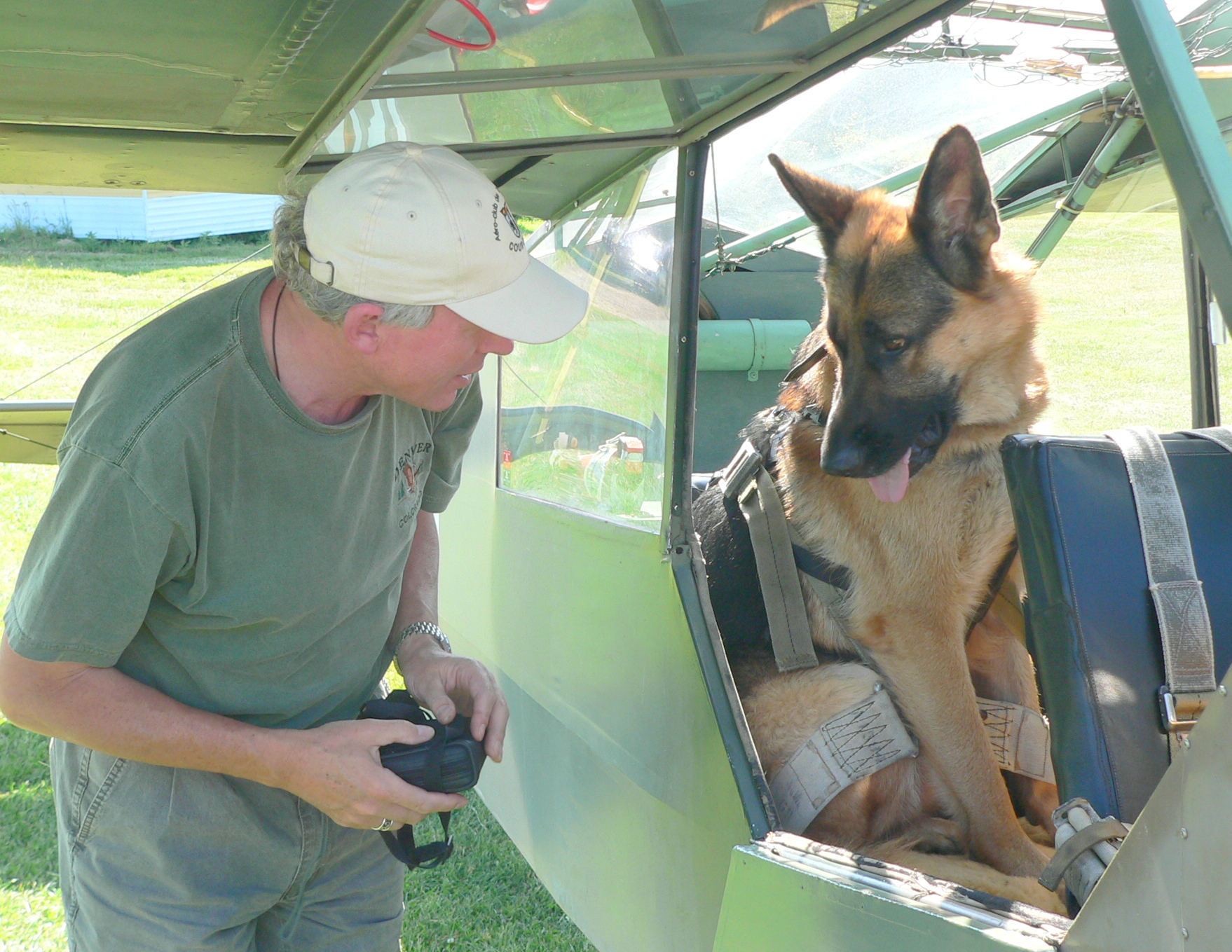
For many years I was a private pilot and in later days had the pleasure, the huge pleasure I must say, of flying a Piper Super Cub which is a group-owned aircraft based at Watchford Farm in South Devon. The aircraft, a Piper PA-18-135 Super Cub, was originally supplied to the Dutch Air Force in 1954 and was permitted by the British CAA to carry her original military markings including her Dutch military registration, R-151, although there was a British registration, G-BIYR, ‘underneath’ the Dutch R-151. (I wrote more fully about the history of the aircraft on Learning from Dogsback in August 2009.)
Piper Cub R151
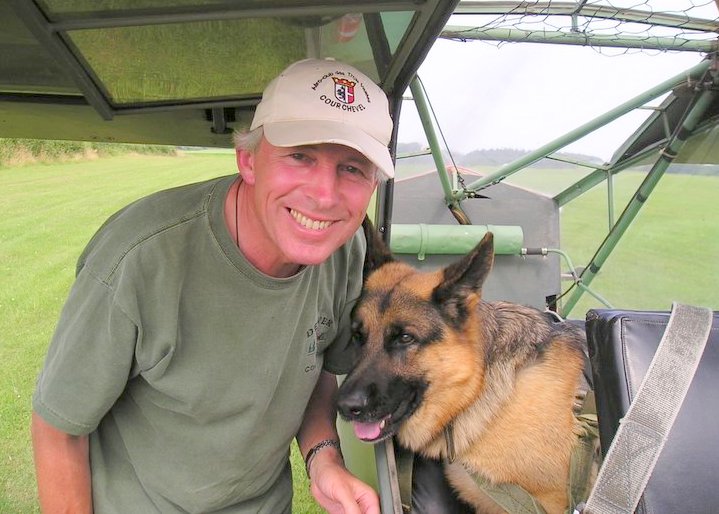
Anyway, every time I went to the airfield with Pharaoh he always tried to climb into the cockpit. So one day, I decided to see if he would sit in the rear seat and be strapped in. Absolutely no problem with that!
My idea had been to fly a gentle circuit in the aircraft. First I did some taxying around the large grass airfield that is Watchford to see how Pharaoh reacted. He was perfectly behaved.
Then I thought long and hard about taking Pharaoh for a flight. In the Cub there is no autopilot so if Pharaoh struggled, or worse, it would have been almost impossible to fly the aircraft and cope with Pharaoh. So, in the end, I abandoned taking him for a flight. The chances are that it would have been fine. But if something had gone wrong, the outcome just didn’t bear thinking about.
So we ended up motoring for 30 minutes all around the airfield which, as the next picture shows, met with doggie approval. The date was July 2006.
That was fun, Dad!
What a dear dog he has been over all the years!
As if to reinforce the fabulous dog he still is, yesterday it was almost as though he knew he had to show how youthful he still was.
Because, when I took his group of dogs out around 7.30am armed with my camera, Pharaoh was brimming over with energy.
First up was a swim in the pond.
Ah, an early birthday dip! Bliss!
Then in a way he has not done before, Pharaoh wanted to play ‘King of my Island’, which is in the middle of the pond.
Halt! Who goes there!
oooo
This is my island! So there!
Then a while later, when back on dry land, so to speak, it was time to dry off in the morning sunshine.
Actually, this isn’t such a bad life!
Long may he have an enjoyable and comfortable life.
ooOOoo
This was written quite obviously before Pharaoh died. He is still on the home page of this blog.
Beloved Pharaoh. Born: June 3rd., 2003 – Died: June 19th., 2017. A very special dog that will never be forgotten.
From time to time various persons are in touch asking if I will accept a guest post. As long as the author is not connected to a commercial organisation then I am more than willing to accept.
ooOOoo
The Benefits of Spaying or Neutering Your Puppy
By Souvik Ghosh.
Spaying is the removal of a dog’s reproductive organs, while neutering is the removal of a dog’s testicles. Both of these procedures are usually completed between the ages of six to nine months old. The decision to spay or neuter your puppy is an important one, and one that every pet parent should consider carefully. Spaying or neutering your puppy can have many benefits; both for your pet, and for pet owners. In this article, we will explore the many benefits of spaying or neutering your puppy.
1. Cost Benefits
A. Lower veterinary expenses
By sanctioning spaying or neutering your puppy, you can spare yourself incurring costly veterinary bills. Not only that, but spayed and neutered pets often require fewer vet visits overall than unaltered animals, thus resulting in further financial savings.
B. Avoidance of unwanted litters and associated costs
Opting to spay or neuter your puppy will avoid the costs associated with an unwanted or unexpected litter. Having a litter of puppies can involve additional health care expenses, such as vaccinations or deworming, as well as other costs such as food, housing supplies, and potential vet visits due to complications or illness. What’s more, finding homes for each of the puppies can take a considerable amount of time and money. If a litter is born and is not able to be cared for or placed in a permanent home, euthanasia may also become a cost consideration.
C. Reduced potential for destructive behaviors
Spayed and neutered pets are less likely to display destructive behaviors associated with hormones, such as urine spraying, marking territory, escaping from the house, stray breeding, and aggression. Dealing with these behaviors can involve costly fence repair, kenneling, veterinary bills, and in extreme cases even legal fees. By taking preventative measures and having your puppy spayed or neutered, you can save yourself considerable financial hardship in the long-run.
2. Health Benefits
A. Reduced risk of certain cancers
Spaying or neutering your pet has many potential health benefits for your pup. First, spaying or neutering your puppy can reduce their risk of certain cancers. Spayed females are at almost no risk for certain types of ovarian and uterine cancer, while neutered males are at a reduced risk of developing prostate cancer.
B. Decreased risk of infections and diseases
In addition to curbing cancer risk, spayed or neutered puppies also have decreased risk of bacterial and viral infections, as well as other dog diseases, such as Urinary Tract Infection or “cherry eye.” Unneutered male dogs are a lot more likely to develop testicular tumors, while unspayed female pups are more likely to get vaginal infections or mammary tumors.
C. Prevention of reproductive issues
Spaying or neutering your puppy can also prevent reproductive issues such as false pregnancies, proestrus, and ovarian cysts. Spaying can also reduce “hump” behavior – or the act of mounting other animals – as well as “marking” their territory by urinating on objects or other animals. If a male dog hasn’t been neutered, these behaviors may continue into adulthood.
3. Behavioral Benefits
A. Reduced aggression and territorial tendencies
One of the primary behavioral benefits is that spayed or neutered puppies will have reduced aggression and territorial tendencies. Unneutered animals are more likely to attempt to protect their territory, which often manifests as aggressive behavior. By removing the instinct to mate and reproduce, these issues can be avoided.
B. Decreased likelihood of wandering or escaping
Another advantage is that spaying or neutering your puppy can decrease the likelihood of them wandering or escaping from home. Unneutered animals are more likely to attempt to find a mate, and as a result may be more tempted to roam. By removing this instinct, your puppy can enjoy a safe and secure living space.
C. Less marking and mounting behaviors
Spaying or neutering your pet can help them to avoid certain sexual impulses. Unneutered animals are more likely to engage in marking and mounting behaviors, which can be embarrassing and bothersome. This can be avoided by removing the unneutered dog’s natural urges to seek out a mate.
4. Community Benefits
A. Control over population and homelessness
The most obvious benefit of spaying or neutering your puppy is that it helps to control the overall population and reduce homelessness. When dogs reproduce without consequence, the population grows dramatically and shelters become overwhelmed with strays. These strays can be quite disruptive to the community, especially if they’re aggressive or overly vocal. By having your pet spayed or neutered, your community benefits significantly by avoiding this population surge.
B. Reduced noise and nuisance behaviors
You can also reduce the amount of noise and nuisance behaviors that can plague a community. Dogs can become territorial if they haven’t been neutered or spayed, which can affect their overall behavior. Un-neutered dogs are more likely to bark more, roam, and even become aggressive. This can be a nuisance to neighbors, and even other pet owners in the area. By having your puppy spayed or neutered, your pup won’t be as prone to these behaviors, making it easier to live in harmony with your surrounding community.
C. Improved relationships with neighbors and other pet owners
Having your puppy spayed or neutered can improve relationships with your neighbors as well as other pet owners. It can help ensure it’s better behaved when around people, making it much easier for neighbors or other pet owners to interact with your dog. It may even help build a friendlier, less fearful relationship between people and your pup, making it easier for your neighbor to come over for a visit. And better relations with pet owners in the area can help strengthen the bond between community members.
Conclusion
Spaying or neutering your pet can have numerous benefits, both medically and behaviorally, and it is important to consider if it is the right fit for you and your pet. We would encourage all pet owners to take the steps needed in order to be responsible pet owners, and spay or neuter their pup. By doing so, you can help ensure your pet lives a long and healthy life, while contributing to a kinder, more compassionate society.
ooOOoo
That last sentence says it all. I quote, “By doing so, you can help ensure your pet lives a long and healthy life, while contributing to a kinder, more compassionate society.“
Who doesn’t want a kinder and more compassionate society!
Luckily dogs that have behaviour problems are unknown in our home. But that doesn’t mean that a primer on preventing dog bites is not called for. The following seems like a primer!
ooOOoo
Dog Bite Prevention
Increasing Safety, Reducing Risks
To reduce the number of injuries from dog bites, adults and children should be educated about bite prevention, and dog owners should practice responsible dog ownership.
Understanding dog body language is a key way to help avoid being bitten for people of all ages. Know the signs that dogs give to indicate that they’re feeling anxious, afraid, threatened or aggressive, and be sure to respect the dog’s feelings about interacting with or being touched by strangers.
An aggressive dog may try to make themselves look bigger. Their ears may be up and forward, the fur on their back and tail may stand on end or puff out, and their tail may be straight up—it may even wag. They may have a stiff, straight-legged stance and be moving toward or staring directly at what they think is an approaching threat. They may also bare their teeth, growl, lunge or bark.
An anxious or scared dog may try to make themselves look smaller. They may shrink to the ground in a crouch, lower their head, repeatedly lick their lips, put their tail between their legs, flatten their ears back and yawn. They may look away to avoid direct eye contact. The dog may stay very still or roll on their back and expose their stomach. Alternatively, they may try to turn away or slowly move away from what they think is an approaching threat.
Many dogs can show a mixture of these body postures, indicating that they feel conflicted. Remember to avoid any dog showing any of signs of fear, aggression or anxiety—no matter what else the dog is doing. It’s important to realize that a wagging tail or a crouching body doesn’t always mean friendliness.
Ask first before petting a dog. When meeting an unfamiliar dog, don’t reach out to pet them. First, ask their pet parent, “May I pet your dog?” A strange hand in a dog’s face may scare them, leading to a bite.
If you receive permission to pet a dog, let them sniff your closed hand. Then, you may proceed to pet their shoulders or chest. Avoid petting the top of the dog’s head. If the dog looks uncomfortable, speak happily to the dog and casually remove your hand. Resist moving abruptly or jerkily.
Avoid dogs who are barking or growling. It is also best to steer clear of dogs who are loose, behind a fence or tied up.
If an unknown dog approaches you, stay quiet and still. Do not run or scream.
Always supervise children and dogs. Never leave a baby or young child alone with a dog. Teach your children to treat your dog gently and with respect, giving the dog their own space and opportunities to rest.
When in public, always keep your dog on a leash for the safety of your dog and those around them.
Recommendations for Pet Parents
Although you can’t guarantee that your dog will never bite someone, there are many ways that you can significantly reduce the risk.
Adopt from a well-managed animal shelter whose staff and volunteers can fill you in on the dog’s background, personality and behavior in the shelter.
Socialize your dog! Well-socialized dogs make enjoyable, trustworthy companions. Undersocialized dogs are a risk to their owners and to others because they can become frightened by everyday things—which means they are more likely to aggress or bite. Socializing is the opposite of isolating. It’s important for puppies to meet, greet and enjoy a variety of people, animals, places and things. Done properly, socializing helps puppies feel comfortable and friendly in various situations, rather than uncomfortable and potentially aggressive. The main rule for effective socializing is to let your dog progress at their own pace and never force them to be around someone or something when they’re clearly fearful or uncomfortable.
Take your dog to humane, reward-based training classes—the earlier the better. We recommend starting your puppy in puppy kindergarten classes as early as eight weeks, right after their first set of vaccinations. Early training opens a window of communication between you and your dog that will help you consistently and effectively teach them good behavior.
Always supervise your dog while they’re outdoors—even in a fenced yard. Don’t allow your dog to roam alone.
Don’t wait for a serious accident to happen. The first time your dog shows aggressive behavior toward anybody, even if no injury occurs, seek professional help from a Certified Applied Animal Behaviorist (CAAB), a veterinary behaviorist (Dip ACVB), or a qualified Certified Professional Dog Trainer (CPDT). Please see our article, Finding Professional Behavior Help, for information about finding an expert in your area. Your animal shelter may also offer or be able to refer you to helpful services.
Err on the safe side. Be aware of common triggers of aggression, including pain, injury or sickness, the approach of strangers or strange dogs, the approach of people in uniforms, costumes or unusual attire (especially hats), unexpected touching, unfamiliar places, crowds and loud noises like thunder, wind, construction, fireworks and appliances. If possible, avoid exposing your dog to these triggers. If they seem stressed or panicked in crowds, leave them at home. If they overreact to visitors or delivery personnel, keep them in another room when they come to your house. Work with a qualified behavior and training professional to help your dog become more comfortable with these and other situations.
License your dog as required by law and provide regular veterinary care, including rabies vaccinations.
ooOOoo
This appears to be very good advice, and I hope there’s no-one out there that has suffered from the consequences of dog aggression. If there’s a reader who has something to share with you all, then read my Interaction page.
This list came in from the ASPCA recently and I though it worth sharing with you. But just before I do that let me select from the About Us page on the ASPCA website.
We Are Their Voice
The American Society for the Prevention of Cruelty to Animals® (ASPCA®) was the first humane society to be established in North America and is, today, one of the largest in the world.
Our organization was founded on the belief that animals are entitled to kind and respectful treatment at the hands of humans and must be protected under the law. Headquartered in New York City, the ASPCA maintains a strong local presence, and with programs that extend our anti-cruelty mission across the country, we are recognized as a national animal welfare organization. We are a privately funded 501(c)(3) not-for-profit corporation, and are proud to boast more than 2 million supporters across the country.
The ASPCA’s mission, as stated by founder Henry Bergh in 1866, is “to provide effective means for the prevention of cruelty to animals throughout the United States.”
Plus there is a YouTube video.
Now to that plant list. It is a long list and I am going to only show you the first few dozen plants. If you want to see more of the list then you are going to have to go here and look it up for yourself.















 Learning from Dogs