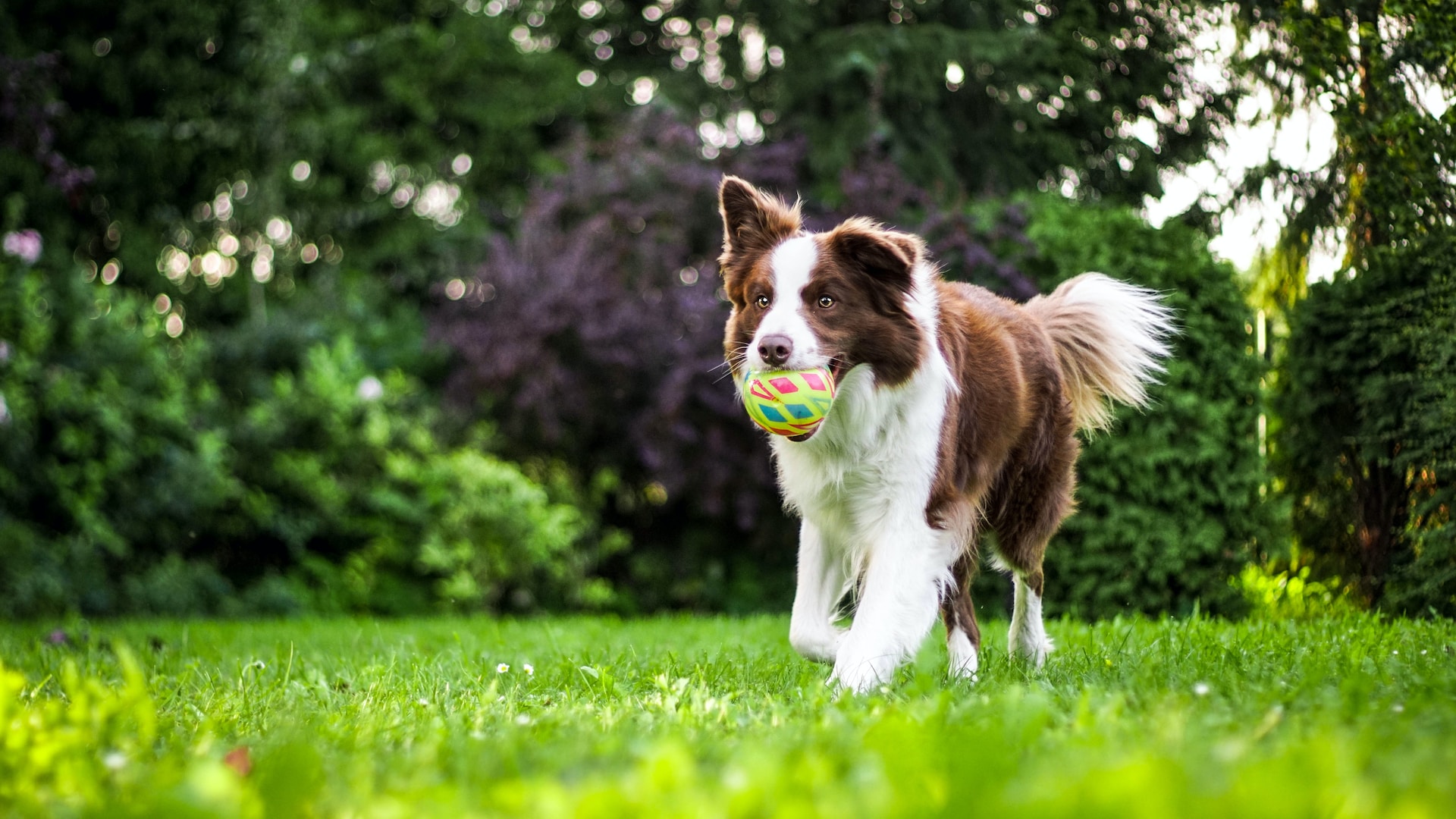
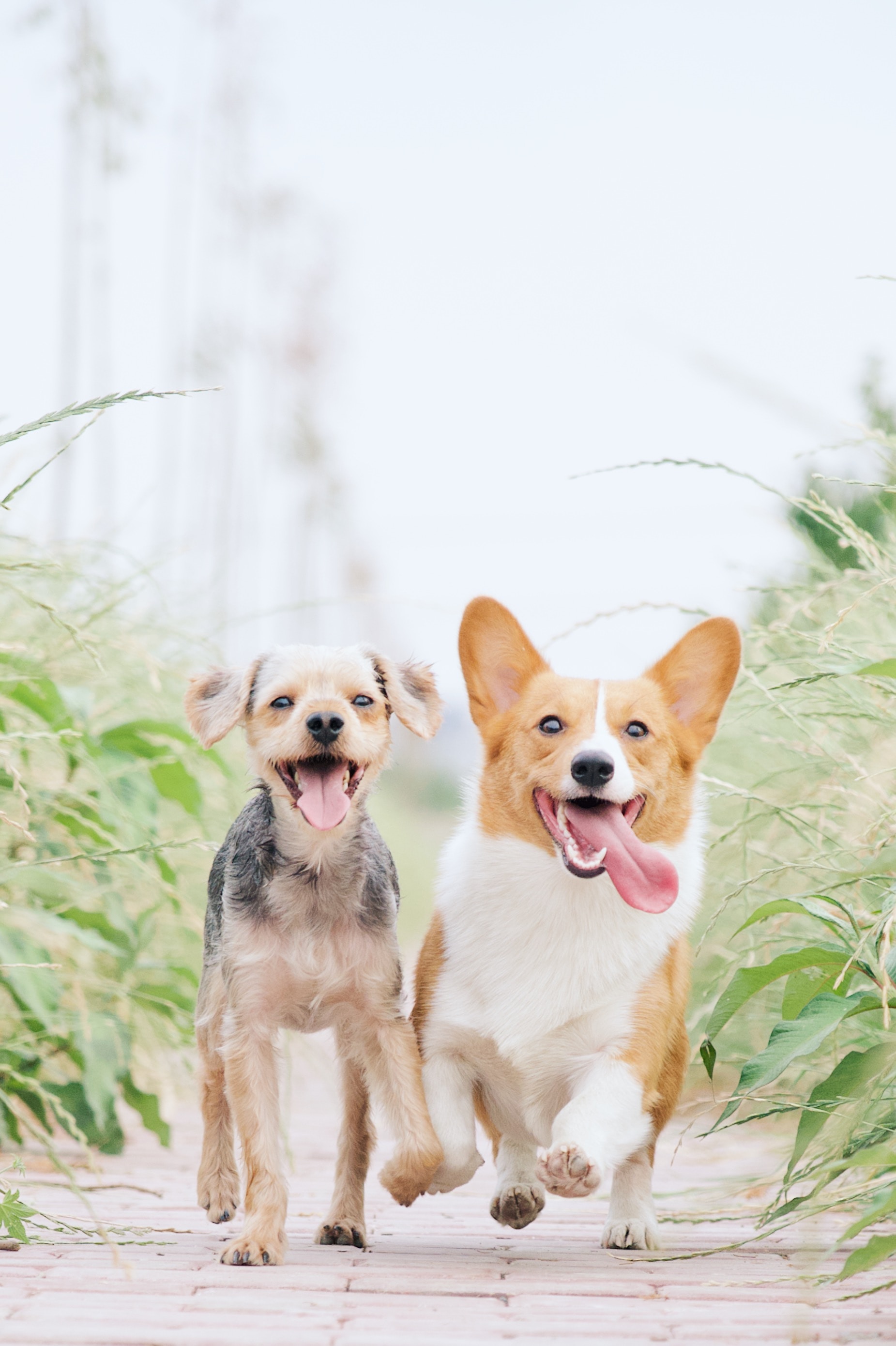
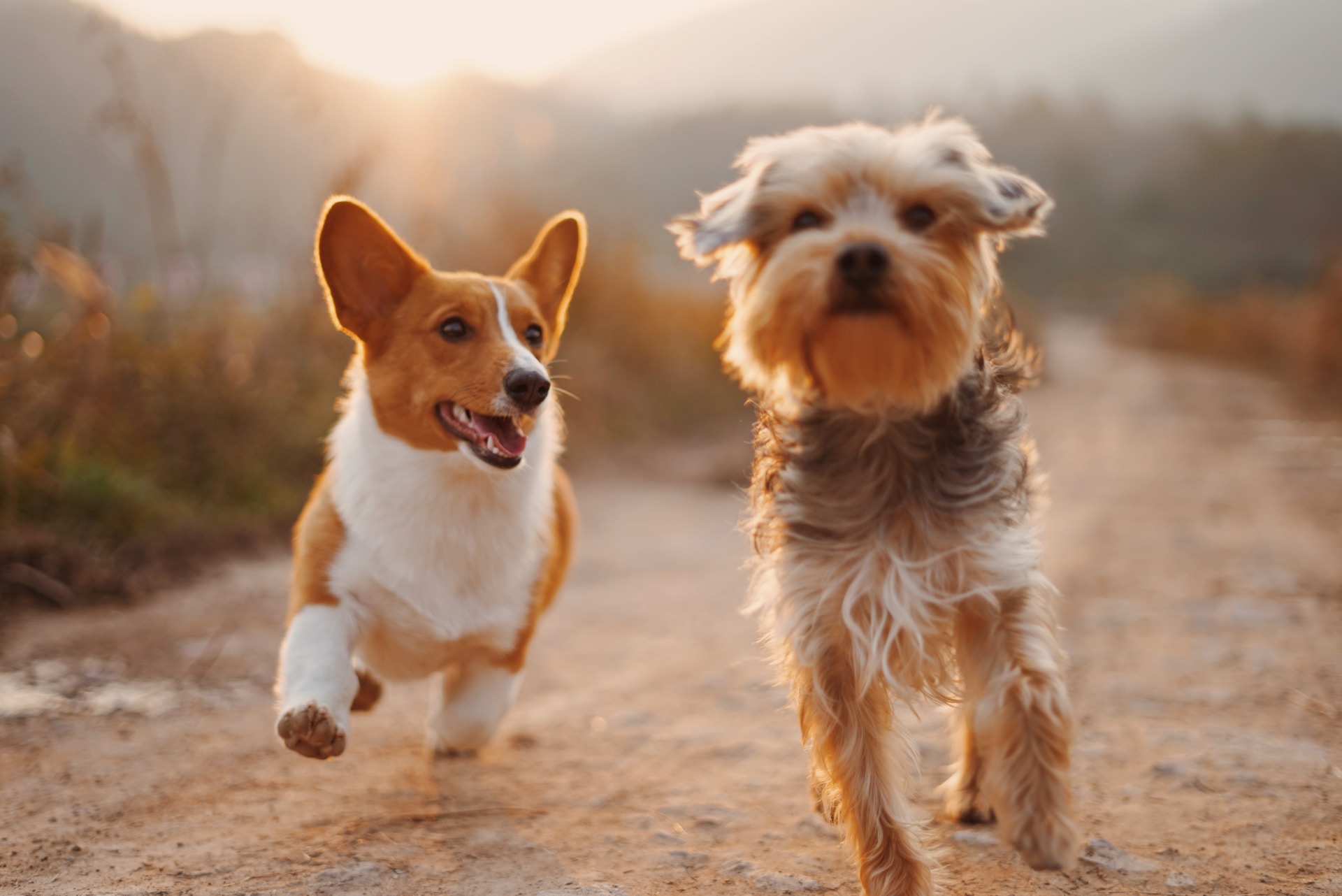
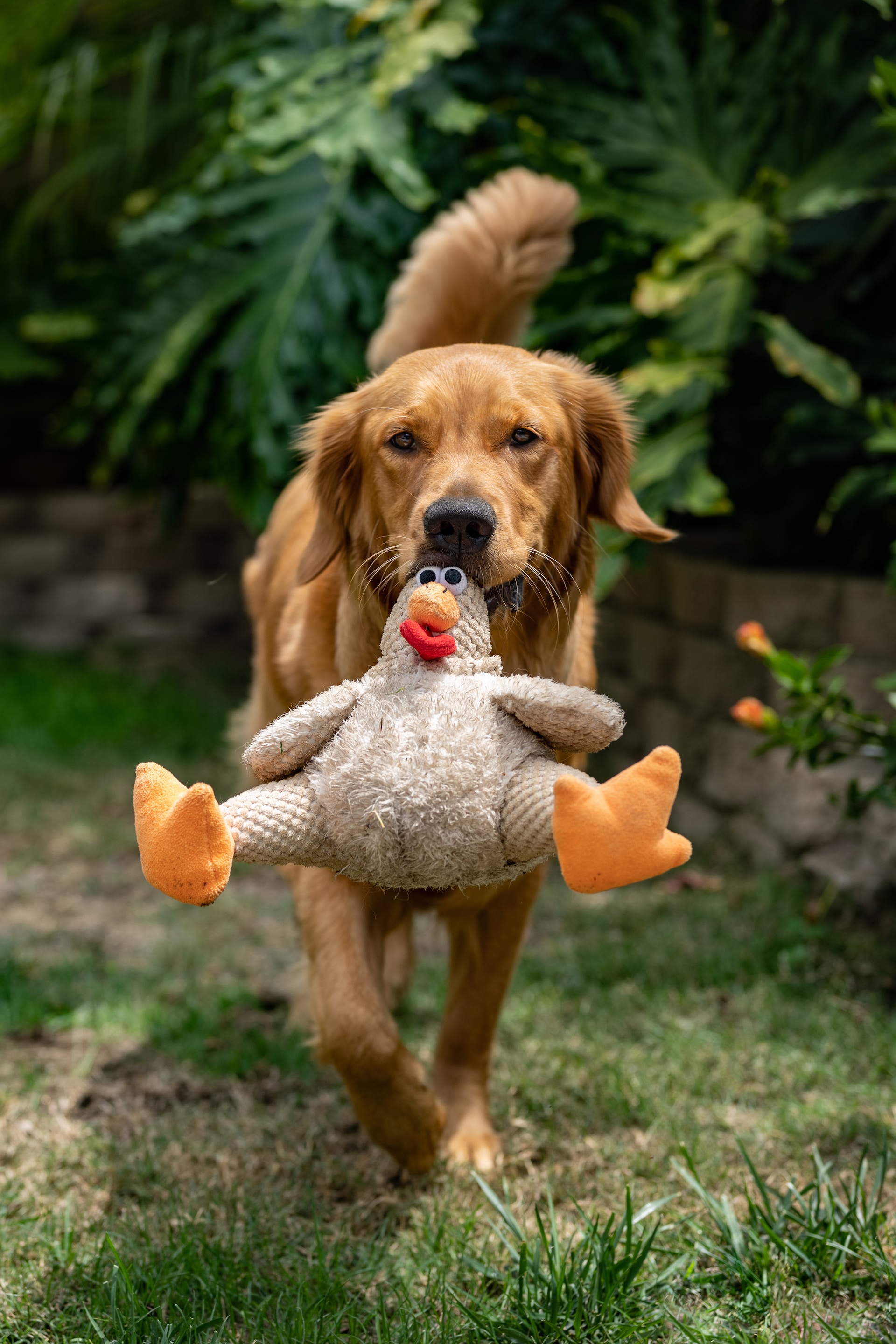
Back to Unsplash, this time to dogs playing.
oooo
oooo

oooo
oooo
oooo

oooo

oooo

Wonderful, just wonderful!
Dogs are animals of integrity. We have much to learn from them.
Category: Dogs
Back to Unsplash, this time to dogs playing.
oooo
oooo
oooo
oooo
oooo
oooo
oooo
Wonderful, just wonderful!
A talk at The Royal Institution.
Does your dog really love you? Can dogs understand human emotions? And what’s the history of dogs and scientific research?
Jules Howard, author of the book Wonderdog, speaks for nearly an hour about the cognition of these incredible animals.
P.S. Jeannie is certain I have posted something similar not too long ago. If that is the case then my apologies.
Brady!
Let me quote from a post on Ugly Hedgehog because it will make a good introduction to today’s Picture Parade.
We made our way to get a new pup. Before I could get to the litter to choose, one of them decided to walk over to me and sit right between my feet. Clearly he was telling me that he was the one. From the start he was comfortable with anything and anyone around him. No matter what the situation, it was his pleasure and he made it ours. He loved strangers and playmates of all kinds – even taking selfies with them. You could hide his toys anywhere and he had an amazing sense to find them. He was a gentle soul who enriched our hearts for nearly 14 years. Brady surrendered to a medical condition he endured for a couple of years without ever showing an ounce of complaint. Some days its tough to walk without him by my side, but no sympathy is needed because he left us with too much joy. Instead, give your pets the unconditional love they give you for as long as you are so blessed.
Chance Logan
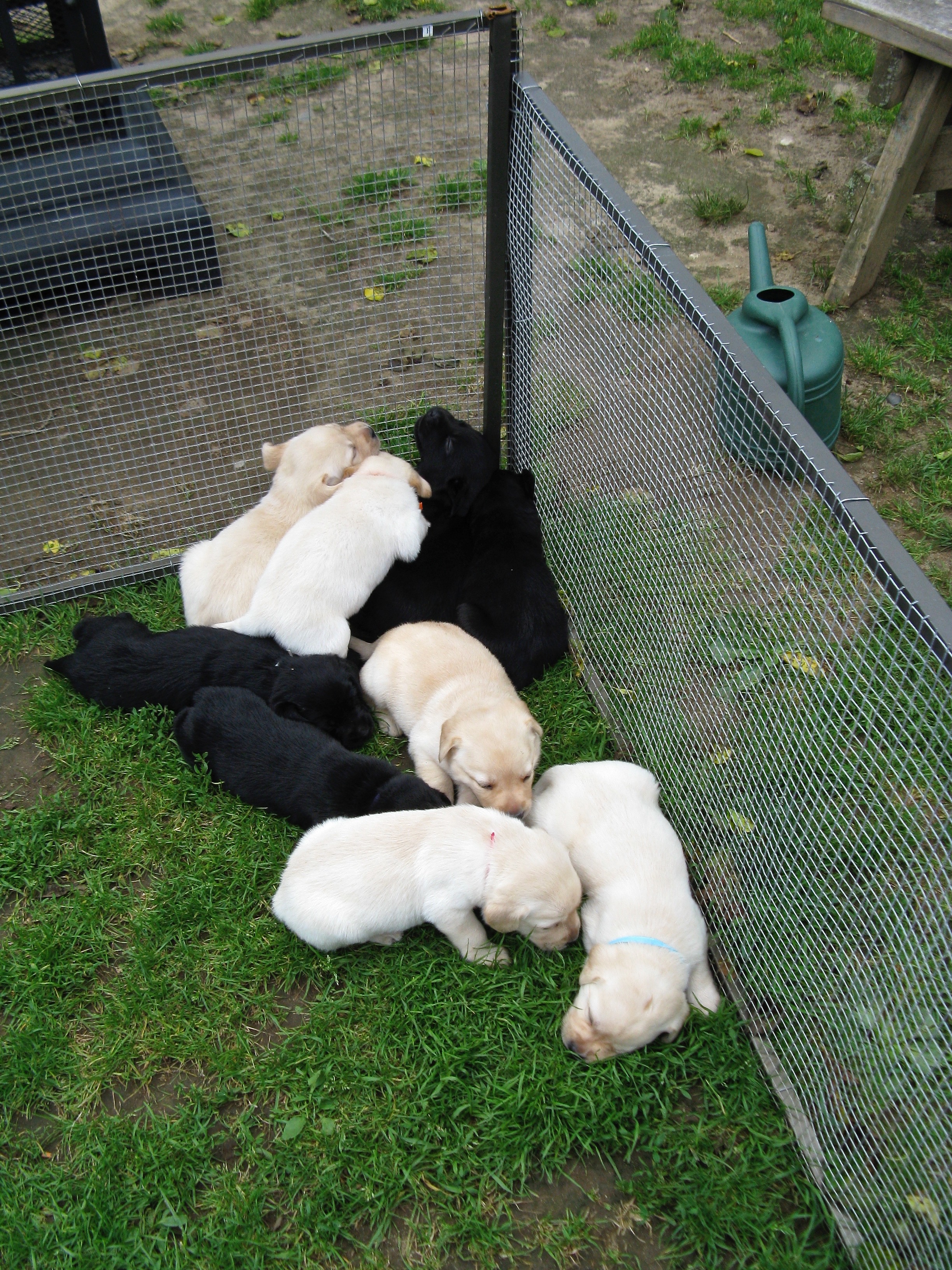
oooo

oooo

oooo
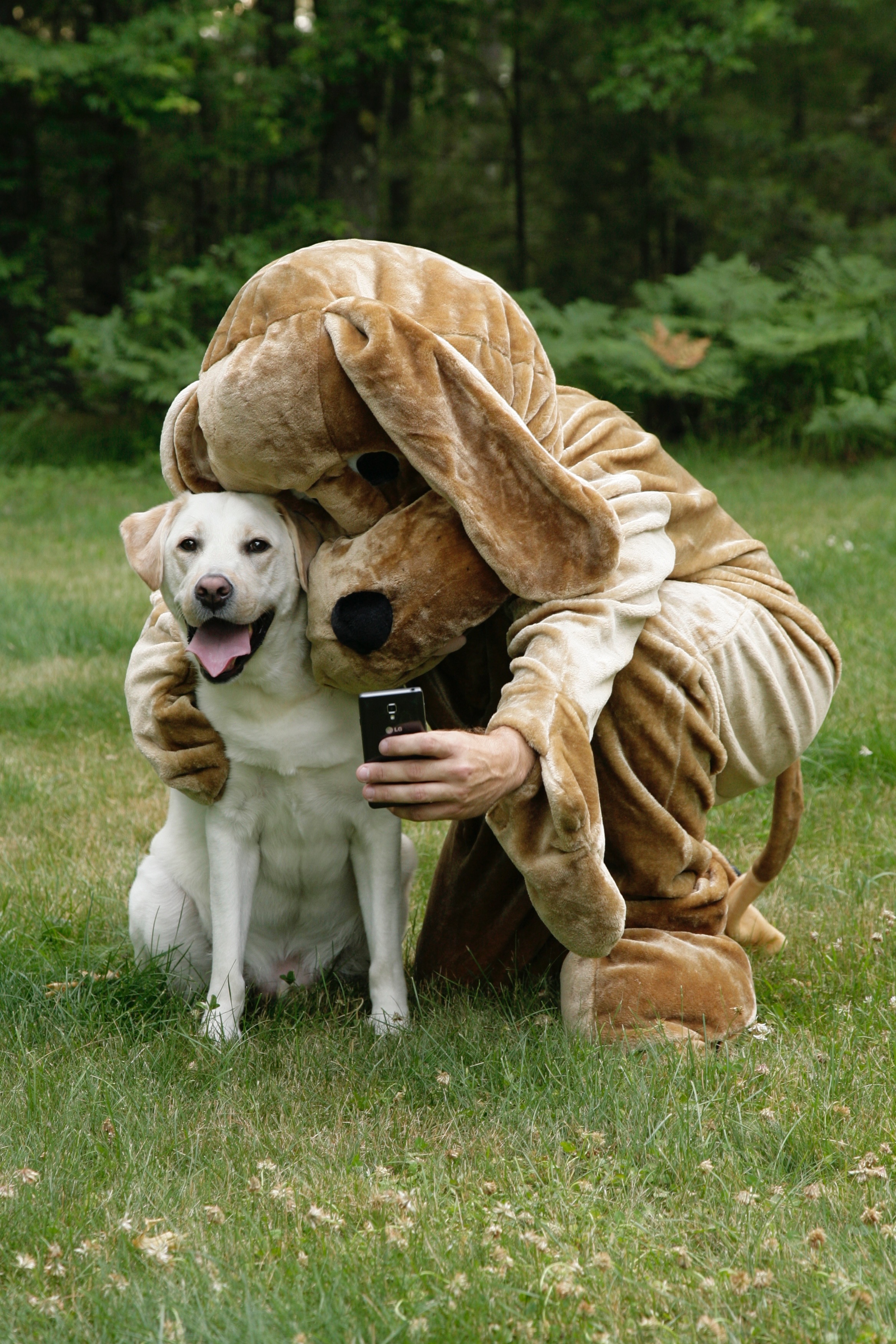
oooo

Thank you, Chance!
A fascinating article in The Conversation.
I was very short of time yesterday so my apologies for going straight into this post. Plus, it is a post that talks about the learning process for dogs and, as such, looking more thoroughly will discover more material.
ooOOoo
Canines go to college in this class that seeks to give shelter dogs a fresh start
Associate Professor of Psychology, Saint Francis University
Published August 24th, 2023
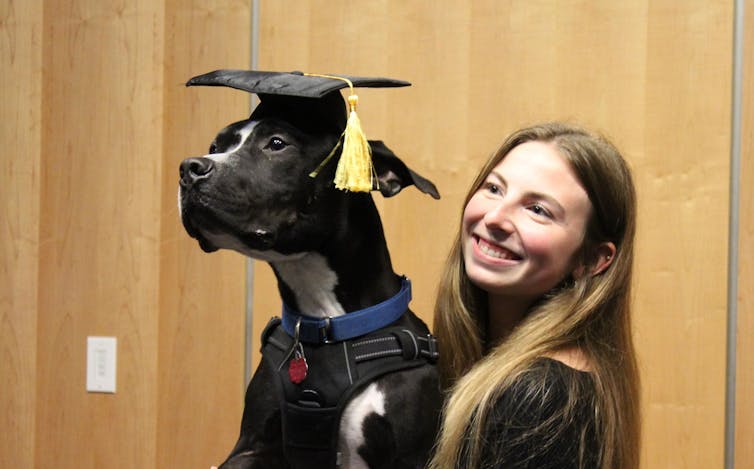
What prompted the idea for the course?
When I was growing up, my love for animals led me to volunteer at animal shelters. But it wasn’t until I started teaching psychology that I found another way to support the well-being of shelter animals. During my first year of teaching a psychology course about learning, I realized that the course’s content could be used to train shelter dogs.
Since some shelter dogs display problematic behaviors, such as fearfulness, destructiveness and disobedience, they are less likely to get adopted. I wanted my students to use their knowledge, passion and care to train shelter dogs and improve their chances of finding a permanent home.
What does the course explore?
The course teaches students how to apply behavioral analysis and modification techniques toward the training of shelter dogs. Students work with dogs on learning to follow cues such as “sit,” “down,” “stay” and “come”; perform tricks such as “high-five,” and “roll over”; and complete agility courses made of tunnels, hoops and weaving poles.
The course also explores the emotional, psychological and physiological benefits of the human-animal bond, such as reduced stress, by integrating the dogs into educational and therapeutic environments. For instance, the students train the dogs to sit by them calmly for the entire duration of a lecture. This skill may be important for future adopters who work within an educational setting or need their dog to accompany them into the classroom.
The students also train the dogs to visit our clinical educational facility, the Experiential Learning Commons, which was built as a mock hospital. Within our simulated emergency room, intensive care room, patient room, maternity room and exam room, students train the dogs to walk next to simulated patients’ wheelchairs, sit by patients’ beds and provide them with affectionate and nurturing companionship.
Finally, the course instructs students on how to apply for grants for nonprofits, with the idea being to secure funding to support animal shelters.
Why is this course relevant now?
This course creates a collaborative and reciprocal partnership between a university and the community in which it is located. Focusing on the care for shelter dogs, it allows for faculty, students and a shelter’s staff and volunteers to exchange knowledge and resources. As such, it uses an instructional approach known as community engagement.
What’s a critical lesson from the course?
Working alongside our animal shelter community partners, and under the direction of my co-instructor, talented dog trainer Megan Mills, students learn that they can make a true and visible impact on society, one dog at a time.
What materials does the course feature?
Michael Domjan’s “The Principles of Learning and Behavior”
Cynthia K. Chandler’s “Animal-Assisted Therapy in Counseling”
“Handbook on Animal-Assisted Therapy,” edited by Aubrey H. Fine
What will the course prepare students to do?
Students will learn to use psychological learning principles to work effectively with shelter dogs – and this knowledge can later be translated to other domains of their lives. I believe that by training shelter dogs and learning to write nonprofit grant proposals, my students will develop into ethical and responsible citizens – both locally and globally.
Shlomit Flaisher-Grinberg, Associate Professor of Psychology, Saint Francis University
This article is republished from The Conversation under a Creative Commons license. Read the original article.
ooOOoo
Further to my introduction I want to explore the links in the article for I’m sure they have a great deal more to say about dogs.
The more that we explore what dogs mean to us humans the more I find out about the incredible qualities of Canis familiaris or Canis lupus familiaris.
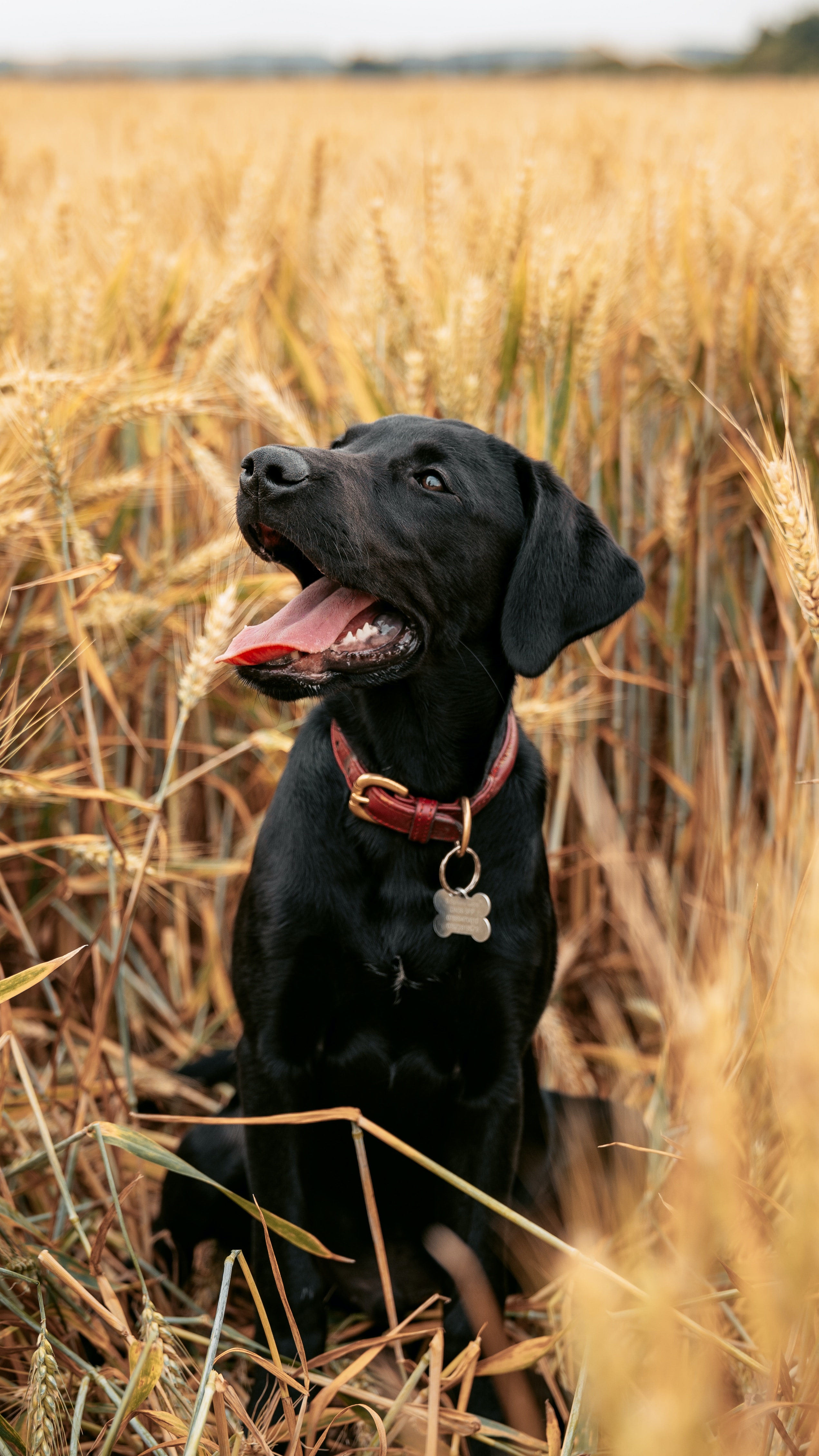
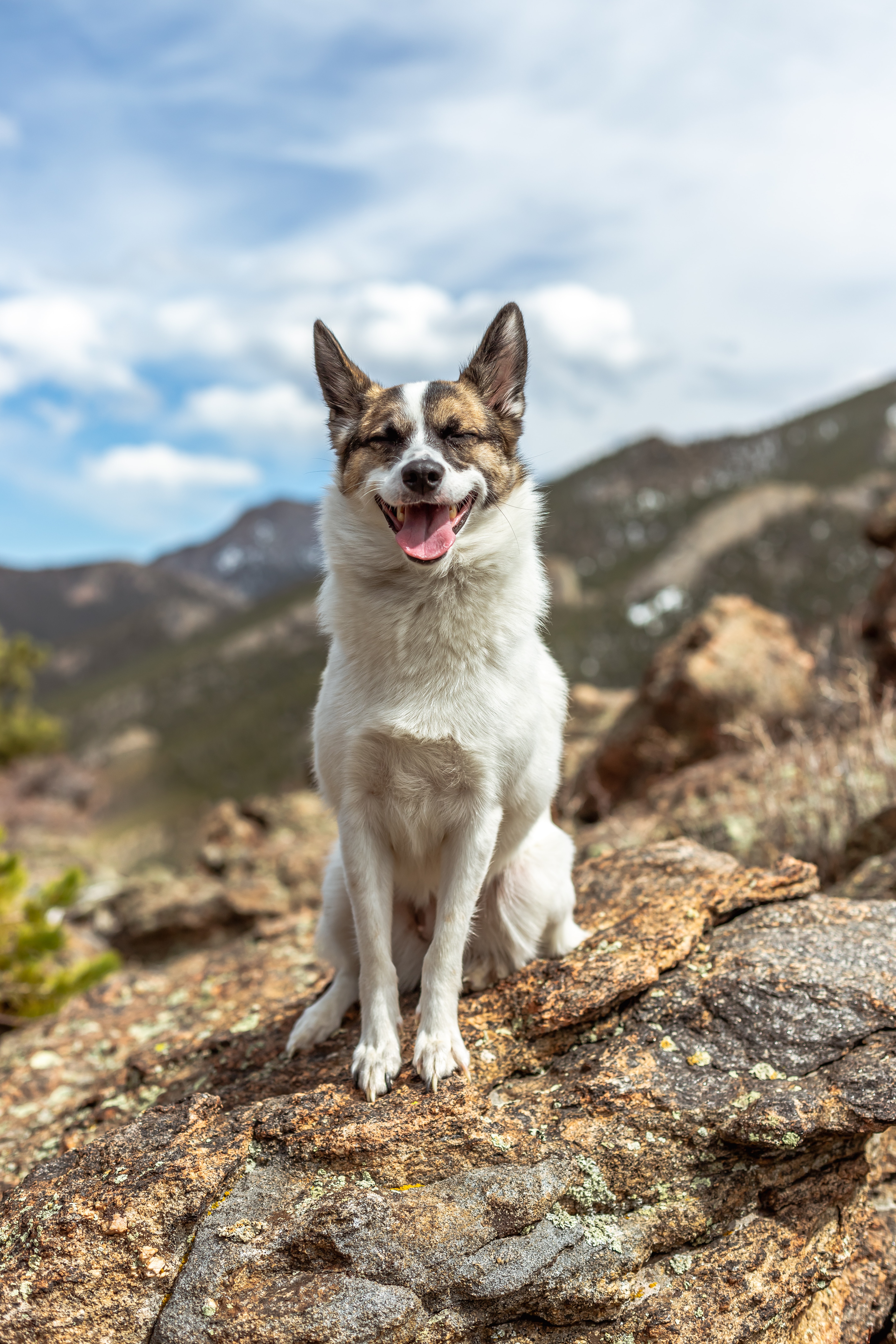
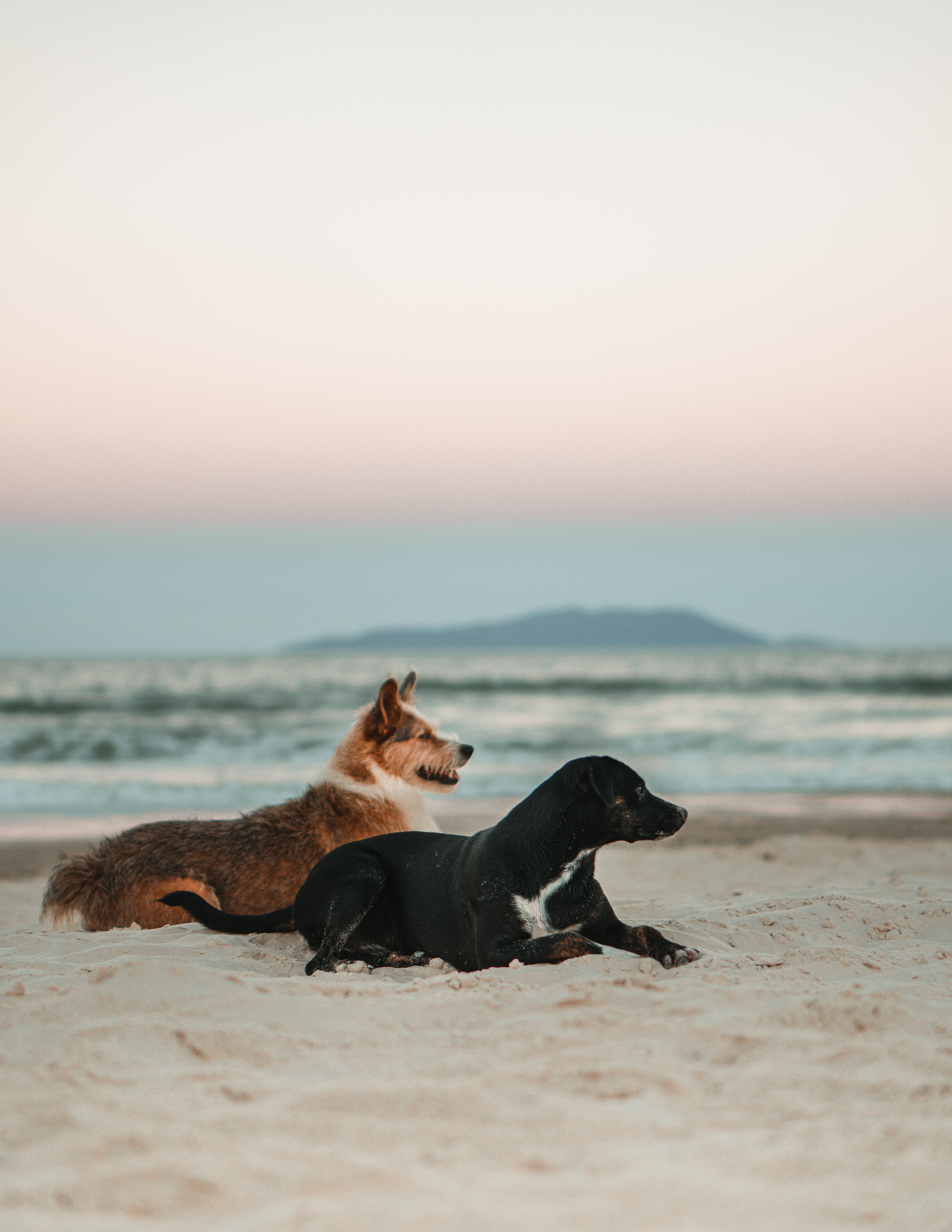
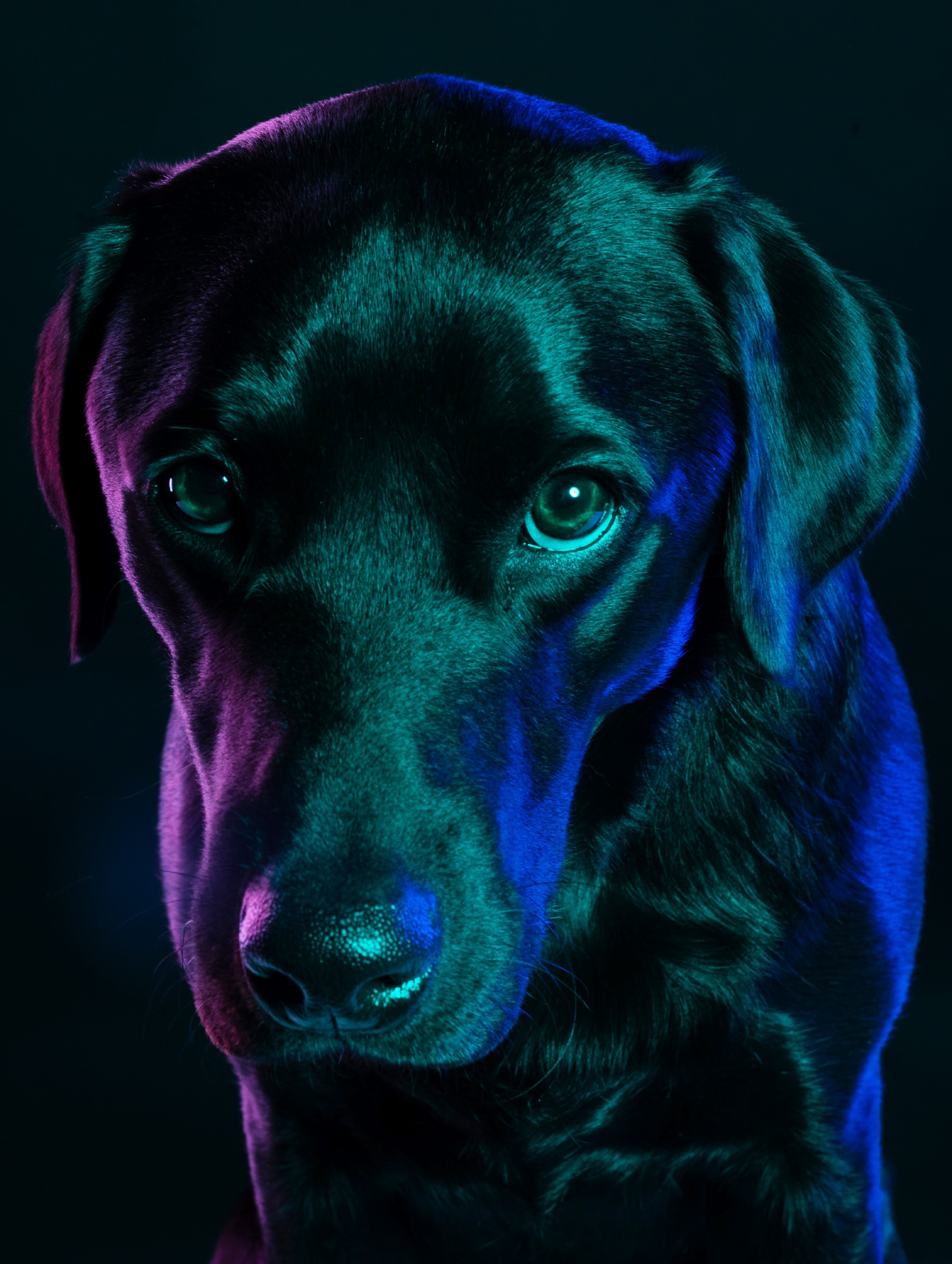
More dogs from the ‘pages’ of Unsplash.

oooo
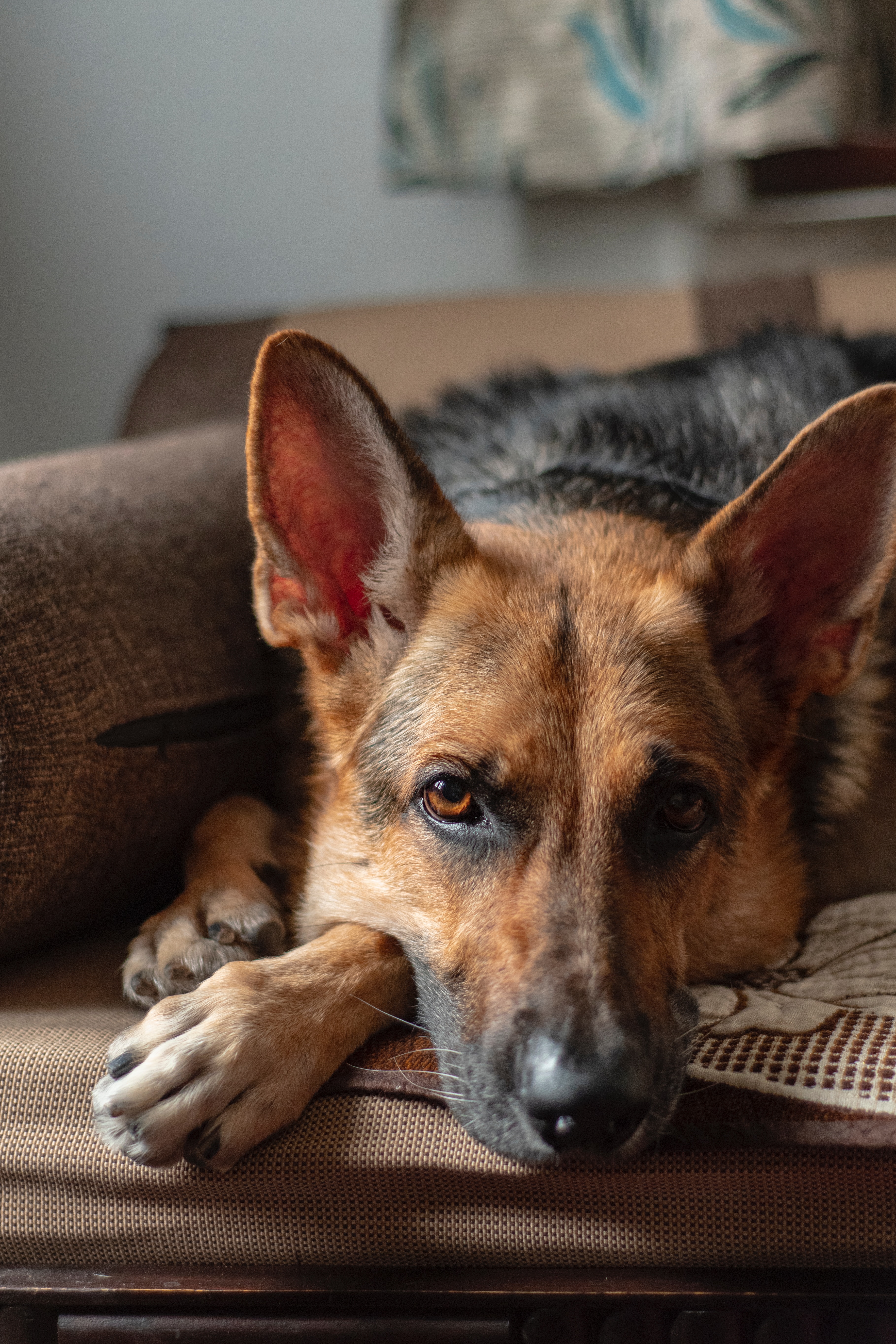
oooo
oooo
oooo
oooo

oooo

oooo

oooo
oooo

Amazing, fabulous photographs!
Jesse Anderson’s dog.
Back in mid-May I received an email from Jess. It said:
Paul, as of about two years ago I’ve been writing my life story. I wanted my kids and grandkids to know what it was like when I was a kid. Some of my best memories are times spent with my dogs. This is one story I wrote about Koko’s last hunt.
It was a lovely story and I have no idea why I have left it so long before publishing it. But here it is!
ooOOoo
Koko
By Jesse Anderson
When I was just a young boy, I was gifted a puppy that was a Chesapeake/setter cross. Because of his chocolate color, we called him Koko. Koko was my constant companion thru everything I did as a kid. When I was old enough to hunt, he was my bird dog, and a good one he was.
My family was a very poor one. Our house was about 750 square feet, and there were eight of us living in it. There were four boys in the same bed, and there was still room for Koko.
It just got too crowded in that little house, so in my junior year I went to the old barn and took over one of the calf sheds, turning it into my very own bedroom. It would be my very first one! I made a bunk, covered it with straw, swept the dirt floor and put an old rug on it, then hung some of my paintings on the walls. It was far from perfect, but Koko and I thought it was incredible. He slept, with me, inside my sleeping bag on the straw. No one was allowed inside unless they were invited.
With six kids and a disabled father, it took a lot to keep things going. We all worked in the fields, even at a very young age. When hunting seasons started, it was my que to get out there and put as much game in the freezer as I could. My mother had worked for a meat packing company, and when they bought new equipment, they gave us the old freezer. I tried my best to keep it full.
Koko and I were tied at the hip. When we hunted, even with others, he was always aware to my presence. Anytime a bird was shot, it was always brought back to me. I could control him with nothing more than a hand signal. Some of the best times I had, as a kid, were out in the field with that dog. He was my very best friend.
As he grew older his hips started going bad. One morning I got my shotgun out and headed for the car. He could hardly get up, whimpering as he tried. I decided to leave him behind, thinking it would be the best for him. I was very wrong.
For the entire day he sat in front of the window, waiting for my return. When I got home, I walked into the house with my days harvest, only to be met at the door by Koko. He stood very still, staring me right in the eyes, for a long time. Then he just turned and walked away. He said everything he wanted to say. I just felt terrible. I had let my best friend down. After that, if I knew his hips were bad that day, and some were worse than others, I would sneak out the back bedroom window before I left.
I went into the Army shortly after I graduated from High School. After basic, I came home, bringing one of the recruits from Guam with me. He got to see this wonderful dog in action. Again, I had to leave, this time being stationed in Alabama. A year later the Army thought I should be in Germany. I, once again, came home on leave. By this time, old Koko was completely deaf, couldn’t smell a skunk, and his eyes were failing. It really hurts me to see my dogs get old. That’s the only real fault they have.
I decided that I had to take him out for the last big hunt. I owed him that much after all the years we had together. I had to pick him up and put him in the car, but he knew we were going hunting, and the look on his face was incredible! Don’t tell me that a dog can’t smile. That smile said it all!
When we got into the field, he knew he couldn’t hear, and after every ten or twelve steps, he would look at me to see if he was doing what I wanted. A big rooster pheasant flew up and I shot it. Koko didn’t even hear the shot. When he looked up to get directions, I guided him right to the bird. You have never seen a happier dog in your life. He laid that bird at my feet and looked me right in the eye and had the hugest smile on his face. I knelt down to him and cried such happy tears, hugging him the entire time. I was so happy that I was able to bring such joy into that old man’s life.
That would be the last time I would see him. Germany kept me for another year and a half, and his age caught up to him. I was notified thru the mail that he had died. The vision that has stuck with me my entire life, and now I’m 76, is the look on that old dog’s face the day we had his last hunt. It could not have been planned better. JESS
ooOOoo
What a beautiful account of Koko.
Jesse is just a couple of years younger than me so I resonate with him. I still miss Pharaoh, my German-Shepherd, and he died in 2017. Dogs are incredible companions.
Jesse has his own website that is here. I share with you a little bit about Jesse from his website.
Born in Nampa, Idaho, Jesse Anderson has been doing artwork most of his life. There wasn’t a time, as a youngster, that he wasn’t sitting and drawing whatever his fancy was at the moment. He was given his first set of oil paints at age 11. In High School he was encouraged by his art teacher, Dorothy Long, to pursue art as far as he could go and they stayed in touch for the next 40 years. After high school, Jess went directly into the U.S. Army. Upon learning of his art abilities, Uncle Sam saw fit to put him in charge of the Battalion Training-Aids Department (aka, the art department). Following his discharge in 1968, he enrolled in Boise State College in hopes of getting a degree in Commercial Art. The College would only allow ONE art class the first year, and it was beginning drawing. This was not what he was looking for as the next step in his art career so he dropped out. Before leaving college, he met Cheryl, his wife of over 50 years. With Cheryl working as a bookkeeper to keep the bills paid, he enrolled in the “Advertising Art School” in Portland, Oregon where he graduated top of his class. He started his own commercial art business and his dream of making a living as a full time artist was in motion.
Perfect!
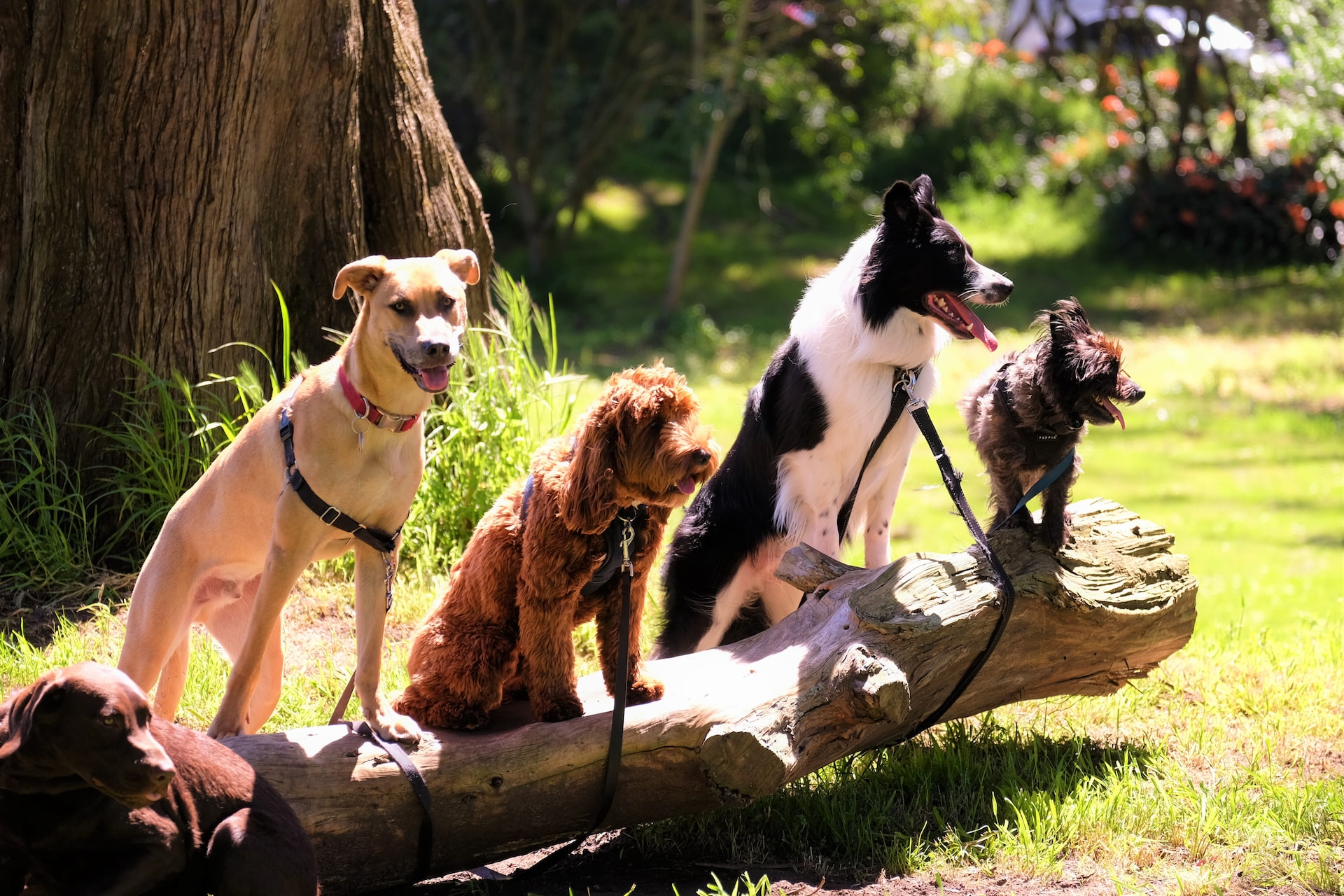
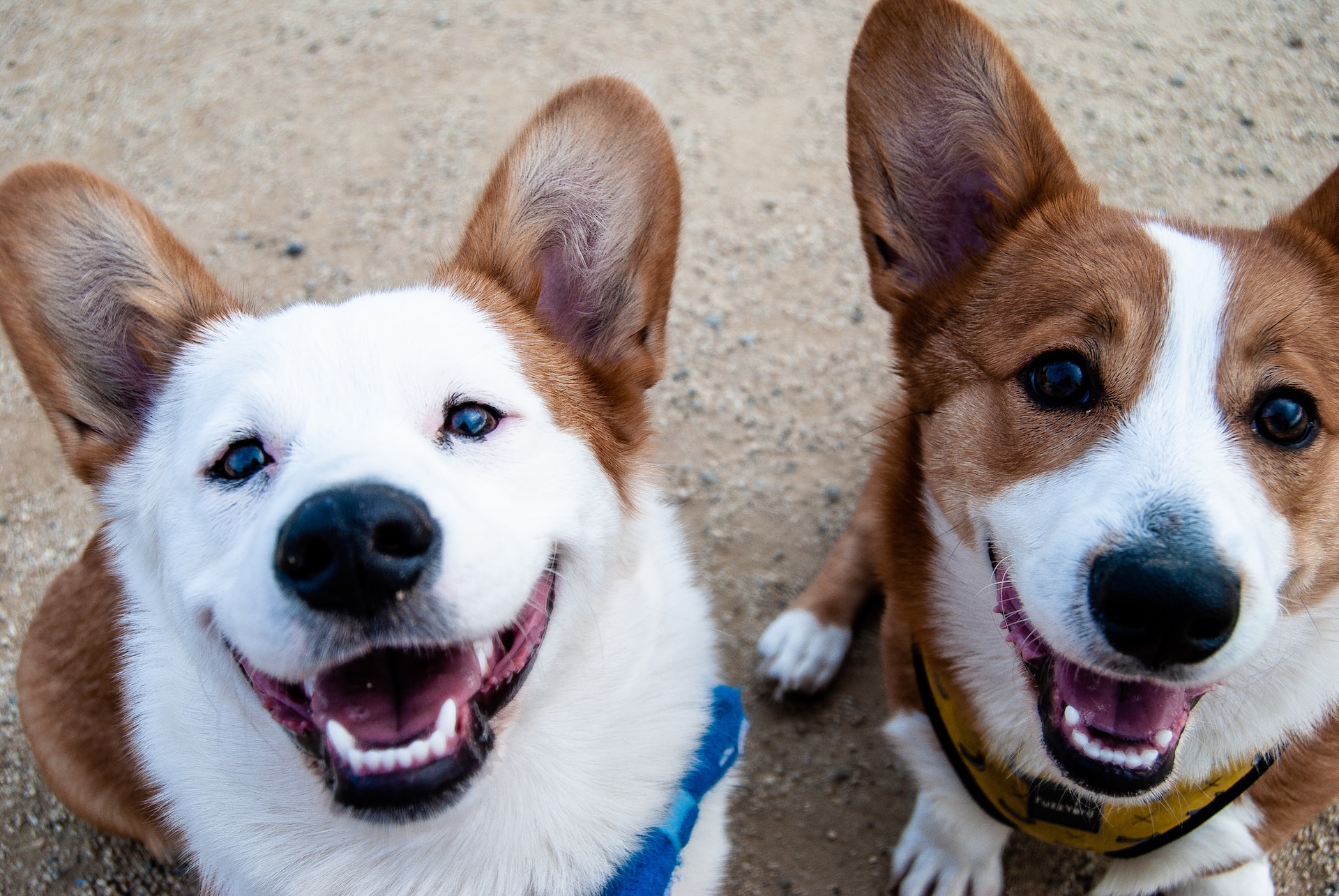
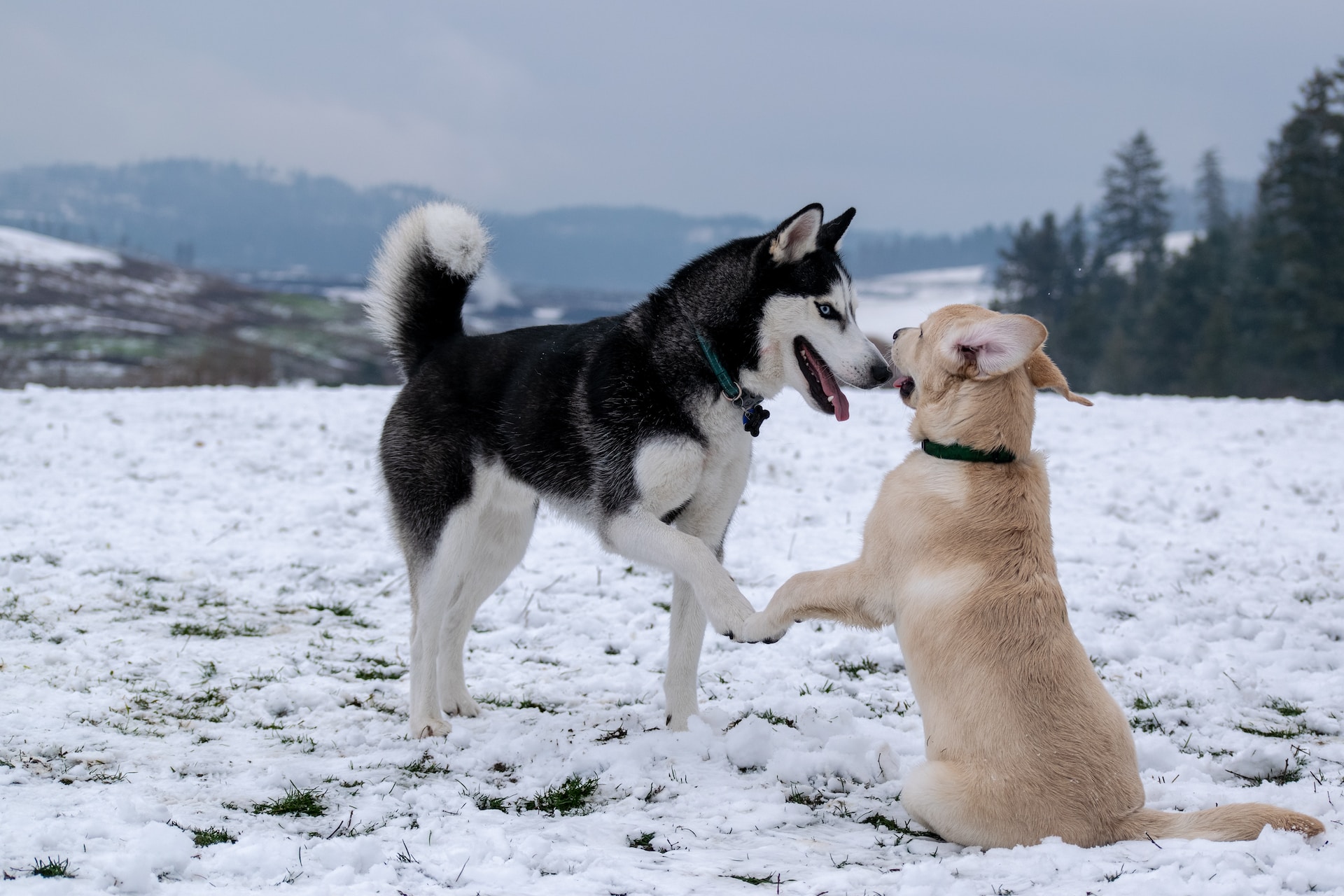
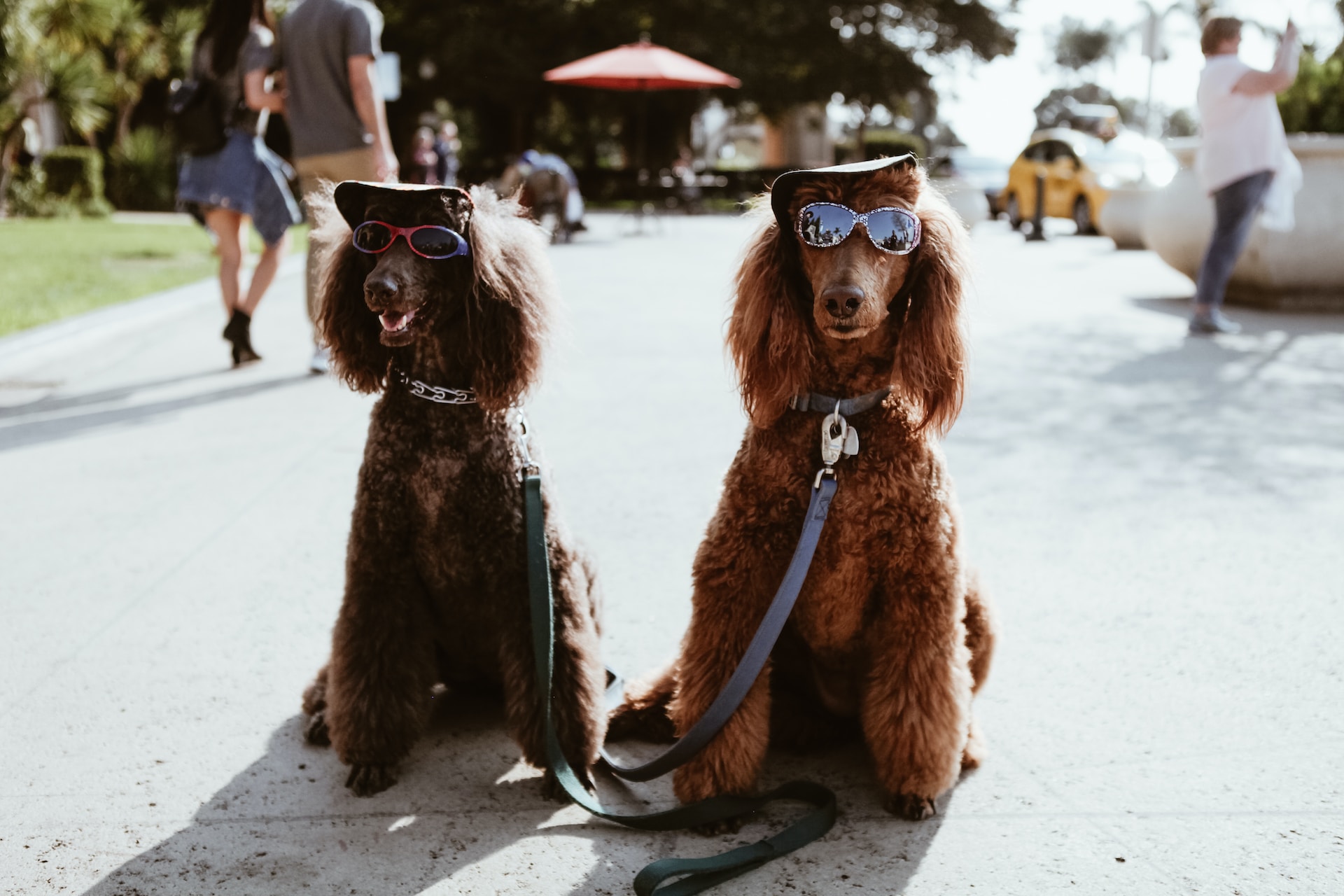
Back to Unsplash.
All these photos show dogs together with other dogs.
oooo
oooo
oooo
oooo
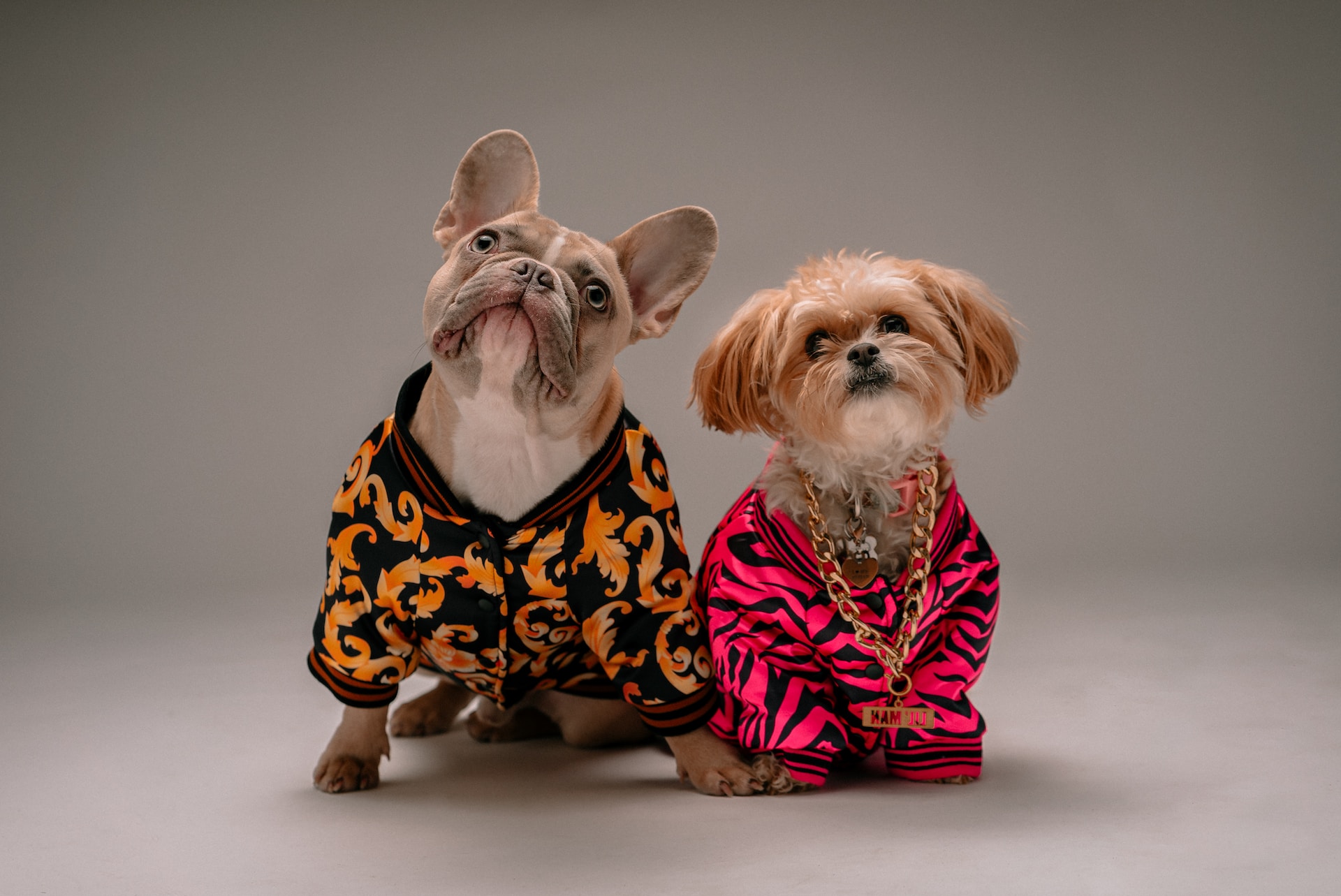
oooo

oooo
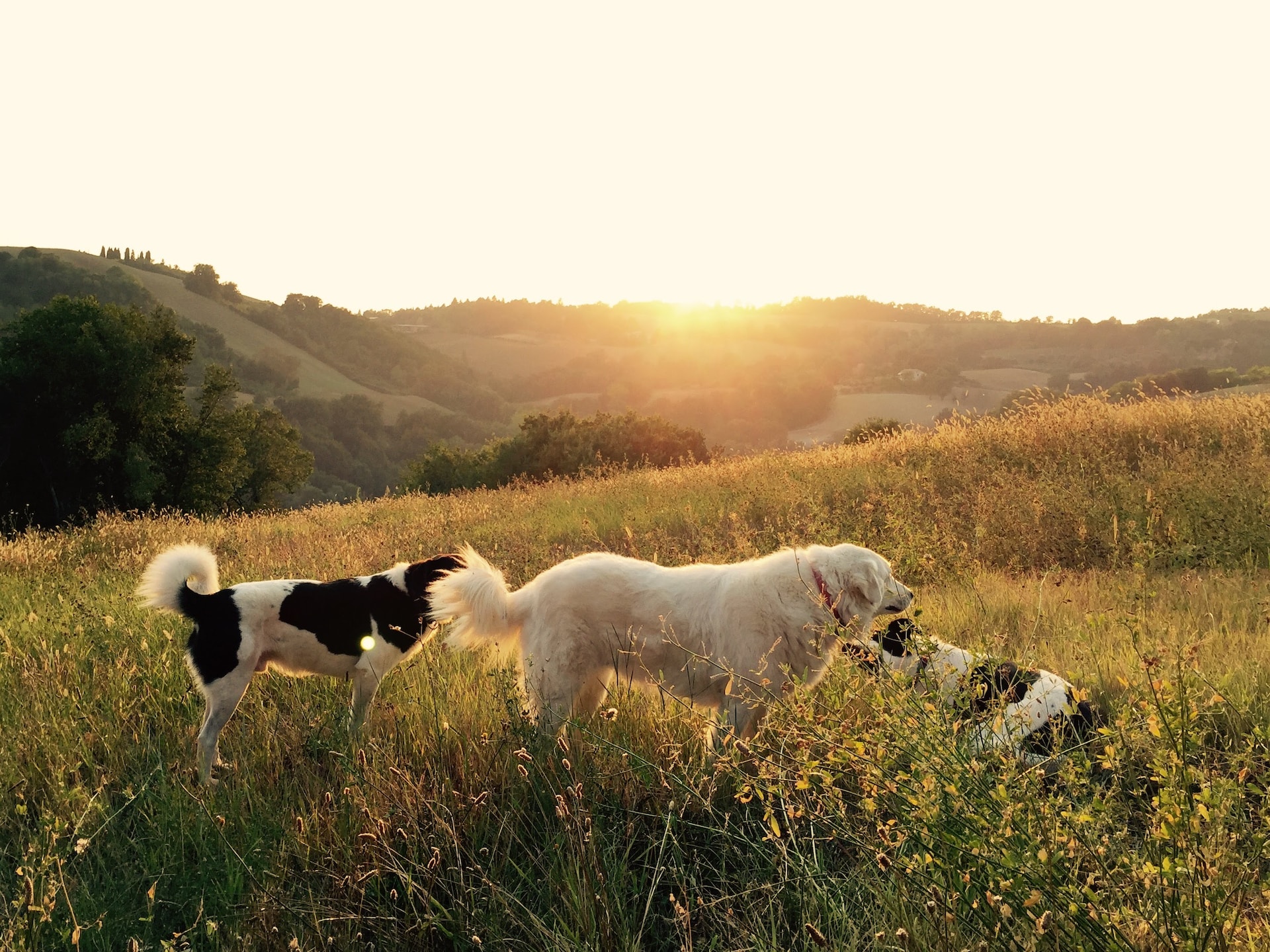
I can’t guarantee that some of these haven’t been shared with you in previous Picture Parades.
A fascinating post on Treehugger.
It is Wednesday morning in Southern Oregon and already I am having to think about the post for tomorrow. Not that this is a problem it is just one more thing that I want to do. Plus we are in the middle of a local heat wave with temperatures expected to be well above 100 degrees F and possibly 109 deg F (42.8 deg C.).
So I am turning to Treehugger for a dog post and hoping that I shall be able to share it with you all.
ooOOoo
Dogs Could Revolutionize the Sustainability of Future Pandemic Testing
Scent dogs are quicker, more effective, and create less healthcare waste than conventional COVID tests.
Senior Editorial Director
Published July 17, 2023
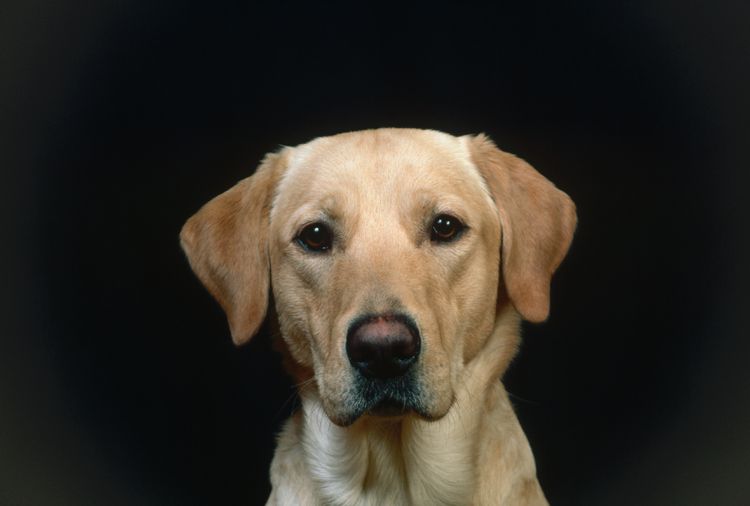
One of the more frustrating roadblocks in navigating the COVID-19 pandemic was the difficulty in getting quick, accurate test results. Sometimes, results for PCR tests took up to two weeks, rendering their diagnosis useless for planning isolation scenarios. Meanwhile, rapid tests still oftentimes provide a false negative if taken too soon after infection. When I had COVID, I was four days into symptoms before I got a positive at-home test—I’ve heard many people recount similar stories.
The testing we have is certainly better than nothing, but it leaves a lot to be desired. If only there were a better way, say, using something with remarkable innate sensitivity. Like, dogs. Far-fetched? Not at all.
A review of recent research concluded that scent dogs may represent a cheaper, faster, and more effective way to detect COVID-19 and could be a key tool in future pandemics. This could be a game-changer for sustainability as well, eliminating the enormous amount of waste that comes with billions of testing kits.
The review, published in De Gruyter’s Journal of Osteopathic Medicine, found that scent dogs are as effective, or even more effective, than conventional COVID-19 tests such as PCR tests.
Most of us know that dogs have a remarkable sense of smell; they sniff out drugs and explosives and have even successfully identified patients with certain cancers, Parkinson’s, and diabetes. They have up to 300 million olfactory cells, compared to 5 or 6 million in humans. And they use one-third of their brains to process scent information—humans just use 5%.
Professor Tommy Dickey of the University of California, Santa Barbara, and Heather Junqueira of BioScent Detection Dogs analyzed 29 different studies in which dogs detected COVID-19. “The studies were performed using over 31,000 samples by over 400 scientists from more than 30 countries using 19 different dog breeds. In some studies, the scent dogs sniffed people directly, sometimes in public places as a health screening. In others, the dogs sniffed patient samples such as sweat, saliva, or urine samples,” explains a press statement from De Gruyter.
The dogs ranged from Labrador retrievers and Belgian malinois to beagles and English springer spaniels. In most of the studies, the dogs demonstrated similar or better sensitivity and specificity than the current gold-standard PCR tests or antigen tests.
“In one study, four of the dogs could detect the equivalent of less than 2.6 x 10⁻¹² copies of viral RNA per milliliter. This is equivalent to detecting one drop of any odorous substance dissolved in ten and a half Olympic-sized swimming pools and is three orders of magnitude better than modern scientific instruments,” notes De Gruyter.
Remarkably, they not only detected COVID-19 in symptomatic, pre-symptomatic, and asymptomatic patients, but they could also sniff out COVID variants and even long COVID.
One thing we certainly don’t want is for dogs to become collateral damage in the pursuit of better testing. The study authors acknowledge this, writing that the “safety of scent dogs, their handlers, and those who are inspected by the dogs is critical for the acceptance and implementation of the scent dog screening and testing approach.”
“This is consistent with the One Health paradigm,” they add, “which defines health as more than the absence of disease and recognizes the interrelationships among humans, animals, and environmental welfare.”
The authors evaluated whether medical detection dogs could contract and become ill with the COVID-19 virus and if dogs pass on the COVID-19 virus to humans. From a number of studies, they concluded that dogs are in the low-risk category. “To our knowledge, there have been no deaths of dogs that can be unequivocally attributed to COVID-19,” the authors explain. “Importantly, the studies described above suggest that it is safe for healthy individual handlers to utilize scent dogs to directly screen and test individuals who may be infected with the COVID-19 virus.”
A major benefit of using the dogs is their speed. In one study, researchers were able to do a lineup with 40 samples, including sample collection, lineup loading, and unloading, within just 3 minutes.
“The time between RT-PCR sampling and the return of results can be up to days, whereas the RAG test results are obtained within about 15 min.,” write the study authors. “Again, if scent dogs directly sniff individuals, results are learned in seconds, or a few minutes if samples are taken and sniffed soon after by the dogs.”
“The criticality of the speed of the return of test results cannot be overemphasized,” the authors add.
That dogs could provide a result in seconds to minutes is crucial. But additionally, and importantly, scent tests by dogs don’t require expensive lab equipment or create mountains of plastic waste, unlike conventional diagnostic approaches.
As of December 22, 2022, the United States alone had performed around 1.15 billion tests for COVID-19. Thinking of all the material for the testing kits and all the resources used for testing labs and sending samples around, etc., the reduction in ecological footprint is potentially tremendous.
Not to mention the cost. Some of the research in the review was, in fact, motivated by the need for inexpensive testing in developing nations, the authors note.
“Although many people have heard about the exceptional abilities of dogs to help humans, their value to the medical field has been considered fascinating, but not ready for real-world medical use,” says Dickey. “Having conducted this review, we believe that scent dogs deserve their place as a serious diagnostic methodology that could be particularly useful during pandemics, potentially as part of rapid health screenings in public spaces. We are confident that scent dogs will be useful in detecting a wide variety of diseases in the future.”
ooOOoo
In the interests of expanding the argument, here is a copy of a comment left to that original post:
Here we go again, using animals for testing. I believe that dogs can’t smell covid and detected it 100%, but we humans NEVER treat animals with the respect and equality they deserve, so I am very concern for the safety and health of testing “smell Covid” dogs… I know a person that have esophageal cancer and for almost 5 years before it was diagnosed, his dog (an adorable mutt) insisted on crawling over her owner chest every single time that he laid down, in an attempt to “cure” the inflammation in that spot. After the cancer was eliminated with chemo and surgery the dog stopped doing it…
I which we humans were more connected and attentive with animal wisdom, to learn from them, respecting and became better people.
I think that second sentence should read can smell covid but have left it how it was printed.
Anyway, I will leave readers to cover the main article which speaks very highly of man’s best friend.
A brilliant set of lovely photographs.
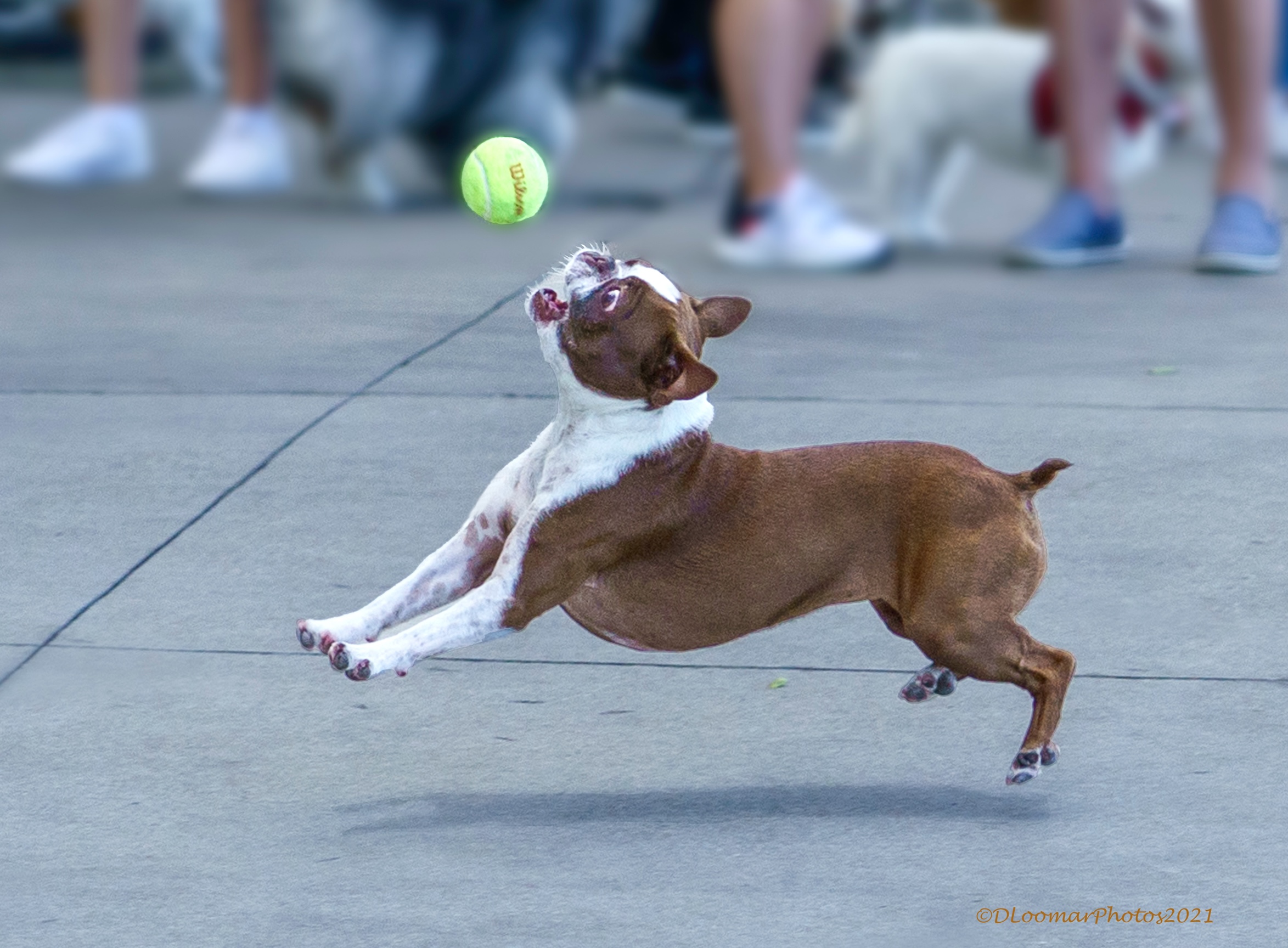
These photos were shown on the website Ugly Hedgehog by a user called ‘daldds‘. I sent daldds a private message asking if I could republish the photos and he said ‘Yes’.
ooOOoo

oooo

oooo
oooo

oooo

oooo

ooOOoo
Brilliant!
Another dog lover coming to the blogging world.
Last Wednesday, the 2nd, Jonathan sent me an email. He said that he was just starting out and also attached a file and asking if there was a chance of me publishing it. Of course, I replied. Here is that article. It is a very open and beautiful account of Jonathan taking on a new dog!
ooOOoo
Remarks from a New Dog Owner!
by Jonathan, Fur The Pups
Backing the twenty-foot Penske rental down the freshly grated driveway, my mind is racing with thoughts, all too distracted to be driving such a large vehicle. The day has finally come. A new house. A new dog. A new town. Altogether, a new beginning. Soon after I finish backing this truck up, unloading all of my stuff, and fueling myself with whatever food I can find, I will go pick up the new dog. His name is Barry. He is a brown labradoodle whose is as small as he is energetic.
The thoughts don’t stop coming. How will I care for him? How will I be sure he is happy? What if I do something wrong? How could it possibly be that I can provide for another living being? These are thoughts that had come and gone for the last few months after deciding I would like to have Barry. As often as I convinced myself that I could do it, I questioned myself.
Anxiety and I were well acquainted far before Barry came into the picture. The prospect of owning a dog was just another medium for the anxiety to surface. Before Barry came into the picture, I had been battling anxiety for nearly six months straight. One imperfect travel experience left me rattled for quite some time and from then on I was either actively experiencing a panic attack or on the verge of one. Depression set in not long after, and I became an empty vessel for quite some time, barely recognizable from my formal self. Six months came and went until I finally sought out the help I needed. I was a broken person. Professional help was a requirement.
And the professional help was sufficient. It allowed me to at least function again and go about my day-to-day without constantly being in a state of fight-or-flight, without the irrational thoughts and worries. But I still did not feel like myself.
And then came Barry.
My original worries regarding Barry were just that: worries. As someone who grew up around dogs, cared for dogs, dog-sat plenty of times, and generally is quite responsible, there was no real reason to believe I couldn’t be a wonderful puppy parent. When Barry came home the first night we had to bath him. I know this is not always highly regarded in the dog community due to the puppy’s sensitive skin. But he needed a bath desperately, so I drew a slightly warmer-than-lukewarm bath and bathed him. His beautiful eyes gazed at me as he began to figure out this new reality. Ripped from the comfortable arms of his previous reality of familial warmth, loving siblings, and the scent of his breeders, there is no doubt he also experienced anxiety. I’m sure he felt loneliness. He was scared. But when his bath was over, I took him out, wrapped him in a warm, clean towel, and held him. He wiggled his head into a nook in the towel and promptly fell asleep. His stomach rose, fell, rose, fell. This being who just met me several hours ago, who was no more than 2 months old, gave all of his trust to me and embraced his new reality.
It did not take me long to follow in his footsteps and embrace my new reality. I fell in love with our new routine, our daily walks, and his company on my usually lonesome days. The subtle tether of Anxiety slowly began to vanish with every new command he learned, with every minuscule improvement in his loose-leash walking, with every excited tail wag at the call of his name. Embracing my new reality became effortless, and my former self reemerged. I began seeking out new hobbies, reaching out to old friends, and becoming excited about new challenges at work. This is not to say Anxiety and I have completely lost touch. That is not the case by any means. Rather I have a new relationship with Anxiety – one where the reality of these feelings can be observed, examined, and ridiculed to a point where they do not take control of my life. How our loving canine friends handle new situations and welcome change should not be taken for granted. Let us adopt their ways and come closer to living as wonderfully as they do. 🙂
ooOOoo
And now the photograph of Barry!

What a gorgeous dog. Well done!
And, please, go to Jonathan’s blog. Fur The Pup’s Blog.
 Learning from Dogs