More dogs for the first day of the month of October.
Again, these pictures are taken from Unsplash. Frankly I do not know what I would do if the many photographers had not put their photos for free on this website. I have found a relatively easy way of crediting each photographer.
Back on September 19th I received an email offering me a guest post. It was from Luna Angeni. At first I was highly suspicious thinking of scams and the like and replied: “Before responding further please explain what your niche is?”
Luna replied: “Thank you for your response. I’m working on Animal Health care. It’s the perfect fit for your site.”
I agreed and this is her article.
ooOOoo
How to Control and Prevent Common Dog Diseases Effectively
By Luna Angeni
“Man’s best friend” is a phrase that perfectly defines the deep bond between humans and their canine companions.
It’s our duty to ensure the health and well-being of our furry friends. One of the most critical aspects of canine care is disease prevention and control. This is what we are going to focus on here.
In this blog, we will learn about some effective ways we can control and prevent common dog diseases to keep our canine fellows happy and healthy.
Let’s get started!
Understanding Common Dog Diseases
Dogs, like humans, are susceptible to a range of diseases and health issues.
To effectively control and prevent these complications, we need to understand them first.
Let’s review some common canine diseases:
Canine Parvovirus (Parvo)
Canine parvovirus is a highly contagious and potentially fatal disease that affects puppies and unvaccinated dogs.
It spreads through direct contact with an infected dog or contaminated environment.
Symptoms include:
1. Severe diarrhea
2. Vomiting 3. Lethargy 4. Loss of appetite
To prevent parvo, ensure your dog is up-to-date on vaccinations and avoid areas where the virus may be present.
Canine Distemper
Canine distemper is another contagious viral disease that can be fatal, particularly in puppies.
It affects various body systems and presents symptoms such as:
1. Fever 2. Nasal discharge
3. Coughing 4. Neurological signs
Vaccination is the most effective way to prevent distemper.
Heartworm Disease
Heartworm disease is transmitted through mosquito bites and can be life-threatening if left untreated.
It affects the heart and lungs, leading to symptoms like:
1. Coughing 2. Exercise intolerance
3. Weight loss
Prevention through vaccination is key for this common dog disease.
Preventive Measures for Common Canine Diseases
Preventing common dog diseases is often more manageable than treating them.
Here are some essential preventive measures every dog owner should follow:
Vaccination
Regular vaccination is the cornerstone of disease prevention in dogs.
As your veterinarian recommends, ensure your dog receives all necessary vaccinations against parvovirus, distemper, rabies, and others.
Regular Exercise
Exercise not only keeps your dog physically fit but also mentally stimulated.
Engaging in regular exercise helps boost dogs’ overall health and keeps obesity-related diseases at bay.
Proper Nutrition
A balanced diet is crucial for maintaining a healthy immune system.
Consult your veterinarian to determine the best diet for your dog’s specific needs.
Avoid feeding your canine human food, as some ingredients can be toxic to them.
Hygiene and Cleanliness
Maintaining proper hygiene for your dog and their living environment is essential.
In this regard, you must ensure:
1. Regular grooming 2. Cleaning your dog’s bedding 3. Keeping their living area free from parasites and bacteria
Regular Vet Check-ups
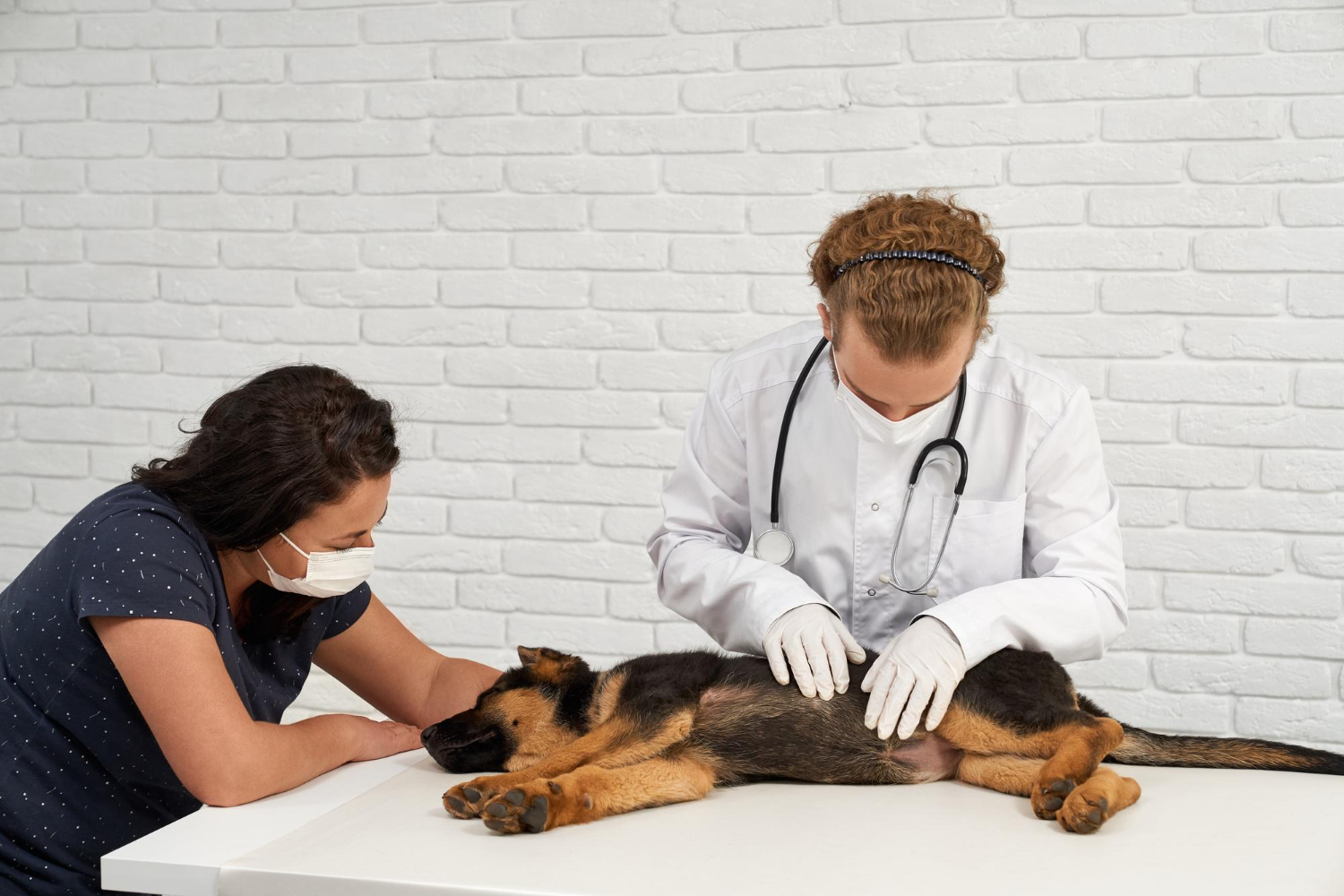
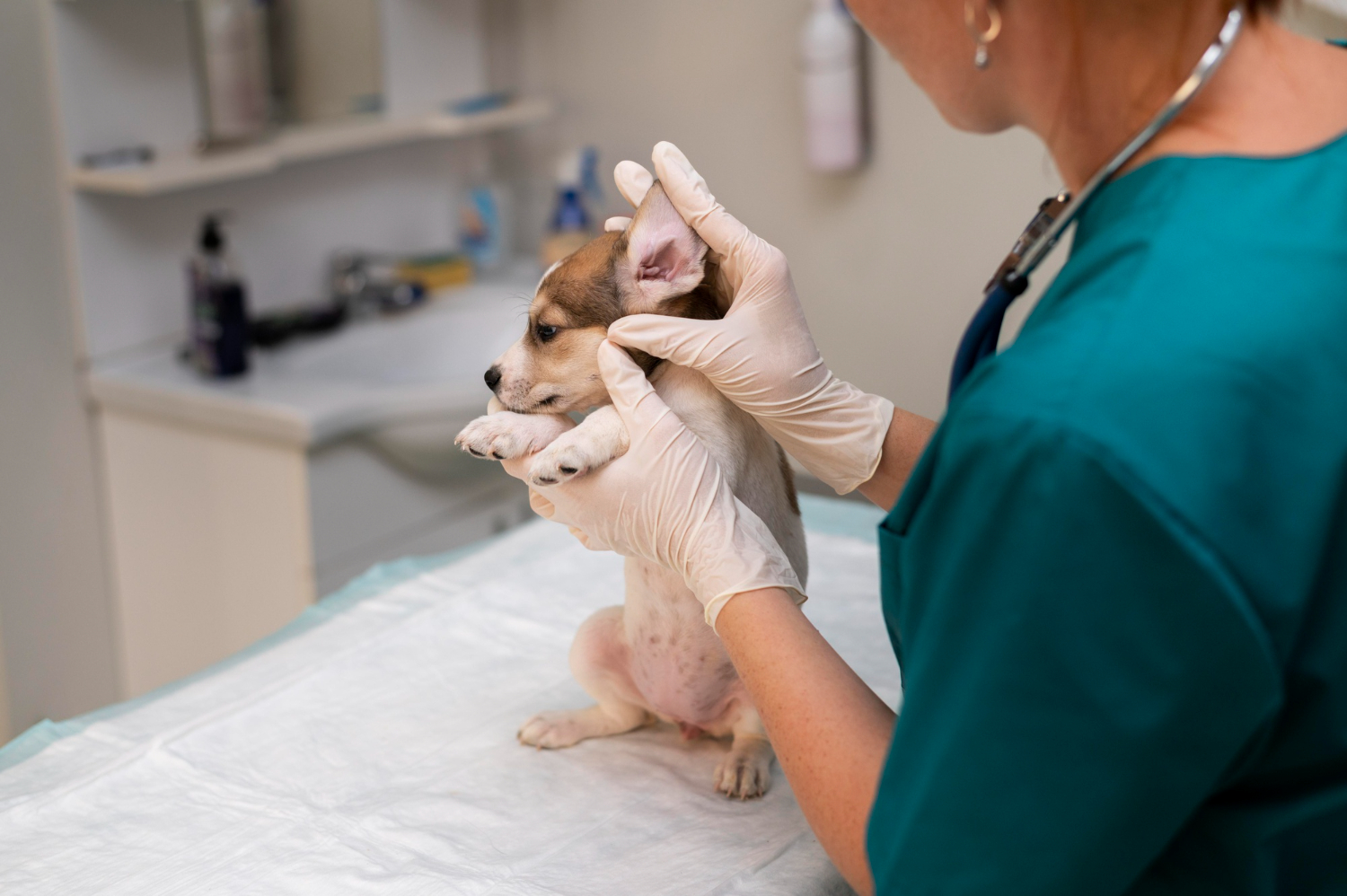
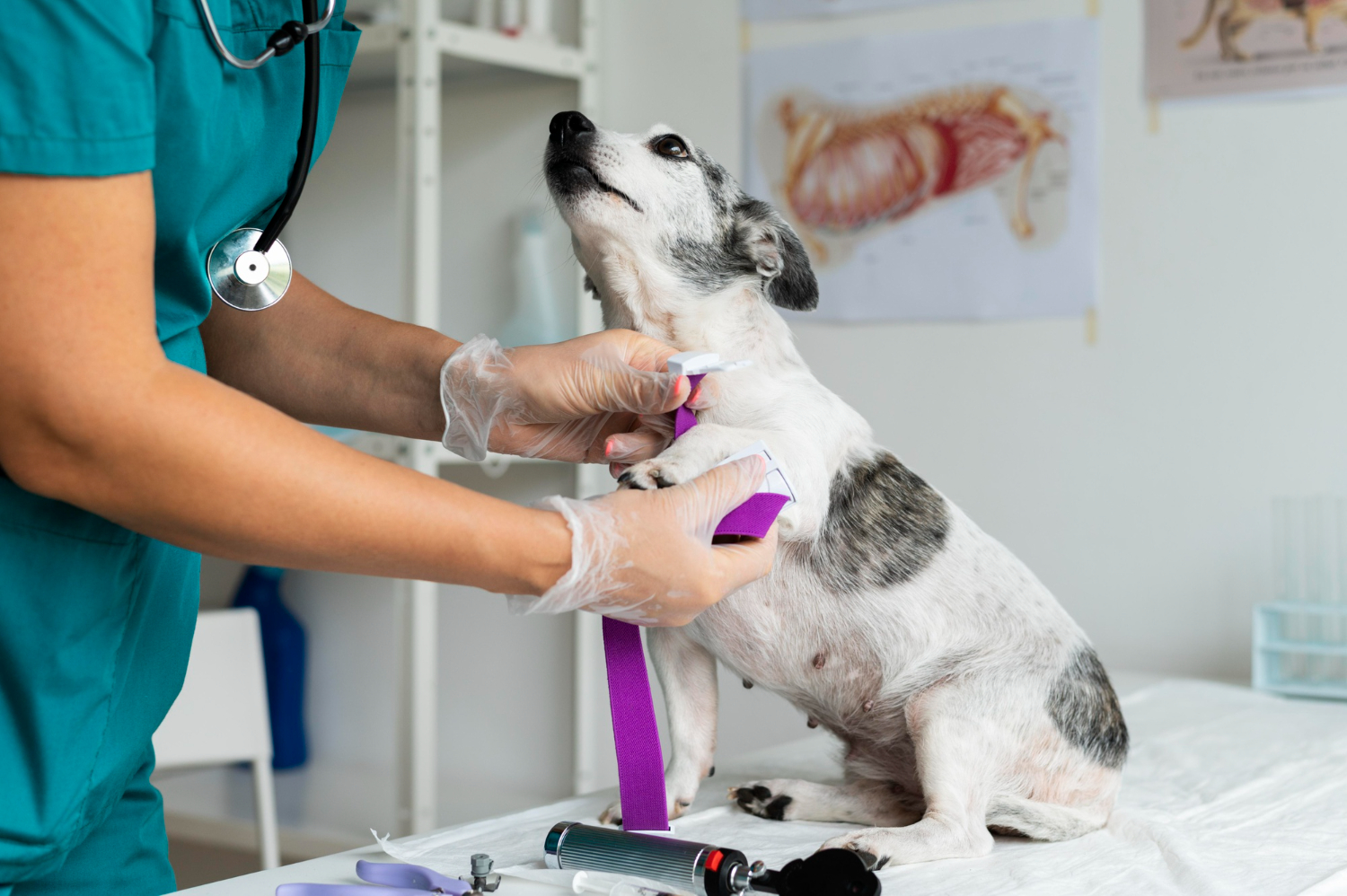
Routine visits to the veterinarian are crucial for early disease detection and prevention.
Your vet can identify potential health issues before they become severe and provide guidance on maintaining your dog’s health.
Recognizing the Signs of Illness
Despite your best efforts, your dog may still fall ill occasionally.
Recognizing the early signs of common dog diseases is essential for prompt treatment.
Here are some common signs of complications in dogs:
Changes in Appetite
A sudden loss of appetite or excessive hunger can indicate a health issue.
So, you must monitor your dog’s eating habits closely.
Changes in Behavior
Drastic changes in behavior, such as increased aggression, withdrawal, or excessive vocalization, can be indicative of pain or discomfort.
Vomiting and Diarrhea
Frequent vomiting or diarrhea can be symptomatic of various diseases, including gastrointestinal complications.
Lethargy
If your dog is unusually lethargic or lacks energy, it could be a sign of an underlying problem.
In such cases, seek a veterinarian’s help immediately.
Breathing Problems
Labored breathing, coughing, or wheezing may suggest respiratory or cardiac problems.
Immediate Action and Veterinary Care
Taking immediate action is essential if you notice any signs of illness or discomfort in your dog.
Contact your veterinarian and follow their guidance.
Early intervention can often make a significant difference in the outcome of the disease.
Conclusion
Your dog’s health is in your hands.
Effective disease control and prevention are crucial for ensuring your furry friend’s long and happy life.
Understanding common dog diseases and treatment and following preventive measures can significantly reduce the risk of complications and provide them with the best possible care.
For more guides on animal health solutions and tips for healthy dogs, you must visit Vet and Tech – a source for online veterinary education.
FAQs
What Vaccinations Does My Dog Need?
Consult your vet for a personalized vaccination schedule. Common dog vaccinations include rabies, distemper, parvovirus, and kennel cough.
What’s the Best Diet for My Dog?
High-quality commercial dog food is a good option. Still, you need to consult your vet for a diet tailored to your dog’s age, breed, and health.
How Often Should I Take My Dog to the Vet?
Generally, annual check-ups are recommended, but older dogs can benefit more from biannual visits. And–puppies may need more frequent check-ups.
ooOOoo
That is a wonderful set of recommendations and advice. Really of no surprise when one considers Luna’s biography:
I am a clinical veterinarian, researcher, and professional content writer. Being a medical professional and a content writer, I hold key writing skills such as Blog writing. I shall provide beautifully crafted, interesting to read, easily understood, highly informative, 100% original, error, and plagiarism-free content.
Luna Angeni
I sincerely hope this will be far from the one and only post!
P.S. I also openly admit that I have featured her blog site Vet and Tech but will also explain that I have no special association with her blog or with Luna Angeni.
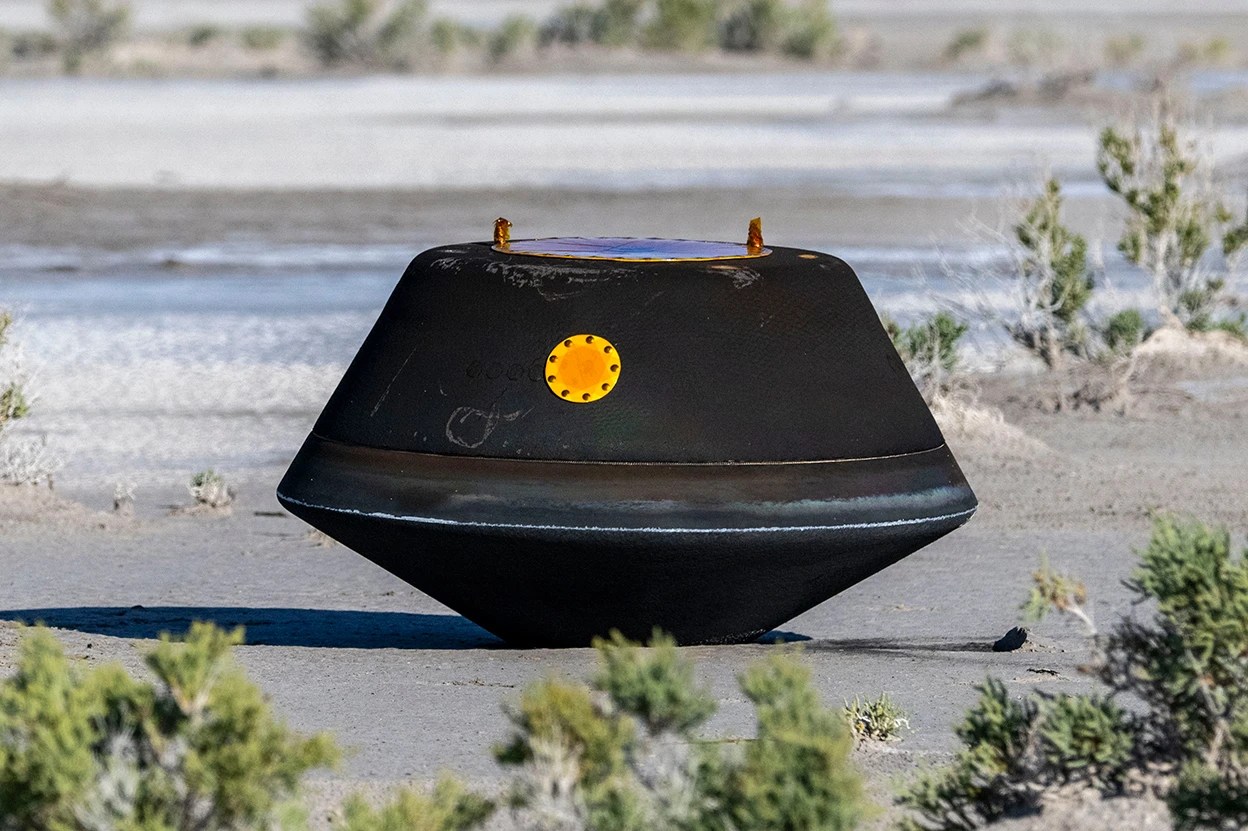
The OSIRIS-REx sample capsule, which contains pieces of the asteroid Bennu, landed safely in the Utah desert on 24 September. Credit: Keegan Barber/NASA via Getty
Dugway Proving Ground, Utah
A saucer-shaped capsule parachuted down gently in the Utah desert today, after a years-long journey through space. Its cargo is a precious collection of rocks and dust from the asteroid Bennu — the first time NASA has ever brought pieces of this type of celestial object back to Earth.
Over the coming days, NASA will fly the bits of Bennu to the Johnson Space Center in Houston, Texas. There, curators will carefully disassemble the container and begin analysing the chemistry and mineralogy of the pristine samples — which might hold clues to the origins of the Solar System.
“I feel like a kid on Christmas Eve who is just too excited to go to sleep,” says Michelle Thompson, a planetary scientist at Purdue University in West Lafayette, Indiana, and a member of the ‘quick look’ team who will have the first chance to study the rocks.
Space hoover
The material comes from the US$1.2-billion OSIRIS-REx (Origins, Spectral Interpretation, Resource Identification, Security-Regolith Explorer) mission, which launched in 2016 and arrived at Bennu in 2018. It spent nearly two years studying the dark-coloured, diamond-shaped asteroid before extending its robotic arm to the rocky surface, blasting it with a puff of gas and collecting the dust and rocks it kicked up. That ‘fist bump’ hoovered up so much material that pieces of rock got jammed in the collection mechanism, allowing some of the smaller pebbles to escape. Watching some of those samples get away was “heart breaking”, says Dante Lauretta, a planetary scientist at the University of Arizona in Tucson who was the first principal investigator of the OSIRIS-REx mission.
Still, the spacecraft managed to collect around 250 grams of rocks and dirt — a large cupful — including several chunks that are at least one centimetre long. It is by far the largest amount of material ever brought back from an asteroid. The Japan Aerospace Exploration Agency (JAXA) had previously collected less than one milligram from the asteroid Itokawa in 2005, and 5.4 grams from the asteroid Ryugu in 2019.
Bringing planetary samples back to Earth allows researchers to use cutting-edge laboratory techniques to study what the rocks are made of. The NASA curation team planned to put the Bennu samples into an atmosphere of pure nitrogen soon after the capsule touched down, to reduce the potential for contamination. That will enable scientists to study the asteroid’s geology and chemistry, preserved all the way back to the formation of the Solar System, more than 4.5 billion years ago. The pristine material hasn’t been altered by passing through Earth’s atmosphere, as happens with meteorites. “The thing that will really be different about this sample is we’ll have that chain of custody of keeping it protected from Earth’s atmosphere,” says Nicole Lunning, the mission’s lead sample curator at the Johnson Space Center.
Precious cargo
Bennu is a carbon-rich asteroid, so the samples might resemble carbon-rich meteorites that have fallen to Earth, Thompson says. The bits collected by OSIRIS-REx probably contain organic compounds — carbon-based molecules found in many meteorites that are the building blocks of many exciting types of chemistry, including those conducive to life. “What I find most fascinating are the nucleobases, the components of the genetic code that make up all life from DNA and RNA,” says Daniel Glavin, the senior scientist for sample return at NASA’s Goddard Space Flight Center in Greenbelt, Maryland. These compounds have been found in meteorites before, but those rocks have not been as pristine as the Bennu samples are expected to be. “We can trust the results, because this stuff is clean,” he says.
NASA curators will work their way through unpacking and studying the dust and pebbles inside OSIRIS-REx’s storage container in the coming weeks. Using nitrogen-filled gloveboxes, technicians will analyse the samples with scanners and other instruments to discern how many rock types were collected, and they will record the samples’ colour, volume and porosity.
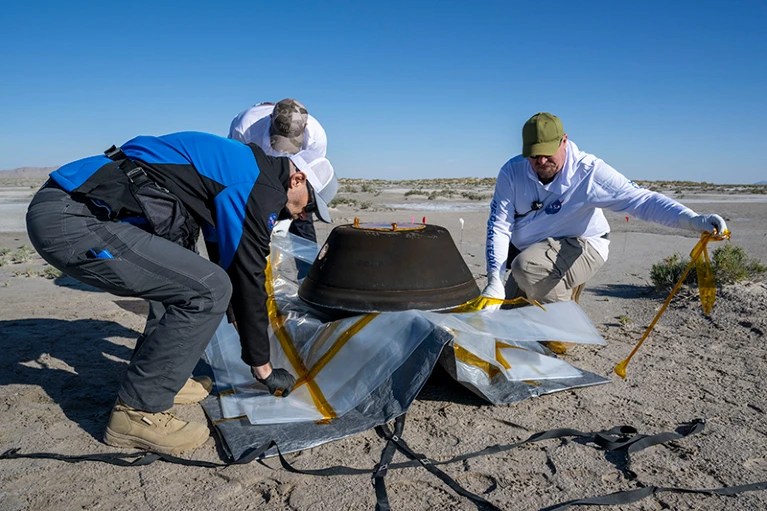
Mission specialists prepare the OSIRIS-REx sample capsule for transport to a clean room after its landing in the Utah desert on 24 September.Credit: Keegan Barber/NASA via Getty
The curators will collect up to 100 milligrams for the quick-look team to analyse over the first 72 hours. That initial sample will probably be made up of fine-grained material obtained from the outermost parts of the sample capsule, Thompson says. After that, the team will get a chance to study grains that were picked up by 24 stainless-steel contact pads on the outside of the sample container — which were the first things to actually come into contact with Bennu. It will probably be several weeks before the curators open the heart of the sample container and begin extracting the bulk of the material inside.
Early experiments could include looking at how material that was on the surface of Bennu compares with what came from deeper inside the asteroid, Thompson says. OSIRIS-REx’s robotic arm might have plunged as deep as 40 centimetres under Bennu’s rubbly surface when executing its fist bump.
Work interrupted?
NASA has scheduled a press conference on 11 October to unveil the first scientific results. But its work on the mission could be interrupted if the US government shuts down on 1 October. Republicans and Democrats in Congress have been battling over priorities for funding the federal government in 2024.
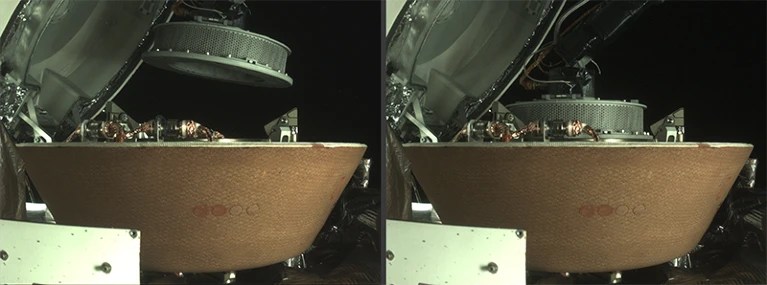
After OSIRIS-REx fist-bumped the asteroid Bennu in 2020, it pulled the collected samples into the spacecraft (left) and stowed them inside its sample-return capsule (right).Credit: NASA/Goddard/Univ. Arizona/Lockheed Martin
If the situation remains in a stalemate by the time the US fiscal year ends on 30 September, then federal agencies, including NASA, might close until an agreement can be reached. If that were to happen while the Bennu sample is at NASA, then “certain steps leading to its highly anticipated analysis will possibly be delayed, but the sample will remain protected and safe”, says Lori Glaze, head of NASA’s planetary sciences division. “The sample waited for more than 4 billion years for humans to study it, and if it takes us a little longer, I think we’ll be okay.”
At least 70% of the Bennu material will be saved for scientists outside NASA and for future generations to study. Furthermore, 4% of the sample will go to the Canadian Space Agency, which helped to build a laser instrument aboard OSIRIS-REx, and 0.5% will go to JAXA in exchange for samples of Ryugu, so that researchers can compare the two asteroids.
Meanwhile, the rest of the OSIRIS spacecraft continues to fly through space after dropping off its sample-return capsule. It is headed to study Apophis, an asteroid with a different, ‘stony’, chemical composition that will whizz dramatically close past Earth in 2029.






 Learning from Dogs