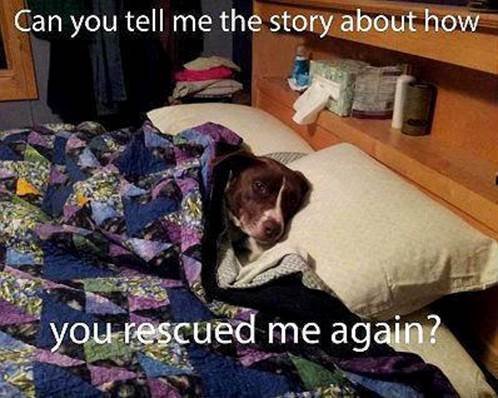
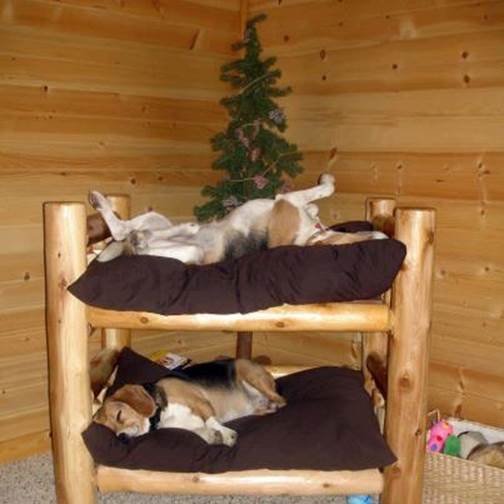
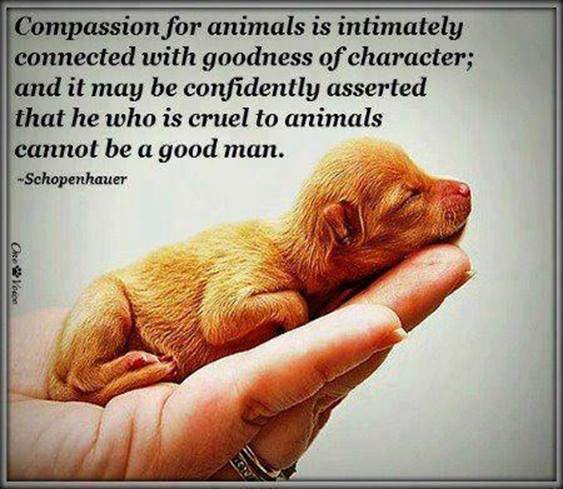
The pictures that were mentioned in Dan’s item last Tuesday.

oooo

oooo
oooo
oooo
oooo

The second set of these compelling photographs in a week’s time.
You all take care out there!
Dogs are animals of integrity. We have much to learn from them.
Year: 2018
The pictures that were mentioned in Dan’s item last Tuesday.
oooo
oooo
oooo
oooo
oooo
The second set of these compelling photographs in a week’s time.
You all take care out there!
Why is is that some things so profoundly affect one?
In working my way through magazines and other stuff that I wanted to read following being away for nearly three weeks, I came across a report published by the University of Exeter, back in England, about the effect of climate change on the Great Barrier Reef.
Deteriorating Great Barrier Reef hushed: young fish no longer hear their way home
Degraded coral reefs are far quieter than five years ago, and no longer sound like a suitable habitat to young fish searching for a place to live and breed, according to research published today in Proceedings of the National Academy of Sciences USA.
Baby fish looking for a home can use noisy coral reef sounds including snapping shrimp clicks, damselfish chirps, and clownfish chattering to locate and select suitable habitat. But that “coral reef orchestra” has been quietened following recent cyclone and coral-bleaching damage on the Great Barrier Reef, raising fears that young fish may no longer hear their way home.
An international team of scientists, led by the University of Exeter, carried out field experiments on the Northern Great Barrier Reef and found that reefs sound much quieter and less acoustically diverse than they did before three years of cyclones and coral bleaching.
The soundscapes of these recently-degraded reefs are less attractive to juvenile fishes attracting 40% fewer fish compared to the sound of previous healthy reefs.
Lead author Tim Gordon, a marine biologist at the University of Exeter, said: “It’s heart-breaking to hear. The usual pops, chirps, snaps and chatters of countless fish and invertebrates have disappeared. The symphony of the sea is being silenced.”
This loss of attractiveness of reef sounds to fish in the sea could have devastating consequences for reefs.
I know I am far from being alone in feeling great sadness at this aspect of our changing planet.
So before I republish the rest of that University of Exeter paper take a few minutes and watch this YouTube video about the Australian Barrier Reef
Then listen to this mp3 file that is a recording of the sounds of a healthy reef.
This is the balance of that news item published by the University.
Fish communities are instrumental to maintaining healthy reefs by removing algae, facilitating coral growth, contributing to nutrient cycles and keeping food webs in balance. Damaged reefs with healthy fish populations recover faster than reefs that have lost their fish.
Harry Harding, co-author from the University of Bristol, explains: “If fish aren’t hearing their way home anymore, that could be bad news for the recovery prospects of reefs. Fish play critical roles on coral reefs, grazing away harmful algae and allowing coral to grow. A reef without fish is a reef that’s in trouble.”
Coral reef animals produce a dazzling array of sounds to communicate with each other while hunting, to warn each other about the approach of predators and to impress each other during courtship. Together, these sounds combine to form a soundscape that can be heard for miles around. This soundscape provides a valuable cue for young fish to locate and select habitat after a period of early development in the open ocean.
Gordon said: “Being able to hear the difference really drives home the fact that our coral reefs are being decimated. Some of the most beautiful places on Earth are dying due to human activity, and it is up to us to fix it.”
The scientists from the University of Exeter, University of Bristol, Cefas (Centre for Environment, Fisheries and Aquaculture Science), Duke University (USA), the Australian Institute of Marine Science and James Cook University (Australia) built experimental reefs from coral rubble on sand flats, then used underwater loudspeakers to broadcast healthy coral reef sounds or degraded coral reef sounds, to see which sounds attracted more young fish.
Senior author Steve Simpson, Associate Professor in Marine Biology & Global Change at the University of Exeter, said: “Over the last 15 years my research group have discovered how important sound can be for fish to locate and select specific reefs. We have marvelled at the remarkable diversity and complexity of coral reef soundscapes. But in the last few years the reefs we know and love have died before our eyes. And the deserted and crumbling rubble fields have turned eerily quiet.”
Professor Simpson added: “If the reefs have gone quiet, then the chances of the next generation of fish recolonising the reefs are much reduced. Without fish, the reefs can’t recover.”
Warming seas increase the frequency and severity of coral bleaching events worldwide, as higher temperatures cause a breakdown in the relationship between corals and the zooxanthellae that they host in their tissue, providing their energy through photosynthesis.
This bleaching recently killed up to 80% of corals in some areas of the Great Barrier Reef, and bleaching events of this nature are happening worldwide four times more frequently than they used to.
Reductions in carbon emissions are needed to reduce this damage, as Gordon explains: “The damage we’ve done to reefs worldwide is horrific, but the fight isn’t over yet. If we can fulfil our international commitments to dramatically reduce carbon emissions, it’s still possible to protect some of the reefs that are left. The time for action is now.”
Date: 30 April 2018
Dear people, the time for action is now!
Connections!
Just a few days ago, on May 1st to be precise, I published the post Dogs and Humans.
Colin Reynolds, he of the blog Wibble, left the following comment:
Good to see you back, glad to hear you had an enjoyable trip.
Those goslings are really cute 🙂
At risk of self-promotion: I was thinking of you when I wrote my latest blog post. Granted, wolves aren’t dogs, but they almost are… 🙂
I went across to Colin’s latest blog post and immediately wanted to share it with you all in this place.
It also seemed appropriate to ask Colin for his introduction. But here’s what he offered: “When Paul asked me if I would be willing to turn this post into a guest post for Learning from Dogs, I was more puzzled than anything else. The only words here that aren’t my own are those where I explain that all I did was transcribe George Monbiot’s words from the video.” I’m bound to say that the transcription was a grand job!
Anyway, here is Colin’s post.
ooOOoo
by Colin Reynolds
“When we try to pick out anything by itself, we find it hitched to everything else in the Universe.” — John Muir
When wolves were reintroduced to Yellowstone National Park in the United States after being absent for nearly 70 years, the most remarkable ‘trophic cascade‘ occurred. In this short film, George Monbiot explains what a trophic cascade is, and how wolves do actually change rivers.
I found this so remarkable that I took the time to transcribe George’s words:
One of the most exciting scientific findings of the past half century has been the discovery of widespread ‘trophic cascades’. A trophic cascade is an ecological process which starts at the top of the food chain and tumbles all the way down to the bottom, and the classic example is what happened in the Yellowstone National Park in the United States when wolves were reintroduced in 1995. Now, we all know that wolves kill various species of animals, but perhaps we’re slightly less aware that they give life to many others.
Before the wolves turned up, they’d been absent for seventy years, but the numbers of deer — because there’d been nothing to hunt them — had built up and built up in the Yellowstone Park and despite the efforts by humans to control them, they’d reduced much of the vegetation there to almost nothing; they’d just grazed it away. But as soon as the wolves arrived, even though they were few in number, they started to have the most remarkable effects.
First, of course, they killed some of the deer. But that wasn’t the major thing: much more significantly, they radically changed the behaviour of the deer. The deer started avoiding certain parts of the park: the places where they could be trapped most easily, particularly the valleys and the gorges — and immediately, those places started to regenerate. In some areas, the height of the trees quintupled in just six years; bare valley sides quickly became forests of aspen, and willow, and cottonwood.
And as soon as that happened, the birds started moving in. The number of songbirds and migratory birds started to increase greatly. The number of beavers started to increase because beavers liked to eat the trees; and beavers, like wolves, are ecosystem engineers, they create niches for other species. And the dams they built in the rivers provided habitats for otters and musk-rats and ducks and fish and reptiles and amphibians.
The wolves killed coyotes, and as a result of that, the number of rabbits and mice began to rise, which meant more hawks, more weasels, more foxes, more badgers. Ravens and bald eagles came down to feed on the carrion that the wolves had left. Bears fed on it too, and their population began to rise as well, partly also because there were more berries growing on the regenerating shrubs. And the bears reinforced the impact of the wolves by killing some of the calves of the deer.
But here’s where it gets really interesting: the wolves changed the behaviour of the rivers. They began to meander less, there was less erosion, the channels narrowed, more pools formed, more riffle sections, all of which was great for wildlife habitats. The rivers changed in response to the wolves. And the reason was that the regenerating forests stabilised the banks so that they collapsed less often, so that the rivers became more fixed in their course. Similarly, by driving the deer out of some places and the vegetation recovering on the valley sides there was less soil erosion, because the vegetation stabilised that as well.
So the wolves, small in number, transformed not just the ecosystem of the Yellowstone National Park, this huge area of land, but also its physical geography.
 Note from the video’s publisher (Sustainable Human): “There are ‘elk’ pictured in this video when the narrator is referring to ‘deer.’ This is because the narrator is British and the British word for ‘elk’ is ‘red deer’, or ‘deer’ for short. The scientific report this is based on refers to elk so we wanted to be accurate with the truth of the story.”
ooOOoo
As that quote from John Muir infers, we are all connected. No better illustrated by a very sad piece of research news that will be the topic for tomorrow’s post.
The following came in while we were away.
On the 13th April:
K9 Natural is recalling 4 batches of its raw frozen dog food due to possible contamination with Listeria monocytogenes, an organism that can cause serious and sometimes fatal infections in humans and animals.
To learn which products are affected, please visit the following link:
Please share the news of this alert with other pet owners.

April 13, 2018 — K9 Natural Ltd is voluntarily recalling 4 batches of its K9 Natural Frozen Chicken Feast that were imported into the US in June 2017 because they have the potential to be contaminatedwith Listeria monocytogenes.
Then on April 16th.
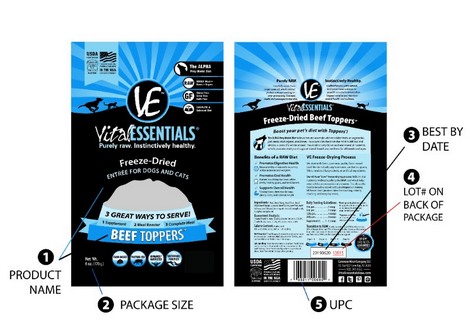
April 16, 2018 — Carnivore Meat Company of Green Bay, WI, is voluntarily recalling two of its Vital Essentials freeze-dried dog foods because they may be contaminated with Salmonella.
What’s Recalled?
The following affected products were distributed in the continental USA through independent retailers and via online retailers Chewys.com and Amazon.com through direct delivery.
- Vital Essentials Freeze-Dried Beef Toppers
- 6 oounce (170 g) package size
- Best by date: 06/04/2019 or 06/20/2019
- Lot #: 13815
- Product UPC: 033211006059
- Vital Essentials Frozen Beef Chub Entrée for Dogs
- 5 pound (2.27 kg) package size
- Best by date: 12/27/18
- Lot #: 13816
- Product UPC: 033211008817
There’s more to see about this recall so please, please go here to read the details.
Then two days later, April 18th, in came this:
April 18, 2018 — TruDog is withdrawing one lot of its freeze-dried dog food from the market because it may be contaminated with Salmonella bacteria.
What’s Recalled?
The affected products were distributed in the continental USA via online retailer Chewy.com and TruDog.com through direct delivery.
The recall is limited to 400 cases and appears to include a single batch of TruDog BoostMe Mighty Meaty Beef Topper Meal Enhancer identified only as Lot #20190531 13815.

Full details here.
Then more came through on the 21st April. As in:
Dear Fellow Dog Lover,
Because you signed up on our website and asked to be notified, I’m sending you this special recall alert. If you no longer wish to receive these emails, please click the “unsubscribe” link at the bottom of this message.Important: This email alert includes 2 different recalls.
OC Raw Dog is recalling one lot of its Freeze-Dried dog treats product because it has the potential to cause botulism poisoning.
To learn which products are affected, please visit the following link:OC Raw Dog Recalls Dog Treats | April 2018In addition…
OC Raw Dog is also recalling one lot of its raw frozen dog food due to potential contamination with Listeria monocytogenes bacteria.
To learn which products are affected, please visit the following link:
OC Raw Dog Recalls Dog Food Due to Risk of Listeria
Please share the news of this alert with other pet owners.
Mike Sagman, Editor
The Dog Food Advisor
P.S. Get instant access to a list of The Dog Food Advisor’s safest and most recommended dog food brands. Click here for details.
As in:
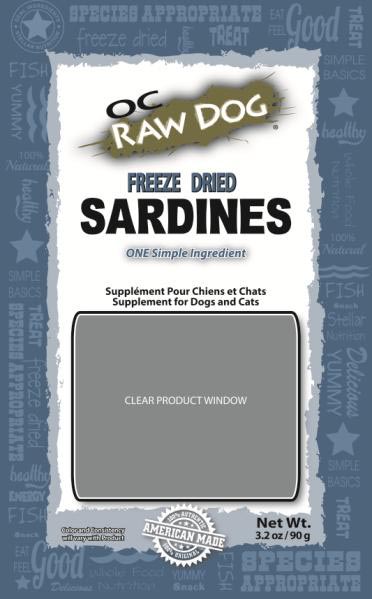
April 20, 2018 — OC Raw Dog, LLC of Rancho Santa Margarita, CA, is recalling its OC Raw Dog Freeze Dried Sardines product because it has the potential to cause botulism.
Botulism is a deadly disease caused by a toxin-producing bacterium known as Clostridium botulinum.
The toxin itself is one of the most potent poisons known and can be fatal to both pets and humans.
Further details here.
Plus:
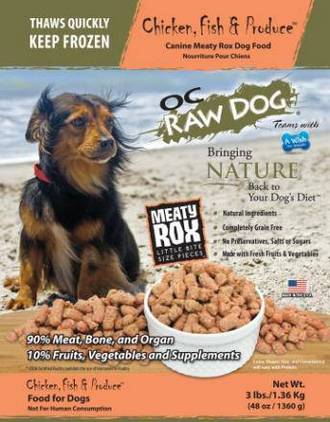
April 20, 2018 — OC Raw Dog, LLC of Rancho Santa Margarita, CA, is recalling a specific lot of its raw frozen dog food due to potential contamination with Listeria monocytogenes.
Further details of this one here.
But apart from that nothing in particular really happened!!
Please share these details with as many other dog lovers as you can! Thank you!!
Dogs! We love them to pieces but sometimes they do smell a tad!
Zara Lewis has provided two previous guest posts for you good people and both of them were well received. Very well received!
So here is Zara’s third. My intuition is that will similarly go down well with all you good people out there!
ooOOoo

The love and affection that you give your dog and that it gives back to you makes the whole relationship truly fulfilling. But it wouldn’t be lying if we said that taking care of a pet dog and keeping a clean and tidy home at the same time does requires quite a bit of effort and energy. Here are some of the most practical tips on how to confront your four-legged companion’s gift to create a mess.
One of the most effective ways in which you can avoid finding your pooch’s hair in your soup, ears, sock drawers, or anywhere else in your home is to brush its coat on a daily basis, preferably somewhere outside. Besides keeping a neater appearance, you will prevent tons of hair piling up in the furthest, least accessible corners and areas of your rooms.
Make sure your pet also gets a good bath whenever it needs to. The frequency depends on its coat—dogs with more oily coats may need a bath as often as once a week, while for others, it is usually no more than once a month.
Whenever you and your pooch return from a walk, thoroughly wipe its paws with a damp towel or baby wipes. That way, no mud or dirt will be spread around, and maintaining the hygiene of the whole place will be even easier.
Don’t let your precious one do its business wherever and whenever it feels like doing it. It may seem like something implied and silly to even mention, but some dog owners still do disregard this advice. Train your pooch to poop or pee outside, or only at specific places in your home if it’s left alone for a longer period of time—for example, in a litter box. Even when it does happen that he or she simply can’t control it, clean the mess right away.
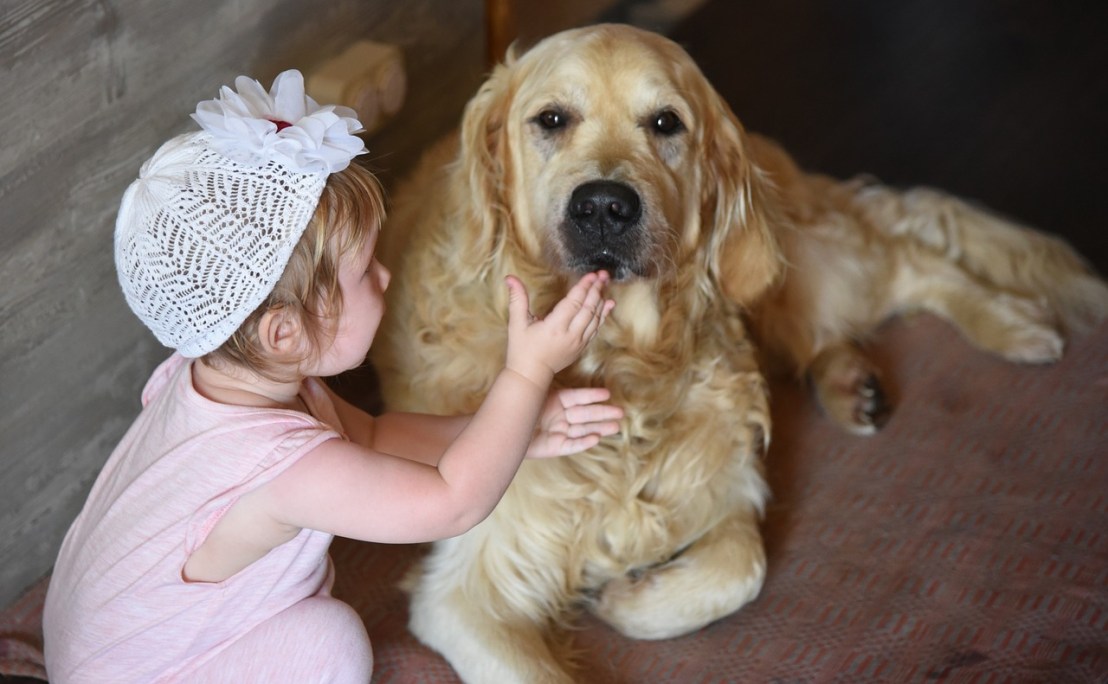
Ok, this one is somewhat obvious—keep your vacuum cleaner, duster, and mop close. No matter how much hair you manage to brush off your friend, some of it will inevitably sneak its way into your surroundings. Cleaning and dusting all the surfaces in your home will significantly reduce the amount of hair lying around, but also dander, dirt, and bacteria.
Not only can the remains from your dog’s previous meals get stuck in there and start smelling pretty bad, dirty bowls and dishes can be a breeding ground for masses of bacteria. That is why you should wash them at least once a day to prevent any minor or major consequences. After all, you do it with your plates, don’t you? Same thing.
Living with dogs, we quickly get used to their smell and stop noticing the unpleasant odor that they may occasionally leave behind. But your guests certainly notice. You can tackle this problem by airing all the rooms regularly, along with lighting scented candles or sticks, or using high-quality air fresheners.
An even more effective solution than scented candles and sticks would be to equip yourself with an air purifier. If you’re looking for a top-notch product with more long-lasting benefits, turn to a mold air purifier by Oransi. It contains a HEPA filter which, besides removing the unpleasant odor, keeps the air even fresher, and gets rid of dust, dander, mold, and allergens floating round your room. A highly recommendable option for people with pets.

If you have the luxury of living in a bigger house or apartment, set boundaries or determine the space where your pet can roam freely. For example, allow him or her to enjoy the first floor of the house, and make the second floor a ‘humans only’ area. Also, determine a specific space or object for them to sleep on, like a cushion or a cozy blanket that will always remain in the same spot.
Lint removers are a really convenient way of keeping your furniture, as well as your clothes, hair and dander-free. It only takes a minute and requires minimal effort. Moreover, you can use them on any kind of textile. So, in case you haven’t got one, you might want to consider changing that.
Remember that keeping a clean and odor-free home primarily means keeping you and your beloved pet healthy and happy.
ooOOoo
Let me repeat Zara’s opening sentence: “The love and affection that you give your dog and that it gives back to you makes the whole relationship truly fulfilling.” No question at all about that!
But I would word it in a more gutsy manner ( and this is in no way a criticism of Zara) especially as the coming-home greeting that Jean and I had from our dogs just last Friday is still fresh in my mind.
Pure unconditional love is very rare between humans as opposed to true love that, thankfully, is common. Our dogs offer us unconditional love. Pure, total, perfect unconditional love!
Great to be back to blogging again!
Jean and I flew back into Portland last Thursday evening and after a motel stay near to the airport arrived back home last Friday a little before mid-day.
It was an incredible trip covering family in both England and France and I will start writing up the details of where we went and who we stayed with over the coming days; sing out if this is not want you want to read!!
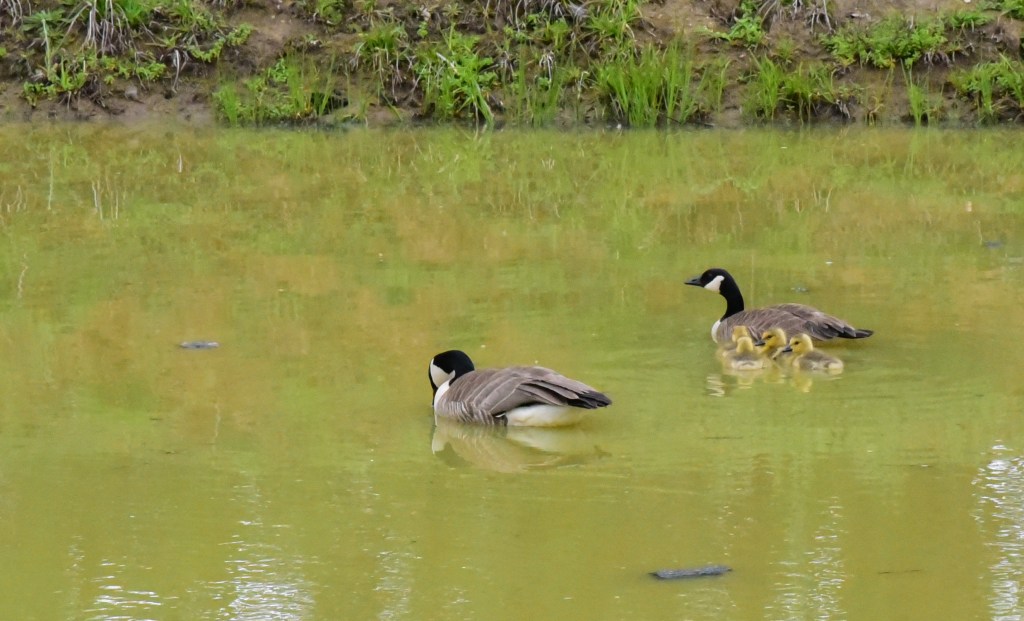
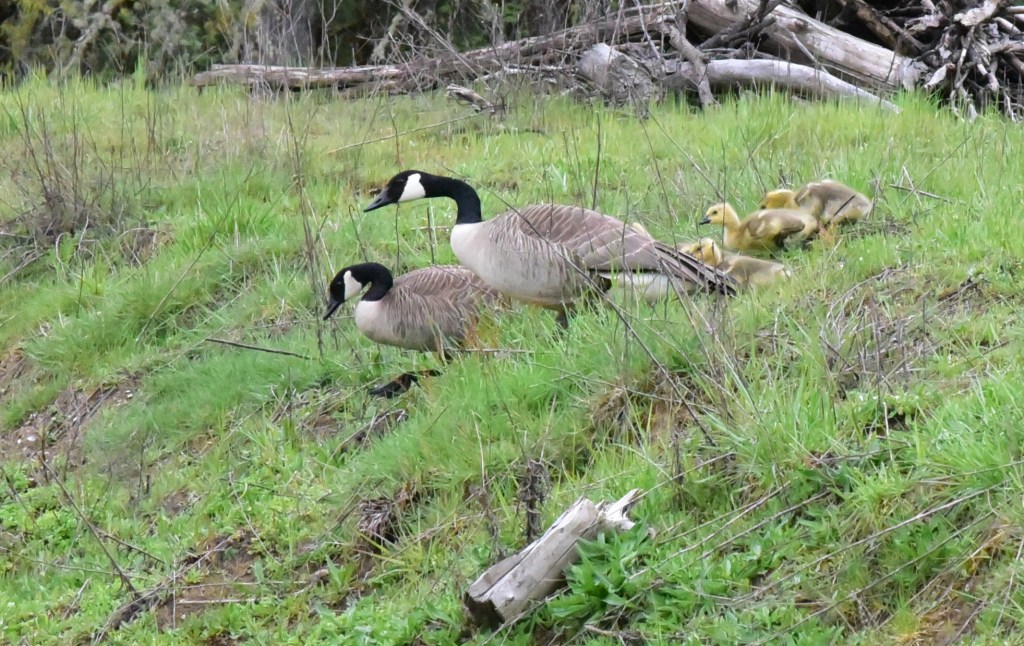
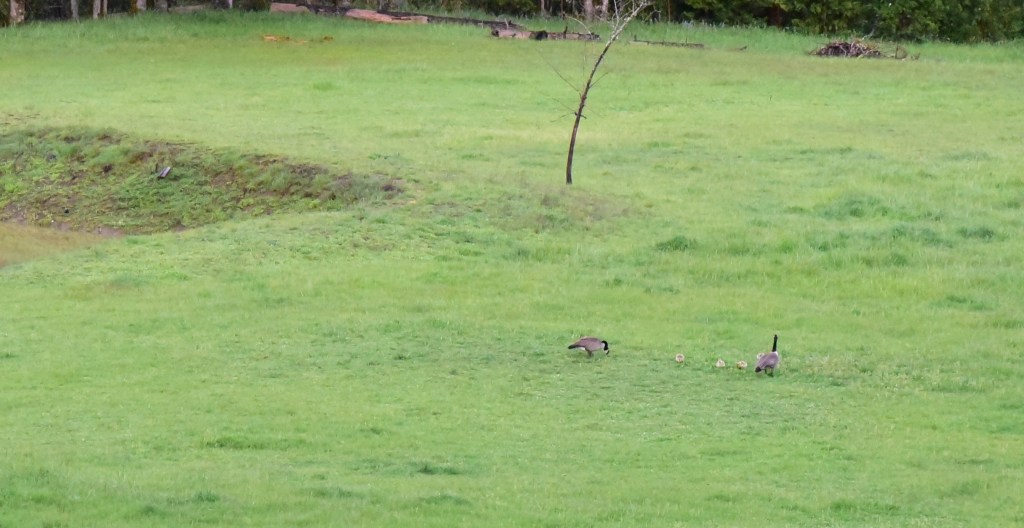
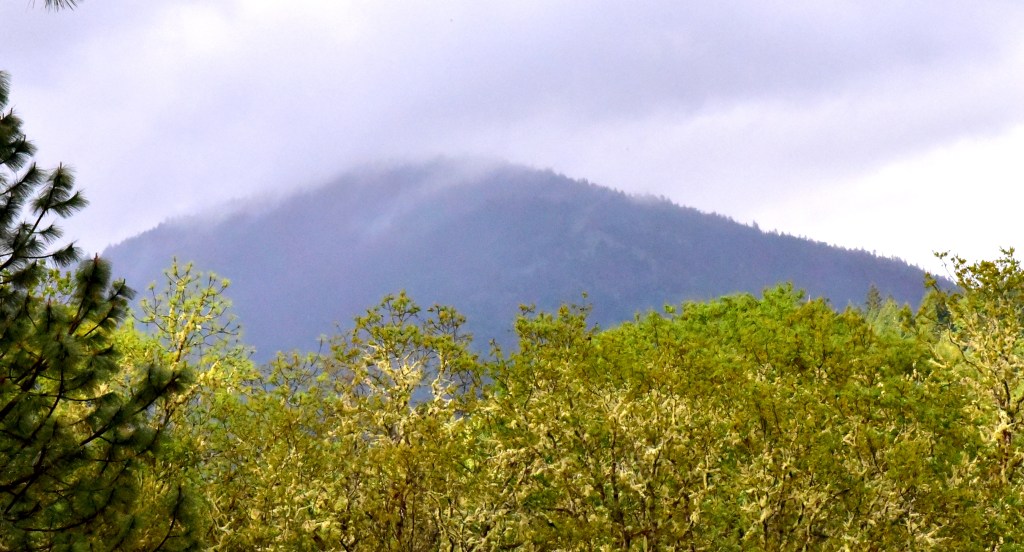
But as good as the vacation was it was fabulous to be home and I wanted to share with you a few sights of home taken over the last couple of days.
oooo
oooo
oooo
oooo

OK!
I can think of no better way of re-starting my blog posts than to republish an item that Dan shared with me back in early April.
ooOOoo
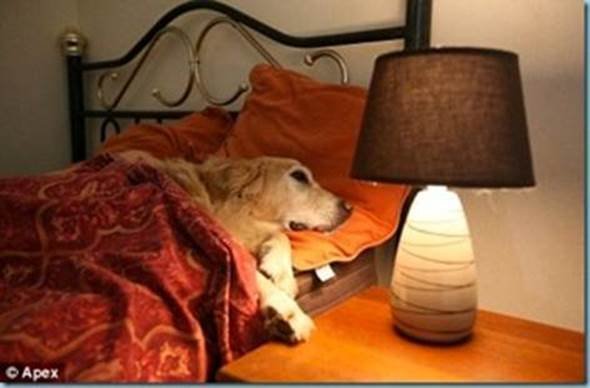
A man wrote in a letter to a small hotel in a Midwest town he planned to visit on his vacation:
“I would very much like to bring my dog with me. He is well-groomed and very well behaved. Would you be willing to permit me to keep him in my room with me at night?”
An immediate reply came from the hotel owner, who wrote:
“SIR: I’ve been operating this hotel for many years. In all that time, I’ve never had a dog steal towels, bedclothes, silverware or steal pictures off the walls or use them as a coloring book.
I’ve never had to evict a dog in the middle of the night for being drunk and disorderly. And I’ve never had a dog run out on a hotel bill. Yes, indeed, your dog is welcome at my hotel. And, if your dog will vouch for you, you’re welcome to stay here, too.”
ooOOoo
Dan also shared some really gorgeous photographs that can be seen on the next two Sundays.
 Learning from Dogs