As many of you know I was born exactly six months before VE Day on May 8th, 1945.
We soon moved from Acton to 16 Toley Avenue, in Preston Road, Wembley. A short distance down Toley Ave was Ledway Drive that led up to Barn Hill Pond.
A review of Barn Hill Pond by a dog walker, Tara Furlong, in 2020.
It’s a pond on top of a hill, which gets smaller depending on how hot and dry the summer is. It has been known to have sightings of its own grey heron, mallards on occasion, etc. Fish may lurk in its depths, and frogspawn in the spring. There are views of Wembley, and across to central London from the trig point nearby, and aspirations to open up the view to Harrow-on-the-Hill. Take a little wander and you may spy St Paul’s Cathedral. A small number of benches are available, and the bins overflow in fine weather. There’s nothing but green space and houses nearby. It’s accessible via a fairly short, steep uphill walk on uneven ground from the unserviced car park, which can get very busy; or from Wembley Park. Photos on a typical British day – i.e. a bit cloudy and soggy.
As a young boy I well remember looking out from Barn Hill and seeing the devastation of the property from the Nazi bombers.
There are twenty programmes on Radio 4 that are about this postwar period in Britain. I have listened to the first three and have found them deeply interesting. Anyone interested in British history is recommended to listen to them. That is the link.
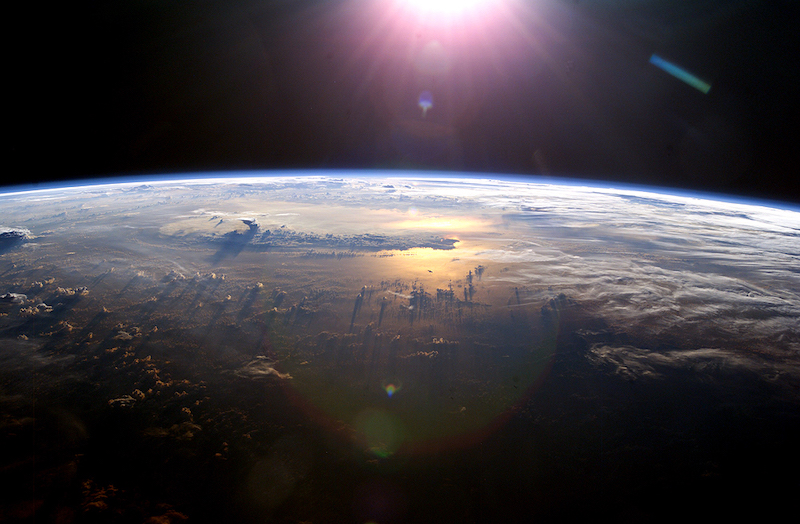
To my mind, nothing beats the sights of the World’s oceans.
In the past, I spent four years living on a yacht, a Tradewind 33, out in Cyprus. During that time I cruised to Turkey, to Greece, to Algiers, and loved it.
Here’s an extract from World Oceans day website.
Why Earth’s oceans are so important
Earth’s oceans are critical to human survival. Indeed, more than half the oxygen in our atmosphere is generated via photosynthesis by phytoplankton and seaweed in oceans. In addition, millions of people depend on fish and other marine animals for food. Research on some marine organisms has led to the development of new medications. Moreover, ocean currents, known as global conveyor belts, help regulate Earth’s climate.
Sir David Attenborough has produced a film Ocean and the trailer follows:
There is so much more to view on the World Oceans Day website. Please go to it.

 Learning from Dogs