The photographs from Historical Merlin.
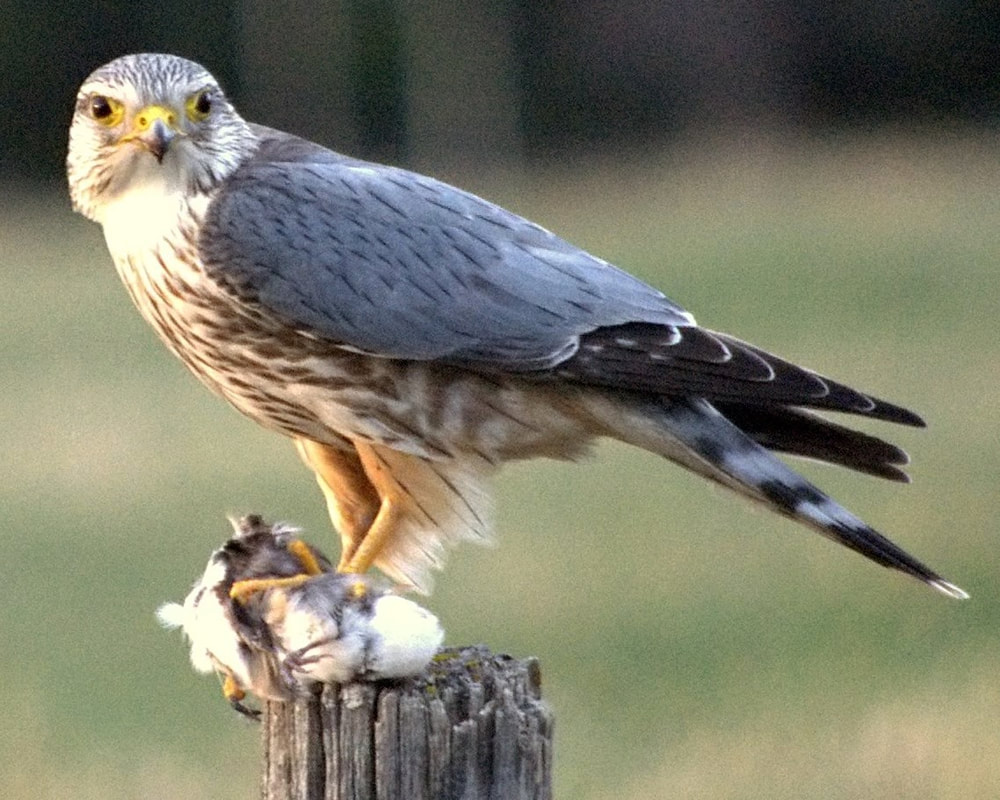
oooo
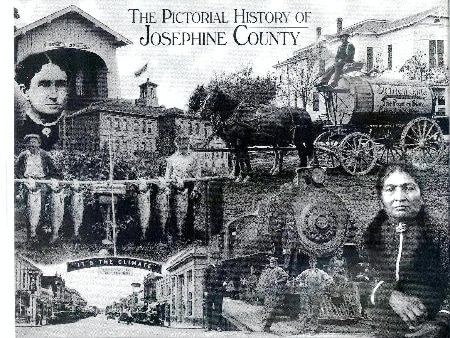
oooo
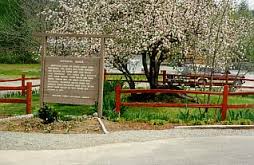
oooo
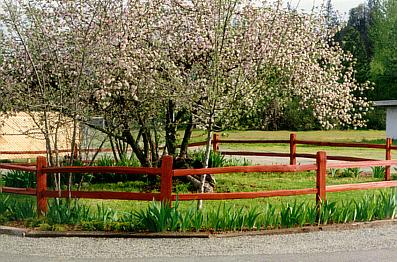
oooo
oooo
oooo
Dogs are animals of integrity. We have much to learn from them.
Category: History
The photographs from Historical Merlin.
oooo
oooo
oooo
oooo
oooo
oooo
A continuation of yesterday’s Part One.
Again, a fascinationg account.
ooOOoo
Merlin Oregon,
Gateway To The Wild & Scenic Rogue River
The little hamlet of Merlin is located northwest of Grants Pass and is the home base for many outfitters and fishing guides. This and the fact that Merlin is close to the 84-mile segment of the Rogue River set aside by Congress under the National Wild and Scenic Rivers Act of 1968, is why Merlin is known as the “Gateway To The Wild & Scenic Rogue River.”
Located nearby is the famous Hellgate Canyon (on Galice Hwy.) where Rooster Cogburn with John Wayne and many other Westerns were filmed. Above Merlin is Grave Creek, the starting point for the 32 mile “wild” section of the Rogue River.
Great Fishing and rafting on the white waters are but some of the activities available in the Merlin area. One of the best hiking trails around is the famous Rogue River Wild and Scenic Trail which starts at Grave Creek above Merlin and runs downstream 40 miles through the Wild and Scenic section of the Rogue River to Foster Bar.
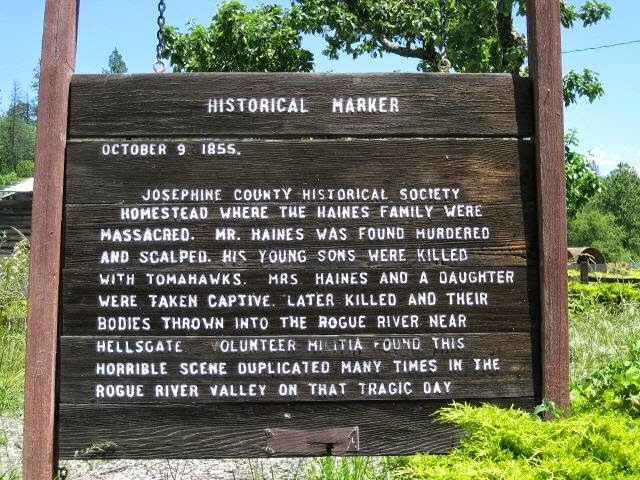
Located in Merlin Oregon, (PH: picture of tree on Sunday) this tree is Oregon’s 2nd oldest apple tree. It was planted by the Haines family in the either 1852 or 1854 (accounts vary), the tree stood throughout the Indian wars. The fighting began in 1855 when white vigilantes attacked a group of peaceful Indians-mostly women, children and elderly men-(at present day Eagle Point). Under the direction of a man who titled himself Major James A. Lupton, a group of ” hair brained enthusiast and professed ruffians” butchered the Indians, according to A.G. Walling’s story “A History Of Southern Oregon,” published in 1884.
The Indians in the area struck back, working their way down the Rogue River and attacking white homesteads. Their thirst for vengeance had not been quenched by the time they reached Merlin, according to the recently published “An Arrow In The Earth”: General Joe Palmer and the Indians of Oregon.”
Although Haines tried to fight off the Indians, they were one family against a band of angry warriors. When volunteers arrived to help, according to contemporary accounts, they found Mr. Haines and his young son murdered at the home site. The Indians took Mrs. Haines and her daughter captive, presumed to have been thrown into Hellgate Canyon on the Rogue River. Taking in account that white accounts of Indian atrocities were nearly always exaggerated.
The tree was reported to have died in August, 1973, a few months after Josephine County Commissioners held a ceremony celebrating its antiquity. But three years later, branches of the old three were still alive, and the State Forestry Department declared it a historic site.
A special thanks to Marilyn Luttrell, who over the years has looked after and help raise money to protect this historical tree and site.” We thank you Marilyn”
Life
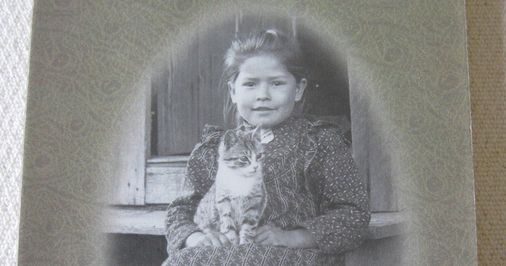
Peters’s father, known as Umpqua Joe, was a member of the Grave Creek band of the Umpqua people who was known for warning settlers and miners in the Grants Pass area of an impending attack from local Indians in 1855.
Peters’s father was reportedly allowed to stay on his land after the end of the Rogue River Wars rather than be removed to a reservation. Mary Peters, popularly known as “Indian Mary” – not to be confused with a different Native American woman also living in Oregon during the same period (Kalliah Tumulth, a WatlalaChinook) and also known as “Indian Mary”– lived on the land where her father had operated a ferry to transport miners and supplies in Southern Oregon until his death on November 13, 1886. After his death, Peters applied for a claim for the land under the Dawes Act, also known as the “Indian Homestead Act.” Eight years later, she received a little more than 72 acres.
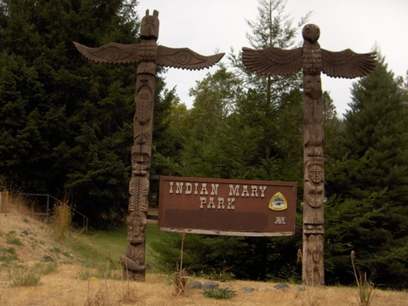
Her 25-year land deed has often been described as the smallest Indian reservation in the United States. In 1958, the land was converted by Josephine County to Indian Mary Park, named after Peters.
She continued to operate her father’s ferry business after his death. In 1894 she leased the ferry to William Massie and moved with her two surviving daughters to Grants Pass. She moved to Salem in 1920 to be near her daughters. Peters died in 1921 and is buried in Salem‘s City View Cemetery.
ooOOoo
I hope you will view the photographs this Sunday.
A fascinating find!
I was browsing the internet over the last weekend and came across this account of Historical Merlin. I trust it is alright to republish the article. It was originally published by the Merlin North Valley Business Association.
ooOOoo
Merlin is an unincorporated community in Josephine County, Oregon, United States. The area is known for sport fishing and whitewater rafting on the Rogue River Merlin’s ZIP code is 97532.
A new railroad station in this location in 1883 was called “Jump Off Joe” for a local stream. The station was renamed Merlin in October 1886. The name came from a railroad civil engineer who named it for the Merlins he saw in the area.
“McAllister” post office was established about a mile north of Merlin in 1885, then moved to the vicinity of the railroad station and renamed Merlin in 1891.[1]
On the original application for a post office on October 11, 1885, the name “McAllister” is crossed out and Brandt is used. The name was changed back to McAllister on November 23, 1885. The name was later changed to Merlin–after the Pigeon Hawks in the area–on March 21, 1891.
The founder of Merlin was postmaster John C. Lanterman in 1885; the first post office was established on November 23, 1885. The first Merlin townsite was platted by Sarah E. Lanterman and registered in the courthouse on March 31, 1888, as the town of Azalia. Also stated on the platt, “Streets and alleys donated” (lot owners usually had to pay for streets and alleys, as well as, maintain them). In 1905 the Merlin township was founded by A.B. Cousins and the Merlin Land Development Company. This platt enlarged the original townsite of Azalia considerably.
J.W. Mitchell, pioneer merchant, purchased property in the center of the Azalia subdivision in 1888 and constructed a large mercantile store and was the leading merchant until the main part of the town burned in October of 1915, thus ending 27 years as Merlin’s leading merchant.
The Southern Pacific Railroad established the Jump-Off Joe Station in the early 1880’s. The name Merlin came from a railroad employee named David Loring after seeing the area inhabited by pigeon hawks also known as merlins. Mr. Loring’s imagination is also responsible for naming several other towns as well, including the city of Medford. Postmaster Lanterman changed the name of the post office to Merlin on March 21, 1891. Following Lanterman as postmaster were George A. Guild, followed by his daughter, Mattie. Ruth Lendberg was postmaster from 1930 to 1967, serving seven presidents. Mrs. Lendberg’s little green house served as the post office and it still stands with flagpole on Pleasant Valley Road, just down the street from the present day post office.
Merlin had two school districts in 1886: the Jump Off Joe School District had 54 children educated at a cost of $77.00; the Louse Creek School District had 26 pupils with a cost of $63.00. These two districts combined to form Merlin School District #24 in May of 1894. There was a brick school house built in 1912 on the spot where the present day elementary school sits. A bell from an older school was placed in the brick building and when it was demolished in 1963, it was given to the Merlin Community Baptist Church where it hangs today.
Merlin expanded rapidly after the townsite was platted in 1905. There was a grocery store, a three-story hotel, daily train stops, and even a hanging dentist sign guaranteeing no pain. But once again tragedy struck when on the morning of October 24, 1915 a fire destroyed a block of buildings including the post office and the train depot.
There is an interesting letter addressed to Debbie Lard who has done much on preserving the history of Merlin. This letter tells how it was in 1911 traveling to Grants Pass. Long time resident Ted Stiewig tells of a trip to see the Barnum and Bailey Circus in Grants Pass. At that time, Mr. Stiewig was about four years old and lived in Rand, just past Galice. He describes taking Massie’s stagecoach at 6:30 in the morning, stopping at Indian Mary’s ranch at about 12 noon to change horses, then arriving at the train depot in Merlin at about 2:00 in the afternoon. Since the train didn’t arrive until 6:30 p.m., they would stay and have lunch and dinner at Massie’s Hotel in Merlin before departing for Grants Pass.
Mr. Stiewig also describes going to Grants Pass with his friends while living in Merlin. After taking the train to Grants Pass and finding entertainment playing the pool halls, they would make sure they had at least 25 cents for train fare left between them so they could “ride the blinds;” that is, they would jump between the cars unseen. One friend would pay so the train would be sure to stop in Merlin on the way back so they all could jump off.
ooOOoo
Part Two of the history of Merlin will be published tomorrow and the photographs in the article will be published next Sunday.
Close to home.
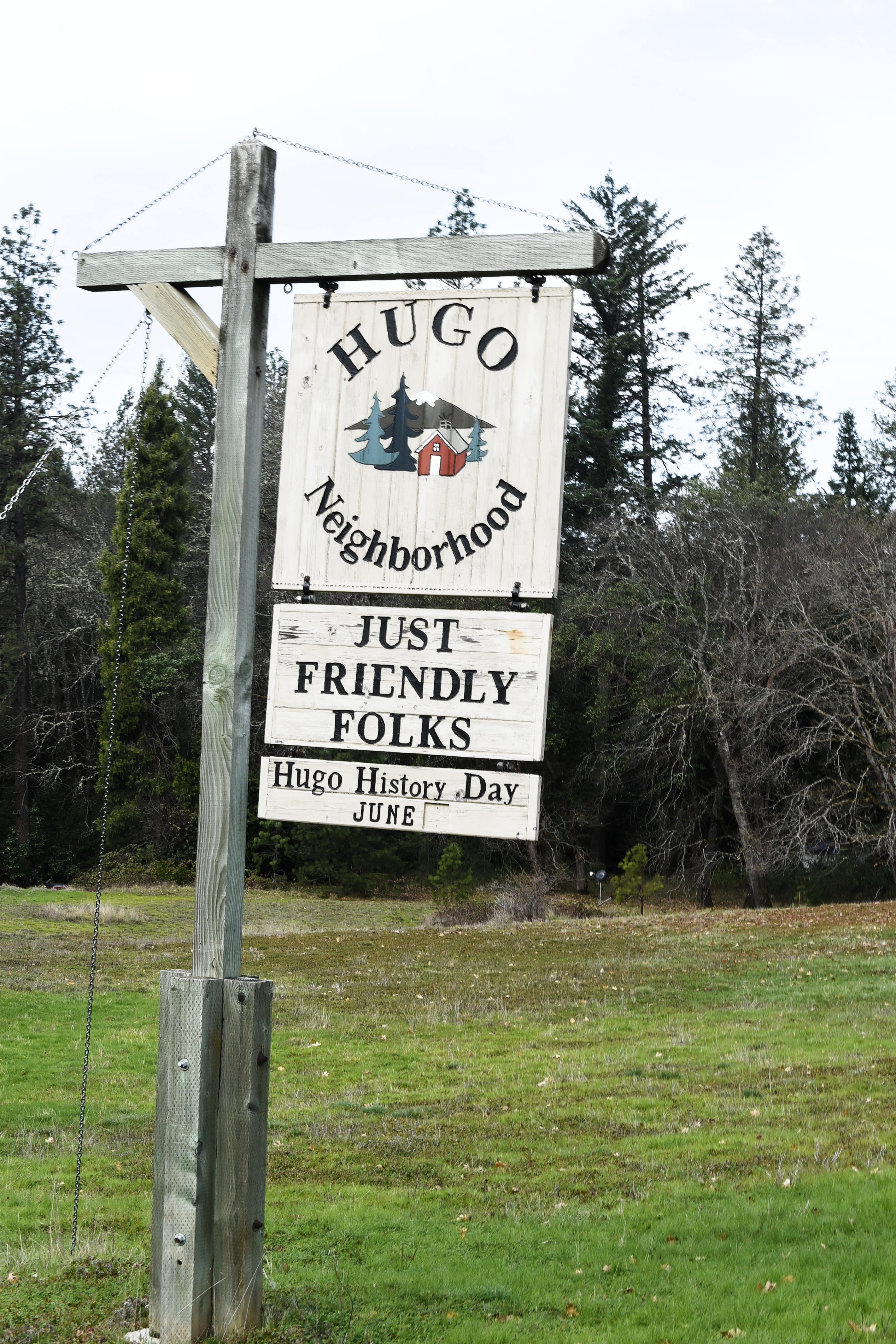
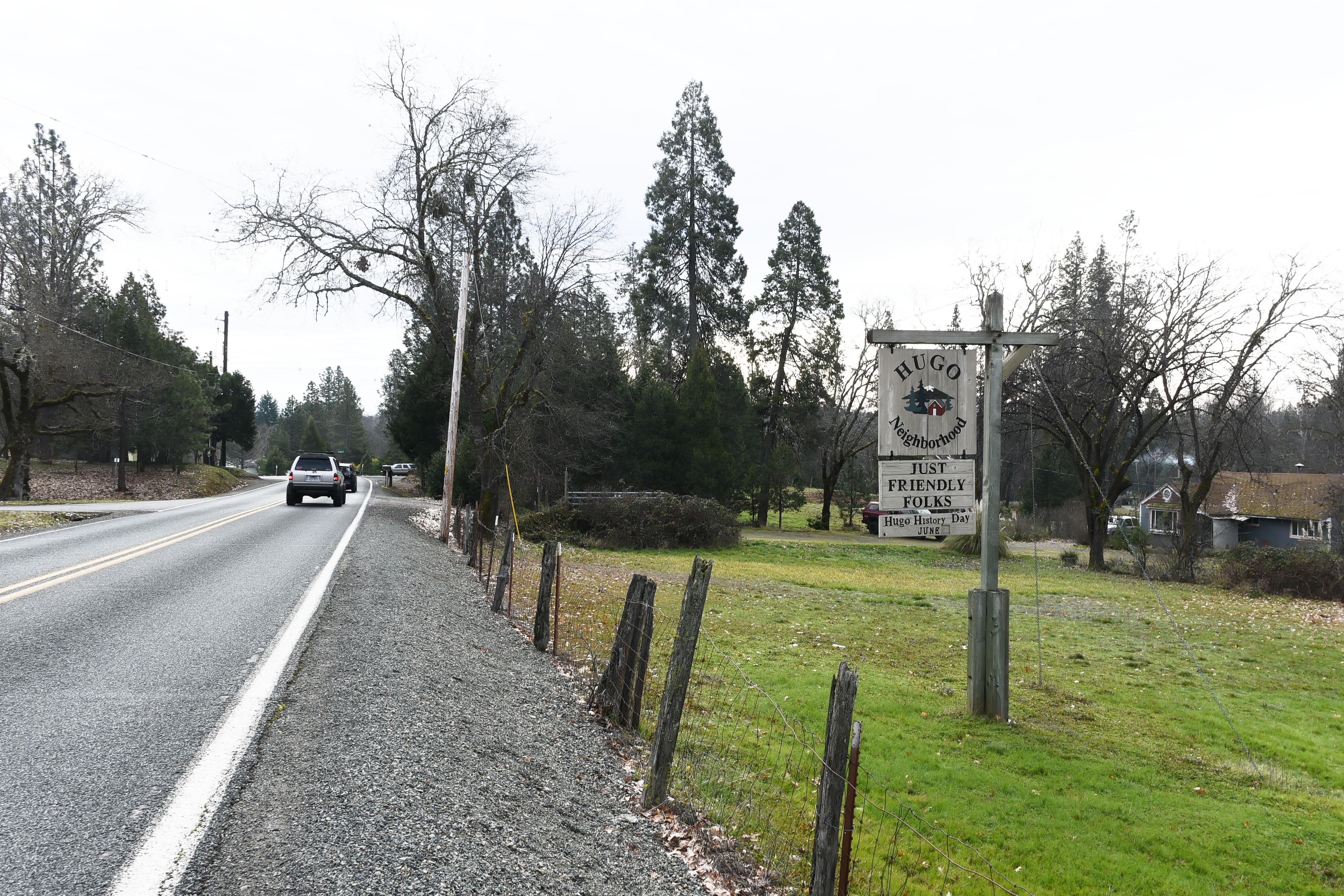
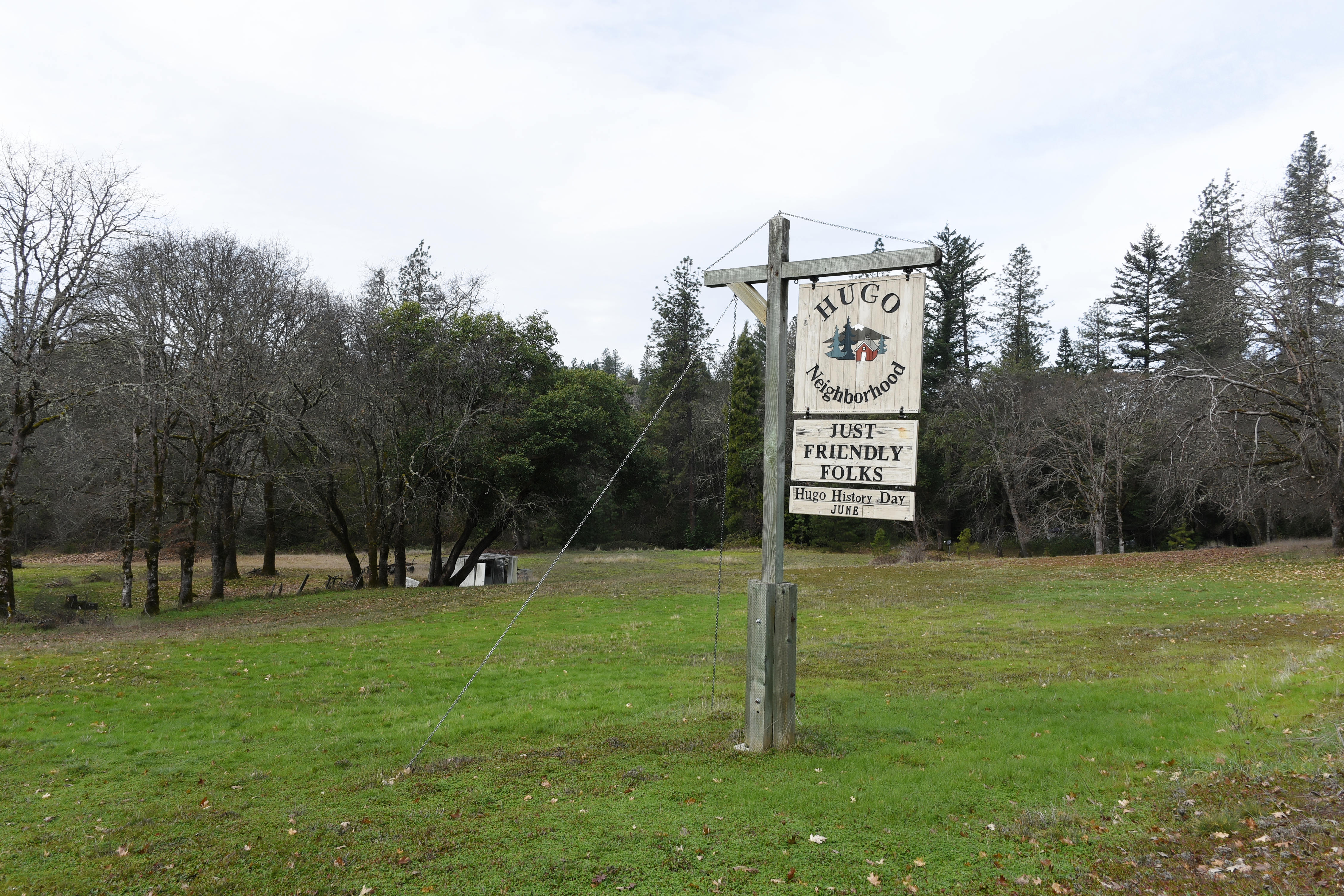
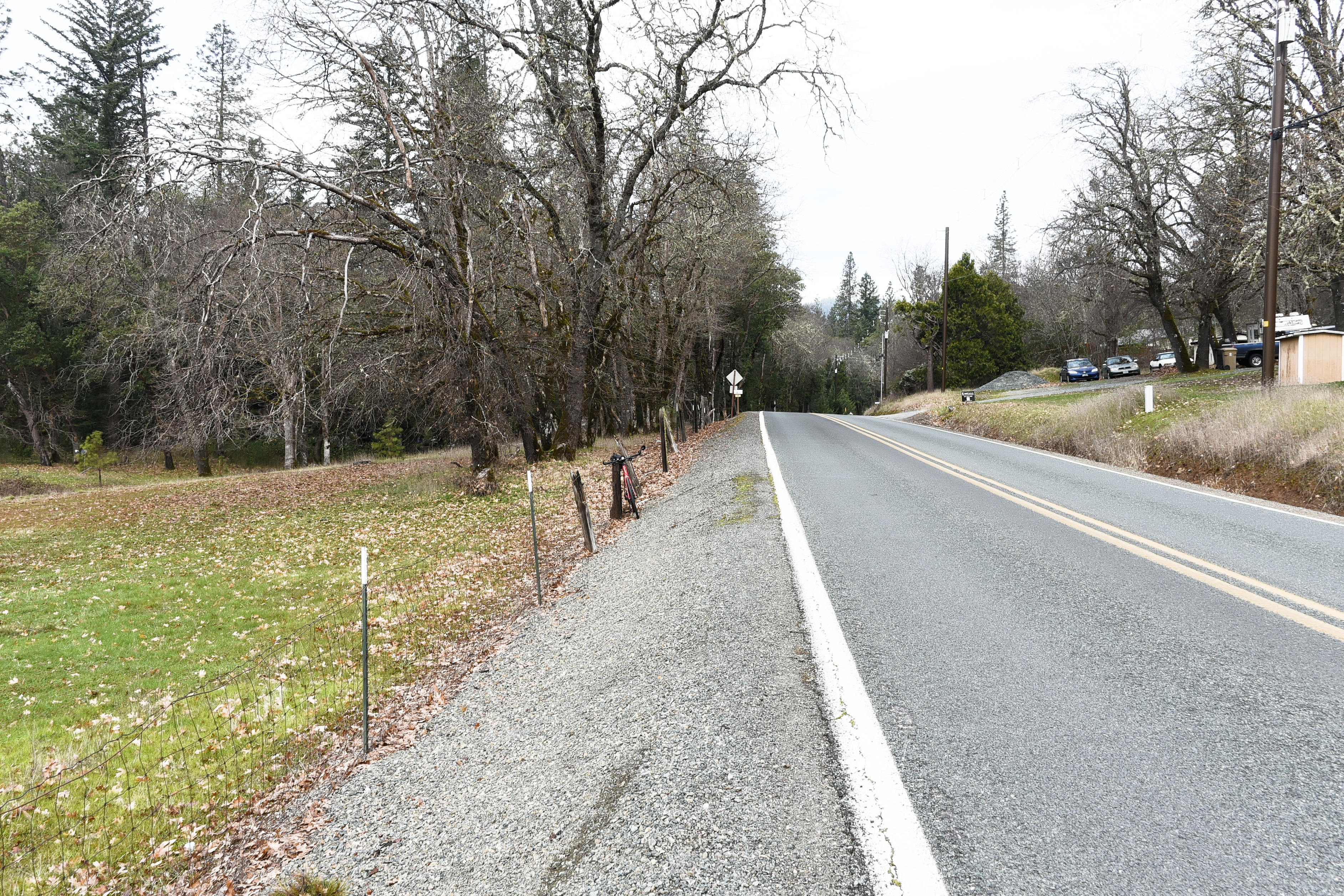
Of my three cycle rides a week, about once a week I turn left on Hugo Road, rather than turning right. After a very few miles I then turn right onto Three Pines Road. Less than a mile further on I pass a sign that speaks of our neighbourhood.
For those that live in this area are the friendliest Jeannie and I have ever known. And we are not the only ones to know this, as you will see from the following photos.
oooo
oooo
oooo
oooo
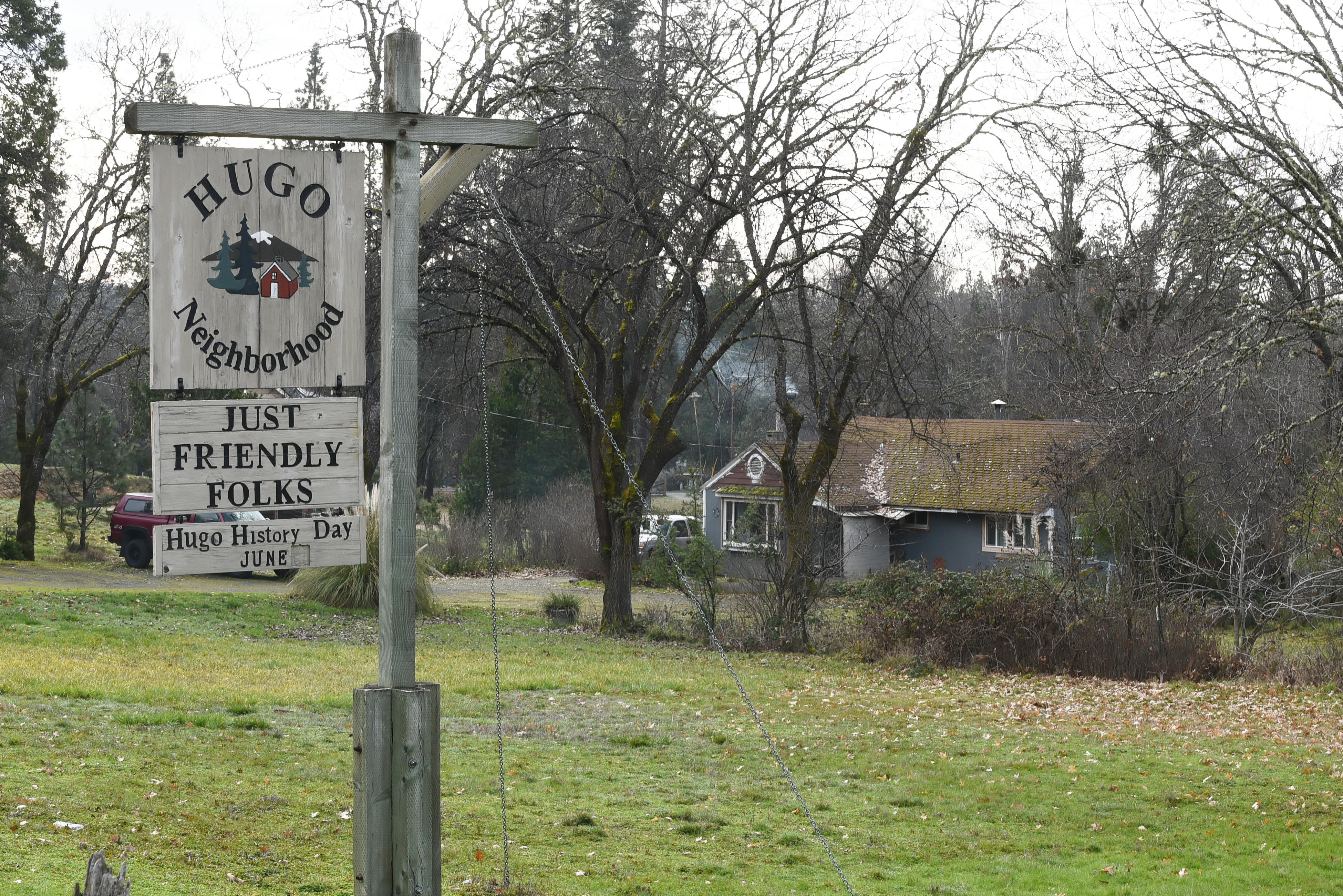
What the precise area is and why the locals are so, so friendly is beyond us. But to say we are grateful is an understatement. As the sign says:
“JUST FRIENDLY FOLKS”
The pictures from my grandson.
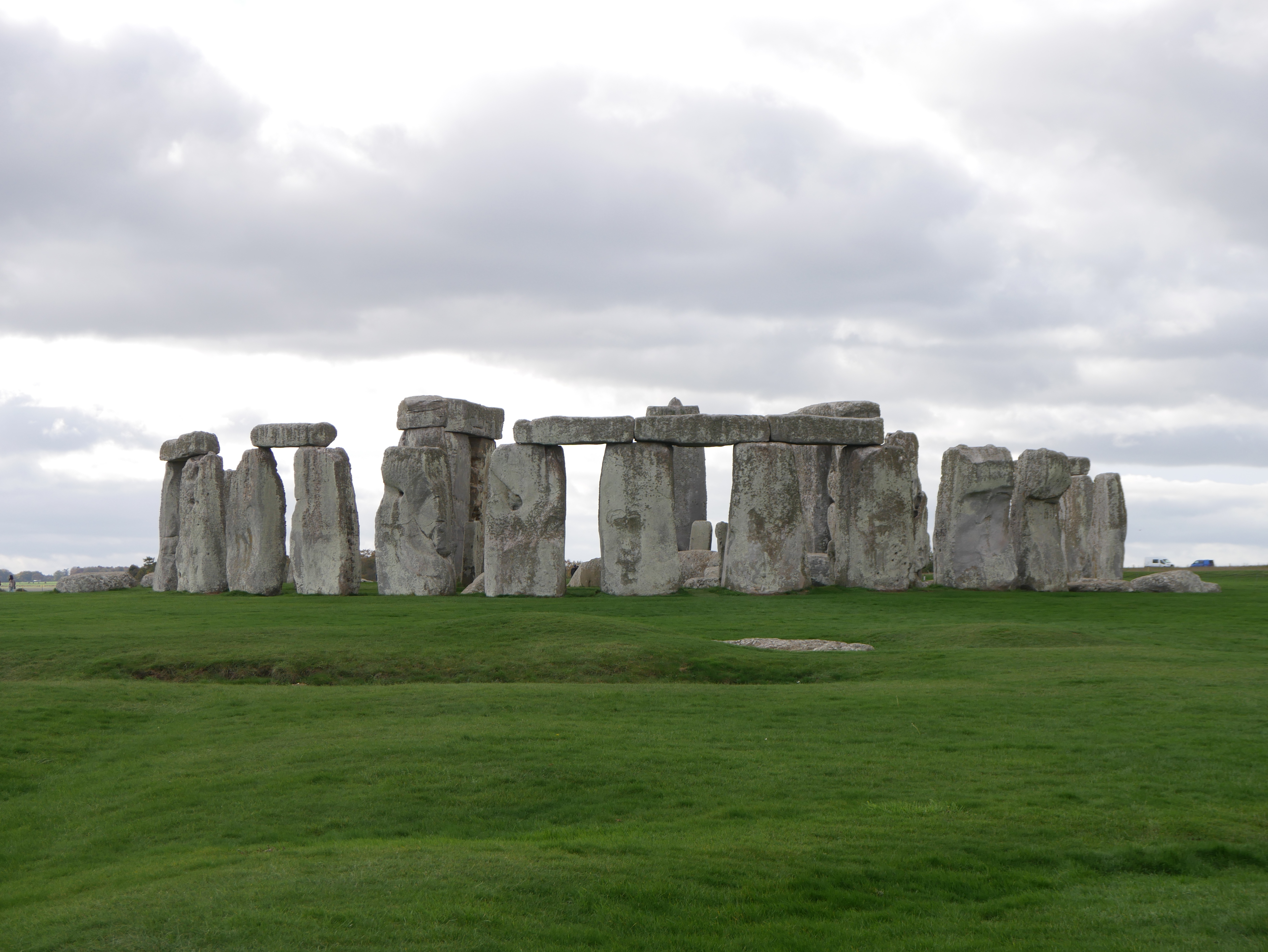
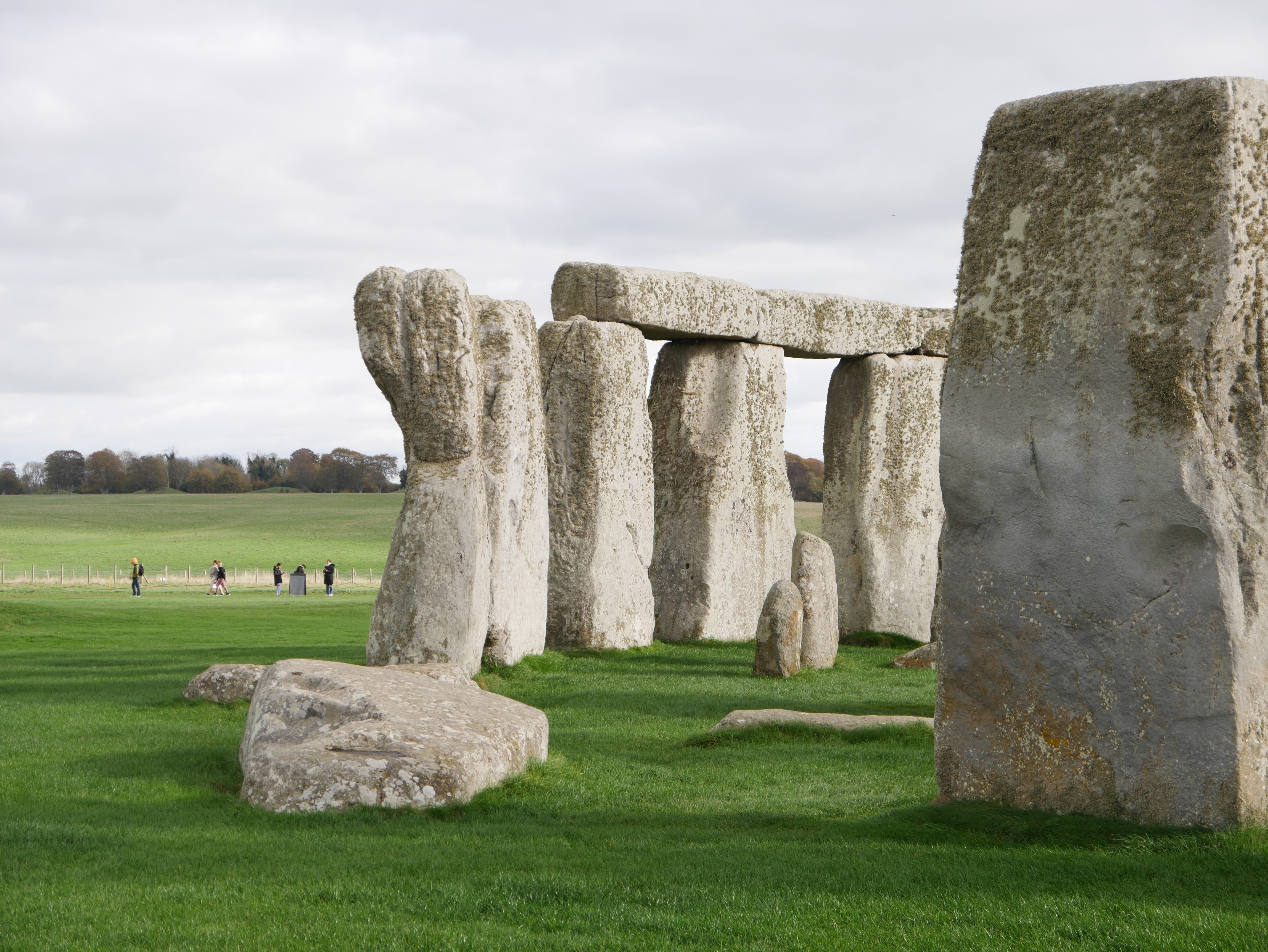
My grandson, Morten, is quite an accomplished photographer. He uses my son’s previous camera, a Lumix DMC G7. Morten is fourteen. These photographs are locations in Southern England.

oooo

oooo
oooo
oooo
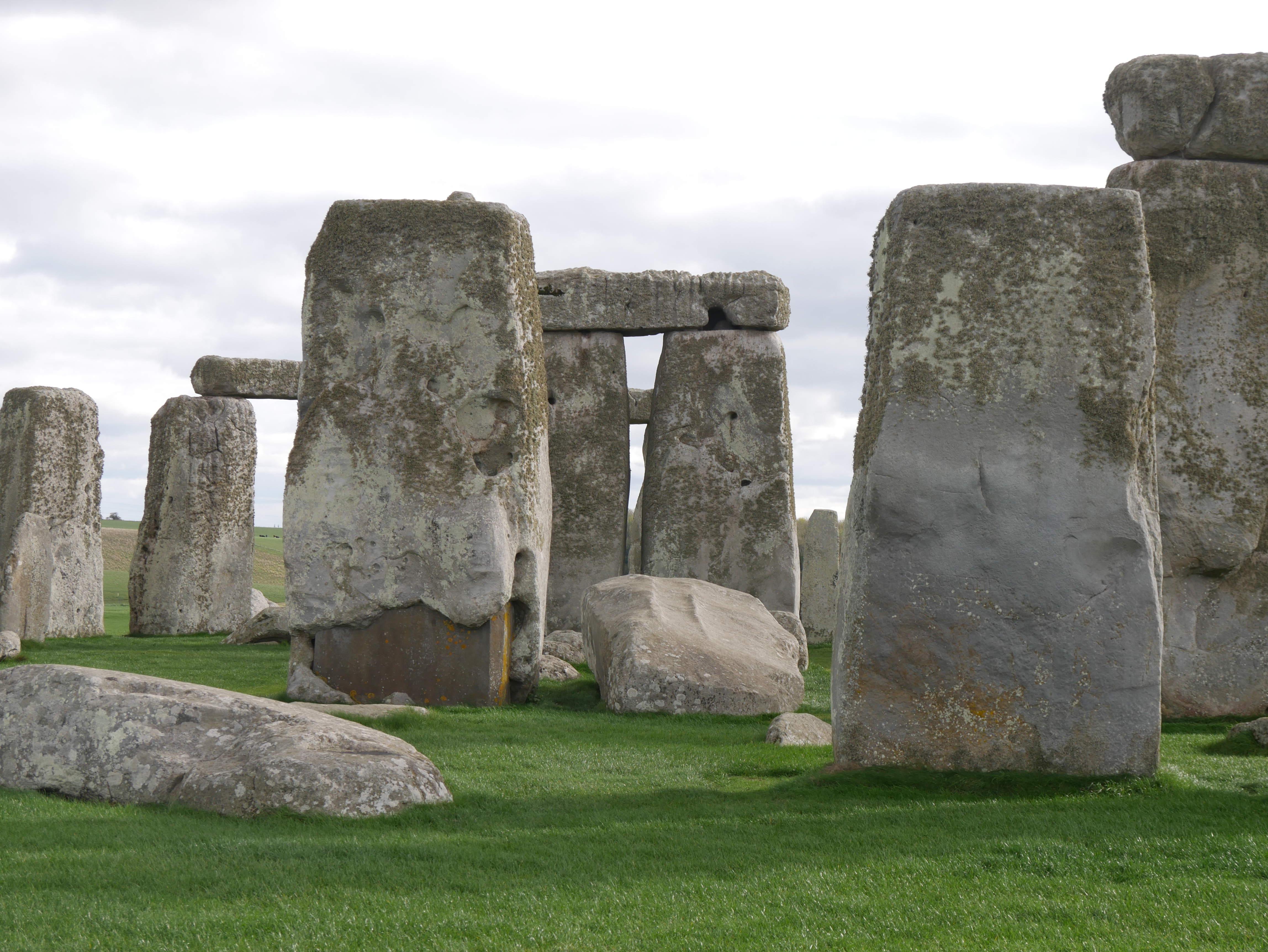
Beautiful, Stunning, and Perfect.
It’s stating the obvious but all the above photographs are Copyright 2025 Morten Ronning, and All Rights Are Reserved.
A very ancient event that is still important today.
BBC Radio 4 is broadcasting this week a series of programmes under the title of ‘An Almanac for Anxiety: In Search of a Calmer Mind’. The first episode was Fire.
The history of fire circles spans ancient human gathering traditions, modern pagan rituals, and even fire performance art, evolving from basic survival and community building around fire to intentional spiritual circles for healing, transformation, or entertainment, with practices rooted in ancient fire veneration and a recent resurgence of shamanic/Pagan practices in Western culture, notes 4qf.org and Patheos.
The above was copied, in part, from a Google ‘AI’ article.
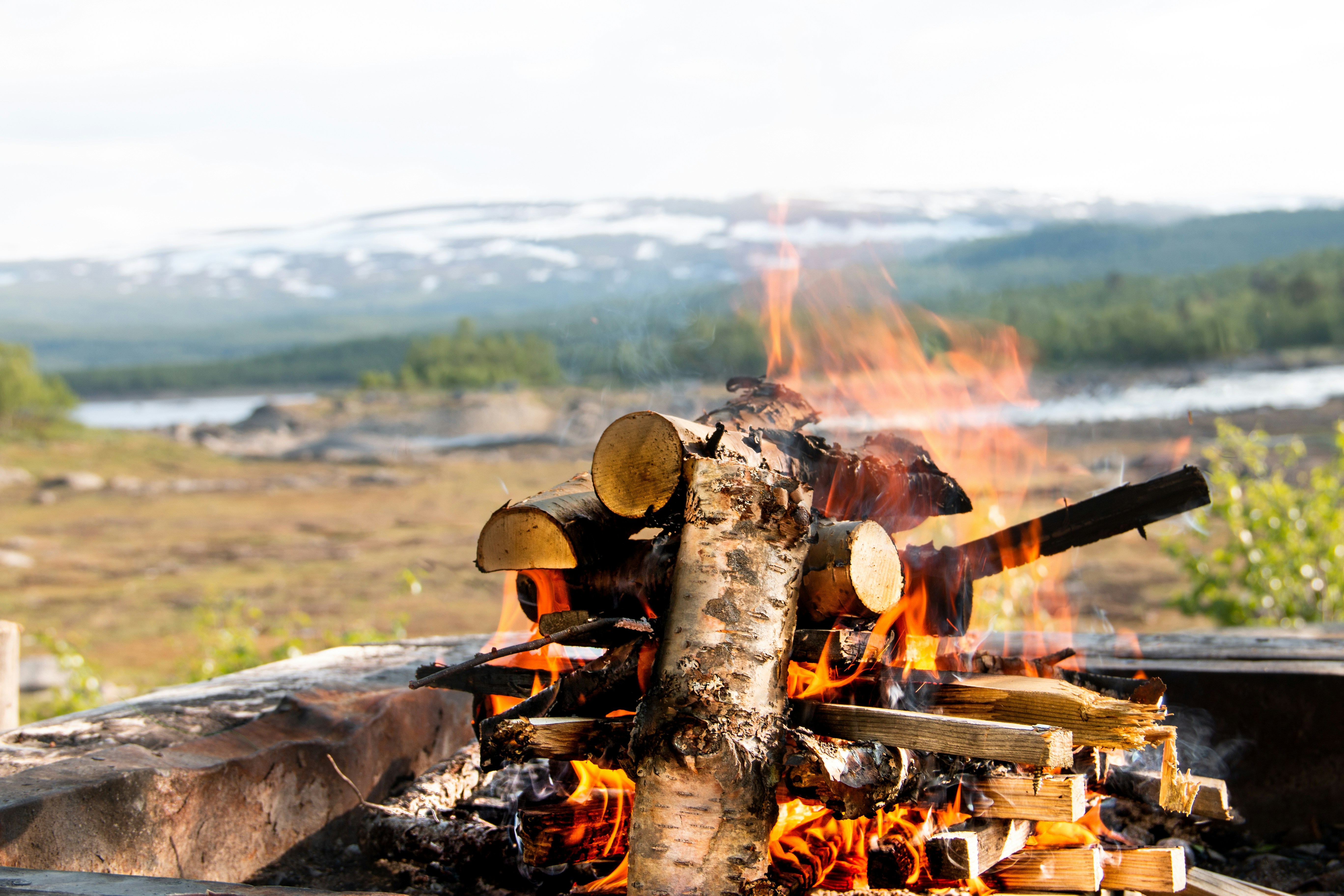
Here is a YouTube video on how to participate in a Fire Circle:
A Very Happy New Year!
We have not lost our wolves.
Here is a partial list of the wolf situation in Oregon:
However, in eastern North America things are not so good; as this article from The Coversation explains:
ooOOoo
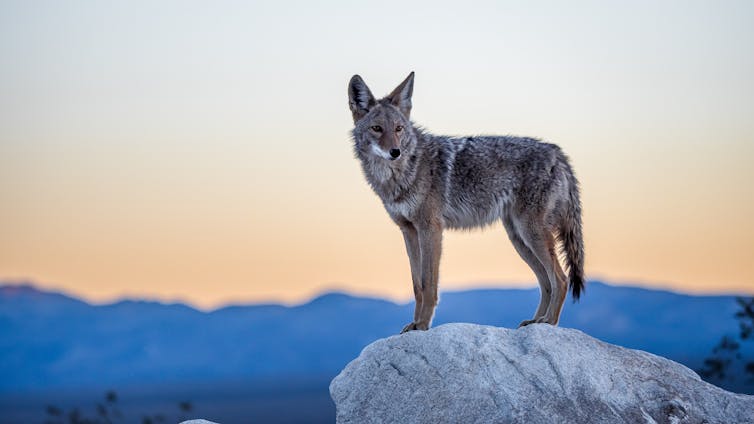
Alex Jensen, North Carolina State University
Imagine a healthy forest, home to a variety of species: Birds are flitting between tree branches, salamanders are sliding through leaf litter, and wolves are tracking the scent of deer through the understory. Each of these animals has a role in the forest, and most ecologists would argue that losing any one of these species would be bad for the ecosystem as a whole.
Unfortunately – whether due to habitat loss, overhunting or introduced species – humans have made some species disappear. At the same time, other species have adapted to us and spread more widely.
As an ecologist, I’m curious about what these changes mean for ecosystems – can these newly arrived species functionally replace the species that used to be there? I studied this process in eastern North America, where some top predators have disappeared and a new predator has arrived.
Wolves used to roam across every state east of the Mississippi River. But as the land was developed, many people viewed wolves as threats and wiped most of them out. These days, a mix of gray wolves and eastern wolves persist in Canada and around the Great Lakes, which I collectively refer to as northeastern wolves. There’s also a small population of red wolves – a distinct and smaller species of wolf – on the coast of North Carolina.
The disappearance of wolves may have given coyotes the opportunity they needed. Starting around 1900, coyotes began expanding their range east and have now colonized nearly all of eastern North America.

So are coyotes the new wolf? Can they fill the same ecological role that wolves used to? These are the questions I set out to answer in my paper published in August 2025 in the Stacks Journal. I focused on their role as predators – what they eat and how often they kill big herbivores, such as deer and moose.
I started by reviewing every paper I could find on wolf or coyote diets, recording what percent of scat or stomach samples contained common food items such as deer, rabbits, small rodents or fruit. I compared northeastern wolf diets to northeastern coyote diets and red wolf diets to southeastern coyote diets.
I found two striking differences between wolf and coyote diets. First, wolves ate more medium-sized herbivores. In particular, they ate more beavers in the northeast and more nutria in the southeast. Both of these species are large aquatic rodents that influence ecosystems – beaver dam building changes how water moves, sometimes undesirably for land owners, while nutria are non-native and damaging to wetlands.
Second, wolves have narrower diets overall. They eat less fruit and fewer omnivores such as birds, raccoons and foxes, compared to coyotes. This means that coyotes are likely performing some ecological roles that wolves never did, such as dispersing fruit seeds in their poop and suppressing populations of smaller predators.
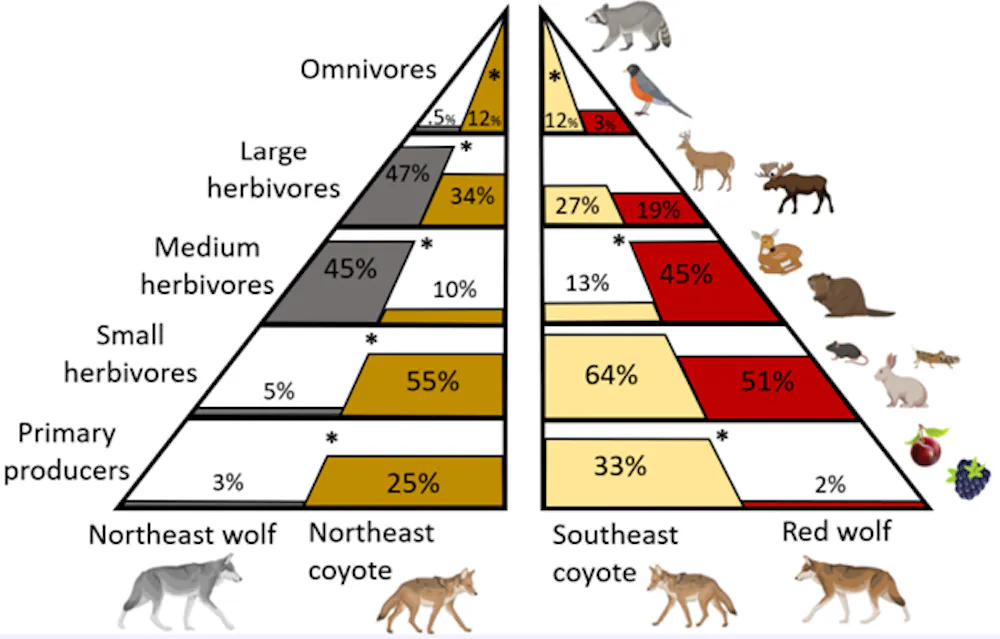
But diet studies alone cannot tell the whole story – it’s usually impossible to tell whether coyotes killed or scavenged the deer they ate, for example. So I also reviewed every study I could find on ungulate mortality – these are studies that tag deer or moose, track their survival, and attribute a cause of death if they die.
These studies revealed other important differences between wolves and coyotes. For example, wolves were responsible for a substantial percentage of moose deaths – 19% of adults and 40% of calves – while none of the studies documented coyotes killing moose. This means that all, or nearly all, of moose in coyote diets is scavenged.
Coyotes are adept predators of deer, however. In the northeast, they killed more white-tailed deer fawns than wolves did, 28% compared to 15%, and a similar percentage of adult deer, 18% compared to 22%. In the southeast, coyotes killed 40% of fawns but only 6% of adults.
Rarely killing adult deer in the southeast could have implications for other members of the ecological community. For example, after killing an adult ungulate, many large predators leave some of the carcass behind, which can be an important source of food for scavengers. Although there is no data on how often red wolves kill adult deer, it is likely that coyotes are not supplying food to scavengers to the same extent that red wolves do.
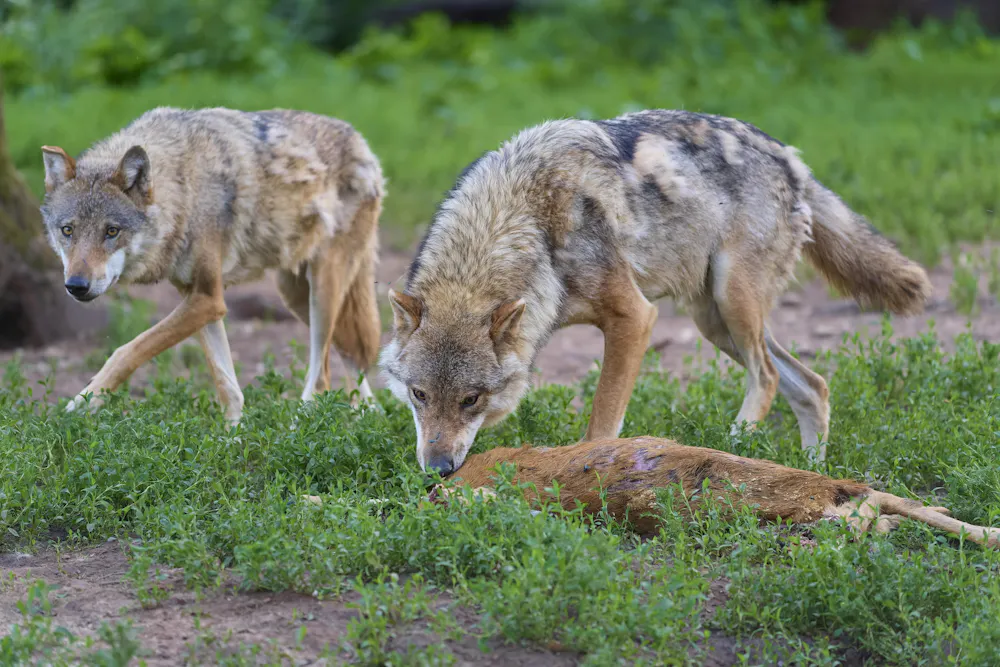
So what does this all mean? It means that although coyotes eat some of the same foods, they cannot fully replace wolves. Differences between wolves and coyotes were particularly pronounced in the northeast, where coyotes rarely killed moose or beavers. Coyotes in the southeast were more similar to red wolves, but coyotes likely killed fewer nutria and adult deer.
The return of wolves could be a natural solution for regions where wildlife managers desire a reduction in moose, beaver, nutria or deer populations.
Yet even with the aid of reintroductions, wolves will likely never fully recover their former range in eastern North America – there are too many people. Coyotes, on the other hand, do quite well around people. So even if wolves never fully recover, at least coyotes will be in those places partially filling the role that wolves once had.
Indeed, humans have changed the world so much that it may be impossible to return to the way things were before people substantially changed the planet. While some restoration will certainly be possible, researchers can continue to evaluate the extent to which new species can functionally replace missing species.
Alex Jensen, Postdoctoral Associate – Wildlife Ecology, North Carolina State University
This article is republished from The Conversation under a Creative Commons license. Read the original article.
ooOOoo
So there is a big difference between the Eastern seaboard and the Western States of the USA. We live in the forested part of Southern Oregon but I have never seen a wolf despite Alex Jensen writing that they inhabit this area.
The wolf is a magnificent animal, the forerunner of the dog. I would love to see a wolf!
What is revealed in most dogs’ genes.
On November 24th this year, The Conversation published an article that spoke of the ancient closeness, as in genetically, of wolves and dogs.
I share it with you. It is a fascinating read.
ooOOoo
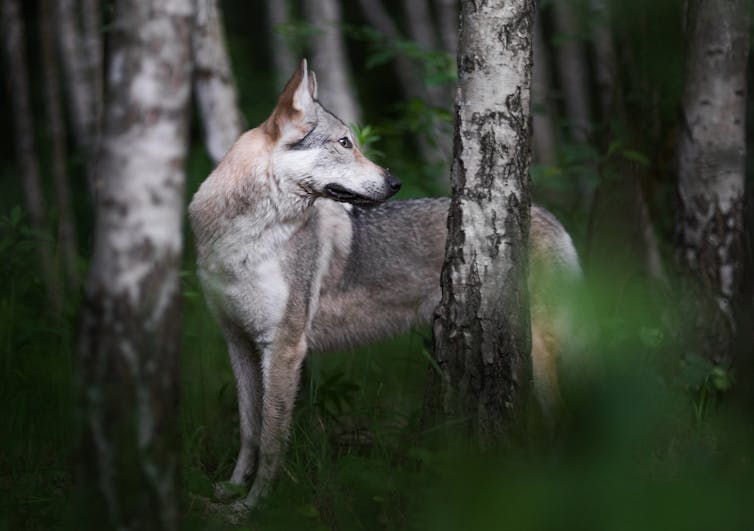
Audrey T. Lin, Smithsonian Institution and Logan Kistler, Smithsonian Institution
Dogs were the first of any species that people domesticated, and they have been a constant part of human life for millennia. Domesticated species are the plants and animals that have evolved to live alongside humans, providing nearly all of our food and numerous other benefits. Dogs provide protection, hunting assistance, companionship, transportation and even wool for weaving blankets.
Dogs evolved from gray wolves, but scientists debate exactly where, when and how many times dogs were domesticated. Ancient DNA evidence suggests that domestication happened twice, in eastern and western Eurasia, before the groups eventually mixed. That blended population was the ancestor of all dogs living today.
Molecular clock analysis of the DNA from hundreds of modern and ancient dogs suggests they were domesticated between around 20,000 and 22,000 years ago, when large ice sheets covered much of Eurasia and North America. The first dog identified in the archaeological record is a 14,000-year-old pup found in Bonn-Oberkassel, Germany, but it can be difficult to tell based on bones whether an animal was an early domestic dog or a wild wolf.
Despite the shared history of dogs and wolves, scientists have long thought these two species rarely mated and gave birth to hybrid offspring. As an evolutionary biologist and a molecular anthropologist who study domestic plants and animals, we wanted to take a new look at whether dog-wolf hybridization has really been all that uncommon.
Dogs are not exactly descended from modern wolves. Rather, dogs and wolves living today both derive from a shared ancient wolf population that lived alongside woolly mammoths and cave bears.
In most domesticated species, there are often clear, documented patterns of gene flow between the animals that live alongside humans and their wild counterparts. Where wild and domesticated animals’ habitats overlap, they can breed with each other to produce hybrid offspring. In these cases, the genes from wild animals are folded into the genetic variation of the domesticated population.
For example, pigs were domesticated in the Near East over 10,000 years ago. But when early farmers brought them to Europe, they hybridized so frequently with local wild boar that almost all of their Near Eastern DNA was replaced. Similar patterns can be seen in the endangered wild Anatolian and Cypriot mouflon that researchers have found to have high proportions of domestic sheep DNA in their genomes. It’s more common than not to find evidence of wild and domesticated animals interbreeding through time and sharing genetic material.
That wolves and dogs wouldn’t show that typical pattern is surprising, since they live in overlapping ranges and can freely interbreed.
Dog and wolf behavior are completely different, though, with wolves generally organized around a family pack structure and dogs reliant on humans. When hybridization does occur, it tends to be when human activities – such as habitat encroachment and hunting – disrupt pack dynamics, leading female wolves to strike out on their own and breed with male dogs. People intentionally bred a few “wolf dog” hybrid types in the 20th century, but these are considered the exception.

To investigate how much gene flow there really has been between dogs and wolves after domestication, we analyzed 2,693 previously published genomes, making use of massive publicly available datasets.
These included 146 ancient dogs and wolves covering about 100,000 years. We also looked at 1,872 modern dogs, including golden retrievers, Chihuahuas, malamutes, basenjis and other well-known breeds, plus more unusual breeds from around the world such as the Caucasian ovcharka and Swedish vallhund.
Finally, we included genomes from about 300 “village dogs.” These are not pets but are free-living animals that are dependent on their close association with human environments.
We traced the evolutionary histories of all of these canids by looking at maternal lineages via their mitochondrial genomes and paternal lineages via their Y chromosomes. We used highly sensitive computational methods to dive into the dogs’ and wolves’ nuclear genomes – that is, the genetic material contained in their cells’ nuclei.
We found the presence of wild wolf genes in most dog genomes and the presence of dog genes in about half of wild wolf genomes. The sign of the wolf was small but it was there, in the form of tiny, almost imperceptible chunks of continuous wolf DNA in dogs’ chromosomes. About two-thirds of breed dogs in our sample had wolf genes from crossbreeding that took place roughly 800 generations ago, on average.
While our results showed that larger, working dogs – such as sled dogs and large guardian dogs that protect livestock – generally have more wolf ancestry, the patterns aren’t universal. Some massive breeds such as the St. Bernard completely lack wolf DNA, but the tiny Chihuahua retains detectable wolf ancestry at 0.2% of its genome. Terriers and scent hounds typically fall at the low end of the spectrum for wolf genes.

We were surprised that every single village dog we tested had pieces of wolf DNA in their genomes. Why would this be the case? Village dogs are free-living animals that make up about half the world’s dogs. Their lives can be tough, with short life expectancy and high infant mortality. Village dogs are also associated with pathogenic diseases, including rabies and canine distemper, making them a public health concern.
More often than predicted by chance, the stretches of wolf DNA we found in village dog genomes contained genes related to olfactory receptors. We imagine that olfactory abilities influenced by wolf genes may have helped these free-living dogs survive in harsh, volatile environments.
Because dogs evolved from wolves, all of dogs’ DNA is originally wolf DNA. So when we’re talking about the small pieces of wolf DNA in dog genomes, we’re not referring to that original wolf gene pool that’s been kicking around over the past 20,000 years, but rather evidence for dogs and wolves continuing to interbreed much later in time.
A wolf-dog hybrid with one of each kind of parent would carry 50% dog and 50% wolf DNA. If that hybrid then lived and mated with dogs, its offspring would be 25% wolf, and so on, until we see only small snippets of wolf DNA present.
The situation is similar to one in human genomes: Neanderthals and humans share a common ancestor around half a million years ago. However, Neanderthals and our species, Homo sapiens, also overlapped and interbred in Eurasia as recently as a few thousand generations ago, shortly before Neanderthals disappeared. Scientists can spot the small pieces of Neanderthal DNA in most living humans in the same way we can see wolf genes within most dogs.

Our study updates the previously held belief that hybridization between dogs and wolves is rare; interactions between these two species do have visible genetic traces. Hybridization with free-roaming dogs is considered a threat to conservation efforts of endangered wolves, including Iberian, Italian and Himalayan wolves. However, there also is evidence that dog-wolf mixing might confer genetic advantages to wolves as they adapt to environments that are increasingly shaped by humans.
Though dogs evolved as human companions, wolves have served as their genetic lifeline. When dogs encountered evolutionary challenges such as how to survive harsh climates, scavenge for food in the streets or guard livestock, it appears they’ve been able to tap into wolf ancestry as part of their evolutionary survival kit.
Audrey T. Lin, Research Associate in Anthropology, Smithsonian Institution and Logan Kistler, Curator of Archaeobotany and Archaeogenomics, National Museum of Natural History, Smithsonian Institution
This article is republished from The Conversation under a Creative Commons license. Read the original article.
ooOOoo
Well thanks to Audrey Lin and Logan Kistler for this very interesting study. So even modern dogs have visible traces of wolf in their DNA. It is yet another example of the ability of modern science to discover facts that were unknown a few decades ago.
An incredible fact, as in the truth, that almost nobody will accept.
Until the 22nd November, 2025, that is last Saturday, I believed this lie. A lie that spoke of the dangers, the hazards, the imminent end of the world as I believed it; as in Climate Change!
Very few of you will change your minds, of that I’m sure.
Nonetheless, I am going to republish a long article that was sent to me by my buddy, Dan Gomez.
ooOOoo
Latest Science Further Exposes Lies About Rising Seas
By Vijay Jayaraj
It’s all too predictable: A jet-setting celebrity or politician wades ceremoniously into hip-deep surf for a carefully choreographed photo op, while proclaiming that human-driven sea-level rise will soon swallow an island nation. Of course, the water is deeper than the video’s pseudoscience, which is as shallow as the theatrics.
The scientific truth is simple: Sea levels are rising, but the rate of rise has not accelerated. A new peer-reviewed study confirms what many other studies have already shown – that the steady rise of oceans is a centuries-long process, not a runaway crisis triggered by modern emissions of carbon dioxide (CO2).
For the past 12,000 years, during our current warm epoch known as the Holocene, sea levels have risen and fallen dramatically. For instance, during the 600-year Little Ice Age, which ended in the mid-19th century, sea levels dropped quite significantly.
The natural warming that began in the late 1600s got to a point around 1800 where loss of glacial ice in the summer began to exceed winter accumulation and glaciers began to shrink and seas to rise. By 1850, full-on glacial retreat was underway.
Thus, the current period of gradual sea-level increase began between 1800-1860, preceding any significant anthropogenic CO2 emissions by many decades. The U.S. Department of Energy’s 2025 critical review on carbon dioxide and climate change confirms this historical perspective.
“There is no good, sufficient or convincing evidence that global sea level rise is accelerating –there is only hypothesis and speculation. Computation is not evidence and unless the results can be practically viewed and measured in the physical world, such results must not be presented as such,” notes Kip Hansen, researcher and former U.S. Coast Guard captain.
New Study Confirms No Crisis
While activists speak of “global sea-level rise,” the ocean’s surface does not behave like water in a bathtub. Regional currents, land movements, and local hydrology all influence relative sea level. This is why local tide gauge data is important. As Hansen warns, “Only actually measured, validated raw data can be trusted. … You have to understand exactly what’s been measured and how.”
In addition, local tide-gauge data cannot be extrapolated to represent global sea level. This is because the geographic coverage of suitable locations for gauges is often poor, with the majority concentrated in the Northern Hemisphere. Latin America and Africa are severely under-represented in the global dataset. Hansen says, “The global tide gauge record is quantitatively problematic, but individual records can be shown as qualitative evidence for a lack of sea-level rise acceleration.”
A new 2025 study provides confirmation. Published in the Journal of Marine Science and Engineering, the study systematically dismantles the narrative of accelerating sea-level rise. It analyzed empirically derived long-term rates from datasets of sufficient length – at least 60 years – and incorporated long-term tide signals from suitable locations.
The startling conclusion: Approximately 95% of monitoring locations show no statistically significant acceleration of sea-level rise. It was found that the steady rate of sea-level rise – averaging around 1 to 2 millimeters per year globally – mirrors patterns observed over the past 150 years.
The study suggests that projections by the Intergovernmental Panel on Climate Change (IPCC), which often predicts rates as high as 3 to 4 millimeters per year by 2100, overestimate the annual rise by approximately 2 millimeters.
This discrepancy is not trivial. It translates into billions of dollars in misguided infrastructure investments and adaptation policies, which assume a far worse scenario than what the data support. Because we now know that local, non-climatic phenomena are a plausible cause of the accelerated sea level rise measured locally.
Rather than pursuing economically destructive initiatives to reduce greenhouse gas emissions on the basis of questionable projections and erroneous climate science, money and time should be invested in supporting coastal communities with accurate data for practical planning to adapt to local sea level rise.
Successful adaptation strategies have existed for centuries in regions prone to flooding and sea-level variations. The Netherlands is an excellent example of how engineering solutions can protect coastal populations even living below sea level.
Rising seas are real but not a crisis. What we have is a manageable, predictable phenomenon to which societies have adapted for centuries. To inflate it into an existential threat is to mislead, misallocate, and ultimately harm the communities that policymakers claim to protect.
This commentary was first published by PJ Media on September 10, 2025.
Vijay Jayaraj is a Science and Research Associate at the CO₂ Coalition, Fairfax, Virginia. He holds an M.S. in environmental sciences from the University of East Anglia and a postgraduate degree in energy management from Robert Gordon University, both in the U.K., and a bachelor’s in engineering from Anna University, India.
ooOOoo
I shall be returning to this important topic soon. Probably by republishing that 2025 Study referred to in the above article.
I hope that you read this post.
Thank you, Dan.
An article in The Conversation caught my eye.
We must never forget that evolution is always happening.
So without any more from me here is that article.
ooOOoo
Michael A. Little, Binghamton University, State University of New York
If evolution is real, then why is it not happening now? – Dee, Memphis, Tennessee
Many people believe that we humans have conquered nature through the wonders of civilization and technology. Some also believe that because we are different from other creatures, we have complete control over our destiny and have no need to evolve. Even though lots of people believe this, it’s not true.
Like other living creatures, humans have been shaped by evolution. Over time, we have developed – and continue to develop – the traits that help us survive and flourish in the environments where we live.
I’m an anthropologist. I study how humans adapt to different environments. Adaptation is an important part of evolution. Adaptations are traits that give someone an advantage in their environment. People with those traits are more likely to survive and pass those traits on to their children. Over many generations, those traits become widespread in the population.
We humans have two hands that help us skillfully use tools and other objects. We are able to walk and run on two legs, which frees our hands for these skilled tasks. And we have large brains that let us reason, create ideas and live successfully with other people in social groups.
All of these traits have helped humans develop culture. Culture includes all of our ideas and beliefs and our abilities to plan and think about the present and the future. It also includes our ability to change our environment, for example by making tools and growing food.
Although we humans have changed our environment in many ways during the past few thousand years, we are still changed by evolution. We have not stopped evolving, but we are evolving right now in different ways than our ancient ancestors. Our environments are often changed by our culture.
We usually think of an environment as the weather, plants and animals in a place. But environments include the foods we eat and the infectious diseases we are exposed to.
A very important part of the environment is the climate and what kinds of conditions we can live in. Our culture helps us change our exposure to the climate. For example, we build houses and put furnaces and air conditioners in them. But culture doesn’t fully protect us from extremes of heat, cold and the sun’s rays.

Here are some examples of how humans have evolved over the past 10,000 years and how we are continuing to evolve today.
While the sun’s rays are important for life on our planet, ultraviolet rays can damage human skin. Those of us with pale skin are in danger of serious sunburn and equally dangerous kinds of skin cancer. In contrast, those of us with a lot of skin pigment, called melanin, have some protection against damaging ultraviolet rays from sunshine.
People in the tropics with dark skin are more likely to thrive under frequent bright sunlight. Yet, when ancient humans moved to cloudy, cooler places, the dark skin was not needed. Dark skin in cloudy places blocked the production of vitamin D in the skin, which is necessary for normal bone growth in children and adults.
The amount of melanin pigment in our skin is controlled by our genes. So in this way, human evolution is driven by the environment – sunny or cloudy – in different parts of the world.
Ten thousand years ago, our human ancestors began to tame or domesticate animals such as cattle and goats to eat their meat. Then about 2,000 years later, they learned how to milk cows and goats for this rich food. Unfortunately, like most other mammals at that time, human adults back then could not digest milk without feeling ill. Yet a few people were able to digest milk because they had genes that let them do so.
Milk was such an important source of food in these societies that the people who could digest milk were better able to survive and have many children. So the genes that allowed them to digest milk increased in the population until nearly everyone could drink milk as adults.
This process, which occurred and spread thousands of years ago, is an example of what is called cultural and biological co-evolution. It was the cultural practice of milking animals that led to these genetic or biological changes.
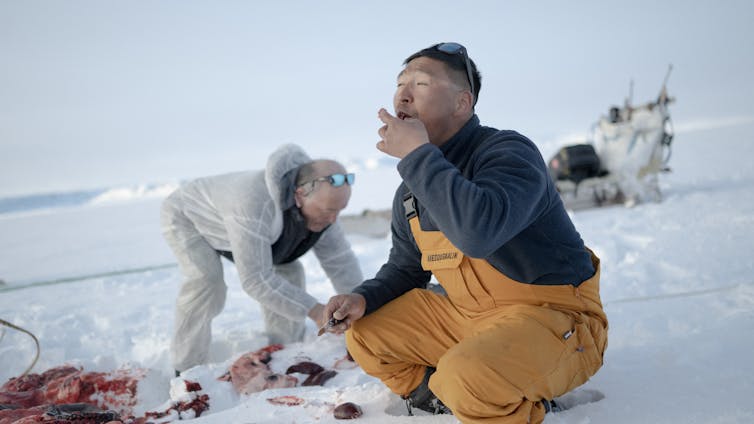
Other people, such as the Inuit in Greenland, have genes that enable them to digest fats without suffering from heart diseases. The Turkana people herd livestock in Kenya in a very dry part of Africa. They have a gene that allows them to go for long periods without drinking much water. This practice would cause kidney damage in other people because the kidney regulates water in your body.
These examples show how the remarkable diversity of foods that people eat around the world can affect evolution.

Like all living creatures, humans have been exposed to many infectious diseases. During the 14th century a deadly disease called the bubonic plague struck and spread rapidly throughout Europe and Asia. It killed about one-third of the population in Europe. Many of those who survived had a specific gene that gave them resistance against the disease. Those people and their descendants were better able to survive epidemics that followed for several centuries.
Some diseases have struck quite recently. COVID-19, for instance, swept the globe in 2020. Vaccinations saved many lives. Some people have a natural resistance to the virus based on their genes. It may be that evolution increases this resistance in the population and helps humans fight future virus epidemics.
As human beings, we are exposed to a variety of changing environments. And so evolution in many human populations continues across generations, including right now.
Michael A. Little, Distinguished Professor Emeritus of Anthropology, Binghamton University, State University of New York
This article is republished from The Conversation under a Creative Commons license. Read the original article.
ooOOoo
This was published for the Curious Kids section of The Conversation.
However, I believe this is relevant for those adults as well who are interested in the subject. I’m in my 80’s and find this deeply interesting.
 Learning from Dogs
